Today's Human Potential Pulse

Tech Exec Turns ADHD and Anxiety into Strategic Superpowers
Wainwright Yu, a director at a Magnificent 7 technology firm, describes how he uses his anxiety as a continuous risk‑monitoring system, running mental checklists that surface hidden threats before they materialize. He also leverages his ADHD‑driven mental roaming to synthesize big‑picture insights and connect disparate data points, turning perceived weaknesses into performance assets.

How to Rebuild Self-Trust After Betrayal and Gaslighting
Sharon Martin outlines how betrayal and gaslighting erode self‑trust and offers a step‑by‑step framework for rebuilding it. The guide emphasizes tiny personal commitments, regular internal check‑ins, self‑validation, assertiveness, and sustained self‑care. Martin notes that restoring self‑trust leads to clearer decision‑making and reduced reliance on external reassurance. The article positions these practices as essential for personal resilience and professional performance.
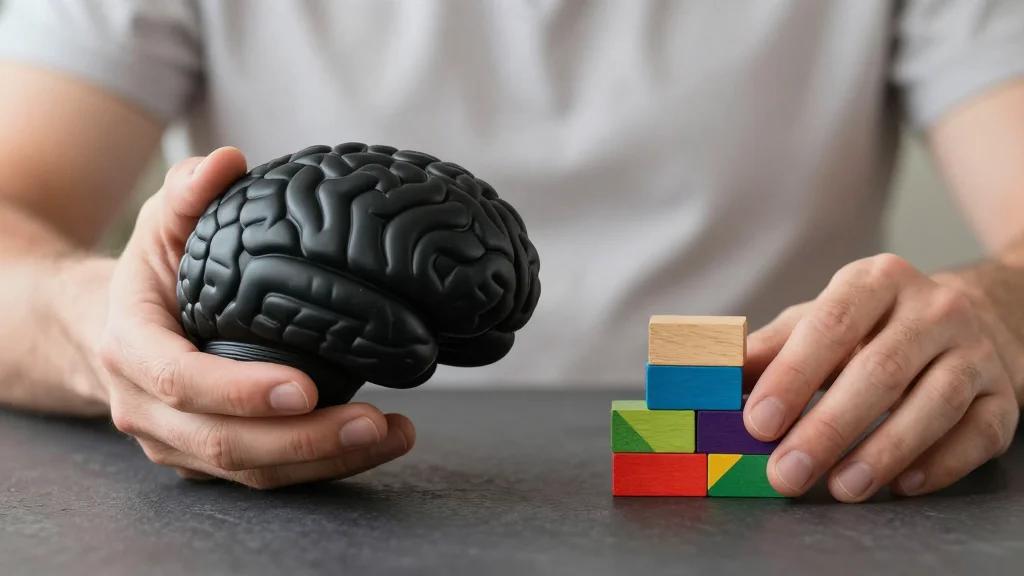
Five Science‑Backed Strategies to Sharpen Memory and Cut Forgetting
A recent scitechdaily.com feature outlines five practical techniques that can strengthen both working and long‑term memory. The piece links everyday habits—like managing distractions and spaced review—to specific brain regions, offering readers a roadmap to reduce forgetting and boost focus.

When Success Feels Stagnant, Lifestyle May Be Enough
My SaaS revenue and sign ups are flat I'm plateau-d at $1,000,000 a year A great achievement but a challenging spot to be in According to @robwalling only 5% of bootstrapped startups escape these types of revenue plateau The more complicated issue is that...

You Already Know What to Do—You Just Don’t Want the Consequences
The essay distinguishes genuine confusion from a subtler form of paralysis where the answer is known but the perceived cost of acting is too high. Readers are shown how they often label deliberate avoidance as “not knowing” to buy time...

Veteran Swim Educator Launches Online "Home-to-Pool Path" Course for Adult Water Confidence
Lotta D. Todd, a 25‑year swim‑instruction veteran, launched the self‑paced "Building Water Comfort – Online" course on April 27, 2026. The program teaches adults breath control and relaxation using a home‑based setup, aiming to remove fear before they step into...

I’m a Psychologist and a Runner: When Returning to the Sport, This Is What’s Holding You Back the Most
Amber Nelson, a social‑psychology PhD and seasoned runner, explains that the biggest barrier to returning to running after a long break is mental, not physical. She identifies temporal self‑comparison—measuring current performance against past peak achievements—as a source of frustration that...

Are You Building a Life or Just Maintaining One?
A physician describes feeling like he’s merely “keeping the machine running” despite solid income, family and career. The article argues that many high‑performing doctors hit a “maintenance trap” where routine work no longer stimulates them, often misread as burnout. It...

Embrace Unqualified Risks to Own Your Future
"Don’t be afraid to try what you’re not qualified to do. If I only did what I was qualified to do, I’d be pushing a broom somewhere." -Sacca I received an email from someone who said they had just listened to this episode...

8 Most Powerful Frameworks for Life
The post outlines eight high‑impact mental frameworks that the author uses to structure thinking, solve problems, and boost personal performance. Each framework—ranging from First‑Principles analysis to the Eisenhower Matrix—comes with a brief description and a practical tip for daily application....
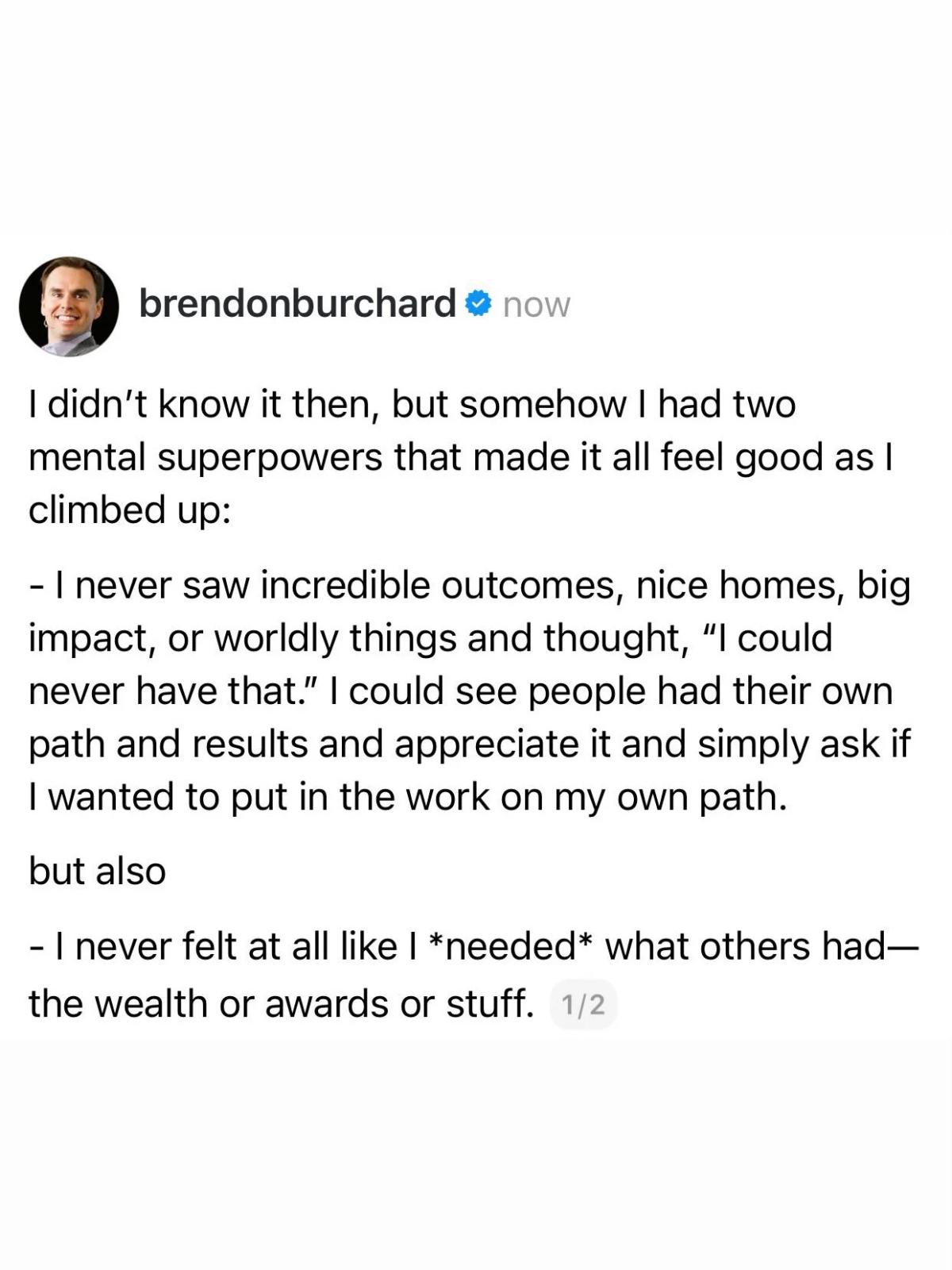
Living Fully Without Feeling Needy or Self‑Disqualified
I’m lucky I never thought to disqualify myself from the good life, and I also never felt needy for more. I don’t know where that came from but it has made all the difference. I achieve the things but didn’t...
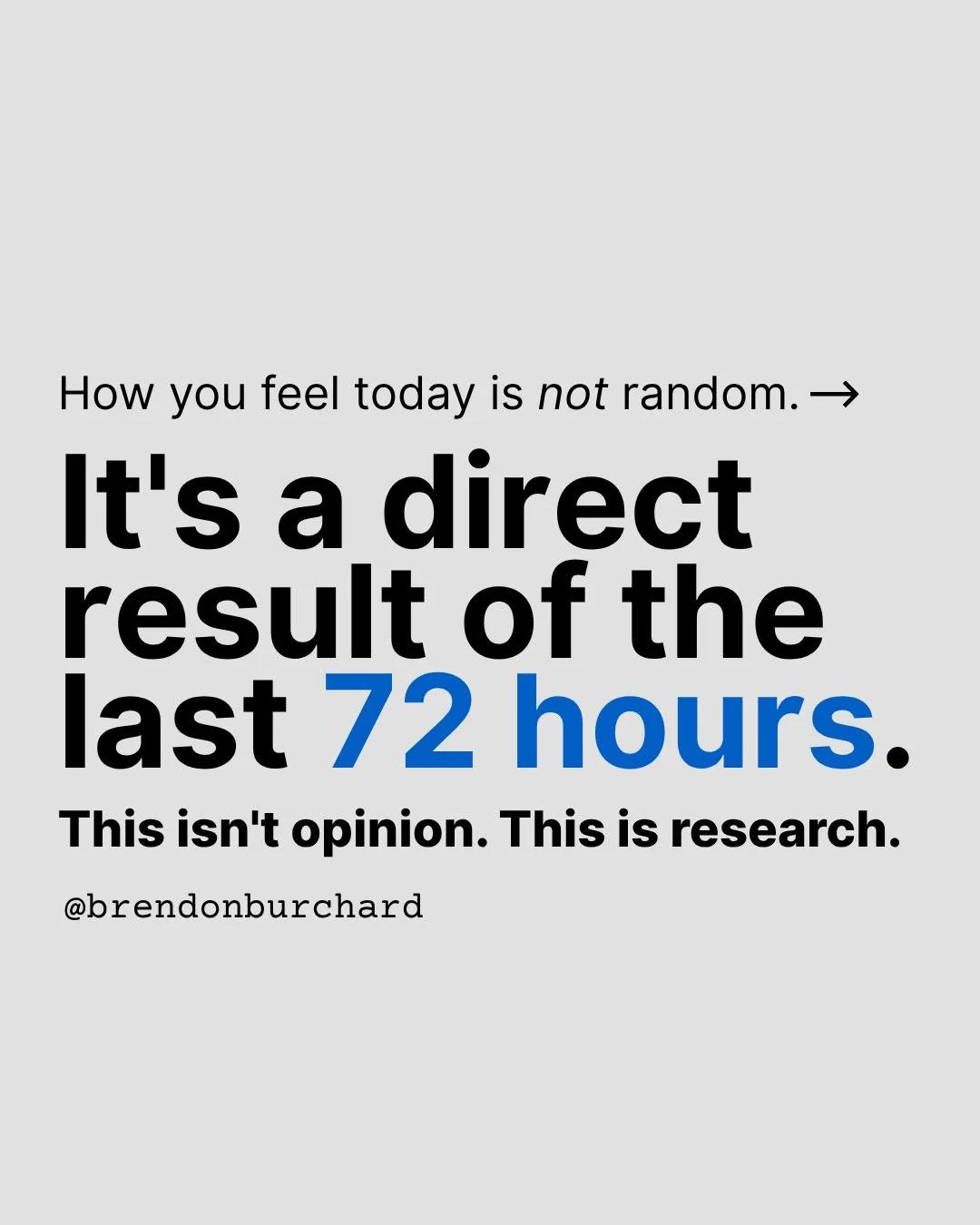
Your Mood Reflects 72 Hours of Intentional Choices
Your mood didn’t just happen. It’s the result of the last 72 hours. Your sleep, your food, your movement, your sunlight, the people you let in. Every single one of those is a choice. I’m not talking about being perfect. I’m talking about...

Shiva Sutra Promoted as Blueprint for Clarity in Modern Life
An opinion article published on April 28, 2026 argues that the Shiva Sutras offer a practical path from intellectual knowledge to inner clarity. The piece warns that unprocessed information can become a burden and suggests a shift toward direct awareness....

Push‑and‑Pull Threshold Training Promises Faster Race Times for Distance Runners
Atlanta‑based USATF Level II coach Carl Leivers unveiled a push‑and‑pull lactate‑threshold system that mixes sub‑threshold “push” runs with supra‑threshold “pull” intervals. The method promises tighter pace control and measurable speed gains for distance runners seeking personal‑record improvements.

Find Freedom by Valuing Your Path, Not Others' Success
I didn’t know it then, but somehow I had two mental superpowers that made it all feel good as I climbed up: - I never saw incredible outcomes, nice homes, big impact, or worldly things and thought, “I could never have...

All Roads Lead Back to Myself
In "All Roads Lead Back to Myself," the author reflects on how attempts to escape personal chaos repeatedly bring her back to self‑reflection. She describes the shift from trying to control external noise to nurturing an inner‑child and using tiny,...

Embrace Failure: Badness Precedes Mastery and Long‑Term Success
Most people quit because they forget that you have to be bad at something before you can be good at it. It's so obvious. You suck. Of course you're not going to win in 2 weeks. But if you can...

When Responsibility Masks Self‑Sabotage
Self-sabotage doesn't always look like blowing things up, sometimes it looks like... ☑ Staying late at work instead of making time for the people you love. ☑ Creating problems in relationships that were actually going fine. ☑ Refusing to ask for help and...

2 Years Ago, Incoming Apple CEO John Ternus Gave a Commencement Speech at His Alma Mater. His Advice Is Still...
Apple senior vice president of hardware John Ternus will replace Tim Cook as CEO in September. Two years ago he returned to the University of Pennsylvania to deliver a commencement address that emphasized meticulous craftsmanship. He recalled late‑night work on...

Consistent Intensity Transforms Business, Body, Life Faster
You can change your business in 1 month. You can change your body in 3 months. You can change your life in 6 months. We severely underestimate intensity + consistency.

TBL: 3 Things People Who Hit Their Goals All Do
The post argues that high achievers succeed by defining success on their own terms, aligning goals with core values, and measuring progress consistently. It warns that chasing external markers like titles or luxury goods leads to burnout and misaligned effort....

Do I Have a Different Personality in Different Languages?
The author, a multilingual speaker, recounts how learning Irish—a language she barely understood—unexpectedly boosted her confidence and altered her personality. While she initially feared speaking in any language, the challenge of speaking Irish forced her to seek out interactions, creating...

The Angel in the Marble
Leadership often mirrors Michelangelo’s carving process: the talent already exists, and the leader’s role is to free it. The article argues that many managers add tasks and restructure without a clear vision, obscuring employees’ innate strengths. By asking “what’s already...

Resist Life Less: Write Bird‑by‑Bird, Not Harder
Anne Lamott is the queen of writing teachers. Ask 100 writers for their favorite book about the craft, and her book, Bird by Bird, will top the list. Everybody who's tried to make a work of art knows how loud...
Discipline Is What You Do When Nothing Is Pushing You
The post argues that discipline spikes when external pressure creates clear deadlines, but true productivity requires a deeper, self‑generated version of discipline that operates without any push. When stakes are high, focus narrows and action feels automatic; when the pressure...
When Discipline Turns Into Something You Can’t Turn Off
The piece explores how disciplined habits evolve from deliberate actions into an automatic way of living. Initially, discipline is a conscious tool for structure and progress, but over time it becomes ingrained, guiding daily behavior without thought. While many view...
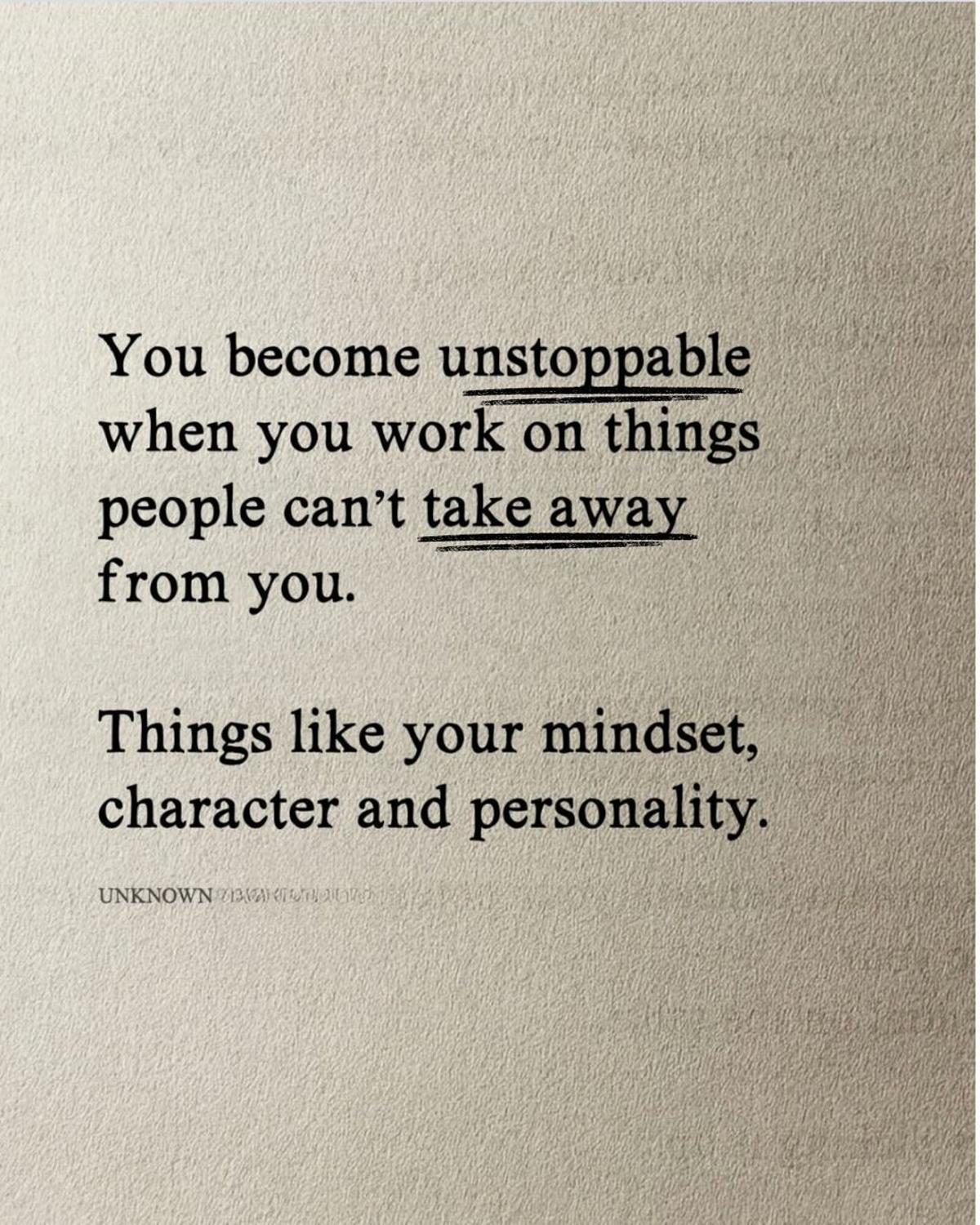
Build Unstealable Advantage Through Unshakable Internal Beliefs
The most durable advantages are the ones no one can confiscate. Titles can be taken. Markets can shift. Skills can get outdated. But the beliefs you build - about who you are, what you can learn, and how you respond under pressure - travel...

Hrithik Roshan and Kirti Kumar‑Patil Champion Discipline Over Motivation in New Self‑Help Debate
In a Netflix docu‑series interview, Hrithik Roshan says discipline trumps motivation for achieving goals, a view echoed by personal‑growth expert Kirti Kumar‑Patil. Their comments have reignited a long‑standing debate about what truly fuels long‑term success.

Neuroimaging Shows Hidden Brain Patterns, Negativity Rewiring, Meditation
Stanford Medicine researchers and a team led by Dr. Daniel Amen published back‑to‑back papers showing that group‑averaged brain scans hide personal activity patterns in over 4,000 children and that a negativity bias rewires the brains of nearly 2,000 patients. The...

Stop Complaining, Start Acting for a Better Life
REAL TALK: far too many people would rather complain (and makeup excuses) than take the action that would make their life better. Don’t be one of those people.

Why the Brain Prioritizes Comfort Over Completion With Age?
The post explains that as people age, their brains increasingly favor immediate comfort over long‑term task completion. Neurochemical shifts, especially reduced dopamine sensitivity to novelty, make familiar, low‑effort activities more rewarding. This comfort bias erodes self‑discipline, leading to procrastination even...

Your Mind Finishes Conversations That Never Happened
The article describes how people habitually rehearse future conversations in their minds, turning imagined dialogue into a continuous mental task. This rehearsal starts subtly—anticipating meetings or casual chats—and expands into detailed, repeated scripts that feel almost real. Over time, the...

The Quiet Pressure of Feeling Like You Should Be Further in Life
The post explores a quiet, internal pressure that stems from the belief you should already be further along in life. It describes how this unseen comparison infiltrates daily routines, shaping self‑evaluation and creating a sense of lag despite outward stability....
Mother Nature Steps In
The author, a neuroscience PhD, undertook a therapist‑recommended news fast and discovered how much of his day was consumed by constant news checking. By eliminating the habit, he became aware of the time previously lost to digital overload and began...
Limitless Ambition: From Olympic Cycling to Motorsport
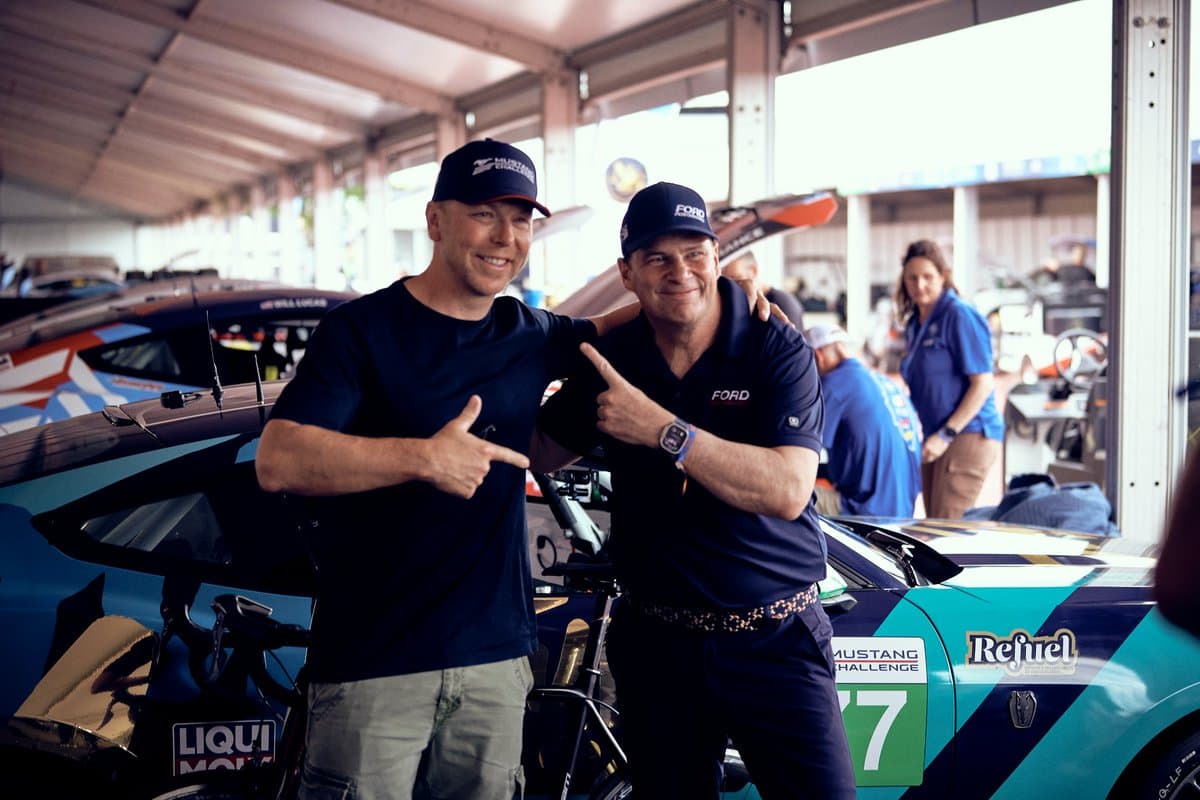
Sir @ChrisHoy is such an inspiration. He's a cycling legend with 7 Olympic medals and after 'retiring' he started a whole 2nd career in motorsport racing, became a best-selling author, and founded his charity project, @Tour_de_4. I’m so inspired by...
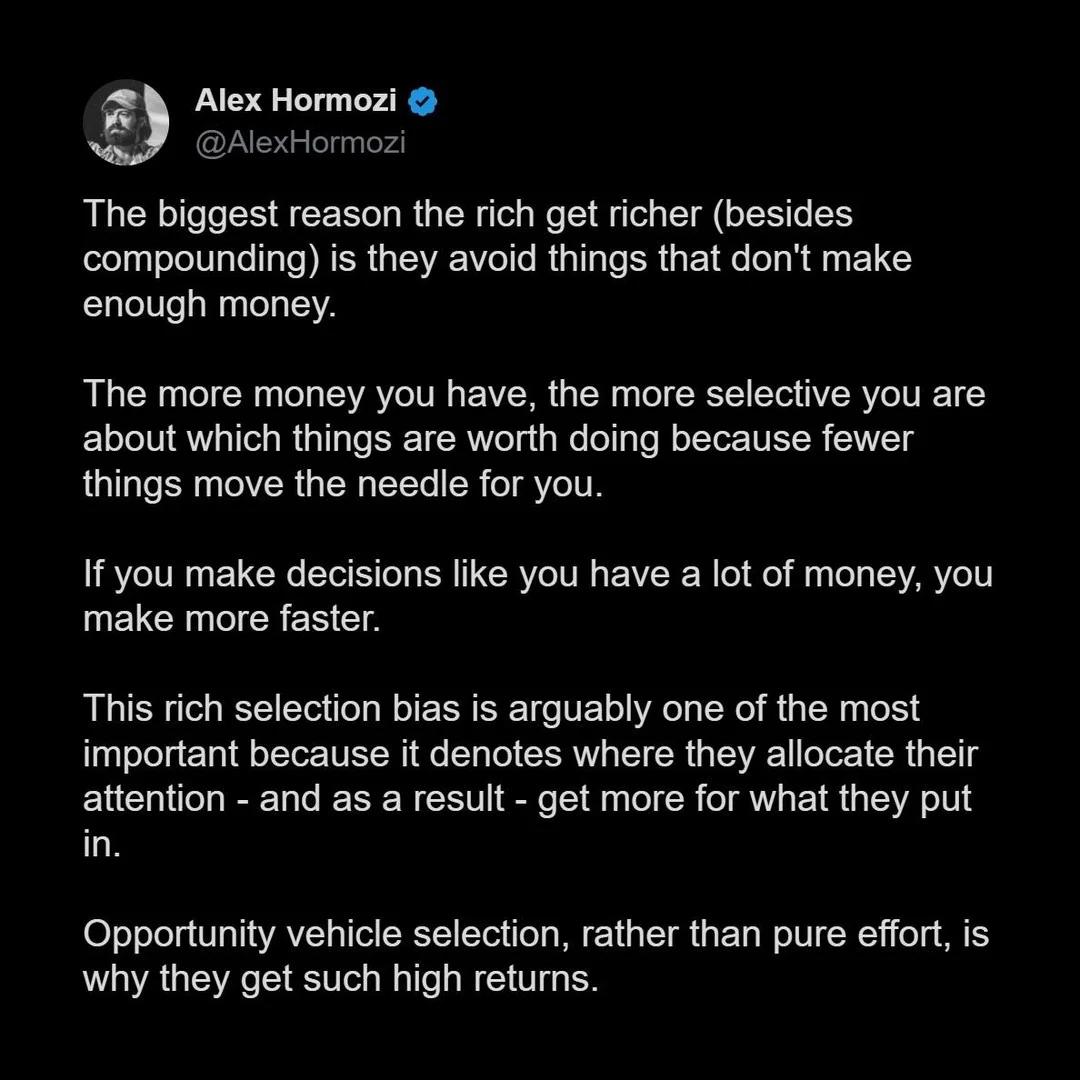
Money Isn’t Worth It without Purpose, Says Billionaire Mentor
"$3,000,000 per year would be a waste of time." Hearing my mentor say this broke my brain: I was in LA at the time. And my mentor was: • Nearly a billionaire • Incredibly successful • Wanted to try something new He’d exited his company a few...

You Become What You No Longer Question — 29 April
The post explains how repeated behaviors become automatic, forming an internal operating system that guides decisions without conscious scrutiny. When actions stop being questioned, they fuse with identity, making change feel difficult. Recognizing the discomfort that arises from questioning these...

Show Up Daily: Exercise Fuels Reset, Ideas, Progress
People talk a lot about morning routines, time blocking, structured days. That's never been me. What I do have is sport, every single day. Bouldering, gym, running, cycling, tennis in summer. Not as a strategy. I just genuinely need it. Climbing fully turns...

When Situations Won’t Change, Transform Yourself
“When we are no longer able to change a situation, we are challenged to change ourselves.” Viktor Frankl
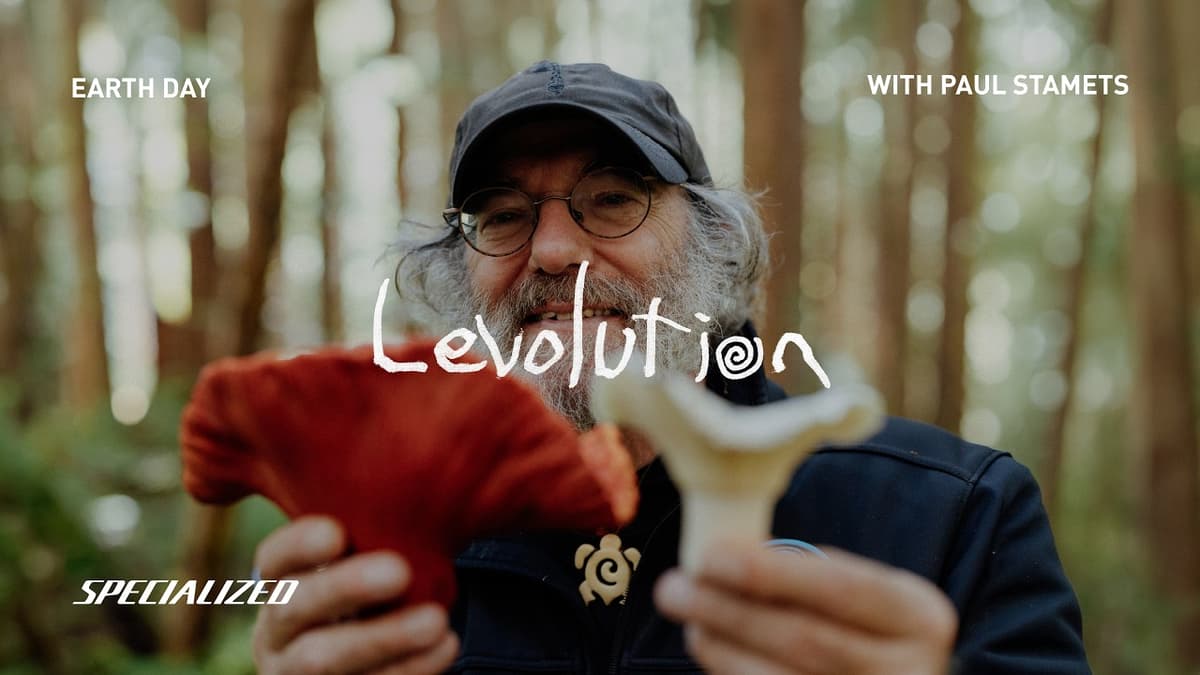
Paul Stamets on Nature, Mushrooms, and Creativity
Paul Stamets, renowned mycologist, uses an Earth Day edition of Specialized’s Levolution to argue that nature—particularly mushrooms and mycelium—offers powerful solutions to modern challenges. He ties the physical act of bike riding to non‑linear, creative thinking, suggesting movement fuels insight....

True Success Demands Years, Not Two‑month Patience
I trained for four years to run for only nine seconds. There are people who, because they do not see results in two months, give up and quit. Sometimes failure is brought on by oneself. —@usainbolt, the world’s fastest man https://t.co/kRskc7zx9Z

Audit Your Habits: Keep, Cut, and Grow
Frippercize Consider your habits. Ask yourself: - Which of my current habits help me? - Which habits don’t help me? - What new habits do I want to acquire? - Which habits will I get rid of? #frippvt #virtualcoaching #keytosuccess

Shape Success: Design Your Environment for Growth
If you want to make progress, spend more time optimizing your environment. Make it harder to do the things you want to stop doing, and make it easier to do things you want start doing. Personal growth 101
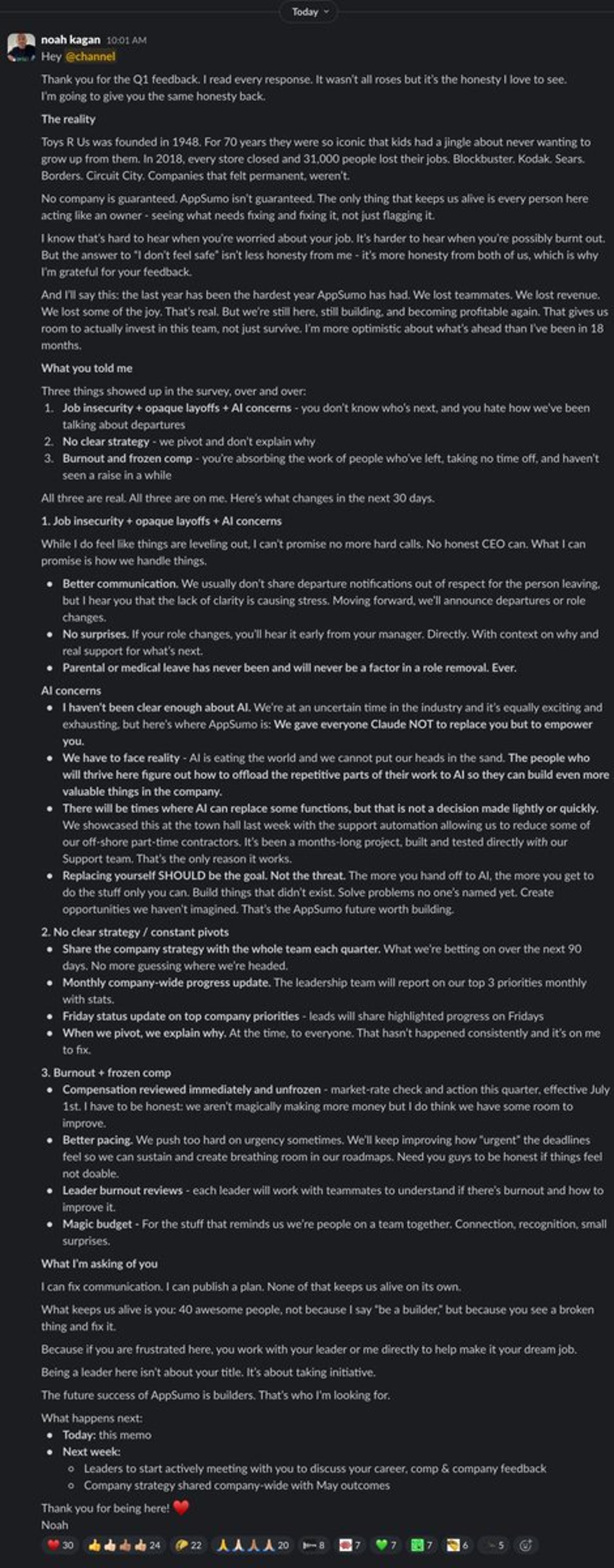
Aim to Replace Yourself, Not Fear It
Replacing yourself SHOULD be the goal. Not the threat. Message I sent to the entire AppSumo team this week:

Your Habits Shape Public Speaking and Career Success
Do Your Habits Hurt Or Help You? Good habits can determine the success of our public speaking, business communications, and careers. They can play a significant role in determining our ultimate success and happiness. What new habits do you want to...

Embrace Imperfection: Unlock Creative Magic with David duChemin
A New Episode of Beyond the Lens is now LIVE ⚡️ 115. David duChemin: Thinking Inside the Box for Transformative Creative Breakthroughs, the Virtue of Imperfection, and Finding Your Magic Apple Podcasts: https://t.co/kU3meLFp2q
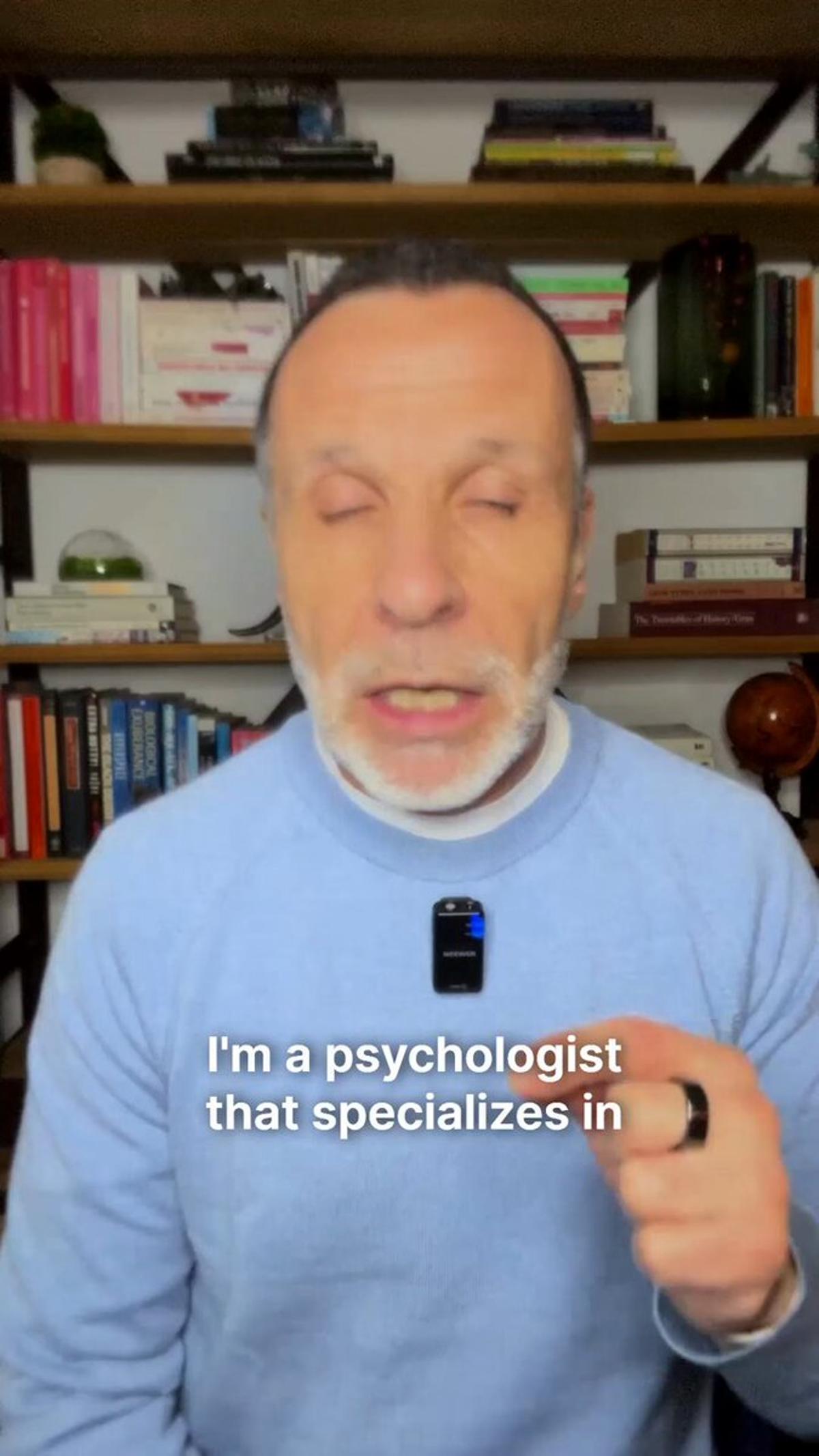
Create Friction to Disconnect When Home Office Is Visible
If your workspace is always visible within your home, your mind never fully leaves work. You therefore have to create friction to disconnect. Here’s how: #workfromhome #boundaries #selfcare #psychology #therapy https://t.co/KWvmkfRixV
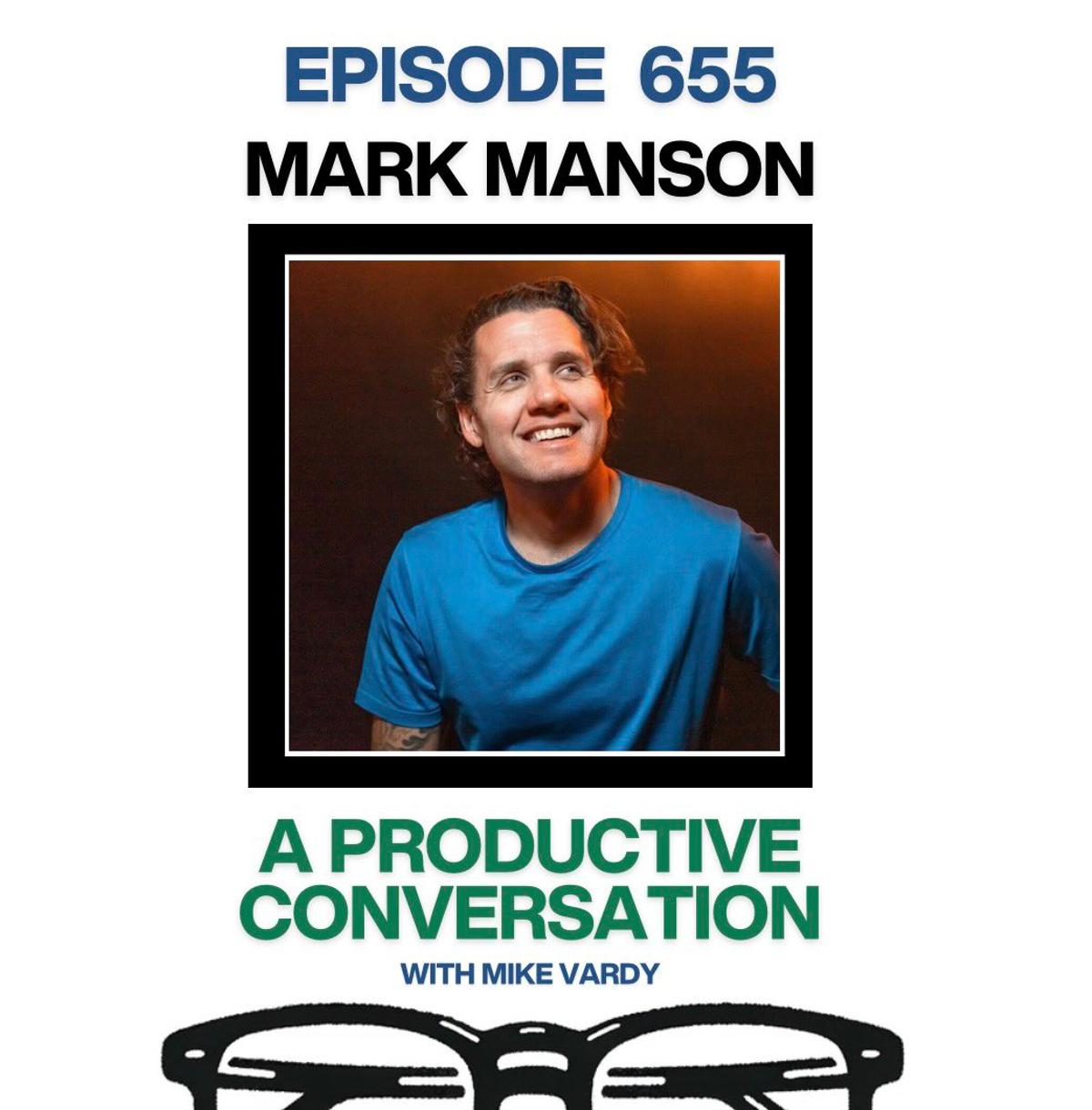
Productiveness Beats Productivity When Aligned With Meaning
I’ve been circling this idea for years—that productiveness matters more than productivity. @Markmanson gave it sharper language in our conversation: effort is a double-edged sword. It only works when you’re aligned with something that actually matters. https://t.co/hO8IE82hBH https://t.co/1b7twZfos1

Take Control: Make Your Environment Work for You
All self-improvement advice can be summed up simply: Stop letting life just happen to you. "I don't want to be a product of my environment. I want my environment to be a product of me." -Frank Cosello, "The Departed

Master Regulation to Turn Emotion Into Purposeful Action
Regulation is the skill, not the destination. Emotional fitness is the ability to move into a state of being that translates into purposeful action. Learn to be in a state where you are useful.

Document Your Actions Now to Save Future Hours
1/You won’t remember what you did. Not next week. Not next month. Write. It. Down. It will save your future self hours—days. https://t.co/cVaQojFIi8