Today's Leadership Pulse

Adobe eyes new CEO to steer AI‑driven future as shares tumble
Adobe is preparing to replace long‑time CEO Shantanu Narayen after nearly two decades at the helm. Analysts expect an internal promotion, with David Wadhwani or Anil Chakravarthy as frontrunners, as the company seeks to embed generative AI across Creative Cloud, Photoshop and Acrobat amid a >30% share decline this year.
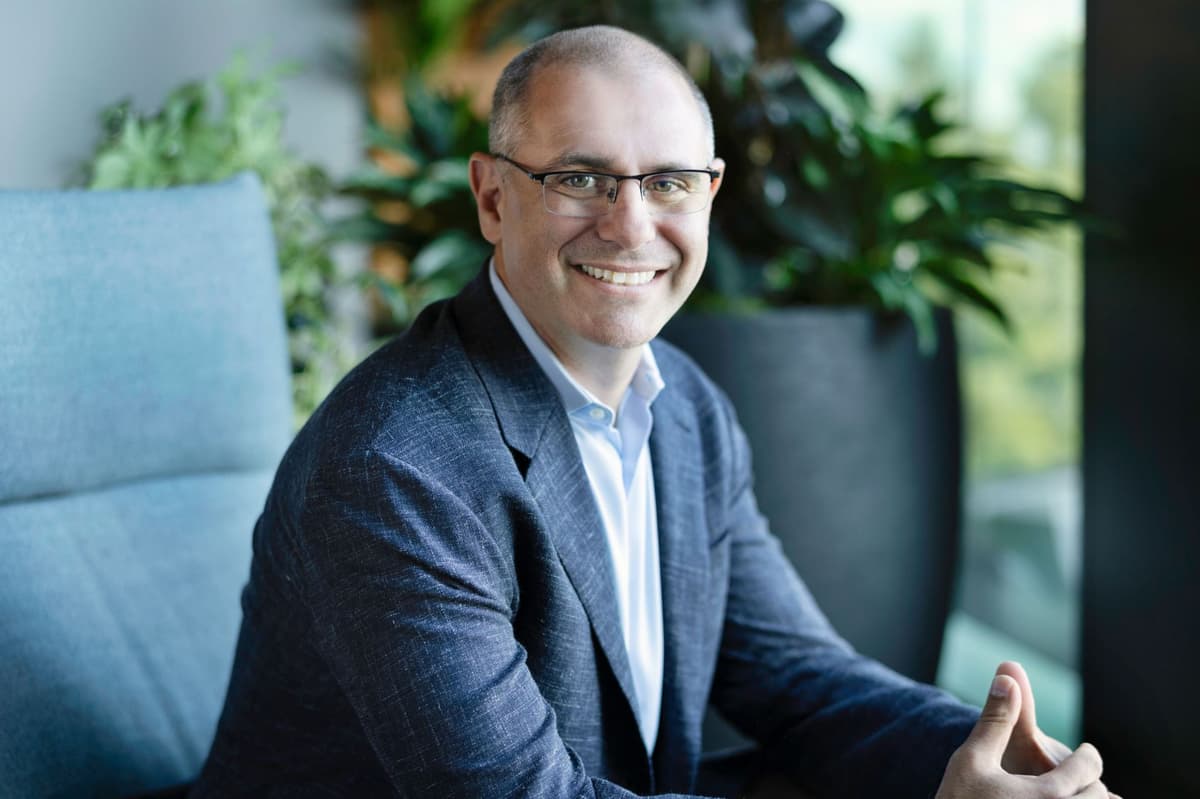
LinkedIn’s New CEO Says the ‘Best Career Decisions’ He Ever Made Were About the People He Chose to Work With—Not...
Daniel Shapero, a 20‑year LinkedIn veteran, was appointed CEO, succeeding Ryan Roslansky. He credits his rise to mentorship and long‑term relationships rather than job‑hopping, emphasizing the people who shaped his skills. After growing LinkedIn’s recruiting revenue from $40 million to $1 billion, he shifted from sales to product to gain a holistic view before becoming chief business officer, COO, and now CEO. Shapero advises Gen Z to focus on adaptability and human skills alongside AI, noting talent development will be the next bottleneck.

Palantir Published a Manifesto. Every S&P500 CEO Should Understand Why.
Palantir released a 22‑point manifesto that functions as a costly political signal, aligning the company with the current U.S. administration. The signal coincided with a near‑doubling of Palantir’s federal revenue in 2025, including a $10 billion Army contract and other agency...

BBOT Shakes up Leadership as RAS Competitors Get More Visibility
BridgeBio Oncology Therapeutics (BBOT) dismissed CEO Eli Wallace and promoted CSO Pedro Beltrán to chief executive as the board seeks faster progress on its RAS‑focused pipeline. Shares, already down 18% to $8.76, slipped further after the announcement. The board also...

The Godmother of Silicon Valley Is Helping Launch an AI Healthcare Residency Program
Esther Wojcicki, dubbed the "Godmother of Silicon Valley," is spearheading an AI healthcare residency program aimed at equipping startup co‑founders with the technical and clinical skills needed to launch successful digital health ventures. The twelve‑month curriculum pairs entrepreneurs with seasoned...
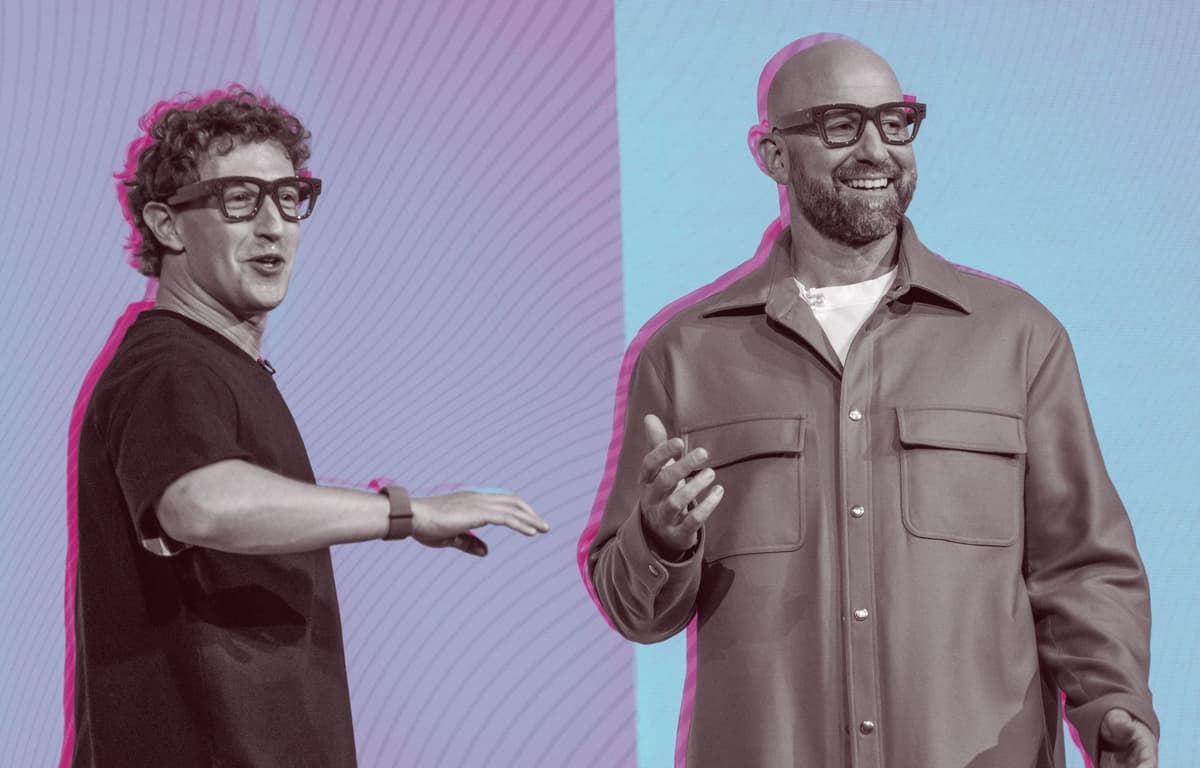
Meta’s CTO Claims He Rarely Feels Stressed Out — Here Are His Top Strategies to Stay That Way
Meta’s chief technology officer Andrew Bosworth says he feels genuine stress only four to five times a year, despite overseeing Reality Labs, a division that has faced product pullbacks and layoffs. He frames stress as a signal to reprioritize, focusing...
Mayor Sadiq Khan’s Decade of Crisis Leadership, Climate Commitment
This week's guest on Zero is London's mayor Sadiq Khan. We had a wide-ranging conversation about his 10 years guiding the UK's capital through Brexit, the pandemic and two energy crises. All through it, he has remained deeply committed to...
Your Growth Strategy Isn’t Broken — It’s Avoiding Decisions
B2B growth strategies often falter not because the vision is wrong but because leaders dodge the hard choices required for execution. The article argues that decision avoidance manifests as “alignment theater” across marketing, sales, product and finance, turning strategy decks...

Yale Issues a Clarion Call for Change. Where Is Princeton?
On April 15, 2026 Yale President Maurie McInnis released a 50‑page report calling for sweeping reforms to restore public trust in higher education. The report tackles free speech, affordability, admissions, and technology, echoing concerns voiced by leaders at Harvard, Dartmouth,...
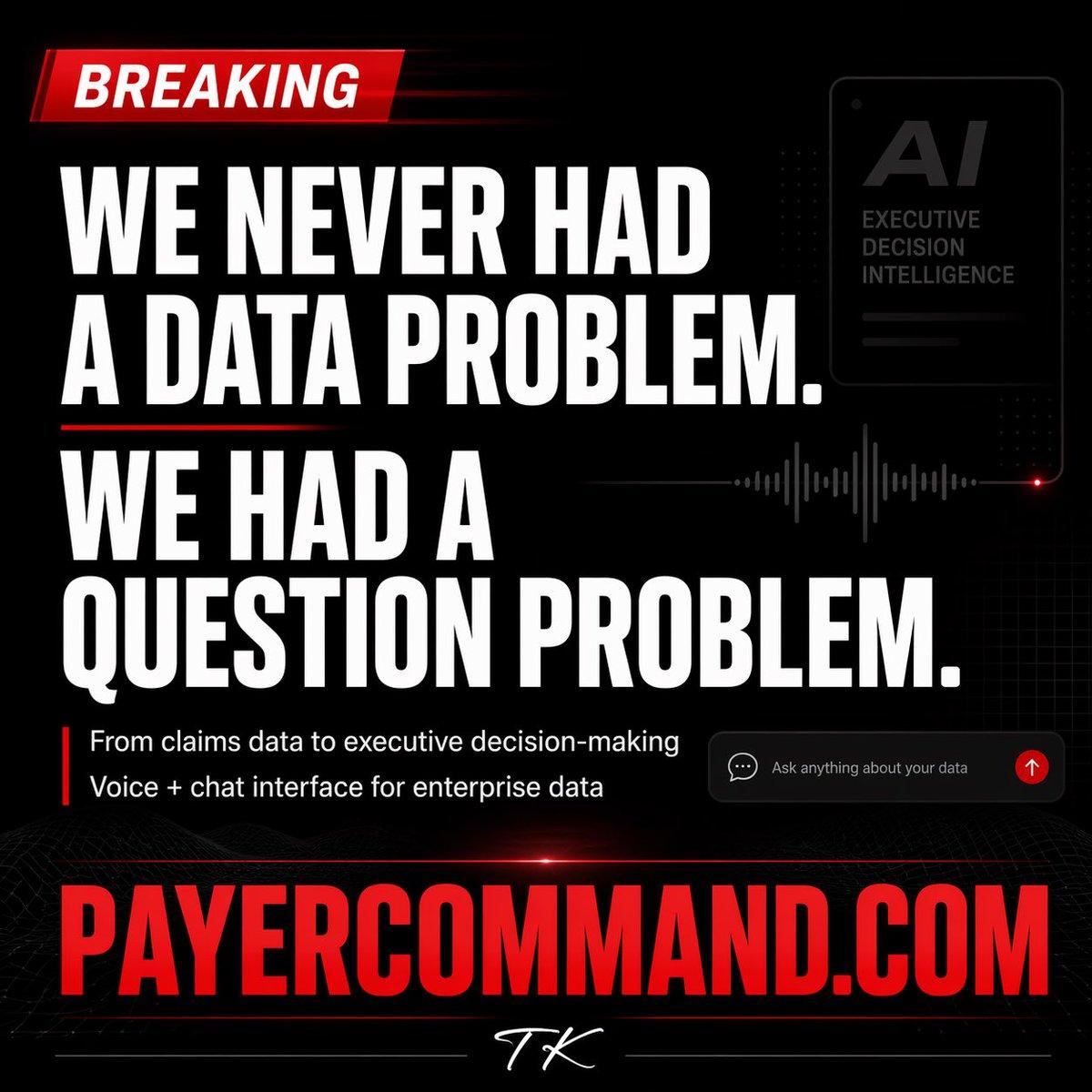
GenAI Enables Asking Right Questions, Not More Dashboards
In healthcare, we never really had a data problem. And honestly, the same is true in most industries I’ve worked in. There was 𝗯𝗹𝗲𝗻𝘁𝘆 𝗼𝗳 𝗱𝗮𝘁𝗮. Usually too much of it. 📊 Claims data. Operational data. Financial data. Customer data. Supply chain data. Workflow data. The real problem was...

Vantage Data Centers Strengthens Global Leadership Team with Appointments of Emma Jeffries as Global Chief People Officer and Michael Fränkle...
Vantage Data Centers announced two senior appointments to fuel its global expansion: Emma Jeffries as Global Chief People Officer and Michael Fränkle as Chief Operating Officer for EMEA. Jeffries will oversee talent acquisition, leadership development and total rewards worldwide, while...

What Mandelson Vetting Row Reveals About Escalating Tensions Between Ministers and Civil Servants
The Starmer government’s decision to sack Foreign Office permanent secretary Olly Robbins after Peter Mandelson failed a security vetting for an ambassadorial posting has ignited a sharp clash between ministers and civil servants. The episode follows years of growing...
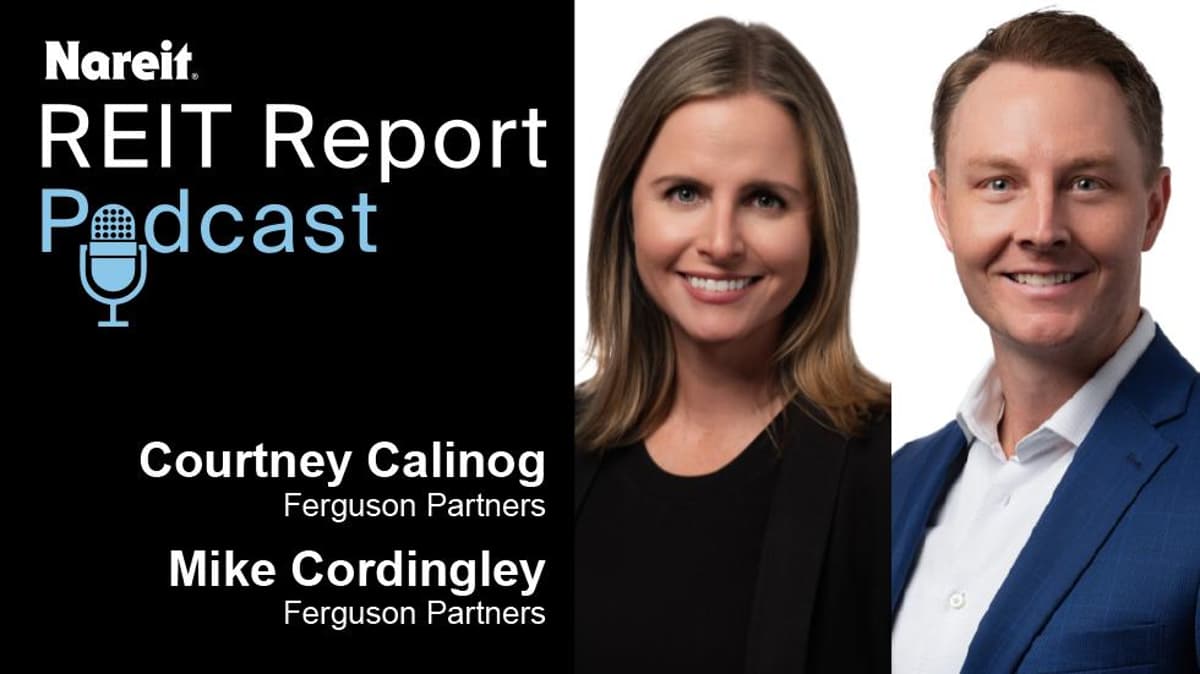
REIT Leadership Expectations Shifting Amid More Complex Environment: Ferguson Partners
Ferguson Partners’ Courtney Calinog and Mike Cordingley told the REIT Report podcast that REIT CEOs must now supplement technical expertise with people‑centered capabilities. Self‑awareness, clear communication and trust‑building are seen as essential in a capital‑constrained, volatile market. CEOs are expected to...

Elite Founders Master ROI, Timing, and Rapid Learning
If you're an elite founder, you'll recognise yourself here: - You know when to pivot and when to persevere on an existing concept. - You know how to get the most out of every meeting and every person you meet. - You know...

REIT Leadership Expectations Shifting Amid More Complex Environment: Ferguson Partners
In this episode of the REIT Report, Ferguson Partners' Courtney Kalanog and Mike Cordingly discuss the evolving leadership demands for the next generation of REIT CEOs amid a more complex, less forgiving market environment. Their research, based on interviews with...
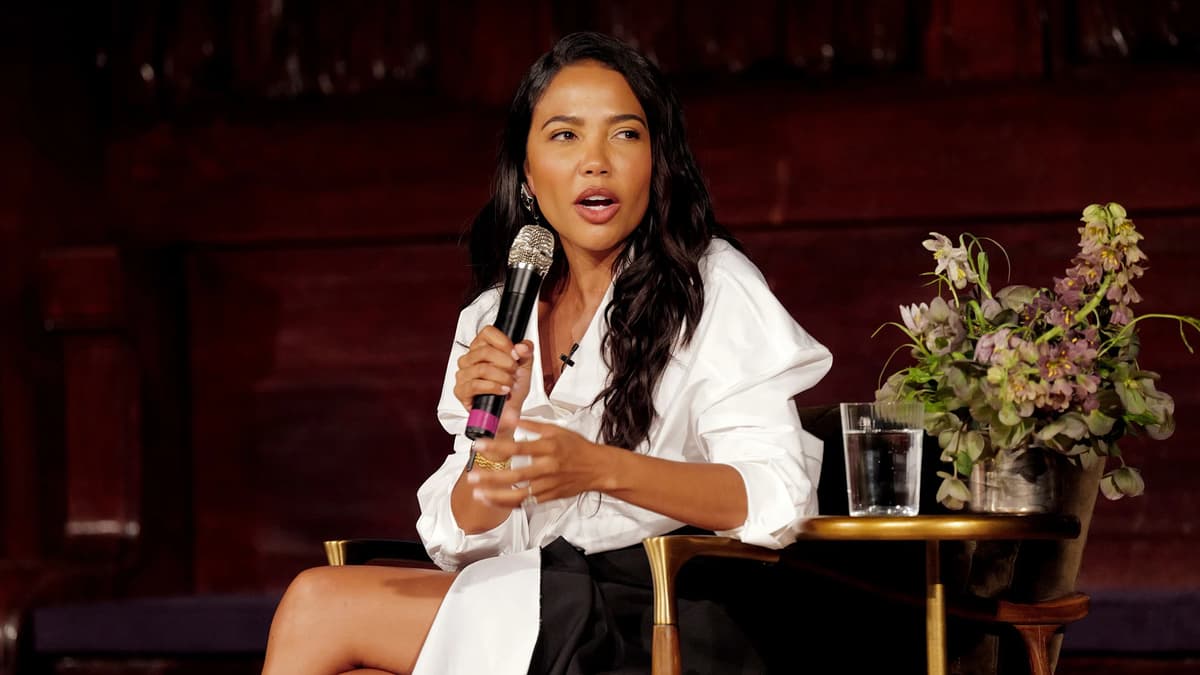
Emma Grede’s WFH Comments Spark Backlash, but Founders Are Missing the Bigger Lesson
Emma Grede, CEO of Good American and Skims, labeled remote work a “career killer” for women, prompting a wave of criticism and debate. The backlash highlighted how quickly high‑profile comments can ignite public discourse. Grede’s remarks also sparked a broader...

New CIRT Chief Is Ready to Coach Construction’s All-Stars
Corey Clayborne, a former architect and ex‑CEO of the AIA Virginia chapter, has taken the helm as president of the Construction Industry Round Table (CIRT). CIRT represents roughly 130 CEOs from the nation’s leading design and construction firms, giving Clayborne...

AI: Strong Vs. Skinny Leadership Trade-Offs
The post argues that AI adoption forces leaders to choose between a “Strong” model—maintaining inputs while using AI to amplify output—and a “Skinny” model—cutting inputs to preserve output. Using radiology as a case study, the author shows how AI eliminated...

Statement on Annie Levers’ Appointment to the Director of the Mayor’s Office of Operations
Annie Levers has been appointed Director of the New York City Mayor’s Office of Operations. In her new role, she will steer the office toward data‑driven management, greater transparency, and stronger public trust. Levers brings a track record in public‑interest...
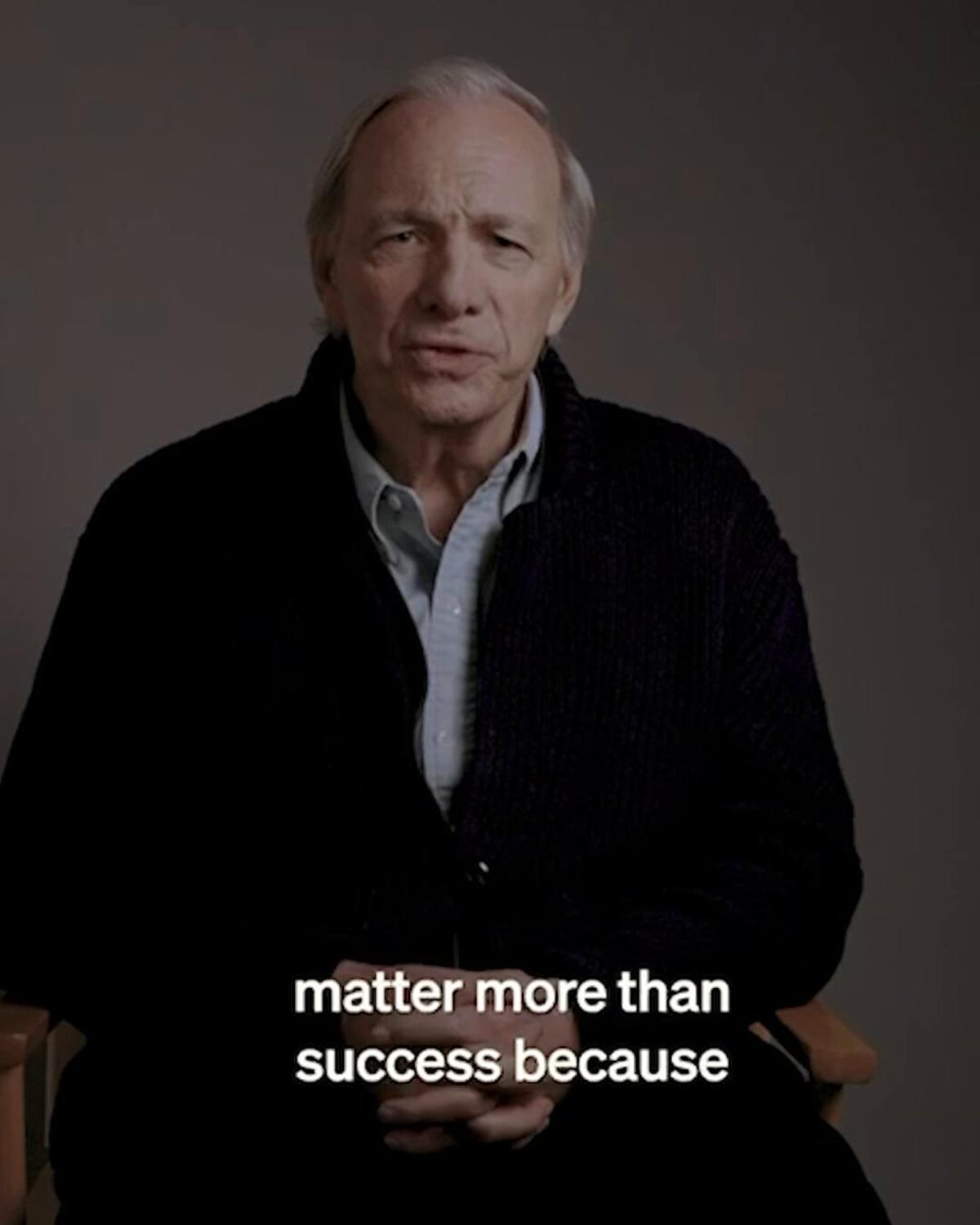
Mistakes Teach More Than Successes—Learn From Them
If you’re not making many mistakes, you must not be learning much. Mistakes and failures are ultimately more valuable to you than successes because they provide the best learning. I detailed some of my biggest mistakes—and what I learned from them—as...

NorthWall Capital Promotes Three Senior Execs to Partner as AUM Surpasses €3bn
London‑based private credit manager NorthWall Capital announced the promotion of Artem Kontyaev, Scott Carpenter and Garrett Holmes to partner, effective immediately. The move expands the firm’s senior leadership as assets under management exceed €3bn (about $3.2bn) across long‑dated European credit...

Best Buy Names Jason Bonfig CEO as Corie Barry Steps Down Amid Stagnant Sales
Best Buy announced that CEO Corie Barry will leave on Oct. 31, with Jason Bonfig, the chief customer, product and fulfillment officer, taking the helm. The move comes as the electronics retailer’s revenue and net earnings have stagnated for several years, raising...

Cogna Hires Former Amazon AI Leader Sam Ng as CTO to Accelerate AI Platform Growth
Cogna announced the appointment of Sam Ng, a former senior engineering leader at Amazon AI, as its new chief technology officer. Ng will steer the company’s engineering organization and AI platform as it expands internationally and deepens its presence in...

McKinsey and Google Cloud Launch Joint AI Transformation Group
McKinsey & Company and Google Cloud unveiled the McKinsey Google Transformation Group at Cloud Next ’26 in Las Vegas, creating a joint unit to accelerate AI‑driven business transformation. The partnership blends McKinsey’s industry and change‑management know‑how with Google’s Gemini AI...

Dunmor Installs Dana Georgiou as CRO to Drive National Sales Expansion
Dunmor announced Dana Georgiou as its permanent Chief Revenue Officer after a three‑month interim stint, tasking her with scaling the company’s national footprint. Georgiou brings more than 35 years in mortgage and private‑lending, positioning Dunmor for accelerated growth across the...

NovaBridge Names Mark Hagler President & CCO to Boost Pipeline Value
NovaBridge Biosciences announced the appointment of Mark Hagler as President and Chief Commercial Officer. The 25‑year veteran brings experience leading a $1 billion portfolio at Sun Pharmaceuticals and will steer commercial strategy for the company’s two mid‑stage oncology programs, givastomig and...

Boyd Group Appoints Steve Hoeft as COO and Zach Balthrop as CCO to Drive U.S. Collision Growth
Boyd Group Services Inc. announced Steve Hoeft as chief operating officer of its U.S. collision segment and Zach Balthrop as chief commercial officer. The moves aim to strengthen the executive team, leverage Hoeft’s 4,000‑location network experience, and expand Boyd’s sales...

Halo Veteran Kiki Wolfkill Departs Microsoft After 28 Years
Kiki Wolfkill, the longtime head of Xbox film and TV and a key figure behind the Halo franchise, announced on LinkedIn that her last day at Microsoft was April 17, ending a 28‑year career. Her departure comes amid a broader...

Great Leaders Begin with Why, Says Lynn King‑Tolliver
The most inspiring leaders start with WHY. Video from Urban Land Institute (ULI) 2024 with CRE investor and creator, Lynn King-Tolliver

Nobody Will Let Me Do My Job.
The post contrasts two product‑manager archetypes—a complainer who blames blockers and stalls, and an achiever who proactively solves problems and aligns with sales. After two weeks as Head of Product, the author witnessed both mindsets in the same organization, noting...

OneFortyOne Appoints FWPA’s Andrew Leighton as Its New CEO
Andrew Leighton has been appointed chief executive of OneFortyOne, succeeding interim CEO Michael Barbara in July after a four‑year tenure at Forest and Wood Products Australia. Leighton will lead the vertically integrated Trans‑Tasman wood‑fibre group, which manages about 80,000 hectares...
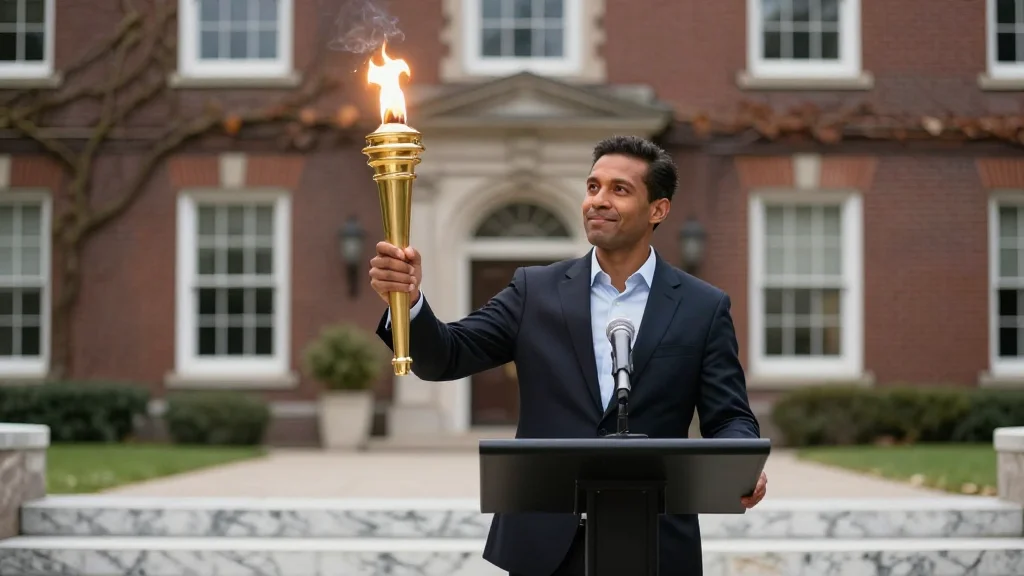
Universities Need Michael Roth; Yale’s Retreat Undermines Trust
Every university needs a Michael Roth as president. Wesleyan's head grades Yale's shameful retreat: "That’s not a mission; it’s a defense strategy. And the retreat from public purpose will not enhance trust; it will further erode it." Gift link: Yale Has Come...

Intangible Forces Drive Success, Yet Leaders Overlook Them
“Many of the critical factors for org. success are intangible agencies that can’t be measured by KPIs. Managers & leaders miss this insight b/c they suffer muddled thinking—largely due to distorted influences.” 🔗 https://t.co/6cwj8cMUdN #leadership #management #futureofwork https://t.co/DP4u0Dqwhj

Why We Suck at Asking Questions (And How It Holds Back Our Careers)
The post argues that career stagnation often stems from a deficit in asking the right questions, not from lacking technical skill or executive presence. It cites research showing senior professionals who ask more, especially follow‑up questions, are better liked and...

Trump Appoints Former Tobacco Exec to Top CDC Role
The Trump administration has crammed an astonishing number of political appointees into the highest echelons of #CDC, most with few or no medical or public health credentials. One of the latest is surprising: A former Big Tobacco exec. https://t.co/8jA8qfqMv6

9,000+ Leaders Embrace AI-Driven Digital Transformation
RT My LinkedIn Learning course, Digital Transformation for Leaders in the AI Era, has over 9,000 people started learning. #DigitalTransformation #AI @Star_CIO https://t.co/UbVcHko1qW

The Sponsor-Ready Toolkit
Mariana Atencio’s new Sponsor‑Ready Toolkit tackles the persistent gap between a professional’s proven performance and the visibility needed to secure senior sponsorship. The toolkit delivers practical exercises, messaging frameworks, and relationship‑building strategies that help individuals translate their track record into...
Your Weekly Leadership Team Meeting Is Broken. Here’s How to Fix It.
Most CEOs run weekly leadership meetings that are poorly structured, often canceled, and fail to drive alignment. The author, drawing on experience leading three companies, estimates that 75% of leadership teams operate in silos and lack lockstep coordination. He proposes...

Apple's Leadership Change to Boost AI Integration? ETFs in Focus
Apple announced that CEO Tim Cook will step down on Sept. 1, ending a 15‑year tenure, with longtime hardware chief John Ternus slated to take the helm. The transition comes as Apple, valued at roughly $4 trillion, faces mounting pressure to accelerate...

The 8-Figure Open Source SaaS Playbook
In this episode, Omer Khan talks with Yves Concevoy, the founder of Mailgun and Teleport, about how Teleport evolved from a free open‑source tool into an eight‑figure ARR business by focusing on infrastructure identity and AI agent containment. Yves explains...

Change Management Is Getting More Sophisticated. So, Why Does It Feel Less Human?
Change management frameworks have become technically sophisticated, yet employees experience them as cold and transactional. Recent Gallup data shows global employee engagement slipping to 21% and manager engagement to 27%, underscoring the human cost of rapid restructuring. Leaders often rely...

The Sustainability Layer Cake: For Successful Delivery, Focus on the Filling – Not Just the Sponge
Chief sustainability officers (CSOs) are under mounting regulatory and budget pressures, yet many still design strategies by engaging only the board and senior leadership. The article argues that skipping Tier 3 – departmental leads – creates weak plans and hampers activation....

XBP Global Appoints Acquelia Colaco as Chief Human Resources Officer, Strengthening Its AI-First Enterprise Vision
XBP Global Holdings appointed Acquelia Colaco as Chief Human Resources Officer to steer its AI‑first enterprise strategy. Colaco will oversee people initiatives across the Americas, Europe and Asia, focusing on talent, leadership and culture alignment with intelligent systems. She brings more...

Mining Mentorship Network Welcomes All Professionals
Women in Mining USA unveiled the Mining Mentor Network at its 2026 national conference, expanding its 2023 mentoring initiative to welcome professionals of any gender and career stage. The program uses a participant‑driven model that lets mentors and mentees set...

Team Cultures Where Blame Is Common
The article warns that many teams unintentionally develop a blame‑centric culture, where the focus shifts from solving problems to pinpointing who is at fault. This mindset erodes trust, discourages risk‑taking, and leads to information hoarding that hampers decision‑making. Over time,...

How to Slay the Chaos Dragon
Organizational chaos hampers performance, but leaders can mitigate it through four practical actions. First, maintain continuous communication with the teams their groups collaborate with, focusing on the most frequent and strategic interactions. Second, create protected space in meetings for spontaneous...

Global Solar Council Appoints New Strategic Board
The Global Solar Council (GSC) unveiled a new strategic board on April 23, 2026, drawing leaders from national PV associations and major solar firms. Notable corporate members include Fiona Hiu of China’s Sungrow, Dinesh Dhamija of Romania’s Ruserio Solar, and...
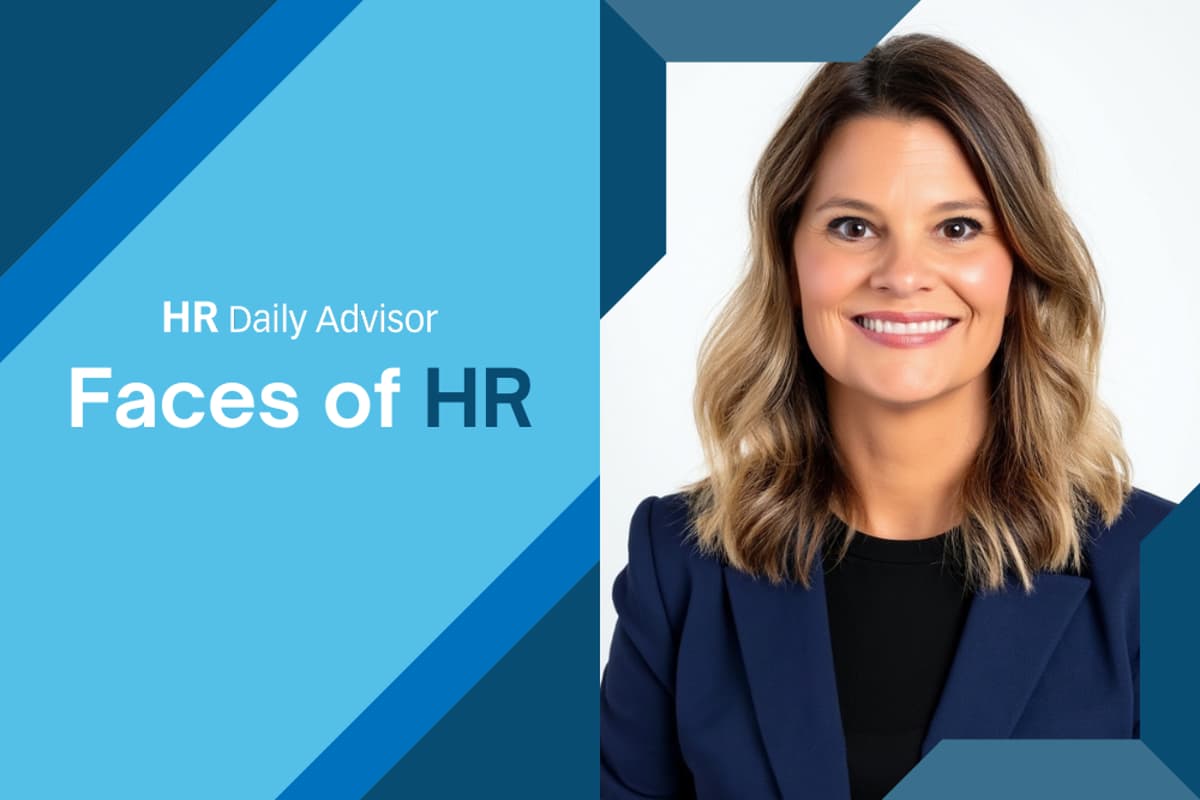
Faces of HR: Why Linda Nedelcoff Is Redefining HR as a Strategy Powerhouse
Linda Nedelcoff, EVP of Strategy and Human Resources at TruStage, is reshaping HR from a support role to a strategic engine. Drawing on an accounting background, she fuses data‑driven rigor with people‑first leadership, embedding purpose, clear expectations, and lived reality...

Paramount/Skydance Seeks $81 B Warner Bros. Discovery Takeover as Shareholders Prepare to Vote
Paramount, now owned by Skydance, is set to acquire Warner Bros. Discovery in an $81 billion cash deal, with shareholders slated to vote Thursday. The merger would combine two legacy studios, two streaming services and two major news networks, while facing...

Systancia Hires Xavier Lefaucheux as CRO to Accelerate Global Zero‑Trust Growth
Systancia announced the appointment of Xavier Lefaucheux as chief revenue officer, tasking him with scaling the company’s Zero‑Trust identity‑access‑management platform worldwide. The veteran executive brings experience from Juniper, Stormshield and WALLIX to drive revenue growth in Europe, the Middle East...

85-Year-Old VK Digital Health CEO Prepares Seed Round to Fund 2,500 Smart Clinics
Charlie Nahabedian, the 85‑year‑old founder and CEO of VK Digital Health, is gearing up for a seed‑stage financing round that will finance the rollout of smart clinic chairs and mobile health units to 2,500 sites. The company has already raised...