
Neuroscience Tips To Thrive In Later-Career Work with Dr. David Rock
In this episode, Dr. David Rock explains that the brain remains highly plastic well into the 80s and 90s, so learning capacity does not diminish with age, though motivation often does. He highlights the mutual benefits of engaging later‑career employees in mentorship, coaching, and meaningful work, which activates reward networks and preserves cognitive health. Rock warns that organizations that under‑invest in senior talent risk losing valuable wisdom and may even harm employee well‑being, especially as AI begins to capture senior expertise. Finally, he discusses generational stereotypes, emphasizing that motivation and learning preferences vary individually and should be addressed through personalized career conversations.

Joelle Emerson: Why Company Culture Is a Core Governance Issue
In this episode, Joelle Emerson, CEO and co‑founder of Paradigm, discusses how company culture is fundamentally a governance issue, tracing her journey from civil‑rights law to building a culture‑focused advisory firm. She explains how the rapid DEI push after 2020...

678: Jamie Siminoff (Ring Doorbell Inventor) - Shark Tank Rejection, Selling to Amazon for $1 Billion, Surviving $3M to $480M...
In this episode, Jamie Siminoff, the inventor of the Ring video doorbell, shares his journey from a Shark Tank rejection to selling Ring to Amazon for over $1 billion. He discusses the hyper‑growth challenges of scaling from $3 M to $480 M, the...

JOY as a Business Strategy
The episode explores how founders can use joy as a strategic advantage by focusing on their genius zone—activities like strategy, creativity, vision, and relationship-building—while delegating administrative and operational tasks. It argues that burnout stems from trying to do everything oneself,...
Ep. 190 - The SaaS Founder Bottleneck: Why Founder-Led Sales Stops Scaling
In this episode, fractional CMO Javier Lozano explains why founder‑led sales can’t sustain growth and how to transition to a repeatable, data‑driven go‑to‑market engine. He emphasizes extracting the founder’s successful sales insights, building positioning and a "blue ocean" narrative, and...

A Check-In with SAG-AFTRA President Sean Astin
SAG‑AFTRA president Sean Astin entered his term amid a storm of high‑profile disputes, from an FCC clash over Jimmy Kimmel’s monologue to the rise of synthetic performers and a retreat by OpenAI on a controversial opt‑out request. As the union...

269. Ask Matt Anything: Bring Clarity to Complicated Conversations
In this Ask Matt Anything episode, communication professor Matt Abrahams answers listener questions about shifting from reacting to responding, using memory‑palace techniques versus structural frameworks for impromptu speaking, and building daily habits for communication improvement. He emphasizes creating psychological distance...

207. Adam Dorrell, CEO & Co-Founder of CustomerGaige - Founder-Led Sales vs Scaling: The Hard Transition Nobody Talks About
In this episode, Adam Dorrell, CEO and co‑founder of CustomerGauge, discusses the challenges of transitioning from founder‑led sales to a scalable commercial organization. He shares how he and his co‑founder initially handled sales themselves, the pitfalls they faced hiring sales...

Marco Nobel - Revolutionizing European Student Housing
In this episode, Marco Noble, founder and CEO of Fuse, discusses his evolution from creating the global student community platform Socials to building Fuse, a vertically integrated flex‑living brand for young people across Central and Eastern Europe. He explains how...
Why Storytelling Matters When Changing Company Culture
In this HBR IdeaCast episode, Professor Jay Barney explains that effective storytelling is a critical tool for leaders seeking to shift company culture to align with new strategies. He shares research and real‑world examples—such as a Brazilian telecom’s CEO who...
The New Leadership Structures that Unblock Innovation
In this episode, Harvard Business School professor Linda Hill discusses how leaders can build structures that continuously generate and scale innovation, emphasizing co‑creation, collaboration, and disciplined experimentation over visionary command. She debunks myths that innovation is driven by lone geniuses...

The Biggest Mistake Leaders Make when Rolling Out AI to Knowledge Teams
In this brief episode, host Jordan Cooney talks with Steve Wonker, Managing Director at New Markets Advisors, about the biggest mistake leaders make when rolling out AI to knowledge teams: launching without solid data and governance frameworks. They explain that...

Episode 443: David Contreras Talks About Architecture as Entertainment, Balancing Fantasy and Reality, and Developing Leaders
In this episode, David Contreras, COO and founder of Pistol Consortia, shares how his architectural practice blends entertainment design with the rigor of healthcare projects, emphasizing the emotional journey guests experience when entering a space. He discusses the challenges and...

Why Every Org Should Be Investing in Predictive AI
In this episode, host David Rice talks with AI expert Eric Siegel about the overlooked power of predictive AI, which forecasts outcomes like clicks, purchases, or fraud and drives real business value through automated decision-making. Siegel argues that organizations are...

The Rise of Heatonist: Noah Chaimberg on Hot Sauce Culture and Hospitality Brand Building
In this episode of the Hospitality Hangout, Noah Chaimberg, CEO of Heatnist, shares how he turned a Brooklyn push‑cart into the world’s leading hot‑sauce brand and secured a partnership with the Hot Ones show. He recounts his entrepreneurial journey from...

Othman Laraki, Color CEO, on Surviving Three Major Pivots
In this episode, Othman Laraki, CEO of Color, recounts the company’s three major pivots—from a cancer genetics startup to its current health‑tech platform—highlighting the financial, team, and market challenges each transition entailed. He stresses that while technology and product are...

Three Current Modern Management Scams - Part 1
In this episode, Sarah and Mark expose three prevalent "management scams": generational management, over‑reliance on engagement surveys, and the myth that feedback must be a formal dialogue. They argue that generational management is discriminatory and ignores individual differences, that engagement...
268. Going Viral: How To Balance Authenticity and Spectacle
In this episode, Matt Abrahams talks with Stanford professor Angele Christen about the tension creators face between authenticity and the algorithmic push for drama and spectacle. Christen explains how granular metrics reward conflict‑driven or extreme content, creating short‑term virality but...
772: How to Measure Your Meeting’s Success, with Rebecca Hinds
In this episode, host Dave Stachowiak talks with Rebecca Hinds, an expert on organizational behavior and author of *Your Best Meeting Ever*, about how to measure meeting effectiveness. They explore why meetings are often sabotaged, the pitfalls of relying solely...
![How Innovation Succeeds with Kory Marchisotto [Uncensored Renegades]](/cdn-cgi/image/width=1200,quality=75,format=auto,fit=cover/https://img.transistorcdn.com/VIH3Rn5ET8-eHQxgBGNydnhXL95pc10_Kq7qTpjezuc/rs:fill:0:0:1/w:1400/h:1400/q:60/mb:500000/aHR0cHM6Ly9pbWct/dXBsb2FkLXByb2R1/Y3Rpb24udHJhbnNp/c3Rvci5mbS9zaG93/LzQ3MzEvMTU3MDAz/MjQ3NC1hcnR3b3Jr/LmpwZw.jpg)
How Innovation Succeeds with Kory Marchisotto [Uncensored Renegades]
In this episode, host John and guest Kory Marchisotto explore how to make innovation thrive, emphasizing the need to cultivate a supportive culture before generating ideas. They outline a three‑step vetting process—art, science, and gut instinct—to pressure‑test concepts and only...
677: Erin McGoff - How to Communicate at Work, Negotiate Your Salary, Write Cold Emails, Overcome Rejection, Run Better Meetings,...
In this episode, host Ryan Hawk chats with Erin McGoff, a best‑selling author, viral TikTok creator, and documentary filmmaker, about mastering workplace communication—from answering "Tell me about yourself" to negotiating raises, crafting five‑year plans, and running effective meetings. Erin shares how...

AI's Role in the Future of Robotics: Insights From 3Laws
In episode 233 of The Robot Report, hosts Steve Crow and Mike Oitzman discuss the explosive growth of AI funding, highlighted by OpenAI’s $110 billion raise, and its implications for robotics. They interview Andrew Singletary and Amir Sharif of Three Laws...
267. Rethinks: Why Authenticity Leads to Better Communication
In this episode, Stanford GSB lecturers Matt Abrahams and Graham Weaver discuss how authenticity fuels effective communication and leadership. Weaver emphasizes two core practices: speaking directly and truthfully to avoid costly misunderstandings, and confronting limiting beliefs to unlock entrepreneurial action....
Combatting Cynicism in Your Organization
In this HBR IdeaCast episode, psychologist Jamil Zaki explains how cynicism—viewing others as selfish and untrustworthy—differs from healthy skepticism and why it spreads in organizations, harming individual well‑being, relationships, and efficiency. He outlines the personal costs (stress, depression, higher mortality)...

Consolidation Without Chaos: How ALKEME Integrates and Grows at Scale
In this episode of the InsurTech Leadership Podcast, Curtis Barton, CEO of Alchemy Insurance, explains how his firm has built a scalable brokerage platform through disciplined acquisitions, unified data, and a focus on organic growth. He contrasts Alchemy’s producer‑led, data‑centric...

High-Performing Leadership Teams Are Built, Not Bought
In this episode of So What from BCG, Georgie Frost talks with Khadija Benhamada, former Chief of Staff and now Chief People Officer at Merck, and Judith Wallenstein, Global Leader of BCG’s CEO Advisory Practice, about how to deliberately build...
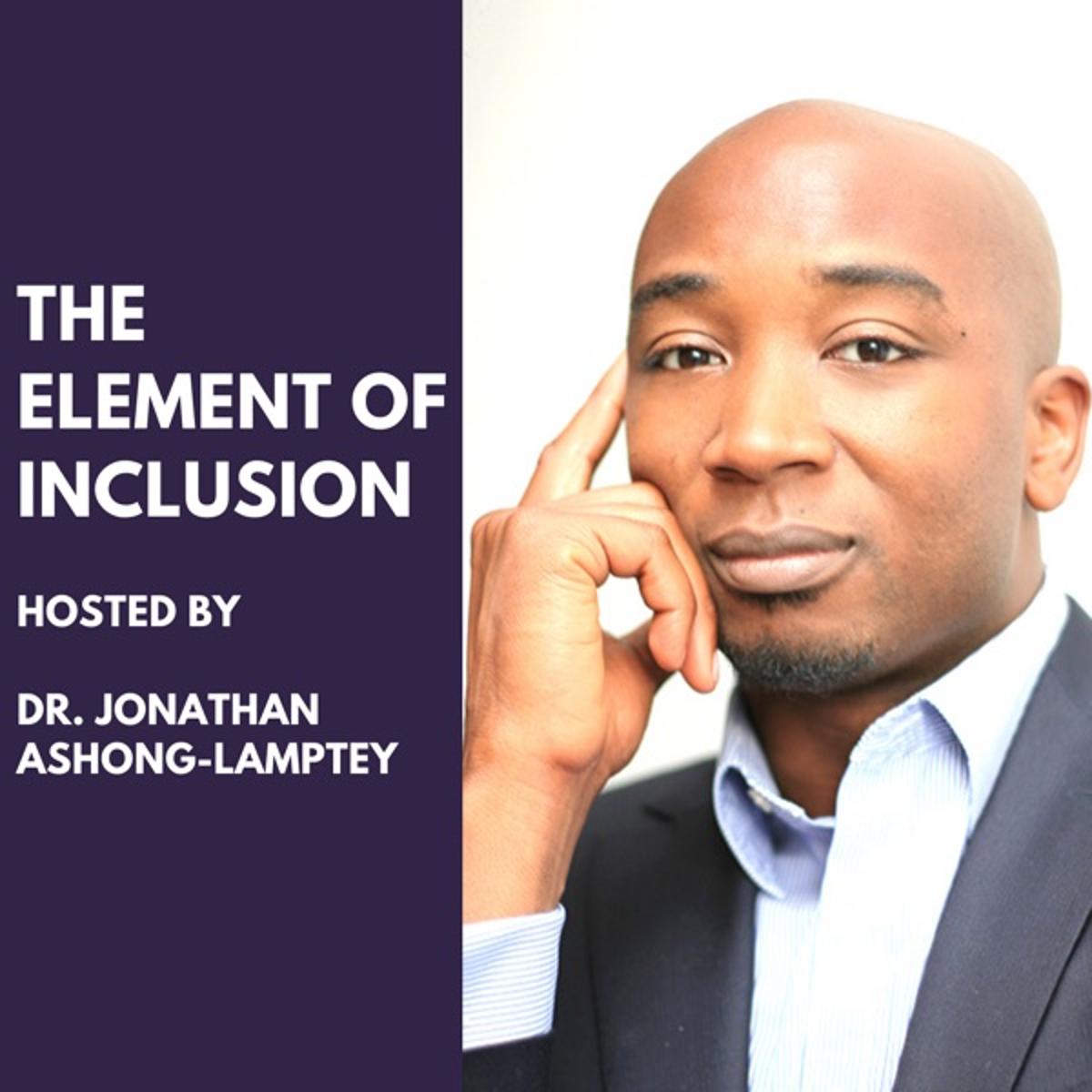
Why Diversity and Inclusion Gets Cut First in Budget Reviews
In this episode, Dr. Jonathan explains why diversity and inclusion (D&I) initiatives are often the first to be cut during budget reviews, highlighting that finance teams target work perceived as discretionary. He identifies three red flags: lack of measurable outcomes,...

#272 How to Move From Finance Leader to CFO, Richard Turner, GrowCFO Mentor
In this episode, Richard Turner, a seasoned finance professional and new GrowCFO mentor, shares his 40‑year, multi‑industry journey from accountant to CFO, highlighting how humility, core finance fundamentals, and curiosity enable successful sector transitions. He outlines the universal finance leader...
Sony Film CEO on Losing ‘Sinners’ and the Endless Big Tech Battle
In this episode, Sony Pictures Motion Picture Group chairman Tom Rothman discusses Sony’s recent slate—including new Spider‑Man, Jumanji, Resident Evil, and the original animated film Goat—and how the studio thrives without its own streaming platform by partnering with giants like...

Leading in the Age of Generative AI and Exponential Technology: A Conversation with Andrea Bonime-Blanc
In this episode, Michael Keegan talks with Andrea Bonime‑Blanc, author of *Governing Pandora*, about the unprecedented convergence of generative AI and other exponential technologies and what it means for leadership and governance. Bonime‑Blanc explains her "exponential governance mindset," a five‑part...
Why Does HR Make It So Hard To Fire People? - Part 2
In this episode, Mark and Sarah dissect why managers often feel blocked by HR when trying to terminate underperforming employees. They explain that HR’s reluctance is usually not a blanket opposition but a legal safeguard requiring concrete, contemporaneous documentation of...

Avoid the Trap of Golden Handcuffs After You Sell
In this episode, Jacob Oros interviews serial entrepreneur James Gardner about his experience selling a manufacturing business and staying on as part of the acquiring company—a situation he describes as "golden handcuffs." Gardner shares how the post‑sale transition felt restrictive,...

The Man Who Would Be King of Saudi Arabia (with Karen Elliott House)
In this episode, Russ Roberts talks with journalist Karen Elliott House about her new book on Crown Prince Mohammed bin Salman, examining the Saudi leader’s drive to modernize the kingdom while consolidating political power. House outlines MBS’s motivations—economic diversification, geopolitical influence, and...
771: Fixing Fairness in the Workplace, with Lily Zheng
In this episode, host Dave Stachowiak talks with Lily Zheng, a strategist and author on systemic fairness, about why most Americans actually support diversity (82% in surveys) despite a perception that opinions are split. Zheng explains why typical DEI initiatives—single...
Standing Out in Enterprise SEO: Building Creative In-House Teams
In this episode of Voices of Search, host Tyson Stockton chats with Ahrefs expert Patrick Stokes about building creative, in‑house SEO teams that can stand out in the enterprise space. They discuss the challenges of scaling SEO internally, the importance...

HR in Constant Change with Perry Timms
In this episode of HRchat, host Bill Banham and HR thought‑leader Perry Timms discuss a new HR operating model built on product thinking, systems design, and behavioural science, urging HR leaders to design for constant change. They illustrate how treating...
265. Complexity to Connection: Humanizing High-Stakes Communication
In this episode, Stanford Medicine leaders Jonathan Berek and Phil Polakoff discuss how to transform complex, high‑stakes health communication into genuine connection. They emphasize that empathy, active listening, and storytelling are the core mechanics of trust, and that messages must...

Stop Falling in Love with the Deal: Guardrails for High-Volume Acquisitions with Birgitta and Lars Elfversson
In this episode Birgitta and Lars Elfversson share hard‑earned lessons from building and governing multiple roll‑up platforms, emphasizing the need for disciplined guardrails in high‑volume acquisition programs. They explain why small pipelines create decision pressure, how subtle drift can reshape...

£20m Revenue, Exit To Dentsu with Nick Hague
In this episode, host Tom Hunt talks with B2B growth expert Nick Hague about scaling a consultancy to £20 million in revenue and the strategic sale to Dentsu. Hague shares how a focus on customer experience, repeatable frameworks, and disciplined cash‑flow...

Why Do OKRs at All? Ben’s Analysis of the 7 Potential Benefits
In this episode Ben breaks down the seven key reasons organizations adopt OKRs, highlighting five core benefits—shorter cadence, focus, transparency/alignment, engagement, and stretch thinking—plus two additional advantages: a common goal language and a learning culture. He stresses that leaders must...
How Stretch to Make KRs? How Will We Score and Update KR Progress? (3/10)
In this episode Ben breaks down how to define, score, and track key results (KRs) within an OKR framework, emphasizing that objectives should not be scored and that the focus belongs on KRs. He compares three popular scoring models—Radical Focus,...
Why Most Projects Fail—And How to Achieve Better Outcomes
In this episode, Antonio Nieto‑Rodriguez explains why roughly two‑thirds of projects fail and outlines how organizations can improve outcomes. He emphasizes framing projects as strategic investments, aligning structures and incentives around a project‑centric model, and avoiding common pitfalls such as...

Lessons From Firefox and Twitter - Alan Byrne (Product Leader, Mozilla)
Alan Byrne, Mozilla’s Firefox extensions product leader, argues that effective product work relies on judgment rather than rigid frameworks, critiquing tools like RICE and MoSCoW for masking subjectivity. Drawing on his stints at QuickBooks and Twitter, he explains when lean...
Why Inclusion Fails Before Leaders Engage
The episode explores why diversity and inclusion (D&I) initiatives often collapse before leadership even engages, focusing on three core problems: misaligned incentives, the chicken‑and‑egg dilemma of proving value, and the lack of a commercial business case. It argues that risk‑averse...

The Small Behaviors That Build Trust (and the Common Ones That Destroy It) with Dr. Paul Zak
In this episode, behavioral neuroscientist Dr. Paul Zak explains how trust is rooted in oxytocin and how everyday actions—like granting autonomy, giving fast, personal recognition, and showing vulnerability—can boost it. He shows that moderate stress, the "adjective hack," and the...

What Liquid Death Can Teach Banks
In this episode of Banking Transformed, Jim Marous and a lineup of industry leaders explore how banks can learn from the bold branding and cultural disruption of Liquid Death. Guests discuss leveraging visionary partnerships, generative AI, and platform strategies to...

Greatest Hits: Why Every Entrepreneur Needs a Fractional CFO with Sara Daw, CEO of The CFO Centre Group Limited
In this episode of CFO Weekly, Sara Daw, CEO of The CFO Centre Group, explains how fractional CFOs give fast‑growing entrepreneurs access to senior finance expertise without the expense of a full‑time hire. She identifies the $2‑3 million revenue threshold as...

Megafund Capabilities on a Mid-Market Budget W/ Gryphon's David Andrews
In this follow‑up interview, Gryphon co‑CEO David Andrews explains why his $11 billion firm invested in a 40‑person operations team, a scale of capability typically reserved for large enterprises. He outlines how this megafund‑level ops function delivers strategic planning, risk management,...
Embedding Strategic Foresight Into Strategic Planning: A Conversation with Professor Bert George.
In this episode, host Michael J. Keegan talks with Professor Bert George about the fundamentals of strategic foresight and how it can be woven into an organization’s strategic planning and management processes. George explains the core concepts of foresight, the...

Corporations Are Full of BS
The episode explores a new research paper that introduces the Organizational Bullshit Perception Scale (OBPS), a tool for quantifying employees' perceptions of corporate dishonesty and empty rhetoric. The authors differentiate corporate "bullshit" from lying, defining it as statements made without...