Today's Meditation Pulse
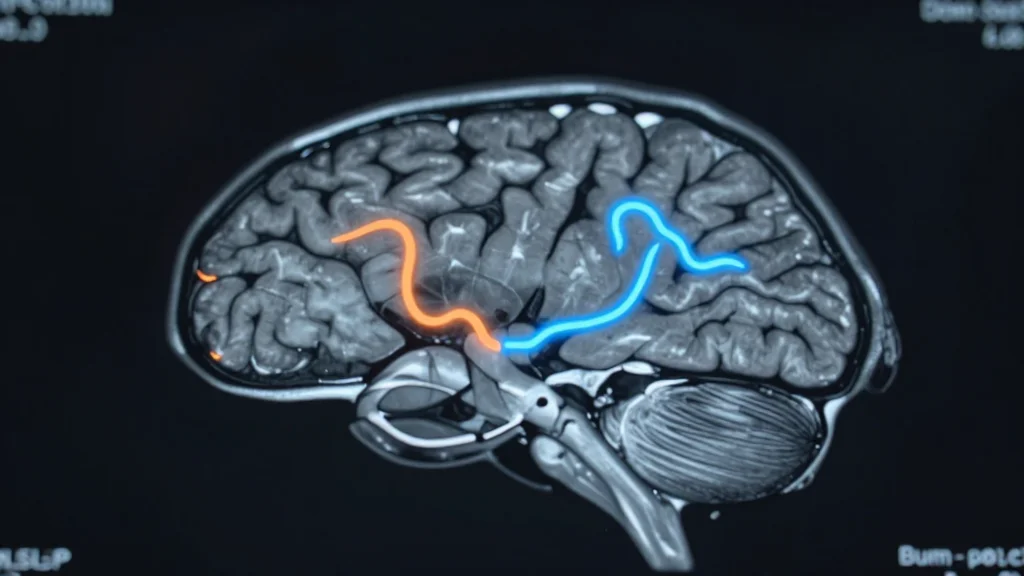
Childhood brain waves can forecast teen anxiety and depression
Researchers at Beijing Normal University tracked 64 children from age 7 to 13 using EEG and fMRI. Machine‑learning models found that stronger alpha‑wave networks at age nine predict later anxiety, while beta‑wave networks anticipate depression, with right‑hemisphere signals linked to anxiety and left‑hemisphere to depression.
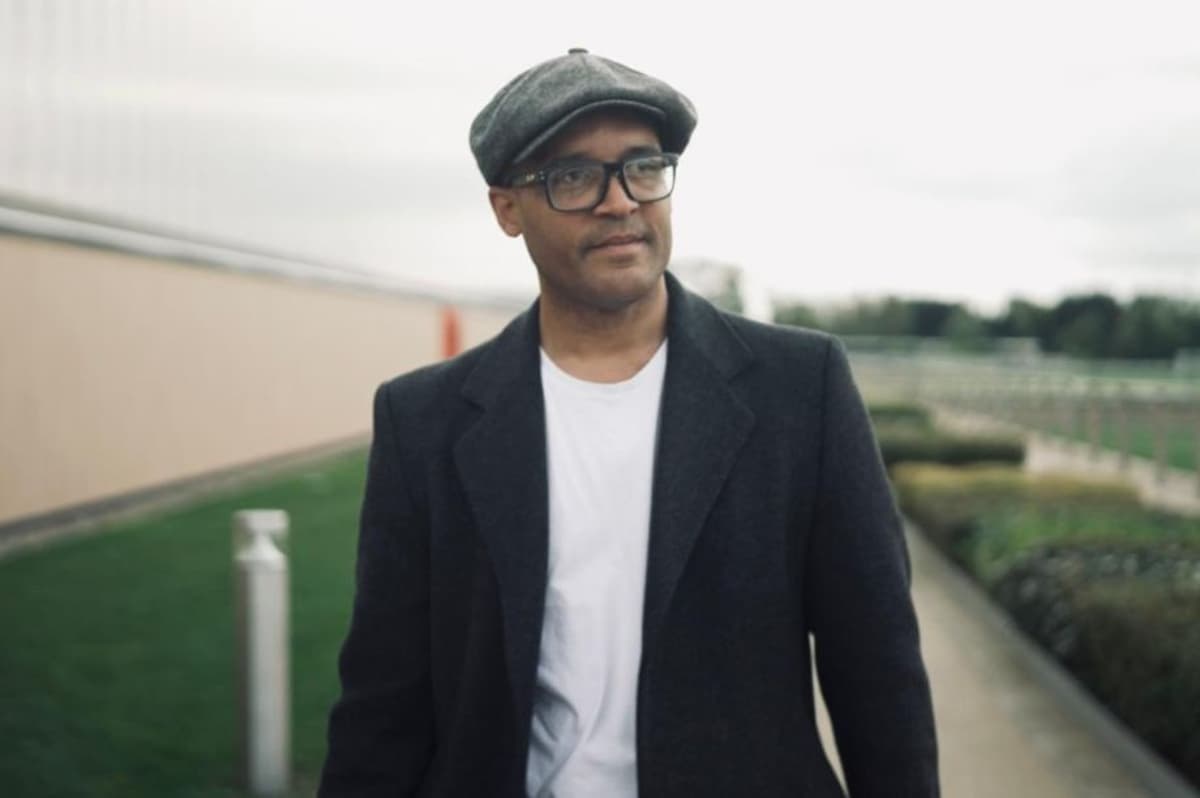
Former Footballer to Chair Major Mental Health Charity
Former Premier League defender Clarke Carlisle has been appointed chair of the UK mental‑health charity Mind. Carlisle, who spent 17 years playing for clubs including Sunderland and Preston, has long spoken publicly about his own battles with depression and anxiety. His new role places him at the helm of a £50 million‑sized organization that supports over one million people annually. The appointment is expected to leverage his high‑profile advocacy to broaden Mind’s reach within sport and the wider public.
Mental Health Foundation Calls for Action with Eight Simple Mood‑Boosting Habits
The Mental Health Foundation released a poll of 4,000 UK adults and unveiled eight evidence‑based habits to improve mood. The initiative, timed for Mental Health Awareness Week, aims to turn growing awareness into concrete self‑care steps.
Breathwork + Sauna: Free Biohack Boosts Brain and Body
The ultimate biohack is free: Your breath. 🫁 I’ve been stacking SOMA breathwork with dry sauna sessions and the physiological shifts are insane. Here is why this combo is a powerhouse for your brain and body:
Neurologist Details How Workplace Stress Triggers Headaches and Offers Relief Tips
A neurologist explains how chronic workplace stress sensitises the nervous system, leading to frequent headaches, and outlines actionable steps—breaks, posture, mindfulness—to curb the pain. The guidance arrives as employers grapple with rising employee‑wellness concerns.

Gurudev Sri Sri Ravi Shankar Turns 70, Reaffirms Message of Inner Calm and Global Healing
Gurudev Sri Sri Ravi Shankar marked his 70th birthday at the Art of Living International headquarters near Bengaluru, using the occasion to stress inner calm and the healing power of Sudarshan Kriya. The celebration underscored his decades‑long peace work in...

Eight‑Week Mindfulness Regimen Cuts Blood Pressure by 7.6 mmHg, Study Finds
Researchers at the University of Illinois Urbana‑Champaign analyzed 18 randomized trials and found that a structured eight‑to‑12‑week mindfulness program can lower systolic blood pressure by up to 7.6 mmHg and reduce inflammatory markers. The findings give clinicians a non‑pharmacologic tool for...

Noah Kahan Opens Up on Mental‑Health Themes Ahead of New Record
In a Rolling Stone sit‑down, Noah Kahan reflects on the mental‑health themes that drive his songwriting while teasing new material. The 29‑year‑old’s candid remarks underscore why his folk‑pop resonates with a generation seeking authenticity.

Naomi Osaka Teams with OLLY to Champion Mental Health, Motherhood, and Boundaries
Four‑time Grand Slam champion Naomi Osaka has joined supplement brand OLLY for its “Do What Serves You” campaign, using the platform to discuss mental health, motherhood, and personal boundaries. Her candid interview with Oprah Daily highlights how self‑care has become...
Cognitive Shuffling Offers a Simple Way to Quiet the Mind and Boost Sleep
Researchers at Duke University Medical Center spotlight a mental technique called cognitive shuffling that can calm a busy mind and improve nightly rest. The method, detailed in TIME, relies on neutral word play to shift brain activity away from stress,...

Beckman Institute Maps Brain Circuitry Behind Stress, Offering Clues for Meditation Therapies
Researchers at the Beckman Institute for Advanced Science and Technology identified a neural circuit that impairs fear extinction under stress. The findings, published in PNAS, spotlight the locus coeruleus‑amygdala‑prefrontal pathway as a potential target for meditation‑based interventions aimed at PTSD...

The Architecture of the Unmeasured Mind
In this episode, host explores the legend of the last great cartographer whose maps were celebrated for their hyper‑realistic coastlines, mountains, and rivers, yet intentionally left blank spaces. The discussion delves into the philosophy that a map’s true power lies...

How Self-Awareness Makes Every Habit Easier
Self‑awareness is a rare skill—only about 12% of people truly possess it despite 95% believing they do. The article explains how genuine self‑awareness, not rumination or narcissism, lets individuals observe thoughts, feelings, and actions non‑judgmentally, which in turn fuels habit...

Metta Bhavana Adopted by Positive Psychology as a Tool for Compassion
Metta Bhavana, a Buddhist loving‑kindness meditation, is being promoted as a key practice in positive psychology. The technique, which involves sending wishes of health and safety to all beings, is shown to activate brain regions linked to positive emotion and...
Mindfulness Group Therapy Cuts Stress Markers in Schizophrenia Spectrum Patients
Researchers led by M. Zierhut published a trial demonstrating that mindfulness‑based group therapy significantly lowered self‑reported stress and biological stress markers in individuals with schizophrenia spectrum disorders. The findings suggest a durable, mechanistic benefit that could reshape adjunctive treatment strategies.

How to Reset Your Mind When It Feels Overloaded
The blog explains how mental overload can make the mind feel crowded and impede focus. It describes common symptoms such as racing thoughts, scattered attention, and an inability to rest. The piece then offers practical reset techniques—including micro‑breaks, mindfulness breathing,...
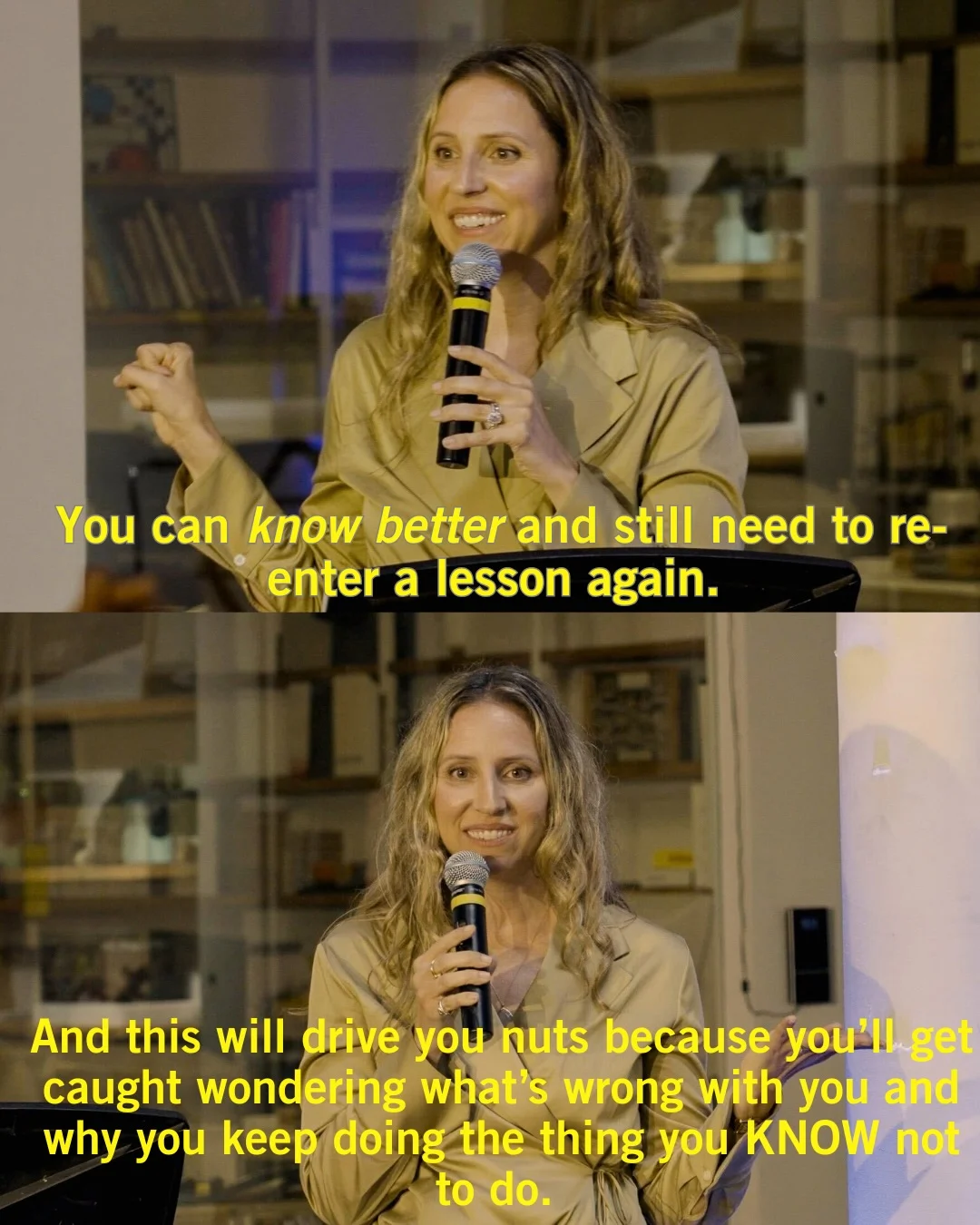
Change Grows Through Slow, Safe, Repeated Practice
I know not entering at all would feel great. But rarely do we start there. Awareness doesn’t meet change with the snap of the fingers most of the time. It takes practice. Over and over again. It’s showing yourself you...

Pause, Breathe, and Show Compassion to Calm Stress
When life is stressful I regulate my nervous system. I learn to pause, step back, breathe, and give myself a little kindness and compassion. #stressmanagment https://t.co/gNyPNJiknC

New Times of India Opinion Calls Solitude a Core Spiritual Discipline
A May 5, 2026 opinion article in Times of India's Speaking Tree column frames solitude as a deliberate teacher and discipline of silence, urging practitioners to embrace isolation for deeper inner development. The piece details personal experience in Ladakh and...

Four Speech Stages Reveal Breath‑Mind‑Speech Unity
In this video, I explore the four stages of speech as understood in the ancient Isha tradition, and delve into the subtle art of mindful communication and the profound connection between breath, mind, and speech. Watch here https://t.co/QZUL13G0Cm
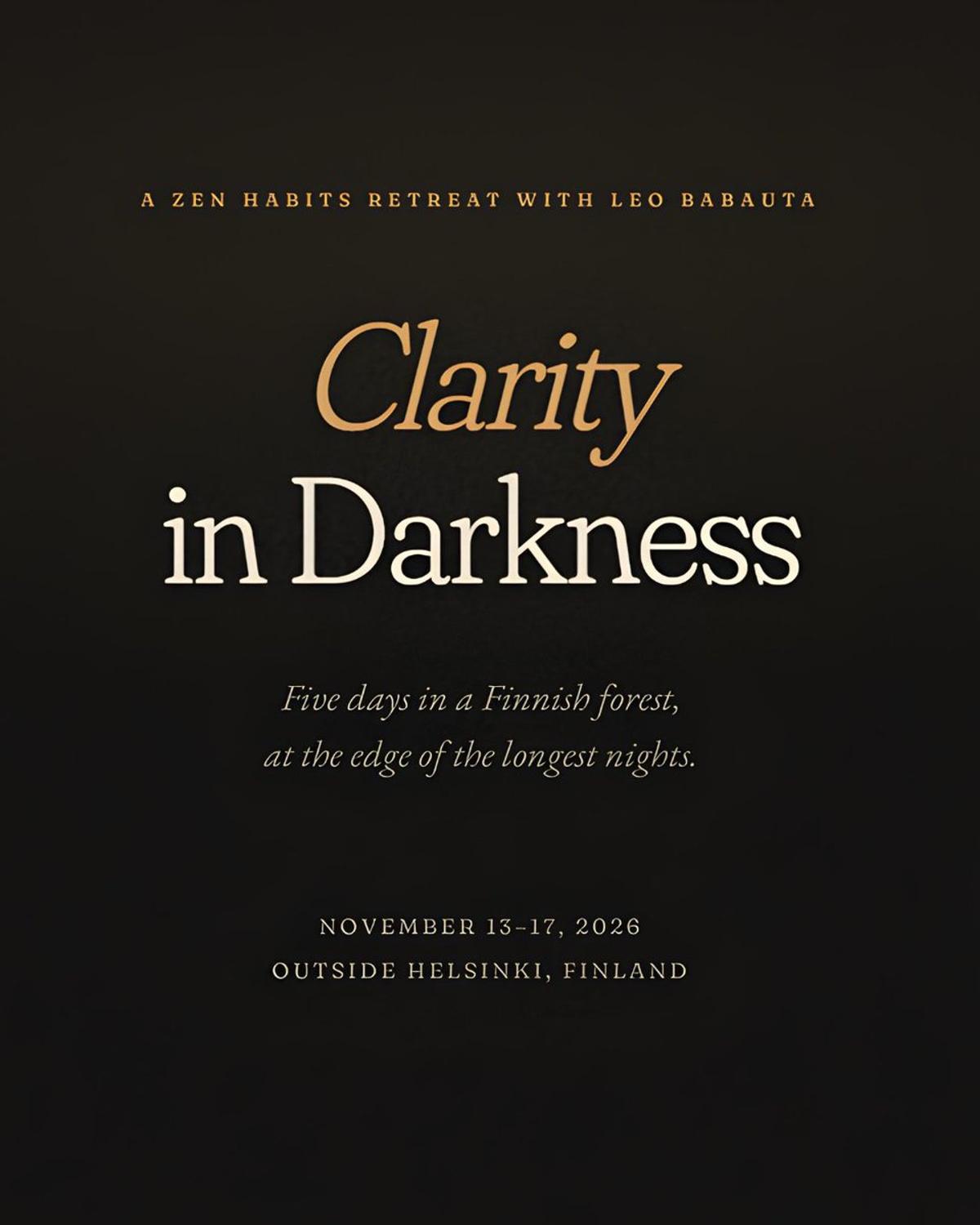
Explore Darkness, Find Clarity: Finland Retreat November
Join me in November in Finland and practice opening to darkness and finding clarity. Limited spots, early bird price until May 16. https://t.co/vJw98bYxdb https://t.co/6HClfpo4MC
Johns Hopkins Psychologist Neda Gould Says Mindfulness Can Cut Stress and Chronic Pain
Johns Hopkins clinical psychologist Neda Gould told Pulse that regular mindfulness practice can rewire the brain and alleviate both stress and chronic pain. She highlighted that nearly three‑quarters of U.S. adults report severe stress, underscoring the urgency of scalable, evidence‑based...

Instruction Cuts CO2 Drop and Hyperventilation Symptoms
An Anti-hyperventilation Instruction Decreases the Drop in End-tidal CO2 and Symptoms of Hyperventilation During Breathing at 0.1 Hz

Sunshine and Green Leaves
The article uses a simple apple‑juice metaphor to explain how meditation works: just as pulp settles and the liquid clears after resting, the mind becomes calm when given space. It argues that true and false mind are one, warning that...

How to Stay in the Present Moment in Everyday Life: 5 Simple Habits
The article outlines five practical habits for cultivating present‑moment awareness in daily life, ranging from single‑tasking to using a simple mental cue like “Now I am ….” It emphasizes slowing down routine actions, limiting early‑day digital consumption, and employing a...
BI 237 Ehud Ahissar: Consciousness and Perceptual Dualism
In this episode, host Paul interviews neuroscientist Ehud Ahissar about his concept of "perceptual dualism," which posits that consciousness arises from two distinct modes of brain activity: digital brain‑brain communication (BB) and analog brain‑world interaction (BW). Ahissar traces his journey...

Women Who Grew up Being Told They Were “Too Sensitive” Often Become the Most Mentally Tough People in the Room...
Women repeatedly told they were “too sensitive” often spend five decades honing an emotional fluency that later translates into remarkable mental toughness. Rather than shutting down, they learn precise feeling vocabularies, differentiate shame from anger, and sit with grief without...

Breathwork – A Pathway to Nervous System Regulation
Breathwork leverages conscious, connected breathing to directly influence the autonomic nervous system, offering a bottom‑up method for nervous system regulation. By temporarily activating stress responses in a safe setting, it helps the nervous system reorganize from chronic hypervigilance or shutdown...
New Research Shows Just How Quickly Meditation Boosts Your Brain
A March 2026 study published in Springer found that meditation triggers observable brain‑wave changes in as little as 30 seconds for seasoned practitioners and after 2‑3 minutes for beginners, with effects peaking at 7‑10 minutes. The research tracked over 100 participants...

Tricycle Adds Lin Wang Gordon’s Four‑Elements Meditation to Dharma Talks Archive
Tricycle's online Dharma Talks archive includes a video teaching by meditation instructor Lin Wang Gordon that guides listeners through a four‑elements practice. The addition expands the nonprofit’s collection of accessible Buddhist teachings for readers seeking practical spiritual tools.

A Light, Slow, Deep (LSD) Breathing Meditation
Shamash Alidina introduces a Light, Slow, Deep (LSD) breathing meditation that emphasizes gentle, prolonged inhalations and longer exhalations to engage the parasympathetic nervous system. The guided practice uses a four‑second inhale, a brief pause, and a six‑second exhale, focusing on...

Guru Studio Expands ‘True and the Rainbow Kingdom’ with Mindfulness-Focused Shorts
Guru Studio is launching a new series of mindfulness‑focused shorts called True & You on YouTube and YouTube Kids, timed for Mental Health Awareness Month in May. The bite‑sized videos feature guided breathing exercises and ASMR‑style relaxation, using the popular...

Anxiety: Your Body Braces for Uncertain Futures
Anxiety is the body running prediction errors. It scans the present for a future that resembles the past. The somatic signal is the nervous system saying “I don’t have enough information to predict, so instead I’m bracing.”

Reappraising Anxiety
Research published in the Journal of Experimental Psychology shows that reappraising pre‑performance anxiety as excitement can improve both feelings and performance. Instead of trying to calm down, individuals are encouraged to label their nervous energy as excitement, shifting from a...
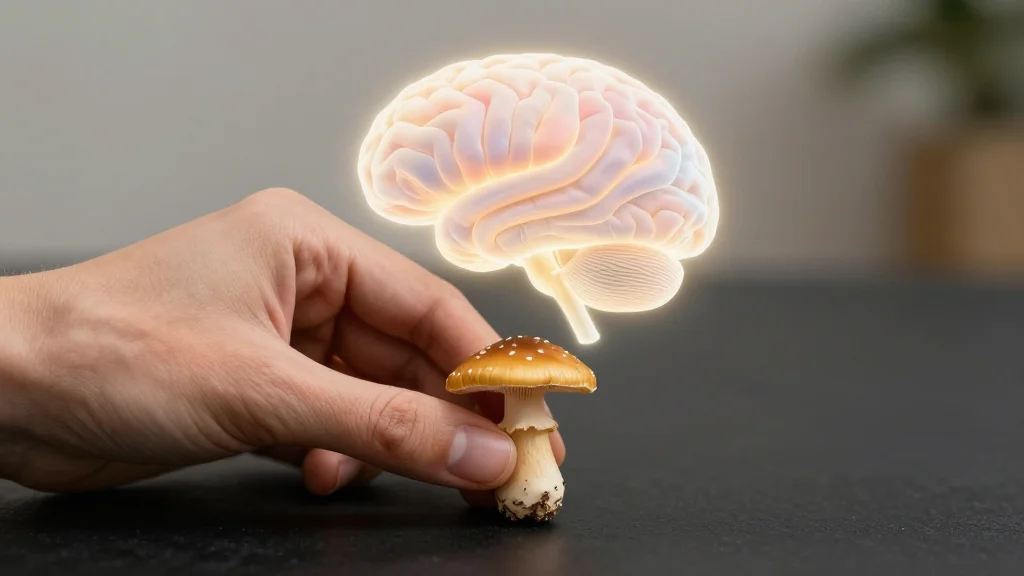
Psychedelic Science Breakthrough: Increased Brain Entropy From Psilocybin Predicts Lasting Psychological Insight and Well-Being
Researchers at UCSF and Imperial College London reported that a single high dose of psilocybin (25 mg) triggers a rapid surge in brain signal entropy, which correlates with heightened psychological insight the next day and sustained improvements in well‑being up to...

Neuroscientist Shares Six Daily Habits to Boost Brain Health and Motivation
Dr. Alex Rivera, a neuroscientist with two decades of research, detailed six daily habits that protect brain health and sustain motivation. The routine emphasizes light movement, enjoyable activities, purposeful work, celebrating micro‑wins, regular social contact, and adequate sleep.
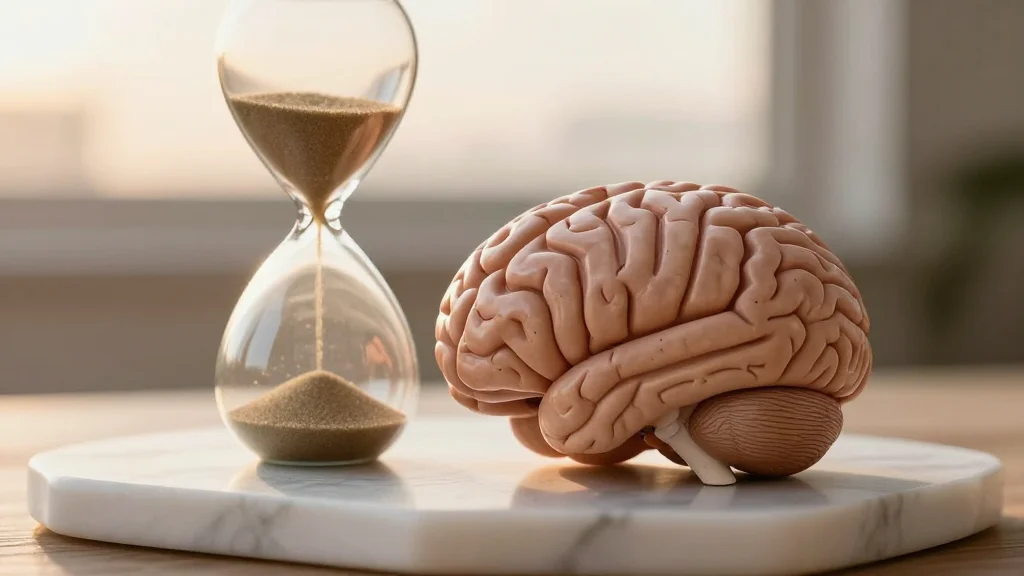
UCLA Study Shows Dopamine Expands Perceived Time and Boosts Memory Formation
UCLA psychologists published a study in Nature Communications showing that activation of the brain’s ventral tegmental area lengthens perceived time and improves memory encoding. The work, based on fMRI scans of 32 volunteers, suggests dopamine’s role in segmenting experience may...
SGK1 Bridges Early Life Adversity, Genetic Risk, and Depression
A new study in Molecular Psychiatry links the protein kinase SGK1 to depression risk by showing its elevated expression in the hippocampus of individuals who died by suicide and had early‑life adversity. Genetic analyses reveal that variants driving higher SGK1...

Healing Deep Wounds While Managing Everyday Life
It's honestly so simple. Just heal your family trauma, regulate your nervous system, break your addictions, process centuries of cultural trauma, repair your attachment style, reparent your inner child, and develop a spiritual practice that dissolves the boundaries between self and...
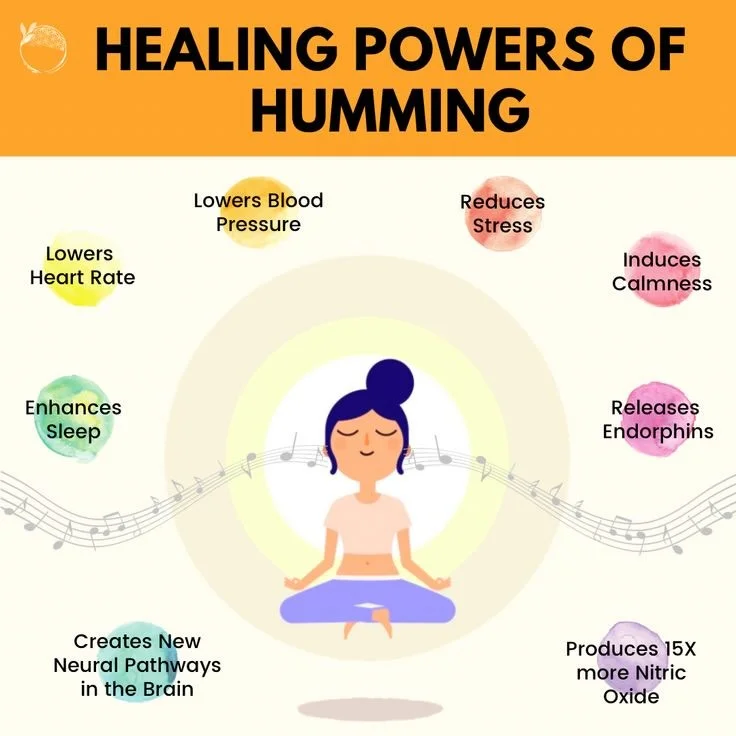
Move Your Body When Words Fail
Not everything needs words. Some things just need to move. If you feel stuck, try this— hum, sigh, make sound… let your body do what your mind can’t.

Podcast: Why Your Brain Always Wants More, and How to Fix It
The Two Percent podcast features Leidy Klotz, a UVA professor whose research reveals a pervasive bias: people favor adding solutions over subtracting, even when subtraction is optimal. Klotz’s work, highlighted in a Nature paper, shows that subtractive changes improve health,...

Conserve Mental Bandwidth: Build, Don’t Dwell on Problems
If our brain is using its finite resources to scan for negatives or visualizing all the problems that could arise, it has fewer resources leftover for doing actual work. Focus your energy not on struggling with the old, but on building...

Stop Overthinking: Walk Outside, Breathe, Let Worries Fade
The more you think about your problems, the bigger they become. Go outside, look up at the sky, take a deep breath and walk a bit to clear your mind. Worrying does not change the outcome. https://t.co/MuLD1WzXEi

The Call Is Coming From Inside the Pattern
In a Mental Health Awareness Month post, Holly explains that the nervous system communicates through raw sensations, not clear‑cut emotions, and that our brain quickly spins narratives around those signals. She outlines four common dating states—preoccupation, vague unease, calm ease,...

Self‑reflection Unlocks Love and Opens Closed Hearts
We must look at ourselves over and over again in order to learn to love, to discover what has kept our hearts closed, and what it means to allow our hearts to open. ~ Jack Kornfield https://t.co/wsgN8AuNZ0

Find Stillness Amid Chaos to Stay Focused
When life swirls around you, make time for stillness in order to remain clear, focused, and aligned with your life’s path. https://t.co/lnaiBrLbVt

4 Ways AI Makes Mindfulness Matter More
The article argues that AI intensifies four threats to human well‑being: attention exploitation, loss of presence, erosion of liberty, and superficial compassion. AI’s personalized hooks hijack attention before we choose it, while always‑on agents push perpetual multitasking. The author warns...

Scientists Edge Closer to Mapping Psychedelic Brain Effects
Science gets closer to understanding how a psychedelic trip changes the brain https://t.co/XWKXo1TIAL via @nbcnews
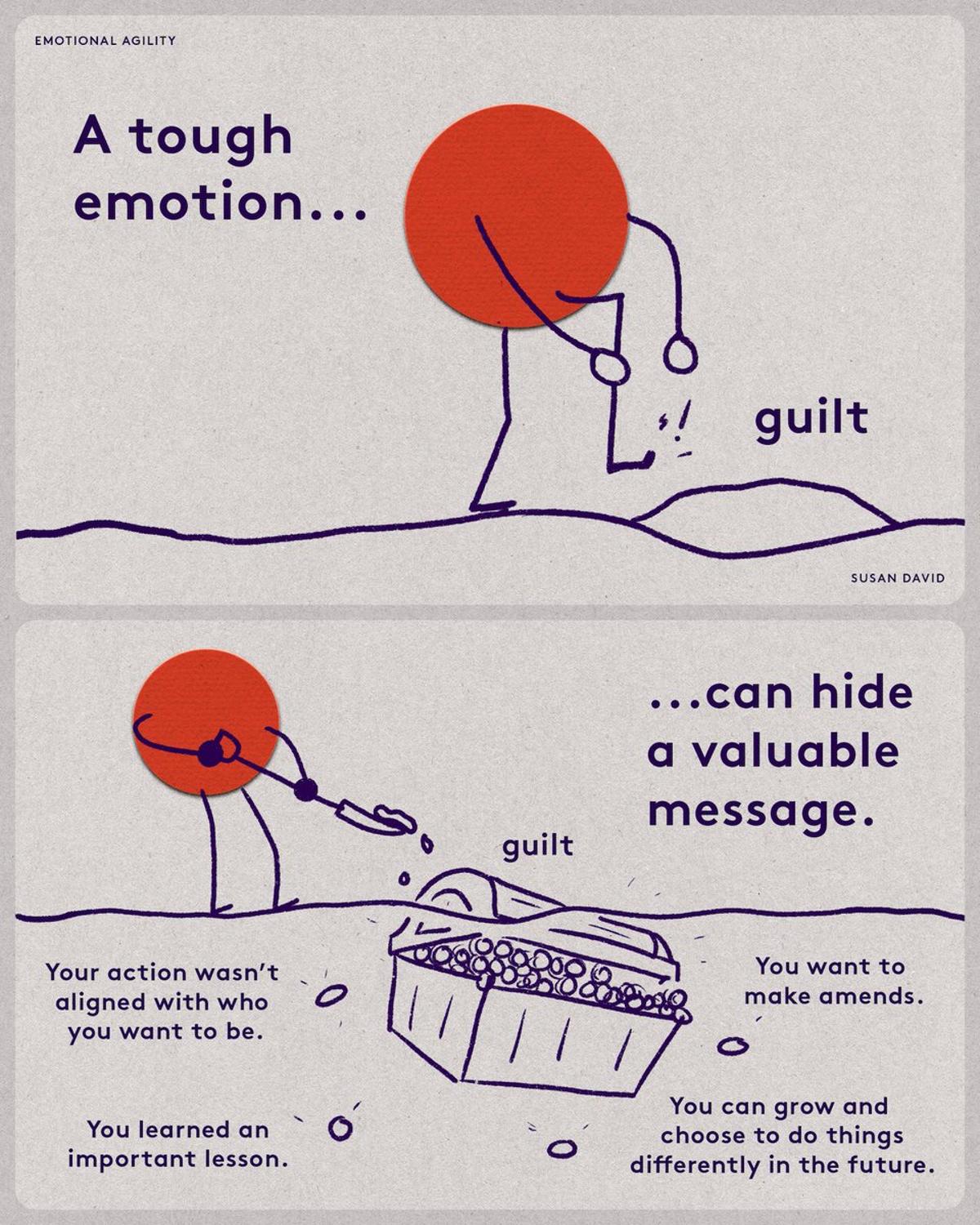
Breathe Into Painful Emotions to Reveal Your Needs
Our difficult emotions aren't just painful experiences that we need to tolerate. If we breathe into them for a moment, we’ll begin to see them as data that signposts our needs and values. https://t.co/QPiCLbqasQ
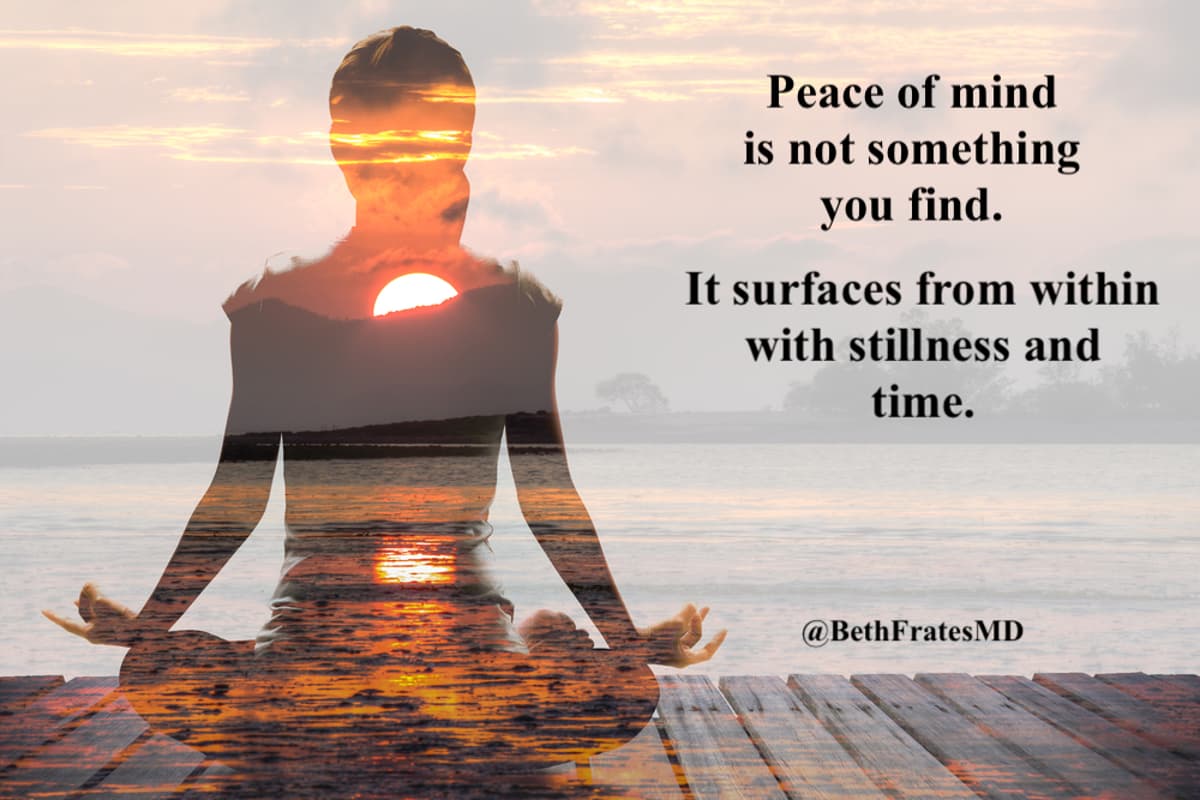
Peace Emerges From Inner Stillness, Not External Search
"Peace of mind is not something you find. 🙏 It surfaces from within with stillness and time." 🌹 -Beth Frates MD #quote #MentalHealth #Peace #mindset #serenity #calm #JoyTRAIN #TuesdayThoughts #TuesdayMotivation https://t.co/RT1n4T7OS7
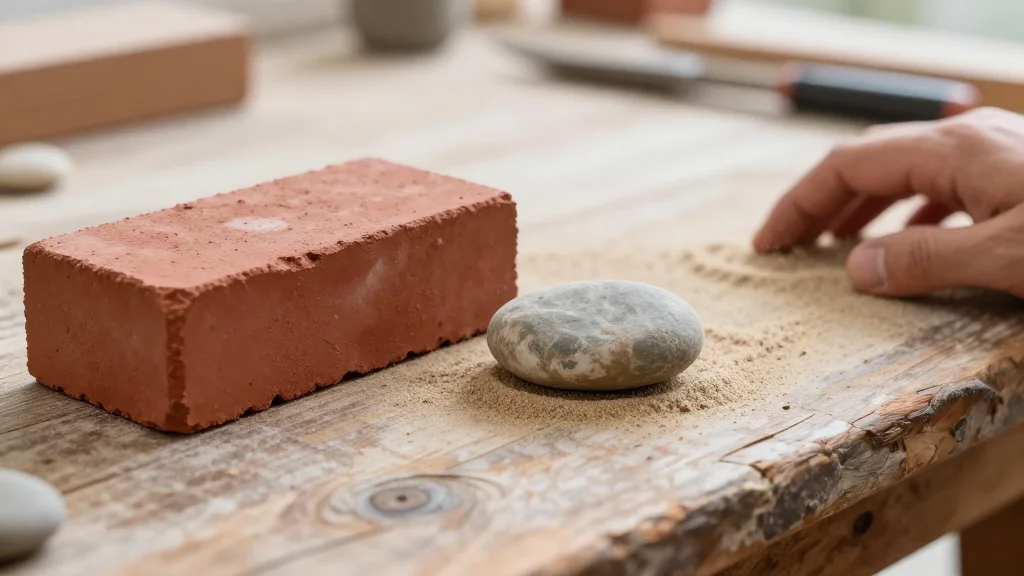
Depression Fears a Brain on the Move
"The line George Mack used in his post, "depression hates a moving target," is good poetry. The science behind it is sharper. #Depression hates a brain that has somewhere else to be." #WinstonChurchill #HealthHabits