![6 Best Gratitude Journals for Daily Thankfulness [2026 Update]](/cdn-cgi/image/width=1200,quality=75,format=auto,fit=cover/https://www.developgoodhabits.com/wp-content/uploads/2024/10/cropped-DGH-v1.6.png)
6 Best Gratitude Journals for Daily Thankfulness [2026 Update]
The article reviews six gratitude journals for 2026, highlighting features, pros, and cons for each. The 90‑Day Gratitude Journal emerges as the clear winner due to its science‑backed prompts and concise format. Other options cater to specific audiences, such as morning readers, doodlers, and religious users. Practical tips on habit formation and journal use round out the guide.

Psychology Says the Most Disciplined Morning Habit Isn’t Waking up Early, Meditating, or Cold Plunging, It’s the Specific Discipline of...
The article argues that the most disciplined morning habit isn’t early rising or meditation, but refraining from touching your phone until you’ve had a quiet, uninterrupted conversation with your own mind. Neuroscience shows the brain stays in a theta‑wave, creative...
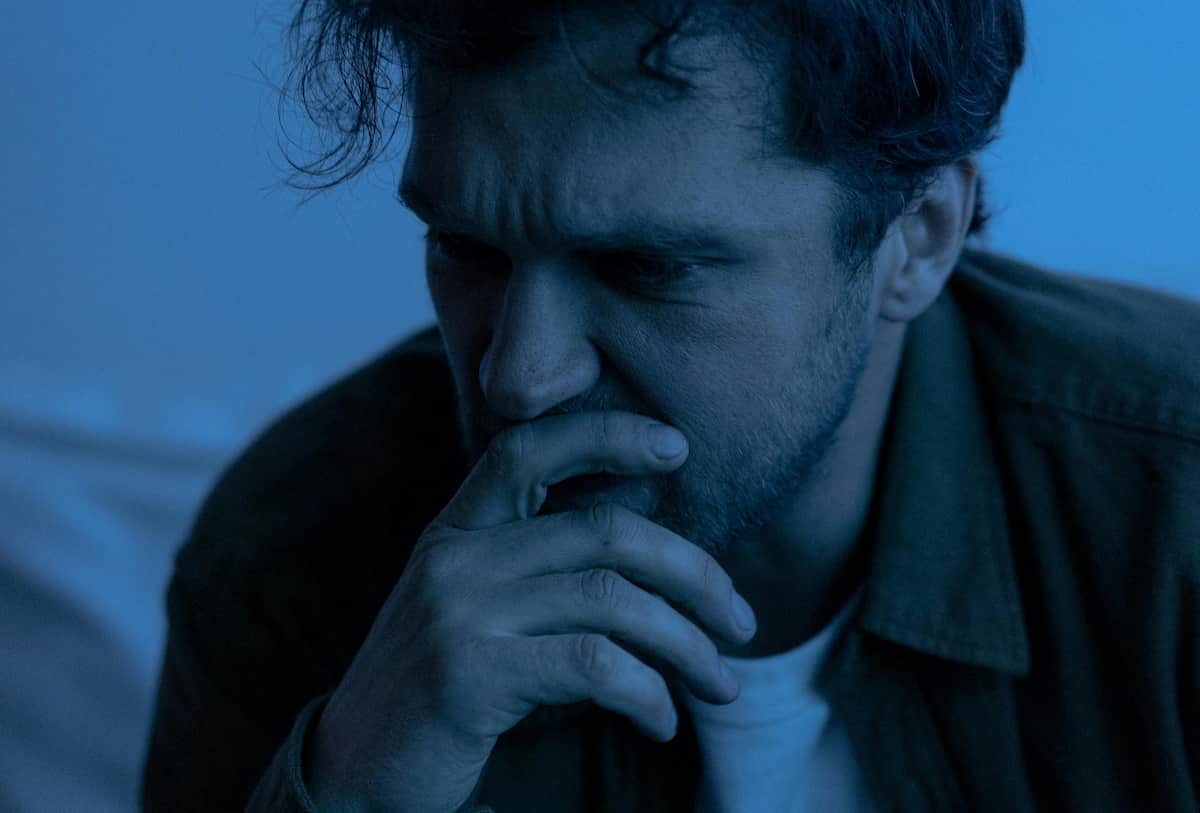
A Better Way To Treat Panic Disorder — And Patients Prefer It (M)
A new therapeutic protocol that deliberately induces panic sensations—such as a racing heart and shortness of breath—has shown superior outcomes for panic‑disorder patients, who also report higher satisfaction than with medication or standard cognitive‑behavioral therapy. The approach, rooted in interoceptive...

Karan Wahi Reveals How a Tulsi Mala, Doing Naam Jaap, and Leaving Non-Veg Food Made Him Calmer
Indian actor Karan Wahi disclosed that wearing a tulsi mala, practicing daily naam jaap chanting, and adopting a vegetarian diet have markedly calmed his temperament and improved his skin health. He shared these changes on the Abraa Kaa Dabra Show,...

Digital Wellbeing: Breaking Free From Screen Overload
The article defines digital wellbeing as the balanced, intentional use of technology that supports mental, physical, and emotional health. It highlights the harms of doomscrolling and social‑media addiction, citing recent research linking these habits to higher stress, anxiety, and reduced...
A Meditation to Meet Yourself Where You Are—No Matter What
Mindfulness instructor Cheryl Jones offers a ten‑step guided meditation designed to foster self‑acceptance regardless of circumstance. The practice walks participants through posture, breath awareness, and neutral observation of thoughts, feelings, and bodily sensations. Jones, a two‑book author and award‑winning corporate...

Stop and Smell the Roses: Mindful Garden Bathing
The Mindful Leader outlines garden bathing, a mindfulness practice that immerses users in the detailed sights, sounds, and scents of a garden. It positions this activity as a more accessible alternative to forest bathing, especially for urban dwellers and busy...

Short Video Addiction Is Linked to Lower Life Satisfaction Through Loneliness and Anxiety
Researchers from Trakya University found that problematic use of short‑form video apps triggers a chain of psychological effects that erode life satisfaction. In a two‑wave study of 234 university students, higher short‑video addiction at the start predicted greater loneliness three...
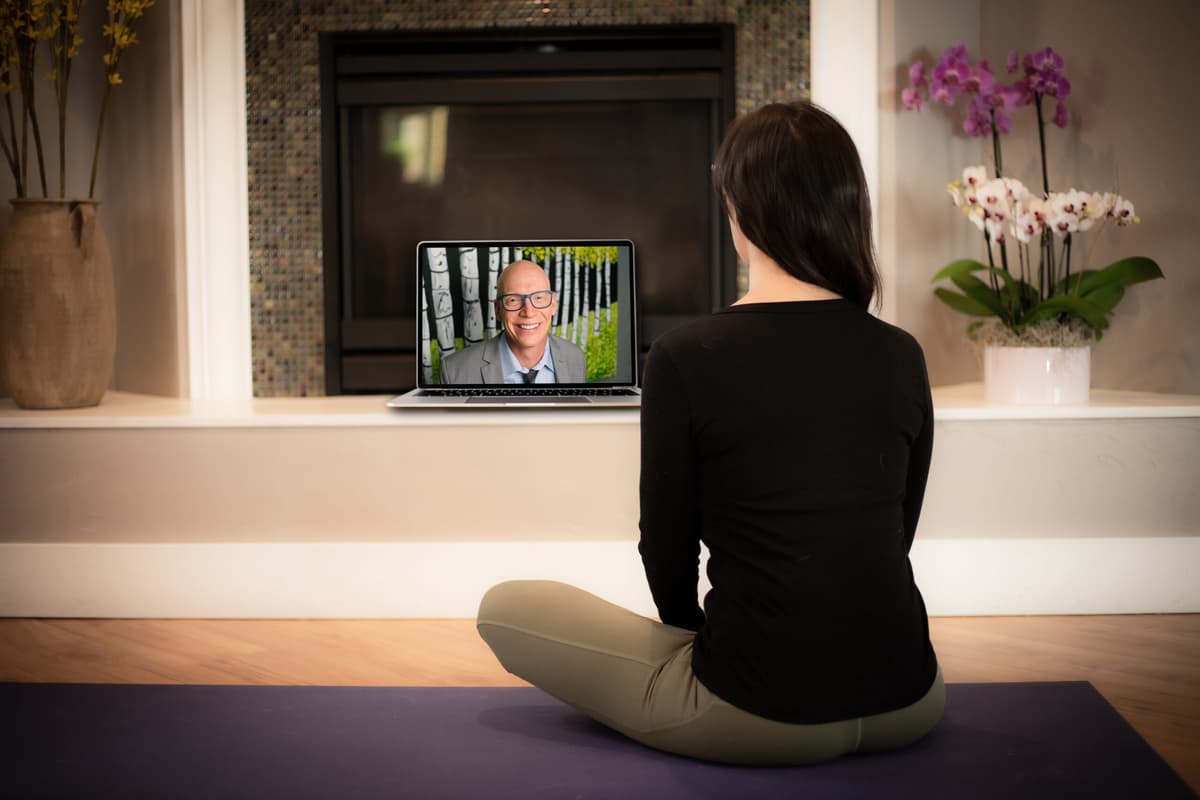
The Benefits of Practicing Breathwork Online: Flexibility Meets Mindfulness
Online breathwork is proving that virtual sessions can match—or even surpass—studio experiences. By practicing in their own homes, participants receive a powerful safety cue that lets the nervous system relax deeper than a physical studio can provide. The flexibility of...

The People Who Mistake Self-Sufficiency for Healing and Don’t Realize They’ve Just Gotten Better at Hiding What Still Hurts
Self‑sufficiency is widely praised, but the article argues it often disguises unresolved emotional pain rather than true healing. It distinguishes between genuine processing—where people can articulate hurt—and mere containment, which appears as high performance but erodes connection over time. The...
Raising Happy Children In Challenging Times: Practices that Build Essential Skills For Well-Being
Raising happy children is framed as teaching well‑being skills rather than chasing fleeting emotions. Research shows gratitude, mindfulness, and empathy are learnable practices that boost resilience and mental health. The article offers three hands‑on activities—a Glimmer Wand, a Gratitude Sandwich,...
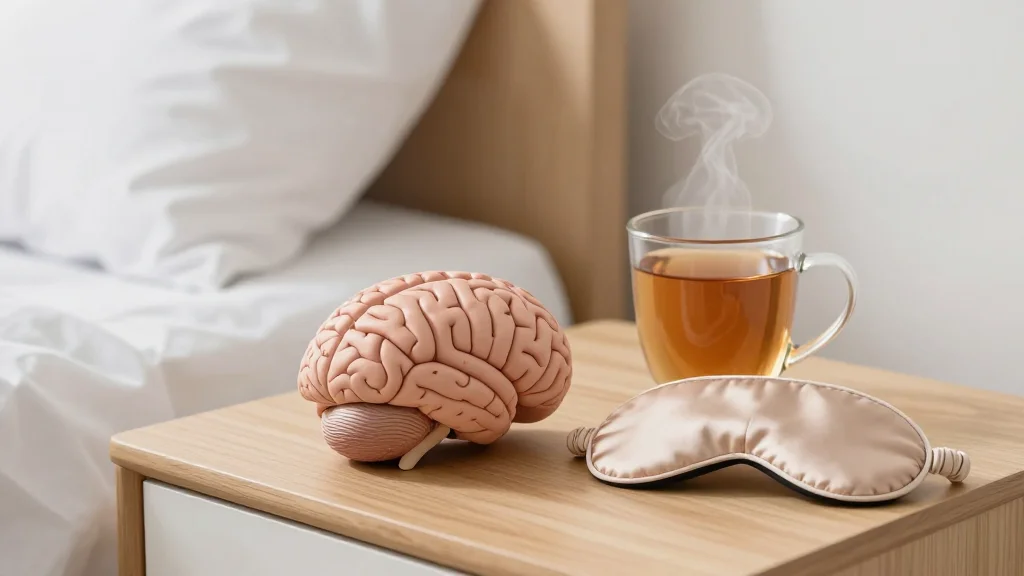
What Actually Happens to Your Brain When You Don't Sleep Enough
A new study combining human MRI data from 185 sleep‑deprived adults with rat experiments shows that insufficient sleep thins the brain's myelin sheath, disrupts cholesterol delivery to oligodendrocytes, and slows neural signal propagation. The resulting delay in communication between brain...
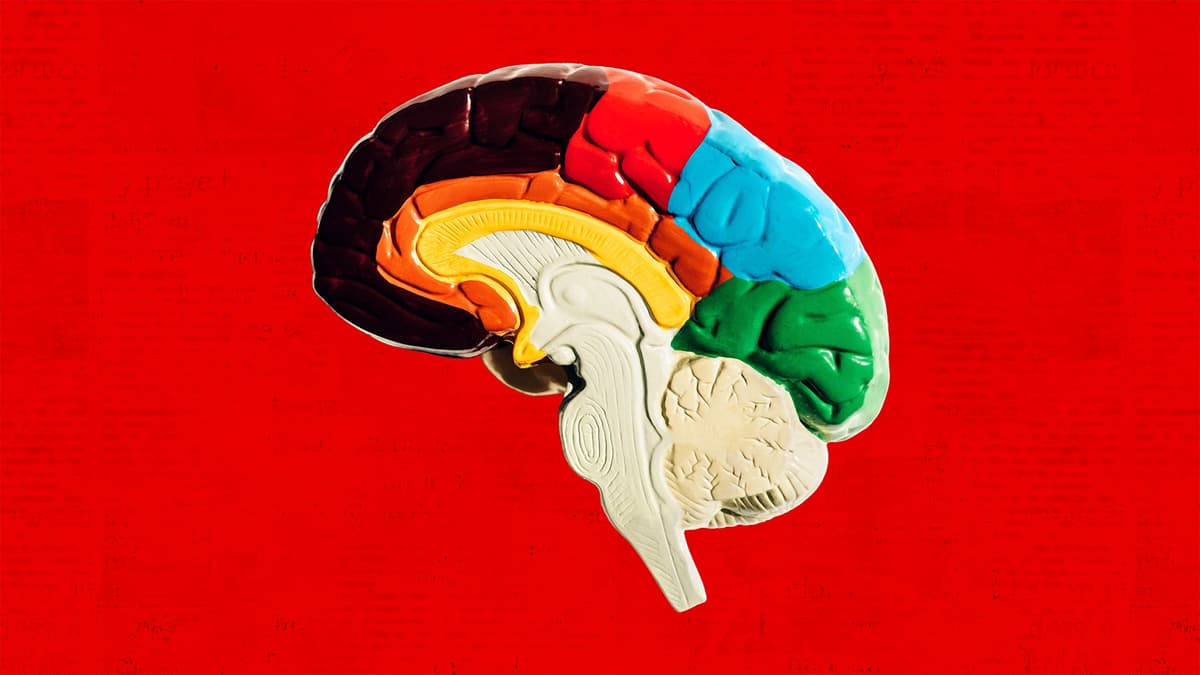
Scientists Say This Star-Shaped Brain Cell Holds the Key to Curing Anxiety and PTSD
Recent research reclassifies astrocytes—once dismissed as "brain glue"—as active regulators of neuronal function. A Nature study shows that stress‑induced reactive astrocytes can either shield neurons or release toxic factors, influencing neurodegenerative disease progression. Separate experiments demonstrate that manipulating astrocyte activity...

Q&A: Psychiatrists on the Unintended, Fatal Consequences of Mixing Psychiatric Meds
Brown University psychiatrists warn that psychotropic polypharmacy—using two or more psychiatric drugs simultaneously—is an under‑recognized driver of fatal overdoses. Their commentary notes antidepressants topped prescription substances in intentional overdoses in 2022, and risky mixes with benzodiazepines, alcohol or opioids amplify...

‘Bouncing Back’ Is a Myth. Here’s What Real Resilience Looks Like
The article challenges the popular myth that resilience means simply "bouncing back" after trauma, using Maria’s mastectomy experience as a vivid illustration. It argues that resilience is a dynamic, ongoing process involving emotional integration rather than relentless positivity or toughness....
:max_bytes(150000):strip_icc():format(jpeg)/alternative-therapies-types-and-uses-5207962_final-406a673fa76e41d9add8ce4771222dd0.png)
What Are Alternative Therapies?
Alternative therapies—collectively known as Complementary and Alternative Medicine (CAM)—encompass practices such as yoga, acupuncture, meditation, herbal remedies, and more. The National Center for Complementary and Integrative Health groups them into nutritional, physiological, physical, and combined approaches. Studies indicate that between...
The Bliss of Blamelessness
The Buddha’s “handful of leaves” parable illustrates that the vast knowledge of enlightenment can be distilled into a small, practical set of teachings. In Buddhism this set comprises three pillars—generosity (dāna), ethical conduct (sīla), and mental cultivation (bhāvanā). The article...

Music Corrects the Brain’s “Glitched” Predictions
A Yale‑led longitudinal study found that weekly group songwriting can reduce paranoia in people with psychosis, especially those with milder hallucinations. Linguistic analysis revealed a shift from first‑person to plural pronouns, suggesting participants felt more socially connected. The music‑making intervention...

5 Ways to Take Breaks at Work Even when You’re Time Crunched
Modern workdays are riddled with back‑to‑back meetings and constant interruptions, with 80% of workers reporting insufficient time or energy, according to Microsoft’s 2025 Work Trend Index. The article outlines five practical micro‑break strategies that can be woven into existing schedules,...

‘Overdue’ Debate Unfurls over Neuroimaging Method
A recent Nature Neuroscience paper criticized lesion network mapping (LNM), claiming it yields biased, overlapping networks across disorders. Harvard’s Shan Siddiqi and Michael Fox responded by re‑analyzing their data with additional statistical controls, posting a bioRxiv preprint that defended LNM’s...

Openness Energy Awake
Michael Taft led an hour‑long guided nondual meditation titled “Openness Energy Awake,” blending movement, pranayama, mantra chanting and open‑awareness inquiry. He emphasized observing breath and thought without manipulation, inviting participants to notice the subtle energy behind both. The session included...
Finnish Cold-Water Swimmers Reveal How Frigid Dips Cure the Modern Rush
A study published in the European Journal of Marketing examined 20 regular cold‑water swimmers in Finland. Researchers found that repeated icy plunges teach participants to deliberately slow their perception of time and to use breathing techniques that create calm before,...
How Present-Moment Awareness Can Make Life More Meaningful
Present‑moment awareness, or mindfulness in motion, shifts attention from autopilot thinking to the here‑and‑now, whether in a grocery line or at work. Research shows the average person mind‑wanders 47% of the day, a pattern linked to lower happiness and productivity....
:max_bytes(150000):strip_icc():format(jpeg)/GettyImages-2156134794-de9eece909774ad8a355043dea5898a9.jpg)
Feeling Blah? Psychologists Share Simple Ways to Turn Your Day Around
Psychologists James Jackson and Kait Rosiere outline five science‑backed habits that can lift a "blah" mood in under an hour. Short outdoor breaks, gratitude journaling, creative play, light exercise, and mindful "glimmers" are presented as low‑cost, easily adoptable tools. The...

Happiness Break: A Loving-Kindness Practice for Yourself
The Science of Happiness released a "Happiness Break" episode featuring a guided loving‑kindness meditation led by Dr. Kristin Neff, an expert in self‑compassion. The six‑step practice starts with body awareness, extends goodwill to a loved one, then turns the same wishes...

Texting Anxiety Away: Does Text Message CBT Work for Young Adults?
A randomized controlled trial of 102 U.S. young adults tested a fully automated, text‑message‑delivered cognitive‑behavioral therapy (CBT) for generalized anxiety disorder. Over a 64‑day period participants received 350 tailored texts, resulting in a large treatment effect (d = 0.83) and a drop...
:max_bytes(150000):strip_icc():format(jpeg)/Preocupation-With-Death-56a09d095f9b58eba4b2110f.jpg)
I Keep Thinking About Death—Am I Depressed?
The article explains that persistent thoughts of death are often a symptom of depression, bipolar disorder, OCD, PTSD, or grief, and distinguishes between passive and active suicidal ideation. Passive ideation involves wishing to die without concrete plans, while active ideation...
A Daily Mindfulness Habit Can Improve Your Memory for Future Plans
A week-long mindfulness meditation program significantly improved participants' time‑based prospective memory when they could not rely on an external clock, achieving a 52% success rate versus 28% for controls. The advantage vanished in an unrestricted condition where both groups hit...

Most Founders Are Managing Stress. Here’s How to Actually Resolve It.
Entrepreneur contributors highlight bilateral stimulation—a natural left‑right brain rhythm—as a rapid method for founders to resolve, not just manage, stress. The technique, demonstrated by a founder tapping alternating arms, lowered heart rate and eased tension within seconds, contrasting with traditional...

5 Ways to Help Make Meditation a Daily Habit
The article outlines five practical tactics for turning meditation into a daily habit, emphasizing short sessions, habit stacking, consistent timing, accountability, and integrating mindfulness into everyday activities. Research cited shows frequency of practice drives stress reduction more than total minutes....

Why Forgiving Ourselves Feels So Hard—And What Helps
A recent study of 80 U.S. adults examined why some people can forgive themselves after a mistake while others remain trapped in guilt. Participants described personal failures ranging from caregiving lapses to relationship betrayals, revealing that rumination and self‑condemnation hinder...
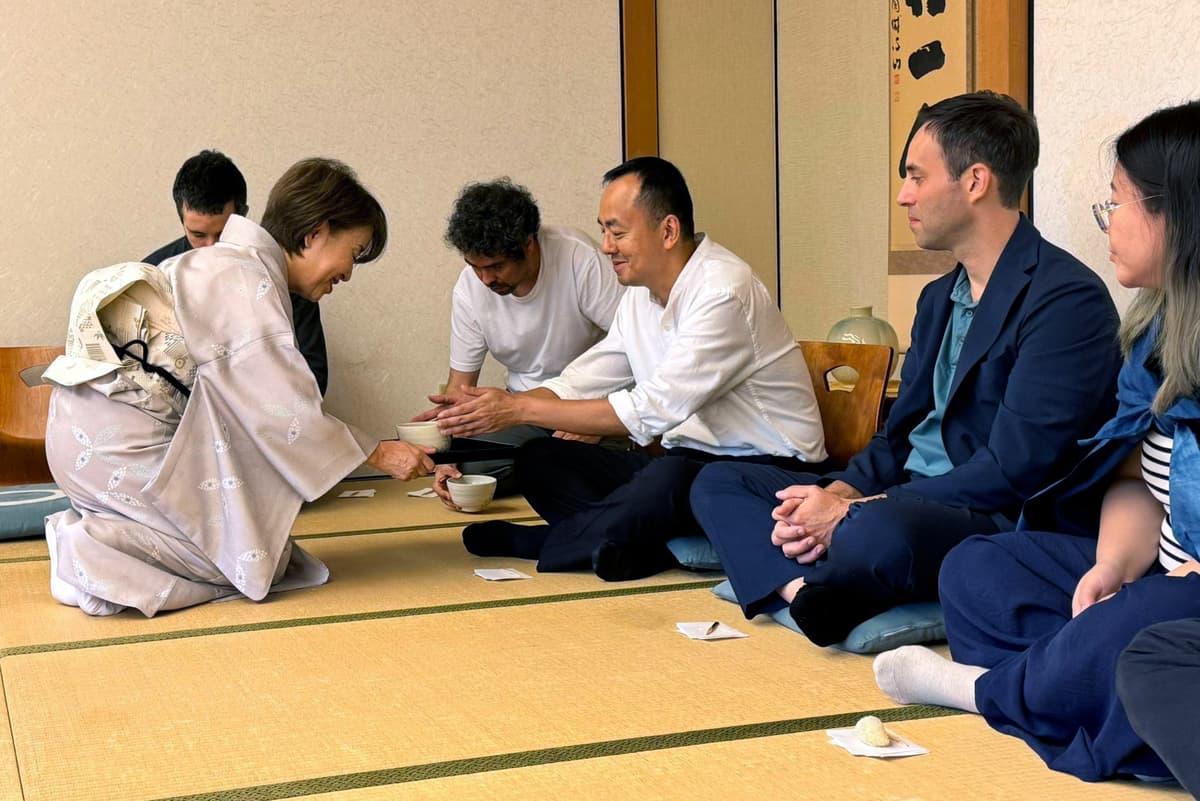
“Mindfulness Did Not Make Me Slower. It Made Me Clearer”
Stanley Ng, founder of Mindful Circle and a management‑consulting executive, credits mindfulness for improving his decision‑making and leadership under pressure. He describes how brief breath‑focused practice creates a mental pause that lets him detect narrowing perspective, stay open, and respond...
A Meditation to Create Inner Balance in the Face of Change
Susan Bauer‑Wu, a registered nurse and mindfulness researcher, shares a guided meditation designed to cultivate equanimity during periods of change. The practice walks listeners through posture, breath awareness, intention setting, and compassionate outreach, encouraging presence without attachment. By framing happiness...
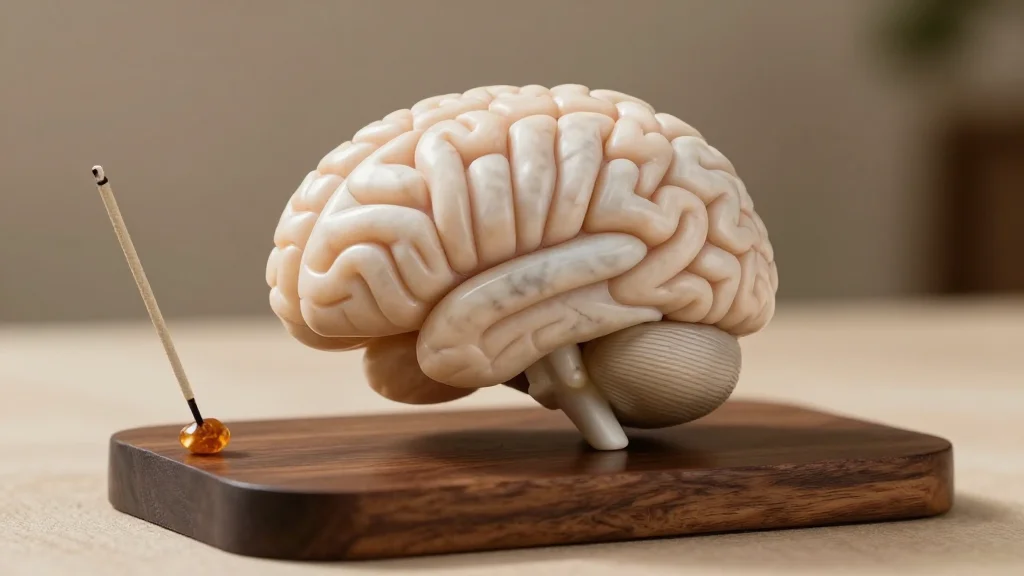
Scientists Map the Brain Network Behind Self-Transcendence
Harvard researchers used lesion network mapping on 88 brain‑tumor patients to pinpoint a neural circuit that underlies self‑transcendence, the experience of moving beyond the personal self. The circuit shows two poles: posterior midline regions that act as a brake on...

Applications Open for European Journalist Retreat on Trauma, Resilience and Ethical Reporting
The Global Center for Journalism and Trauma, together with iMEdD's Ideas Zone, announced a four‑day retreat for European journalists in Vamvakou, Greece, from 14‑18 October 2026. The fully funded fellowship targets reporters, editors, photographers and multimedia journalists covering conflict, migration,...
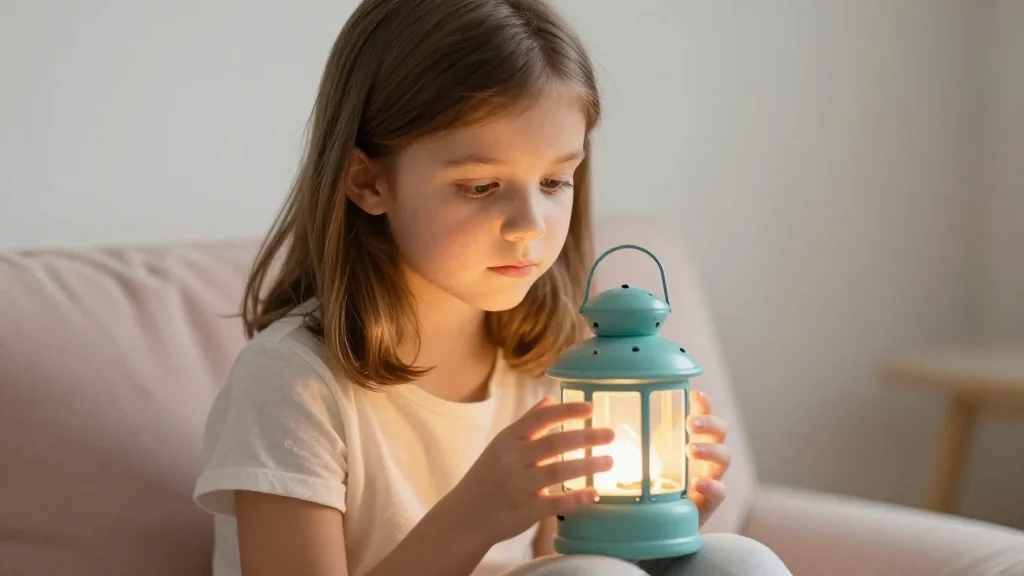
Asking Preadolescents About Suicide Does Not Increase Suicidal Thoughts
Researchers examined whether repeated suicide screening triggers new suicidal thoughts in preadolescents. In a 12‑month longitudinal study of 192 Missouri children aged 8‑12, monthly (low‑risk) or weekly (high‑risk) Ask Suicide‑Screening Questions (ASQ) surveys showed no increase in ideation. Statistical analyses,...
We Are Deeply Interconnected
The InsightLA essay "We are Deeply Interconnected" argues that quiet meditation uncovers hidden conditioning and that Dharma friendships—relationships rooted in shared mindfulness practice—amplify personal transformation. By framing human experience as a network of interdependent beings, the author likens our mental...
White Matter Pathways Mediating Dorsolateral Prefrontal TMS Therapy for Depression
A new Nature Neuroscience study maps the white‑matter routes that link dorsolateral prefrontal cortex (DLPFC) transcranial magnetic stimulation (TMS) sites to the subgenual cingulate (SGC), a key depression hub. Using two clinical cohorts, the authors show that the number of...

Become an Inner Nature Writing™ Facilitator
Inner Forest School launched the Inner Nature Writing™ Facilitator Certification, a three‑month, self‑paced program that blends mindfulness, guided imagery, and expressive writing. Participants complete 35 lessons, three live Zoom sessions, and 25‑30 hours of coursework to earn a digital certification....
What It Takes to Become a Successful Breathwork Facilitator
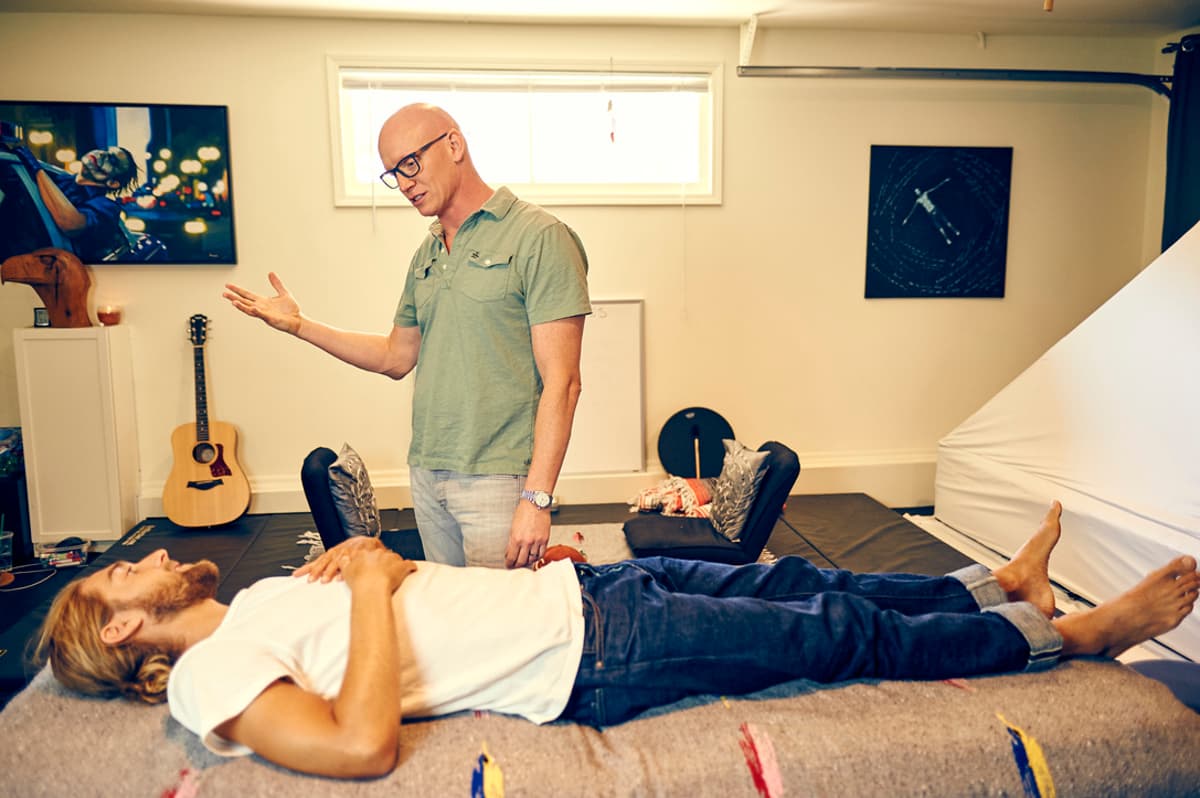
Becoming a successful breathwork facilitator goes far beyond earning a certification. The author argues that a consistent personal practice, the ability to hold space without reacting, and rigorous safety training are the true foundations of a lasting practice. Online delivery,...

Feeling Overwhelmed? Indecisive? Stuck? Yoga Can Help. Here’s How.
A growing body of science links indecision and the “functional freeze” response to a physiological feedback loop involving the amygdala, vagus nerve, and the psoas muscle. Yoga can interrupt this loop by regulating breath, releasing hip tension, and sharpening focus....

The Tassajara Zendo Fire and Impermanence
The historic meditation hall at Tassajara Zen Mountain Center in California was destroyed by a recent fire, consuming cushions, monks’ robes, hand‑sewn rakusus, and a rare Gandharan Buddha statue. The blaze follows a pattern of past fires on the site,...

20 Mindfulness Lessons I Wish I Knew at 28
The article "20 Mindfulness Lessons I Wish I Knew at 28" compiles twenty practical meditation and self‑awareness techniques ranging from breath awareness and sleep meditations to using music frequencies for emotional balance. Each lesson is linked to a detailed guide...
Advanced Meditation Techniques Linked to Younger Brain Age During Sleep
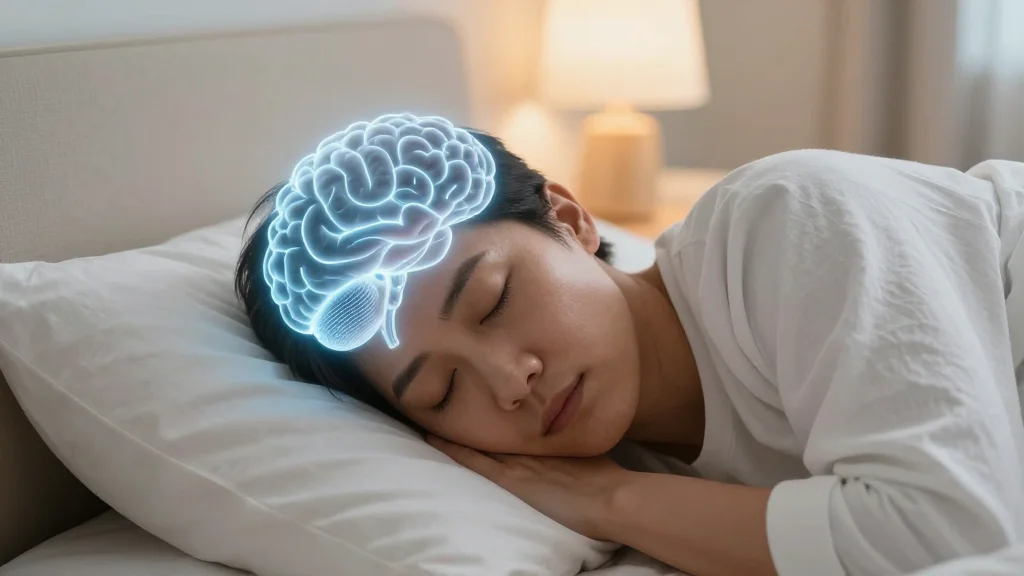
Researchers measured sleep EEGs of 34 long‑term meditators and found their brains appeared biologically about six years younger than their chronological age. The younger brain age was driven by high‑amplitude bursts during light sleep, despite the meditators sleeping fewer hours...

How to Step Out of Your Stories and Into the Present
The article explains how repetitive mental narratives—"if only" stories—trap us in dissatisfaction and isolation. By recognizing these stories as fleeting mental events, we can shift attention to the present moment, where inner peace and abundance already exist. The author advocates...

The Sunlight of Awareness
Thich Nhat Hanh’s essay "The Sunlight of Awareness" reframes mindfulness as a gentle illumination rather than a battle against thoughts. He advises practitioners to shine non‑judgmental awareness on restlessness, emotions, and habits, allowing them to merge with the observing mind....

New Study Identifies Key Factors For Good Mental Health As We Age
A University of Toronto study analyzing data from Statistics Canada’s 2022 Mental Health and Access to Care Survey identified three pillars of “complete mental health” for adults 65+, namely absence of psychiatric disorder, daily life satisfaction, and consistent psychological well‑being....

Resource Gain or Stress Buffer? The Chain Mediation Path of Mindfulness in Relieving Parenting Burnout of Parents of Children with...
A recent cross‑sectional study examined how mindfulness influences parental burnout among caregivers of children with ADHD. Using structural equation modeling, researchers identified psychological capital and parenting stress as sequential mediators that fully explain the mindfulness‑burnout link. Mindfulness boosted parents' hope,...

I’ve Spent 20 Years Treading Water and Fear that I’ve Wasted so Much Time. Am I Depressed? | Ask Annalisa...
An older couple in their late 60s feels trapped by a property they cannot sell, prompting the husband to wonder if he is depressed after a year of grief, suicidal thoughts, and personal conflict around cross‑dressing. He reached out to...
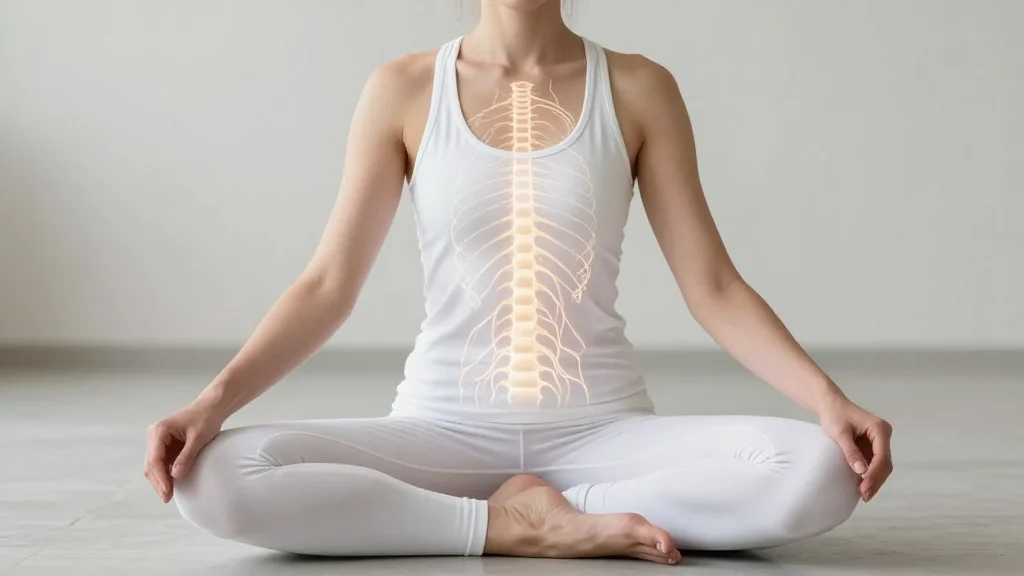
This Simple Practice Could Help With Depression & ADHD Symptoms
A new PNAS study of 536 participants scanned in an MRI examined "body‑wandering"—the habit of directing attention to internal sensations. While participants found body‑wandering uncomfortable and noted faster heart rates, those who reported higher somatic awareness showed fewer depression and...