Today's Personal Growth Pulse

NYT Launches ‘Ask the Therapist’ Column to Bring Clinical Insight to Readers
The New York Times introduced a weekly column, “Ask the Therapist,” written by psychotherapist and author Lori Gottlieb. The feature invites readers to submit personal dilemmas, which Gottlieb answers with clinical insight and narrative flair, aiming to make professional mental‑health guidance accessible to a broad audience.

Before the Golden Handcuffs
The Minimalists’ Joshua Fields Millburn addressed a crowd of Miami University undergraduates, urging them to recognize the fleeting freedom they have before career and financial obligations solidify. He framed this period as a "rare moment" to define personal success on one’s own terms, emphasizing choice between accumulation and contribution. Millburn argued that without a clear definition of "enough," external expectations will dominate, leading to perpetual dissatisfaction. The talk concluded with a call to practice minimalism as a means of creating space for intentional, freer living.

Show Up Daily: Exercise Fuels Reset, Ideas, Progress
People talk a lot about morning routines, time blocking, structured days. That's never been me. What I do have is sport, every single day. Bouldering, gym, running, cycling, tennis in summer. Not as a strategy. I just genuinely need it. Climbing fully turns...

What Gen Z Really Wants: Rethinking Commitment
Generation Z, born 1995‑2006, is reshaping workplace expectations by demanding purpose, flexibility, and well‑being alongside financial security. Deloitte’s 2025 survey shows meaningful work now ranks with pay as a top career driver. As true digital natives, they bring AI‑savvy skills...

Why the Smartest Choice Might Be to Ignore the Shortcut
The post warns that AI’s confident, fluent answers can lull users into uncritical reliance, echoing the author’s experience with an over‑confident mentor. It highlights three hidden harms: hidden biases in training data, cognitive offloading that weakens critical thinking, and the...

Master Life Transitions: Rituals Turn Change Into Meaning
The kind folks at @NPR's @hereandnow asked me to answer 4 Questions About How to Master Lifequakes and Find New Meaning. "Sometimes life throws you a curveball. Maybe it’s a breakup or divorce, a serious health diagnosis, or job loss. Whatever...

🏋🏾Chasing the Asymptote
The blog uses the mathematical idea of an asymptote to illustrate that true mastery is a perpetual curve, never a fixed finish line. It argues that treating perfection as an unreachable line shifts focus from final outcomes to the integrity...

True Flex: Deep Focus Beats Constant Hustle
The real flex isn’t hustling and working harder. It’s being able to sit down, focus deeply and finish what matters.

True Leadership Builds Systems, Not Burnout Medals
Hustle culture doesn’t burn you out. It burns you out and then hands you a MEDAL for it. Heart centered leadership was never about working less. It was about building systems where SURVIVAL MODE is never the baseline. One culture celebrates your resilience. The other...

Unleash Potential
The article argues that talent development must evolve from teaching skills to guiding purpose, positioning employees as the moral compass for AI‑driven organizations. As algorithms automate routine "cognitive commodity" work, growth programs now emphasize character arcs, systemic empathy, and ethical...

Sadhguru Calls for Deep Spiritual Practice, Warns Against Treating It as Entertainment
Sadhguru posted a widely shared Instagram video insisting that spirituality is a path of transformation, not a form of entertainment. He also highlighted how the first five minutes after waking can set the tone for the entire day, urging followers...

Strategic Identity Architect TK Strickland Guides Elite Talent Toward Inner Alignment
TK Strickland, founder of TK Strickland LLC, is gaining notice for coaching elite athletes, creatives and executives to redefine success beyond titles and performance. Her “Strategic Identity Architect” approach focuses on internal alignment, a shift she says is essential for...

I'm A Neuroscientist: Here's How To Use Affirmations To Ease Anxiety
Neuroscientist Wendy Suzuki explains that spoken affirmations activate brain regions linked to self‑processing and reward, and modestly lower anxiety in experimental settings. Brain imaging studies confirm these mood‑enhancing effects. Suzuki recommends pairing affirmations with physical exercise, as in her IntenSati...

Nobody Is Coming to Save Your Boring Career
Tim Denning argues that a stagnant, unfulfilling job is essentially wasting one’s life, and that only the individual can rescue themselves. He shares his own transition from a high‑earning but soul‑draining banking role to a freelance writing career, highlighting moments...

The End-of-April Energy Audit
The post offers teachers a quick, actionable audit to reclaim mental energy by targeting two common drains: decision fatigue from chaotic schedules and guilt over unmanageable student behavior. It introduces a 15‑minute "Non‑Negotiable Three" framework that pre‑defines three essential lessons...

Selling My Guitars to Fund My Dream Business
I was on a 4 hour drive with 4 guitars in the back, and tears in my eyes: I'd handed in my notice, and cash was tight. But, I was determined to fund my family through what I knew would be a...
6 Signs of Burnout in High-Achieving Students
High‑achieving college students often mask burnout by maintaining top grades, prestigious internships, and leadership roles, while their mental and physical health silently deteriorates. The article outlines six tell‑tale signs, including identity fusion with achievement, perpetual pre‑career anxiety, emotional numbness, hypervigilance,...

12 Week Year: How to Get Started in 2026
The 12‑Week Year, created by Brian P. Moran, reframes annual objectives into four 12‑week cycles, forcing a heightened sense of urgency. By breaking goals into specific weekly targets, it combats procrastination and the diffusion of effort across too many projects....
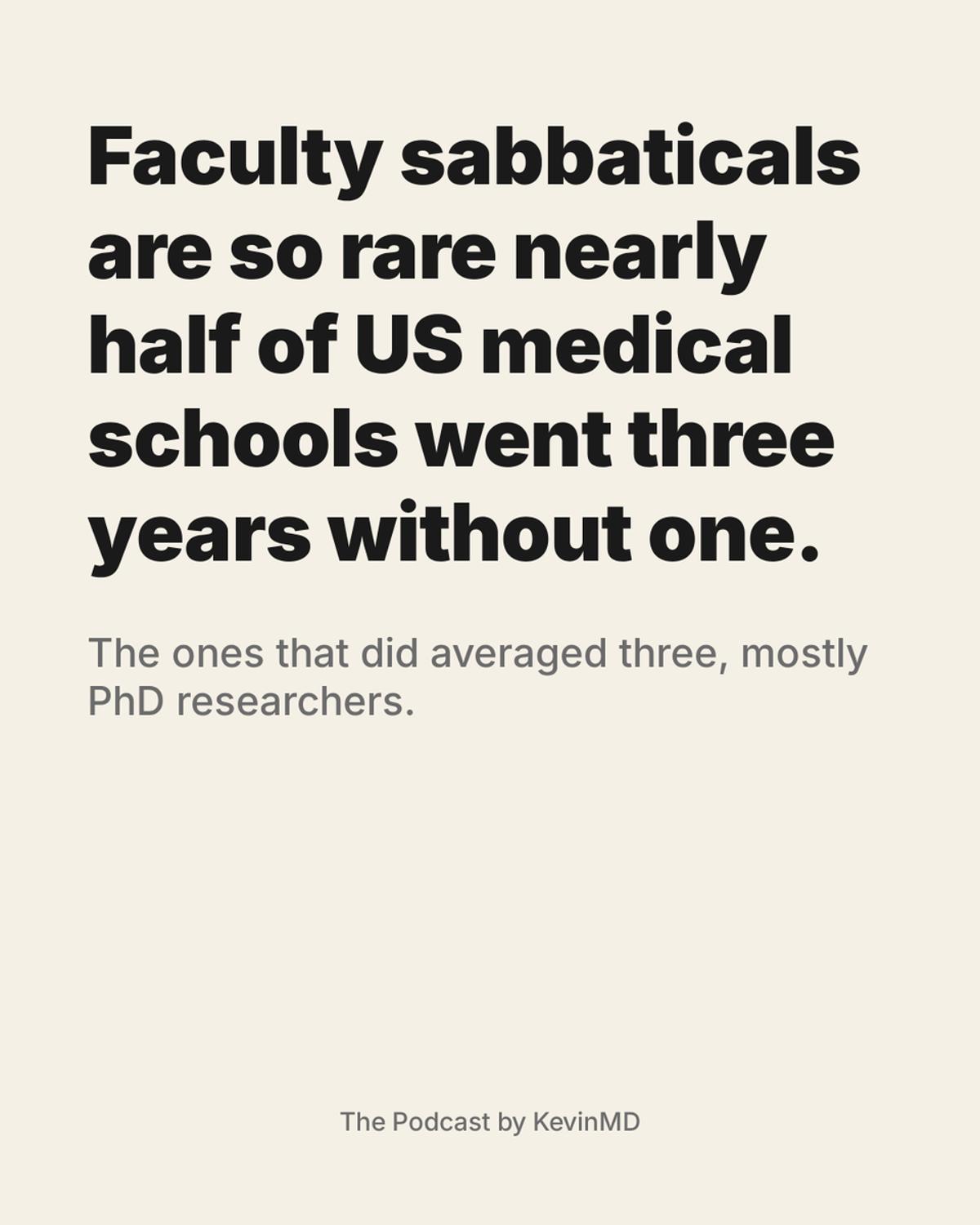
Clinician Sabbaticals: Rare, Reserved, and Hard‑Earned
A palliative care physician asked her institution for a three-month sabbatical. They told her to come back in 10 years. So she resigned her full-time job to take the time anyway, then negotiated a part-time return. She had to dismantle...

Experts and AI Advocate One‑Habit, 14‑Day Routine to Boost Motivation
Behavior‑change specialists say the most reliable way to spark lasting motivation is to begin with a single habit rather than a sweeping overhaul. At the same time, ChatGPT has generated a 14‑day practice schedule that translates Stephen Covey’s seven habits...

Lingjiushan Launches 'Heart Tranquility' Mindfulness Course for 60 Professionals in Taipei
The Lingjiushan Prajna Cultural Foundation debuted its "Heart Tranquility, Starting With Me" mindfulness course in Taipei, training about 60 professionals from diplomacy, business, education and family sectors. The six‑hour program blends hand‑ring cues, music and movement to help participants master...

IBM CEO Arvind Krishna on His First Job and the Lessons He Learned From It
Arvind Krishna recounts his early IBM Research role, where graduate work on cyclic codes unexpectedly became the technical basis for Wi‑Fi. The breakthrough illustrated that curiosity can yield future‑critical patents, but the technology alone stalled until IBM’s product team recognized...

Build Your Resilience in the Face of Tough Change
Harvard Business Review’s Alison Beard and Adi Ignatius interview cognitive scientist Maya Shankar about building resilience when sudden change threatens professional identity. Shankar shares her own career‑ending violin injury and research showing people prefer certainty, explaining how anchoring to a...

Why Your Emotional Journey Through Change Makes Complete Sense
Organisations often focus on the logical side of change—business cases, plans, and communications—while overlooking the deep emotional impact on employees. The article explains that change disrupts identity, causing grief, anxiety, and a non‑linear emotional journey that can derail initiatives if...

Tabletop Games Like D&D Act as “Drama Therapy in the Wild” To Boost Players’ Self-Concepts
A new study in Transcultural Psychiatry shows that strong personal bonds with tabletop role‑playing game characters can significantly improve players' real‑world self‑concept, self‑esteem, and sense of belonging. The research, led by Colorado State University anthropologist Jeffrey G. Snodgrass, surveyed 149...

Your Partner Is Not Your Project
The essay explores how the Buddhist concept of upadana—subtle clinging—manifests in intimate relationships when partners project their own expectations onto each other. By describing a simple fist‑tightening exercise, the author illustrates how mental contracts tighten and release, urging practitioners to...

Destructive Thoughts: Envy, Resentment, Revenge, and Self‑pity.
“Envy, resentment, revenge, and self-pity are disastrous modes of thought.” — Charlie Munger #charliemunger #success #motivation

Why Most People Don’t Think — and What to Do About It, with Scott Burgmeyer
Scott Burgmeyer, founder and CEO of Become More Group, discusses his new book Think: The Road Less Traveled, which argues that most professionals operate on autopilot, trapped by cognitive biases he personifies as characters. He introduces the ROAD thinking methodology—Reflect, Options,...

Meryl Streep, Anne Hathaway and the ‘Devil Wears Prada’ Cast on the Sequel
The Devil Wears Prada returns for a sequel on May 1, 2026, reuniting original director David Frankel with Meryl Streep, Anne Hathaway, Emily Blunt and Stanley Tucci. The film revisits the iconic fashion magazine Runway, now confronting tech‑driven market upheaval and a fragmented...

Small Steps, Leading with Heart: How Transformation Sustains with Richard Koch
In a recent conversation, Richard Koch stresses that sustainable transformation hinges on nurturing the inner system—mindset, relationships, and human connection—rather than solely driving outer processes and metrics. He warns that improvement teams often over‑step, taking ownership of work and limiting...

10 Daily Habits To Slow Down Your Brain
Amid a culture of constant speed, a new guide outlines ten everyday habits designed to slow the brain and cultivate stillness. The practices range from pausing in the car after work to eating a screen‑free meal and allowing moments of...

Motivation Shifts Rather than Declines During Periods of Uncertainty, According to New Poll
A Wiley Workplace Intelligence poll of over 2,000 U.S. employees shows motivation does not collapse in uncertain times; it reshapes around leader‑employee interaction. Respondents said uncertainty itself isn’t the main driver of disengagement, but visible, transparent, consistent leadership is. Employees...

Psychology Says the Highly Perceptive People, the Ones Who Notice the Shift in a Friend’s Voice Three Sentences Before Anyone...
Psychology research shows that people who quickly sense shifts in tone or tension are not innately gifted but often develop hypervigilance as a survival response to unpredictable childhood environments. Studies link early trauma to sensory processing sensitivity, which can evolve...

I Built Radical Possibility in Schools — and It Nearly Broke Me
The author, a Black educator and Voices of Change fellow, chronicles her journey using radical pedagogy and DEI initiatives to transform a Cincinnati Montessori school. She highlights four essays that explored Black literature, joy, and hair discrimination, culminating in a...
The Backwards Law: Why More Self-Improvement Might Be Making Things Worse (with Mark Manson)
In this episode, host Mike Vardy and author Mark Manson explore the paradox of modern self‑improvement, arguing that relentless optimization often signals a hidden belief that we’re not good enough and can actually worsen wellbeing. Manson introduces the "backwards law"—the...

Before You Try Harder, Ask a Better Question
Mark Manson argues that productivity culture over‑values effort while ignoring whether the goal is worth pursuing. He urges people to assess the long‑term costs of a target before committing more time. When effort aligns with a truly valuable outcome, it...

Change What You Do by Changing Who You Are
Behavior change experts argue lasting habits stem from identity, not just goals. Research shows framing actions as part of self‑concept—e.g., “I am a runner”—creates durable motivation. The article advises swapping outcome‑based questions for identity‑based ones and taking a single, aligned...

Design Your Retirement Identity Before It Fades
Retiring? What now? No one really talks about this part. Not the money… but the days after. I saw it firsthand. The uncertainty. The silence. The sudden question: “Who am I without my work?” Some people slow down… and slowly fade. Others? They start something new… and...
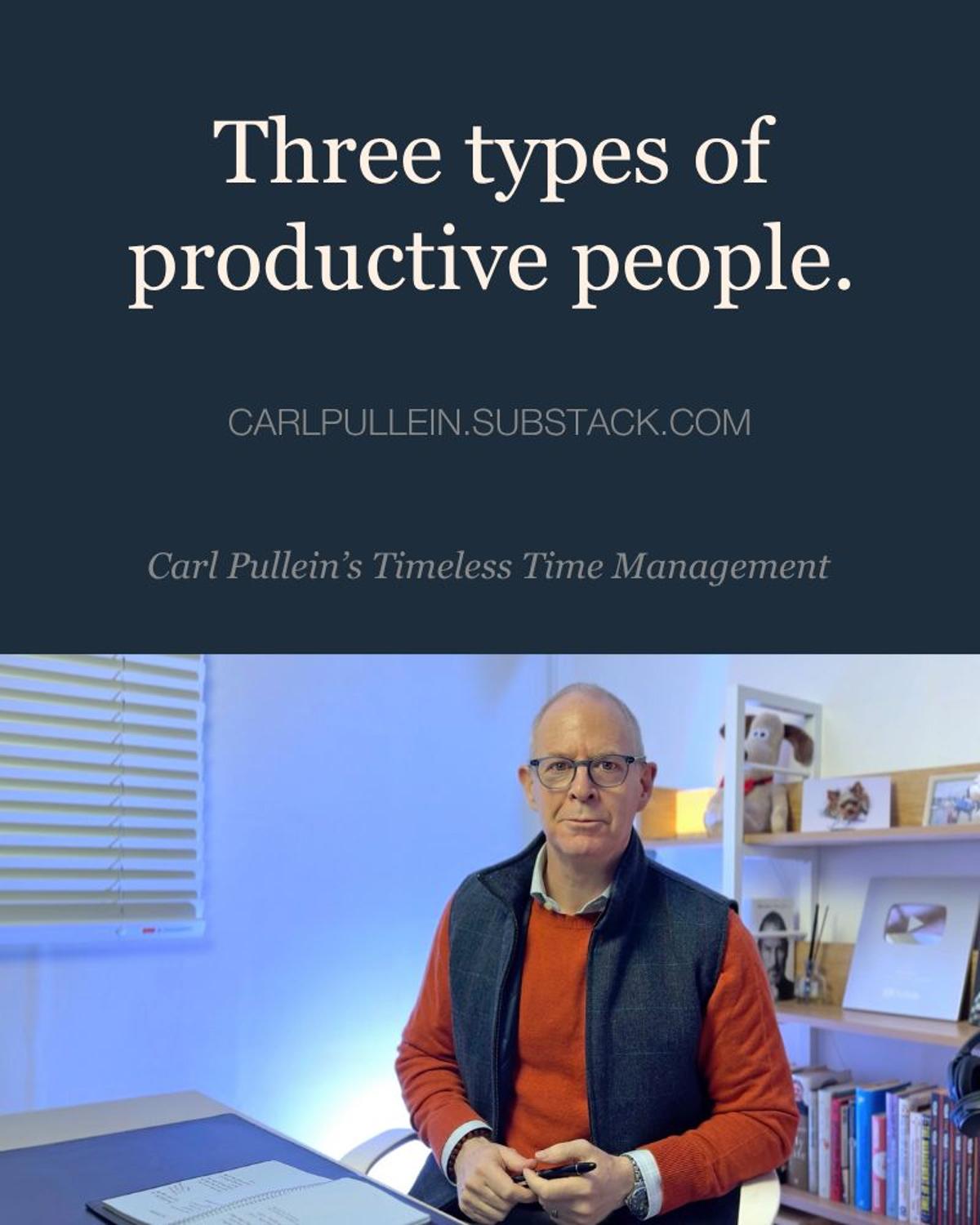
Only One ‘Productive’ Type Actually Moves Forward
Three types of productive people. They all look like they have it together. They all seem “on top of things.” They all look… productive. But only one is actually moving forward. The difference isn’t obvious. It’s hidden in what they choose to do… and what they...

A Wild Chat with Dr Sheldon Solomon on Terror Management Theory
In this episode, Sarah Wilson talks with social psychologist Dr. Sheldon Solomon about Terror Management Theory (TMT), which posits that humanity’s awareness of mortality drives the creation of cultural worldviews, religions, and myths that buffer death anxiety. Solomon explains how...

5 Mindset Shifts Every Restaurant Owner Must Make
The piece argues that a restaurant owner’s biggest obstacle is mindset, not staff. It outlines five shifts: move from hands‑on work to leading, prioritize consistency over perfection, coach instead of task‑manage, confront conflict directly, and think like an owner rather...

Your Problem Isn't Time, It's Priorities
Harsh truth: You don’t have a time problem. You have a priority problem. More hours won’t fix what poor focus created.

Rejection Fuels Growth: Divine Timing Brings Opportunities
From December - March I wasn't compensated for my work in Miami Art Week, I was rejected for 2 residencies, 1 major proposal for ATL, 2 Job opportunities, rejected from Grad School and had to turn down a gallery job,...

Prioritizing Time Over Money Increases Happiness, Research Shows
Learn what research says about why a focus on time over money can boost your happiness: https://t.co/SjjrACUqvF https://t.co/33xGxHVBZD

Doing Good Brings Your Best Self Forward
When you focus on doing good, you bring your best self to the table every time. 🙏 Keep this in mind.... 💙 #WednesdayThoughts #character #mindset #Health https://t.co/tEIqSIsIN1

Transform Draining Meetings in Just Five Minutes
You don’t aspire to lead life-sucking meetings. Bad habits are never intentional. You’re so busy doing things that you don’t take time to improve the way you do things. Constant hurry ignites frustration. Fix meetings in 5 minutes. https://t.co/KzbiauIY5N

Consistent Financial Habits Outperform Raw Intelligence
Why habits matter more than brilliance Good financial habits beat intelligence over time. #MoneyMindset #LongTermThinking https://t.co/fYbdmA3XQt

Forge Your Own Path, Avoid the Imitation Trap
Master and Apprentice The perils of imitation and the discipline of making your own path https://t.co/JTphNs0tse

Focus on Priorities, or Lose Effectiveness and Mojo
“If you squander your time and brain horsepower foolishly, rather than focusing on the important things that will move you toward your career aspirations, you’re damaging your personal effectiveness and negating your mojo.” — #CareerDreamstoSuccess #careeradvice #careergrowth https://t.co/T4ocGEqBFg

Mentoring: The Untold Shortcut to Career Success
👀🤷🏽♀️✴️ Do you have a mentor? Mentoring is the shortcut to career success. This is what no one tells you ▶️ https://t.co/6w4LYTFBuM via @YouTube #mentoring #career #LeadershipDevelopment #PersonalDevelopment
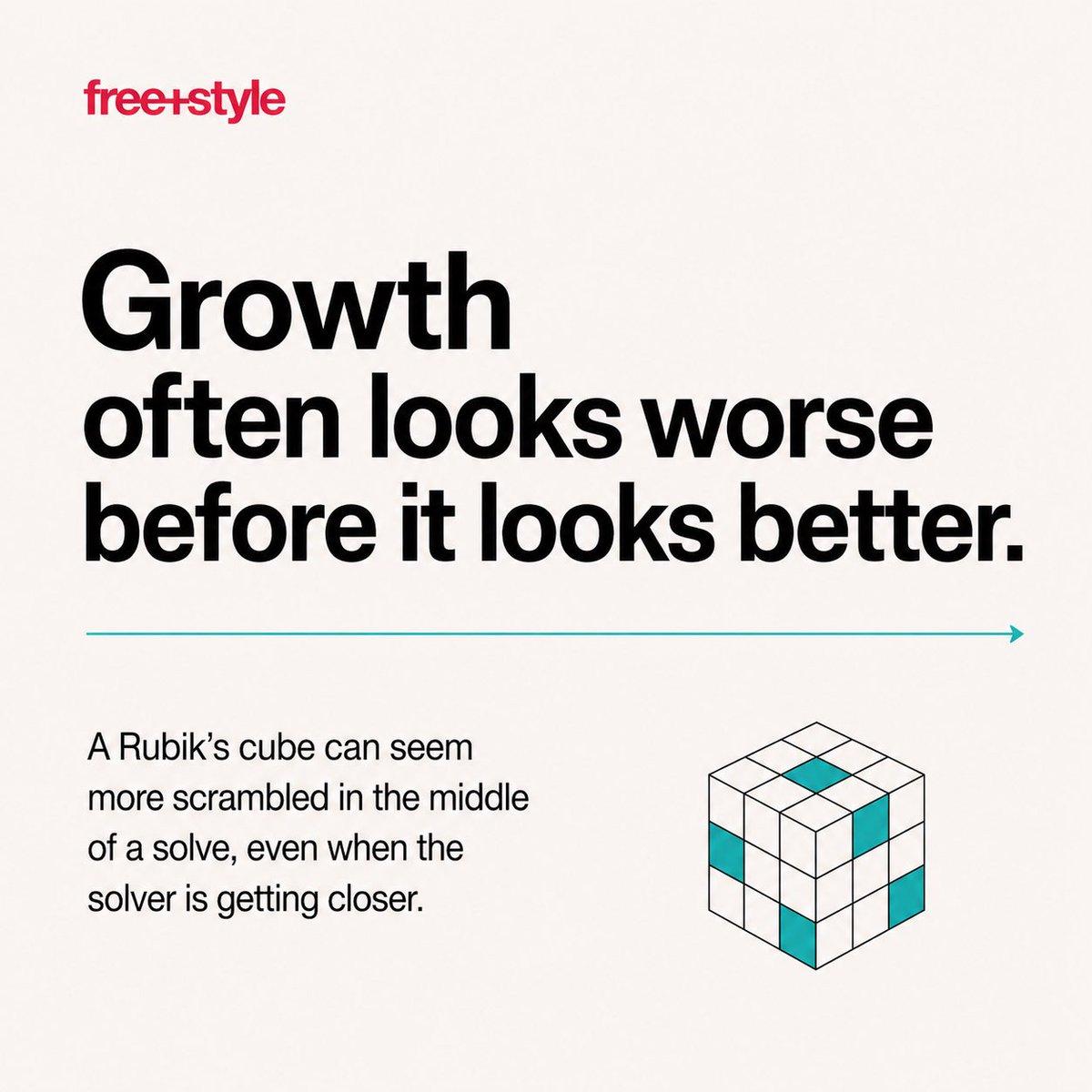
Progress Often Feels Like Setback Before Success
Growth often looks worse before it looks better. A Rubik’s cube can seem more scrambled in the middle of a solve, even when the solver is getting closer. https://t.co/6DTF7kZqZb