
Fear of Staying the Same vs Fear of Change
The post contrasts the immediate, loud fear of change with the quieter, long‑term fear of staying the same, showing that both carry hidden costs. It explains how the brain prioritizes short‑term discomfort, causing many to avoid transformation despite accumulating missed opportunities. By making the cost of inaction visible, the author reframes the decision‑making equation. The piece also promotes a 14‑day "Discipline" workbook designed to help readers confront both fears and build daily momentum.

Motivation Tied to Others’ Opinions
People often perform better when they know others are watching, as external recognition fuels motivation. The blog explains that tasks become high‑energy under visible accountability but lose momentum in private settings, revealing an uneven effort pattern. It argues that reliance...

The Habit of Letting Yourself Down
The post explains that repeatedly breaking small promises erodes self‑trust and turns into a habit of letting yourself down. It describes how the brain tracks consistency, rewarding kept promises with confidence and penalizing broken ones with resistance. The author argues...

Neglecting Your Own Long-Term Well-Being
The post argues that knowing what benefits your long‑term well‑being is not enough to spur action. Readers often postpone self‑care, waiting for ideal conditions that rarely materialize. This delay creates a widening gap between insight and behavior, turning awareness into...

How to Be More Strategic
The post contrasts tactical thinking—reacting to immediate demands—with strategic thinking, which asks what move today will position you best in three years. It argues that financial fragility or emotional neediness erodes the luxury of strategy, citing Jim Camp’s insight that...

You Do Not Need a New Plan — 18 April
The post argues that when progress stalls, the reflex to redesign a plan often hinders results. It explains that most failures stem from abandoning a plan too early rather than from flaws in the plan itself. Consistent execution, even when...

The Arrival Fallacy
The piece revisits a popular, albeit unverified, Buddhist anecdote in which the Buddha reduces the quest for happiness to a practice of shedding ego and desire. It argues that craving and self‑attachment generate suffering and cloud judgment. The author links...

What Leaders Can Learn From the Disney Hugs Rule
Disney’s character performers follow a “hugs rule” that requires them to hold a hug until the child lets go, ensuring the interaction is child‑led and emotionally safe. The article uses this practice as a metaphor for leadership, urging managers to...

4.18.26 | 💛 6 Habits that Support Me as a Highly Sensitive Person
The author, a self‑identified highly sensitive person (HSP), shares six daily habits that help her manage overstimulation as a mother living in Los Angeles. She explains how early childhood volatility heightened her sensory awareness, and how urban noise and crowded child‑focused...

The Working Class Vs. The Self-Made Wealthy: 10 Key Differences in Habits
Research by Thomas C. Corley shows self‑made millionaires credit wealth to daily habits rather than luck or inheritance. The article lists ten habit differences between the working class and the self‑made wealthy, covering income sources, education, risk tolerance, networking, goal...

Warren Buffett Advice: If You Want to Be Happy as You Get Older, Say Goodbye to These 5 Behaviors
Warren Buffett, at 95, shared five habits to drop for greater happiness in later life. He urges people to say no to most requests, abandon external scorecards, cut ties with toxic individuals, protect their reputation, and measure success by love...

How to Build Team Competitiveness in Sports: 3 Mental Strategies That Work
Top-performing teams rely on daily internal competition, not just raw talent, to sharpen focus and raise accountability. The University of Michigan men’s hockey team exemplified this by turning a modest 18‑15‑3 season into a 31‑8‑1 record, a Big Ten title,...
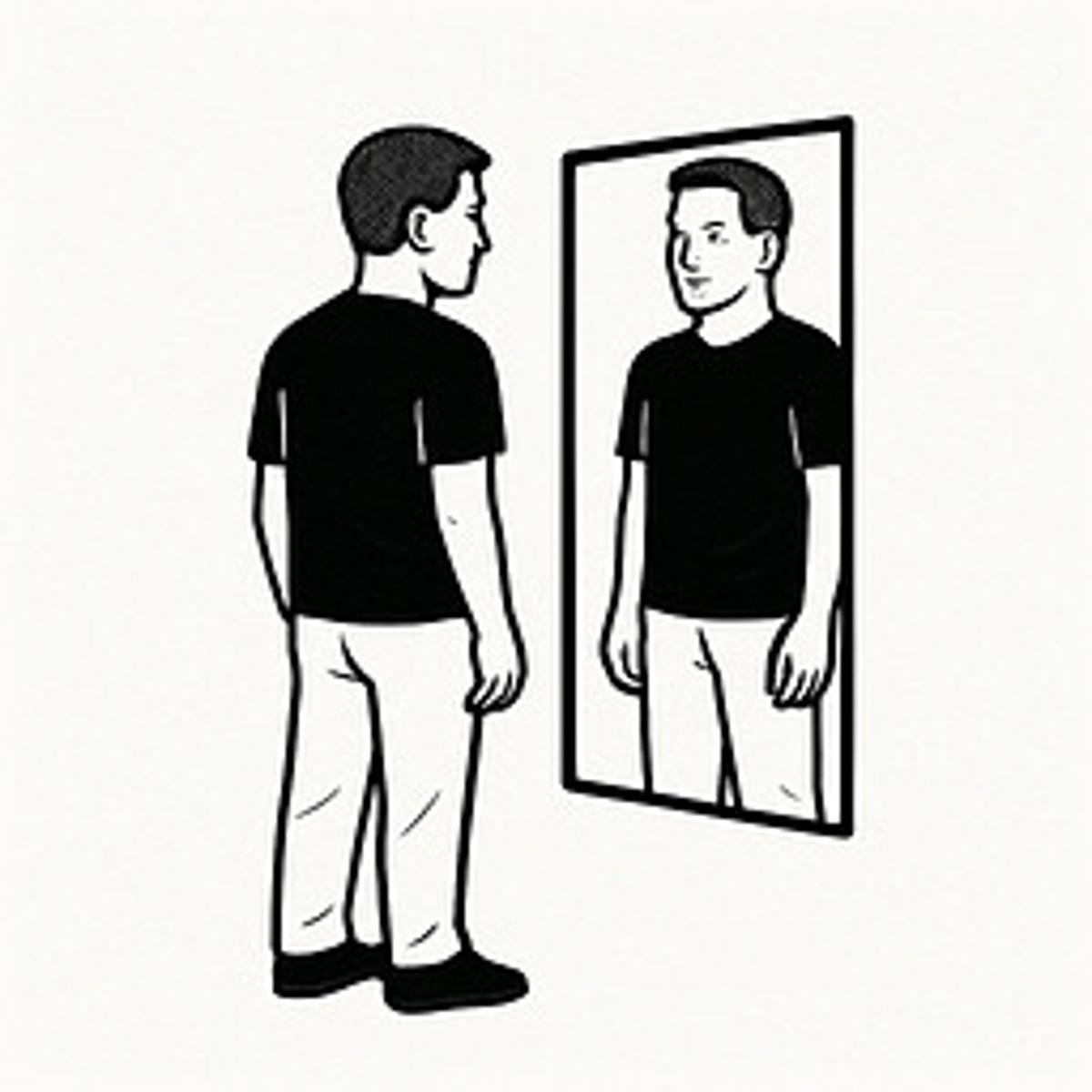
How to Get Your Sh*t Together.
The post outlines a step‑by‑step system for turning a chaotic to‑do list into actionable, organized work. It starts with a phone‑free brain dump onto paper, then groups items, picks one‑to‑two high‑impact tasks, and schedules daily focus blocks. Quick wins under...

The VIBE Report: The Focus Trap
The VIBE Report emphasizes that true success hinges on directing attention toward the right priorities, not merely on talent or opportunity. Using a fisherman’s story, the author illustrates how disciplined focus and alignment with personal values create fulfillment and sustainable...

What Happens When the Strong Friend Finally Asks for Help?
The article explores how self‑identified "strong" friends often avoid asking for help, creating one‑sided relationships that lack emotional depth. Drawing on Simon Sinek’s Friends Exercise, the author discovers that true trust emerges when friends reveal why they value you and...
You Fixed Your Life but It Still Feels Off
The author describes a paradox where external improvements—reduced chaos, better habits, stronger structure—have not translated into an internal sense of satisfaction. While the outward picture of life looks healthier, an undefined unease persists, creating a gap between appearance and feeling....

Delete Your Goals. Build Systems for the Life You Actually Want to Live on a Tuesday.
Traditional goal‑setting pushes people to chase imagined outcomes while ignoring the daily reality needed to achieve them. The piece proposes replacing highlight‑reel goals with a focus on the texture of an ordinary Tuesday, using tools like the Tuesday Test, Envy...
You Do Not Know How to Feel Done Anymore
The post reflects on a cultural shift where the clear sense of completion has eroded. Modern work patterns—constant connectivity, endless notifications, and remote‑first environments—leave people feeling that tasks are never truly finished. Even after checking off to‑do items, a lingering...

Why Your Old Life No Longer Feels Like Home
The article describes a subtle but pervasive sense that one’s familiar life no longer feels like home, even though daily routines, environment, and relationships remain unchanged. This internal misalignment arises without a clear external trigger, creating a quiet dissonance. The...

Losing Alignment with Your Own Values
The article explains how everyday compromises—saying yes when you mean no, staying silent, choosing ease over authenticity—gradually erode alignment with personal values. Over time these micro‑decisions create a subtle but growing disconnect between actions and self‑identity. Recognizing the drift is...

Why You Never Feel Fully Caught Up (Even When You’re Doing Enough)
The article explains why many professionals feel perpetually behind despite completing tasks, attributing the sensation to the brain’s focus on unfinished work rather than completed items. Modern work environments flood people with constant messages, emails, and new tasks, eliminating a...
Not Failing, but Not Growing Either
The post reflects on a common professional plateau where daily routines keep things afloat but fail to generate real growth. It describes the feeling of “not failing, but not growing either,” highlighting how comfort and low risk create a static...

The Hidden Fear Behind Procrastination
The post reframes procrastination as a protective response to hidden fear rather than laziness or poor time management. It explains how anxiety about failure, adequacy, and uncertainty fuels task avoidance. By lowering emotional weight and expectations, the author suggests small,...
Why You Quit What You Don’t Care About Deeply
The post argues that people quit tasks not because they lack willpower, but because the activity isn’t deeply connected to their values. Shallow, “should‑do” reasons crumble when resistance appears, while the brain conserves energy for pursuits that feel meaningful. By...
The Difference Between Forced Discipline and Emotional Discipline
The article contrasts forced discipline, which relies on external pressure and short‑term push, with emotional discipline, which stems from internal alignment and meaning. Forced discipline can produce immediate results but creates tension, fatigue, and eventual burnout. Emotional discipline listens to...

The Life You Keep Running Even When You’re Tired of It
{"summary":"The post reflects on the subtle fatigue that creeps in when life’s routine continues smoothly but internal energy wanes, describing a feeling of running on autopilot despite no obvious problems. It emphasizes the disconnect between outward responsibilities and inner motivation,...

Your Life Has Background Tabs Open
The post uses the metaphor of background browser tabs to describe a subtle, pervasive mental fatigue that isn’t obvious but slows daily performance. It explains how lingering thoughts and unfinished tasks occupy cognitive bandwidth, much like hidden processes that drain...
Depending on Mood to Take Action
The post argues that basing work on fleeting moods creates inconsistency and erodes productivity. While acting only when motivation peaks feels authentic, mood volatility leads to missed deadlines and a gap between intention and execution. The author stresses that sustainable...

Why You Feel Mentally Drained Before the Day Even Starts
Many professionals report feeling mentally drained before their workday even begins. The blog attributes this early fatigue to the brain’s premature activation, often triggered by immediate phone checks, lingering thoughts, and information overload. It argues that the problem isn’t insufficient...

Organizing Instead of Actually Executing
The post warns that excessive organizing can become a proxy for real work, turning preparation into procrastination. While structured lists and tidy systems feel productive, they often mask the pressure to deliver results. As the gap between planning and execution...

Book Review: The Obstacle Is the Way by Ryan Holiday (10th Anniversary Edition)
Ryan Holiday’s 10th‑anniversary edition of *The Obstacle Is the Way* revisits his Stoic take on turning challenges into advantage. The reviewer praises its clear, actionable mindset framework but criticizes the lack of practical tactics for emotional regulation. While the book...
What You Delay Begins to Own You — 17 April
George from Interesting Daily Thoughts argues that procrastination is not neutral; each postponed task accumulates mental weight that subtly steers behavior. He explains how delayed decisions erode personal authority and increase resistance to new work. The post urges readers to...

Mirage of Approval
The post “Mirage of Approval” draws on Marcus Aurelius’s Meditations to argue that personal freedom comes from discarding others’ judgments. It urges readers to stop monitoring external opinions and instead focus on self‑governance. By separating perceived harm from external perception,...

Once You Understand Neuroplasticity Your Life Will Never Be the Same Again
Tim Denning’s post frames neuroplasticity as the engine behind lasting personal change, arguing that the brain rewires through repeated actions rather than mere intentions. He illustrates the concept with Barbara Arrowsmith‑Young’s self‑directed remediation of learning disabilities and shows how high‑performers...
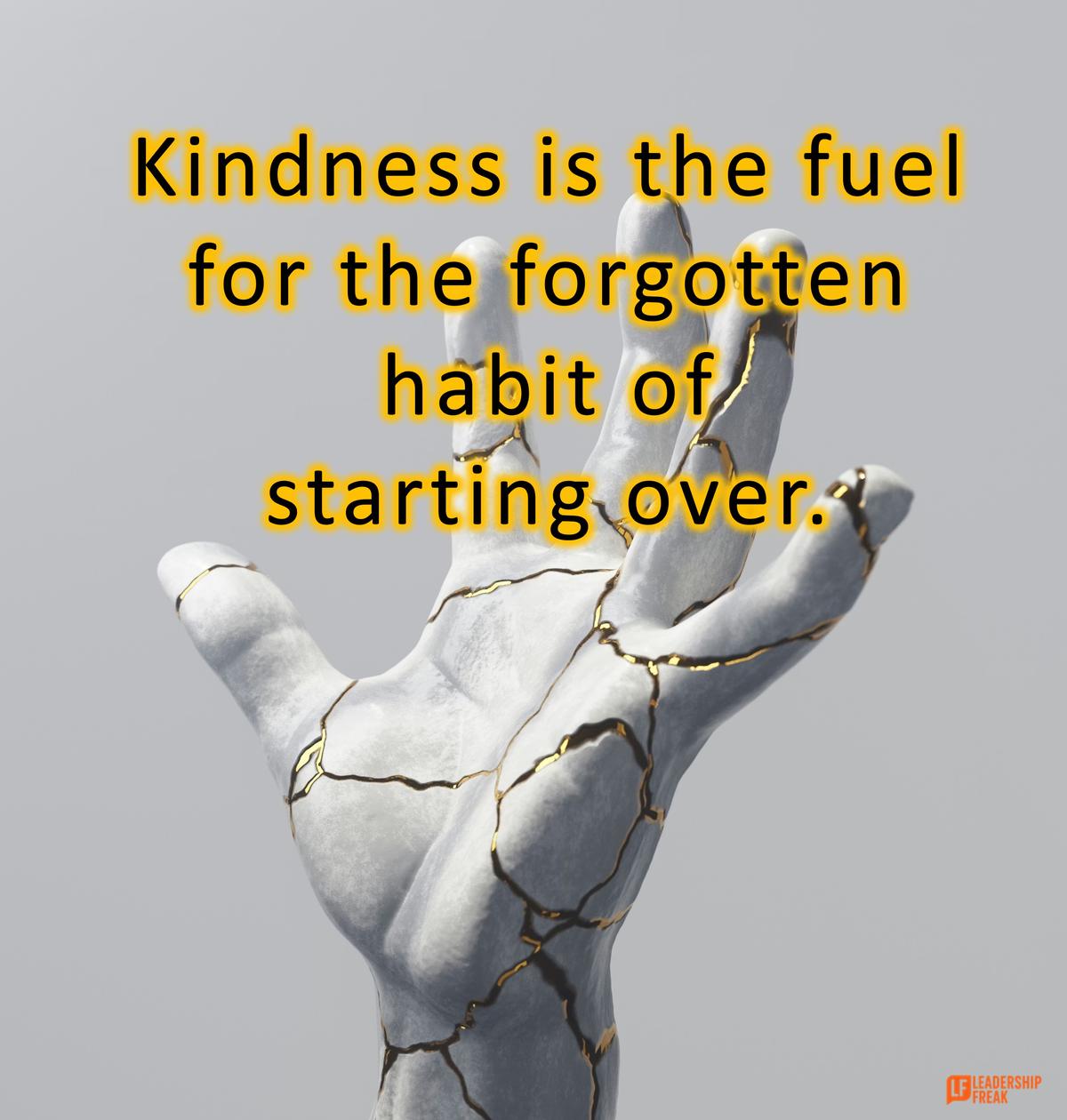
The Forgotten Habit
Stephen R. Covey’s classic Seven Habits omits a crucial eighth habit: the ability to begin again. The article proposes a "to‑stop" list that helps leaders discard outdated practices and embrace purposeful abandonment. It links kindness with excellence, urging leaders to...

"Write Around the Puke"
A group of Jungian scholars and analysts is running a workshop on "finding one’s own myth," using Carl Jung’s *Memories, Dreams, and Reflections* as a guide. Participants are asked to write a story, hero, or metaphor that resonated deeply and...

Are You a Thinker or a Feeler?
The substack essay reintroduces the Thinker‑Feeler dichotomy, positioning it on an intellectual spectrum from pure Feelers—who rely solely on emotion—to pure Thinkers—who depend exclusively on evidence‑based reasoning. Most people sit in the middle, alternating between head and heart depending on...
Five Ways to Use Gratitude to Improve Your Legal Practice and Well-Being
The article explains how intentional gratitude can counteract lawyers’ built‑in negativity bias and chronic stress. It outlines five practical habits—daily progress reflection, real‑time acknowledgment, tracking completed work, recognizing the profession’s demands, and noting meaningful moments—to embed gratitude into a busy...

Performance Anxiety in Endurance Sports: What’s Happening & What to Do About It
Endurance athletes often face performance anxiety that can derail race day despite flawless training. Mental performance expert Carrie Jackson explains the psychobiology behind threat perception, showing how heightened heart rate, muscular tension, and impaired decision‑making reduce VO₂ max and increase injury...

Failure Masterclass, Part II: How to Think About Failure
In the second installment of the Failure Masterclass, Elizabeth Day argues that failure should be viewed as an event that happens to you, not a definition of who you are. She highlights how early‑life cultural messages conflate failure with personal...

Overcoming AI Brain Fry - Part II
The post warns that juggling multiple AI tools can cause “brain fry,” a modern form of cognitive overload. It draws a parallel to 1800s telephone switchboard operators who faced similar fatigue when call volumes surged past 300 per hour. This...

Speaking of Joy...
The author recounts a journey from severe burnout to rediscovering joy, crediting her partner Misha for helping rewire her nervous system and restore energy. After months of feeling fragmented, she describes a bedtime episode where a small act of patience...

Just the Road in Time
The poem “Just the Road in Time” frames personal growth as a continuous journey, emphasizing learning agility, creative pauses, and the courage to act rather than wait. It urges readers to turn insights into tangible solutions, bridge gaps, and influence...

People of Purpose
The article argues that in a digital, AI‑augmented workplace, purpose‑driven employees are the ultimate competitive edge. It redefines talent potential from a fixed "high‑potential" label to a latent energy activated by clear personal purpose. By shifting focus from skill acquisition...
Comfort Isn’t Growth
In a live Breaker community session, author Mark Manson introduced Purpose, an AI platform built to confront users’ comfort zones and provoke personal growth. Co‑hosts Mayim Bialik and Jonathan Cohen explored how Purpose differs from typical wellness tools by deliberately...

12 Things You MUST Let Go of to Finally Grow Up
The blog post outlines twelve habits and mindsets readers should abandon to achieve genuine adulthood. It highlights how fake friendships, pointless socializing, people‑pleasing, procrastination, over‑explaining, emotional overreactions, doubters, the urge to please everyone, poor health, comparison, perfectionism, and weak boundaries...

Burnout Recovery Isn’t a Full Comeback. It’s a Renegotiation.
The post reframes burnout recovery as a renegotiation rather than a full comeback. It argues that returning to previous work habits often repeats the same stressors that caused burnout. Instead, individuals and leaders should redefine expectations, workload, and boundaries before...

William James on the Psychology of Habit
William James’s 1887 essay "Habit" argues that repeated actions sculpt the brain’s plastic structure, turning conscious effort into automatic behavior. He outlines three maxims—strong initiation, uninterrupted practice, and seizing the first opportunity—to forge new habits and discard old ones. The...

Friday Forward - Sleep Deprived (#532)
The post revisits Marissa Mayer’s notorious 130‑hour workweeks and contrasts that era with today’s growing emphasis on sleep health. It cites an Oxford study showing that six‑hour sleepers perform as poorly as total sleep deprivation after two weeks, and highlights...

The Lie We Were Sold About “Making It” & Why I Chose A Different Life
The post argues that the conventional promise of "making it" in corporate America is a myth for Black women, especially as remote work erodes visibility and recent layoffs target them disproportionately. It highlights that DEI initiatives are being dismantled, leaving...