
Energy Follows Thought.
Danielle LaPorte’s April 15 2026 post “Energy follows thought” argues that mental focus directly generates personal energy, shaping productivity and leadership effectiveness. She explains how intentional thinking can be harnessed as a strategic resource, offering simple mindfulness and intention‑setting techniques. The piece is part of her weekly “Wednesday wisdom” series aimed at professionals seeking a mental edge. By linking thought patterns to measurable performance outcomes, LaPorte frames mindset as a tangible business asset.
The Unseen Muscle: Why Mental Fitness Is Your Most Critical Talent Tool
The article reframes mental fitness as the most essential talent tool, arguing that the brain, like a muscle, needs deliberate training, recovery, and proper nutrition. It highlights how constant interruptions, multitasking, and neglect of sleep erode cognitive capacity, undermining strategic...

AI Is Coming for Your Tasks, Not Your Job. Here's What to Do About It.
AI is reshaping work by targeting specific tasks rather than entire job titles. The authors, Aneesh Raman and Ryan Roslansky, propose a three‑bucket framework—tasks AI can do alone, tasks to perform with AI, and tasks that remain uniquely human—to help...

The April Reset: 3 Moves to Finish Strong When You're Running on Empty
The post outlines a mid‑year "April Reset" for teachers facing burnout, offering three concrete moves to conserve energy and finish the school year strong. Move 1, the April Triage, asks educators to categorize obligations into full‑energy, maintenance, and drop‑or‑delay buckets. Move 2,...

The Multifamily Operations Daily Huddle: Why Leadership Requires Self-Awareness
The article argues that self‑awareness is a critical leadership skill in multifamily operations, using a Sunday‑morning 360‑degree review as a catalyst for change. It highlights how blind spots—such as rushing decisions or avoiding conflict—manifest as higher turnover, resident complaints, and...

The Dogs In the Shed
Leadership expert uses dog‑breed metaphors to illustrate that employees thrive when placed in roles that match their innate strengths. The article argues managers should stop trying to fix mismatched talent and instead focus on identifying and releasing individuals into positions...

10 Hard Rules Of Life According to Charlie Munger
Charlie Munger, Berkshire Hathaway’s vice chairman, distilled his lifelong investing discipline into ten hard rules that stress inversion, staying within one’s circle of competence, challenging personal biases, and treating rationality as a moral duty. He warns against toxic relationships, advocates...

5 Common Habits That Make People Lose Respect For You, According to Warren Buffett
Warren Buffett outlines five everyday habits that erode respect, from neglecting integrity in small moments to surrounding yourself with the wrong people. He stresses that reputation is built on consistent, honest actions rather than grand gestures. The billionaire investor links...

What Can a CI Director Do When Executives Undermine Psychological Safety?
Continuous improvement (CI) directors often confront senior leaders whose blame‑oriented habits erode psychological safety. The article explains why coaching resistant executives is difficult—habitual power dynamics, lack of self‑awareness, and systemic incentives reinforce toxic behavior. It offers pragmatic tactics such as...

What We Owe Our Descendants
Sharon reflects on Rahaf Harfoush’s essay urging a mindset that values work for future generations, even if we won’t see its outcomes. She argues that today’s converging crises—demographic shifts, geopolitical realignment, AI, climate feedback loops, and social decay—constitute a civilizational...

Critical Thinking Is Harder Than You Think
The post argues that critical thinking is harder than most realize because people instinctively scrutinize information that challenges their beliefs while letting confirming data pass unchecked. It highlights how modern algorithms amplify this bias, creating echo chambers that reinforce unexamined...
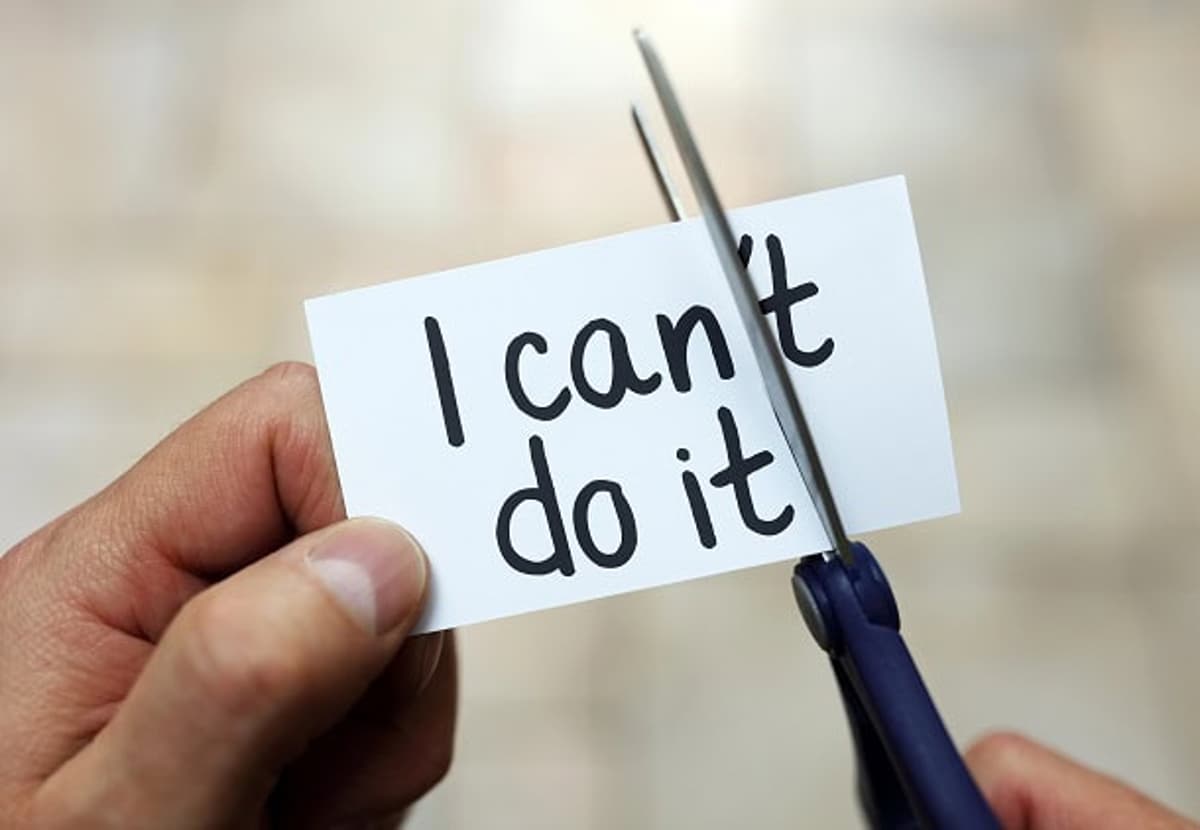
How to Take Action: 12 Habits that Turn Dreams Into Reality
The Positivity Blog outlines twelve practical habits that turn aspirations into concrete results, beginning with tackling the day’s most important task first. It stresses personal responsibility, starting small when motivation wanes, and using timed work‑rest intervals to maintain focus. The...

You Are Not a Manager of Time. You Are a Steward of Energy.
The article challenges the entrenched notion of "time management" and proposes that professionals should view themselves as stewards of energy instead. It distinguishes rituals—purposeful, energizing practices—from routine tasks that merely fill time. By focusing on where energy goes and addressing...

The Myth You Were Sold About Success
The post dismantles the popular "overnight success" myth by highlighting Naval Ravikant’s tweet that success is a lagging indicator of years of unseen work. It uses examples like Jeff Bezos, J.K. Rowling, and Naval himself to show that visible breakthroughs...

I Deleted Todoist. I Built This Instead
The author replaced Todoist with a custom AI agent that handles task creation, retrieval, and daily briefings via natural language. By eliminating UI friction, the agent captures tasks in seconds and provides instant, contextual overviews, addressing common failures of traditional...

Sometimes, Cursing Is Called For.
The author recounts how a pandemic‑born running habit evolved into a daily escape, while listening to news podcasts that amplify frustration over wars and U.S. politics. The piece channels raw anger toward President Trump’s conduct and the broader geopolitical chaos,...

Open – A New In-Person Experience (April 28–30, Las Vegas)
Steve Pavlina announced that registrations are now open for Open, a three‑day, in‑person experience taking place April 28‑30, 2026 in Las Vegas. The event is positioned as an inner‑directed, experiential space that blends reflection, gentle movement, emotional awareness and shared presence....

How To Manage Your Calendar Using One Simple Habit
The post argues that simply adding more productivity tools won’t free up time because workplace culture rewards constant availability. Email, Slack, and endless meetings create a reactive workflow that leaves little room for high‑value work. Instead of over‑organising, the author...

You’re Not Reflecting. You’re Re-Prosecuting Yourself.
The post argues that many professionals mistake relentless self‑scrutiny for accountability, humility, or high standards. It describes a pattern where a minor misstep triggers days of replaying the incident, interrogating oneself, and assigning blame. The author contends this "self‑reprosecution" is...

9 Pieces of Advice These Award Nominees Won’t Forget
The 2026 Olivier Awards featured a special interview series in which nominees and winners shared the most memorable advice they have received throughout their careers. Nine distinct pieces of guidance emerged, ranging from embracing failure to prioritizing mental health and...

The Planning Fallacy: Why Your To-Do List Never Ends
The planning fallacy—a well‑documented cognitive bias—causes people to underestimate how long tasks will take, even with prior experience. Traditional time‑blocking builds schedules on these flawed estimates, leading to rigidity, false security, and wasted meta‑time when meetings overrun or interruptions arise....

The One-Minute Rule: A Simple Habit that Keeps Life Under Control
The one‑minute rule advises tackling any task that can be completed in sixty seconds immediately, rather than deferring it. By removing the decision point, it curtails mental clutter and decision fatigue, leading to a calmer environment and more capacity for...

How to Motivate Yourself to Exercise Regularly
The author explains how shifting both behavior and mindset enabled daily exercise, turning it into a sustainable habit. He outlines a simple three‑step protocol—commit to a month of priority, aim for daily activity, and start easy before ramping up intensity....

I Wrote This Four Years Ago. It's More True Now
The post reflects on a four‑year‑old message urging independent thinkers to resist algorithmic control and stay true to themselves. It highlights how digital feeds now dictate attention, making it easy to surrender judgment to platforms whose interests differ from users'....

Issue #242: Why ‘Fallow Periods’ Are Necessary for Creativity and Life
The author uses the sudden bloom of lilac blossoms as a metaphor for a creative surge after a prolonged dormant phase. After months of being unable to write, the novelist’s outline finally fills with ideas, illustrating how a "fallow period"...

The One Guy in the Room Who Hated Me...
In a 2019 keynote, the author received rave reviews from forty attendees but one senior audience member harshly labeled the talk the worst he’d ever heard. The negative comment haunted the speaker for six months, illustrating classic imposter syndrome where...
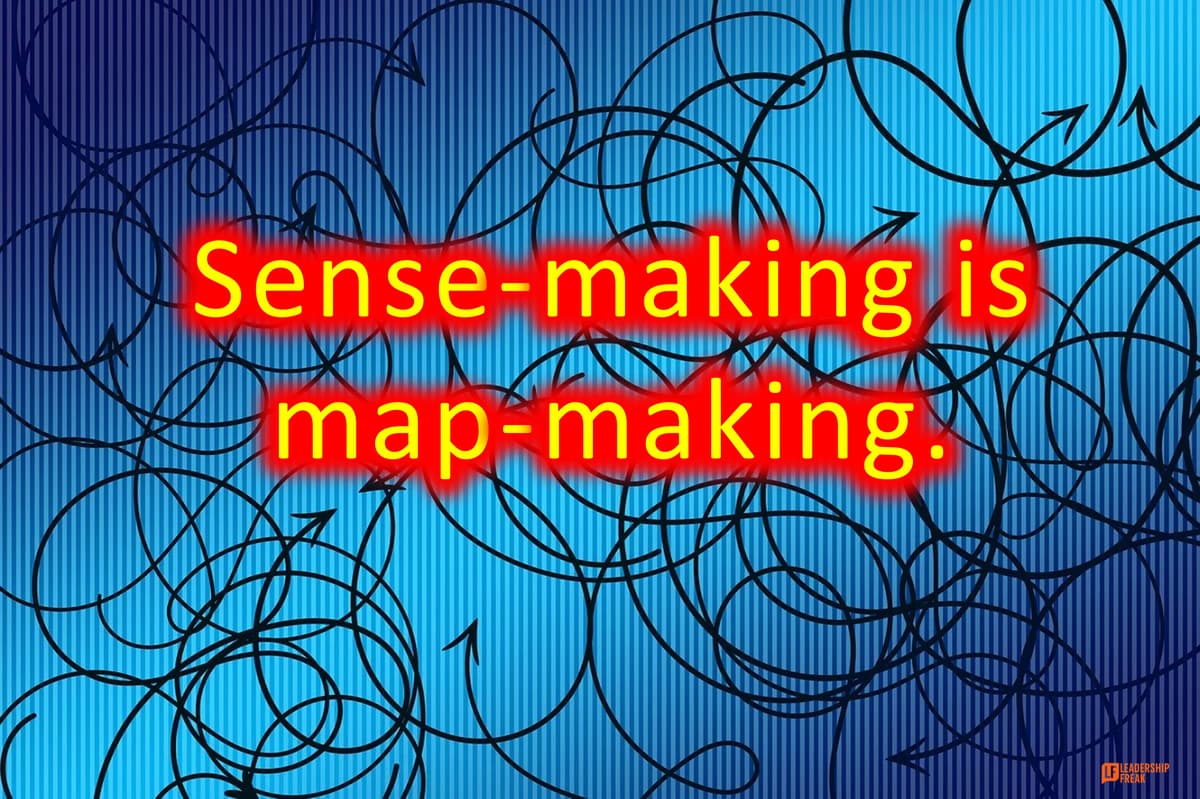
The 6 Sense-Making Questions
The article frames sense‑making as a map‑making process that helps leaders interpret events rather than react reflexively. It outlines six core questions—from labeling what’s happening to deciding what to do—that structure how people assign meaning, cause, identity, and future expectations....

Podcast: Hunting, Hard Things, and the Mindset That Gets You Through Storms
Two Percent announced a $1 increase in its membership price, while guaranteeing that current members keep their existing rate. The company also launched its flagship podcast, delivering long‑form interviews on Tuesdays and topical panels on Thursdays. The debut episode features...

Service and Sacrifice in the Modern Workplace
The post argues that the modern workplace has moved from a service‑oriented model—where meaning came from helping others—to a self‑actualisation model that ties fulfillment to personal growth and brand building. Social media intensifies this shift by turning careers into public...

The Pivot Vs. Stay Framework: 3 Questions to Ask Before You Make Any Major Career Move
The post introduces a "Pivot vs. Stay" framework that challenges the common stay‑or‑go dilemma, especially among women reassessing their careers. It argues that most decisions are made after extensive pros‑and‑cons analysis, but the real need is clarity, not permission. The...

Small Mindfulness Habits That Actually Work Daily
The post outlines micro‑mindfulness habits that require no extra time, such as a 30‑second morning pause, single‑task focus, and unfilled breaks. It argues that small shifts in attention, rather than lengthy meditation, can reshape how a busy day feels. By...
![Your Story Is True. It's Also A Trap. [AI Prompt]](/cdn-cgi/image/width=1200,quality=75,format=auto,fit=cover/https://substackcdn.com/image/fetch/$s_!Ne_2!,w_256,c_limit,f_auto,q_auto:good,fl_progressive:steep/https%3A%2F%2Fsubstack-post-media.s3.amazonaws.com%2Fpublic%2Fimages%2F74253464-637d-41e9-a58d-a35a9c7b9d73_500x500.png)
Your Story Is True. It's Also A Trap. [AI Prompt]
The article introduces an AI‑driven prompt designed to expose the hidden, self‑limiting parts of a leader’s personal story. By pinpointing omitted influences, it reveals how omission bias and confirmation bias trap executives in incomplete narratives. The tool invites users to...

If It Matters, It Must Become Routine — 14 April
The post argues that anything truly important must be embedded in a routine rather than left to occasional intention. It explains how daily structures turn optional tasks into automatic actions, eliminating the need for constant motivation. By assigning a fixed...

Overworked and Underpaid: The Most Expensive Story You Tell Yourself
The article challenges the common "overworked and underpaid" narrative, urging professionals to assess their market worth through measurable impact rather than exhaustion. It introduces a three‑point audit—value, skill, and leverage—to translate daily tasks into quantifiable business results. By reframing compensation...

Rich vs Broke Mindset
The article contrasts a "rich" versus a "broke" mindset, outlining 14 habits that typify each approach to money, work, and personal growth. It argues that wealth is driven more by daily habits and mindset than by job title or income...

Your Nervous System Sets the Pace of Your Business
The article argues that a founder’s nervous system, not strategy or team, becomes the primary speed regulator as a business scales. Under pressure, the brain’s stress response slows decision‑making, clarity, and execution, turning small hesitations into costly delays. Traditional fixes...

Nobody Told You It Would Be This Lonely: A Roadmap for Women Managing Partners
The article highlights the often‑unspoken loneliness that women managing partners in law firms endure, despite their professional success. It explains how chronic “override” of internal stress can erode decision‑making and firm culture. The piece proposes three strategic shifts—recognizing hidden burdens,...

People Who Never Move Forward in Life Usually Display These 10 Patterns of Behavior According to Charlie Munger
Charlie Munger distilled ten self‑inflicted behaviors that keep people stuck, ranging from victim mentality to ignoring incentives. He argues that recognizing and eliminating these patterns is more reliable than mimicking successful people. The list emphasizes intellectual humility, multi‑disciplinary thinking, and...

People With Low Emotional Intelligence Display These 5 Behaviors, According to Warren Buffett
Warren Buffett argues that emotional intelligence, not raw intellect, drives investing success. He identifies five destructive behaviors—living by an outer scorecard, impulsive reactions, herd mentality, dwelling on past mistakes, and overcomplicating basics—that stem from low EQ. Each habit leads investors...

Coaching and Co-Learning — Coach as Mirror
The Management Brief’s second installment spotlights a coaching partnership at Fisher & Paykel Healthcare, where senior leader Desh Edirisuriya works with LEI coach Jim Luckman. Their co‑learning relationship functions as a “mirror,” helping Desh identify gaps, experiment with social‑connection initiatives,...

Lead Like Her: Carla Vernón’s Authentic Leadership Approach
Carla Vernón, the Afro‑Latina CEO of The Honest Company, has leveraged her experience scaling natural brands at General Mills and Amazon to drive a financial turnaround and deepen the firm’s sustainability focus. Since taking the helm, she has lifted gross...

When Autism and Social Anxiety Turned Me Into a Silent Predator: I Learned to Observe, Calculate, and Survive in Silence
The author, who identifies as autistic and socially anxious, describes a shift from trying to fit in to becoming a silent observer. By withdrawing from typical social interactions, they learned to watch, calculate, and navigate environments without drawing attention. This...

Coming Home To Yourself
Jacqui, a veteran meditation teacher, is onboarding senior male executives into Integrated Coaching programs that combine private meditation courses, therapy, and accountability. These leaders, often overwhelmed by demanding roles and family pressures, are seeking inner clarity to improve decision‑making and...

President Trump’s ‘Psychological Evaluation’
The article argues that the psychology of national leaders, especially Donald Trump, is a decisive factor in shaping geopolitical outcomes. It places Trump’s behavior within a historical tradition where leaders’ mental make‑up has steered wars, alliances, and economic shifts. By...

15 Pages a Day Turns You Into a Reader of 40+ Books a Year
Programmer Jake Worth transformed from a non‑reader to finishing 44 books in a year by committing to read at least 15 pages daily. He argues that a modest, consistent target sustains momentum and prevents books from being abandoned. The approach...
No One Is Coming to Translate You. Stop Waiting.
The post argues that high‑capacity, neurodivergent adults spend years silently self‑monitoring to fit ever‑changing social expectations. Early experiences of friction and labeling teach them to over‑clarify, pre‑explain, and constantly adjust their energy. This internalized policing now drains productivity and authenticity....

I Built Myself an AI Chief of Staff. Now You Can Too.
The author launched Claudia, a locally‑run AI chief‑of‑staff that lives in the terminal and keeps a private memory of every interaction. By linking to email, calendar and transcription tools, Claudia surfaces commitments, relationship maps and proactive insights, acting more like...

Why Overstimulation Becomes Harder to Handle With Age
As people age, their tolerance for sensory input and digital notifications declines, making everyday overstimulation feel more draining. Neurological research shows that neuroplasticity slows and dopamine regulation changes, reducing the brain’s ability to filter noise. The result is quicker mental...

The Science of “I’ll Do It Later”: Dopamine and Deadlines
The post explores why people habitually say “I’ll do it later,” linking the behavior to dopamine-driven reward pathways and the psychology of deadlines. It explains that procrastination feels rational in the moment but creates a hidden cost as tasks become...

Busy Brain, Tired Mind: The Aging Overload Problem
The post highlights how the aging brain remains cognitively active while its energy reserves wane, creating a "busy mind, tired system" scenario. It explains that older adults can think and focus but at a higher physiological cost, leading to frustration...