
How to Navigate Uncertainty in an Increasingly Uncertain World
The rapid rise of artificial intelligence has triggered a wave of layoffs, intensifying workers' anxiety about job security. At the same time, geopolitical tensions between the U.S. and Iran have pushed gasoline prices higher, adding financial strain to an already volatile environment. The article draws on the experiences of chronic‑illness survivors like Jonathan Gluck and Ben Sasse to illustrate how accepting uncertainty can ease emotional fatigue. It concludes with five practical habits—acceptance, routine, connection, immersion, and realistic optimism—to help professionals navigate an unpredictable world.

I Want to Say Something that My Generation Rarely Says Out Loud: Being Tough Your Whole Life Doesn’t Actually Protect...
A 66‑year‑old tradesman reflects on a lifetime of "tough‑guy" conditioning that concealed deep loneliness, revealing that a full phone book does not guarantee genuine connection. He recounts how his stoic persona kept friends and family at arm’s length, even as...

Is Hurry the Great Enemy of Spiritual Life?
John Mark Comer, a bestselling evangelical author, argues that hurry—an incessant sense of urgency amplified by technology—is the chief obstacle to spiritual life. His 2019 bestseller "The Ruthless Elimination of Hurry" and the 2024 follow‑up "Practicing the Way" outline nine...

Psychology Says People Who Need to Finish the Chapter Before They Can Put the Book Down Aren’t Obsessive — Their...
The article links the habit of finishing a book chapter before sleeping to the brain’s intolerance for unfinished narratives, a phenomenon rooted in the Zeigarnik effect. Research cited shows that open loops consume up to 90% more mental processing power...
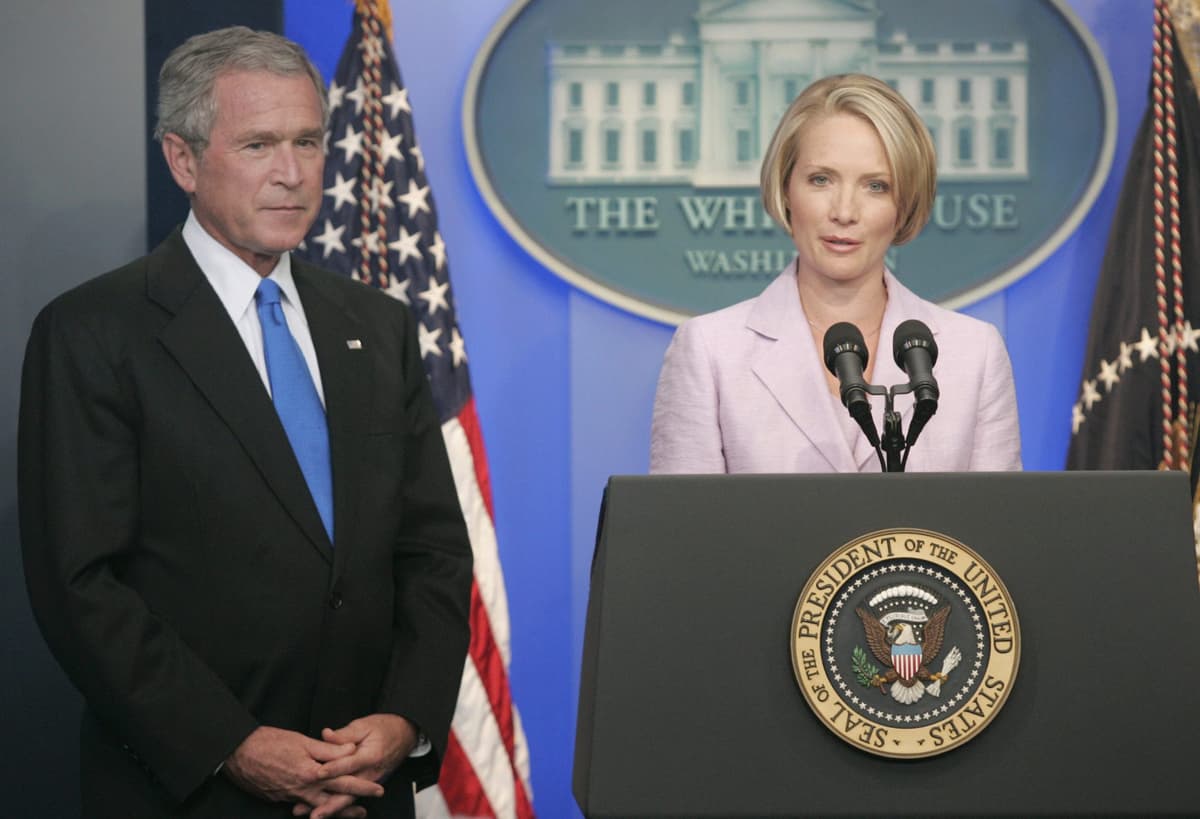
Dana Perino Was Terrified to Leave the White House — Until George W. Bush Changed How She Thinks About Her...
After the Bush administration ended, former White House press secretary Dana Perino briefly tried a public‑relations role and quit within two hours, realizing it wasn’t a fit. A candid conversation with George W. Bush helped her reframe the risk, leading...

Defending Our Consciousness Against the Algorithms
Influencers on Instagram have launched a viral “do nothing” challenge, urging participants to embrace boredom to stimulate the brain’s default mode network. The article argues that constant scrolling hands over attention to social‑media algorithms, shrinking the mental space for spontaneous...

The Book of Concern
Seth Godin’s new essay, “The Book of Concern,” proposes a simple paper‑based exercise to manage daily urgencies. Readers are instructed to write down any immediate emergency that pulls focus from long‑term goals, then revisit it after two days. If the...

The Book Amazon Has Just Banned (and Why It Matters)
Amazon has removed the leadership book "Be More P.U.N.K." from its marketplace, sparking discussion about corporate censorship and cultural preservation. The book, aimed at founders and scale‑up leaders, argues that rapid growth often breeds bureaucracy, slowing decision‑making and diluting a...
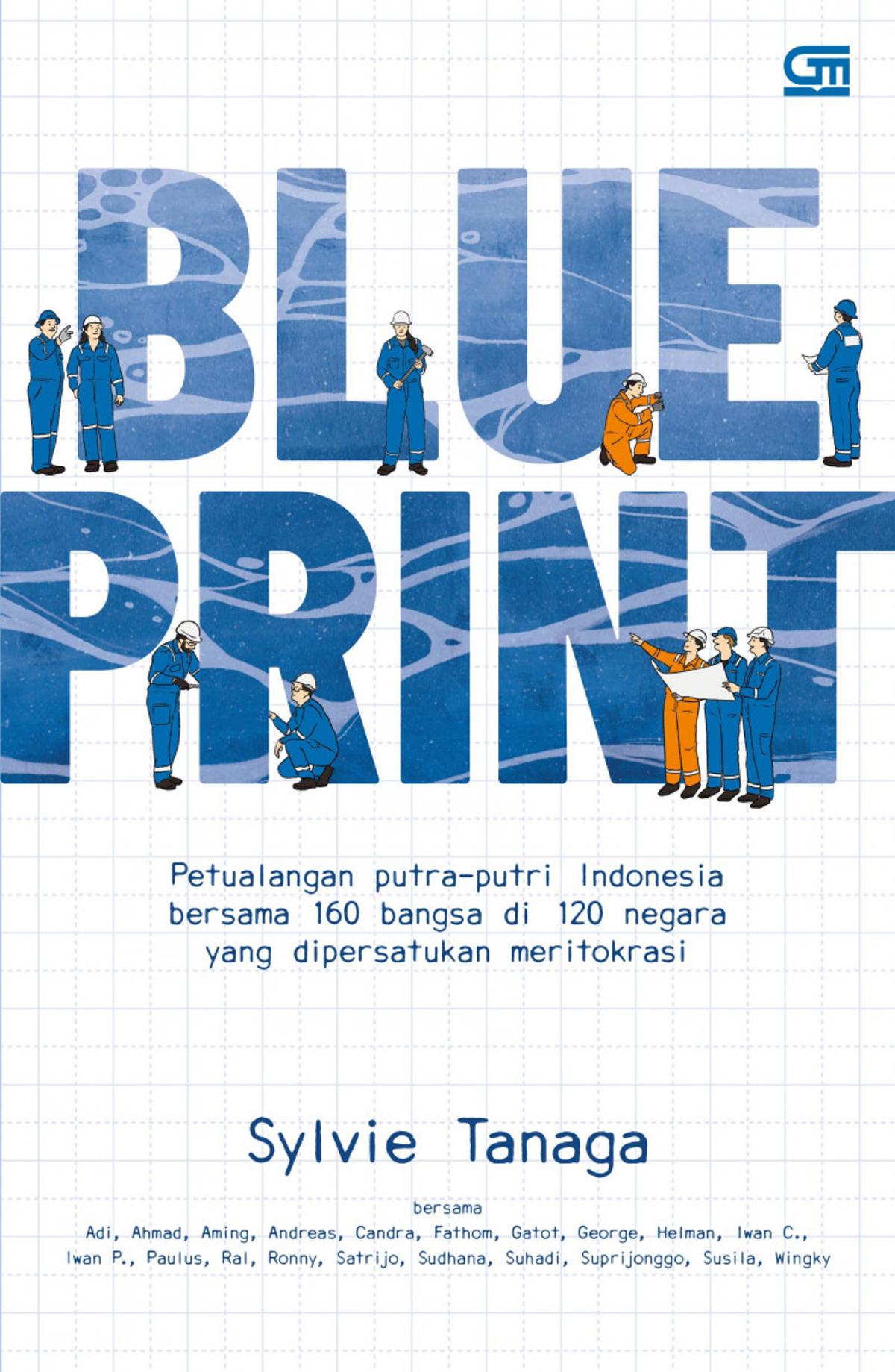
‘Blueprint’: Meritocracy, Pressure and the Making of Indonesian Engineers
Blueprint, a narrative nonfiction by Sylvie Tanaga, chronicles the careers of twenty Indonesian engineers employed by SLB (formerly Schlumberger) across more than 120 countries. The book emphasizes meritocracy as the central force that enables these professionals to earn trust in highly...

Reed Hastings Created a Work Culture that Made Netflix a Giant. Can It Su...
Reed Hastings built Netflix around a "freedom and responsibility" culture that demands constant constructive criticism and employee ownership of decisions. That approach helped the 1997 DVD‑mail service evolve into a $455 billion streaming giant. With Hastings now stepping back, investors and...

Jen Morgan and the Discipline of Building Value
Jen Morgan, CFO of Integrated Dermatology, leverages finance as a growth engine, turning a modest pathology lab into a scalable, tech‑enabled dermatology platform. She champions daily 15‑minute syncs with the CEO to keep strategy and execution tightly aligned. Her leadership...

From Breakdown to Breakthrough: What Five Years of Depression Taught Me About Leadership
Graeme Cowan recounts his five‑year battle with severe depression and how it reshaped his view of leadership. He created a simple "moodometer" to gauge team morale and identified three pillars—self‑care, crew‑care, and red‑zone care—as essential for sustainable performance. Drawing on...

Two Minutes a Day That Could Totally Change Your Life
Lisa Broderick highlights Marshall Goldsmith’s Six Daily Questions as a two‑minute habit that drives lasting personal and professional growth. The framework asks users daily whether they did their best across goal‑setting, progress, meaning, happiness, relationships, and engagement. According to the...

My Meetings Now Populate Todoist Automatically (And How I Set It Up)
A productivity writer created an automation that pushes meeting action items directly into Todoist. Using a transcription service, Lindy AI parses the call, extracts the speaker’s commitments, and creates tasks with appropriate due dates and draft follow‑up emails. The workflow...

Growing Up Between Systems
The article explains bicultural identity integration, a psychological framework where multiple cultural identities coexist without conflict, and shows how cultural frame‑switching sharpens executive function. It argues that true cultural fluency emerges not from travel but from witnessing personal system breakdowns—such...

What Bob Weir Taught Me About Leadership and Legacy
Bob Weir, co‑founder of the Grateful Dead, died this year but left a bold ambition: a 300‑year legacy for the band’s brand. He demonstrated that longevity can be built through health‑focused leadership, relentless optimism, and a future‑oriented mindset. The 2023...

‘Bouncing Back’ Is a Myth. Here’s What Real Resilience Looks Like
The article challenges the popular myth that resilience means simply "bouncing back" after trauma, using Maria’s mastectomy experience as a vivid illustration. It argues that resilience is a dynamic, ongoing process involving emotional integration rather than relentless positivity or toughness....
The Rule of Three Isn’t a Limit. It’s a Finish Line.
The article reframes the "rule of three" as a finish‑line rather than a ceiling, urging professionals to pick three priority tasks each day and treat their completion as a win. It extends the concept to weekly planning by asking what...

This Tech Investor Hasn’t Touched a Laptop or Desktop Computer Since 2010. Here’s Why.
Veteran tech investor Keith Rabois stopped using laptops and desktops in 2010, now running his work exclusively from an iPhone, iPad and Apple Watch. He cites Jack Dorsey’s iPad‑only management of Square as the catalyst, arguing that smaller devices sharpen...

Last-Minute Cancellation? Why Unexpected Free Time Feels So Liberating (M)
When a scheduled event is cancelled, the brain interprets the gap as an abundance of time, triggering a sense of liberation. Psychologist Dr. Jeremy Dean explains that this shift stems from reduced perceived scarcity and a temporary pause in decision‑making...

The Bliss of Blamelessness
The Buddha’s “handful of leaves” parable illustrates that the vast knowledge of enlightenment can be distilled into a small, practical set of teachings. In Buddhism this set comprises three pillars—generosity (dāna), ethical conduct (sīla), and mental cultivation (bhāvanā). The article...

People with Better Cardiorespiratory Fitness Tend to Be Less Anxious and More Resilient in Emotional Situations
A Brazilian study of 40 healthy adults found that higher cardiorespiratory fitness, measured by estimated VO2max, is linked to lower trait anxiety and greater emotional resilience. Participants with above‑average fitness showed muted spikes in state anxiety and anger when exposed...

Listen: Your Relationship Attachment Style Can Change
Neuroscientist Amir Levine, co‑author of the bestseller *Attached*, argues that attachment styles are not fixed traits but can be reshaped through neural rewiring. In his new 2026 book *Secure*, he introduces the concept of “earned security,” describing how supportive relationships...

The People Who Overprepare for Everything Aren’t Anxious. They Learned Somewhere that Being Caught Unready Was a Kind of Humiliation...
Over‑preparation is presented as a policy response to a formative humiliation rather than a symptom of generalized anxiety. The article explains how a single public failure during a critical developmental window creates a lasting “humiliation ledger” that drives domain‑specific, exhaustive...

Being ‘Ready’ Is a Trap — Do This Instead
The article argues that “starting” isn’t tied to a job title or external validation; it begins the moment you consistently practice your craft. However, creation alone isn’t enough—sharing your work publicly converts effort into momentum and opens doors. Waiting until...
The $5 Photo Shoot: How a Small Austin Jewelry Brand Stopped Waiting and Started Producing
A husband‑and‑wife jewelry brand in Austin used the AI image generator Nano Banana to create lifestyle product photos in seconds, paying only five cents per image. In one afternoon they produced over 40 new assets that previously required costly photo...

The Power of Relaxed Assertive Confidence
Relaxed assertive confidence is the calm certainty that an ask will be answered with a yes, separating top sales performers from those who hesitate. Vera Stewart exemplifies this mindset, securing a refrigerated truck and a TV syndication deal by asking...
7 Meeting Scripts That Cut the Noise and Drive Action
The article outlines seven practical meeting scripts designed to eliminate wasted time and drive concrete outcomes. It cites Harvard Business Review research showing structured meetings are 50% shorter and yield 40% more actionable results. Each script— from a pre‑meeting brief...

The People Who Struggle Most with Compliments Aren’t Humble. They’re Recalibrating in Real Time Against a Version of Themselves They...
The article explains that high‑achieving professionals, especially in the space sector, often experience impostor phenomenon, causing them to treat compliments as a stress test rather than genuine praise. When praised, they launch an internal audit, trying to reconcile external validation...

What Does It Mean to Be Reasonable?
Krista Lawlor’s new book *Being Reasonable* argues that reasonableness is the ability to see what truly matters and act with fairness, blending facts with values. She shows how the vague “reasonable person” standard shapes legal outcomes, citing cases like Hattori...

Herman and Candelaria Zapp on 22 Years of Worldwide Travel in a 1928 Graham-Paige
Herman and Candelaria Zapp, an Argentinian family of six, completed a 22‑year overland odyssey across five continents and 102 countries in a 1928 Graham‑Paige. They raised four children on the road, funding the adventure by selling their memoir, Spark Your Dream,...

Major Gap Between Leaders’ Traits and Employee Expectations, Finds Report
Hogan Assessments’ new global study of 21,000 executives and nearly 10,000 employees across 25 countries reveals a stark mismatch between the traits leaders display and the qualities workers expect. Executives tend to stand out for inspiration, competition, public speaking, initiative...

Longitudinal Study Finds Procrastination Declines with Age but Still Shapes Major Life Outcomes over Nearly Two Decades
An 18‑year longitudinal study of 3,023 Germans tracked procrastination from late adolescence into adulthood, revealing that while individuals’ relative rankings stay stable, overall procrastination levels decline with age. Increases in conscientiousness and reduced neuroticism, as well as transitioning into the...
The AI Agent That Reads All Your Meetings and Finds What You Missed
The Weekly Synthesizer agent automatically reads all meeting transcripts from the past week, synthesizes key insights, and delivers a structured Google Doc each Monday. It highlights executive summaries, recurring themes, decisions, blockers, resources, and relationship signals, while also flagging contradictions...

How to Keep Empathy Sustainable in a World of Hybrid, Intergenerational Work
Empathic leadership is now a baseline expectation, linked to higher engagement and lower turnover, but sustained empathy can become an invisible source of emotional fatigue for managers. A recent study of millennial managers shows that while they often appear on...

This Is The Ultimate Dopamine-Optimizing Morning Routine, According To A Neuroscientist
Neuroscientist Tj Power outlines a dopamine‑optimizing morning routine that replaces early‑day phone scrolling with intentional actions. He recommends delaying phone use, getting outside for sunlight‑filled movement, and a brief meditation to modulate brain chemistry. The sequence—physical activity, exposure to natural...

The Strange Exhaustion of Being the Person Everyone Describes as ‘Doing Fine’ when You Haven’t Actually Been Asked in Months
The article highlights a growing form of exhaustion among high‑functioning adults who are labeled “fine” despite lacking genuine check‑ins. It cites research showing reduced adult social contact, a European study linking loneliness to lower memory performance, and neuroscience findings on...

Definely Founder: For the Cause, Not the Applause
Definely, founded by Nnamdi Emelifeonwu, offers an AI‑powered platform that automates legal document creation and review. The founder stresses staying mission‑focused over seeking hype, highlights the strategic value of an early head of people hire, and details how the company...

The Price of Greatness: 5 Counter-Intuitive Lessons From the World of Elite Powerlifting
Dave Hoff, a 13‑year veteran of elite multi‑ply powerlifting, posted a 3,058‑lb total, underscoring that greatness demands pain and strategic minimalism. He rejects rigid 12‑week peaking plans, favoring long‑term consistency and emotional neutrality to avoid burnout. Hoff also emphasizes a...

Why Is It so Hard to Change Your Mind?
Changing one’s mind is notoriously hard, a trait psychologists link to confirmation bias and social‑media echo chambers. New research highlighted by columnist David Robson shows that mental rigidity not only fuels political polarization but also hampers business decision‑making. However, the...

Ask a Climate Therapist: Why Should I Plan for My Future when I Feel We Don’t Have One?
Leslie Davenport, a climate‑aware therapist, answers a young adult’s fear that climate change makes future planning futile. She acknowledges the genuine anxiety while urging a shift from certainty‑seeking to values‑based navigation. Davenport stresses that skills, relationships, and purpose are portable...

How Stress Management Techniques May Help Reduce Migraines
Recent studies reveal that stress activates the PACAP38‑MrgprB2 pathway and cortisol fluctuations, directly provoking migraine attacks in up to 70% of sufferers. Over 85% of migraine patients also report poor sleep quality, highlighting a vicious stress‑migraine cycle. Clinical trials show...

AI Is Finally Delivering Productivity — for Remote Employees
AI’s impact on productivity remains ambiguous, with surveys showing half of U.S. workers using AI but allocating only four percent of their day to it. Federal Reserve data indicates a modest 5.4% hour reduction for AI users, equating to a...

How to Build a High-Performing Team During the AI Era
Deloitte’s new research of 1,394 U.S. professionals shows high‑performing teams are far more likely to embed AI in daily work—78% versus 54% for average teams. Those teams also report stronger outcomes in efficiency, problem‑solving and collaboration, driven by human capabilities...

5 Ways to Take Breaks at Work Even when You’re Time Crunched
Modern workdays are riddled with back‑to‑back meetings and constant interruptions, with 80% of workers reporting insufficient time or energy, according to Microsoft’s 2025 Work Trend Index. The article outlines five practical micro‑break strategies that can be woven into existing schedules,...

I Used to Think I Had Commitment Issues and Then I Noticed the Pattern Wasn’t About Commitment at All. It...
The author realized that what felt like commitment issues was actually a fear of being taken for granted once a relationship became routine. The turning point occurs when a partner stops actively choosing them and instead assumes their presence is...

Psychology Says the Quietest Person in a Group Conversation Often Isn’t the Least Engaged — They’re Often the One Processing...
The article explains why the quietest participant in a group often performs the deepest cognitive work. Research shows 15‑20% of people are highly sensitive, processing information more thoroughly, and introverts tend to listen before speaking. Studies by Adam Grant reveal...

Jeremy Packman: Leading Through Change in Education
Jeremy Packman has spent 25 years in California public schools, rising from substitute teacher to principal and district leader. He steered multiple campuses through system reforms, community conflicts, and the COVID‑19 pandemic, emphasizing active listening and systems thinking. In 2024...

Psychology Says Adults Who Still Sleep with the Television on Aren’t Just Creatures of Habit — Many of Them Are...
Adults who fall asleep with the TV on are often using the constant chatter as a shield against intrusive thoughts, not merely as background noise. Research cited by Healthline and Psychology Today links this habit to poorer sleep quality, increased...
You Don’t Have a Time Problem. You Have a Currency Problem.
Productivity isn’t just about finding more hours; it hinges on three currencies—time, energy, and attention. The TEA framework helps identify which of these is the bottleneck, whether it’s overcommitment, fatigue, or scattered focus. A benchmark of ten genuine deep‑work hours...