Levers For Streamlining And Optimizing The Biosimilar Process
The panel discussed how biosimilar developers can streamline production by leveraging modern cell‑line engineering and a systematic set of process levers. Unlike de‑novo biologics, biosimilars must replicate a defined quality attribute envelope while seeking cost efficiencies. Advances in CHO cell line development now deliver 5‑10 g/L titers, a dramatic jump from two decades ago. Developers use a two‑pronged strategy: an upstream culture that maximizes productivity without compromising critical quality attributes, and a downstream platform—protein A, ion exchange, and hydrophobic interaction chromatography—tuned to preserve those attributes. Levers such as media composition, feed strategy, pH, temperature, and dissolved‑oxygen control are explored through multivariate studies because they interact. Regulatory guidance emphasizes hitting the mid‑range of the reference product’s attribute distribution. As one speaker noted, “If you teeter on the high or low end, you risk producing lots that fall outside the acceptable range.” Analytical assays therefore become the cornerstone for defining those target windows early in development. Embedding analytics and process‑leverage optimization from the outset reduces batch‑to‑batch variability, shortens development timelines, and improves cost‑of‑goods, giving biosimilar manufacturers a competitive edge in a crowded market.

Mini Brain Structures May Help Scientists Diagnose, Treat Alzheimer's Disease
The video highlights a breakthrough in Alzheimer’s research: the creation of patient‑derived mini brain organoids that mimic the disease’s pathology. By cultivating these three‑dimensional cultures from individual patients, scientists can observe disease mechanisms and test treatments in a human‑relevant setting. Key...
Remplir Validation Builds on Orthocell's US Opportunity
Orthocell Ltd announced that its nerve‑repair device Remplir™ has secured approval for use across the U.S. Department of Defense and Department of Veterans Affairs hospital network. The clearance grants access to 221 facilities, including 51 military hospitals and 170 VA...
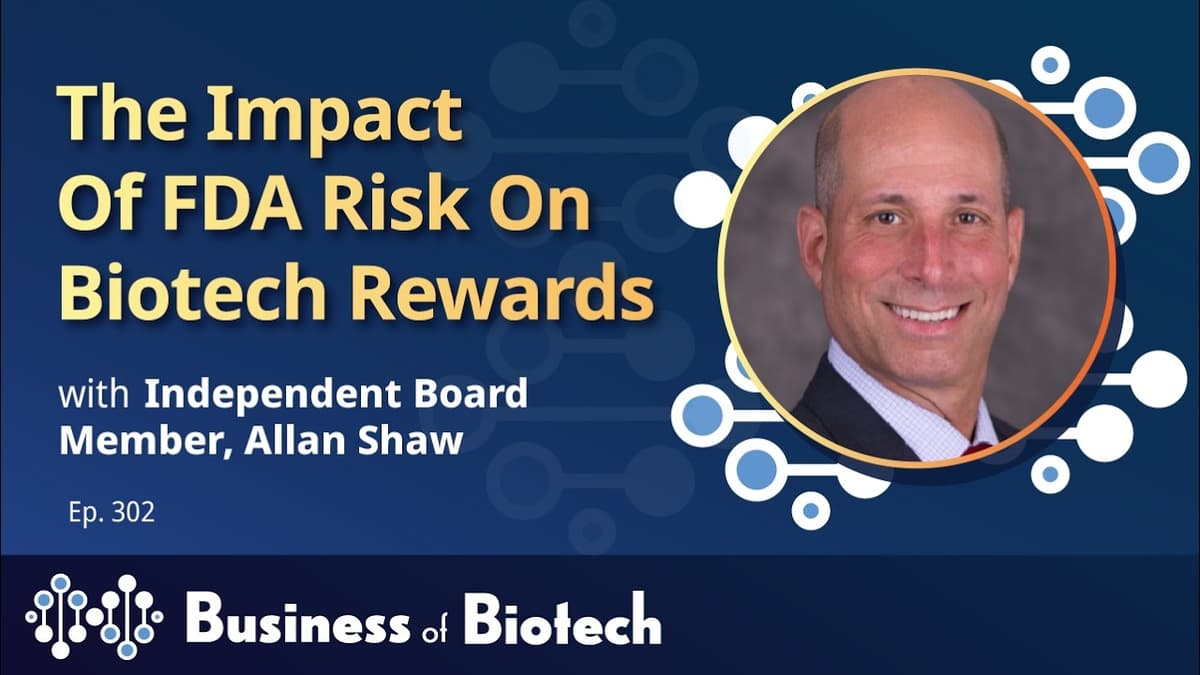
The Impact Of FDA Risk On Biotech Rewards With CFO And Board Director Allan Shaw
The conversation with veteran biotech CFO and board director Allan Shaw centers on the growing perception that the FDA’s public signals no longer match its internal decision‑making, creating heightened regulatory risk for drug developers. Shaw highlights a widening gap between...
What Does the US Market Look Like for POLB 001
The video outlines a fresh market‑size assessment for PAL 001, an investigational therapy aimed at preventing cytokine release syndrome (CRS) in the United States. An independent consultancy surveyed commercial insurers, Medicare and Medicaid decision‑makers, quantifying their willingness to cover a drug that...

What if We Could Regenerate Our Bodies?
Andre Watson, founder and CEO of Ligandal, unveiled LiganForge – an artificial‑intelligence engine that generates peptide designs up to one hundred‑thousand times faster than existing methods. The announcement, posted on X on March 17, quickly amassed half a million views and...

James Zou, PhD: AI Agents to Accelerate Biomedicine
James Zou, a Stanford professor, unveiled a new generation of AI agents that function as independent scientists, marking a shift from using AI merely as a problem‑solving tool to letting it drive hypothesis generation, experiment design, and data analysis. His...
Steven Corsello, MD | Old Drugs, New Uses: Surprising Opportunities for Cancer Therapy
Dr. Steven Corsello presented a Stanford‑based program that systematically repurposes existing drugs for oncology by combining a curated drug library, high‑content cellular readouts, and a pipeline to uncover mechanisms of action. The centerpiece is the PRISM platform, which tags thousands...

GPT-Rosalind: The AI Scientist Changing Drug Discovery 🧬🚀
OpenAI unveiled GPT‑Rosalind, a frontier‑reasoning model built specifically for live scientific research in biology, drug discovery and translational medicine. Unlike a generic chatbot, it is engineered to think like a scientist, parsing complex protein, gene, chemical reaction and disease biology...
Treating Heart Disease Behind Sudden Death in Young People | David Elsey
Cardiol Therapeutics used the interview to detail progress on its Maverick Phase III trial for recurrent pericarditis and the Archer Phase II study in myocarditis, while previewing its next‑generation drug CRD38 aimed at chronic heart‑failure inflammation. The Archer data, presented at the European...
Episode 16: Building AI for Life Sciences
The OpenAI Podcast’s Episode 16 spotlights the company’s new biochemistry‑focused model series, designed to embed advanced AI directly into life‑science research pipelines. Joy Jiao and Yunyun Wang explain how the models extend beyond text and code, offering mechanistic insights in...
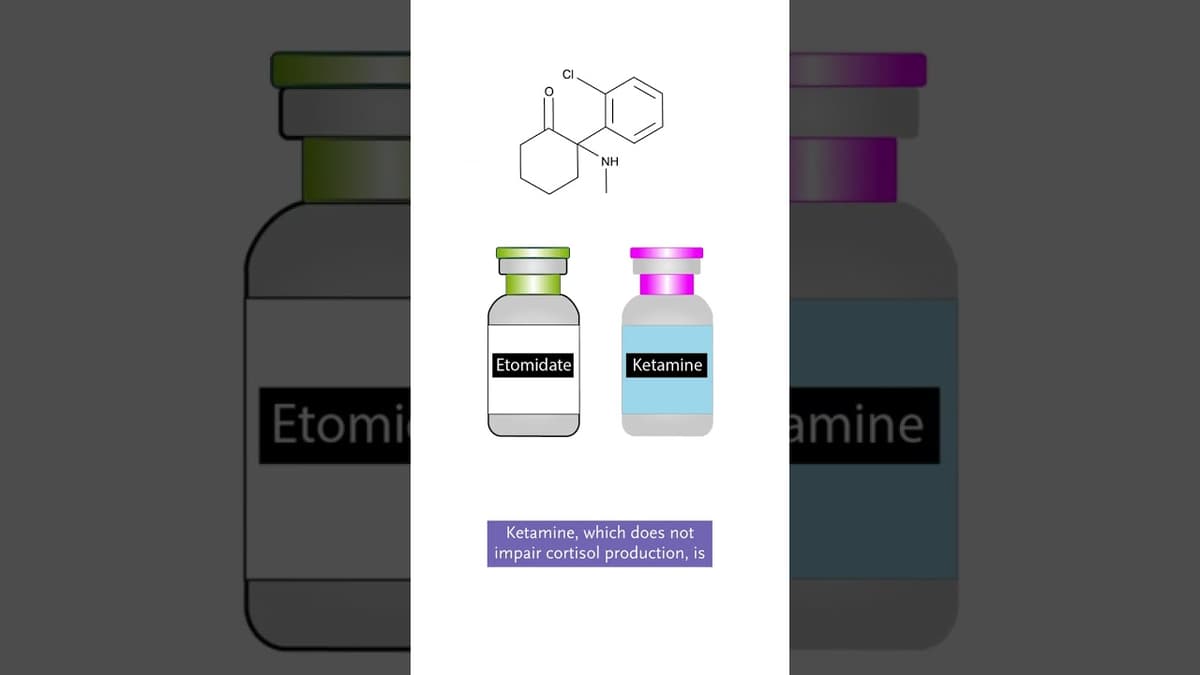
60-Second Journal Club: Randomized Trial of Sedative Choice for Intubation
The video reviews a multicenter, unblinded randomized trial that compared ketamine with etomidate as induction agents for emergency tracheal intubation in critically ill adults. Conducted across 14 emergency departments and intensive care units in the United States, the study enrolled...
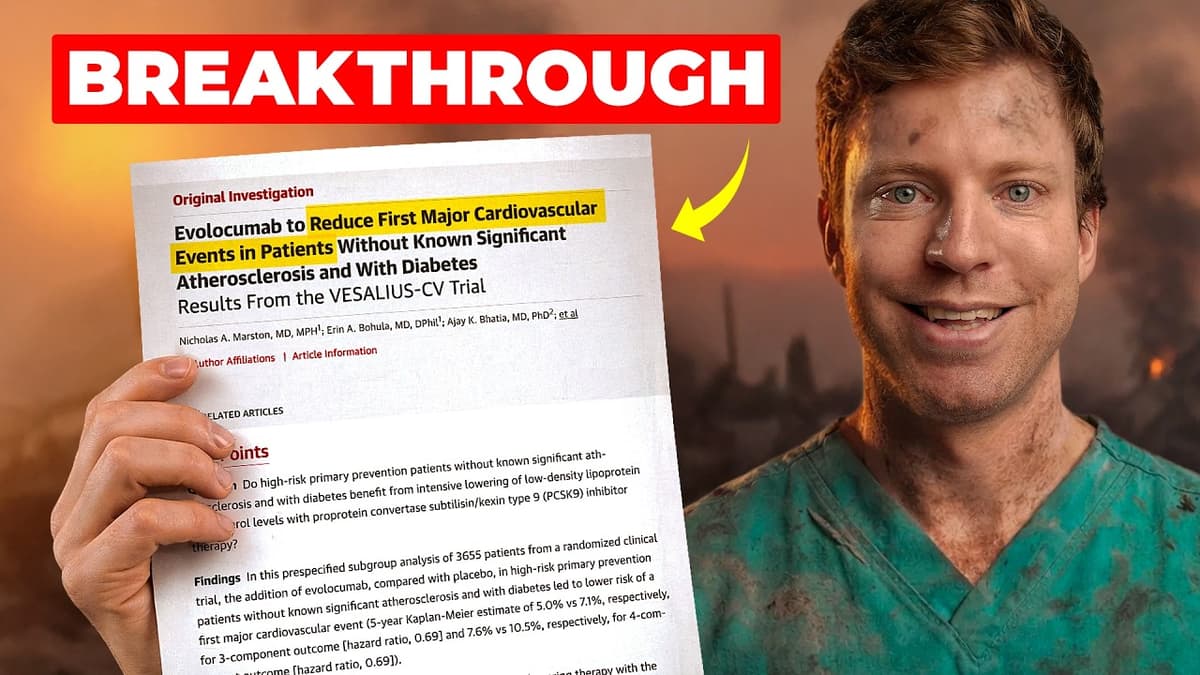
The 60-Year Cholesterol War Is Finally Over
The video chronicles the resolution of a six‑decade debate over cholesterol management, tracing its origins to a 2006 Dallas Heart Study discovery of a woman with an LDL of 14 mg/dL caused by PCSK9 loss‑of‑function mutations. Researchers realized that silencing PCSK9...

NEJM Clinician: Catheter-Directed PE Treatment: Does It Deliver?
The New England Journal of Medicine reports a multinational randomized trial evaluating catheter‑directed fibrinolysis (CDT) versus standard anticoagulation in patients with intermediate‑risk (sub‑massive) pulmonary embolism. Over 500 participants were assigned to low‑dose, catheter‑delivered clot‑busting therapy or anticoagulation alone, with the...

Scaling Innovative Clinical Trial Approaches: Challenges, Progress, and Opportunities
The FDA’s Center for Clinical Trial Innovation (C3TI), together with the Duke‑Margolis Institute, convened a hybrid workshop to assess progress in clinical‑trial innovation. The event showcased the C3TI Demonstration Program, which is funded by a $5.19 million FDA/HHS award, and examined...

Aloe Blacc’s Fame Means Nothing in Biotech (and That’s the Point) | Equity Podcast
The Equity Tech Crunch podcast features Grammy‑nominated singer‑songwriter Aloe Blacc, who has transitioned from music to biotech entrepreneurship. He co‑founded Major Inc. and its spin‑off Pepto ID to develop novel cancer therapies, focusing on pancreatic cancer, a disease with a 90 %...

Statins and Strength: What the STOMP Trial Found
The video examines the STOMP trial, which evaluated whether high‑dose atorvastatin impairs resistance‑training adaptations. Researchers randomized 420 statin‑naïve adults to 80 mg atorvastatin or placebo for six months while they followed a standardized strength program. Results showed no significant difference in muscle...

2026 ISPE AI in Life Sciences Summit: Why This Event Matters
The 2026 ISPE AI in Life Sciences Summit positions artificial intelligence as a transformative force comparable to the advent of the first computers or smartphones, promising a clear before‑and‑after for the pharmaceutical sector. Organizers stress that deploying AI responsibly—while safeguarding patient...
HVIVO: Beating the Odds in 2025 - and Why 2026 Looks Better Still
hVIVO PLC released its full‑year 2025 results, highlighting £47 million of revenue and a modest £1 million positive EBITDA—both in line with the guidance issued earlier in the year. The company closed the year with just over £40 million in cash, positioning it...

Dr. Glaucomflecken Explains: Tecovirimat for the Treatment of Mpox (STOMP/A5418)
The video features Dr. Glaucomflecken reviewing a New England Journal of Medicine study that evaluated oral tecovirimat, an antiviral approved for smallpox, as a treatment for mpox. The randomized, placebo‑controlled trial enrolled adults with presumptive or laboratory‑confirmed clade 2 mpox within...

HVIVO Lands Influenza Trial Deal
Human Vaccines Online (HVO) announced a contract with biotech partner Trrow to run a prophylactic antiviral challenge study against influenza, leveraging its newly engineered H1N1, H3N2 and B virus panel. The study will enroll roughly 150 healthy volunteers in China, using...

What Most Favored Nation Drug Pricing Would Mean for the US
The video examines the most‑favored‑nation (MFN) drug‑pricing proposal that would tie U.S. prices to the lowest rates paid by other developed economies. Host Dr. James Robinson explains why the idea has gained political traction, especially after President Trump’s pledge to...

NIH-Led Research Discovers New Way Lung Cancer Can Emerge
The NIH‑led study unveiled a previously unknown pathway by which certain lung cancers develop, driven by retrotransposon elements—mobile DNA sequences that can copy and paste themselves throughout the genome. Using whole‑genome sequencing, researchers mapped mutational signatures that pointed to this...

Ozempic: $14 in India Vs. $349 in the US #shorts
The video highlights a stark price disparity for semaglutide, the active ingredient in Ozempic, which costs $349 a month in the United States but only about $14 in India. The difference stems from the recent expiration of the drug’s patent...

Balancing Near Term ROI and Foundational AI Innovation
The panel examined whether an open‑source business model can thrive in pharma, weighing short‑term ROI against the need for foundational AI research. Participants debated contributions from insurers and employers, likening the model to IBM’s investment in Linux. Speakers highlighted that tools...

AI-Powered Autonomous Labs Underrated?
The discussion centered on a recent poll asking which AI trend will most transform drug discovery in the next three to five years. Multimodal models that integrate sequencing, molecular structure, and chemistry data captured the largest share at 41%, while...

How Federated Learning Could Bridge Pharma’s Data Divide
The video examines how federated learning can close the data gap that separates pharmaceutical companies from public chemical repositories. Each firm’s historical medicinal‑chemistry records are unique, and the industry lacks negative toxicology and bioactivity data, making local predictive models unreliable...

Big Pharma's Trust Gap? How Gilead Is Rewriting the Narrative | Next to Lead
The interview with Gilead Sciences’ Chief Commercial and Corporate Affairs Officer, Johanna Mercier, centers on the biotech giant’s effort to close a widening trust gap with the public while sustaining its rapid‑innovation model. Mercier highlights Gilead’s record‑setting FDA approval of...

Biosimilars And Complex Medicines For All With RNA Therapeutics' Sarfaraz Niazi, Ph.D.
The interview with Dr. Sarfaraz Niazi, CEO of RNA Therapeutics, explores his decades‑long journey from academia to industry and his pivotal role in shaping the biosimilar landscape. He recounts early work on biological drugs before the FDA had a formal...

LLY V. NVO: Weighing Who's Winning the GLP-1 Industry
The video examines the intensifying GLP‑1 battle between Novo Nordisk and Eli Lilly, highlighted by Novo’s launch of a higher‑dose Wegovy at $399 cash price, which undercuts Lilly’s Zepbound pricing. It outlines the product landscape—semaglutide versus tirzepatide—and the strategic moves each...

Former Sen. Ben Sasse Shines the Spotlight on a Possible Breakthrough for Pancreatic Cancer
Former Republican Senator Ben Sasse has drawn attention to an experimental oral therapy from Revolution Medicines after being diagnosed with stage 4 pancreatic cancer, a disease with a 13 percent five‑year survival rate. His public endorsement underscores the urgency of finding effective...

Idiopathic Pulmonary Fibrosis - Treatment and New Hope
The video explains idiopathic pulmonary fibrosis (IPF) as a chronic, progressive scarring of lung tissue driven by repeated alveolar epithelial injury, not by inflammation. It reviews the evolution of treatment—from failed immunosuppressive regimens to the first antifibrotic agents, pirfenidone and...

Enveda CEO Viswa Colluru on Positive Phase 1b Results for ENV 294 Therapy
Enveda’s chief executive, Viswa Colluru, highlighted the company’s AI‑powered chemistry platform that flips traditional drug discovery on its head by mining billions of years of natural molecular diversity. The approach underpinned the Phase 1b trial of ENV294, an oral tablet for moderate‑to‑severe...

Herbosa: Pharma Companies Vow Not to Increase Medicine Prices Until June | INQToday
The Department of Health announced that pharmaceutical companies have agreed not to raise retail prices on a core basket of medicines until June 2024, a decision made amid heightened geopolitical tensions in the Middle East that could disrupt supply chains....

BioVie Targets Neuroinflammation and Insulin Resistance in Parkinson’s Treatment Approach
BioVie’s CEO Cuong Do explained the company’s hypothesis that Parkinson’s disease is driven not only by dopamine loss but also by neuroinflammation‑induced insulin resistance. The firm is developing Beziterim, a molecule designed to clear the “rust” on cellular insulin receptors,...

NanoViricides Files for Rare Pediatric Disease Designation for Measles Drug
NanoViricides announced that it has filed an FDA application for Rare Pediatric Disease designation for its investigational measles antiviral, NV‑387. The move positions the company to qualify for a Priority Review Voucher (PRV) if the drug receives approval, a mechanism...

This AI Designs Drugs in Minutes
On March 17, 2026, Andre Watson, a biomeaterials scientist and founder of Ligendal, released a preprint describing a new AI system that designs peptide drugs in minutes. The system, called Ligan Forge, uses a discrete diffusion model that learns the physics...

PTSD Hope: Solvonis Has Secured Two US Patents Strengthening Its PTSD Drug Programme
Solvonis Therapeutics PLC announced the issuance of two United States patents that protect its lead PTSD candidate, SVN-114. CEO Anthony Tennyson said the patents validate the underlying science and move the program closer to clinical milestones. The protection strengthens Solvonis’s...

Gene Therapy Breakthrough at Genflow Biosciences Reports Promising Long-Lasting Effects in Dogs
Genflow Biosciences Ltd announced that its SLAB gene‑therapy trial in dogs showed durable efficacy, with functional improvements still evident three months after a single dose. CEO Dr. Eric Leire said the persistence could enable a one‑time treatment model for sarcopenia...

Coiled Therapeutics Doubles Cancer Drug's Success Rate with Simple Dosing Change
Coiled Therapeutics announced that its lead oncology candidate AO‑252 doubled its clinical benefit rate from 40% to 80% after switching to a twice‑daily dosing regimen. The improvement is attributed to sustained drug exposure, enhancing its multimodal action on mitosis, DNA...

Solvonis Therapeutics CEO Says Dual US Patent Win Strengthens PTSD Pipeline
Solvonis Therapeutics announced the award of two U.S. patents covering separate chemical series that underpin its PTSD drug program. The patents reinforce the company’s intellectual property and signal a shift from a single‑asset approach to a broader chemistry platform. CEO...

Medical Mystery: The Man Who Got Weaker When He Started Training
A 43‑year‑old man who began resistance training presented to the ER with a CK level of nearly 19,000 U/L, prompting a deep dive into statin‑associated muscle injury. The episode reviews the patient’s history, lab findings, and the final diagnosis, highlighting three...

Original Article: Left Atrial Appendage Closure in Afib (CLOSURE-AF)
The CLOSURE‑AF trial evaluated left atrial appendage (LAA) closure versus guideline‑directed medical therapy in over 2,000 high‑risk atrial fibrillation patients. After three years, the device strategy failed to meet the predefined non‑inferiority margin for a composite of stroke, systemic embolism,...

NEJM Clinician: Should We Hold GLP-1–Based Medications Before Upper Endoscopy?
Clinicians are debating whether to hold GLP‑1 receptor agonists before elective upper endoscopy, given these drugs’ known effect on gastric motility. A recent randomized trial published in JAMA Internal Medicine enrolled 60 patients on semaglutide or tirzepatide scheduled for routine...

Medicus Pharma Submits Optimized Phase 2 Study Design for Teverelix
Medicus Pharma announced that it has submitted an optimized Phase 2 trial design to the FDA for Teverelix, its novel GnRH antagonist aimed at preventing relapse of acute urinary retention (AUR) in men with enlarged prostates. The new protocol pivots from...

Genomic Mutations, Treatment--Resistance & Prostate Cancer - The Deng Lab at Yale School of Medicine
Therapy resistance remains a major hurdle in prostate cancer, especially after initial success with hormone‑based treatments. The Deng Lab at Yale School of Medicine is dedicated to uncovering the molecular mechanisms that enable cancer cells to evade therapy. The team combines...

Eli Lilly’s Longevity Bet
Eli Lilly is quietly reshaping its R&D agenda, moving from a narrow GLP‑1 obesity play toward a broader longevity strategy. The company’s recent moves signal an ambition to become a “big farmer” of age‑related therapeutics, even if the term does not...

Analysis: US Tariffs on Patented Pharmaceutical Products and Impacts on Taiwan|TaiwanPlus News
The United States is considering a 100% tariff on certain patented pharmaceutical products, a move that could strip Taiwan’s drugs of preferential market treatment. Darson Chiu, director of the Confederation of Asia‑Pacific Chambers of Commerce and Industry, warned that the...

Taiwan Not Exempted From Trump's Latest Tariffs|TaiwanPlus News
The video reports that President Donald Trump signed an executive order imposing a 100% tariff on imported patented medicines, citing a national‑security risk after an investigation found that 53% of such drugs in the United States are sourced abroad. The...

Can Aging Be Treated Like a Disease? | Longevity News Roundup — Week 14, 2026
The Longevity Technology Unlocked episode spotlights four converging developments: PMAZ’s partnership with Health is One to roll out an early‑brain‑screening platform, Eli Lilly’s expanding multi‑pathway longevity portfolio, Berlin‑based Cell Bricks securing $10 million for vascularized bioprinted tissue implants, and coordinated global rallies...