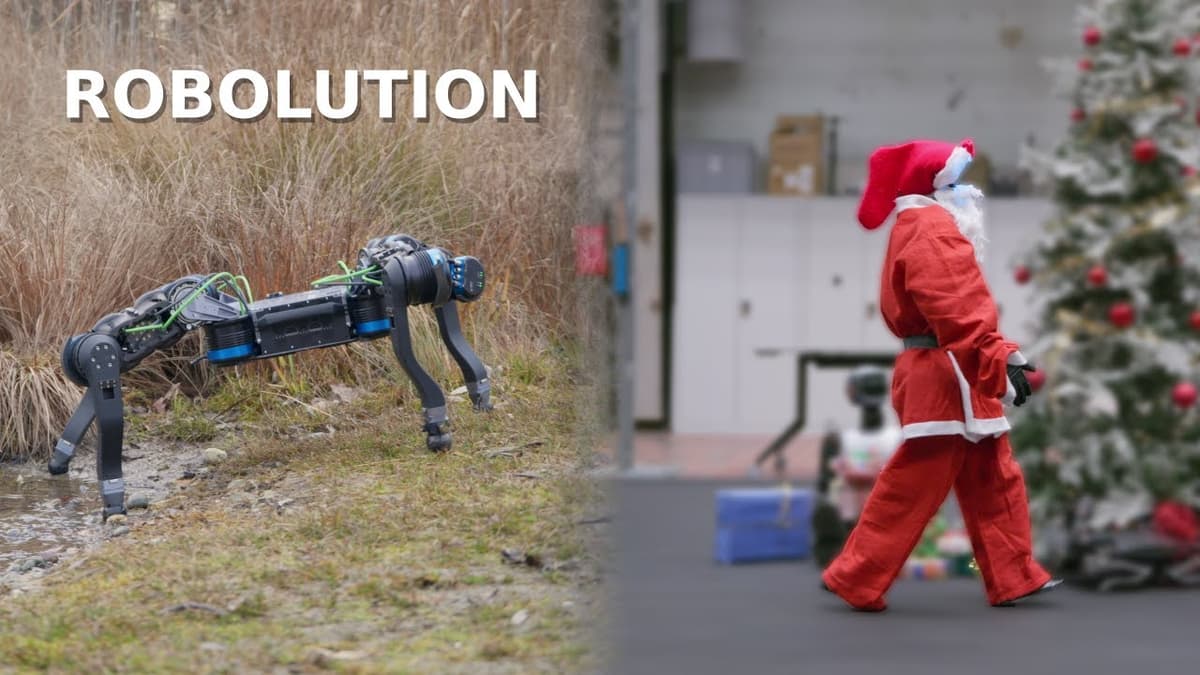
What If Evolution Was Metal Instead of Carbon?
The video imagines a parallel history in which metal‑based machines, not carbon‑based organisms, undergo an evolutionary saga. Starting as simple single‑core robots, they gradually acquire specialized forms—first mastering buoyancy and grace in water, then conquering land with sturdy limbs and wheels, echoing the transition from fish to amphibians in Earth’s past. Each evolutionary stage is presented as a functional adaptation: aquatic prototypes prioritize fluid dynamics, terrestrial giants emphasize strength, while wheeled variants illustrate efficiency for open plains. The narrative emphasizes purpose‑driven design—arms for manipulation, legs for agility, wheels for speed—showcasing how diverse locomotion fills ecological niches. Eventually, upright robots develop social structures, forming communities, families, and cultural traditions, mirroring the rise of human societies. Key visual motifs include the “single core” origin, the “buoyancy and grace” of early swimmers, “titanic metal beasts” roaming the plains, and the final “upright social creatures” gathering around shared rituals. These images serve as analogues to biological milestones such as the Cambrian explosion, the age of dinosaurs, and the emergence of Homo sapiens. The speculative tale underscores that engineering evolution can be guided by function, competition, and cooperation rather than random mutation. For designers and investors, it suggests that future robotics may follow a similar path—starting simple, diversifying through specialized locomotion, and ultimately integrating into human‑centric ecosystems, reshaping labor, manufacturing, and social interaction.
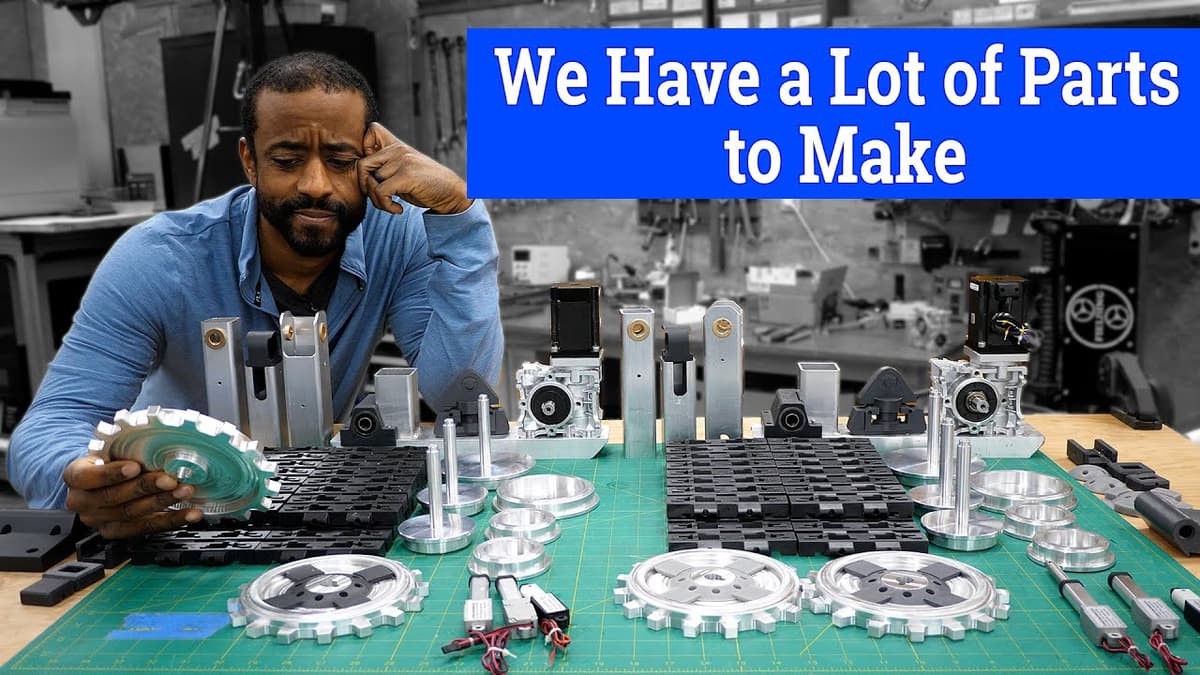
Machining Parts for Wall-E. Episode 03
The video documents the third episode of a DIY series in which the creator fabricates the tracks for a life‑size, functional Wall‑E robot. Starting with a salvaged 1‑inch aluminum plate, he outlines the plan to machine, weld, and assemble...
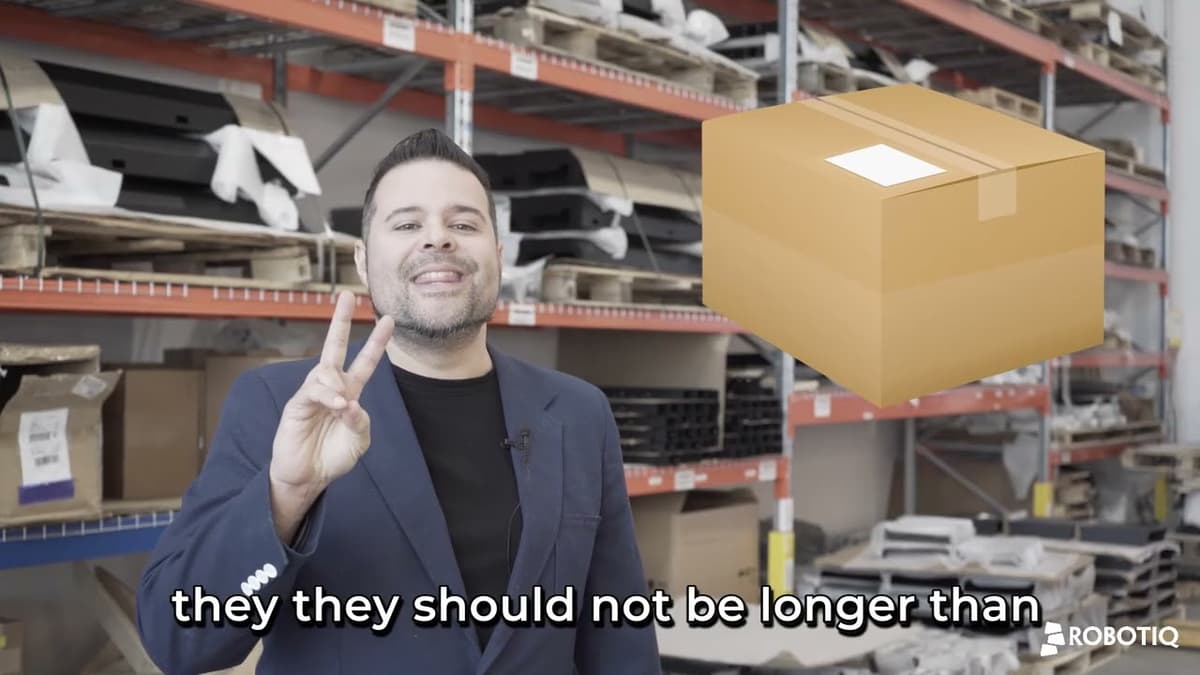
Multi Pick with PAL Ready
In this tutorial, David, a technical trainer at Rub Boutique, walks users through the quickest way to configure a multi‑pick application using a robotic smart infeed conveyor paired with a Power Pick multi‑gripper, both of which are PAL‑ready or optional on a...
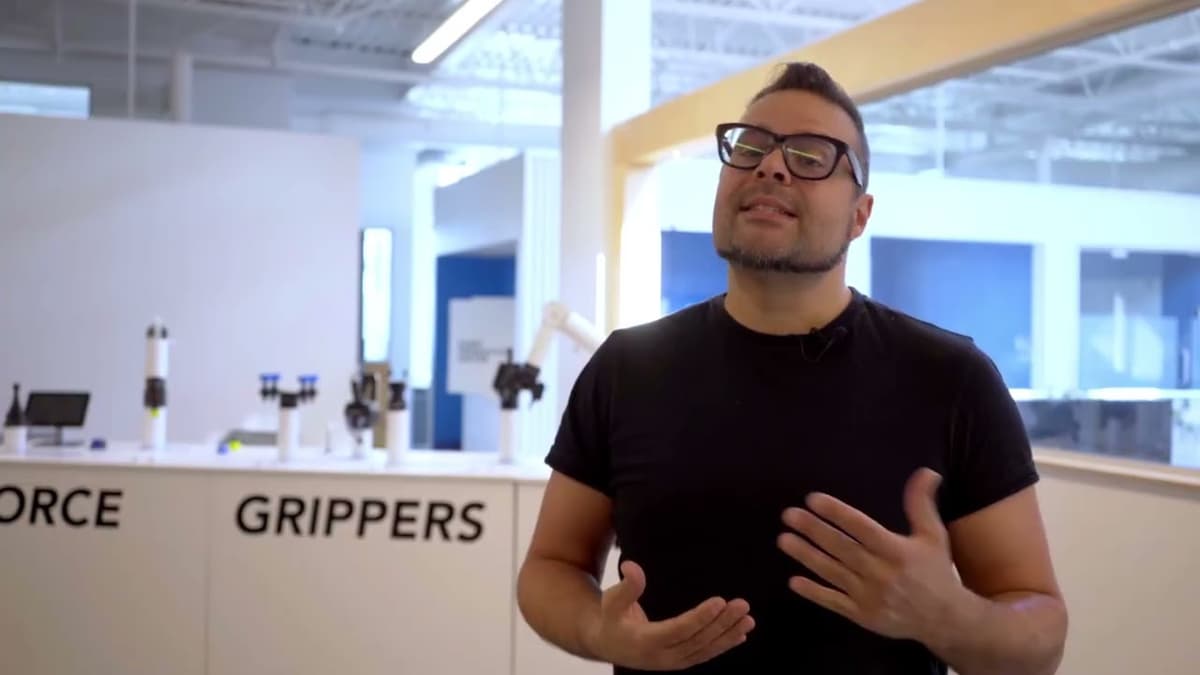
Adaptive Grippers Introduction
The video serves as a product briefing from David, a technical trainer at Rubboutique, introducing the company’s line of adaptive robotic grippers. Designed for flexibility, reliability and seamless integration with leading collaborative‑robot (cobot) platforms, the grippers aim to handle everything...
Automatic Pick Position
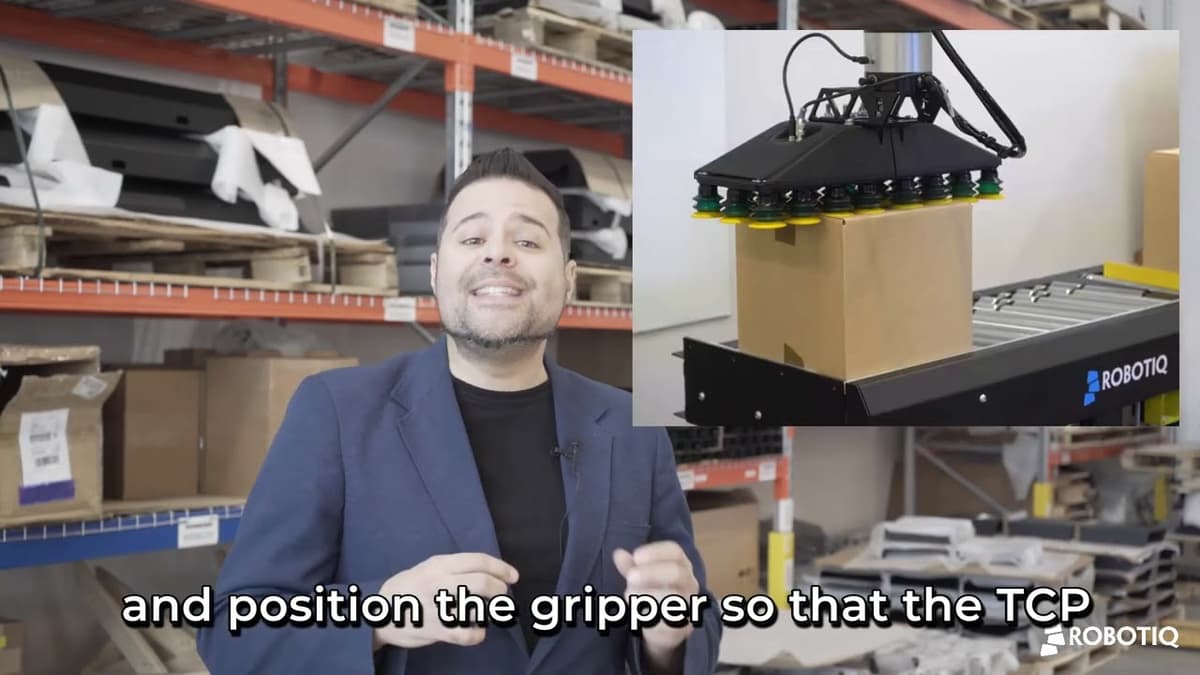
The video introduces Roboutique’s new automatic pick‑position feature for palletizing robots, which eliminates the traditional manual teaching of waypoints by calculating the pick location from user‑entered box dimensions. This capability is positioned as a response to the imprecision and ergonomic...