
Cook Medical Launches Interventional MRI Research Initiative
Cook Medical has designated Indiana University as one of its inaugural Interventional MRI (iMRI) Centers of Excellence, part of a five‑year collaboration with the IU Launch Accelerator for Biosciences. The initiative blends device engineering, imaging science, and clinical research to fast‑track MRI‑guided, radiation‑free procedures. A dedicated FAMES‑Cook program will develop MR‑visible, sensor‑integrated tools tailored for the interventional MRI environment. Cook’s VP Pete Polverini says the goal is safer, more precise patient care through rapid innovation.

The Rubin Observatory's LSST Will Detect Imminent Impactors Before They Crash Into Earth
The Vera Rubin Observatory’s Legacy Survey of Space and Time (LSST) is poised to detect one to two meter‑scale near‑Earth objects each year, roughly doubling the current discovery rate for imminent impactors. Simulations of 343 historic fireballs show a median detection...

AI-Enabled Quantum Refinement Cracks the Code of Difficult-to-Map Proteins
A new tool called AI‑enabled Quantum Refinement (AQuaRef) merges quantum‑mechanical calculations with machine‑learning to refine protein structures. Developed by Lawrence Berkeley National Lab and Carnegie Mellon, it is integrated into the Phenix software suite used worldwide. In tests on 71...

Interstellar Comet 3I/Atlas Has Another Surprise: It’s Full of Alcohol
Interstellar comet 3I/Atlas, the third confirmed object from beyond the solar system, is departing at 60 km/s after a close solar pass. New ALMA data show its coma contains methanol concentrations up to four times higher than typical solar comets, making...

No Signs of Technology on Exoplanet K2-18 B
A joint VLA‑MeerKAT campaign conducted a 33‑day, broadband radio survey of the hycean exoplanet K2‑18 b, covering 544 MHz to 9.8 GHz. After filtering over 20 million detections, the team found no narrowband technosignatures, marking the most extensive search of its kind for this...

Sharing Genetic Risk Scores Can Unwittingly Reveal Secrets
Genetic risk scores, which condense millions of DNA variants into a single health probability, can be reverse‑engineered to approximate the underlying genotype. Researchers show that mathematical techniques using reference panels can reconstruct DNA from these scores, exposing private health information....

SpaceX Now Targeting Early April for Next Starship/Superheavy Test Flight
SpaceX announced on March 7 that it is targeting early April for the 12th Starship/Superheavy orbital test flight. Booster 19, the first Block 3 Superheavy prototype, has been rolled to Pad 2 and is undergoing fueling‑system checks, ambient pressure tests, and static‑fire rehearsals with...

First Proton Beams Circulate in US Test Accelerator Built to Shape Future Colliders
US researchers at Fermilab have successfully accelerated and stored the first proton beams in the FAST/IOTA accelerator test facility. The beams travel at roughly 7% of light speed, demonstrating the new proton injector and unique magnet system. This capability supports...

Antibiotic Resistance Can Vary Depending on Where the Bacteria Live
Researchers at the Technical University of Denmark discovered that antibiotic resistance measurements can shift dramatically when test conditions change. Standard laboratory assays use fixed, uniform environments, but altering factors such as growth medium or temperature can make the same bacterium...

From 1968: Lise Meitner, Physicist, Is Dead at 89; Paved Way for Splitting of Atom
The New York Times republished the 1968 obituary of Austrian‑born physicist Lise Meitner, who died at 89. Meitner calculated the massive energy released when uranium atoms split, laying the theoretical foundation for the atomic bomb and modern nuclear power. For three decades she...
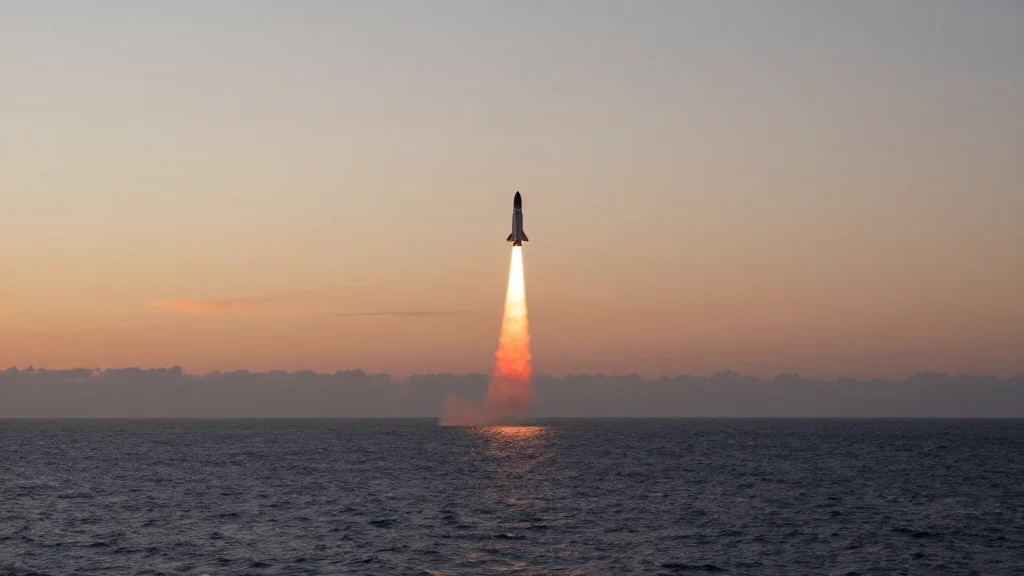
NASA Space Probe Expected to Reenter the Atmosphere with a Chance of Raining Debris
NASA’s Van Allen Probe A re‑entered Earth’s atmosphere on March 11, 2026, burning up over the Pacific Ocean south of Mexico. The 600‑kilogram spacecraft, launched in 2012 to study the planet’s radiation belts, came down months earlier than the projected 2034 timeline due...

First-of-Its-Kind Vaccine Protects Children From Deadly E. Coli Infections
Scientists announced ETVAX, the first oral vaccine that targets enterotoxigenic *E. coli* (ETEC) in children, after a large‑scale trial in The Gambia. The study involved 4,936 infants aged six to 18 months and demonstrated a 48% reduction in moderate‑to‑severe ETEC...
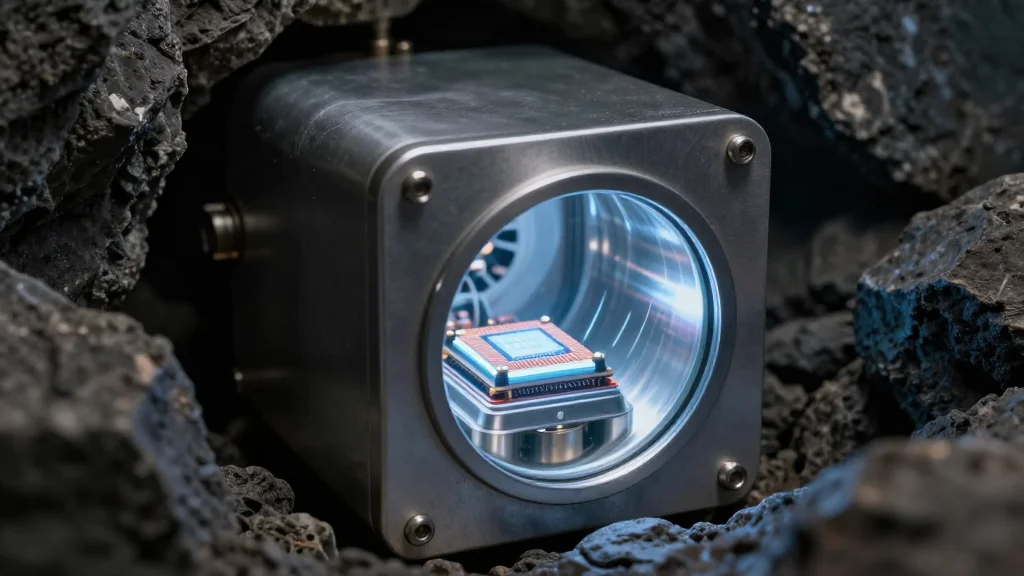
Scientists Head Underground to Measure Effects of Gamma Rays on Superconducting Qubits
Scientists placed a four‑qubit superconducting chip 350 feet underground at Fermilab’s NEXUS lab to study how gamma rays generate correlated charge noise. By toggling a lead shield around the dilution refrigerator, they isolated gamma‑induced charge bursts from cosmic‑ray background, marking the...

China’s First Moon Astronauts Could Land at This Surprising Site
A new Nature Astronomy paper identifies the equatorial Rimae Bode region as a prime candidate for China’s first crewed lunar landing, targeting a 2030 timeline. The study highlights the area’s flat terrain, near‑constant sunlight, and direct line‑of‑sight to Earth, reducing...

March 10, 1977: Uranus Has Rings
On March 10, 1977 a team led by James Elliot used the Kuiper Airborne Observatory to record a predicted occultation of star SAO 158687 by Uranus. An early‑start recording captured a brief dip in starlight that repeated on the opposite limb, confirming the...

AI-Focused Fund Breakout Raises $114M To Support Early-Stage Biotechs
Breakout Ventures announced the close of its third fund, raising $114 million to back AI‑driven biotech startups. The capital will be deployed to early‑stage companies, including a University of Chicago spin‑out focused on computational small‑molecule design and a stealth venture tackling...

Rising Amid Flurry of CAR T Deals, Stylus Proves Cell Therapy Is Not Dead
Stylus Medicine entered the cell‑therapy arena in May 2025 with an in‑vivo CAR‑T platform that delivers a lipid nanoparticle‑encapsulated recombinase to engineer T cells inside patients. The move comes after major pharma acquisitions—BMS buying Orbital Therapeutics for $1.5 billion and Gilead...

Dyne Plans Post-Prasad FDA Run as Duchenne Exon Skipper Sustains Benefit in Long Term Data
Dyne Therapeutics reported that its exon‑skipping candidate z‑rostudirsen sustained respiratory and cardiac benefits through 24 months in the Phase 1/2 DELIVER study for Duchenne muscular dystrophy. The therapy maintained forced vital capacity, circumferential strain and left‑ventricular ejection fraction improvements compared with...

Why Do Rodents Gnaw? Because It Feels Good
Researchers have mapped a neural circuit in mice that links the act of gnawing to dopamine‑driven pleasure pathways. By genetically targeting tooth‑sensing neurons, they showed that disabling these cells stops gnawing, causing incisors to overgrow. The work reveals gnawing is...
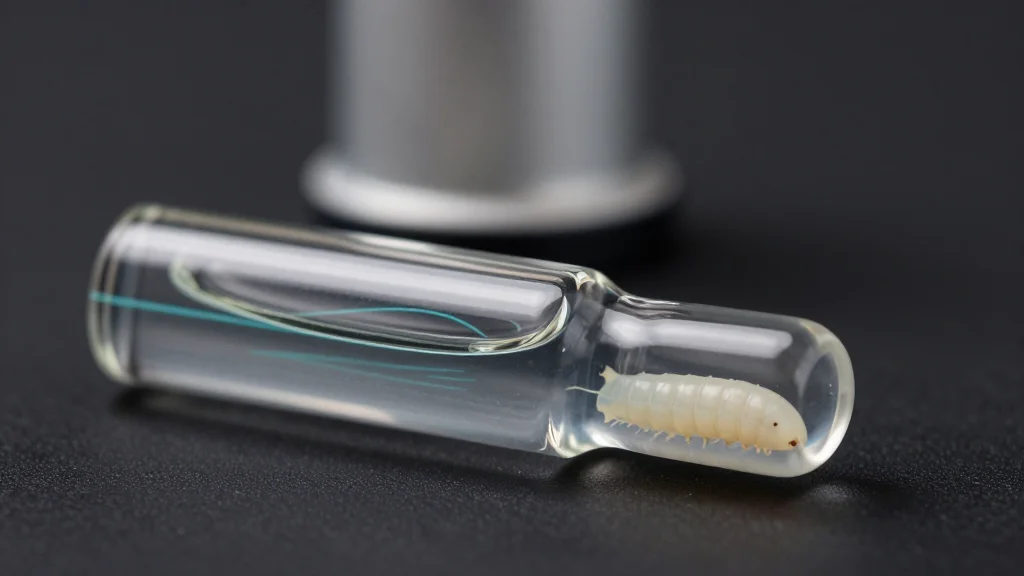
AI Techniques Speed up Forensic Analysis of Crucial Crime Scene Larvae
Researchers at LSU and Texas A&M are using machine‑learning combined with infrared spectroscopy and mass‑spectrometry to identify forensic maggot species, sex, and even toxins within minutes. The approach creates a metabolomic database that can classify insects from chemical fingerprints, eliminating...

Ocean Speed Limits Protect Endangered Right Whales. Trump Wants to Weaken Them.
Since 2008 NOAA has required ships 65 feet or longer to travel at reduced speeds in North Atlantic waters where endangered North Atlantic right whales congregate. The rule is credited with more than 270 calf births, though the species remains far...

How Bumble Bees Survive Days Underwater without Drowning
Researchers have shown that hibernating bumble‑bee queens can survive up to eight days underwater without drowning. The bees achieve this by slashing their metabolic rate by more than half and switching partially to anaerobic respiration, as evidenced by a fifteen‑fold...

A Triangulum Lookalike
NGC 2403, a spiral galaxy in Camelopardalis, closely mirrors the Triangulum Galaxy (M33) in structure and vigorous star‑forming regions. It resides roughly 8 million light‑years away as part of the nearby M81 galaxy group. Cataloged as Caldwell 7, the galaxy was captured in...

The Sky Today on Tuesday, March 10: The Moon Visits Red Giant Antares
On March 10, 2026 the waning gibbous Moon will glide within 0.7° of the red‑giant star Antares in Scorpius, reaching its closest approach at 8 A.M. EDT. The pair will sit about 20° above the southern horizon for mid‑latitude observers, offering a striking...

Why the FDA Is Embracing Old Math for New Drugs
The FDA released draft guidance encouraging the use of Bayesian statistics in drug and biologic clinical trials, aiming to shorten development timelines and lower costs. By allowing external data—known as priors—to be incorporated, the approach promises more efficient, adaptive studies,...

Single Pivotal Trials Demand Stronger Data and Risk Strategies
Following the FDA’s recent shift to require only one pivotal trial for new drug applications, sponsors now face heightened pressure to generate robust efficacy and safety data. Regulators expect a single, bullet‑proof study rather than two less conclusive trials, mirroring...

The Ultra-High-Energy Neutrino May Have Begun Its Journey in Blazars
A recent ultra‑high‑energy (UHE) neutrino detected by the IceCube observatory has been linked to a flare from a distant blazar, suggesting the jet of the active galaxy accelerated particles to extreme energies. The association relies on temporal coincidence and directional...
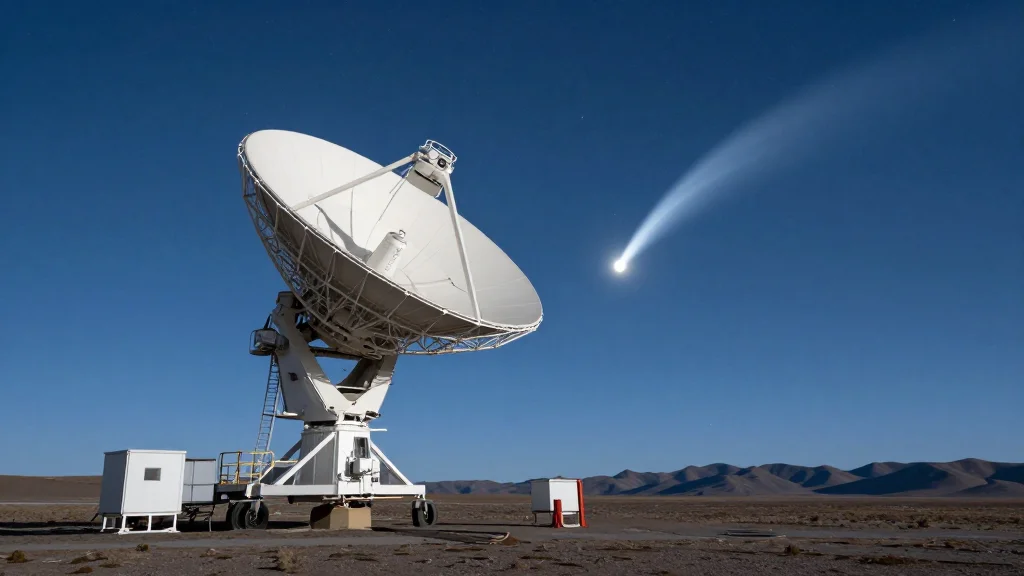
ALMA Detects Extremely Abundant Alcohol in Interstellar Comet 3I/ATLAS
The Atacama Large Millimeter/submillimeter Array (ALMA) has reported the detection of an unusually high concentration of alcohol—specifically ethanol—in the interstellar comet 3I/ATLAS. Spectroscopic analysis shows ethanol levels roughly ten times greater than those measured in typical solar‑system comets. The observation...

Gene Edit Makes Probiotic Safer for Immunocompromised Patients
An international team genetically deleted the ENA1 gene from Saccharomyces boulardii, a common probiotic yeast. In immunosuppressed mice, the ENA1‑deficient strain showed no mortality, raising survival from 30‑40% to 100% compared with wild‑type isolates. The edit also reduced osmotic stress...

SpaceX Launches Direct Television Satellite for EchoStar
SpaceX lifted off a Falcon 9 from Cape Canaveral on March 9, 2026, deploying EchoStar‑25, a direct‑to‑home television satellite for Dish Network. The booster, B1085, completed its 14th flight and landed on the drone ship A Shortfall of Gravitas, marking the vessel’s 146th...

CRISPR-Based Technique Unlocks Healing Power of Mitochondria for Heart Failure Therapy
Researchers at Rice University and Baylor College of Medicine used a non‑editing CRISPR system to activate the PPARGC1A gene, boosting mitochondrial production in human cardiomyocytes. The technique safely increased cellular energy output, as shown by higher oxygen consumption in cell...

New Summit in Colombia Seeks to Revive Stalled UN Talks on Fossil Fuel Transition
Colombia and the Netherlands will host the First Conference on the Transition Away from Fossil Fuels in Santa Marta this April, aiming to jump‑start a stalled UN process for a global fossil‑fuel roadmap ahead of COP31. The gathering expects 40‑80...

The US’s Critical Minerals Club Threatens an Equitable Clean Energy Transition
The United States is forming a critical‑minerals trading bloc aimed at breaking China’s dominance in supply chains for digital and defense technologies. The initiative downplays clean‑energy needs, even though analysis shows only a handful of the 33 minerals the UK...

Eye in the Sky
The Helix Nebula (NGC 7293), often dubbed the Eye of God or Eye of Sauron, is a striking planetary nebula located about 650 light‑years from Earth in the constellation Aquarius. It represents the final evolutionary stage of a Sun‑like star that...

Execution Mode
Norbert Holtkamp, appointed Fermilab director in December 2025, has set a clear mandate to deliver the DUNE experiment and uphold the lab’s legacy of bold, large‑scale science. He highlighted a $5 billion investment over the next decade and outlined a three‑point...

Frailty Sets in Far Earlier than You’d Expect, but You Can Reverse It
New research reveals frailty can begin decades before old age, with many people in their 30s and 40s already in a pre‑frail state. Around 10 % of those in their 50s show early signs, rising to about half of individuals in...

A Daily Multivitamin May Slightly Slow Rates of Ageing
Researchers conducted a double‑blind, placebo‑controlled trial with 1,000 participants averaging 70 years old, giving half a daily multivitamin (Centrum Silver) and the other half a placebo. After two years, analysis of five epigenetic aging clocks indicated the supplement group aged...

AbbVie’s Amylin Candidate ‘Competitive’ in Early-Stage Trial
AbbVie announced top‑line Phase 1 multiple ascending‑dose data for its amylin analog ABBV‑295, showing 7.75‑9.79% weight loss after 12 weeks of treatment. The long‑acting compound was administered every other week then monthly, with a favorable tolerability profile and no serious adverse...

Why Simulating an Entire Cell Cycle Took Years, Multiple GPUs and Six Days per Run
University of Illinois researchers led by Zan Luthey‑Schulten have built a three‑dimensional kinetic model of the minimal bacterium JCVI‑syn3A that simulates an entire 105‑minute cell cycle. By assigning DNA replication to a dedicated GPU and running other cellular dynamics on...

Fermilab’s FAST/IOTA Facility Achieves Major Milestone in Accelerator Research
Fermilab’s FAST/IOTA test facility has successfully accelerated its first proton beams, achieving velocities of about 7 % of light speed. The new proton injector, paired with a radio‑frequency quadrupole, expands the facility beyond its original electron‑only program. This milestone provides a...
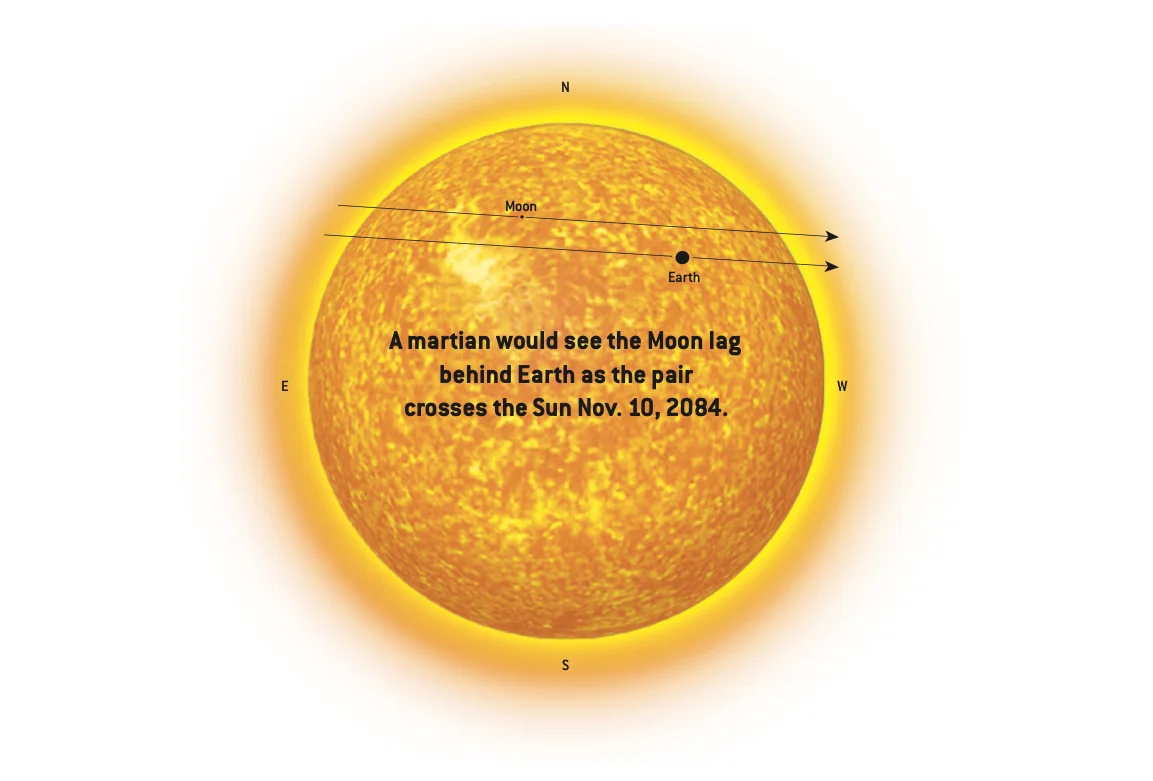
How Often Does Earth Transit the Sun for an Observer on Mars?
From the perspective of Mars, Earth transits the Sun only four times within a 284‑year cycle, occurring in May or November with intervals of 100.5, 79, 25.5 and 79 years. The most recent transit was on May 11, 1984, and the next...

Regeneron’s Weight Loss Partner Hansoh Delivers Much-Needed Phase 3 Win in China
Regeneron’s Chinese partner Hansoh announced that its dual GLP‑1/GIPR agonist olatorepatide achieved a 19% mean weight loss in a Phase 3 trial of 604 obese or overweight adults, meeting both co‑primary endpoints. The study reported lower gastrointestinal adverse events compared with...

Gemini’s Springtime Star Clusters Are Ripe for Exploring
Astronomy magazine’s editor Dave Eicher highlights two open clusters in Gemini—M35, a bright 3,000‑light‑year‑distant target visible with binoculars, and NGC 2158, an 11,000‑light‑year‑distant cluster requiring a telescope. Both objects rise high in the spring night sky, offering a striking depth‑of‑field contrast....

Terraforming Mars Isn't a Climate Problem—It's an Industrial Nightmare
A new pre‑print by NASA JPL’s Slava Turyshev outlines five terraforming milestones for Mars and quantifies the massive resources required at each stage. To raise surface pressure to just 1 mbar would need roughly the mass of Mars’s moon Deimos, while...
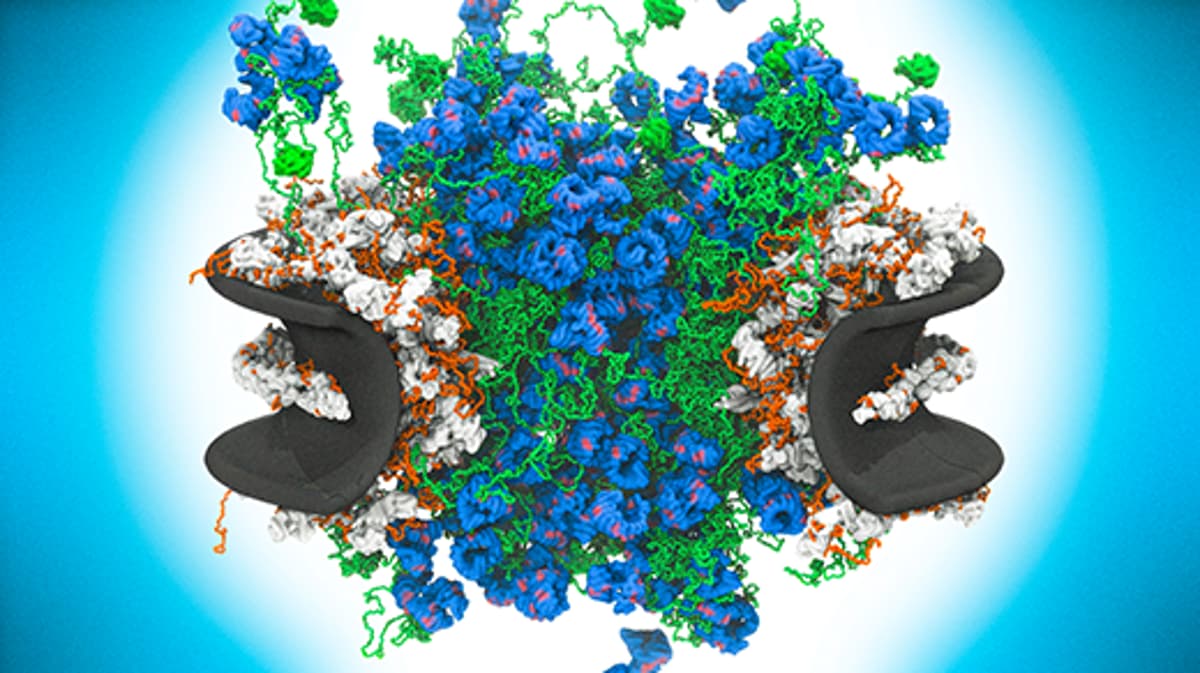
Disorder Drives One of Nature’s Most Complex Machines
A 2025 study using high‑speed atomic force microscopy visualized the nuclear pore complex’s central channel in millisecond detail, revealing a constantly shifting “central plug” made of karyopherin transport proteins and their cargo. The dynamic behavior supports a brush‑like “virtual gate”...

Xenon To Seek Approval of First-in-Class Epilepsy Drug After Exceeding Phase 3 Expectations
Xenon Pharmaceuticals reported that its Phase 3 X‑TOLE2 trial of azetukalner, a novel Kv7 potassium channel opener, achieved a 53.2% reduction in focal onset seizures at the 25 mg dose, far exceeding expectations and representing the highest placebo‑adjusted efficacy recorded in a...

Two AstraZeneca Drugs To Be Scrutinized in First FDA Cancer Advisory Panel in 9 Months
The FDA’s Oncologic Drugs Advisory Committee will convene on April 30 to evaluate AstraZeneca’s oral SERD camizestrant for first‑line HR‑positive, HER2‑negative breast cancer and its AKT inhibitor Truqap for metastatic hormone‑sensitive prostate cancer. Camizestrant’s Phase 3 SERENA‑6 trial reported a 56% reduction...

Incyte’s Lung Cancer Expansion Bid Thwarted by Issues at Novo’s Catalent-Acquired Site
The FDA rejected Incyte’s supplemental application to add non‑small cell lung cancer to Zynyz’s label, citing compliance failures at Novo Nordisk’s Catalent‑owned Indiana manufacturing plant. The agency’s complete response letter pinpointed inspection findings at the site as the sole approvability...

Reforging Vulcan
On February 12, United Launch Alliance’s Vulcan Centaur lifted off on the USSF‑87 mission but displayed a significant performance anomaly in one of its four solid rocket boosters. The anomaly, similar to the nozzle‑loss issue on the October 2024 Cert‑2 flight, prompted...