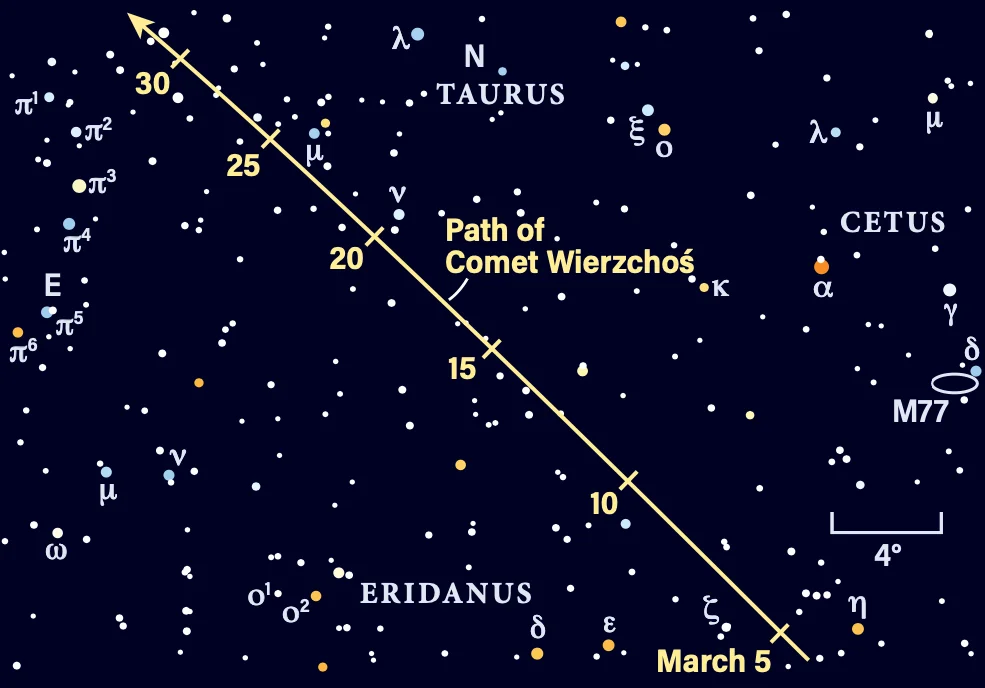
The Sky Today on Thursday, March 5: Time to Observe Comet Wierzchoś
Astronomers announce a prime viewing window for Comet C/2024 E1 (Wierzchoś) beginning after sunset on March 5, when it will sit 20° above the horizon in Eridanus. The comet is easily located 2.9° east of the 4th‑magnitude star Eta Eridani and shows a distinct asymmetric shape. Meanwhile, Ganymede will transit Jupiter early on March 4, offering a brief spectacle for observers in the Midwest and West Coast. The article also notes Mira’s rise to magnitude 3.6, making it visible to the naked eye.

Scientists Laud Potentially Life-Changing Drug for Children with Resistant Form of Epilepsy
Preliminary trials of Zorevunersen, an experimental therapy for Dravet syndrome, showed it is safe and well tolerated in 81 children. A single 70 mg dose reduced seizures by about 50%, and three doses cut seizures roughly 80% compared with baseline. The...
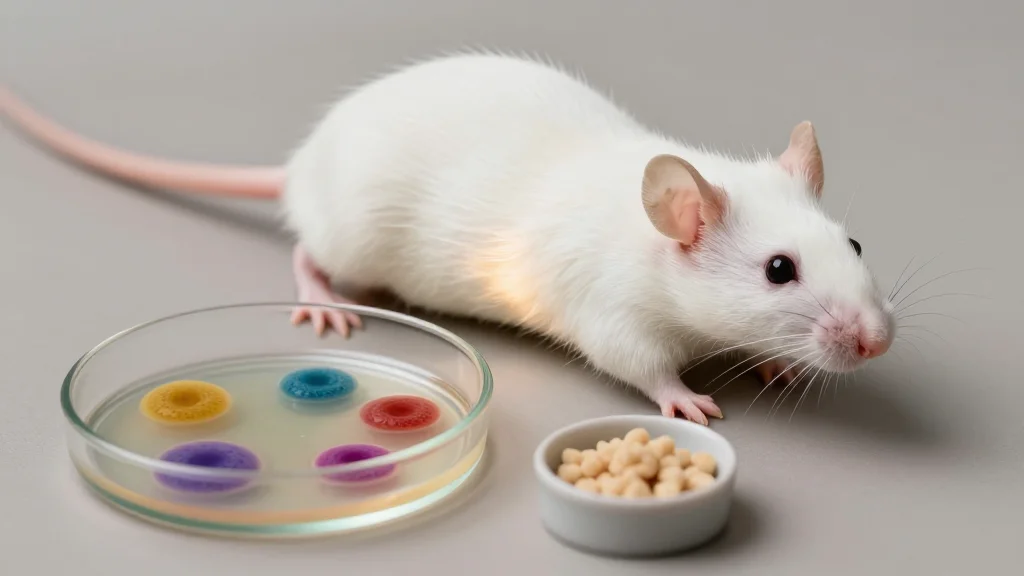
Gut Bacteria Rewire Fat Tissue to Burn More Energy
Researchers from Keio University, the Broad Institute and City of Hope reported that a low‑protein diet combined with four specific gut bacterial strains converts white adipocytes into energy‑burning beige fat in mice. The microbiota‑driven transformation boosted beige fat levels, improved...

US Set to Exit UN Climate Convention in February 2027
The United States will formally exit the UN Framework Convention on Climate Change on February 27, 2027, a year after the required notification period. The withdrawal follows the 2026 departure from the Paris Agreement, making the U.S. the first nation...

NA62 Collaboration Refines Measurement of Rare Particle Decay
The NA62 Collaboration announced a refined measurement of the ultra‑rare K⁺→π⁺νν decay, presenting a branching ratio of 9.6 × 10⁻¹¹ with a 40% reduction in uncertainty. The result incorporates data collected in 2023‑2024 and leverages advanced machine‑learning analysis techniques. This measurement aligns...

EU Carbon Credits Could Supercharge World’s Clean Cooking Push, France Says
The European Union will be permitted to count up to 5% of its 2040 emissions‑reduction target against high‑quality international carbon credits starting in 2036. France’s climate envoy Benoît Faraco argues that directing a share of these credits to clean‑cooking projects could...
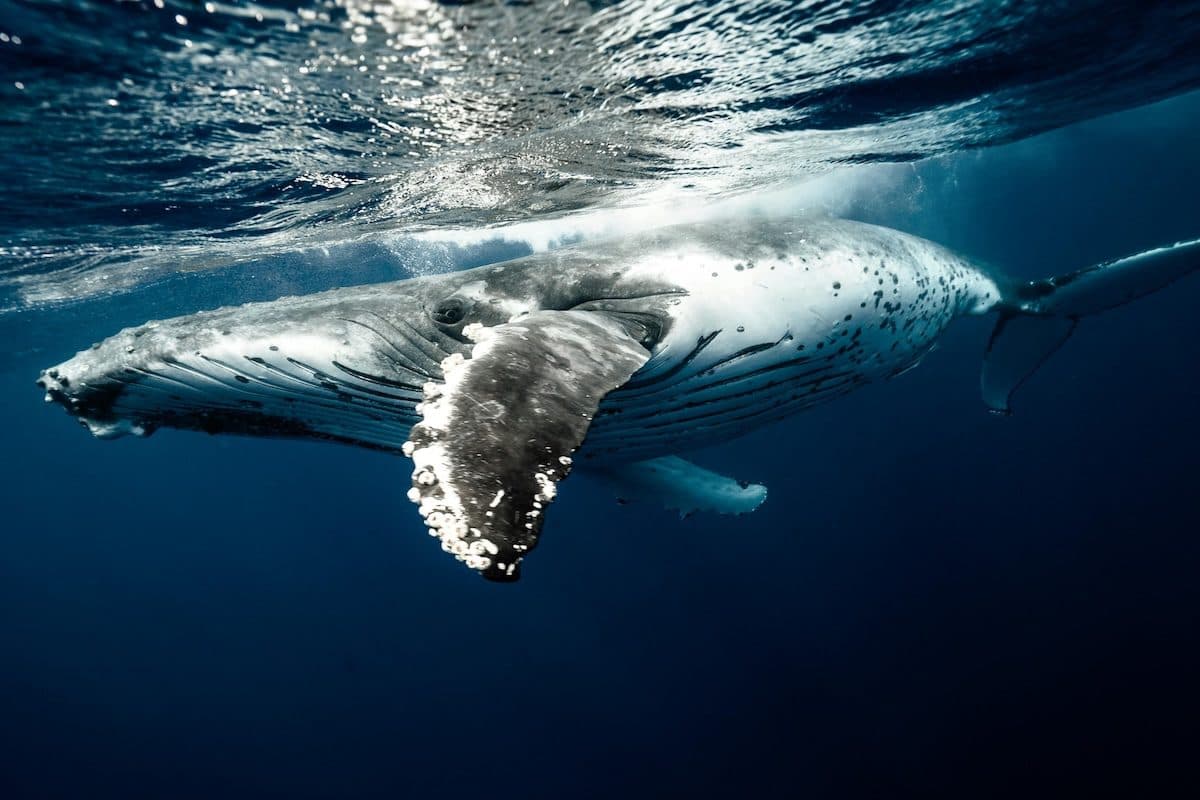
Older Humpbacks Prove Better at Wooing Mates
Researchers studying humpback whales in New Caledonia found older males outperform younger ones in securing mates. Genetic sampling revealed that age correlates with song mastery, and females preferentially select seasoned singers. The study, published in *Current Biology*, underscores how decades...

Pacific Nations Want Higher Emissions Charges if Shipping Talks Reopen
Seven vulnerable Pacific island nations have warned they will push for a universal levy on all shipping emissions and higher charges if the International Maritime Organization reopens negotiations on its stalled Net‑Zero Framework. The coalition, led by Fiji, Kiribati, Vanuatu,...
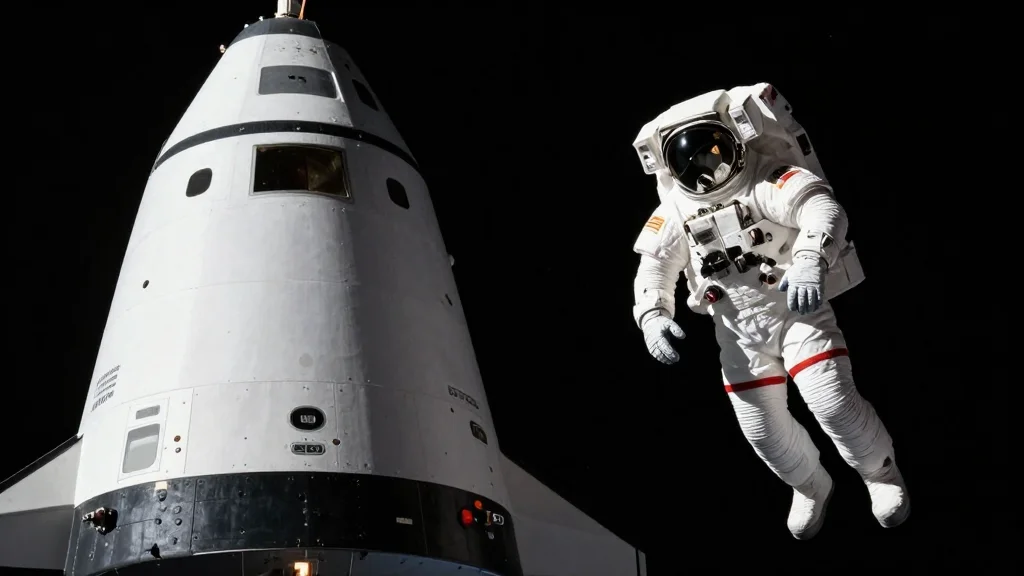
NASA’s First Medical Evacuation Is Here. It Won’t Be the Last.
NASA conducted its first-ever medical evacuation from the International Space Station in January 2026 when astronaut Mike Fincke experienced a microgravity‑related health event. The entire Crew‑11 returned early aboard a SpaceX capsule because no spare crew‑ready vehicle was available. The...

Bay Area Light Sources Joint Users' Meeting
The U.S. Department of Energy’s three flagship light‑source labs—Advanced Light Source (ALS), Linac Coherent Light Source (LCLS) and Stanford Synchrotron Radiation Lightsource (SSRL)—will convene for their first joint users’ meeting at SLAC National Accelerator Laboratory from September 20 to 25,...
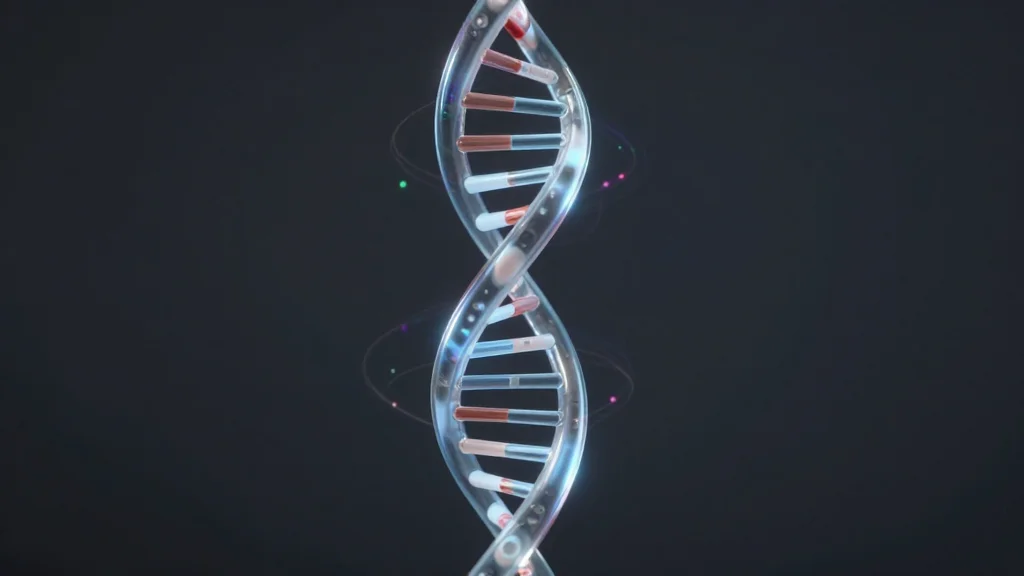
Genotype, Phenotype, and GWAS Data
The Broad Institute launched a free, weekly video series called “Primer on Medical and Population Genetics,” offering informal deep‑dives into genetics fundamentals for a wide scientific audience. Episodes cover human genetic variation, genotyping technologies, DNA sequencing, statistical methods, and GWAS...

Saving The Life We Cannot See
Scientists across the globe are sounding the alarm that microbes—tiny organisms driving half of Earth’s oxygen production and key carbon cycles—are under unprecedented threat. Long‑term monitoring programs such as the Bedford Basin Time Series reveal rapid shifts in microbial communities,...
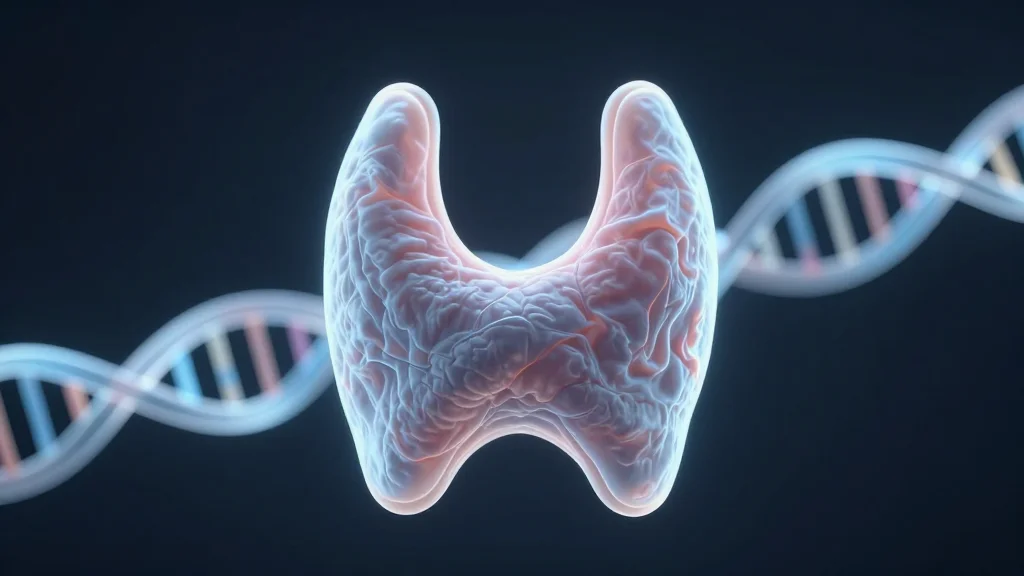
Study Reveals Genetic Balancing Act Between Autoimmunity and Cancer Risk
Researchers at the Broad Institute and University of Helsinki analyzed over 81,000 individuals with autoimmune hypothyroidism (AIHT) and identified more than 400 genetic markers, including nearly 50 protein‑coding variants. The study distinguished genetic signals specific to thyroid autoimmunity from those...
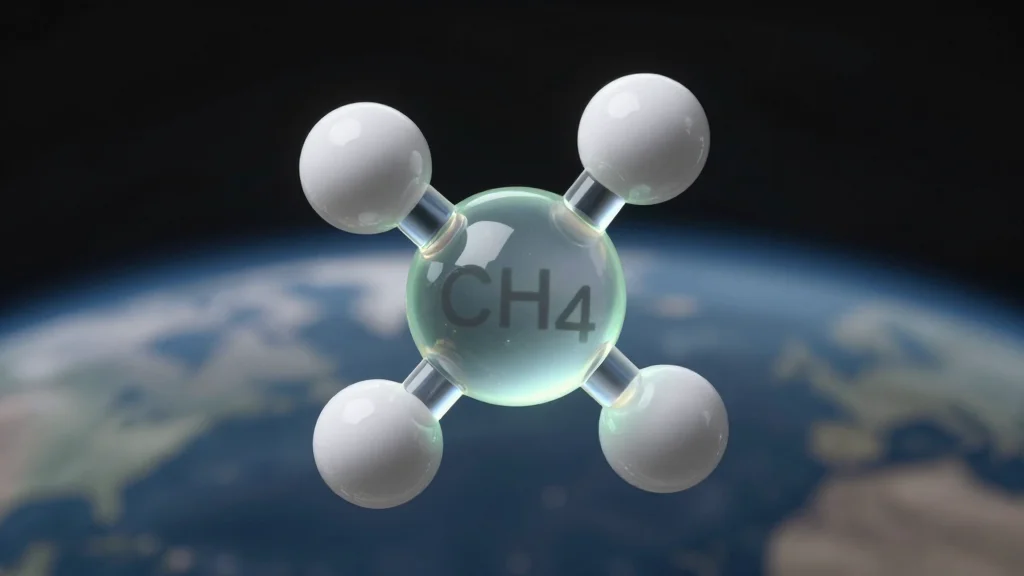
Curbing Methane Is the Fastest Way to Slow Warming – but We’re Off the Pace
The 2025 Global Methane Status Report finds human‑caused methane emissions have risen since 2020, though the increase is smaller than earlier forecasts. The Global Methane Pledge’s ambition has spurred national plans that could deliver an 8% cut by 2030, yet...

World Leaders Invited to See Pacific Climate Destruction Before COP31
World leaders and climate ministers will be invited to a series of pre‑COP31 events across the Pacific, with Fiji hosting the official pre‑COP meeting in early October and a special leaders’ component in Tuvalu. Australia will supply operational and logistical...

BioAIrepo: EMBL-EBI’s Hub for Life Science AI Models
EMBL‑EBI has launched BioAIrepo, a dedicated repository that makes life‑science machine‑learning models FAIR—findable, accessible, interoperable and reusable. The pilot catalogue aggregates imaging and genomics models from the BioImage Model Zoo and Kipoi, providing code, weights, training data and citation metadata....

A Deafening Nuclear Fusion Reactor: Why You Wouldn’t Want to Hear the Sun
The Guardian explains that the Sun functions as a colossal nuclear fusion reactor that produces not only heat and light but also intense acoustic energy. At its core, solar reactions generate sound levels exceeding 100 decibels, comparable to a rock‑concert...

UN’s New Carbon Market Delivers First Credits Through Myanmar Cookstove Project
The UN’s Article 6.4 carbon market has issued its first credits, approving 60,000 carbon units from a clean‑cooking project in Myanmar. The programme, originally launched under the CDM, distributes efficient cookstoves that reduce firewood use and associated deforestation. South Korean firms...
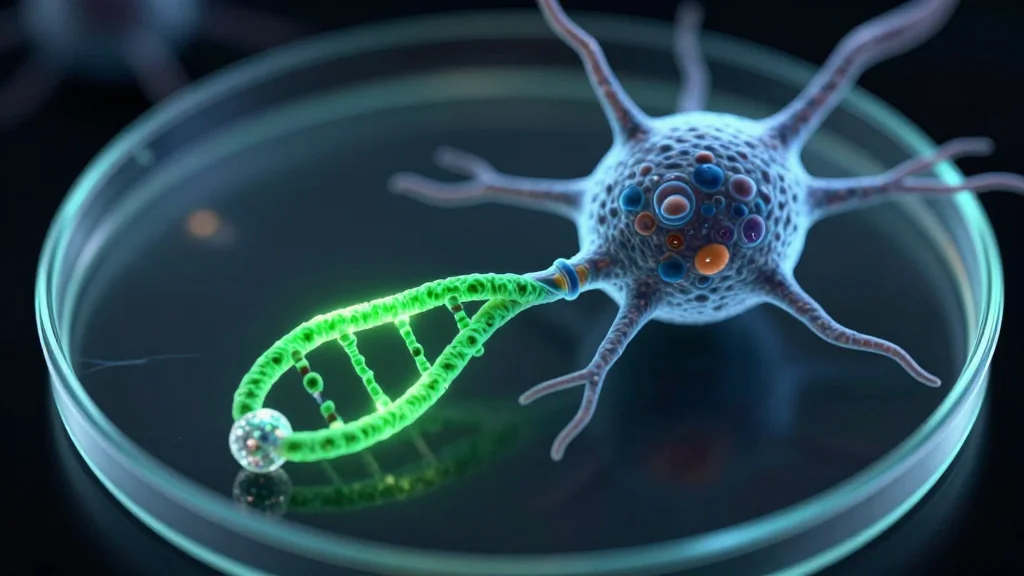
11th Annual Rare Disease Day | Advancing a Divalent siRNA for Prion Disease: An Investigator-Initiated Program
Rare Disease Day marked its 11th anniversary, highlighting the stark disparity between the 8,000 known rare‑disease genes and the under 500 approved therapies. Hosted by the Broad Institute’s Ladders to Cures Accelerator and the Termeer Institute, the event featured leading...

HiLumi LHC: Cryogenics Equipment Arrives Underground
Two massive cold boxes built by Linde have been lowered into the new service tunnels of the High‑Luminosity LHC, near the ATLAS and CMS experiments. These units form the core of the upgraded refrigeration system that will cool the next‑generation...
Accelerator Report: Protons Are Heading Towards the LHC
The CERN accelerator complex is moving toward full LHC operation as beam commissioning progresses across the injector chain. The SPS has finished its first week of commissioning and entered a scrubbing run to condition vacuum surfaces for the high‑intensity beams...