
Artemis II: Mission Highlights
NASA’s Artemis II mission lifted off, becoming the agency’s first crewed translunar flight. The Orion spacecraft, carrying four astronauts, entered a trajectory that will carry it more than 400,000 kilometers from Earth, marking a historic step toward returning humans to the Moon. The launch underscores several key milestones: a successful translunar injection, the longest human‑rated flight since Apollo, and a visible demonstration of international partnership and public enthusiasm. NASA highlighted the mission’s role in testing deep‑space systems, communications, and life‑support for future lunar operations. Crew members echoed the sentiment of collective effort, saying, “We believed. We worked together and overcame difficulties,” while noting the “outpouring of love and support from Earth.” The mission also promises unprecedented visual footage of Earth’s far side and deep‑space vistas. Artemis II’s success clears a critical path for Artemis III, which aims to land astronauts on the lunar surface and lay groundwork for a sustainable presence. Commercial and scientific stakeholders view the mission as a catalyst for new markets in lunar exploration, habitats, and resource extraction.
How Quantum Communications Is Connecting the Future
Quantum communications connects quantum computers and sensors using entanglement and superposition, properties that conventional internet cannot preserve. In a discussion with Joseph Chapman, a research scientist at Oak Ridge National Laboratory, the technology’s need for dedicated networking hardware and infrastructure...
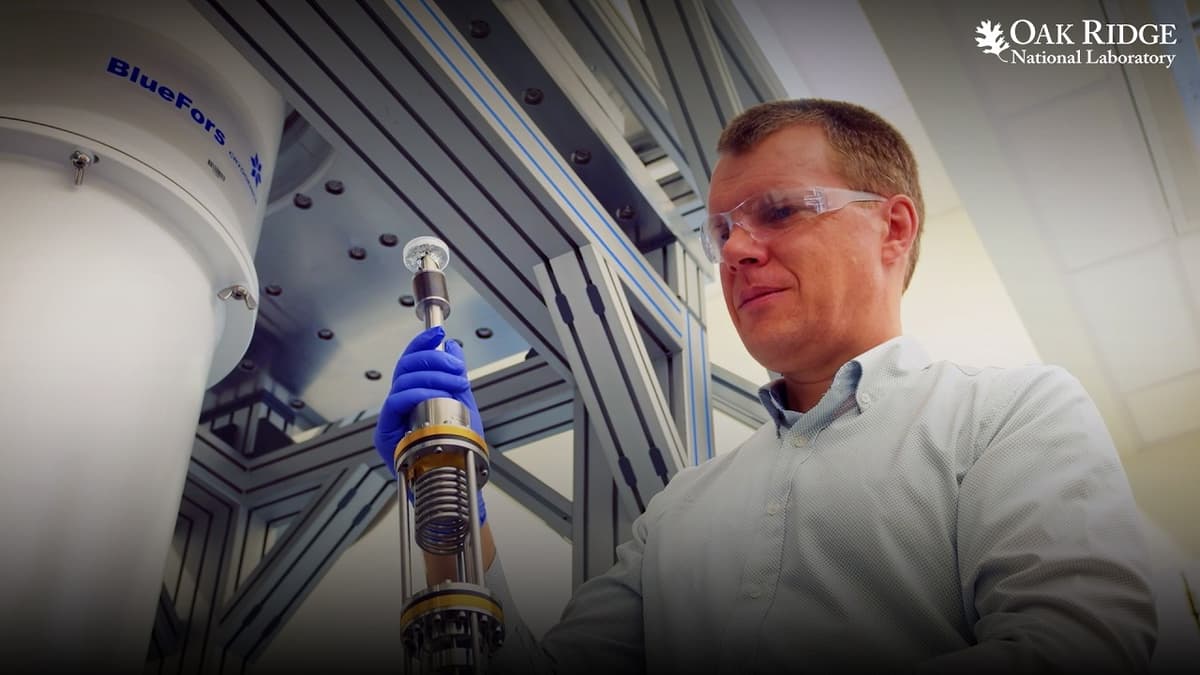
How Quantum Computers Can Help Solve some of the Most Complex Scientific Challenges
The video introduces quantum computational science, a field led by Oak Ridge National Laboratory’s Ryan Binnick, focused on harnessing quantum computers to tackle problems traditional machines cannot. He explains that quantum devices operate on fundamentally different principles and that the...

What Is a God Point in Spacetime?
The video introduces the concept of a "god point" – a specific event in spacetime whose past light cone encompasses the whole universe, allowing an observer at that point to see every event, past and future. The presenter frames this...

Why It Took Centuries to Invent Science - Ada Palmer
Renaissance scholar Ada Palmer argues that the emergence of modern science was not inevitable after the rediscovery of ancient texts; it required a long‑term buildup of a “book‑literate” culture. She stresses that simply being able to read letters is insufficient—societies...
Why Sobolev Spaces Exist: Infinite Black Holes
The video recounts a researcher’s “aha” moment when a once‑abstract mathematical construct—Sobolev spaces—proved essential for describing a physical problem in gravitational lensing. Sobolev spaces extend functional analysis by admitting functions whose derivatives exist only in a weak sense, which mathematically tolerates...

Going to SPACE!
The video follows Blue Origin’s New Shepard NS37 mission, highlighting the company’s ambition to make space travel routine for ordinary people. It documents the journey from the launch site in West Texas to the final ascent, emphasizing that the crew...

Carbon Dating the Car Park King
The August 25 dig, marking 527 years since King Richard III’s burial, was intended to last two weeks but yielded a skeleton within six hours. Carbon‑14 analysis initially dated the remains several decades older than the monarch, but scientists noted the...

How Artemis II Re-Entry Differed From Artemis I
NASA concluded that the heat‑shield damage on Artemis I was not a design flaw but a consequence of the skip‑entry trajectory used to shed lunar return velocity. After a two‑year forensic review, engineers found that the first atmospheric dip trapped pockets of...
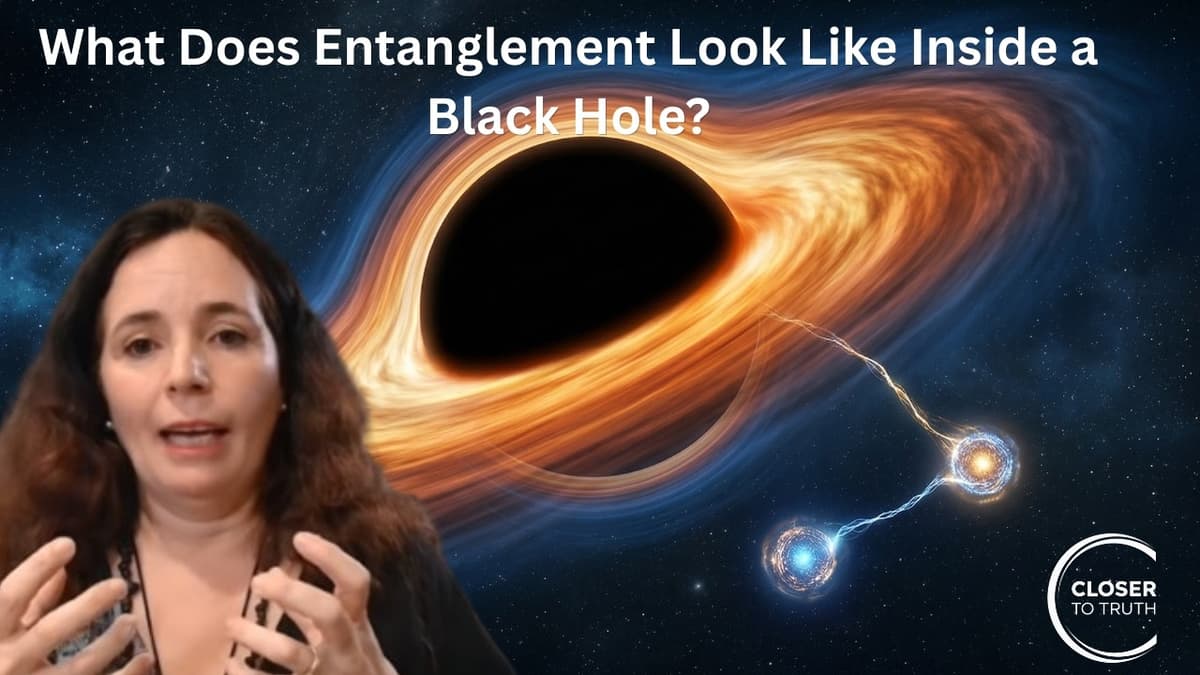
What Does Entanglement Look Like Inside a Black Hole? | Ivette Fuentes
In a recent interview, quantum‑information physicist Ivette Fuentes explains how entanglement behaves when one or both parties fall into a black hole, and why the perspective of distant observers matters. She shows that the shared quantum state is not invariant: observers...

Artemis 2's Jeremy Hansen 🌎 "Mirror Reflecting You" #artemis2 #earth #moon #crew
Jeremy Hansen, a member of NASA’s Artemis 2 crew, used a recent briefing to illustrate the team’s cultural playbook. He introduced the term “joy train,” a self‑coined mantra that helps the crew maintain high spirits and bounce back after the inevitable...

Osteoporosis Exercise Scientist: The Lifting Protocol That Reduces Fractures by 78% Dr Belinda Beck
The video features Dr. Belinda Beck, a bone‑densitometry expert, who challenges the long‑standing belief that osteoporosis patients cannot safely engage in heavy resistance exercise. She explains that mechanical loading, proven in animal studies, triggers a dose‑response in bone tissue, and...
She Was Told MS Was Irreversible… Then She Walked Again
The Longevity Technology Unlocked podcast featured Dr. Terry Walls, a neurologist‑researcher who transformed her own secondary progressive multiple sclerosis (MS) from wheelchair‑bound to walking and biking by combining a rigorously designed paleo diet, targeted supplements, electrical muscle stimulation and strength...

Ilika Targets E-Bike Boom with Brompton Battery Collaboration
Ilika PLC announced a strategic collaboration with iconic folding‑bike maker Brompton to integrate its Goliath solid‑state battery into future e‑bike models. The partnership aims to showcase how Ilika’s 10 Ah prototype cells can be packaged into a lightweight, high‑energy‑density pack that...

Nankai Trough Megaquake - BOSAI: Science that Can Save Your Life
The video explains Japan’s preparation for a potential Nankai Trough megathrust earthquake, an event expected every 100‑150 years that could generate a 30‑meter tsunami and threaten millions along the southern coast. To mitigate that risk, the nation now operates roughly 2,200...

The Role of Computational Models in Systems Biology (3 Minutes)
The video outlines how computational models are reshaping systems biology by turning massive, noisy omics datasets into actionable, testable phenotypes. It contrasts traditional reductionist experiments—limited to isolated components—with dense, hairball networks that capture emergent cellular behavior, arguing that new modeling...
You're Not Tired. Your Mitochondria Are. The Estrogen Connection in Perimenopause No One Explains
The video explains how declining estrogen during perimenopause triggers a cascade of mitochondrial dysfunction, leaving many women feeling a sudden loss of energy compared with men’s gradual decline. It frames mitochondria as cellular power plants whose efficiency depends on hormonal...
You Have 5 Years Left." She Proved Them Wrong - Twice! With Leslie Kenny
The episode of "Better with Dr. Stephanie" centers on spermidine, a naturally occurring polyamine, and its capacity to counteract the twelve hallmarks of aging. Host Dr. Stephanie Estima interviews Leslie Kenny, who survived multiple autoimmune diagnoses and a five‑year mortality...
Fermi Paradox: The Resource Exhaustion Problem
The video explores the resource‑exhaustion hypothesis as a leading explanation for the Fermi Paradox, arguing that civilizations may burn through their available materials faster than they can expand or maintain detectable technosignatures. It contrasts two drivers of technological progress: warfare, which...

Biosimilars And Complex Medicines For All With RNA Therapeutics' Sarfaraz Niazi, Ph.D.
The interview with Dr. Sarfaraz Niazi, CEO of RNA Therapeutics, explores his decades‑long journey from academia to industry and his pivotal role in shaping the biosimilar landscape. He recounts early work on biological drugs before the FDA had a formal...
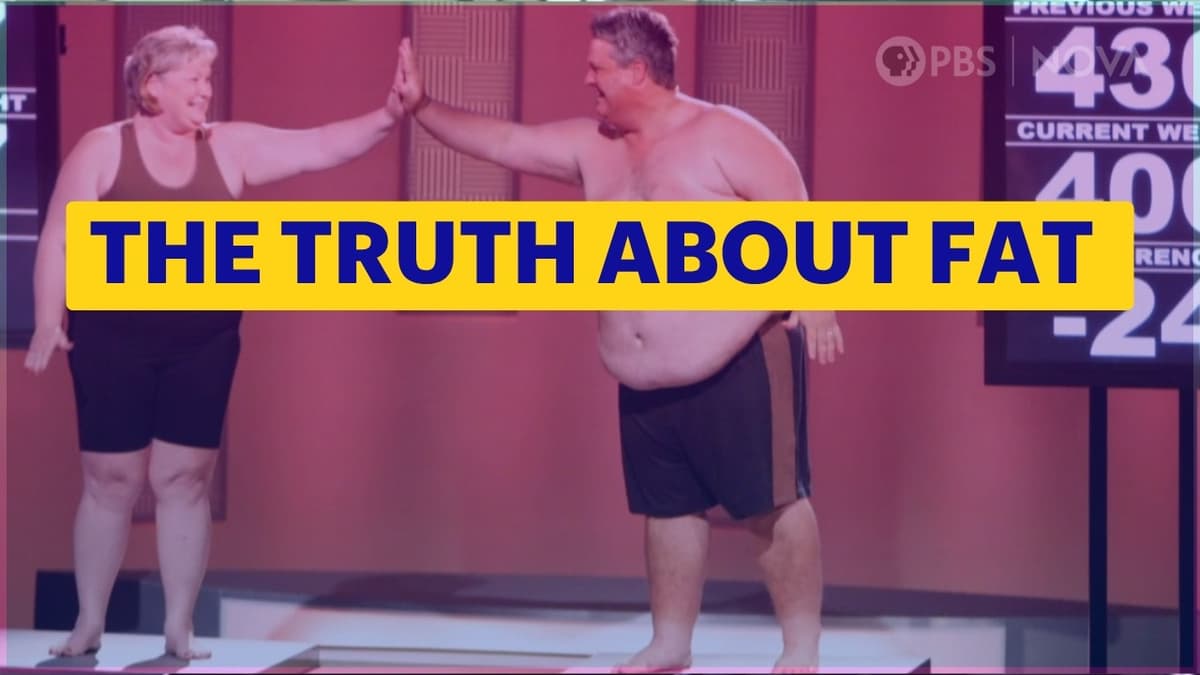
What “The Biggest Loser” Got Wrong About Weight Loss
The video dissects the myth perpetuated by the reality series “The Biggest Loser,” showing how its dramatic weight‑loss feats clash with human physiology. Contestant Danny Cahill slashed his intake to about 800 calories and logged 45 hours of exercise weekly, shedding...

Oxford Maths Professor on Cat Eyes 👀🐈⬛
An Oxford mathematics professor explains why a cat’s eyes appear to glow in photographs and how that natural phenomenon translates into everyday technology. He describes the tapetum lucidum, a reflective tissue behind the retina that sends incoming light back through...
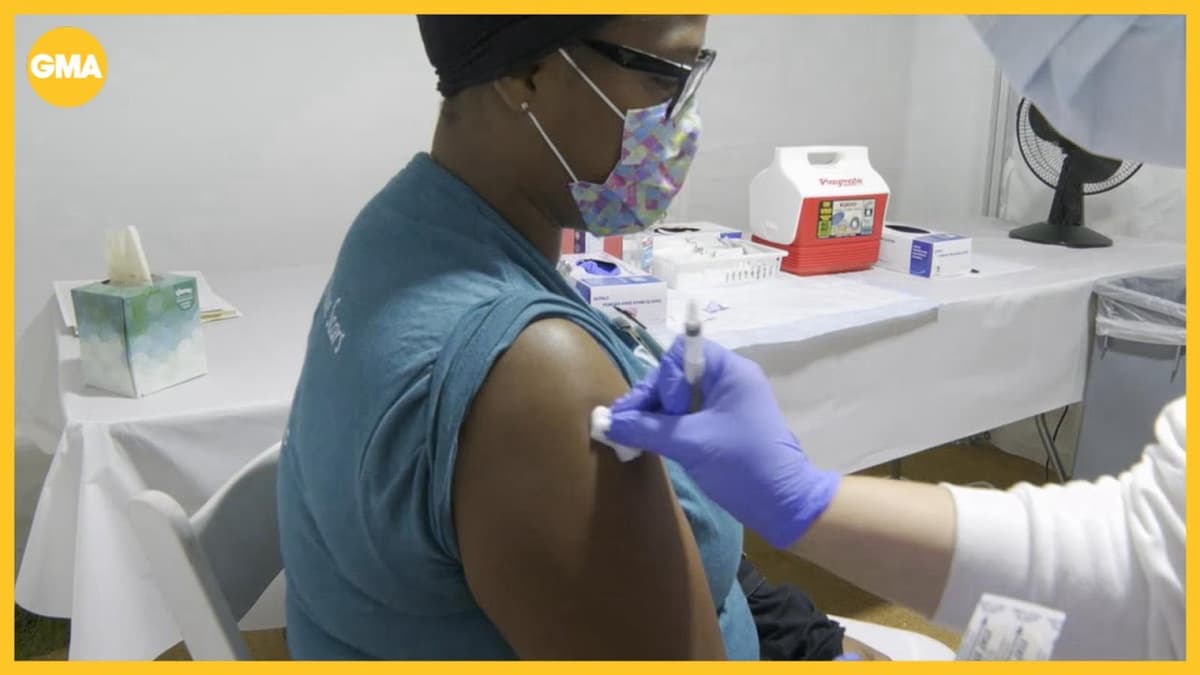
High-Dose Flu Shot Linked to Lower Alzheimer's Risk, New Study Shows
The segment reports a new observational study linking the high‑dose influenza vaccine, administered to adults over 65, with a 10‑20% lower incidence of Alzheimer’s disease. Researchers found the protective association persisted for about two to two‑and‑a‑half years after vaccination, while...
What Makes Humans Unique? | Lisa Lloyd
The video features Lisa Lloyd debating what makes humans unique and challenging the dominant paradigm in evolutionary psychology. She acknowledges the field’s valuable premise—that human psychology is exceptionally complex and shaped by evolution—but argues that many scholars have narrowed their...
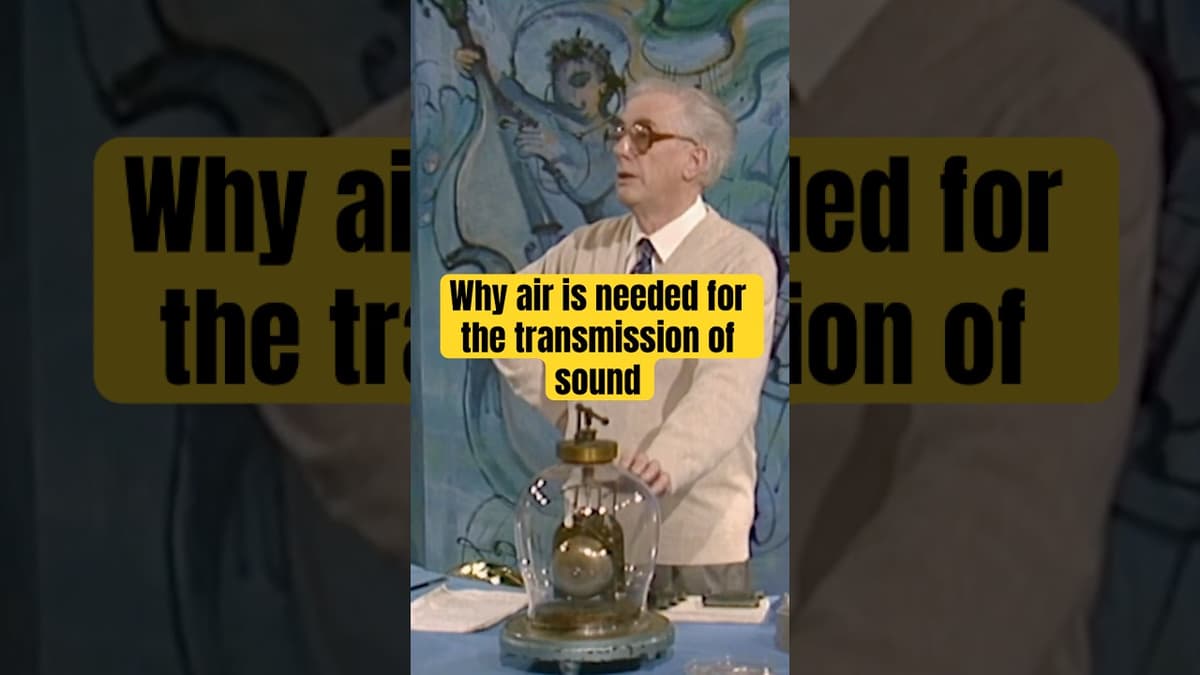
Why Air Is Needed for the Transmission of Sound- Christmas Lecture 1989 with Charles Taylor #shorts
In a 1989 Royal Institution Christmas lecture, physicist Charles Taylor explains why a material medium—specifically air—is essential for audible sound transmission. He outlines the physical properties of air that allow pressure waves to travel and examines the minimum features an...
Dark Matter: Too Many Models, Zero Detection
The video examines why dark‑matter research is awash in theories yet still void of a confirmed particle, tracing the issue back to the first hints of missing mass in the Coma cluster. Those early observations ignited a frenzy among particle physicists,...
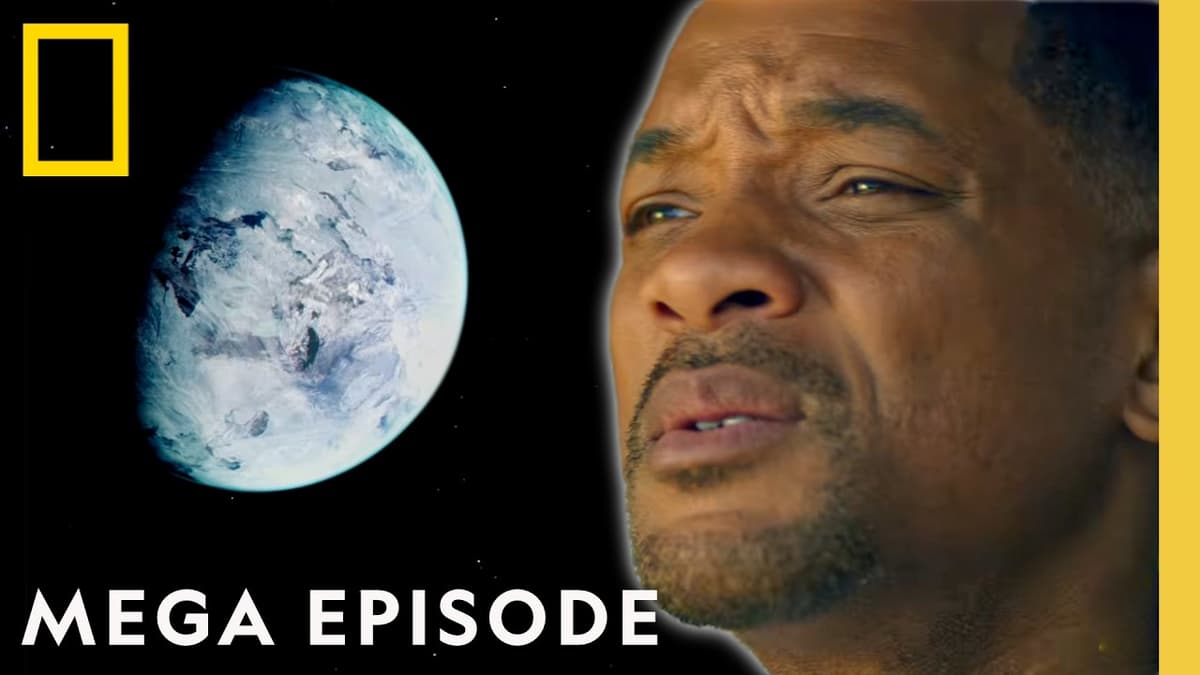
Will Smith Examines Mysteries of Planet Earth | One Strange Rock MEGA Episode | National Geographic
The National Geographic "One Strange Rock" mega‑episode, hosted by Will Smith, uses astronaut testimonies and on‑ground expeditions to ask how life emerged on our planet. By juxtaposing the view from orbit with deep‑earth locales, the program frames Earth as a...
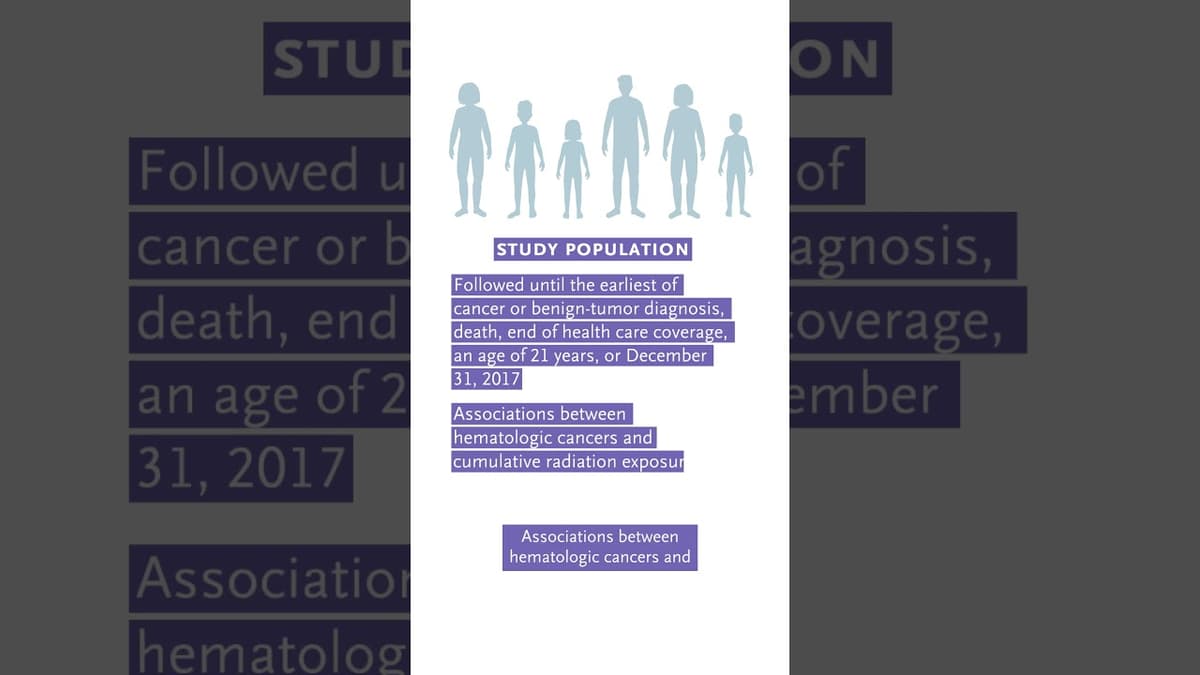
60-Second Journal Club: Risk of Pediatric & Adolescent Cancer Associated W/ Medical Imaging (RIC)
The video reviews a large retrospective cohort study examining how medical imaging radiation influences pediatric and adolescent hematologic cancer risk. Researchers followed three million children across six U.S. health systems and Ontario, Canada, tracking cancer outcomes through age 21 or...
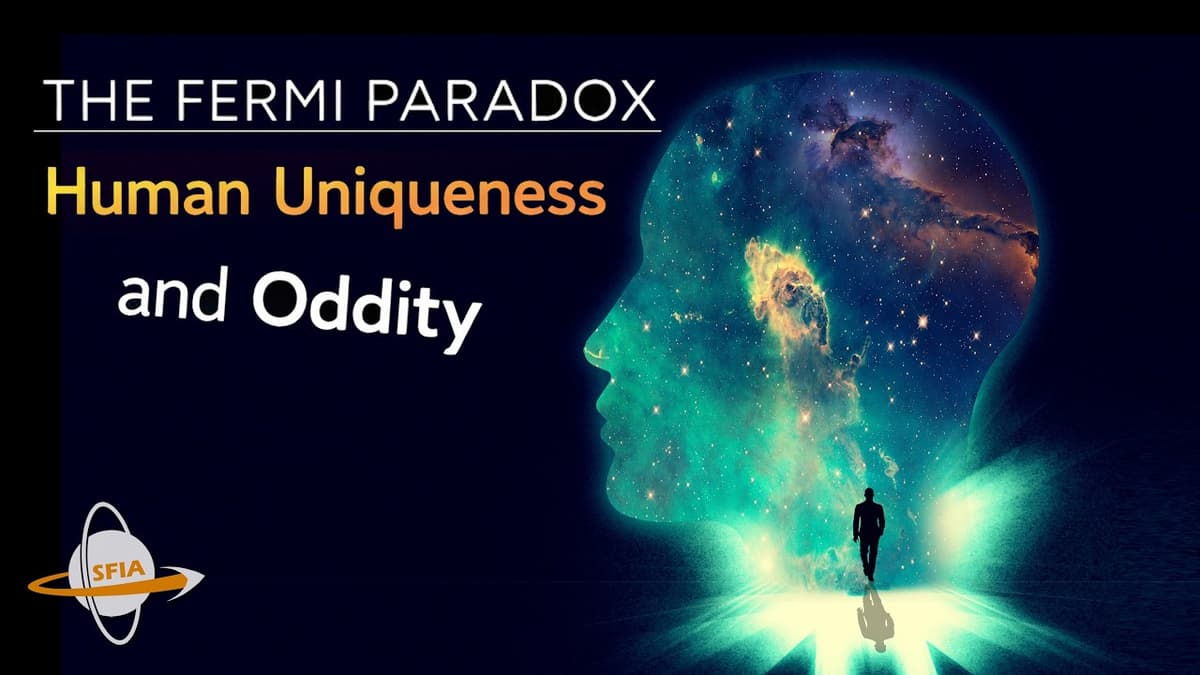
The Fermi Paradox: Human Uniqueness and Oddity
The video reframes the classic Fermi Paradox, arguing that the real mystery isn’t why we haven’t met aliens but why humanity is such an oddball. It proposes that a suite of uniquely human traits—our obsession with fire, recursive language, long...
Blue-Shifted Photons & Infinite Computation
The video examines the theoretical possibility of performing infinite computation within a Malament‑Hogarth spacetime, focusing on the phenomenon of blue‑shifted photons that arise when signals from an observer with an infinite future are received. In a Malament‑Hogarth geometry, a finite‑time observer’s...

Oxford Physicist Explains Viral Artemis II vs Apollo 17 Earth Image Comparison 🌎
Dr. Kali Howitt, an Oxford associate professor of space instrumentation, walks viewers through a side‑by‑side comparison of an Artemis II night‑side Earth photograph and the iconic Apollo 17 daylight shot from the 1970s. She explains that the Artemis image has been artificially...
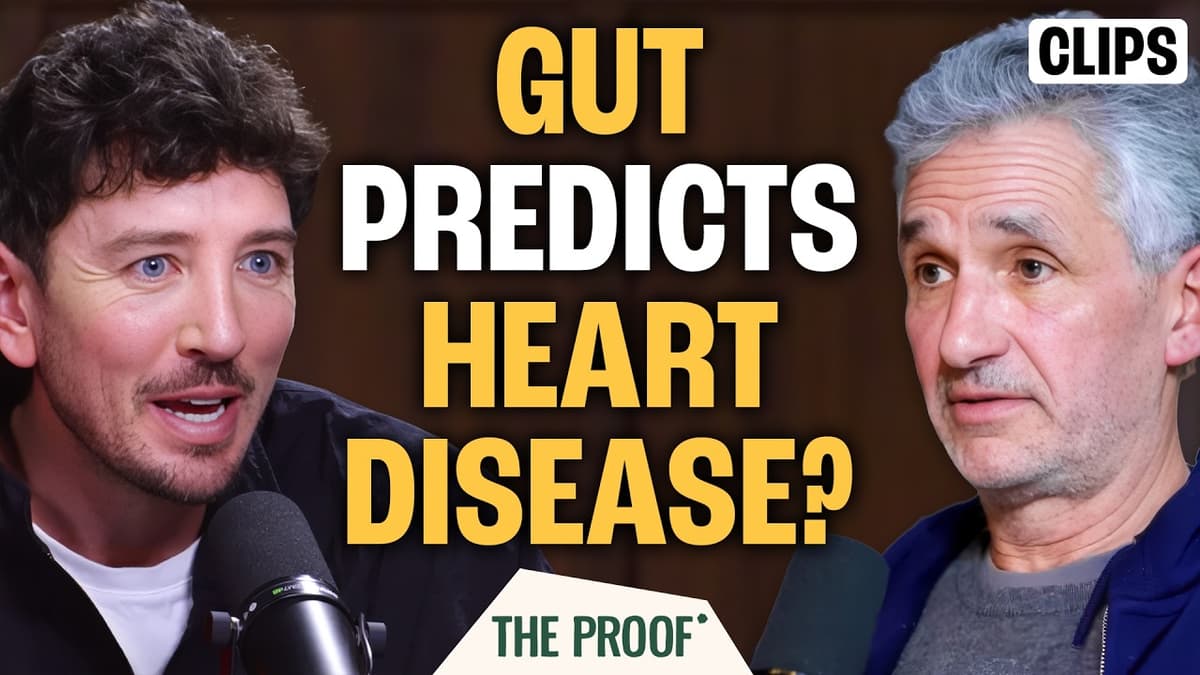
Can Your Gut Predict Heart Disease Before Your Blood Tests Can? | Tim Spector
The video explores how gut‑microbiome profiling could become a predictive tool for cardio‑metabolic disease, potentially outpacing conventional blood tests. Tim Spector discusses ZOE’s large‑scale study of roughly 300,000 participants, showing that microbial signatures alone can forecast post‑prandial glucose excursions with...
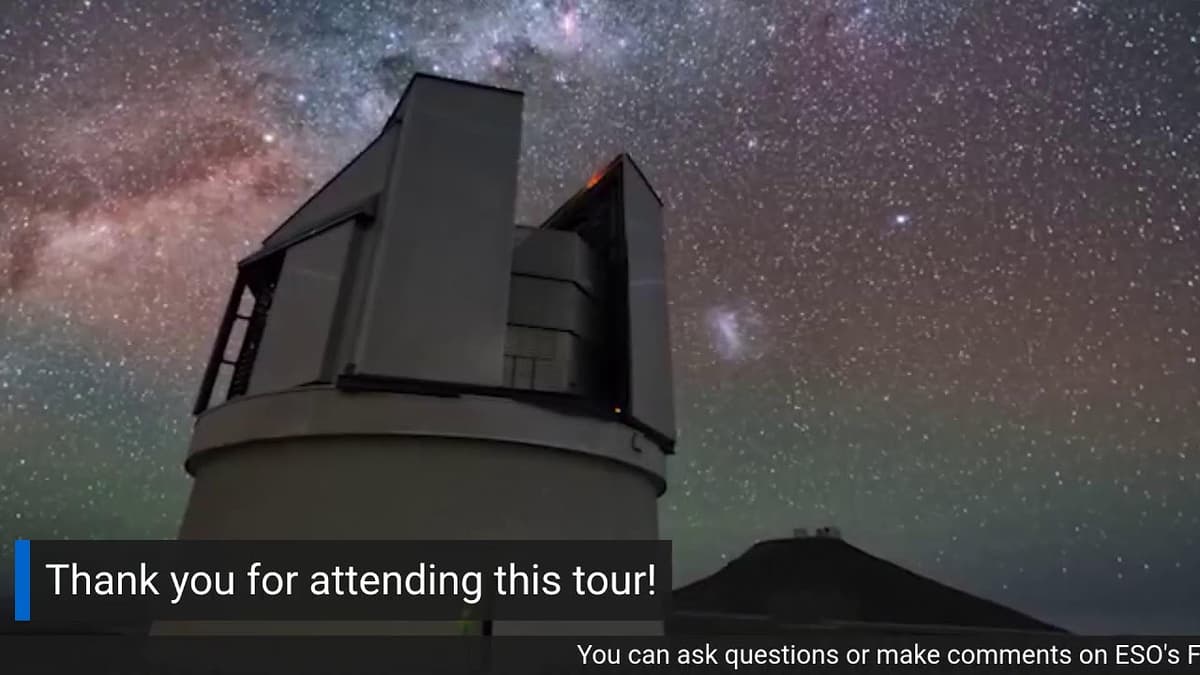
Virtual Guided Tour ESO's Paranal Observatory. Saturday, April 11th, 17:00h CEST.
The video offers a live‑style virtual tour of the European Southern Observatory’s Paranal site, led by veteran guide Farid Char and producer‑student Hector Salas. They introduce ESO’s multinational framework, its three Chilean locations, and focus on Paranal, home to the...
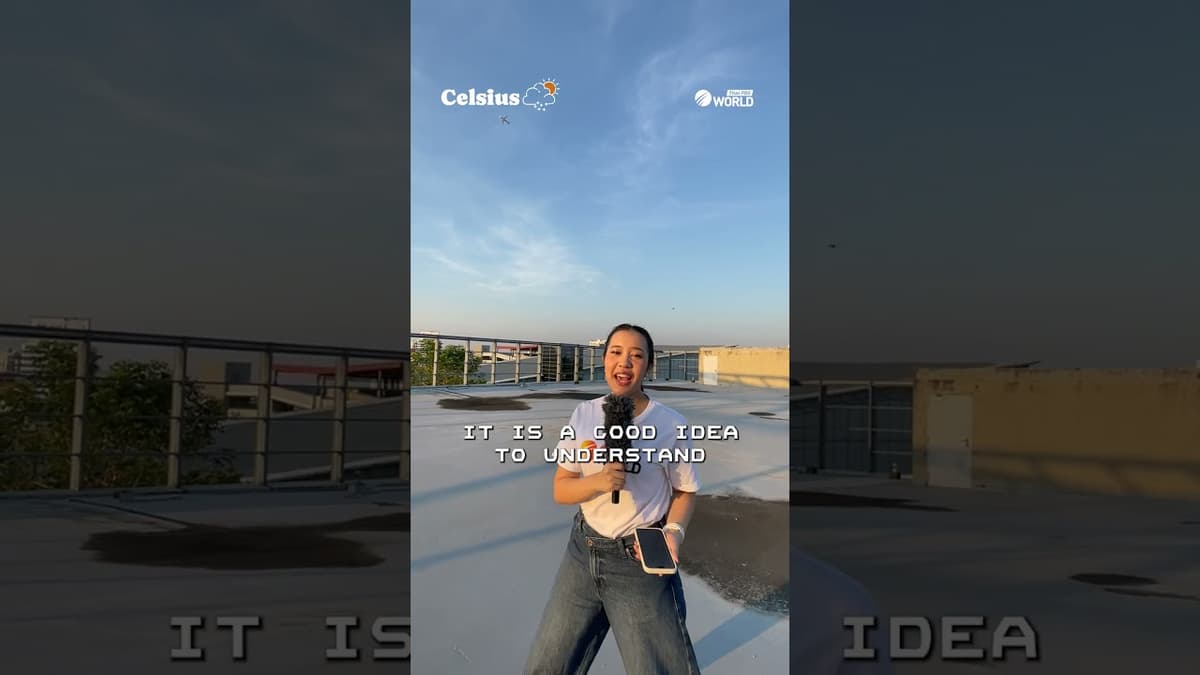
What Level of UV Radiation Is Dangerous? #thaiweather
The video highlights Thailand’s current UV index of 11, which the World Health Organization classifies as extreme and potentially life‑threatening. It warns viewers that such levels occur during midday and can pose serious health risks if proper precautions are ignored. Key...

Astronaut Victor Glover Gives Post-Mission Remarks in Houston
Astronaut Victor Glover delivered his post‑mission remarks in Houston after the crew’s return, reflecting on a flight that launched on April 3. He opened by admitting the experience was still hard to process, underscoring the emotional weight of the mission. Glover repeatedly...

"Planet Earth: You Are a Crew."
The speaker opens by confronting a common question: what distinguishes a crew from a team? He admits his initial answer fell flat, then reframes the discussion around a crew’s constant, all‑weather presence and unified purpose. He defines a crew as...
Are Perpetual Motion Machines Possible?
The video tackles the age‑old claim of a perpetual motion machine, using a coin‑laden wheel as a demonstrative example. It explains why such a device cannot generate energy indefinitely, emphasizing that friction at the axle and gravity’s pull on the...
The CMB: Most Complicated Thing to Analyze
The video examines why the cosmic microwave background (CMB) remains one of the most intricate cosmological observables, despite its reputation as a clean, high‑precision probe of the early universe. It highlights that the CMB originates from a nearly homogeneous, isotropic plasma,...
Einstein & Gödel: Is Time Travel Possible?
The video examines whether Einstein’s theory of General Relativity actually allows time travel, contrasting Hollywood’s fantasy with the scientific reality of closed timelike curves. It highlights Kurt Gödel’s 1949 rotating‑universe solution, which mathematically admits paths that loop back to earlier...
Do Particles Take All Possible Paths?
The video examines the claim that particles traverse every possible route, using a laser‑mirror‑diffraction setup as a test case. It asks whether the observed interference pattern proves a many‑paths reality or merely reflects conventional wave physics. The presenter argues that Huygens’s...

NVIDIA’s New AI Shouldn’t Work…But It Does
The video dissects a breakthrough AI framework that teaches robots by watching billions of video frames rather than relying on costly real‑world trials. By ingesting a 44,000‑hour, 4‑billion‑frame dataset of human activity, the system learns to infer actions without explicit...

Glioblastoma, ecDNA & Targeted Therapy - The Verhaak Lab at Yale School of Medicine
The Verhaak Lab at Yale School of Medicine presented research on extrachromosomal circular DNA (ecDNA) in glioblastoma, explaining how these small DNA loops differ from the linear chromosomes that normally house genetic material. The team showed that ecDNA enables tumor cells...
Dark Matter Beyond the Stars
Astronomers historically explained Uranus’s orbital anomaly by positing an unseen planet, leading to Neptune’s discovery and validating Newtonian gravity’s predictive power; Mercury’s perihelion shift, however, resisted Newtonian fixes until Einstein’s general relativity accounted for it. Today, two remaining puzzles—dark matter...
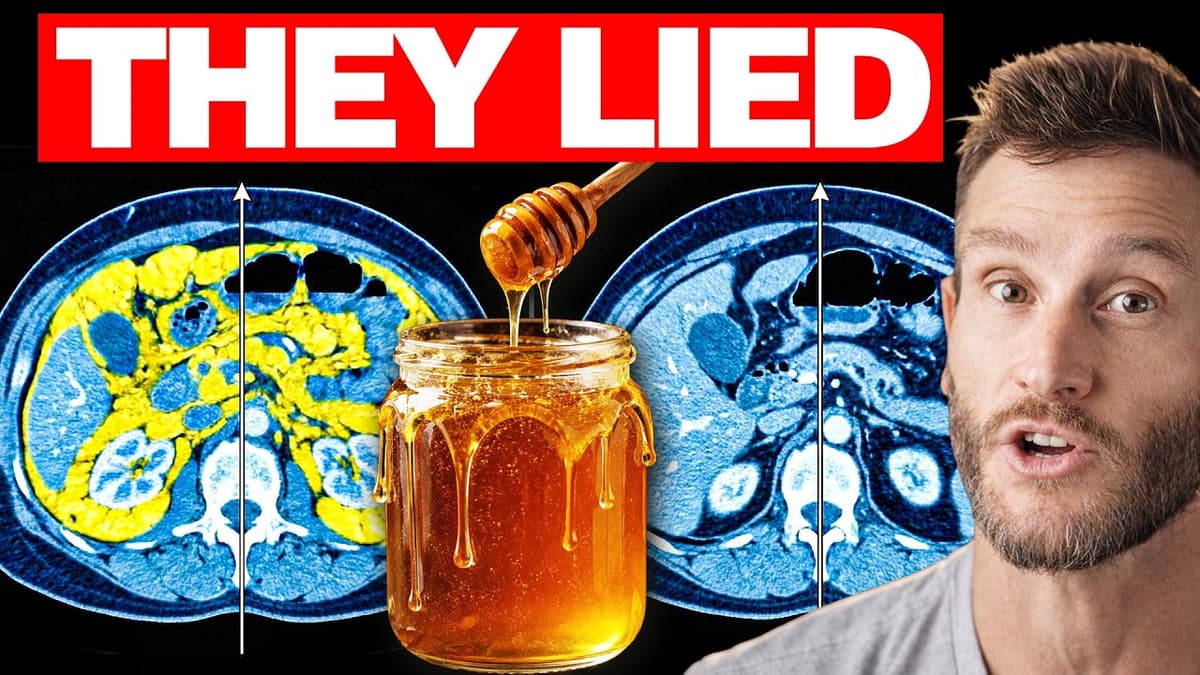
They Lied About Honey - What 1 Tbsp Actually Does to Visceral Fat
The video challenges the blanket vilification of sweeteners by highlighting honey’s unique ability to curb visceral fat. It walks through a rodent study where honey‑fed mice gained 14.7% less weight and 20.1% less visceral fat than sucrose‑fed peers, and a...
This $2 Remedy Beats Every Cold Medicine
The video examines three inexpensive, evidence‑based remedies—zinc acetate lozenges, saline nasal irrigation, and honey—that actually shorten the common cold, contrasting them with popular but ineffective supplements like vitamin C or echinacea. Clinical data show zinc acetate lozenges reduce illness length by...
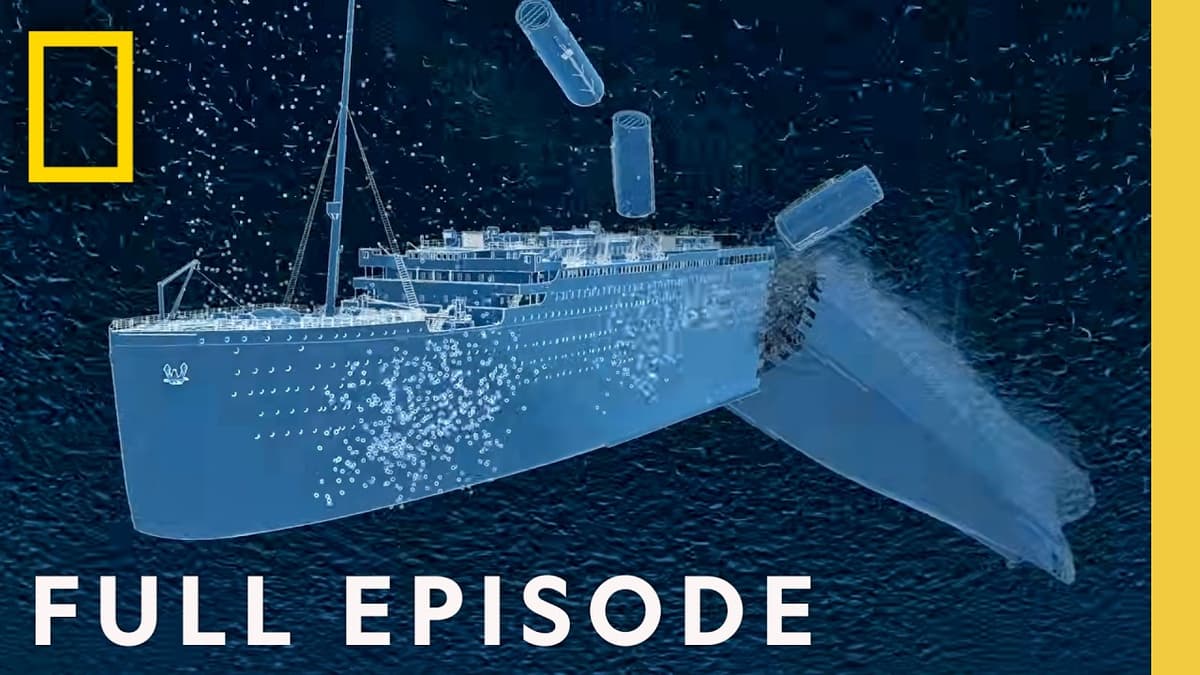
Titanic: The Digital Resurrection (Full Episode) | SPECIAL | National Geographic
National Geographic’s special “Titanic: The Digital Resurrection” follows a two‑year, multi‑nation expedition that used autonomous submersibles equipped with laser scanners to map the wreck in unprecedented detail, producing a full‑scale virtual twin of the ship. More than 700,000 high‑resolution images, amounting...

NASA’s Northrop Grumman Commercial Resupply Services 24 Launch
NASA’s Northrop Grumman Commercial Resupply Services‑24 (NG‑24) lifted off at 7:41 a.m. Eastern from Space Launch Complex 40, carrying the Cygnus XL cargo vessel – christened S.S. Steven R. Nagel – toward the International Space Station. The launch marked SpaceX’s second ISS mission this year and...

Artemis II Crew Returns Home After 10-Day Moon Mission|TaiwanPlus News
NASA’s Artemis II crew touched down in the Pacific after a ten‑day lunar flyby, marking the first U.S. crewed mission beyond low Earth orbit in more than half a century. The flight reached the highest re‑entry velocity of the program, demonstrated precise...

NASA Full Press Conference After Artemis II Landing and Astronauts Return to Earth After Moon Orbit
NASA held a full‑press conference following the successful splashdown of the Artemis II crew in the Pacific Ocean. The Orion spacecraft completed a ten‑day mission that included a lunar flyby, marking the first crewed deep‑space flight around the Moon since Apollo....

How Artemis Advances America’s Space Colonization Race with China | DW News
The DW News segment examines the United States’ Artemis program as the centerpiece of a renewed space‑colonization race with China. Artemis targets a crewed landing on the lunar south pole by 2028, while Beijing’s state‑directed agenda aims to secure lunar...