New Insight Into Economic Outcomes of the US Space Race
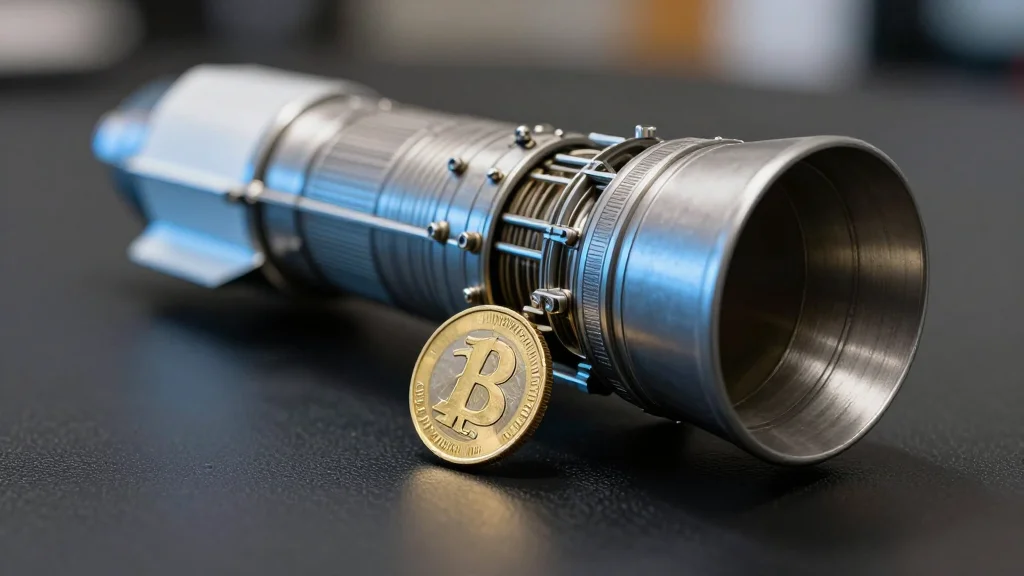
Florida State University economists Shawn Kantor and Alexander Whalley published a study in the American Economic Review that re‑examines the economic legacy of the 1950s‑60s US space race. Using declassified CIA intelligence to isolate NASA’s impact, they find that federal R&D spending generated strong gains only for contract‑winning firms and regions, with a fiscal multiplier of roughly 0.3. The broader economy saw little productivity spillover, contradicting the long‑held view of the space race as a universal growth engine. The authors argue that future "moonshot" programs should be judged on mission success rather than assumed spillovers.
ESA Backs Iris2 Low-LEO Expansion with NRE Reimbursements
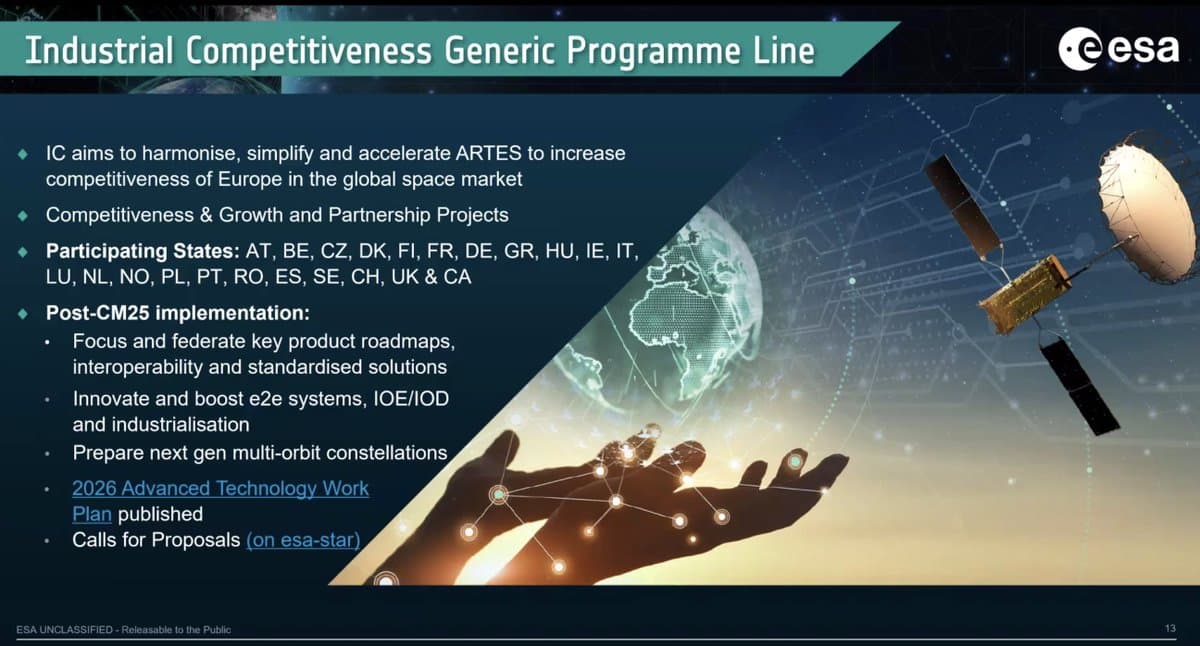
.@defis_eu Iris2 multi-orbit network expands low-LEO component to allow more industry experimentation; @esa agrees to modify its rules to permit reimbursement of NRE expenses needed to scale tech to constellation-level production rate. https://t.co/oxaKaZk6Vf

Grid Aero Raises $20M in Series A Funding
San Leonardo‑based Grid Aero, an autonomous aircraft startup, announced a $20 million Series A round. The financing was led by Bison Ventures and Geodesic Capital, with participation from Stony Lonesome Group, Alumni Ventures, and returning backers such as Ubiquity, Calibrate, and Commonweal...
OHB and Rheinmetall Discuss Multi‑billion Bundeswehr Broadband Project
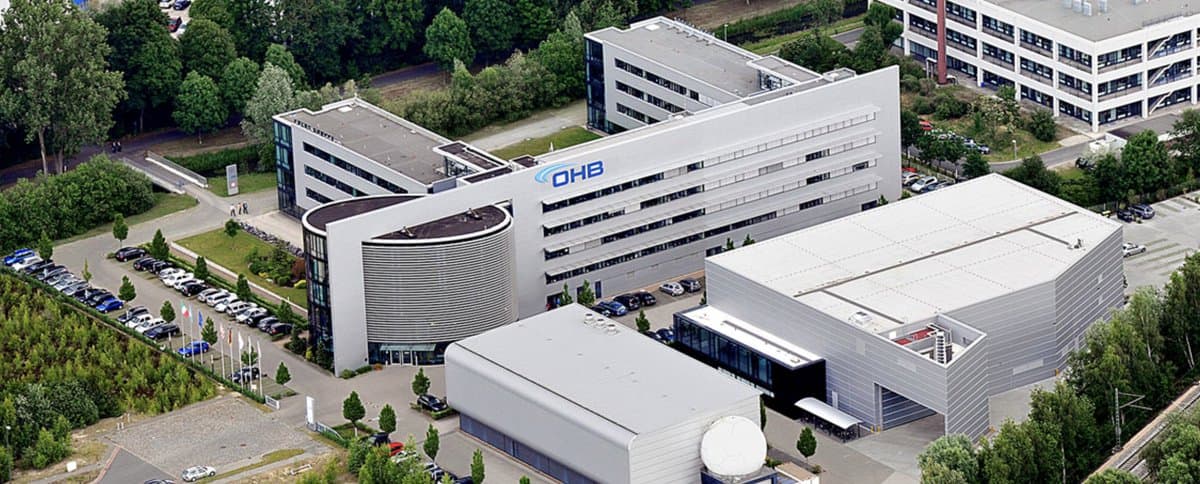
.@OHB_SE confirms it's in talks with @RheinmetallAG "regarding a cooperation for participation in possible public procurement processes," which @handelsblatt reported was the proposed multi-billion $ broadband constellation for the German @bundeswehrInfo. https://t.co/npkoQGwWoo
Moon Landings Could Contaminate Evidence About Life's Beginnings on Earth. Here's How
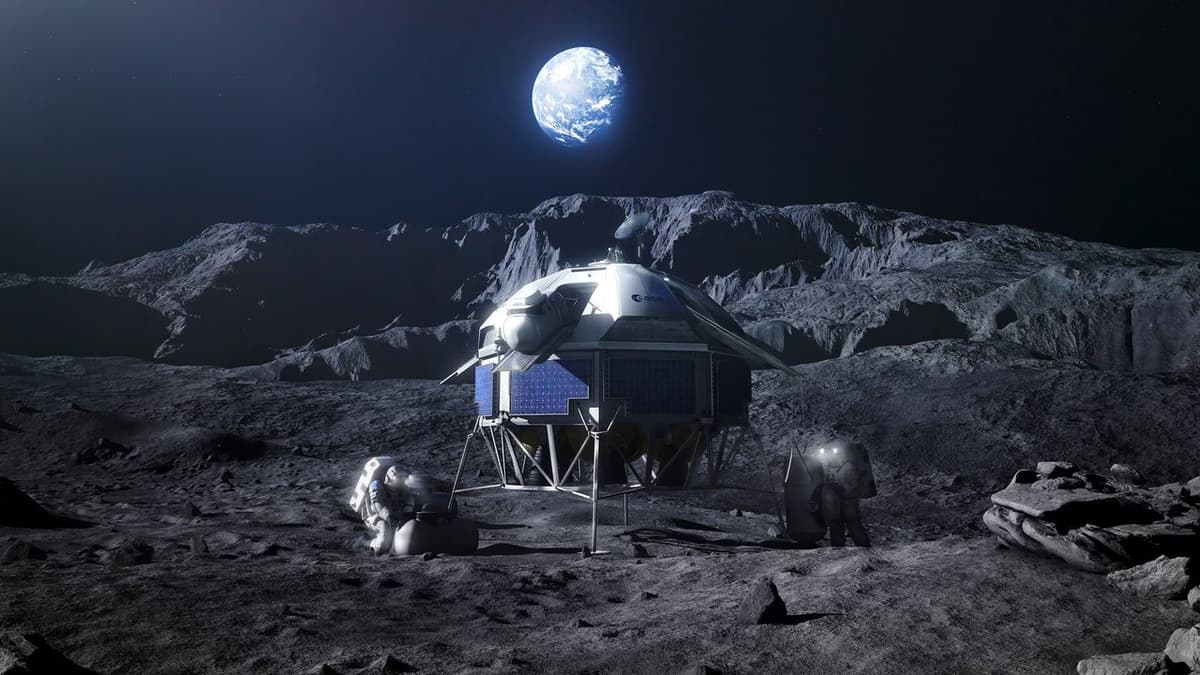
A new study shows methane exhaust from lunar landers can travel ballistically across the Moon and become trapped in permanently shadowed polar craters. Simulations of ESA’s Argonaut mission indicate that over 54% of released methane settles in cold traps within...

Jan. 26, 1949: The Hale Sees First Light
On January 26, 1949 the 200‑inch Hale Telescope at Palomar Observatory achieved first light, marking the debut of the world’s largest optical instrument at the time. After 11 years of mirror fabrication and a six‑month dedication period, Edwin Hubble operated...

How Can the Sun Contain so Many Elements without Its Heat Destroying Them?
The Sun’s extreme temperatures ionize its gases, but its immense gravity prevents them from escaping, creating a stable star. Hydrogen accounts for roughly 70 % of its mass, helium 28 %, and all heavier elements together make up about 2 %. A tug‑of‑war...

We Need a ‘Planetary Neural Network’ for AI-Enabled Space Infrastructure Protection
The orbital environment now hosts over 11,000 active satellites and could swell to 30,000‑60,000 by 2030, creating a collision‑risk crisis known as Kessler syndrome. Traditional radar and optical tracking struggle to detect sub‑centimeter debris, prompting calls for AI‑driven space situational...
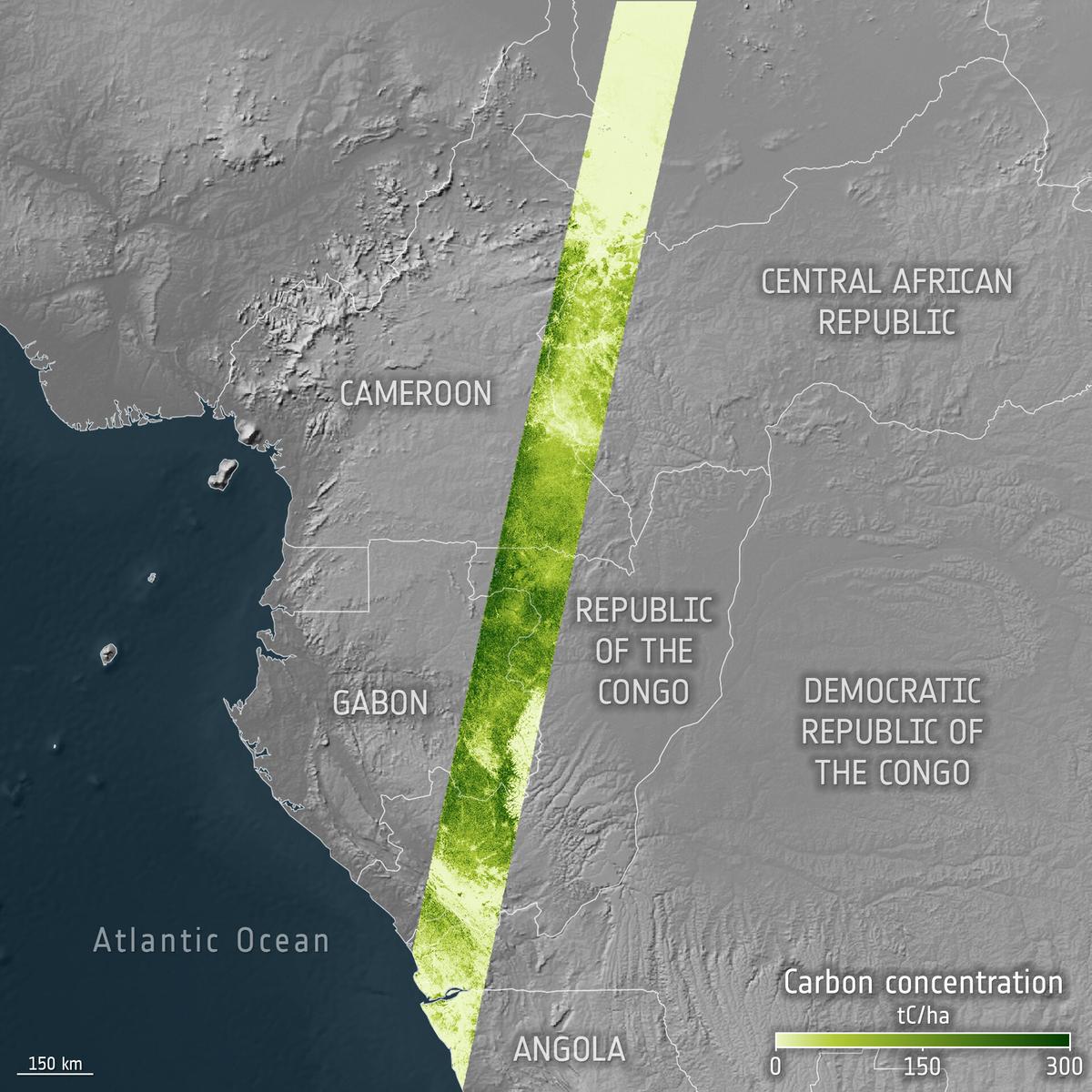
ESA’s Biomass Goes Live with Data Now Open to All
The European Space Agency’s Biomass satellite has completed commissioning and entered scientific operations, making its P‑band synthetic aperture radar data freely available. The mission, launched in April 2025, can penetrate dense canopies to quantify woody biomass, delivering the first global, high‑resolution...

Payload Field Guide: Commercial LEO Destination
The International Space Station’s planned retirement by decade’s end has spurred NASA’s Commercial LEO Destination (CLD) program, which seeks privately funded orbital habitats. In 2021 NASA awarded $416 million to three proposals—Nanoracks‑Voyager, Blue Origin, and Northrop Grumman—to develop next‑generation stations. Today the...
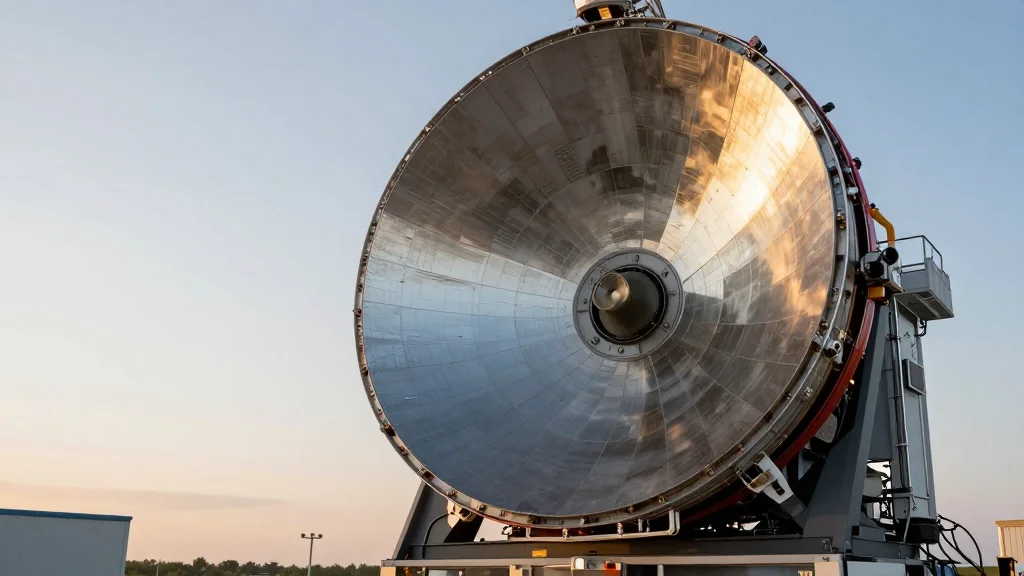
How Superheavy-Lift Rockets Could Transform Astronomy by Making Space Telescopes Cheaper
Super‑heavy lift rockets such as SpaceX’s Starship and Blue Origin’s New Glenn can deliver roughly ten times the payload mass and twice the fairing diameter of legacy launchers. This capability could eliminate the costly folding optics required for telescopes like the...
Kazakhstan's Space Strategy: Can Its High-Tech Assets Propel It to Eurasia's New Broker?
Kazakhstan is leveraging its Baikonur Cosmodrome and emerging deep‑tech ecosystem to position itself as a regional space broker in Eurasia. A McKinsey‑WEF report projects the global space economy to rise to $1.8 trillion by 2035, creating a narrow window for Kazakhstan...
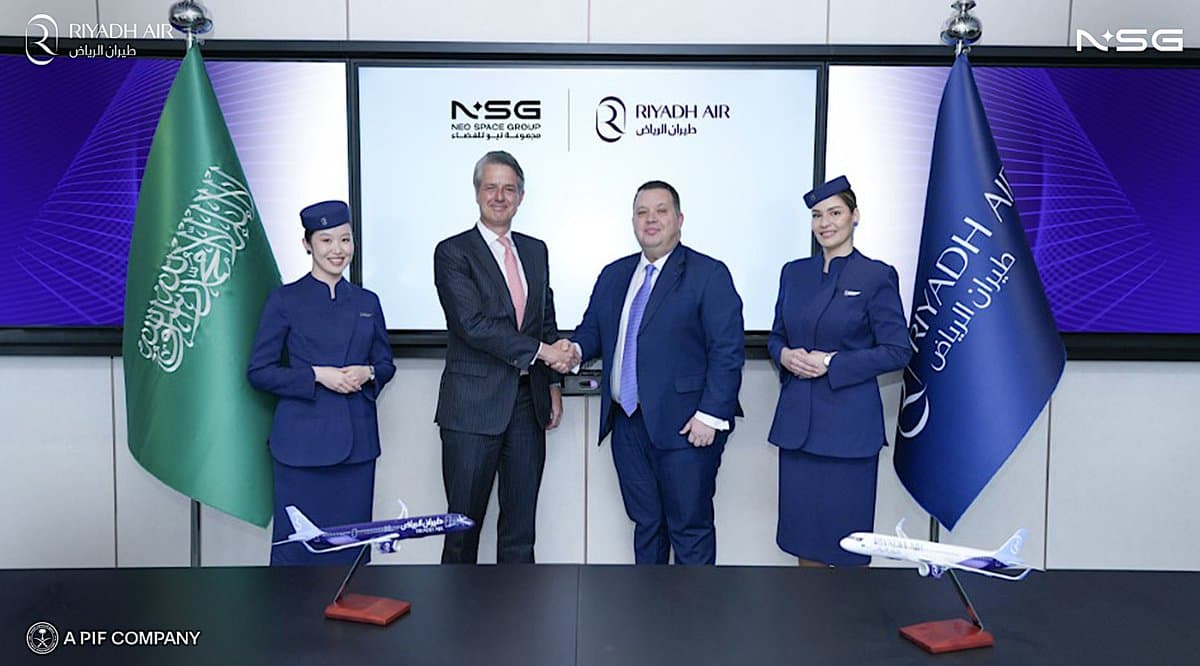
Riyadh Air Adds 300 Mbps Connectivity to A321 Fleet
.@RiyadhAir to equip its @Airbus A321 fleet w/ @NeoSpaceGroup Skywaves IFC, using @SES Open Orbits GEO/MEO fleet with @ThinKom_Inc Ka2517 antennas for up 300 Mbps per plane of connectivity. Riyadh Air ordered 60 A321s in 2024; 1st planes to arrive...
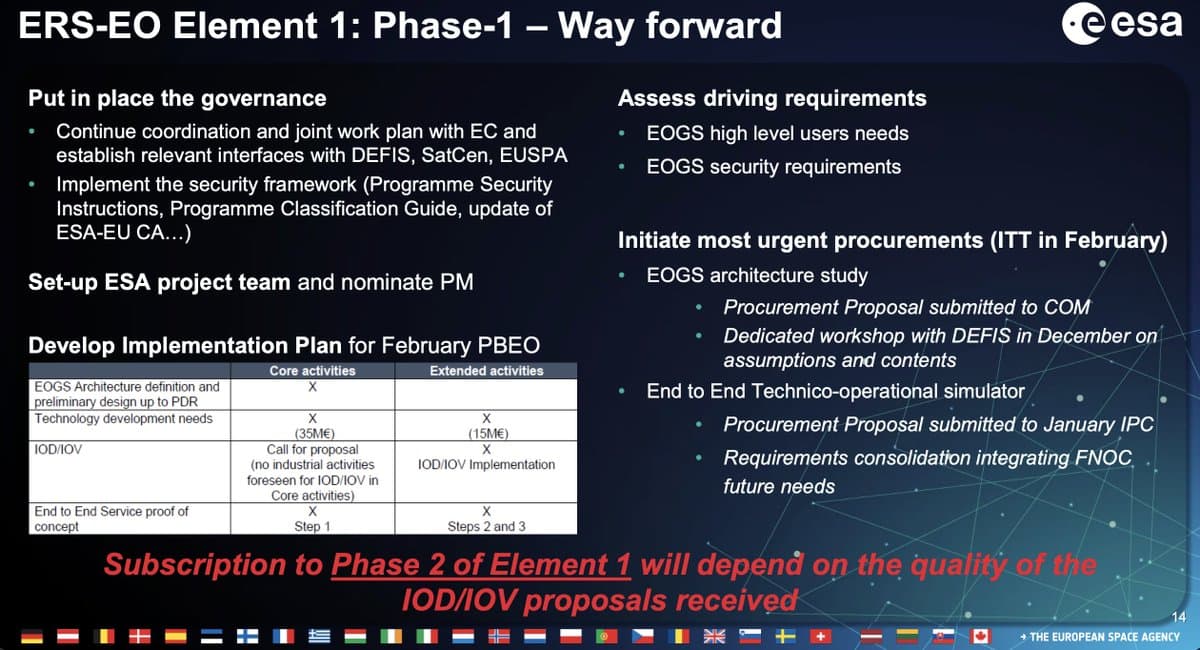
ESA, EU Launch Four In‑Orbit Demo Constellation Tests
.@ESA and @defis_eu prepare 4 in-orbit demos for future intel/recon constellation while hoping for additional support from EU defense ministries. Interoperability & pooling/sharing of national, EU imagery sources a priority. 'Night optical vision' too. https://t.co/VRQei3QKmB https://t.co/HhW1asKvoo
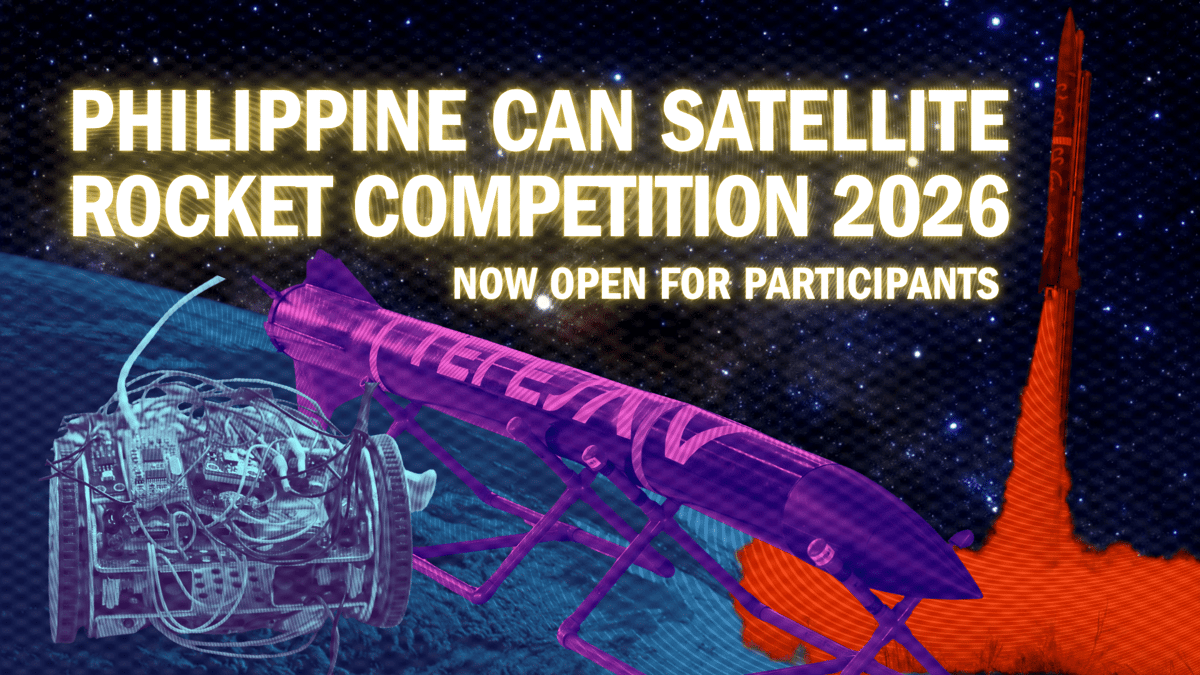
Ready for Launch: The 2nd Philippine Can Satellite and Rocket Competition Takes Off
The second Philippine Can Satellite and Rocket Competition (PCSRC 2026) is now open for student teams across the Philippines. Organized by Indiana Aerospace University, the contest guides participants through the full aerospace mission lifecycle, from concept to post‑flight analysis. The final...
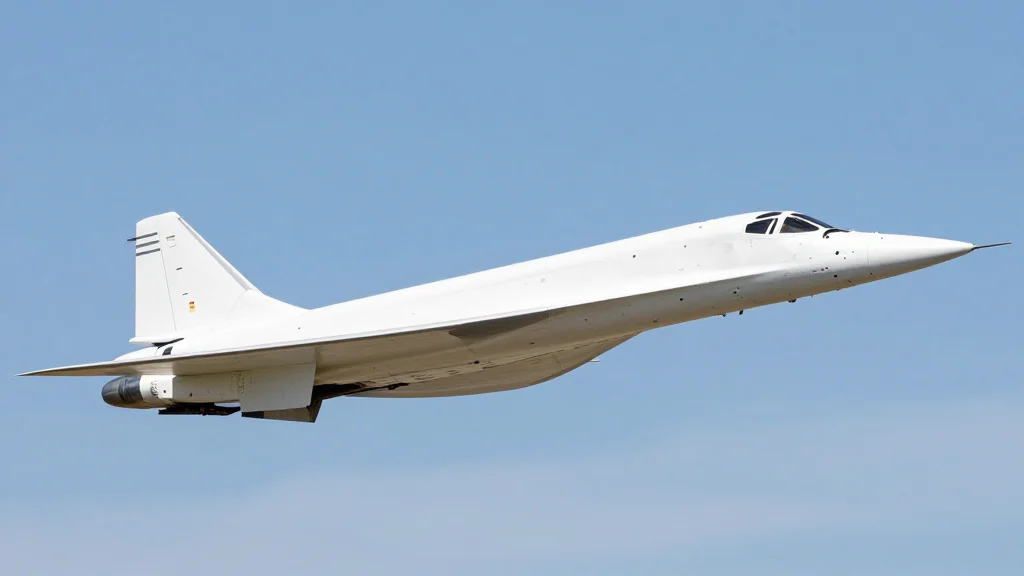
Starfighters Completes Key Wind Tunnel Campaign for STARLAUNCH 1 Air Launch Vehicle
Starfighters Space Inc has completed a dedicated wind‑tunnel campaign for its STARLAUNCH 1 air‑launched sub‑orbital rocket, confirming clean separation from its supersonic carrier aircraft at both subsonic (Mach 0.85) and supersonic (Mach 1.3) conditions. Ten test runs demonstrated forces and moments consistent with...
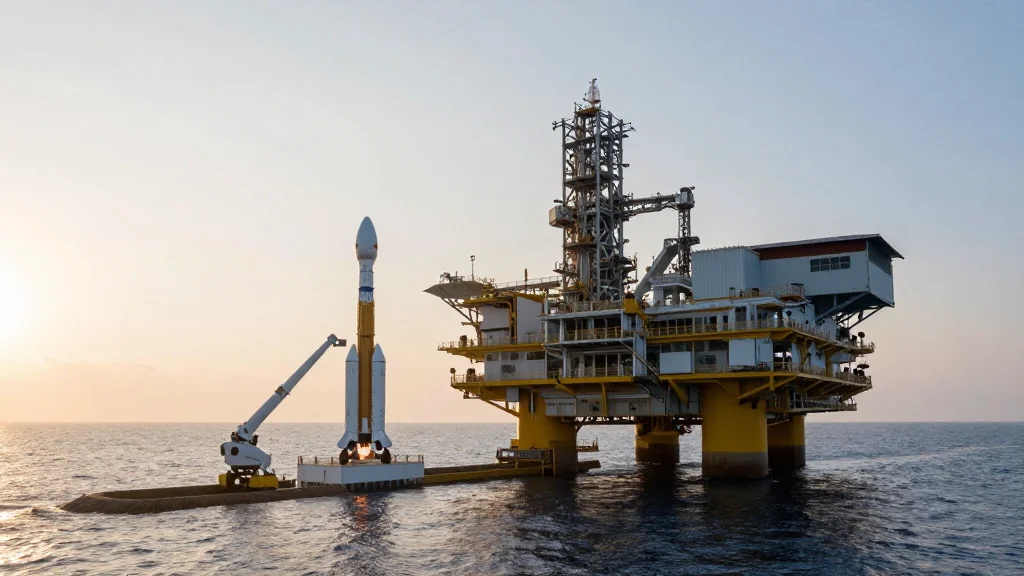
China Prepares Offshore Test Base for Reusable Liquid Rocket Launches
China is constructing its first offshore platform dedicated to testing, launching and recovering reusable liquid‑propellant rockets at Haiyang, Shandong. The artificial island, three kilometres from shore, targets early‑February 2026 trial operations, featuring a hydraulic erector and a 17‑metre‑deep flame trench....

Prioritizing Shortfalls
In this brief 1‑minute, 30‑second episode, NASA discusses how it is leveraging the rapid growth of the U.S. space economy to shape its own technology investment strategy. The agency highlights the importance of identifying and prioritizing “shortfalls” – capability gaps...

NATO Space Centre of Excellence Reaches Full Operational Capability as New Facility Opens
NATO’s Space Centre of Excellence has been declared fully operational following the opening of its permanent facility in France on 19 January 2026. The centre consolidates three years of institutional build‑up into a standing capability that will shape alliance thinking,...

NASA's Webb Telescope Peers Into the Heart of the Circinus Galaxy
The James Webb Space Telescope employed the Aperture Masking Interferometer on its NIRISS instrument to capture the sharpest infrared image yet of the Circinus galaxy’s active nucleus, effectively achieving a 13‑meter virtual aperture. The data show that 87 % of the...

Hubble Shows Spectacularly Violent Scenes From a Massive Young Star
The Hubble Space Telescope captured vivid Herbig‑Haro objects produced by the massive protostar IRAS 18162‑2048, located about 5,500 light‑years away. Its bipolar jets blaze at over 1,000 km s⁻¹, the fastest ever recorded for a young stellar object, carving a 32‑light‑year cavity. The...
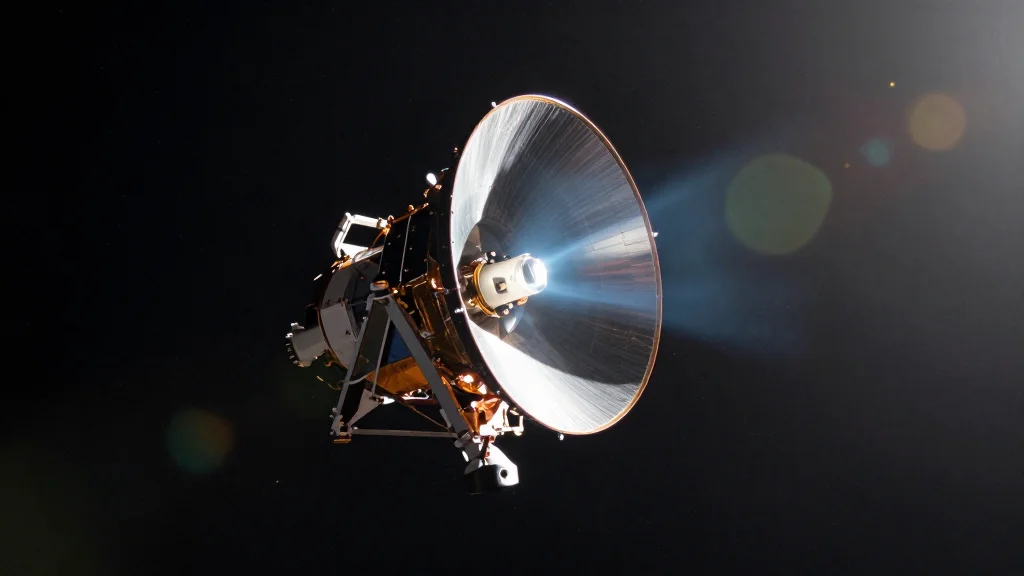
Chandra Catalog Now Contains 1.3 Million X-Ray Detections Across the Sky
NASA’s Chandra X‑ray Observatory has expanded its Chandra Source Catalog to include 1.3 million X‑ray detections, covering the entire sky. The new release consolidates over 20 years of observations with uniform processing and improved positional accuracy. Researchers can now query the catalog...

Inside South Korea’s Bold Move To Accelerate Its New Space Economy
South Korea has officially designated its first nationally recognised New Space technologies, shifting the focus from pure research to commercially ready systems. The Korea Aerospace Space Administration evaluated 52 proposals, rewarding technologies that can be manufactured, sold and operated at...
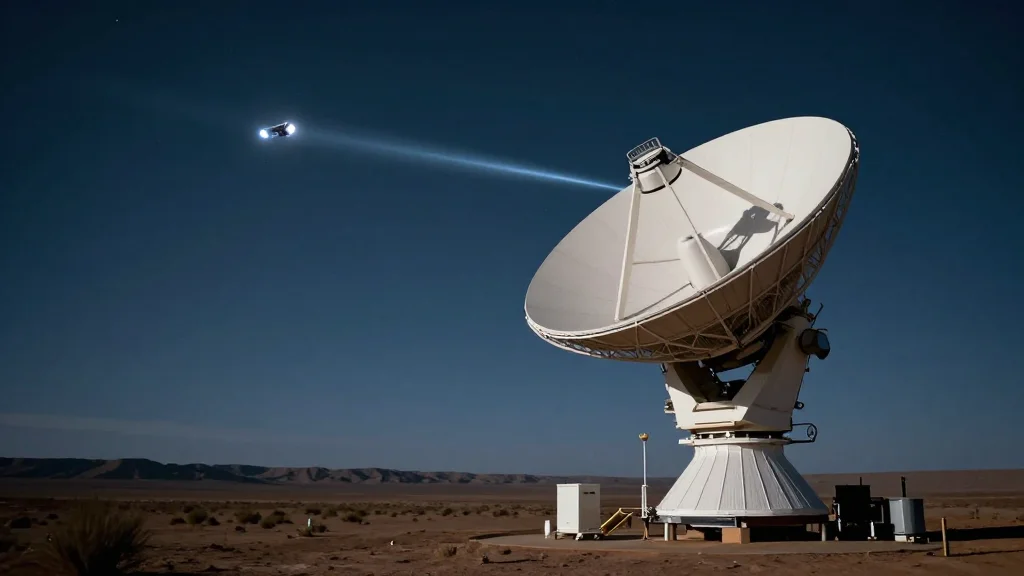
Tracking Artemis II’s 10-Day Journey: Global Volunteers
NASA’s Space Communication and Navigation (SCaN) program announced that 34 global volunteers will track the Orion spacecraft during Artemis II’s ten‑day lunar flyby. The participants span commercial service providers, academic institutions, and amateur‑radio enthusiasts who will passively receive the mission’s radio...

Golden Dome Is Forcing the Pentagon to Confront Missile Defense Economics
Gen. Michael Guetlein said Golden Dome’s success hinges on affordable, scalable missile defenses, emphasizing lower cost‑per‑kill and deeper magazine depth. He warned that today’s multi‑million‑dollar interceptors limit the number of shots the U.S. can field, making defenses vulnerable to volume attacks....
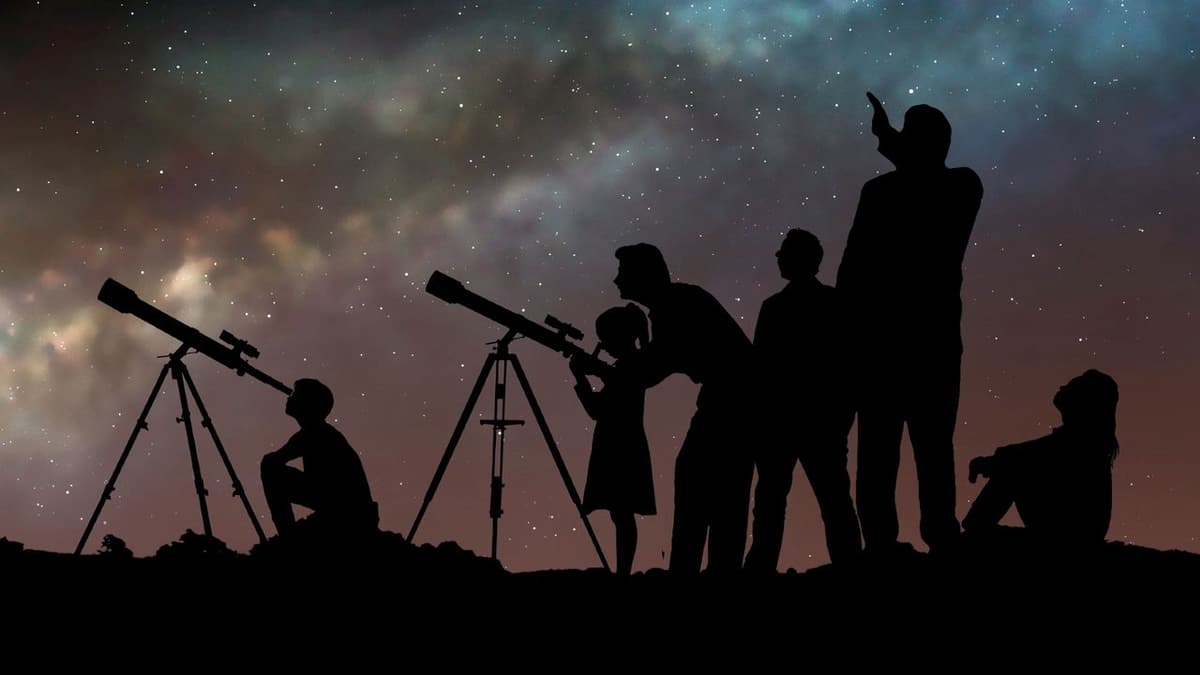
Rural Areas Have Darker Skies but Fewer Resources for Students Interested in Astronomy – Telescopes in Schools Can Help
Rural communities enjoy some of the darkest night skies in the United States, yet they often lack the STEM resources needed to turn that natural advantage into educational outcomes. The Smithsonian’s STARS program is delivering free telescopes and curriculum kits...

Jan. 25, 2004: Opportunity Lands on Mars
On January 25, 2004 NASA’s Opportunity rover touched down on Mars after a dramatic “six minutes of terror” descent involving parachutes, retrorockets, and an airbag‑cushioned landing. The rover bounced 26 times before settling inside Eagle Crater, an ideal scientific site that allowed...
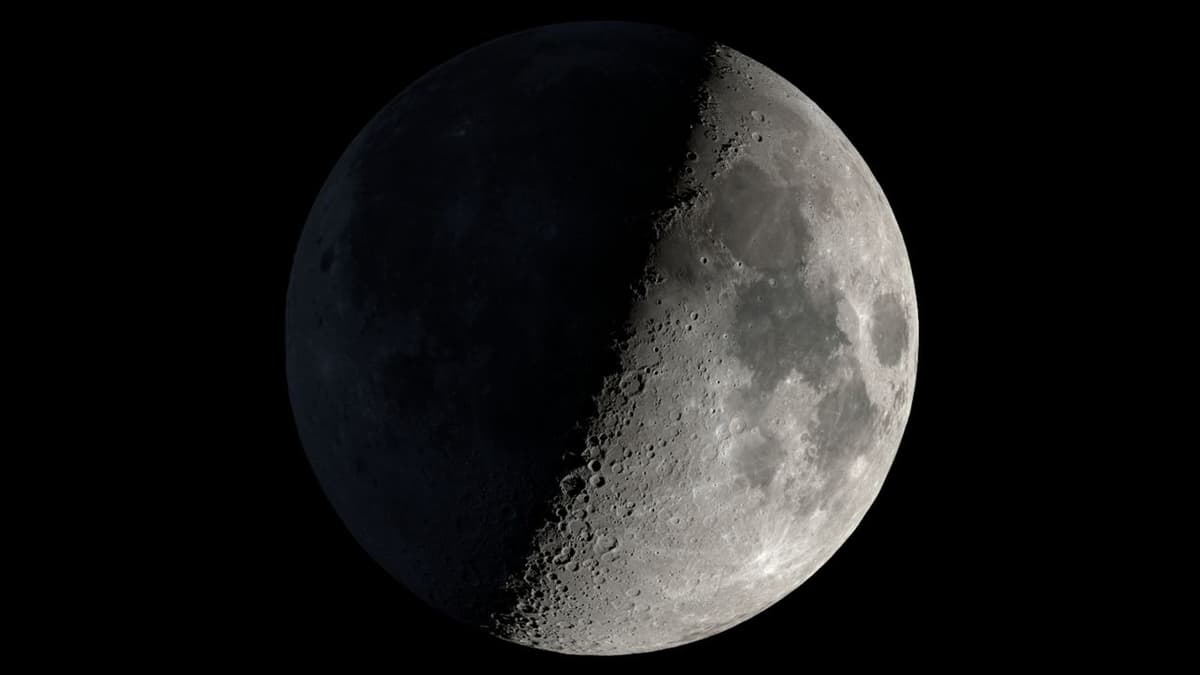
3 Stunning Lunar Craters to Explore During the Half-Lit First Quarter Moon Tonight
Tonight’s first‑quarter moon offers a prime window to view three prominent lunar craters—Eudoxus, Aristoteles and Cassini—each casting dramatic shadows that enhance their topography. Eudoxus (67 km) sits in the northeastern quadrant above Mare Serenitatis, while Aristoteles (87 km) borders the southern edge of...
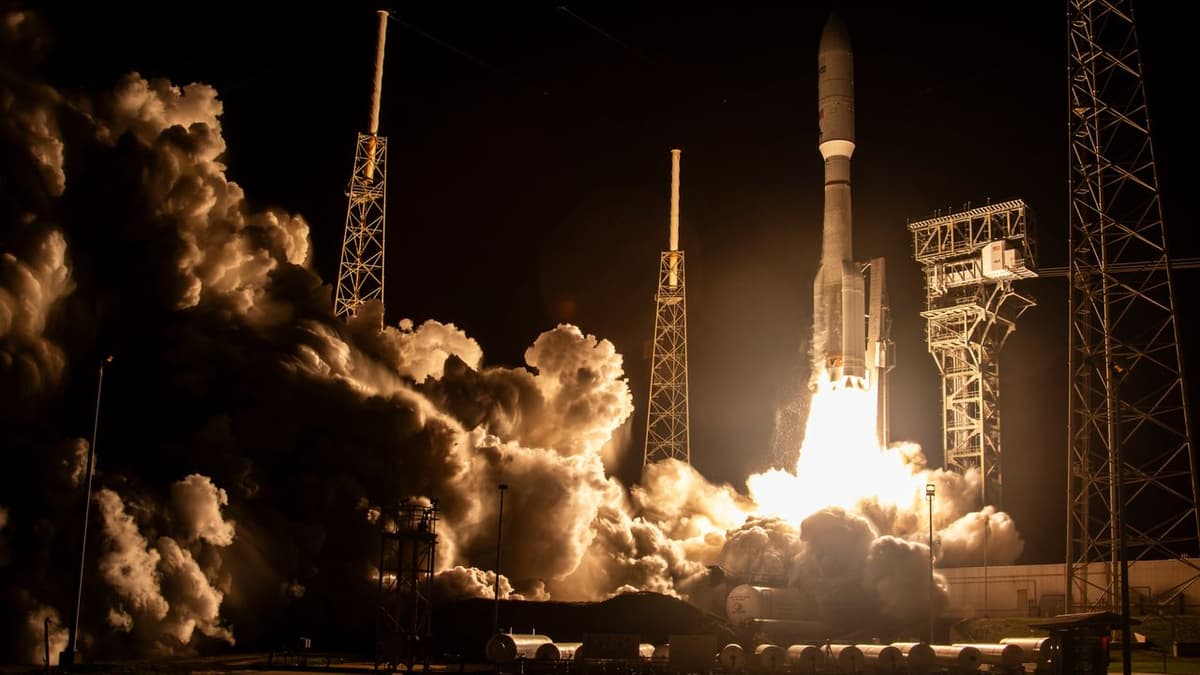
Amazon's Internet-Beaming Satellites Are Bright Enough to Disrupt Astronomical Research, Study Finds
Amazon’s low‑Earth‑orbit “Leo” internet constellation is brighter than the International Astronomical Union’s recommended limit, according to a new arXiv study of nearly 2,000 observations. The satellites have an average apparent magnitude of 6.28, making them invisible to the naked eye...
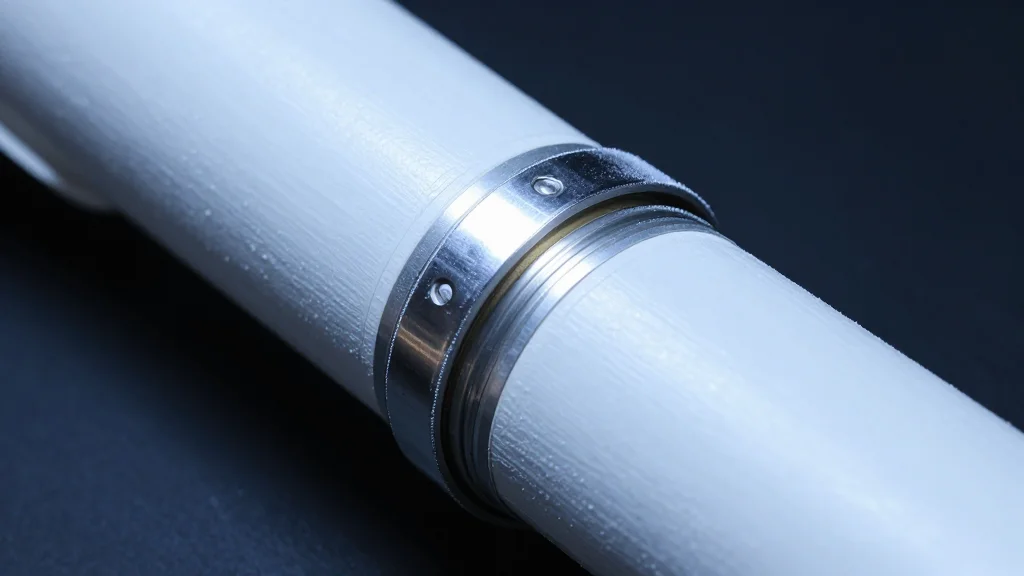
40 Years After Challenger: Lingering Guilt and Lessons Learned
Forty years after the Challenger explosion, former Morton Thiokol engineers recount how cold‑temperature O‑ring concerns were dismissed, leading to the shuttle’s catastrophic failure. Engineers Roger Boisjoly, Bob Ebeling and others warned NASA that the stiffened O‑rings could cause blow‑by, but Thiokol executives reversed...
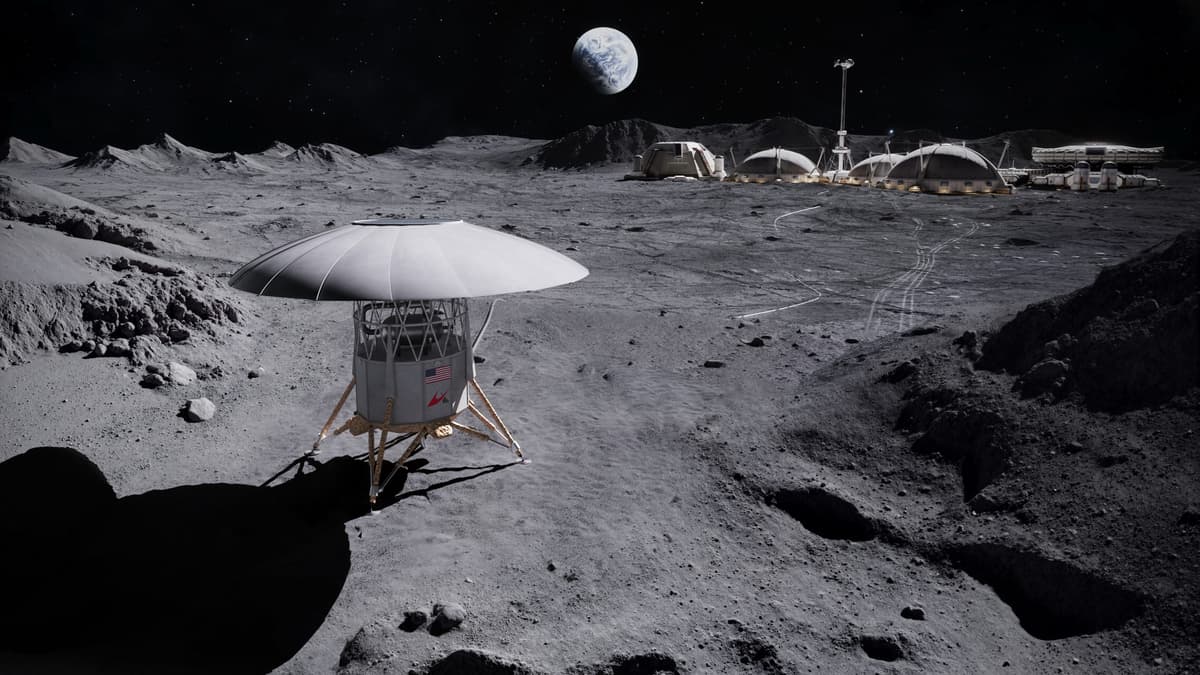
NASA and DOE to Collaborate on Lunar Nuclear Reactor Development
NASA and the Department of Energy have signed a memorandum of understanding to advance the Fission Surface Power program, which aims to develop a 100‑kilowatt nuclear reactor for lunar use. DOE will provide regulatory oversight, design support, and roughly 400 kg...
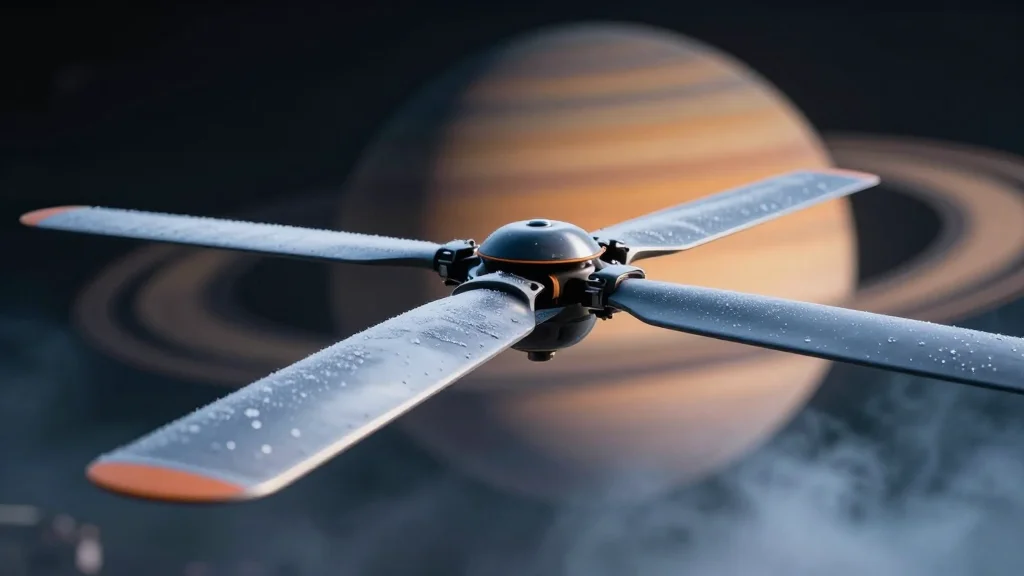
Dragonfly’s Rotors Complete Testing
The Applied Physics Lab announced that Dragonfly’s rotor system has completed its first round of testing in Titan‑like conditions, evaluating stress, vibration, and aeromechanical performance. The next steps involve fatigue and cryogenic trials to simulate the harsh environment of Saturn’s...
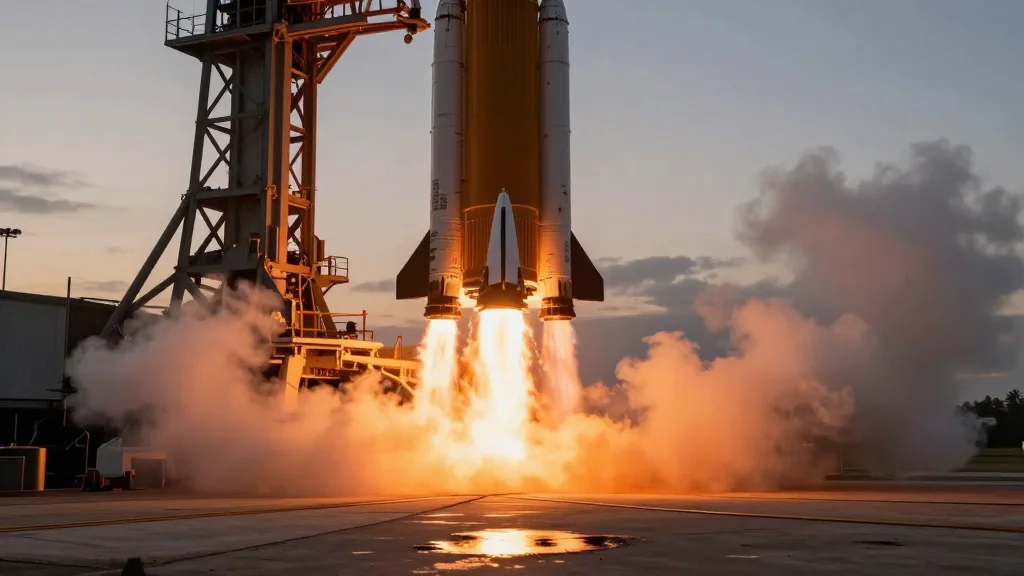
ESA Awards Startup Rocket Factory Augsburg a Two-Launch Contract
The European Space Agency awarded German startup Rocket Factory Augsburg (RFA) a two‑launch contract under its Flight Ticket Initiative, targeting the Lurbat demonstrator mission and a CubeSat launch for Indra Space. The agreement signals ESA’s confidence in RFA as a...
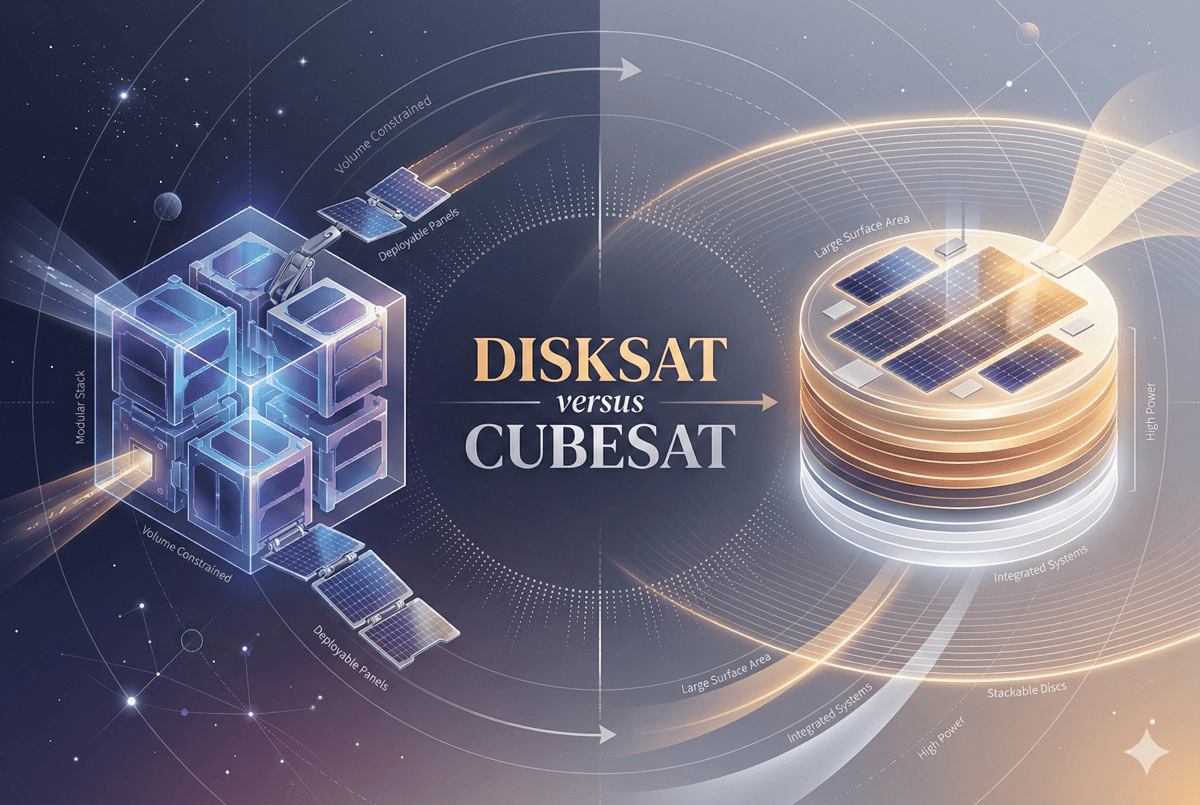
A Comparative Analysis of DiskSat and CubeSat Architectures
The DiskSat platform replaces the traditional box‑shaped CubeSat with a 1‑meter‑diameter, 2.5‑cm‑thick plate, dramatically increasing surface area for solar cells and thermal radiators. Demonstrated on a Rocket Lab Electron launch in December 2025, DiskSat generated over 200 W of power and maintained...
Book Review: The Pale Blue Data Point – An Earth-Based Perspective on the Search for Alien Life
Jon Willis’s new book, *The Pale Blue Data Point*, examines Earth’s ecosystems as analogues for extraterrestrial life, weaving together recent exoplanet discoveries with field research. The author, an astronomy professor, highlights missions ranging from deep‑sea submersibles to Chilean observatories, illustrating...

Jan. 24, 1986: Voyager 2 Flies by Uranus
On Jan. 24 1986, NASA’s Voyager 2 performed its closest approach to Uranus, passing within 81,400 km of the planet’s cloud tops. The flyby revealed a magnetic field tilted 55 degrees and offset from the planet’s center, discovered ten new moons (an eleventh later identified),...

Governance of the Space Economy: A Hierarchical Framework (2026 Edition)
The space economy’s governance has evolved into a six‑tier hierarchy, blending enduring treaties with agile soft‑law and industry standards. The Artemis Accords now count 60 signatories, reinforcing norms on data sharing, safety zones, and resource extraction. Regulatory focus has shifted...
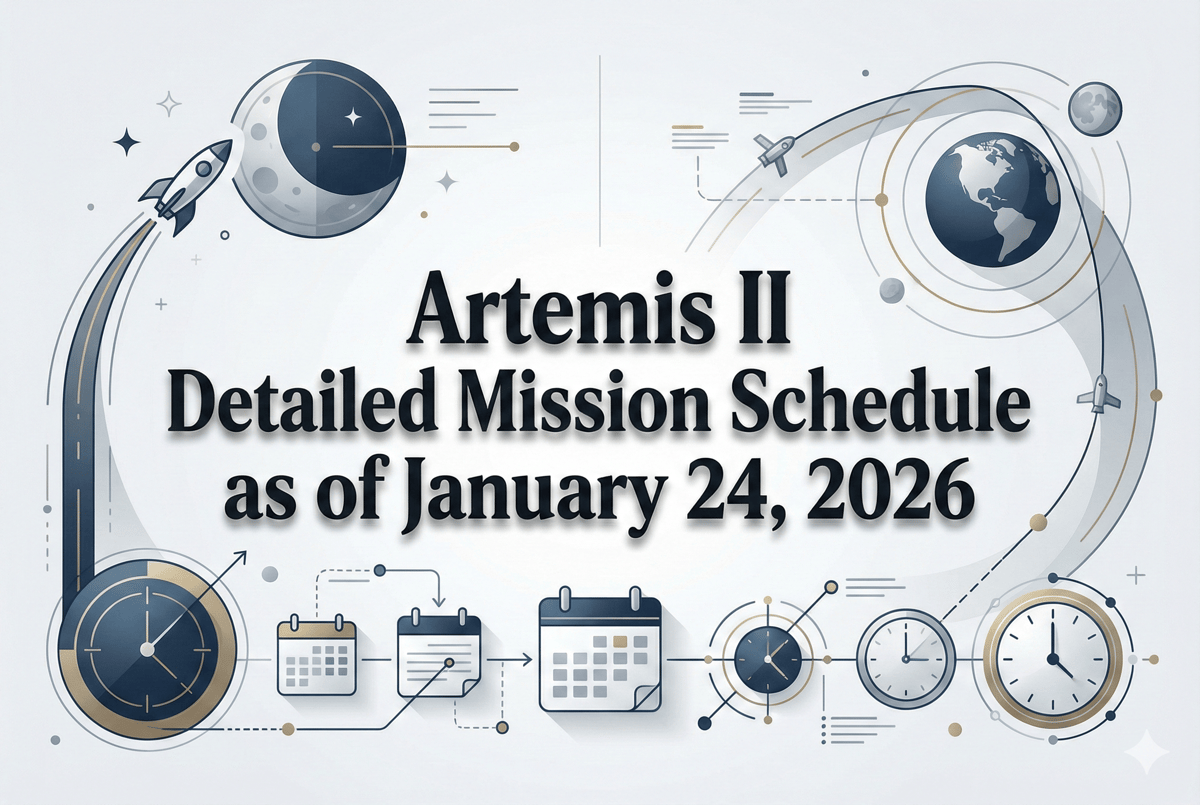
Artemis II Detailed Mission Schedule as of January 24, 2026
As of January 24 2026 the Artemis II crewed lunar‑flyby vehicle sits on Launch Pad 39B undergoing final system checkouts and crew training wrap‑ups. A Wet Dress Rehearsal that loads and drains liquid hydrogen and oxygen is slated for February 2, followed by a targeted...
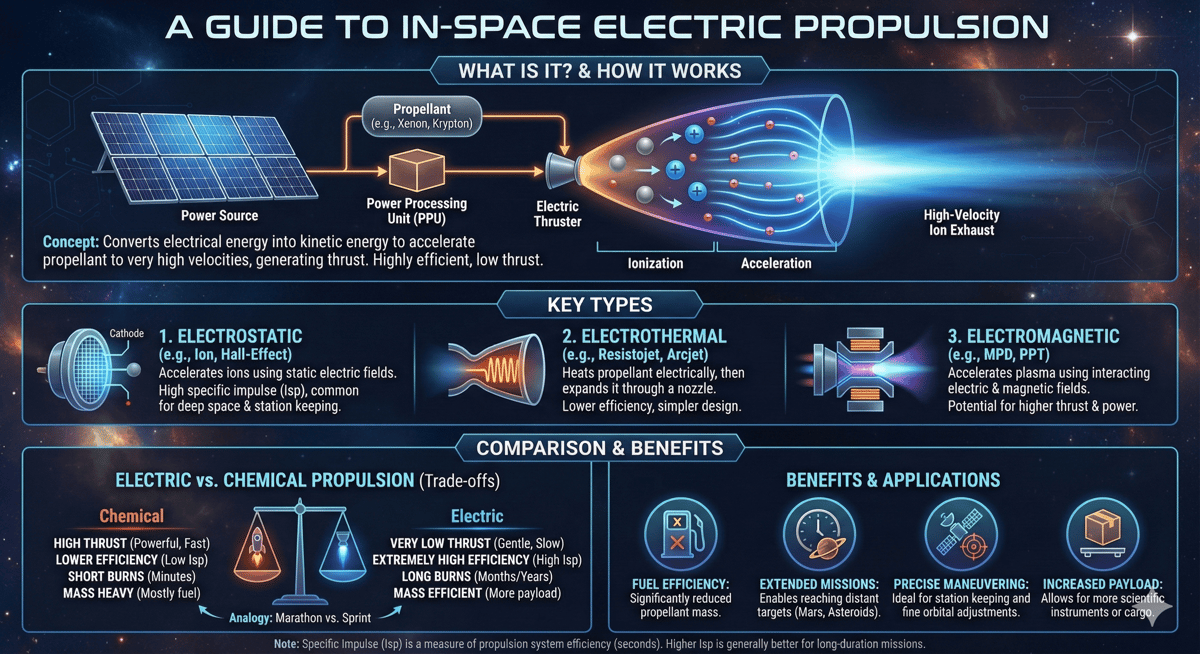
A Guide to In-Space Electric Propulsion: Manufacturers and Products
The article outlines electric propulsion (EP) technologies, their advantages, and the manufacturers supplying thrusters for both legacy and emerging space missions. It explains how EP’s high specific impulse enables cheaper launches, longer satellite lifetimes, and new deep‑space missions. The piece...

The Essential Reading Series: Astrophysics
The Essential Reading Series: Astrophysics offers a curated selection of ten books spanning foundational and contemporary topics in cosmology, relativity, and the ultimate fate of the universe. Titles include Neil deGrasse Tyson’s concise overviews, Stephen Hawking classics, and Brian Greene’s...
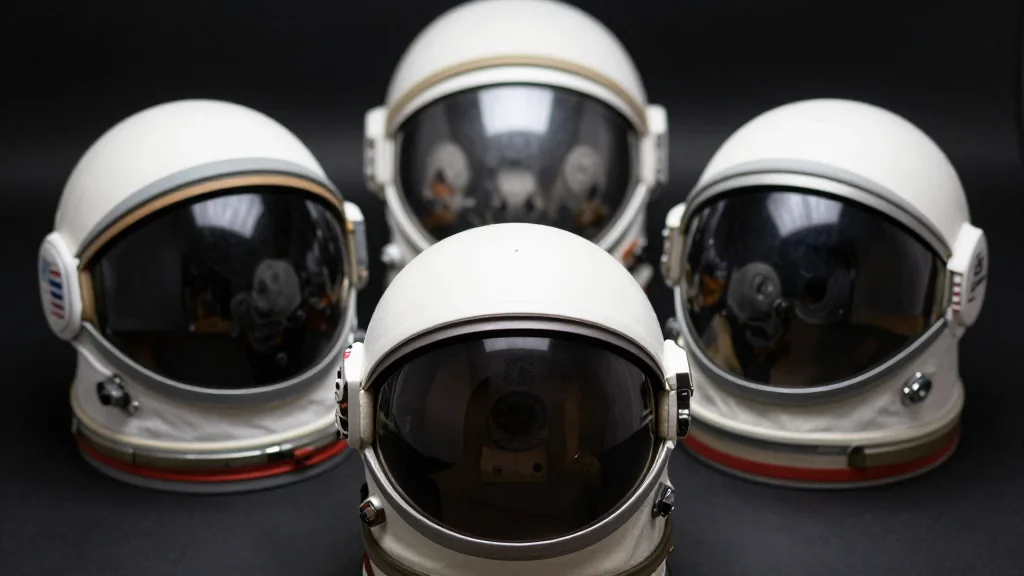
NASA Schedules Dual Crew‑12 Briefings with International Crew Friday
NASA will hold two Crew-12 press briefings next Friday, Jan 30. https://t.co/JMPTLvr74u 11:00 am ET Mission Overview with NASA/ESA/SpX officials. 1:00 pm ET with the crew: NASA's Jessica Meir and Jack Hathaway; ESA's Sophie Adenot; Roscosmos's Andrey Fedyaev. Watch on YouTube.

Elon Musk’s SpaceX Receives Praise From The Pentagon
U.S. Defense Secretary Pete Hegseth visited SpaceX’s Starbase in Texas, praising the company’s rapid innovation and “risk‑averse‑free” culture compared with traditional defense contractors. He highlighted the Pentagon’s confidence in SpaceX, noting ongoing military contracts for Falcon launches and the upcoming...

The Sun's Red Dwarf Neighbors Provide Clues to Origins of Carbon and Oxygen
Astronomers led by Darío González Picos measured rare carbon‑13 and oxygen‑18 isotopes in 32 nearby M‑dwarf stars using high‑resolution spectra originally collected for exoplanet hunting. The precise isotope ratios reveal that stars with lower metallicity contain fewer of these minor isotopes,...

NASA Awards Global Modeling, Assimilation Support Contract
NASA has awarded ADNET Systems, Inc. a five‑year, cost‑plus‑fixed‑fee contract to provide global modeling and data assimilation support for the Goddard Space Flight Center. The indefinite‑delivery/indefinite‑quantity agreement caps at roughly $84 million and begins on March 15, 2026. ADNET will maintain the Goddard...

Sovereign Space, Smart Weather, and a Very Busy Orbit.
The episode spotlights major developments in the increasingly crowded orbital environment, including D‑Orbit’s $53 million Series D raise to boost M&A and in‑space computing, Loft Orbital’s selection as prime contractor for France’s DESIR radar‑imaging program, and Aalyria’s award from the U.S. Air...

After Review of 60 Programs Last Year, 2026 Is SSC’s Year of Execution, Maj. Gen Purdy Says
The Space Systems Command (SSC) reviewed 60 programs in 2023, applying new acquisition directives that emphasize fixed‑price contracts, smaller satellites, and three‑year fielding cycles. Acting service acquisition executive Maj. Gen. Stephen Purdy says 2026 will be the "year of execution,"...
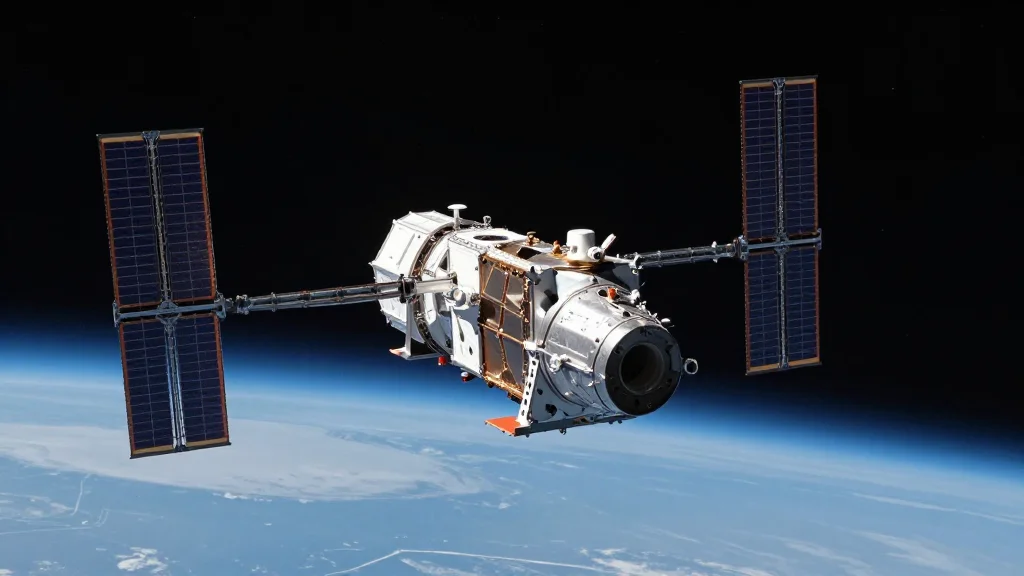
DeepSky Constellation Enables Real‑Time Global Atmospheric Monitoring
https://t.co/Bj9B34UX2f announced a new constellation to track activity across Earth’s atmosphere and oceans. Called DeepSky, the sat network is designed to provide global atmospheric monitoring in real time. That’s a lot of ground to cover. https://t.co/awckkrrhaZ

Jeff Bezos' Blue Origin Will Refly Booster on Next Launch of Powerful New Glenn Rocket
Blue Origin announced that its New Glenn NG‑3 mission, slated for late February, will reuse the first‑stage booster from the NG‑2 flight that delivered NASA’s ESCAPADE probes. The launch will place AST SpaceMobile’s large Block 2 BlueBird satellite into low‑Earth orbit, advancing...
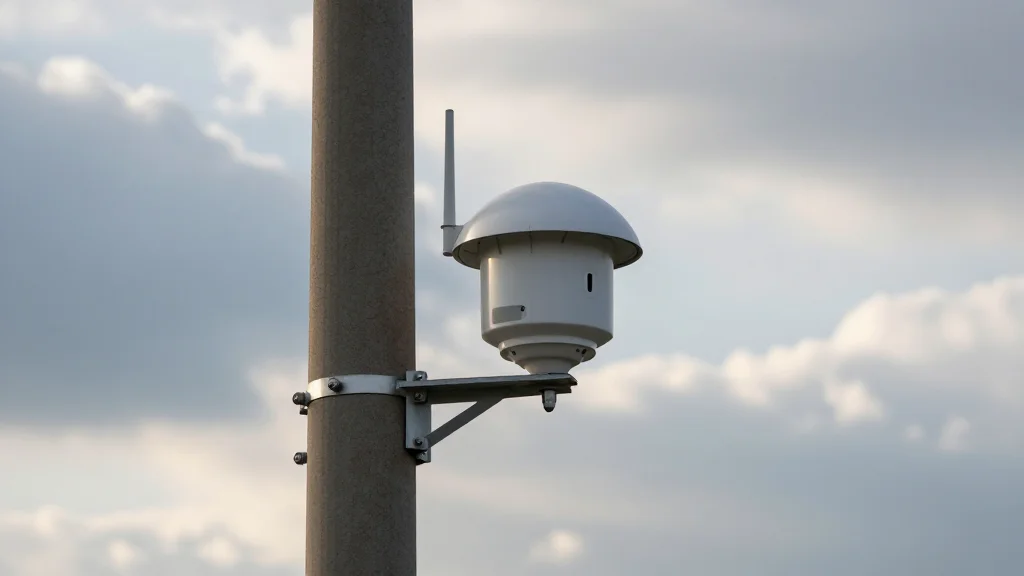
Spire to Support AiDash With Weather Intelligence Data
Spire Global has signed a weather‑intelligence agreement with AiDash, a vegetation‑risk and grid‑monitoring provider. The partnership embeds Spire’s high‑resolution satellite‑derived forecasts into AiDash’s AI‑driven outage and wildfire prediction platform for North American utilities. By merging detailed weather data with vegetation...
AFRL Selects Aalyria for Space Data Network Experimentation Program
The U.S. Air Force Research Laboratory’s RAPID program has selected Aalyria’s Spacetime software for its Space Data Network Experimentation (SDNX) initiative. The effort, part of the STAR‑FISH fast‑track, will evaluate how Spacetime can orchestrate hybrid constellations across space, air, land,...