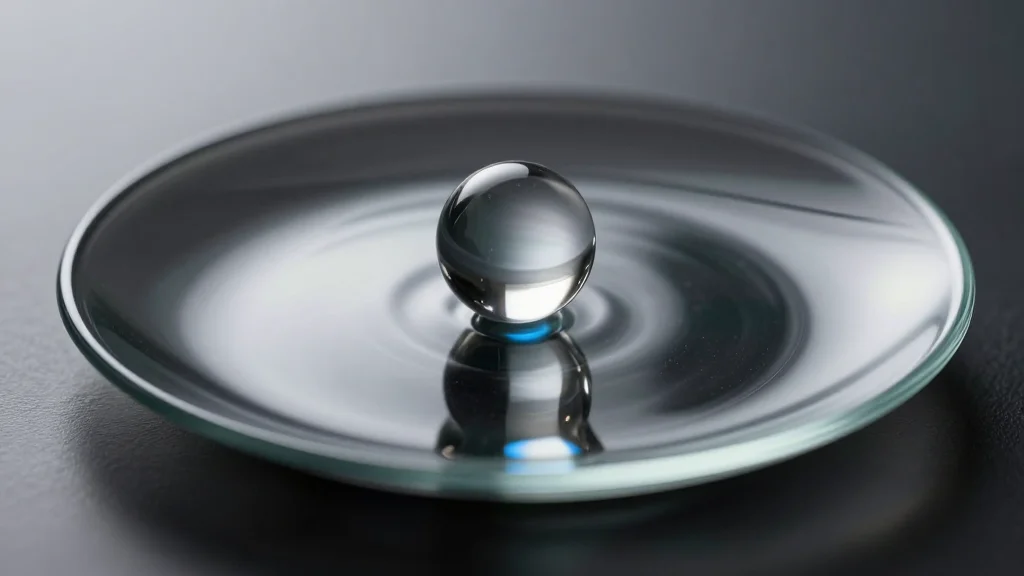
Keck Backed Team Advances First Graviton Detector Concept
A team led by Igor Pikovski and Jack Harris, backed by the W. M. Keck Foundation, has moved graviton detection from theory to a concrete laboratory concept. Their approach merges recent gravitational‑wave observations with macroscopic quantum sensors, proposing that a gram‑scale superfluid‑helium resonator can absorb individual gravitons and convert them into detectable phonons. The device will be cooled to its quantum ground state and probed with laser interferometry to resolve single vibrational quanta. If successful, the experiment will provide a blueprint for scalable graviton detectors and open experimental quantum‑gravity research.

Billionaire Fight Night: Insults Fly as Musk Takes on Ryanair
Elon Musk and Ryanair chief Michael O’Leary have turned a technical debate over Starlink satellite Wi‑Fi into a public feud, trading barbs on social media. Ryanair estimates the equipment would increase fuel burn by about 2%, costing roughly $250 million annually,...

Deorbiting Trash
The episode explores the growing problem of orbital debris and how Northrop Grumman’s Cygnus spacecraft are being repurposed to deorbit trash from the International Space Station. It explains the mechanics of Cygnus’s re‑entry burn, the types of waste it can...

Middle East, Space and Connectivity Hub and Sovereignty
The episode examines how the Middle East is rapidly emerging as a global hub for space and connectivity, driven by ambitious satellite programs and strategic partnerships. Guest Steve Bochinger, Affiliate Executive Advisor at Novaspace, outlines the region's vision for space,...

No More Support For NASA SMD Planetary Science Division Analysis and Assessment Groups
NASA’s Planetary Science Division announced it will end formal financial support for the eight Analysis and Assessment Groups (AGs) by the end of April 2026. The AGs, historically funded through a Lunar and Planetary Institute grant, have provided community consensus,...

Current / Former NASA Planetary Science Analysis Groups
NASA’s Planetary Science Division relies on eight community‑driven analysis groups—ExMAG, LEAG, MAPSIT, MEPAG, MExAG, OPAG, SBAG and VEXAG—to gather scientific input for mission planning. These groups operate outside the Federal Advisory Committee Act, providing feedback rather than formal recommendations. Each...

Dcubed to Supply Solar Panels for Lunar Rover on Blue Ghost 3 Mission
Blue Origin’s Honeybee Robotics has chosen Dcubed to provide five body‑mounted solar array panels for its lunar rover, which will ride aboard Firefly Aerospace’s Blue Ghost 3 lander in 2028. The rover will explore the previously unvisited Gruithuisen Domes, operating...

Experiments Bring Enceladus' Subsurface Ocean Into the Lab
Researchers in Japan and Germany have reproduced the chemical environment of Saturn’s moon Enceladus’ subsurface ocean using a high‑pressure reactor that mimics tidal heating and freezing cycles. By feeding a mixture of ammonia, hydrogen cyanide and other plume‑derived compounds into...
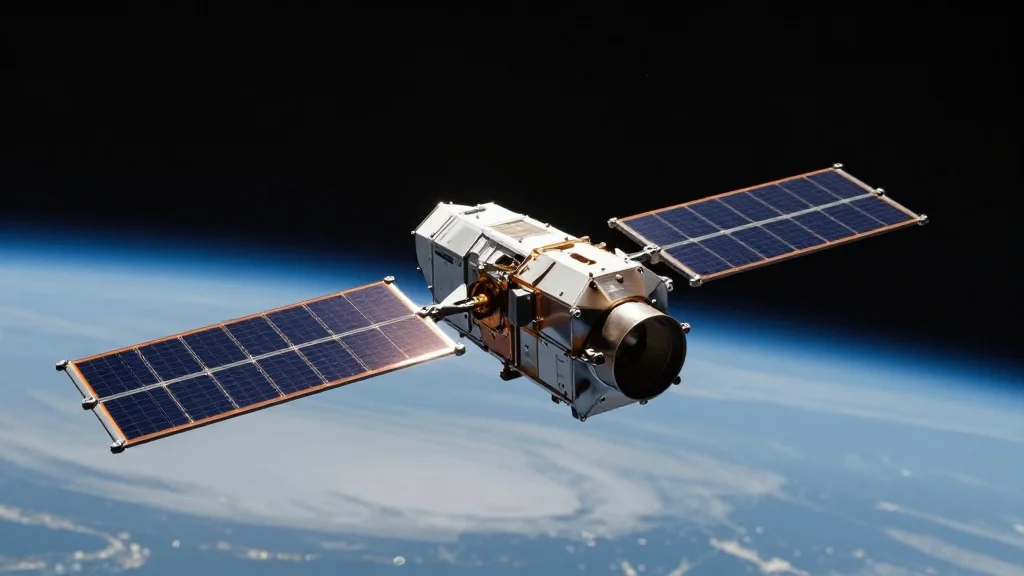
Live Coverage: Space Falcon 9 Rocket Counting Down to Starlink Delivery Mission
SpaceX is set to launch 29 Starlink V2 Mini satellites on Sunday, Jan. 18, 2026, from Cape Canaveral’s pad 40. The mission, designated Starlink 6-100, has a four‑hour window that opens at 6:31:40 p.m. EST and closes at 9:04 p.m. EST, with...
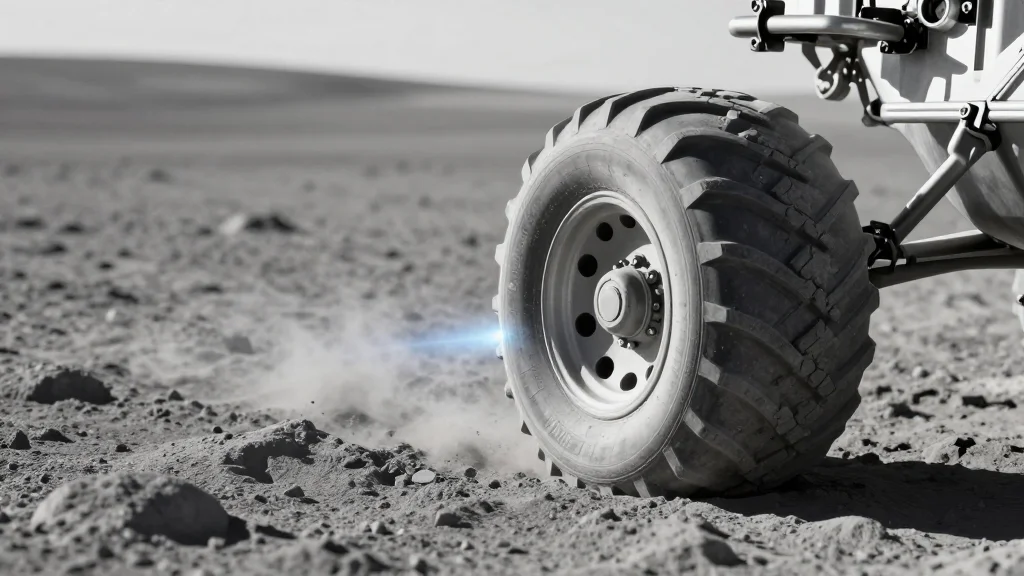
How to Prevent Charge Buildup in a Lunar Rover
Future lunar rovers risk hazardous triboelectric charge buildup on wheels as they traverse the Moon’s insulating regolith. While solar‑wind plasma normally dissipates excess charge, plasma‑starved regions such as night‑side wakes and permanently shadowed craters limit this natural discharge path. Researchers...
The Essential Viewing Series:  SETI Documentaries
The article curates a top‑20 list of SETI‑related documentaries, spanning historic series, modern technosignature explorations, and UAP investigations. It highlights how each film frames the scientific workflow—from target selection and measurement to verification—while contrasting instrument‑driven research with anecdotal UFO narratives....

Jan. 18, 2004: Mars Express Maps the Red Planet’s South Pole
On Jan. 18, 2004, ESA’s Mars Express successfully mapped the Martian south pole, revealing both water ice and carbon‑dioxide ice for the first time. Launched in June 2003, the orbiter arrived at Mars in December 2003 and has been equipped...
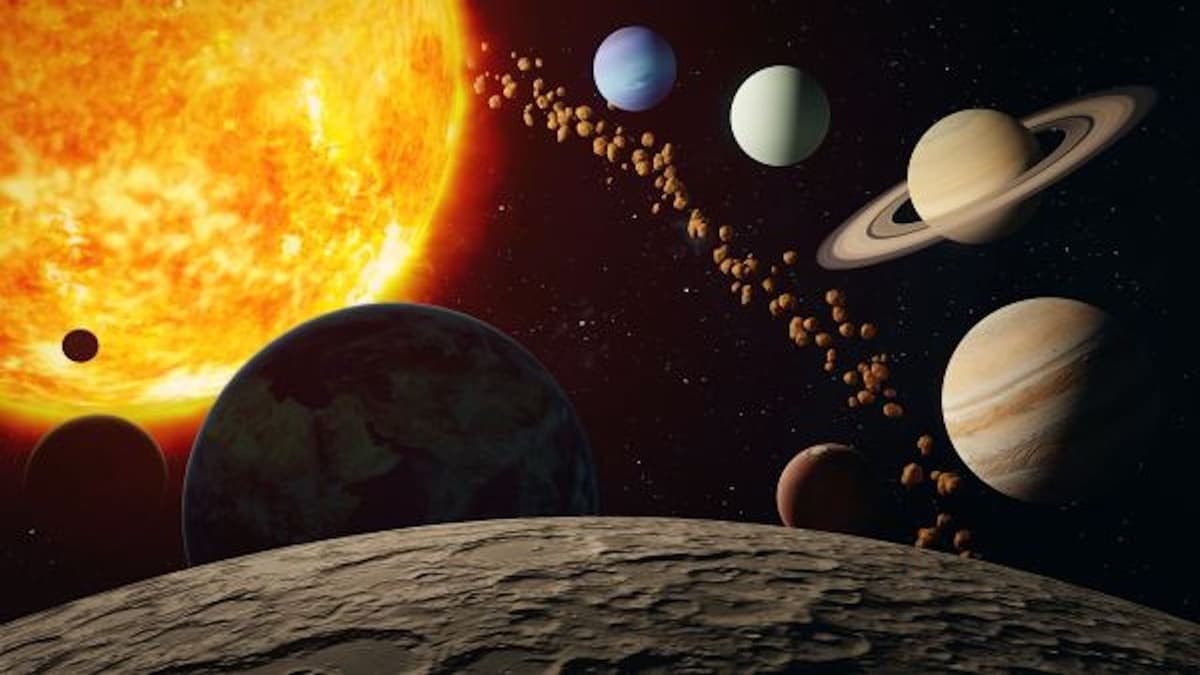
What Is Below Earth, Since Space Is Present in Every Direction?
The article explores how “down” is a relative concept, varying with a person’s position on Earth and the larger cosmic reference frames. It explains that the ecliptic, galactic, and supergalactic planes are tilted relative to each other—by roughly 60° and...

Astronomers Aim to Take ‘Revolutionary’ Moving Image of Black Hole
Astronomers using the Event Horizon Telescope will attempt to film the supermassive black hole at the core of Messier 87 during a March‑April 2026 campaign. By capturing a sequence of snapshots every three days, they aim to stitch together the first...

The Giants That Never Flew: A Deep Dive Into the Studied Derivatives of the Saturn V
The Saturn V, NASA’s iconic Moon‑rocket, spawned a suite of ambitious derivative concepts in the late 1960s and early 1970s. Studies explored uprated F‑1A and J‑2S engines, stretched tanks, massive solid‑rocket boosters, and advanced upper stages such as NERVA nuclear thermal...

NASA's Artemis II Mission Clears Big Hurdle, Rolling Out to Launchpad
NASA’s Artemis II mission cleared a critical milestone on Tuesday as the Orion‑bound Space Launch System (SLS) completed its four‑mile rollout from the Vehicle Assembly Building to Launch Pad 39‑B at Kennedy Space Center. The move positions the rocket for final integration...

FZ Scraps Major Proposal to Prevent Space Debris
The Federal Aviation Administration announced the withdrawal of its 2023 proposed rule that would have mandated the removal of launch vehicle upper stages from orbit within 25 years. The decision follows a limited comment period in which industry stakeholders highlighted...
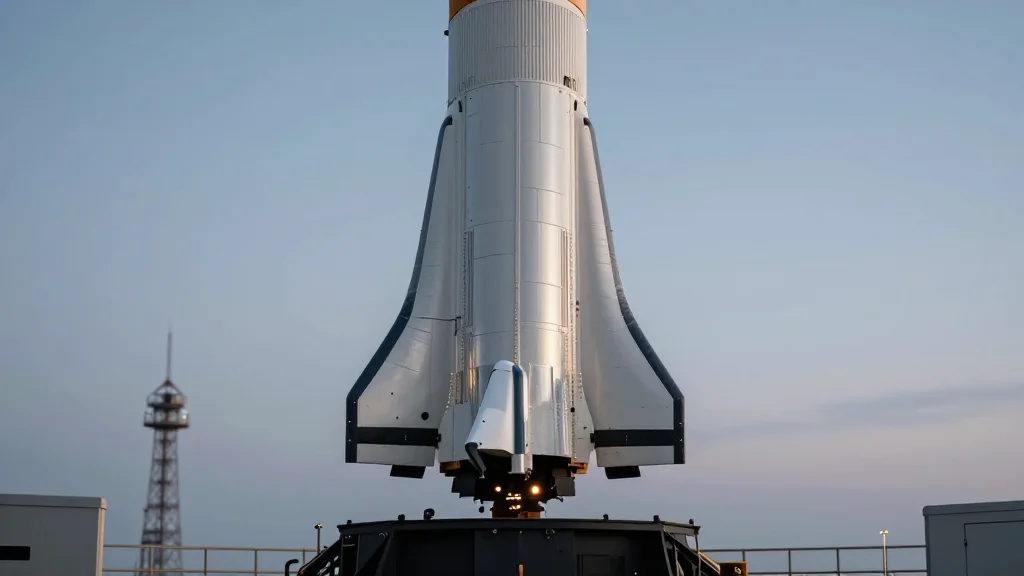
How an 11‑Million‑Pound Moon Rocket Reaches Launch Pad
If you’ve ever wondered how you get an 11 million pound moon rocket 🚀 to the launch pad…now you know. I’ll never complain about my gas mileage again. ⛽️😳 #artemis | #NASA | #moonrocket | #nasaartemis | #artemisii
Space Policy Week: Holiday, Busy Schedule, NASA Remembrance
The week starts with a holiday (Martin Luther King Jr Day). Busy after that, incl NASA's annual Day of Remembrance on Thursday. What’s Happening in Space Policy January 18-24, 2026 https://t.co/BdTbHvdfP9
Who Gets to Inherit the Stars? A Space Ethicist on What We’re Not Talking About
At TechCrunch Disrupt, Varda Space Industries founder Will Bruey claimed that within 15‑20 years it will be cheaper to send a blue‑collar human to orbit than to develop more advanced robots. Mary‑Jane Rubenstein, a space ethicist, warns that this cost‑driven...
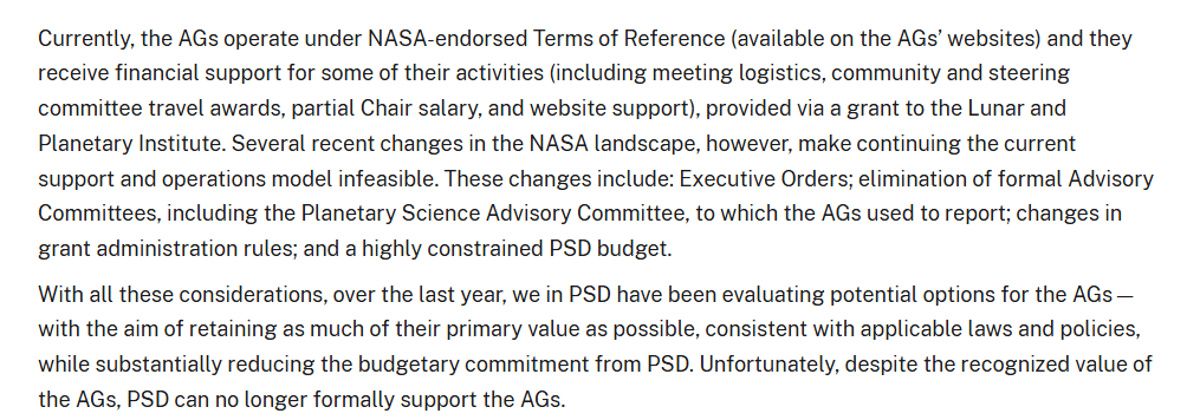
NASA Ends Formal Support for Planetary Science Advisory Groups
On Friday, NASA Planetary Science Division Director Louise Procktor sent a letter to the planetary science community to say NASA no longer can formally support their Analysis/Advisory Groups (AGs). Link to the letter: https://t.co/mvm1oQGHCw Snip: https://t.co/1JXPcN4ej0
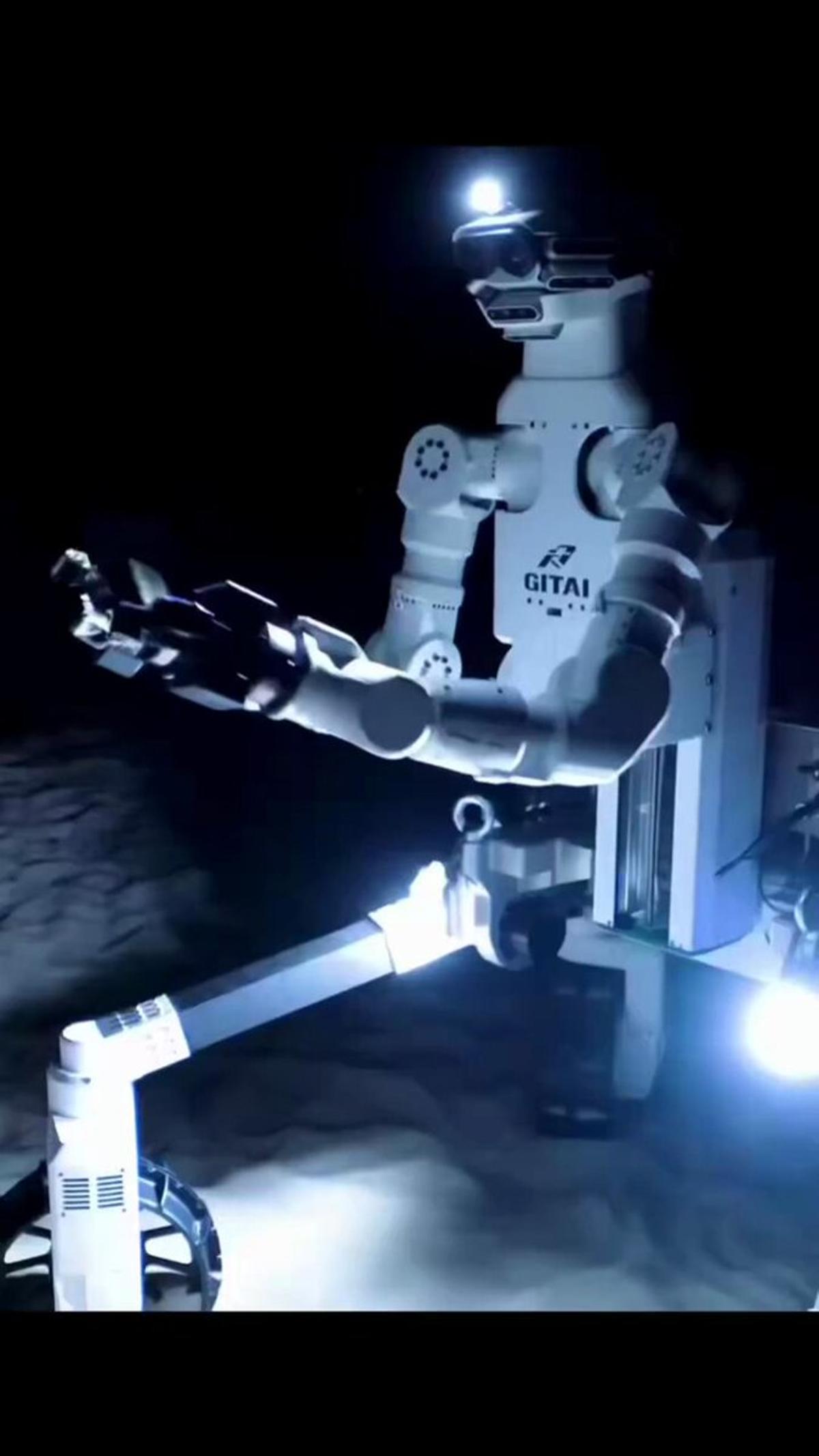
GITAI Unveils Centaur Robot for Moon Terrain
GITAI’s Centaur-Like #Robot Is Built to Work on the Moon’s Harsh Terrain by @CyberRobooo #Robotics #MachineLearning #ArtificialIntelligence #ML https://t.co/PpCU6BuUNi

NASA Begins Artemis II Rollout to Launchpad
NASA has started rolling out its Space Launch System (SLS) rocket and Orion spacecraft to the launch pad at Kennedy Space Center, marking the final integration phase for Artemis II. The massive SLS core stage and Orion crew module are now...
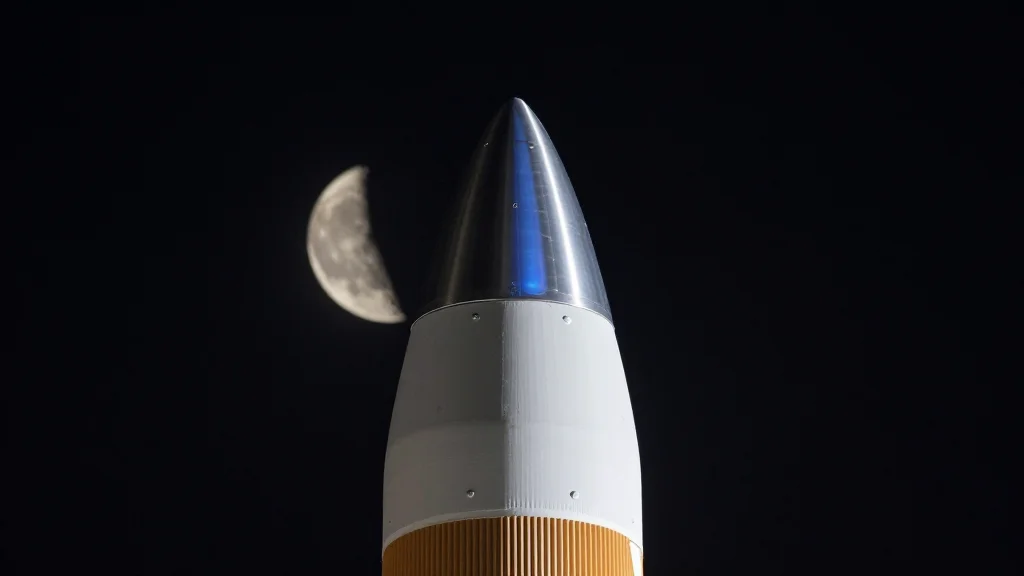
NASA's New Moon Rocket Heads to the Pad Ahead of Astronaut Launch as Early as February
NASA rolled its 322‑foot Space Launch System (SLS) rocket out of the Vehicle Assembly Building to Launch Pad 39B on Jan. 15, 2026, positioning it for a crewed Artemis II lunar fly‑by as early as February. The 11‑million‑pound launch vehicle will carry commander...
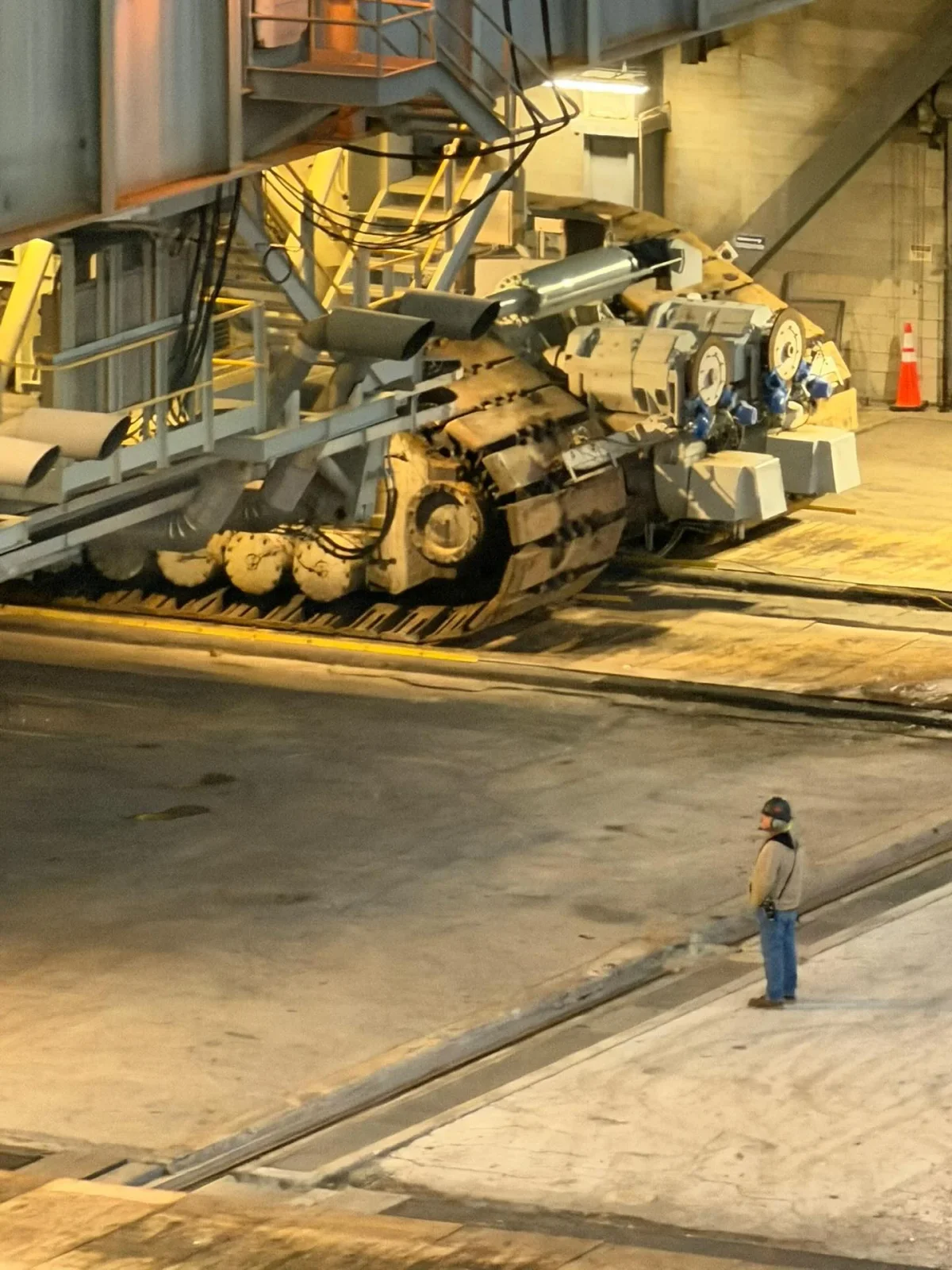
Massive Crawler Transports Artemis 2 Rocket to Launch Pad
This behemoth machine is carrying the Artemis 2 Moon rocket out to the launch pad. It carried the Shuttles I launched in too. A massive, clanking crawler and skilled crew, taking infinite care. Watch live nasa
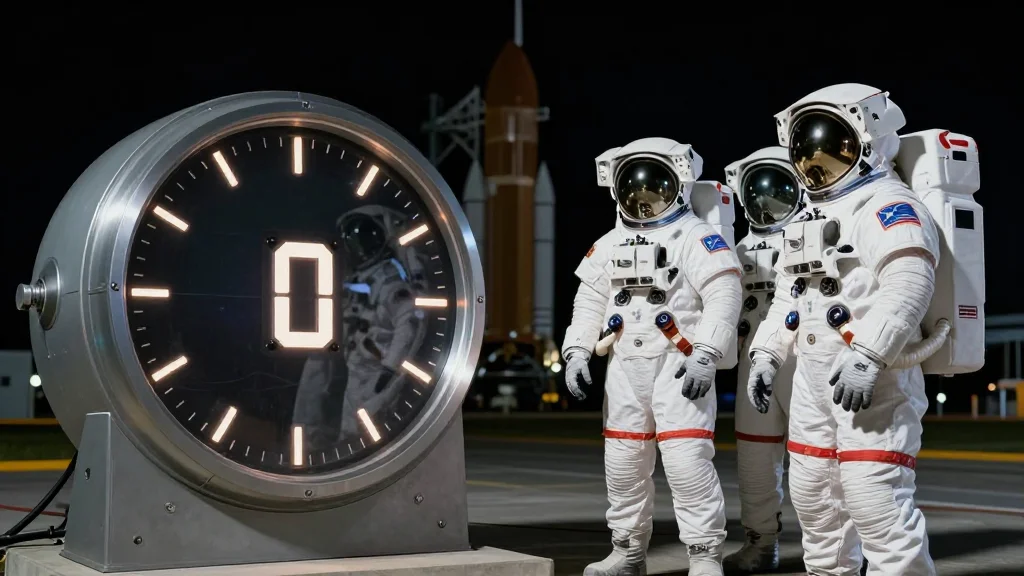
Artemis II Crew and Isaacman Ready for Countdown
NASA press conf with Artemis II crew and Isaacman at the Countdown Clock at KSC should start in a minute or so. https://t.co/UpTBoErSmo

US Office of Space Commerce Seeks Industry Feedback on Indian Space Market
The U.S. Office of Space Commerce has issued a formal request for input from American space firms about the regulatory landscape and competitiveness of the Indian market. The solicitation focuses on the 2023 India Space Policy, the 2024 Non‑Governmental Entity...

Starship's New Phase Sparks Multi‑Site Buildout and Missions
Starship is entering a wild new phase. We’ve now got major pad construction happening across three sites at the same time, plus the Crew-11 return, Artemis II rolling out, a Blue Moon update, and loads more. 👇 It’s a packed one...
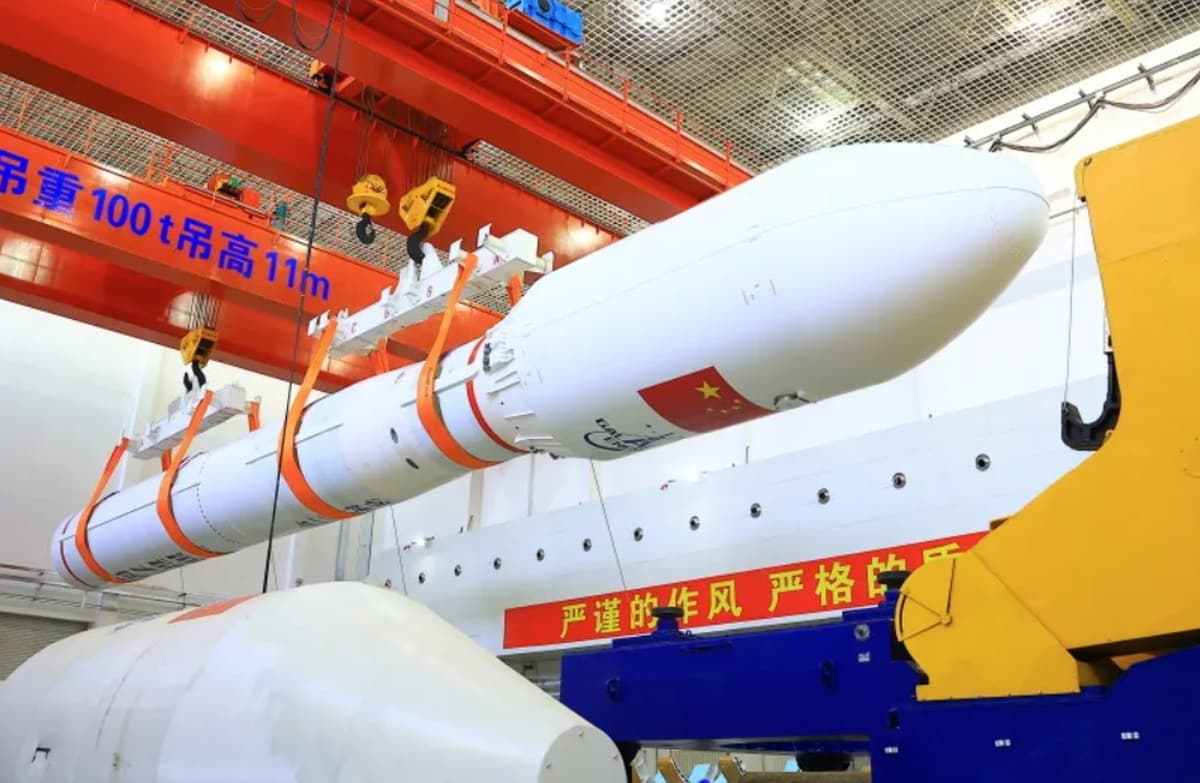
China Suffers Simultaneous Long March 3B and Ceres‑2 Launch Failures
China hit by dual launch failures as Long March 3B and Ceres-2 debut mission fail https://t.co/1lFmIdUV13 https://t.co/evIPtB2NUb
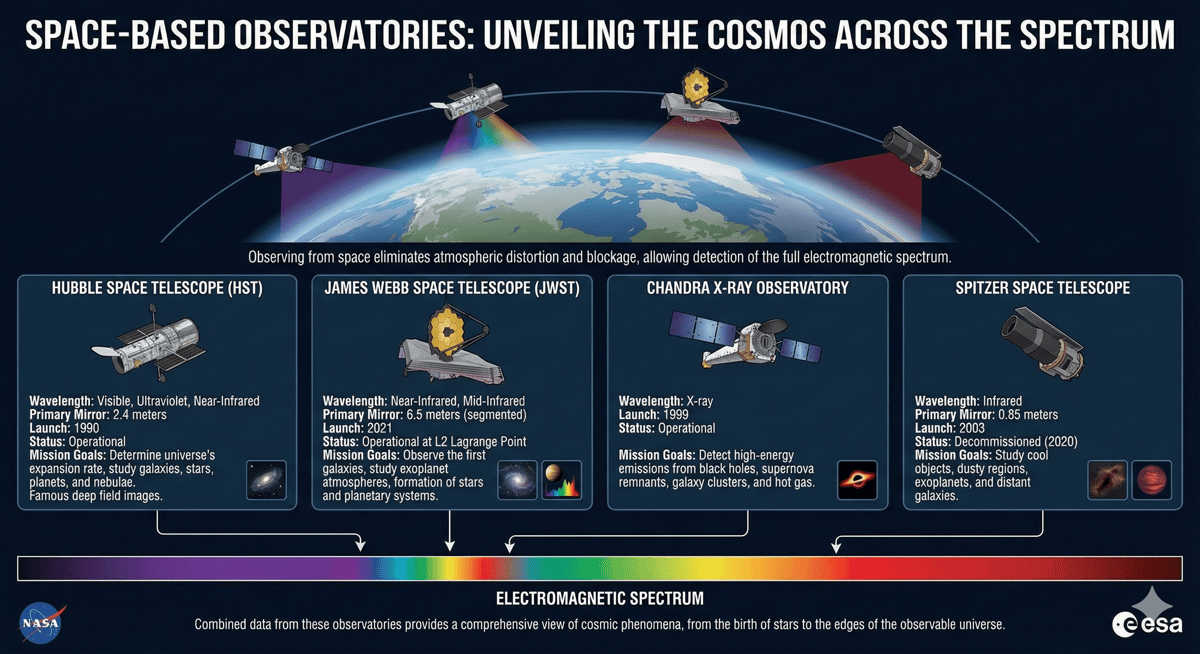
Space Observatories and the Quest to Understand the Universe
Space‑based observatories have transformed astronomy by eliminating atmospheric interference and covering the full electromagnetic spectrum. Instruments such as Hubble, JWST, Chandra, and Planck deliver high‑resolution data from gamma rays to microwaves, revealing star formation, black‑hole physics, and the universe’s early...
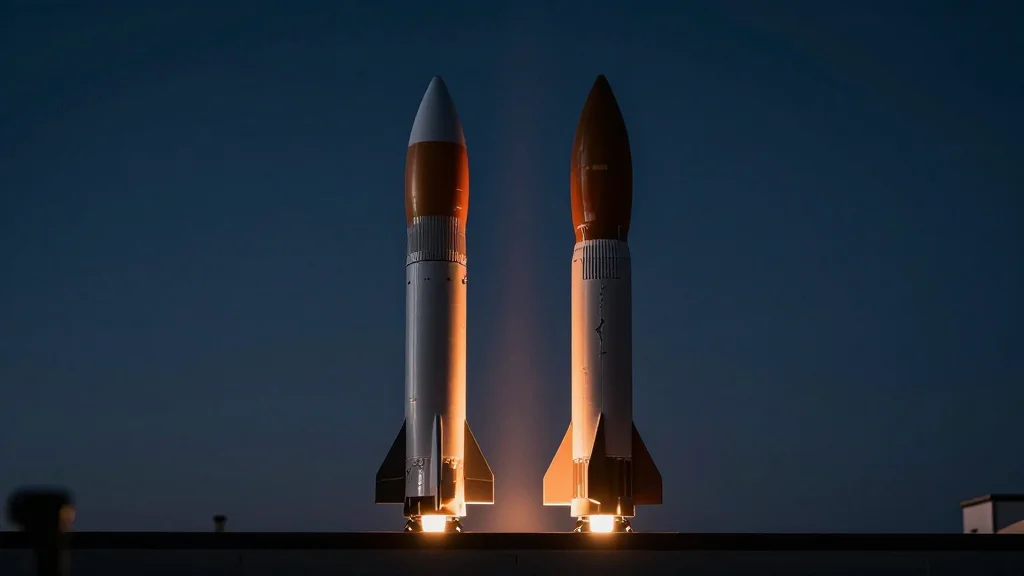
China Endures Two Rocket Failures in 24 Hours
China has suffered 2 launch failures within hours of each other. A Long March 3B lifted off from Xichang at 1655 UTC Jan. 16, but Shijian-32 was lost after a 3rd stage anomaly. The debut launch of the solid Ceres-2...

Managers on Alert for “Launch Fever” As Pressure Builds for NASA’s Moon Mission
NASA’s Artemis II crew‑flight is set to roll out from the Vehicle Assembly Building on Saturday, beginning an eight‑to‑ten‑hour crawl to Launch Complex 39B. The mission will carry four astronauts around the Moon, achieving the fastest human speed ever recorded and marking...

The Human Extinction Event Horizon: Analysis of Top 20 Potential Scenarios
The article catalogues twenty plausible human‑extinction scenarios, ranging from artificial superintelligence and engineered pandemics to climate collapse, nuclear war, and cosmic events such as asteroid impacts and gamma‑ray bursts. It groups the threats into technological, biological, environmental, and cosmic categories,...
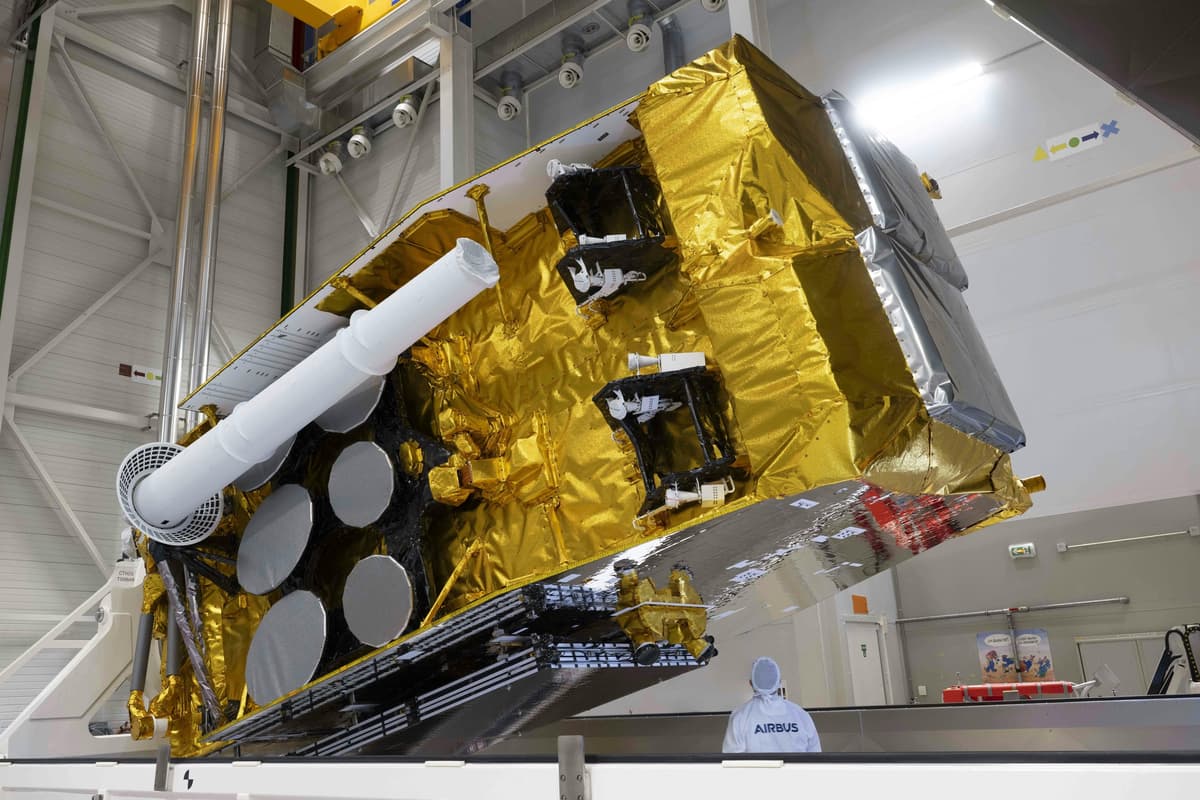
Indra Group Writes Off Damaged SpainSat NG 2
Indra Group, majority owner of Hisdesat, announced that SpainSat NG 2 has been written off after a millimetric space particle struck the satellite while it was moving from a supersynchronous transfer orbit to its final geostationary slot. The impact, likely a...
NASA Receives 15th Consecutive ‘Clean’ Financial Audit Opinion
NASA received an unmodified, or “clean,” audit opinion for its FY2025 financial statements, marking the agency’s 15th consecutive year of clean audits. The opinion verifies that NASA’s accounts comply with federal GAAP and accurately reflect its financial position. Administrator Jared...

NASA Confirms All Crew‑11 Astronauts Return to Houston
NASA statement just now that all four members of Crew-11 are back in Houston. https://t.co/XeUXvYUajA

Space Money: "Steel Is Sexy"
In this 36‑minute episode, the hosts explore the emerging economics of space manufacturing, arguing that the production of steel and other high‑value materials in orbit could become a lucrative new industry. They discuss recent policy moves, including a Trump‑era executive...
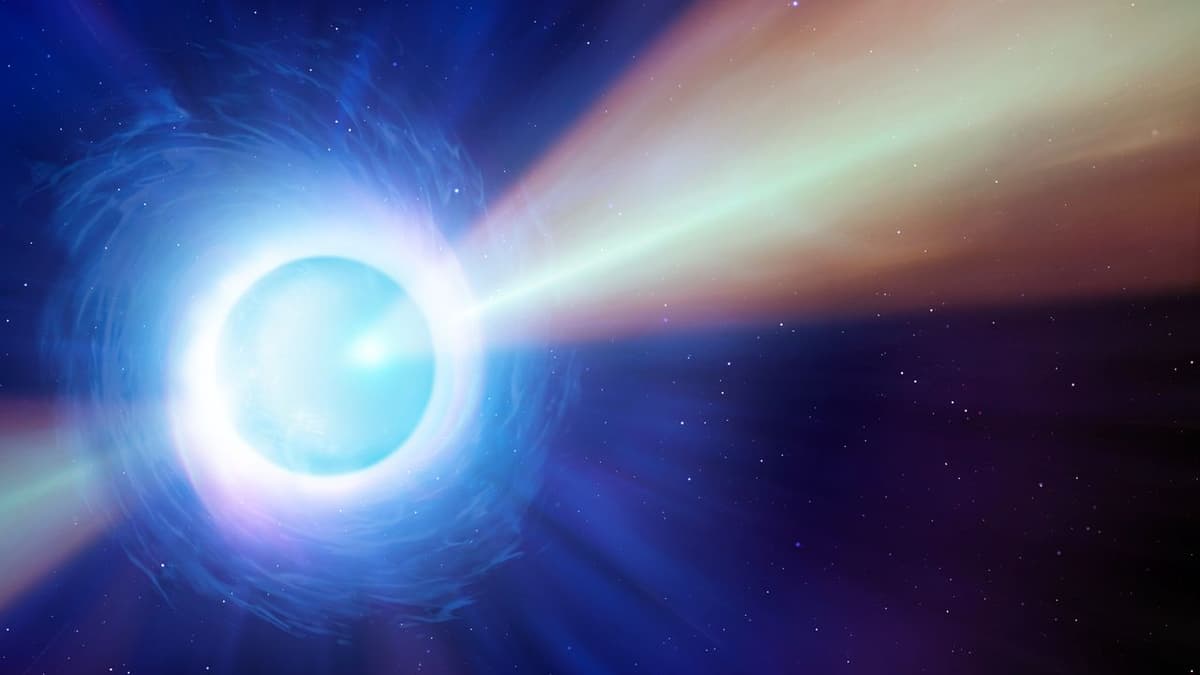
Astronomers Searching for Alien Life Are Sharpening Our Cosmic Clocks. Here's Why
Astronomers at the SETI Institute have quantified how interstellar gas subtly delays pulsar signals by tens of nanoseconds, a phenomenon known as scintillation. An extensive ten‑month campaign using the Allen Telescope Array observed the bright pulsar PSR J0332+5434, revealing timing shifts...

NASA Develops Blockchain Technology to Enhance Air Travel Safety and Security
NASA researchers conducted a drone‑based flight test at Ames Research Center using an open‑source blockchain framework to secure real‑time transmission of flight data. The system proved capable of protecting telemetry, flight plans and operator registrations from interception or tampering. By...

Convergence Comes of Age: 2026 Shifts Satellite Promise Into Commercial Reality
Satellite-to-handset (direct‑to‑device) connectivity is moving from trial to commercial scale in 2026, driven by expanding constellations and maturing 3GPP NTN standards. The market is forecast to become a $30 billion revenue stream by 2035, with Starlink’s vertically integrated model and AST...

Before the Canadarm, There Was Hermes: Canada’s 50-Year Space Legacy
Tomorrow marks the 50th anniversary of Canada’s Communications Technology Satellite, known as Hermes, launched on 17 January 1976 in partnership with NASA and ESA. The satellite was the most powerful communications platform of its era, featuring a 200 W transmitter and the first...

NASA Moon Rocket Ready for Trip to Launch Pad
NASA is rolling out the Space Launch System rocket for the Artemis 2 mission on Saturday, aiming for an early‑February launch around the moon. At the same time, the agency is preparing to launch Crew 12 to the International Space Station, potentially...

Why Mars Is Actively Manufacturing Poison
A new study led by Alian Wang and Neil Sturchio demonstrates that electrostatic discharges generated by Martian dust storms drive the conversion of chloride salts into perchlorates and carbonates. High‑energy electrons from these discharges produce reactive CO and O radicals...
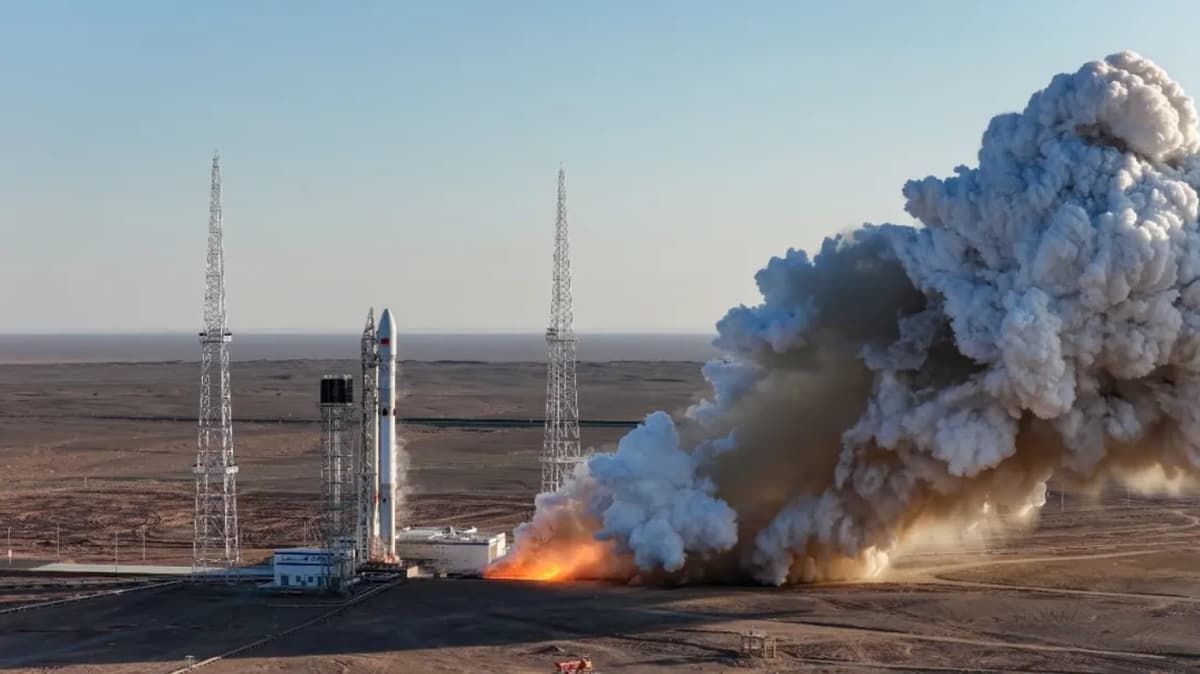
China Conducts Static Fire Test of New Reusable Long March 12B Rocket
China’s main space contractor performed a static‑fire test of the new reusable Long March 12B on Jan 16 at the Dongfeng Commercial Space Innovation Test Zone, simulating the full pre‑launch sequence. The two‑stage vehicle uses a kerosene‑liquid‑oxygen engine and is described as a...

Top 10 Most Famous UAP Hoaxes
The article catalogs the ten most notorious UAP hoaxes, from the 1947 Maury Island incident to the 2011 Jerusalem video, detailing each deception’s narrative, fabricated evidence, and eventual exposure. It highlights how hoaxers used everything from industrial slag and model...
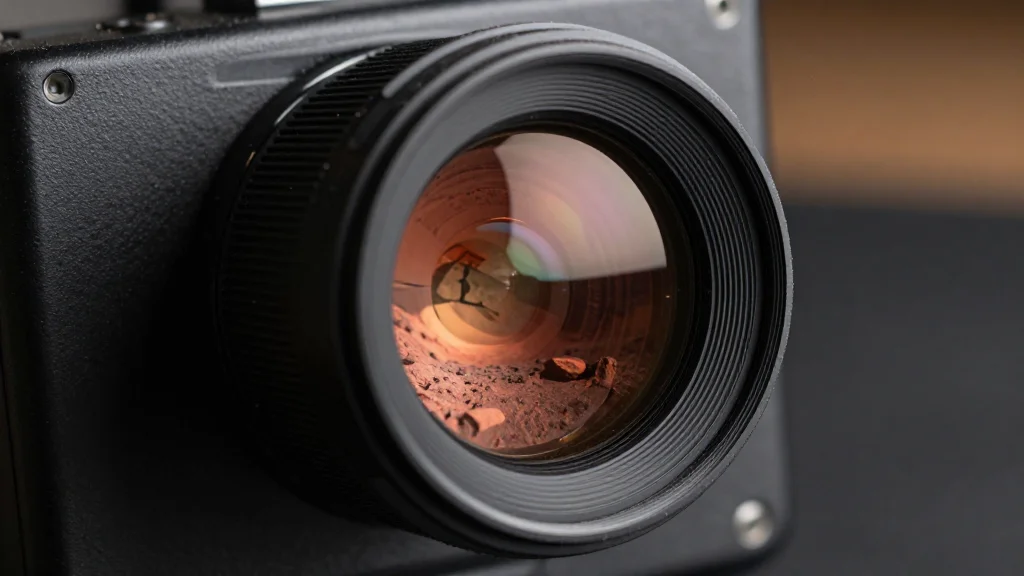
Mars Reconnaissance Orbiter’s High Resolution Camera Is Showing Its Age
The Mars Reconnaissance Orbiter’s HiRISE camera is showing clear signs of aging, with new vertical data gaps and color drop‑outs appearing in recent images. Engineers identified two primary faults: intermittent RED4 sensor failures that erase color data, and increasing bit‑flip‑induced...

Global Space Industry Associations: The Architecture of Collaboration in 2026
In 2026, space industry associations have become the backbone of global space governance, linking governments, commercial firms, and academia. Organizations such as the International Astronautical Federation, Eurospace, and the Global Satellite Operators Association shape standards for orbital safety, spectrum allocation,...

2025 Retirements and Losses: Are We Missing Anything?
We're trying to compile a list of hardware / missions that retired or lost in 2025... this is where we're at... are we missing anything?! We've gotta be missing something... Starship V2 B1076 Retired B1086 Lost IM-2 Blue Ghost Retired Lunar Trailblazer Lots of Starlinks
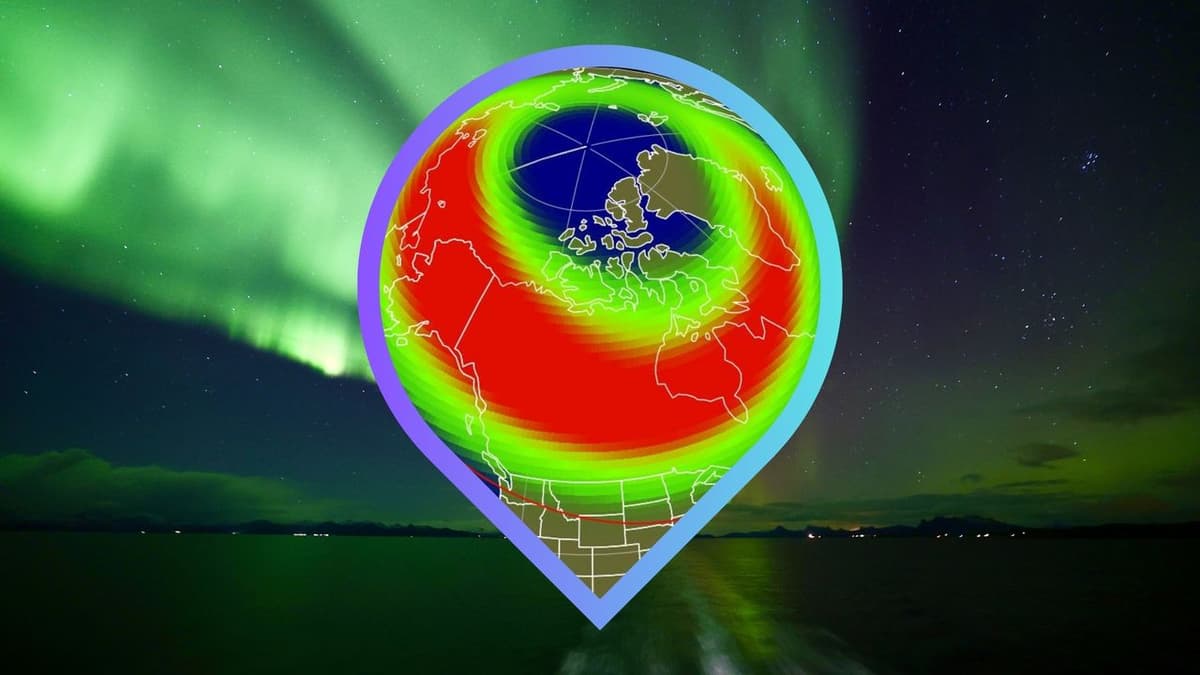
Northern Lights May Be Visible in 15 States Tonight
An incoming high‑speed solar‑wind stream from a large coronal hole is set to disturb Earth’s magnetosphere, prompting minor to moderate (G1‑G2) geomagnetic storms. NOAA’s Space Weather Prediction Center forecasts that the aurora may be visible across 15 U.S. states, from...
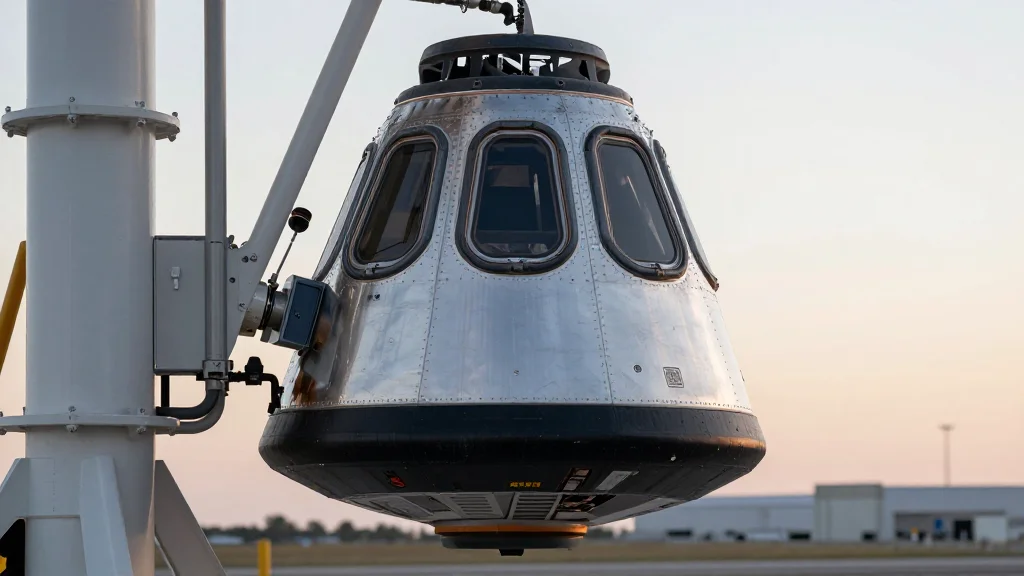
NASA's Artemis II Pre‑Rollout Press Conference Begins at Noon
NASA's SLS/Orion Artemis II pre-roll out press conf should start in about 5 minutes at 12:00 pm ET. https://t.co/5Z8Wjlidcr