
Titan Isn’t What We Thought: New Evidence Wipes Out the Case for a Buried Ocean
A new Nature study reexamines Cassini radio‑tracking data and finds Titan’s interior dissipates far more tidal energy than previously thought. The measured 3–4 TW of heat loss cannot be reconciled with a global subsurface ocean, prompting a shift to a model of a thick, high‑pressure ice layer near its melting point. This “slushy” ice may contain isolated liquid pockets but lacks a continuous ocean, challenging Titan’s status as a classic ocean world. Upcoming Dragonfly measurements will provide direct tests of the revised interior structure.
NASA’s Top Five Challenges: New Report
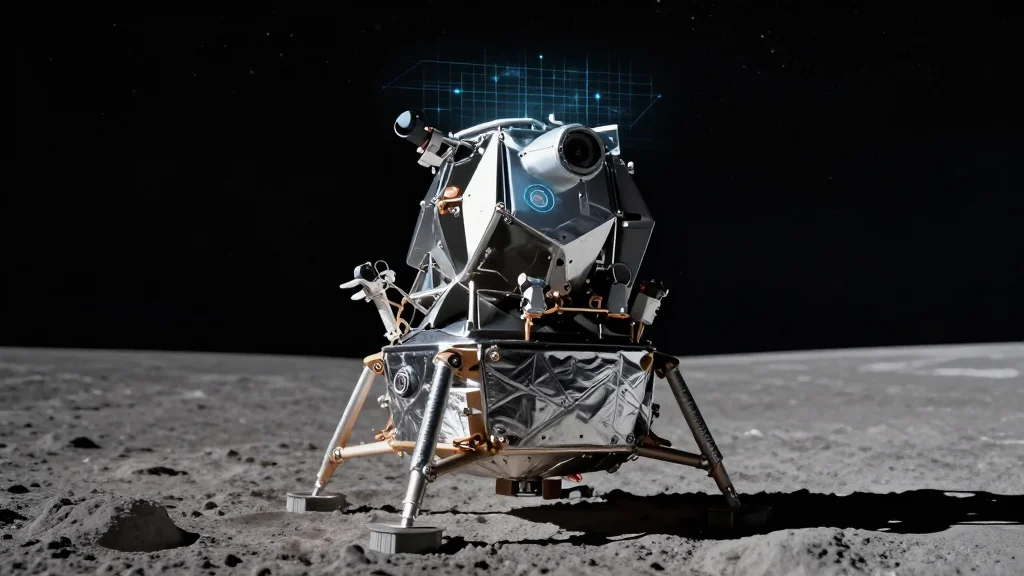
The NASA Office of Inspector General released its 2025 Top Management and Performance Challenges report, highlighting five critical agency priorities, including returning humans to the Moon and sustaining low‑Earth‑orbit operations. The report flags a heat‑shield venting defect on Orion’s spacecraft...

The European Space Agency and China Hold the First Joint Meeting in Almost a Decade
The European Space Agency hosted China National Space Administration leaders in Paris, marking the first joint meeting since 2017. Delegates highlighted recent technical milestones, including the Tianguan (Einstein Probe) launch with ESA hardware, progress on the SMILE mission, and ESA’s...
China Launches Classified Military Satellite in Partnership with Algeria
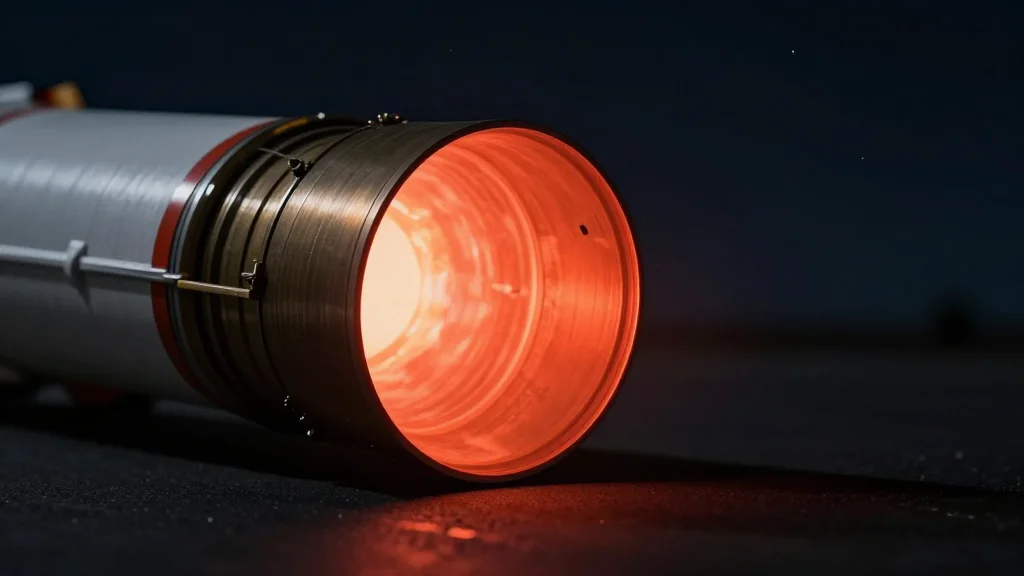
China launched a classified military remote‑sensing satellite on a Long March 2C from Jiuquan, marking the first payload under its joint remote‑sensing program with Algeria. The satellite, built by the China Academy of Space Technology, is intended for land‑planning, disaster prevention...

Earth Observation Investments: 2025 Review
Earth observation (EO) venture funding reached a record $2 billion in 2025, up 15% from 2024 and surpassing the 2023 peak. Over 90% of the capital flowed into acquisition and intelligence segments, while processing finally recorded meaningful investment. Late‑stage rounds exploded...
How Dark Asteroids Die
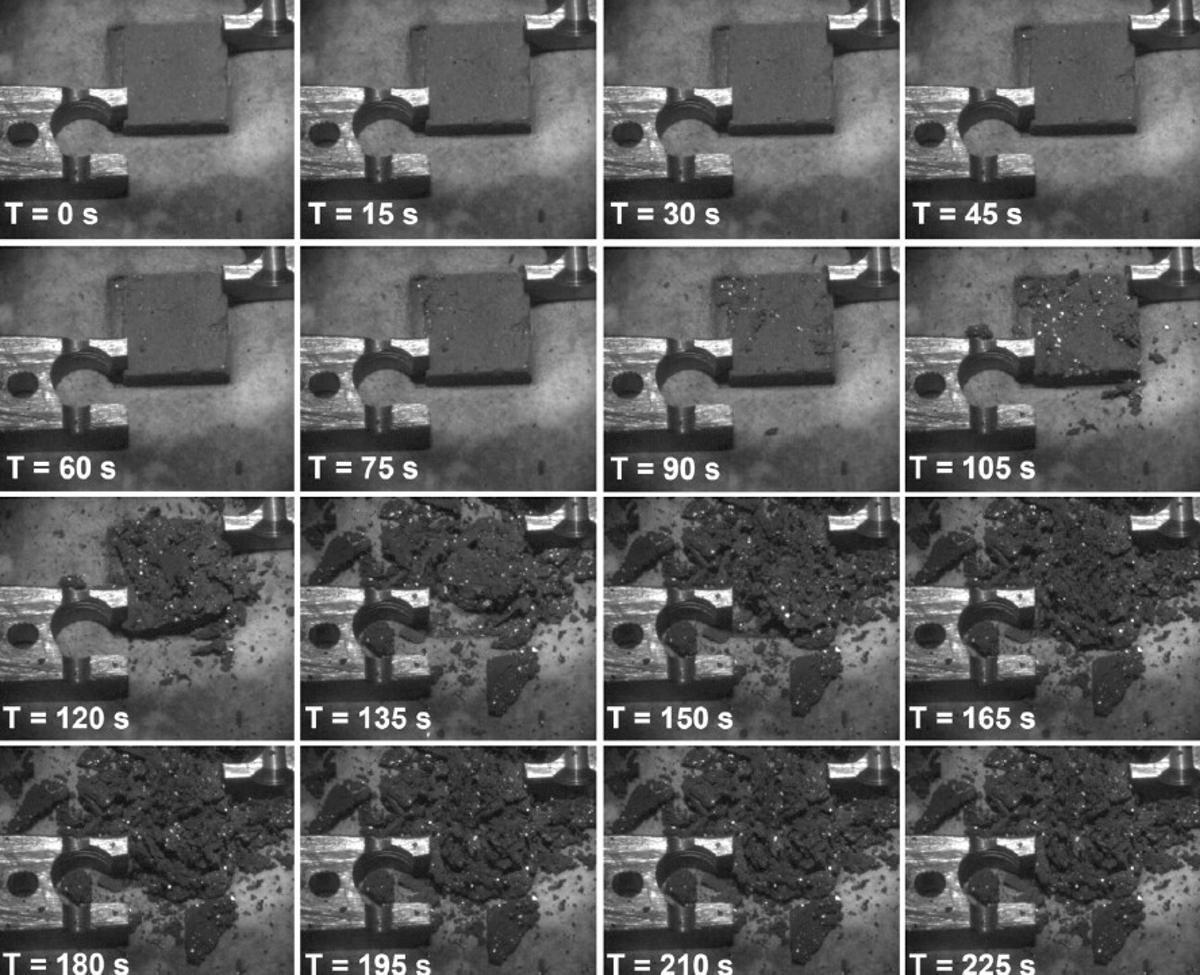
A new study from Luleå University of Technology experimentally confirms that low‑albedo asteroids undergo instantaneous thermally‑driven erosion when they approach within about 0.1 AU of the Sun. Using the Space and High‑Irradiance Near‑Sun Simulator (SHINeS), researchers observed carbonaceous chondrite simulants heat,...

Managing an Orbital Economy as Space Grows More Congested
In a Space Minds interview, Neuraspace CEO Chiara Manfletti explains how AI‑driven space situational awareness is evolving from debris tracking to automated orbital logistics as megaconstellations and high‑capacity launchers crowd low‑Earth orbit. She highlights the shift toward autonomous decision‑making for...
Parsons Buys Altamira for $375 Million to Expand Space and Intelligence Portfolio
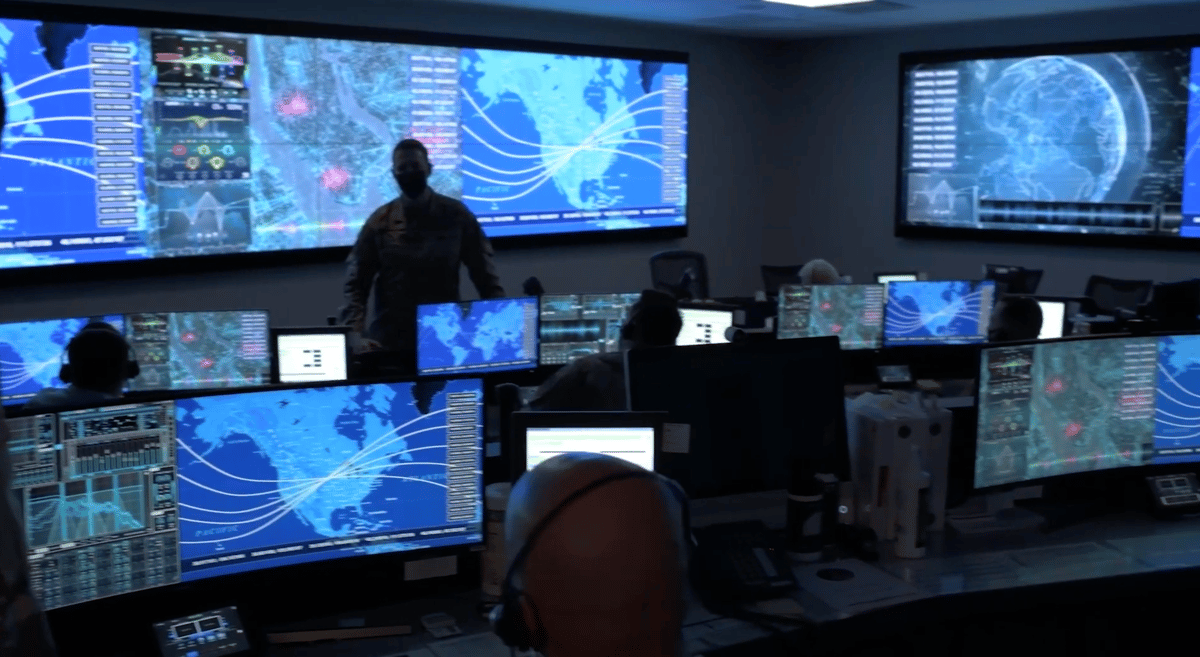
Parsons announced a $375 million acquisition of Altamira Technologies, paying $330 million in cash with a $45 million earn‑out tied to 2026 performance. Altamira, a specialist in signals intelligence, missile‑warning and space‑focused data analytics, brings AI‑enabled tools for processing satellite sensor feeds. The...

Key Senate Staffer Is “Begging” NASA to Get on with Commercial Space Stations
Senate staffer Maddy Davis told the Texas Space Coalition that Sen. Ted Cruz is pressing NASA to fast‑track Commercial LEO Destinations (CLDs) so a private space station is operational before the International Space Station retires in 2030. The Senate Commerce...
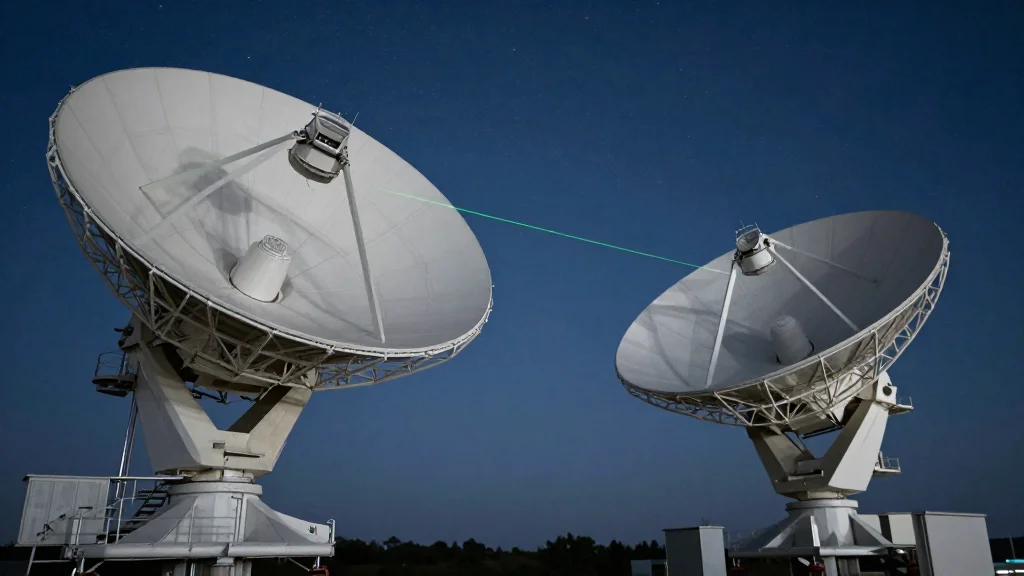
Frequency Comb Lasers Enable Clearer Observation of Black Holes
A research team led by KAIST professor Jungwon Kim has integrated optical frequency‑comb lasers into radio‑telescope receivers, achieving the world’s first laser‑based reference signal for Very Long Baseline Interferometry (VLBI). The ultra‑precise comb provides thousands of stable frequencies, allowing exact...
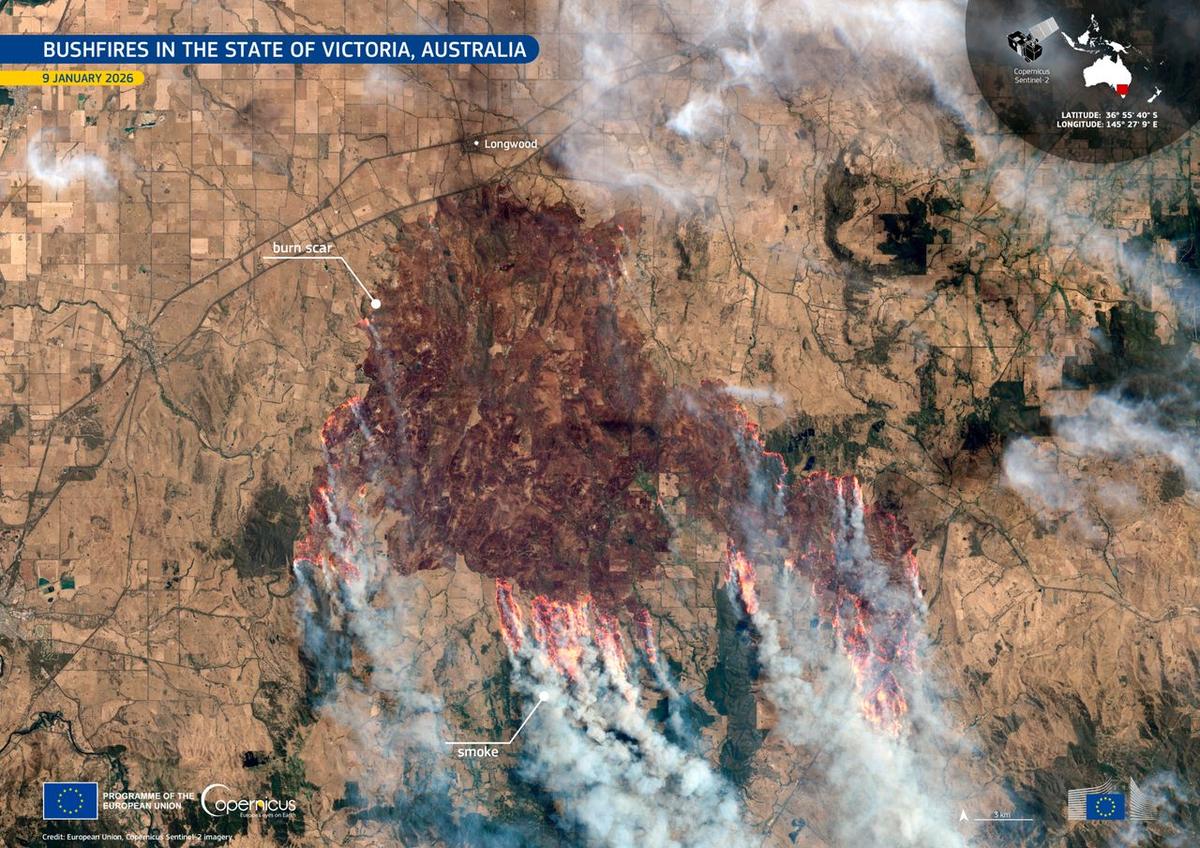
Satellites Spy Raging Bushfires in Australia | Space Photo of the Day for Jan. 15, 2026
On Jan 9, 2026, a European Copernicus Sentinel‑2 satellite captured a stark image of raging bushfires in Victoria, Australia. The high‑resolution multispectral data reveals extensive burn scars, smoke plumes, and displaced communities, providing precise boundaries for emergency responders. Sentinel‑2’s infrared capabilities enable...
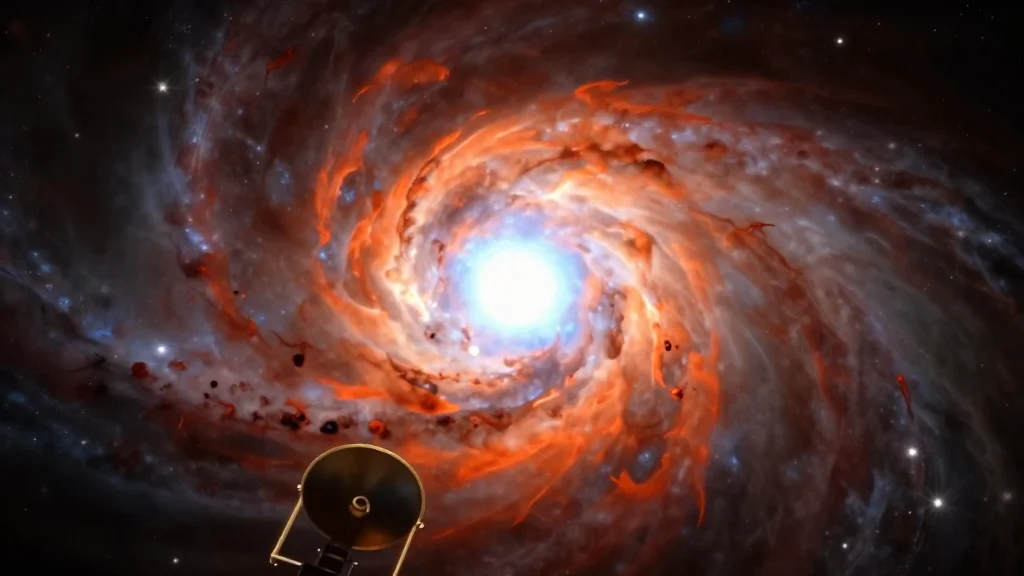
Ancient Type II Supernova Discovered From Universe's First Billion Years
Astronomers using JWST have confirmed SN Eos, a Type II supernova at redshift 5.133, making it the most distant spectroscopically verified supernova ever observed. The explosion occurred when the universe was about one billion years old, shortly after reionization, and the host galaxy...

TrustPoint Demonstrates Non-GPS Navigation for LEO Satellites
TrustPoint, a Virginia startup, demonstrated that its low‑Earth‑orbit ground station, LEONS, can uplink precise time and tracking signals to a satellite, proving a GPS‑independent navigation capability. The compact node, roughly the size of a microwave oven, generated its own timing...

Atomic-6 Space Armor to Fly in October With Portal
Atomic-6’s Space Armor hexagonal tile system will debut on SpaceX’s Transporter‑18 rideshare mission in October, attached to Portal Space Systems’ Starburst‑1 satellite. The lightweight “Light” tiles are designed to shield against micrometeoroids and debris up to 3 mm, while a larger...

Portal Space Selects ‘Space Armor’ Debris Shield for 2026 Mission
Portal Space Systems has chosen Atomic‑6’s Space Armor composite tiles as the primary micrometeoroid and orbital debris (MMOD) shield for its Starburst‑1 satellite, slated for a Transporter‑18 rideshare launch in October 2026. The hexagonal tiles are about 30% lighter and 15%...

Jan. 15, 2006: Stardust Touches Down
NASA’s Stardust mission, launched in February 1999, achieved the first successful comet sample‑return by flying past comet Wild 2 in January 2004 and capturing more than 10,000 dust particles with an aerogel collector. After a two‑year return trip, the sample‑return capsule...

Slingshot Wins $27 Million Space Force Contract for AI Training System
Slingshot Aerospace secured a $27 million, 18‑month contract from the U.S. Space Force to advance its AI‑based training system, TALOS, under the Operational Test and Training Infrastructure (OTTI) program. TALOS acts as an autonomous virtual opponent, generating adaptive satellite maneuvers and...

Hydrosat Closes $60M Series B to Grow Its Constellation
Hydrosat announced a $60 million Series B financing round led by Hartree Partners, Subutai Capital Partners, and Space4Earth, with participation from several other investors. The capital will fund a new generation of higher‑resolution thermal‑imaging satellites slated for launch next year, expanding the...

Astronauts Return From ISS After Medical Issue Cuts Mission Short
NASA’s Crew‑6 mission returned to Earth Thursday, splashing down off California a full two weeks ahead of schedule after a crew member developed a medical issue aboard the International Space Station. The early termination marked the first unplanned return of...
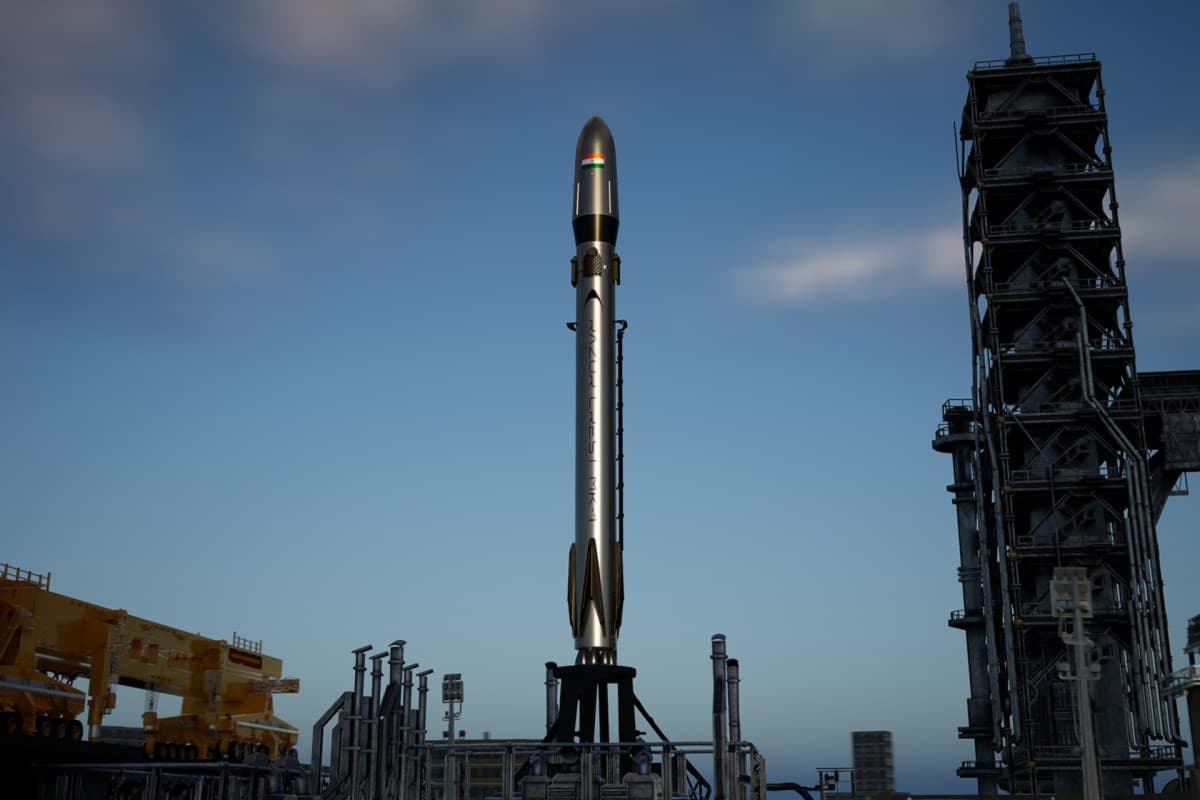
Indian SpaceX Rival EtherealX Hits 5x Valuation as It Readies Engine Tests
EtherealX, an Indian launch‑vehicle startup, closed a $20.5 million Series A, lifting its valuation 5.5‑fold to $80.5 million. The company is preparing hot‑fire tests of its in‑house “Pegasus” upper‑stage and “Stallion” booster engines, targeting a technology‑demonstration flight in late 2027. Its fully reusable...
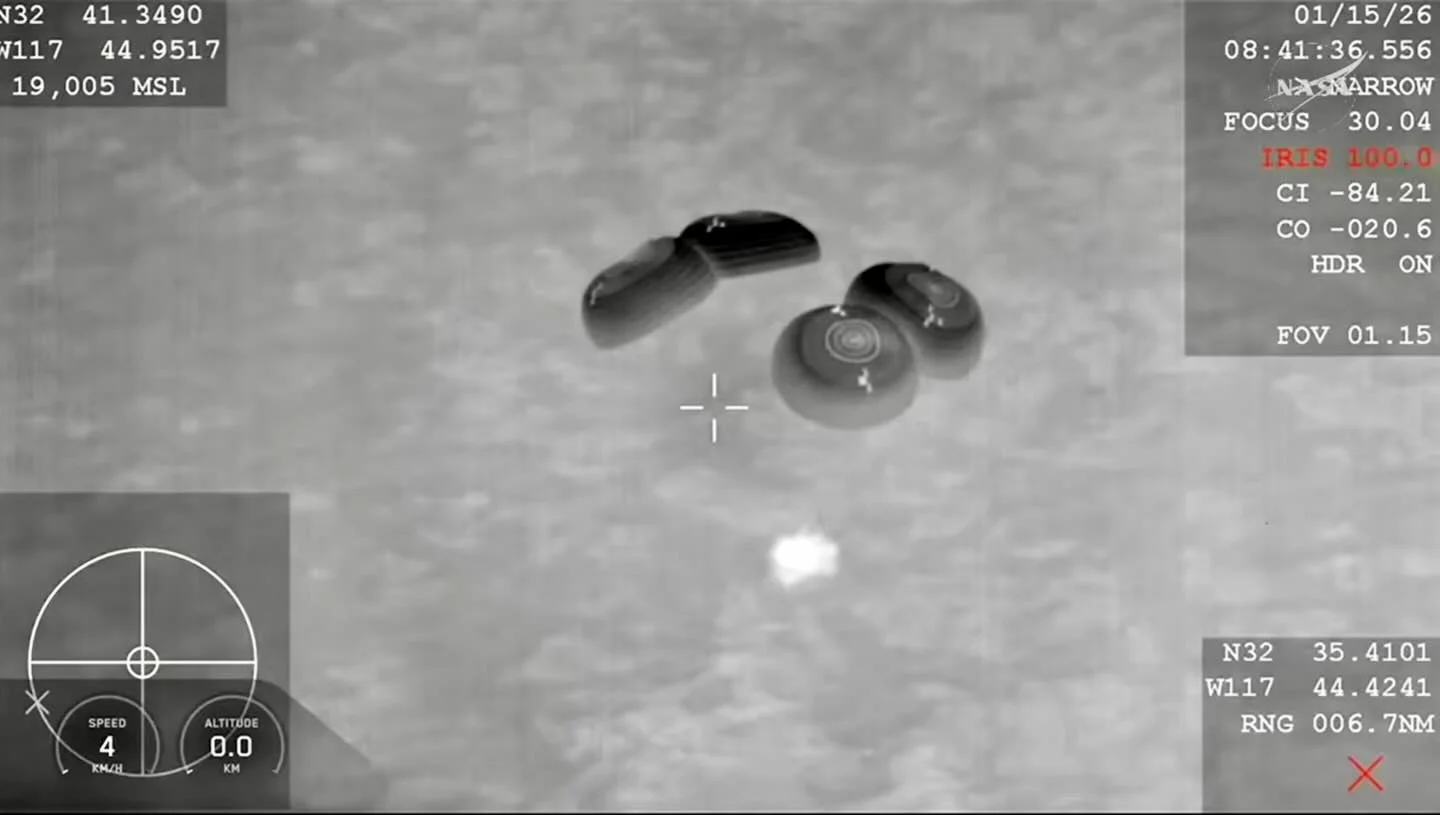
Astronauts Return After Five Months, Face Long Recovery
The moment of splashdown, after 5 months off-world. Glad to see all 4 crew members safely back, especially the one needing extra medical care. Well done nasa and spacex. They’ll be joyful, wistful, unsteady and tired as they readapt to gravity...
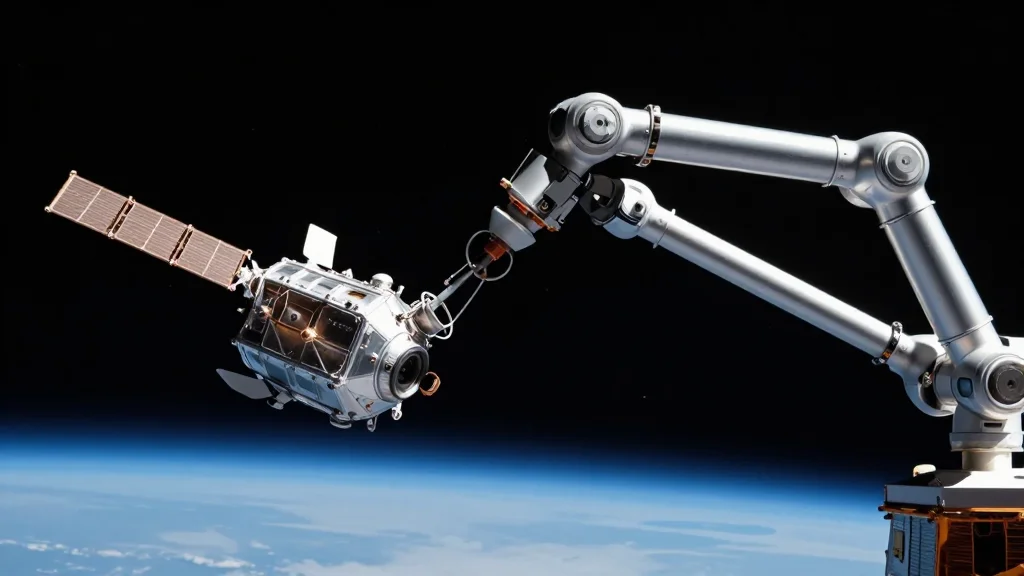
AuleSpace Secures $2M to Extend GEO Satellite Lifespans
.@AuleSpace announced the closing of $2M in pre-seed funding to develop spacecraft that will be able to grapple onto existing sats in GEO (no preassembly required) and provide up to six years of extra propulsion. https://t.co/5Qw44UmT5A

Unmasking the Sun’s Hidden Gamma Ray Factory
Researchers at NJIT have identified the precise solar‑corona region that generates gamma‑ray bursts during major flares, using data from NASA’s Fermi telescope and the Expanded Owens Valley Solar Array. The team linked the emission to bremsstrahlung from particles accelerated to...
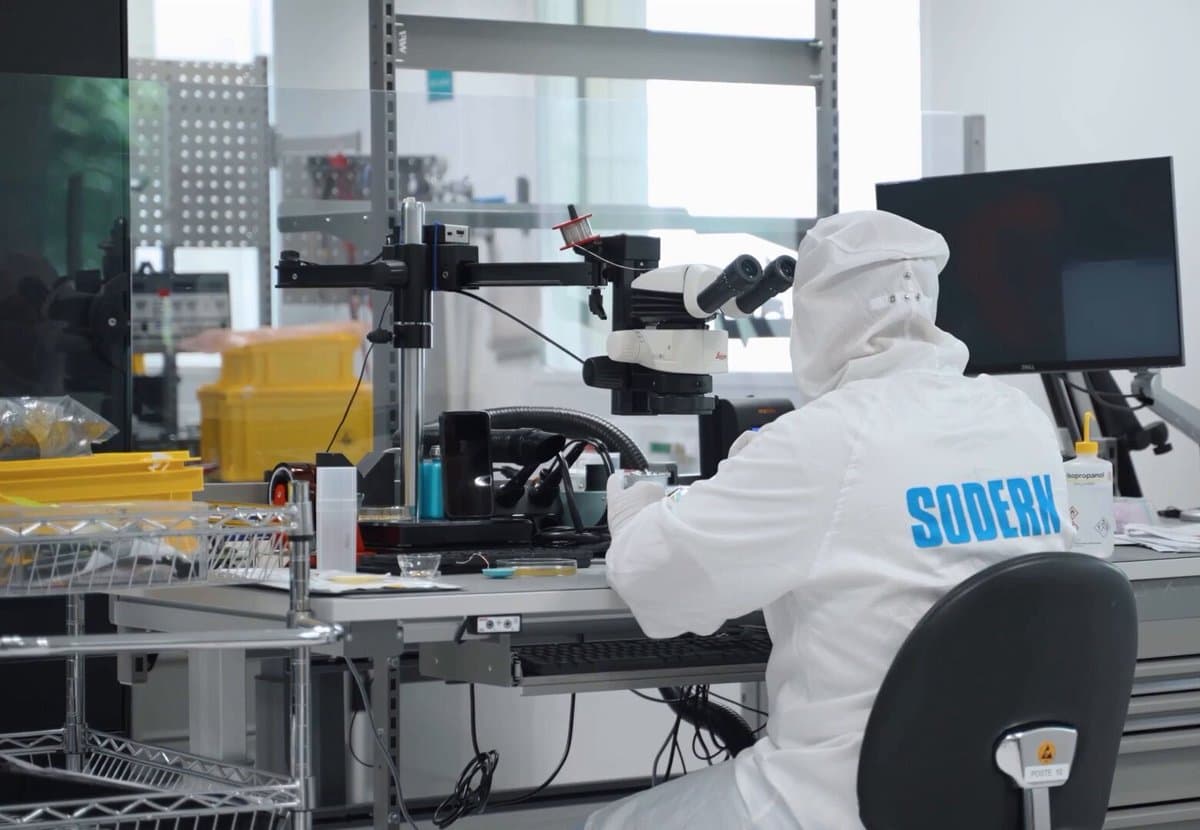
Sodern France Opens US Facility for Space Trackers
Star tracker and space camera builder @sodern_france, a subsidiary of @ArianeGroup, opens US production facility in Englewood, Colorado, dedicated to meet US demand. 1,300m2-facility to do AIT of Auriga trackers and testing of Hydra. https://t.co/Qmf1s9urfM
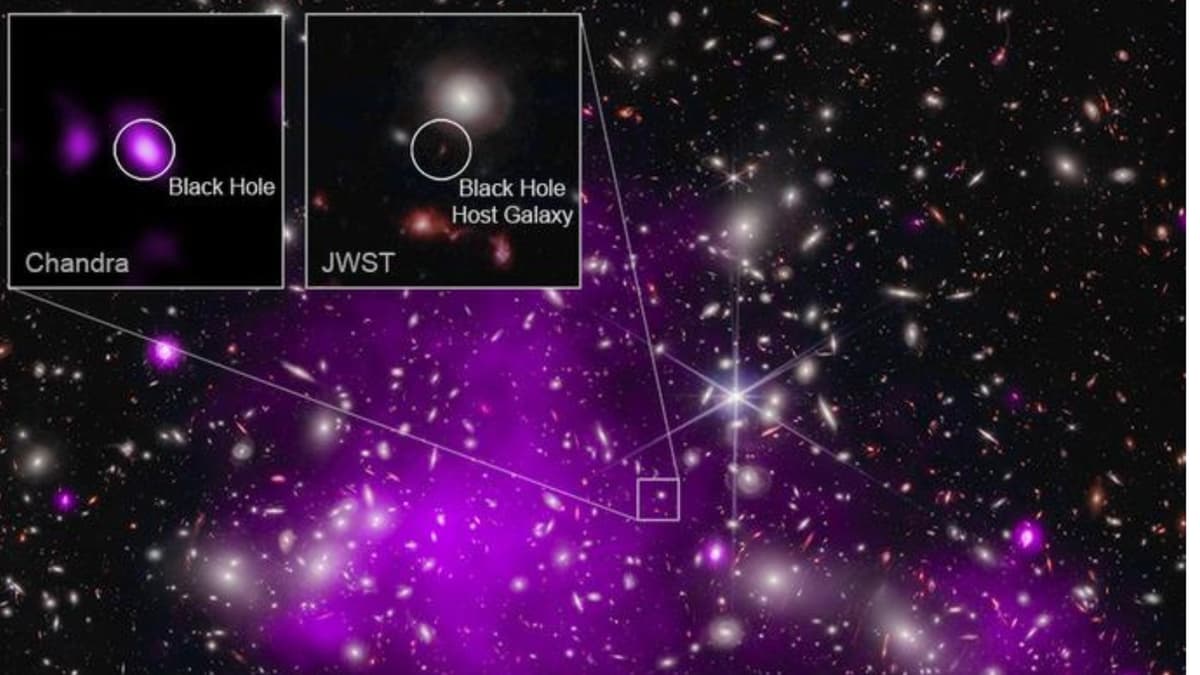
What Are 'Dark' Stars? Scientists Think They Could Explain 3 Big Mysteries in the Universe
Scientists propose that "dark stars"—hypothetical early‑universe objects powered by dark‑matter annihilation—could illuminate three puzzling JWST discoveries. These luminous bodies would form before ordinary stars, later collapsing into massive black‑hole seeds that explain the unexpected abundance of supermassive black holes within...
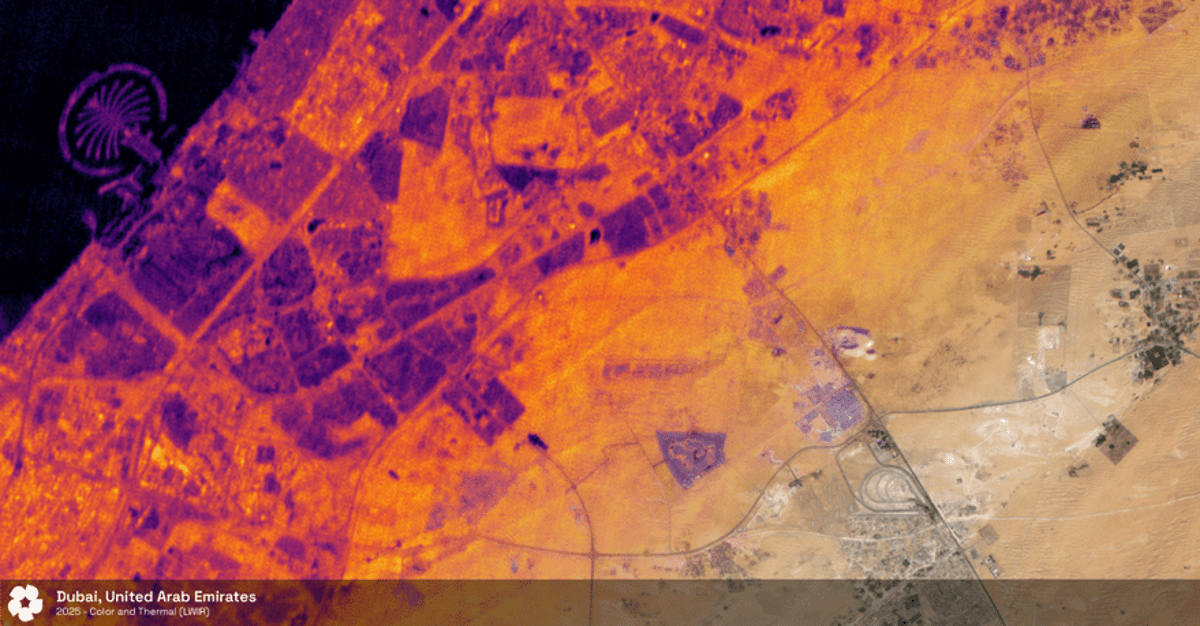
Hydrosat Raises $60 Million in Series B Funding
Hydrosat announced a $60 million Series B round led by Hartree Partners, Subutai Capital and Space 4 Earth, bolstering its capital to expand its thermal‑infrared satellite constellation. The funding will fund new satellites, boost engineering capacity in the U.S. and Luxembourg, and accelerate global...
NASA Press Conference Begins Minutes After Splashdown
NASA's post splashdown press conference with NASA Administrator Jared Isaacman and deputy Assoc Admin for Space Operations (and former ISS program mgr) Joel Montalbano should start in 5 minutes. https://t.co/27sV8KFVgh
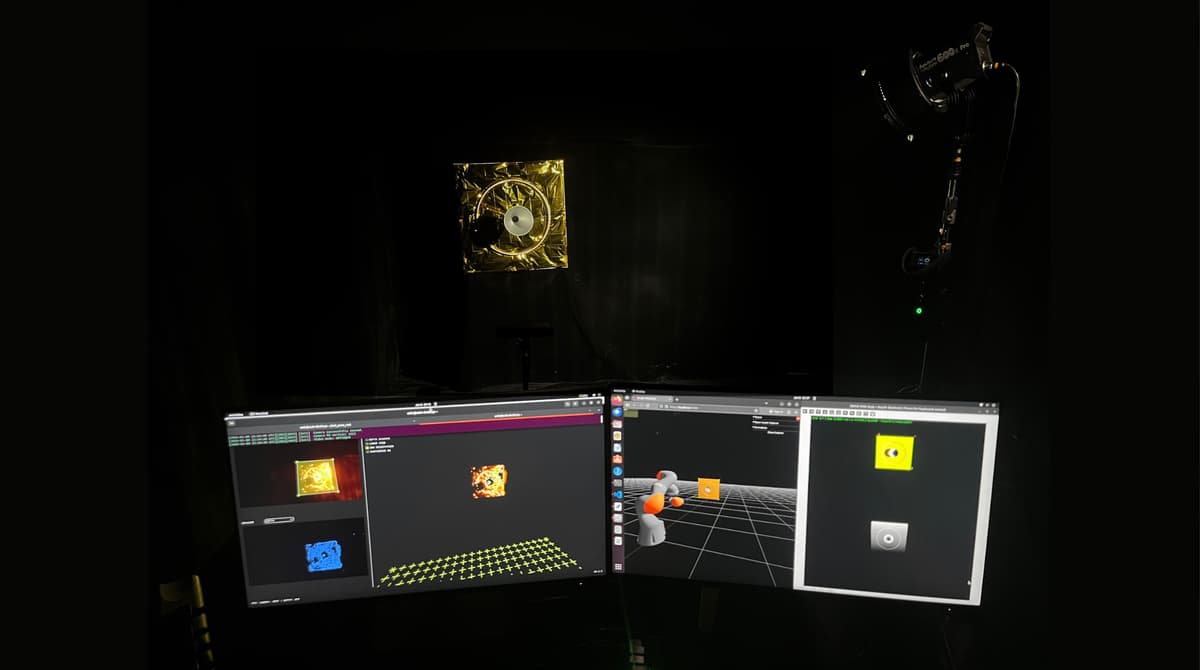
Indian Startup Aule Space Enters Satellite Servicing Market
Indian startup Aule Space announced a $2 million seed round to develop low‑cost satellite‑servicing “jetpack” spacecraft that attach to GEO satellites for orbit‑raising and life extension. The company’s approach relies on computer‑vision and AI instead of costly radars, aiming to reduce...
Crew‑11 Completes Deorbit Burn, Heads for San Diego Splashdown
Crew-11's deorbit burn just finished. It was nominal, the trunk has been jettisoned, and the crew continues on its way to splashdown off the coast of San Diego at 3:41 am ET.
The Quiet Transformation of GPS - What's Coming by 2026
GPS is undergoing a quiet transformation that prioritizes signal stability, continuous operation, and integration with ground infrastructure rather than headline‑grabbing accuracy gains. Engineers are redesigning the constellation to deliver consistent output during short disruptions and to function reliably in dense...
JAXA Taps Ispace for Lunar Debris Mitigation and Disposal Study
Japan's space agency JAXA has commissioned commercial lunar specialist ispace to conduct a detailed study on mitigating space debris in lunar orbit and managing end‑of‑life disposal on the Moon. The project, titled “Analysis for Space Debris Mitigation in Lunar Orbit...
Spaceflight Study Links Astronaut Biology to Reversible Shifts in Epigenetic Age
A recent Buck Institute study analyzed blood from the four‑person Axiom 2 crew, revealing that a 10‑day spaceflight accelerated epigenetic age by roughly 1.9 years by day 7. Serial sampling showed the acceleration reversed after landing, with older astronauts returning to baseline and...
The Silent Partner - How Machine Learning Quietly Powers Modern Space Operations
Machine learning has moved from experimental labs to the core of space operations, enabling rapid analysis of massive satellite imagery, telemetry streams, and orbital traffic data. Supervised, unsupervised and reinforcement learning each address distinct needs—from automated Earth‑observation classification to anomaly...
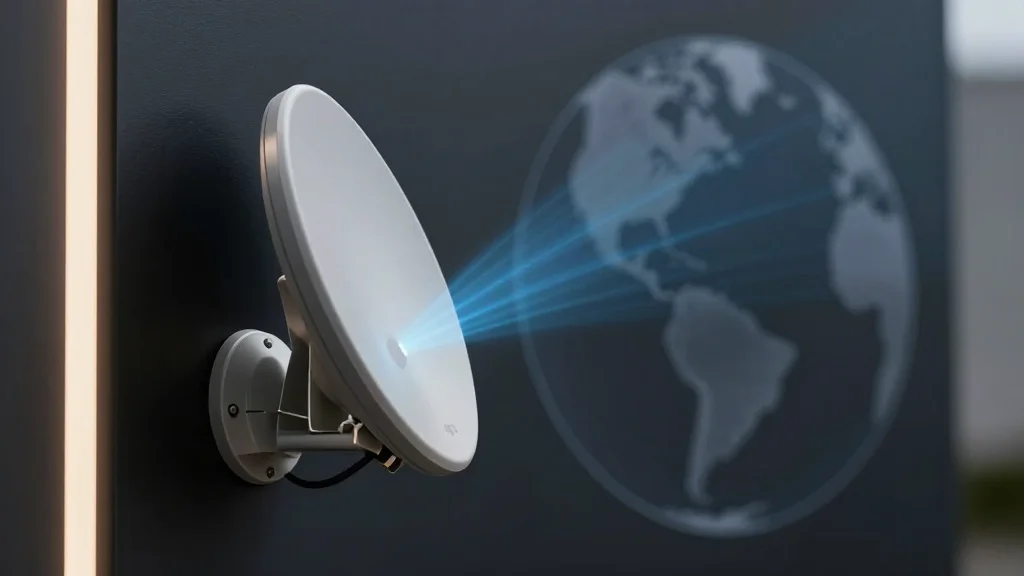
GPS in 2026 - Hidden Shifts That Could Redefine Global Navigation
GPS is transitioning from a static, accuracy‑only service to an adaptive, reliability‑focused platform by 2026. Growing demand for uninterrupted positioning in dense urban and indoor spaces, plus the critical role of GPS timing in power grids and data centers, are...

Lunar Space Traffic Management and the Future of Cislunar Operations
Rapidly increasing lunar missions are turning cislunar space into a congested corridor, prompting the emergence of Lunar Space Traffic Management (LSTM). The unique three‑body dynamics, limited stable orbits, and communication blind spots demand new navigation, surveillance, and safety‑zone protocols distinct...

Spirit of Innovation
From astronaut gloves to space food, NASA Centennial Challenges looks to the public for solutions.
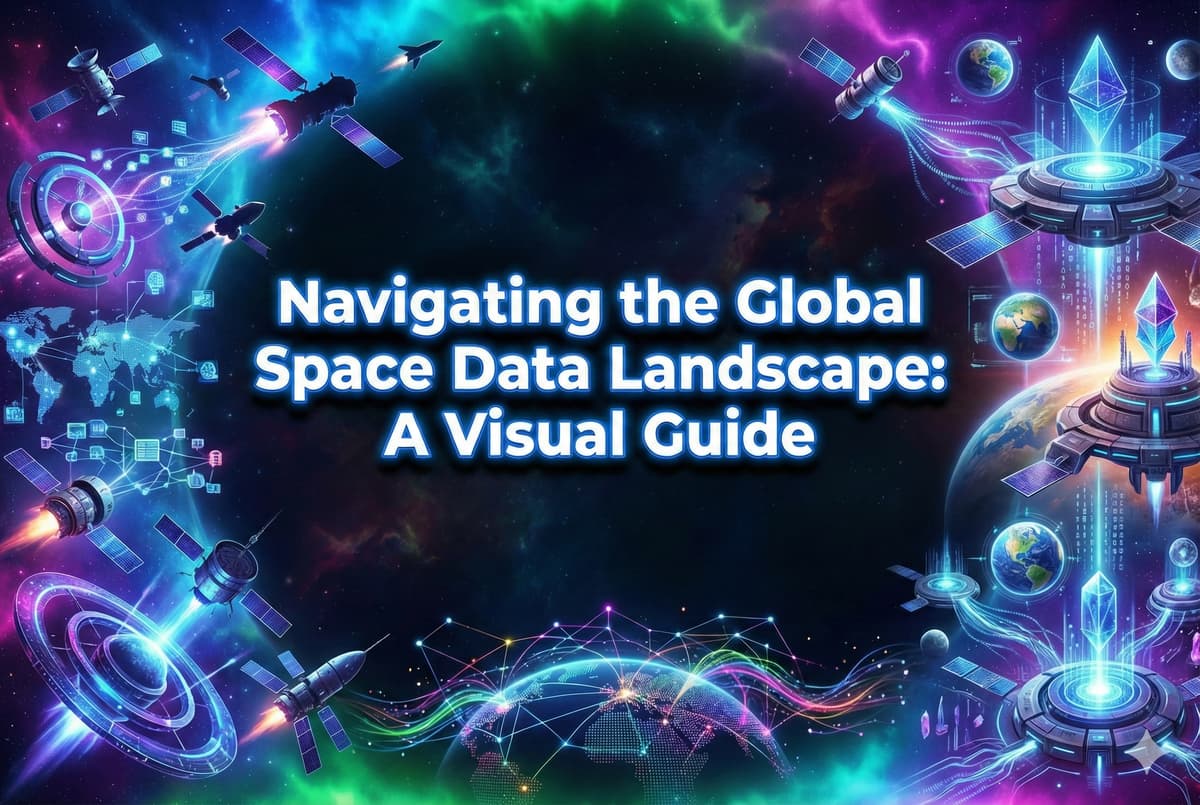
Navigating the Global Space Data Landscape: A Visual Guide
An extensive visual guide maps the world’s open space data ecosystem, covering Earth observation archives, cloud‑based platforms, and regulatory registries. It highlights key resources such as NASA’s Earthdata, ESA’s Copernicus portal, USGS EarthExplorer, and cloud services on AWS that democratize...
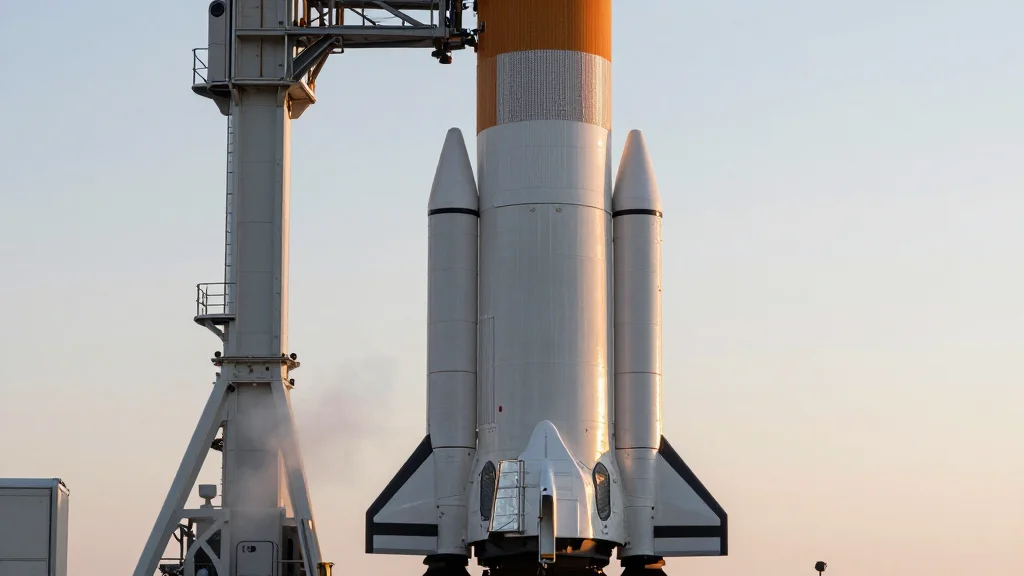
Artemis II Rolls Out Saturday, Jan 17, with Dual News Conferences
SLS/Orion Artemis II roll-out to the launch pad is *on* for Saturday, Jan 17, at 7:00 am ET. News conf the day before, Jan 16, 12:00 pm ET, and another on Saturday at 9:00 am ET w/the crew and...
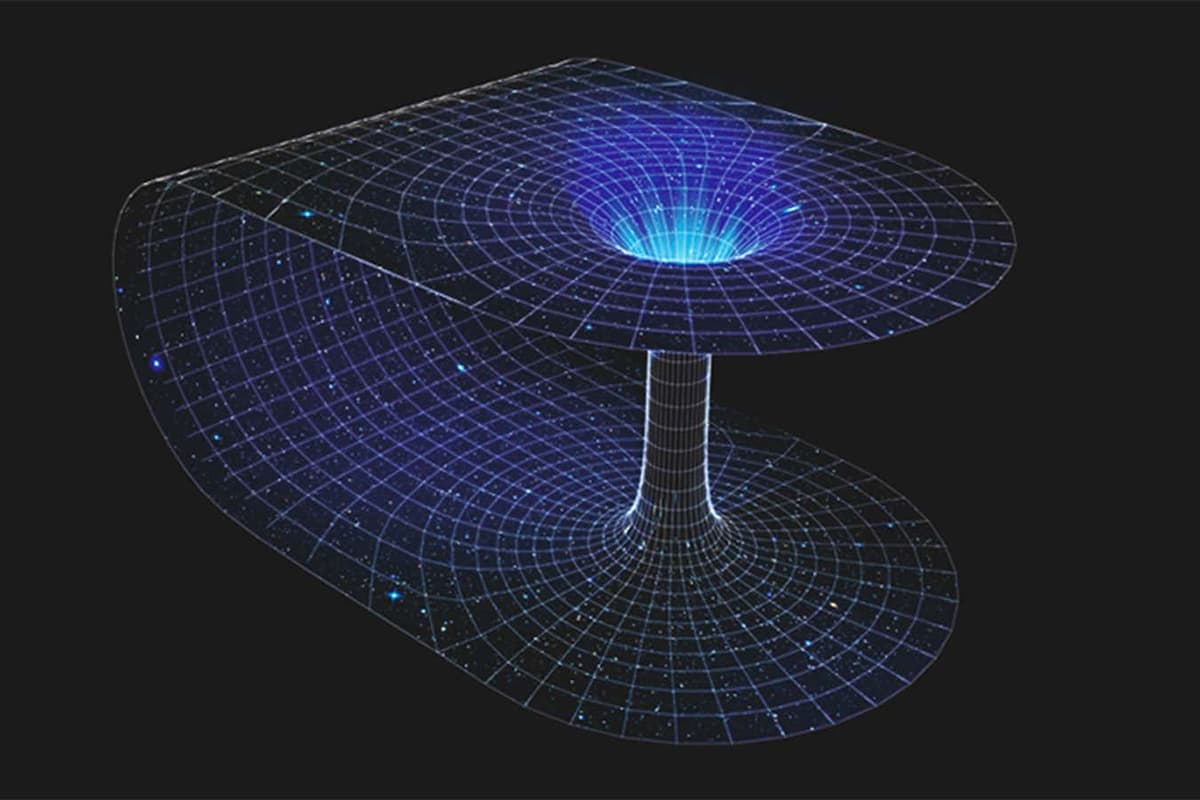
Supermassives to Fuzzballs: Every Black Hole Type Explained
The New Scientist video maps the full spectrum of black‑hole phenomena, from stellar‑mass and intermediate‑mass objects to the gargantuan supermassive varieties at galaxy cores. It also surveys speculative constructs such as wormholes, gravastars and string‑theory fuzzballs, highlighting the latest observational...

Where Does the Trash Go? And How Artemis 2 Astronauts Stay Organized
In a Canadian Space Agency video, astronaut Jeremy Hansen explains how the Artemis II crew will manage storage and waste aboard the Orion spacecraft during its nine‑day, four‑person mission. The crew will use labeled stowage bags and dedicated trash bags to...
Bipartisan Bill Aims to Streamline US Satellite Regulation
Sens Ted Cruz (R-TX) and Peter Welch (D-VT) have introduced the Satellite and Telecommunications Streamlining Act to update FCC appl process and remove reg barriers and uncertainty that could threaten investments in US cmrcl satellite industry. https://t.co/yyp6hg7qCj https://t.co/WvQMqVbB6e
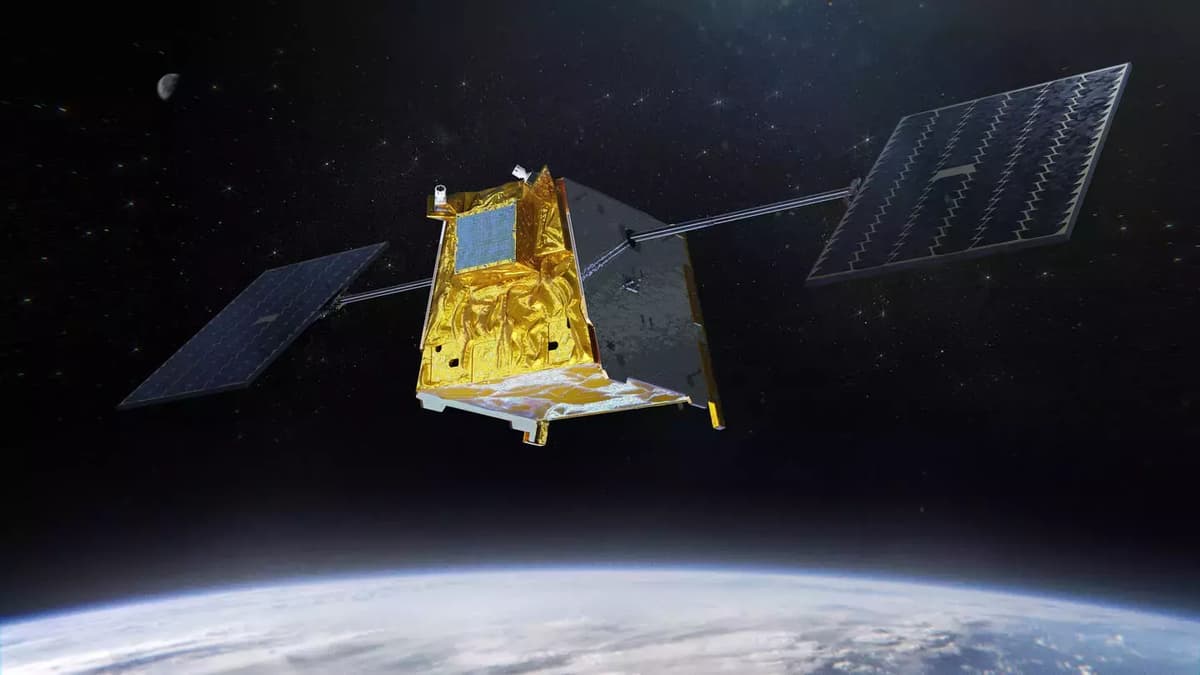
Airbus Plans Space Radio Access Network Demonstrator With Tech Partners
Airbus announced the UpNext SpaceRAN demonstrator to test a software‑defined 5G non‑terrestrial network satellite, beginning with a ground‑based simulation of a two‑satellite LEO constellation. The program will progress to an in‑orbit payload launch in 2027, with testing slated for 2028,...
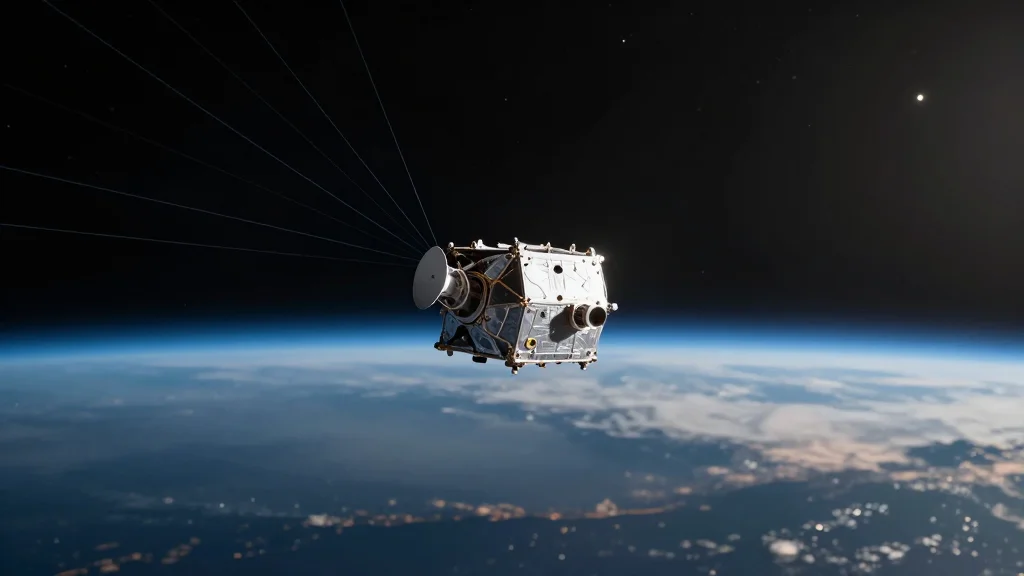
Spacecoin to Run Connectivity Pilots in Kenya, Nigeria, Indonesia, and Cambodia
Spacecoin, a decentralized satellite startup, has signed agreements to run connectivity pilots in Kenya, Nigeria, Indonesia and Cambodia. The pilots will combine Spacecoin's satellite infrastructure with local partners handling ground operations and user support. The company secured a transmission licence...
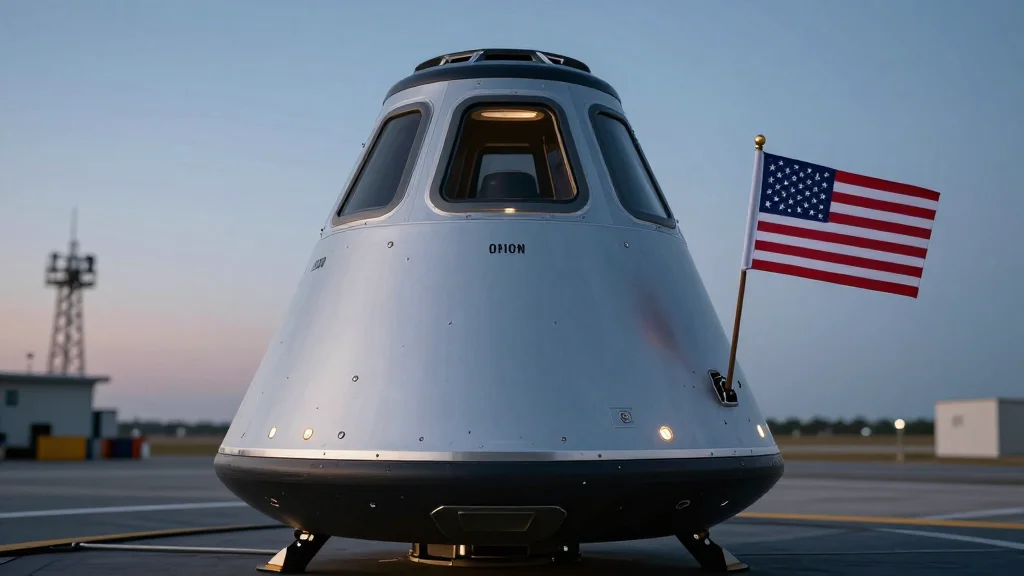
Trump Re‑nominates NASA Deputy Amid Confirmation Delays
President Trump has re-nominated Matt Anderson to be NASA Deputy Administrator amid a long list of resubmitted noms (any nom that doesn't clear the Senate one year must be resubmitted the next). His didn't get far bc of the delay...
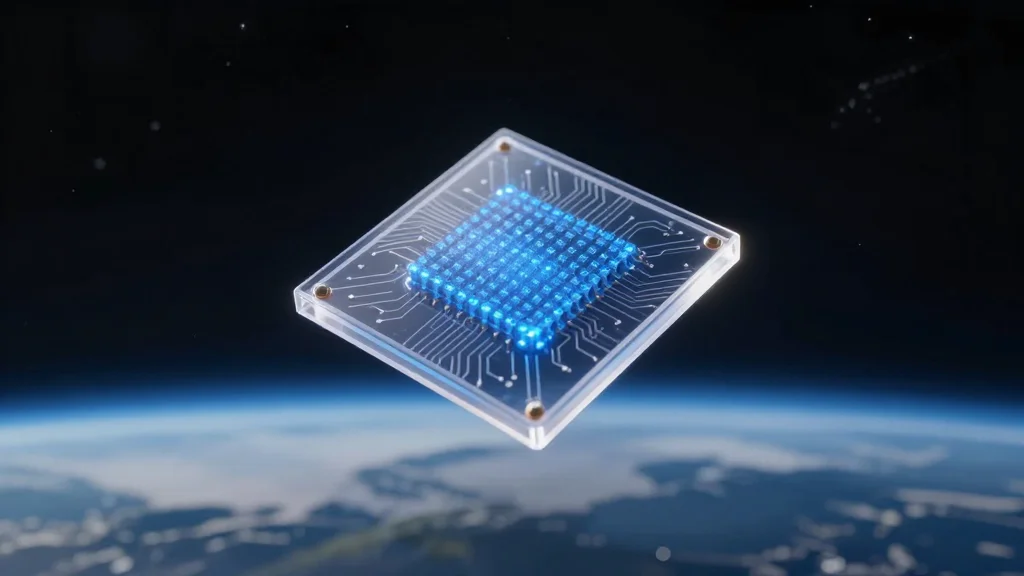
IonQ Hires Katie Arrington for CIO Role
IonQ announced the appointment of former Department of Defense acting CIO Katie Arrington as its new chief information officer. Arrington will oversee the protection, modernization and cyber‑resilience of IonQ’s global enterprise systems. The hire coincides with IonQ’s aggressive expansion into...

France Warns of Growing German, Italian Space Budgets
French @AssembleeNat committee uses renewal of agreement on @esa's HQ status in Paris to sound the alarm about the challenge of increased German, Italian space spending. @DLR_en @ASI_spazio @defis_eu.https://t.co/6gEhgysKDl https://t.co/igC4Mwy2zM
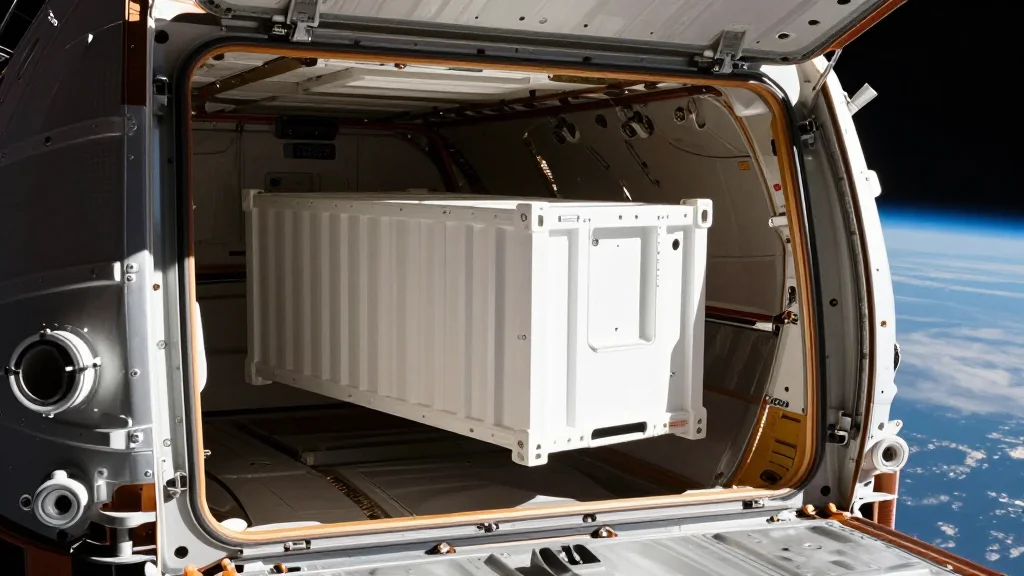
Crew‑11 Undocking Slightly Delayed, Crew All Healthy
NASA's Rob Navias says on the NASA webcast that Crew-11's undocking may be delayed a few minutes (was 5:05 pm ET) because of late stowage of cargo on Dragon. Not a problem. All four crew members are feeling "very...

Astroscale Wins ESA Backing For World-First Plan To Repair Satellites In Orbit
Astroscale UK has secured a €399,000 Phase A contract from the European Space Agency to design the In‑Orbit Refurbishment and Upgrading Service (IRUS), a world‑first capability to repair satellites in space. The eight‑month study will evaluate technical feasibility and commercial viability,...

Two New Exoplanets And The Need For New Habitable Zone Definitions
Researchers Scott and Dransfield propose a broader "temperate zone" for exoplanet habitability, defined by instellation fluxes between 0.1 and 5 times Earth’s. Their study introduces two new planets—Earth‑sized TOI‑6716 b and sub‑Neptune TOI‑7384 b—orbiting fully convective M dwarfs, both lying near the...
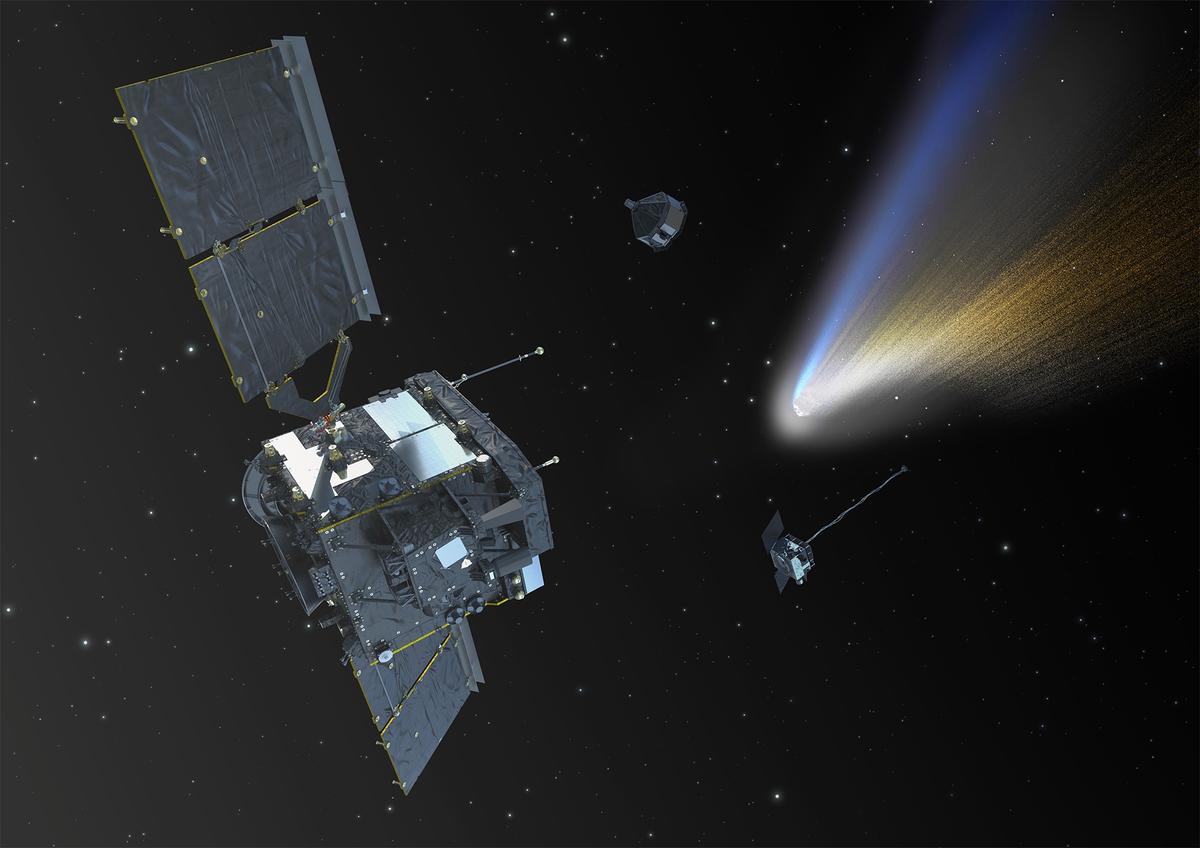
ESA’s Comet Interceptor Mission Moves up Launch
ESA’s Comet Interceptor, originally slated to share an Ariane 6 launch with the Ariel exoplanet mission in 2029, will now launch earlier as a co‑passenger with a commercial communications satellite on an Ariane 64 between August 2028 and July 2029. The schedule change avoids...