China Claims It Has Launched and Landed a New Suborbital Reusable Spacecraft
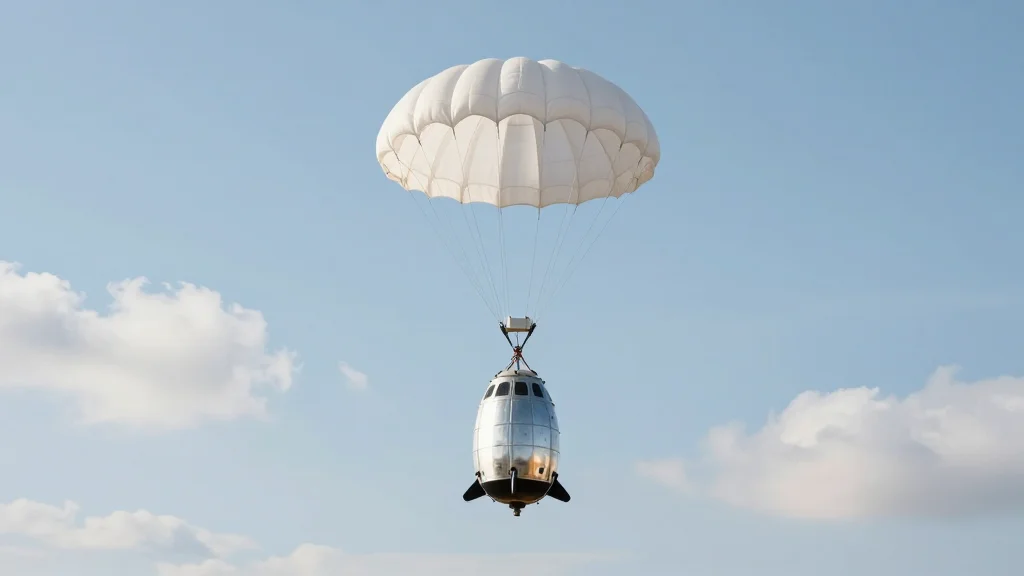
China’s state‑owned CAS Space announced that its PH‑1 suborbital reusable spacecraft completed a test flight on Jan. 13, reaching roughly 120 km altitude and crossing the Kármán line. After re‑entry, the capsule deployed a parachute at about 10 km and landed at a designated site, which the company says validates re‑entry deceleration, parachute recovery and precision landing. Images released show the launch but not the recovered vehicle, leaving some uncertainty about the flight’s full success. CAS Space envisions the vehicle providing 300‑second weightless experiments, though it is too small for crewed missions.
Thales Belgium to Supply
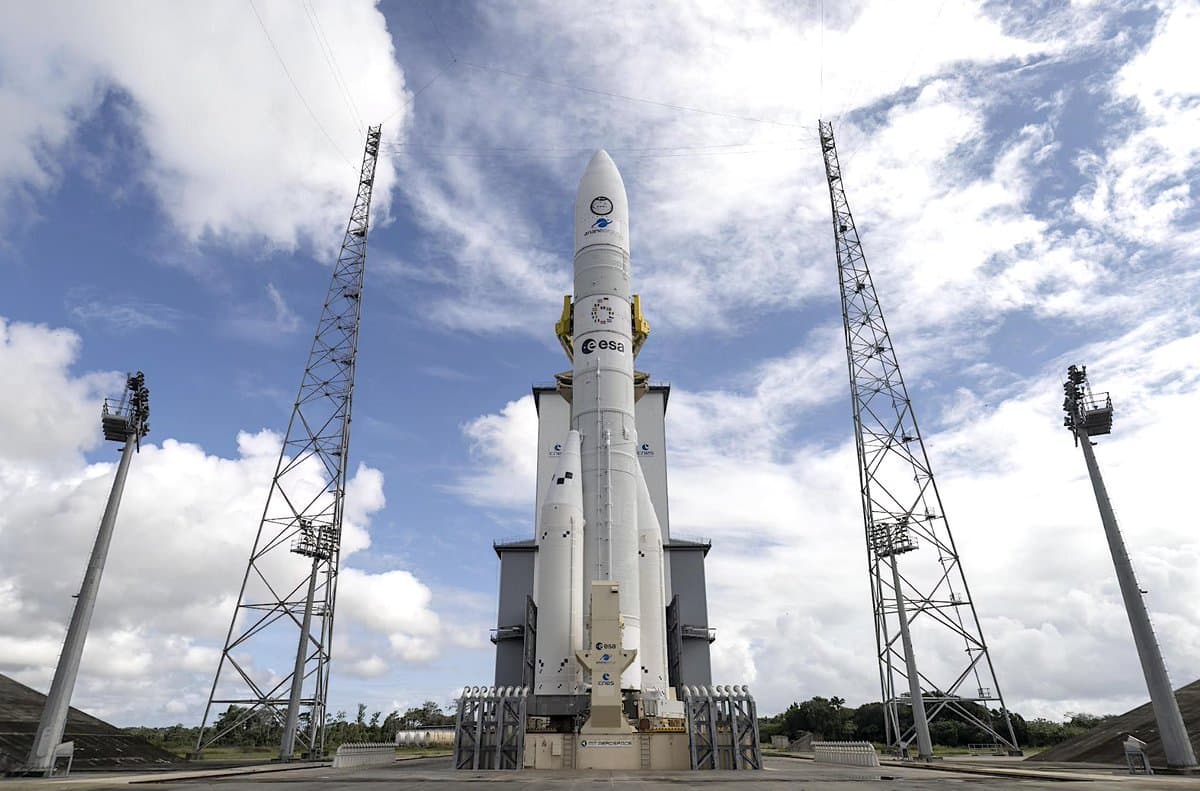
.@Thales_Alenia_S Belgium to provide 179 electronic units to be fitted into #SABCA thrust vector control systems on 27 #Ariane6 rockets - flights 16 to 42. Follows SABCA Oct contract w/ @ArianeGroup, valued at EUR 85M ($99M), for the TVCs. https://t.co/tcG9lo00bA

David Zamora Appointed Chairman of Space Data Association
The @spacedata Assn names David Zamora, head of flight dynamics at @EutelsatGroup, as new chairman. He's been an executive director of SDA for 8 yrs. https://t.co/cxn2PcqXZd
The Essential Reading Series: Satellites
The Essential Reading Series: Satellites curates a dozen titles that trace the evolution of satellite technology from Cold‑War origins to modern commercial and strategic uses. It covers GPS’s transformation into a backbone for logistics, finance and smartphones, the pioneering Corona...
Diffraqtion Raises $4.2M to Accelerate Space Imaging
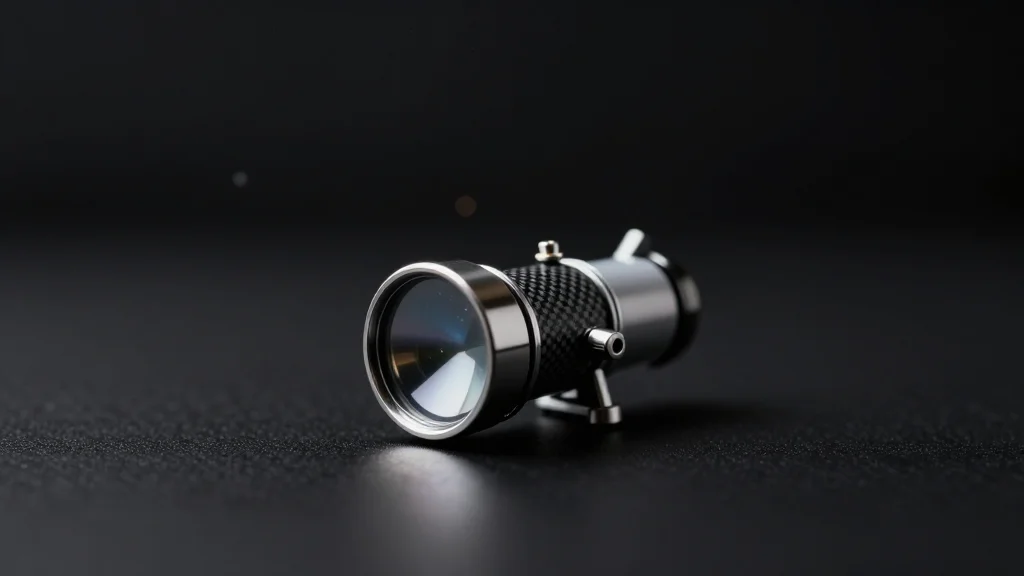
Diffraqtion is looking to see farther in space, and to understand its environment faster. The MA-based startup emerged from stealth today with a $4.2M pre-seed round. https://t.co/FCFSjdhUjX

'Backward and Upward and Tilted': Spaceflight Causes Astronauts' Brains to Shift Inside Their Skulls
A MIT study using MRI scans of 26 astronauts and 24 controls found that prolonged exposure to microgravity causes the brain to move backward, upward, and rotate within the skull. The positional shifts, measured up to 2.5 mm, were observed across...
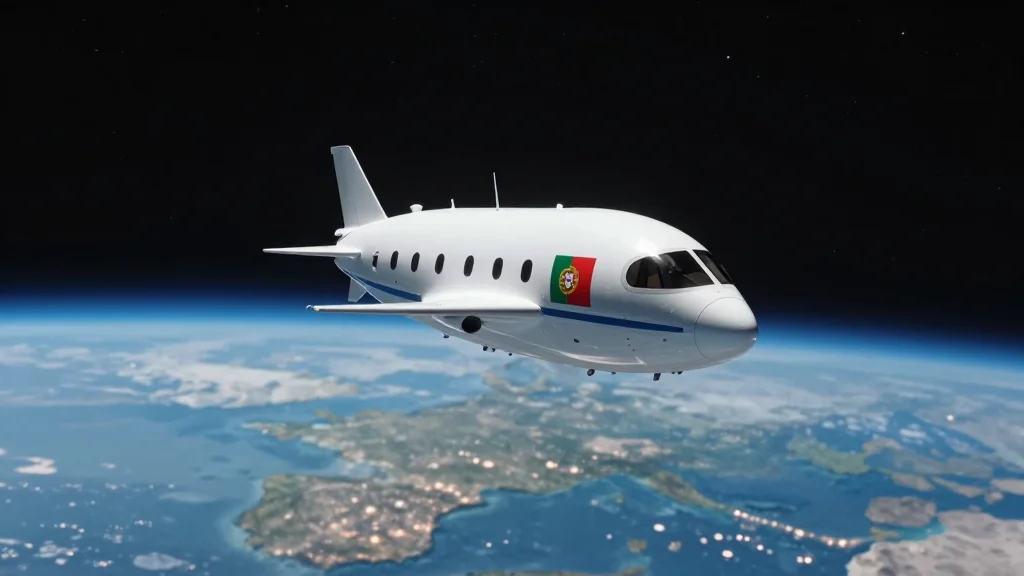
Portugal Signs Artemis Accords
Portugal officially joined the Artemis Accords, becoming the 60th nation to endorse the U.S.-led lunar partnership. The signing completes a near‑full European roster, with only a few states yet to ratify. Earlier reports suggested Latvia had already signed, but NASA’s...

A Quarter-Century in Orbit: Science Shaping Life on Earth and Beyond
Over 25 years, the International Space Station has become a unique microgravity laboratory, enabling breakthroughs in protein crystallization, disease research, and space agriculture. Experiments such as Angiex Cancer Therapy and NanoRacks‑PCG have produced higher‑quality crystals that inform targeted cancer drugs,...

The Essential Reading Series: The Search for Extraterrestrial Intelligence
The Essential Reading Series curates a diverse collection of books that explore the search for extraterrestrial intelligence (SETI) from scientific, cultural, and philosophical angles. Titles range from Carl Sagan’s fictional dramatization in *Contact* to Paul Davies’ analytical works on the...
The Path to Solar Weather Forecasts Is Paved with Drops in Cosmic Rays
Researchers from the University of Tokyo and partner agencies have demonstrated a new way to monitor coronal mass ejections by tracking drops in cosmic‑ray intensity, known as Forbush decreases, using instruments not originally designed for science on multiple spacecraft. In...
Blast From the Past: A Rocket History Quiz
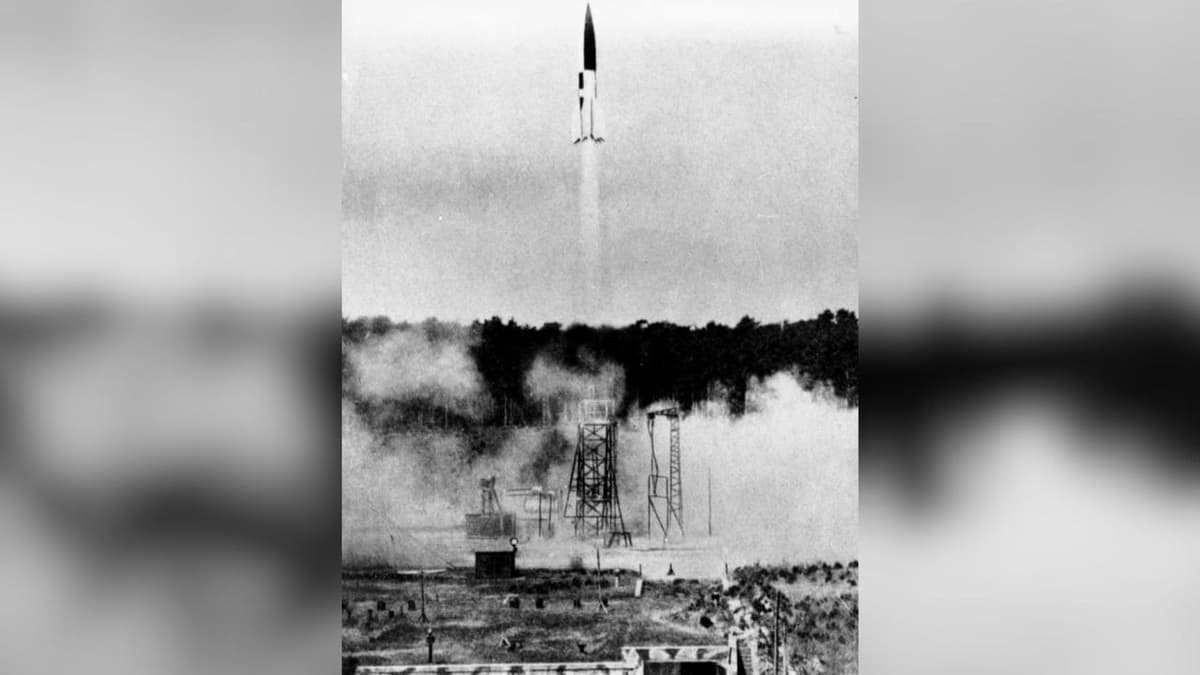
Space.com released a rocket‑history quiz that walks readers from ancient gunpowder experiments to today’s reusable launchers. The interactive format highlights milestones such as Tsiolkovsky’s liquid‑propellant theory, Goddard’s 1926 flight, the V‑2 missile, and the Saturn V moon rocket. It also spotlights...
The Essential Reading Series: Elon Musk
The Essential Reading Series compiles ten recent books that chronicle Elon Musk’s rise from a South African youth to the architect of Tesla, SpaceX, and multiple disruptive ventures. The titles range from Walter Isaacson’s comprehensive biography to niche studies of...
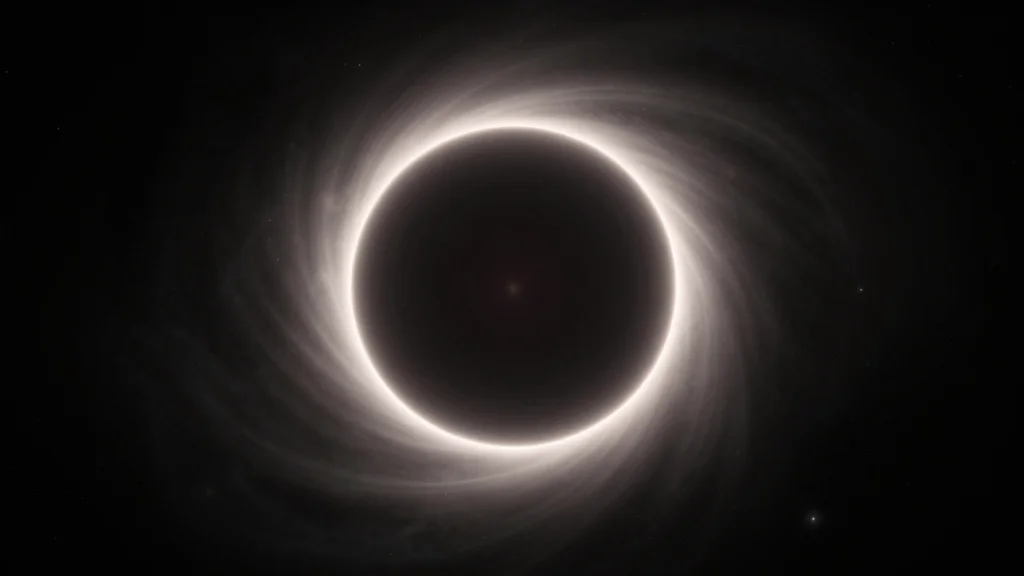
Bright Supernova Offers New View of Black Hole Birth
Astronomers observed supernova SN 2022esa, a type Ic‑CSM event, capturing the collapse of a massive Wolf‑Rayet star that formed a black hole. The team combined rapid Seimei and deep Subaru data to track its evolution, revealing a one‑month stable brightness plateau...
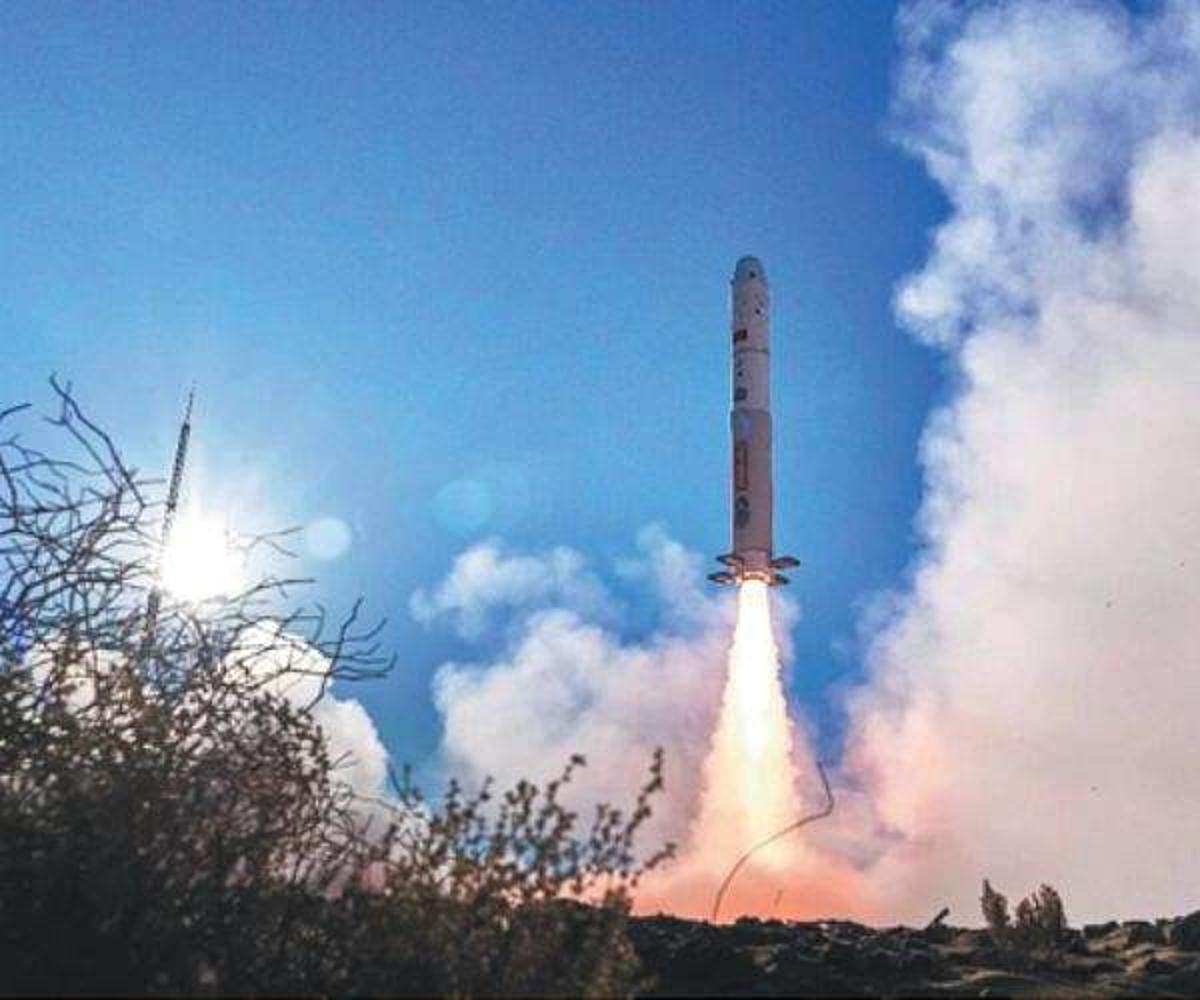
PH-1 Test Flight Advances Chinese Reusable Suborbital Spacecraft Plans
Chinese commercial aerospace firm CAS Space successfully flew its PH-1 suborbital vehicle, marking the first reusable test flight in the nation’s push toward low‑cost microgravity research and space tourism. The flight demonstrated autonomous navigation, thermal protection and a controlled splash‑down,...
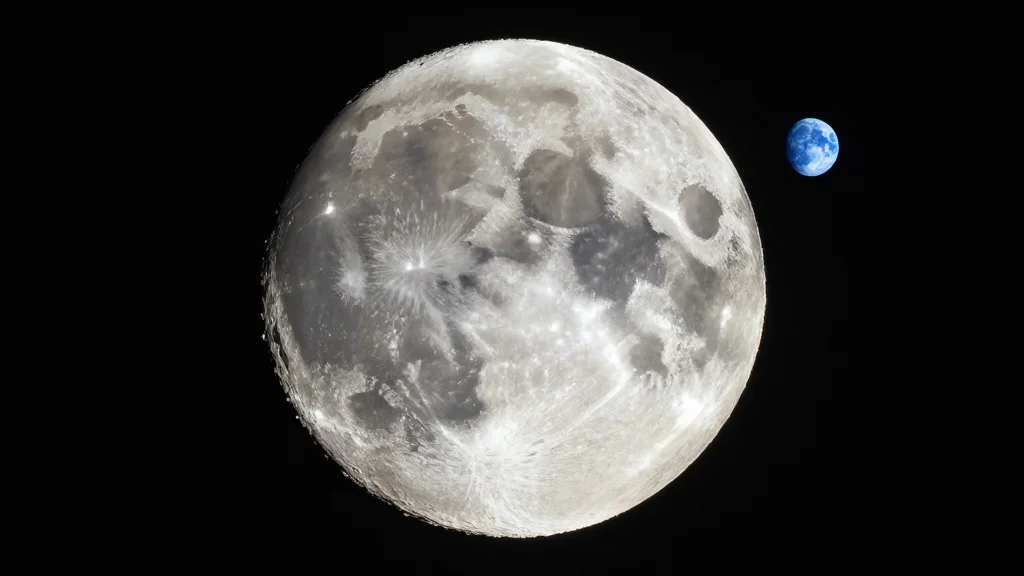
Ancient Impact May Explain Moons Contrasting Sides
Scientists have long debated why the Moon’s near side is covered by dark volcanic maria while the far side remains a rugged highland. New research using Chang’e 6 far‑side samples reveals an enrichment of heavy potassium isotopes, a fingerprint of a...

Spaceflight Causes Astronauts' Brains to Shift, Stretch and Compress in Microgravity
A new study published in PNAS reveals that microgravity reshapes astronauts’ brains. Imaging of crew members before and after flight shows the brain shifts upward, stretches, and experiences compression of certain regions. The changes include enlarged ventricles and altered tissue...
New Massive Hot Subdwarf Binary Discovered
Astronomers have identified LAMOST J065816.72+094343.1 (J0658) as a massive hot subdwarf binary with a 0.32‑day orbital period. The visible primary is a 0.82 M☉, 0.31 R☉ sdOB star at 35,800 K, while the unseen companion weighs about 30 % more than the Sun, approaching the...

Exclusive: Orbital Paradigm Emerges as the Lone Survivor of Failed PSLV Launch
India’s PSLV suffered a catastrophic anomaly six minutes after liftoff, leaving 16 satellites stranded. Orbital Paradigm’s Kestrel Initial Demonstrator (KID) managed to separate around 18 minutes into flight, endure up to 28 g, and transmit roughly 190 seconds of re‑entry telemetry...

Space Force Wants Competition. Satellite Makers Want Stability.
The Space Development Agency is pushing a commercial‑style, competitive procurement model for low‑Earth‑orbit constellations, aiming for faster delivery and lower costs. By issuing two‑year contract cycles, the SDA has brought newcomers like York Space and Rocket Lab into the same...

Turion Space Corp. Acquires Tychee Research Group to Accelerate Autonomous Space Operations and Mission Engineering
Turion Space Corp. announced the acquisition of Los Angeles‑based Tychee Research Group, bringing its high‑performance Tychee Mission Planning Library (TMPL) into Turion’s Starfire software ecosystem. TMPL spans the full mission lifecycle, from concept design to embedded flight‑software execution, enabling real‑time maneuver...

Quantum Imaging Startup Diffraqtion Emerges From Stealth
Quantum imaging startup Diffraqtion announced its emergence from stealth with a $4.2 million pre‑seed round led by QDNL Participations and backed by DARPA’s $1.5 million SBIR contract. The company is developing quantum‑enhanced cameras that fuse AI to deliver high‑resolution space imagery at...

Jan. 13, 1920: The New York Times Doubts Spaceflight
Robert Goddard’s pioneering rocketry faced harsh media skepticism in 1920 when the New York Times called his lunar‑rocket proposal “a severe strain on credulity.” Despite this, Goddard demonstrated rockets operate in vacuum in 1915, secured a Smithsonian grant, and during WWI contributed...
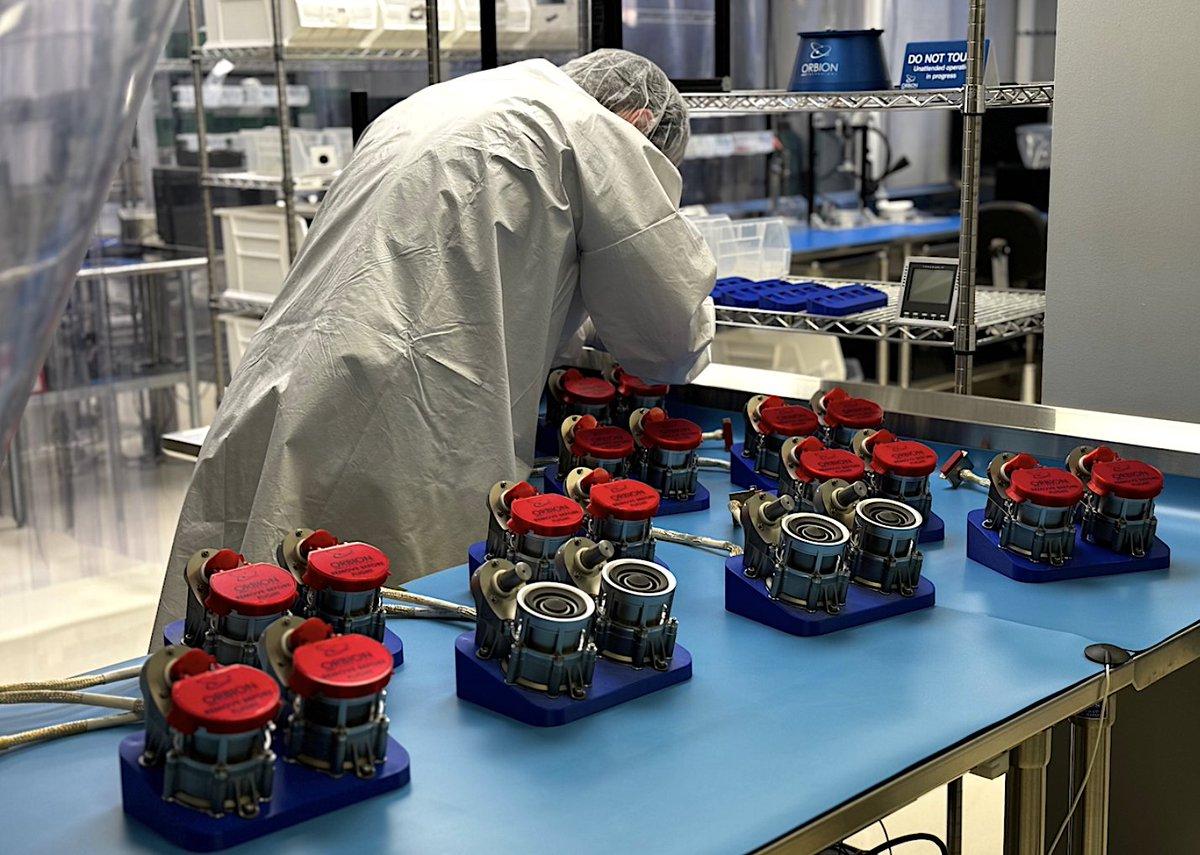
Orbion Expands Michigan Production After 33 Thruster Delivery
Satellite Hall-effect thruster manufacturer @orbionspace: Market demand excceeds industry-wide capacity so we're expanding production in Michigan; recent delivery of 33 thrusters to @YorkSpaceSystem. @SemperCitiusSDA.https://t.co/k9CxziIniR https://t.co/H7XHv0PlRO
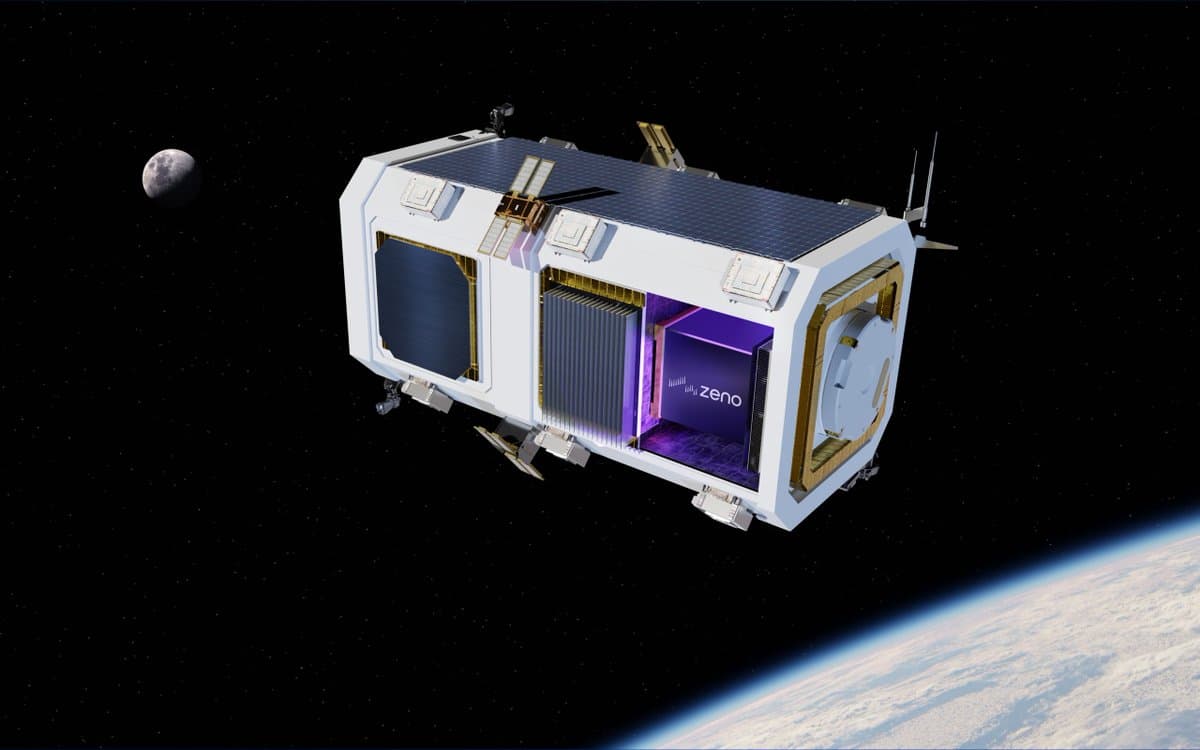
2026: Space Nuclear Power Powers Lunar Night
2026 will be the year of space nuclear power and surviving the lunar night https://t.co/cwslBLGFDM https://t.co/IY6BtdbNdI

2026 Will Be the Year of Space Nuclear Power and Surviving the Lunar Night
In 2026 the lunar surface agenda pivots from short‑term landings to surviving the two‑week, –250 °C night, making reliable power essential. Zeno Power’s CEO Tyler Bernstein says radioisotope power systems (RPS) are now the preferred solution for both lunar and future...

Orbion Delivers 33 Electric Thrusters to York Space for U.S. Military Constellation
Orbion delivered 33 Aurora Hall‑effect electric thrusters to York Space Systems, marking York's first public acknowledgment of the propulsion supplier. The units will likely power a U.S. Space Development Agency satellite constellation supporting data transport, tracking, and missile‑defense missions. Orbion...

Studying Space Science Today: Tools and Technologies Students Should Know
The article outlines the essential digital and observational tools that modern space‑science students must master, from Python and MATLAB programming to high‑performance computing, ground‑ and space‑based telescopes, remote‑sensing satellites, AI, and virtual labs. It emphasizes hands‑on experience with mission archives,...

Weird Blobs And Ribbons May Help Reveal The Secrets Of Solar Flares
Solar flares unleash massive energy that can disrupt GPS, telecoms and power grids. New high‑resolution images from ESA/NASA’s Solar Orbiter reveal tiny bead‑like blobs and dynamic flare ribbons within the Sun’s chromosphere. These structures, only a few hundred kilometres across,...
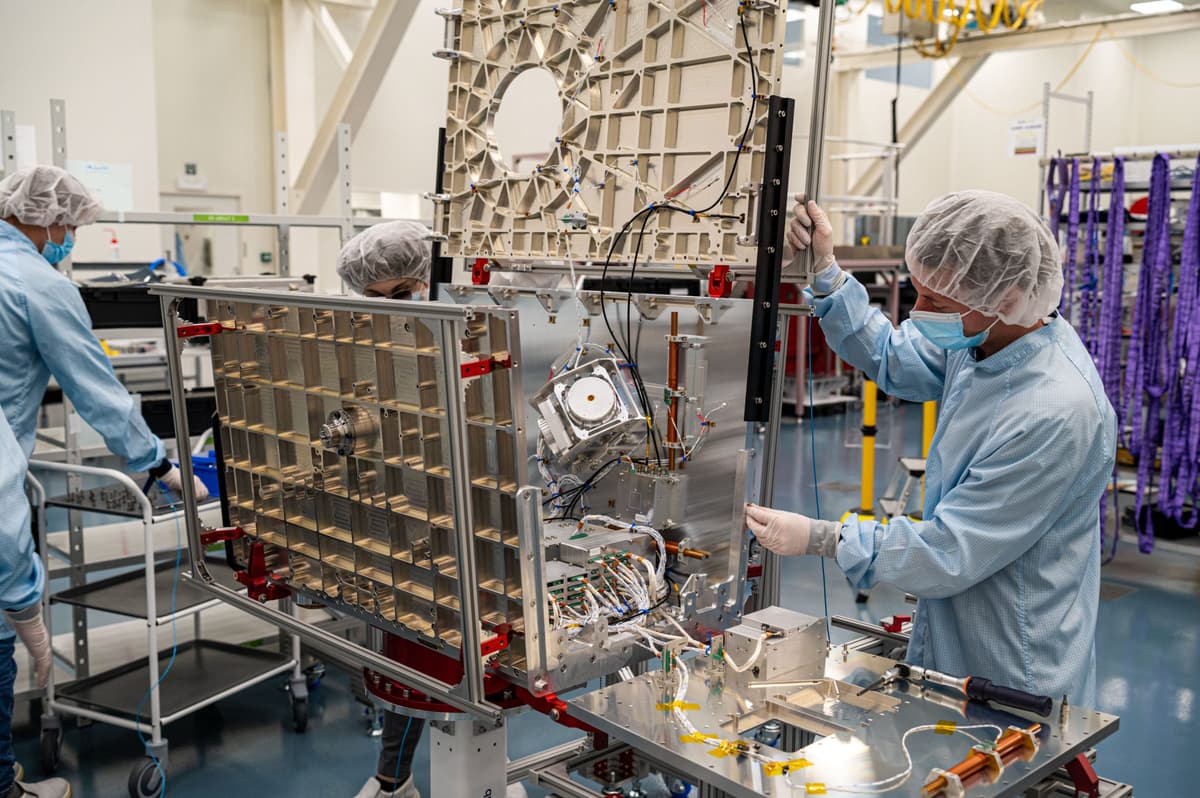
Aerospacelab to Build Eight Satellites for Xona’s Navigation Constellation
Aerospacelab has secured a contract to build eight low‑Earth‑orbit satellites for Xona Space Systems' Pulsar navigation constellation. The Belgian manufacturer will act as Xona's transition partner, delivering platforms and integration while Xona develops its own production line in California. Four...

A Slice of Space
The episode explains how the Europa Clipper mission uses a tiny segment of starfield imagery to pinpoint its trajectory and navigation in deep space. It details the technical process of star tracking, why a small slice is sufficient, and the...

NASA Announces Crew‑12’s Nine‑Month ISS Mission
An interesting tidbit from NASA's ISS update today: Crew-12 will stay for NINE months. https://t.co/utvlXiW5Kj https://t.co/QTytbTqczJ
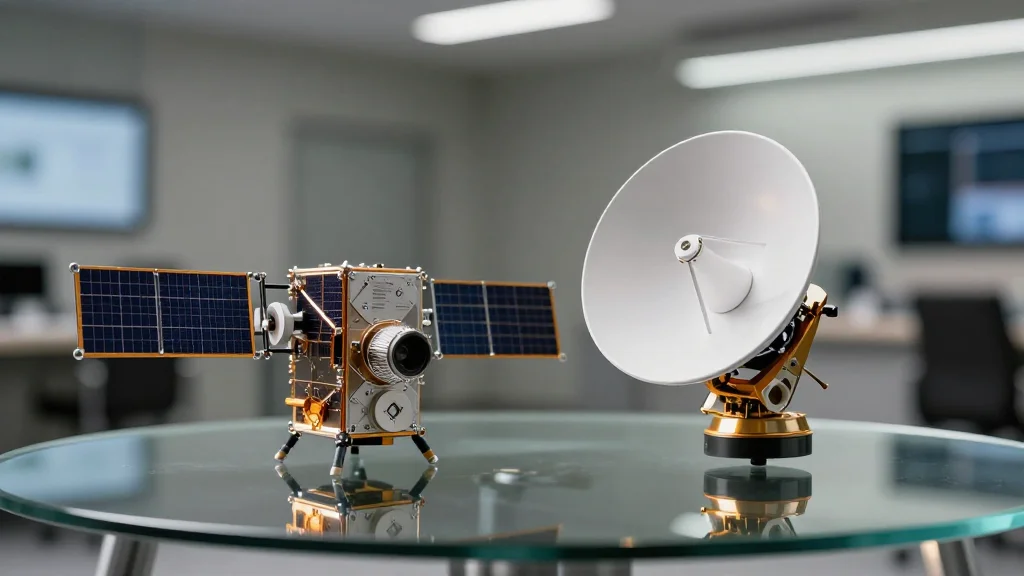
Swedish Armed Forces Sign Sovereign Satellite Deals with Planet and Iceye
Sweden’s Armed Forces have signed sovereign satellite contracts with Planet Labs and Iceye, granting the nation dedicated access to high‑resolution optical and synthetic‑aperture‑radar (SAR) imagery. The Planet agreement is a multi‑year, low nine‑figure deal that provides a suite of cutting‑edge...
Aetherflux Hires Joe Yaffe as COO and Chief Legal Officer
Aetherflux, the space‑solar startup founded by Baiju Bhatt, appointed Joe Yaffe as chief operating officer and chief legal officer. Yaffe arrives from Skadden, where he led the Palo Alto office, bringing deep operational and regulatory expertise. The hire follows a...

Tiny Mars's Big Impact on Earth's Climate: How the Red Planet's Pull Shapes Ice Ages
New research published in the *Publications of the Astronomical Society of the Pacific* shows that Mars, despite its small size, plays a measurable role in Earth's Milankovitch cycles. Simulations indicate that removing Mars eliminates the 100,000‑year eccentricity cycle and a...
Hubble Spies Stellar Blast Setting Clouds Ablaze
NASA’s Hubble Space Telescope captured a new image of the Herbig‑Harbor objects HH 80/81. These jets, driven by the massive protostar IRAS 18162‑2048, extend 32 light‑years and represent the largest known protostellar outflow. Measurements show parts of the jet moving faster than...

Sweden Fast-Tracks ISR with $141M Satellite Purchase
Swedish military purchases 10 radar and optical satellites in contracts w/ @iceye and @planet valued at combined $141M, accelerating previous schedule for ISR capability. 'Time is of the essence,' Defense Minister @PlJonson says. https://t.co/GqJcGEVX5I https://t.co/hKC4J60M0T

ISS Change‑of‑Command Ceremony Begins Soon – Watch Live
The ISS Change-of-Command ceremony should start in a few minutes at 2:35 pm ET. Watch on NASA's YouTube channel: https://t.co/oJhxxboDKW

NASA Welcomes Portugal as 60th Artemis Accords Signatory
Portugal signed the Artemis Accords on Jan. 11, becoming the 60th nation to join the framework for responsible lunar and deep‑space exploration. The signing ceremony in Lisbon featured Portuguese Space Agency director Hugo Costa and U.S. Ambassador John J. Arrigo,...
Mars Was Once a 'Blue Planet': Ancient River Deltas Point to Vast Ocean
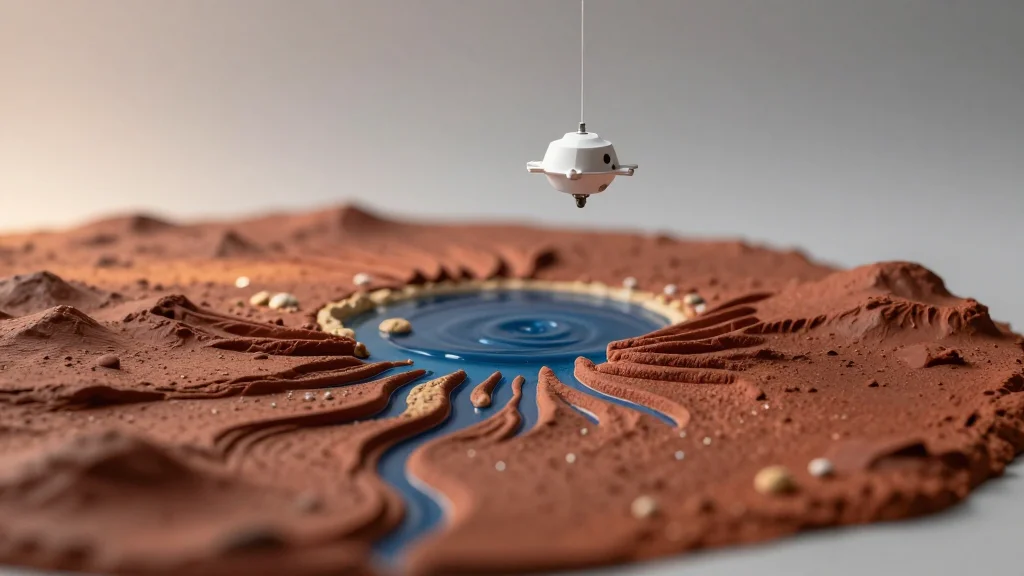
An international team led by the University of Bern has identified river‑delta formations in the southeast Coprates Chasma of Valles Marineris, providing direct evidence of a standing ocean on Mars around three billion years ago. The deltas, captured by high‑resolution images...

White Dwarf Star (Artist’s Concept)
NASA’s Imaging X‑ray Polarization Explorer (IXPE) has for the first time measured X‑ray polarization from a white dwarf binary, EX Hydrae, located about 200 light‑years away. The week‑long observation revealed the geometry of the accretion flow as material from a...
Eutelsat Orders 340 Satellites for 2026 OneWeb Upgrade
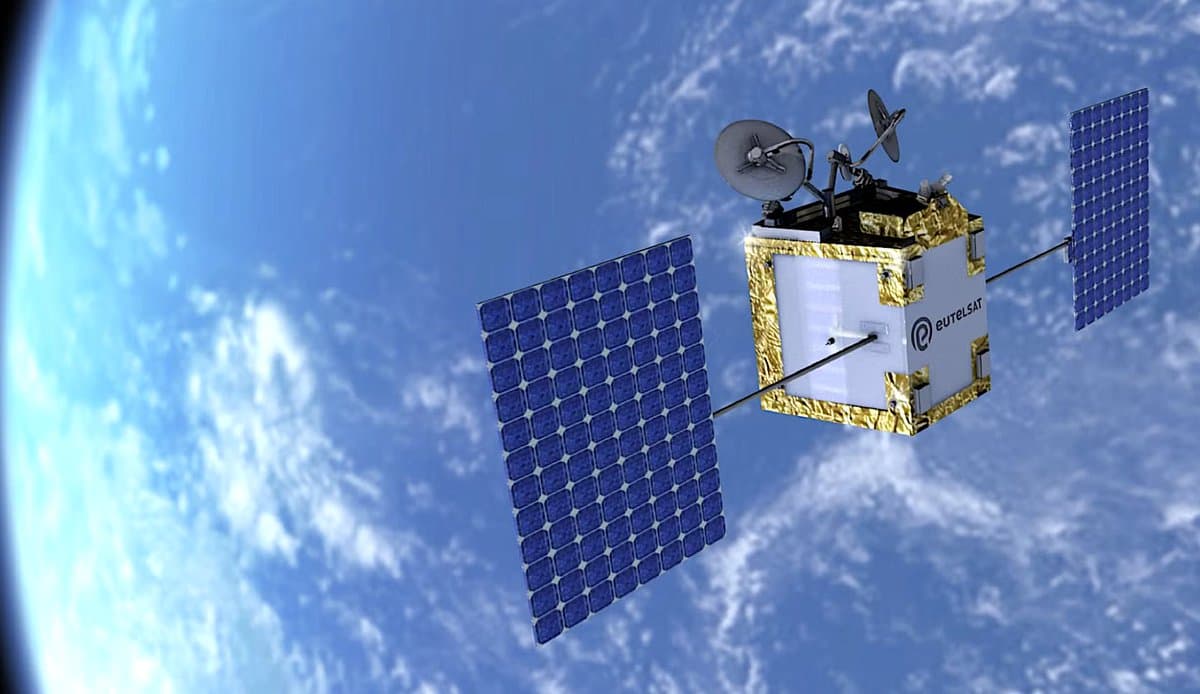
.@Eutelsat continues $2.6B #OneWeb constellation refurbishment program with 340-sat order to @AirbusSpace; launches start in 2026 to prepare for future @defis_eu #Iris2 secure constellation; hosted payloads an option. https://t.co/Pg4n3xlTtn https://t.co/uzxgPbtE83
Asteroseismology Study Probes Properties of Newly Discovered Pulsating White Dwarf
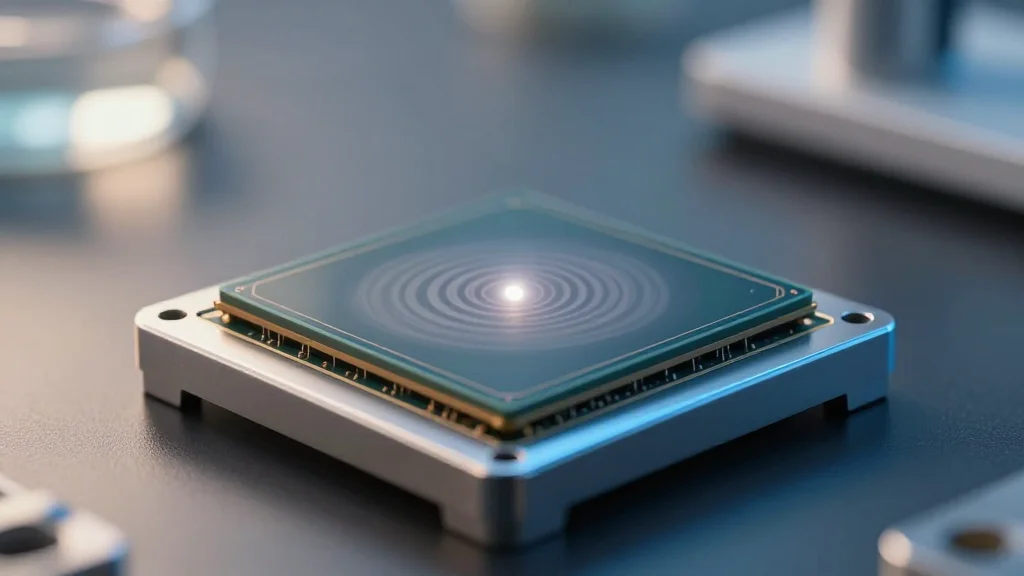
Chinese astronomers have performed an asteroseismology analysis of the newly identified pulsating white dwarf WFST J0530, confirming it as a faint ZZ Ceti (DAV) star. The study measured three stable pulsation modes between 594 and 873 seconds, yielding a mass...
Tyvak International’s LIDE Satellite Completes Initial On-Orbit 5G Tests
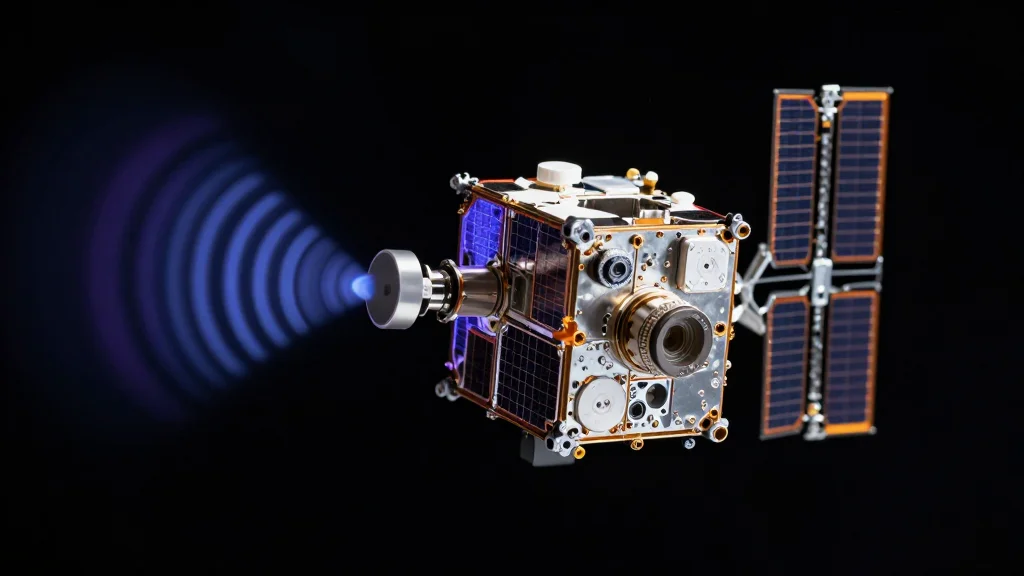
Tyvak International’s 12U CubeSat LIDE has completed its first months of on‑orbit operations, confirming the satellite can deliver 5G connectivity from space. Launched on July 23, 2025, the mission demonstrated downlink speeds of up to 10 Mbps and uplink rates of 1 Mbps using...

NRO Taps Capitol Hill Staffer Bill Adkins as Principal Deputy Director
Bill Adkins, a veteran staffer on the House Defense Appropriations Subcommittee, will assume the role of principal deputy director of the National Reconnaissance Office on Jan. 12, succeeding Troy Meink. The deputy director manages the NRO’s daily operations, including classified satellite...
EUMETSAT Secures $1B for EPS‑Sterna
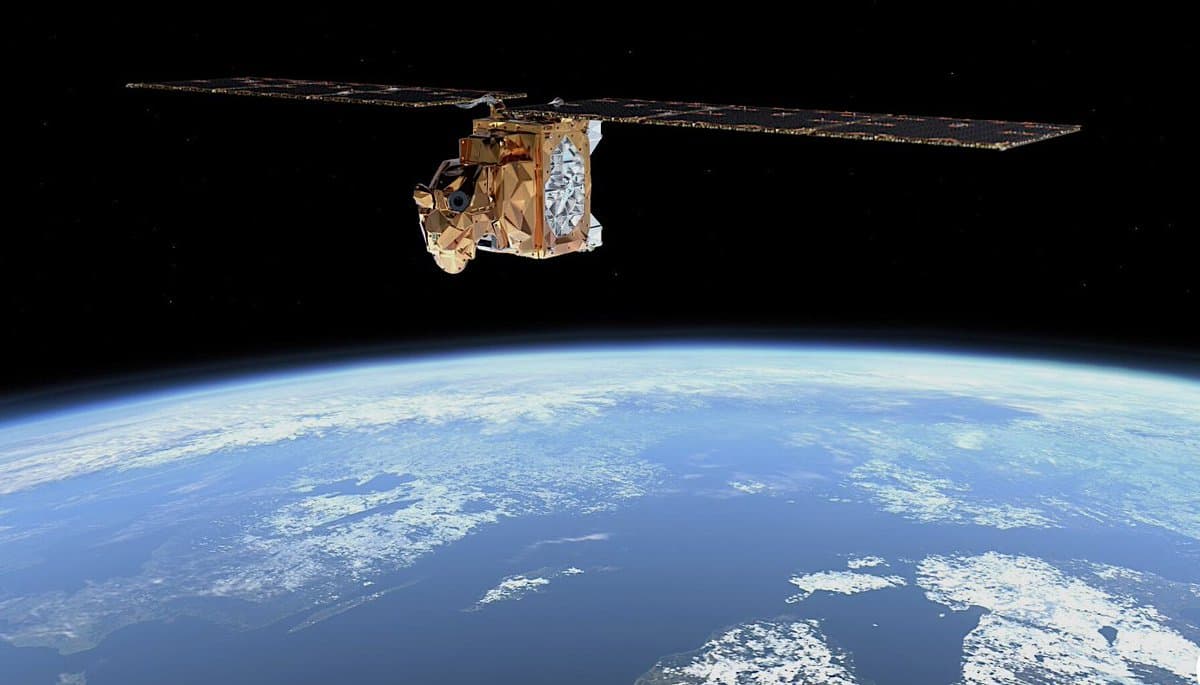
Now it's final: @eumetsat, with backing of 29 0f 30 member states, commits to $1B EPS-Sterna constellation of small polar-orbit sats to study microwave measurements of atmosphere. 1st batch of 6 sats to launch 2029. @esa @OHBSweden @AACClydeSpace.https://t.co/NWVbtoKesN https://t.co/DxOS9wChrr

AI Needs Spatial Intelligence. The GEOINT Industry Will Deliver It.
The article argues that AI’s next breakthrough lies in spatial intelligence, not just faster image processing. GEOINT’s persistent, sensor‑agnostic data can supply a living digital twin of Earth, giving AI the context to predict actions and recommend responses. Government spending,...

Superheavy-Lift Rockets Like SpaceX's Starship Could Transform Astronomy by Making Space Telescopes Cheaper
SpaceX’s Starship achieved a successful test flight in October 2025, positioning it to deliver payloads far larger than current rockets. The super‑heavy‑lift vehicle can transport roughly ten times more mass to orbit, enabling space telescopes with unfurled mirrors and reducing...

Why Don’t Planets Fall Into the Stars They Orbit?
Planets remain in orbit because their tangential velocity is high enough to keep the star’s curvature away from their path, creating a continuous free‑fall around the Sun. Newton’s law of universal gravitation explains that gravity pulls inward while orbital speed...

GRU Space Opens Bookings for Planned Lunar Hotel
GRU Space, a Y Combinator‑backed startup, opened bookings for its planned lunar hotel, requiring a $1 million deposit to reserve a spot. The company’s roadmap includes three lunar missions, with an inflatable habitat test in 2029 and a full‑scale hotel launch...

Jan. 12, 2005: A Comet Impactor Launches
NASA’s Deep Impact mission, launched on Jan. 12 2005, deployed an impactor that struck Comet 9P/Tempel 1 on July 4, creating a 150‑meter crater. The collision revealed the comet’s interior to be roughly 75 % porous, with fine dust and intact water ice and organic compounds....