
MDA Space Continues Work on Gateway Robotic Arm
MDA Space announced it will continue development of Canadarm3, Canada’s robotic contribution to NASA’s lunar Gateway, despite NASA’s recent decision to cancel the Gateway in favor of a lunar base. The company is executing a CAD 1 billion (≈ $730 million) contract for design and assembly while discussing with the Canadian Space Agency how to adapt the arm for new moon‑exploration roles. MDA also highlighted progress on its Globalstar replacement satellite program, delivering the first 17 satellites in Q1, and noted that Amazon’s $11 billion acquisition of Globalstar will not impact those contracts.

NATO and Japan Weigh Shared Use of Satellite Launch Sites
NATO is exploring shared use of satellite launch sites with Japan under its Starlift initiative, which seeks rapid replacement of disabled satellites. The proposal would give NATO access to Japanese launch facilities such as the H‑IIA complex. Japanese officials view...
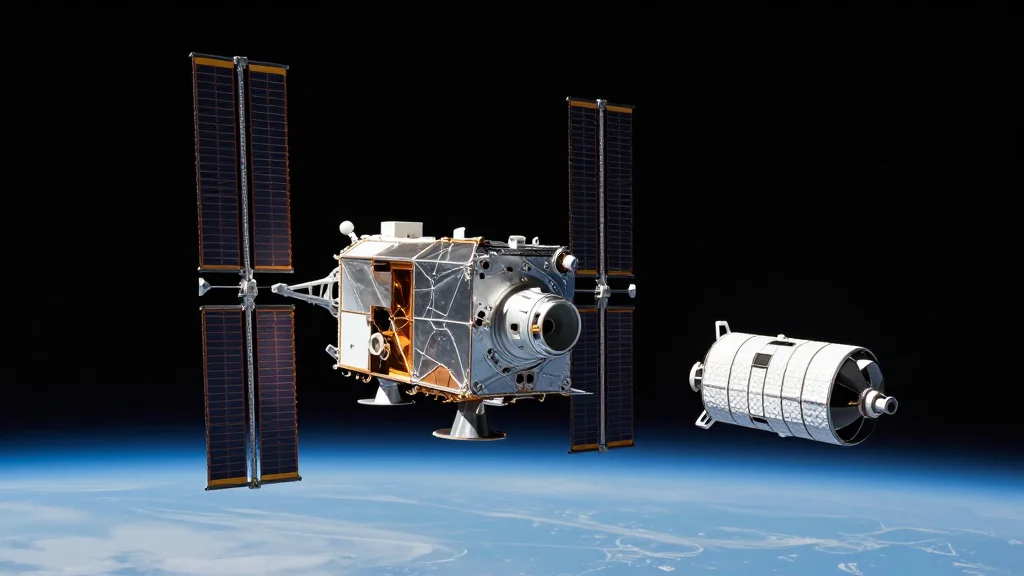
Rush Rescue Mission for NASA's $500M Space Telescope Passes Key Milestone
NASA’s aging Swift space telescope, a $500 million gamma‑ray observatory launched in 2004, is slated to re‑enter Earth’s atmosphere later this year unless its orbit is boosted. A commercial rescue mission, dubbed Link and built by Katalyst Space Technologies, has just...
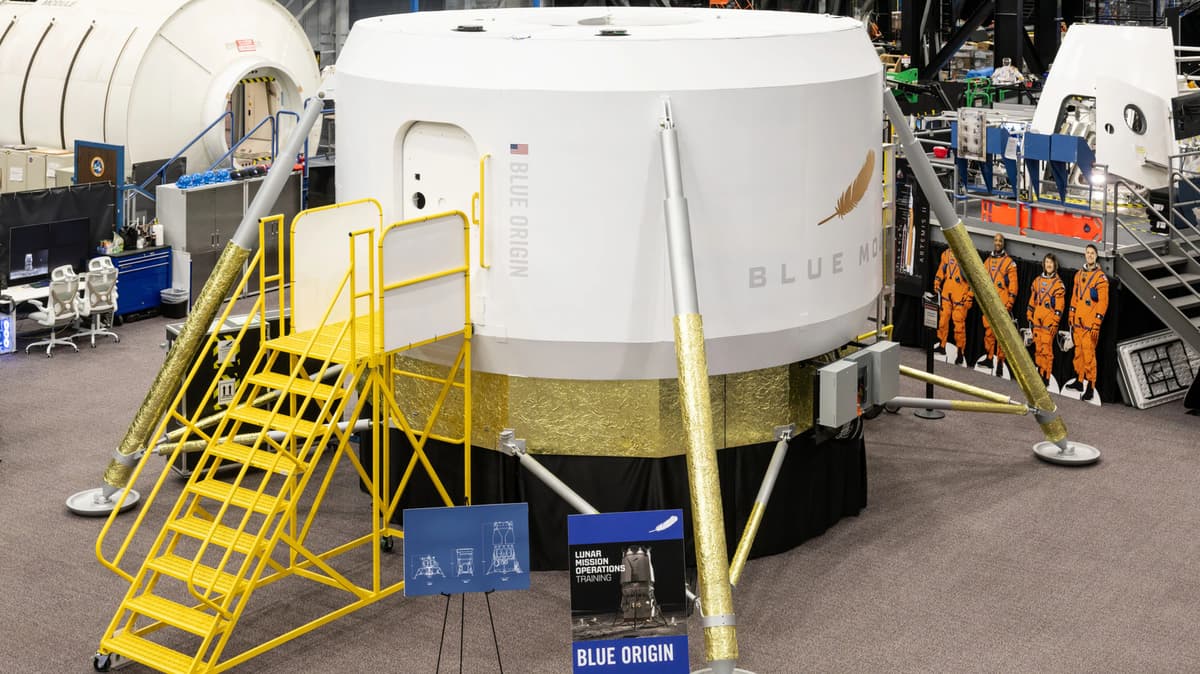
NASA Is Set to Begin Training with a Prototype of Blue Origin's Crew Moon Lander
NASA announced that a full‑scale prototype of Blue Origin’s crew cabin for its Mark 2 lunar lander has arrived at Johnson Space Center. The 15‑foot‑tall mock‑up will be used for human‑in‑the‑loop training, including mission scenario rehearsals, suit checkouts, and simulated Moonwalks....

What Would Happen If Voyager 1 Crashed on an Alien Planet
Voyager 1, the farthest human‑made object, continues drifting through interstellar space with only two instruments still operating as of May 2026. A collision with an alien world is astronomically unlikely because planets occupy minuscule targets in the vastness between stars. If a...
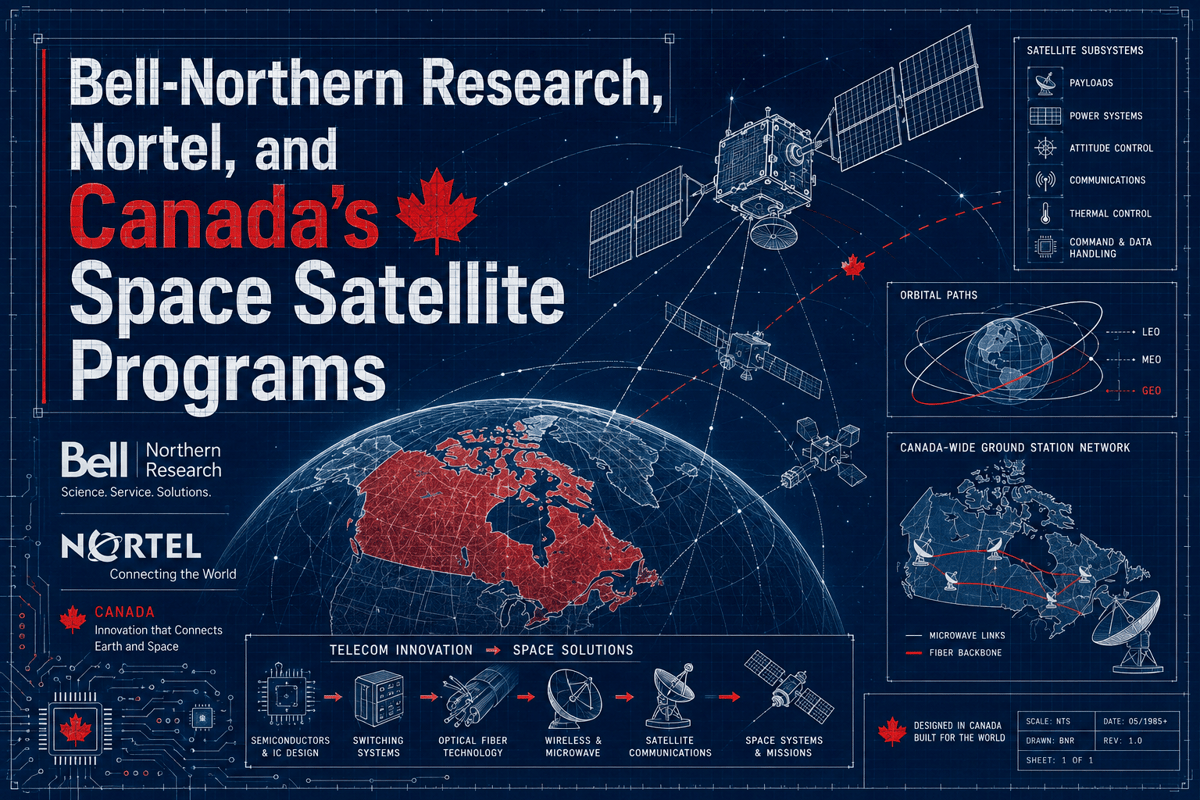
Bell-Northern Research, Nortel, and Canada’s Space Satellite Programs
Bell‑Northern Research (BNR) and its successor Nortel were pivotal telecom innovators, not satellite builders, in Canada’s space communications era. Their work linked satellite links to telephone networks through digital switching, traffic simulation, and network architecture studies. Northern Telecom also served...
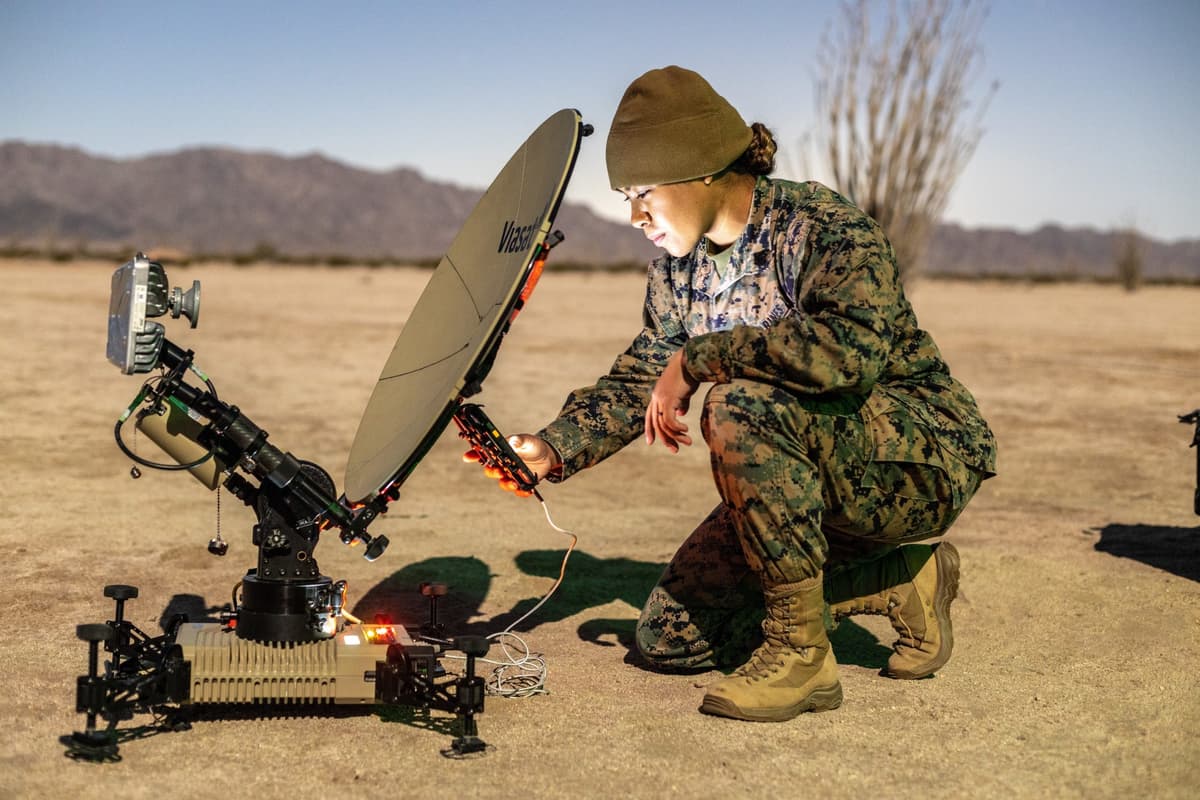
Viasat Wins $307 Million Marine Corps Satellite Communications Contract
Viasat has been awarded a five‑year, $307 million contract to provide satellite communications for the U.S. Marine Corps under the MECS2 program. The deal, awarded by the Space Systems Command’s Commercial Space Office, retains Viasat after it won a recompete, despite...
Katalyst Completes Final Ground Testing of Its Swift Rescue Spacecraft
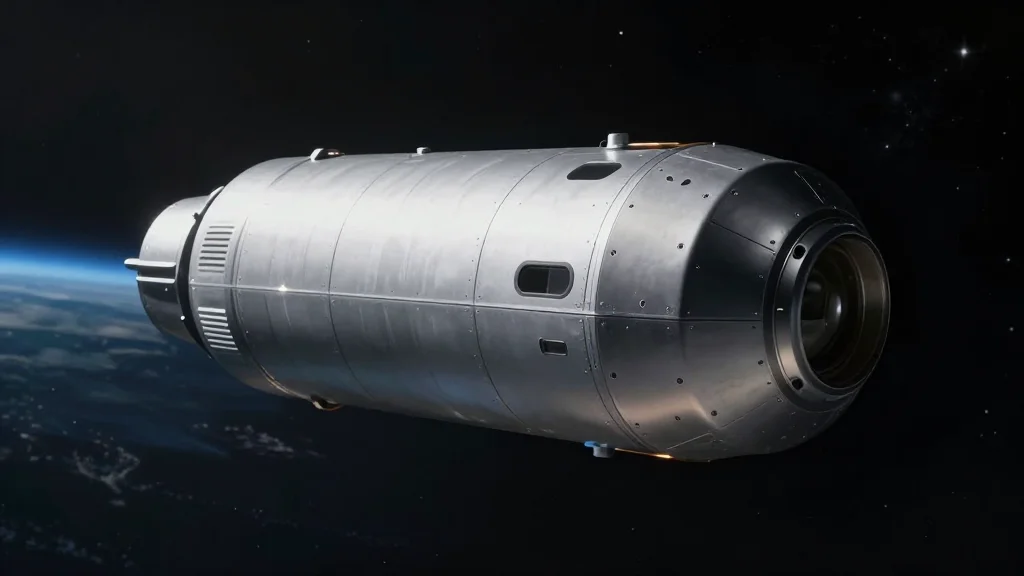
Katalyst announced it has completed the final ground‑testing campaign for its Swift rescue spacecraft, LINK. The tests included vibration, thermal‑vacuum, and ion‑thruster firings at NASA Goddard and an Arizona facility. Integration onto a Northrop Grumman Pegasus launch vehicle is slated for...

Rocket Lab Has Signed An Agreement To Purchase Motiv Space Systems
Rocket Lab announced on May 7, 2026 that it has signed an agreement to acquire California‑based Motiv Space Systems, with the transaction slated to close in the second quarter of 2026. The deal will rebrand Motiv as Rocket Lab Robotics and bring...
NASA's Twin Voyager Spacecraft Are Very Low on Power After Nearly 50 Years. How Long Can They Keep Going?
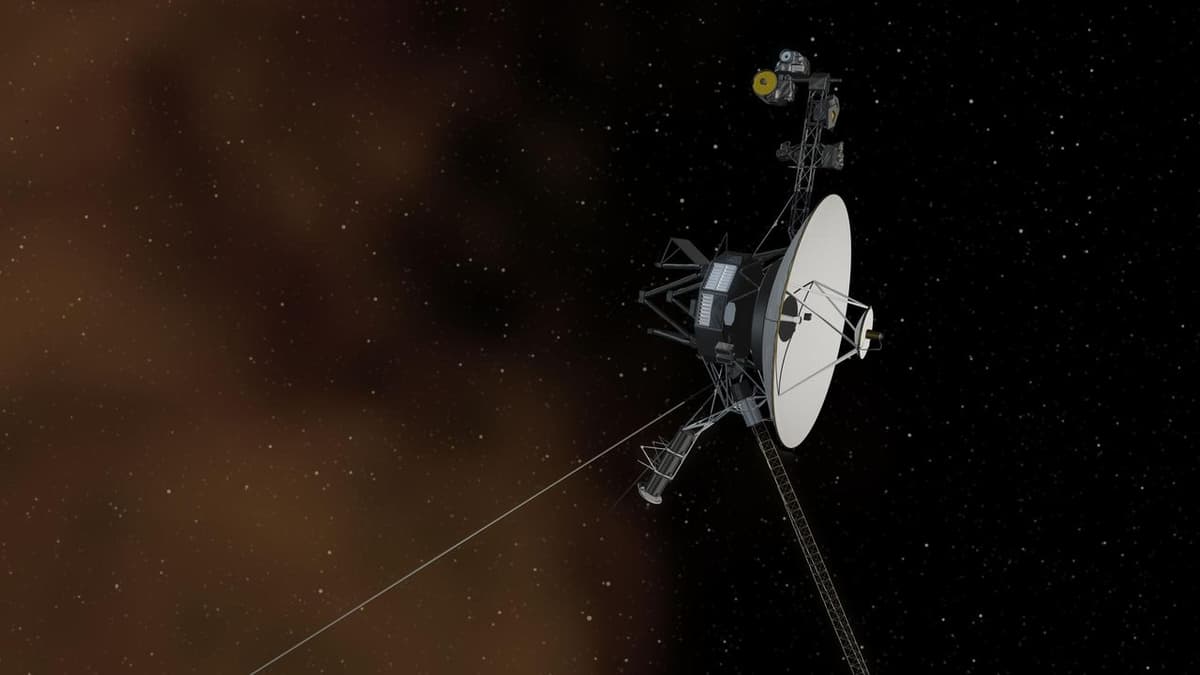
NASA’s twin Voyager probes, launched in 1977, are now operating on roughly half their original 470‑watt power output, leaving only a few instruments active. A risky engineering maneuver dubbed the “Big Bang,” scheduled for mid‑2026, will swap heater devices to...
Muon Space Scales Workforce Following Transition to Constellation-Scale Manufacturing
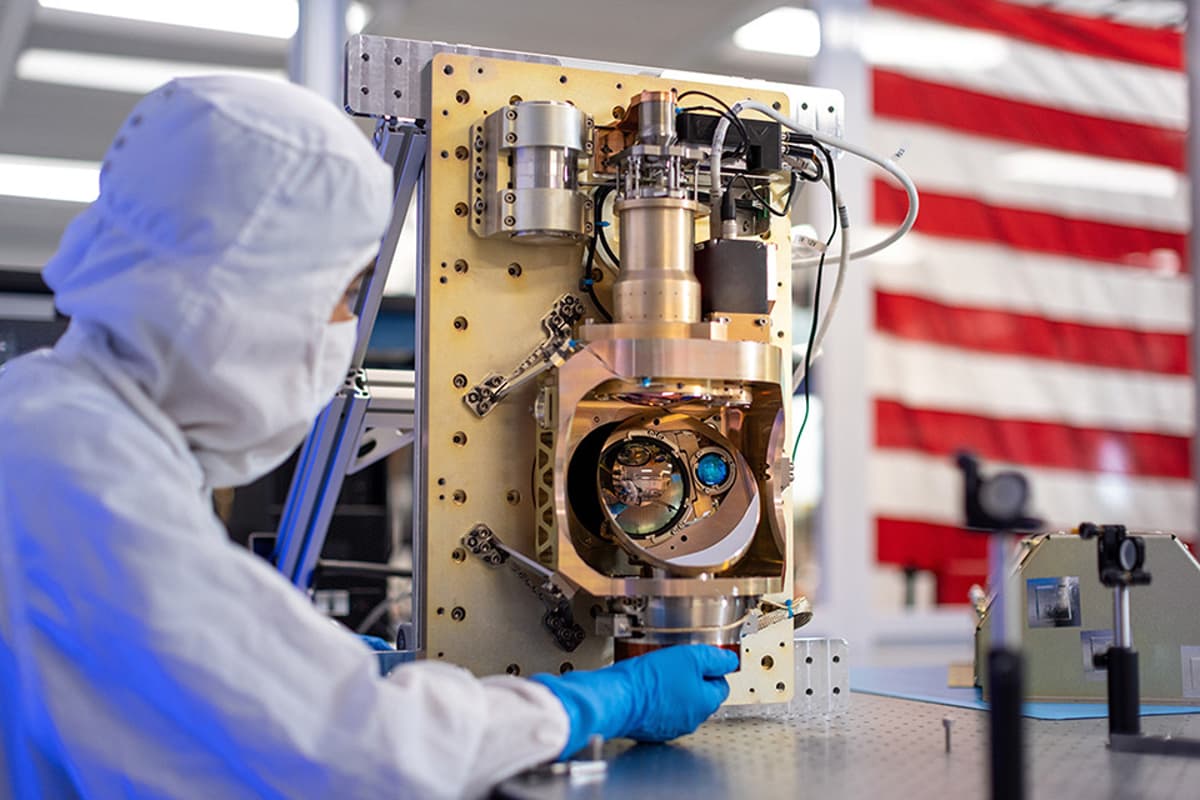
Muon Space, fresh from a $146 million Series B round and high‑value defense contracts, is scaling its workforce to shift from custom satellite builds to a mass‑production "Mission Foundry" model. The company opened a 130,000‑square‑foot San Jose facility capable of delivering up...

T-Mobile Teams Up With Starlink to Improve Its Internet Service
T‑Mobile has launched SuperBroadband, a business internet service that fuses its nationwide 5G network with SpaceX’s Starlink satellite broadband. The hybrid solution provides automatic failover between terrestrial and satellite links, delivering continuous connectivity even in remote ZIP codes or during...

Internet Apocalypse: Can a Solar Storm Actually Disconnect the World?
Scientists warn that the 2025‑2026 solar maximum could trigger geomagnetically induced currents that damage submarine fiber‑optic cables, fragmenting the global internet. Research originating from a 2021 SIGCOMM paper shows that repeaters’ power conductors act as massive antennas for solar storms....

Life Aboard the International Space Station: How Astronauts Eat, Sleep, Work, and Stay Healthy
Astronauts aboard the International Space Station live on a tightly coordinated 24‑hour schedule that blends scientific research, system maintenance, exercise, meals, sleep, and personal time. Microgravity forces redesign of everyday actions—food is packaged to avoid crumbs, water forms floating blobs,...
NASA Keeps Track As Mexico City Sinks Into the Ground
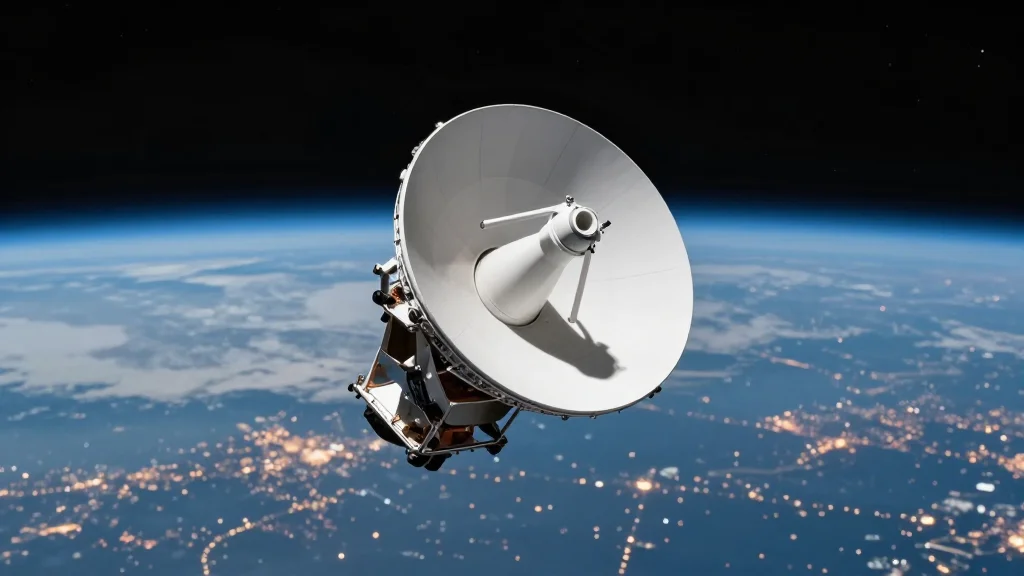
NASA’s NISAR satellite is now delivering weekly, centimeter‑scale radar maps that track Mexico City’s ongoing subsidence. The capital, built on a former lake bed, is sinking up to 2 cm per month as groundwater extraction compacts soft clay soils. NISAR’s ability...

Blue Moon Mark 1 Live: Blue Origin Begins NASA Center Lander Tests
Blue Origin has started physical testing of its first lunar lander, Blue Moon Mark 1, at multiple NASA facilities across the United States. The test programme is intended to verify the vehicle’s propulsion, navigation and landing systems ahead of a cargo‑delivery mission slated...
USS Cobia – Its History and Future
Robert Zimmerman’s “Genesis: The Story of Apollo 8” recounts the historic 1968 mission that first took humans around another world. The book is now available in hardback, paperback, ebook, and audiobook formats, with autographed copies priced at $60 for hardback and...

Booster 19 Completes Static Fire as Ship 39 Prepares for Rollout
SpaceX successfully performed a full‑duration, full‑thrust static fire of Booster 19’s 33 Raptor 3 engines on May 7, 2026, marking the first liftoff‑level test on the new Pad 2. The test demonstrated the upgraded deluge system’s ability to manage the immense energy release, while...

Swift Reboost Mission Completes Environmental Tests
NASA and Katalyst Space announced that the Link spacecraft, built to grapple and re‑boost the aging Swift gamma‑ray observatory, has cleared a full suite of environmental tests at Goddard. The tests included launch‑vibration, thermal‑vacuum cycling, robotic‑arm deployment and electric‑thruster firings....

This Major Airline Is Finally Letting You Make Calls at 30,000 Feet
British Airways has partnered with SpaceX’s Starlink to install satellite‑based broadband on its fleet, enabling free voice and video calls at cruising altitude. The rollout, involving structural modifications and software integration, will span two years and deliver speeds up to...
Greek Government Taps Planet for New Satellite Data Deal
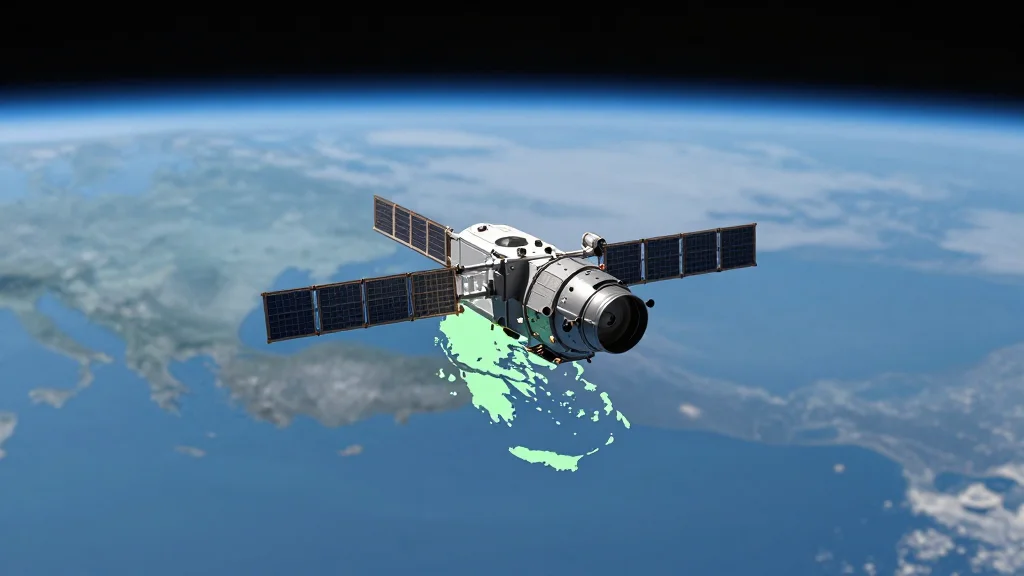
Planet Labs Germany has landed a two‑year, seven‑figure contract—estimated between $1 million and $9 million—with the Greek government. The agreement, brokered through ESA, provides near‑daily medium‑resolution imagery, high‑resolution tasking, and a decade of PlanetScope data to support Greece’s National Satellite Space Project....
Operational AI Is Hitting the Limits of Earth Observation Data
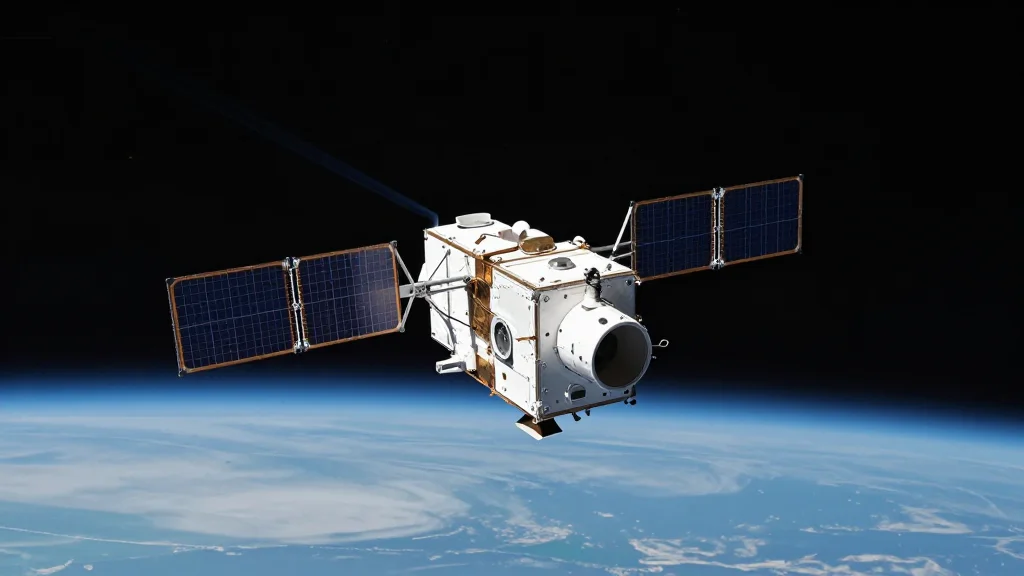
AI models are moving from experimental Earth Observation (EO) datasets to operational deployments that must function across diverse geographies, seasons, and sensor changes. However, satellite imagery suffers from calibration drift, uneven revisit schedules, and fragmented data supply, forcing users to...
Brian Hughes Returns to NASA in Charge of Kennedy and Wallops Launch Operations
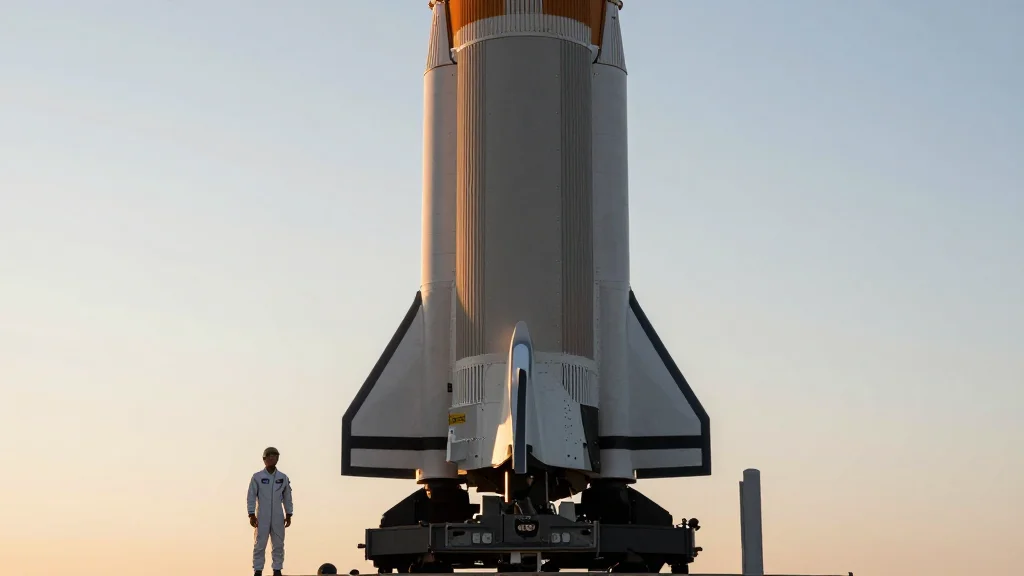
Brian Hughes, a former Trump campaign Florida director and brief NASA chief of staff, has been appointed senior director of launch operations overseeing Kennedy Space Center and Wallops Flight Facility. He will not serve as center director but will report...
Axiom Readies for Yearlong Spacesuit Qualification Testing
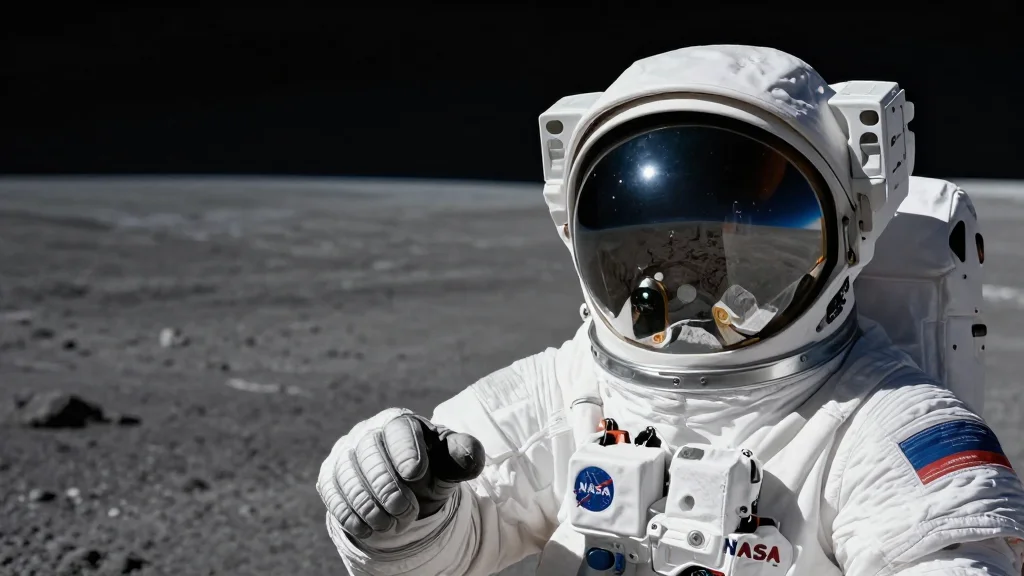
NASA’s Artemis program relies on Axiom Space to deliver its next‑generation xEMU lunar suits. Axiom has secured a $228.5 million task order to build four suits for Artemis IV and is beginning a year‑long qualification campaign that includes vibration, thermal‑vacuum and lander‑interface...

Spaceflight Leaves Astronauts' Joints Unchanged After 18 Days on ISS, Early Data Suggest
Researchers at National Jewish Health examined three astronauts before and after an 18‑day Axiom Mission 4 stay on the ISS, using musculoskeletal ultrasound to assess cartilage, synovial fluid, tendons and ligaments in hips, knees and ankles. The pilot study found...

VanEck Launches 'WARP' Space ETF to Tap Into Exploration and Satellite Boom
VanEck has launched the WARP space ETF, trading under the ticker WARP, to give U.S. investors exposure to the rapidly expanding space sector. The fund tracks the MarketVector Space Index, which focuses on companies involved in launch systems, satellite infrastructure,...

East African Countries Plan Regional Satellite Launch
Ministers from Kenya, Rwanda, South Sudan and Uganda have agreed to move forward with the Northern Corridor Regional Communication and Broadcasting Satellite Initiative (NCRCBSI), a joint effort to launch a satellite that will broaden communication and broadcasting services across East...
Shenyang Institute of Automation Proposes Carbon Fiber/PEEK 3D Printing and Welding for On-Orbit Structures
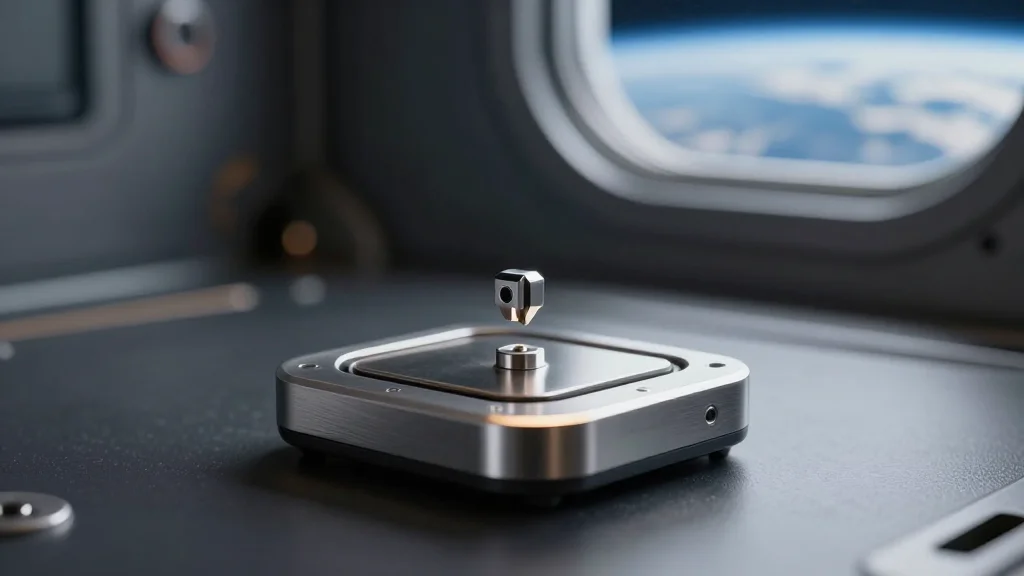
China’s Shenyang Institute of Automation (SIA CAS) announced a new on‑orbit manufacturing method that merges pultrusion molding with laser transmission welding of carbon‑fiber reinforced PEEK composites. The technique produces high‑strength, lightweight tubular units and 3D‑printed PEEK joints that can be...
Louisiana State Senator: Two Unnamed Aerospace Companies Are Bidding for Major Land Purchase
Louisiana State Senator Bob Hensgens confirmed that two unnamed aerospace companies are in talks with landowners about purchasing a 136,000‑acre (over 200 sq mi) Exxon‑owned parcel on the Gulf Coast. The land, located in Vermilion and Cameron parishes, has been speculated as...
Paraguay Becomes the 67th Nation to Sign Artemis Accords
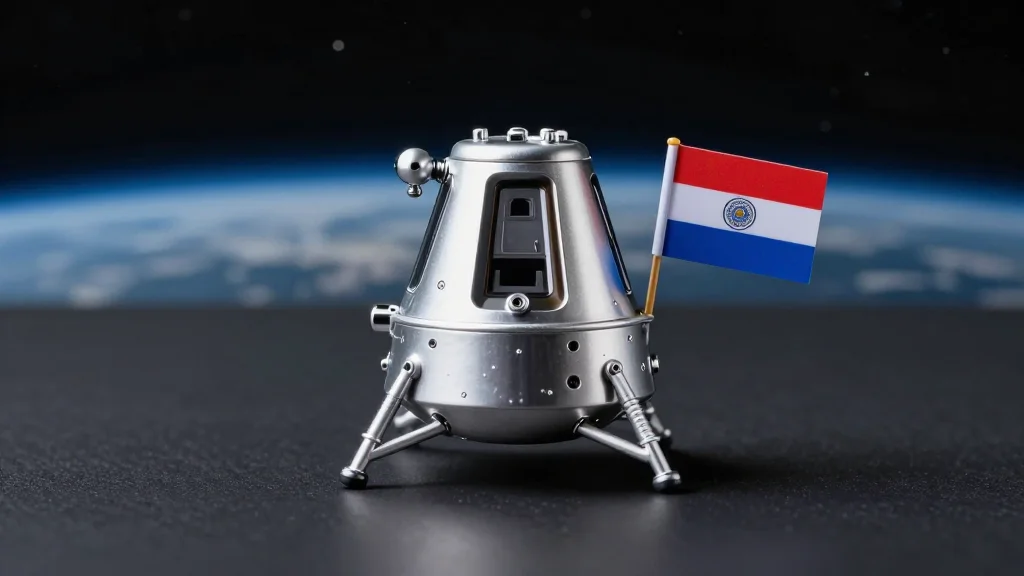
Paraguay signed the Artemis Accords on July 9, becoming the 67th nation to join the U.S.-led space partnership. The addition follows a recent wave of smaller countries signing after the Artemis‑2 lunar flyby. NASA’s Jared Isaacman highlighted the accords’ focus on...

Rocket Lab Enters Golden Dome Missile Defense Program with Raytheon
Rocket Lab Corp., in collaboration with defense contractor Raytheon, has been chosen by the U.S. Space Force to demonstrate advanced capabilities for the Space Based Interceptor (SBI) program, a cornerstone of the Golden Dome missile‑defense architecture. The selection positions Rocket...
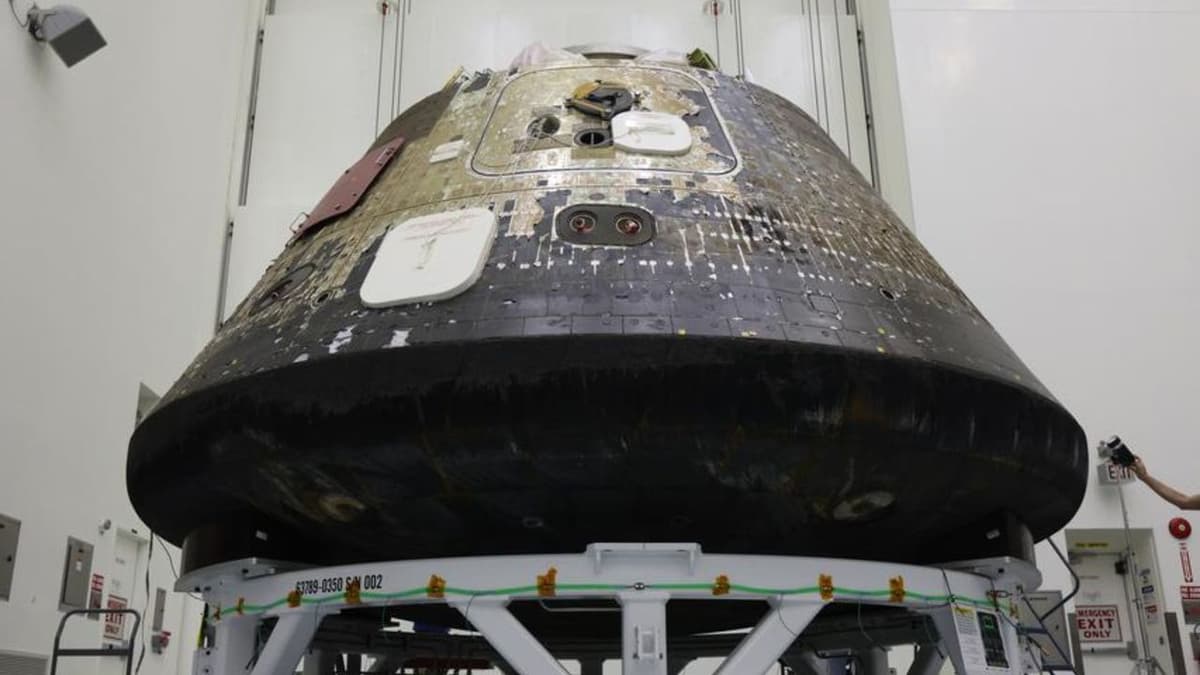
The Charred Hull of Artemis 2's Orion | Space Photo of the Day for May 8, 2026
NASA’s Artemis 2 mission returned four astronauts safely to Earth after a historic 10‑day lunar flyby, the first crewed trip beyond low‑Earth orbit since Apollo 17. The Orion capsule, nicknamed “Integrity,” endured re‑entry temperatures up to 5,000 °F, scorching its exterior while the...

A New Race to the Moon Puts Earth-to-Moon Connectivity in the Spotlight
The renewed race to the Moon is spotlighting Earth‑to‑Moon communications as a critical enabler for upcoming Artemis missions and commercial lunar ventures. NASA’s Ignition Initiative will invest $20 billion over seven years to build sustainable habitats, rovers and nuclear power on...

SmallSat Europe Speaker Focus: Johannes Galatsanos, Diffraqtion
Diffraqtion, a quantum‑imaging startup spun out of MIT and the University of Maryland, announced a $4.2 million pre‑seed round that includes a DARPA Small Business Innovation Research Phase‑II contract. The company’s quantum camera promises up to 20‑times higher resolution and 1,000‑times...

Can Pakistan Make Its Space Program Great Again?
Pakistan has selected two Pakistan Air Force pilots for astronaut training in China, paving the way for the nation’s first citizen to fly aboard China’s Tiangong space station in late 2026. In parallel, SUPRCO has launched five indigenous satellites between...

RSAT Space and INNOSPACE Sign MOU for North American Launch and Integration Services
Montreal‑based RSAT Space and South Korean launch provider INNOSPACE signed a Memorandum of Understanding to jointly pursue satellite launch and space‑system contracts across North America. The deal pairs INNOSPACE’s HANBIT‑Nano small‑sat launcher, capable of delivering up to 90 kg to a...

Artemis II Crew Eyes Meteoroid Impact Flashes
During its lunar flyby, NASA’s Artemis II crew observed brief meteoroid impact flashes on the Moon’s far side, a phenomenon that onboard cameras struggled to capture. The Orion spacecraft carried 31 cameras to document the mission, yet rapid flashes evaded imaging...

UAE Space Agency Drives Public-Private Collaboration at MIITE 2026
At the fifth Make it in the Emirates (MIITE) 2026 forum, the UAE Space Agency showcased its push to embed private firms into the national space agenda outlined in the Space Strategy 2031. The agency highlighted the expansion of Space Economic...

Rocket Lab Announces Large Launch Contract and Plans to Acquire Space Robotics Company
Rocket Lab announced its largest ever launch contract, securing five Neutron and Electron missions for a confidential customer between 2026 and 2029. The deal exceeds the previous $190 million record, underscoring rising demand for the company’s medium‑lift capabilities. Rocket Lab also...
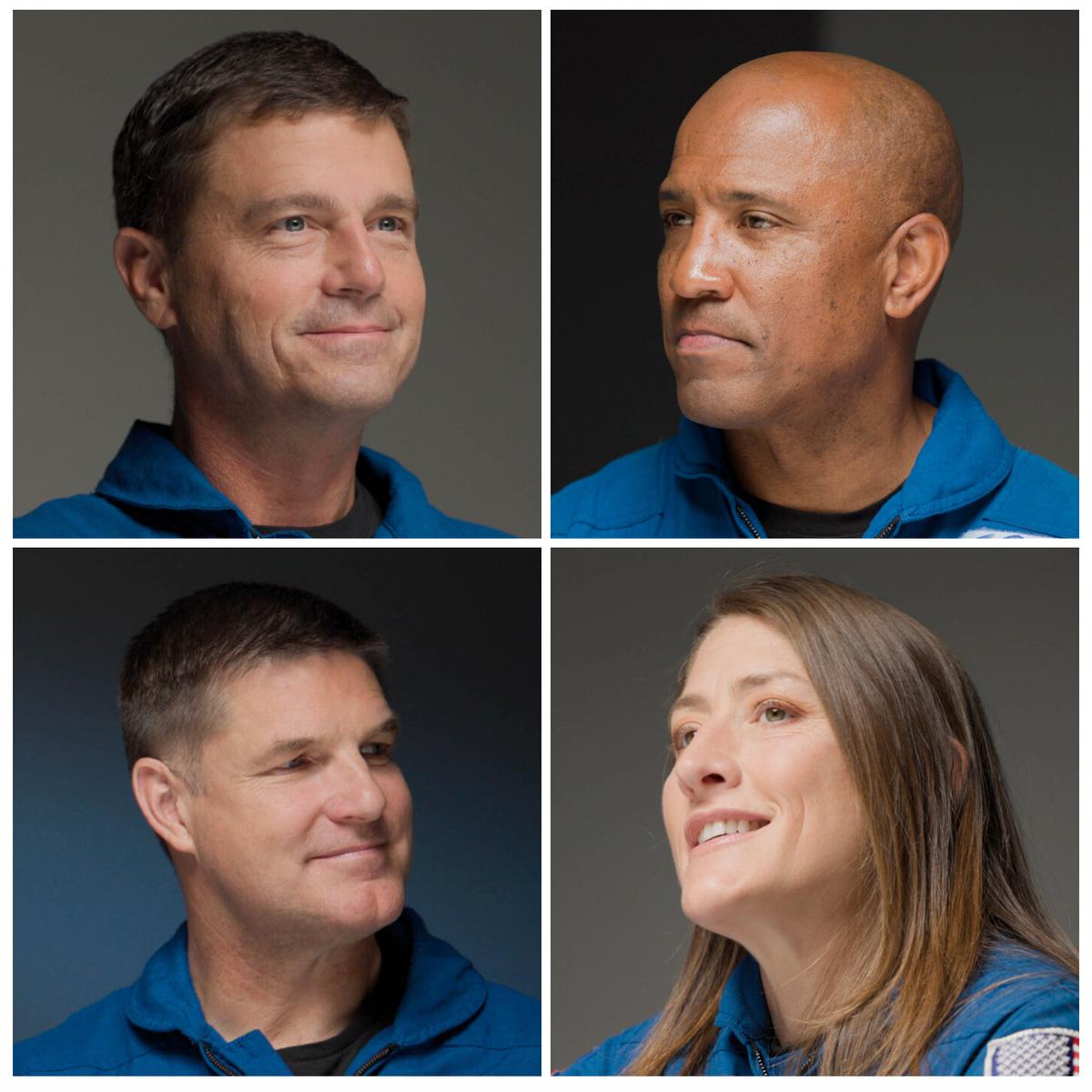
Your Kids Asked the Artemis Astronauts Questions. They Answered.
NASA’s Artemis II crew completed a ten‑day lunar flyby, venturing farther than any human and spending time on the moon’s far side. In a kid‑focused interview, astronauts Reid Wiseman, Victor Glover, Christina Koch and Jeremy Hansen answered questions about the mission,...
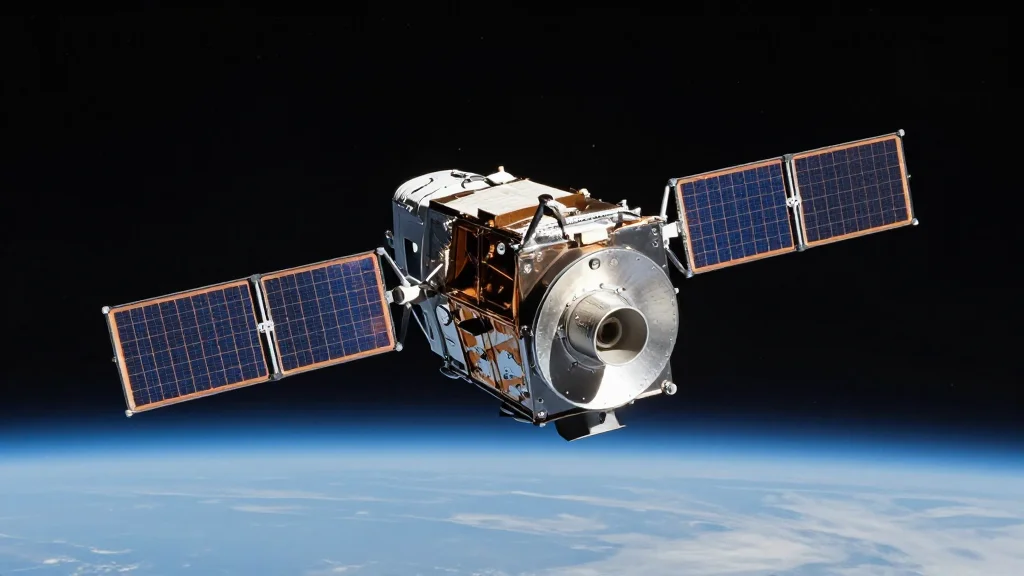
Meet Rassvet, Russia’s Answer to Starlink
Russia’s Bureau 1440 launched the first 16 Rassvet broadband satellites on 23 March 2026, marking the start of a planned low‑Earth‑orbit constellation. The government‑backed project aims for 300‑350 satellites by 2030, delivering up to 1 Gbps speeds and 70 ms latency across the nation....
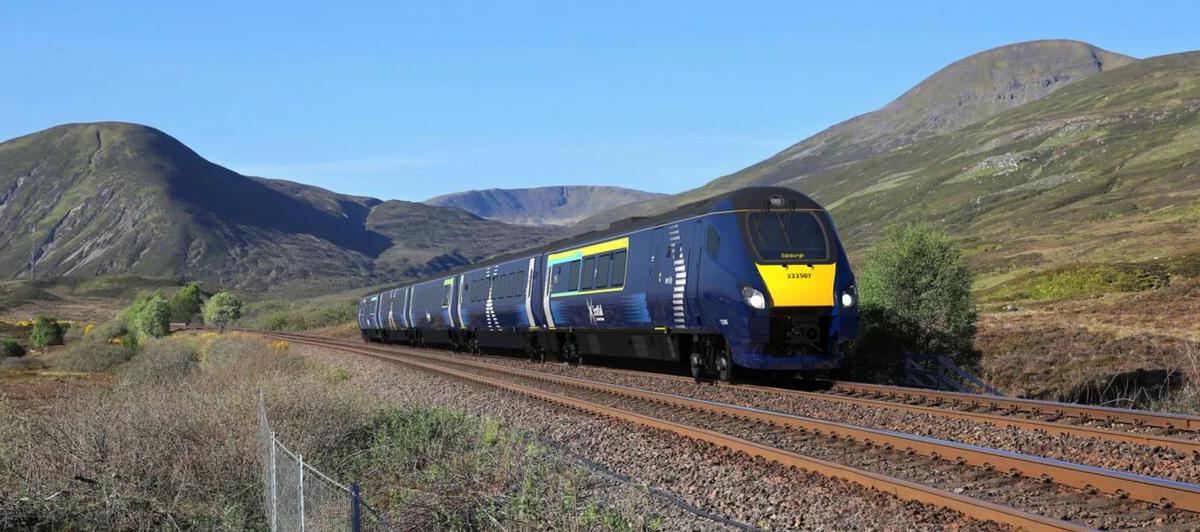
Bringing Low Earth Orbit (LEO) Satellite Connectivity to Scotland’s Rail Network
Nomad Digital is installing Low Earth Orbit (LEO) satellite‑based Wi‑Fi on ScotRail’s Class 222 intercity fleet, covering routes such as Glasgow‑Edinburgh‑Aberdeen‑Inverness. The solution reduces reliance on terrestrial mobile networks, delivering more consistent connectivity in rural and regional areas. The rollout is...

GCT Taps Satellite Partner to Speed 5G Rollout
GCT Semiconductor has signed a reference platform agreement with a major satellite communications provider to speed the creation of 5G user equipment that works across satellite and terrestrial networks. The deal builds on an earlier chipset licensing pact and delivers...

SatVu Positions Thermal Imaging as the Missing EO Layer
SatVu, the UK thermal‑imaging startup, closed a £30 million (≈$35 million) round in February and this week announced first‑light data from its second satellite, HotSat‑2, launched on SpaceX’s Transporter‑16 rideshare. The thermal images captured activity at an oil refinery in Cuba before...

Zimbabwe Starlink Subscriptions Now The Largest In Southern Africa
Starlink’s Zimbabwe subscriber base hit 67,057 in Q4 2025, a 31.6% quarterly jump and 117% growth since early 2025, making the country the Southern African leader in satellite internet. The surge lifted Zimbabwe to over half of the region’s Starlink users,...
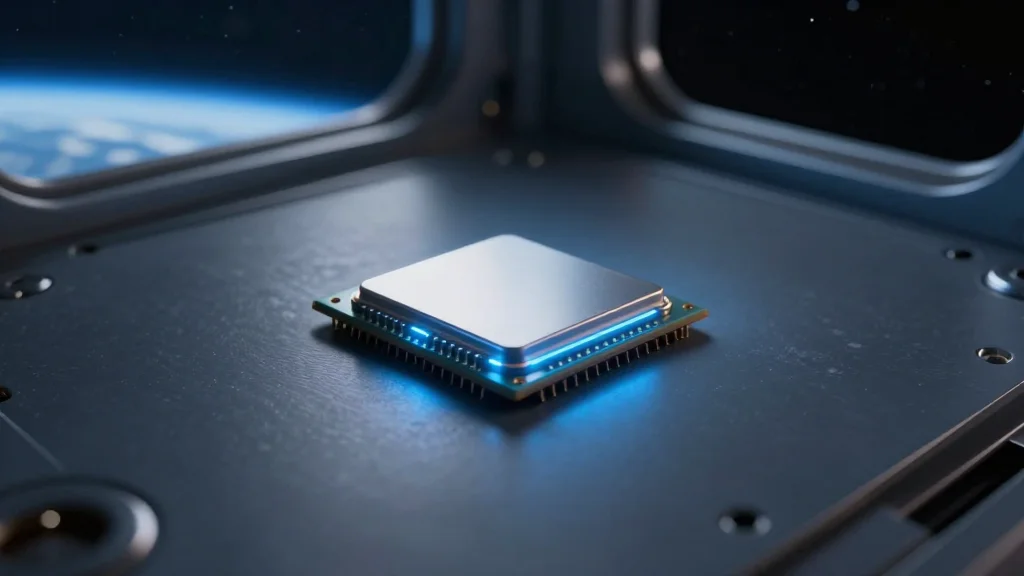
Infineon Rad-Hard Chips Performed Flawlessly on Artemis II
NASA’s Artemis II mission completed a 10‑day crewed flight that set a new record for distance from Earth, while simultaneously proving the reliability of Infineon Technologies’ radiation‑hardened semiconductor portfolio. Infineon’s IR HiRel rad‑hard devices powered critical Orion systems, including power supply, control...

Indonesia’s Space Ambitions: To Sign the Artemis Accords or to Wait?
The United States is urging Indonesia to join the Artemis Accords, the lunar‑exploration framework signed by 64 nations as of May 2026. Indonesia already enjoys a long‑standing space partnership with the U.S., dating back to the 1976 Palapa‑1 satellite and a...

What Supplies Does the International Space Station Require, Why, When, and How
The International Space Station’s supply chain balances daily crew needs, scientific payloads, and hardware maintenance through a coordinated mix of cargo vehicles. NASA treats supplies as an operating system, planning food, water, air, spare parts, and research cargo to match...

Lunar Outpost Raises $30 Million
Colorado‑based Lunar Outpost announced a $30 million oversubscribed Series B round, led by Industrious Ventures, to revamp its rover lineup for NASA’s Artemis program. The company is developing a new Pegasus rover, leveraging 72 % of its Eagle design, to meet NASA’s revised...
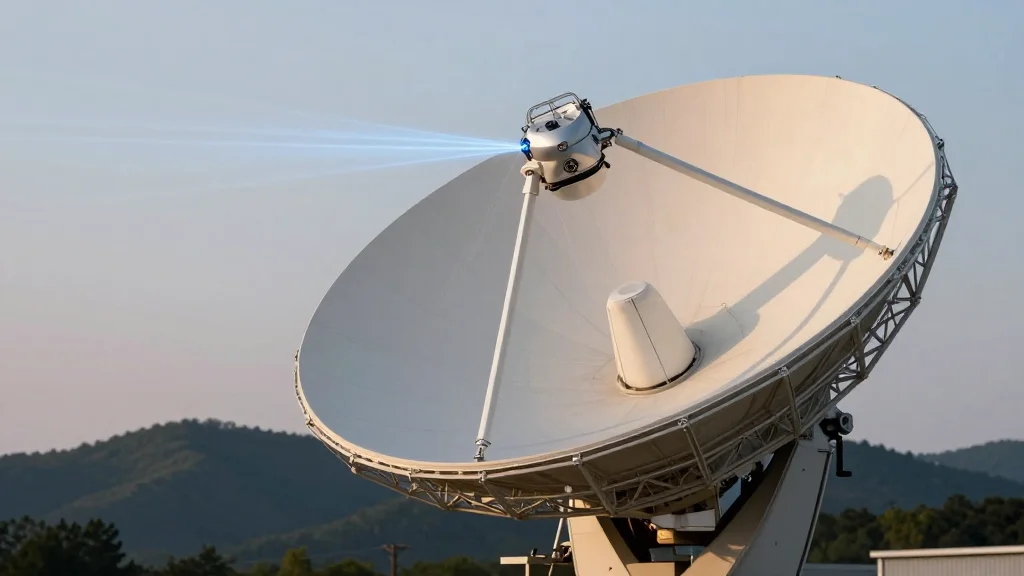
NSF Green Bank Observatory Shares Images, Data From Artemis II Mission
The National Science Foundation’s Green Bank Observatory has released high‑resolution radio images and S‑band telemetry data captured during NASA’s Artemis II crewed lunar‑flyby mission. Using its 100‑meter Robert C. Byrd telescope, the observatory tracked the spacecraft in real time and now...