
Amazon Leo Prepares To Bring Satellite Internet Service To Kenya
Amazon’s Kuiper Kenya subsidiary has submitted a Network Facilities Provider Tier 2 licence application to the Communications Authority of Kenya, seeking regulatory clearance to launch its Leo satellite‑internet service. Kenya, which gained Starlink coverage in 2023, could soon host a second low‑Earth‑orbit broadband provider. Leo currently operates about 300 satellites but plans to expand to roughly 3,200 by 2028, positioning itself as a long‑term rival to SpaceX’s constellation. The approval process will determine when the service can roll out, potentially as early as 2025.

FCC Overhauls Satellite Spectrum Rules
The FCC announced it will scrap the decades‑old equivalent power flux density (EPFD) rules that capped interference from non‑geostationary satellites. Instead, operators will negotiate interference protections through voluntary, good‑faith agreements, a move the commission says could lift LEO satellite throughput...
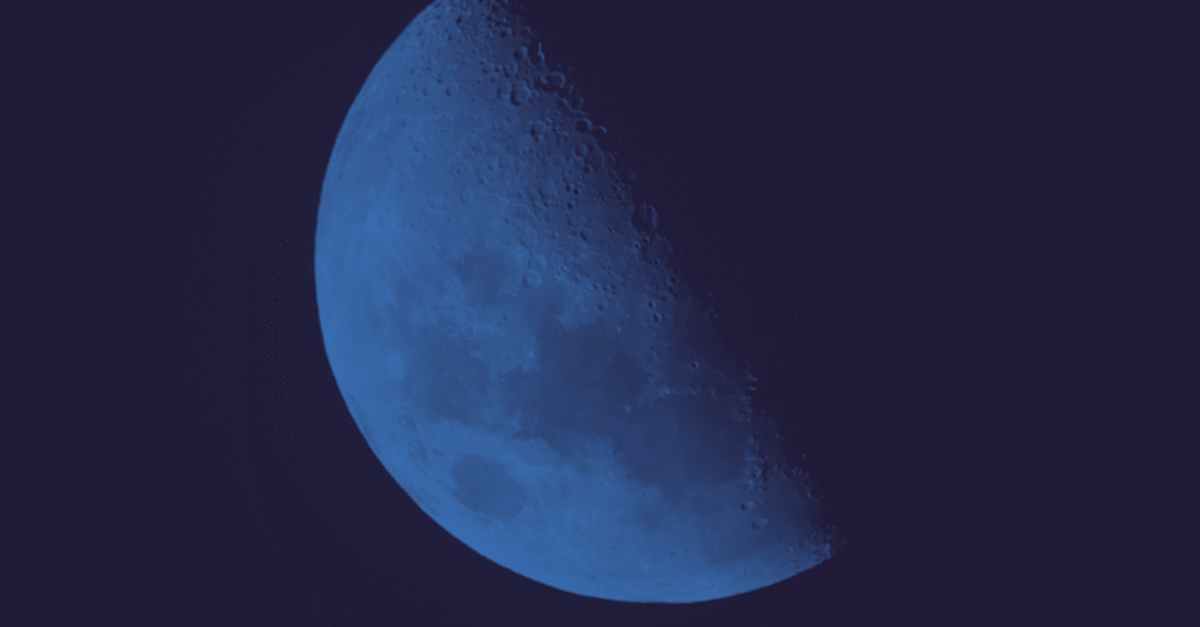
When It Comes to the Moon, We’ve only Scratched the Surface
Artemis II returned to Earth after a 10‑day mission that included a lunar flyby, marking the first time a woman and a non‑U.S. citizen have flown to the Moon. The flight demonstrated key Orion spacecraft systems and set the stage for...

Basalt Space and Bay Area Rivals Aim to End Starlink’s Constellation Monopoly
San Francisco‑based Basalt Space and other Bay Area startups are launching a "Constellations‑as‑a‑Service" model that lets governments and enterprises task their own small satellite swarms without relying on Starlink or traditional providers. The pitch emphasizes sovereign control over orbital capacity,...
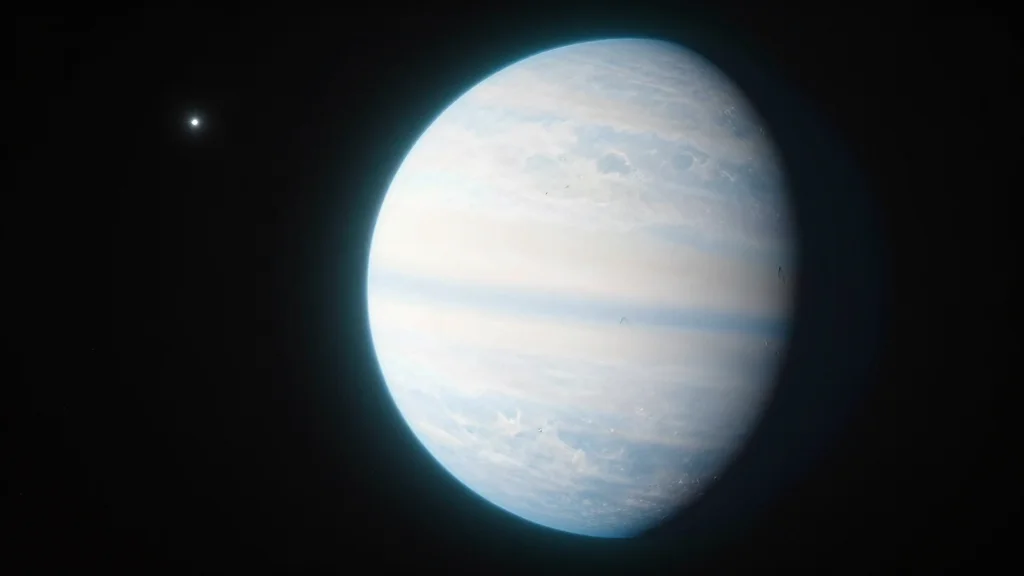
Astronomers May Have Detected an Atmosphere Around a Tiny, Icy World Past Pluto
Astronomers using stellar occultation data have identified a thin global atmosphere around the distant Kuiper Belt object (612533) 2002 XV93, a roughly 500‑kilometer icy world that orbits beyond Pluto. The atmosphere is estimated to be 5‑10 million times thinner than Earth’s and 50‑100...

In-Space Servicing and Satellite Inspection Market Analysis 2026
The successful five‑year life‑extension of Intelsat 901 by Northrop Grumman’s Mission Extension Vehicle‑1 has turned in‑space servicing from a concept into a viable commercial service. Operators are now paying for satellite inspection, propulsion pods, and end‑of‑life deorbit contracts to extend revenue, meet...

South Korea Has Launched Its First Privately Built EO Satellite
South Korea successfully launched its first privately built Earth Observation satellite, the Compact Advanced Satellite 500‑2 (CAS500‑2), on 3 May 2026 from Vandenberg Space Force Base using a SpaceX Falcon 9. The 534 kg platform carries a high‑resolution optical sensor capable of 0.5 m panchromatic...

NRO Taps EarthDaily, Iceye, Pixxel to Expand Commercial Data Pipeline
The U.S. National Reconnaissance Office announced contracts with EarthDaily Analytics, Iceye and Pixxel under its Commercial Solutions Opening program to integrate commercial Earth observation data into intelligence missions. The agreements will progress through modeling, simulation and on‑orbit evaluation phases to...
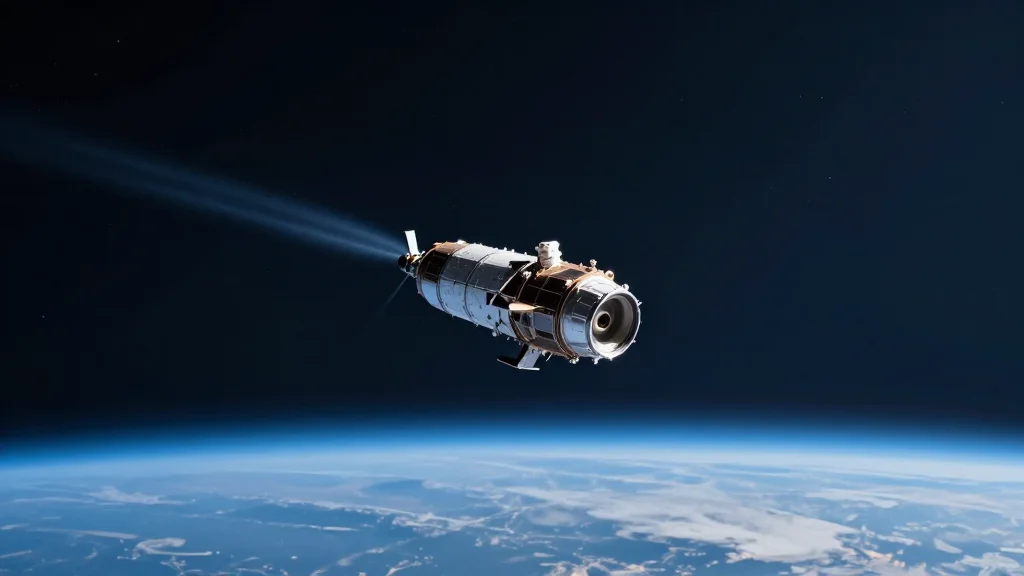
Telesat Corp (TSAT) Q1 2026 Earnings Call Transcript
Telesat Corp reported 2025 revenue of $418 million and adjusted EBITDA of $213 million, but posted a $530 million net loss as the GEO segment faced goodwill impairment and the LEO Lightspeed program incurred higher capitalized labor. The company announced a three‑month delay...
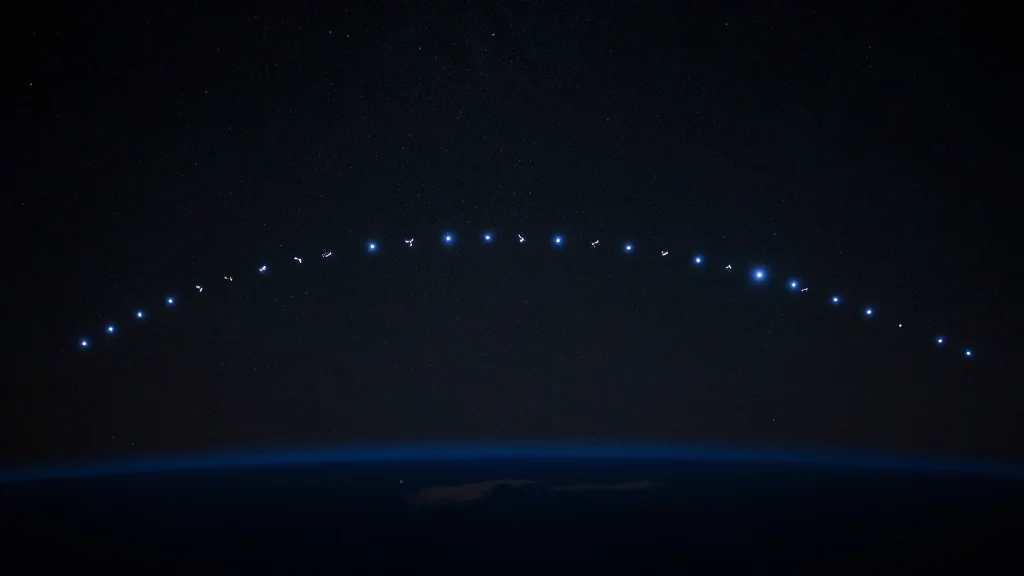
Starlink Gains Speed
Ookla’s latest Speedtest data shows Starlink now delivers median download speeds of 100 Mbps or higher in 49 states, up from 23 states a year earlier. The service also achieved median upload speeds of 22 Mbps in 22 states, crossing the FCC’s...

U.S. Space Force Awards $3.2 Billion for Space-Based Interceptor Layer
The U.S. Space Force announced up to $3.2 billion in OTA contracts to 12 firms for the Golden Dome Space‑Based Interceptor program, a proliferated low‑Earth‑orbit constellation aimed at neutralizing ballistic and hypersonic missiles during boost, mid‑course and glide phases. Simultaneously, the...
May 4, 2026 Quick Space Links
The post curates a set of recent space‑related links, including a video of a Soyuz‑2 fairing unintentionally returning from orbit, a 3D‑printing firm highlighting Sierra Space’s use of its printers for the Dream Chaser vehicle, and historical notes on the...
Trump's Proposed NASA Budget Is a 'Horrible Threat to Our Future' In Space, Planetary Society CEO Says
Planetary Society CEO Jennifer Vaughn warned that the Trump administration’s proposed 23% cut to NASA’s FY 2027 budget—dropping funding to roughly $18.8 billion—poses a "horrible threat" to U.S. space science. Vaughn, who succeeded Bill Nye earlier this year, said the cuts jeopardize...
STMicroelectronics Expects Its Space Business to Reach More than $3B Over Three Years
STMicroelectronics said its space division will generate more than $3 billion in cumulative revenue between 2026 and 2028, driven largely by low‑Earth‑orbit (LEO) programs. Revenue from LEO chips rose 243% from $175 million in 2021 to an expected $600 million in 2025, giving...

U.S. Space Force Integrates Domain Awareness Capabilities Into Balikatan 2026
The U.S. Space Force Indo‑Pacific (SPACEPAC) deployed personnel and space‑based assets to the Philippines for Balikatan 2026, running from April 20 to May 8. The exercise focused on integrating space domain awareness, theater missile warning and satellite communications into the Philippine defense framework....

Future-Proofing Satellite Networks With ST Engineering iDirect Sales SVP Brian Jakins
Brian Jakins, senior vice‑president of sales at ST Engineering iDirect, discussed how satellite operators can future‑proof their networks amid rapid advances in 5G, non‑terrestrial networks, multi‑orbit architectures, and AI‑driven services. He highlighted the paradox of abundant technology choices creating decision...
FAA Will Begin Making Space Rockets Pay Tolls
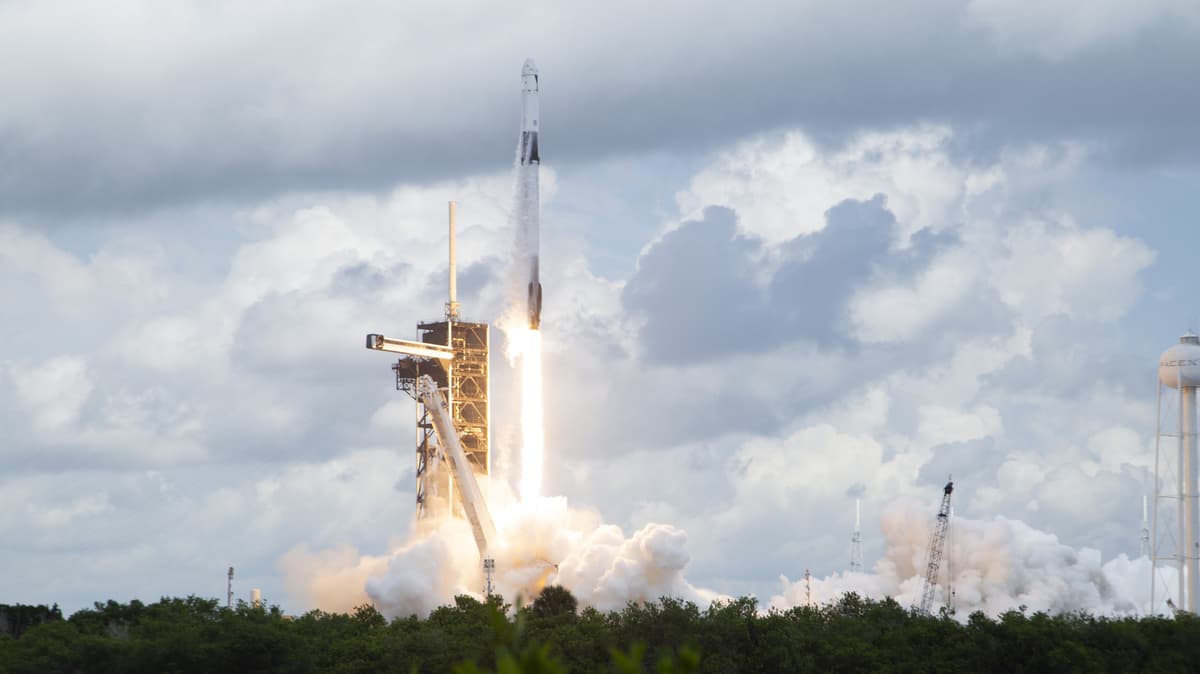
The FAA’s Office of Commercial Space Transportation will start charging a payload‑based toll on every U.S. commercial launch, set at $0.25 per pound of payload and capped at $30,000 per flight. The fee can rise to $1.50 per pound with...

Firefly Aerospace’s SciTec Selected for Space-Based Missile Defense “Golden Dome”
Firefly Aerospace’s subsidiary SciTec has secured an Other Transaction Authority (OTA) agreement to support the U.S. Space Force’s Golden Dome space‑based missile‑defense architecture. The contract makes SciTec one of 12 firms receiving a share of the $3.2 billion Space‑Based Interceptor (SBI)...

Space/Satellite Market
The global satellite market is expanding at a 16.9% CAGR, propelled by rapid deployment of low‑Earth‑orbit constellations for broadband, Earth observation and defense communications. Operators are investing heavily in inter‑satellite laser links, compact optical terminals and advanced propulsion to overcome...
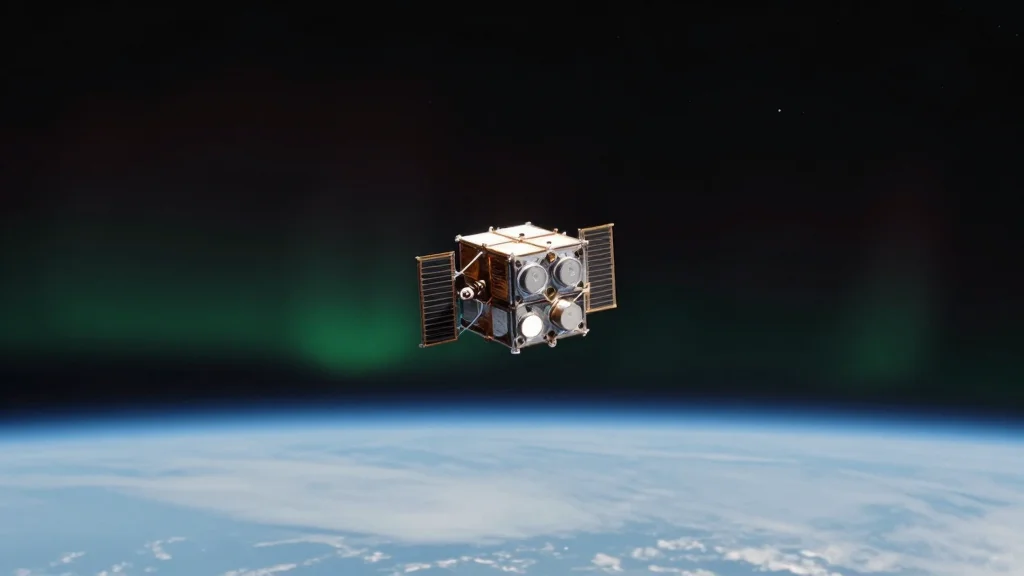
Space Weather Could Cost the Satellite Industry $40 Billion in a Single Storm. A 15-Person Startup Is Building the Forecast.
A single geomagnetic storm could cost the satellite industry $40 billion. Mission Space, a 15‑person startup, is building a 24‑sensor ZOHAR constellation to deliver high‑resolution, real‑time space‑weather data, launching its fourth payload on HEX20’s Maya‑V1 rideshare. The space‑weather forecasting market is...
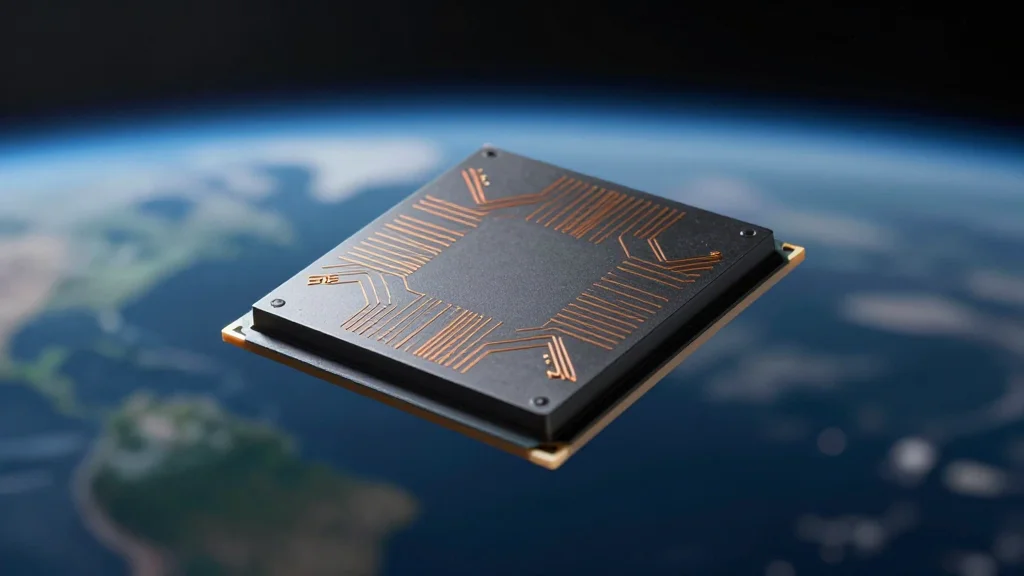
STMicroelectronics Targets More than $3bn From Space, Riding the Satellite Constellation Boom
STMicroelectronics announced it expects its low‑Earth‑orbit (LEO) semiconductor business to generate more than $3 billion in cumulative revenue between 2026 and 2028. The unit grew from $175 million in 2021 to about $600 million in 2025 and is projected to near $1 billion by...

NASA Welcomes Malta as Newest Artemis Accords Signatory
NASA announced that Malta has become the 65th signatory to the Artemis Accords during a ceremony in Kalkara. The agreement commits Malta to the accords’ principles of peaceful, transparent and responsible space exploration, aligning it with the United States and...

Amazon Leo’s Satellite Total Surpasses 300
Amazon’s Project Kuiper subsidiary, Amazon Leo, successfully launched 32 satellites on April 30, bringing its low‑Earth‑orbit constellation to a total of 302 satellites. The deployment used an Atlas V rocket from the Guiana Space Center, marking the second launch in a week...

Smallsat Sector to Deploy 16,900 Satellites Through 2035 as Market Reaches Industrial Maturity
Novaspace projects 16,900 small satellites under 500 kg will launch between 2026 and 2035, pushing small‑sat deployments to about 33% of all orbital launches. The surge is driven by sovereign constellations that serve defense, ISR and secure communications, moving the sector...
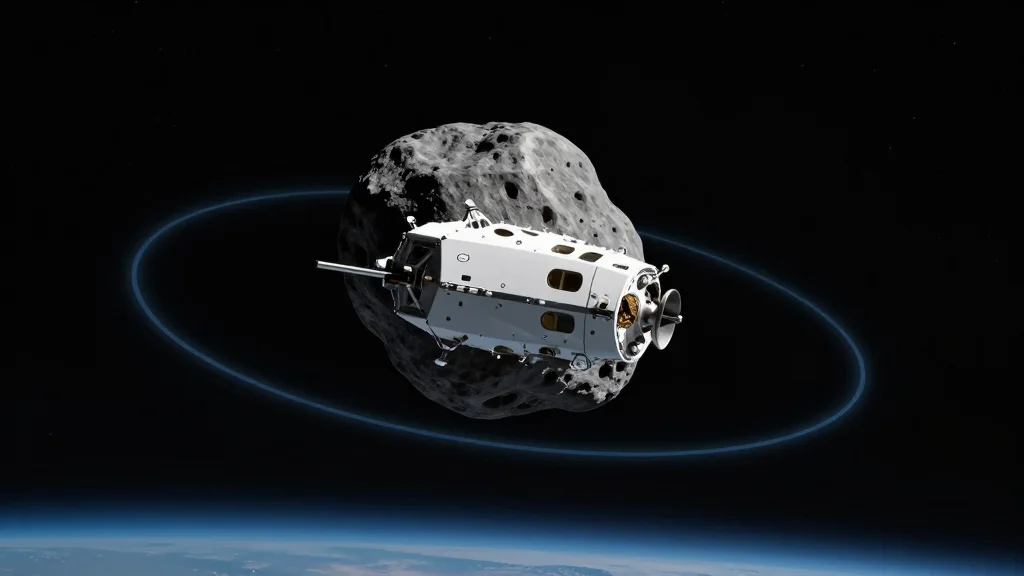
Mathematical Framework Solves Asteroid Route Planning Exactly for First Time
A research team led by Prof. Michael Römer at Bielefeld University has published an exact solution to the Asteroid Routing Problem, a space‑logistics challenge where travel times vary with celestial motion. Using decision diagrams and a specialized search that repeatedly solves...

Blue Origin Moon Lander Completes Testing at NASA Vacuum Chamber
Blue Origin has finished environmental testing of its Blue Moon Mark 1 (MK1) lunar lander inside NASA’s Thermal Vacuum Chamber A at Johnson Space Center. Known as Endurance, MK1 is an uncrewed cargo vehicle funded through a reimbursable Space Act Agreement to...

SmallSat Europe Speaker Focus: Massimo Comparini, Leonardo Space Division
Leonardo is committing roughly €500 million (about $540 million) to launch a proprietary constellation of around 20 small satellites that will carry SAR, high‑resolution optical and communications payloads. The effort is led by Massimo Comparini, newly appointed Managing Director of Leonardo’s Space...
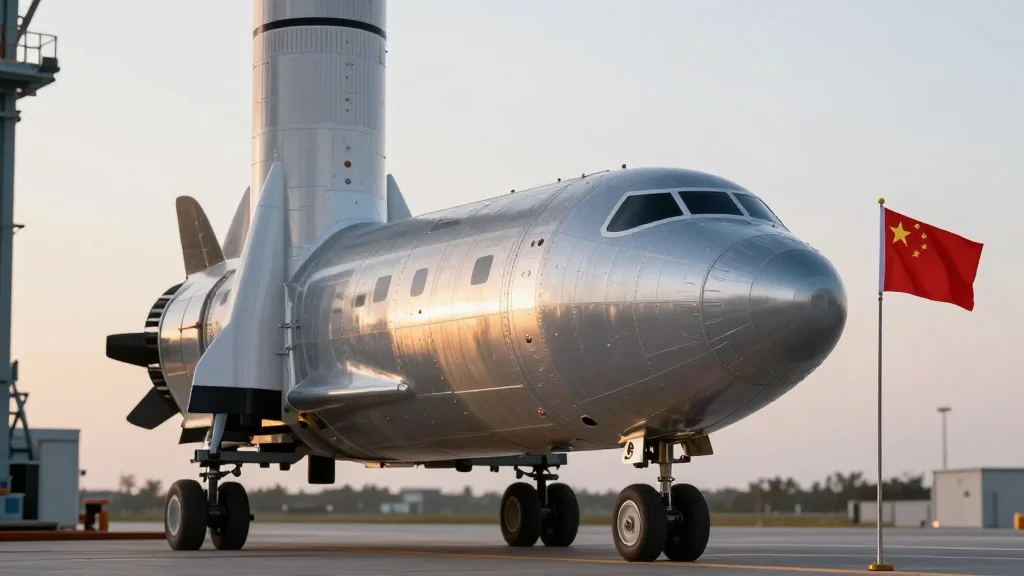
China Imposes Extensive Regulations on Its Pseudo-Commercial Space Industry
China has released a comprehensive "Commercial Spaceflight Standards System" that governs its burgeoning pseudo‑commercial space sector. The six‑area framework addresses market access, safety supervision, debris mitigation, certification, energy conservation, and occupational health. CNSA Administrator Shan Zhongde convened a round‑table with...

Global Smallsat Deployment Accelerates, with 16,900 Satellites Projected Through 2035
Novaspace’s 11th Prospects for the Small Satellite Market report projects 16,900 small satellites (under 500 kg) to be launched between 2026 and 2035, averaging about 230 tons of hardware per year. Smallsats will account for roughly one‑third of all launches yet only...
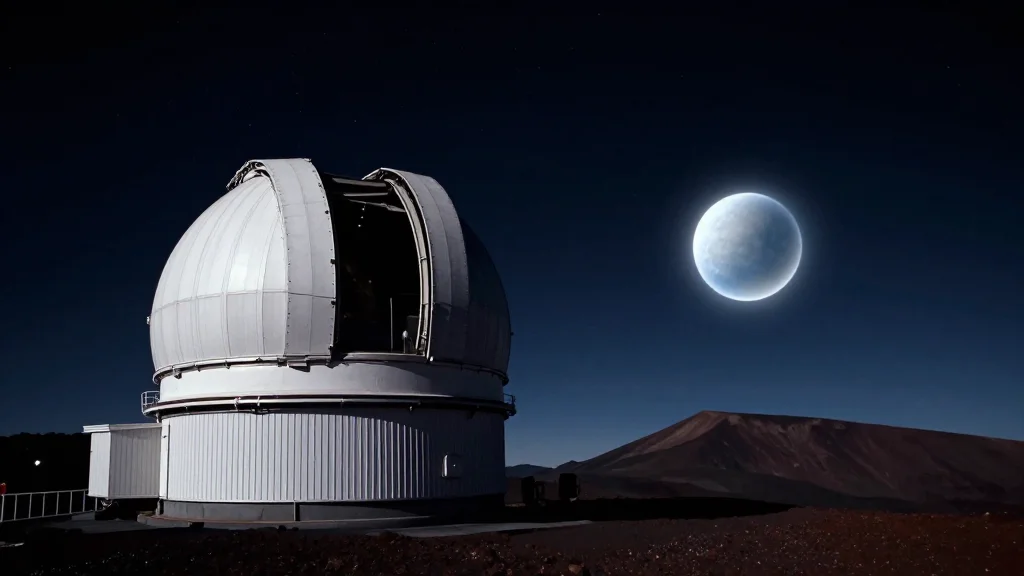
A Tiny World Beyond Neptune Has an Atmosphere that Shouldn't Exist
Japanese astronomers have detected a thin atmosphere around the 500‑km trans‑Neptunian object (612533) 2002 XV 93 using a stellar occultation on Jan. 10 2024. The atmospheric signal, confirmed by multiple sites, suggests a transient envelope that would vanish in less than 1,000 years without replenishment. No...
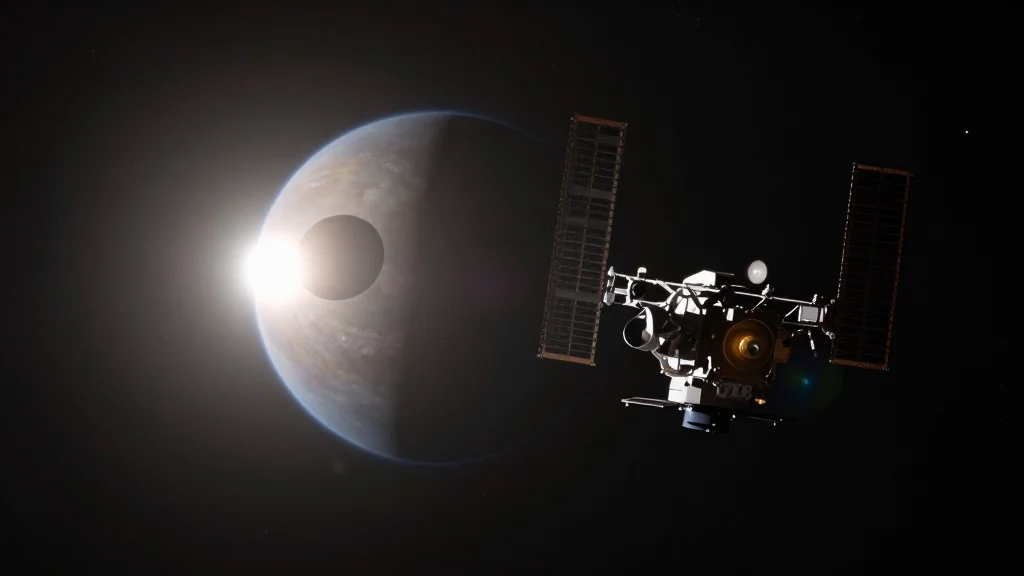
For NASA’s TESS, Stellar Eclipses Shed Light on Possible New Worlds
NASA’s Transiting Exoplanet Survey Satellite (TESS) is leveraging stellar eclipses—periodic dimming when one star passes in front of another—to refine its hunt for exoplanets. By analyzing eclipse timing variations and light‑curve nuances, researchers have identified several promising planet candidates that...
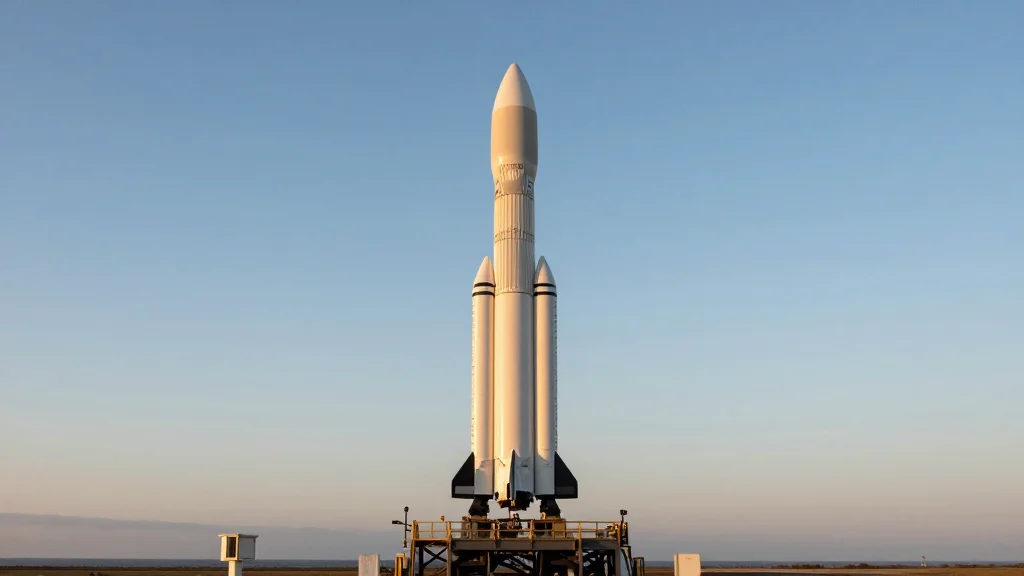
SpaceX Sends South Korean Imaging Satellite, 44 More Payloads to Orbit on Falcon 9
SpaceX successfully lifted off a Falcon 9 from Vandenberg Space Force Station, delivering 45 payloads into low‑Earth orbit. The mission, designated CAS500‑2, carried South Korea’s Compact Advanced Satellite 500‑2, the second unit in KAI’s Phase 1 CAS500 Earth‑observation program, along with 44...
_(1).jpg?width=1280&auto=webp&quality=80&disable=upscale)
East African Countries to Launch Regional Satellite
Kenya, South Sudan, Uganda and Rwanda announced a joint effort to design and launch a regional communication and broadcasting satellite under the Northern Corridor Regional Communication and Broadcasting Satellite Initiative (NCRCBSI). The ministers met on the sidelines of the Connected...
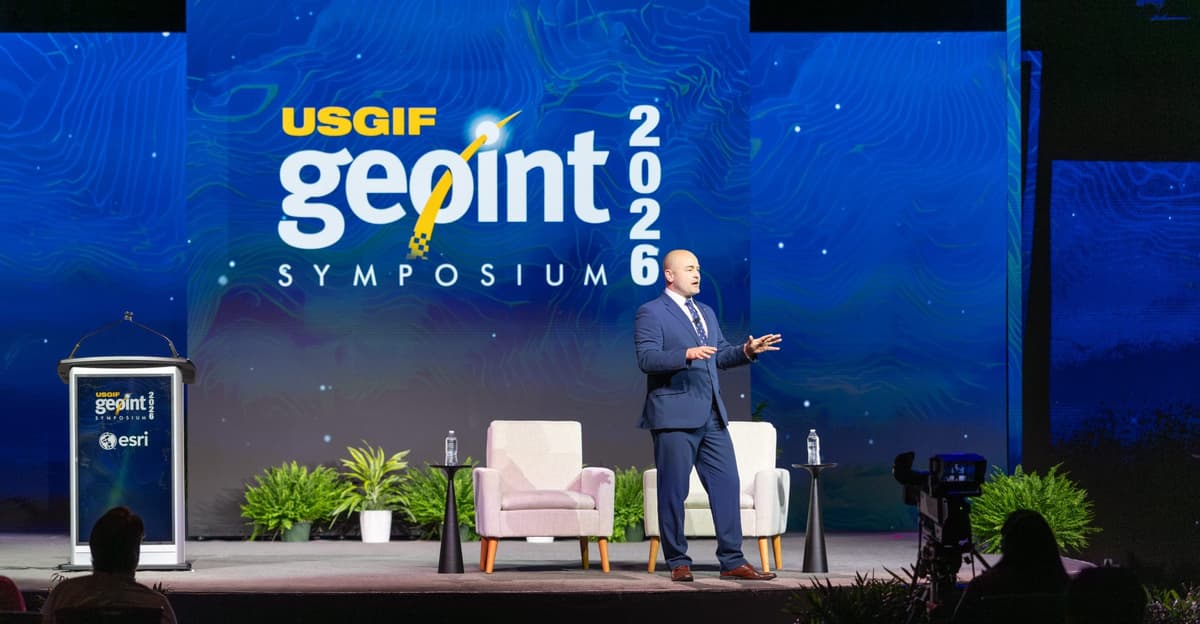
DARPA Chief Says Agency Must Harness Commercial Space Boom
DARPA director Stephen Winchell announced a strategic shift to treat the agency’s space portfolio as a bridge to the booming commercial market, leveraging private‑sector advances in launch, satellite manufacturing, and on‑orbit services. The agency will use its flexible contracting and...
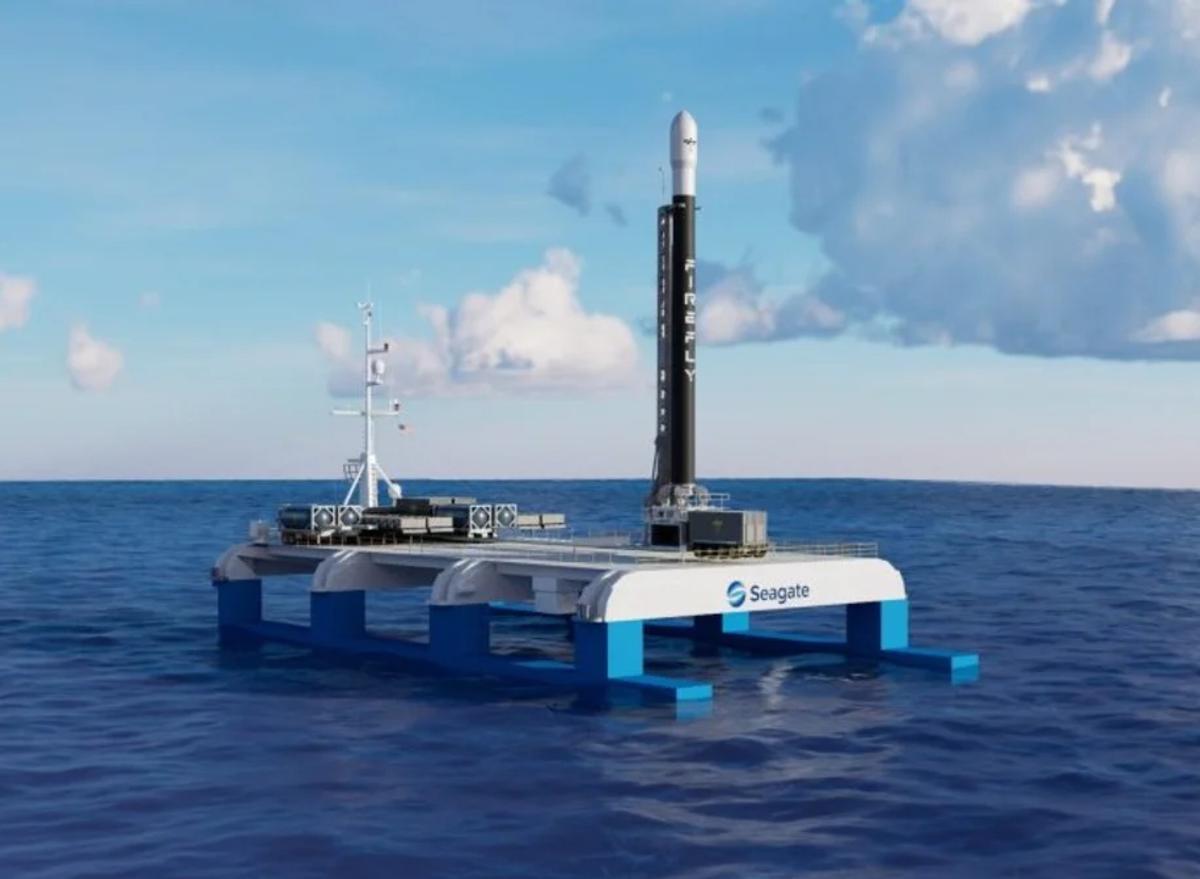
Lockheed Martin, Firefly, and Seagate Partner for Sea-Based National Security Launch
Lockheed Martin, Seagate Space, and Firefly Aerospace announced a three‑way partnership to develop sea‑based launch capabilities for national‑security missions. The collaboration centers on Seagate’s “Gateway” semi‑submersible launch platform, which received ABS Approval in Principle in December 2025, and Firefly’s Alpha rocket...
Crowded Space
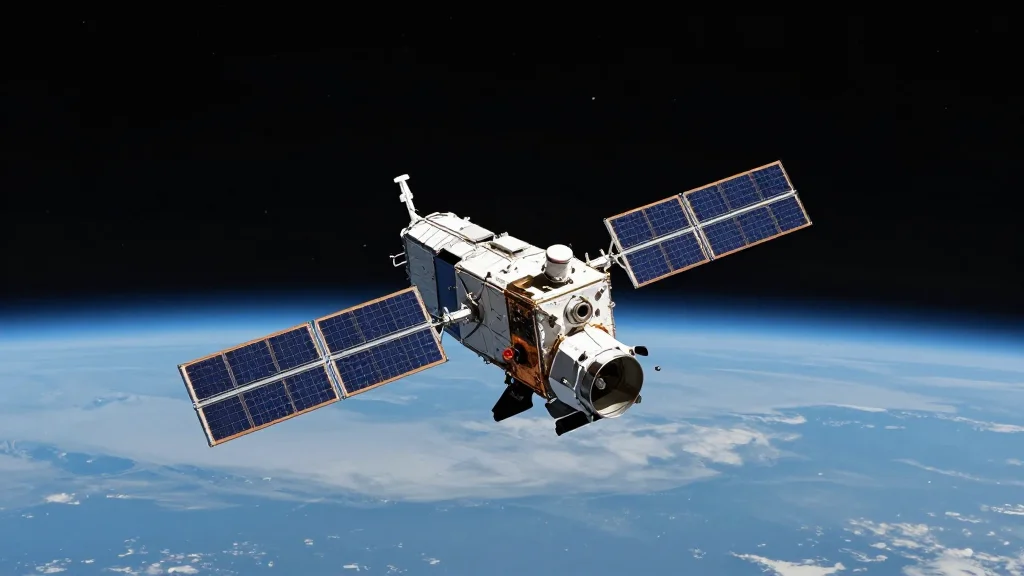
The General Catalogue of Artificial Space Objects now lists roughly 35,000 items the size of a softball or larger in Earth orbit. Recent years have seen a sharp rise in payload launches, driven largely by broadband constellations such as SpaceX’s...

IonQ Launches Commercial InSAR Capability, Enabling Automated, Millimeter-Scale Earth Monitoring
IonQ, the leading quantum‑technology firm, has launched a commercial Interferometric Synthetic Aperture Radar (InSAR) service that delivers fully automated, three‑day repeat satellite observations. The new capability provides millimeter‑scale ground‑deformation monitoring without manual tasking, leveraging IonQ’s existing SAR constellation in both...
GITAI Selected by U.S. Space Force for Space-Based Interceptor Program
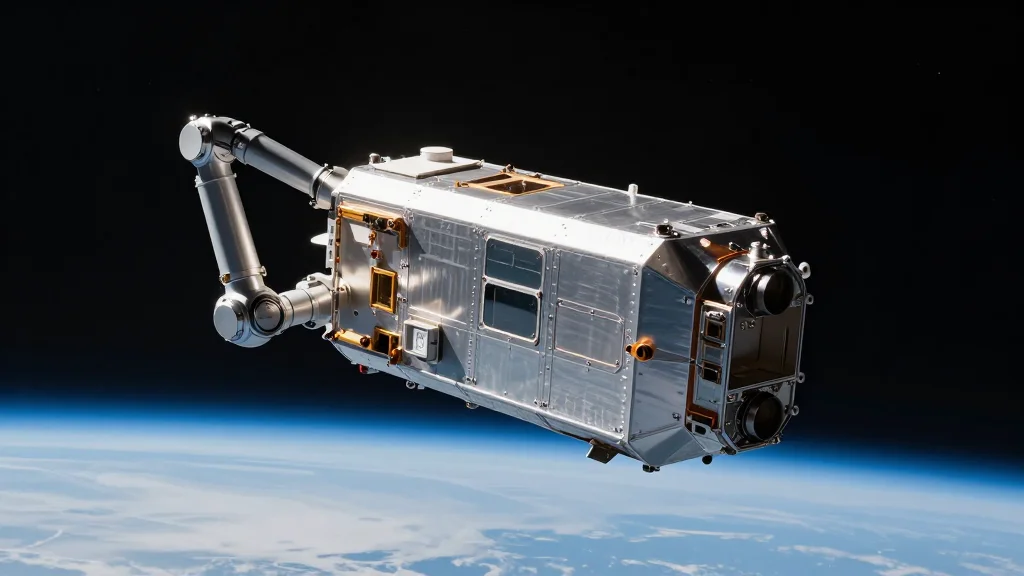
GITAI USA Inc. has been selected by the U.S. Space Force Space Systems Command for the Space‑Based Interceptor (SBI) program. The award places GITAI among a small group developing interceptor systems for national security. GITAI will use its vertically integrated...
May 4, 1967: Surveyor 3 Last Contact
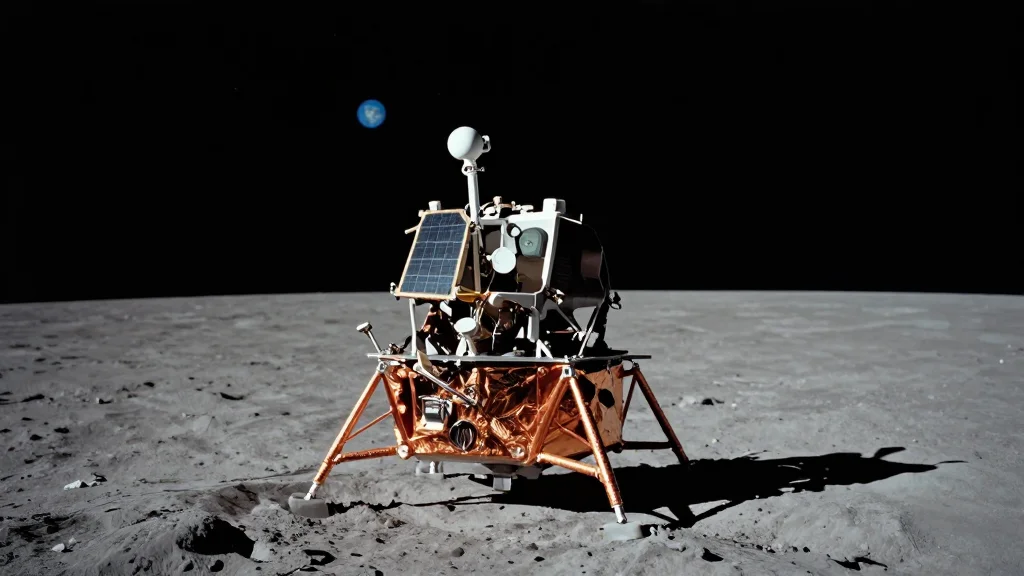
NASA’s Surveyor 3, the second soft‑landing probe, touched down on the Moon on April 20, 1967 after a rough descent that caused two rebounds. Over the next two weeks it transmitted more than 6,300 photos, thermal readings and radar data to prove the...
Payload Field Guide: Lunar Rovers
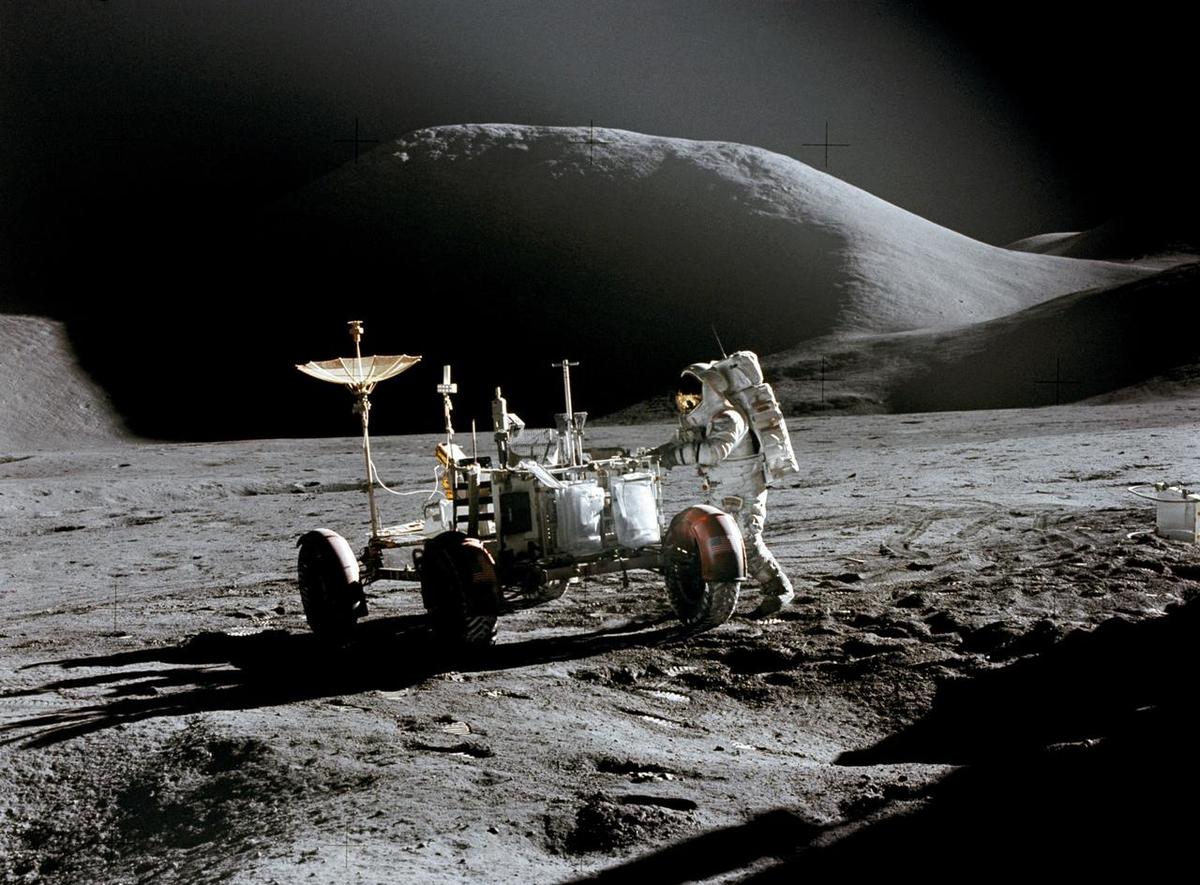
NASA’s March Ignition event announced a shift toward faster, scalable lunar rover delivery to support a permanent human presence. Private firms such as Astrobotic, Lunar Outpost, ispace, Intuitive Machines, Venturi Astrolab, and JAXA‑Toyota are racing to field rovers that can...
The Moonbase Moment
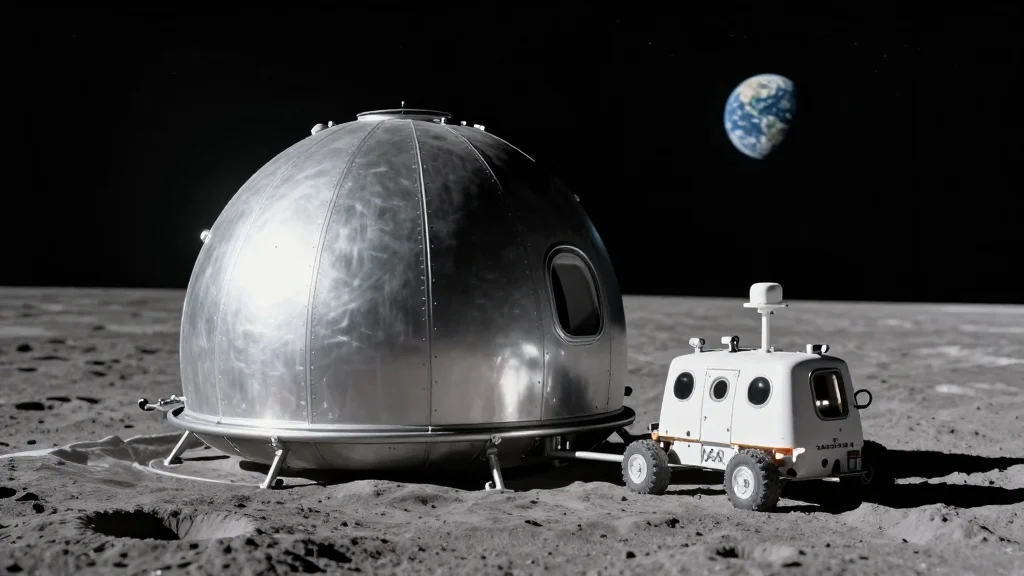
At NASA’s Ignition event in March, the agency announced a $30 billion, decade‑long plan to build a permanent lunar base, outlining three phases from 2026 to 2036. The program calls for dozens of landers, habitats, power systems and a near‑monthly launch...
Governance Is Always Late to the Party. Here's Why That's Not an Accident.
The article argues that space governance habitually lags behind the rapid growth of in‑orbit servicing and other circular‑economy activities. While technical missions succeed, legal frameworks for liability, safety standards, and jurisdiction are still being debated after the fact. This lag...
Review: Open Space
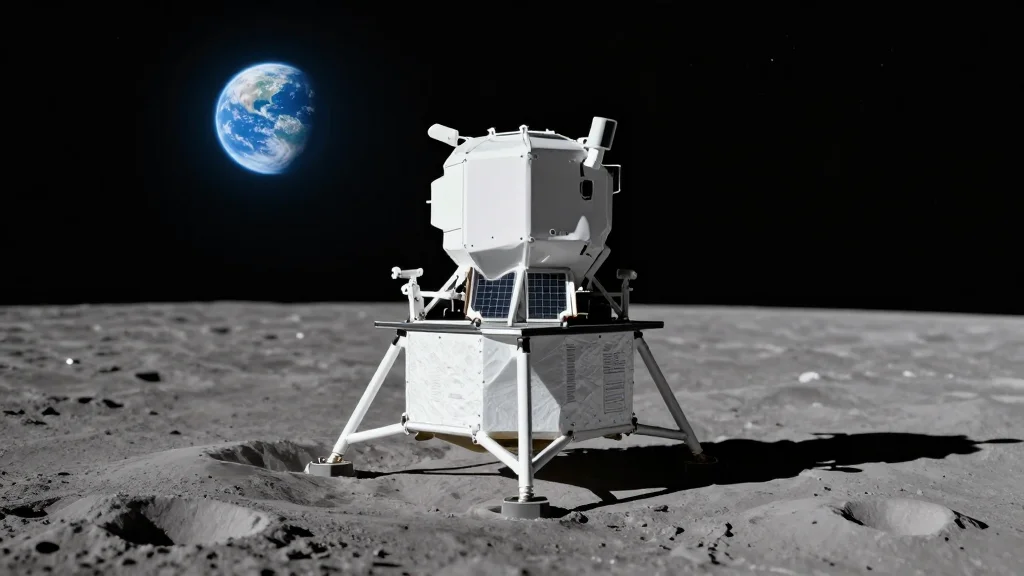
David Ariosto’s new book *Open Space* chronicles the accelerating U.S.-China lunar race, spotlighting NASA’s ambitious goal of 21 landings between 2026 and 2028. The narrative follows Intuitive Machines’ rocky IM‑1 and IM‑2 missions, illustrating the technical hurdles that still plague...

Pixxel Partners Sarvam To Launch Orbital Data Centre Satellite By Q4 2026
Pixxel, a Google‑backed Indian spacetech startup, announced it will launch Pathfinder, the country’s first orbital data‑centre satellite, in the fourth quarter of 2026. The 200‑kg satellite will be built, launched and operated by Pixxel, while AI firm Sarvam will run...
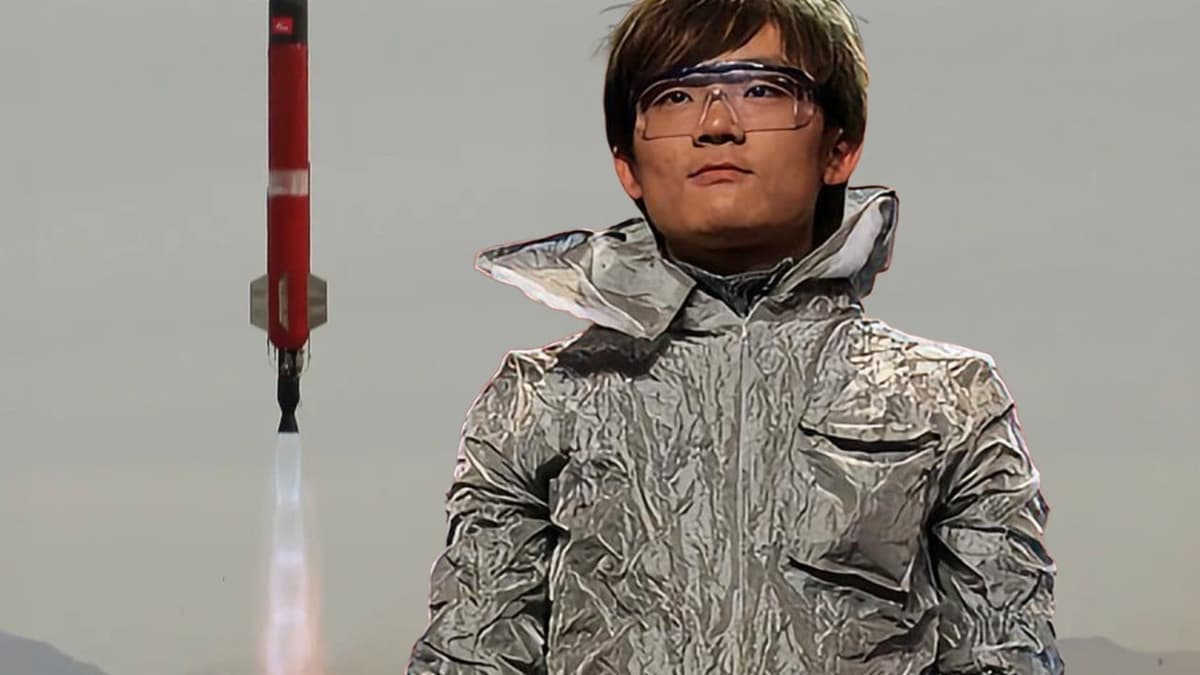
China ‘Madman of Science’ Believes Budget Space Travel Is Viable After Low-Cost Rocket Launch
Chinese inventor Lu Yulong’s five‑person team launched the 12‑meter Shenzhen Pioneer rocket in Qinghai, reaching 3,700 m after just 15 days of construction. The low‑cost liquid‑rocket engine costs under $150 per tonne of thrust, enabling a 100 kg microsatellite launch for about...
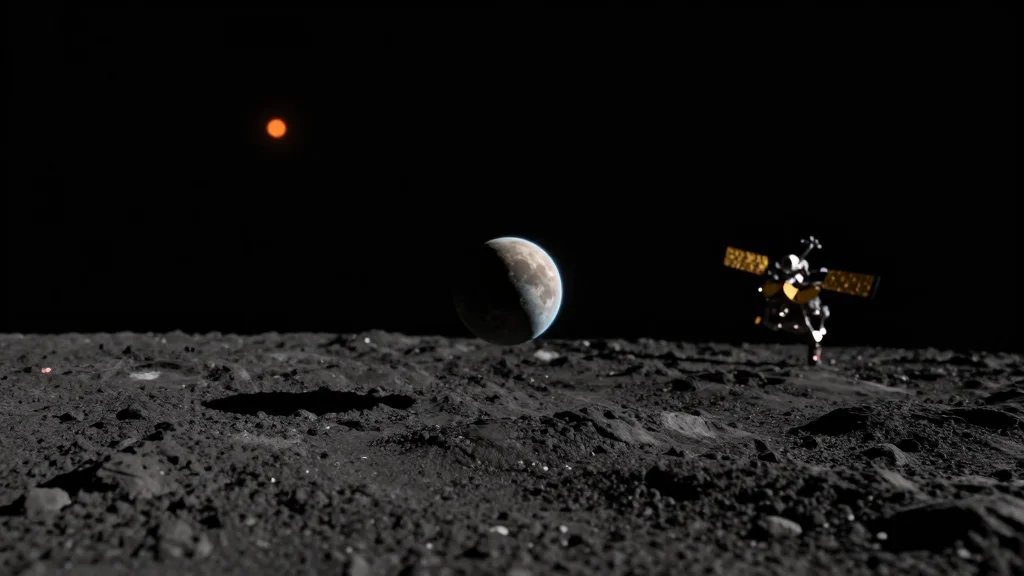
Astronomers Explore the Surface Composition of a Nearby Super-Earth
Using JWST’s Mid‑Infrared Instrument, researchers led by Sebastian Zieba and Laura Kreidberg analyzed the dayside spectrum of the nearby super‑Earth LHS 3844 b, a 30% larger, tidally locked planet 48.5 light‑years away. The infrared data reveal a dark, airless surface that matches basaltic or...
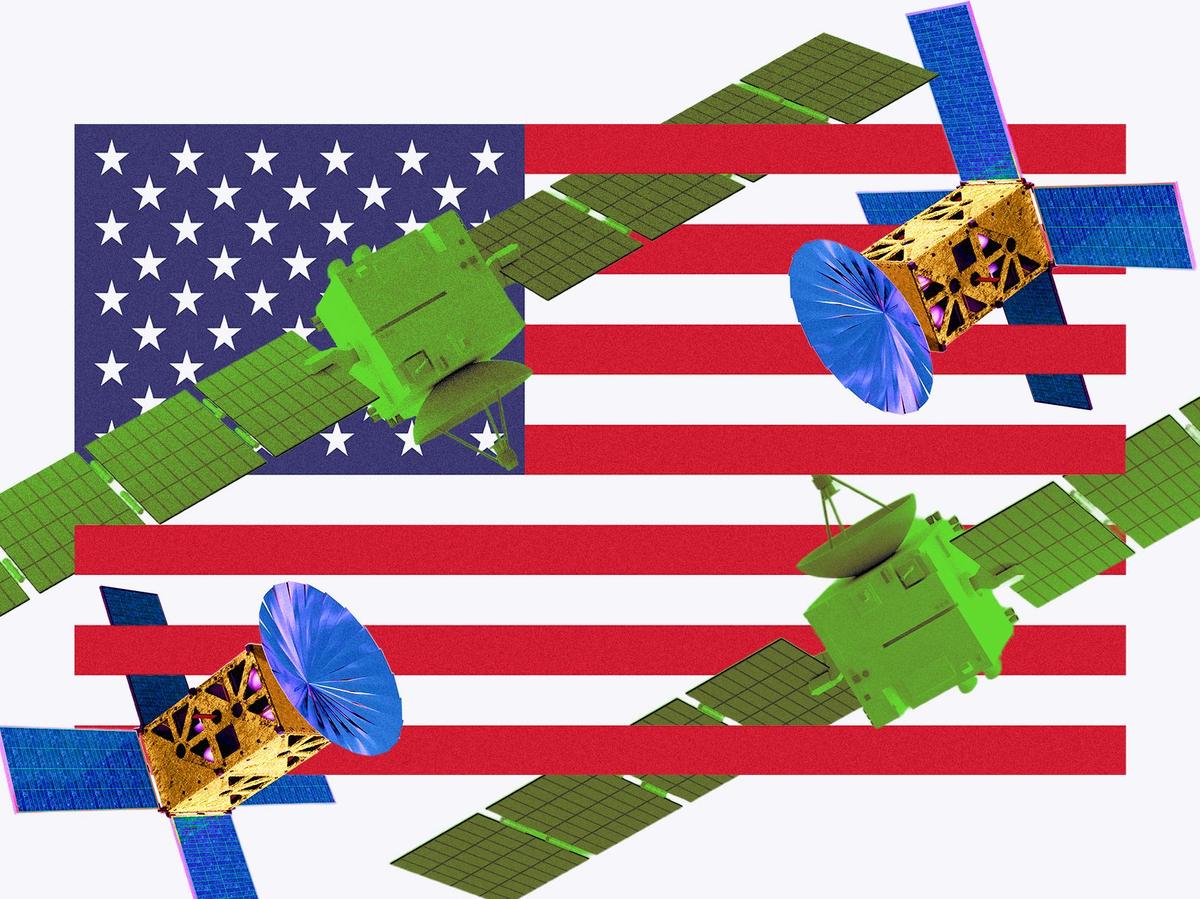
Welcome to the Great American Satellite Age
Basalt Space, led by CEO Max Bhatti, assembled its first small satellite in a San Francisco apartment and delivered it to SpaceX for an April 1 launch on a Falcon 9 from Vandenberg. The startup plans to let customers lease or own private...

Helium-3 Hunt Helps Develop Astronautic Excavation Tech
Vermeer has engineered the Interlune excavator to mine lunar helium‑3, a scarce isotope valued at $18‑$30 million per kilogram. The 9‑tonne Earth‑based prototype can ingest 100 metric tons of regolith per hour and will weigh just 1.5 tonnes on the Moon, using...

NASA Prepares To Get The Roman Space Telescope Ready For Launch
NASA technicians moved eight high‑efficiency particulate air (HEPA) wall modules and other ground‑support gear to the Payload Hazardous Servicing Facility in Florida, advancing preparation for the Nancy Grace Roman Space Telescope. The Roman telescope will carry a Wide Field Instrument and a...
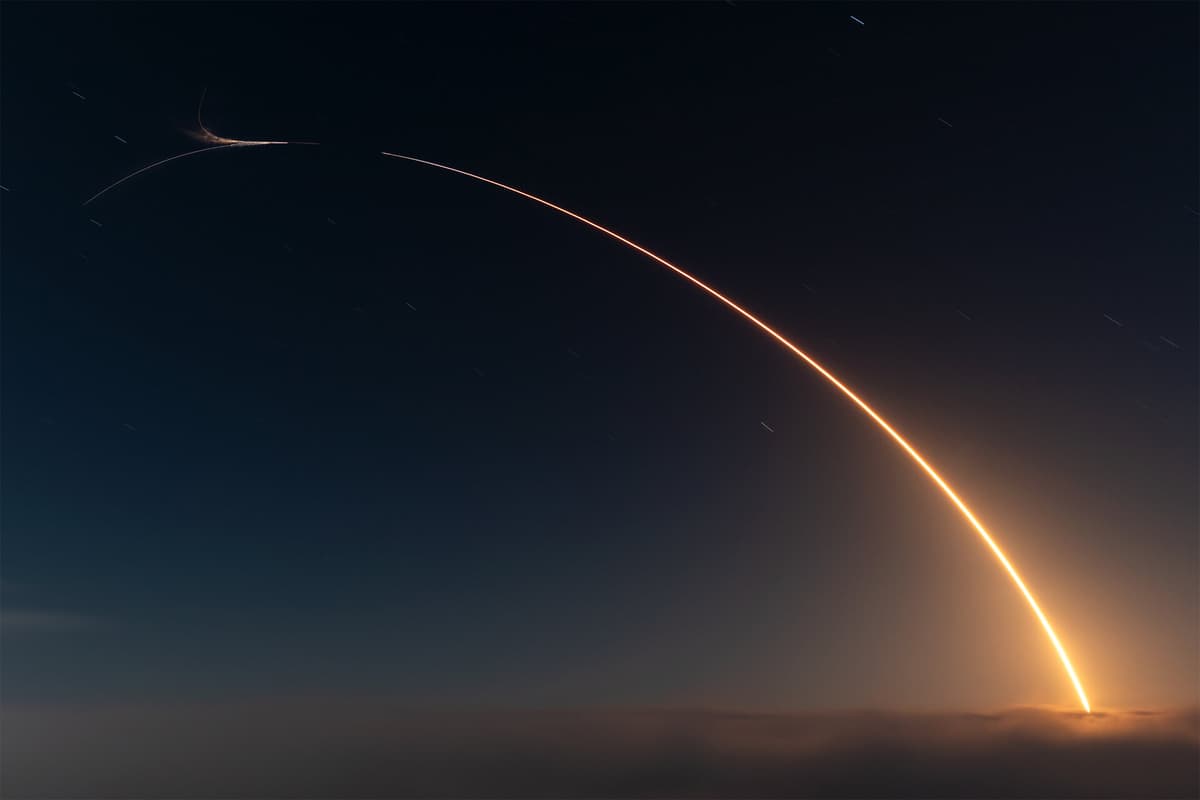
Launch Boosts European Earth Monitoring and Connectivity
Thirteen European satellites were launched on a SpaceX Falcon‑9 rideshare from Vandenberg, adding seven IRIDE Earth‑observation units for Italy, four Hellenic Fire System satellites for Greece, and two CubeSats testing optical communications. The IRIDE additions bring Italy’s constellation to 31...