
Juno Snaps Rare Close-Up of Jupiter’s Shadowy Moon Thebe
NASA’s Juno spacecraft captured a record‑close view of Jupiter’s inner moon Thebe on May 1, 2026, imaging the irregular satellite from roughly 5,000 km away. Thebe, a 49‑km‑radius body orbiting 222,000 km from Jupiter, is heavily cratered and the primary source of dust for the planet’s faint gossamer ring. The image was taken with Juno’s Stellar Reference Unit, a navigation camera repurposed for low‑light science. The flyby provides the sharpest surface detail since Voyager 1’s 1979 encounter, revealing features such as the prominent Zethus crater and surface albedo variations.
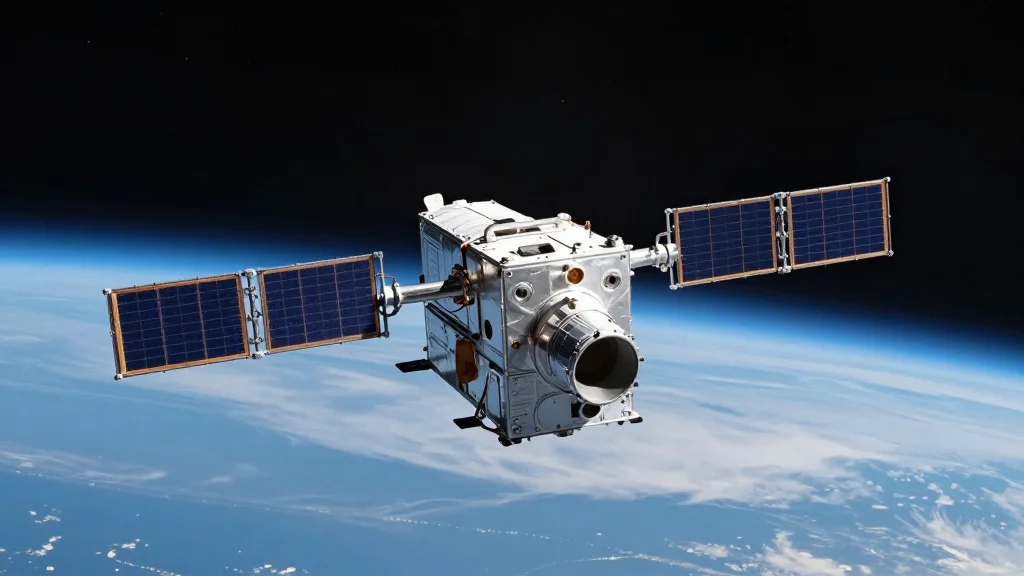
MDA Space Reports 41 Commitments for CHORUS Ahead of Launch
MDA Space disclosed 41 early customer commitments for its upcoming CHORUS synthetic‑aperture‑radar constellation, comprising nine signed contracts and 32 letters of interest. The two‑satellite system pairs a broad‑area C‑band radar with a high‑resolution X‑band sensor supplied by ICEYE, enabling a...
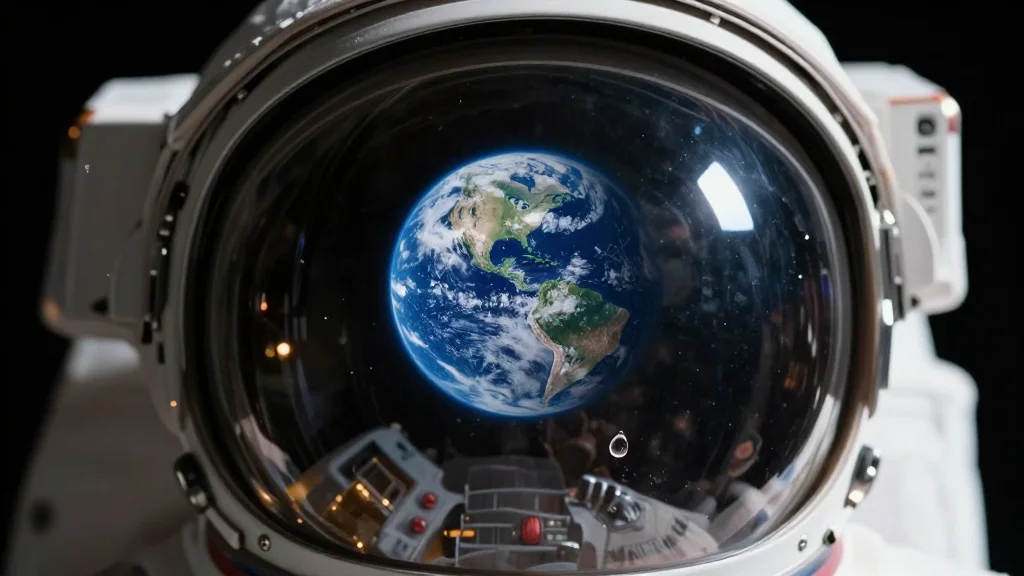
Why We Need to Treat Earth Like a Spaceship
The article uses the Artemis moon mission as a metaphor, urging us to treat Earth as a sealed spacecraft whose life‑support systems cannot be compromised. It argues that climate‑critical resources—air, water, soil—are finite and interdependent, demanding the same discipline astronauts...
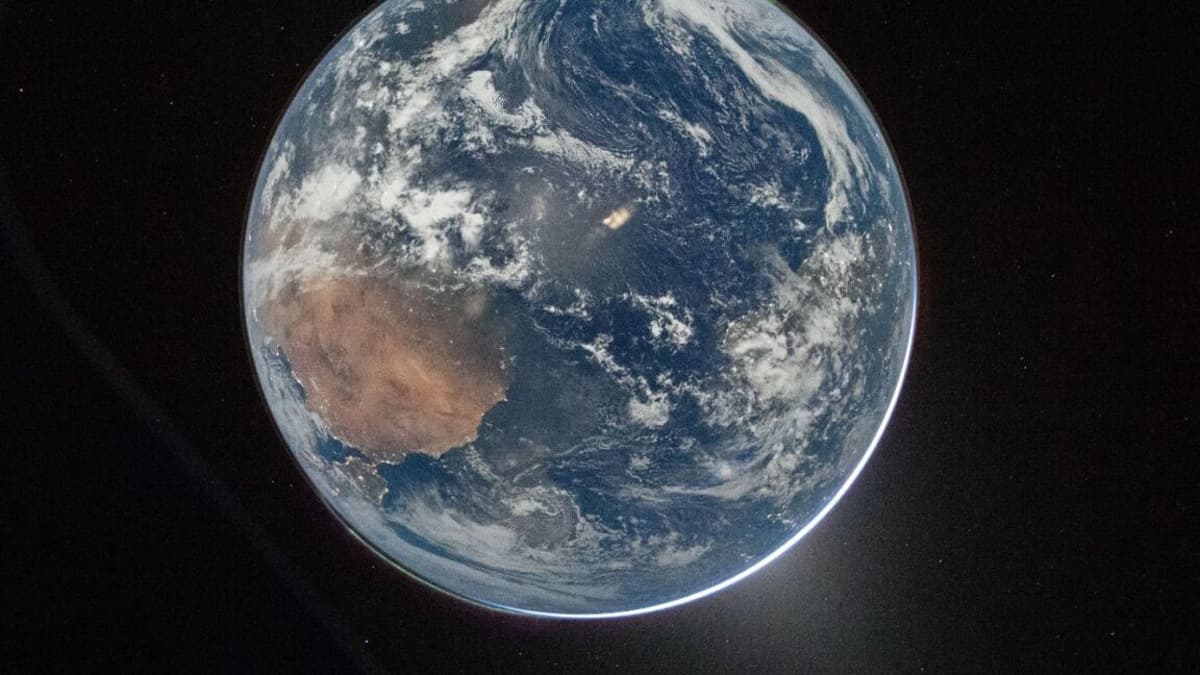
The Animated Version of the Iconic "Hello, World" Image Reveals Striking New Details
NASA has opened a public archive containing more than 12,000 photos taken by Artemis II astronauts aboard Orion. Among the release is the iconic “Hello, world” Earth shot captured by commander Reid Wiseman as the spacecraft departed low‑Earth orbit. Image‑processing veteran...

First Canada, Then the World: Nation’s Rocket Builders See a Bigger Opening in Space
Canadian rocket startups are rallying around a government‑backed push for sovereign launch capability after Ottawa committed roughly US$164 million to the effort. The funding includes about US$6 million in grants for each of three firms—Canada Rocket Company, NordSpace and Reaction Dynamics—aimed at...

Astranis Raises $450 Million to Expand GEO Satellite Production
Satellite maker Astranis announced a $450 million financing round, pushing total capital raised to more than $1.2 billion and valuing the company at roughly $2.8 billion. The Series E, co‑led by Snowpoint Ventures and Franklin Templeton with participation from Andreessen Horowitz and other institutional...

Voyager Optimistic About Starlab as NASA Reconsiders Commercial Station Plans
Voyager Technologies says it is prepared to support NASA if the agency alters its Commercial Low‑Earth‑Orbit Destinations (CLD) strategy. In March, NASA signaled doubts that a standalone commercial station market has materialized and is weighing a procurement of a new...
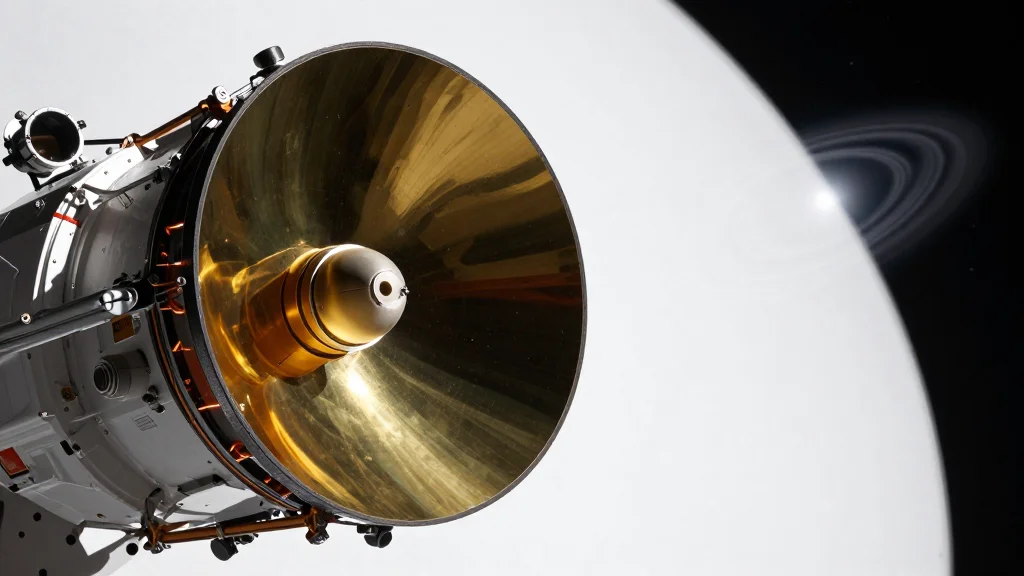
NASA's Roman Poised to Transform Hunt for Elusive Neutron Stars
NASA’s Nancy Grace Roman Space Telescope, slated for launch in 2027, will conduct an unprecedented wide‑field infrared survey aimed at detecting isolated neutron stars through gravitational microlensing. Its 0.28‑arcsecond resolution and 2000‑square‑degree field of view surpass previous missions, enabling the identification of...

U.S. Space Force Picks ThinKom’s Hidden Satellite Ground Station
ThinKom Solutions won the U.S. Space Force’s 2026 Fight Tonight competition with its Containerized Digital Array, a transportable satellite ground station hidden inside a standard shipping container. The system uses concealed phased‑array antennas and supports multi‑orbit, multi‑band communications across LEO,...

The Space Station’s Past and Future Converge at ASCEND 2026
The International Space Station National Laboratory will host a full day of programming at ASCEND 2026, featuring nearly 60 technical papers on ISS utilization and a showcase of microgravity research that underpins medical breakthroughs. A highlight is the Orbital Edge Accelerator,...

SES and ARD Announce Decade-Long Satellite Distribution Extension
SES and Germany’s public broadcaster ARD have renewed their satellite distribution partnership through 2039, extending the use of SES’s Astra 19.2° East orbital slot for high‑definition TV. The deal guarantees uninterrupted Direct‑to‑Home service for millions of German households and reinforces ARD’s...

Access Hub and Maargin Release White Paper on Frugal LEO Constellations and Orbital AI
Access Hub and Maargin have released a white paper proposing a 324‑satellite low‑Earth‑orbit (LEO) constellation that can be built for $400‑$450 million. The "frugal engineering" model claims a 70‑90% cost reduction compared with traditional mega‑constellations while delivering broadband and sovereign digital services....
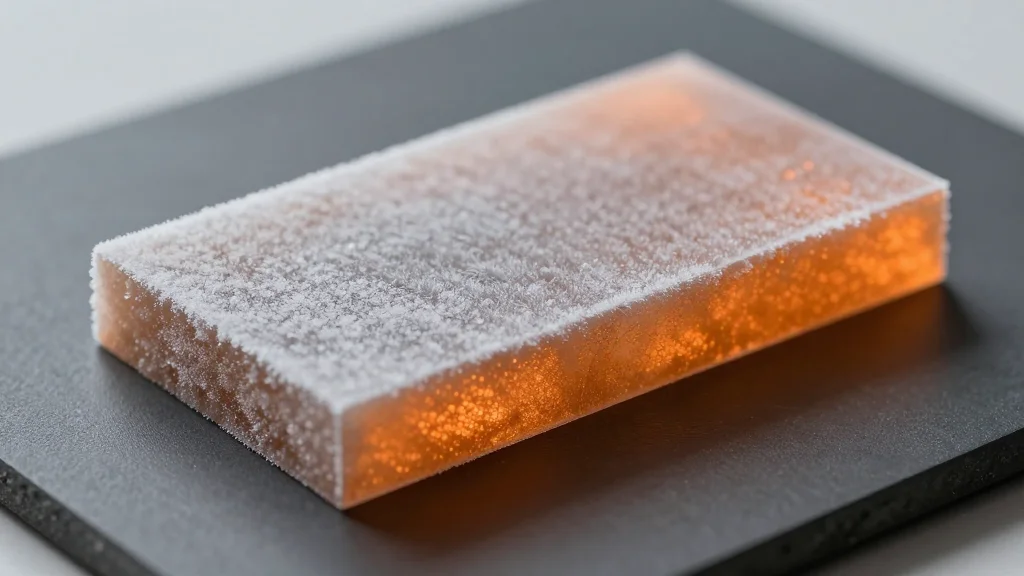
New NASA Technology Mimics Extreme Cold of the Lunar Night
NASA’s Glenn Research Center unveiled the Lunar Environment Structural Test Rig (LESTR), a dry‑vacuum system that can chill materials to 40 Kelvin (‑388 °F) without liquid cryogens. The rig replaces traditional nitrogen or helium baths, cutting safety complexity and cost while expanding...
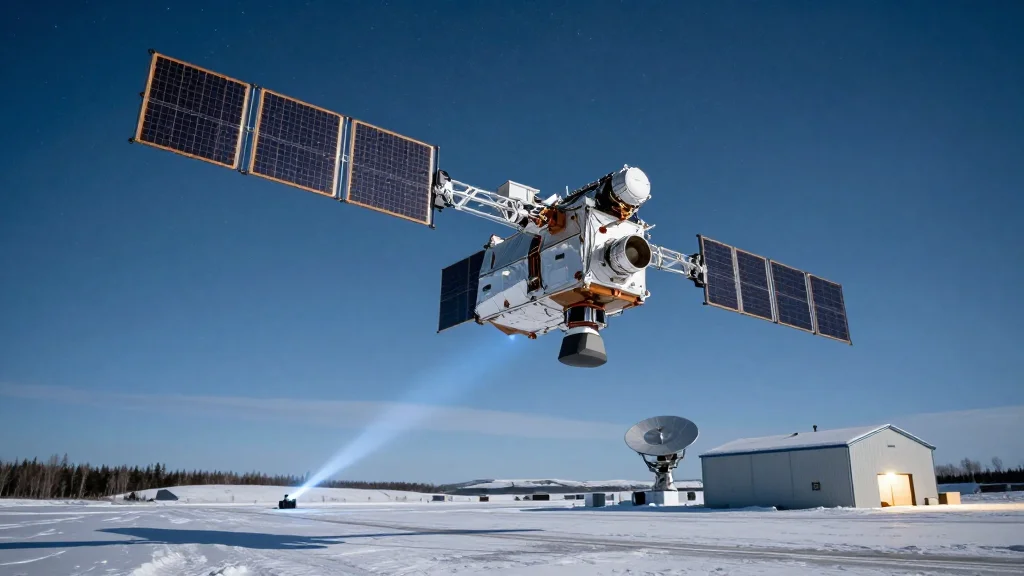
Overview Energy Awarded Contract to Provide Space-Based Solar Power to U.S. Air Force
Overview Energy, a Virginia‑based solar aerospace startup, secured a U.S. Air Force contract to field its orbit‑to‑grid system for resilient power in logistics‑constrained environments. The technology places geosynchronous satellites in space to harvest solar energy and beam it via infrared...
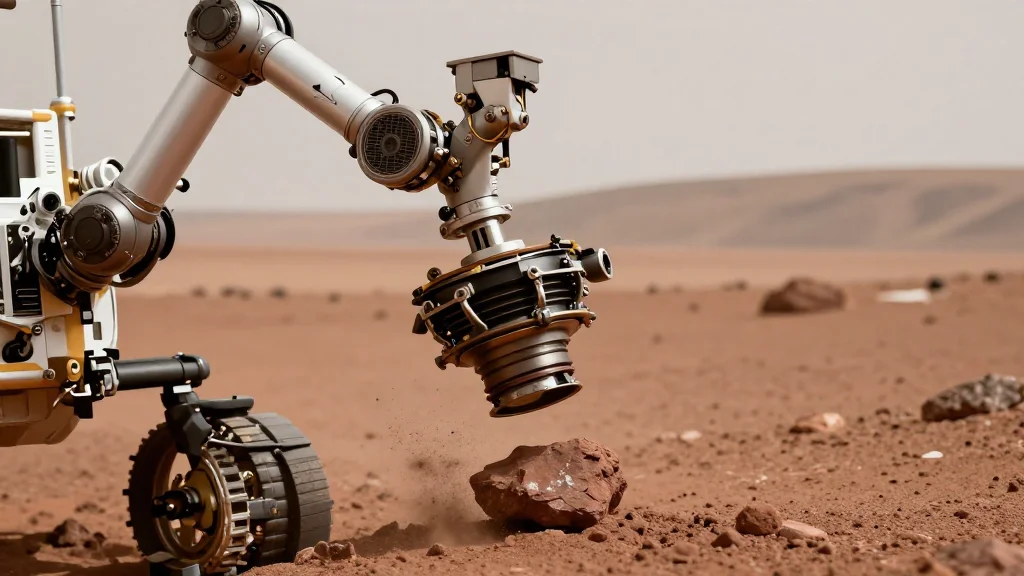
Curiosity Mars Rover: Struggle at Atacama
NASA’s Curiosity rover successfully freed its drill bit after it became lodged in the Atacama rock target on Mars. The rock, a 1.5‑ft‑wide, 28.6‑lb block, lifted with the drill sleeve, forcing engineers to re‑orient, vibrate, and percussion‑drive the arm over...

SWISSto12 Contracts HPS/LSS for Deployable Antenna Reflector on HummingSat GEO Mission
Swiss satellite‑communications firm SWISSto12 has awarded German consortium HPS/LSS a contract to build a 5‑meter deployable L‑band antenna reflector for its NEASTAR‑1 mission on the HummingSat GEO platform. The reflector will unfold in orbit, enabling direct‑to‑device media broadcasting from a...
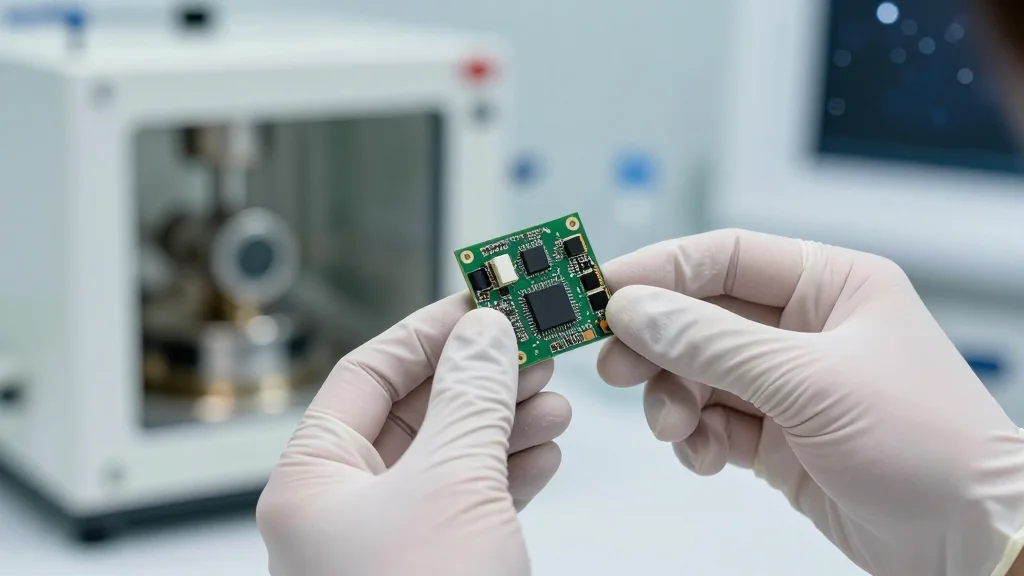
SmallSat Europe Speaker Focus: Merek Chertkow, The Radiation Team
Merek Chertkow, CEO of The Radiation Team, offers a system‑level approach to radiation engineering for commercial and government satellites. Drawing on his SpaceX and Blue Origin experience, the firm tailors mitigation strategies to specific mission orbits, allowing the use of...
Astranis Raises $450M+, Including $300M Series E
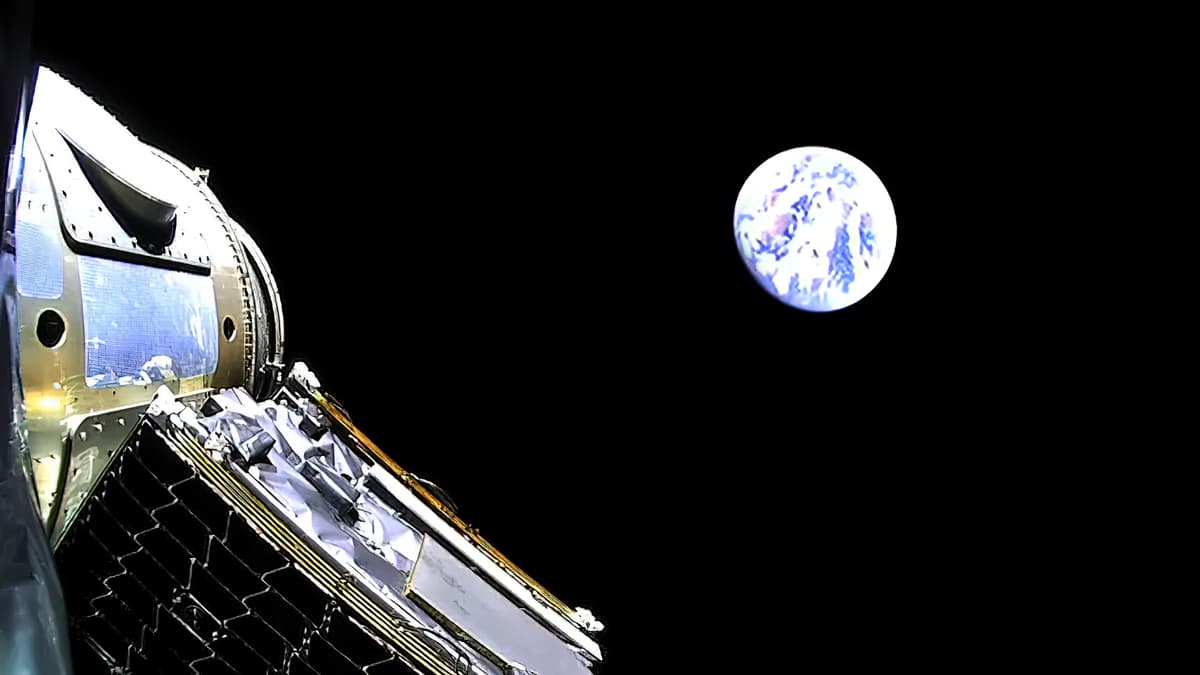
Astranis announced a $300 million Series E round co‑led by Snowpoint Ventures and Franklin Templeton, lifting its valuation to roughly $2.8 billion. The round also attracted Andreessen Horowitz, BlackRock, Baillie Gifford and Fidelity, and was complemented by a $155 million delayed‑draw credit facility from...

Scout Space Closes $18M Series A
Scout Space announced an $18 million Series A round led by Washington Harbour Partners, aimed at scaling its satellite‑sensor business. The funding will finance a 2,600‑sq‑ft manufacturing plant in Northern Virginia and nearly double the workforce to over 50 employees within 18...
Dutch Partners Explore Bringing Silicon PV Into Space
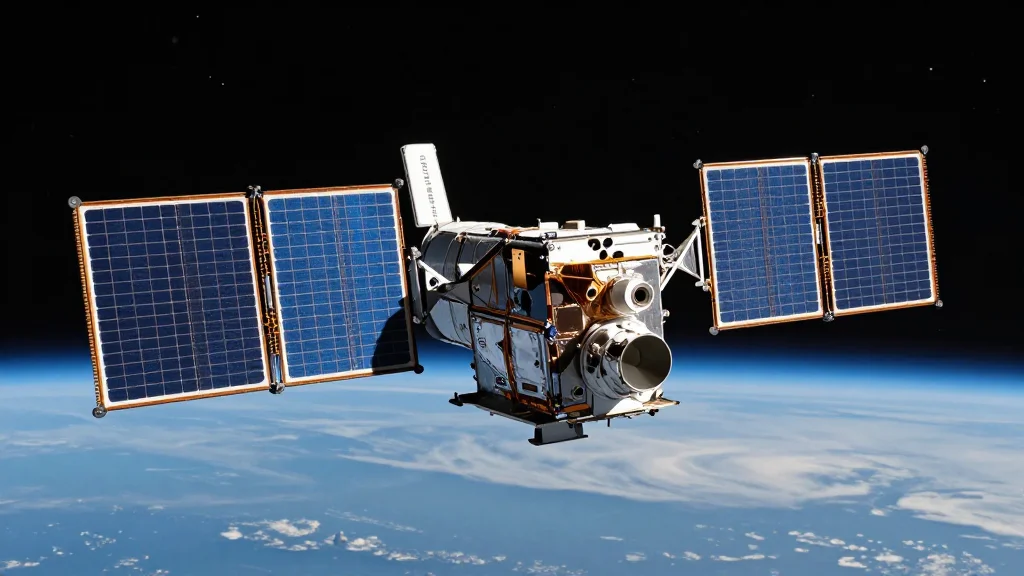
The Netherlands’ research institute TNO, solar‑module maker MCPV and aerospace giant Airbus have launched a joint programme to adapt terrestrial silicon photovoltaic technology for space use. The effort targets back‑contact silicon cells as a cheaper alternative to the gallium‑arsenide (GaAs)...

Fraunhofer IIS Tests High Bandwidths for NTN
In April 2026 Fraunhofer IIS proved a broadband 5G non‑terrestrial network connection over the German GEO satellite Heinrich Hertz using Ka‑band frequencies. The test employed 50‑100 MHz of spectrum and achieved peak data rates of 137 Mbit/s. A seamless handover between the satellite’s north...
Greenerwave and Telespazio France Sign Strategic Agreement to Distribute Multi-Orbit, Low-Power and Sovereign SATCOM Terminals in Europe
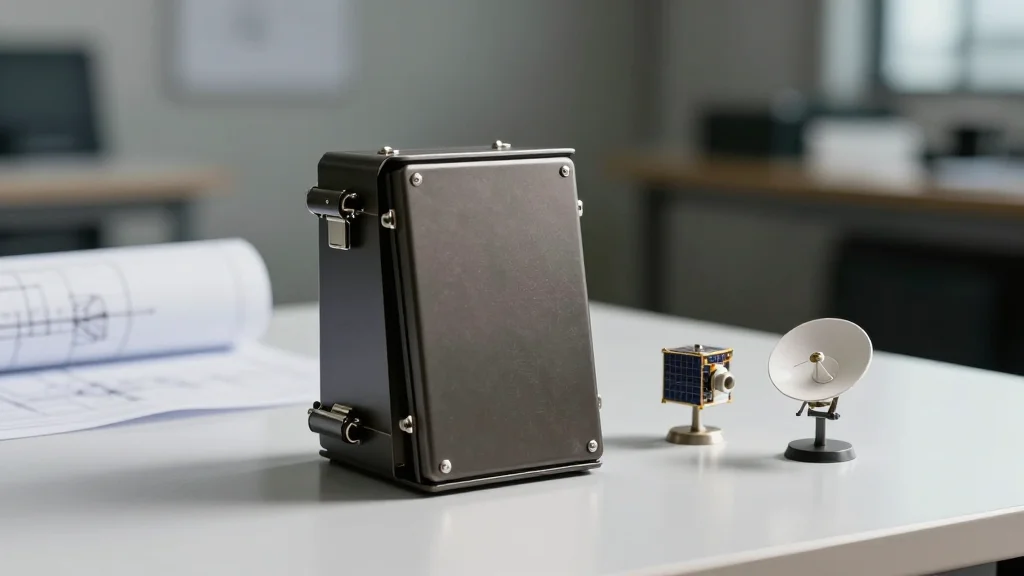
Greenerwave and Telespazio France, a Leonardo group subsidiary, have signed a strategic agreement to distribute Greenerwave’s low‑power, multi‑orbit (GEO/LEO) satellite communications terminals across France, the broader European market and the United Kingdom. The partnership targets defense, government and security customers,...

Scout Space Raises $18M To Expand Space Domain Awareness Systems
Scout Space announced a $18 million Series A round led by Washington Harbour Partners to scale its space‑domain‑awareness platform. The capital will fund a new 2,600‑square‑foot manufacturing hub in Northern Virginia and accelerate production of its modular optical sensors and edge‑computing software....
Solar Activity Makes Space Junk Crash to Earth Faster
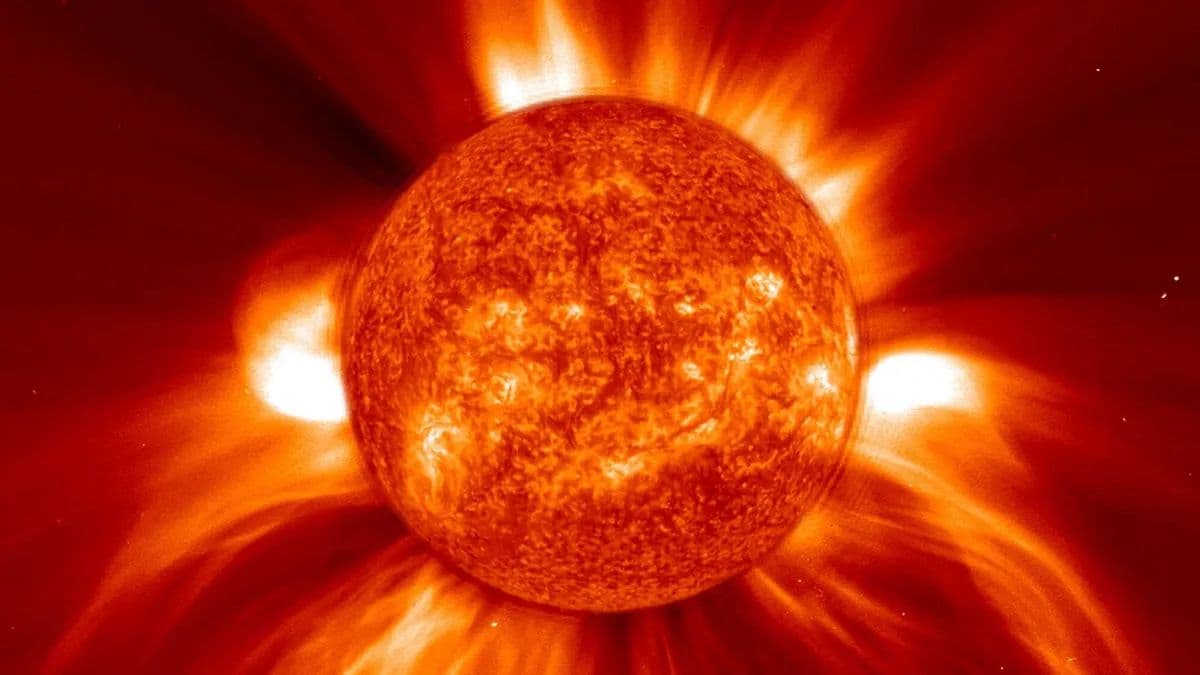
A new study published May 6, 2026 in Frontiers in Astronomy and Space Sciences shows that space debris descends more rapidly during periods of heightened solar activity. Researchers tracked 17 low‑Earth‑orbit objects launched in the 1960s over a 36‑year span, linking their...
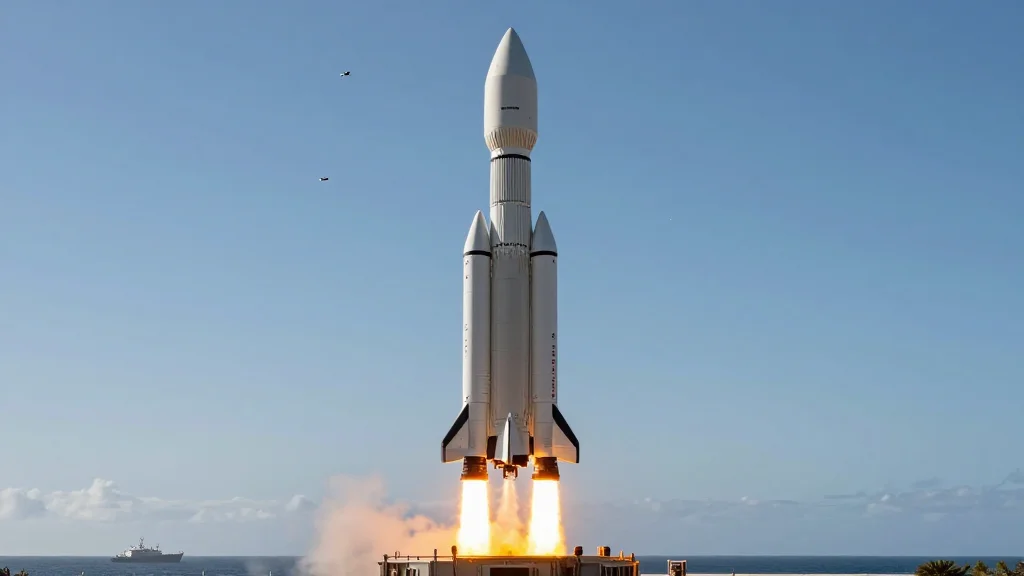
SpaceX Launches 24 More Starlink Satellites
SpaceX successfully launched 24 additional Starlink satellites from Vandenberg Space Force Base, using a Falcon 9 that completed its 24th first‑stage flight and landed on a Pacific drone ship. The addition pushes the Starlink constellation toward the 4,000‑satellite milestone, reinforcing its...

Space Junk Falls Back to Earth Faster as Sunspot Numbers Climb
Researchers at India’s Vikram Sarabhai Space Centre have demonstrated that heightened solar activity speeds the orbital decay of low‑Earth‑orbit debris. By monitoring 17 objects from 1986 to 2024 across three solar cycles, they pinpointed a sunspot‑number threshold—about 70 % of peak—beyond...
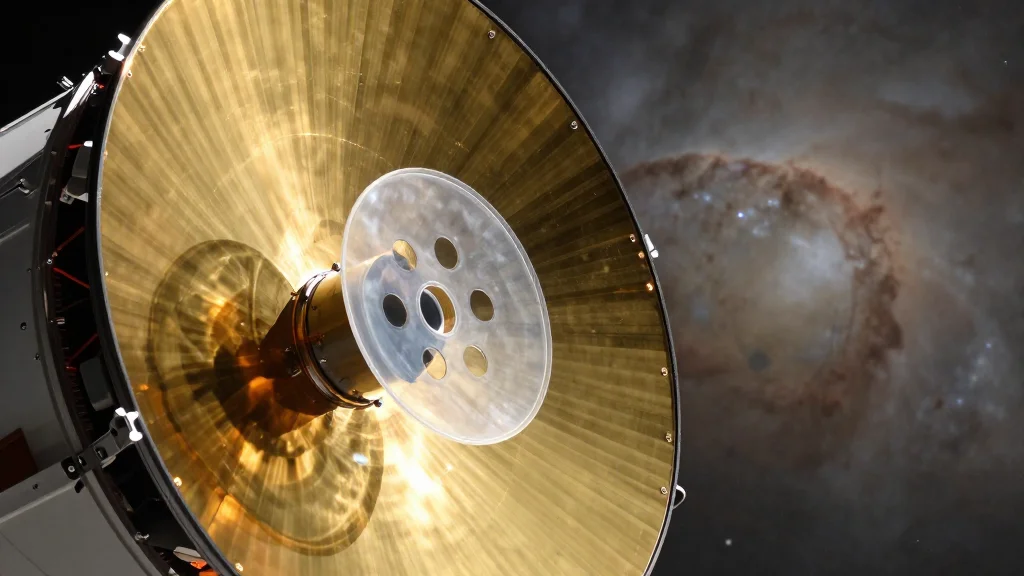
Astronomers Unlock a Sharper View From JWST Using a ‘Keyhole’ Trick
NASA’s James Webb Space Telescope has gained a new resolution boost through its Aperture Masking Interferometer (AMI), a 5‑centimetre mask with seven holes that turns the 6.5‑metre mirror into a mini‑interferometer. After initial failures caused by infrared detector charge‑leakage, a...
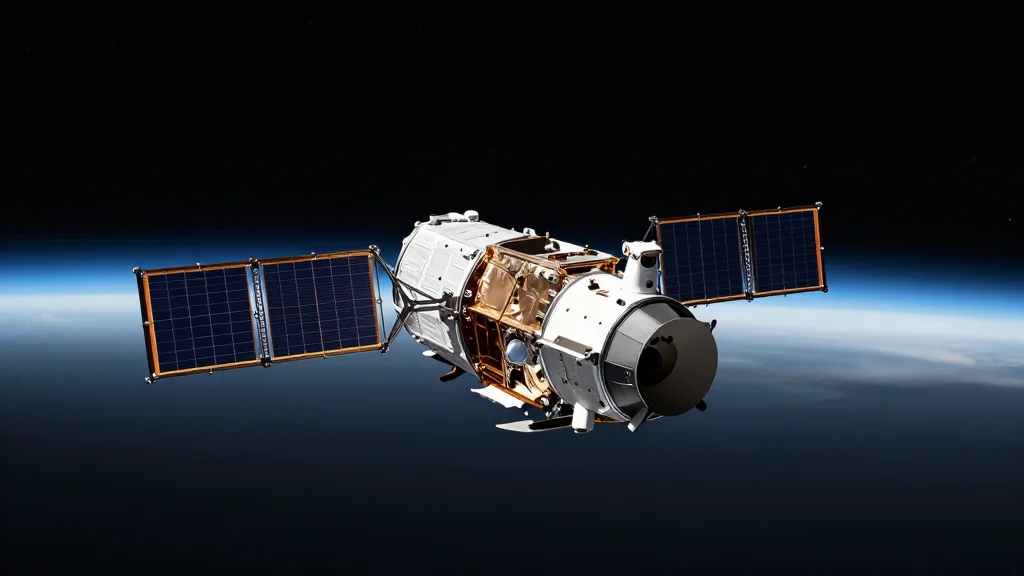
Reliance Eyes LEO Satellites to Build India's Answer to Starlink
Reliance Industries is exploring a multi‑billion‑dollar entry into low‑Earth‑orbit (LEO) satellite communications, to be housed within its Jio Platforms unit. Six internal teams are already working on satellite design, launch logistics, payloads and user terminals, while senior executives steer the...

NASA’s STORIE Set To Observe Earth’s Ring Current
NASA’s STORIE mission will launch aboard SpaceX’s 34th ISS resupply flight and attach to the station’s exterior. The instrument will image energetic neutral atoms to reveal the composition and dynamics of Earth’s ring current, a key component of space weather....
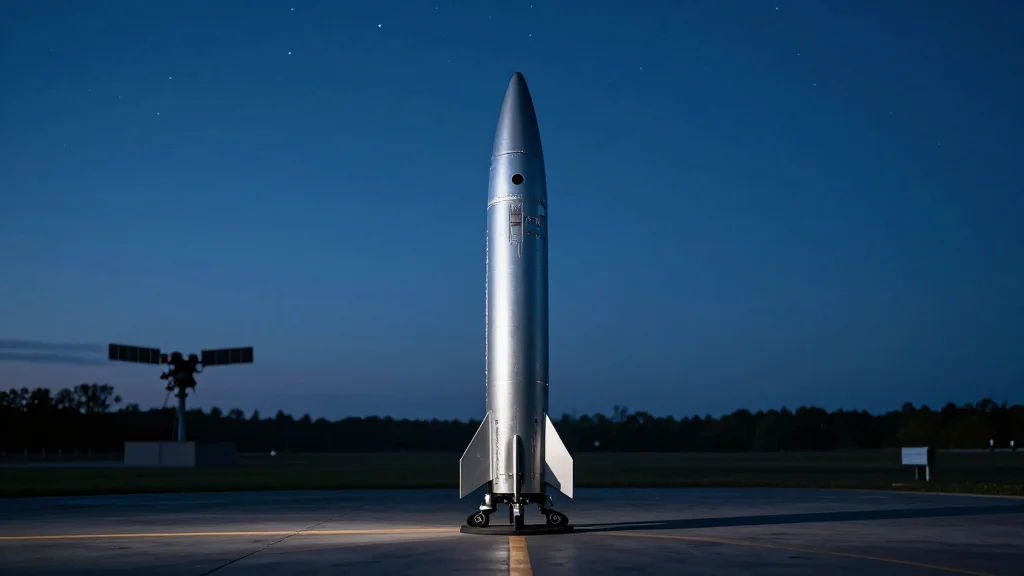
Anduril to Work With Impulse Space, K2 Space, Voyager, and Others on Space-Based Interceptor Award
Anduril Industries secured an Other Transaction Authority contract from the U.S. Space Force to prototype technologies for space‑based interceptors under the Golden Dome initiative. The company announced a consortium that includes Impulse Space, Inversion Space, K2 Space, Sandia National Laboratories...
What Amazon’s Globalstar Acquisition Means for MSS Spectrum and D2D Market: Analyst Roundtable
Amazon agreed to buy Globalstar for roughly $10.8 billion, securing the satellite operator’s mobile‑satellite‑services (MSS) spectrum licenses and an active network. The deal includes a continuation of Apple’s satellite service partnership, giving Amazon immediate access to millions of iPhone users. By...
Telesat Confirms Fully Funded 2028 Lightspeed Timeline Following Q1 Design Reviews
Telesat reported Q1 2026 results, investing roughly $125 million USD in its Lightspeed LEO constellation, bringing total spend to about $2 billion USD. The company confirmed it is fully funded to launch global commercial service by the first quarter of 2028. A $800 million...

Commerce Aiming to Open Novel Space Applications This Summer
The U.S. Department of Commerce’s Office of Space Commerce (OSC) unveiled a one‑stop licensing framework that lets companies submit a single application for novel space missions—ranging from asteroid mining to in‑space refueling—to be shared with the FAA, FCC and other...
The Golden Dome’s Northern Footprint
The U.S. “Golden Dome” is a next‑generation integrated air and missile defence (IAMD) program launched by Executive Order 14186, with an initial $24.4 billion allocation and a projected $175 billion cost. It aims to use large constellations of sensor and interceptor satellites for...
Next-Gen Near-Earth Asteroid Space Telescope Takes Shape
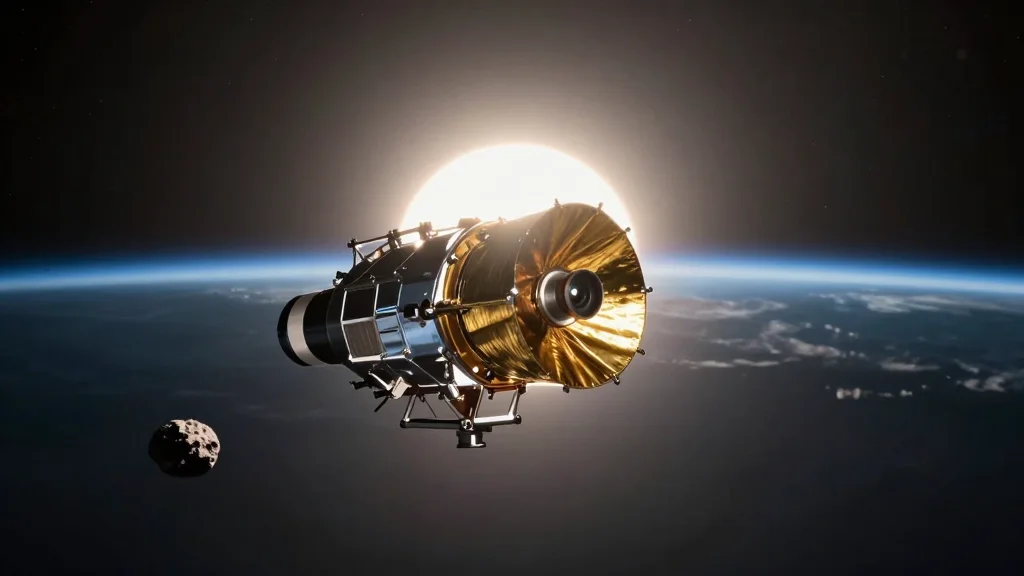
NASA announced that the next‑generation Near‑Earth Asteroid (NEA) Space Telescope, part of the NEO Surveyor mission, has entered final hardware integration at the Jet Propulsion Laboratory. The 50‑centimeter infrared instrument will operate from the Sun‑Earth L1 point, using a cryogenic...
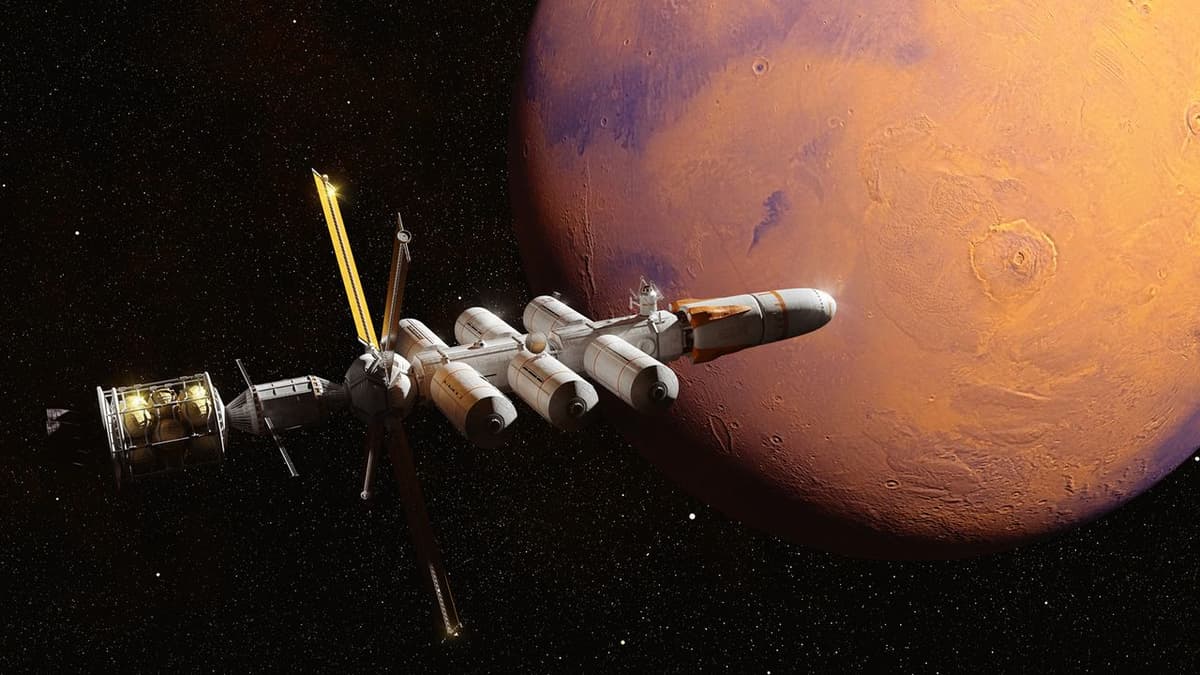
'I Was Not Looking for This': Scientist Accidentally Finds Shortcut to Mars that Could Slash Travel Time in Half
A new study suggests ultra‑short Mars trajectories inspired by early asteroid orbit estimates could cut round‑trip travel time to as little as five months. The research, published in Acta Astronautica, shows a 34‑day Earth‑to‑Mars leg is geometrically possible, though it...

Two Lawsuits Against SpaceX, Claiming Company Operations Damage Local Homes
SpaceX is facing two separate lawsuits alleging that its Starship launch and test activities have damaged nearby homes. The first suit involves about 80 homeowners living 5‑10 miles from the Boca Chica launch complex, who claim vibrations, noise and broken...

NASA Objects to Blue Origin’s “Project Sunrise”
NASA filed an objection with the FCC on May 5, 2026 against Blue Origin’s “Project Sunrise,” a proposal to launch up to 51,600 low‑Earth‑orbit satellites that would host orbital data centers for AI workloads. The agency cites safety and sustainability risks, including...
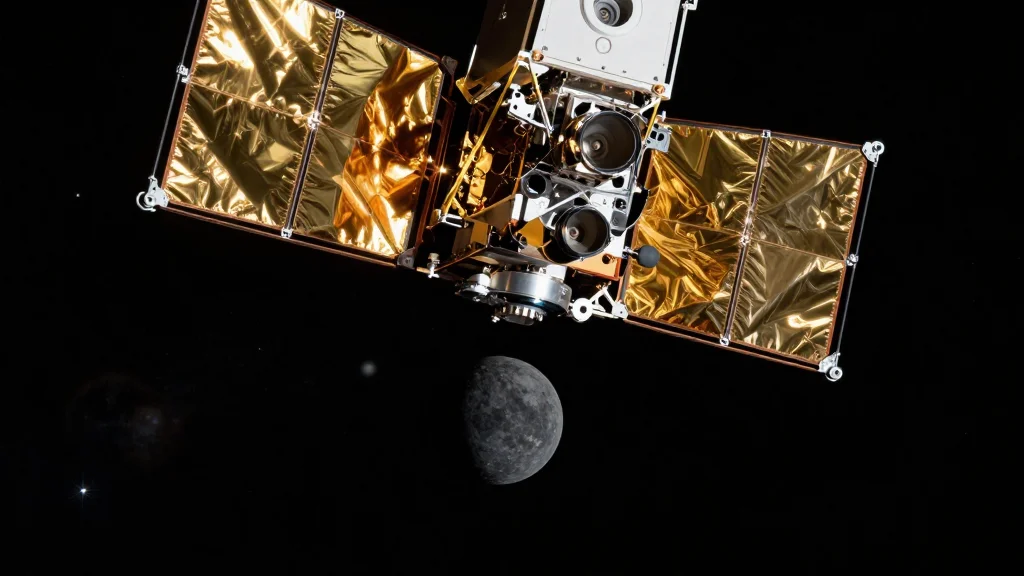
Webb Telescope Captures First Direct Look at Distant Exoplanet’s Surface
Astronomers using the James Webb Space Telescope have, for the first time, directly observed the surface of a distant super‑Earth, LHS 475b, located about 40 light‑years from Earth. The planet appears dark and airless, resembling a Mercury‑like rocky world with surface...
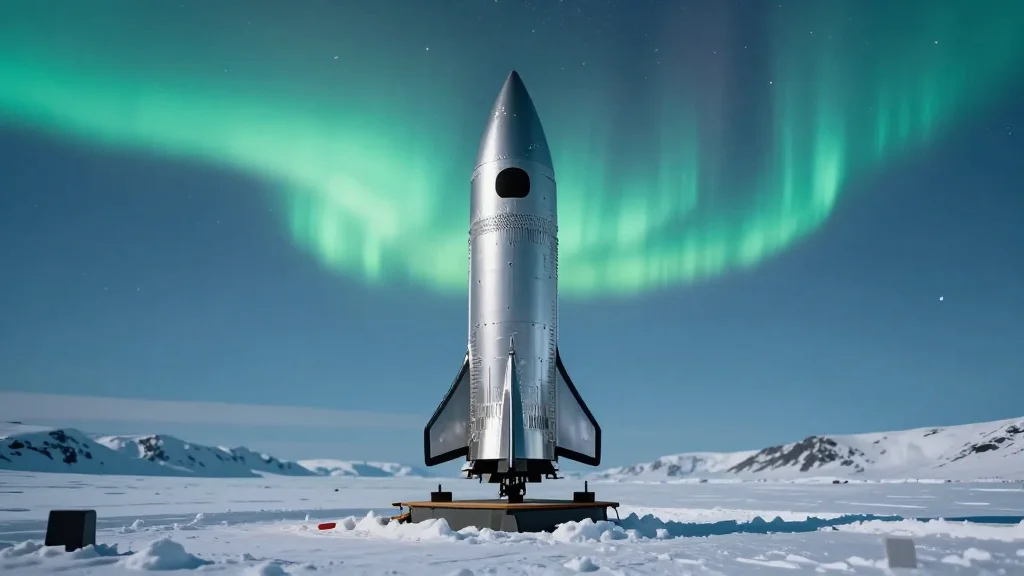
“We Need to Just Get This Done”: Alex MacDonald on Canada’s Orbital Launch Future
Alex MacDonald, former NASA chief economist, highlighted Canada’s long‑standing space pedigree at the May 5 NordSpace conference. He noted the government’s new Launch the North initiative, committing more than $300 million CAD (≈$222 million USD) to Maritime Launch Services and three domestic launch firms,...
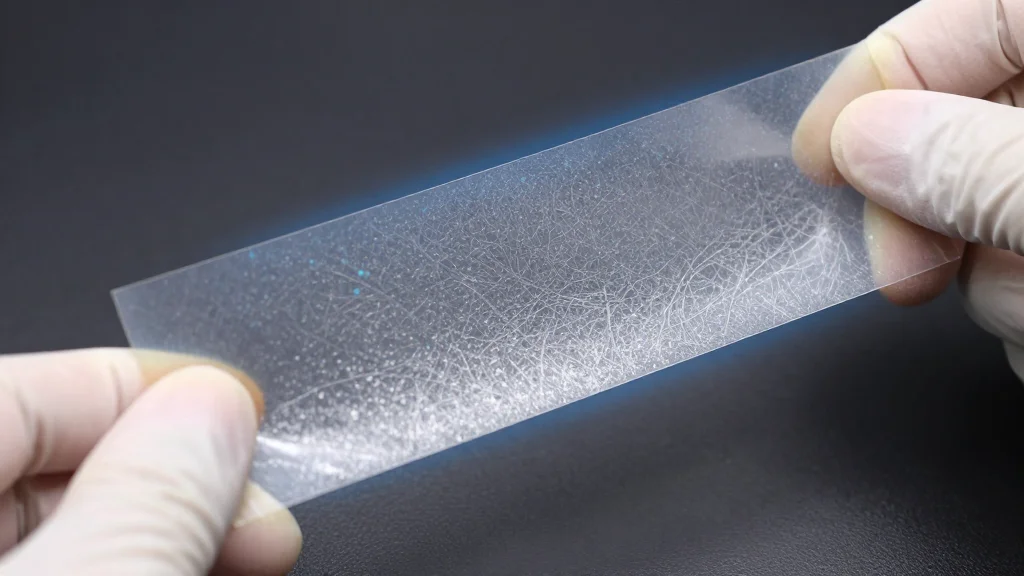
South Korean Researchers at KIST Develop an Ultrathin Composite Film
South Korean researchers at the Korea Institute of Science and Technology have created an ultrathin (10‑20 µm), stretchable, 3D‑printable composite film that simultaneously shields electromagnetic interference (EMI) and neutron radiation. The film combines single‑walled carbon nanotubes for EMI absorption with boron...

Malta Signs Artemis Accords
Malta signed the Artemis Accords on May 4, becoming the alliance’s 66th member. The ceremony in Kalkara featured NASA, the U.S. State Department, and Malta’s senior ministers. Malta joins a rapidly expanding roster that includes Ireland, Latvia, Jordan, Morocco and...

SmallSat Europe Speaker Focus: Olaf Eckart, BMW Group
BMW Group’s Non‑Terrestrial Network (NTN) team, led by senior expert Olaf Eckart, is driving the convergence of automotive and satellite communications. The 5G Automotive Association’s NTN Roadmap, released in September 2024, outlines phased deployment of narrowband, wideband and broadband satellite links...

AIAA, Aerospace Corporation Launch ASCEND 2026 Classified Day
The American Institute of Aeronautics and Astronautics (AIAA) is hosting its first ASCEND 2026 Classified Day on May 18 at The Aerospace Corporation’s Chantilly, Virginia headquarters. The closed‑door session will feature a keynote by NRO Director Chris Scolese and senior leaders from...
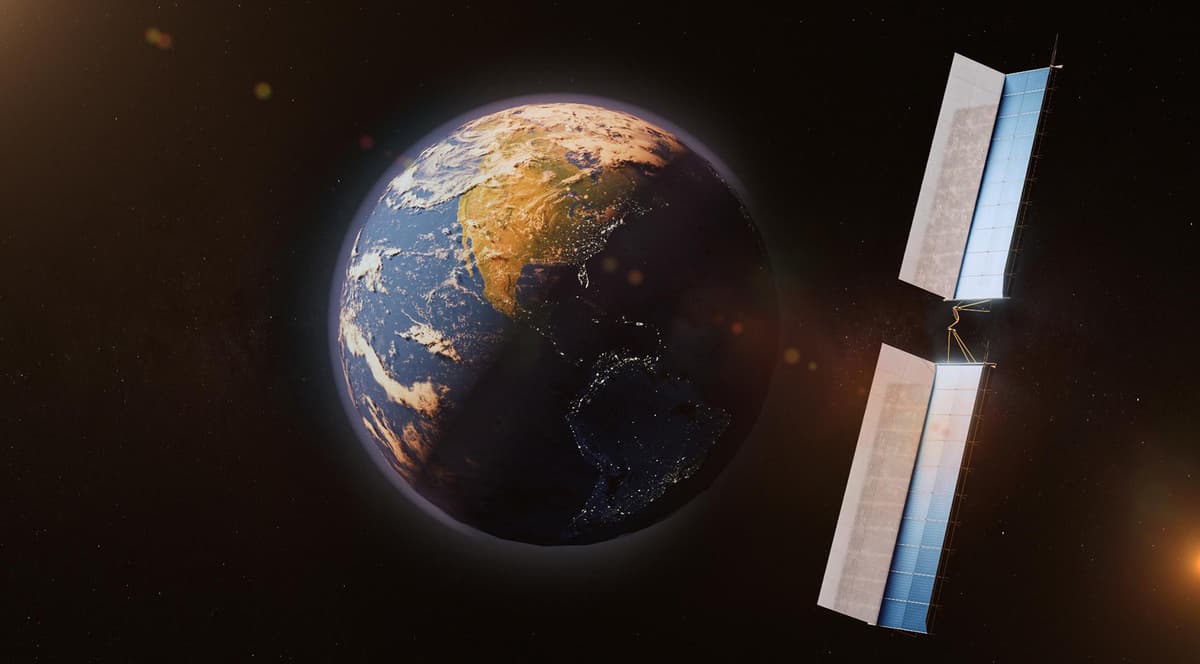
Meta’s Space Solar Bet Highlights AI Data Center Power Gap
Meta has teamed with Overview Energy and Noon Energy to explore space‑based solar power (SBSP) with demonstration projects slated for 2028. The initiative is positioned as a long‑term capacity solution rather than an immediate fix for the soaring electricity needs...

Don’t Miss SGx 2026, Part of ASCEND – Washington D.C. | 17–18 May
SGx 2026: Inventing New Orbits will convene students, young professionals, and senior leaders from NASA, Blue Origin, Airbus, Northrop Grumman and other aerospace firms on May 17‑18 in Washington, D.C. The two‑day program blends TEDx‑style talks, hands‑on workshops, a National Geographic...

Bridenstine Takes Over as Quantum Space CEO
Former NASA administrator Jim Bridenstine has been appointed chief executive of Quantum Space, a satellite‑maneuvering firm. Bridenstine says the role lets him return to national‑security work, leveraging his military and congressional experience. Quantum’s flagship Ranger vehicle can both refuel other...

May 5, 1961: The First American in Space
On May 5, 1961 Alan Shepard piloted the Freedom 7 capsule, becoming the first American to reach space. Launched from Cape Canaveral on an Army Redstone missile, the suborbital flight peaked at 116.5 miles (187.5 km) altitude and 5,180 mph (8,336 km/h). The 15‑minute mission was broadcast live,...

LEAP 71 and Sindan Partner to Develop Aerospace Systems with Computational Engineering Tools
AI‑driven manufacturing firm Sindan and UAE aerospace startup LEAP 71 have signed a strategic partnership to develop air‑breathing jet engines and space propulsion systems using LEAP 71’s Noyron computational engineering model and Sindan’s AI‑powered additive manufacturing platform. The collaboration aims to compress...

ESA Taps Edge Aerospace for Space Cloud Contract
Edge Aerospace, a Luxembourg‑based in‑space computing startup, has been awarded an ESA Space Cloud contract to develop an architecture and use‑case roadmap for orbital data centres. The study will assess commercial viability and identify civil, commercial and defence applications for...