
Integrating Ifm IO-Link Devices in Studio 5000 Logix Designer
The video walks through integrating an IFM IO‑Link distance sensor with an Allen‑Bradley Logix 5000 controller using Studio 5000. It begins by downloading IFM’s starter package, which contains EDS files, add‑on instructions, and configuration guides, then registers the IFM AL 1120 EDS file via the Device Description Installation Tool. Key steps include adding the IO‑Link master module to the Ethernet configuration, setting its default IP (192.168.1.250), and adjusting input/output size values—123/87 for a four‑port master or 223/151 for an eight‑port unit. After module registration, the user imports the appropriate add‑on instruction for the O5D150 sensor, creates a backing tag, and configures the port number. The presenter highlights practical details such as selecting "exclusive owner IO ASIC diag," changing data types from SINT to INT, and dragging the imported instruction onto a rung in the main routine. Upon downloading to the PLC, the IO configuration shows error‑free communication and live sensor data appears in the routine. By following this workflow, engineers can rapidly deploy IO‑Link sensors, unlock real‑time machine data, and accelerate Industry 4.0 initiatives without extensive custom coding.

From Purchase Orders to Predictive Control: How Early PO Visibility Prevents Supply Chain Surprises
The discussion centers on turning purchase orders from simple transaction records into early‑stage demand signals that give supply‑chain partners visibility and control. Hosts and DP World executives argue that PO visibility is now a strategic asset, enabling firms to...
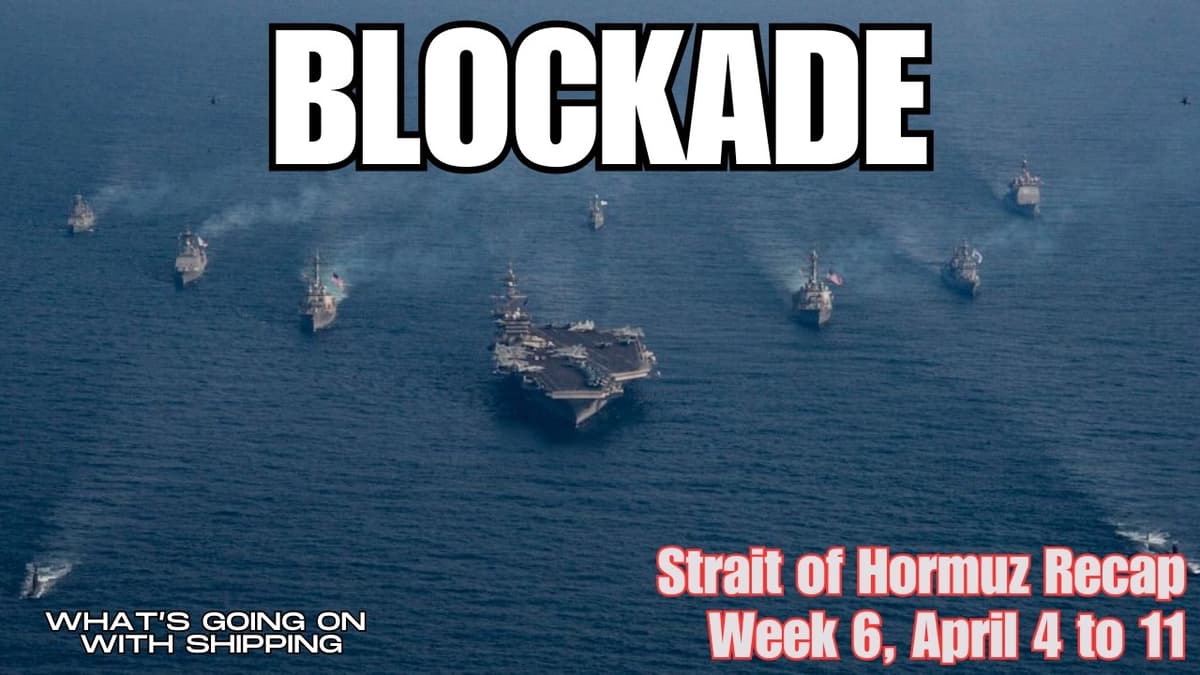
Strait of Hormuz Week 6 Recap | Pres Trump Orders Blockade | CENTCOM To Blockade Iranian Ports
The video recaps week six of the Strait of Hormuz crisis, focusing on President Trump’s social‑media proclamation that the U.S. Navy will begin an immediate blockade of any vessel attempting to enter or leave the strait, and CENTCOM’s formal notice...

The Strait of Hormuz Crisis Just Triggered a GLOBAL Food Shock
The video warns that the escalating Strait of Hormuz standoff is poised to trigger a global food shock, not merely an oil crisis. While headlines focus on petroleum flow, the chokepoint also carries roughly one‑third of the world’s seaborn fertilizer...
Iran War: Blocked Hormuz Makes Everything More Expensive
The closure of the Strait of Hormuz is tightening global commodity flows, pushing oil prices upward as ships reroute or wait for clearance. President Donald Trump dismissed Iran’s leverage, calling the waterway blockage a short‑term extortion tactic. Iran’s parliamentary speaker,...
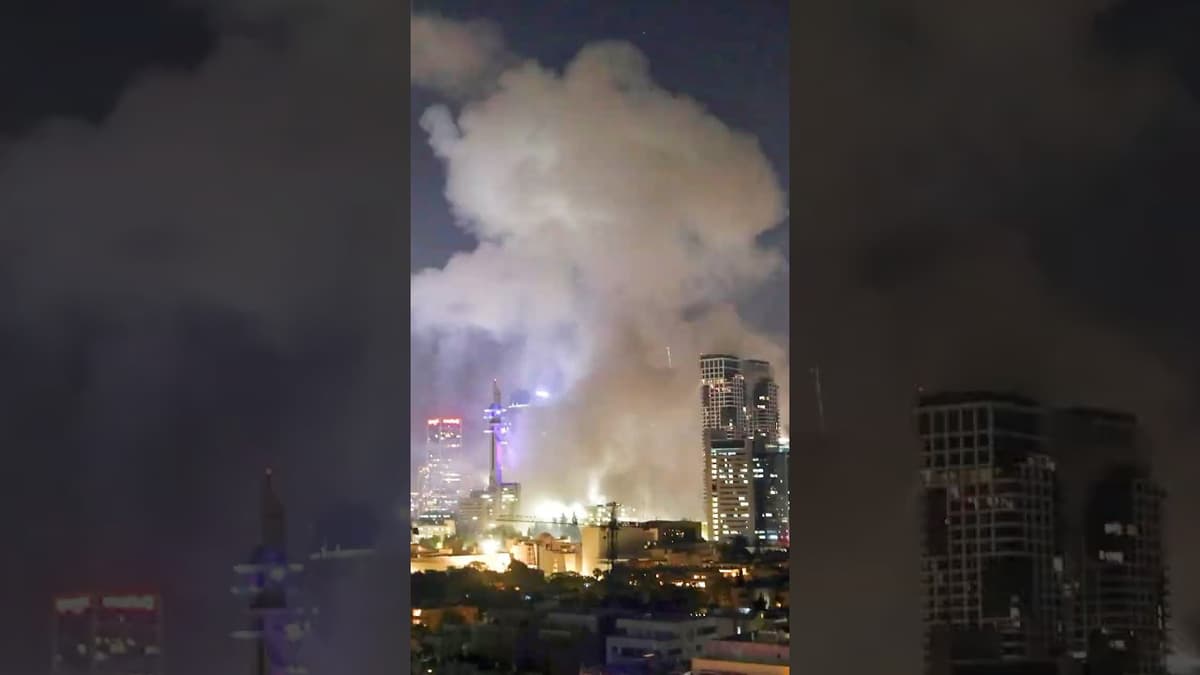
Iran War Has Changed the Middle East Forever
The video argues that the Iran‑Israel war has irrevocably altered the Middle East, leaving the region far from a pre‑war status quo. It emphasizes that Gulf states perceive a stark abandonment by the United States, which prioritized Israel’s defense over...

News in Brief Podcast | Week 15 2026 | Ceasefire, Capacity Crunch and Rates Still Up
The Loadar "News in Brief" podcast examined three intertwined supply‑chain themes: the newly announced two‑week US‑Iran ceasefire, the ongoing capacity crunch in ocean freight, and the latest movements in freight rates and air cargo. While the ceasefire technically reopens the...

Are Voters Warming to Starmer over His Iran War Stance | FT #shorts
The FT short examines Keir Starmer’s attempts to showcase a confident foreign‑policy profile, especially his positioning on the Iran conflict, as the Labour leader seeks to appear a global statesman ahead of the next election. Starmer’s narrative stresses that Labour will...

The Hidden Gas Crisis That Could End the AI Boom
The video exposes a looming helium crisis that could choke the artificial‑intelligence hardware supply chain. While Wall Street bets on limitless AI growth, the ultra‑pure liquid helium needed to cool ASML’s extreme‑ultraviolet lithography machines is a non‑renewable by‑product of natural‑gas...

Why Opening the Strait of Hormuz Won’t Immediately Lower Gas Prices
The video explains that simply reopening the Strait of Hormuz will not instantly bring gasoline prices back to pre‑war levels. It notes that attacks have hit dozens of energy sites in at least nine countries, disrupting both shipping lanes and on‑shore...

Aluminum Shortages About To Begin As Supply Chain Wrecked
Aluminum producers are warning of imminent shortages as Middle East tensions choke the flow of bauxite and alumina, key raw materials for primary metal. The disruption has already pushed spot aluminum prices up about 15% in a month, and the...

Canada’s EV Strategy Pivot: From Failure-Ish to Opportunity
The interview with National Observer columnist Max Fawcett examines Canada’s lagging electric‑vehicle adoption—just 3.5% of the national fleet versus roughly 15% in China—and the government’s recent strategic pivot. Earlier federal and provincial subsidies for battery plants in Ontario and...

How Significant Are the US-Iran Peace Talks? | BBC Newscast
The BBC Newscast examined the unprecedented three‑way peace talks between the United States, Iran and Pakistan, convened in Islamabad. Delegates included Vice President JD Vance, Jared Kushner, Iran’s parliamentary speaker and foreign minister, and Pakistan’s army chief, marking the...

If You Need a Laptop, Buy It Now
The video warns that a worldwide shortage of RAM – the short‑term memory that powers every computer, phone and console – is about to make consumer tech noticeably more expensive. The shortage is directly linked to the AI boom,...

Can the US-Iran Talks in Pakistan Turn a Fragile Ceasefire Into a Lasting Peace? | DW News
The United States and Iran convened in Islamabad for a high‑stakes diplomatic session aimed at extending a fragile ceasefire that has held since early 2024. Pakistan, leveraging its strategic neutrality, offered to mediate the talks, hoping to translate the temporary...

'Crucial Talks’ Says Al Jazeera Reporter at US-Iran Meeting Venue | AJ #shorts
The United States and Iran have convened in Islamabad for a series of indirect negotiations, marking the first high‑level engagement between the adversaries on Pakistani soil. The talks follow the shuttle‑diplomacy model used in Geneva and Oman, where third‑party envoys relay...

Panetta: Iran’s Grip on Hormuz Puts Pressure on US Economy
The interview centers on Iran’s strategic choke‑point at the Strait of Hormuz and its ripple effects on the U.S. economy. Secretary Panetta warned that Tehran’s ability to disrupt oil shipments has already pushed gasoline prices higher and contributed to broader...

How Difficult Is Delivering Takeaway in Hong Kong?
The video follows a first‑time rider testing Hong Kong’s food‑delivery gig, documenting the onboarding process and a two‑hour shift. After a month‑long application, the creator receives his first order at noon and spends 45 minutes earning only HK$52. He quickly discovers...
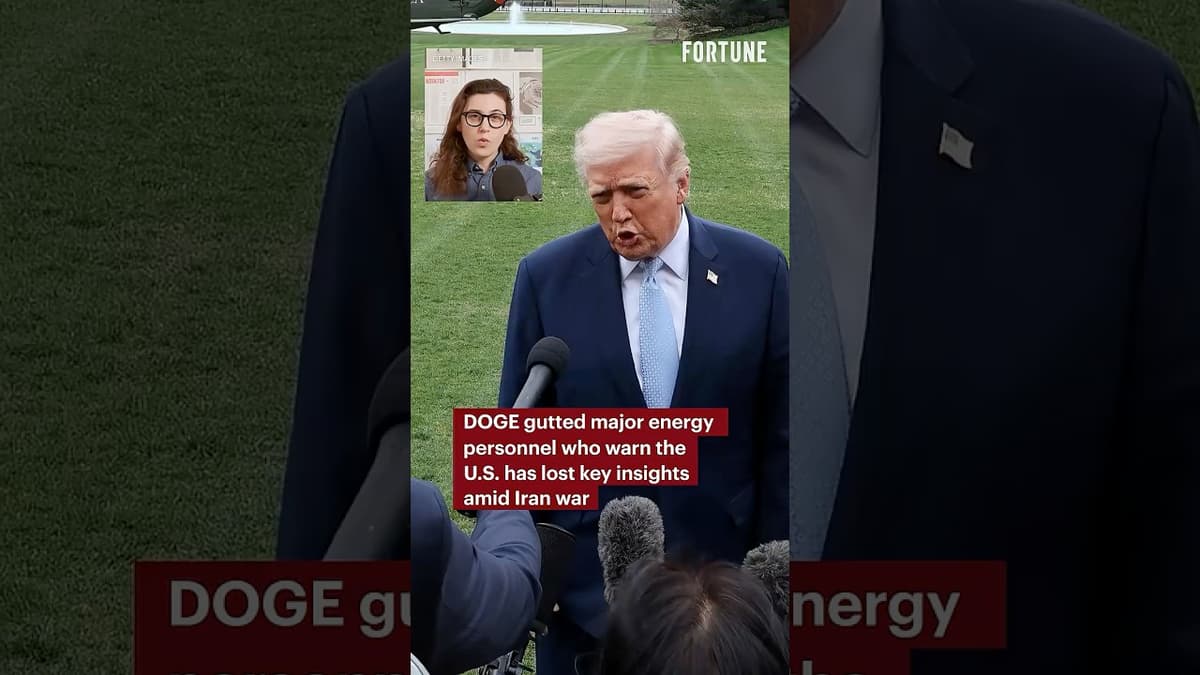
DOGE Gutted Major Energy Personnel Who Warn the U.S. Has Lost Key Insights Amid Iran War #DOGE #Iran
The video examines the Trump administration’s July 2025 decision to dismantle the Department of Energy’s Bureau of Energy Resources (ENR), an 80‑person unit that served as the United States’ primary conduit for international energy diplomacy. The timing of the cuts—just...

Trump Says He Knows Where Iran’s Uranium Is. Inspectors Are Doubtful
The video focuses on the clash between the Biden administration’s claim that it knows the exact whereabouts of Iran’s uranium stockpile and the International Atomic Energy Agency’s (IAEA) lingering doubts after the June 2025 attacks disrupted inspections. Iran is believed to...

Strait of Hormuz Fees: New Economic Trouble for Europe? | DW News
European officials warn that Iran’s proposed $8 billion‑a‑month passage fee for the Strait of Hormuz could cripple energy imports and shipping costs. Tehran says the levy would fund rebuilding schools, hospitals and infrastructure damaged in its recent conflict with Israel and...

PHAP Head Calls for Prioritizing Essential Medicines Amid Global Market Uncertainty | News and Views
The Philippine Pharmaceutical and Health Association (PHAP) head warned that, despite a currently stable drug supply, the ongoing Middle‑East geopolitical crisis and rising jet‑fuel costs could soon destabilize the market for essential medicines in the Philippines. PHAP members report a two‑to‑three‑month...

'We Can Provide More Durable Cooperation with Gulf Countries', Ukraine Defence Industry Chief Says
In a Tet‑a‑Tet interview, Ihor Fyodorov, CEO of the Ukraine Council of Defense Industry, outlined how the war in Ukraine is spurring defense cooperation with Gulf states, focusing on low‑cost interceptor drones as an alternative to expensive Patriot systems. Fyodorov said...

How the Middle East Conflict Is Affecting Japan's Economy | FT #shorts
The video explains how the ongoing Middle East conflict, particularly Iran’s blockage of the Strait of Hormuz, is reverberating through Japan’s economy. With more than 90% of its crude oil sourced from the region, Japan faces a sharp rise in...

How the Iran Ceasefire Is Changing Prices | The Global Story
The video examines how the recent Iran‑U.S. ceasefire and the tentative reopening of the Strait of Hormuz could reshape global energy markets and consumer prices. While the truce theoretically restores a route that carries about 20% of world oil, industry...
MIT Global SCALE Network | Shaping the Future of Supply Chain Management
The MIT Global SCALE Network, anchored at the Center for Transportation and Logistics, is a worldwide consortium of research and education hubs that aim to reshape supply‑chain management. By linking centers in the United States, United Kingdom, China, Spain, and...
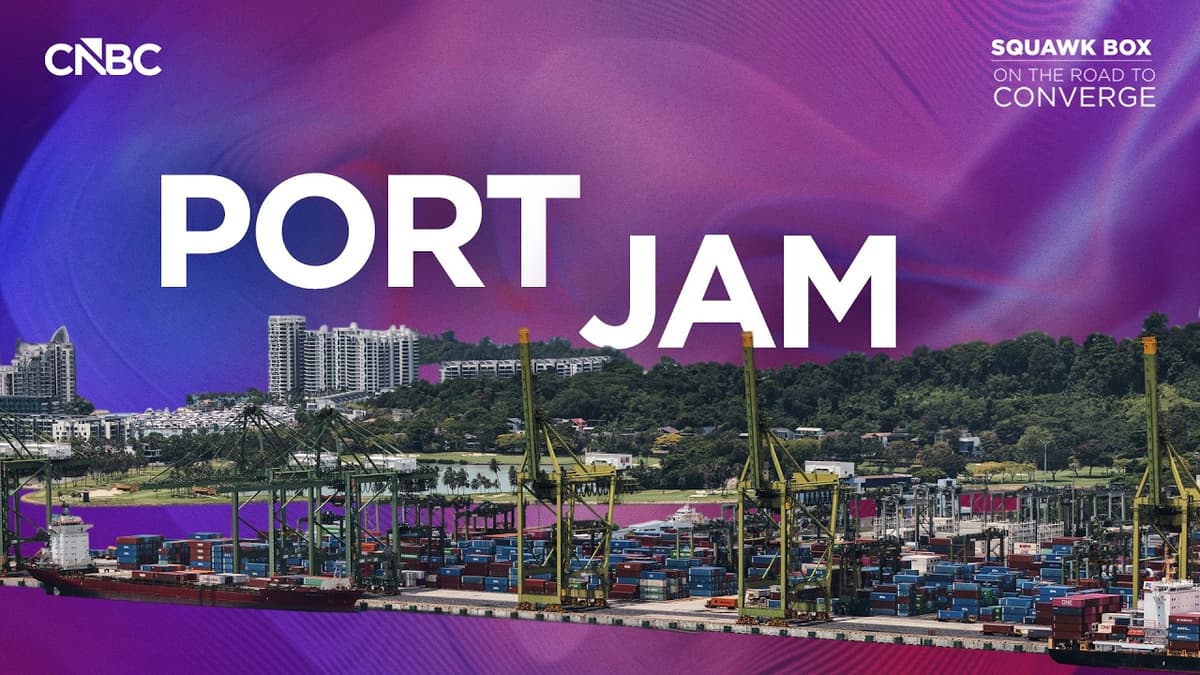
Singapore’s Port Faces a Shipping Jam
Singapore’s main transshipment hub is experiencing a sharp surge in water‑way congestion as vessels bound for the Middle East queue for berths, anchor, or slow‑steam while the Iran‑related conflict drags on. The bottleneck has pushed daily container delays, with each...
Sean M. Maher on Oil Markets, Iran and the Long Path to Normalisation | EA Forum Ep. 17
In a March interview, Phillips 66 chief economist Sean Maher explained how the Iran‑related closure of the Strait of Hormuz is reshaping oil, product and gas markets for the medium term. He warned that the disruption will keep crude flows abnormal...

India’s Glassmakers Face Gas Crunch #india #iran
The video highlights how the Iran‑Russia conflict is choking India’s natural‑gas imports, creating a ripple effect that reaches the country’s glass‑making heartland in Firozabad, a town just an hour from the Taj Mahal. With gas being prioritized for residential use, the...

The Chain Podcast Ep 22 YouTube
The Chain Podcast episode features Mike Bunie, VP of Global Supply Chain Operations at Hamilton Beach, arguing that customs and logistics should be owned by supply‑chain teams rather than treated as immutable external forces. He outlines five strategic levers—network design, inventory...
US Forces to REMAIN as Tensions over Hormuz Access DEEPEN
U.S. Central Command announced that American forces will remain stationed in the Middle East as diplomatic wrangling over access to the Strait of Hormuz intensifies. The Pentagon and White House maintain that the waterway is technically open, despite Tehran’s assertions...
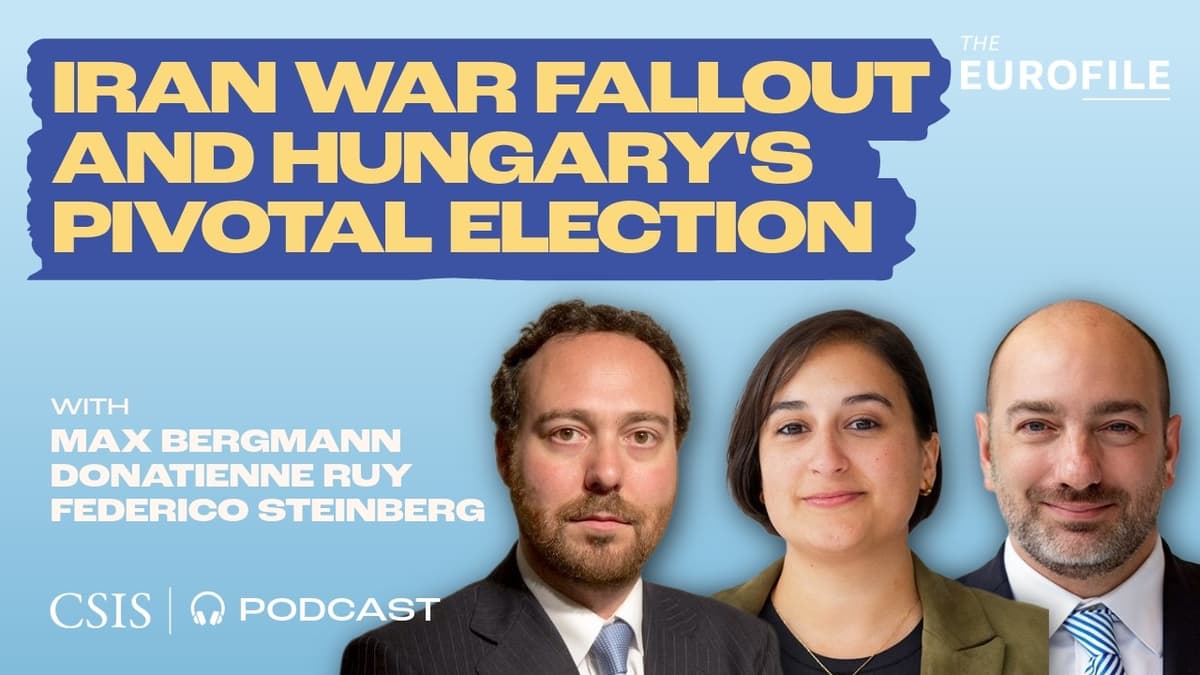
Iran War Fallout and Hungary's Pivotal Election
The CSIS podcast episode examines the economic fallout from the ongoing Iran‑Russia war and its ripple effects across Europe, while also dissecting the upcoming Hungarian parliamentary election. Host Max and Donatienne outline how soaring energy costs and supply‑chain disruptions are...
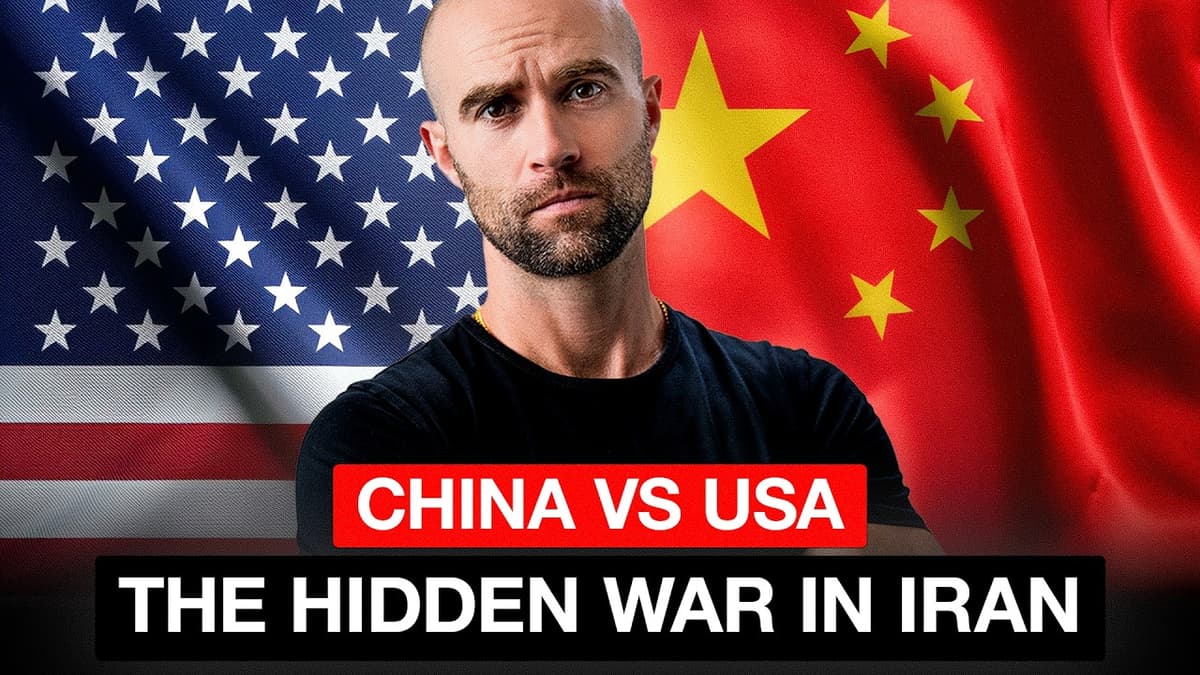
China vs USA: The Hidden War In Iran
Chinese cargo ships are simultaneously exporting Iranian crude to China and importing advanced weaponry for Iran. The cargo includes air‑defense systems, kamikaze drones, anti‑ship cruise missiles, and solid‑rocket fuel precursors. At the same time, the U.S. military remains heavily dependent...

From DARPA to Robotaxis to Warehouses — The Full Arc of Autonomy
The MIT Mobility Forum featured Karl Iagnemma, a rare figure who has traversed the entire autonomy spectrum—from MIT research labs and DARPA challenges to founding Nutonomy, steering the Aptiv‑Hyundai joint venture Motional, and now leading Vecna Robotics. Iagnemma recounted the...
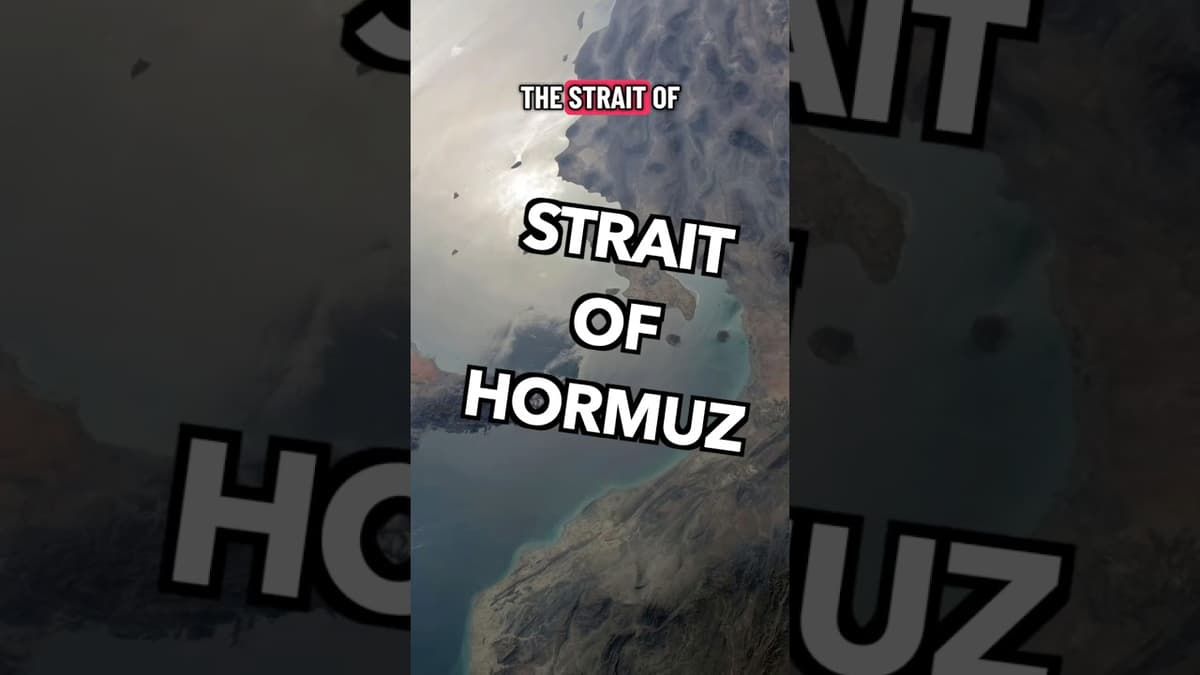
Why Can't Ships in the Strait of Hormuz Go Through Omani Waters?
The video explains why vessels cannot simply steer through the Omani‑controlled portion of the Strait of Hormuz, a chokepoint that carries roughly a fifth of the world’s oil. The strait’s navigable channel is only about 20‑30 mi wide, with a pair of...
Markets Rally on a Ceasefire No One Understands
The video dissects the newly announced US‑Iran ceasefire, emphasizing that the agreement’s exact terms remain undefined, leaving traders and policymakers guessing about its practical impact. Ambiguities surround the Hormuz Strait—whether ships must pay tolls, possibly in cryptocurrency, and how sanctions...

Who Will Keep the Strait of Hormuz Open?
The discussion centers on identifying which powers can reliably keep the Strait of Hormuz open amid heightened geopolitical tensions. While Russia and China were initially floated as potential peacekeepers, their recent actions—most notably Russia’s delivery of a vessel to Iran...
What Is the Carbon Border Adjustment Mechanism?
The United Kingdom will roll out a Carbon Border Adjustment Mechanism (CBAM) on 1 January 2027, aimed at preventing carbon leakage by pricing the carbon content of certain imported goods. CBAM targets five high‑risk sectors—aluminium, cement, fertiliser, hydrogen and iron‑steel. Importers whose annual...
Global Plastic Shortage Causing Anxiety Among Businesses and People|TaiwanPlus News
The video reports that the ongoing conflict between the United States and Iran has choked the Strait of Hormuz, a conduit for roughly 20% of global oil trade, driving up crude and petrochemical prices that feed the plastics industry. With oil...
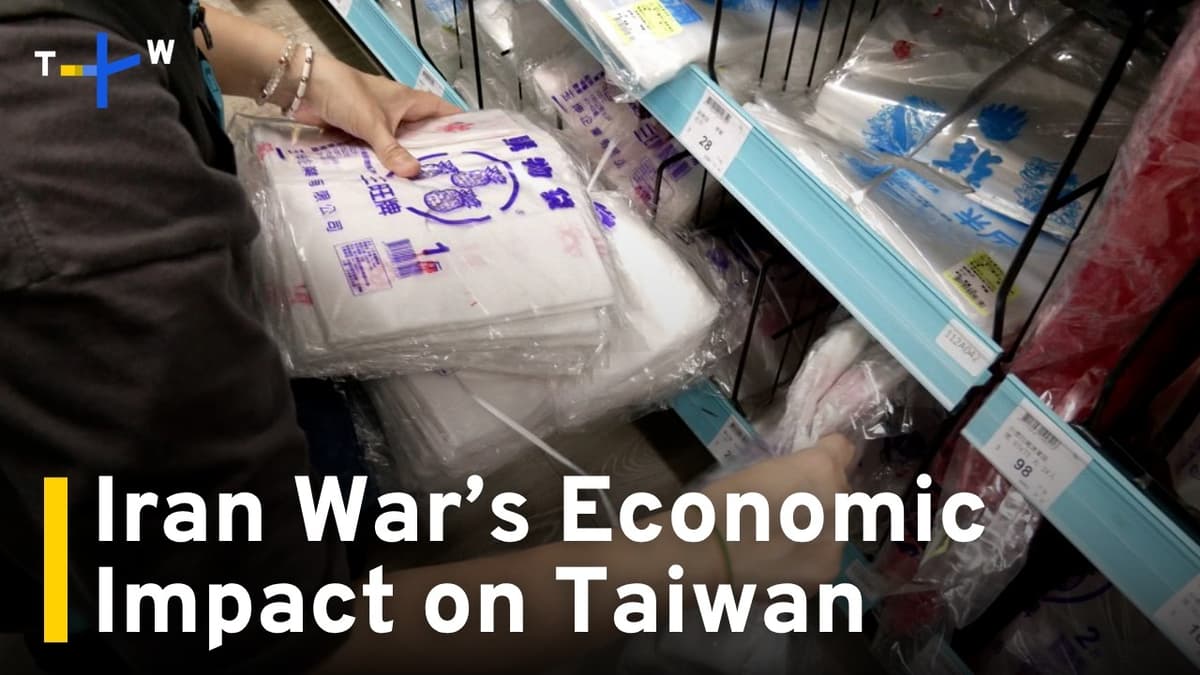
Taiwan Faces Mounting Economic Pressures Amid War in Iran|TaiwanPlus News
Taiwan's economy is feeling strain from the Iran‑US conflict despite a temporary cease‑fire. Disruptions in Middle‑East petrochemical shipments have driven up prices for plastics and related goods. The Taiwanese government is increasing domestic production and tightening market surveillance to curb...

Strait of Hormuz Crisis Reshapes Energy and Commodity Markets
The episode examines how the recent Strait of Hormuz crisis is reshaping global energy and commodity markets. 20% of world crude oil and a comparable share of liquefied natural gas (LNG) pass through the narrow waterway, so any disruption reverberates...

RS191: How Can Trailers Elevate Fleet Safety and Efficiency?
The Road Signs podcast captured a conversation with Stoton Trailers’ executives at the Technology and Maintenance Council’s 2026 annual meeting in Nashville. They highlighted how modern trailers—particularly refrigerated units—are being engineered for safety, thermal efficiency, and connectivity, positioning them as...

Can You Prove It? A 60‑Second Traceability Check for Biofuels
The video highlights the growing necessity of traceability in the biofuels sector, positioning it as a prerequisite for market participation rather than a optional feature. Co‑founder Donnie Charles of Veraflux explains that the ability to verify a product’s origin and...
The Loadstar Snapshot Ep. 3: Why Air Cargo Fuel Surcharges Are Splitting Apart
The Loadstar Snapshot episode examines how the recent surge in global jet fuel prices is translating into wildly different air‑cargo fuel surcharges, depending on the carrier. New Hong Kong data shows that while long‑haul carriers such as Lufthansa, Japan Airlines and China...

The Now Generation: The Future of Supply Chain Is Orange
The Supply Chain Now episode spotlights Syracuse University’s storied supply‑chain program, now celebrating its partnership with the WISE organization to inspire the next generation of logisticians. Syracuse’s curriculum, ranked among the top 25 nationally and recognized as the nation’s oldest supply‑chain program,...

How the Iran War Will Reshape the Future of Energy | Zero: The Climate Race
The U.S. and Israel’s Feb. 28 attacks on Iran have sent global oil and gas markets into turbulence, with prices swinging sharply despite hopes that the Strait of Hormuz will reopen. Bloomberg’s David Fickling argues the shock is reshaping Asia’s energy...

IMEC During a Time of War
The Atlantic Council panel examined the India‑Middle East‑Europe Economic Corridor (IMAC) amid the Iran‑Israel war that has shut the Strait of Hormuz, driving up prices for oil, fertilizer and aluminum. Speakers highlighted how the conflict underscores the need for...

Nano One Materials Corp. & Worley | Webinar Replay
The Redcloud Financial webinar focused on the urgent need to build lithium‑iron‑phosphate (LFP) battery material supply chains outside of China. Nano One Materials Corp. and engineering giant Worley outlined how their alliance could deliver cost‑effective, locally sourced LFP production at...

A Failed Iran Peace Plan Will Be Catastrophic for Trump
The video argues that despite President Trump’s proclamation of a decisive win, Iran’s Islamic Republic remains intact after a massive air campaign, casting doubt on the durability of any peace arrangement. Iran endured more than 13,000 strikes, its missile stockpile weakened...
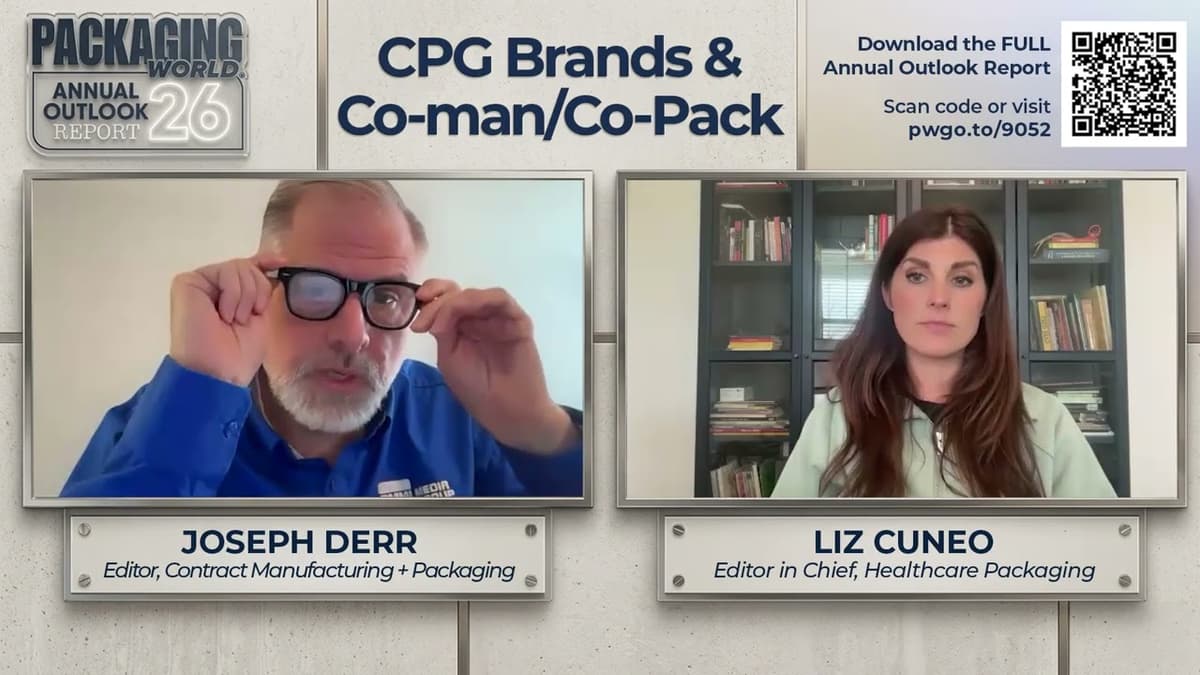
Packaging World’s 2026 Annual Outlook Report: External Manufacturing
Packaging World released its 2026 Annual Outlook on external manufacturing, based on a survey of CPG brand owners who regularly work with contract manufacturers and packagers. The study repeats the 2025 benchmark to track year‑over‑year shifts and is available via...