What's Your Plan for Your ROTH CONVERSION? (Where Are You Retiring?)
The video warns investors that a Roth conversion cannot be evaluated solely on federal rates; state tax environment where you live now versus where you retire can flip the math. Using a New York‑to‑Florida scenario, the presenter shows a 30% federal plus 10% state tax (40% total) at conversion versus a 25% federal rate with zero state tax on withdrawals, illustrating a higher tax bill if you convert now. He emphasizes, “It does not make sense to convert” when the combined tax burden at conversion exceeds the future tax burden, and stresses running the numbers for both jurisdictions. The takeaway is that retirees should model federal and state taxes, consider relocation timing, and possibly keep assets in a traditional IRA if they expect to move to a lower‑tax state, preserving after‑tax wealth.

How to Build Wealth During an Affordability Crisis
The Aspen Institute’s Financial Security Program hosted a webinar titled “How to Build Wealth During an Affordability Crisis,” featuring experts who examined the twin challenges of rising essential costs and stagnant household incomes. Speakers highlighted that since 2000, expenses...

Morning Markets for Wednesday, May. 6, 2026
The May 6 morning markets roundup highlighted a confluence of geopolitical optimism and strong corporate earnings, driving a broad rally across North American indices. Negotiations between the United States and Iran appear to be nearing a one‑page memorandum, sparking a risk‑on sentiment...
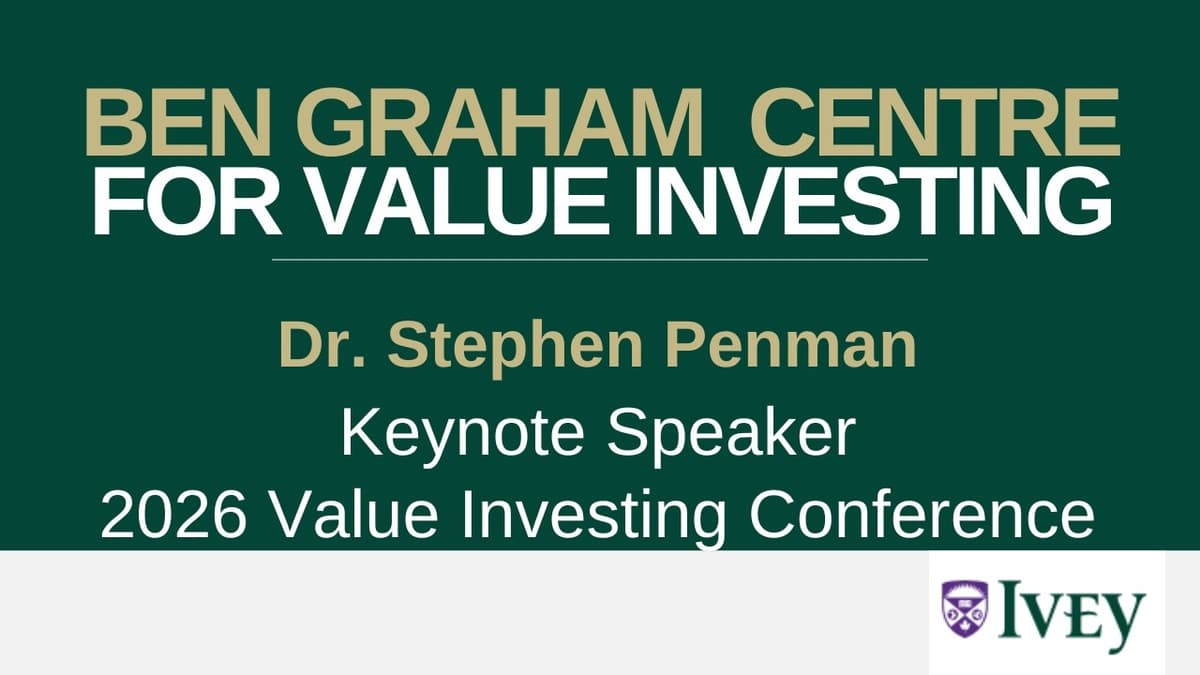
2026 Value Investing Conference | Keynote Speaker: Dr. Stephen Penman
Dr. Stephen Penman opened the 2026 Value Investing Conference by arguing that accounting, not just price‑to‑book, is the foundation of sound value analysis. He warned that relying on a single metric is a trap, especially in modern firms where many...

Why F&C Investment Trust Uses a Concentrated Portfolio Model #investing #finance
F&C Investment Trust explains its concentrated portfolio approach, detailing ten distinct listed‑market strategies each holding roughly 40‑50 stocks. By aggregating these strategies the trust appears diversified across several hundred equities and private‑equity positions, yet the firm deliberately tilts exposure toward a...

The Baby Boomer Blueprint: How One Generation Shaped Australia’s Wealth, Property Market and Future
The episode examines how Australia’s baby‑boomer generation, born from 1946 onward, leveraged low‑cost property and booming post‑war growth to amass a disproportionate share of national wealth. Their sheer cohort size reshaped schools, hospitals and, most critically, the housing market, turning...
Schwab CEO on Removing Investment Barriers #shorts
On National Investing Day, Schwab CEO highlighted the firm’s ongoing mission to dismantle traditional obstacles that have kept many Americans out of the equity markets. He noted that Schwab has removed commissions and introduced $5 fractional‑share purchases at no cost, allowing...
ETF Investors! Don’t Buy the Pre-IPO Hype Until You Watch This
The video warns investors against chasing pre‑IPO hype through private‑credit and private‑equity ETFs, highlighting structural flaws that make these products risky for retail portfolios. Liquidity mismatches dominate private‑credit ETFs: inflows dilute exposure while outflows force managers to sell public holdings, inflating...

How Much Bitcoin Do You Need to Retire? Wrong Question...
The speaker argues that asking "how many Bitcoin do I need to retire" is the wrong question. Instead of treating Bitcoin as a simple replacement for a mutual fund, investors must adopt a "personal treasury" – a five‑step system...

You're Depreciating Your Rentals Wrong?!
The Taxmart REI podcast episode fielded listener questions on short‑term rental tax treatment, time‑tracking tools, property classification, depreciation rules, and education‑savings strategies. Host Tom explained that precise logging of management hours—using tools like their proprietary time‑log or generic apps—creates a...
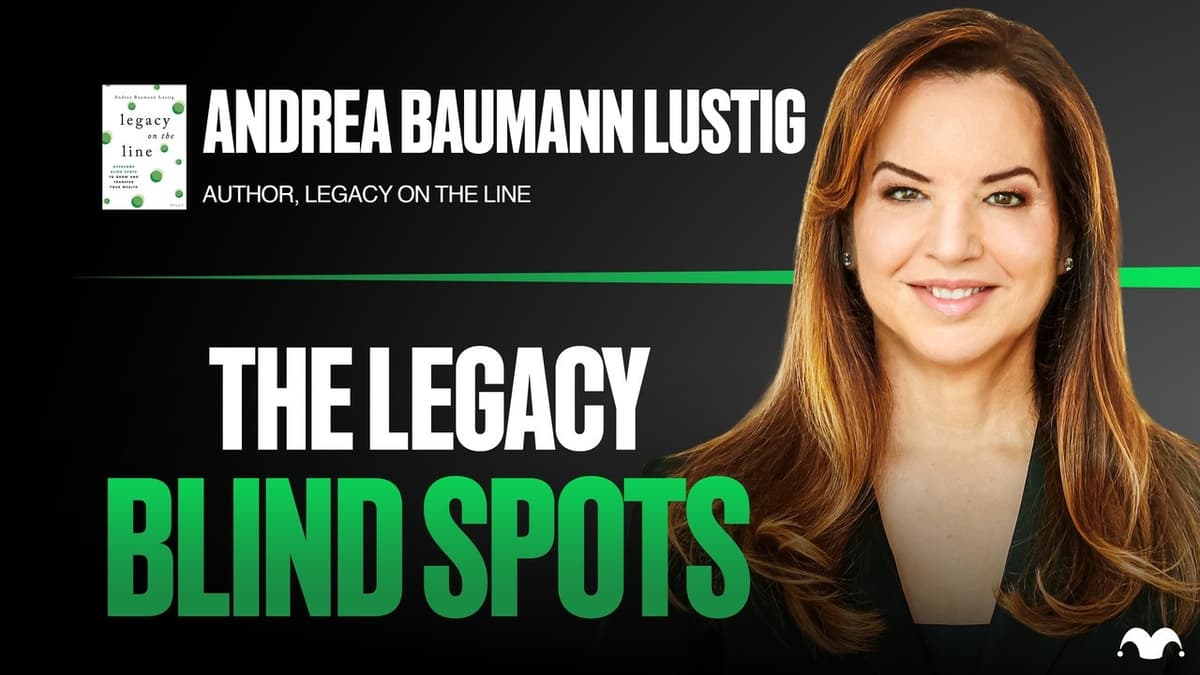
The $124 Trillion Wealth Transfer: A 6th-Gen Wealth Manager's Blueprint to Protect Your Legacy
The interview with Andy Bowman Lustig, a sixth‑generation wealth manager and author of *Legacy on the Line*, centers on the unprecedented $124 trillion wealth transfer expected by 2048. Lustig frames wealth management as three distinct phases—accumulation, retirement/spending, and transfer—emphasizing that the skills...

The New Fed Chair Just Told Congress His Plan — He Left Out The Part That Steals Your Savings!
The video examines the agenda of the incoming Federal Reserve chair, Kevin Walsh, and how his policy blueprint could reshape America’s $39 trillion debt burden. Walsh signals a return to ultra‑low interest rates, a reduction of the Fed’s balance sheet, and...

The Dry Well Effect
The video frames the decision to leave a job as a “dry well” metaphor, asking viewers to recognize when the well of learning, growth, or satisfaction is running low. The speaker argues that the very act of questioning one’s tenure signals...

You’re Not Broke — You’re Overspending | Jonathan Wellum
The video features Jonathan Wellum urging listeners to treat overspending as a solvable problem by embracing frugality and disciplined budgeting. Drawing on a 2007 Berkshire Hathaway Q&A where Charlie Munger answered, “spend less than you make,” Wellum frames living below...
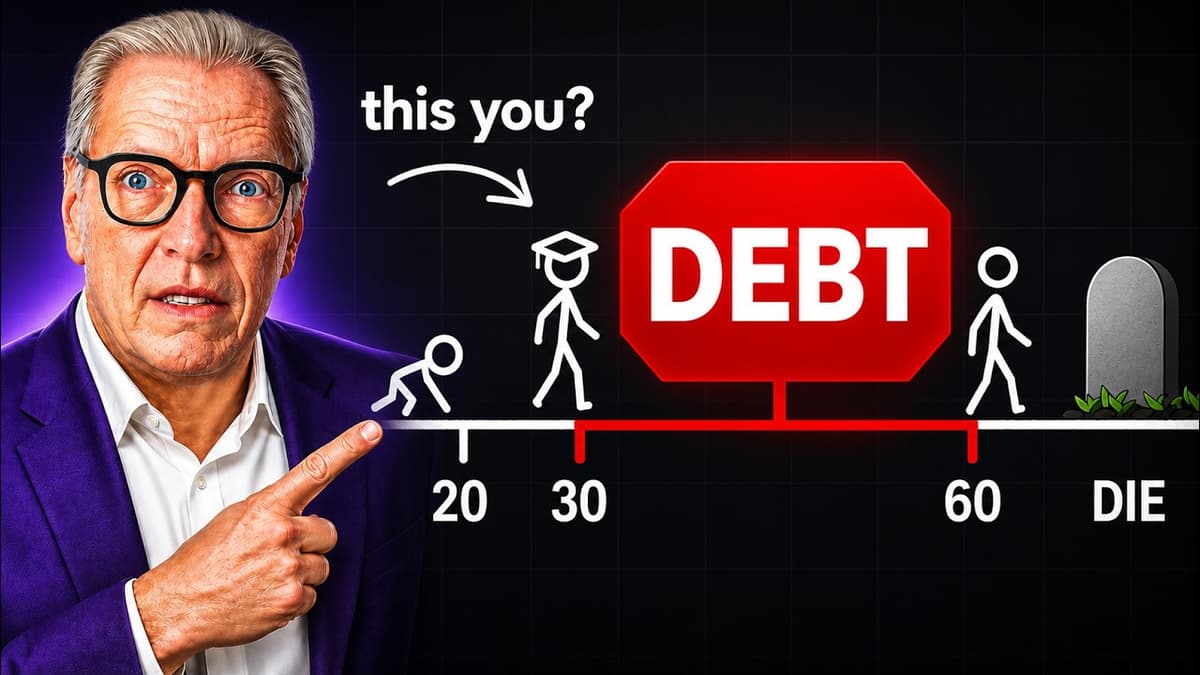
What The Top 0.01% Do With Taxes That You Don't
Tom Wheelwright, CPA and author, outlines how the ultra‑wealthy structure taxes, contrasting with typical entrepreneurs. He notes that the richest earn primarily through corporate profits, long‑term capital gains, and QBI‑eligible pass‑through income, which are taxed at 21‑20% versus up to 37%...

The $84 Trillion Inheritance Nobody Is Taxing | Office Hours
The Office Hours episode centers on the looming $84 trillion intergenerational wealth transfer and the United States’ estate‑tax framework. Host Scott explains that the 2025 legislation cemented a $15 million per‑person, $30 million per‑couple exemption, a level that barely touches the nation’s $36 trillion...
Webinar Preview: Understanding Tax Impacts of Casualty Losses and Ponzi Schemes
The NATP webinar focuses on equipping tax professionals with the knowledge to navigate casualty loss deductions and the complexities of Ponzi‑scheme recoveries. It outlines the statutory definitions of casualty events, differentiates between federally declared disasters and other losses, and clarifies...

Kids Are Investing Earlier Than Ever: What Parents Should Watch For | Don't Short Yourself
The video spotlights a rising trend: teenagers are entering the stock market earlier, driven by curiosity and parental support. MarketWatch reporter Vanessa Wong interviews 18‑year‑old Adam Ehrlichson, who began investing at twelve, and his mother Kim, illustrating how a modest...

Is Decreasing Your Paycheck Withholding a Good Idea?
The video challenges a recent recommendation from Treasury Secretary Scott Bessant that workers should reduce their paycheck withholding to lower taxes. It argues that the advice is overly simplistic and can backfire for most employees who receive W‑2 wages. Withholding is...
Most IRA Heirs Are Stuck With This Rule After SECURE Act — And It's Not Good
The SECURE Act overhauled inherited IRA distribution rules, creating distinct treatment for three beneficiary categories. The video walks through non‑designated beneficiaries, non‑eligible designated beneficiaries, and the timing of the original owner's required beginning date (RBD). Non‑designated beneficiaries—estates, charities, and non‑qualifying trusts—remain...

To Risk or Not to Risk Your Risk-Free 4% CPF Return?
The video examines Singapore’s upcoming Life Cycle Portfolio scheme, slated for 2028, which will let CPF members allocate a portion of their Special Account (SA) savings into diversified, low‑cost investment funds. Host Howie Lim brings together Providend CEO Christopher Tan...

Bonds Aren't Safe + Semiconductor ETFs Are Skyrocketing
Semiconductor stocks continue to print, bonds lose safety. Ronda Ley reviews YTD performance of major asset classes, noting commodities ETF SDCI up about 29% and the S&P 500 up roughly 6%, while US bond ETFs and Bitcoin‑linked IBIT are flat...
Squawk Pod: Warren Buffett at Berkshire Hathaway 2026 Annual Meeting: Part 2 - 05/02/26 | Audio Only
The CNBC special coverage captured Berkshire Hathaway’s 2026 annual meeting, featuring Warren Buffett’s interview with Becky Quick and a deep dive into the company’s strategic direction under new leadership. Buffett praised Greg Abel as the right person to take the...
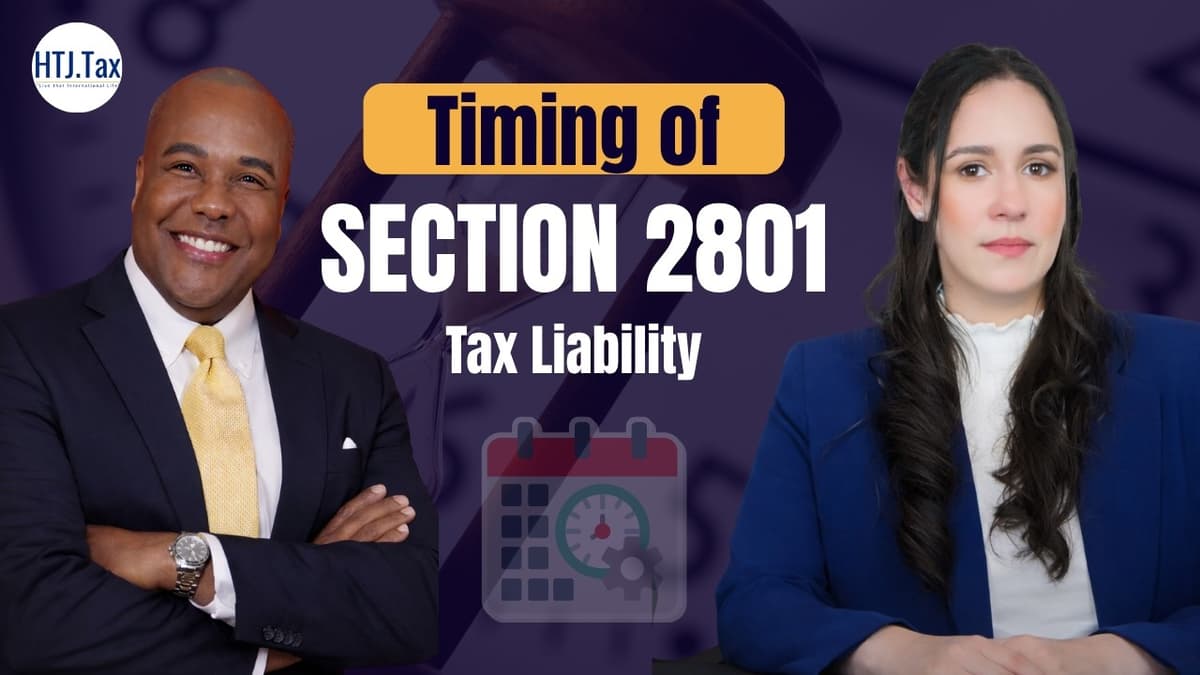
Timing of Section 2801 Tax Liability
In this brief interview, Darren of HJ.Tax sits down with Portuguese‑Brazilian tax attorney Paula Flurry to clarify when Section 2801 tax liability arises for covered gifts and bequests received by U.S. persons. The discussion centers on the precise moment the...

Where to Invest 10 Lakh Rupees
The video tackles how an Indian investor should deploy a 10‑lakh‑rupee portfolio as global markets wobble after the Iran‑Israel clash and lingering trade‑policy fallout. Four market strategists agree on a core‑plus tilt: avoid trying to catch a market bottom, lean on...

New Updates for 2026 STR Tax Loophole
The video explains the 2026 update to the short‑term rental (STR) tax loophole, triggered by the One Big Beautiful Bill Act passed in late 2024. The legislation now permits owners who convert rental properties to short‑term businesses to claim 100% bonus depreciation on...

Why Data Is More Valuable Than Oil (And How Family Offices Use It to Win) | Richard C. Wilson
The talk argues that data has eclipsed oil as the premier source of economic power, especially for family‑office investors who can turn raw information into decisive advantage. By aggregating insights from centimillionaires and billionaires through a mobile app and curated...
Which Industries Rely on Rare Earths, and Why?
The video outlines the sectors most dependent on rare‑earth elements, highlighting artificial intelligence, defense, and the energy transition as the primary demand drivers. It notes that rare‑earths are irreplaceable across these industries, with investment in the three sectors rising roughly 70 %...
The '100 Minus Your Age' Formula Explained
The video explains the "100 minus your age" rule, a straightforward guideline for retail investors to determine how much of their portfolio should be allocated to equities. By subtracting one’s age from 100, investors arrive at a target percentage of...

Was It Easier For Previous Generations To Build Wealth? (Full Breakdown)
The video pits Baby Boomers against today’s Millennials and Gen Z, using a data‑driven comparison from 1980 to 2026. Financial advisers Brian and Bo adjust historic figures to today’s dollars and walk through income, inflation, consumer goods, housing and borrowing costs...
Stocks or Bonds?
The video debates whether stocks or bonds are the superior asset class, focusing on their historical performance as inflation hedges and the perception of a durable equity premium. The speaker notes that since 1926 U.S. equities have delivered exceptional returns, while...
Bitcoin Isn't Replacing Gold. It's Replacing THIS
The video argues that the real battle isn’t Bitcoin versus gold but Bitcoin versus the $345 trillion fixed‑income market that underpins retirement portfolios. It outlines three forces breaking that market: inflation‑driven higher yields, massive government deficits flooding the market with debt, and...

Or You Could Just Do THIS Instead
The video presents a tongue‑in‑cheek “day in the life” of a self‑styled 12‑year‑old, eight‑figure day trader, walking viewers through his pre‑market routine of coffee, a jog, gym session and a quick motivational clip before the market opens. At 6:30 a.m. PT he...

Reacting to Comedian Russel Peters Arrest
Comedian Russell Peters lost a California tax case that re‑classified him as a state resident, overturning his claim that he was merely a non‑resident. Under California law, residents are subject to a 12% tax on worldwide income, not just income sourced...

Michael Kothakota: The Shape of Financial Planning | Rational Reminder 407
The Rational Reminder episode spotlights Michael Kothakota’s integrative financial‑planning theory, a mathematically rigorous framework that brings together six core planning domains—investment, tax, estate, insurance, cash flow, and client preferences—into a single decision‑making model. By treating financial planning as an...

The Tax Penalising Australians for Downsizing | the Advisory
The advisory focuses on how Australia’s tax framework discourages older homeowners from downsizing, a factor that deepens the nation’s housing crunch. While the government targets building 1.2 million new homes, analysts note that 13 million existing dwellings contain spare bedrooms, and 75‑80 percent...

Wealthy + Wise: Hype or Hidden Gems on the ASX?
Wealthy and Wise, hosted by Team Invest, turned a viewer‑driven Q&A into a rapid‑fire value‑investing tutorial, walking through the firm’s disciplined screening framework. The hosts emphasized three core pillars: high return on equity with minimal leverage, stable earnings and sales,...
The Finance Game Has Changed – How Smart Investors Are Structuring Their Loans Today | Dorian Traill
The podcast with Michael Yardney and Dorian Traill examines how tighter lending rules force investors to rethink loan structures, emphasizing that financing decisions can make or break portfolio growth. They explain that banks routinely shade rental income by 20‑25%, apply the...

Can Travel Time Count Towards Your Material Participation Log?
The video explains that travel time can be included in a material participation log, overturning the common belief based on a 2005 IRS memo that it was prohibited. Recent court decisions have clarified that travel counts only when it is integral...

Side Hustles Are Overrated (Do This Instead)
The video challenges the popular notion that side hustles are the fastest route to wealth, arguing they are frequently overrated. While a side gig can add extra cash, the presenter contends that most people achieve greater financial progress by concentrating...
We Asked Rich Bernstein Why He Won’t Own the S&P 500 — And What He Owns Instead
The video features Rich Bernstein, global head of macro at Janus Henderson, explaining why he avoids a blanket S&P 500 allocation and instead focuses on macro‑driven themes such as import‑driven inflation, defense spending and cash positioning. He argues that today’s economy...

Inside Retail Investing: Why People Lose Money in Markets | Tarun Ramadorai | Arth Niti
The video features Professor Tarun Ramadorai discussing why Indian retail investors consistently lose money, highlighting the country’s skewed asset allocation toward real estate and gold. He notes that roughly 120 million individuals trade in futures and options, yet the average participant...

The Proven Way to Grow Wealth in the Stock Market
The video reiterates a classic investing maxim: staying invested in the S&P 500 over decades yields positive returns, regardless of short‑term volatility. Using a hand‑drawn illustration, the presenter shows how an investment made at a market high can dip dramatically, yet...

MF Corner LIVE | Income Distribution Cum Capital Withdrawal (IDCW) Vs Growth Fund: The Better Option
The MF Corner LIVE episode dissected the choice between Income Distribution Cum Capital Withdrawal (IDCW) and growth‑option mutual funds. Hosts Shiteesh Mahajan and Tanu Birani explained that IDCW payouts are taxed at the investor’s ordinary income slab, while growth‑fund gains...
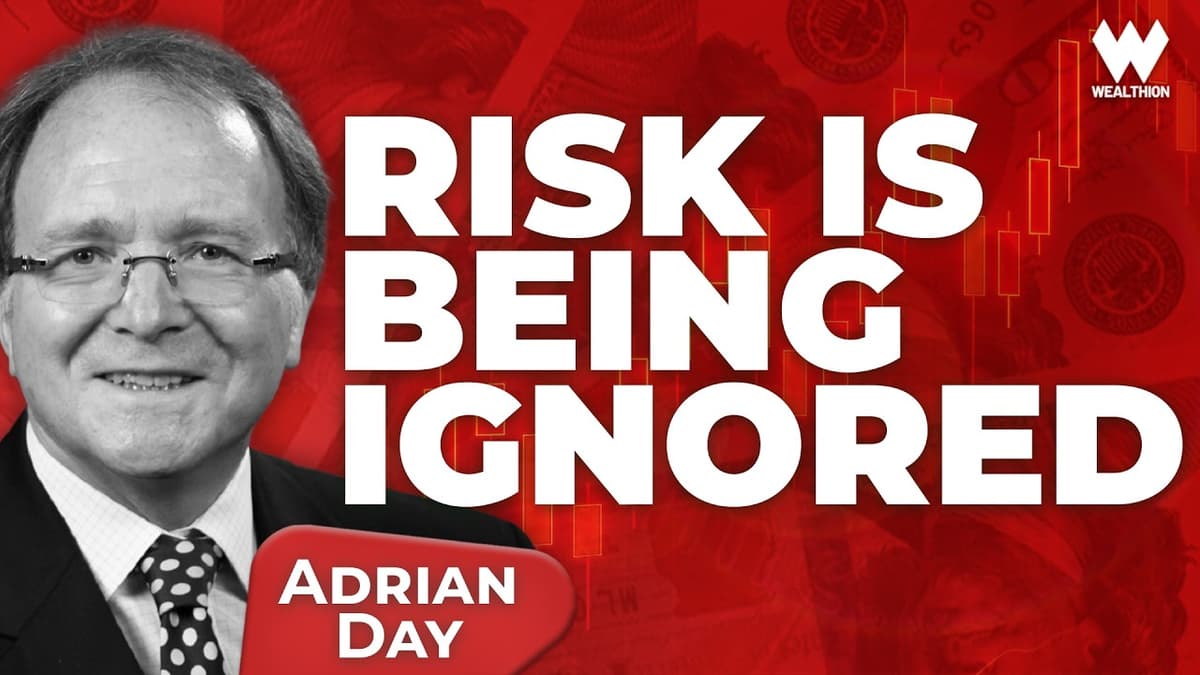
U.S. Stocks Are at 1929-Level Extremes | The Hard Asset Hedge | Adrian Day
The video argues that U.S. equities are trading at valuation extremes not seen since 1929, with most metrics indicating severe overvaluation. Higher oil prices are prompting profit warnings across roughly 30% of companies, while margin debt and one‑day option activity have...

Inflation = Investor Edge
The video highlights the latest consumer‑price‑index (CPI) reading of 3.3%, the highest inflation rate since 2024, and frames it as a rare opportunity for investors. It argues that inflation acts as a hidden tax on cash while simultaneously inflating the earnings...
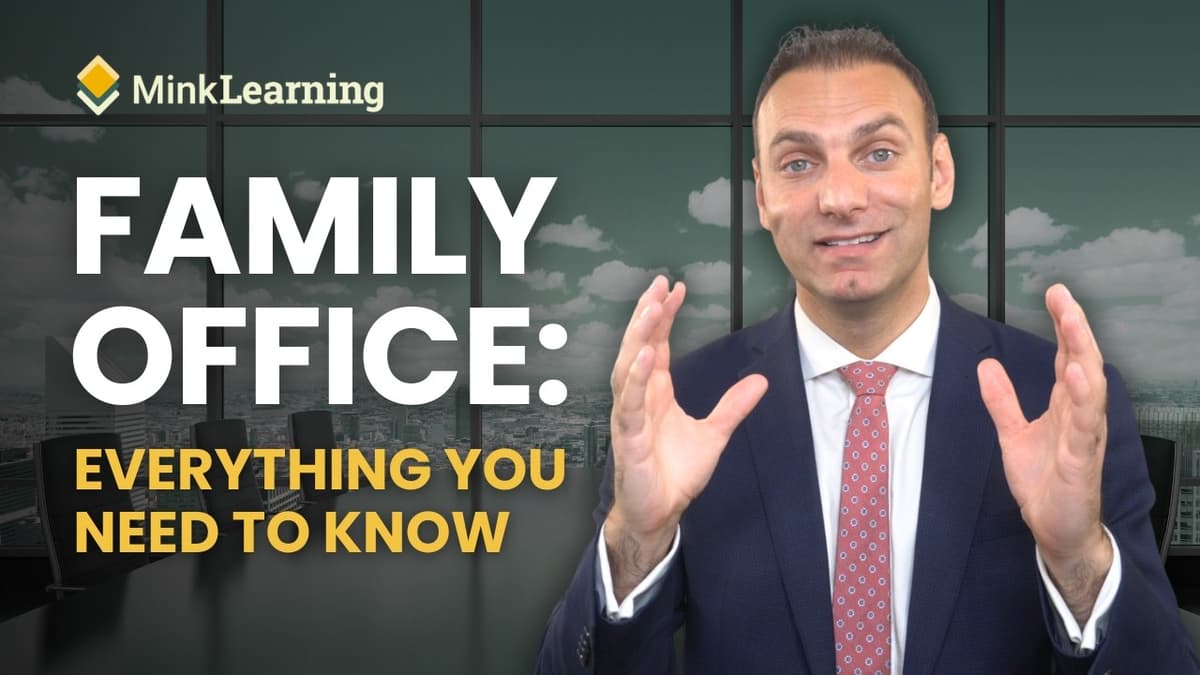
Family Office: Everything You Need To Know
The video explains what a family office is—a dedicated entity that oversees investment, tax, legal, estate, philanthropy, and lifestyle services for ultra‑wealthy families, distinguishing single‑family offices (SFOs) from multi‑family offices (MFOs). It notes that an SFO typically needs hundreds of millions...

Why You Should Be Using Leverage to Build Portfolio Resiliency
The panel discussed why investors should view leverage as a tool for building portfolio resiliency rather than merely a shortcut to higher returns. By treating diversification as an additive, capital‑efficient strategy, advisers can spread risk across multiple asset classes without...
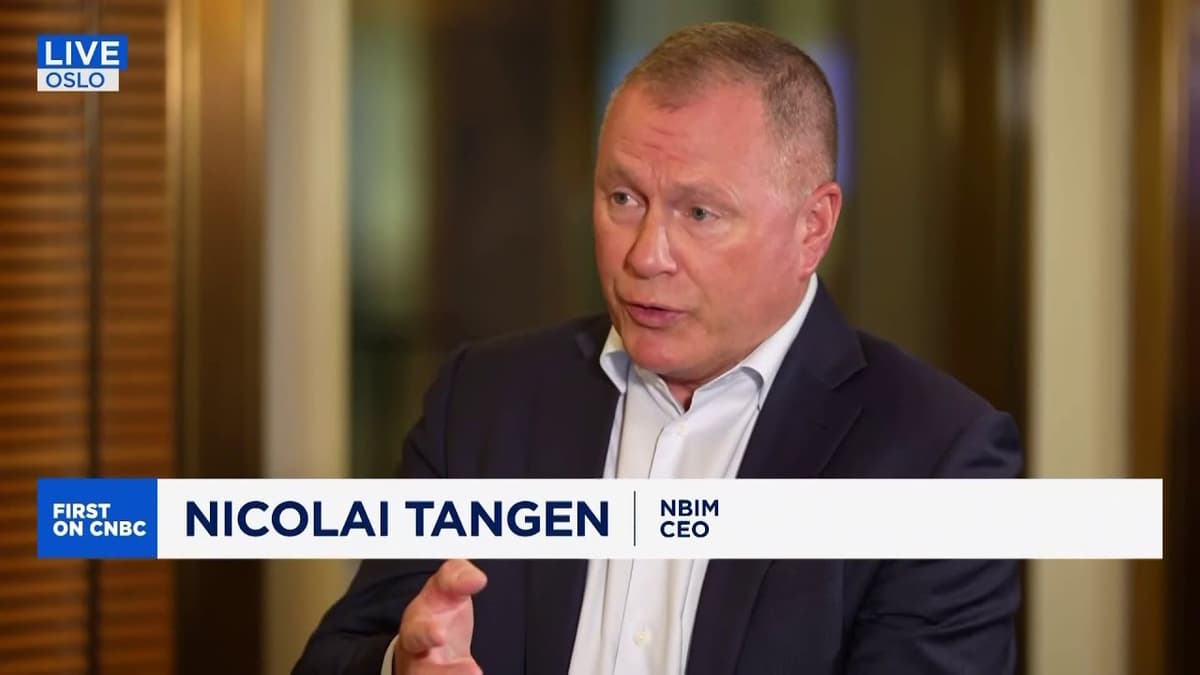
NBIM CEO: Outlook Very Uncertain
The Norwegian sovereign wealth fund’s chief executive warned that the market outlook is “very uncertain,” citing the fallout from Middle‑East conflicts, volatile energy prices and ripple effects across Asia, Europe and the United States. He reaffirmed NBIM’s commitment to a...
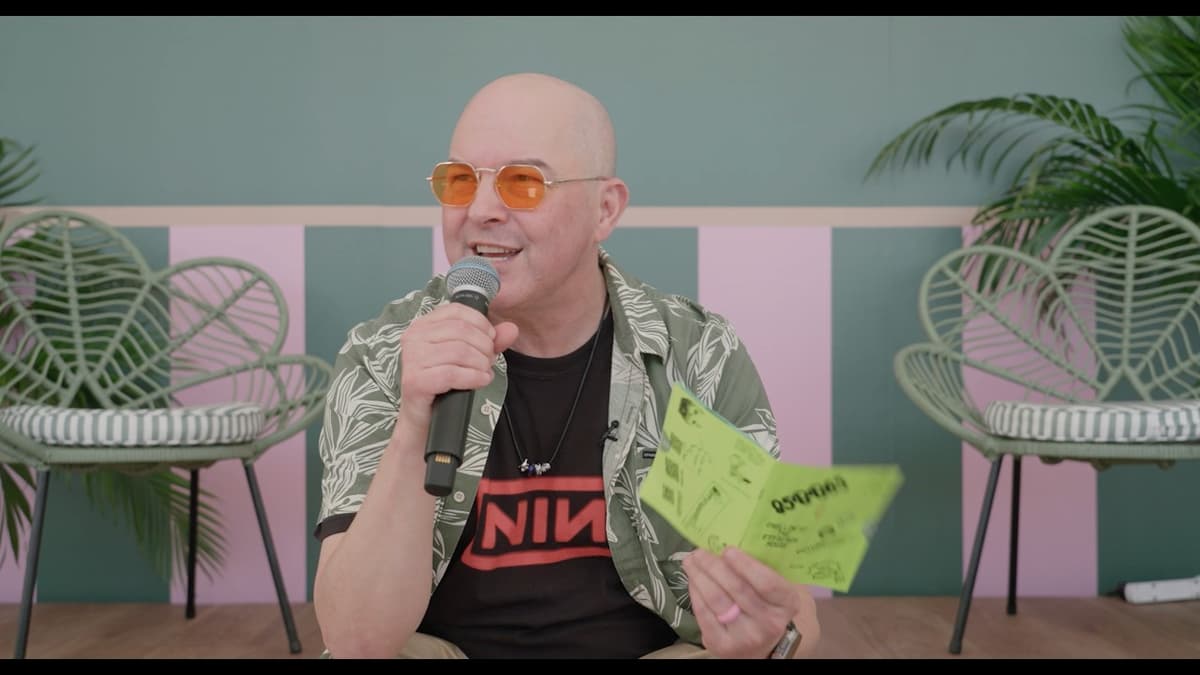
Dave Nadig’s Zine: 16 Pages of Silliness, 15 Minutes of ETF Industry Truth
Dave Nadig, president of ETF.com, used a 16‑page "Zen" zine to warn the industry that the rapid proliferation of ETFs is outpacing investors' ability to conduct meaningful due diligence. He argues that traditional checklists—reading 10‑Ks and crunching numbers—miss the bigger...