3 ETFs to Diversify Your Portfolio in 2026
The video recommends three exchange-traded funds to diversify portfolios in 2026: Dimensional US Targeted Value ETF (DFAT), a gold-rated small- and mid-cap value stock ETF that steers clear of the largest, high-priced mega-cap names and uses market-cap weighting to control turnover; Fidelity Total Bond ETF (FBND), a gold-rated, actively managed core-plus bond fund that offers higher credit risk than a Bloomberg Aggregate tracker and is undergoing a planned manager succession; and Vanguard 0–3 Month Treasury Bill ETF (VBIL/VBILL), a one-year-old ultra-short Treasury-bill ETF that provides near-risk-free exposure tied to Fed rates at a very low 0.06% fee. The presenter notes each fund’s role—equity value exposure, core-plus fixed income, and cash-like safety—and highlights cost and management traits.

Market Simulations & Financial Planning (With John Yang) | Rational Reminder 411
In this Rational Reminder episode, Benjamin Felix and Braden Warwick discuss improving expected-return modeling for financial planning, emphasizing that mean returns, distribution shape, and time-series features like volatility clustering and mean reversion materially affect portfolio decisions. They describe engaging Columbia...
How Index Funds Were Born
The video traces the origin of modern index and passive funds back to a 1974 article in the Journal of Portfolio Management by Nobel‑economist Paul Samuelson. Samuelson’s research showed that, historically, active managers could not systematically outperform the market, prompting...
This 'Market Irony' Is Key Reason Why Janus' Multi-Asset Macro Investing Head Likes Cash Right Now
Janus Henderson’s multi‑asset macro chief Michael Anthopoulos explained why his team now holds about 7 % of portfolio assets in cash, a level he described as “a little unusual” for a traditionally equity‑heavy strategy. He cited heightened geopolitical risk, lingering inflation...
Planning Beyond the Spotlight: Rockefeller’s Approach for Athletes and Entertainers
Rockefeller Global Family Office is tailoring its wealth‑management platform to athletes and entertainers whose earnings peak early and evolve rapidly. James Beale explains that the firm goes beyond short‑term budgeting, offering a flexible strategy that spans earnings management, investment oversight,...

6 Brutal Money Stats of the Average American (2026)
The video breaks down the stark financial reality facing the average American in 2026, covering income, expenses, debt, net worth and retirement savings. It shows that a median full‑time worker earns about $52,000 a year before taxes, translating to roughly...
How COI Charges Impact PPLI Returns
In a short explainer, tax attorney and accountant Alysa Marie Apple discusses how the cost of insurance (COI) charge in private placement life insurance (PPLI) policies directly reduces the policy’s cash value and therefore lowers the internal rate of return...

Wealthy & Wise: When to Buy & when to Sell
Wealthy & Wise tackled the often‑overlooked side of investing – when to sell. Host Andrew Coleman and Professor Mark Humphrey Jenner dissected the psychological traps that keep investors glued to losing positions while prematurely cashing out winners, emphasizing that disciplined...
"There Are Always Opportunities": Ausbil on How Sustainable Investing Can Beat the Market
The interview spotlights Ausbil’s Active Sustainable Equity Fund (ticker ASUS), an actively managed ETF that applies the firm’s three‑decade investment expertise to Australian equities meeting ESG criteria. Ausbil leverages a disciplined top‑down, bottom‑up framework, first assessing macro conditions before selecting stocks....
SpaceX’s Dynamic IPO & Why Active Management Wins
The conversation centers on how index providers are rewriting inclusion rules to fast‑track mega‑cap IPOs such as SpaceX, OpenAI and Anthropic. Traditionally, new listings endured a lengthy seasoning period before entering benchmarks like the S&P 500 or Nasdaq‑100, but recent...
Adam Grossman: Asset Allocation Is an Investor’s Best Defense
Adam Grossman, founder of flat-fee RIA Mayport and longtime contributor to Humble Dollar, argues that prudent asset allocation — not stock picking — is investors’ best defense. He built his firm around a fixed, flat-fee model because managing portfolios typically...

Why These Things Aren’t Worth Your Money (Feat. @ErinTalksMoney)
The video, hosted by Brent with guest Erin Talks Money, breaks down everyday expenses that drain wealth and offers smarter alternatives. They focus on four high‑visibility categories—food delivery, sports betting, whole‑life insurance, and luxury automobiles—while acknowledging a nuanced view of...
We Asked an $850M Trend Manager Why Only 6 Funds Out of 10,000 Deliver What Investors Actually Want
The video features an interview with a $850 million trend‑manager discussing why only a handful of funds consistently meet investor expectations. He explains that systematic trend‑following, when paired with strict risk discipline, can navigate abrupt regime shifts such as the trade‑war‑induced...

It's Official...The Dollar END GAME Has Started
The presenter argues the dollar’s “endgame” has begun, but not as a simple collapse — instead the dollar is strengthening against many Asian and emerging-market currencies even while the DXY index appears flat. He highlights that the DXY is an...

How Agricultural Property Can Go Toe-to-Toe with Equities
Centuria’s Kelvin Mchuan says the firm is building an agriculture strategy focused on protected cropping—primarily glasshouses—aimed at delivering domestic food security while avoiding operational farming risk by using long-term leases with specialist operators. Since mid-2022 Centuria has amassed about A$650...
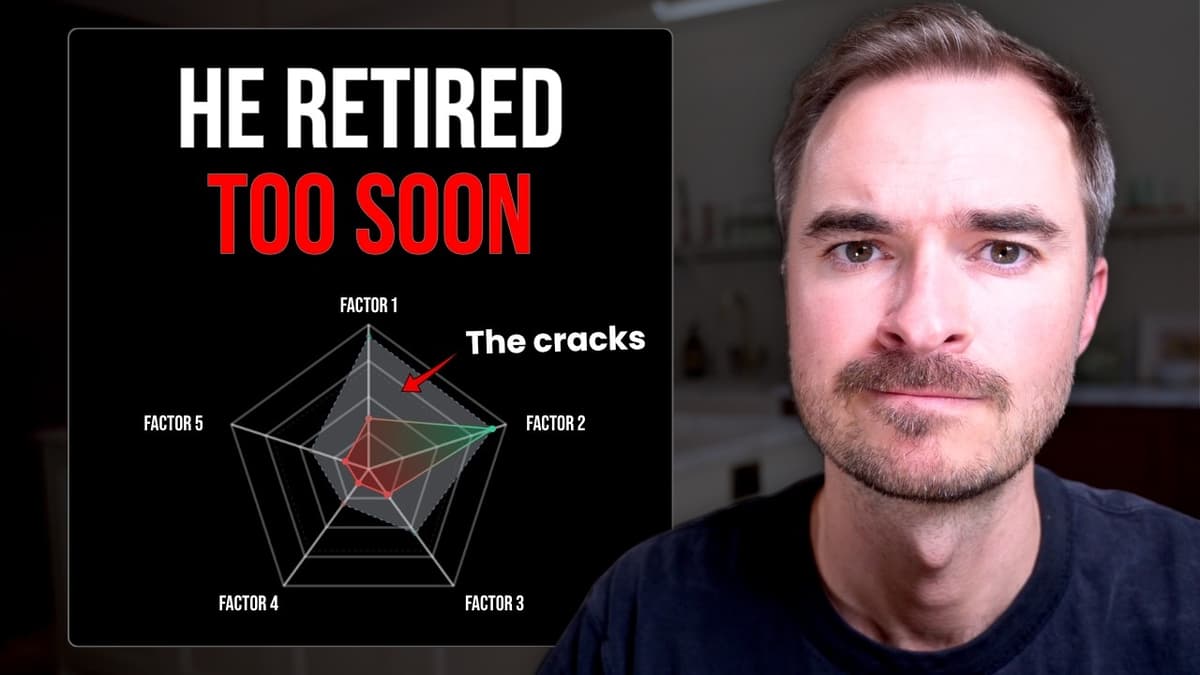
He Had Everything. Then He Retired. (Don't Let This Happen to You)
A financial planner recounts a client who retired comfortably after selling his long-time employer’s business, enjoyed an initial period of travel, then slid into disorientation, loss of identity and social isolation once the daily structure of work vanished. Weeks turned...
Using PPLI to Hold CFC Shares
The video explains how private placement life insurance (PPLI) policies can be employed to hold shares of a controlled foreign corporation (CFC), a strategy gaining traction among high‑net‑worth families seeking tax‑efficient structures. By placing CFC stock inside a PPLI, the insurance...

How La Trobe Financial Builds Resilience Into Its Portfolios
The interview spotlights La Trobe Financial’s Australian Credit Fund, a retirement‑focused private‑credit vehicle designed to deliver resilient income streams. Chief Investment Officer Chris Payton explains that the firm manages about $25 billion for 130,000 investors, drawing on seven decades of experience...
Winners Interview with JPMorgan Asset Management | Lipper Fund Awards 2026 United States
Dan Olroyd, a senior portfolio manager at J.P. Morgan Asset Management, said 2025 produced positive headline returns across equities and fixed income despite pronounced volatility and short-term shocks, underscoring the importance of staying invested and avoiding market timing. He emphasized...

Fund Manager's Edge: Cutting Noise, Focusing on Quality Growth
The fund manager says their edge is cutting noise and focusing on high-quality earnings growth combined with strict valuation discipline. Their investment philosophy, dubbed GEEK, emphasizes sustainable growth rather than one-off or externally driven gains. They implement a GARP (growth...
Unpacking the New Rules for 401(k) Catch-Up Contributions
The video explains new 401(k) catch‑up contribution rules effective 2026, focusing on high‑income workers over age 50. It details that the $8,000 catch‑up contribution must now be placed in a Roth account for employees whose prior‑year employer wages exceed $150,000...
The Alpha Architect Investment Model Portfolio
Alpha Architect’s model portfolio is a two-sleeve strategy combining a factor-enhanced global equity allocation with a crash-aware diversifier sleeve designed for advisors. The equity sleeve pairs broad market-cap beta (US, developed international, emerging) with concentrated value and momentum ETFs (QVAL,...
Tax Treatment of Loans vs Surrenders in PPLI
In a brief explainer, tax and private client specialist Alyssa Marie Apple clarifies the differing tax treatments of policy loans and partial surrenders in private placement life insurance (PPLI). She explains that policy loans are generally tax-free while the policy...
Amanda Lang Speaks with John Graham, CEO of CPP Investments
Canadians’ retirement ambitions have risen to about $1.7 million on average, yet 36% doubt they’ll reach that goal. John Graham, CEO of CPP Investments, said the Canada Pension Plan is sustainable for decades—citing a strong funding ratio and long‑term returns...
Why You Should Invest in Brazil
Brazil is attracting investor interest thanks to heavy infrastructure investment that is unlocking asset growth across commodities, agriculture and energy. The country has endured elevated inflation and very high interest rates (recently around 14.75%), but easing rates and cooling inflation...

2 5x the Performance of Nvidia's Most Advanced GPU
Cerebras Systems says its first-generation wafer-scale engine (WSE-1), announced in August 2019 after years of development, delivered a dramatic leap in AI inference performance. The company claims its inference platform can run up to 15 times faster than competing GPU...
Superannuation Success: The Educational Impact of Compulsory Saving
Australia’s compulsory superannuation system, now about 35 years old and growing to an estimated A$7.5 trillion by 2035, has made Australians among the world’s wealthiest per capita and is shifting focus from accumulation to retirement services. As members approach retirement,...
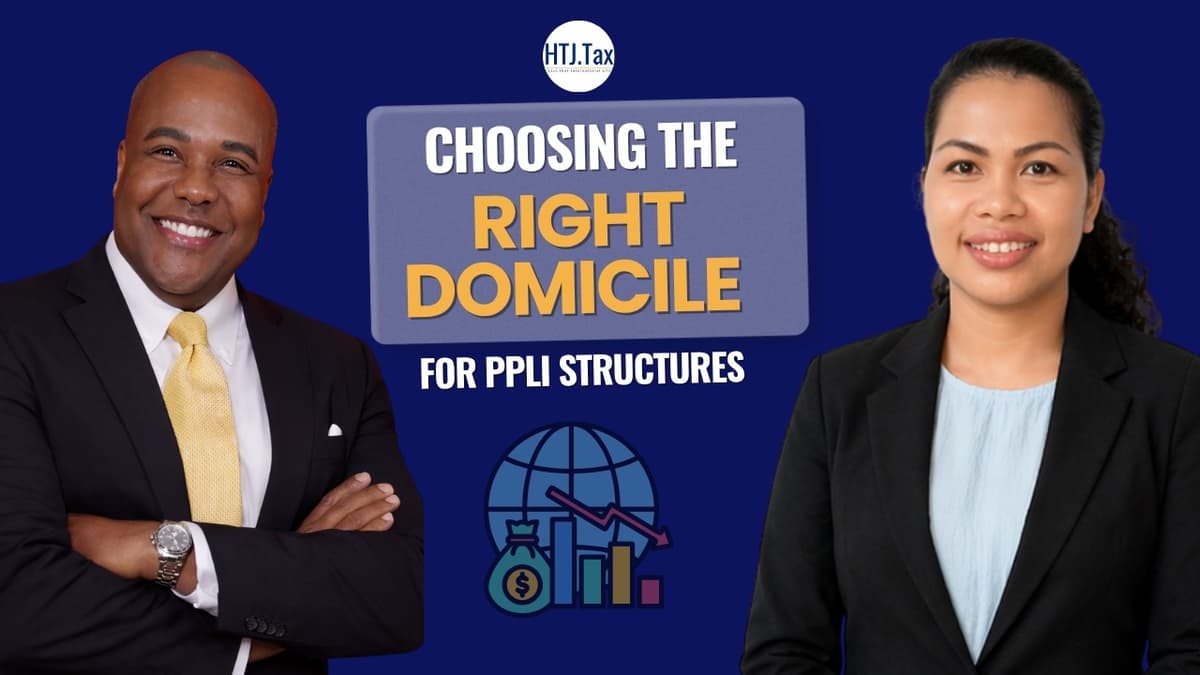
Choosing the Right Domicile for PPLI Structures
HJ Tax’s Alysa Marie Apple, a dual-qualified attorney and accountant, explains how choosing the domicile for a private placement life insurance (PPLI) insurer affects tax and regulatory outcomes for high-net-worth clients. She says domicile selection can optimize regulatory frameworks, reduce...
Why You Might Miss Big Opportunities With Passive Investing, CEO Says | At Barron's
Tim Campbell, CEO of Baillie Gifford, warned that the growing dominance of passive, algorithmic and factor-based investing—now over 50% of public markets—has produced faceless shareholder registers that weaken long-term stewardship. Citing research that firms with concentrated, engaged shareholders outperform by...
3 Winners From Our Fund Rating Methodology Changes
Morningstar simplified its medalist ratings by reducing reliance on past return variance and instead placing greater weight on fund fundamentals, leading to several upgrades. Funds that previously fared poorly under the old variance-focused approach have been promoted for strong people,...
He Invested Through Five Bubbles | Andy Constan on What Works — and What Always Breaks
Andy Constan outlines a framework for identifying and navigating bubble regimes, which progress from an initial change (tech, regulatory or monetary) to a normal bull phase, an escalation often aided by easing central banks, and finally a parabolic ‘bubble regime’...

What the Budget Means for Your Wealth (and Did Boomers Win?)
The Australian federal budget unveiled the most sweeping tax reforms in 25 years, targeting investment income with a flat 30% rate on capital gains, trusts and non‑super savings while leaving the owner‑occupied home and superannuation largely untouched. Labor frames the...
The Uncomfortable Truth About Index Funds
Index funds are a powerful, low-cost way for ordinary investors to access long-term market returns, notably the S&P 500’s roughly 10% annualized return since 1957 and the consistent underperformance of most active managers. But the video outlines four uncomfortable truths:...
The Long View: Bill Bengen - ‘Inflation Is the Greatest Enemy of Retirees’
Veteran researcher William Bengen discusses A Richer Retirement, his new book that updates and expands his landmark work on safe withdrawal rates. Using expanded historical asset classes — including microcaps, midcaps, international stocks and T-bills — Bengen’s back-tested “safe max”...

Should You Put Your Properties Into a Limited Company? #OmarAswat #ASWATAX
Tax adviser Omar Aswat says moving properties into a limited company depends on the owner’s objectives rather than being a default choice. If rental income is needed for day-to-day living, transferring into a company can be disadvantageous due to corporation...
The Last Hedge Left in This Market
Mike McGlone, senior commodity strategist at Bloomberg Intelligence, argues that long‑term U.S. Treasury bonds, now yielding close to 5%, could serve as the market’s last hedge. With equities, gold, copper and crypto all flashing risk signals, the 30‑year Treasury acts...
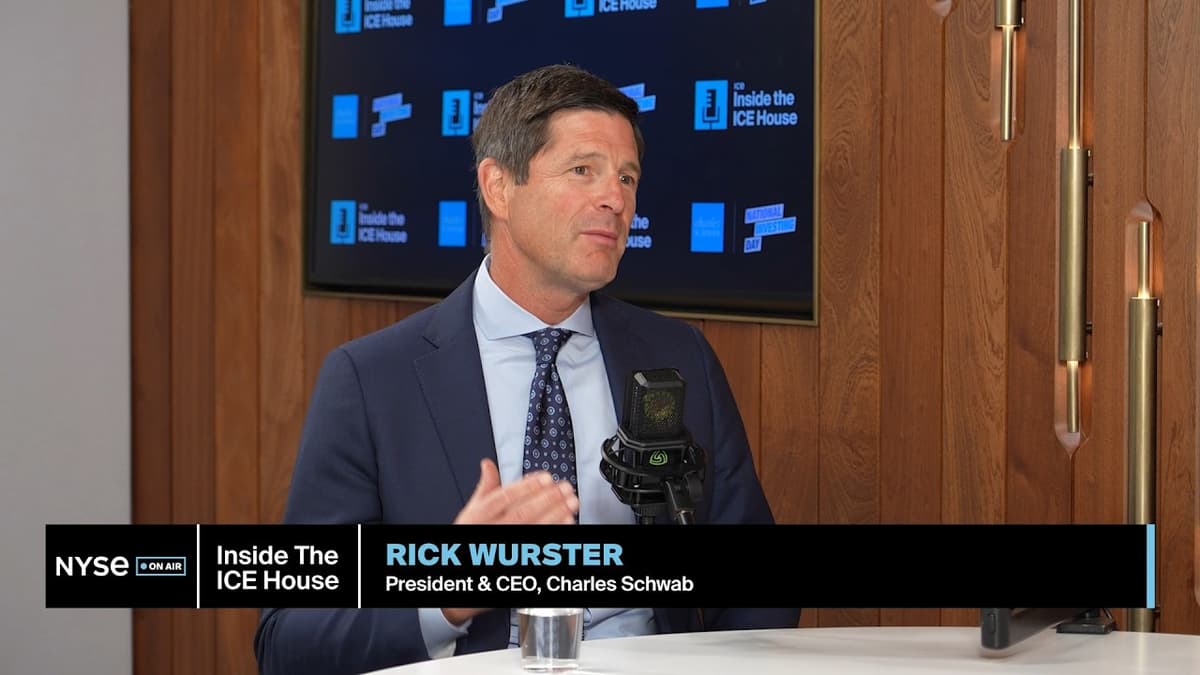
Episode 533: Charles Schwab CEO Rick Wurster on The Power of Investing and Expanding Access
In a May 1 episode of the Inside the Ice House podcast, Charles Schwab CEO Rick Wurster highlighted the firm’s National Investing Day at the NYSE, underscoring a push to broaden financial literacy and market participation across the United States. Wurster argued that early...

Losing Accredited Status: What It Means for PPLI
In a briefing, private client lawyer and accountant Alyssa Marie explained that if a private placement life insurance (PPLI) owner loses accredited investor status the policy typically remains in force but will be barred from receiving new non-public investments or...

How to LEGALLY Pay Your Kids Through Your Business (And What the IRS Thinks)
The Taxmart REI podcast explains how parents can legally employ their children in a family‑run real‑estate business to generate earned income and capture tax benefits. By hiring kids through a sole proprietorship or husband‑and‑wife partnership, owners can deduct the wages...
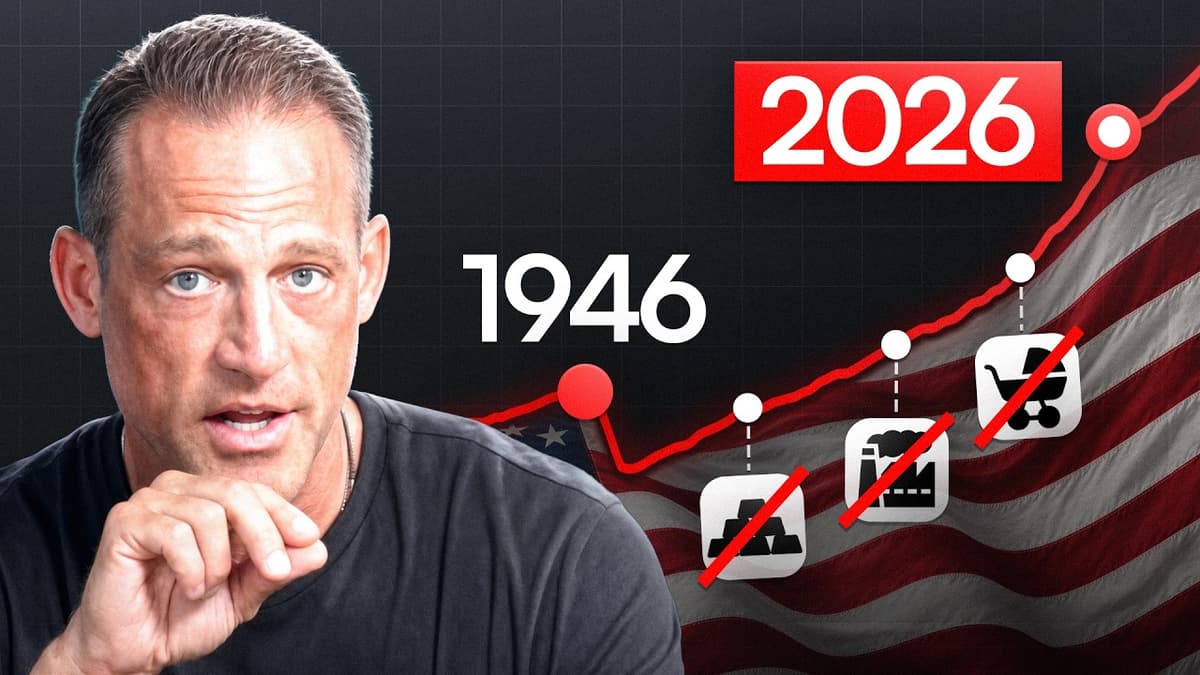
3 Things Saved America From Debt in 1946... All 3 Just Reversed.
Publicly held U.S. debt has topped 100% of GDP for the first time since 1946, rekindling comparisons to the post‑World War II era but with a crucial difference: the three structural tailwinds that enabled rapid debt reduction then have reversed....
Why Advisors Are Pivoting to Managed Futures & Thematics
Advisors are increasingly pivoting to managed futures and thematic ETFs as traditional diversification has faltered this decade—bonds are down while equities remain elevated and inflation fears persist. Andrew Beer’s IMGP DBI managed futures ETF (DBMF) has seen assets surge from...
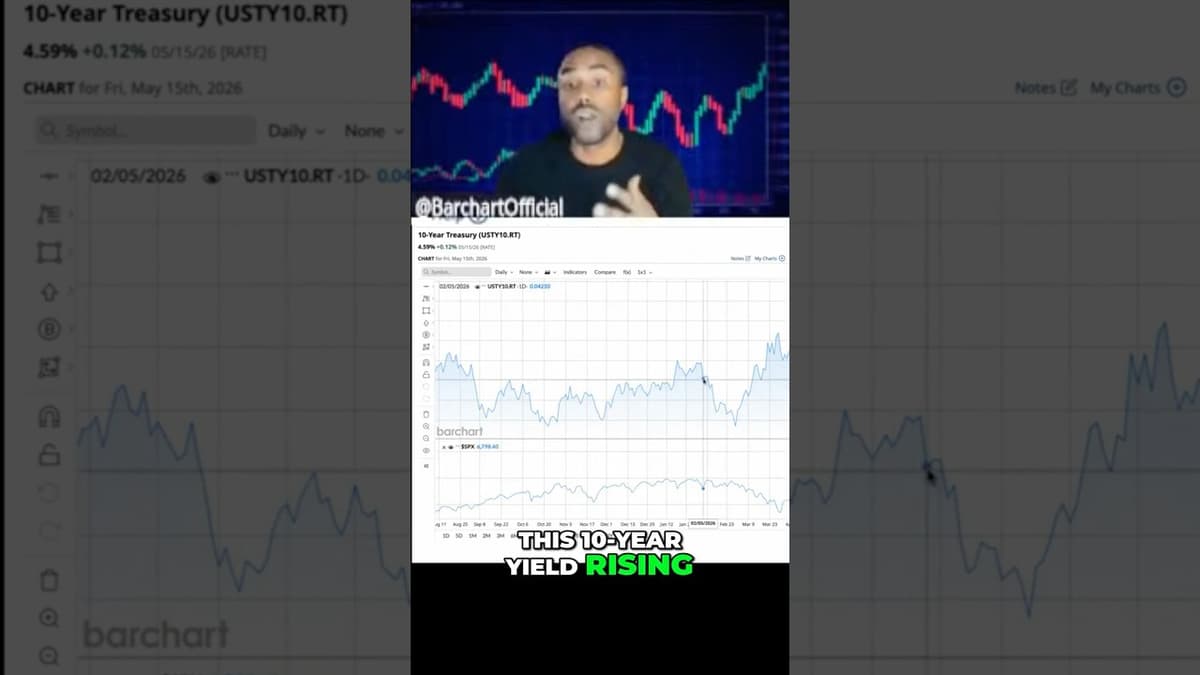
Stocks vs Bonds: Which Wins at 4.5% Yields? 🥊🆚🏛️ #Treasury #Yields
A market commentator highlights the recent rise in the 10-year Treasury yield to about 4.5% and examines its historical inverse relationship with the S&P 500, noting periods when higher yields drew capital away from stocks. Using price charts, the speaker...

Nailing This Retirement Strategy Can Save You Many $1,000s
The video walks viewers through a systematic way to decide whether a traditional 401(k) or a Roth IRA will save the most taxes in retirement. It emphasizes the core comparison: the tax rate applied when you contribute versus the rate you’ll...

Behind the Ticker: NASA, SpaceX, & Tema ETFs
On Behind the Ticker, Yuri — an early-team portfolio manager at TEMA ETFs — outlines his path from running UK income strategies at Majetti to earning a bioscience master’s and joining TEMA’s push into actively managed, thematic ETFs. TEMA has...

Getting Future-Rich With “Mrs. Dow Jones”
U.S. markets cooled after a spike in Treasury yields—10-year yields nudged 4.5% and long-term yields rose to levels not seen since 2007—prompting concern that higher bond returns could undercut the recent equity rally. The market’s rebound has been narrowly concentrated...

Financial Advisors React to MASSIVE Money Mistakes
The video brings together financial advisors who dissect common, costly money mistakes, ranging from overly long auto loans to misguided real‑estate purchases and career stagnation. They stress that many consumers finance cars for up to ten years, far exceeding the...

The Hidden Wealth Strategy Billionaires Use: Farmland
The video features Steve Brewer of People’s Company, a farm‑management firm that grew from a small Iowa bank department into a national platform operating in 35 states. Brewer outlines the firm’s four‑pronged services: farm management for absentee owners, brokerage and...

The Best Small Business Tax Hack 🏦
With high earnings from a big year, exit or real estate sale, or a spouse’s employer benefits already maxed via Roth and HSA contributions, small-business owners can further reduce taxable income by making pre-tax retirement contributions. Options include contributing more...
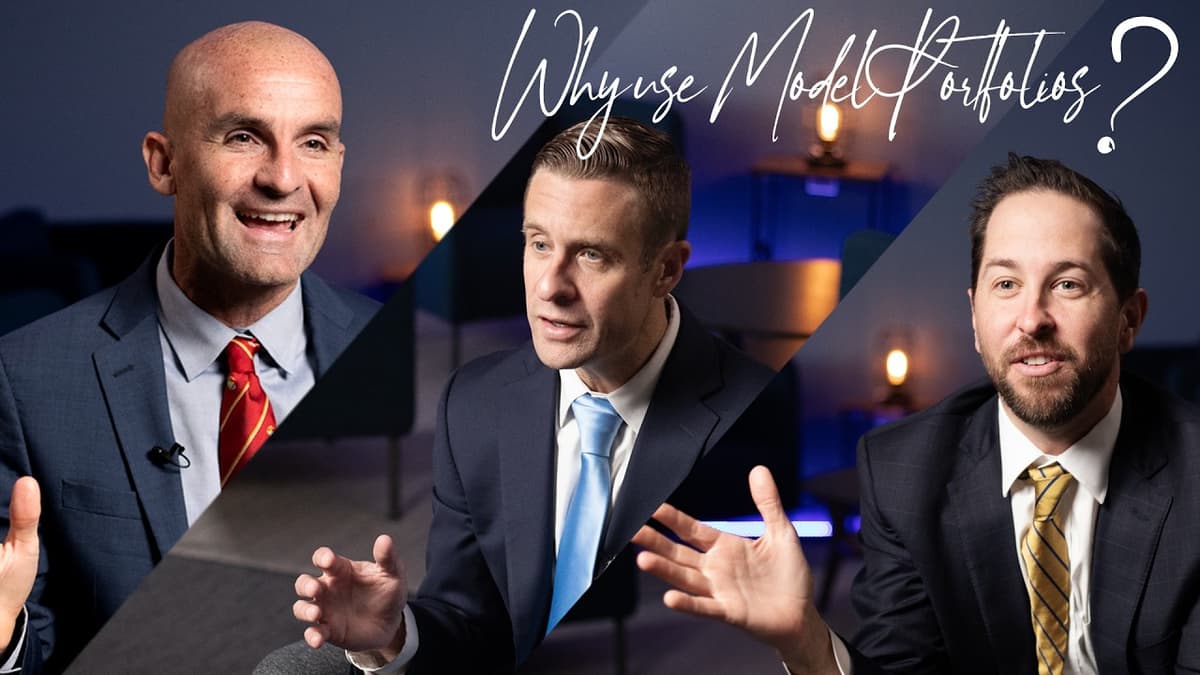
Why Use a Factor Investing Model Portfolio?
Alpha Architect promotes factor‑investing model portfolios by emphasizing education, customization, and fiduciary care. The firm positions itself as a partner for advisors, whether they manage $1 or $1 billion, and seeks to demystify the investment process. When an advisor reaches out, a...
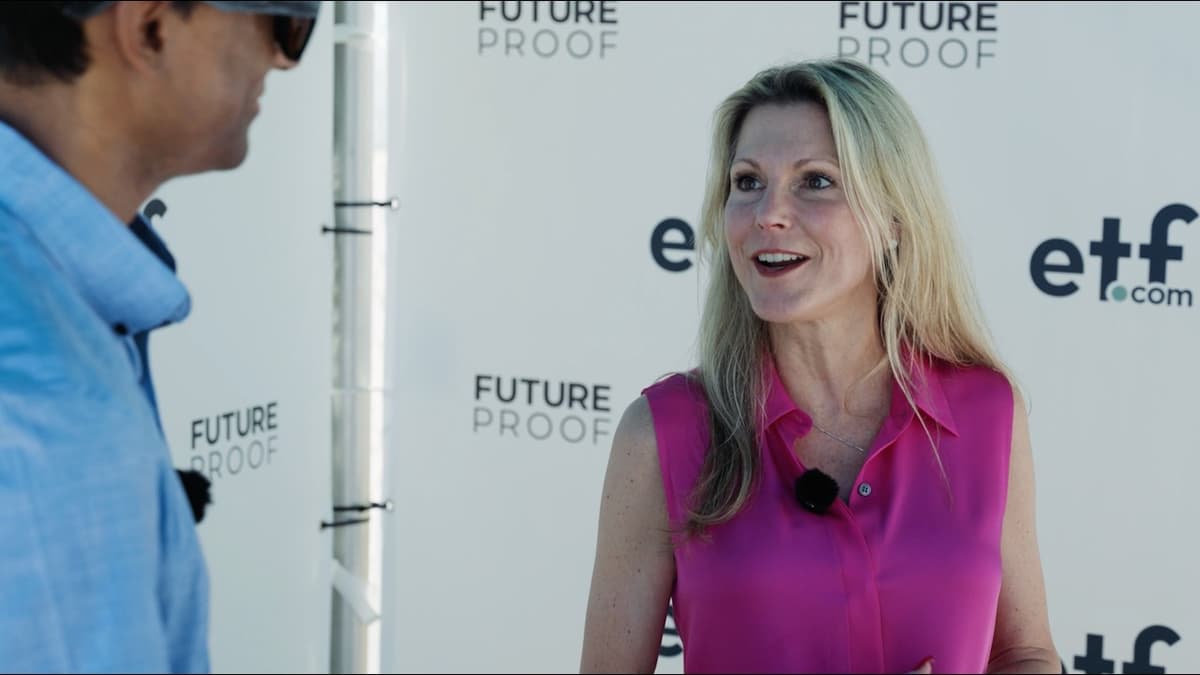
Manulife John Hancock Investment’s CEO Explains the Explosive Growth of Active ETFs
The interview with Manulife John Hancock Investment’s CEO centers on the explosive rise of active exchange‑traded funds and the emerging role of artificial intelligence in asset management. He highlights that active ETFs now account for roughly 40% of industry flows,...