
How Valvoline Is Driving Mental Health Support with Ronald McDonald House
Valvoline Inc. pledged $750,000 over three years to fund behavioral‑health services at Ronald McDonald House, directing $25,000 each year to ten chapters for counseling, therapy and crisis care. The partnership also launches a store‑wide donation drive through May 31, allowing customers to add contributions at checkout. Internally, Valvoline’s “Live Well” program provides free counseling to employees and their families, reinforcing its wellness agenda. The effort targets families of hospitalized children, where nearly half report depression and 69% report anxiety, while also boosting employee engagement, especially among Gen Z staff.
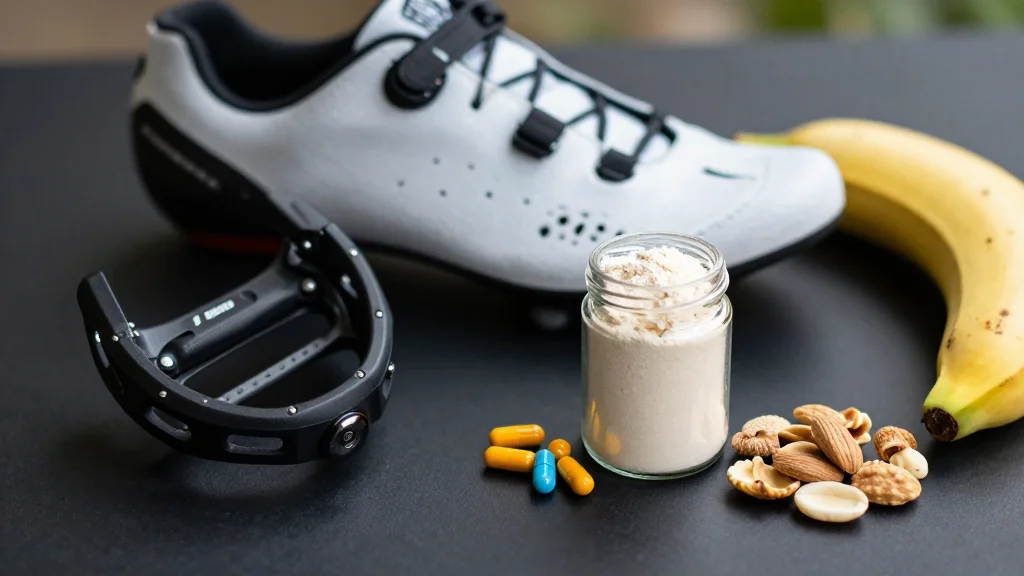
Getting Into Spinning Or Cycling? Research Says These Supplements Are Best
A recent systematic review led by Australian Olympian Sophie Edwards identified the top supplements that enhance cycling performance and accelerate recovery. The researchers highlighted beta‑alanine, caffeine, carbohydrates, creatine, electrolytes and several others for on‑bike fuel and fatigue resistance. For post‑ride...
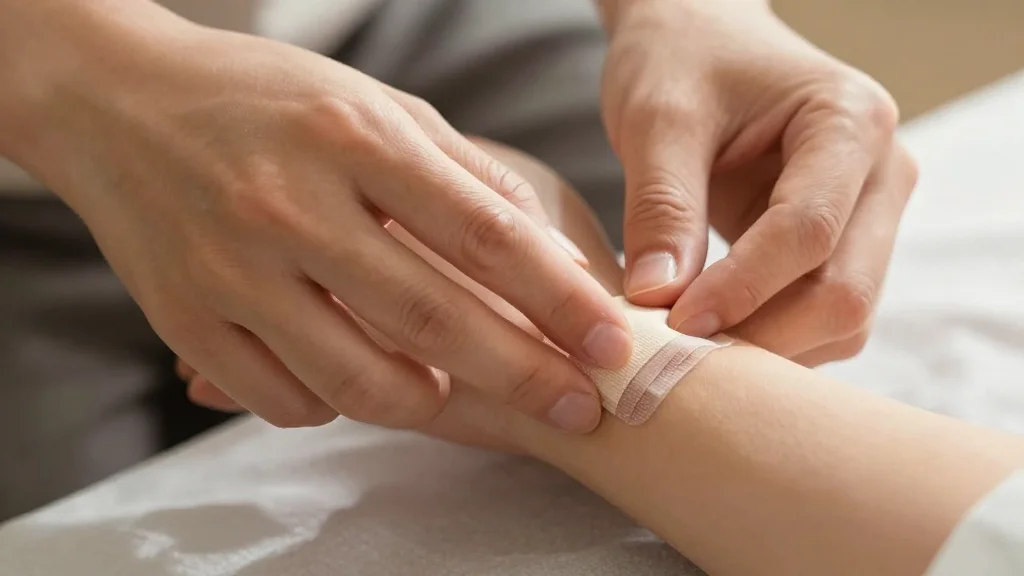
Your Stress & Recovery Might Depend on This Relationship Behavior
A study of 80 romantic couples published in JAMA Psychiatry found that physical intimacy combined with intranasal oxytocin accelerated skin wound healing, whereas oxytocin alone or conversation alone did not. The effect was strongest when affectionate touch occurred alongside oxytocin,...

Feeling Overwhelmed? This Everyday Habit May Cut Anxiety Risk By Up To 50%
A new systematic review of more than 80,000 adults, published in the American Journal of Preventive Medicine, finds that regular physical activity dramatically lowers the likelihood of developing anxiety. Participants who exercised consistently showed a 13% reduction in any anxiety...

Why Recovery After a Hip Fracture Is About More than Bones
Recent research in *Age and Ageing* and the *Australasian Journal on Ageing* shows that recovery after a hip fracture is driven as much by cultural beliefs, family expectations, and daily life realities as by surgical care. Only about half of...
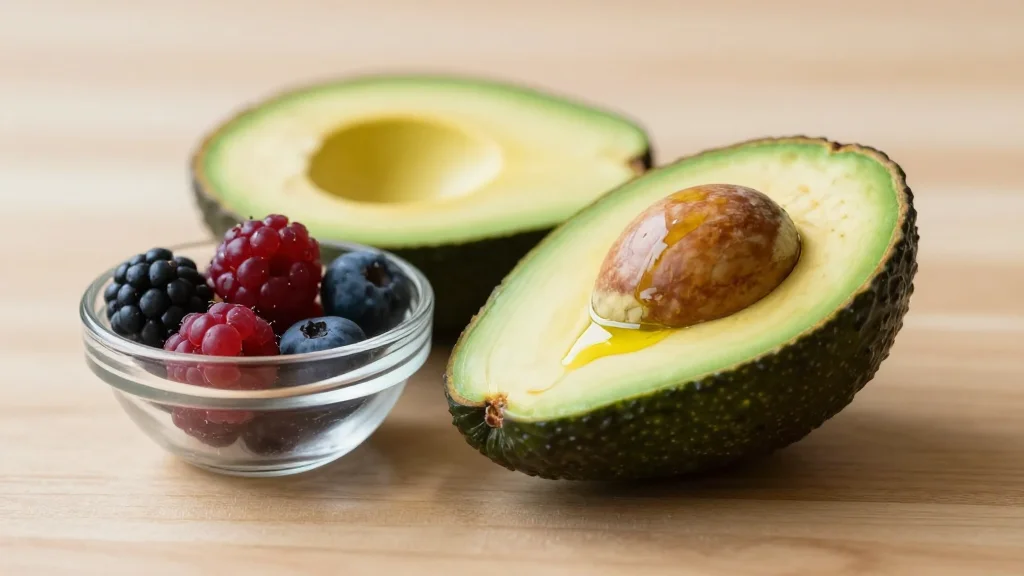
Eating This Fruit Daily May Help Stabilize Blood Sugar, Study Finds
A randomized trial of more than 1,000 adults with elevated waist circumference found that eating one large avocado each day for six months lowered dietary glycemic load by roughly 14 points compared with a control group limited to two avocados...
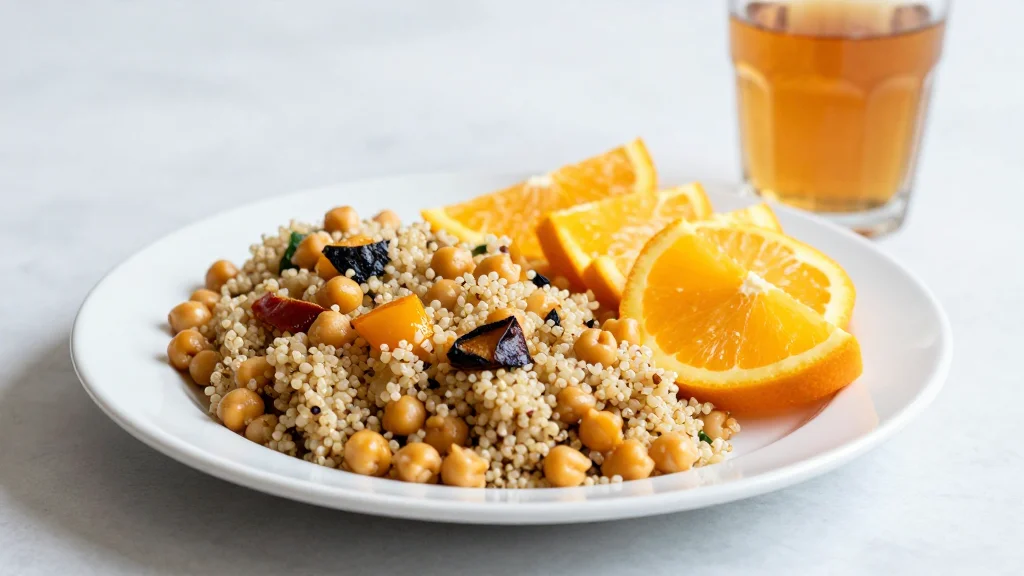
One Month Of These Simple Diet Shifts Can Reduce Your Biological Age
A recent study of 104 adults aged 65 to 75 found that four weeks of high‑carbohydrate or semi‑vegetarian diets can noticeably lower KDM‑derived biological‑age scores. Participants on an omnivorous high‑carb plan outperformed those on a high‑fat regimen, while semi‑vegetarian groups...

How Cleaner Salt Production in Tanga Is Improving Nutrition Outcomes
Global Alliance for Improved Nutrition (GAIN) has upgraded salt‑production facilities in Tanga, Tanzania, installing dam liners, pumps and larger pans. These changes cut impurities by up to 90% and enable 2‑3 harvests per month, delivering cleaner, more consistent raw salt...
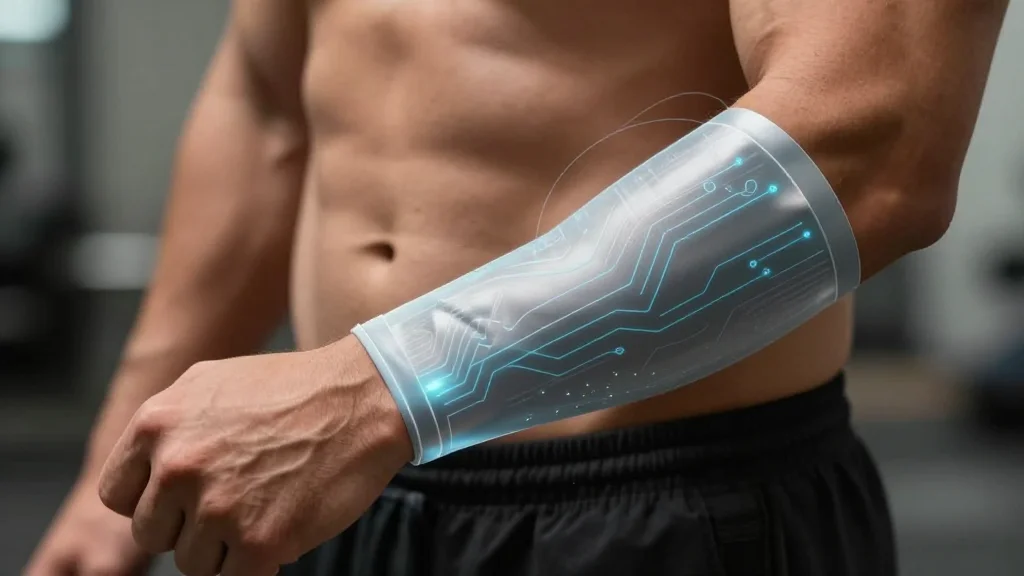
The Longevity Secrets Helping Athletes Blow Past the Limits of Age
Athletes are redefining age limits by embracing advanced recovery tools such as red‑light therapy, compression sleeves, and personalized nutrition. High‑profile examples include 38‑year‑old WNBA star Alysha Clark, 44‑year‑old NFL quarterback Aaron Rodgers, and 43‑year‑old pitcher Justin Verlander, who recently signed...

Her Self-Experiment with Drug Detox Almost Broke Her
In December 2024, 27‑year‑old Rebecca "Becks" conducted a self‑experiment, ingesting 25 mg of the unapproved compound SR‑17018 to detox from a decade‑long kratom addiction. The experimental opioid receptor modulator, labeled “NOT FOR HUMAN CONSUMPTION,” was taken in her Boston‑suburb bedroom after multiple failed rehab stints....

Trump’s Drug Strategy Aims To Bolster Addiction Services — Despite Gutting of Government Support
The White House released a 195‑page National Drug Control Strategy that touts easier access to treatment, prevention programs, and new technologies like AI‑driven drug screening. While the plan’s public‑health goals align with experts, the Trump administration simultaneously pursues massive federal...

Case Study | DJS Research - Perks, Profit Share, and Peak District Walking Meetings
DJS Research transitioned from a family‑owned to an employee‑owned firm, granting partners equity stakes and introducing perks such as tax‑free profit‑share bonuses, extra festive leave, and “Wellness Wednesdays.” The shift is framed as a way to protect the company’s legacy...
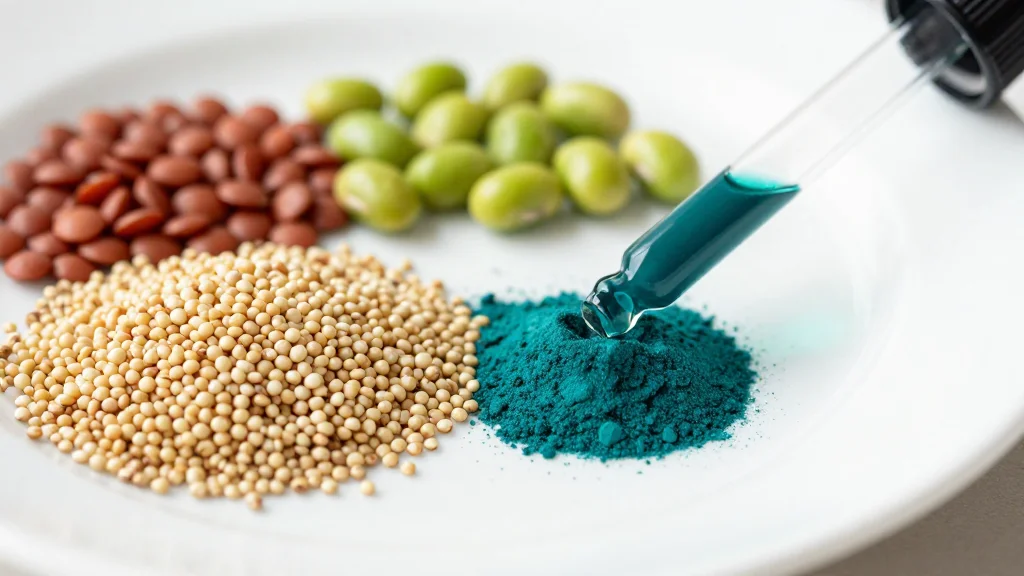
Branched-Chain Amino Acids From Plants and the Metabolic Syndrome: Pathways and Pharmacological Applications
Metabolic syndrome affects roughly 1.54 billion adults and is driven by chronic inflammation. Recent research reviews how plant‑derived branched‑chain amino acids (BCAAs) from legumes, whole grains and microalgae can modulate inflammatory pathways and improve glycemic, lipid and body‑composition outcomes. Processing methods...

Boundaries | Working Remotely From a Cricket Ground? Employers Face a New Trust Test
Surrey County Cricket Club launched a "Work From Oval" scheme that lets fans turn the Kia Oval into a remote‑working venue while county matches unfold. Over 100 participants spent four days at the ground during the opening fixture, enjoying high‑speed Wi‑Fi,...

Opera Singer Who Hid Deafness for 30 Years Hails ‘Life-Changing’ Surgery
London mezzo‑soprano Janine Roebuck, 72, underwent bilateral cochlear‑implant surgery after privately funding a second implant, describing the outcome as "life‑changing." The procedure is part of a NIHR‑backed trial comparing one versus two implants in more than 250 adult NHS patients. Current...

The Maldives, Made Effortless: Crossroads Launches ‘Peace of Mind’ Escape
Crossroads Maldives has introduced the "Peace of Mind" wellness escape at SAii Lagoon, part of the country’s first integrated, multi‑island lifestyle destination. The program eliminates rigid schedules, seaplane transfers and forced activities, offering guests optional yoga, water time or simply...

Stop Counting the Cost of Switching Off
Accountants once enjoyed clear 9‑to‑5 schedules and uninterrupted holidays, but the rise of remote work and always‑on technology has eroded those boundaries. Clients now expect rapid responses at any hour, turning public holidays and vacation days into workdays. The article...

Jo Kansagra: How Business Can Get 20% More Out of Their Employees
UK workers are facing a severe stress crisis, with 80% reporting regular stress and 91% having felt extreme pressure in the past year. The resulting burnout erodes motivation, productivity, and company culture, costing businesses tens of millions of pounds annually....

Need to See a Psychologist? How to Find One That’s Right for You
In Australia, a GP can refer a patient to a psychologist under a mental health treatment plan, unlocking Medicare rebates for up to ten sessions a year. The referral does not lock the patient into a specific practitioner, allowing them...

‘It Did so Much for My Mood’: How a New Mother Overcame Postnatal Mental Health Struggles
During Maternal Mental Health Awareness Week, Dublin’s Coombe Hospital highlighted a choir‑based intervention that helped new mother Collette McEntee overcome postnatal depression. The Mothers in Harmony Choir, run by senior occupational therapist Geraldine McHugh, offers ten weekly one‑hour singing sessions designed to...

Work Enjoyment Strongly Linked to Overall Wellbeing
Gallup’s analysis of 350,000 workers in 149 countries finds that daily enjoyment of work lifts overall life‑evaluation scores by more than one point, outpacing the effects of job choice and purpose. The link holds across most ages and employment types,...

Women Who Grew up Being Told They Were “Too Sensitive” Often Become the Most Mentally Tough People in the Room...
Women repeatedly told they were “too sensitive” often spend five decades honing an emotional fluency that later translates into remarkable mental toughness. Rather than shutting down, they learn precise feeling vocabularies, differentiate shame from anger, and sit with grief without...

Employees Want More Support for Women Experiencing Menopause, Report Finds
A Wondr Health poll shows 68% of U.S. workers believe menopause symptoms should be acknowledged at work, with 70% of women and 67% of men backing stronger support. The survey highlights that 31% of women experiencing menopause consider changing jobs...

Virtual Reality Training Improves Police Interactions for Autistic Individuals
Researchers at Children’s Hospital of Philadelphia and St. Joseph’s University demonstrated that a mobile virtual‑reality training module improves autistic individuals’ behavior during live police encounters. In a randomized trial of 47 participants aged 12‑60, the VR group showed reduced fidgeting and...

The Psychology of Transformation: Why Costumes and Clothing Boost Confidence
The article explores how clothing influences confidence through the psychological principle of enclothed cognition, which shows that attire can shape thoughts and behavior. It cites research showing uniforms, formal suits, athletic wear, and costumes trigger feelings of authority, motivation, or...

Screen Well: Mental Health Action Plan
Screen Well, backed by Netflix, Prime Video, BBC Studios Australia and Disney Studios Australia, has released a Mental Health Action Plan (MHAP) for the Australian screen sector. The plan follows the Pressure Point Report, which found that 75% of workers...
An Individual Participant Data Meta-Analysis of How Physical Activity Relates to Affective Well-Being in Daily Life
A new individual‑participant data meta‑analysis pooled 67 intensive‑longitudinal studies from 14 countries, covering 8,223 adults and nearly one million hours of accelerometer‑measured physical activity. The analysis shows that, within individuals, more activity—especially walking—raises energetic arousal, positive affect and valence, while...

17-Year-Old Minnesota High School Swimmer Creates Device Detecting Harmful Pool Chemicals
Seventeen‑year‑old Minnesota high‑school swimmer Aditi Gandhi engineered a portable device that monitors airborne chloramine levels in pools by measuring total volatile organic compounds, equivalent CO₂, temperature and relative humidity. The invention addresses swimmers’ recurring illness symptoms linked to chloramine buildup,...

New Research Shows Just How Quickly Meditation Boosts Your Brain
A March 2026 study published in Springer found that meditation triggers observable brain‑wave changes in as little as 30 seconds for seasoned practitioners and after 2‑3 minutes for beginners, with effects peaking at 7‑10 minutes. The research tracked over 100 participants...

Next Time You Are Stressed, Ask These Two Questions
The piece argues that stress often signals a clash between the human need for belonging and the need for autonomy. It contrasts collectivist cultures, where caregiving is a shared duty, with individualistic societies, where responsibility usually falls on a single...

HHS Announces Action Plan on Psychiatric ‘Overprescribing’
The U.S. Department of Health and Human Services unveiled an action plan aimed at curbing the overprescribing of psychiatric medications, with a particular focus on children. The strategy calls for systematic evaluation of prescription trends, promotion of non‑drug therapies, and...

AHA Tactical Brief Available on Integrated Behavioral Health
The American Hospital Association released a tactical brief outlining how integrating behavioral and physical health care can treat patients more holistically. It highlights core components such as co‑location, team‑based care, patient‑centered approaches, and robust care management. The brief features insights...

A Light, Slow, Deep (LSD) Breathing Meditation
Shamash Alidina introduces a Light, Slow, Deep (LSD) breathing meditation that emphasizes gentle, prolonged inhalations and longer exhalations to engage the parasympathetic nervous system. The guided practice uses a four‑second inhale, a brief pause, and a six‑second exhale, focusing on...

RFK Jr. Plans to Curb Antidepressants, Which He Falsely Compares to Heroin
Health Secretary Robert F. Kennedy Jr. used a Make America Healthy Again Institute event to unveil a federal push to curb antidepressant prescribing, especially SSRIs. The initiative includes clinician training, a Dear Colleague Letter promoting non‑pharmacologic treatments, and new CMS guidance with a billing...
6 Questions to Ask Your Doctor Before Starting a Mental-Health Drug
Starting a mental‑health medication can feel hopeful yet intimidating, so clinicians advise patients to ask six critical questions before beginning treatment. The questions cover the drug’s mechanism, expected onset, treatment length, side‑effect profile, potential interactions, and what to do if...

This School District Wants Students to Turn Off Their Phones and Sleep
Spokane Public Schools, serving 29,000 students, launched a new sleep initiative that adds a nightly phone curfew to its existing Engage IRL program. The district is pairing stricter cellphone rules with a broader slate of after‑school clubs to give teens alternatives...
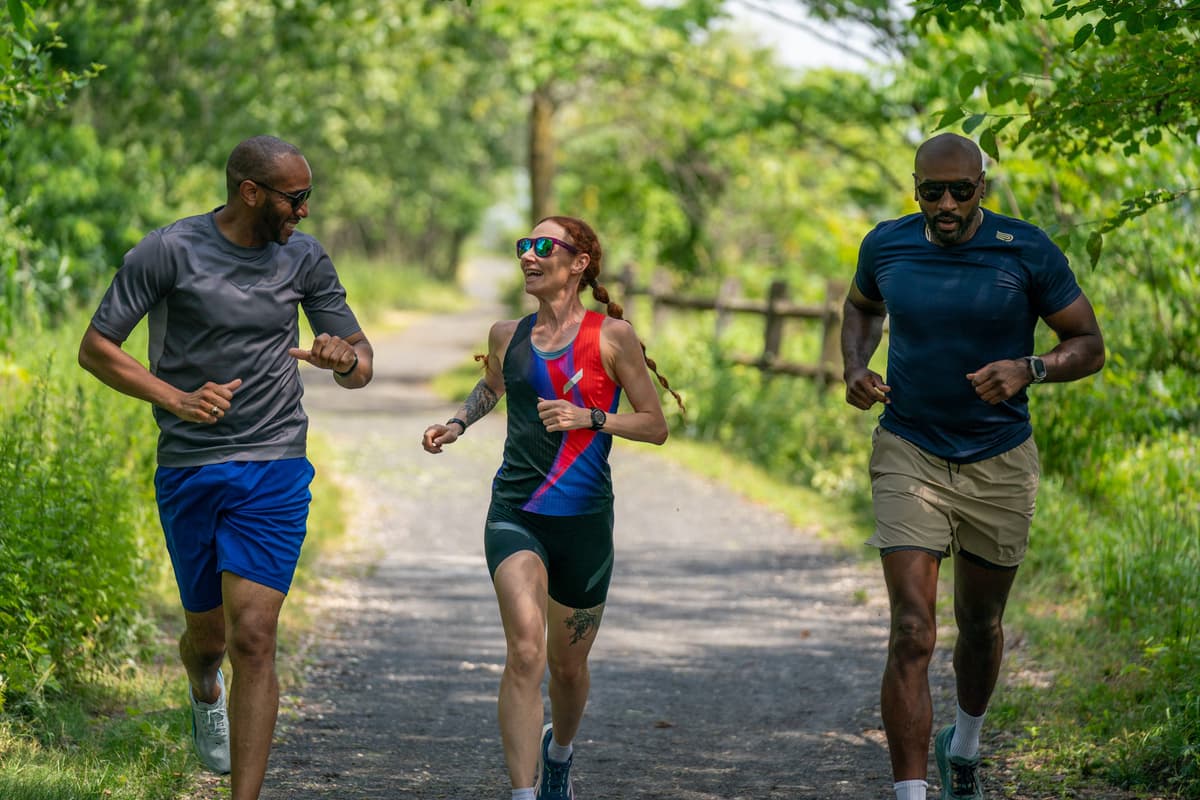
This Return-to-Running Plan Looks Almost Too Easy. That’s What Makes It So Effective.
The Omega Project’s 9‑step return‑to‑running plan uses a progressive run‑walk format to help athletes rebuild mileage after four‑plus weeks off. Physical therapists Brianne Scott and Jacob Travis stress starting with short intervals, conversational pace, and regular strength work to avoid...

Trump Brings the Presidential Physical Fitness Award Back, Reviving Annual Test
President Donald Trump revived the Presidential Physical Fitness Award, part of a broader effort to reinstate the historic annual fitness test in American schools. The award, tied to a test dating back to the 1950s, was phased out under President...
:max_bytes(150000):strip_icc():format(jpeg)/fatigue-caused-by-antidepressant-1067353-01-9847579d382b47288de7a7d2ec6b99d7-06b2f1e4876a49e099445b06b102ee2d.jpeg)
Coping With Fatigue From Antidepressants
Antidepressant fatigue is a frequent side effect of many commonly prescribed mood‑enhancing drugs, especially SSRIs, SNRIs, TCAs and certain MAOIs. The drowsiness typically peaks during the first few weeks as the brain adjusts to altered serotonin, norepinephrine and histamine activity,...

Guru Studio Expands ‘True and the Rainbow Kingdom’ with Mindfulness-Focused Shorts
Guru Studio is launching a new series of mindfulness‑focused shorts called True & You on YouTube and YouTube Kids, timed for Mental Health Awareness Month in May. The bite‑sized videos feature guided breathing exercises and ASMR‑style relaxation, using the popular...
:max_bytes(150000):strip_icc():format(jpeg)/VWM-X-Phrases-Stocksy_3323144-5497466b8d9f404c9aa765afadaeea9a.jpg)
40 Phrases to Express Your Gratitude Beyond "Thank You"
Clinical social worker Julia Childs Heyl released a curated list of 40 gratitude phrases that span personal, professional, and emotional contexts. The guide categorizes expressions—from simple acknowledgments to deep appreciation—offering alternatives to the overused “thank you.” It cites research showing...

Can You Support Bone Density Through Diet?
Dietitians Skylar Weir and Christina Manian stress that bone density hinges on consistent, adequate nutrition as much as strength training. They warn that chronic under‑fueling can divert essential minerals from bone, increasing fracture risk, especially in conditions like anorexia. Key...
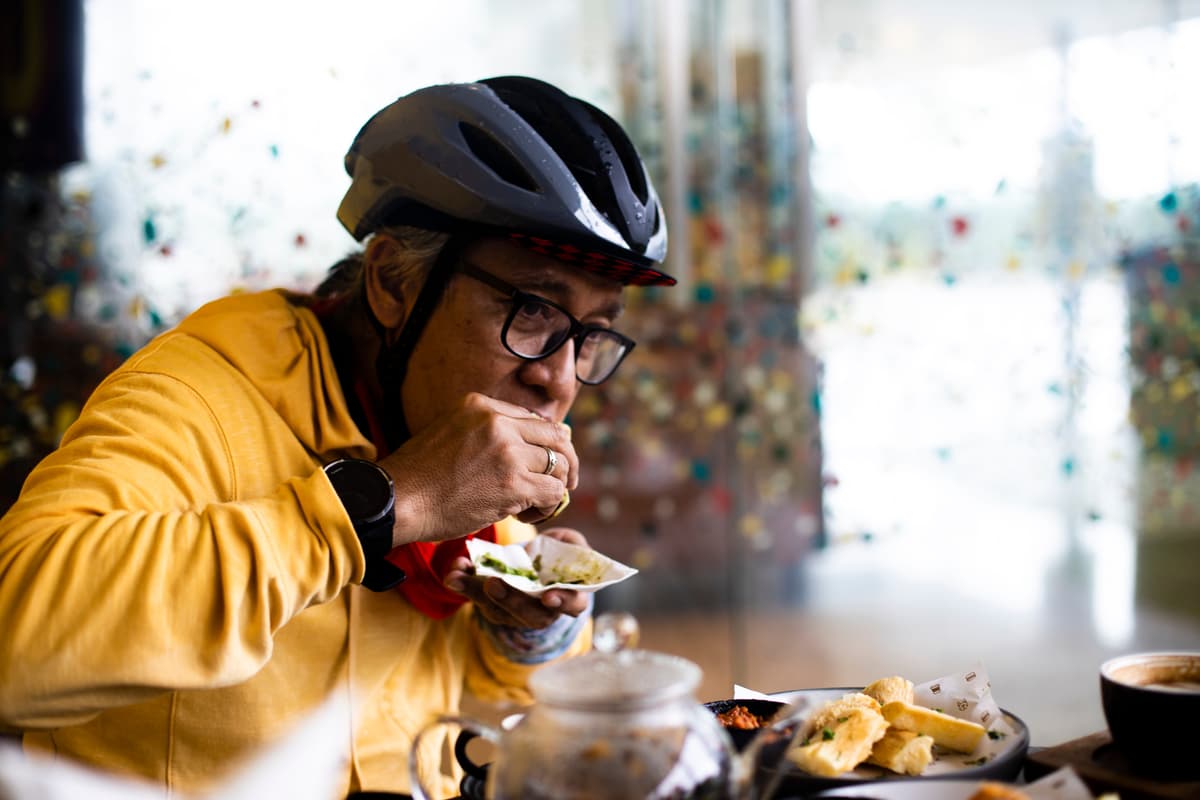
A Cycling Coach Says You’re Probably Not Eating Enough. Here’s the Fueling Strategy That Works.
Cycling coach Marissa Axell warns that many riders over 40 underfuel, compromising performance and health. She cites a 50‑plus athlete who won her age group at the 2025 TransRockies Gravel Royale by prioritizing a structured fueling plan. The article outlines...

Feel Like You Need Support “Adulting” These Days? Meditation Can Help.
How to Adult, a YouTube channel focused on life‑skill guidance, has launched a five‑minute seated meditation tutorial. The short video walks viewers through a basic mindfulness practice that can be done in a chair with no special equipment. The guide...
.png?branch=production&format=jpg&width=1024)
10 Walking Mistakes You Don't Even Realize You're Making
Walking is a simple yet powerful exercise, but subtle mistakes can blunt its health benefits. Research shows that averaging 8,700 steps a day can slash all‑cause mortality by 60% and that walking at 120‑130 steps per minute maximizes cardiovascular gains....

The Belief That May Help Your Brain & Body Improve With Age (M)
Recent research suggests that a simple belief—that the brain and body can keep improving with age—can counteract the stereotype of inevitable decline. Studies show that seniors who adopt a growth mindset experience measurable gains in memory, processing speed, and physical...

Diaspora Distress: When Geopolitical Conflict Follows Immigrant Workers Into the Office
Researchers introduce “diaspora distress,” the hidden psychological burden on employees whose home countries face active geopolitical conflict. The piece follows Rostam, an Iranian‑Canadian who experiences hyper‑vigilance after U.S.–Israel strikes on Iran, showing how constant code‑switching and silence at work can...

Summer Camp Is Back. But A Growing Number Of Kids Still Can’t Go
Summer camp is returning, but a growing segment of children with mild to moderate mental‑health needs remains excluded. While specialty camps cater to severe conditions, traditional camps often lack the mental‑health expertise to support kids who fall in the gray...

How Workplace Stress Hijacks the Nervous System to Cause Headaches, and a Neurologist's Guide to Managing Them
A neurologist explains how chronic workplace stress hijacks the nervous system, keeping cortisol and adrenaline elevated and lowering the pain threshold for headaches. The article details how prolonged mental activation, muscle tension, and disrupted sleep create a feedback loop that...

Adele’s 7st (44kg) Weight Loss Came From a Few Simple Changes – and One Free Daily Tweak Brits Can Copy
Adele has shed roughly 44 kg (seven stone) over the past two years by overhauling her daily habits rather than chasing a fad diet. She paired intensive movement—often two to three sessions a day—with a mental‑health focus that helped tame severe...