Weill Cornell Physician-Scientists Honored with ASCI Early-Career Awards
Weill Cornell Medicine announced that Dr. Semra Etyemez and Dr. Jesse Platt received the American Society for Clinical Investigation’s 2026 early‑career honors. Etyemez earned the Emerging‑Generation Award for her work identifying biomarkers of perinatal mood and anxiety disorders, while Platt secured the Young Physician‑Scientist Award for elucidating intracellular protein mobility that underpins metabolic and liver disease. The recognitions highlight the institution’s strength in translating basic science to patient care. Both awardees will present at the ASCI annual meeting and join mentorship programs designed for rising physician‑scientists.
Texas Children’s Establishes National Benchmark in Pediatric Organ Transplantation
Texas Children’s Hospital reclaimed the national lead for pediatric organ transplantation by completing 144 transplants in 2025, a 22% rise over its 2021 record. The hospital now tops the United States in liver and kidney transplant volume and shares the...
Leqembi Starts to Deliver for Eisai and Biogen
Biogen and Eisai reported a 54% jump in fourth‑quarter sales of their Alzheimer’s drug Leqembi, reaching $134 million, with $78 million generated in the United States. The increase follows the FDA’s approval of a once‑weekly subcutaneous injection, offering a less‑burdensome alternative to...

Bioinformatics Mastery Stalls Due to Undocumented Tacit Knowledge
1/ Bioinformatics takes years to master. Not because it’s hard. But because so much of what matters… no one writes down. Let me explain https://t.co/EEboWOxB5C

Tandem Repeat Evolution Under Selfing and Selection
A new study by Sudbrack and Mullon shows that partial self‑fertilisation dramatically reshapes the evolution of tandem repeat (TR) sequences. Selfing increases homozygosity, amplifying variance from unequal recombination and strengthening selection across four regimes, resulting in lower genetic load despite...

UMD Researchers Detect E. Coli and Other Pathogens in Potomac River Following Sewage Spill
University of Maryland researchers confirmed elevated concentrations of E. coli and several other pathogenic bacteria in the Potomac River after a recent sewage overflow. The study, conducted within weeks of the incident, found contaminant levels far above EPA recreational water...

University of Houston Research Uncovers Promising New Targets for Dyslexia Detection and Treatment
University of Houston researchers led by Elena Grigorenko synthesized four decades of genetic data, analyzing 175 candidate genes linked to dyslexia. Their systematic review, published in the Journal of Speech, Language, and Hearing Research, reveals that reading difficulties stem from...

From Photo Film Maker To Biopharma Giant
Fujifilm Biotechnologies, a subsidiary of the historic photo‑film maker, opened a 150‑acre, commercial‑scale biopharma manufacturing campus in Holly Springs, North Carolina, investing over $3.2 billion. The first phase features eight 20,000‑liter mammalian cell‑culture bioreactors, with a second phase slated to double...

Top Biotech Deals in January 2026
January 2026 saw a slowdown in headline biopharma M&A, yet the deals that closed were strategically sizable. Amgen bought Dark Blue Therapeutics for $840 million, adding an AML protein‑degrader, while GSK acquired RAPT Therapeutics for $2.2 billion to expand its anti‑IgE portfolio....

Scientists Reveal Microalgae’s Unexpected Role in Spreading Antibiotic Resistance in Waterways
Scientists have identified the phycosphere surrounding microalgae as a hidden hotspot for antibiotic resistance genes (ARGs) in freshwater systems. Organic exudates from algae attract bacteria that exchange ARGs through heightened horizontal gene transfer within dense biofilms. Nutrient runoff and algal...

Papadelis Appointed Head of New Pediatric Brain Research Center
Christos Papadelis has been appointed founding director of the Pediatric Brain Health and Neurosciences Center at the University of Texas at Arlington. The R1‑designated center will unite neurologists, bioengineers, data scientists and child‑health experts to accelerate translational research. Papadelis’s team...

Revolutionary iMRI Technology at UChicago Medicine Enhances Safety, Speed, and Precision in Brain Surgery
UChicago Medicine has deployed a new intra‑operative magnetic resonance imaging (iMRI) suite that integrates real‑time imaging with neurosurgical navigation. The system shortens brain tumor resections by up to 30%, reduces postoperative complications by 20%, and allows surgeons to verify complete...

Most Side Effects Listed for Statins in Package Leaflets Are Not Actually Caused by the Drugs, New Research Finds
A new Lancet meta‑analysis of 23 randomized statin trials involving over 150,000 participants finds that most side effects listed on statin package leaflets are not caused by the drugs. The study reports no statistically significant increase in cognitive impairment, depression,...

The Download: Helping Cancer Survivors to Give Birth, and Cleaning up Bangladesh’s Garment Industry
An experimental surgical technique that temporarily removes the uterus, ovaries and fallopian tubes during colorectal cancer treatment has enabled a fifth baby, Lucien, to be born in Europe, marking the first successful post‑treatment birth on the continent. The same newsletter...
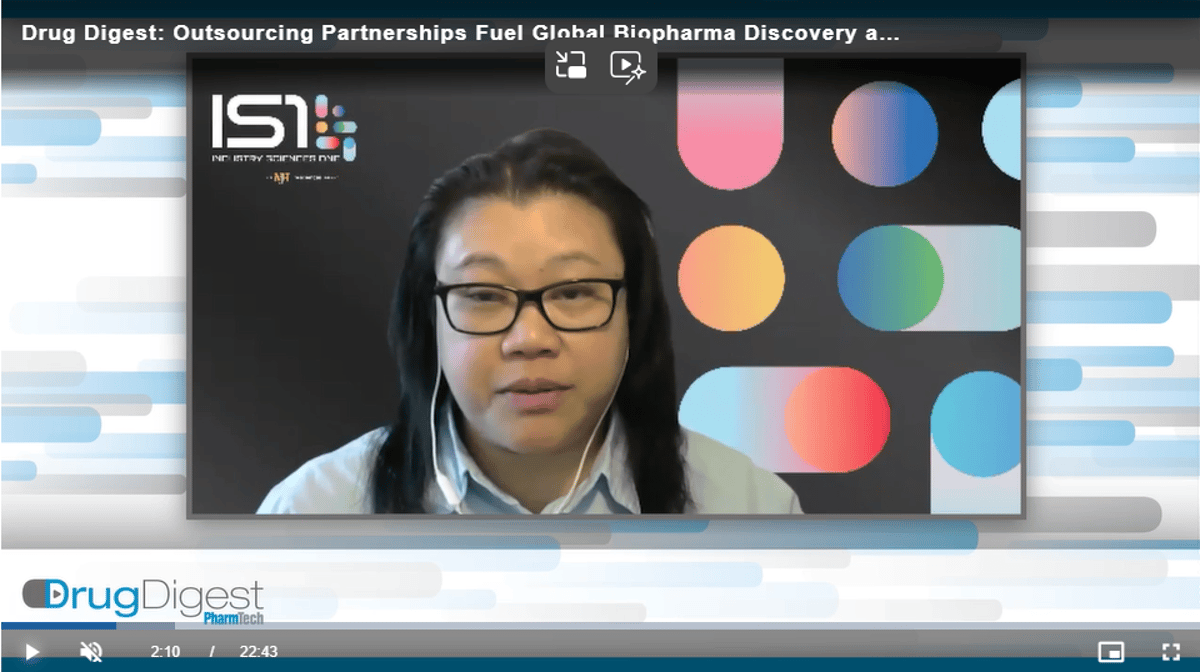
Drug Digest: Outsourcing Partnerships Fuel Global Biopharma Discovery and Scale-Up
Strategic outsourcing is reshaping biopharma by linking discovery, formulation, and early‑clinical manufacturing through specialized external partners. In a Drug Digest interview, iOrganBio CEO Daniel Delubac explains how risk‑focused partner selection and integrated data flows accelerate cell, gene, and RNA therapies...

Ginkgo’s GPT-5 Lab Cuts Protein Synthesis Costs by 40%
Ginkgo Bioworks, in partnership with OpenAI, deployed a GPT‑5‑driven autonomous lab that designed, executed, and learned from 36,000 cell‑free protein synthesis experiments. Over six iterative cycles, the system cut reaction component costs by 40%, achieving $422 per gram of superfolder...
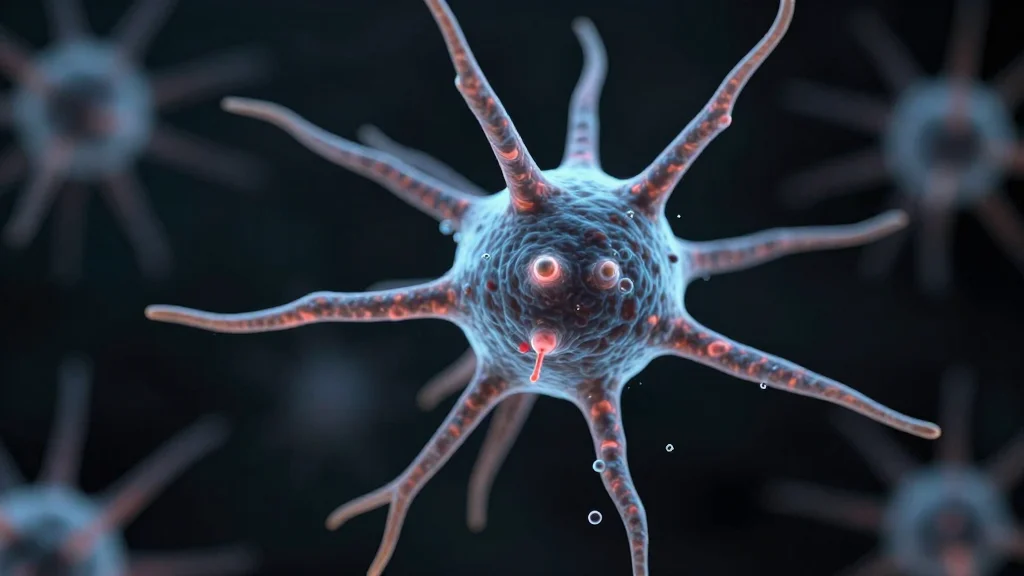
Nanoplastics Impair GnRH Neuron Migration and Neuroendocrine Function: Emerging Players in the Pathogenesis of Reproductive Disorders
Researchers demonstrated that polystyrene nanoplastics (PS‑NPs) are internalized by gonadotropin‑releasing hormone (GnRH) neurons and disrupt their function. In hormone‑secreting GT1‑7 cells, PS‑NP exposure lowered GnRH release, while in migrating GN11 progenitors it impaired cell movement. Transcriptomic profiling identified altered expression...

Graphene Oxide Nanosheets as Direct Photosensitizers for Photodynamic Therapy in a Size‐Dependent Manner
Researchers discovered that graphene oxide (GO) nanosheets act as direct photosensitizers for photodynamic therapy (PDT) when their lateral size exceeds ~3.5 µm. Under near‑infrared (NIR) irradiation, large GO generates abundant reactive oxygen species (ROS), driving oral squamous cell carcinoma viability down...

Geoff McDonough's Big Plans for NodThera's NLRP3; Enhertu Leader Steps Down at Daiichi
Former Generation Bio CEO Geoff McDonough has joined biotech NodThera to accelerate its NLRP3 inflammasome program, targeting a Phase 3 trial launch next year. The move underscores NodThera’s ambition to capture a fast‑growing market for anti‑inflammatory therapies. In parallel, Daiichi...

Roivant Spinout Priovant Touts Phase 2 Brepocitinib Data in Cutaneous Sarcoidosis
Priovant Therapeutics, a Roivant spin‑out, announced that brepocitinib – an experimental immune modulator inherited from Pfizer – achieved its primary efficacy endpoint in a Phase 2 trial for cutaneous sarcoidosis. The study demonstrated statistically significant reductions in skin lesion severity and...

Post-Hoc Live: Analyzing the Novo Vs. Hims GLP-1 Showdown
Post‑Hoc Live hosted a deep‑dive into the emerging rivalry between Novo Nordisk and Hims & Hers over GLP‑1 therapies. Novo, the long‑time market leader with drugs like Ozempic and Wegovy, faces a new challenger as Hims rolls out a lower‑priced...

STAT+: Roivant Immune Drug Significantly Outperformed Placebo in Treating Rare Skin Disease
Roivant and its spin‑out Priovant reported that brepocitinib dramatically outperformed placebo in a 31‑patient trial for cutaneous sarcoidosis. Patients receiving the high‑dose regimen improved by an average of 22.3 points on a 165‑point disease activity scale, versus just 0.7 points...

Genetically Encoded Sterol‐Modification of a Synthetic Intrinsically Disordered Protein Drives Its Self‐Assembly Into Diverse Morphologies
Researchers engineered a mutant Hedgehog C‑terminal domain to covalently attach five distinct sterols to elastin‑like polypeptides, creating Sterol‑Modified Polypeptides (STaMPs). The sterol’s hydrophobicity (logD) dictates whether the resulting polymer remains monomeric or self‑assembles into spherical micelles. Sterol conjugation also shifts...
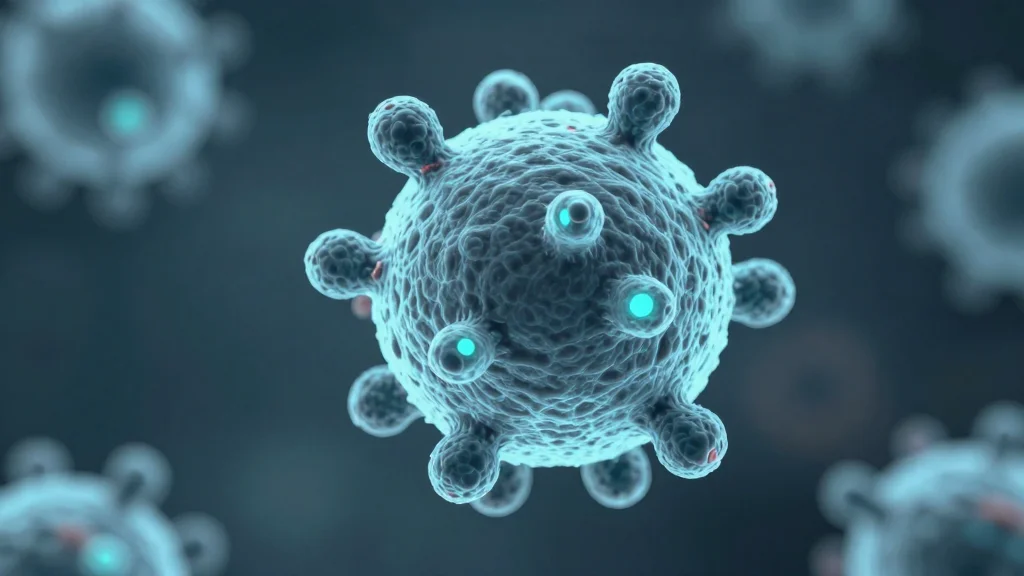
Nanomedicine Strategies for Autoimmune Diseases: Targeting and Reprogramming Macrophages
A recent review highlights nanomedicine approaches that target and reprogram macrophages to treat autoimmune diseases. By exploiting nanodrug platforms, researchers can deliver agents directly to pathogenic macrophages, minimizing systemic exposure. The strategy has shown efficacy across rheumatoid arthritis, inflammatory bowel...

Quantum Computing Offers Faster, More Accurate Molecular Blueprint Predictions for Better Drugs
Researchers at North Carolina State University have introduced a hybrid quantum‑classical framework that predicts electronic circular dichroism (ECD) spectra of chiral molecules using 20–24 qubit circuits. The method combines variational quantum eigensolvers with quantum equation‑of‑motion techniques and matches the accuracy...

CUL5 as a Potential Target to Reduce Tau Levels in the Aging Brain
Researchers have identified the ubiquitin ligase CUL5 as a negative regulator of tau protein levels in human neurons. A genome‑wide CRISPR interference screen in iPSC‑derived neurons highlighted CUL5 knockdown as a potent means to lower intracellular tau, echoing similar hits...
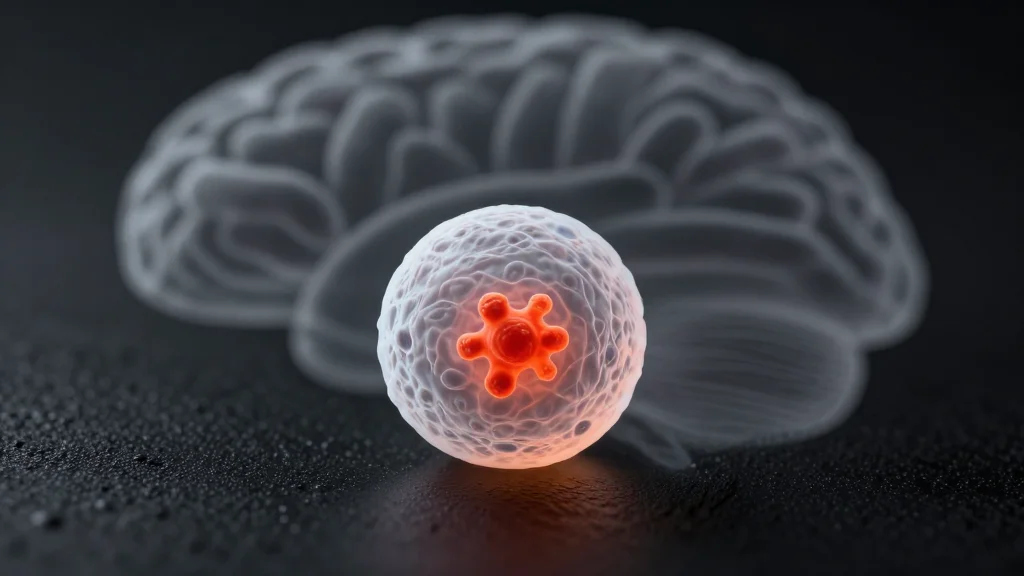
Better Understanding How Misfolded Α-Synuclein Moves From Gut to Brain
Researchers have identified muscularis macrophages (ME‑Macs) as pivotal carriers of misfolded α‑synuclein in the gut, facilitating its spread to the brain in Parkinson's disease models. Experimental depletion of ME‑Macs markedly reduced α‑synuclein pathology in both the enteric and central nervous...

China Limits Keytruda to dMMR, US Not Restricted
Interesting difference: the corresponding US approval has no restriction to dMMR (remember PFS HR=0.60 in pMMR, but 0.30 in dMMR) $MRK
An Experimental Surgery Is Helping Cancer Survivors Give Birth
An experimental surgery that temporarily relocates the uterus, ovaries, and fallopian tubes during pelvic radiation allows cancer patients to preserve fertility. The technique, pioneered by Dr. Reitan Ribeiro and adopted by surgeons like Dr. Daniela Huber, has resulted in at...

Illumina Bets on Healthcare After Trump Administration's NIH Funding Disruptions
Illumina announced a strategic pivot toward healthcare customers after the Trump administration’s disruptions to NIH funding slashed research‑sector spending. The company will expand its clinical‑grade sequencing platforms, accelerate partnerships with diagnostic labs, and pursue new reimbursement pathways. Illumina projects its...

Innovative ‘Poop Pills’ Show Promising Results in Clinical Trials for Multiple Types of Cancer
Recent Phase I and II trials demonstrate that oral fecal microbiota transplantation (FMT) capsules can both mitigate immunotherapy‑induced toxicity in kidney cancer and markedly boost response rates in lung cancer and melanoma. In the kidney‑cancer study, 20 patients experienced fewer...

How Eli Lilly’s Biotech Collaboration Model Is Rewriting Early-Stage Innovation
Eli Lilly’s ExploR&D program redefines pharma‑biotech partnerships by offering early‑stage companies shared‑risk, full‑stack R&D support. The model integrates Lilly’s discovery, chemistry, and clinical teams to accelerate the journey from molecule creation to proof‑of‑concept, especially in a tightening funding environment. It focuses...
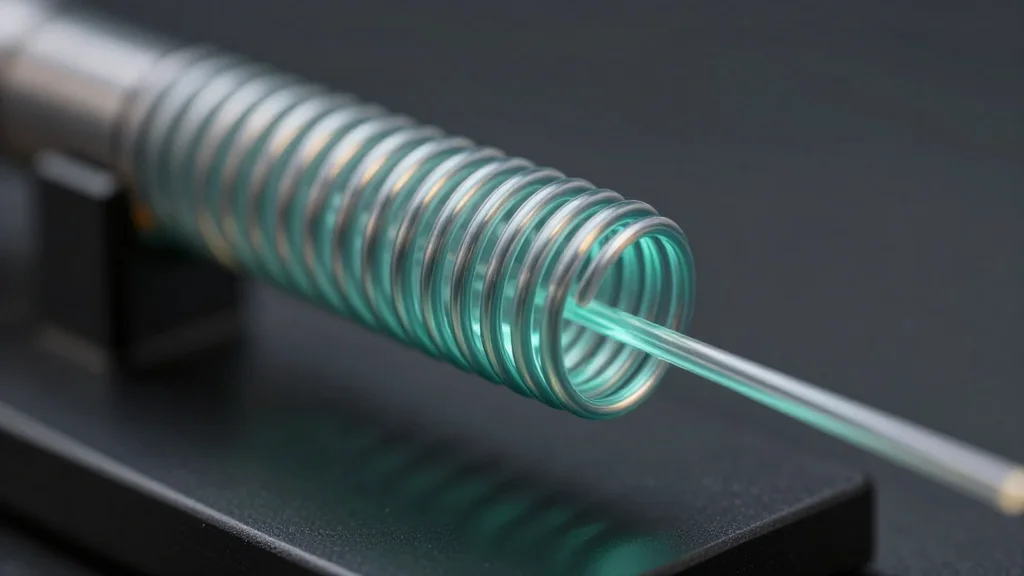
Carbon Nanotube Artificial Muscles Multistimuli Actuation Mechanisms and Emerging Applications
The review surveys carbon‑nanotube (CNT) artificial muscles, detailing their structural designs—from flat sheets to coiled yarns and core‑sheath hybrids—and the range of multistimuli actuation mechanisms they support. It contrasts voltage‑driven electrochemical actuation with thermal, photothermal, and solvent‑induced pathways, highlighting performance...
Multimodal Phototherapy‐ and Ferroptosis‐Enhanced Ga(III) Supramolecular Nanomicelle for Tumor Theranostics
Researchers have engineered a hierarchically assembled supramolecular nanomicelle with a gallium(III) core that integrates a metal–organic dye (Cy71‑Ga) and a camptothecin‑hyaluronate conjugate (CPT‑HA). The nanomicelle delivers targeted chemotherapy, photothermal/photodynamic therapy, and induces ferroptosis by downregulating xCT and CD98, while also...
Printable Potentiometric Ion‐Selective Electrodes Based on Carbon Fiber and Ti3C2Tx MXene Nanoflakes: Eliminating Complex Modifications
Researchers have developed printable ion‑selective electrodes (ISEs) that replace traditional polyelectrolyte layers with Ti₃C₂Tx MXene nanoflakes on carbon fiber substrates. Two formats were demonstrated: MXene‑only electrodes on glass and screen‑printed MXene ISEs on flexible PVC, both targeting calcium‑ion detection. Tests...

Delivery of Antisense Oligonucleotides Using the Nano‐Cell Vesicle Technology System (nCVTs) for Targeted Cancer Therapy
Researchers introduced Nano‑Cell Vesicle Technology (nCVTs), a hybrid system that merges cationic lipids with tumor‑derived cell membranes to ferry antisense oligonucleotides (ASOs) into cancer cells. The platform achieved superior cytoplasmic and nuclear delivery compared with conventional liposomes and free ASOs,...

Mechanical Threshold‐Guided Harvesting of Microalgal Therapeutics via Designer Nanovesicles
Mechanical threshold‑guided harvesting enables controlled production of designer nanovesicles from microalgae while preserving native carotenoid profiles and boosting antioxidant capacity. The study links vesiculation efficiency to cellular elasticity, identifying critical thresholds of roughly 100 kPa (local) and 390 kPa (global) membrane rigidity....

Design of Experiments (DoE)‐Optimized Polymeric Oxytocin Nanoparticles for Enhanced Nose‐to‐Brain Delivery
Researchers have engineered PEGylated PLGA nanoparticles encapsulating oxytocin for intranasal administration, aiming to improve nose‑to‑brain delivery for autism and related neuropsychiatric conditions. Using a design‑of‑experiments approach, the optimized formulation achieved ~93–116 nm particle size, low polydispersity, and drug loading of 2.8–3.5 %...

This Tiny Molecular Trick Makes Spider Silk Almost Unbreakable
Researchers have identified a specific arginine‑tyrosine interaction that acts as a molecular “sticker” during spider silk formation, explaining how the fiber achieves its legendary strength and elasticity. Using AlphaFold3 modeling, molecular dynamics and NMR spectroscopy, the team showed these interactions...

Latest on TechBio News
The episode highlights Proscia’s recent achievements, including being named the Global 2026 Best in KLAS for Digital Pathology in Europe and a series of product and partnership milestones such as new AI tools for skin biomarkers, virtual staining, and integration...
Latent Labs: AI-Designed, Ready-to-Develop Biologics
Latent Labs, founded by former DeepMind researchers, has unveiled AI platforms that design drug‑like biologics in a single step. Leveraging generative foundation models inspired by AlphaFold2, the London‑based startup creates de novo macrocycles and antibodies for hard‑to‑drug targets. By addressing immunogenicity...
Serendipity Drives Discovery in Psychiatry, Engineering Gets It Across the Line, Says Steve Paul
Steve Paul, a veteran CNS drug developer, argues that engineering breakthroughs—particularly in delivery, selectivity and tolerability—are turning long‑standing psychiatric hypotheses into viable medicines. He notes that psychiatry’s low success rates stem from polygenic disease biology and noisy trials, making human...

DNA Vaccine Scaffolding Boosts HIV Immune Response
Researchers at Scripps Research and MIT engineered a DNA origami scaffold that carries HIV envelope proteins while remaining immunologically silent, eliminating antibodies against the carrier. In mouse models the DNA‑based particles displayed 60 copies of the antigen and generated ten...

Undercutting Patents Erodes Funding for Medical Breakthroughs
Novo Nordisk spent billions developing GLP-1s. HIMS spent… a legal memo. Undercutting patented drugs while ignoring IP protections isn’t disruption... it’s erosion of the system that funds medical breakthroughs. 🔗 https://t.co/s63Kx8jBMf
Infleqtion Advances to Phase 3 of Wellcome Leap Q4Bio Challenge for Precision Oncology
Infleqtion, together with the University of Chicago and MIT, has entered Phase 3 of the Wellcome Leap Q4Bio Challenge, securing $2 million for a 12‑month validation of quantum‑enabled biomarker discovery. The effort focuses on using the hybrid HRQAOA algorithm to select predictive...

UBE3A Isoform-Selective and Non-Selective Contributions to Angelman Syndrome Phenotypes
Researchers created a mouse model that overexpresses the cytoplasmic UBE3A isoform mIso2 and demonstrated that this manipulation fully rescues most Angelman syndrome (AS) behavioral deficits, including motor coordination, anxiety‑like behavior, and weight gain. However, the same overexpression does not correct...

Effectiveness of Network Analysis–Driven Personalized Digital Interventions versus Standard Intervention for Depression: A Proof-of-Concept Pilot Randomized Controlled Trial
A pilot randomized controlled trial tested a network analysis‑driven personalized digital intervention against a standard digital program for adults with depression. Using person‑specific symptom networks, the experimental arm delivered tailored content, while the control received a generic module. Over eight...

Neuropsychiatric Drug Development in China: Current Status and Emerging Trends
China’s neuropsychiatric drug landscape is accelerating, driven by regulatory reforms, increased NMPA approvals, and a surge in biotech investment. In 2023 the number of CNS‑focused new drug applications grew by roughly 30%, with several first‑in‑class agents entering late‑stage trials. Emerging...

FDA Chief Makary Takes Aim at Hims' Compounded Wegovy Pill Plans
FDA Commissioner Marty Makary publicly warned Hims & Hers that the agency will act quickly against its plan to compound Wegovy, the popular semaglutide weight‑loss injection. The warning follows reports that the telehealth firm intends to sell a lower‑cost, compounded...
FDA Cracks Oral Semaglutide Scam; Stocks Barely React
FDA is stepping up within a matter of a few hours on the newest $HIMS oral semaglutide scam. This is a COMPLETE reversal of how the FDA has previously been (insanely) lenient with the mass compounding “personalization” scam that...