
Nabla: Using AI to ‘Auto-Complete’ Biologics Design
Nabla Bio, a Harvard spin‑out founded in 2020, is developing an AI‑driven platform that automatically completes biologics designs while preserving manufacturability. The technology, created in George Church’s lab, targets the persistent bottleneck of translating complex protein candidates into scalable therapeutics. By integrating generative modeling with production constraints, Nabla aims to deliver push‑button design cycles for hard‑to‑target molecules. The company positions itself among a growing cohort of AI‑enabled protein engineers seeking faster, cheaper drug pipelines.

New Method Allows Scientists to 3D-Print Structures Within Cells
Scientists have developed a technique to 3D‑print micrometer‑scale structures inside living cells using a light‑sensitive photoresist and two‑photon laser polymerization. The method achieves sub‑micron resolution, allowing shapes such as barcodes, geometric patterns, and a miniature elephant to be fabricated intracellularly....

Astaxanthin’s Role in Easing Exercise Muscle Damage
A recent study highlights astaxanthin’s antioxidant properties in mitigating exercise‑induced muscle damage. Participants who took a daily 12 mg dose experienced lower oxidative stress markers and reported faster recovery from soreness. The research covered both endurance and resistance training protocols, showing...

Virtual Scientists Poised to Accelerate Discovery
AI‑driven virtual scientists are moving from prototype to production as Potato’s AI agent, Tater, replicated a core neuroscience finding and pinpointed SARS‑CoV‑2 protease mutations within hours. The company closed a $4.5 million seed round and partnered with Wiley to ingest peer‑reviewed...

Building Intelligent Workflows for the Multiomic Era
Genomics is shifting from manual, bottlenecked processes to automated, modular workflows that can keep pace with rapidly evolving assays. Companies such as Opentrons, 10x Genomics, and SPT Labtech are delivering flexible robotic platforms that reconfigure library‑prep and single‑cell pipelines on...

Mapping the Next Phase of Analytical Innovation for ADCs
Antibody‑drug conjugates (ADCs) are reshaping oncology, but their structural heterogeneity creates demanding bioanalytical and pharmacokinetic challenges. WuXi AppTec’s DMPK leaders stress that precise drug‑to‑antibody ratio (DAR) measurement, payload release profiling, and biotransformation mapping are essential across development stages. They recommend...

Autonomous Labs Needed to Keep US Biotech Competitive
Haha. Yes was lucky to be on a panel today w/ Deputy Secretary Jim O'Neill about how to keep the US competitive with biotech in China. Short answer: replace US lab benches with autonomous labs. (And fix our clinical...
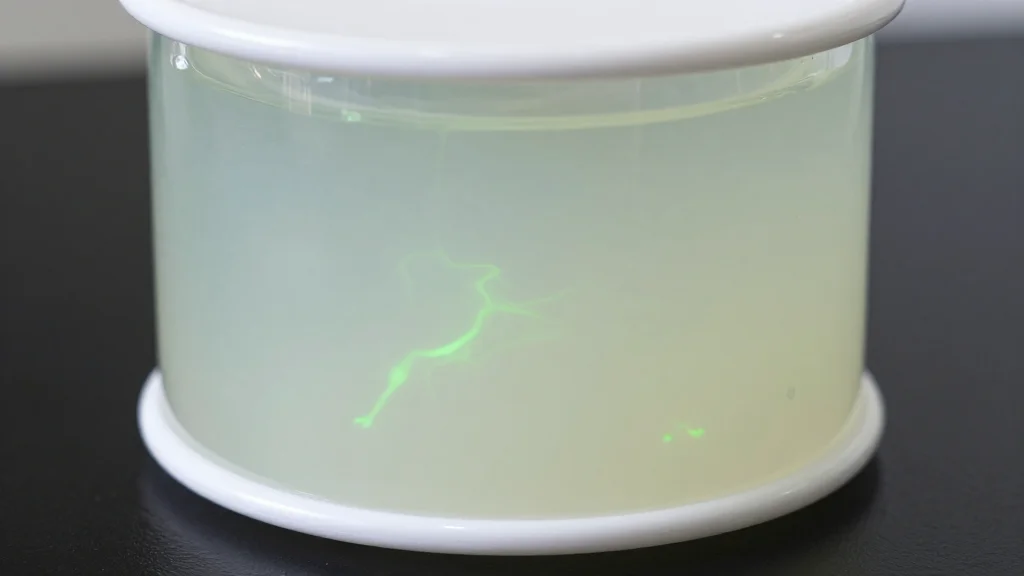
New Engineered Living Materials Advance Synthetic Biology
It’s not AI, JPM or anything to do with the Bay Area so probably no-one left on this site cares, but here is some new #synbio Engineered Living Materials work from our lab @ImperialBioeng and the Hub for Biotech in...

Novartis Doesn’t Have a GLP-1. They Don’t Miss It In a World Of Me-Toos
Novartis chief strategy officer Ronny Gal told BioSpace at J.P. Morgan that the Swiss giant will not pursue a GLP‑1 acquisition, citing the high commercial risk of me‑too products. He emphasized that existing GLP‑1s such as Eli Lilly’s Zepbound and Novo Nordisk’s...

MS Linked to EBV Infection Through Cross-Reactive T Cells
Researchers at Karolinska Institutet discovered that CD4+ T cells targeting Epstein‑Barr virus (EBV) protein EBNA1 also recognize the brain protein Anoctamin‑2 (ANO2), providing mechanistic evidence linking EBV infection to multiple sclerosis (MS). In blood samples, about 57% of untreated MS...

Lesion-Targeted, Severity-Responsive Nanoparticle Delivery for RNA Therapy in Osteoarthritis
Researchers introduced Matrix‑Inverse Targeting (MINT) nanoparticles that exploit cartilage matrix changes to deliver RNA therapeutics directly to osteoarthritic lesions. The particles sense lesion severity, releasing siRNA or mRNA only in damaged zones, which in animal models halted cartilage degeneration and...
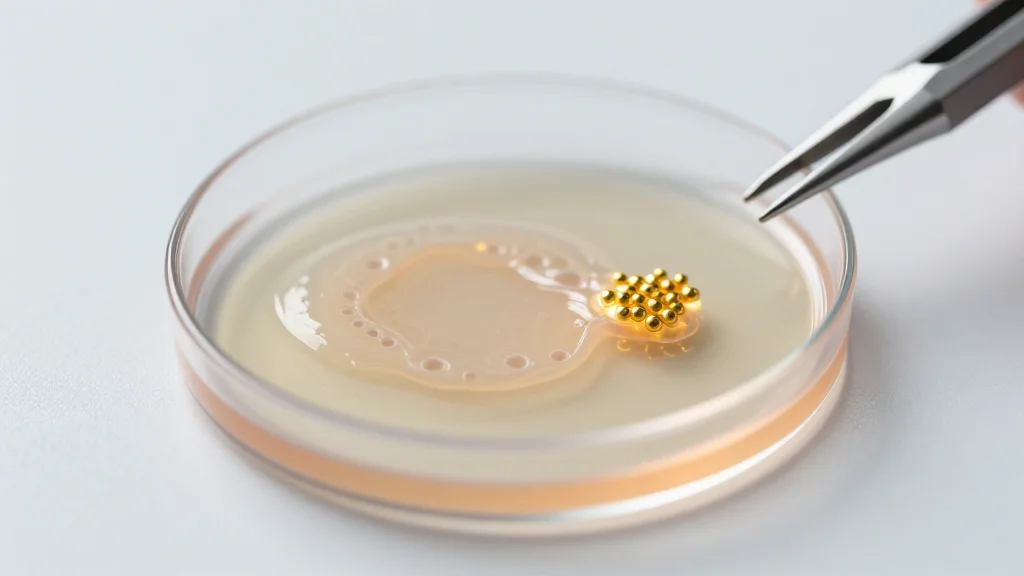
Uncovering a Hidden Mechanism in Met Receptor Activation
Researchers at Kanazawa University and collaborators uncovered a hidden activation mechanism for the Met receptor, showing that hepatocyte growth factor (HGF) binding to the membrane‑distal Sema domain drives dimerization of the membrane‑proximal IPT4 domains. Using in‑cell cross‑linking, high‑speed atomic force...

New Insights Into Oligoasthenozoospermia Research
A recent peer‑reviewed study uncovers novel molecular mechanisms behind olig oasthenozoospermia, the condition characterized by low sperm count and poor motility. Researchers identified mitochondrial DNA deletions and altered microRNA expression as key contributors, and demonstrated that antioxidant therapy partially restores sperm...

Starch Sachets Release Fertilizer in a Controlled Manner and Can Replace Petroleum-Derived Polymers
Brazilian researchers have created biodegradable starch sachets reinforced with copper‑zeolite nanoparticles to deliver granular fertilizers in a controlled manner. The sachets release nutrients gradually, reducing leaching and volatilization while offering antimicrobial protection against soil fungi. Mechanical strength peaks at 3 %...

Inside MUTU System: Clinical Validation, Real Outcomes, and a Global Mission to Transform Core & Pelvic Health for Women
In this episode, Wendy Powell, founder of the MUTU System, discusses how her digitally delivered pelvic health platform achieved clinical validation and delivers measurable improvements in core and pelvic floor function for women. She explains the rigorous validation process, the...

Portable Device Enables Rapid Pathogen Detection in Diverse Field Environments
Purdue University engineers have unveiled IsoHeat, a portable water‑bath system that powers loop‑mediated isothermal amplification (LAMP) assays for rapid pathogen detection. The device reaches the required 65 °C in roughly 12 minutes—about one‑third the time of a leading commercial precision cooker—while...

FDA Delays Decision on Expanding Label for Travere's Kidney Disorder Drug
The FDA has extended its review of Travere Therapeutics’ kidney‑disorder drug by three months, pushing the expected decision past today’s deadline. The agency’s delay pertains to a pending label expansion for a rare renal condition, which could broaden the drug’s...

Indonesian Propolis Extract Reduces Liver Inflammation From Diet
Indonesian researchers have demonstrated that a standardized propolis extract markedly reduces diet‑induced liver inflammation in a mouse model. The study showed significant drops in pro‑inflammatory cytokines such as TNF‑α and IL‑6 without observable toxicity. Findings suggest the extract could serve...

When the Boat Matters More than You Think
Two biotech firms announced phase‑3 oncology trials in San Francisco, enrolling fewer than 20 and fewer than 50 patients respectively. The ultra‑small cohorts reflect a growing trend to accelerate drug development for rare cancers, leveraging expedited regulatory pathways. While the approach...
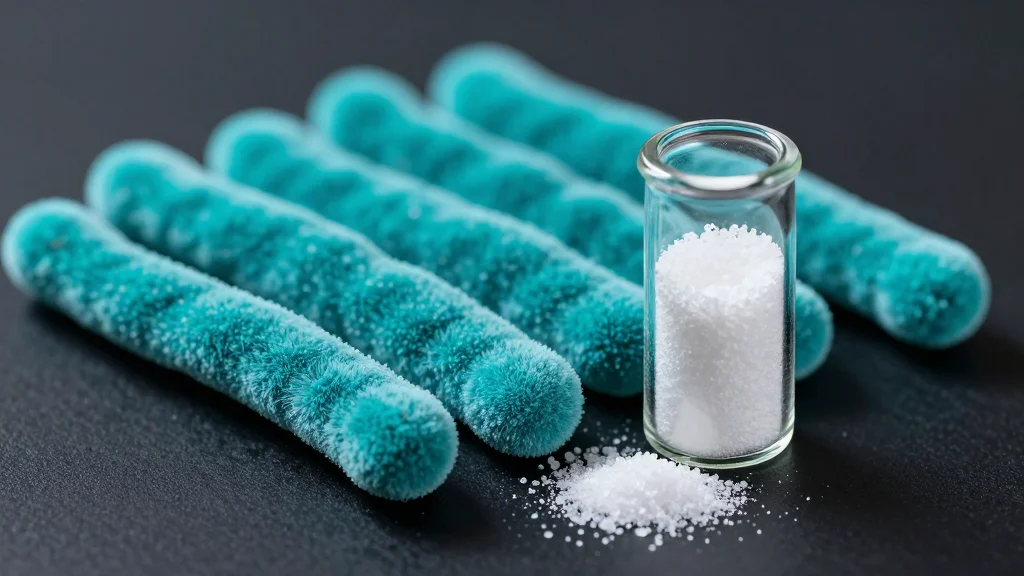
Cyanobacteria Can Utilize Toxic Guanidine as a Nitrogen Source
Cyanobacteria have been shown to import and metabolize guanidine, using it as their sole nitrogen source. The study identified a high‑affinity ABC transporter, a guanidine hydrolase, and a riboswitch that together regulate uptake, degradation, and efflux. These mechanisms are widespread...
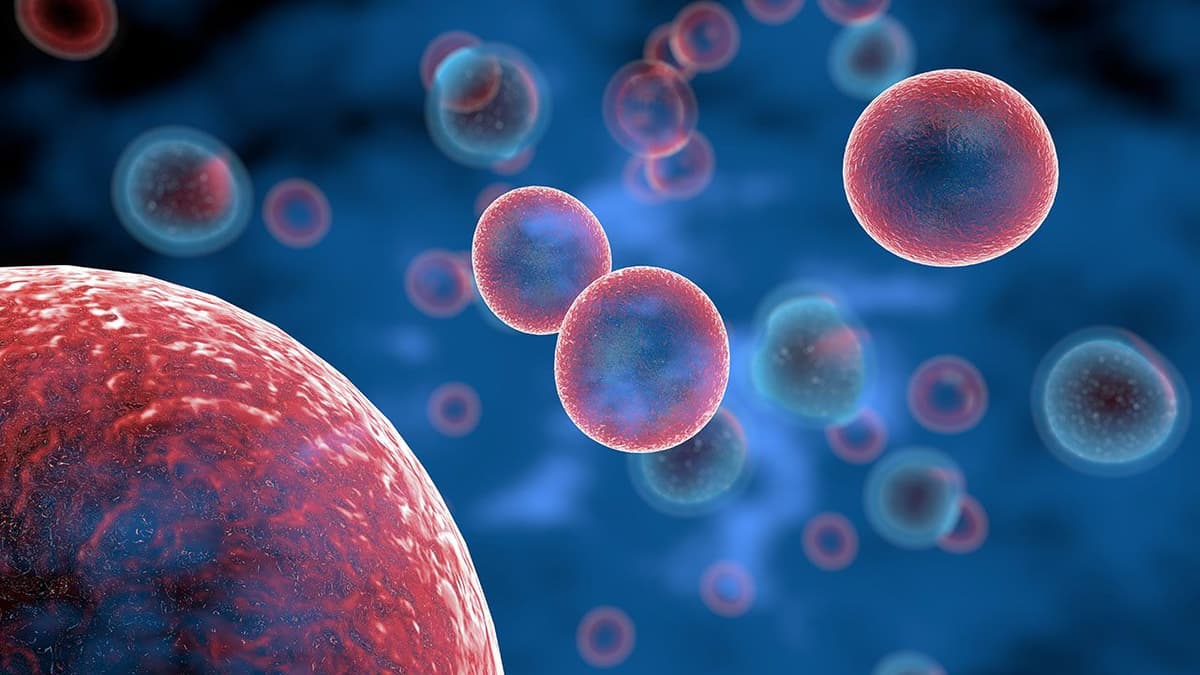
Single-Use Systems Enable Commercial-Scale CGT Manufacturing
Single-use systems (SUS) are becoming integral to cell and gene therapy (CGT) manufacturing, offering pre‑sterilized, disposable components that eliminate cleaning validation and enable fast changeovers for low‑volume, high‑value products. Automation and modular platforms are now being paired with SUS to...

Industry Outlook 2026: Navigating AI, Sustainability, and Operational Resilience
Pharma leaders say 2026 will be defined by the rise of agentic AI, sustainable manufacturing, and resilient, regionalized supply chains. AI agents are moving from pilot projects to embedded decision‑making in drug discovery, process optimization and digital twins, slashing timelines...

2026 Policy Outlook: Reaping What Was Sown in 2025
The 2026 policy outlook warns that the turbulence of 2025 is giving way to a deeper, more systemic shift in U.S. biomedical policy. Political and ideological forces are increasingly dictating drug‑pricing rules and regulatory decisions, eroding the traditional science‑based framework....

FDA Requests Flu Vaccine Label Updates to Include Febrile Seizure Risk
The U.S. Food and Drug Administration has asked manufacturers of six seasonal influenza vaccines to revise their product labels to explicitly mention the risk of febrile seizures. The directive follows emerging safety data linking certain flu shots, especially those administered...

Obesity’s Complex Risks on Breast Cancer Outcomes
Recent research underscores that obesity not only raises breast cancer incidence but also worsens prognosis across tumor subtypes. Excess adipose tissue fuels estrogen production, chronic inflammation, and insulin resistance, creating a microenvironment that promotes tumor growth and metastasis. Clinical data...

Reviewing the Use of Fecal Microbiota Transplantation to Treat Parkinson's Disease
Recent research highlights the gut‑brain axis as a key factor in Parkinson’s disease, where age‑related dysbiosis may exacerbate neurodegeneration. Small clinical trials of fecal microbiota transplantation (FMT) have shown restored microbial balance, reduced constipation, and measurable improvements in motor, cognitive,...

FDA Asks Lilly, Novo to Remove Suicide Warnings From GLP-1 Labels
The FDA has asked Eli Lilly and Novo Nordisk to remove suicide‑related warnings from the labels of their GLP‑1 weight‑loss drugs. The warning, added in 2022 after isolated case reports, is being reconsidered following a thorough review of post‑marketing data. The agency...

HHS Ousts Vaccine Injury Panel Members as Reshaping Takes Hold
The U.S. Department of Health and Human Services removed several members from the Vaccine Injury Compensation Program’s advisory committee, signaling a significant reshaping of the panel. The ousted members were appointed during the previous administration and faced criticism for their...

Charles River Laboratories Acquires PathoQuest and K.F. (Cambodia)
Charles River Laboratories exercised its option to buy the remaining 79% of PathoQuest for roughly $60 million, completing its 2018 investment. The Paris‑based firm brings next‑generation sequencing (NGS) capabilities that accelerate in‑vitro GMP and non‑GMP biologics testing while supporting alternative methods...

Trump Administration Appears to Have Ended Its US Trade Probe Into Pharma
The U.S. Department of Commerce has reportedly concluded its Section 232 investigation into pharmaceutical imports, effectively ending the Trump administration’s trade probe. The decision means no new tariffs will be levied on foreign‑made medicines, averting a potential price shock for...
TAC to the Future: Where Induced Proximity Is Pointing in 2026
The targeting chimera (TAC) platform is shifting from early‑stage proof‑of‑concept to broader industry adoption as 2026 approaches. Companies are deploying next‑generation E3 ligases, cell‑surface degrader formats, and non‑proteolytic proximity mechanisms to expand target space beyond intracellular proteins. These advances promise...

Researchers Urge Unified Approach to Sustainable Agriculture Innovation and Policy Reform
Researchers at the University of Bonn’s PhenoRob Cluster argue that Europe’s agriculture must shift from isolated fixes to a unified, vision‑led innovation system. Their paper in Agricultural Systems outlines how coordinated technology, business models, and policy reforms can make farming...

The Consumer Frontier
The episode explores the "consumer frontier"—the point where technology becomes culture—as it shifts from software to hardware (atoms) and then to biology (cells). It explains how lowering technological difficulty and rising cultural readiness have turned software into pop culture, and...
Treosulfan (NSC 39069)
Treosulfan (Grafapex®) received FDA approval in 2025 when combined with fludarabine as a conditioning regimen for allogeneic stem‑cell transplantation (alloHSCT) in patients aged one year and older with acute myeloid leukemia (AML) or myelodysplastic syndromes (MDS). The approval follows trials...

VantAI Gets $80M and New Name; Dynavax Discloses It Had Pre-Sanofi Suitor
VantAI, a Roivant‑incubated AI drug‑discovery startup, closed an $80 million seed round and announced a rebrand to Proxima. The funding, led by existing backers, is intended to accelerate its proprietary AI platform for early‑stage therapeutics. The round underscores growing investor appetite...

Who’s Afraid of OpenAI?
OpenAI’s accelerating pace of model development is prompting businesses to reconsider direct competition. Companies are weighing whether to build in‑house AI, partner with OpenAI, or adopt alternative strategies. The debate intensifies as OpenAI’s products become more embedded in enterprise workflows,...

Harnessing the Medicinal Benefits of Thyme Extract via Nanodosing
Russian researchers from Tomsk Polytechnic and Surgut State Universities have demonstrated a microfluidic technique that encapsulates thyme extract in gelatin‑alginate nanodroplets within an oil carrier. The process creates self‑regulating nanodoses, preventing rapid evaporation and skin irritation associated with raw thyme...

Morphological Anomalies Found in Japanese Haemaphysalis Ticks
Japanese researchers have documented the first morphological anomalies in the tick species Haemaphysalis megaspinosa, publishing detailed findings in Acta Parasitologica. The study reports malformed legs, irregular scutum patterns, and atypical mouthpart development, challenging the long‑held view of the species' morphological...
Digital Health Funding Increases in 2025, Spurred by AI: Report
Digital health funding jumped to $14.2 billion in 2025, the highest level since 2022, driven largely by artificial‑intelligence startups. AI‑focused firms secured 54% of total capital and enjoyed a 19% premium in average deal size versus non‑AI peers. Although the total...

FDA's Regulatory Firewall Cracked, Staff Faces Trauma
Conducting interviews on stage can be emotional. Last night I got to speak with Richard Pazdur, the long-time FDA cancer czar who recently retired, along @ScottGottlieb and former FDA official Julie Tierney. Pazdur changed the way medicines are regulated, getting them...
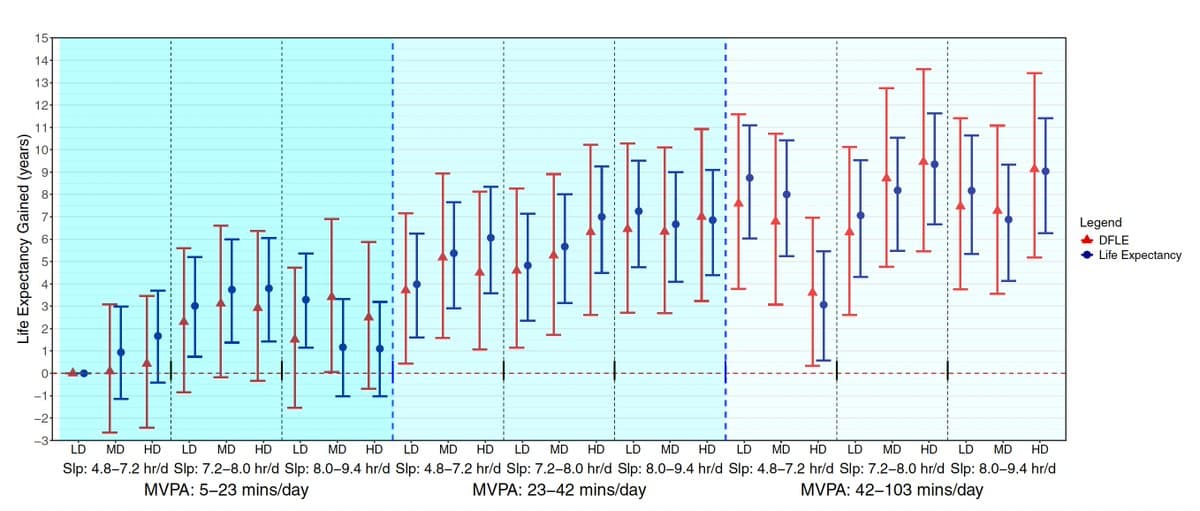
Combined Exercise, Sleep, and Diet Boost Healthspan and Lifespan
Concurrent improvements in physical activity (MVPA), sleep, and diet are associated with meaningful improvements in healthspan (DFLE) and lifespan LD-low quality diet, MD-moderate, HD-high New @eClinicalMed, @uk_biobank 59,000 participants w/ 8 year follow-up https://t.co/gl36VSQVFh

Open-Source Robotic System Cuts Manual Cell Culture Time by 61% While Boosting Seeding Consistency
Researchers unveiled the Automated Cell Culture Splitter, an open‑source system built around the Opentrons OT‑2 robot and a custom cell‑counting imager. In tests with HEK293T cells, the platform cut hands‑on passaging time by 61% and delivered a 92% usable imaging...
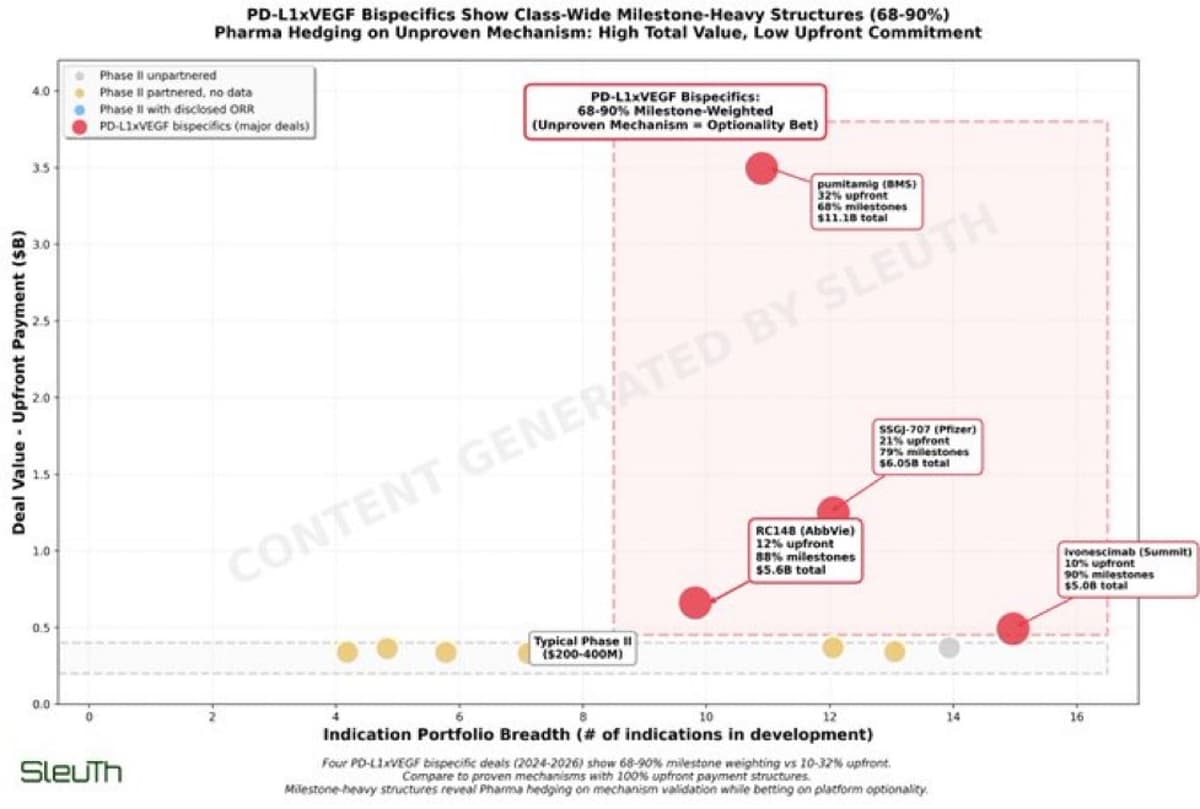
Milestone‑Heavy PD‑L1×VEGF Deals Signal Low Conviction
PD(L1)xVEGF the Keytruda replacement? The deal making market is clearly not pricing it that way. 🗣️“We want exposure to a hot mechanism, but we want most of the price contingent on Phase 2/3 and commercial proof.” Great analysis below...
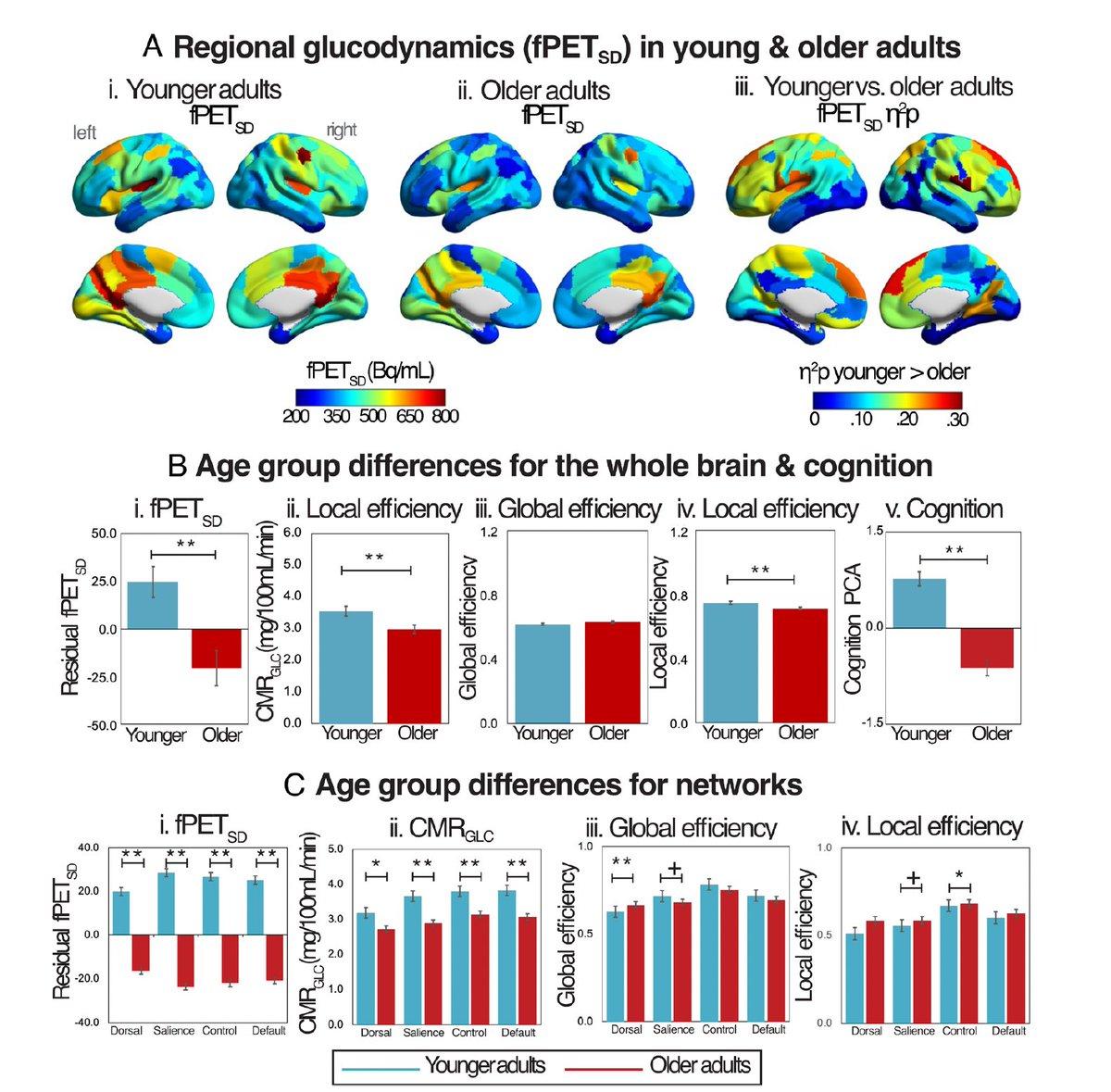
Glucose Metabolism Fluctuations Drive Cognitive Aging Changes
The brain's glucose metabolism, cognition, and aging: "Variability in the moment-to-moment metabolism of glucose is biologically and functionally important to cognition and in explaining metabolic and brain network changes in aging." https://t.co/0cFbXJFQD5 https://t.co/sCO98PHBL0
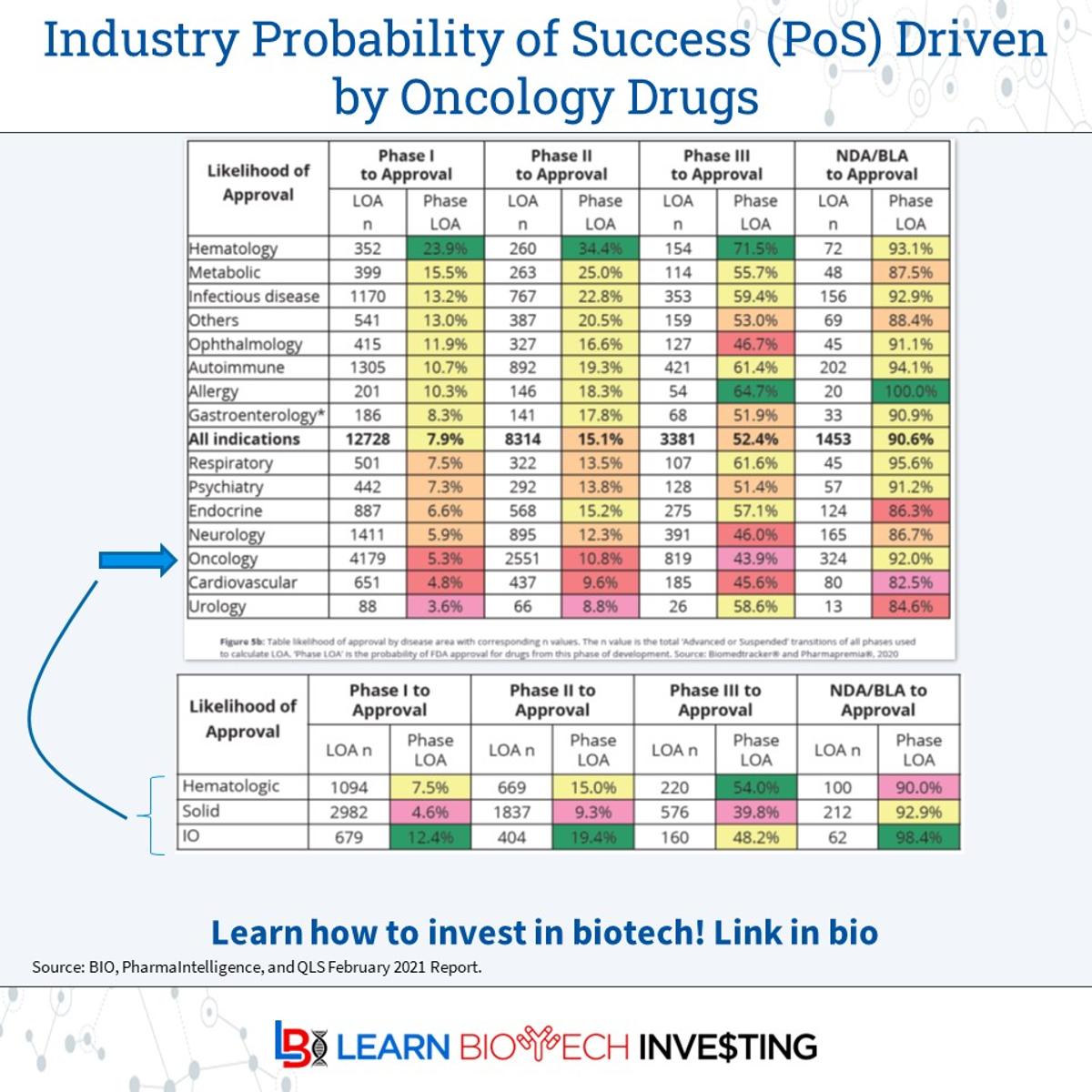
Factor Development Risk with Probability of Success
Incorporating Probability of Success (PoS) is a unique aspect of #biotech valuation investors must be aware of. It tries to factor development risk into revenue and cost assumptions. Here is a table of PoS values: #learnbiotechinvesting #investing #BiotechPrometheus https://t.co/Sv8XodkWXg
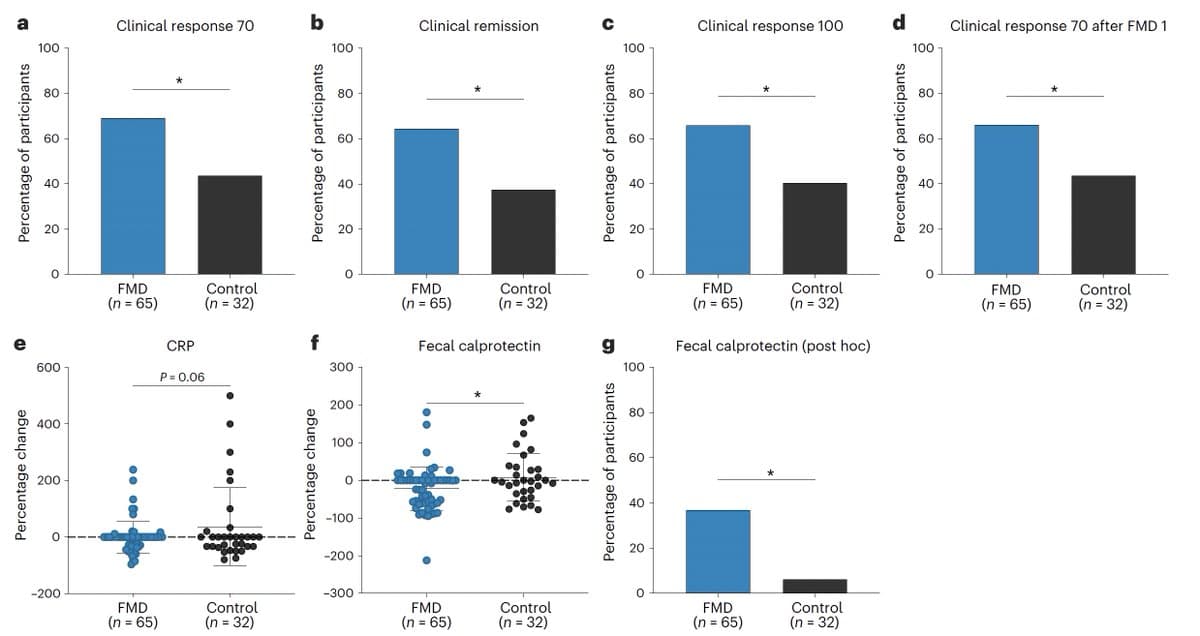
Fasting‑mimicking Diet Eases Symptoms, Reduces Inflammation in Crohn’s
A fasting-mimicking diet improved the clinical course and suppressed inflammation in people with mild or moderate Crohn's disease in a randomized trial https://t.co/pVVJ4HD4gD https://t.co/2PyJObeAqQ
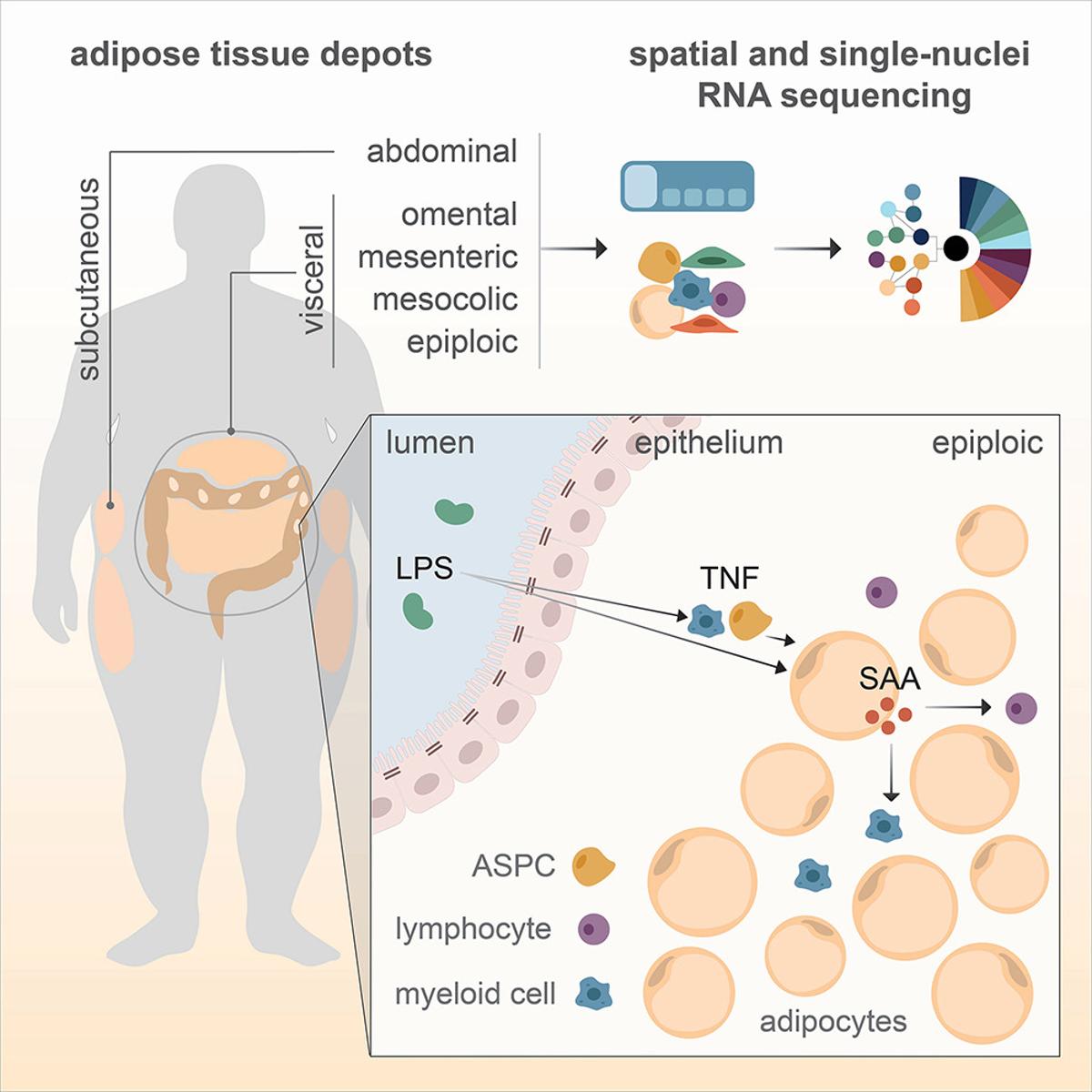
Epiploic Fat Fuels Inflammation in Severe Obesity
Fat surrounding the large intestine (epiploic) is rich in immune cells and can drive inflammation. Study in people with severe obesity. @Cell_Metabolism https://t.co/kN1B77XrCm https://t.co/YlNrpCGZjI
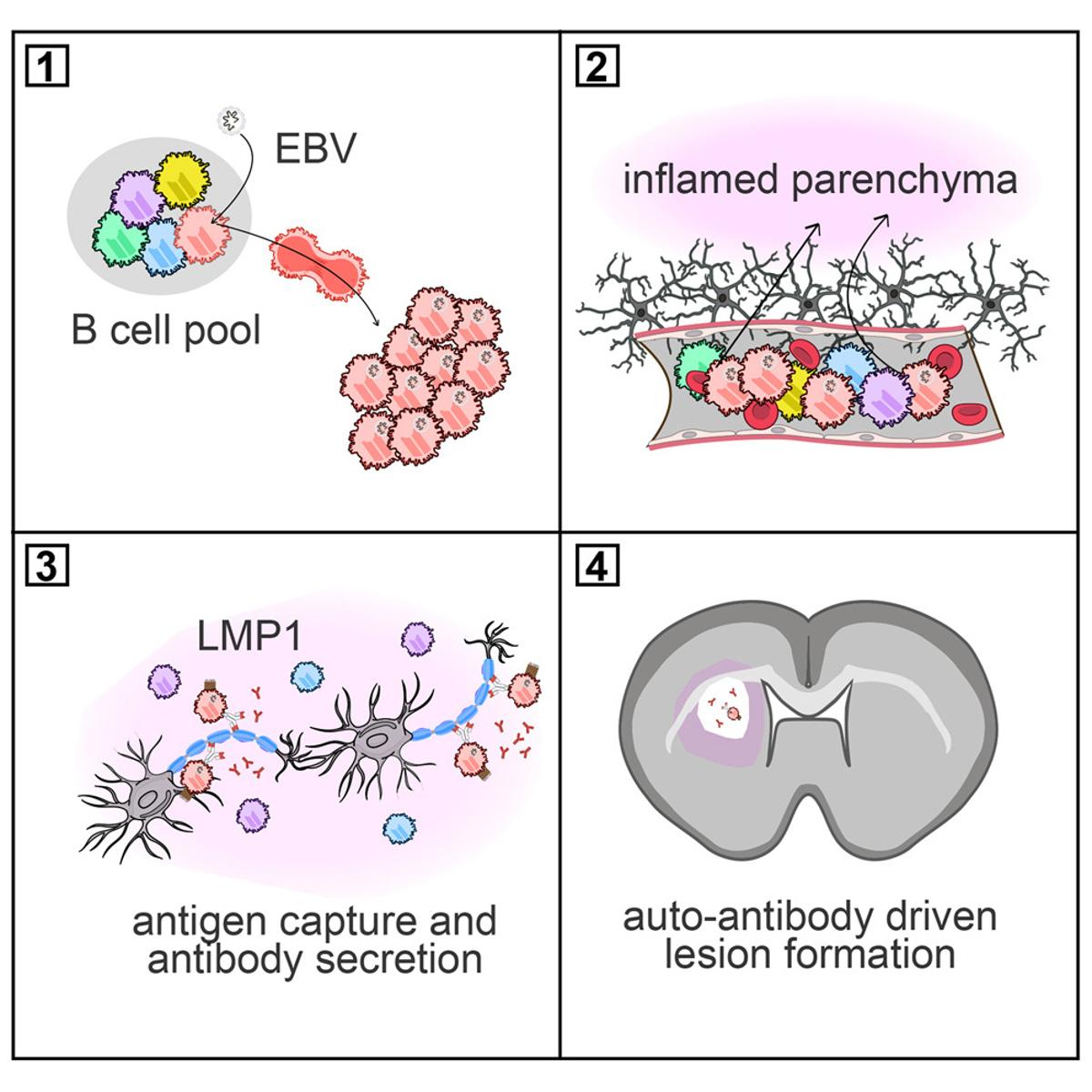
New Cell Studies Link EBV to Multiple Sclerosis Mechanisms
3 new reports @CellCellPress on the mechanistic underpinnings of multiple sclerosis and Epstein-Barr virus involvement https://t.co/JXThwhZugq https://t.co/fO1aDsZmmB https://t.co/fO1aDsZmmB https://t.co/eUNrrRGw0s

Total‑body MRIs Yield High False‑positive and False‑negative Rates
Total body MRI scans generate lots of false positive results. Then there's the false negatives, too. https://t.co/7NITyu2sqM @PeterWhoriskey https://t.co/PW1Q2XjOn4
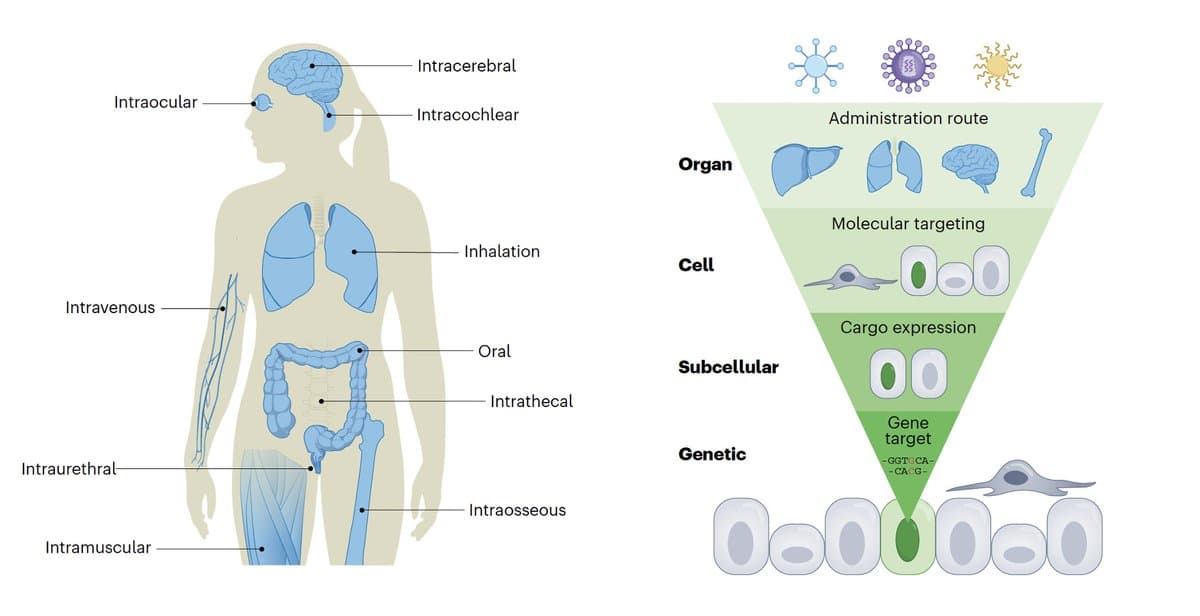
New Delivery Breakthroughs Expand Genome Editing Beyond Blood, Liver, Eye
Genome editing for treatment of diseases has been constrained to blood, liver and eye targets due to delivery obstacles. But that's about to change. a @NatureBiotech review https://t.co/NJHiMlHMVY https://t.co/pFDftgEWRX