The First Domino in the US Debt Crisis
The video explains that the United Arab Emirates approached the U.S. Treasury for an emergency dollar swap, warning that without assistance it could be forced to dump its Treasury holdings and trigger a bond‑market crash. It highlights that foreign central banks collectively hold about $9.4 trillion of U.S. debt and, when hit by energy‑crisis cash shortages, are selling treasuries, driving prices down and yields up, which in turn raises borrowing costs for mortgages, corporate debt and government refinancing. The presenter cites the UAE’s $95.6 billion Treasury position and its request for a currency‑swap line, noting similar pressures on Japan, the UK and South Korea, and predicts that swap lines will expand to nations like Kuwait and become effectively permanent, coining the phrase “amend, extend, and pretend.” If the Federal Reserve continues to provide these swap lines, it shields the Treasury market from forced sales but also creates a quasi‑bailout that could entrench reliance on the dollar, raising systemic risk and influencing global financing conditions.
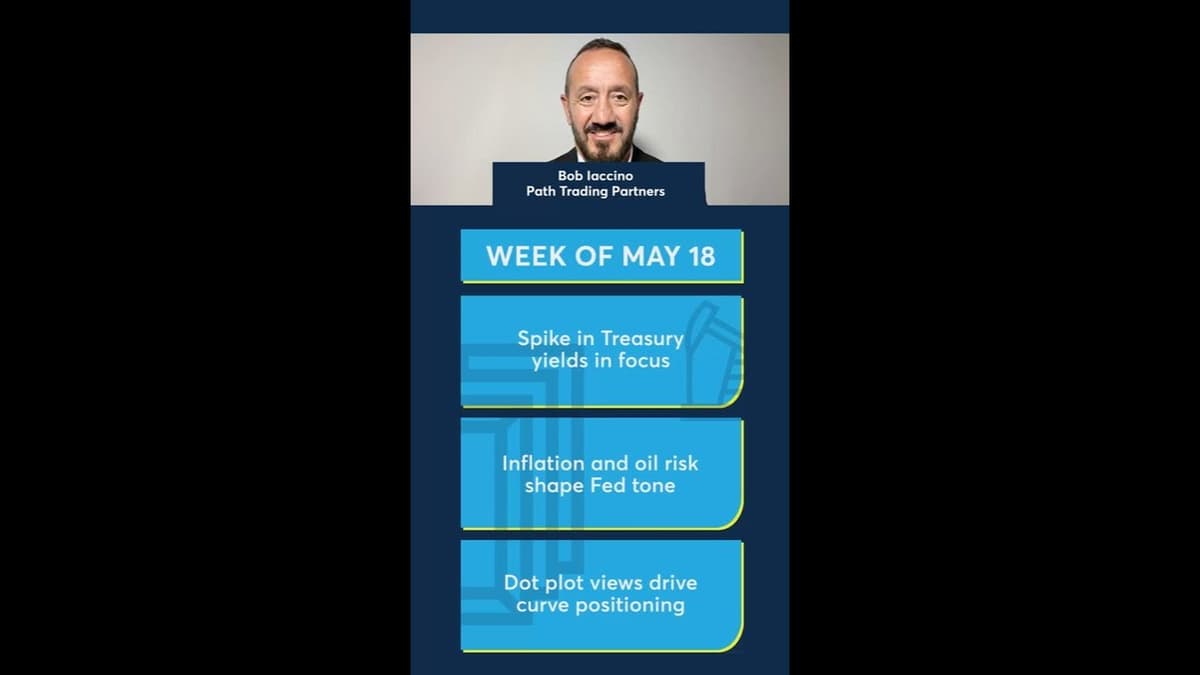
Yield Spikes and FOMC Minutes Will Drive Next Week's Action. 5/15/26.
Treasury yields surged double‑digit percentages across the curve last week, marking the steepest single‑day move since 2025. Market participants now await the Federal Open Market Committee minutes, seeking clues on the committee’s internal split over policy direction. Analysts will parse...
Holy Sh*t...Did The Bond Market Just Break!?
The video focuses on a dramatic 13‑basis‑point surge in the 10‑year Treasury yield, prompting the host to ask whether the U.S. bond market is finally “breaking” after years of fiscal warnings. He contrasts two prevailing theories: one that attributes rising...
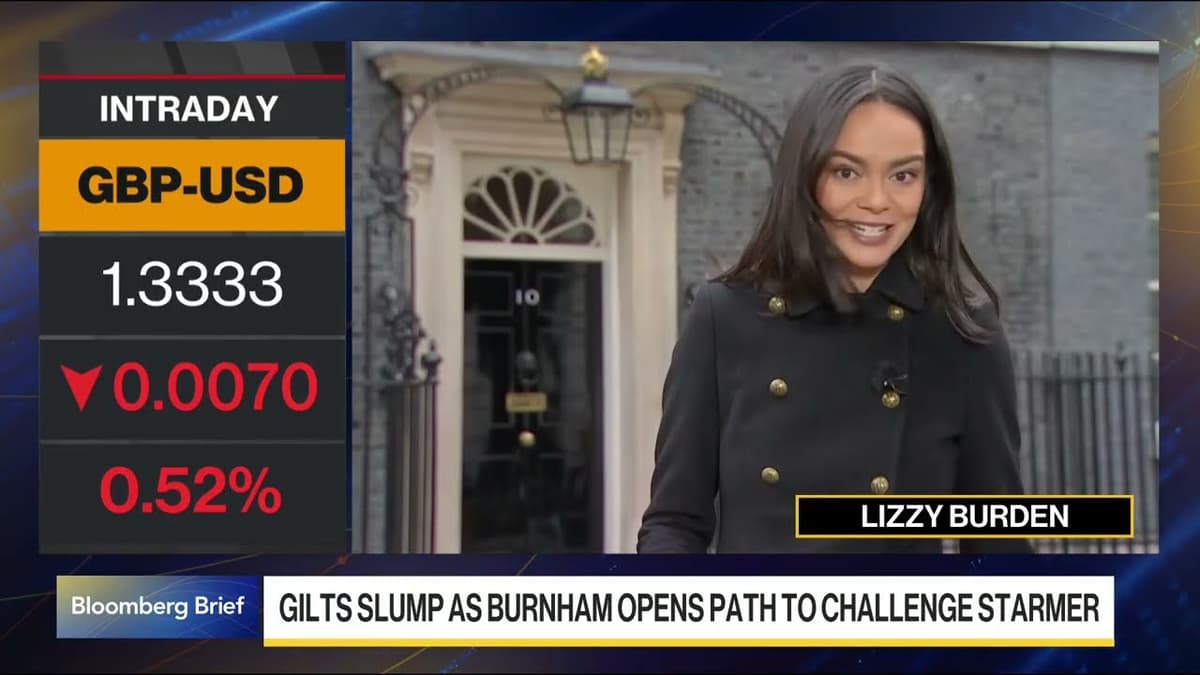
Pound and Gilts Under Pressure Amid Starmer Uncertainty
The video focuses on mounting uncertainty within the UK Labour Party as Andy Burnham surfaces as the leading potential challenger to Prime Minister Keir Starmer. Analysts outline the procedural hurdles Burnham must clear—National Executive Committee approval, a by‑election win in Makerfield,...
Bond ETF Flows Just Flipped. Here's What It Means for You
Investors poured a record $24 billion into ultrashort bond ETFs in March, only to withdraw $1.6 billion in April – the largest outflow in two years. The segment, which includes ultrashort, short‑term, and short‑term government bond ETFs, focuses on securities with...
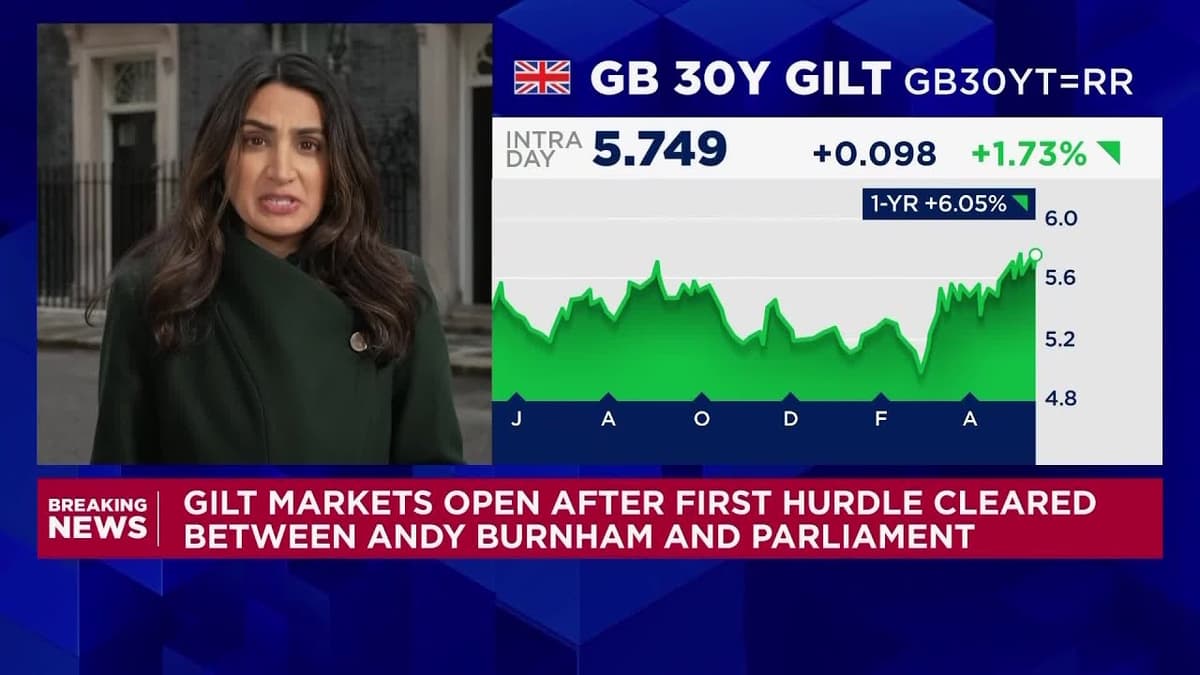
Gilts Plunge at the Open as Burnham Clears First Hurdle
The video tracks the immediate market reaction after Greater Manchester Mayor Andy Burnham cleared the first procedural hurdle toward contesting the Makerfield by‑election, a step that could eventually place him in the race for Prime Minister. Gilts slipped at the open,...
As Keir Starmer Crisis Deepens, Where Next for UK Bond Markets?
The video examines how Prime Minister Keir Starmer’s faltering political standing is destabilising UK sovereign‑bond markets. Bond yields have climbed again as investors worry a future Labour administration could scrap the fiscal rules introduced by Starmer and Chancellor Rachel Reeves in...
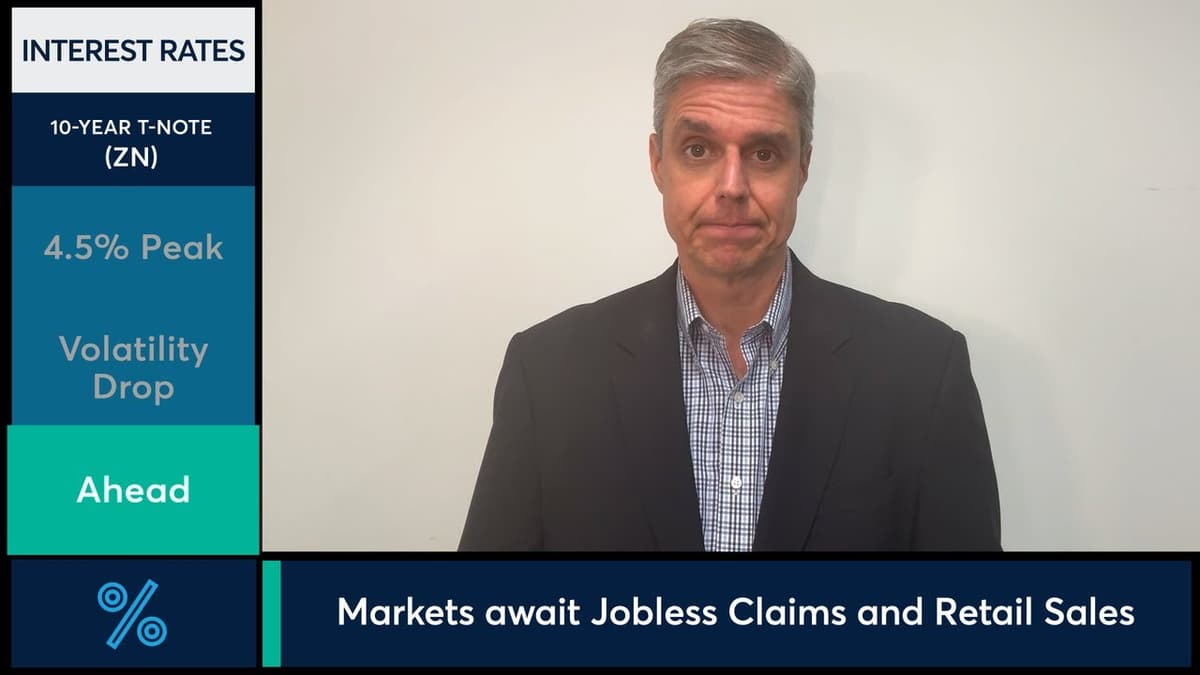
10-Year Treasury Note Futures React to 4.5% Yield Peak. 5/13/26
The video focuses on the recent surge in 10‑year Treasury Note futures, which climbed to a 4.5% yield – the highest level since June 2025 – and examines what the move means for market participants. Since the week of May 7, yields...
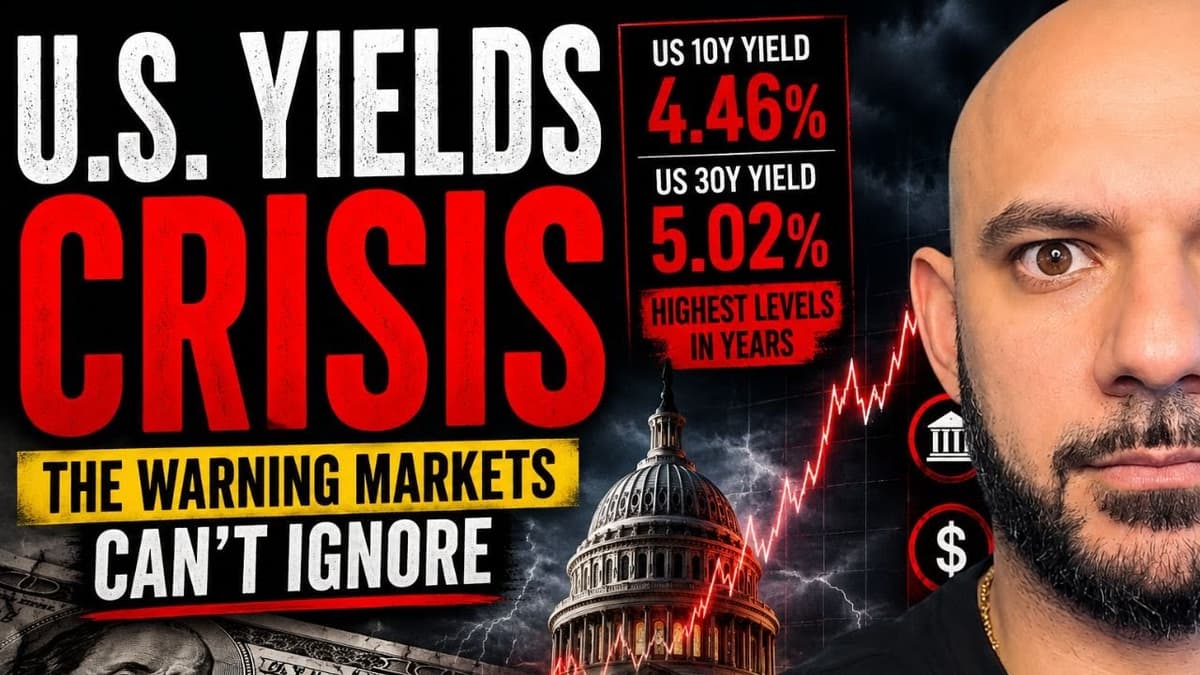
America’s Debt Crisis Has Started
The video warns that America is entering a debt‑driven crisis as inflation and bond yields climb sharply. Recent data showed core PPI jumping to 6% year‑over‑year, well above the 4.8% forecast, while the overnight index swap curve has steepened, with...
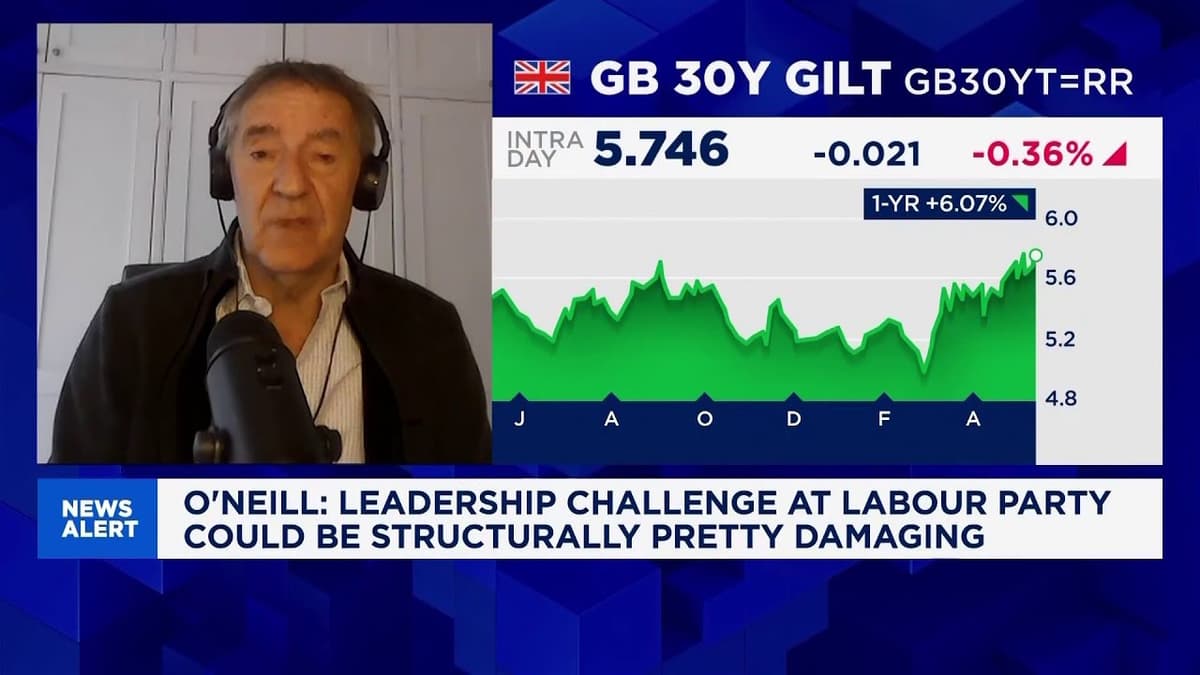
UK Treating Leadership ‘Like some Kind of Game Show’: O'Neill
The video centers on growing speculation that Greater Manchester Mayor Andy Burnham could be thrust into national leadership, sparking debate over the political and economic fallout of such a shift. Participants warn that a sudden vacancy in Parliament would likely...
Behind the Ticker: BTOT & BlackRock
The podcast features Steve, global co‑head of iShares fixed‑income ETFs at BlackRock, discussing his career trajectory and the evolution of bond ETFs. Starting in regional banking and moving through Merrill Lynch’s structured‑product desk, he joined BGI just before its 2009...
How Big Tech's Bond Spree and Rising US Debt Are Creating Risks and Opportunities
The episode examines the surge in corporate bond issuance by major technology firms to finance massive AI projects, alongside a soaring U.S. federal deficit that now tops $39 trillion. Companies such as Oracle and Alphabet have broken historical norms—Oracle’s deal...
The Great Liberty Bond Swindle: The Gov't's Criminal Conspiracy With the Federal Reserve Revealed
The video frames a historic legal cascade—starting with the 1917 Trading with the Enemy Act, followed by the 1933 Emergency Banking Act—as the foundation of a federal‑government‑led monetary grab. It argues that these statutes gave presidents wartime authority over gold,...

How AI Data Centres Are Funded — And What Happens When the Money Stops
The episode dissects how massive AI data‑center builds are being funded and what could happen if the cash flow assumptions that underpin those deals evaporate, using OpenAI’s recent revenue miss as a warning sign. The hosts note that the five biggest...
Financial Market Preview - Thursday 7-May
The FactSet Thursday market preview highlighted a broad rally in US equities, with the S&P 500 and Nasdaq posting fresh all‑time closes, while Treasury yields slipped to 4.3% and oil fell to $94 a barrel.\n\nKey data points included a record‑high...
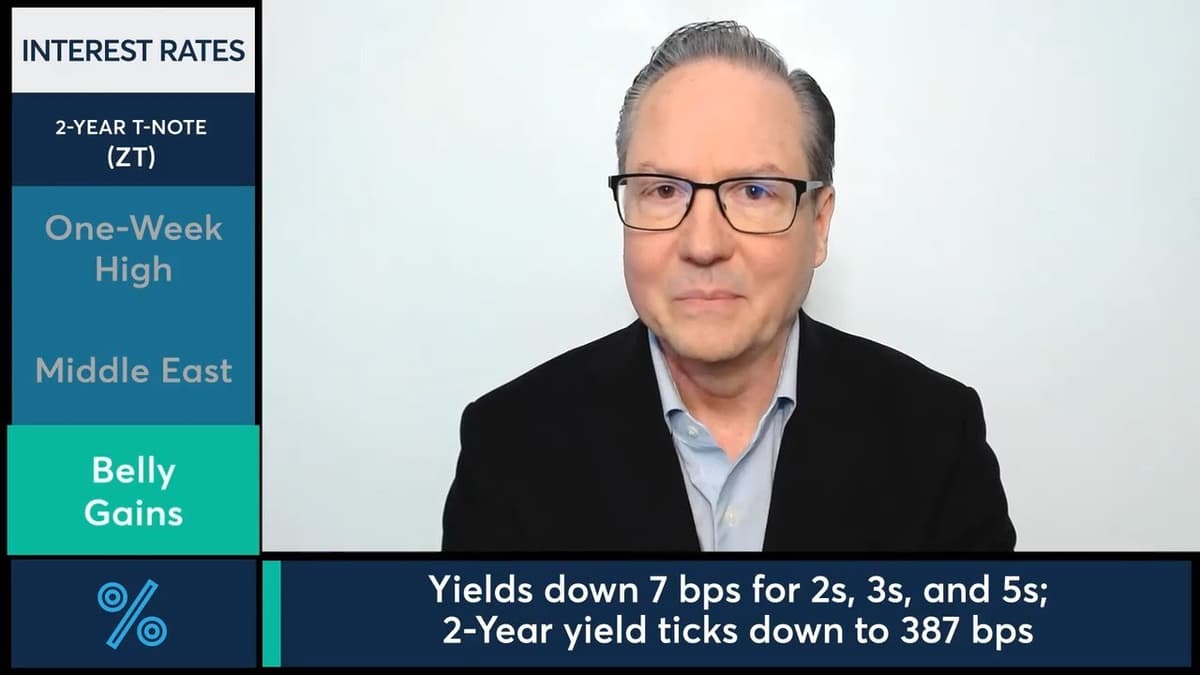
2-Year T-Note Futures Hit One-Week High as Yields Retreated. 5/6/26
Today's market focus was the two‑year Treasury note futures climbing to a one‑week closing high as yields fell across the curve. The futures traded at 103.19, just shy of intraday peaks, while the two‑year yield slipped seven basis points to...
Indianomics | Cost Of The 2026 State Election Promises On The Fiscal | N18V | CNBC TV18
The CNBC TV18 panel examined how post‑election freebies are inflating state fiscal pressures ahead of the 2026 elections. Promises such as cash transfers, free electricity and subsidised transport add roughly 2.2%‑3.4% of gross state domestic product to the budgets of...
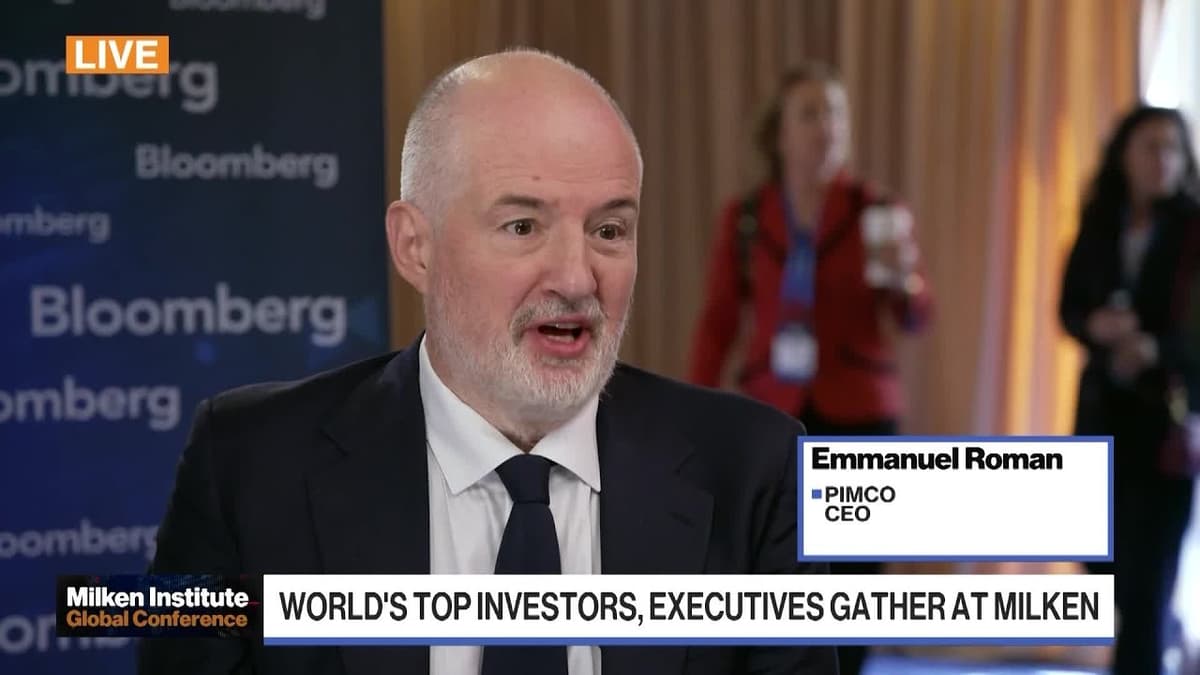
Pimco CEO Roman on Data Center Financing and Debt Deals
PIMCO chief executive Roman discussed the firm’s recent, record‑size data‑center financing transaction, a deal that combined a lead bank role for Morgan Stanley, preferred equity and a substantial debt tranche. The conversation framed the financing as part of a broader...
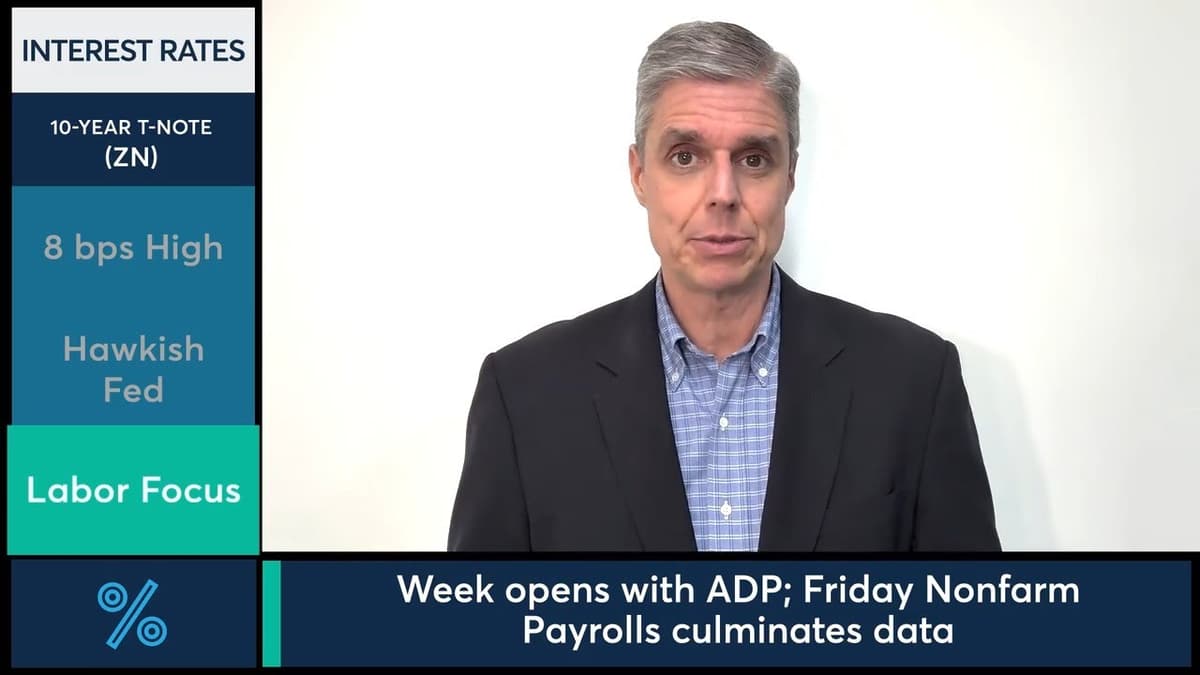
10-Year Yields Finish 8 Bps Higher as Fed Holds Steady. 5/1/26
The 10‑year Treasury yield closed Friday at 4.38%, up eight basis points for the week after a volatile intraday swing, ending the day essentially unchanged. The Federal Reserve kept policy unchanged but adopted a slightly more hawkish tone at Wednesday’s FOMC,...
8% Interest Rates? Chris Vermeulen Warns the Bond Market Could Break
The interview centers on Chris Vermeulen’s warning that an 8% interest‑rate environment could trigger a sharp bond‑market collapse, even as equities rally. He cautions that when the majority of investors flock to a single asset class, the market becomes vulnerable...

The New Buzzword "Forward Guidance"
The video unpacks the rising buzzword “forward guidance,” describing how central banks, especially the Federal Reserve, now steer the economy by shaping inflation expectations rather than merely adjusting nominal rates. The presenter argues that this communication strategy is the core...
Bitcoin Isn't Replacing Gold. It's Replacing THIS
The video argues that the real battle isn’t Bitcoin versus gold but Bitcoin versus the $345 trillion fixed‑income market that underpins retirement portfolios. It outlines three forces breaking that market: inflation‑driven higher yields, massive government deficits flooding the market with debt, and...
OMG!! Did You See What Just Happened To European Banks?!
European banks have reported to the ECB that they are tightening lending standards at the strongest pace since 2023, while simultaneously anticipating a surge in corporate loan demand driven by mounting liquidity pressures. Despite expectations of an ECB rate hike—likely...
Powell Says He Won't Be a 'Shadow Chair' At Warsh's Fed
Jerome Powell told host Warsh that, as a former Fed governor, he will not act as a “shadow chair” and will return to a purely gubernatorial role, deferring to the current chair’s leadership. Powell emphasized his respect for the chair’s authority...
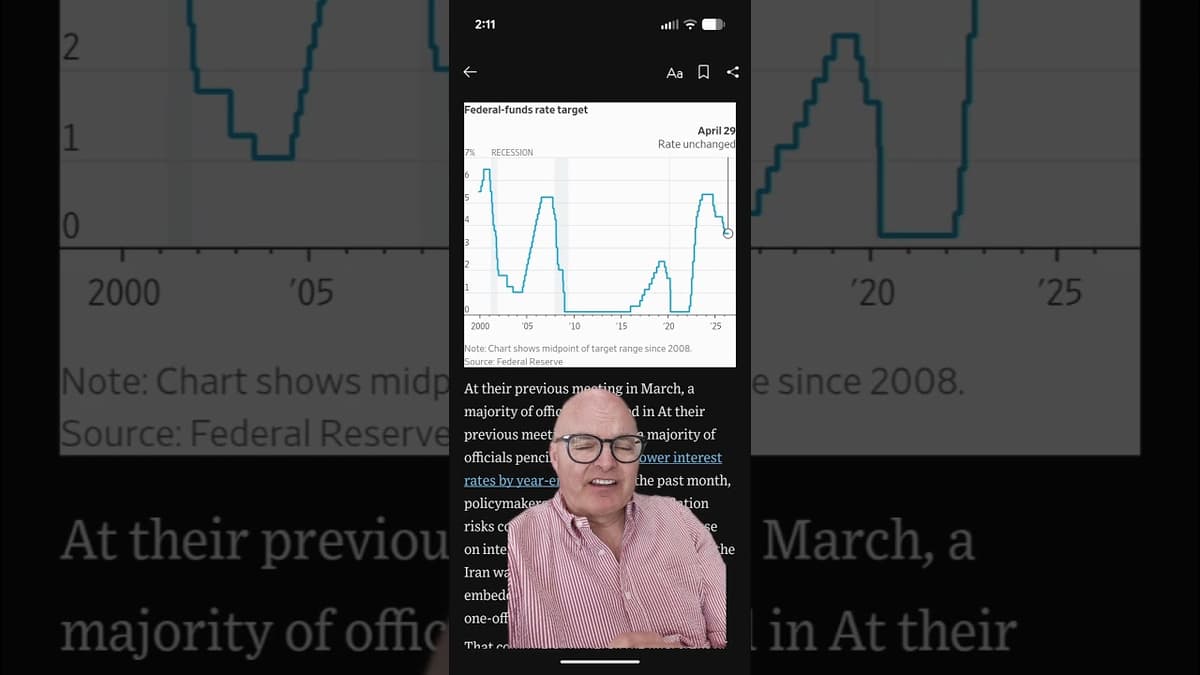
The Fed Held Steady, but What's Next for Inflation and Interest Rates?
The Federal Reserve left policy rates unchanged, as market expectations anticipated, but the post‑meeting vote revealed a split: three governors advocated a rate increase at the next meeting, while one pushed for a cut. The disagreement centers on how the...
BEHIND CLOSED DOORS: Fed Erupts Into Conflict over Policy Path
The Federal Reserve’s latest policy statement revealed a rare and stark split among its governors, with multiple officials openly dissenting over the preferred direction of monetary policy. The dissent comes as the board prepares to welcome a new chair, whose...
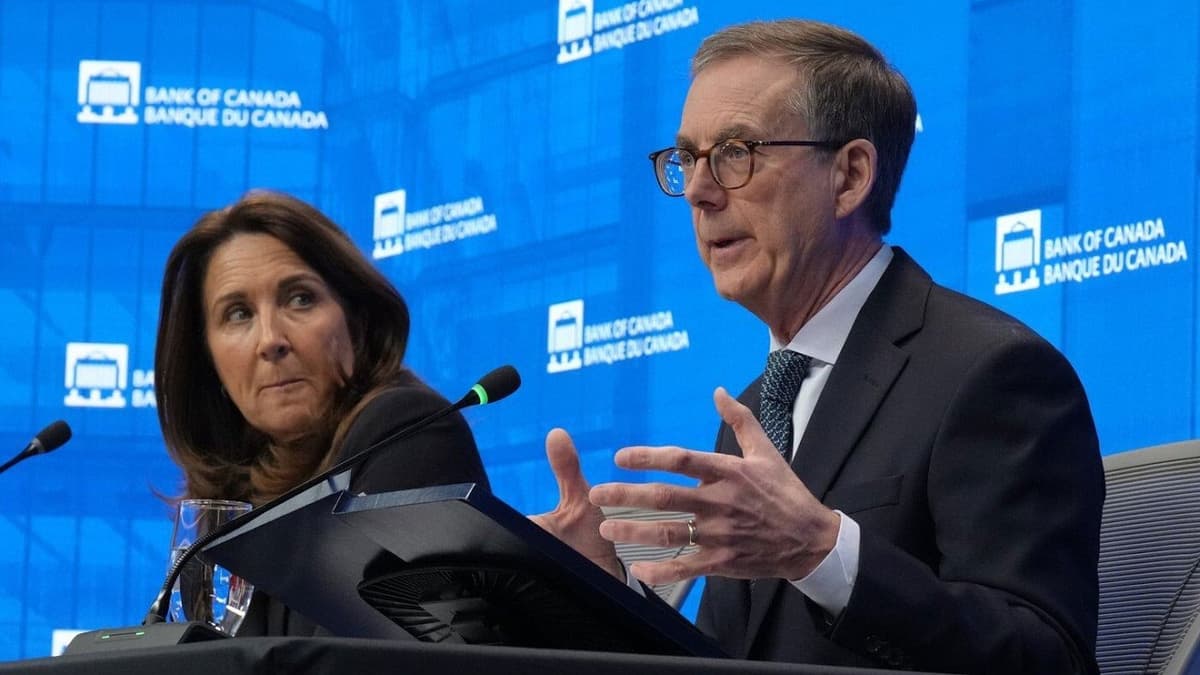
WATCH LIVE: BoC Interest Rate Announcement
The Bank of Canada announced it would keep its policy rate unchanged at 2.25% as it navigates heightened global oil price volatility and lingering geopolitical uncertainty. Governor Tiff Macklem emphasized a “look‑through” approach to the immediate war‑driven inflation spike, while...
The Return to Inflation-Linked Bonds | FTSE Russell Index Ideas
The podcast explores the renewed interest in international inflation‑linked securities as investors look to reduce US‑dollar concentration. FTSE Russell’s flagship indices – the World Inflation‑Linked Index (WILC) and the Emerging‑Markets Local‑Currency Index (EMMLC) – together represent about $1.3 trillion of outstanding...
Christopher Joye: Brace Yourself for a Higher for Longer Rates Cycle
James Marley interviews Coolabah Capital’s Christopher Joye about Australia’s looming higher‑for‑longer interest‑rate environment. Joye notes core inflation running at 3.9% on a six‑month annualised basis, well above the RBA’s 2.5% target, and argues the central bank should push rates toward...
BREAKING: Private Credit’s ‘Lehman Moment’ Just Happened
The video examines a recent development in India where a major junk‑rated borrower has agreed to postpone principal and interest payments on one of the country’s largest high‑yield bonds. Holders of the note include prominent private‑credit managers such as Cerberus,...
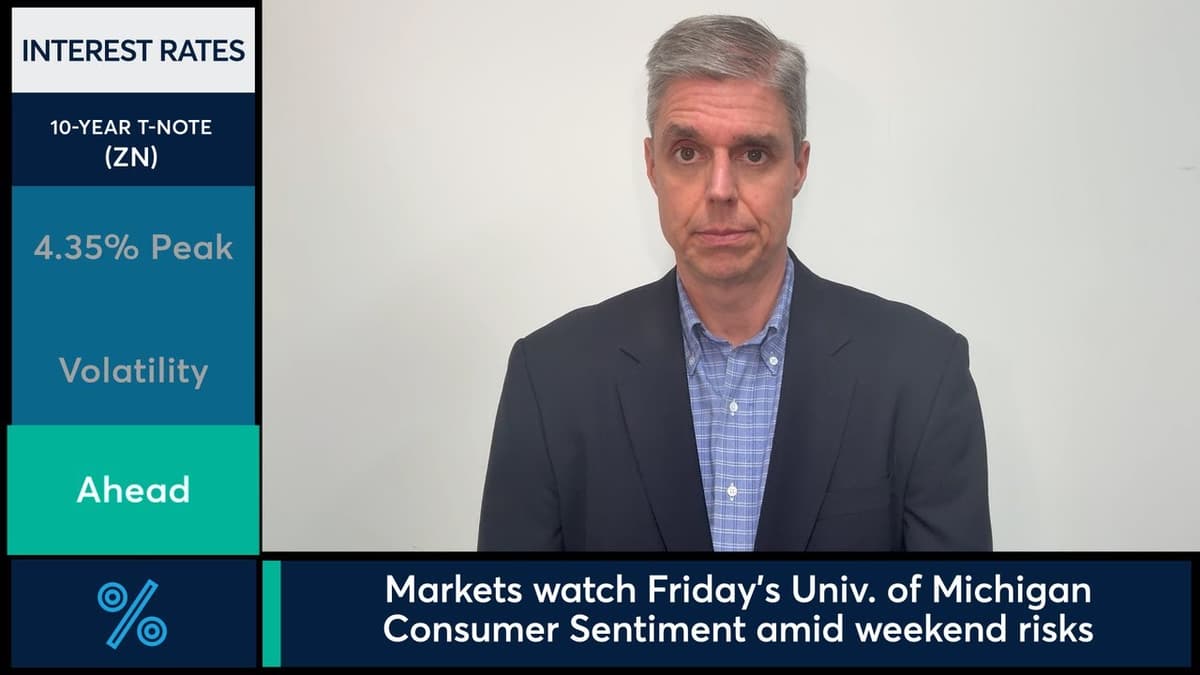
Treasury Futures React as 10-Year Yields Push Past 4.30%. 4/23/26
The video focuses on Treasury futures reacting to a sharp rise in 10‑year note yields, which opened above 4.30%, peaked at 4.35% and settled at 4.32% on April 23, 2026. Yield gains of two basis points for the session and...

Amerant Reach 8% Yield with Their Latin America ETF Investment Strategy
Amerant Investments launched the RNTA ETF, targeting high‑yield Latin American corporate bonds that now trade at yields near 8%. The fund is structured in U.S. dollars, eliminating currency exposure for investors. CIO Baylor Lancaster‑Samuel highlights the strategy’s blend of income...
What a Warsh Fed Could Mean for 10-Year Yields
The video examines how the Senate confirmation hearing for Fed Chairman‑designate Kevin Worsh could reshape expectations for the 10‑year Treasury yield curve. Market participants are watching the hearing for clues about future monetary policy, especially given the President’s public demand...
Funds That Protect Against Inflation
Oil price volatility is reigniting inflation concerns, threatening portfolios weighted toward traditional bonds. The video highlights three primary defenses against a potential inflation spike. Short‑term Treasury Inflation‑Protected Securities (TIPS) funds, such as Vanguard’s Short‑Term Inflation‑Protected Securities Fund, preserve purchasing power and...
The Breaking Point for Treasuries
The video warns that the United States is approaching a breaking point for Treasury financing as debt has surged and the Federal Reserve has become the primary buyer of government bonds. Over the past twelve years federal debt rose by $22 trillion,...
What Happens When Countries Need Cash
The video explains how the United States funds its annual budget deficits by issuing Treasury bonds, which are bought by foreign governments and investors because they are the safest, most liquid, dollar‑denominated assets. Over $9.4 trillion of Treasury securities are held...

PT Asset Management CEO on Generating Strong Returns without Taking on Extra Risk
PT Asset Management CEO Sean Dranfield says the bond market is unusually attractive, citing a steep yield curve and limited geopolitical disruption. He highlights long-duration government bonds and high-quality structured credit as avenues to generate strong returns without additional risk....

Iran Takes A Jibe At 'Safe Haven Status' Of US Bonds & Treasuries | Says 'Vibes All The Way Down':
The video highlights a provocative statement by Iran’s parliament speaker, Mohammad Bagher Ghalibaf, questioning the long‑standing belief that U.S. Treasury bonds are the ultimate safe‑haven during geopolitical turmoil. In a cryptic X post, he likens Treasury pricing to “vibes all the way...
HOLY SH*T!! Did You See What Just Happened in China
The video dissects a dramatic steepening of China’s yield curve, where short‑term government bond yields have fallen to a historic 1.15% while ten‑year rates sit below 1.8%. Analysts attribute the move to a confluence of weak domestic demand, aggressive bank...
Vanguard Wrote the Playbook for Success. Now, It Must Evolve to Stay on Top
Vanguard, the pioneer of low‑cost index investing, faces a new inflection point as it seeks to preserve its leadership while managing unprecedented client growth. Over the past decade the firm more than doubled its client base, prompting operational strain and prompting...
Everything You Need to Know About Financial Repression | Hanno Lustig
The episode unpacks "financial repression" – a suite of policies governments employ to keep borrowing costs below market rates, effectively taxing savers without their awareness. Professor Hanno Lustig traces its roots from 19th‑century war financing to modern central‑bank practices, showing...

10-Year Treasury Note Futures Reach Monthly High on Cooling PPI. 4/14/26
U.S. 10‑year Treasury note futures surged to a one‑month closing high on April 14, driven by a combination of softer producer‑price data and easing geopolitical tension in the Middle East. The contract rose to 111.16, pushing the implied 10‑year yield down...

How Water Bonds Could Help More Funding Flow Into Africa
African nations are grappling with a massive financing shortfall for water infrastructure, prompting policymakers to explore blue and green bonds as a commercial avenue for funding. The discussion highlights pioneering issuances, such as Benin’s €500 million SDG bond in 2021, which...

Bank of Canada Will Leave Rates Unchanged This Year: BMO
The interview with BMO’s fixed‑income head Earl Davis focused on the Bank of Canada’s likely monetary‑policy path for 2024, concluding that the central bank will keep its policy rate on hold for the remainder of the year. Davis highlighted a modest...
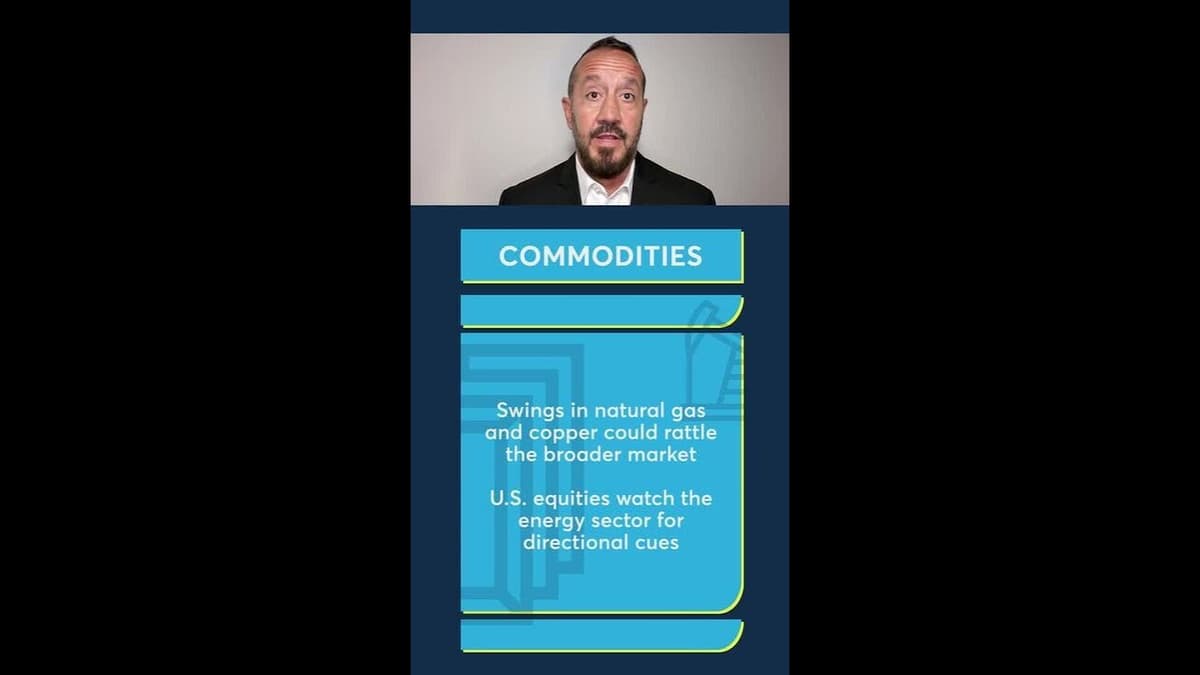
Falling Yields and Commodity Volatility Set the Stage for Next Week. 4/10/26.
Looking ahead to the week of April 13, market focus centers on crude oil prices and a high‑stakes US‑Iran peace delegation meeting in Islamabad. The talks aim to stabilize a fragile cease‑fire and could reverberate across crude, natural gas, gold, silver,...

PT Asset Management's Sean Dranfield on Bonds: Income & Yield Curve Insights
Sean Dranfield, CEO of PT Asset Management, explained why today’s bond market presents a rare opportunity for investors. He highlighted that despite geopolitical tension from the Iran conflict, both interest rates and credit spreads have moved only modestly, leaving the...
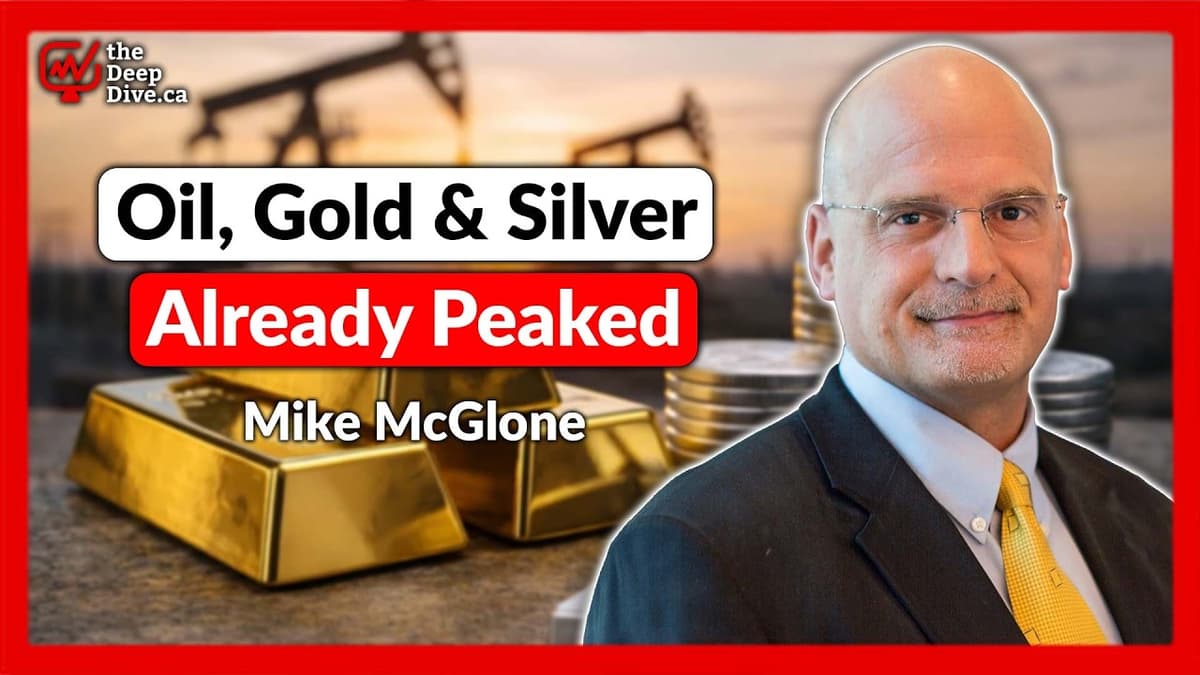
Why Risk Assets May Have Already Peaked | Mike McGlone
Mike McGlone argues that risk assets have likely peaked, citing the recent Middle‑East ceasefire as a catalyst for a broader commodity slowdown. He predicts the front‑month WTI contract will slide toward $40‑55 by the 2024 mid‑terms, echoing the post‑2008 oil‑price...

What Happens When Bond Yields Keep Rising?
The video examines the point at which rising U.S. Treasury yields could destabilize the economy, focusing on a “danger zone” of 4.6‑4.8% and the concept of a debt death spiral. As yields climb, the cost of servicing the near‑$40 trillion federal debt...

Will Social Security Be Around in 2060?
The episode of “Ask the Compound” pivots from a playful intro to a deep dive on the future of tax preparation and emerging investment vehicles. Hosts Duncan and Bill discuss why, despite advances in artificial intelligence, filing a complete tax...

Wells Fargo's Schumacher: Market Backdrop Became 'Too Sanguine, Too Quickly'
Wells Fargo’s macro‑strategy chief Mike Schumacher warned that the market backdrop has become “too sanguine, too quickly,” after a volatile trading day that saw equities claw back two‑thirds of recent losses while bond yields barely budged. He highlighted a striking disconnect:...