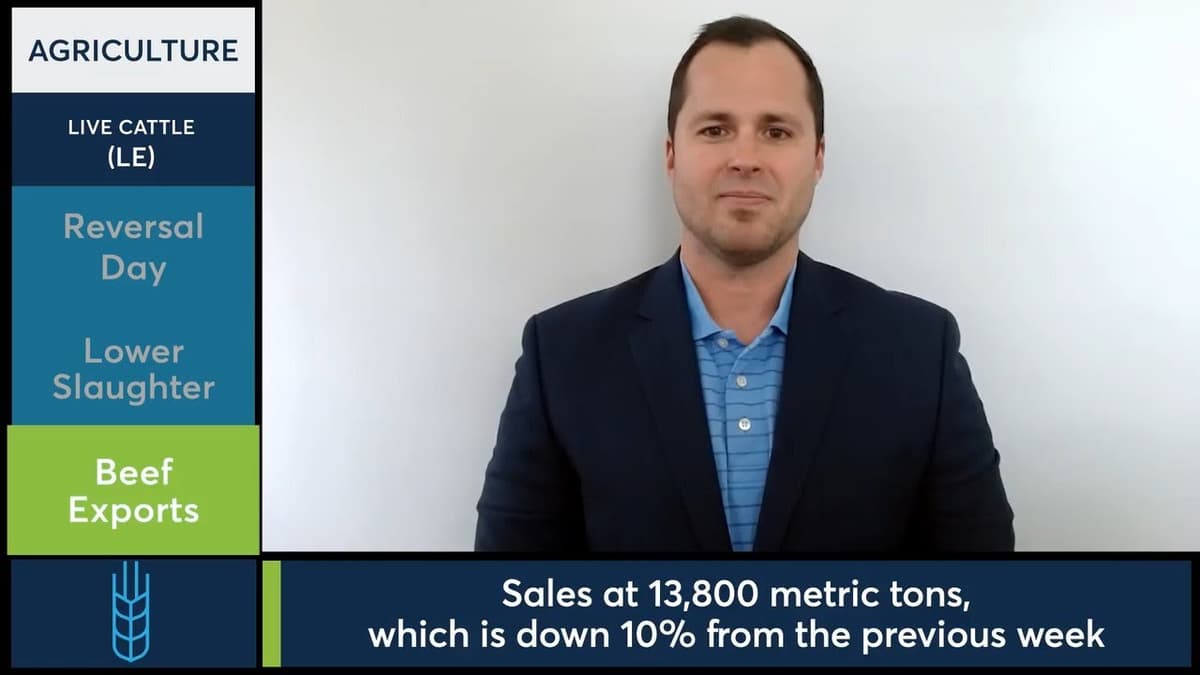
Live Cattle Futures Reverse Early Gains After Posting New Highs. 5/1/26
Live cattle futures surged at the start of May, reaching a fresh intraday high of $256.66 before slipping to close at $253, marking a modest reversal after early gains. Feeder cattle mirrored the pattern, climbing to $379.45 and then settling $3.35 lower at $372.17. Meanwhile, the most actively traded June lean‑beef contract dropped a dollar to $101.27, reflecting broader weakness in the snout‑side market. The wholesale box beef report showed choice cuts down 24 cents to $389.28 and select cuts down $1.65 to $386.52. Thursday’s five‑area average live‑cattle price held steady at $255.01, while daily slaughter hit 110,000 head, 32,000 fewer than a year ago. Weekly beef export sales fell 10% to 13,800 metric tons, with South Korea absorbing nearly half of the shipments. These moves suggest tightening supply amid lower slaughter volumes and a modest dip in export demand, potentially pressuring beef prices and prompting producers to adjust herd management and marketing strategies.
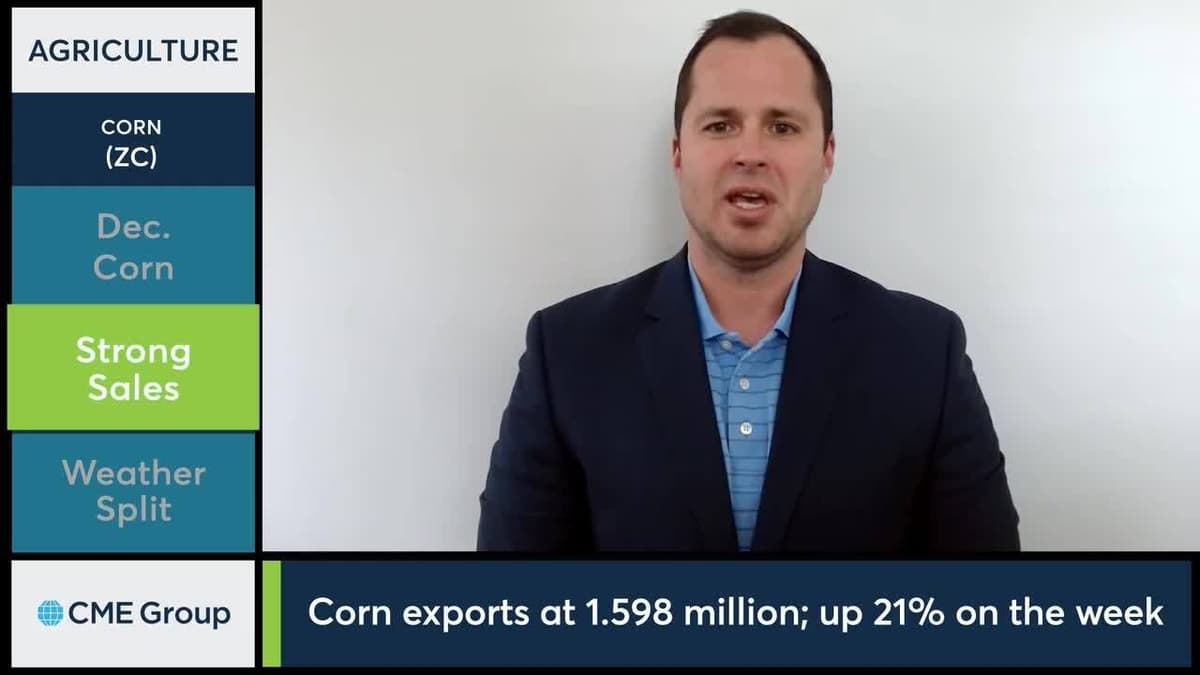
December Corn Futures Test 5'0 for First Time Since 2023. 5/1/26
Grain markets opened green on the first trading day of May, with July corn futures edging up 1.5 cents to settle at $4.805, while the new‑crop December contract rose 4.5 cents to $4.9875, breaking the $5 mark for the first...

Big Rebound in Cash Cattle This Week + Health Concerns in Hogs
The program highlighted an unexpected surge in cash cattle prices, while the hog sector faced disease worries. Cattle bids jumped from 250 to 258 within days, with packers unusually executing a Wednesday cash trade—something not seen since 2014. Analysts suspect packers...
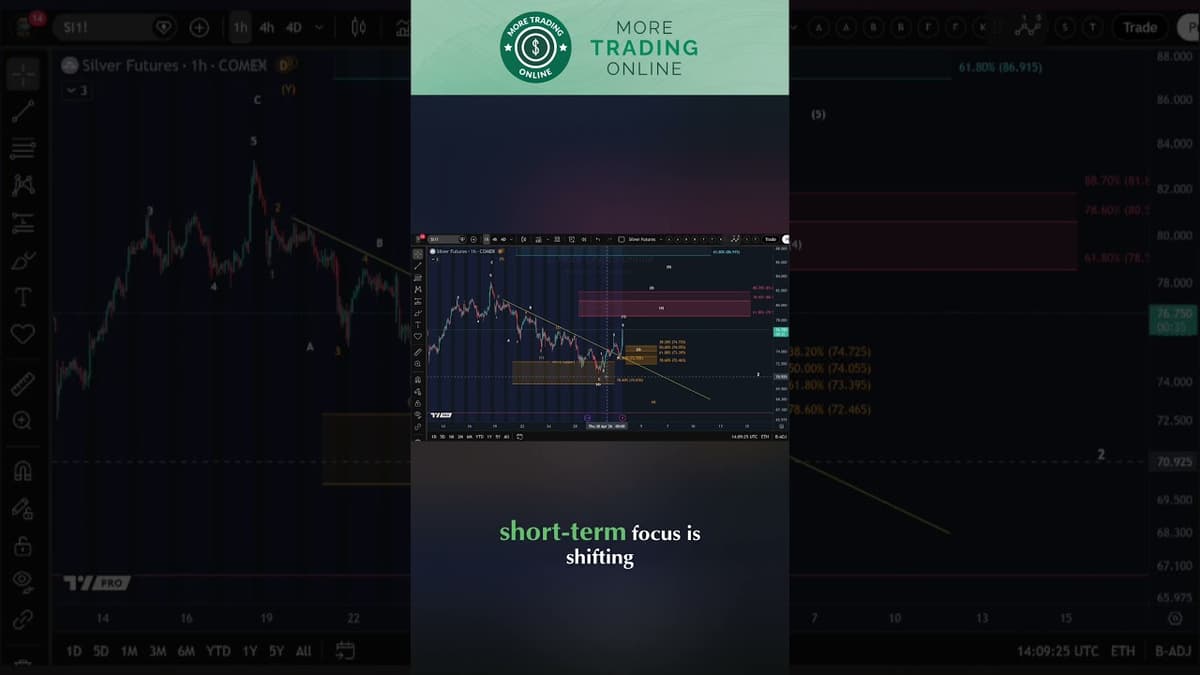
Has Silver Started an Upside Reversal?
Today's analysis focuses on silver's emerging upside reversal after breaking the yellow trend line. The speaker notes that the breakout triggered a retest overnight, and the market now exhibits renewed strength, suggesting a shift in short‑term bias. Key technical signals include...

Will Trump “TACO” Over the Strait of Hormuz? | The Economist
The Economist video examines whether President Donald Trump will strike a deal with Iran over the Strait of Hormuz – a move the hosts label “TACO” – and why the outcome matters for his administration. Analysts argue Trump is caught between...

GOLD 'Absolutely' Headed to All-Time Highs This Year - We're in a New Paradigm
The interview with Adam Burke, CEO of One Bullion, frames 2026 as a pivotal year for gold, with the metal already up more than 40% year‑over‑year and poised to breach previous all‑time highs. Central banks are expected to purchase over...

Peter Schiff Still Early Days In a Bull Market
In a recent interview, economist Peter Schiff argued that we are only at the beginning of a gold‑driven bull market, as central banks spearhead a move away from the U.S. dollar as the world’s primary reserve asset. Schiff said the de‑dollarization...

Brent Crude Seen as a Ticking Time Bomb | the Trade
The Trade episode focused on Brent crude’s recent surge past $126 per barrel, Iran’s warning of retaliatory strikes against U.S. assets, and the broader implications for global energy markets. Brent settled 3.5% lower at $114 after the intraday high, while technical...
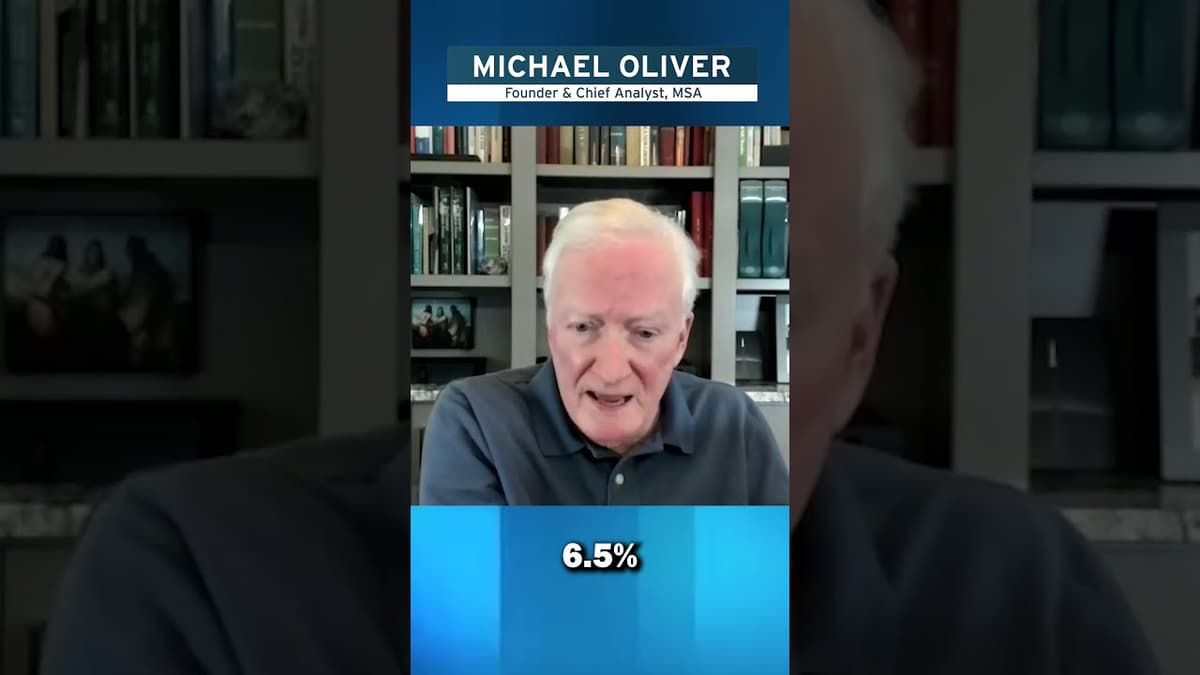
Michael Oliver: Silver Going Much Higher
In a recent commentary, Michael Oliver argues that silver is poised for a substantial rally, pointing to its historically low price ratio to gold. He notes that silver’s price is currently only 1% of gold’s, the lowest since the 2010‑11 bull...
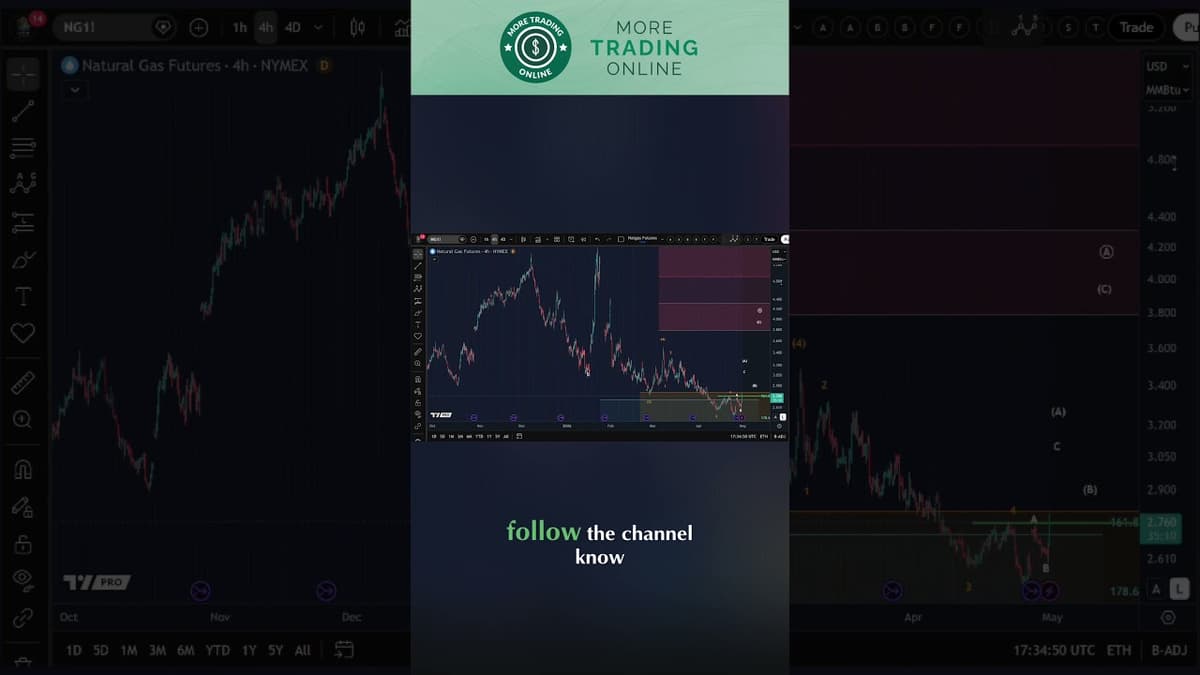
Natgas Natural Gas Technical Analysis Today - Elliott Wave
The video provides an Elliott Wave technical analysis of the natural‑gas market, focusing on the net‑gas chart’s current price action and its proximity to a previously identified signal line. The presenter notes that the downward five‑wave count appears complete, positioning the...
Corn Struggles at $5, Wheat Sees Profit Taking
The program recapped agricultural commodity markets as April closed, highlighting a pull‑back in wheat after an overbought run, corn’s inability to breach the $5 barrier, and sideways soybean action. It also noted the recent passage of a farm bill and...
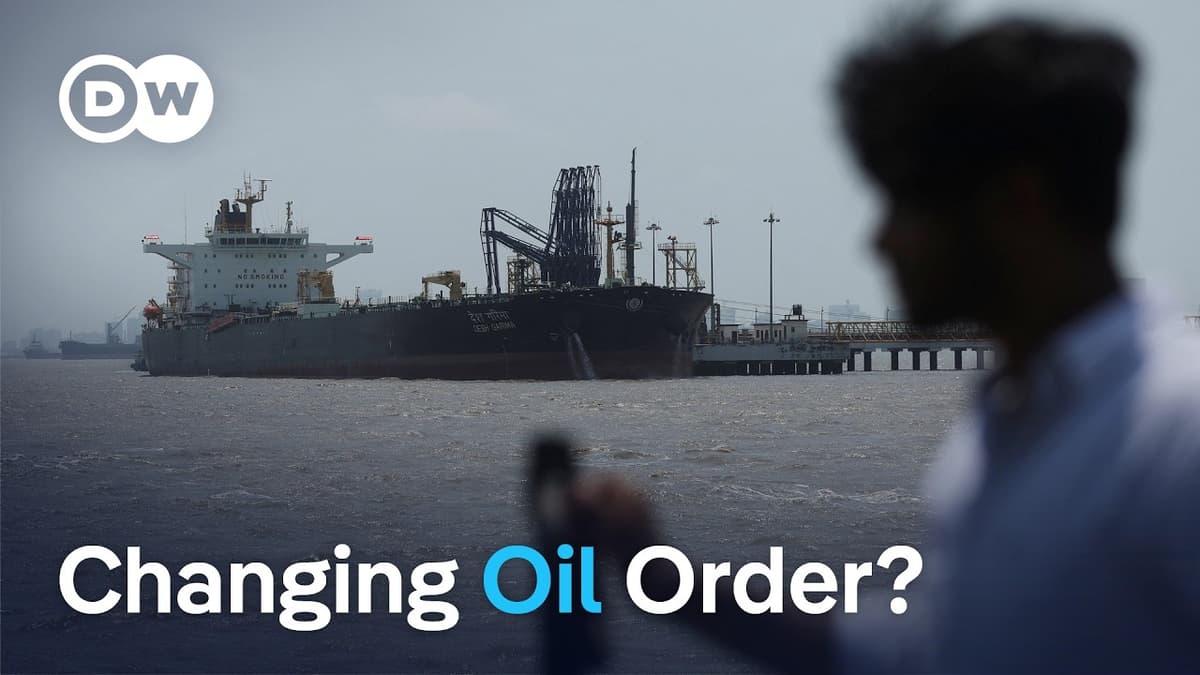
How the Iran War Is Reshaping Global Oil Exports and the Balance of Power?
The video examines how the escalating U.S.-Iran conflict is reshaping global oil markets, with Brent crude soaring to its highest level since Russia’s 2022 invasion of Ukraine. Central to the turmoil is the Strait of Hormuz, a chokepoint whose partial...
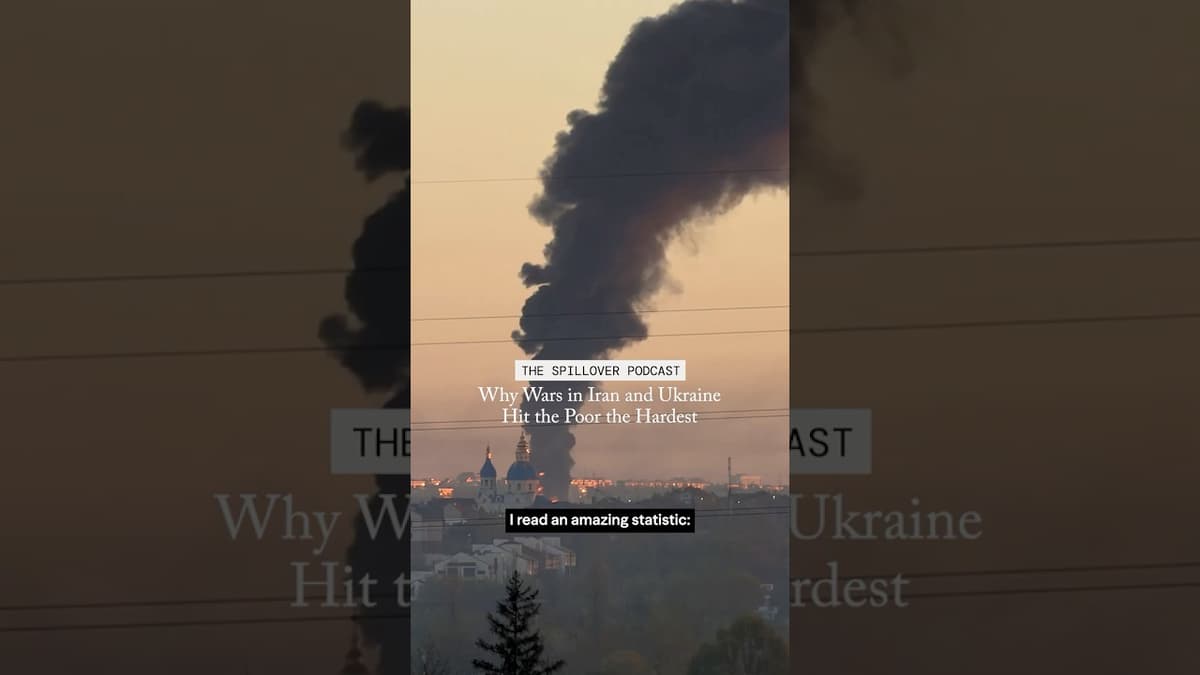
How Wars in Iran and Ukraine Are Driving Up Food and Energy Costs
The video examines how the wars in Ukraine and Iran are pushing global food and energy prices higher, creating a ripple effect that reaches both developing nations and affluent economies. Both conflicts have disrupted grain exports and oil supplies, driving price...

Gold Price Hasn't Bottomed, when I Plan to Buy
The video examines why the gold market has not yet found a true bottom and outlines a timing strategy for long‑term investors. The presenter traces the recent price action from a parabolic surge that lifted gold from $4,300 to a...
OPEC Loses Its Most Valuable Member #shorts
The video explains how the United Arab Emirates’ departure from OPEC+ reshapes the cartel’s power structure, leaving Saudi Arabia as the only member that consistently adheres to production quotas. It also highlights the United States’ capacity to flood the market...
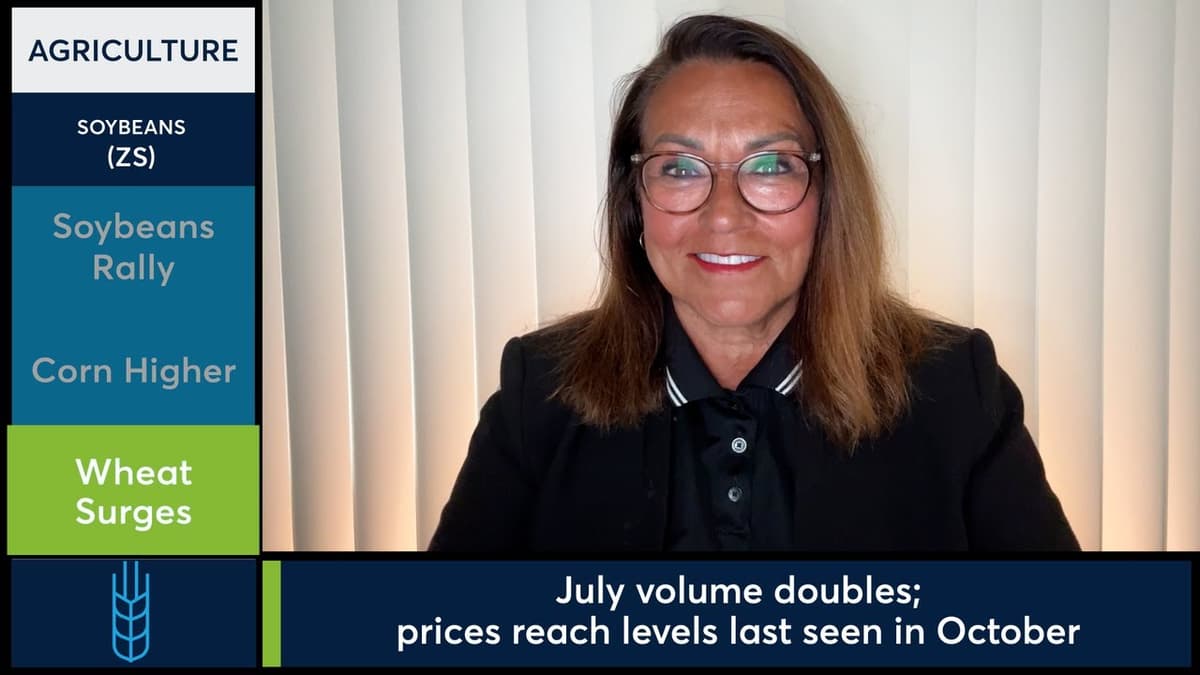
Grain Futures Surge on Crude Strength Before Late Sell-Off. 4/29/26
The video recaps a sharp rally across U.S. grain futures on April 29, 2026, sparked primarily by a surge in crude oil prices that lifted soybean oil to a new contract high and pulled soybeans, corn and wheat higher. Soybean oil...

Apr 29 | Closing Market Report
The April 29 closing market report focused on Midwest planting progress, soaring wheat prices and broader commodity dynamics. Illinois growers reported roughly one‑third of corn and two‑thirds of soybeans already in the ground, while wheat in the region remains healthy, setting...

Fertiliser - the Best Time to Buy, Regenerative Farm Business Tenancies, & How Turbo-Charged Bir...
The Farmers Weekly podcast tackled three intertwined themes: timing fertilizer purchases amid volatile markets, a new Bayer fungicide for disease‑prone cereals, and the Duchy of Cornwall’s unprecedented 25‑year regenerative farm business tenancy. Host Hannah Tasker, Louise Impey and Hugh Broom...
WARNING: I'm Shorting Oil NOW! Technical Analysis Signals Gold And Silver Downside Target
Gareth Soloway of Verified Investing.com warned that crude oil appears to be forming a technical top around $107 per barrel and announced he has begun shorting the market. He cited a parallel‑channel pattern and a shallow bounce off a bare‑flag...

Introducing Argus AI Solutions: Ask Argus & AI‐Ready Data
Argus Media announced a new suite of AI tools—Ask Argus and AI‑Ready Data—designed for energy and commodity market participants. The solutions leverage Argus’s decades‑long first‑party data to accelerate market summarisation, surface clearer insights, and flag emerging patterns. Argus emphasizes that...

Iran Conflict: The Physical vs Paper Price Disconnect
The discussion centers on a widening disconnect between paper futures and physical oil markets as geopolitical tensions in the Middle East constrain cargo availability. Analysts Richard Bronze and Livia Galarati explain that while Brent futures hover around $95, physical prices...

The Global Energy Market Is Shifting. What Role Will Renewables Play | FT #shorts
The video examines how the global energy market is re‑orienting amid the current oil shock, questioning whether renewable sources can quickly replace liquid fuels. The speaker argues that renewables are not a short‑term solution for the immediate fuel crunch, as they...
USDA Secretary Brooke Rollins and Other Principals Will Recap Efforts to Lower Fertilizer Prices.
USDA Secretary Brooke Rollins outlined a multi-pronged federal response to sharply elevated fertilizer costs, highlighting short-term trade and regulatory moves and longer-term domestic production investments. In recent weeks the administration has extended a Jones Act waiver to speed imports, lifted...
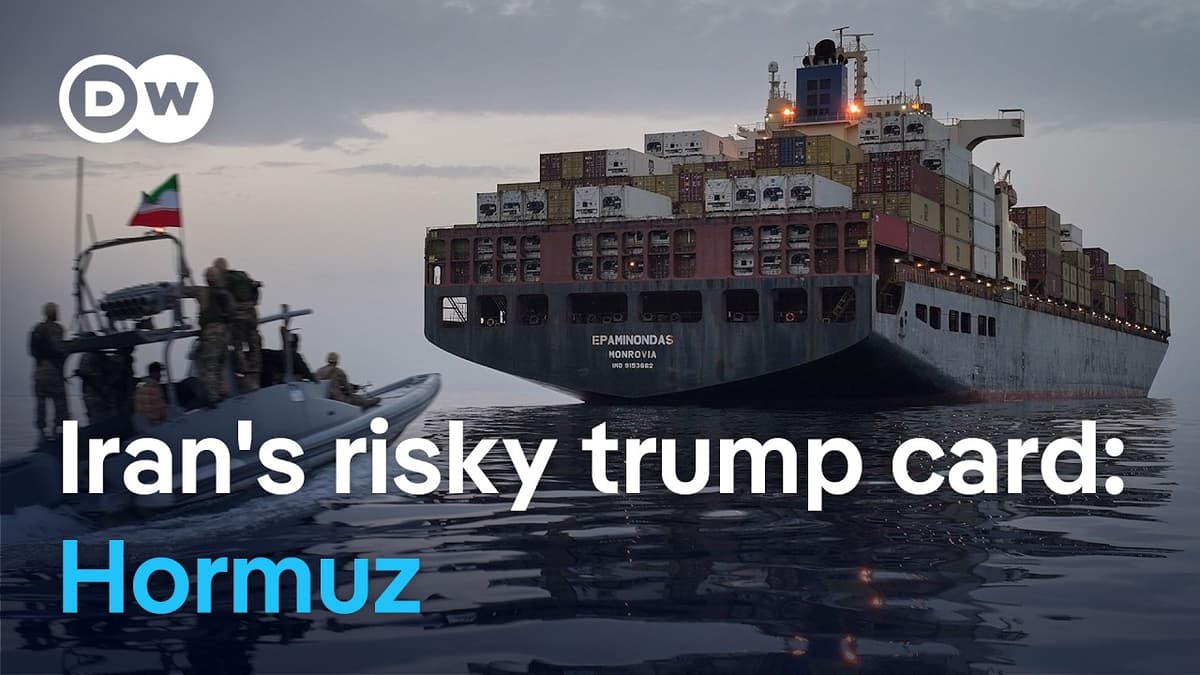
Iran Peace Proposal Fails to Impress Trump as Hormuz Standoff Enters Ninth Week | DW News
The DW News segment examines Iran’s latest peace overture amid a nine‑week stalemate over the Strait of Hormuz, noting President Donald Trump’s refusal to accept the terms. Since the April 8 cease‑fire, Iran has offered to reopen the strait in exchange...
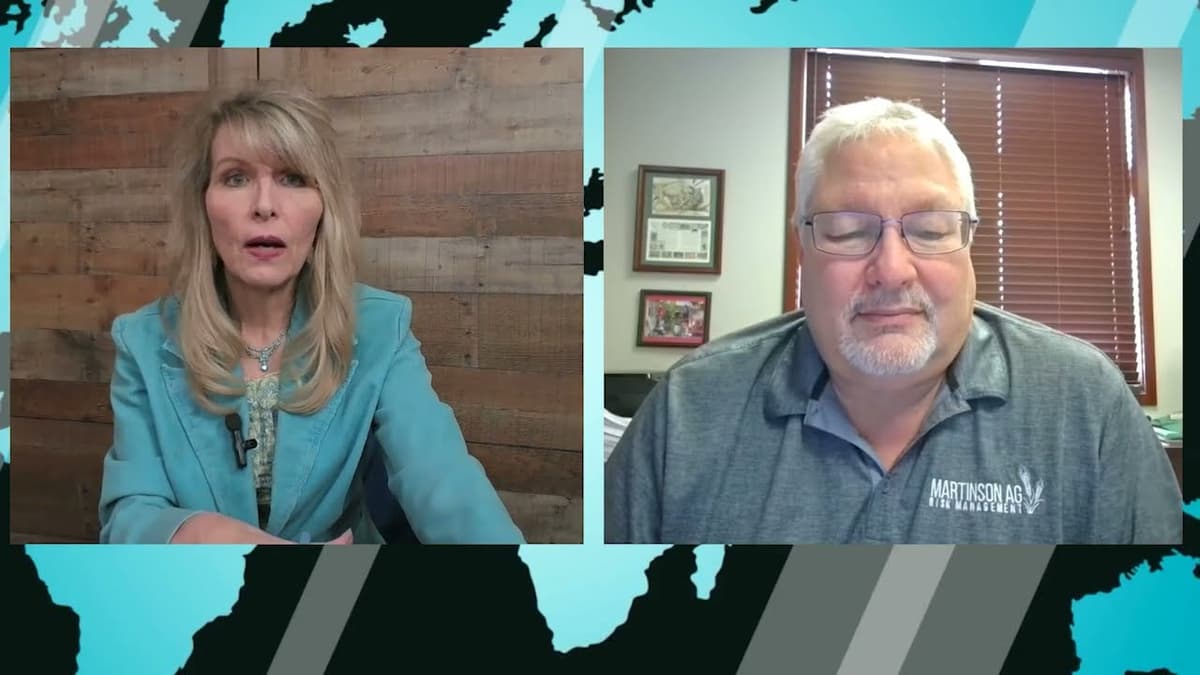
Markets Now Closes - 4/28 Is $5 Dec Corn a Reality as Wheat Surges to $7?
Wheat futures jumped to contract highs on Thursday as worsening spring planting prospects in HRW and northern spring-wheat areas, coupled with drier extended forecasts and likely upward revisions to USDA export projections, tightened market sentiment. Corn rallied alongside wheat, supported...
Peter Tchir: Energy Experts Have 'Early COVID Vibes' On Hormuz #Oil #SupplyChain #Inflation #Iran
Peter Tchir highlighted growing anxiety among energy specialists who liken current Hormuz‑related tensions to the early‑COVID supply‑chain shock. He noted that while oil’s fungibility cushions some volatility, the broader energy ecosystem—particularly liquefied natural gas—faces tighter constraints and heightened operational complexity. Experts...

The Hidden Forces Driving This Market Right Now | SIH
The episode of “The Hidden Forces Driving This Market Right Now” features veteran trader Pete Carmaceno discussing his investment process and current market environment. Carmaceno stresses reacting to market signals rather than trying to predict price moves, emphasizing sector rotation using...
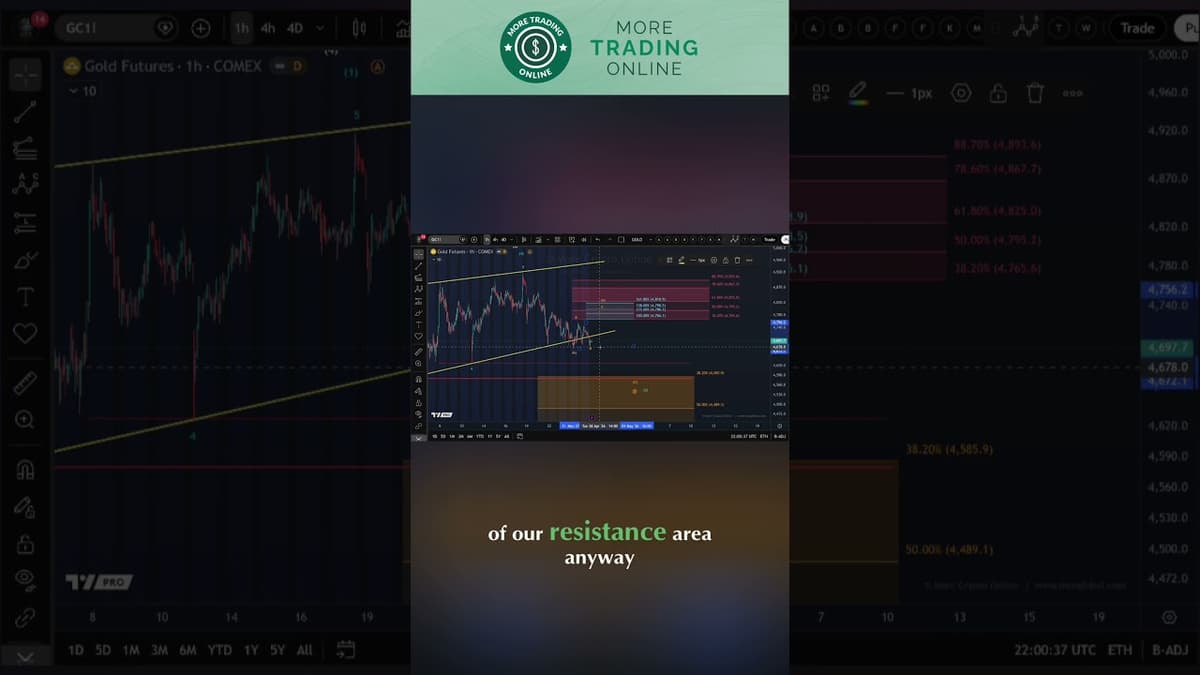
Gold Price Consolidation: Key Support Zone Revealed
The video focuses on gold’s current consolidation phase, highlighting a critical support zone that could dictate the next price direction. Analysts note that the market’s reaction to the 4,671 level—set by Friday’s low—will be pivotal in determining whether gold resumes...
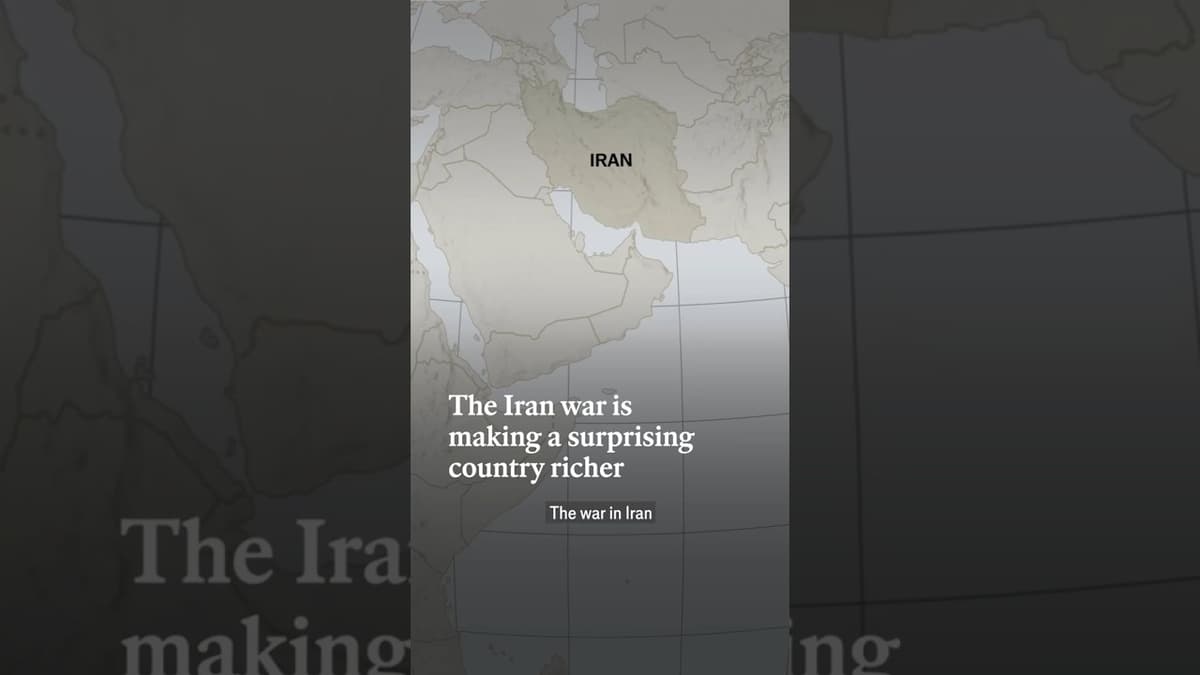
The Iran War Is Making a Surprising Country Richer
The video explains how the Iran‑Russia conflict has unintentionally enriched the South American nation of Gana. After a 2015 discovery of 11 billion barrels of offshore oil, production began in 2019 and weekly revenues jumped from $370 million to $623 million, making...
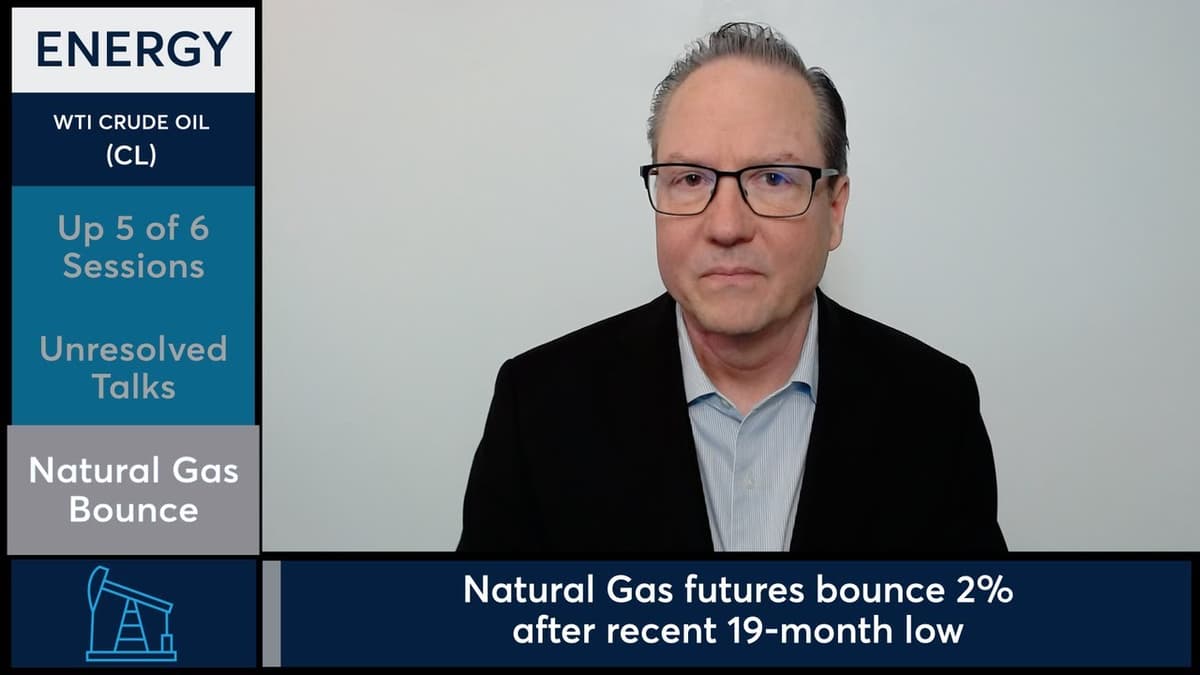
WTI Crude Oil Futures Hit 3-Week Highs on Unresolved Talks. 4/27/26
WTI crude oil futures surged to a three‑week peak of $96.30 per barrel on April 27, driven primarily by lingering uncertainty over Middle‑East peace negotiations. The contract has risen in five of the last six trading sessions, rebounding from mid‑April lows...
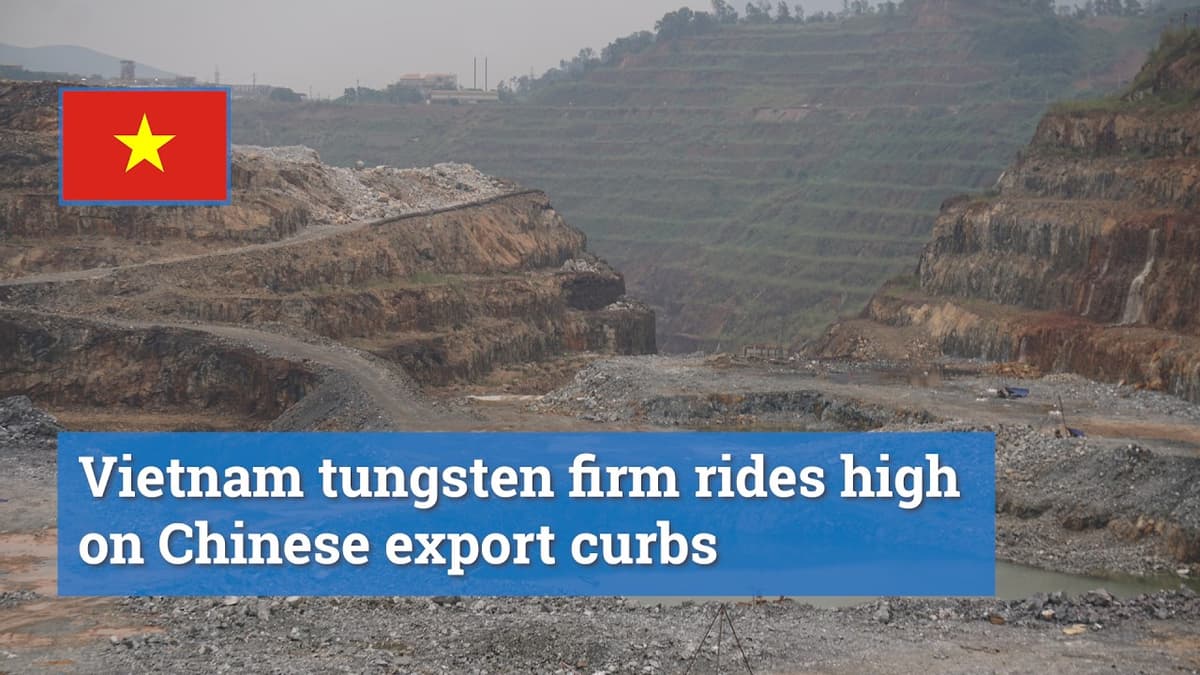
Vietnam Tungsten Firm Rides High on Chinese Export Curbs
A Vietnamese tungsten mining firm anticipates a breakout year as global tungsten prices surge. The rally is driven by China’s newly imposed export controls on the metal, which is critical for cutting tools, defense systems, and AI hardware. Higher prices...
Texas Oil Insiders Just Gave DIRE Warning For What's Coming
The video warns of a looming oil market crisis, emphasizing a stark disconnect between futures contracts and cash (spot) prices. Dallas Federal Reserve officials surveyed Texas oil veterans, uncovering that while front‑month WTI hovers near $95, real‑world barrel costs exceed...

Make Sure You’re Getting the Matcha that You Pay for 🍵
The video warns consumers that cheap, $8 matcha often delivers a bitter, lumpy product, and explains how authentic matcha is produced. Matcha is stone‑ground from shade‑grown tea leaves; true quality depends on harvest timing, grade, and preparation. The surge in tourism...
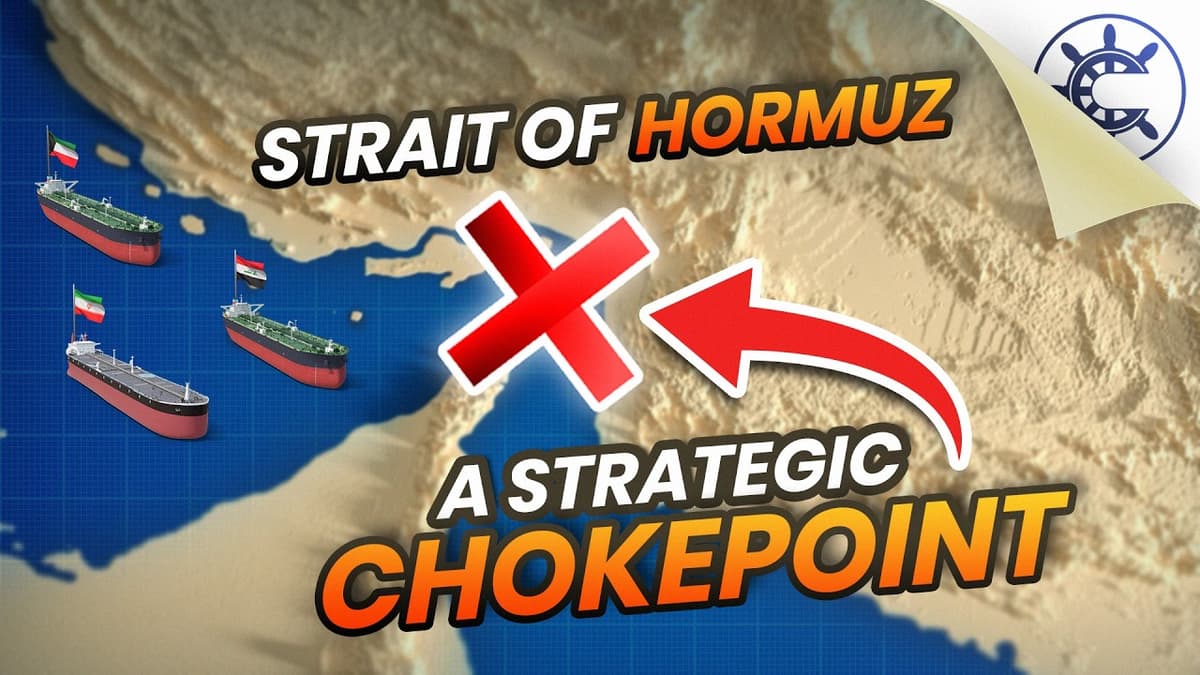
Why Is the Strait of Hormuz So Important
The video explains why the Strait of Hormuz is the world’s most critical oil choke point and how recent hostilities have turned it into a flashpoint for global energy markets. Roughly 21 million barrels of crude—about one‑fifth of worldwide consumption—transit the...

Iran War Fallout Drives Inflation Risks in Africa | Bloomberg Next Africa
Bloomberg Next Africa examines how the war in Iran is reverberating through global supply chains, driving up fuel and fertilizer costs and raising inflationary pressures on the continent’s already fragile food systems. Analysts note that fertilizer prices have roughly doubled since...

Silver Just Exposed Gold's Next Move
The video examines the recent price action of silver and gold, highlighting silver’s sharp downtrend and breakdown on the 4‑hour chart as a possible early warning for gold. Silver has posted lower highs and a breakdown, while gold remains relatively stronger....
Eagle Nuclear Energy (NASDAQ:NUCL) - Fully Funded to Drill America's Largest Uranium Deposit
Eagle Nuclear Energy (NASDAQ:NUCL) announced a fully funded initiative to develop what it claims is the largest minable measured and indicated uranium deposit in the United States. The company, led by CEO Mark Mihalj—a former BHP engineer with extensive mining‑tech...
We Have No War, We Have No Peace, and We Have No Flows: Strategist
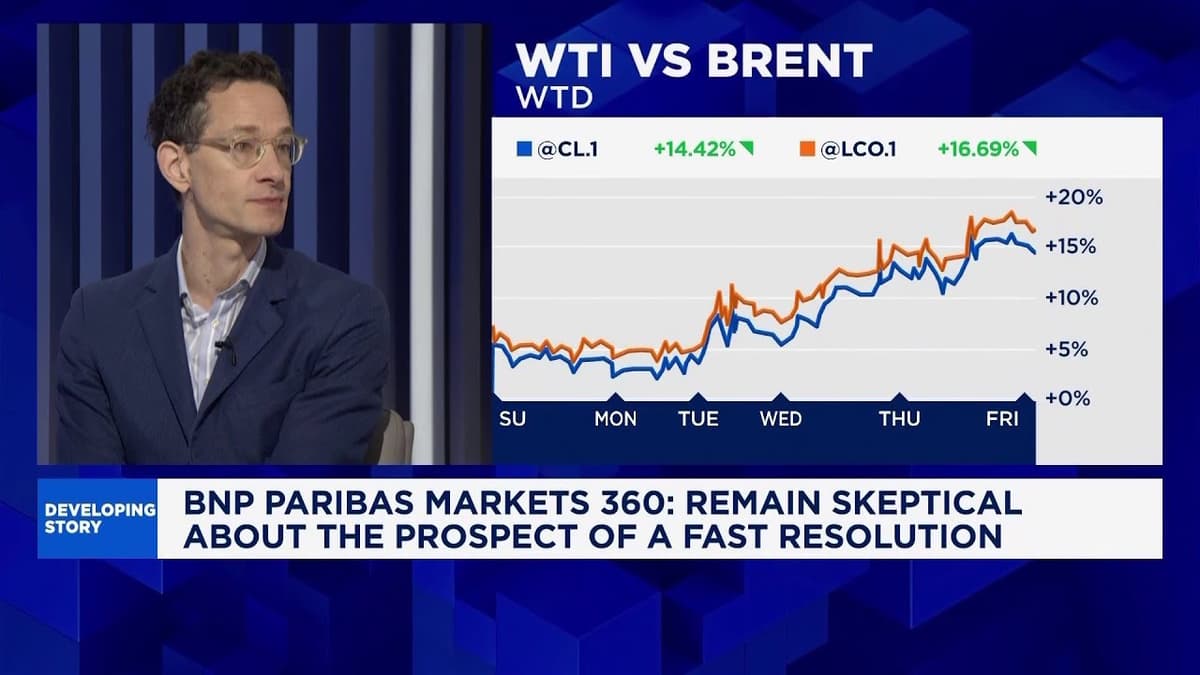
The interview centers on the stalled cease‑fire between Israel and Hezbollah, its impact on President Trump’s push to end the Iran‑related conflict, and the resulting uncertainty over oil and LNG shipments through the Strait of Hormuz. While the cease‑fire is a...
Iranians Are Controlling the Tempo: Former Biden Adviser
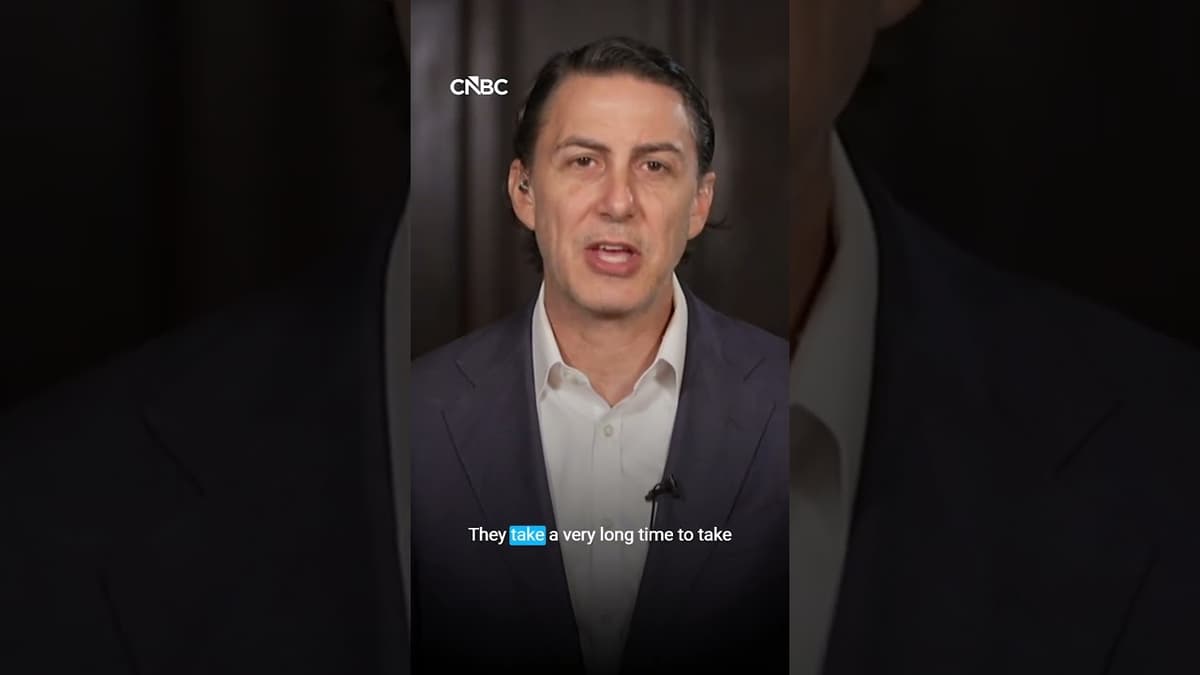
Former Biden adviser warns that Iran now dictates Red Sea shipping tempo, creating a dual‑blockade scenario where U.S. sanctions halt Iranian vessels while Tehran’s own blockade restricts all other traffic. The standoff is already generating worldwide economic pain and raises...
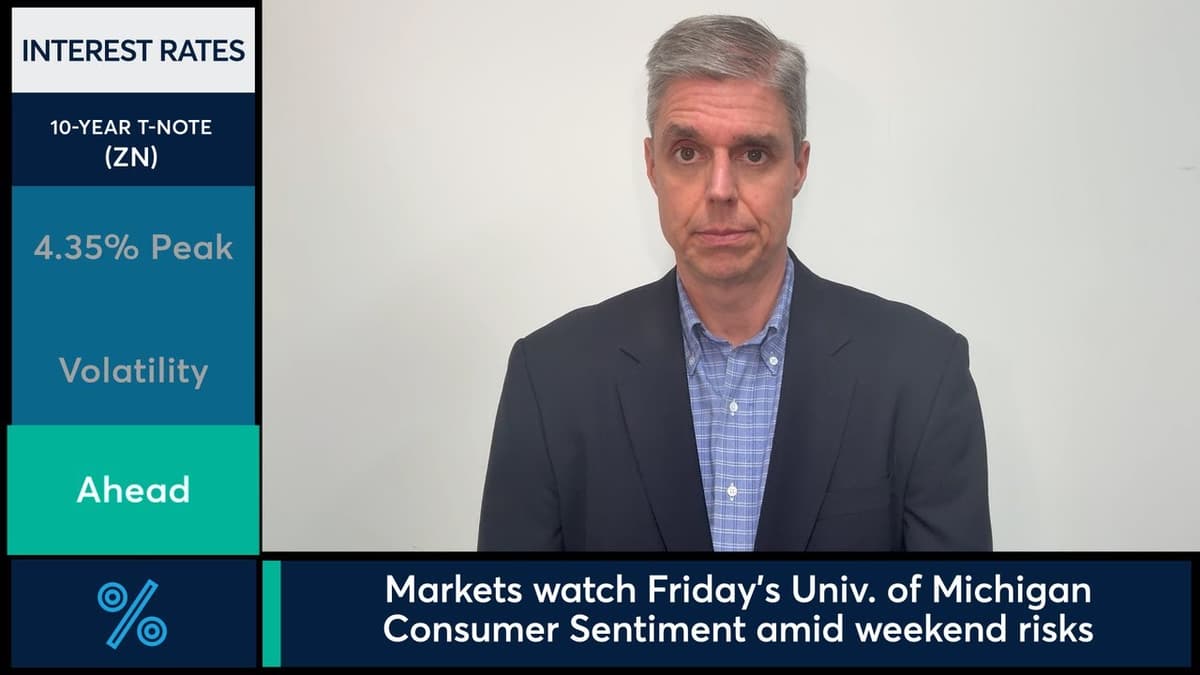
Treasury Futures React as 10-Year Yields Push Past 4.30%. 4/23/26
The video focuses on Treasury futures reacting to a sharp rise in 10‑year note yields, which opened above 4.30%, peaked at 4.35% and settled at 4.32% on April 23, 2026. Yield gains of two basis points for the session and...
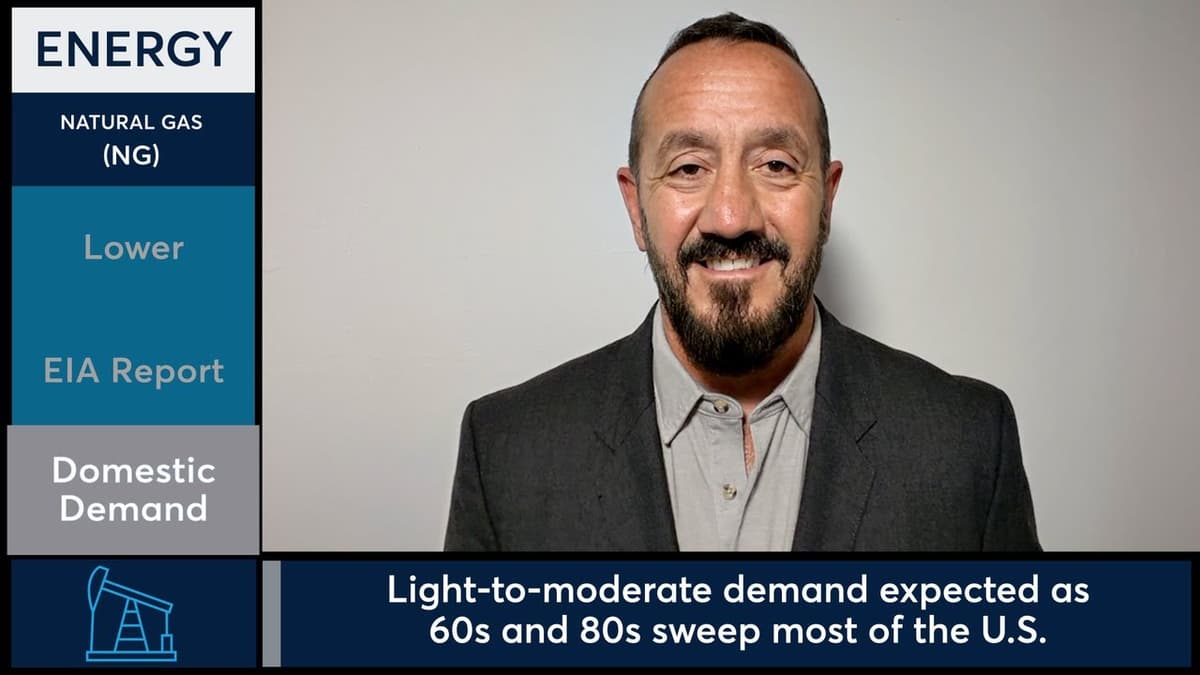
Natural Gas Futures Post Largest Drop in a Month on EIA Build. 4/23/26
U.S. natural‑gas futures slumped on Thursday, with the June contract losing 5.66% at its low of $2.568 per MMBtu, marking the steepest one‑day percentage decline since March 23, 2026. The slide followed the Energy Information Administration’s weekly report, which showed a 103 billion‑cubic‑foot...

Border Uncertainty and Cash Standoff Keep Cattle Trade on Edge | 4/23/26 Cattle Chatter
The episode centers on the lingering uncertainty surrounding the U.S.-Mexico border reopening and its ripple effects on the cattle market. Hosts Susan Littlefield and Brad of the Cattle Market Analytics Center dissect how the lack of a clear announcement from...
Markets Now Closes - 4/23 Wheat Hits New Highs on Weather, Row Crops Can't Follow: Cattle Bottom
Wheat surged as Kansas City HRW staged a technical breakout above the weekly 200-day moving average, reopening a path toward May 2024 highs and pushing prices toward the $7 range amid weather-driven supply uncertainty. Corn was essentially flat as abundant...

Replenish Nutrients Targets Fertilizer Supply Gaps with Local AG Tech Model
Replenish Nutrients, a Canadian ag‑tech firm, is commercializing a biologically‑based fertilizer platform through a licensing model that enables capital‑light, locally‑sited production. CEO Neil Wiens highlighted the company’s recent partnership with the Farmers Union in northern Minnesota, where a pilot plant now...
AOA Markets 4/23/26 | Markets Watching Weather and Geopolitics
The AOA Markets broadcast highlighted how deteriorating weather in the U.S. grain belt and escalating geopolitical tensions are shaping commodity prices this week. Mike Zulo warned that hard‑red wheat in western Kansas, Nebraska and eastern Colorado has over 30% of the...

Steve Hanke: Massive Inflation Ahead & Markets 'Totally Complacent' On Iran War
Professor Steve Hanke warned that the accelerating U.S. money supply and the ongoing Israel‑Iran conflict are setting the stage for a new commodity super‑cycle and a broader inflationary environment. He noted that commercial‑bank credit, which makes up roughly 80 % of broad...

A Narrow Strait, Global Consequences: Hormuz Strait and Fertilizer Markets
Speakers warned that disruptions in the Strait of Hormuz have sharply tightened already-fragile fertilizer markets by severing critical shipping routes and raising insurance and energy costs. The Middle East normally channels large shares of global fertilizer inputs—about 35% of seaborne...

Swiss Mining Institute Panama StockBox Summary
The Swiss Mining Institute’s Panama conference wrapped up with a decidedly bullish outlook for mining and investors. Host Alexander Scandlin highlighted macro tailwinds—persistent inflation, a weaker U.S. dollar, and geopolitical shifts—as the engine of a new commodity super‑cycle. Speakers argued that...
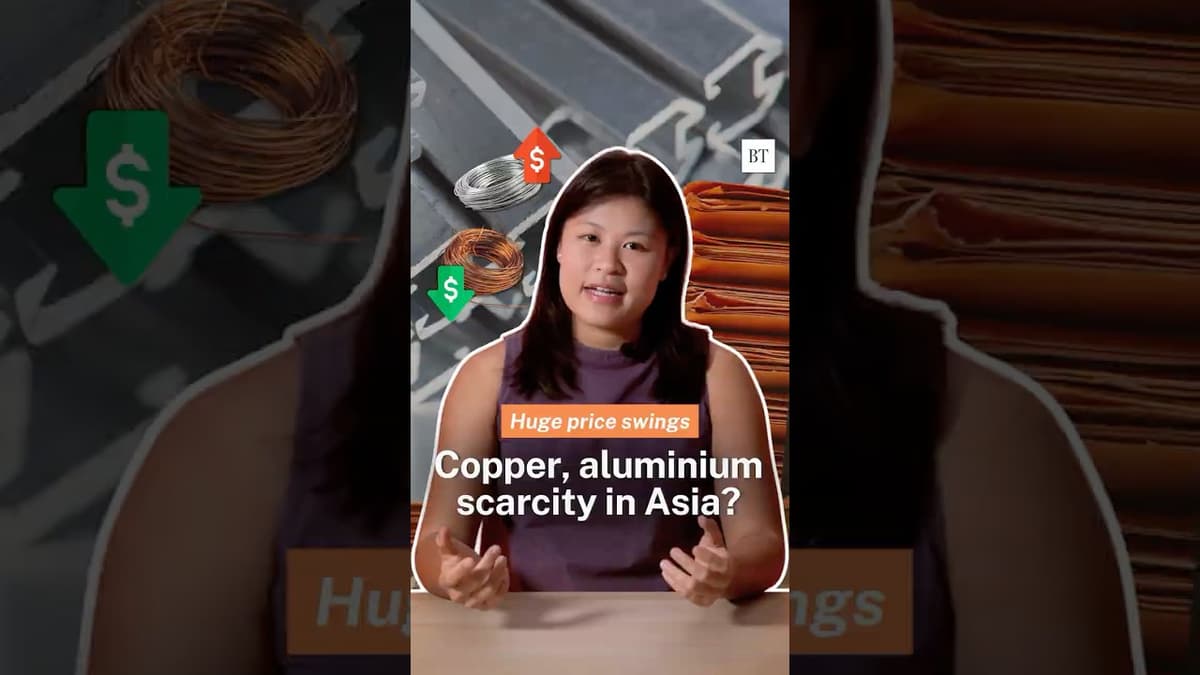
Why Are Copper and Aluminium Prices so Volatile?
The video examines why copper and aluminium prices have become highly volatile, linking the swings to the unfolding US‑Iran conflict and its impact on global supply chains. Copper dropped 10.6% after the war began, then recovered 11.9% to about $13,300 per...

Markets Now - Grains See Profit Taking Wednesday
Grain markets retreated midweek as traders took profits after recent gains, with Wednesday closes mostly lower across corn, soybeans and live cattle. A USDA report showing private sales of 130,000 tonnes of corn to unknown destinations failed to spark a...