
Stack Overflow on AI: A Computer Weekly Downtime Upload Podcast
Stack Overflow CEO Prashanth Chandrasekar says AI agents can write functional code faster, though often less elegant than expert developers. He frames agentic AI as a platform shift that will fundamentally reshape roles for designers, product managers and engineers. The technology accelerates traditional transformation cycles, embedding itself across enterprise software. While technical debt remains a hurdle, Chandrasekar sees a massive opportunity for AI‑driven workflows to automate tasks enterprise‑wide.
Codex Xhigh Cracks 6‑month Bug by Digging Into GTK4
Ahhhh, Codex 5.3 (xhigh) with a vague prompt just solved a bug that I and others have been struggling to fix for over 6 months. Other reasoning levels with Codex failed, Opus 4.6 failed. Cost $4.14 and 45 minutes. Full...
Why the Future of AI Depends on a Portable, Open PyTorch Ecosystem
Red Hat is championing an open, portable PyTorch ecosystem to ensure AI models run on any accelerator, cloud, or hardware. By contributing to projects like vLLM, vLLM‑CPU, OpenReg, and advanced kernels, Red Hat aims to democratize inference and reduce reliance...

Routing OpenTelemetry Logs to Sentry Using OTLP
The guide shows how to pipe OpenTelemetry logs into Sentry via the OTLP protocol by setting just two environment variables, eliminating any need to modify existing logging code. It walks through obtaining Sentry’s OTLP credentials, configuring a Node.js Express sample,...

MCP Security: Implementing Robust Authentication and Authorization
The Model Context Protocol (MCP) is becoming a core interface for AI agents to invoke tools and access enterprise data. To mitigate rising security threats, the latest guidance recommends treating MCP servers as OAuth 2.1 resource servers and adopting modern authentication...

Now GA: Up to 20x Faster Pulumi Operations for Everyone
Pulumi has moved its journaling performance enhancement to general availability, making it the default for all Pulumi Cloud operations when using CLI version 3.225.0 or later. The change replaces full‑snapshot state saves with incremental journaling, enabling parallel updates and delivering up to...

Now in Public Beta: Store Terraform State in Pulumi Cloud
Pulumi Cloud has launched a public‑beta Terraform state backend, letting teams point their Terraform or OpenTofu CLI at Pulumi Cloud without altering HCL. The service stores state encrypted, provides automatic locking, versioned history, RBAC and audit policies, and surfaces the...

Generating Metrics From Traces with Cardinality Control: A Closer Look at HyperLogLog in Tempo
Grafana Tempo’s optional metrics‑generator can derive RED metrics directly from tracing data, eliminating the need for separate instrumentation. However, automatically creating metric series can trigger a cardinality explosion, driving up storage costs. In the Tempo 2.10 release, the team introduced a...

A Transaction-Grade Performance Blueprint for Spring Boot FinTech Microservices (Tracing, Histograms, and Kubernetes)
FinTech payment‑authorization microservices demand continuous performance tuning, not a one‑off effort. The article presents a transaction‑grade blueprint that combines Kubernetes orchestration, OpenTelemetry tracing, and Prometheus histograms to meet strict latency and error SLOs. It walks through defining service‑level objectives, instrumenting...

The Verification Imperative: How One Framework Is Reshaping Trust in Financial Code
Financial institutions are tightening code integrity after supply‑chain attacks. Mitsubishi UFJ VP Jamshir Qureshi introduced the Hybrid Chain of Trust (HCoT), a framework that cryptographically signs and continuously validates software and container artifacts within CI/CD pipelines. The model enables compliance‑ready...

Introducing Studio AI: Stronger Validation, Less Friction
Cypress introduced Studio AI, an extension to Cypress Studio that automatically generates assertion suggestions by analyzing visible DOM changes during recorded test steps. The feature, called Smart Recommendations, offers code snippets, explanations, and before‑after snapshots, using stable selectors and filtering...

LLM APIs Need Token‑aware Rate Limiting, Not Just RPM
Most engineers rate limit LLM APIs like normal APIs. Requests per minute. Reject when limit hit. Retry. Sounds fine. Until your system starts throwing 429s even though your rate limiter says you’re under limit. The real problem? LLM APIs limit tokens, concurrency, and requests. Here’s why most rate...
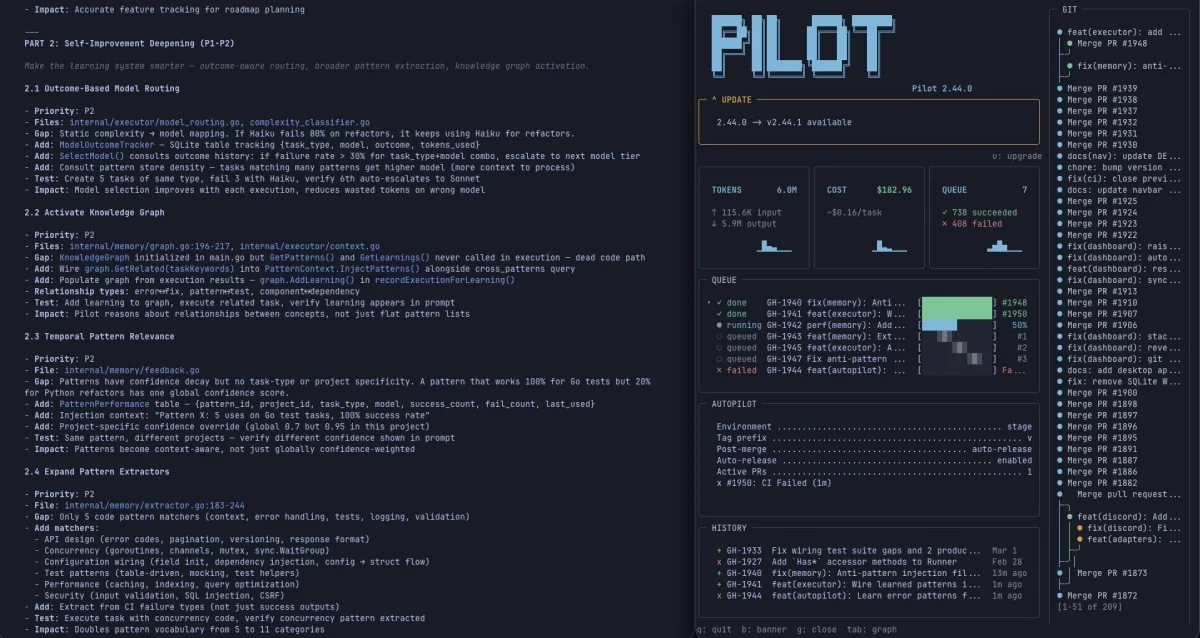
Pilot Continuously Learns, Optimizing PR Pipelines Automatically
Pilot doesn't just ship tickets — it learns from them 📘 Every PR review → pattern extraction. Every CI failure → error diagnosis. Every self-review → convention learning. Cross-project memory with confidence scoring and decay. v3 roadmap 👀 Outcome-based model routing — Pilot...

OSPOlogy Day Cloud Native at KubeCon + CloudNativeCon Europe
OSPOlogy Day Cloud Native, hosted by the CNCF and the TODO Europe Chapter, will convene a small group of open‑source program offices at KubeCon + CloudNativeCon Europe on March 23, 2026. The half‑day session uses lightning talks and round‑table discussions under the Chatham House...

Scaling AI Testing Across Large Product Teams
Enterprises are grappling with the need to scale AI testing as model updates become frequent and data‑driven. Traditional deterministic QA cannot capture the probabilistic behavior, bias, and drift inherent in machine‑learning systems. Global App Testing proposes a structured framework that...

The Right Way to Architect Modern Web Applications
The article argues there is no single “right” way to build modern web applications; instead, teams should adopt hybrid, constraint‑driven architectures that combine server‑side rendering with client‑side hydration. It explains how today’s apps span servers, edge caches, and browsers, requiring...
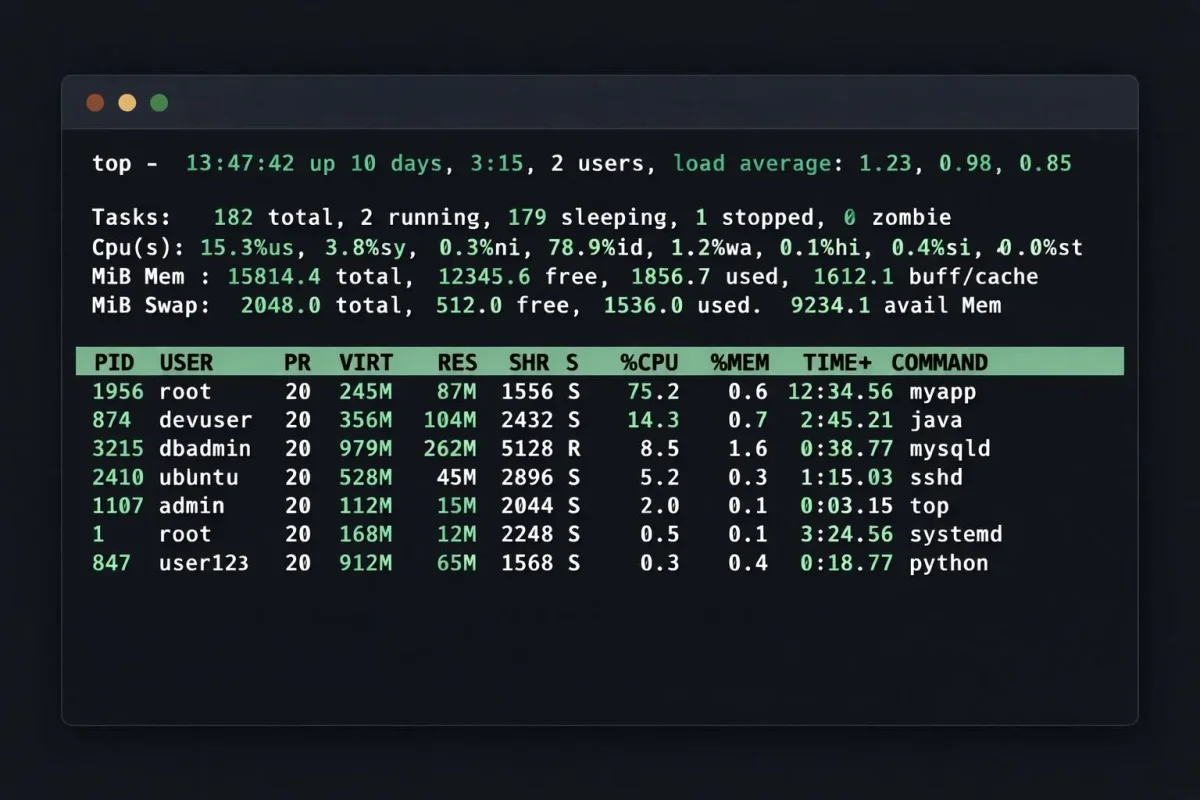
Master the Terminal: Survive Production Failures with Shell Scripting
Most people ignore shell scripting. Until production breaks. When servers stop responding, when logs explode, when disk space suddenly gets full — You don’t open a fancy dashboard. You open the terminal. And suddenly, simple commands matter: • grep • awk • sed • top • df Shell scripting is not just about...
AI-Assisted Coding Needs More than Vibes; It Needs Containers and Sandboxes
In this episode, Docker President Mark Cavett discusses how containers are becoming essential for safely running AI‑generated code, emphasizing the need for hardened images to bridge the trust gap. He explains Docker’s new open‑source Docker Hardened Images (DHI) catalog, which...
AI Workloads Force a Fundamental Redesign of Middle East Datacentres
AI workloads are prompting a fundamental redesign of Middle East data centres, shifting from legacy digital architectures to AI‑centric designs. Huawei’s SuperPoD solution, announced at MWC 2026, delivers up to 96.6% UPS efficiency and a 25% smaller footprint to meet soaring...
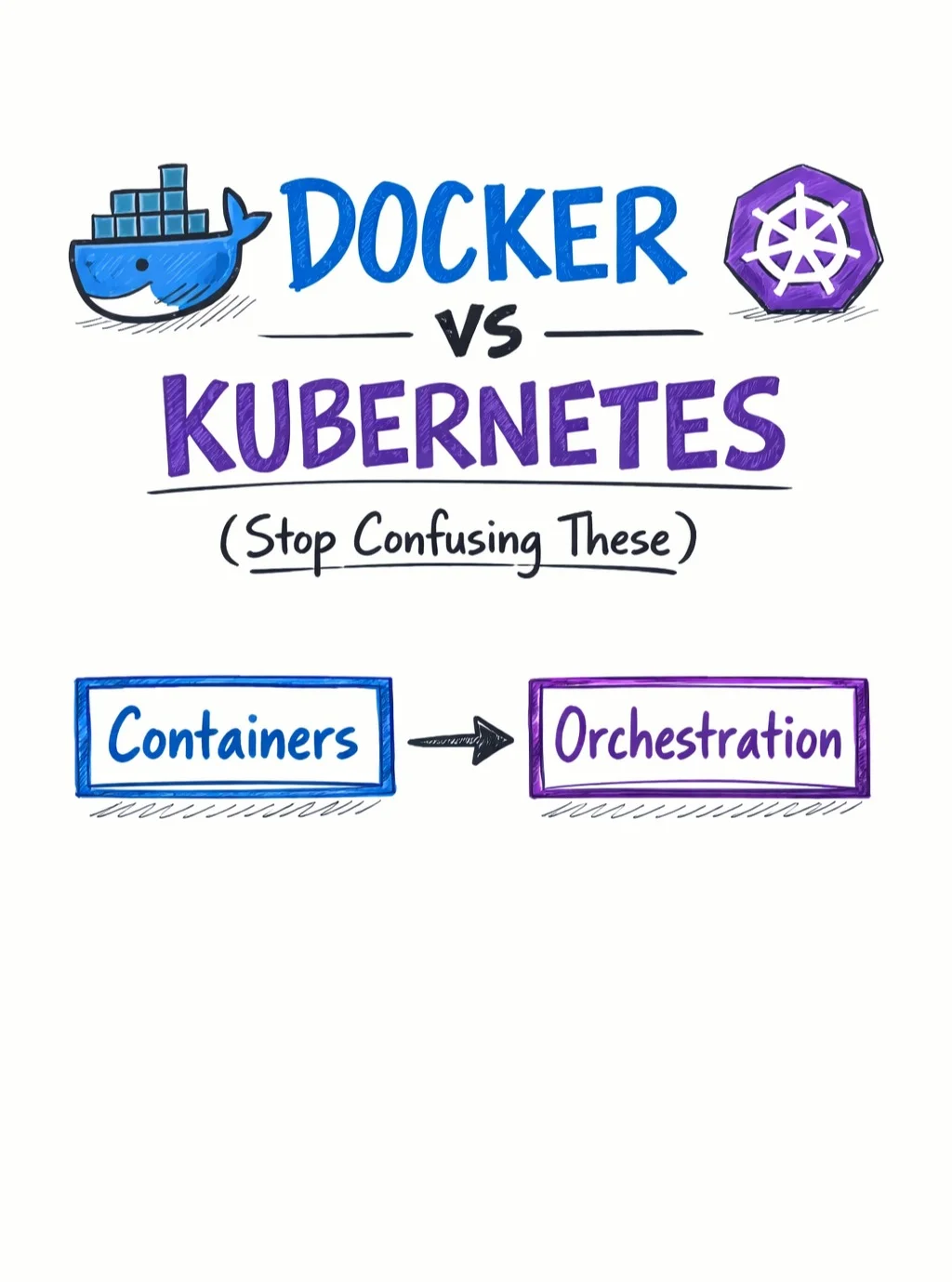
Docker Builds Containers; Kubernetes Orchestrates Them Together
Docker vs Kubernetes — explained simply. Docker helps you build and run containers. Kubernetes helps you manage containers across many servers. You don't choose one. You use both together in modern cloud systems. Save this post for quick revision. Follow @devopsshack for more. #devops #kubernetes #docker #devopsshack

Blueprint for Transaction-Grade Performance in Spring Boot FinTech
A Transaction-Grade Performance Blueprint for Spring Boot FinTech Microservices (Tracing, Histograms, and Kubernetes) https://t.co/fuDRAB4Kme https://t.co/RBC3Sr1zhX

New Observability Features in Red Hat OpenShift 4.21 and Red Hat Advanced Cluster Management for Kubernetes 2.16
Red Hat OpenShift 4.21 introduces the Cluster Observability Operator 1.4, delivering customizable Perses dashboards and an AI‑powered trace summarizer integrated with LightSpeed. The release also upgrades the Prometheus‑based monitoring stack with performance‑focused PromQL enhancements, UTF‑8 support, and tighter OpenTelemetry integration....

How Gremlin Makes Disaster Recovery Testing Easier and Faster
Gremlin has introduced a Disaster Recovery Testing feature that lets organizations simulate catastrophic failures across all services with a few clicks. The tool builds on pre‑built test suites to establish baseline reliability scores, then supports regular weekly testing of individual...

Announcing Docker Hardened System Packages
Docker announced Docker Hardened System Packages, extending its Docker Hardened Images (DHI) security model to individual OS packages. The offering adds more than 8,000 hardened Alpine packages with Debian support slated soon, and maintains Docker’s SLSA Level 3 build pipeline and...

Learn DevOps by Building, Breaking, and Fixing Real Systems
Career switches into DevOps succeed when you treat it like production, not theory. ✨ Build something deployable. ✨ 🫧Add logging. 🚨Add alerts. 💔Break it. ❤️Fix it. 💡 That’s the mindset I teach in my free DevOps guides.

Observability, Governance at Scale
The article outlines how observability, governance, and safe automation together form a resilient IT foundation. Observability leverages metrics, logs, and traces to detect issues before they affect users. Governance establishes policies, RBAC, and compliance monitoring to align technology with business...

EY Hit 4x Coding Productivity by Connecting AI Agents to Engineering Standards
EY’s product development team boosted coding productivity four‑ to five‑fold by wiring AI coding agents into its engineering standards, code repositories, and compliance frameworks. The initiative required an 18‑ to 24‑month effort to embed cultural acceptance and technical integrations, moving...

Google Chrome Is Switching to a Two-Week Release Cycle
Google Chrome will move its major milestone releases to a two‑week cadence, beginning with Chrome 153 stable on September 8. The change aims to deliver new features, performance tweaks, and fixes faster while retaining weekly security patches. It applies to desktop, Android,...
Smart LLM Telemetry Saves Costs, Avoids Over‑logging
LLM logging gets expensive fast. Prompt/response storage. Token metadata. Latency traces. Third-party observability bills. Most teams over-log… then panic at the invoice. If you’re building with LLMs in production, you need telemetry without exploding cloud costs. Here’s how to log smarter ⤵️🩷

Archipelo and Checkmarx Announce Partnership Connecting AppSec Detection with DevSPM
Archipelo and Checkmarx announced a technical partnership that links application vulnerability findings with development‑origin context. The integration combines Archipelo’s Developer Security Posture Management (DevSPM) with Checkmarx’s Application Security Posture Management (ASPM) to surface who, how, and whether AI tools contributed...

MLOps Coding Skills: Bridging the Gap Between Specs and Agents
The article introduces Agent Skills, a lightweight markdown‑based tool that injects organization‑specific engineering standards into AI coding agents. By converting sections of the MLOps Coding Course into SKILL.md files, the author shows how agents can automatically apply preferred tools such...

Agentic Engineering Aims to Eliminate Human Code Review
this is the Final Boss of Agentic Engineering: killing the Code Review at this point multiple people are already weighing how to remove the human code review bottleneck from agents becoming fully productive. @ankitxg was brave enough to map out how...

Open Source Isn’t Altruism. It’s How You Avoid Getting Surprised
The author reframes open source from an altruistic movement to a strategic risk‑management tool. The Terraform license change at HashiCorp sparked a swift community fork, OpenTofu, exposing how vendor‑controlled projects can surprise users. This episode highlighted the importance of transparent...

Cloud Architects Earn the Highest Salaries
Cloud architects remain the most in‑demand cloud role, commanding total compensation often exceeding $200,000. Their core value lies in translating business intent into secure, cost‑controlled designs that scale across dozens of teams. While many organizations can spin up workloads quickly,...

Day 146: Time Series Database Integration - Turning Logs Into Queryable Metrics
Today's post highlights the shift from raw log files to queryable metrics using time‑series databases. It explains why traditional relational databases falter with high‑write, append‑only workloads and showcases InfluxDB and TimescaleDB as purpose‑built solutions. The article illustrates how these databases...

From AI Skepticism to New SRE Perspective in One Year
Less than a year ago, Fred and I gave the closing keynote at SRECon25. I can hardly connect with the way I felt back then, or the pitch I made for why skeptical SREs should engage with AI. If I was...
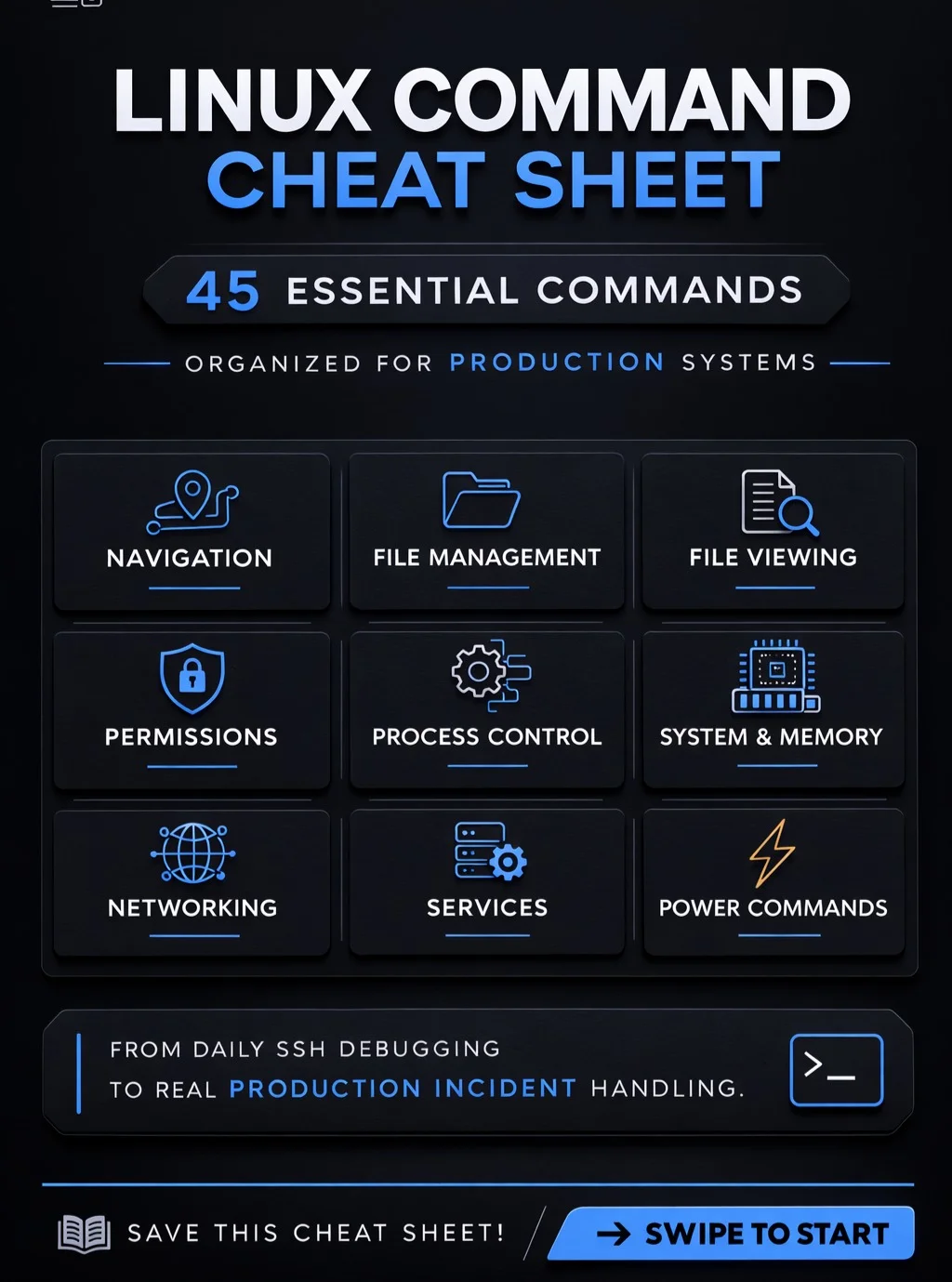
45 Essential Linux Commands for Real Production Use
45 Linux commands Cheat sheet 🐧🐧 Real production use. No fluff. Save this cheat sheet. Follow @devopsshack for more. #devops #linux #cheatsheet

Scaling Earth and Space AI Models with Red Hat AI Inference Server and Red Hat OpenShift AI
Red Hat announced that its AI Inference Server now natively serves Earth and space foundation models such as NASA’s Prithvi‑EO, Prithvi‑WxC, and IBM’s TerraTorch models. The server leverages a hardened vLLM distribution and integrates with OpenShift AI to provide dynamic...
Timeless Software Engineering Practices Still Thrive Today
Coding has changed, no doubt, but software engineering itself is full of many durable ideas and practices. This post from @milan_milanovic shares a ton of lessons learned from the book "Software Engineering at Google." They still hold up! https://t.co/eOttYk6JAu

Balance Speed and Safety for AI-Driven Releases
RT "Ship fast and break things" must not apply to AI agents with access to customer data or production workflows. My checklist explains how to balance speed with responsible releases. #AI #DevOps #CIO @Star_CIO https://t.co/1tg10UmJNv
Simplifying Windows Licensing with OpenShift Virtualization on ROSA
Red Hat announced general availability of Windows License Included for OpenShift Virtualization on ROSA, allowing customers to run Windows virtual machines on AWS bare‑metal instances with licensing bundled into compute costs. The feature bills Windows usage per vCPU at the cluster...

Set Safe Flag Defaults to Avoid Outage Risks
Safe flag defaults can prevent a simple mistake from turning into a major outage, says this @google Testing blog about setting safe defaults on your flag. Quick, useful advice ... https://t.co/SY9mNigoJm https://t.co/7tvZWW6Wql
Structured AI Conversations Mirror Whiteboarding, Align Designs Early
NEW POST @techygarg uses a structured conversation with an AI agent that mirrors whiteboarding with a human: progressive levels of design alignment, reducing cognitive load, and catching misunderstandings at the cheapest possible moment. https://t.co/axw3dnhjhI
Before Starting a Virtualization Migration Assessment: A Readiness Framework for a Successful Outcome
A Virtualization Migration Assessment (VMA) provides a data‑driven blueprint for moving workloads to Red Hat OpenShift Virtualization, beginning with a Day‑Zero readiness check. The framework evaluates infrastructure complexity, OS compatibility, storage footprint, workload criticality, and internal expectations to create a realistic...

Substantially Reduce Your PCI DSS Control Burden Through Inherited Infrastructure
Upsun introduces an "Inherited Compliance" model that shifts most PCI DSS infrastructure responsibilities to its secure‑by‑default cloud platform. Automated patch deployment and built‑in change logs keep the environment continuously compliant without manual effort. By defining the entire stack in a...

Token Efficiency vs Cognitive Efficiency: Choosing IaC for AI Agents
The Pulumi blog benchmark compares Terraform HCL and Pulumi TypeScript when generated by Claude Opus 4.6 and GPT‑5.2‑Codex. HCL consistently uses 21‑33% fewer tokens for initial resource creation, lowering raw generation cost. However, Pulumi’s TypeScript refactoring achieves higher deployable success...
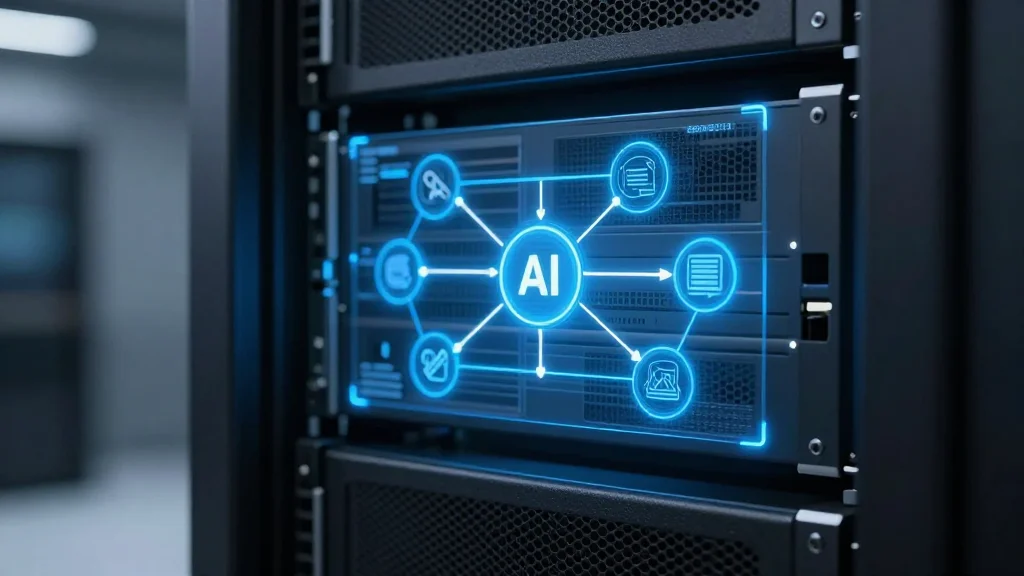
AWS Step Functions + AI: Smarter Orchestration in Modern Applications
AWS Step Functions is now tightly integrated with generative AI services such as Amazon Bedrock, giving developers a low‑code, visual platform to orchestrate complex, multi‑step AI workflows. By externalizing state, retries, and error handling, the service transforms monolithic Lambda implementations...

Codex App SSH Beats OpenClaw with Codex 5.3
Using OpenClaw + Codex 5.3 doesn't come close to using the Codex App with Codex 5.3. What am I missing? In fact my standard workflow is to use Codex App to SSH into my Linux box and do the work...

Future Infrastructure Automation Demands New Intelligent Approaches
Why the Next Wave of #Infrastructure Automation Requires a Different Kind of Intelligence https://t.co/NOhNN3qm6O https://t.co/LiuIKgG3if

Enterprise AI Adoption Lagging Behind Software Development Hype
Is everyone wrong about the timeline for AI changing software development? Depends on where you're looking. Enterprises don't move fast. Many are still getting going on "cloud migrations" and "DevOps." This might be different. Who knows. https://t.co/mNtDmqy7JW