
IMF Warns of Global Recession
The IMF warned that sustained high oil, gas, and food prices could push global growth below 2% next year, with inflation staying above 6%, especially if the Middle East conflict drags on. The episode highlighted the uneven impact, noting that low‑income energy importers and the UK—heavily dependent on imported gas—are most vulnerable, while African nations face acute fuel shortages and are seeking more resilient supply chains. It also covered Evergrande’s founder pleading guilty to fraud, the surge in JP Morgan’s profits from market volatility, and a historic Titanic rescue watch slated for auction.

AUDIO: The Impact of International Conflict on the World’s Oil Pipeline
The episode examines how simultaneous disruptions at three key maritime chokepoints—the Strait of Hormuz, the Red Sea/Suez Canal corridor, and the Panama Canal—are creating a system‑wide shock to global oil and LNG shipping. The guest from the Center for Ports...

Metal Movers: Copper’s Volatile New Landscape | Argus Media
The episode dissects copper’s recent volatility, tracing a 2025‑2026 price surge to a mix of tight physical supply, looming U.S. tariffs, and a wave of financial speculation that pushed LME prices above $14,000 per tonne. Experts explain how lower ore...

Cordoba's Sheikh: The Market's 'Dislocated Areas' Are Its Best Opportunities Now
In this episode, chief investment officer Abe Shaikh of Cordoba Advisory Partners discusses how the current oil market’s “dislocated areas” – such as supply constraints from the Red Sea and potential Hormuz closures – create lucrative opportunities as prices are...

Blockading the Hormuz Strait Blockade: How Does This Work, Exactly?
The episode dissects the escalating geopolitical tension surrounding a potential U.S. blockade of the Strait of Hormuz, its impact on oil flows, and the ripple effects on global markets. Hosts highlight how Iran’s oil exports to China, possible Houthi retaliation...
Why Are Global Imbalances Rising, and Why Does It Matter?
In this episode of the Sound of Economics, Bruegel director Jermyn Zettelmeier and CEPR president Beatrice Vedder de Mauro discuss the 2023 Paris Report on global imbalances, tracing their historical evolution and highlighting why they matter again today. They explain...

The History of War & Markets
In this episode of The Timeless Investor, Ari Van Gemmeren systematically examines every major armed conflict of the past century and shows that U.S. equity markets have almost always posted positive returns in the 12 months after a war begins,...

Mortgage Rates and Banknotes
The episode examines the sharp rise in UK mortgage rates, now above 5% for two- and five-year fixes, and the anxiety this creates for existing homeowners and prospective buyers. Experts Adam French and mortgage advisor Jane King explain how product...

Week in Review: Whither the Ceasefire
The episode examines the fallout from the tentative US‑Iran cease‑fire, focusing on how limited tanker traffic through the Strait of Hormuz is keeping oil prices volatile despite market optimism. It highlights the logistical challenges, including Iran’s demand for $2 million cryptocurrency...

Why a Hormuz Toll Makes Economic Sense
The episode examines President Trump's mixed signals about imposing a $1‑$2 per barrel toll on oil tankers transiting the Strait of Hormuz, noting that such a fee would likely shift costs to Gulf producers and ultimately benefit U.S. suppliers, while...

The Ceasefire, Africa and Senior: Companies and Markets Show
The episode opens with Julian Hoffman dissecting the shaky US‑Iran ceasefire, highlighting the lack of clear terms, ongoing tensions in the Strait of Hormuz, and the mixed market reaction that has nonetheless lifted European equities and trimmed oil prices. The...

210. What Is America's Problem with the WTO?
In this episode, host Chad Bowne talks with former U.S. WTO ambassador Maria Pagan about America’s longstanding grievances with the World Trade Organization, focusing on the appellate body, dispute‑settlement reforms, and perceived unfair practices by China. Pagan explains how both...
U.S Consumer Spending Meets Caution
Morgan Stanley strategist Michelle Weaver discusses the mixed signals in U.S. consumer spending, noting that while overall spending remains positive, consumer confidence is slipping. Her AlphaWise survey shows a net spending outlook of +18% but a net confidence outlook of...

Friday: Oil Falls After Israel Agrees to Ceasefire Talks
The episode covers the market reaction to Israel’s agreement to ceasefire talks with Lebanon, which pushed oil prices lower and boosted risk assets like the S&P 500 and the Australian and New Zealand dollars. ANZ economists explain how the Middle‑East conflict,...
Gulf Ceasefire: Fragile or Firm?
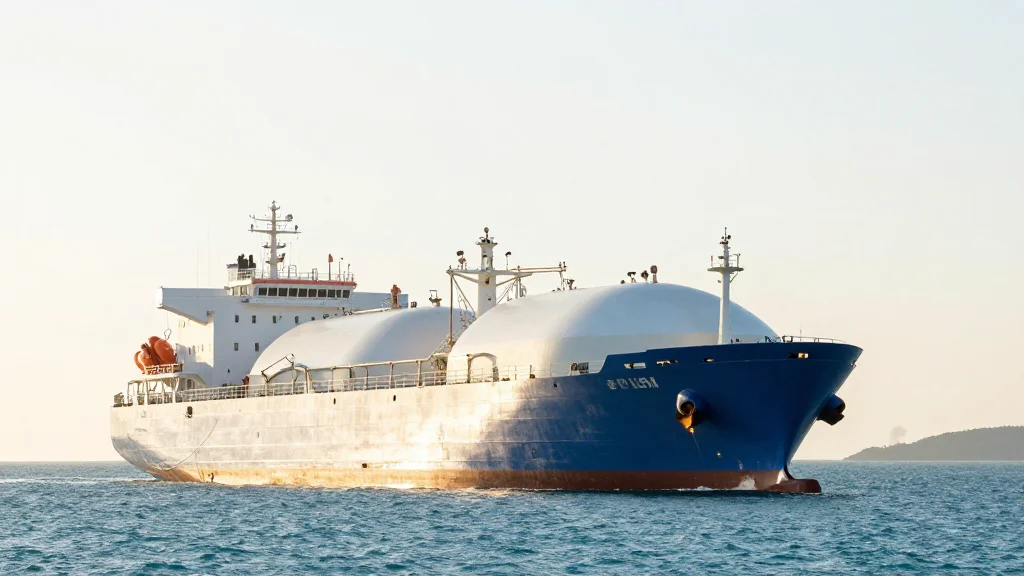
The episode examines the newly announced Gulf ceasefire and its uncertain impact on global energy markets, especially LNG supply. Analysts discuss the fragility of the ceasefire, the stalled reopening of the Strait of Hormuz, and the critical role of Qatar's...

After Ceasefire Rally, Focus Turns to Inflation
The Schwab Market Update highlighted how a temporary ceasefire in the Middle East is shifting market focus back to inflation and economic data, while noting that shipping disruptions and fragile peace keep risks alive. Key data points include the upcoming...
FX Moment: Iran War Shift First Step Out of Sterling Bear Cycle
In this episode of FX Moment, Chief FX Strategist Audrey Charles Freeman and Chief UK Economist Dan Hansen examine how the recent US‑Iran cease‑fire announcement is easing market sentiment and reshaping the outlook for sterling. They argue that the war‑driven...
U.S. and Iran Both Claim Victory in New Ceasefire
The episode breaks down the newly announced two‑week cease‑fire between the United States and Iran, highlighting the ambiguous terms each side claims as a victory, including Iran’s demand for influence over the Strait of Hormuz and the U.S. claim of...
A Robust Market Reaction to a Quite Fragile "Cease-Fire" In Iran.
The episode analyzes the market fallout from a fragile two‑week cease‑fire between Iran and Israel, focusing on oil logistics, price volatility, and speculative positioning. Hosts note that despite ongoing missile launches, the cease‑fire has sparked a sharp drop in Brent...
Europe’s Electric Vehicle Conundrum
The episode examines Europe’s dual transition: decarbonising transport through rapid EV adoption and maintaining a competitive automotive industry amid Chinese overcapacity and shifting US subsidies. Guests explain how the EU’s reliance on Chinese batteries and EVs threatens supply‑chain resilience, while...

A Show With No Name
In this episode, hosts Marlon Weems and Arturo Dominguez discuss two major topics: the recent failed paramilitary invasion attempt on Cuba by U.S.-based exiles, and the Pentagon's push for unrestricted access to advanced AI from Anthropic, which the company refused,...
Global Outlook: War Inflation to Spark Higher Interest Rates
In this episode, ComBank’s host Mandy Drury and head of Forex, International and Geoeconomics Joe Caperso dissect the global fallout from the Middle‑East war, focusing on soaring oil prices, higher fertilizer costs and their ripple effects on inflation and interest...

We’re Heading for a Financial Crisis - Liam Halligan
In this episode, economist Liam Halligan warns that the UK is on a path toward a financial crisis, driven by soaring debt‑interest payments, record‑high gilt yields and a tax burden at its highest level since 1948. He explains how the...
Tuesday - April 7, 2026
In this brief market commentary, host Brian Seitel reviews the low‑volume trading day, noting a 1% market decline driven by geopolitical tension over the Strait of Hormuz and modest rises in yields and oil prices. He shifts focus to corporate...
Iran Deadline Approaches
The episode focuses on the looming U.S. deadline over Iran, which keeps oil prices near $100 per barrel and fuels market uncertainty, especially as U.S. ISM data shows slowing activity and a sharp rise in component prices. Samsung’s explosive earnings,...

If This Were Doomsday, Markets Would Show It (Alyosha)
In this episode, host JD interviews veteran pit trader and Substack writer JJ (Alyosha) about the escalating geopolitical tension in the Middle East, particularly the potential for a catastrophic conflict involving Iran and Israel and its impact on global oil...
209. Will Trump's Pharmaceutical Tariffs Lower Prices and Secure Supply Chains?
In this episode, host Chad Bowne and guest Tom Boyke dissect the Trump administration’s new pharmaceutical tariffs and the U.S.-U.K. pricing arrangement, explaining how they aim to address two distinct challenges: low‑margin generic drug shortages tied to China and India,...

Money and Me: Investors and North Asia Edge
In this episode, host Michelle Martin talks with Vance Tan, Financial Services Manager at Phillip Capital, about why North Asia – Japan, South Korea, and Taiwan – is emerging as a new engine for global growth. Tan highlights Japan’s re‑rating...
Is the Strait of Hormuz Opening up Again?
The episode examines the tentative reopening of the Strait of Hormuz after weeks of disruption caused by the US‑Israel‑Iran conflict, highlighting the first Western container ship and a Japanese LNG carrier to transit the route. Captain John Conrad of GCaptain...

Global Data Pod Weekender: All’s Unclear that Ends Unclear
In this J.P. Morgan Weekender episode, Bruce Kasman and Joe Lupton dissect the latest U.S. labor market data, ongoing energy price shocks, and their implications for global growth. They highlight that while growth momentum remains supported by technology and business...

Curb Your (Job Market) Enthusiasm
In this Inside Economics episode, Mark Zandi and co‑hosts Marissa Di Natale and Chris Dorides dissect the March 2026 jobs report, highlighting a volatile payroll picture—178,000 jobs added after a revised February loss of 133,000—and a modest three‑month average gain...

Is the US Dollar Collapse Imminent?
The episode examines whether a collapse of the US dollar is imminent, focusing on how recent Middle East conflicts have accelerated the shift of some nations toward trading oil in currencies like the yuan, ruble, or cryptocurrencies to avoid US...

A Reality Check on Tariffs, Debt, and Growth From a Former Finance Minister
In this episode, former Chilean Finance Minister and LSE dean Andrés Velasco discusses the evolution of Latin American democracies, the decline of hyperinflation, and the limited impact of renegotiating NAFTA/USMCA on North American trade. He explains how Chile’s prudent fiscal policy—saving...
Interview with Turkiye's Diplomacy 02.04.2026
In this episode of Turkey's Diplomacy, financial consultant Laurent Lecoe explains that the ongoing Iran war, dubbed Operation Epic Fury, is pushing the global economy into stagflation, with rising inflation and stagnant growth. He highlights how oil supply disruptions are...

Markets Surge and Everything You Need to Know About SpaceX
In this episode of the AJ Bell Money and Markets podcast, Charlene Young and Dani Hewson review a volatile week in global markets, noting a rally driven by optimism over a potential de‑escalation of the Iran conflict and lower oil...
208. It's Been One Year Since Trump's "Liberation Day" Tariffs
In this episode, Chad Bowne and FT reporter Amy Williams review the fallout from President Trump's "Liberation Day" tariffs announced on April 2, 2025, which imposed a baseline 10% duty on most imports and higher rates on select countries. They...
Metal Movers: How the Iran Conflict Is Impacting Steel Markets
The Metal Movers episode examines how the Iran‑Israel conflict has disrupted global steel markets, from the closure of the Strait of Hormuz to direct strikes on Iranian steel plants. Reporters detail the immediate supply shock—loss of roughly 500,000‑600,000 t/month of Iranian...
All Options Considered: Iran War, Hormuz and Market Tails
In this episode, Tanvir Sandhu and CFR senior fellow Edward Fishman dissect the evolving objectives of the U.S.-Israel conflict with Iran, focusing on control of the Strait of Hormuz and its implications for global oil supplies. Fishman argues that the...

Brutal Quarter Ends With a Rally — But Risks Are Rising
The episode reviews the dramatic end‑of‑quarter rally in U.S. equities, driven by shifting geopolitical signals around the Iran‑Saudi conflict and a potential de‑escalation hinted at by former President Trump and Iran’s president. Host Ed Elson and guest Kevin Gordon, head...
U.A.E. Preparing to Help Open Strait of Hormuz By Force
The Wall Street Journal’s What’s News covers the United Arab Emirates’ shift toward becoming a combatant in the Iran‑U.S. conflict, as it prepares to help force‑open the Strait of Hormuz by clearing mines and supporting a U.N. resolution authorizing military action. Middle‑East...

Is Europe Ripe for Recovery?
In this episode, Andrew Vernsickle talks with Daniel Avigard, manager of the TM Lansdowne European Special Situations Fund, about why Europe may be poised for a recovery after years of stagnation. Avigard points to a combination of low valuations, a...
Fertilizer Matters EP44: Chinese Ammonia Market
In this episode, Argus senior reporter Denise Cheng talks with ammonia market editor Roof Sharp about the launch of Argus' new China FOB ammonia price assessment and the shifting dynamics of China's ammonia trade. China, once a major importer, is...

#161 - Lyn Alden - Why Everything Feels Harder - Debt, Inflation & The System
In this episode, Lyn Alden explains how the modern fiat monetary system—rooted in central bank ledgers and fractional‑reserve banking—creates perpetual debt and inflation that erodes wages and savings, especially for lower‑income households. She argues we are in the later, more...
Strait Talk: Crisis in the Gulf
In this episode Tom Reid of Argus discusses the escalating Hormuz crisis with Dubai‑based colleagues Nada Itayim and Bashar al‑Halabi. They examine the U.S. deployment of the USS Tripoli, the strategic importance of Iran’s Kharg Island as a major oil export...

How To Manage The Impact From the IRAN War On Your Retirement Portfolio, #299
In episode 299, Ryan Morrissey examines how the Iran war’s surge in oil prices—up roughly 33% since late February—has driven a 6% dip in the S&P 500 and sparked market volatility. He explains why such shocks are often temporary, drawing parallels...
Monday - March 30, 2026
The Dividend Cafe episode dissected the recent market turbulence, highlighting a volatile day where the Dow barely rose while the S&P and Nasdaq fell, and noting the outsized losses in high‑valuation tech and AI stocks like NVIDIA and Palantir. Host...
Kharg Island: What Role Does It Play in Iran’s Economy?
The episode explains that Kharg Island is Iran’s primary oil export hub, handling over 90% of the country’s crude shipments—about 1.7 million barrels a day, or roughly 1.5% of global supply. Experts Humayun Falak Shahi (Kpler) and Dr. Anahita Motazad‑Rad (LSE)...
Tuesday: Markets Volatile as Iran Conflict Goes On
The episode reviews volatile global markets amid the ongoing Iran conflict, noting a dip in U.S. 10‑year Treasury yields and mixed equity performance while oil prices stay elevated. ANZ economists discuss upcoming Australian credit growth data and New Zealand business confidence,...
Wellington-Altus' Thorne: 'Sell War, Buy Peace' And the Expansion That's Coming
In this episode, host Chuck Jaffe and guests—including Jim Thorne, chief market strategist at Wellington‑Altus Private Wealth, and Vijay Maroglia, CIO of Regal Point Capital—debunk the panic surrounding the Iran‑related oil “terror premium” and AI hype, urging investors to "sell...

The Real Risk Isn’t War- It’s What Comes Next
In this Macro Mondays episode, Mikkel Rostewald and Andreas dissect the ongoing Iran‑U.S. conflict, weighing the likelihood of diplomatic resolution versus a broader military escalation. They examine the immediate market fallout—oil supply disruptions, the impact on by‑products like helium and...