
Freeze-Dried Platelets Combat TBI Brain Swelling and Bleeding
Researchers at UCSF have shown that Thrombosomes, a freeze‑dried platelet‑derived product, dramatically reduces bleeding and cerebral edema in a mouse model of traumatic brain injury (TBI). The biologic, originally created for battlefield hemorrhage, can be stored at room temperature for up to five years, far longer than the seven‑day shelf life of fresh platelets. In treated mice, vascular leakiness and inflammation were markedly lower even when administered a day after injury. Because Thrombosomes are already in Phase II trials for bleeding disorders, human safety data exist, potentially accelerating TBI clinical testing.

Why Paragon Gets Hospitals Wrong: Report Ignores Reality of Care Delivery
Paragon Health Institute released a report that reduces hospitals to abstract cost and pricing models, ignoring the day‑to‑day realities of emergency care, labor‑intensive services, and community needs. The critique argues the institute misidentifies cost drivers, labeling Medicare and Medicaid payments...
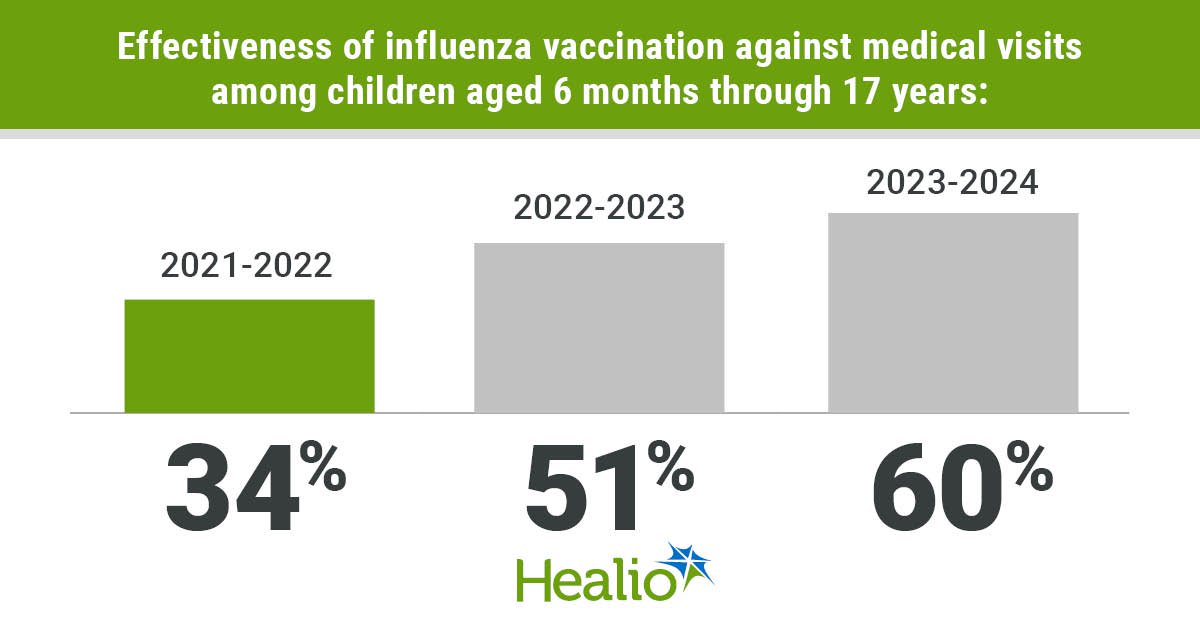
Flu Vaccines Reduced Medical Visits in Children in Recent Seasons
New research published in Pediatrics confirms that seasonal influenza vaccines cut pediatric hospitalizations and outpatient visits between 2021 and 2024. Analyzing data from nearly 20,000 children across seven medical centers, the study found overall vaccine effectiveness of 55%, ranging from...

Trump Administration Reclassifies some Medical Marijuana Products as Less Dangerous
The Justice Department, via Acting Attorney General Todd Blanche, issued an order moving FDA‑approved and state‑licensed medical marijuana products from Schedule I to Schedule III. The change reclassifies these cannabinoids as having a moderate to low potential for dependence, aligning them more...

List of Active Radioactive Drug Research Committee (RDRC) Sites
The Department of Health and Human Services has published an updated roster of active Radioactive Drug Research Committee (RDRC) sites, encompassing more than 40 institutions nationwide. The list includes premier academic medical centers such as Mayo Clinic, Stanford, and the...

TRIDENT: Triple Antihypertensive Pill Cuts Recurrent Stroke in ICH
The TRIDENT trial showed that a single low‑dose triple‑antihypertensive pill (telmisartan, amlodipine, indapamide) added to standard care reduced recurrent stroke in patients with prior intracerebral hemorrhage from 7.4% to 4.6% (HR 0.61). Mean systolic blood pressure during follow‑up was 127 mm Hg in...

Cardiometabolic Intervention: Evaluation of PCSK9 Inhibitors as the Successor to the GLP-1 Phenomenon
The 2026 analysis pits GLP‑1 receptor agonists against PCSK9 inhibitors, showing that the latter now deliver comparable or superior reductions in major adverse cardiovascular events and are expanding into oral formulations. Clinical trials such as VESALIUS‑CV demonstrate primary‑prevention benefits for...

ESCMID Global 2026: Adibelivir Emerges as Potential Disease-Modifying Therapy for HSV
Innovative Molecules presented Phase I/Ib data on adibelivir (IM‑250), a novel helicase‑primase inhibitor, at ESCMID Global 2026. The drug demonstrated nanomolar potency against clinical and acyclovir‑resistant HSV‑1/2 isolates and showed a favorable safety profile up to 200 mg with no dose‑limiting toxicities....

The Skinny on Skinny Labels: The Active Inducement Problem That Patent Practitioners Should Know
The U.S. Supreme Court will hear Hikma Pharmaceuticals v. Amarin Pharma, a case that tests whether a generic maker can be liable for induced patent infringement despite using the FDA’s skinny‑label pathway. The dispute centers on Hikma’s generic icosapent ethyl, which omitted...

Watch: Acknowledging Health Care’s Great Divide
In a recent KFF Health News interview, former Obama adviser and health‑policy scholar David Blumenthal explained why fixing America’s health‑care system is so difficult. He highlighted the president’s outsized, often overlooked, authority to shape health policy and the entrenched partisan...

How Dermatologists Are Helping People Who’ve Been Sex Trafficked
Dermatologists across the United States are increasingly offering free tattoo‑removal services to survivors of sex trafficking, turning a visible mark of abuse into a pathway toward healing. The New York Times highlighted survivors like Kathy Givens and Melody Montemayor, who underwent multiple laser...

CMS Tells Govs To ‘Swiftly’ Revalidate Providers As Medicaid Programs Craft Broader Strategy
CMS Administrator Mehmet Oz sent letters to all 50 state governors on April 23, 2026, urging a swift revalidation of Medicaid providers operating in high‑risk areas. The directive gives states 30 days to complete the revalidation and to outline a broader, long‑term strategy for...

New Waves of Hospice Executives Take the Lead
A series of senior‑level appointments are reshaping hospice leadership across the United States. Becky Tooker becomes president of Hosparus Health, bringing 25 years of hospice and home‑health expertise. Bristol Hospice adds three regional executives—Valerie Meyer, Marriza Negrete and Jason Hill—to manage...

Key Takeaways: How Regulatory Exclusivity, PTA, PTE, and Double Patenting Shape Pharmaceutical Lifecycle Value
The recent Sterne Kessler webinar dissected how FDA regulatory exclusivities, patent‑term adjustment (PTA), patent‑term extension (PTE) and obviousness‑type double patenting (ODP) intersect to shape a drug’s lifecycle value. Regulators can grant exclusivity periods that outlast patent terms, while PTA can add...

First Bedside Procedure of Its Kind Performed by Traveling Clinicians on Premature Infant
Cardiologists in Florida performed the first traveling bedside transcatheter patent ductus arteriosus (PDA) closure on a 22‑week‑old premature infant. Led by Dr. Shyam Sathanandam at Nicklaus Children’s Hospital, the minimally invasive procedure was completed in the NICU isolette, eliminating the...

The BioPharm Brief: CAR-T Advances, Pediatric Biologic Approval, and Oral GLP-1 Progress
A2 Biotherapeutics will unveil early data on its A2B694 CAR‑T therapy, which targets HLA‑A*02 loss of heterozygosity in solid tumors, at ASCO 2026. The FDA approved dupilumab for children ages 2‑11 with chronic spontaneous urticaria, marking the first biologic for this pediatric...

What You Should Know About National Prescription Drug Take Back Day
The DEA’s 30th National Prescription Drug Take Back Day is set for Saturday, April 25, 2026, with roughly 4,200 drop‑off sites across the United States. The event offers a free, anonymous way for the public to discard expired or unused...

Substance Use Disorder Biotech Tempero to Close After Earlier 'Serious' Safety Event
Tempero Bio, a biotech focused on novel treatments for substance‑use disorders, announced it will wind down operations following a serious adverse event in its late‑stage clinical trial. The company had raised more than $200 million to advance a kappa‑opioid receptor antagonist...

Tricuspid Training Series: Echocardiographic Evaluation of Patients with Tricuspid Regurgitation
In the latest Heart Valve Matters podcast, cardiologists Rick Nishimura and Paul Grayburn dissect how echocardiography is used to evaluate tricuspid regurgitation (TR). They outline the imaging techniques—2‑D, Doppler, and emerging 3‑D modalities—required to grade severity and assess right‑ventricular function....

CDC Data Show Weekly ER Visits for Tick Bites Higher than Usual
The CDC’s Tick Bite Tracker shows weekly emergency‑room visits for tick bites are at their highest levels since 2017 in every U.S. region except the South‑Central states. The surge comes as the nation heads into Lyme Disease Awareness Month, prompting...
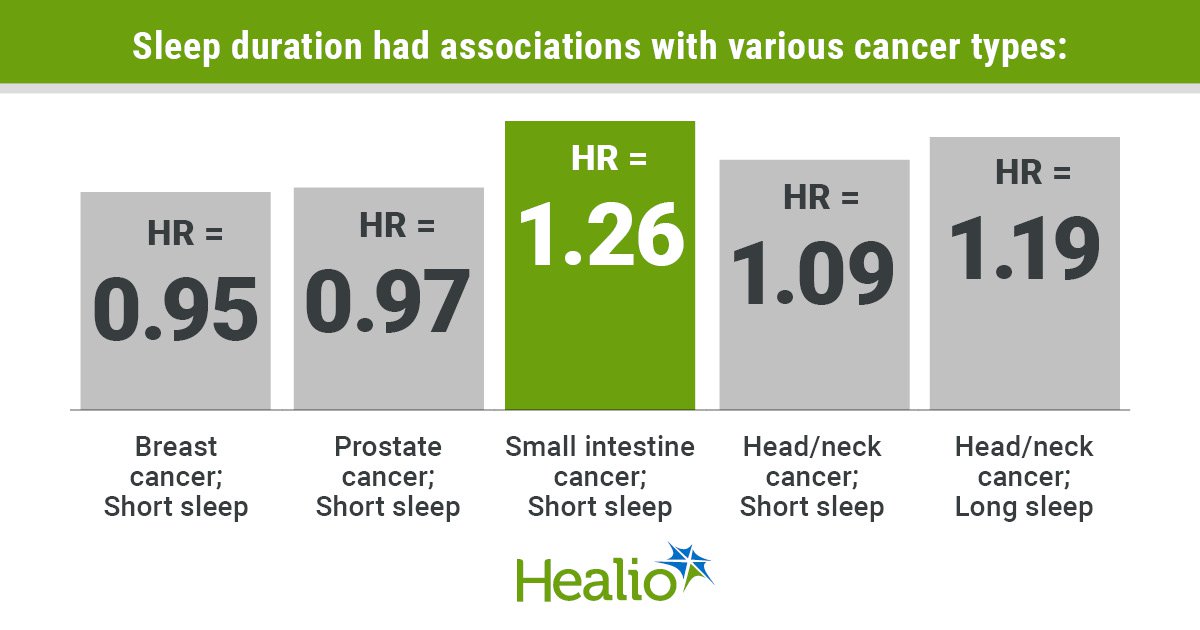
Sleep Duration Has ‘Complex’ Association with Cancer
Researchers presented a pooled meta‑analysis of seven prospective cohorts involving 918,000 adults, finding that sleeping less than 7 hours per night is linked to a slight overall reduction in cancer incidence but raises risk for specific malignancies such as small‑intestine cancer,...

6 High-Resolution Additive Manufacturing Tips for Faster Medtech Development
The article presents six actionable tips for using high‑resolution additive manufacturing (AM) to speed up medical‑device development. It urges teams to adopt an iteration‑first mindset, exploit sub‑10 µm layer precision to answer targeted engineering questions, and revisit designs once deemed impractical....

Find Information About a Drug
The FDA and NIH provide a suite of online tools that let consumers, clinicians, and researchers locate comprehensive drug information. Resources such as Drugs@FDA, DailyMed, and MedlinePlus deliver FDA‑approved labeling, safety data, and side‑effect details for both prescription and over‑the‑counter...

Novartis' Radioligand Therapy Lutathera Could Soon Face Generic Competition
Novartis’s Lutathera, the first FDA‑approved radioligand therapy for neuroendocrine tumors, recorded $1.5 billion in 2023 sales and dominates a market projected to exceed $3 billion by 2028. A generic version filed by Sandoz aims for a 2025 launch, marking the first non‑brand...

Mass General Brigham Secures Nearly $866M Financing Package For Ongoing Expansion
Mass General Brigham secured a $865.5 million tax‑exempt bond package, led by J.P. Morgan Securities, to fund its ongoing West End campus expansion. The financing will support the 482‑bed Ragon Building, which will boost oncology and cardiovascular services, and add five stories...

House Panel Advances FDA Spending Hike In Party-Line Vote
The House Appropriations Committee’s FDA subcommittee voted along party lines to advance a bill that adds roughly $200 million to the agency’s budget. The measure cleared the subcommittee with little debate and will move to a full committee markup next week....

FDA Approves Dupilumab for Young Children With Uncontrolled CSU
The FDA has approved dupilumab (Dupixent) for children ages 2‑11 with uncontrolled chronic spontaneous urticaria (CSU), marking the first biologic therapy for this pediatric group. The decision is based on the LIBERTY‑CUPID phase 3 program, which demonstrated significant reductions in itch...
Drug Safety Information
The FDA’s Drug Safety Information hub aggregates a suite of resources—Drug Safety Communications, MedWatch reporting, alerts, post‑market monitoring, and searchable databases such as FDALabel—to help clinicians, patients, and industry stay informed about medication risks and benefits. The portal also offers...

Stroke Impact Determines Future Dementia Risk
A national cohort of over 42,000 adults tracked for up to 30 years shows a clear dose‑response link between stroke severity and later dementia. Survivors of severe ischemic strokes face roughly five times the odds of developing dementia, while even...

Vitamin D May Prevent Diabetes in People with Certain Genes
A new analysis of the D2d trial shows that a daily 4,000 IU vitamin D supplement reduces the risk of developing type 2 diabetes by 19 % in prediabetic adults who carry the AC or CC variants of the vitamin D receptor gene, while those...

Google Search Trends Reflect a Shift Toward Minimally Invasive Heart Care
New research presented at the SCAI 2026 Scientific Sessions shows public interest in transcatheter aortic valve replacement (TAVR) surged 340% from 2015 to 2025, while searches for surgical aortic valve replacement (SAVR) fell 42%. The spike aligns with clinicians doubling...

FDA Approval of Regeneron’s Hearing Loss Gene Therapy Breaks Barriers
Regeneron Pharmaceuticals received FDA approval for Otarmeni, the first gene therapy targeting congenital deafness caused by otoferlin deficiency. The treatment, approved under the Commissioner’s National Priority Voucher program, demonstrated clinically meaningful hearing gains in 11 of 12 patients in the...

Drug-Coated Balloons Reduce the Need for Permanent Heart Stents
A sub‑study of the SELUTION DeNovo trial presented at the SCAI 2026 meeting shows that a sirolimus‑eluting balloon (SEB) can treat NSTEMI and unstable angina with outcomes comparable to drug‑eluting stents (DES). The analysis of 1,089 patients found one‑year target‑vessel...

Early Heart Pump Use Improves Survival in Patients Experiencing Cardiogenic Shock
The CERAMICS registry, a single‑arm study of 124 cardiogenic shock patients across 20 U.S. hospitals with on‑site mechanical circulatory support (MCS), showed that rapid Impella placement and PCI within roughly 75 minutes led to a 71% overall survival to discharge....
Treatment Goals Guide Cardiogenic Shock Care More Often in Women
The Northwell‑Shock Registry analysis of 1,374 AMI‑related cardiogenic shock patients revealed that women are less likely to undergo invasive coronary angiography (78% vs 86% in men). When angiography is performed, subsequent PCI rates are virtually identical between sexes. Deferral of...

MedCity Pivot Podcast: Modernizing Prior Auth
The MedCity Pivot podcast featured Abarca Health’s Javier Gonzalez and Amazon Pharmacy’s Tanvi Patel discussing how to modernize prior authorization. They highlighted three pillars—policy complexity, data quality, and operational risk—and explained that electronic prior authorizations (ePA) could cut 60‑70% of...
Specific Intestinal Fungi Play Role in the Pathogenesis of MASLD and Cardiovascular Disease
The study examined 103 patients with metabolic dysfunction‑associated steatotic liver disease (MASLD) and found that higher fecal Candida albicans levels were linked to increased coronary artery calcification, especially among those with cirrhosis. Liver stiffness measured by magnetic resonance elastography correlated...

Microplastics in the Liver May Drive Global Liver Disease Rates
Researchers at the University of Plymouth’s Centre of Environmental Hepatology have published a review in Nature Reviews Gastroenterology & Hepatology linking micro‑ and nanoplastic accumulation in the liver to oxidative stress, inflammation and fibrosis. The paper introduces the concept of...

Investigation of SARS-CoV-2 Variants at Primer Binding Sites in Diagnostic Platforms and the Effect on Laboratory Diagnostic Samples
Researchers examined ~26,000 SARS‑CoV‑2 genomes to assess how mutations in primer and probe binding sites affect RT‑PCR diagnostic accuracy. They evaluated twelve primer sets across time, geography, and variant categories, finding mismatch rates from 0.15% up to 77.15% and linking...

GLP-1 Drugs Target the Roots of Dementia
A systematic review of 30 preclinical studies finds that GLP‑1 receptor agonists—particularly liraglutide, semaglutide, dulaglutide and exenatide—consistently reduce amyloid‑beta plaques and tau tangles, the hallmarks of Alzheimer’s disease. The drugs also appear to curb neuroinflammation and improve brain insulin signaling,...

Regenerative Medicine: Promise, Hype, and What Actually Works
Regenerative medicine spans stem cells, platelet‑rich plasma (PRP) and autologous conditioned serum (ACS), but not all modalities live up to hype. Dr. Thomas Buchheit emphasizes that stem‑cell injections rarely persist in tissue and mainly trigger immune‑mediated repair, while PRP and...
CDC Announces Salmonella Outbreak in 13 States Linked to Backyard Poultry.
The CDC has confirmed a multistate Salmonella outbreak linked to backyard poultry, affecting 34 people in 13 states, with 13 hospitalizations and no deaths reported. Healthy‑looking chickens and ducks can carry the bacteria, exposing owners and their families through direct...
Tirzepatide Significantly Reduces Cardiovascular Risk in High-Risk Patients
Two recent real‑world studies demonstrate that tirzepatide, a dual GIP/GLP‑1 receptor agonist, markedly lowers cardiovascular risk in high‑risk patients. In a propensity‑matched cohort of 1,281 type‑2 diabetics undergoing percutaneous coronary intervention, tirzepatide reduced mortality by 62% and cut major adverse...

STAT+: Legislatures in Colorado and Virginia Resist Moves to Constrain Drug Affordability Boards
Legislators in Virginia and Colorado pushed back against attempts to limit the authority of state drug‑affordability boards. In Virginia, the General Assembly voted unanimously to keep the original bills that would create a board with power to set price caps...

What Is the UK Biobank Project and What Are the Privacy Concerns Around It?
The UK Biobank, launched in 2003, has amassed genetic, clinical and lifestyle data from 500,000 volunteers, fueling thousands of research papers and AI tools that predict disease risk. In April 2026, de‑identified health records from the biobank were listed for...

Why Clinical Care Resilience Is a Top Priority in Healthcare
Healthcare leaders warn that cyber‑threats and system failures can cripple clinical operations, making care‑resilience a top priority. Recent ransomware incidents at Michigan Medicine, University of Vermont Health Network, and Children’s National illustrate the need for cross‑departmental planning and frequent security...

Labels, Language and Other Strategies to Improve Communication About Lower Grade Ductal Carcinoma in Situ: Integration of Findings From Theoretical...
A mixed‑methods study combined a theoretical review with patient interviews to pinpoint language that best supports women diagnosed with low‑grade ductal carcinoma in situ (DCIS). Using Communication Accommodation Theory, researchers mapped clinician‑patient interactions across five communication domains and uncovered a...

Hiltzik: A Judge Labels RFK Jr.'s Attack on Transgender Care 'Unlawful' And an Act of 'Cruelty'
Federal Judge Mustafa T. Kasubhai in Oregon struck down Robert F. Kennedy Jr.'s December 18 declaration that threatened to cut Medicaid and Medicare funding for hospitals offering gender‑affirming care to minors. The decision, part of a lawsuit filed by 19...

Roche Launches New Elevidys Trial to Address EU Rejection in Duchenne Therapy Bid
Roche has launched a new global phase 3 trial of its Duchenne muscular dystrophy gene therapy Elevidys, targeting ambulatory boys after the European Medicines Agency rejected its earlier submission. The study will enroll about 100 patients and compare Elevidys to...

25% of Chronic Pain Patients Show ADHD Traits
A University of Tokyo study of 958 Japanese adults with chronic pain found that roughly 25% exhibited significant ADHD traits, a rate 2.4 times higher than in the general population. The research shows that ADHD does not directly cause pain...