
Integrating Patient-Reported Weight Gain Cause Narratives Into Personalized Obesity Management: A Data-Driven Approach with Natural Language Processing and Machine Learning
Researchers used a GPT‑4.1 large language model to automatically label 2,463 patient‑reported weight‑gain narratives into 12 thematic categories, achieving over 90% precision and recall. The study linked specific reported causes—such as disrupted schedules, mental health challenges, and external circumstances—to higher risks of unhealthy eating and physical inactivity, and identified seven distinct patient phenotypes with differing weight‑loss outcomes. Mean weight loss across participants was 9.2% over roughly 109 days, while the combined cause patterns proved more predictive of treatment response than individual factors. The findings demonstrate that AI‑driven narrative analysis can enhance personalized obesity management.

The ROI of Ambient AI in Health Care and Autonomous Coding
Ambient AI is moving beyond a digital scribe to reshape the entire note‑to‑bill continuum in health care. Early pilots showed 20‑40% reductions in documentation time, easing clinician burnout, but CFOs now demand measurable revenue impact. By feeding real‑time documentation into...

Palantir Defends Its Record as MPs Demand More Scrutiny of Data Use
Palantir’s UK arm is defending a £300 million (~$380 million) NHS contract as MPs from Labour, the Liberal Democrats, the Greens and the Conservatives call for tighter scrutiny of its data handling. The company’s Foundry federated data platform is intended to link...

Whoop Joins Medicare via CMS ACCESS Program
WHOOP 🤝 MEDICARE This week marks a defining moment for @whoop - and a major leap forward for Medicare with eligible individuals now able to receive Whoop as part of their care. Our affiliated healthcare provider, Whoop Physician Services, PC, has been...

New Alzheimer’s Blood Test Promises Earlier Detection
Researchers at Mass General Brigham have shown that the blood‑based pTau217 biomarker can predict amyloid and tau plaque buildup years before PET scans turn positive, even in asymptomatic adults aged 50 to 90. The study of 317 participants demonstrated that...
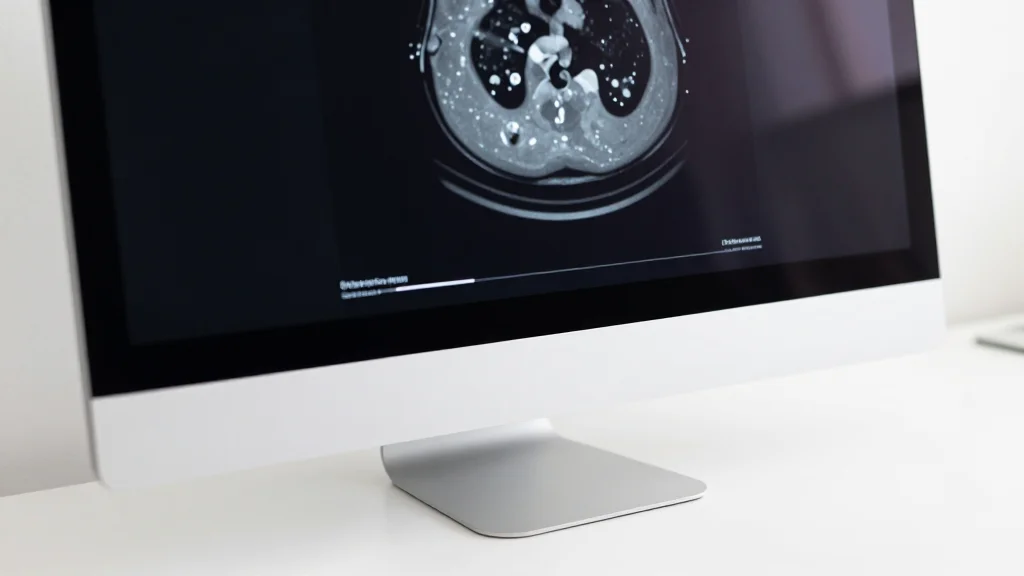
Apple Studio Display XDR Now Cleared for Diagnostic Radiology
Apple’s Studio Display XDR has received FDA clearance for diagnostic radiology, allowing U.S. radiologists to view medical images on the consumer‑grade monitor. The display supports DICOM presets on macOS 26.4, eliminating the need for dedicated imaging screens. Priced at $2,899,...

How Technology Supports Children With Hearing Loss
Pediatric hearing loss hampers language development, classroom engagement, and social interaction, making early detection essential. Screening in infancy and early childhood enables timely interventions such as hearing aids, cochlear implants, and speech‑to‑text tools. Classroom technologies—including assistive listening systems and captioning—reduce...

FDA Eases Digital Health Oversight as Approval Delays Continue to Shape Patient Access
The FDA announced a shift toward lighter regulatory oversight for digital health products, aiming to cut the lengthy approval timelines that have constrained patient access. Meanwhile, telehealth usage continues its surge, now representing 43% of Medicare mental‑health visits and prompting...
5 of the Top 10 U.S. Health Systems Are Moving to This New Health IT Category. Here’s Why.
Health systems have built fragmented AI "agent" stacks that operate on isolated data slices, leading to mis‑aligned decisions and limited impact. The core issue is a lack of unified context across clinical, financial and operational information. Innovaccer’s Gravity platform introduces...
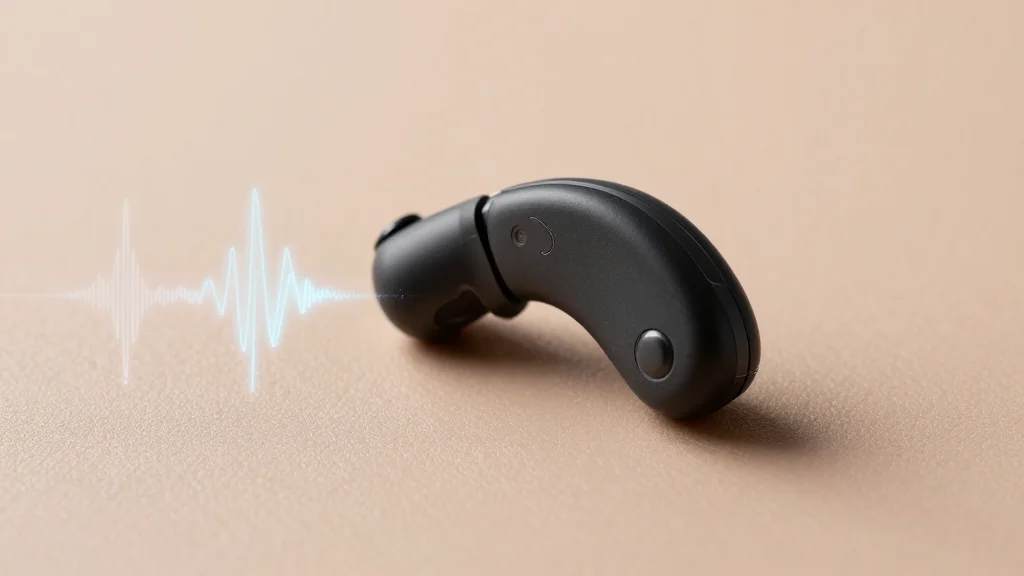
How Starkey Is Staying Ahead of the AI Hearing-Aid Wave
Starkey has been embedding artificial intelligence into its hearing‑aid portfolio since 2017, turning a single‑purpose device into a multi‑function, personalized sound platform. The company claims its AI can tailor audio for each user, giving it a technological edge over newer...

Continuity of Care in the Age of AI: Supporting Safer Handovers in Primary and Community Health and Social Care
A new human‑centred AI framework aims to reduce handover failures in UK primary, community and social care. The four‑component model includes change‑focused summaries, cross‑team communication support, safety prompts, and workforce wellbeing integration. A needs assessment of 21 domiciliary care workers...

Max Hodak’s Science Corp. Is Preparing to Place Its First Sensor in a Human Brain
Science Corp, the neurotechnology startup founded by former Neuralink president Max Hodak, has recruited Yale neurobiologist Murat Günel as a scientific adviser to oversee its first U.S. human trials of a bio‑hybrid brain‑computer interface. The company recently closed a $230 million Series C...

DaVita Algorithm Flags Issues With Home Dialysis Patients
DaVita Kidney Care has deployed a predictive machine‑learning tool, the Peritoneal Dialysis Loss Model, to monitor home dialysis patients. By analyzing roughly 150 data points—including vitals, lab results and machine‑generated alerts—the system flags the riskiest 10% of patients for early...

The 2026 MDO Medtech Startups Special Report
Medical Design & Outsourcing released its 2026 Medtech Startups Special Report, a free guide packed with technical tips and strategic advice for early‑stage medical device companies. The report highlights a tightening fundraising environment as venture capital pours into AI and...
Neuralink Shifts to Speech‑Focused Brain‑Computer Interface Trials, Raising Viability Questions
Neuralink announced new speech‑restoration clinical trials at the University of Texas Southwestern Medical Center and Cleveland Clinic Abu Dhabi, moving away from its long‑standing motor‑cursor interface. The pivot follows criticism that its original brain‑computer interface (BCI) strategy lags behind competitors...

Roblox Launches Age‑Based Accounts to Boost Child Safety on Platform
Roblox is introducing "Roblox Kids" and "Roblox Select" account tiers, using facial analysis and ID checks to assign users aged 5‑8 and 9‑15 to more restrictive environments. The change, set to launch in early June, adds mandatory parental controls and...
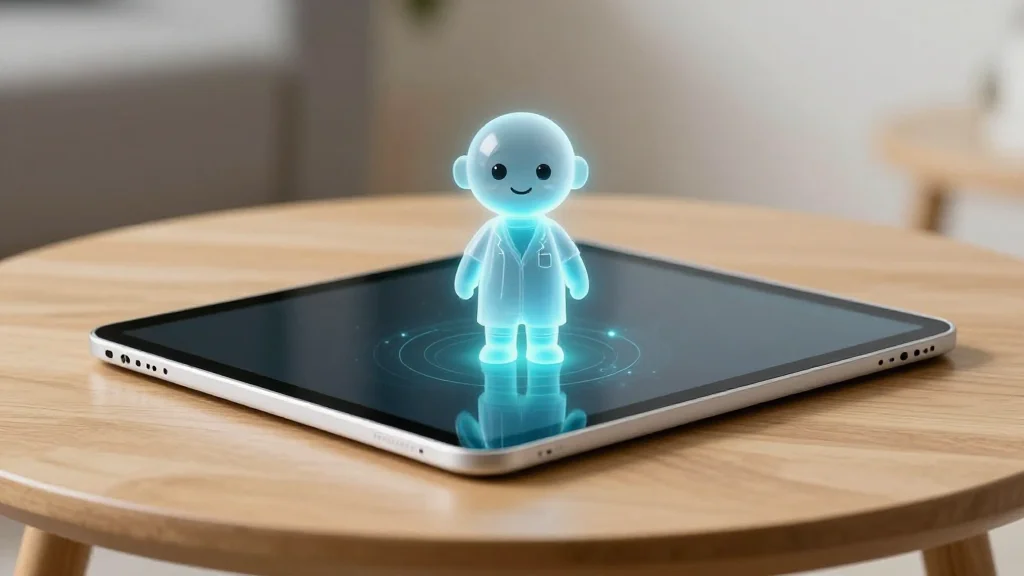
China Launches AI‑Powered Digital Doctor for Parkinson’s, Aiming to Cut 90% Routine Queries
Xuanwu Hospital of Capital Medical University in Beijing has rolled out China’s first AI‑driven digital doctor platform for Parkinson’s disease. Built on two decades of clinical data, the service claims it can answer up to 90% of routine patient questions,...
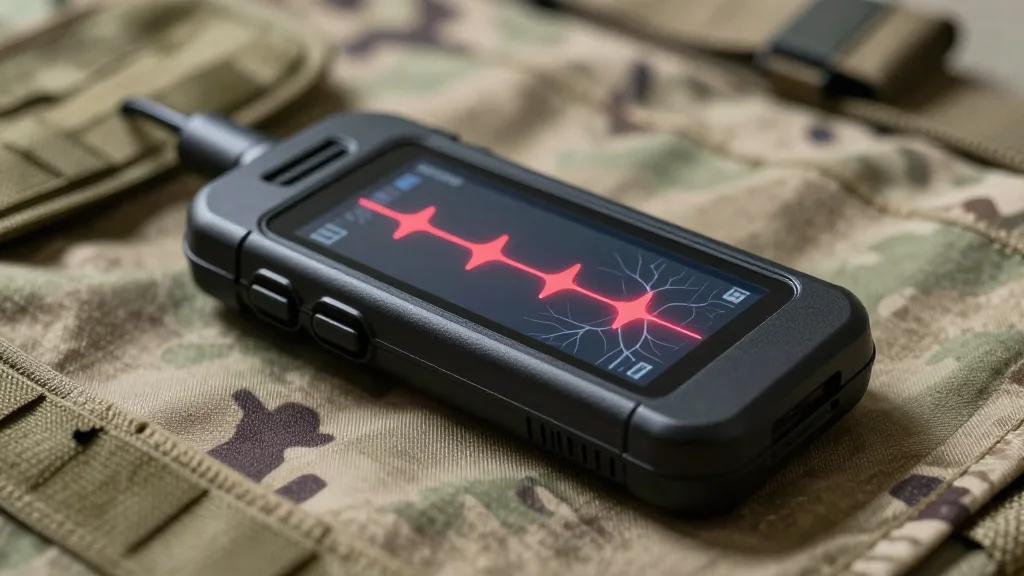
AI Decision Support System Aims to Improve Battlefield Triage
GovCIO Media & Research introduced APPRAISE, an AI‑enabled decision‑support system designed to help combat medics triage casualties and assess hemorrhage risk in real time. By analyzing vital signs such as heart rate and blood pressure, the tool predicts the likelihood...

Big Tech’s Prescription: One Chatbot, Taken Daily
Big tech firms are launching AI chatbots that promise medical advice as U.S. healthcare costs rise and insurance coverage falls. Elon Musk’s Grok, OpenAI’s ChatGPT Health, Amazon’s Health AI agent, and Meta’s Muse Spark all market diagnostic and wellness services,...
VA Deputy Secretary on Resuming EHR Rollout
The Department of Veterans Affairs resumed its Electronic Health Record Modernization (EHRM) program this weekend after a three‑year pause. Deputy Secretary and Acting CIO Paul Lawrence highlighted a renewed emphasis on governance, user experience, and measurable outcomes. The rollout will...
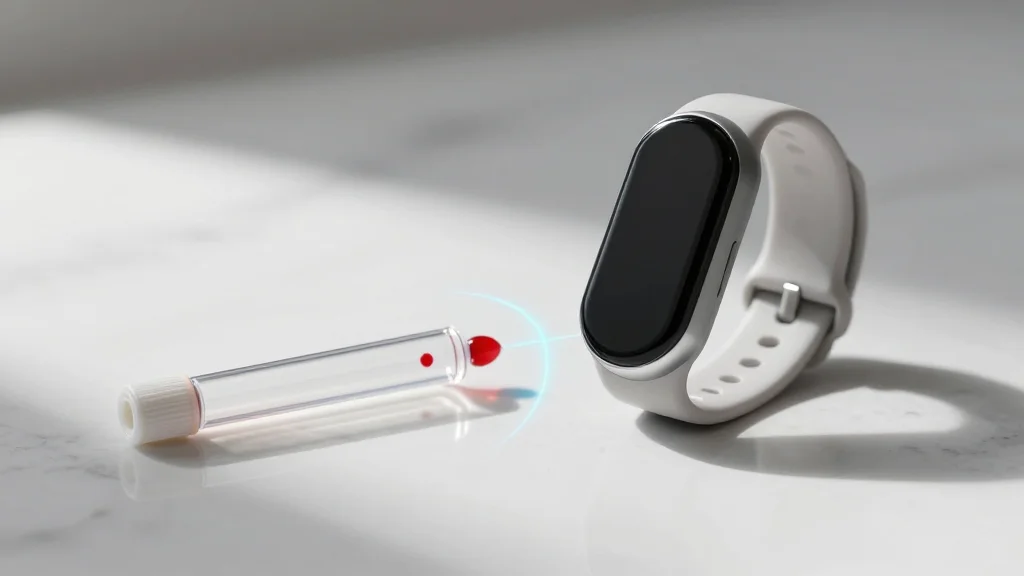
You Can Order Your Own Blood Work Now. Interpreting the Results Is Another Story
Direct‑to‑consumer blood testing is rapidly expanding as wearables and telehealth firms like Oura, Whoop, Hims & Hers, and Function Health partner with Quest Diagnostics and Labcorp to sell panels for as little as $99. Consumers can order labs without a physician, but the...

Scientists Map Light Cues for Optic Nerve Regeneration
Scientists are working on regenerating optic nerves for people who have lost their sight. The first step is done: A map of how changes in light, color, and frequency affect the visual axis. https://spectrum.ieee.org/optic-nerve-damage-electrical-stimulation
CMS Accepts More than 150 Providers, Digital Health Firms for ACCESS Model
The Centers for Medicare & Medicaid Services (CMS) has granted provisional approval to more than 150 providers and digital‑health firms for its Advancing Chronic Care with Effective, Scalable Solutions (ACCESS) Model. The 10‑year experiment, launching in July, will pay participants...

Why Synthetic Data Is the Antidote to Clinical Trials
Synthetic data, digital twins, and AI are reshaping medical‑device trials by generating virtual patient cohorts that reduce enrollment needs and cut validation costs. The FDA’s in‑silico guidance and EMA’s acceptance of AI tools are paving regulatory pathways for these simulations....

Kenya-Based Assistive Tech Accelerator Embeds Persons with Disabilities in Product Design
Kenya’s Innovate Now accelerator announced its largest cohort yet, selecting 19 startups that focus on speech therapy, mobility, inclusive education and caregiver support. The program’s “Live Labs” model embeds persons with disabilities directly into prototype testing, ensuring products are tailored to...

Nanozyme Boosts Stem Cell Mitochondria to Accelerate Bone Regeneration
Researchers have engineered a single‑atom nanozyme that mimics cytochrome c oxidase, restoring mitochondrial energy production in stem cells. The nanozyme, anchored with iron and copper on a mesoporous silica scaffold and coated with triphenylphosphonium, targets mitochondria and shifts cell metabolism toward...

AI Tool Analyzes CT Scans to Help Boost Early Lung Cancer Detection
A team at Kaunas University of Technology has created a dual‑scale AI system that simultaneously evaluates detailed and contextual information in CT scans, mimicking radiologists’ workflow. Trained on scans from healthy and cancer patients, the model distinguishes normal tissue, benign...

Study Finds Zero‑Calorie Sweeteners Alter Gut Microbiome and Metabolism Across Generations
Researchers published in Frontiers in Nutrition report that common artificial sweeteners sucralose and stevia change gut microbiota and influence metabolism‑related genes in mice, with effects persisting into the next two generations. The findings intensify debate over the safety of zero‑calorie...
Health In Tech Q2 2025 Revenue Jumps 86% to $9.3 M, Profitability Improves
Health In Tech (HIT) posted Q2 2025 revenue of $9.3 million, an 86% year‑over‑year increase, while adjusted EBITDA rose 134% to $1.6 million. The company expanded its distribution network to 778 partners and reported stronger operating margins, underscoring a fast‑track scaling strategy...

Clinical Supply Chain Hits Its AI Turning Point
AI is reaching a tipping point in the clinical supply chain, with McKinsey forecasting real‑time inventory, predictive replenishment and automated procurement. Agentic AI solutions will shift operations from reactive to predictive, delivering cost‑intelligence, operating‑room optimization, infection‑risk mitigation, robotic‑surgery ROI and...
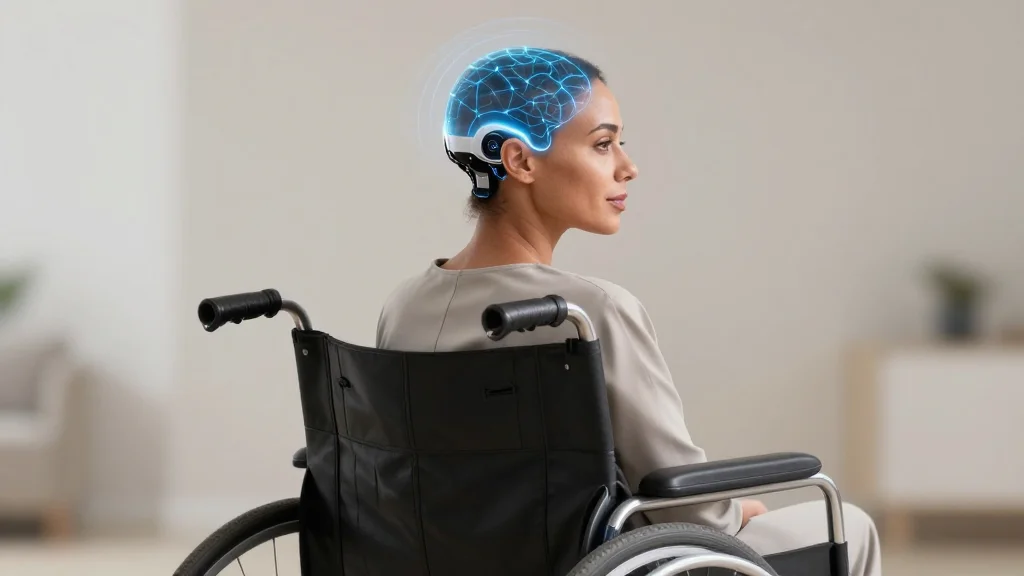
BCI Implants Grant Freedom, yet Reveal Real Limits
For people with paralysis, brain implants offer new independence—but also real limits. Early BCI users explain what the technology gives and what it takes. https://spectrum.ieee.org/bci-user-experience?share_id=9362216
The Next Frontier in Precision Oncology
Precision oncology is shifting from static, single‑biopsy analyses toward dynamic, multi‑omics platforms that integrate genomics, proteomics, spatial biology and longitudinal clinical data. Over the next decade, AI will move from pattern‑recognition to causal reasoning, offering clinicians interpretable predictions that anticipate...

Base Editing Repairs Mutation and Liver Function in Mouse Model of Zellweger Spectrum Disorder
Scientists at the Broad Institute and collaborators used a refined base‑editing system to correct a disease‑causing mutation in the PEX1 gene of mice that model Zellweger spectrum disorder. The edit restored peroxisome function and normalized liver biomarkers, demonstrating functional rescue...
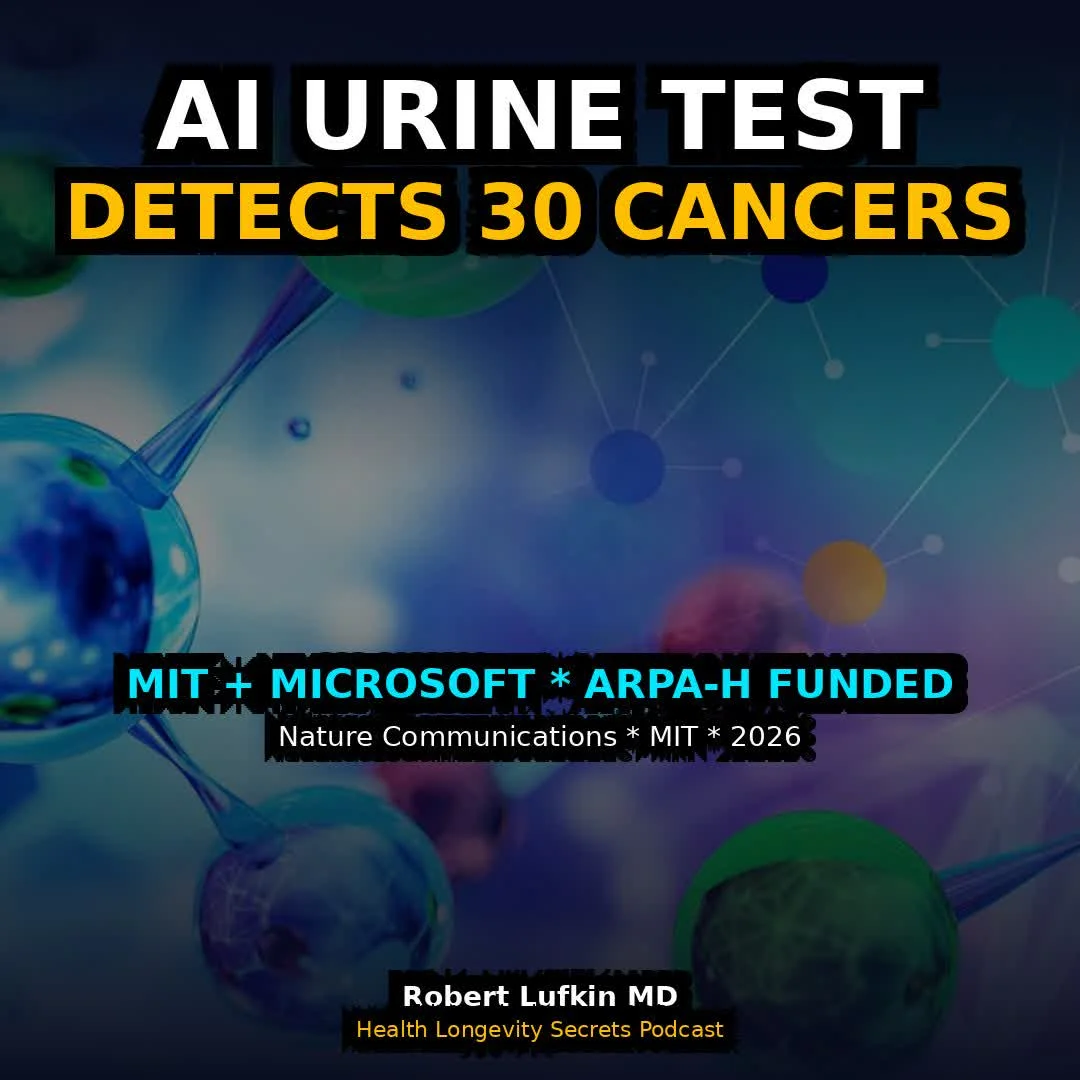
AI‑designed Sensors Promise Earlier Cancer Detection
As a medical school professor, I can tell you: we catch most cancers too late. MIT and Microsoft may have just changed that forever. They built an AI system called CleaveNet that designs molecular sensors detecting cancer enzymes called proteases --...

Neighbourhood Oncology Programme at The Christie Makes Move to Digitally-Enabled and Neighbourhood-Based System of Care
The Christie NHS Foundation Trust unveiled a neighbourhood oncology programme that shifts cancer treatment toward digitally‑enabled, home‑ and community‑based care. The initiative plans to expand systemic anti‑cancer therapy at home from the current 1,300 patients to over 5,000, using opt‑out...

Helical Closes $10M Seed to Turn Bio Foundation Models Into Systems
Helical, a London‑based pharma‑AI startup, closed a $10 million seed round led by redalpine, with AI leaders from Cohere and HuggingFace among angel investors. The funding will expand its dual‑surface platform—Virtual Lab for biologists and Model Factory for data scientists—across more...

Protaryx Medical Secures FDA Clearance for Its Transseptal Access Device
Protaryx Medical announced that the U.S. Food and Drug Administration granted 510(k) clearance for its Transseptal Puncture Device, a next‑generation system designed for minimally invasive left‑heart access. The device uses radio‑frequency guidewire technology integrated with standard electrosurgical generators and features...

The Biotech Bi-Weekly: Expanding the Reach of T-Cell Engagers in Solid Tumors, a Next-Generation Chemiluminescent Immunoassay Platform and AACR Exhibitor...
The biotech bi‑weekly highlights several product launches and site expansions unveiled at the AACR Annual Meeting. Deck Bio introduced a multi‑target T‑cell engager platform aimed at overcoming heterogeneity in solid‑tumor immunotherapy. Abcam released SimpleStep Ignite™, a chemiluminescent ELISA that delivers...
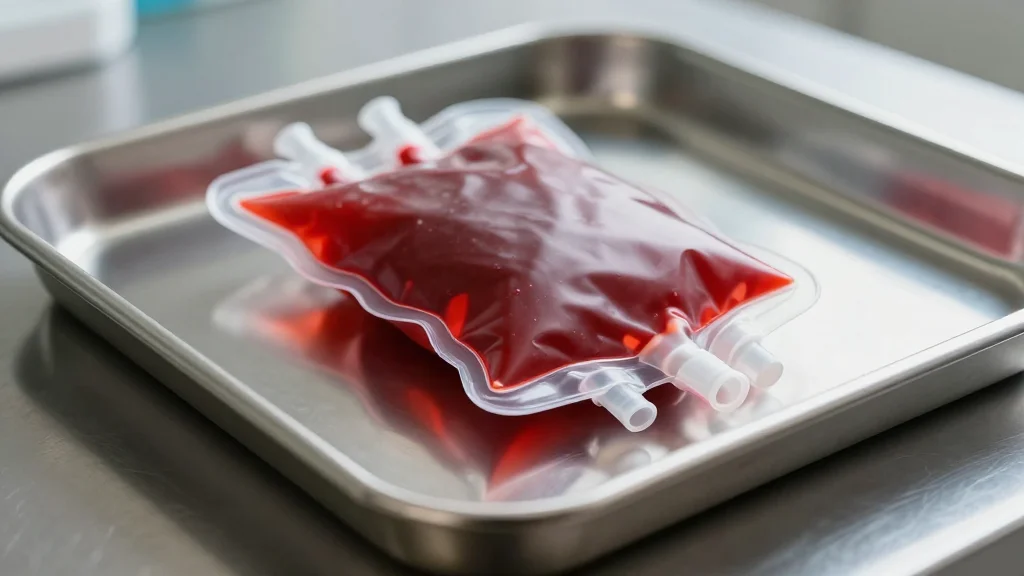
Surge in ‘Unvaccinated’ Blood Requests Delays Care, Sparks Policy Debate
A Vanderbilt University study documented 15 patient requests for unvaccinated blood between 2024 and 2025, linking the demand to treatment delays and two serious complications. Experts warn the practice offers no safety advantage and is prompting state lawmakers to consider...

AR‑Enhanced Ultrasound Projects Anatomy Directly Onto Patients
What is the point of using augmented reality and ultrasound imaging together? Instead of interpreting flat, abstract images on a screen, clinicians can see anatomy overlaid directly onto the patient’s body in real time. If they learn how to exploit this...

Nvidia's Nurabot Deploys in Hospitals to Aid Staff
Nvidia’s Nurabot Rolls Into Hospitals to Assist #Healthcare Workers by @CyberRobooo #MedTech #HealthTech #TechForGood #Tech https://t.co/DFb98tjoM4

VA Restarts Federal EHR Rollout at Four Michigan Sites After Three‑Year Halt
The U.S. Department of Veterans Affairs went live with its federal electronic health record system at four Michigan medical centers on April 11, ending a three‑year pause. The deployment is the first of 13 sites slated for 2026 and aims...

Shared Visibility, Not Contracts, Aligns Care Ecosystem
Alignment doesn’t come from contracts. It comes from shared visibility. Why smart-care platforms are becoming the bridge between payers, providers, and post-acute care.👇 https://t.co/cq0WY5tihP @PointClickCare #postacutecare #HITSM
Novo Partners OpenAI as Ideaya's Eye Data Disappoints
Novo teams with OpenAI; Ideaya gets muted response to eye drug data https://t.co/U6sDZlMxyQ $NVO $IDYA $REGN $GSK

SMART Permission Tickets Enable Seamless Patient and Proxy Access
How might SMART Permission Tickets help with patient self-access, proxy access, public health, and more? Overview / explainer / live demo here: https://t.co/AHJ8s5oBuA

Comprehensive Genomic Panel Broadens Oncology Treatment Options
Unique Features of a Comprehensive Genomic Profiling Panel: Expanding Treatment Options in a Value-Based Community Oncology Network [Mar 9, 2026] La Porte et al. @DrEzraCohen @JCOPO_ASCO https://t.co/tDi3kbxdvX #PrecisionMedicine #hemeonc @TempusAI https://t.co/zgEw8hfFia

PurIST Classifier Validated for Pancreatic Cancer Therapy
Real-World Validation of the Purity Independent Subtyping of Tumors Classifier for Informing Therapy Selection [PurIST @TempusAI] in Pancreatic Ductal Adenocarcinoma [Sep 4, 2025] @stephwen et al. @JCOPO_ASCO https://t.co/R24DErvaB4 #pancsm #PrecisionMedicine https://t.co/40LqNDQJHo

Wearable Exoskeleton Lets Kids Walk Independently
Trexo #Robotics’ #Wearable Exoskeleton Empowers Children With Mobility Challenges to Walk Independently by @trexorobotics #Engineering #ArtificialIntelligence #Innovation #Technology https://t.co/FiuMYdaEah

AI Expands From Radiology to Entire Healthcare Operations
AI in healthcare started with radiology, from 0 to mainstream in 5 years. But something bigger is happening. AI is now transforming patient pathways, workflows, and healthcare operations beyond image analysis. Join our masterclass with Jan Beger & @HLTHEVENT next week. Limited...

Humanoid Robots Enable Around-the-Clock Pharmacy Service
Humanoid #Robots Power a 24-Hour Pharmacy Revolution by @CyberRobooo #Robotics #Engineering #ArtificialIntelligence #Innovation #Technology https://t.co/5BcYU8gy3M