
From Burnout to Breakthrough: How Healthcare Organizations Are Finally Reducing Administrative Burden
Healthcare organizations are confronting a hidden driver of clinician burnout: the massive administrative workload tied to documentation, referrals, lab results and prior authorizations. Despite widespread electronic health record adoption, billions of fax pages and manual data entry still dominate daily operations, siphoning valuable time from patient care. Leading providers are now deploying AI‑powered intelligent document processing to automate intake, classification and routing, cutting manual effort and error rates. Early adopters report higher staff productivity, fewer delays, and a clearer path toward sustainable workforce wellbeing.
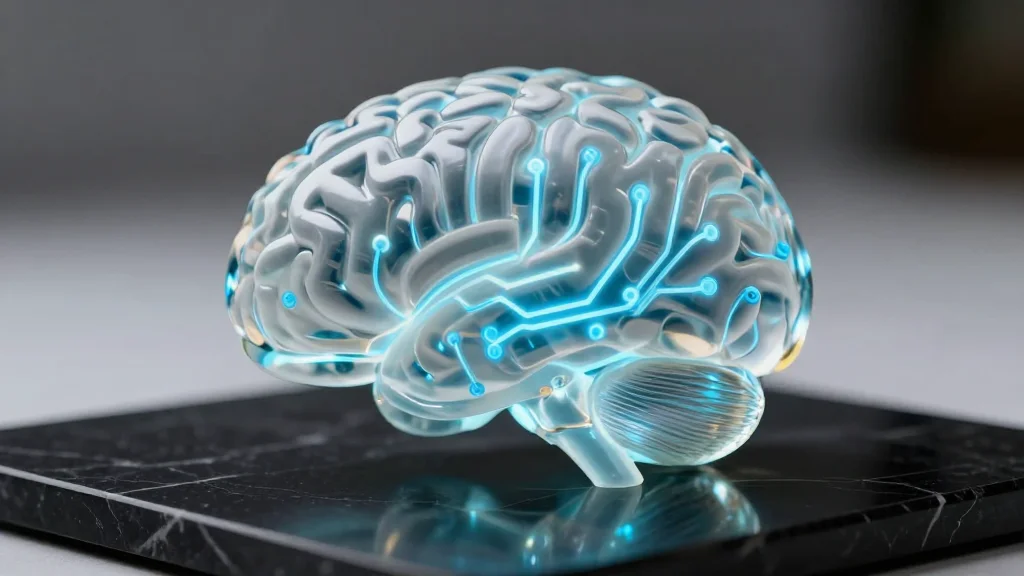
New AI Research Reshapes Neuroprotective Drug Discovery Funding
BCC Research’s new Pulse report, “AI Impact on Neuroprotective Agents,” outlines how artificial intelligence is reshaping the discovery, development, and delivery of neuroprotective therapies. The study projects a 4.5% CAGR for the North American market through 2030 and documents hundreds...

Ophthalmic AI Co-Pilot Being Developed for Chinese Population
Hong Kong Polytechnic University researchers have built EyeAgent 1.0, a multimodal AI system that can recognize roughly 260 eye conditions using over 2.7 million images and 23 data types. The prototype cut diagnosis time by 56.8% and boosted detection rates by 24.5%,...

Could Solar-Powered Smart Clothes Track Your Health?
University of Georgia researchers reviewed MXene‑based smart textiles that can continuously monitor body temperature, blood pressure and heart rate while also providing antimicrobial protection. The fabrics harvest solar energy, enabling built‑in power banks that could charge phones or laptops. The...
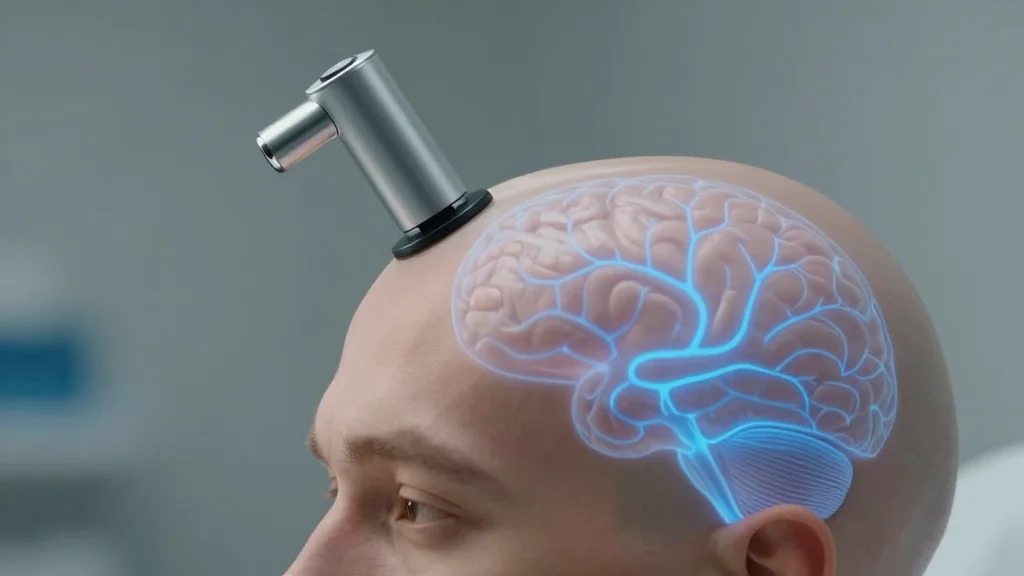
Circuit-Targeted Modulation of Anxiety Symptoms in Individuals with Major Depression: A Randomized Head-to-Head TMS Trial
A randomized head‑to‑head trial compared two transcranial magnetic stimulation (TMS) targeting strategies in patients with major depressive disorder who also exhibit significant anxiety. Using circuit‑specific maps that differentiate anxiosomatic from dysphoric networks, the study found that the anxiosomatic‑targeted protocol produced...

Medical AI Named First-Ever Recipient of ACC Global Digital Health Award at American College of Cardiology Annual Scientific Session
Medical AI, a Seoul‑based digital health firm, won the inaugural ACC Global Digital Health Award at the American College of Cardiology’s Annual Scientific Session. The company’s AI‑driven ECG platform can identify heart failure, myocardial infarction and aortic stenosis from raw...
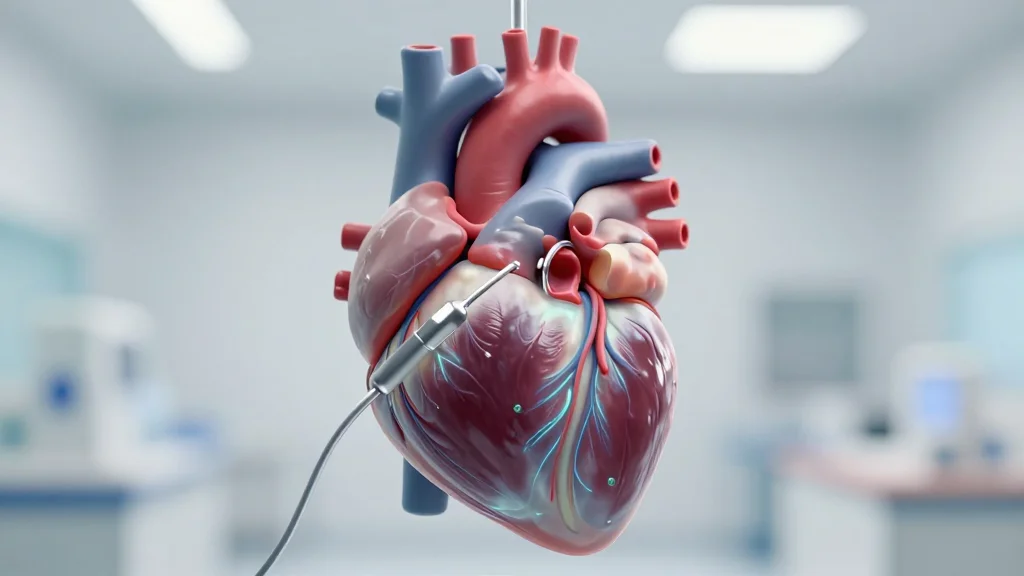
‘Practice-Changing’ Interventional Cardiology Research Grabs ACC.26 Spotlight
Interventional cardiology research presented at ACC.26 highlighted AI‑driven FFRangio, which matched invasive wire‑based fractional flow reserve in a 2,000‑patient ALL‑RISE trial while cutting procedure and fluoroscopy times. The study coincided with Medtronic's agreement to acquire CathWorks for up to $585 million....

System-Wide Algorithm Boosts Blood Pressure Control Across 90,000 Patients
A UC Health‑wide hypertension algorithm was embedded in electronic health records for roughly 90,000 patients, raising the proportion of controlled blood pressure from 68.5% to nearly 74% by mid‑2025. The stepwise, clinician‑guided tool, called the UC Way Hypertension Medication Algorithm,...

Can You Change an 88-Year-Old Brain?
An 88‑year‑old civil‑rights veteran used an AI‑powered dyslexia program and saw his reading accuracy jump from 50 % to 80 % in phonemic awareness. Clinical evidence shows that neuroplasticity remains viable in seniors, allowing language‑based cognitive training to improve reading and memory...

Two in Five Australian GPs Use AI Scribes to Record Patient Notes – but Do They Trade Care for Convenience?
Australian general practitioners are rapidly adopting AI‑powered medical scribes, with usage climbing from 22% in August 2024 to 40% by November 2025. Start‑up Heidi leads the market, having logged over 115 million transcription sessions in the past 18 months. Proponents argue the technology...

Can Deep Brain Stimulation Unlock Treatment-Resistant Depression?
Approximately 30% of depression patients are treatment‑resistant, prompting research into deep brain stimulation (DBS) as a new therapeutic avenue. DBS, already FDA‑approved for movement disorders, delivers electrical pulses to white‑matter tracts to “unstick” the brain, with effects developing over weeks...

TENS Pulses Defeat Fibromyalgia Pain and Fatigue
A real‑world trial involving 384 fibromyalgia patients showed that adding transcutaneous electrical nerve stimulation (TENS) to standard outpatient physical therapy significantly lowered movement‑evoked pain and, uniquely, reduced fatigue. The PT‑TENS group experienced a 1.2‑point drop on a 0‑10 pain scale...

HI-PEITHO: Catheter-Directed Therapy Bests Anticoagulation in Intermediate-Risk PE
The HI‑PEITHO trial showed that ultrasound‑facilitated, catheter‑directed fibrinolysis combined with heparin cuts the 7‑day composite risk of PE‑related death, cardiorespiratory decompensation or collapse by 61% versus anticoagulation alone. In 544 intermediate‑risk pulmonary embolism patients, the number needed to treat was...
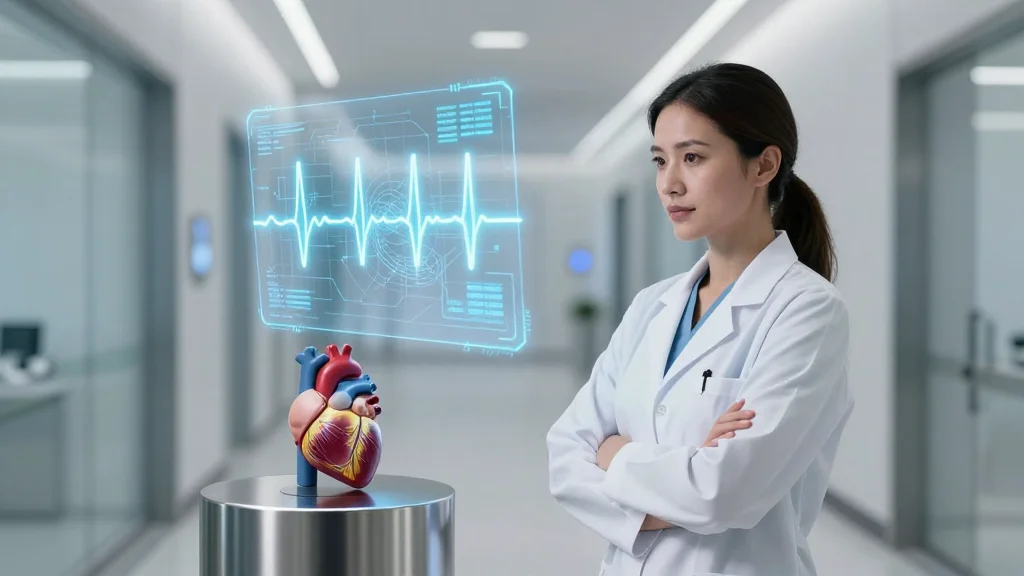
Anumana Secures FDA Clearance for First-of-Its-Kind ECG-AI Algorithm for Early Detection of Pulmonary Hypertension
Anumana has secured FDA 510(k) clearance for its AI‑driven pulmonary hypertension (PH) algorithm, the first software‑as‑a‑medical‑device that analyzes standard 12‑lead ECGs to flag early PH signs. The tool, built on more than 250,000 de‑identified ECGs from Mayo Clinic, demonstrated roughly...
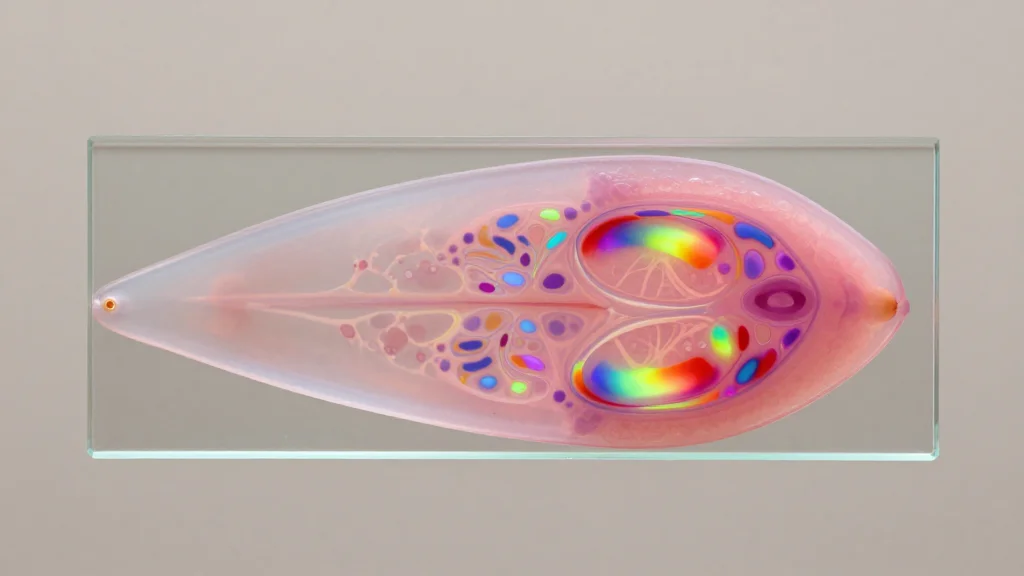
Spatial Mapping Technique Allows Researchers to Understand Tumor Architecture
University of Illinois Urbana‑Champaign researchers unveiled GIS‑ROTA, a Geographic Information System‑augmented spatial transcriptomics framework that visualizes biological pathway activity inside tumors. Applied to estrogen‑receptor‑positive breast cancer, the method exposed distinct spatial patterns differentiating primary from metastatic lesions and highlighted regions...

Mechanical Circulatory Support Doesn’t Reduce Infarct Size in STEMI
The STEMI Door‑to‑Unload trial showed that using the Impella CP device 30 minutes before primary PCI in anterior STEMI patients without cardiogenic shock did not reduce infarct size compared with PCI alone, and it increased major bleeding and vascular complications. The study...
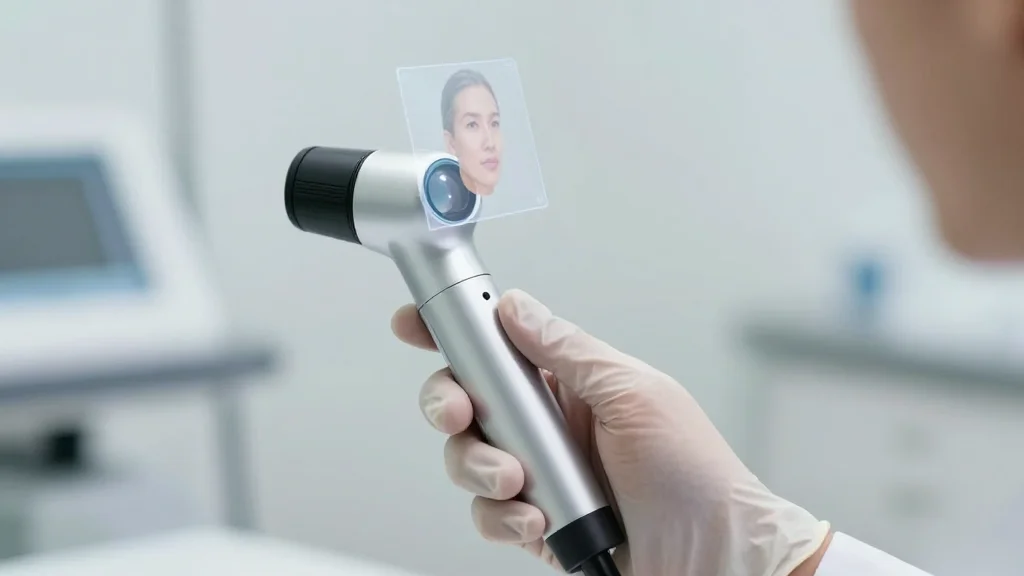
Teledermatology Expands Patient Access, Reimbursement Opportunities
Teledermatology usage remains steady, with 63% of dermatologists adopting it in 2022 and about 60% continuing virtual care in 2025, primarily via live video. Experts at the 2026 AAD Annual Meeting highlighted telehealth as a revenue‑protective tool amid Medicare’s 2.5%...
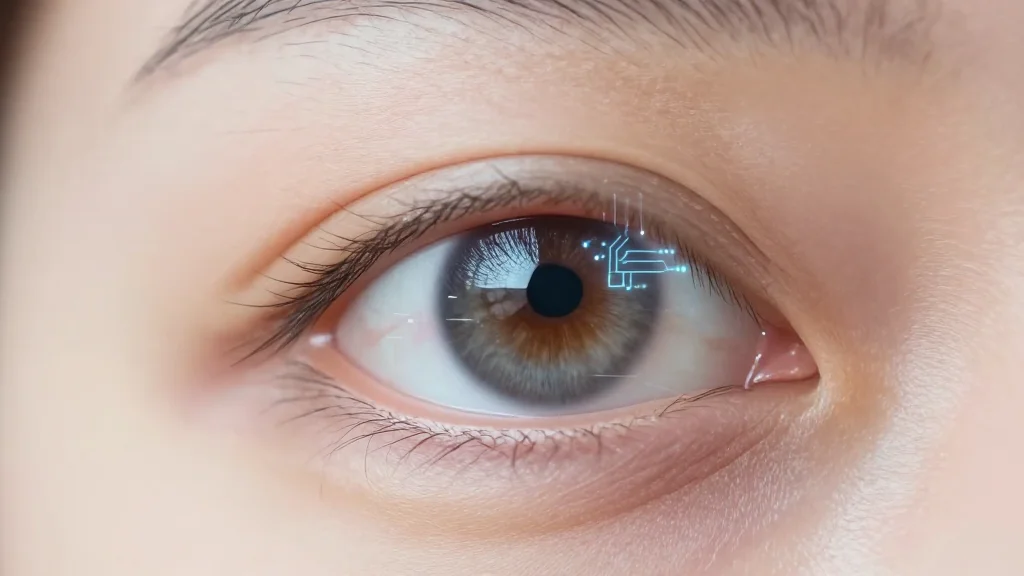
Innovation, Technology Evolving in Ophthalmology
Matt Jensen, speaking at Sunshine Eye & Retina in Miami, warned that an aging U.S. population and a shortage of eye‑care professionals are straining ophthalmology practices. He highlighted reduced cataract‑surgery reimbursements, rising labor costs and inflation as financial headwinds. Jensen...

A Woman’s Uterus Has Been Kept Alive Outside the Body for the First Time
Spanish researchers at the Carlos Simon Foundation have kept a donated human uterus alive outside the body for 24 hours using a normothermic perfusion device called “Mother” (PUPER). The machine circulates oxygenated, nutrient‑rich blood through the organ, mimicking natural circulation. This...
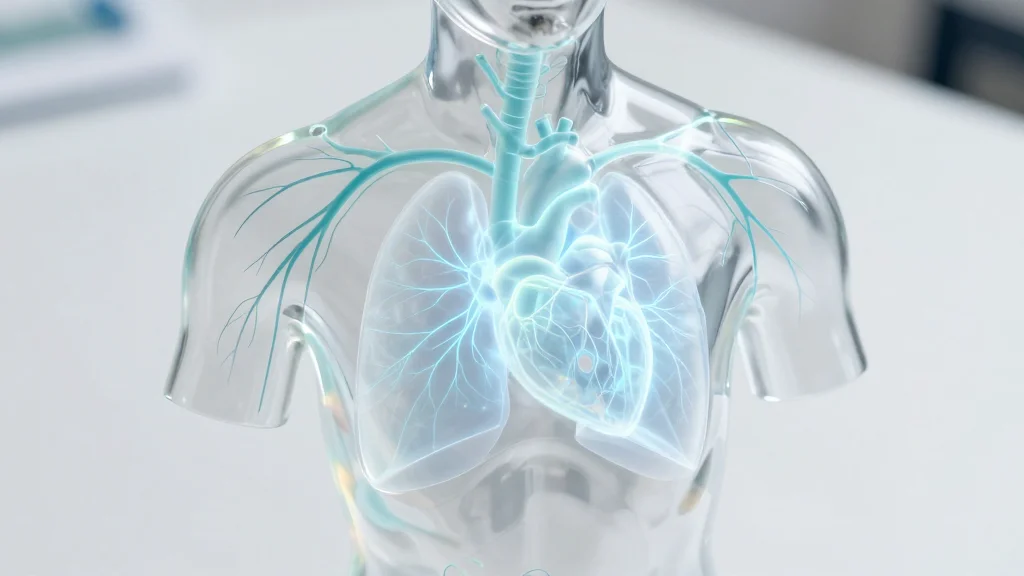
How AI-Powered Diagnostics Are Transforming Preventive Healthcare Worldwide
AI-powered diagnostic tools are reshaping preventive healthcare by identifying disease patterns before symptoms emerge. Hospitals and even small clinics are deploying machine‑learning models that analyze massive datasets—from imaging to wearable data—to flag risks such as early heart issues, nerve damage,...

CUVAE: Strengthening Latent Representations in Skip-Connection VAEs for High-Fidelity Medical Image Reconstruction
The paper introduces CUVAE, a Constrained Unfolding Variational Autoencoder that adds weighted skip‑connections and batch‑normalized latent constraints to traditional VAEs. By addressing posterior collapse, CUVAE preserves a structured latent space while maintaining high‑fidelity image reconstruction. Experiments on Chest X‑ray (Pneumonia)...
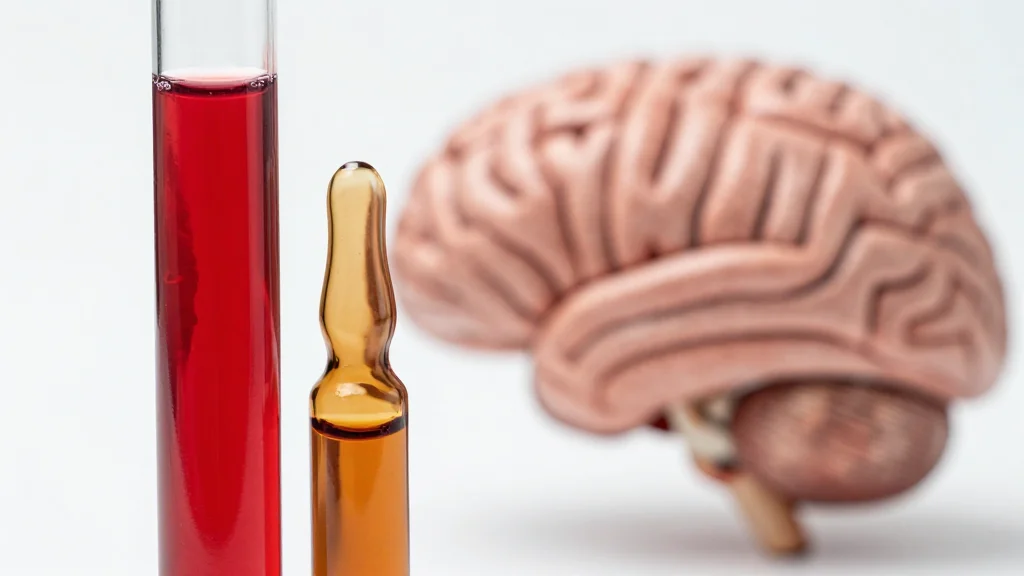
Red Cell Distribution Width-to-Albumin Ratio as a Potential Biomarker for Short-Term Mortality Risk in Critically Ill Patients with Cerebral Hemorrhage:...
The study identified the red cell distribution width‑to‑albumin ratio (RAR) as an independent predictor of 28‑day ICU and in‑hospital mortality in patients with intracerebral hemorrhage (ICH). Analyzing 2,327 ICH cases from the MIMIC‑IV database and 428 external patients, higher RAR...

Australia: Digital Health Training for Safer, Smarter Care
The Australian Digital Health Agency and La Trobe University have launched an online learning programme for nursing and midwifery students across Australia. The curriculum equips learners with core digital health skills—including electronic health records, telehealth, digital prescribing and data analytics—to...
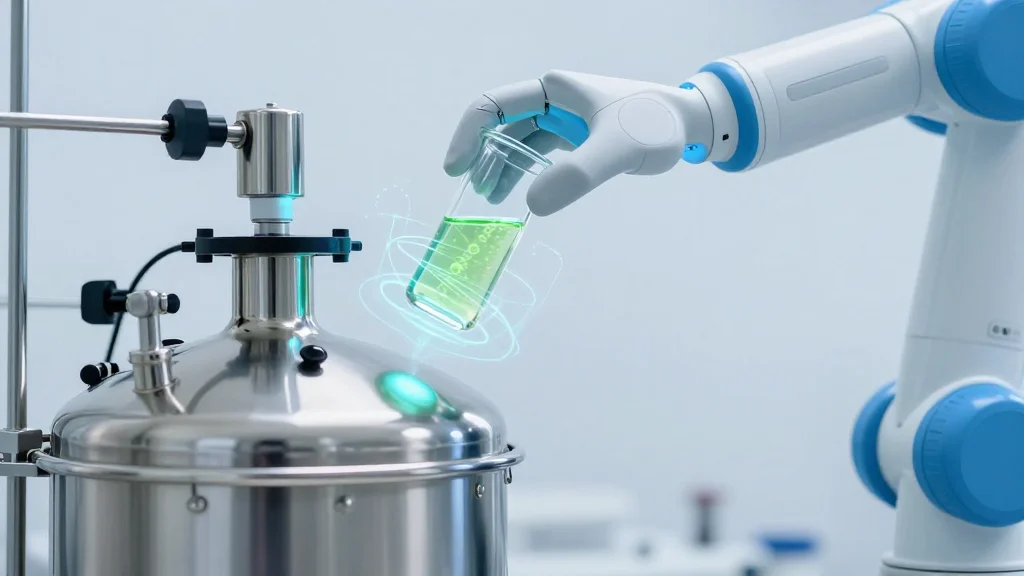
Cell and Gene Therapy Manufacturing Exposes the Cost of Delayed Digital Infrastructure
Cell and gene therapy (CGT) manufacturing is advancing quickly, yet many early‑stage firms postpone building an integrated digital backbone. The resulting manual handoffs create safety, compliance, and scalability risks. SAP’s Cell and Gene Therapy Orchestration platform introduces guided workflows, e‑signatures,...

Digital Health Divide and Its Impact on Access to Preventive Healthcare Services in Urban India
A cross‑sectional study of 1,482 adults in Hyderabad found that 58.7% enjoy high digital health access while 41.3% do not. Those with low digital access are far less likely to use preventive healthcare services (32.4% vs 68.9%). Multivariate analysis links...

UnitedHealthcare Unveils AI Companion to Improve Navigation
UnitedHealthcare introduced Avery, a generative AI companion designed to streamline care coordination for members. The tool currently assists about 6.5 million commercial and 160,000 Medicare Advantage members, with plans to reach 20.5 million across commercial, Medicare and Medicaid by year‑end. Avery can...
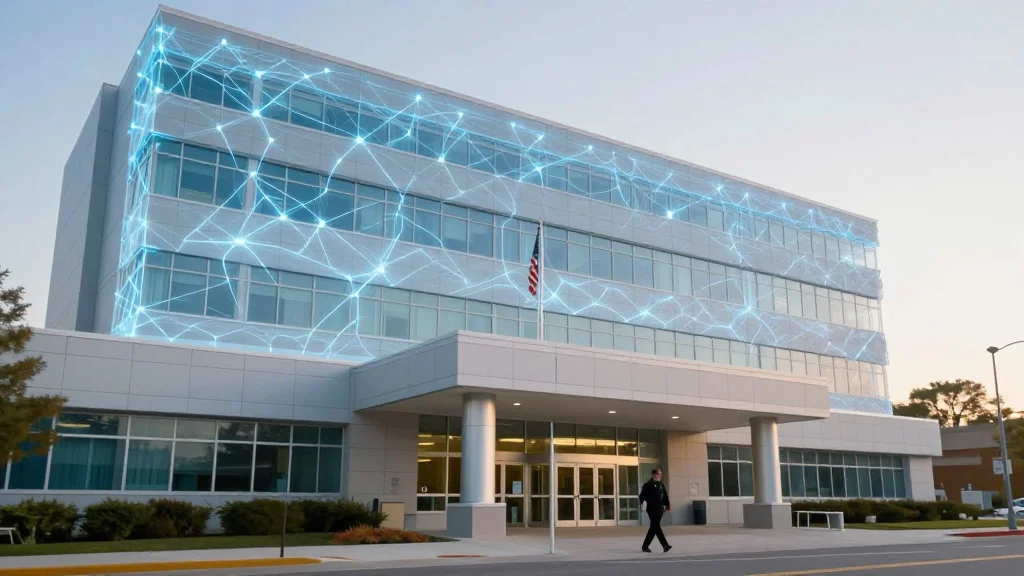
VHA Deploys Agentic AI Operating System to Improve Care Delivery
The Veterans Health Administration has rolled out an agentic AI operating system across more than 150 VA medical centers and outpatient facilities, serving up to 18 million veterans. Built on Salesforce’s Slack platform, the solution unifies clinicians, administrators and caregivers, automating...
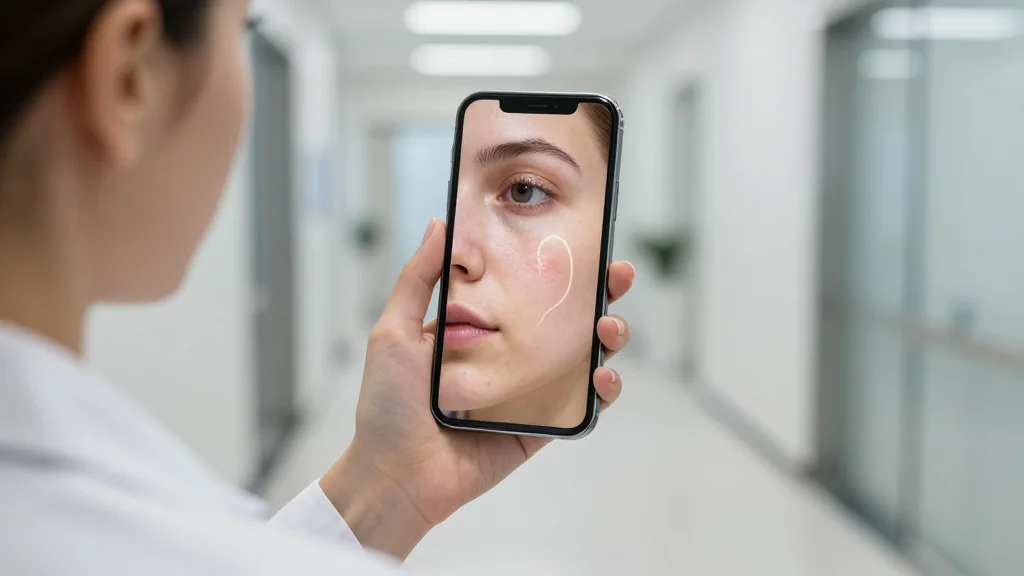
Improving Remote Dermatology Care, Diagnosis, and Clinical Trial Diversity: James Song, MD
Teledermatology is emerging as a core component of skin‑care delivery, especially for patients requiring frequent monitoring such as those on isotretinoin. Virtual visits excel at follow‑up appointments, safety checks, and prescription renewals, but current imaging technology cannot reliably diagnose pigmented...

Software Errors Lead to Major Insulin Pump Recall—Manufacturer Shares a Fix
Medtronic is recalling 26,851 MiniMed 780G insulin pumps after identifying three software defects across versions 6.60, 6.61 and 6.62. The FDA classified the recall as Class II, indicating temporary health risks if unaddressed. Medtronic’s remedy is a firmware update to version 6.62 and...

Mobile Population-Based CKD Screening Could Help Close Care Gaps
Wayne State University researchers deployed mobile health units across Detroit from July 2022 to August 2025, evaluating 5,128 adults in 5,973 encounters. The screening revealed that 44.7% had mildly decreased eGFR and 11.3% met criteria for stage‑3 or worse chronic...

How Real-World Data Is Reshaping the NSCLC Patient Journey
Pharma firms are leveraging real‑world data (RWD) to map the patient journey of non‑small cell lung cancer (NSCLC) and uncover social determinants of health that hinder care. The new eBook highlights how gaps in biomarker testing, socioeconomic barriers, and incomplete...

Omakase Robotics Completes Japan’s First Humanoid PoC at University of Tsukuba Hospital
ZEALS, together with venture Quick, completed Japan’s first hospital‑based humanoid robot proof‑of‑concept using the Unitree G1 equipped with the Omakase OS. Over three days at the University of Tsukuba Hospital, the robot demonstrated autonomous walking, obstacle avoidance, voice‑guided navigation and...
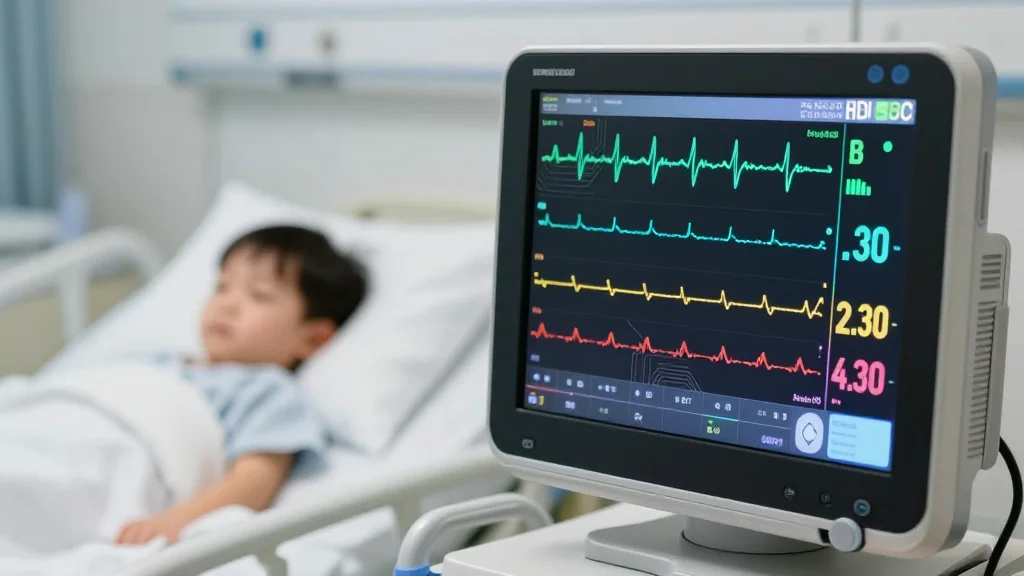
Boston Children's Enhances Care with Clinical Intelligence Platform
Boston Children’s Hospital deployed Etiometry’s AI‑driven clinical intelligence platform to capture continuous high‑frequency physiologic data across its pediatric ICU. The system aggregates and visualizes signals in real time, giving clinicians a shared, longitudinal view of each patient’s trajectory. Early results...

AI at the Bedside: Scaling Innovation Without Compromising Patient Safety
Artificial intelligence has moved from pilot projects to core clinical tools, with the FDA authorizing more than 1,400 AI‑enabled medical devices by the end of 2025, most via the fast‑track 510(k) pathway. Radiology dominates usage, but AI is expanding into...

Vida Health Launches Metabolic Control Framework to Manage Obesity, Diabetes, and MASH
Vida Health has introduced a Metabolic Control Framework that shifts from isolated disease programs to a population‑level strategy for obesity, diabetes, hypertension, hyperlipidemia, MASH, OSA and COPD. The framework relies on a proprietary Metabolic Control Index, which aggregates clinical, biometric...

Vendor Notebook: AI Tackles an Evolving Menu of Organizational Needs
Healthcare vendors are rolling out a suite of AI tools aimed at streamlining billing, coding, imaging, and fraud prevention. CentralReach’s AI agents cut revenue‑cycle work by up to 40%, while Innovaccer’s Flow Capture autonomously codes roughly 80% of patient encounters....

Digital Health Tools Must Reflect Stakeholders' Lived Experiences
Digital health developers are being urged to embed nurses, physicians, and patients directly into the design process, a stance championed by Susan Hull, the HIMSS‑ANI Nursing Informatics Changemaker honoree. Hull argues that tools built without real‑world clinical input often miss...

UCLA Health Creates Leadership Role for AI Innovation
UCLA Health has appointed Katherine Andriole, PhD, as the inaugural associate dean for health AI strategy and innovation at the David Geffen School of Medicine, effective March 26. She also assumes directorship of the UCLA Center for AI and SMART Health....

Why Reproducible Analytics Is Critical for AI in Healthcare and Life Sciences
AI adoption in healthcare and life sciences is surging, with physician usage climbing to 66 % and firms investing heavily in machine‑learning platforms. Despite this momentum, a reproducibility crisis looms, as more than 70 % of researchers report difficulty replicating results, jeopardizing...
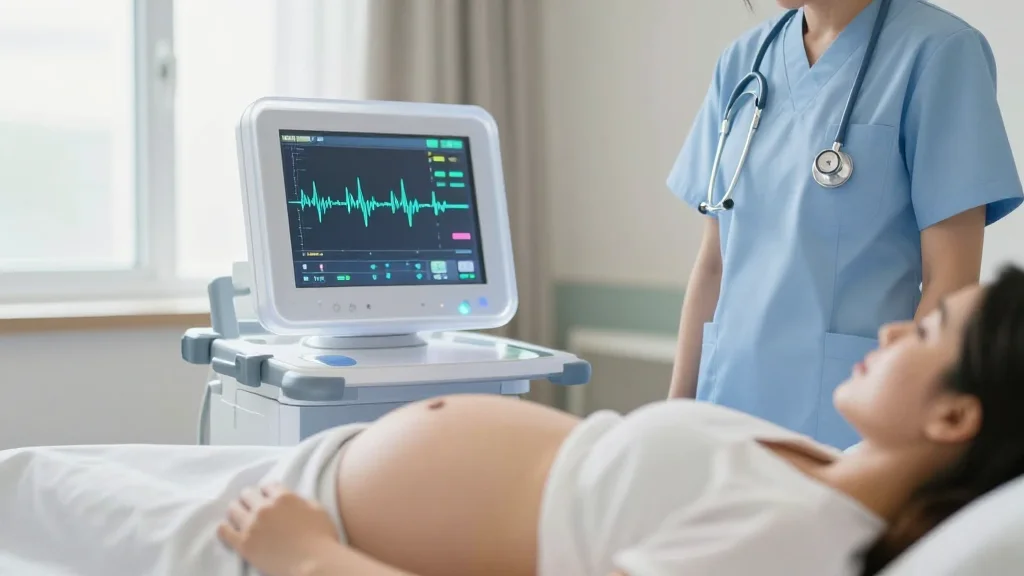
NYC Health + Hospitals Rolls Out AI Tool to Boost Maternal Safety
NYC Health + Hospitals has launched a $2.75 million program deploying PeriWatch Vigilance, an AI‑driven early‑warning and decision‑support system for maternal‑fetal care. The tool, currently active at the North Central Bronx hospital, will be expanded to all 11 system hospitals by...

Democratizing Access: How Community Hospitals Can Drive the Next Wave of Robotic Bronchoscopy
Second‑generation robotic bronchoscopy platforms now embed advanced imaging, delivering higher diagnostic accuracy for peripheral lung lesions while simplifying workflow. Community hospitals can adopt these systems using single‑use bronchoscopes, eliminating reprocessing costs and reducing procedure time. Relocating the service to endoscopy...

Severance Hospital to Develop Online Tool for Calculating Early Liver Metastasis
Severance Hospital in South Korea has created an AI model, LiMPC, that predicts early liver metastasis in pancreatic cancer patients using routine blood tests. The model was trained on data from 2,657 patients and externally validated on 272 patients from...

US-Based Alzheimer's Network Adopts Korean Imaging AI and More Briefs
South Korean AI firms are expanding into the U.S. market as Neurophet signs an MOU with the Alzheimer’s Network for Treatment and Diagnostics (ALZ‑NET) to provide FDA‑cleared imaging software for amyloid monitoring, and JLK receives FDA 510(k) clearance for its...

Biomarker Panel Distinguishes Alcohol Vs. Metabolic Liver Disease
Researchers at UC San Diego introduced the MetALD‑ALD Prediction Index (MAPI), a biomarker panel that leverages routine blood tests to differentiate alcohol‑associated liver disease from metabolic steatotic liver disease. In a 503‑patient US cohort, MAPI achieved 60% sensitivity, 80% specificity,...
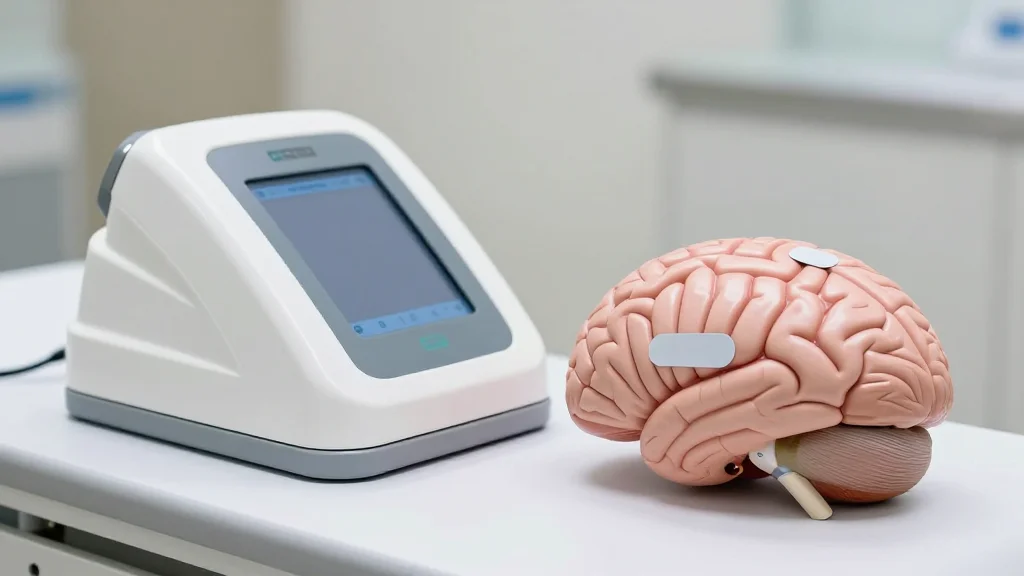
Neurophet and ALZ-NET Sign MoU on Alzheimer’s Therapies
South Korean AI firm Neurophet has signed a memorandum of understanding with the Alzheimer’s Network for Treatment and Diagnostics (ALZ‑NET) to build an imaging‑monitoring infrastructure for emerging Alzheimer’s therapies. The deal brings Neurophet’s FDA‑cleared tools—Aqua, Scale PET, and Aqua AD...

MyTomorrows and CUN Partner on AI-Assisted Patient Trial Matching
myTomorrows, a Dutch health‑tech firm, has partnered with Spain’s Clínica Universidad de Navarra (CUN) to embed an AI‑driven clinical‑trial matching engine directly into CUN’s electronic health record. The system leverages large language models to parse multilingual unstructured notes and structured...

Executive War College 2026 to Spotlight AI, Workforce Solutions, and Financial Strategy for Clinical Labs
The 31st Annual Executive War College will convene April 28‑29 in New Orleans, bringing together clinical laboratory executives to address reimbursement, staffing, compliance, and emerging technologies. A new Executive Forum on Digital Pathology Management will spotlight AI‑driven workflows and data...
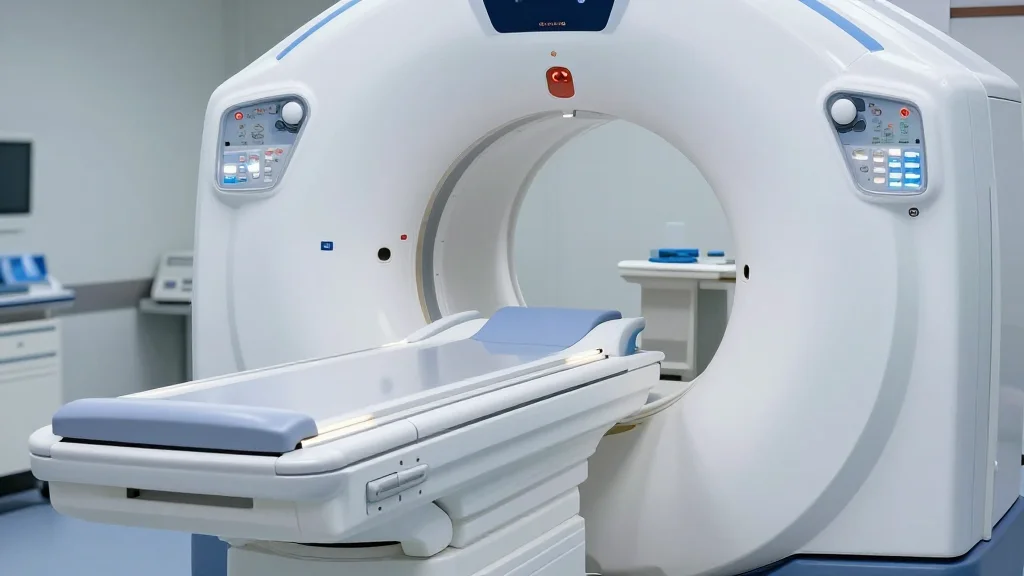
Northwestern Deploys New Mobile Stroke Unit Equipped with 32-Slice CT Scanner
Northwestern Medicine has upgraded its mobile stroke unit (MSU) with a 32‑slice CT scanner, replacing the older 16‑slice system. The new, smaller‑footprint vehicle can perform advanced imaging en route, allowing clinicians to differentiate ischemic from hemorrhagic strokes before hospital arrival....