
Deblina Sarkar | Autonomous and Surgery-Free Nano-Electronics for Brain-Computer Symbiosis
The talk introduced a new class of autonomous, surgery‑free nano‑electronics designed to create a seamless brain‑computer symbiosis. By shrinking electronic chips to subcellular dimensions and removing any supporting substrate, the devices can be injected intravenously, travel through the circulatory system, and locate disease‑specific regions in the brain without any cranial surgery. Key technical breakthroughs include a 10,000‑fold increase in wireless power‑conversion efficiency at nanometer scales, and the integration of living cells that guide the chips across the intact blood‑brain barrier. In rodent trials, more than 77.9% of the hybrids successfully migrated into brain tissue, self‑implanted, and delivered electrical stimulation with a spatial resolution of roughly 13 µm—far finer than conventional electrode arrays. Pathology assessments revealed that brain sections containing the devices scored identically to control tissue, indicating no inflammatory response or neuronal loss. Comprehensive blood chemistry, organ health checks, and six‑month behavioral studies confirmed systemic safety and chronic stability of the implants. If scaled to humans, this technology could replace invasive neurosurgical procedures, dramatically lowering costs and expanding access to treatments for Parkinson’s, Alzheimer’s, depression, and paralysis. Its precision, wireless operation, and biocompatibility position it as a disruptive alternative to existing brain‑implant platforms such as Neuralink or endovascular electrodes.
Focused Ultrasound for Tremor: What’s the Buzz?
Johns Hopkins physicians presented a detailed overview of MRI‑guided focused ultrasound (FUS) as a non‑invasive treatment for essential tremor (ET). The webinar covered disease prevalence, diagnostic criteria, and the limitations of medications and wearable devices, positioning FUS alongside deep‑brain stimulation...

$60M in Dead Software, and a Cyber Risk No One Is Talking About - EXE
The video highlights that entrenched software complexity is crippling U.S. health‑care systems, with thousands of applications and countless integration points inflating costs and exposing cyber vulnerabilities. Speakers cite a case where a hospital trimmed its portfolio from 3,000 to 2,000 apps,...

Data Liberation, Tech Debt, and the Road to AI Ready | Executive Interview with Jim Jacobs
In this executive interview, Jim Jacobs, CEO of Metaquant, explains how the company’s active‑data archiving platform helps health systems untangle legacy systems, cut operational costs and lay the groundwork for artificial‑intelligence initiatives. By extracting and preserving data from outgoing EHRs...
Advancing Real-Time Clinical Trials
The FDA announced a landmark initiative: the first ever real‑time clinical trial, where regulators can monitor safety signals and efficacy endpoints instantly via a cloud‑based dashboard. Commissioner Dr. Marty Makary framed the effort as a response to the growing "dead...
Spring Robotics Colloquium: Tapomayukh Bhattacharjee (Cornell)
The Spring Robotics Colloquium featured Tapo Bhattacharjee of Cornell, who outlined his lab’s work on physical robot caregiving—particularly robot‑assisted feeding—and why such technology must be built around real users, not abstract algorithms. He emphasized that caregiving is highly contextual: tasks, user abilities,...

P&S Arch. & Algo. For Health & Life Sciences - L6: Overview of Genomic Workflows (II) (Spr 2026)
The sixth lecture of the P&S Architecture & Algorithms for Health & Life Sciences series dives into genomic workflow analysis, concentrating on the read‑mapping stage that stitches sequenced fragments into a complete genome. It revisits earlier concepts—why genomics matters, base‑calling,...

QHSLab, Inc. (OTCQB: USAQ) CEO Troy Grogan on 2026 Growth Drivers and Primary Care Expansion
In a Planet Micro Cap interview, QHS Lab CEO Troy Grogan outlined the company’s 2026 growth strategy centered on expanding its digital‑medicine platform across independent primary‑care practices. The firm’s solution records “behavioral vital signs” – metrics such as depression, anxiety, chronic...
Digital Health Unplugged: The Forgotten Patients
The report examines the UK’s NHS ten‑year health plan, which pivots from analog to digital services, and asks whether the shift will widen existing health inequities. Experts cite that 30% of pensioners are offline and another 40% struggle with online consultations....
Health Care’s AI Disruption, Ready or Not
The video launches a new KFF series on artificial intelligence’s impact on U.S. health care, an industry that consumes roughly 18% of GDP and is the most labor‑intensive sector in the economy. Host Chip and guest Eric Larson argue that...
Reframing Cyber Risk: Why Healthcare Must Plan for Extended Downtime - UNH
The video highlights a growing consensus in the health‑care sector: cyber‑risk is no longer a hypothetical threat but a looming reality that could shut down electronic medical record (EMR) systems for weeks. As patient care now depends entirely on digital...
🗞️ Australia Launches Free National Telehealth Service for People Living with Hepatitis C
Australia’s health ministry has rolled out Heplink, a free, nationwide telehealth platform that lets people with hepatitis C receive testing, diagnosis and treatment without a referral. The service is available to anyone with internet access, regardless of location, and is managed...
AI-Personalized Medicine
The video outlines how intelligent agents are driving a new wave of personalized medicine by integrating diverse health data sources—from genomic scans to wearable metrics—into precise, patient‑specific recommendations. It highlights two cost‑driven revolutions: genome sequencing prices are falling faster than Moore’s...
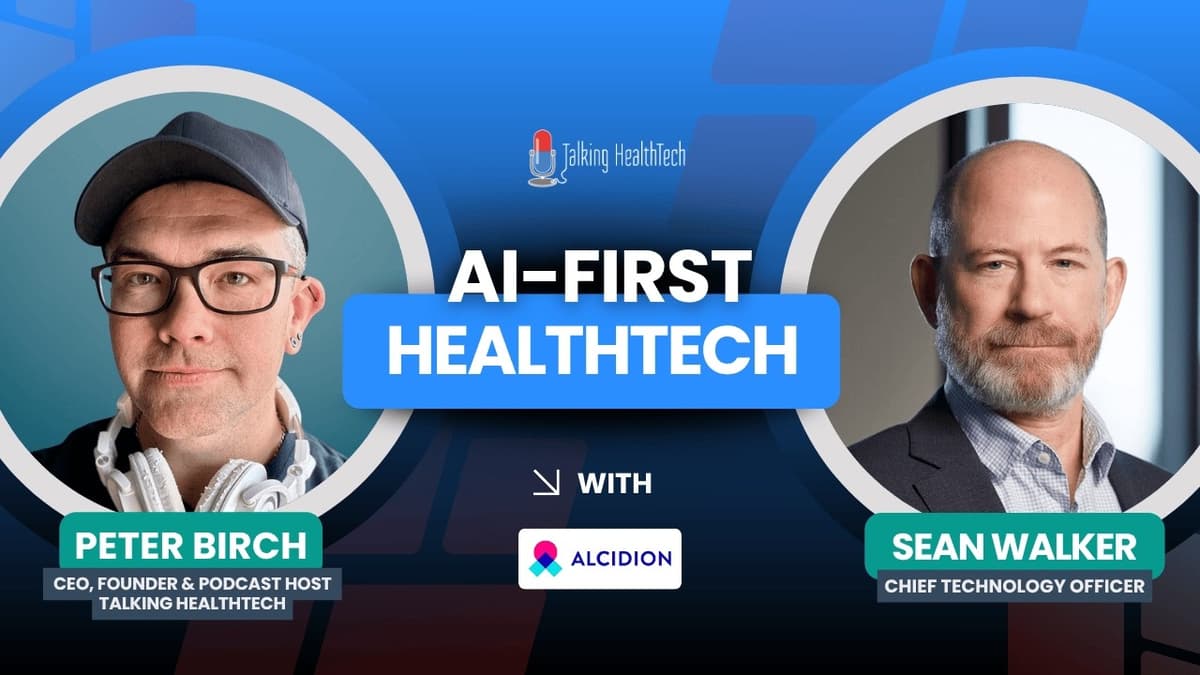
601 - How Artificial Intelligence Is Influencing the Way Healthcare Software Is Built
The podcast features Sean Walker, CTO of Cidian, discussing how artificial intelligence is reshaping the way healthcare software is built. Walker explains that a cloud‑native, real‑time data platform was designed from the start to support machine‑learning models, allowing the company to...
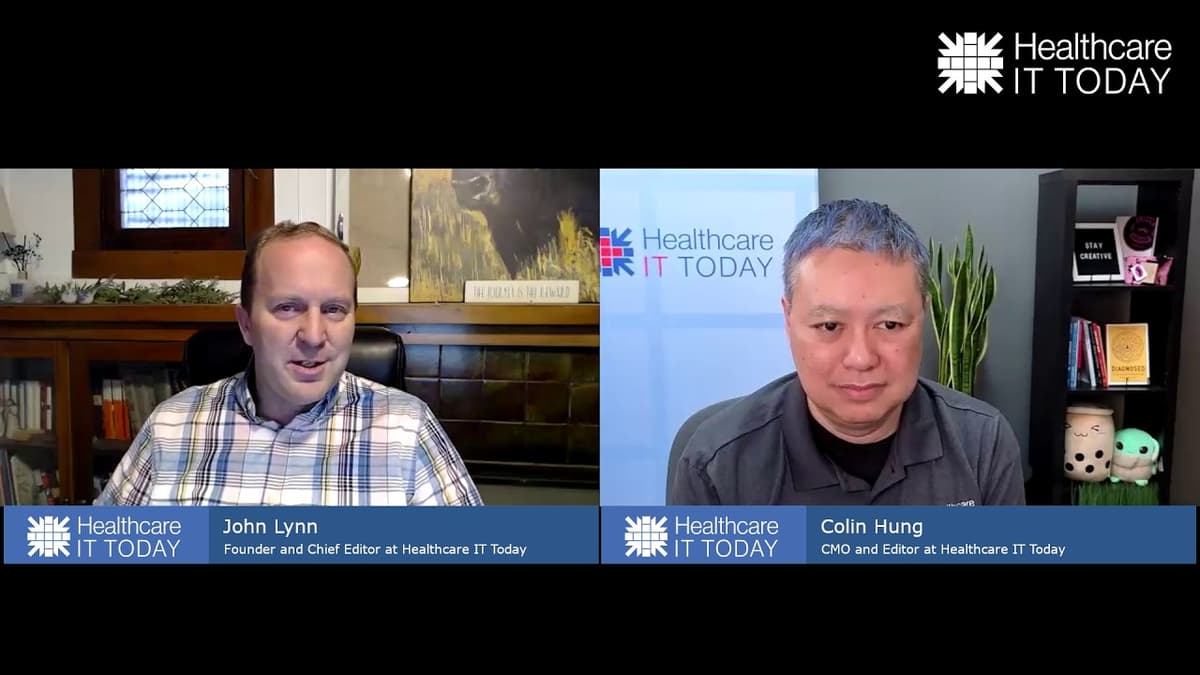
Health IT Mount Rushmore - Part 1 - Healthcare IT Today Podcast Episode 191
In this episode of Healthcare IT Today, hosts John Lynn and Colin Hung launch a two‑part series titled “Health IT Mount Rushmore,” where they debate which technologies deserve a place on a metaphorical monument to transformative health‑IT innovations. Rather than...
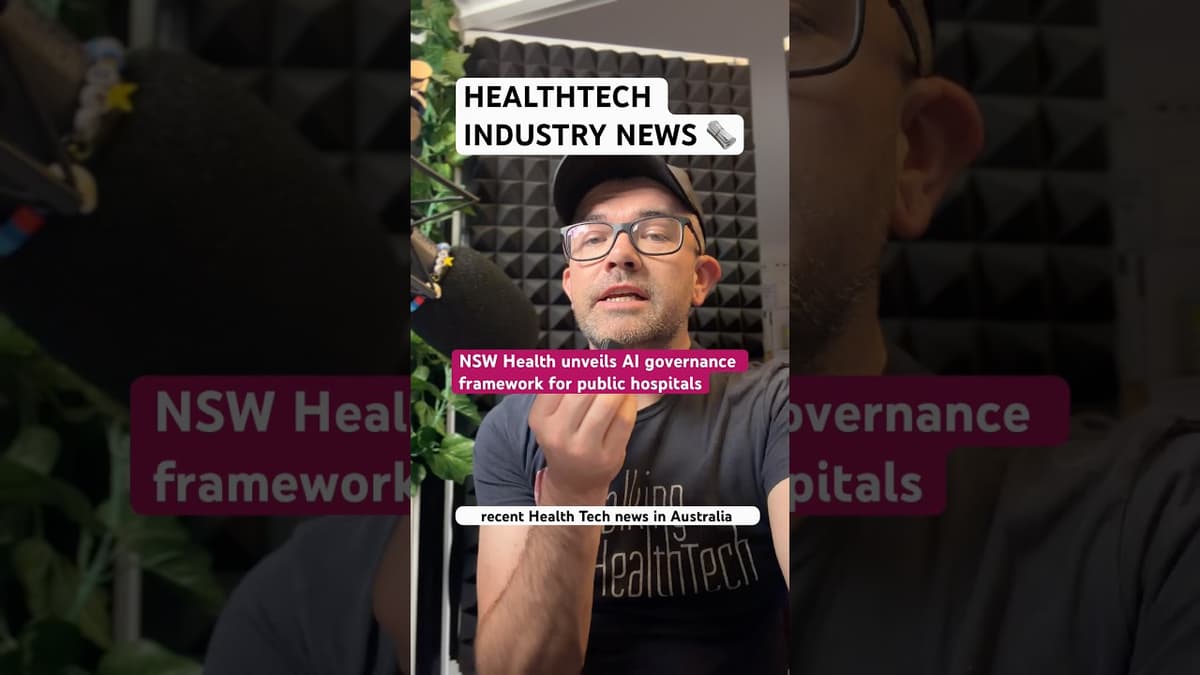
🗞️ INDUSTRY NEWS: NSW Health Unveils AI Governance Framework for Public Hospitals
NSW Health introduced an AI governance framework for its public hospital network, aiming to standardize artificial‑intelligence use across the state. The framework adopts a risk‑based methodology and outlines seven priority domains—consumer protection, workforce development, privacy and security, governance and regulation, safety,...

Why Your IT Projects Are Dying Before They Start - NEW
The video examines why many health‑system IT initiatives never get off the ground, attributing the failure to a chronic mismatch between project demand and the department’s actual capacity. While executives are getting better at building persuasive business cases, the information...
Automating Clinical Trial Data Collection for Better Research Outcomes
The video outlines how artificial intelligence and automation are reshaping clinical‑trial data collection, positioning a unified health‑life‑sciences platform as the catalyst for faster, more efficient research. Key insights include AI‑driven patient trial matching that scans electronic health records in real time,...
Lecture 3.0.9: Rule Based vs ML CDS Architectures, FHIR R4, CDS Hooks, SMART on FHIR
The lecture introduces modern clinical decision support (CDS) architectures, covering rule‑based versus machine‑learning models, and the enabling standards of FHIR R4, CDS Hooks, and SMART on FHIR. It outlines the evolution from paper‑based guidelines (Gen 1) to hard‑coded EHR logic (Gen 2), interoperable...
Lecture 3.0.3: Relation Extraction & Assertion Status, Evaluation
This lecture introduces advanced clinical natural language processing, emphasizing relation extraction, assertion status, and robust evaluation methods. While named entity recognition isolates medical terms, relation extraction connects entities—such as linking a medication to its dosage or a test result to...
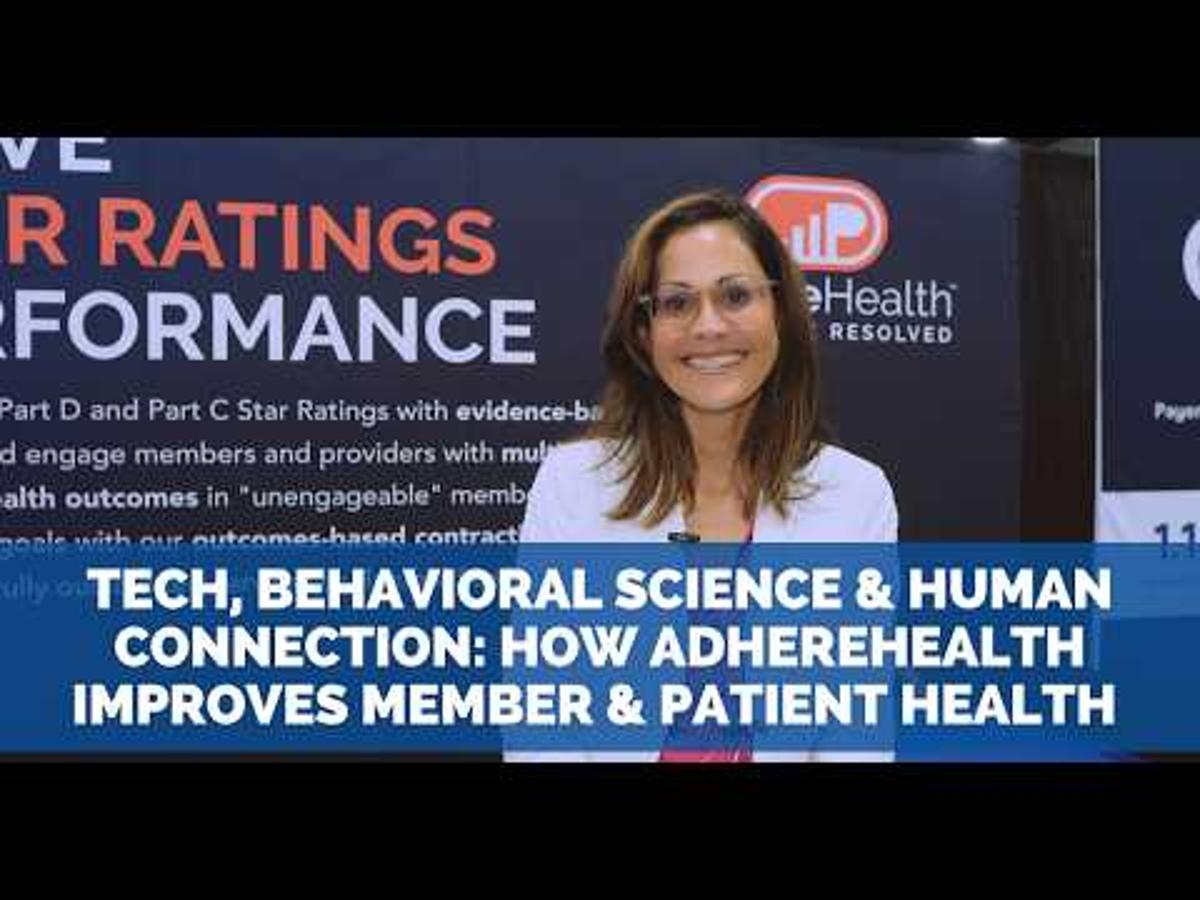
Tech, Behavioral Science & Human Connection: How AdhereHealth Improves Member & Patient Health
The video spotlights Adhere Health’s blend of technology, behavioral science, and human empathy to boost medication adherence among Medicare Advantage members. Chief Experience Officer Chandra Osborne explains how the company identifies over 30 personal barriers—cost, access, caregiver duties, misunderstanding, side...
Lecture 2.3.6 | Signal Processing for Biosignals | Masters in Medical Robotics
The lecture introduces signal processing as the essential bridge between raw physiological measurements and actionable medical insight. It explains that biosignals—electrical traces from the heart, brain, and muscles—are inherently noisy, requiring sophisticated cleaning before clinicians can trust them. Key concepts include...

When Metal Meets Digital: The Best Surprises From SAGES 2026
The annual SAGES 2026 conference in Tampa spotlighted the convergence of surgical robotics and digital health, marking the first public demonstration of the next‑generation robots that industry analysts predicted a decade ago. Attendees saw a range of innovations, from modular,...
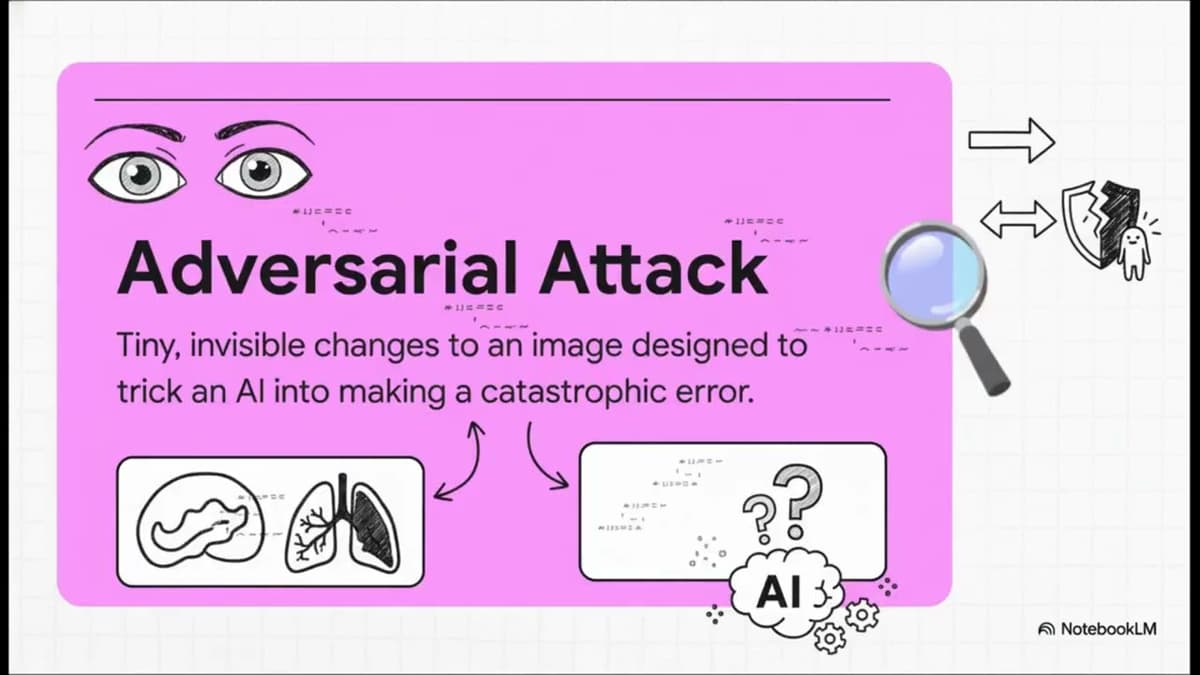
KDD 2026 - Effective and Robust Multimodal Medical Image Analysis
The KDD 2026 presentation introduced MALe (Multi‑Attention Integration Learning), a new framework for multimodal medical image analysis that emphasizes efficiency, adaptability, and robustness. Unlike traditional cascaded‑fusion models that process modalities sequentially, MALe employs parallel fusion, preserving full contextual information across MRIs, CTs,...
Automated Insulin Delivery Systems for Patients
The video introduces automated insulin delivery (AID) systems, which integrate an insulin pump with a continuous glucose monitor (CGM) into a closed‑loop platform. It emphasizes that AID is rapidly becoming the new standard of care for type 1 diabetes, encouraging patients...

AI Orchestration: The End of Healthcare’s "Click Fatigue"?
The video features an interview with BJ Ramenathan, CEO and founder of Ramsoft, discussing the company’s new AI orchestration platform for radiology. Ramenathan explains that the solution embeds artificial‑intelligence tools directly into the imaging workflow, aiming to eliminate the “click...
Can We Predict Heart Attacks Years Before They Happen? | The Future of Cardio Genomics
The video introduces Target MI, a €4 million EU‑funded initiative led by Professor Stephanie Bassina Wittinger in Malta, that seeks to predict heart attacks years before they occur using a multi‑omics approach. By leveraging the island’s compact population, the team assembled a richly...

P&S Arch. & Algo. For Health & Life Sciences - L5: Overview of Genomic Workflows (I) (Spr 2026)
The lecture provides a holistic overview of genomic workflows, emphasizing why genomics is central to modern biology, medicine, and environmental monitoring. It revisits storage‑centric acceleration discussed earlier and expands to the full pipeline—from sample acquisition and sequencing to variant calling,...
Lecture: 3.0.1: Clinical Note Structure & De Identification
The lecture introduces the anatomy of clinical notes and the challenges of processing noisy electronic health record (EHR) narratives. It emphasizes the SOAP structure—Subjective, Objective, Assessment, Plan—as the foundational format for documenting patient encounters, and outlines common sources of textual...
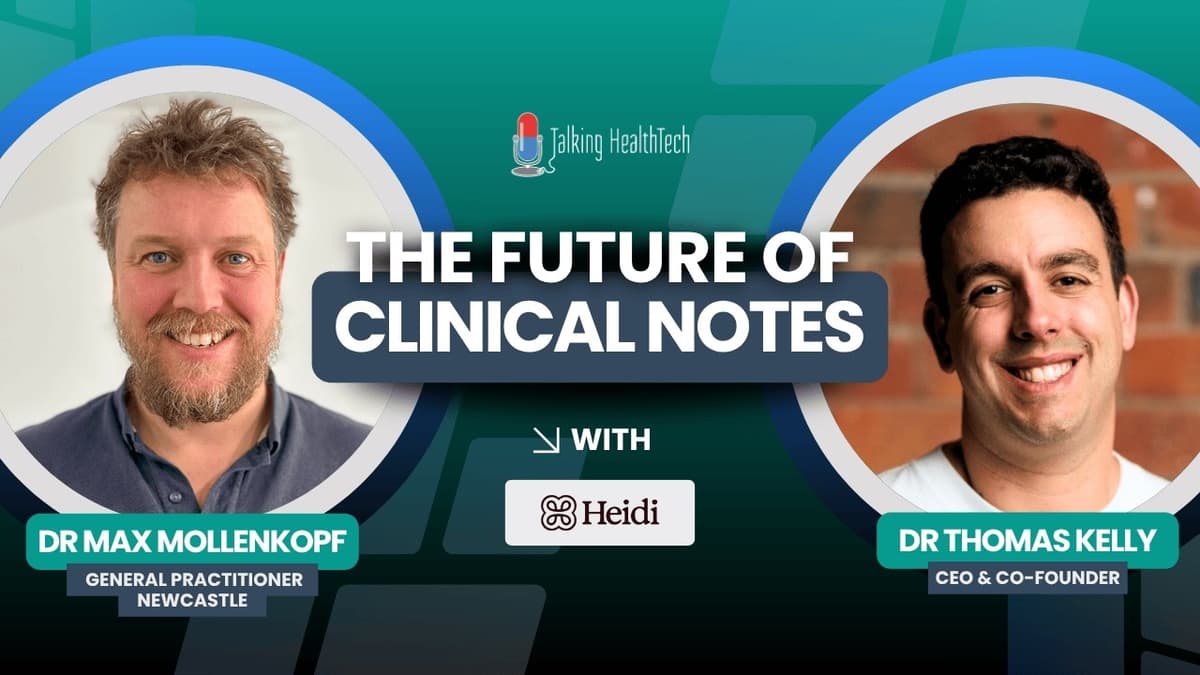
600 - Clinical Evidence at Your Fingertips: AI, Scribes, and the Future of Medical Documentation
The Talking Health Tech episode chronicles Heidi Health’s journey from a 2020 AI‑driven history‑taking platform to today’s documentation‑focused scribe solution. Founder Thomas Kelly explains how the original "HX‑to‑DX" concept aimed to triage patients and generate differential diagnoses before the rise...
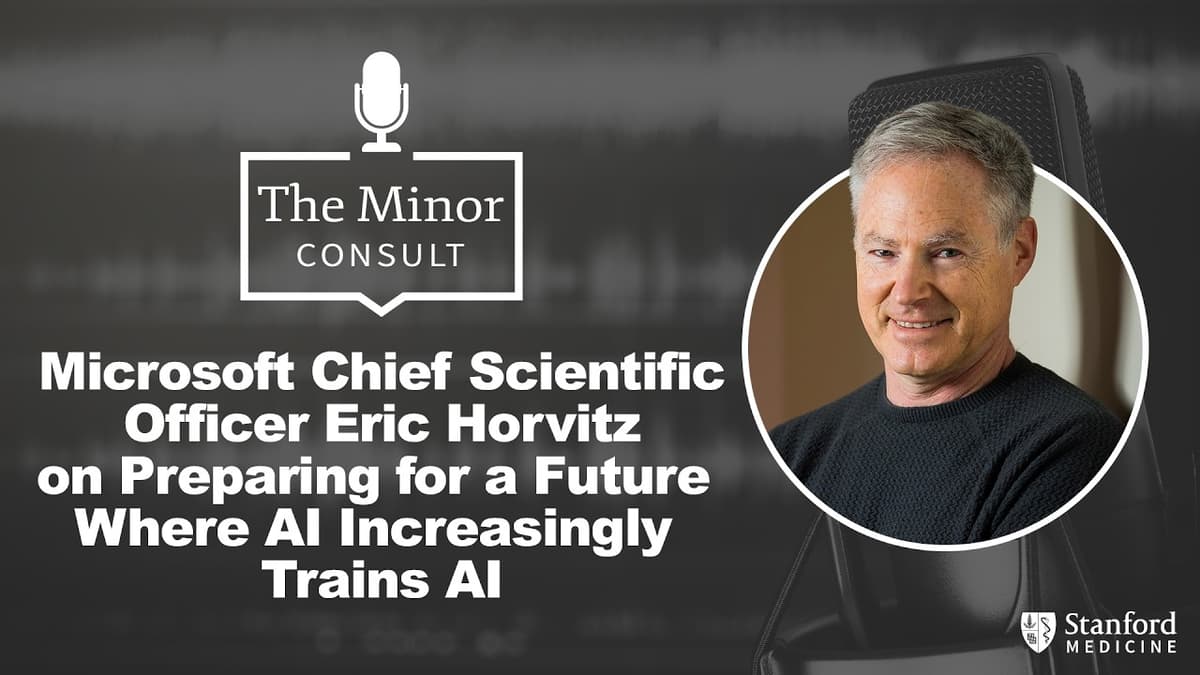
Microsoft's Eric Horvitz on Preparing for a Future Where AI Increasingly Trains AI
In a candid interview, Microsoft’s chief scientific officer Eric Horvitz frames today’s AI landscape as a phase‑transition from task‑specific tools to broadly capable, "polymathic" systems that can reason, communicate and collaborate across domains. He distinguishes the rapid, visible "surface waves"—breakthroughs...

AI-Powered Dental Screening Expands for Young Children in Singapore
Singapore’s health ministry has launched an AI‑powered teledentistry program to conduct remote dental screenings for up to 400 preschoolers over the next three years. The initiative focuses on children from vulnerable families, who face higher risks of untreated cavities and...
FDA Grand Rounds: Clinical Omics Biomarker Discovery and Validation in Precision Medicine
The FDA Grand Rounds session featured Dr. Richard Beger discussing clinical omics biomarker discovery and validation for precision‑medicine applications. He outlined the breadth of systems‑biology omics—genomics, transcriptomics, proteomics, metabolomics, lipidomics—and described a structured workflow that stresses early sample‑type decisions, rigorous...
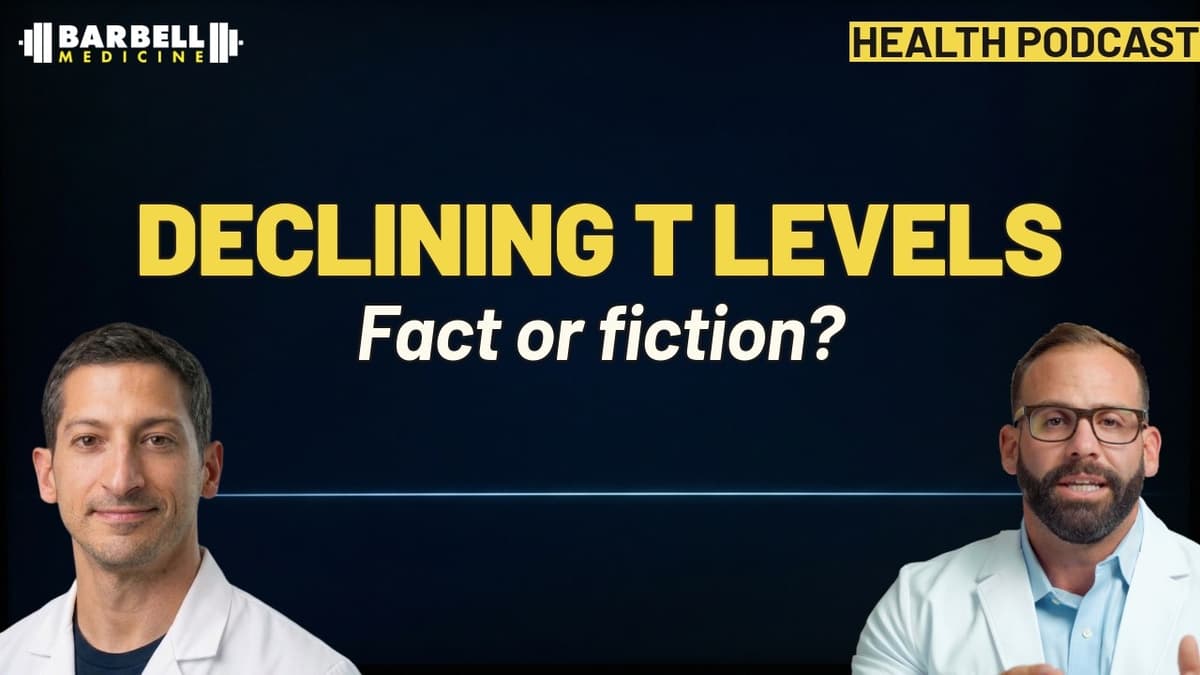
Is the 1% Per Year Testosterone Decline Actually Real?
The video scrutinizes the widely cited claim that men’s testosterone levels fall about 1% each year, asking whether the trend is real or exaggerated. Original cohort studies—Massachusetts Male Aging Study, plus Finnish and Israeli data—showed 15‑20% lower levels in younger birth...
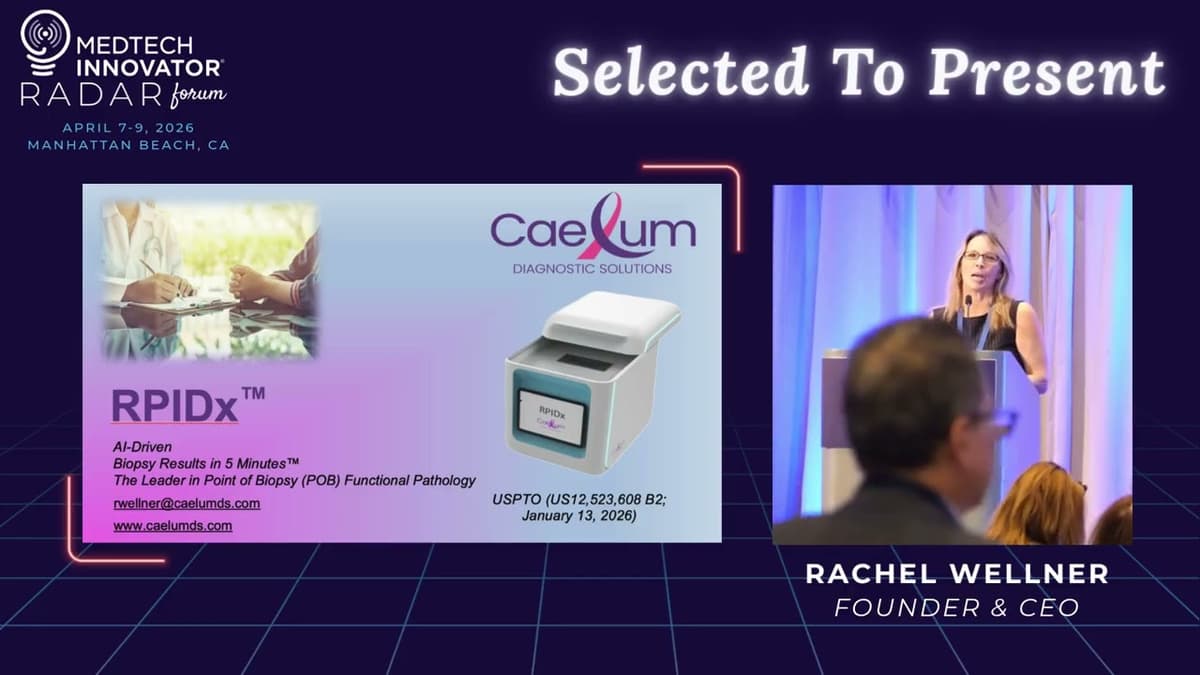
Caelum Diagnostic Solutions - Lightning Pitch
Dr. Rachel Welner, a former breast surgical oncologist, introduced Kale Diagnostic Solutions’ Rapidex platform, a five‑minute diagnostic biopsy system designed to eliminate the long waiting periods patients traditionally face after tissue sampling. The technology fuses metabolic and molecular imaging with artificial‑intelligence...

From Scans to Solutions: Inside Aptium AI's Global Ambitions
Aptium AI, an Australian med‑tech firm, unveiled its 4D scanning platform that merges mult‑spectral imaging with AI to produce instant 3D models for clinical use. The company chose podiatry and diabetic foot care as its launch market, citing a global...
![[Audio Descriptions] ArticuTool: A Modular Active End-Effector for Robot Assisted Feeding](/cdn-cgi/image/width=1200,quality=75,format=auto,fit=cover/https://i.ytimg.com/vi/rSqVBN42ZG0/maxresdefault.jpg)
[Audio Descriptions] ArticuTool: A Modular Active End-Effector for Robot Assisted Feeding
The Assistive Dextrous Arm (ADA) project at the University of Washington aims to let a robot place a full plate of food in front of a user and feed them autonomously. By mounting a modular active end‑effector on a robotic...
Johns Hopkins inHealth Precision Medicine | Driving Research and Clinical Innovation
The video introduces Johns Hopkins InHealth Precision Medicine platform, a data‑centric infrastructure that aggregates de‑identified electronic health records to power research and clinical care. It highlights tools like a unified dashboard that surfaces patient metrics, a large‑language‑model “Health General Reasoner” that...

The AI Call Center Surprise at the 2026 eClinicalWorks Enterprise Summit
The 2026 eClinicalWorks Enterprise Summit in Fort Lauderdale highlighted the company’s steady growth and a breakthrough AI call‑center solution. CEO Jes Nani opened with a review of 27 years of expansion, noting that the firm crossed the $1 billion revenue threshold...
The Future of Preventative MRI | The Further, Faster Podcast
The Further Faster podcast features Andrew Barnes, co‑founder of 1 MRI, discussing the company’s whole‑body magnetic resonance imaging service as a preventive health tool. 1 MRI grew from a hobbyist experiment—buying an MRI machine after a viral Kim Kardashian post—to a structured...
Sparked Hobart: Dr David Hansen - CEO & Research Director, Australian E-Health Research Centre
Dr. David Hansen, CEO of the Australian e‑Health Research Centre, outlined the rapid evolution of the Sparked program at a Hobart event, highlighting how digital‑health standards are transitioning from research to market‑ready products. He emphasized the collaborative nature of the...

McCance Seminar Series: Roy Perlis, MD, MSc
The seminar highlighted how artificial intelligence is reshaping psychiatric practice, from ambient AI scribes that automatically document visits to language‑model decision‑support tools that suggest treatments. Dr. Roy Perlis described early experiments at Mass General Brigham, noting that AI scribes saved...
Mini Brain Structures May Help Scientists Diagnose, Treat Alzheimer's Disease
The video highlights a breakthrough in Alzheimer’s research: the creation of patient‑derived mini brain organoids that mimic the disease’s pathology. By cultivating these three‑dimensional cultures from individual patients, scientists can observe disease mechanisms and test treatments in a human‑relevant setting. Key...
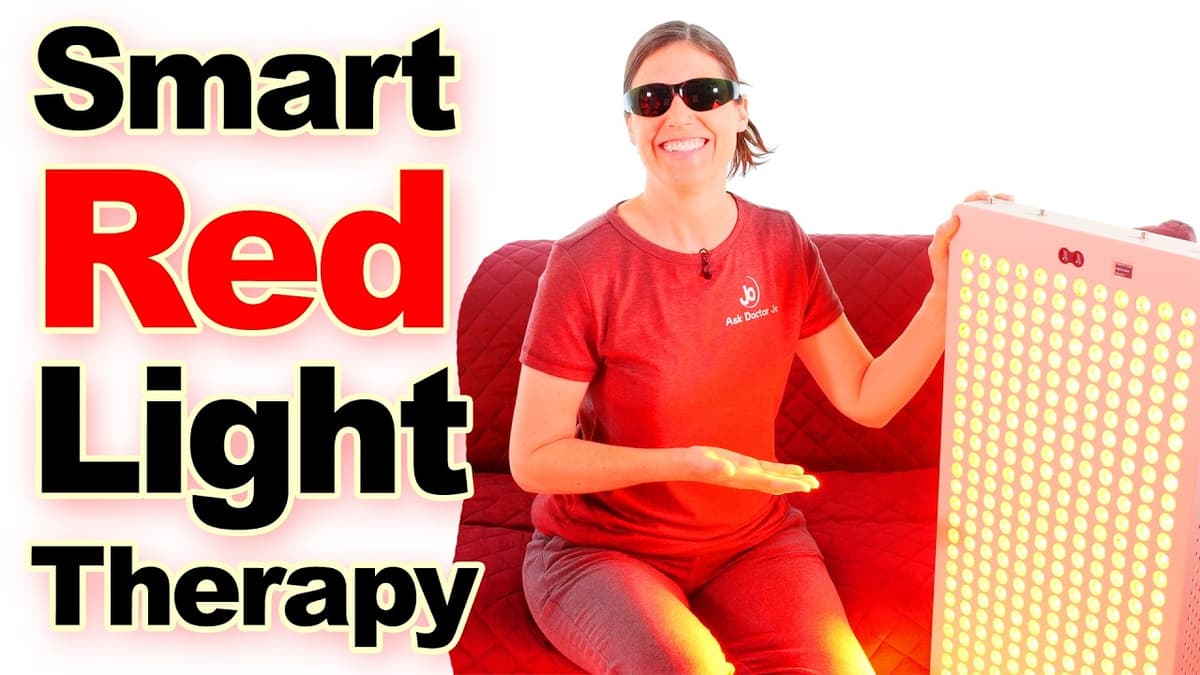
What Is Smart Red Light Therapy? | A Look at the Luxxe Flex
Dr. Jo introduces the Lux Flex, a red‑light therapy panel that straddles the line between consumer‑grade home units and clinical‑grade professional devices. The system combines near‑infrared and red LEDs with smart sensors, positioning it as a turnkey solution for users...
Remplir Validation Builds on Orthocell's US Opportunity
Orthocell Ltd announced that its nerve‑repair device Remplir™ has secured approval for use across the U.S. Department of Defense and Department of Veterans Affairs hospital network. The clearance grants access to 221 facilities, including 51 military hospitals and 170 VA...
Lecture 2.1.5 | B2B2C Business Model in Healthcare | Masters in Medical Entrepreneurship
The lecture introduces the B2B2C (business‑to‑business‑to‑consumer) model, explaining how it blends manufacturing or service creation with a partner’s consumer‑facing platform, a structure increasingly common in health‑tech and other sectors. The instructor outlines a three‑step flow: a producer creates a product, partners...
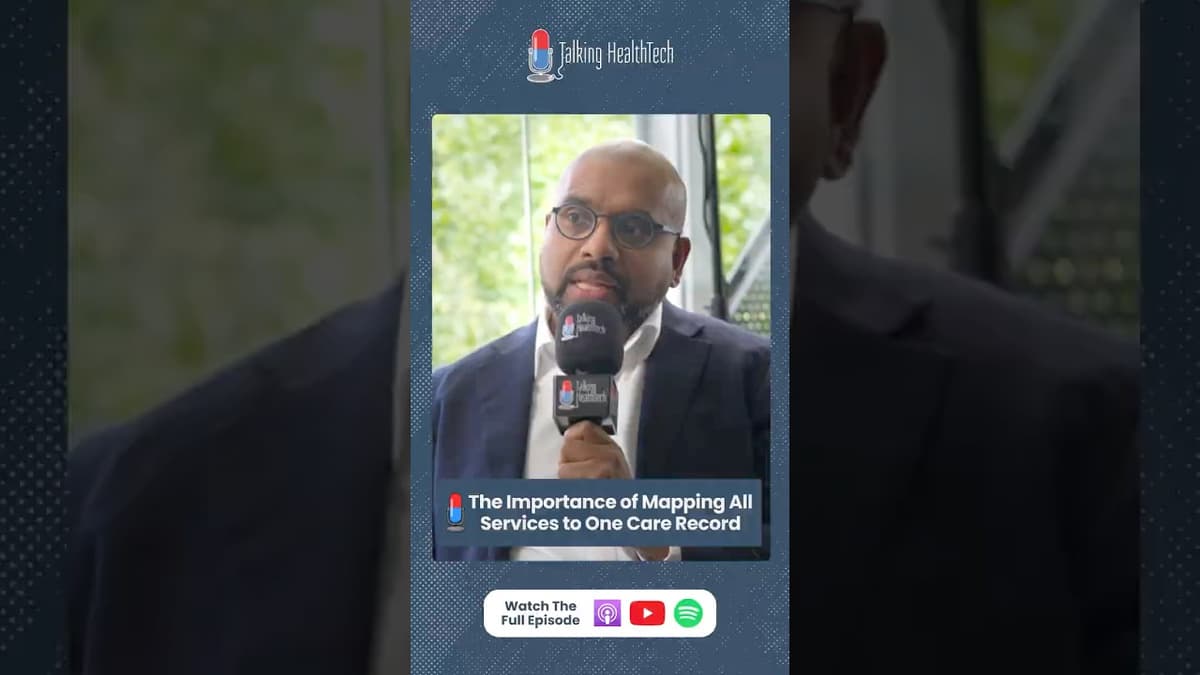
Why Shared Longitudinal Records Matter for Mental Health Patients
The video underscores the urgent need for shared longitudinal health records for mental‑health patients, illustrating the problem through a typical case of depression, anxiety, and occasional panic attacks that require emergency care. It shows how a single patient can navigate...
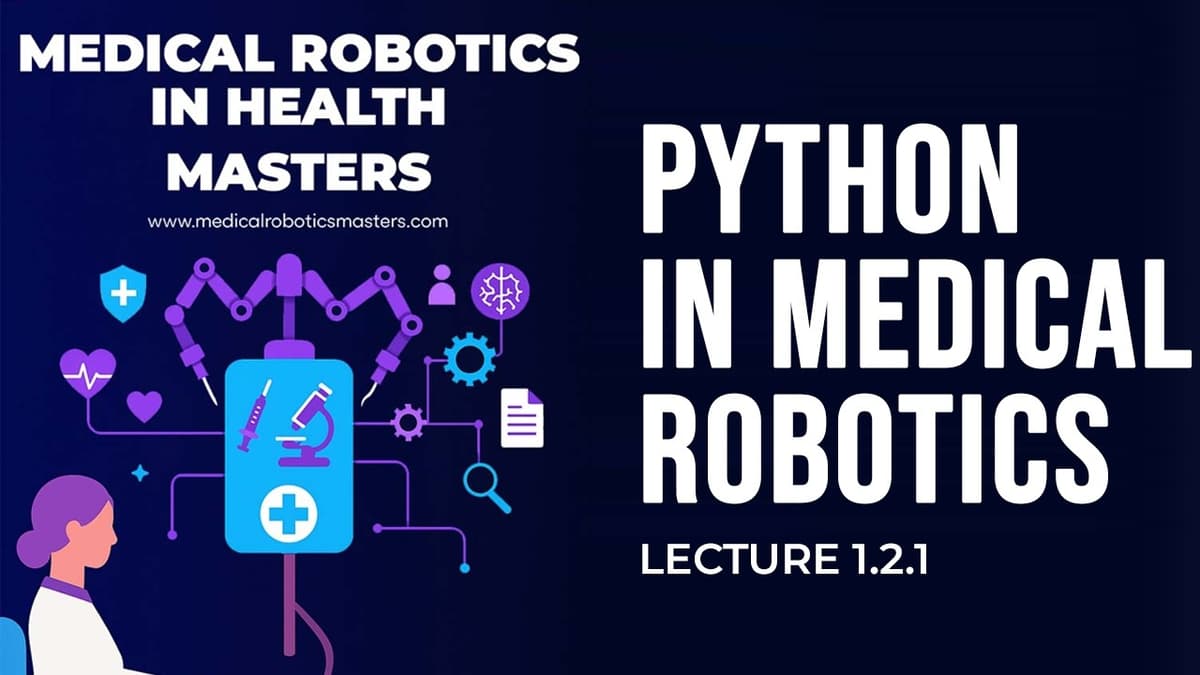
Lecture 1.2.1 | Python for Healthcare Data | Masters in Medical Robotics
The first lecture of the Masters in Medical Robotics program introduces Python as the core tool for handling the massive, heterogeneous data streams generated by modern healthcare systems and surgical robots. It outlines the course’s three goals: understanding Python’s prevalence,...
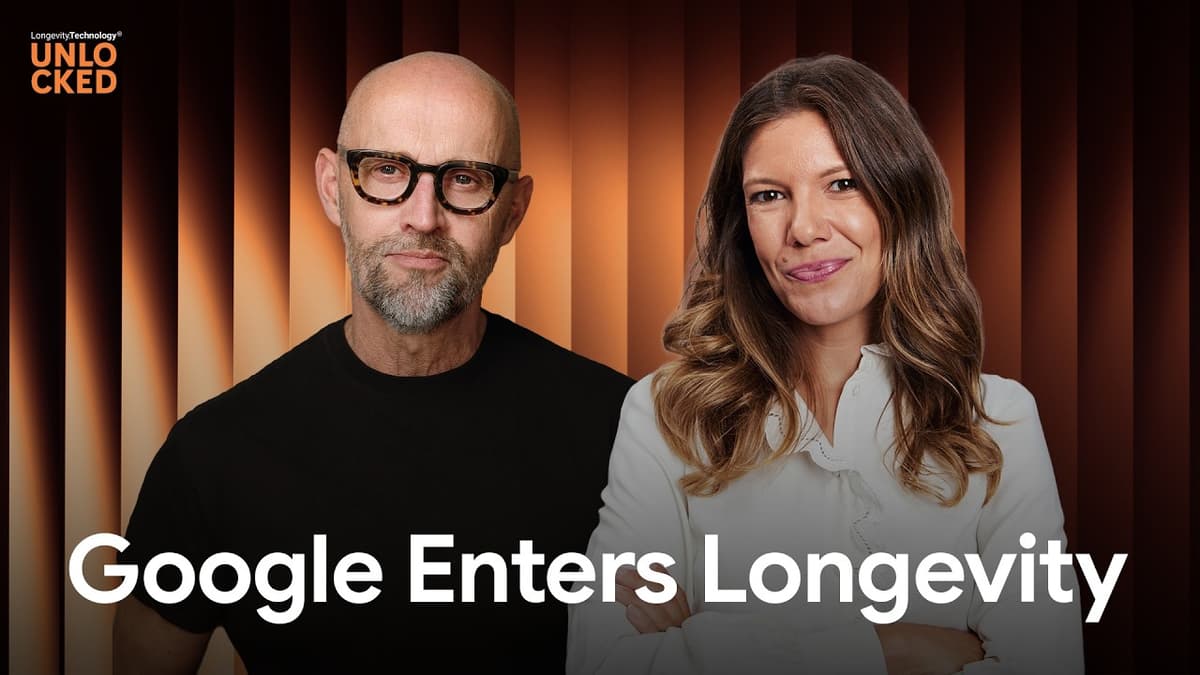
$67B Longevity Boom & Big Tech Health Partnerships | Longevity News Roundup — Week 16, 2026
The episode spotlights a rapidly expanding longevity economy, now projected to reach $67 billion by 2035, driven by consumer demand, expanding clinical pipelines, and a surge of venture capital. Hosts Nina Patrick and Phil Newman dissect how the sector now spans...
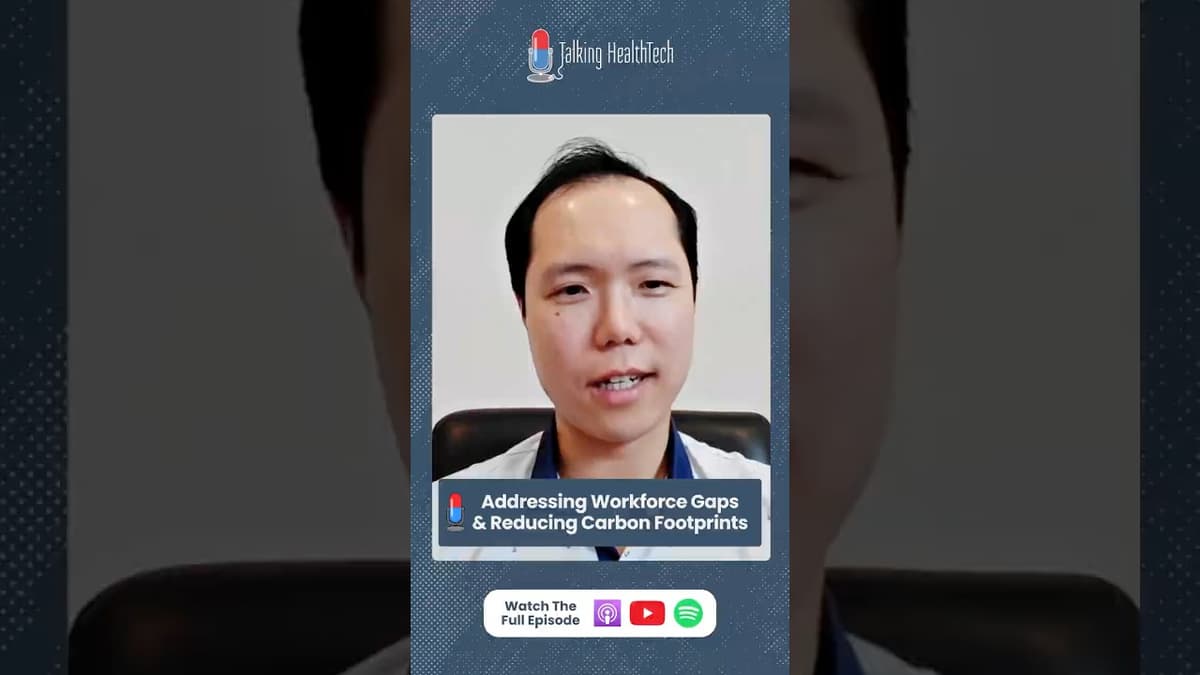
Leveraging Telehealth and Telecare for Broader Access and Sustainable Healthcare
The video argues that telehealth and telecare can become core pillars of a more accessible, low‑carbon healthcare system, urging public providers to embed remote‑service strategies into their long‑term plans. It highlights concrete benefits: patients avoid long trips, clinicians abroad can fill...