
Where Organ on Chips Will Add the Most Value in 3–5 Years
The discussion centers on how contract research organizations (CROs) and contract development and manufacturing organizations (CDMOs) can accelerate the adoption of organ‑on‑chip technologies over the next three to five years. Participants stress that scaling commercial systems and creating a unified service model are critical for moving beyond niche applications. Key insights include startups wrestling with budget allocations between traditional animal studies, new approach methodologies (NAMs), and costly organ‑chip platforms. A fragmented CRO landscape—featuring specialists like Emulate, CM Bio, and Arkari—lacks a single provider that can meet the full spectrum of NAM needs, prompting calls for consolidation and better integration of computational systems biology with microphysiological models. Industry voices cite venture‑capital pressure and private‑equity interest in building a dedicated NAM CRO, while established players such as Charles River and Jackson Laboratory are already signaling moves toward these models. A recurring theme is the scarcity of data sharing among CROs and regulators, limiting the FDA’s visibility into emerging pre‑clinical tools. If a consolidated, data‑rich CRO emerges, it could become the go‑to partner for pharma, reduce reliance on animal testing, and shorten drug‑development timelines, delivering measurable value to investors and patients alike.
What Happens when a Photo, Video, or Fake Identity Gains Access to Healthcare Systems?
FaceTec provides 3D face liveness and biometric-matching technology designed to verify that an online user is a living person and the correct individual before granting access. The system detects photo, video, or deepfake attempts—rejecting non‑live inputs—and binds a liveness‑proven biometric...

Will AI Be a Transformative Force in Medicine or Just Another Disappointment?
The video argues that despite hype, AI may increase healthcare expenditures rather than reduce them, as organizations exploit the technology to boost billing. The speaker highlights that clinicians spend excessive hours on documentation, prior authorizations, and faxing—tasks AI could automate. Yet,...
Using AI to Outsmart Drug-Resistant Bacteria
The video addresses the escalating crisis of antimicrobial resistance, describing it as a silent global pandemic that forces the medical community to rethink how antibiotics are discovered and deployed. Traditional drug development struggles to keep pace as bacteria rapidly evolve,...
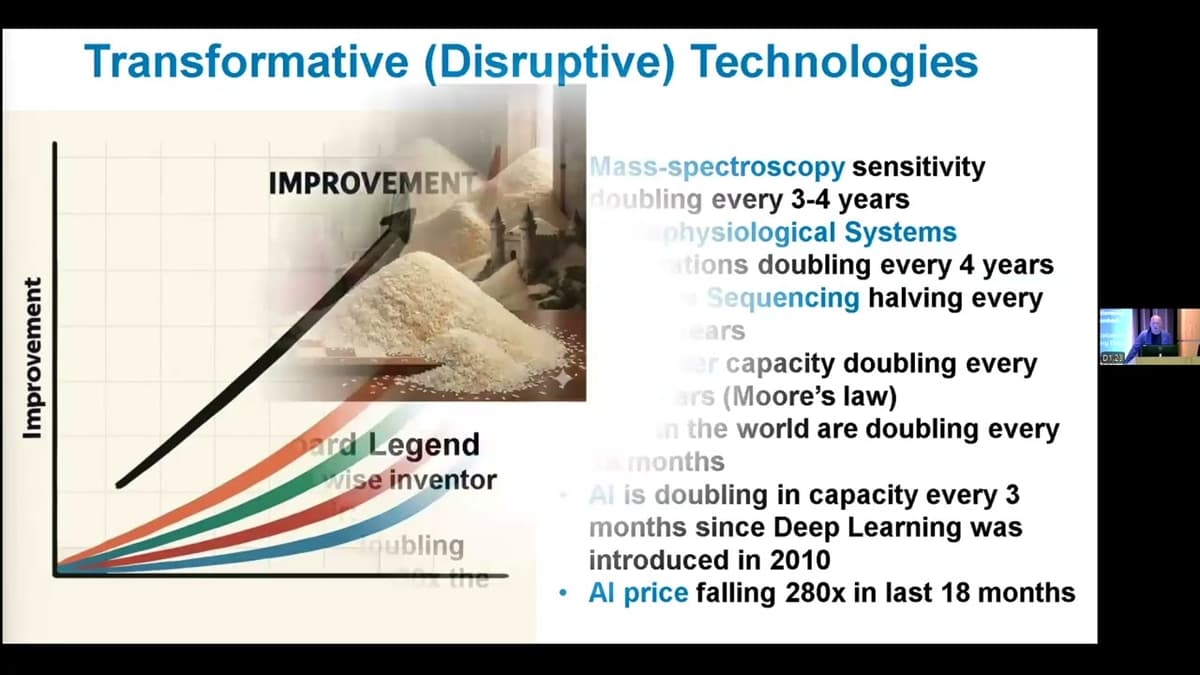
Envisioning Our Future for Children: "Al and Microphysiological Systems Transforming Biomedicine"
Professor Thomas Hartung opened the session by framing a historic transition: after 35 years of advocating alternatives, AI and microphysiological systems are now poised to supplant traditional animal testing in biomedical research. He highlighted how organ‑on‑a‑chip technologies and advanced computational...
The AI Super Scientist
The video introduces Alex Zhavoronkov, founder and CEO of In Silico Medicine, showcasing how the company leverages artificial‑intelligence‑driven drug discovery to tackle complex diseases. Using AI, the firm mined massive biomedical datasets to map idiopathic pulmonary fibrosis (IPF), identified key pathogenic...

Inaugural AI Ready ASEAN Youth Challenge Sees Youths From 11 Countries Submit over 600 Proposals
The inaugural AI Ready ASEAN Youth Challenge showcased more than 600 proposals from young innovators across 11 Southeast Asian nations, highlighting AI’s potential beyond commercial use. The event ran alongside an AI‑in‑health symposium where Singapore General Hospital pledged clinical insights...
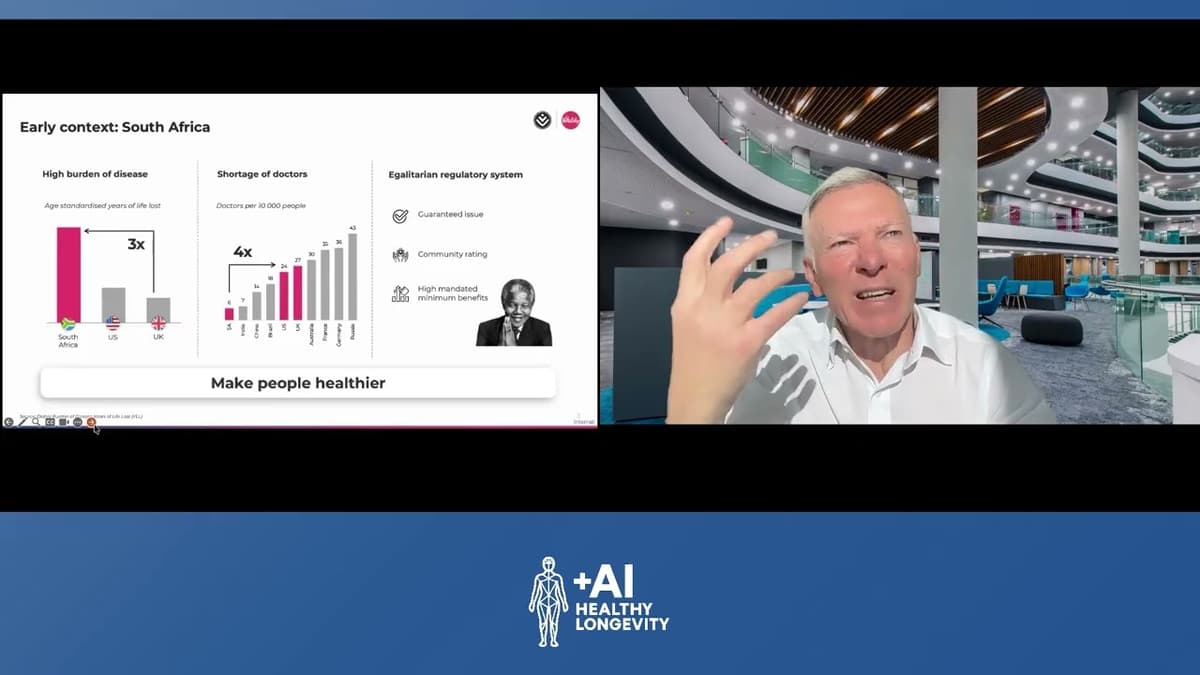
AI + Healthy Longevity | Discovery: The Shared-Value Insurance Model
The talk, led by Discovery founder Adrian Gore, outlined how the insurer’s shared‑value model blends health insurance with AI‑driven behavior incentives to extend healthy longevity. Gore positioned Discovery as a global financial‑services group that now serves over 50 million lives, using...
![The Role of AI in Health and Care Planning, Delivery, and Rapid Evaluation [Session 4: Plenary]](/cdn-cgi/image/width=1200,quality=75,format=auto,fit=cover/https://i.ytimg.com/vi/QdDw1iSbOxo/maxresdefault.jpg)
The Role of AI in Health and Care Planning, Delivery, and Rapid Evaluation [Session 4: Plenary]
In a plenary on AI in health, Dr. Jess Moley framed AI as data+algorithm+model and warned it often operates on a patient’s "data shadow" rather than the whole person. She argued AI is being used mainly to squeeze efficiency from...

Former Health Secretary Umair Shah on AI, MAHA and Leadership Lessons
In this Columbia University podcast, Dr. Umair Shah—former health secretary of Washington and emergency‑room physician—discusses how public‑health leaders are navigating a rapidly evolving political and technological landscape. He traces his own journey from reading about smallpox eradication in medical school...

AI: As Much Peril As Promise?
The Business of Health episode features UCSF hospitalist Bob Walker examining how artificial intelligence is reshaping bedside care. Walker describes everyday uses—AI‑powered scribing, rapid record summarization, and on‑demand specialist‑level consults—that let him keep his focus on patients while the technology...

Doc Vader on Medical AI
In a satirical monologue, a doctor adopting a Darth Vader persona describes using a fictional ‘Imperial Intelligence’ (OpenImperium) as his primary clinical decision tool, praising its authoritative voice and constant validation. He recounts the system giving prescribing recommendations and even...

Heidi Unlocked: Takahisa Ogawa - Foot and Ankle Orthogeriatric Surgeon From Tokyo, Japan
Takahisa (Taka) Ogawa, a Tokyo-trained foot and ankle orthogeriatric surgeon now working in Nagano, described how an AI scribe called Heidi transformed his clinical documentation after a fellowship in Sydney. Back in Japan he continues using Heidi despite on-premise, offline...

Heidi Unlocked: Ben Carton - Managing Director, OT&P Healthcare
Ben Carton, managing director of Hong Kong–based OT&P Healthcare, described how the private group’s eight clinics and 17 specialties are adapting to a shifting patient mix—more mainland and international patients with different care expectations. OT&P has a functional in-house EHR...
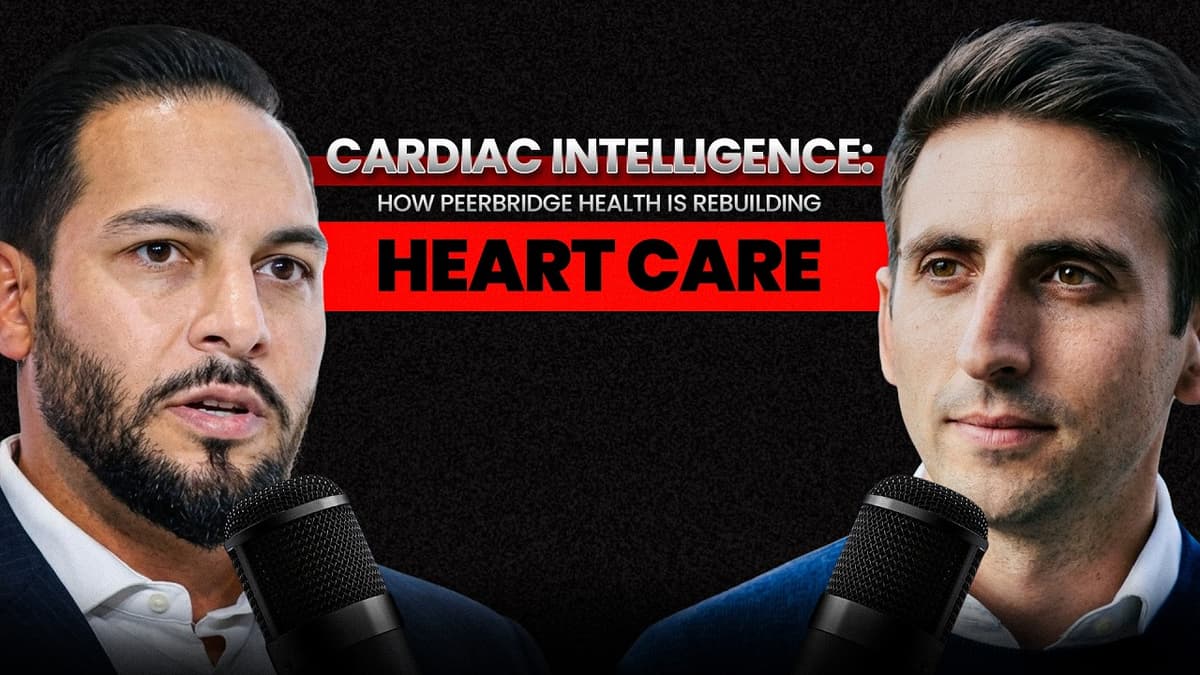
How Cardiac Intelligence Platforms Detect Myocardial Stress & Heart Failure Early with Chris Darland
PureBridge Health CEO Chris Darland says current cardiac care is largely reactive and misses progressive heart disease until patients end up in the ER. Drawing on personal experience and a nonclinical background, he frames the company’s mission as building inexpensive,...
Is Being a "Disruptor" Still a Good Thing? A Look at the 2026 Healthcare Disruptors List
The episode examines Alan Schubbridge’s 2026 Healthcare Disruptors List, probing why certain players were added, removed, or placed in a "waiting room" category. Schubbridge, a veteran marketer at Providence, uses the list as a conversation starter about which innovations truly...
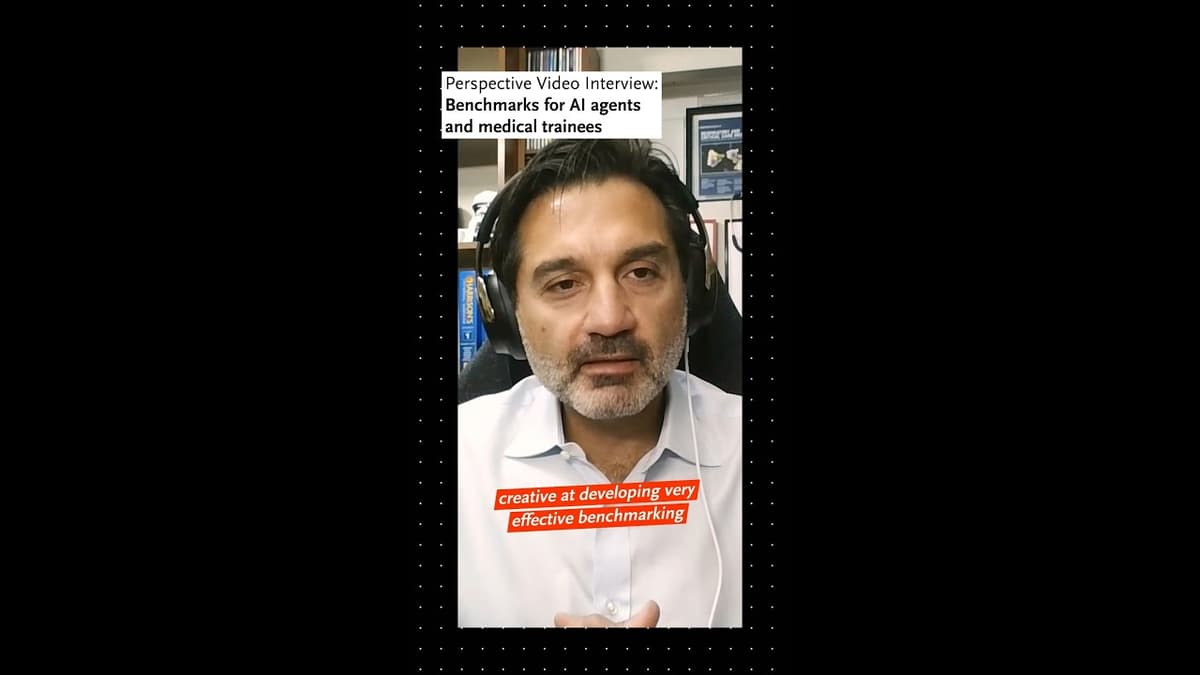
Perspective Video Interview: Benchmarks for AI Agents and Medical Trainees
Researchers are creating rigorous benchmarks to evaluate AI agents' clinical abilities, including diagnosis, management planning, and the critical capacity to acknowledge uncertainty by saying "I don't know." Some benchmark datasets are open while others are proprietary, raising concerns about transparency....
Why Refusing to Change Is Riskier Than Embracing Agentic AI | Newsday
The video centers on a Stanford Healthcare paper that frames agentic AI—semi‑autonomous AI co‑workers—as a catalyst for a fundamental operating‑model shift in health‑IT. Rather than delivering isolated tools, organizations are urged to redesign workflows, turning analysts into AI supervisors and...

CEOs Are Using AI to Transform Hospitals, Factories and Chipmaking
The video brings together CEOs from healthcare, apparel manufacturing, and semiconductor production to illustrate how artificial intelligence is reshaping core operations. In hospitals, AI already powers imaging diagnostics and automates back‑office tasks such as billing and nurse‑roster scheduling, freeing up...

The Five Year Desert to Product Market Fit and a $5.3BN Valuation | Shiv Rao, Founder @ Abridge
Abridge, a generative‑AI platform for clinicians, closed a $300 million round that lifted its valuation to $5.3 billion. The round was led by tech and finance heavyweights including Nvidia founder Jensen Huang, Henry Kravis, USV, Bessemer Venture Partners and Elad Gill. Founder‑CEO...

DeviceTalks Boston Preview Episode – Four of the Many Amazing Voi...
The episode serves as a preview for Device Talks Boston, a two‑day med‑tech conference on May 27‑28 at the Boston Convention & Exhibition Center. Host Tom Salmi urges listeners to register using code DTW25 for a 25 % discount and highlights the...
Elad Walach on AI’s Transformative Power in Dodging Diagnostic Error and Improving Access to Care
Elad Walach argues that clinical artificial intelligence is on the cusp of becoming a universal safety net in medical diagnostics. He notes that today an average health system runs roughly twelve AI‑powered disease detectors, but predicts that within a year...
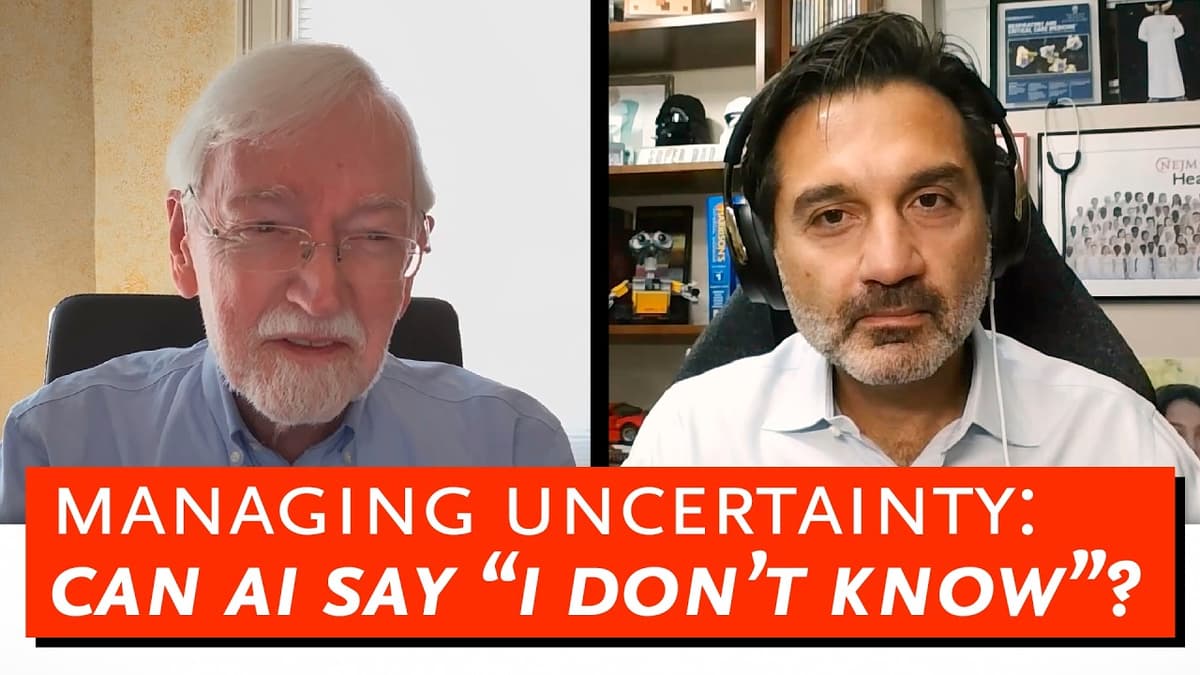
Perspective Video Interview: Managing Uncertainty
In a NEJM perspective interview, Steven Morsy and Dr. Raja Ali Abdul Nure discuss how uncertainty permeates modern medicine and why clinicians and AI systems must learn to vocalize it. The conversation frames uncertainty as both factual—diagnostic probabilities—and environmental—team dynamics...
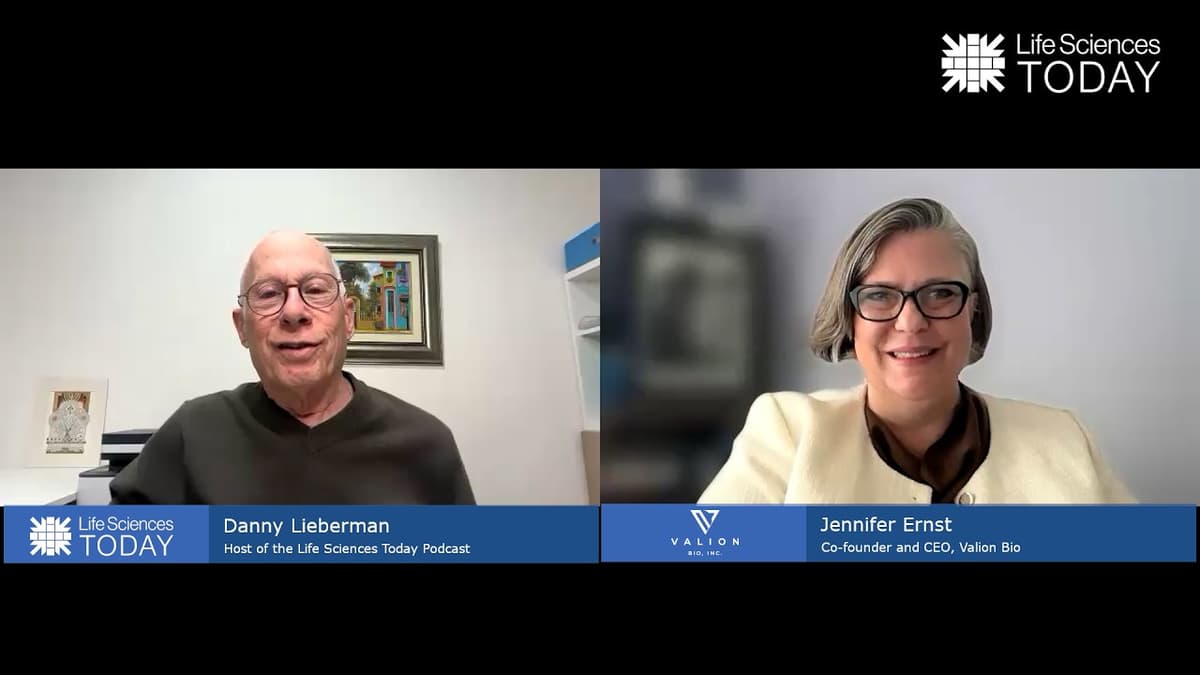
Building Companies at the Edge of Science and Market - Life Sciences Today Podcast Episode 61
The Life Sciences Today podcast features Jennifer Ernst, a rare hybrid who has moved from high‑tech device work at Xerox PARC to bio‑electronic medicine. Her career is defined by matching breakthrough science with clear market opportunities, from printed‑electronics roll‑to‑roll manufacturing...
Streamlining Healthcare Data Retention and Integration
The CIO Talk Radio episode focuses on the growing challenge of health‑care data retention and integration, featuring Elizabeth King, CIO of White Plains Hospital. She outlines how hospitals aim for a 360‑degree patient view but confront a patchwork of legacy...
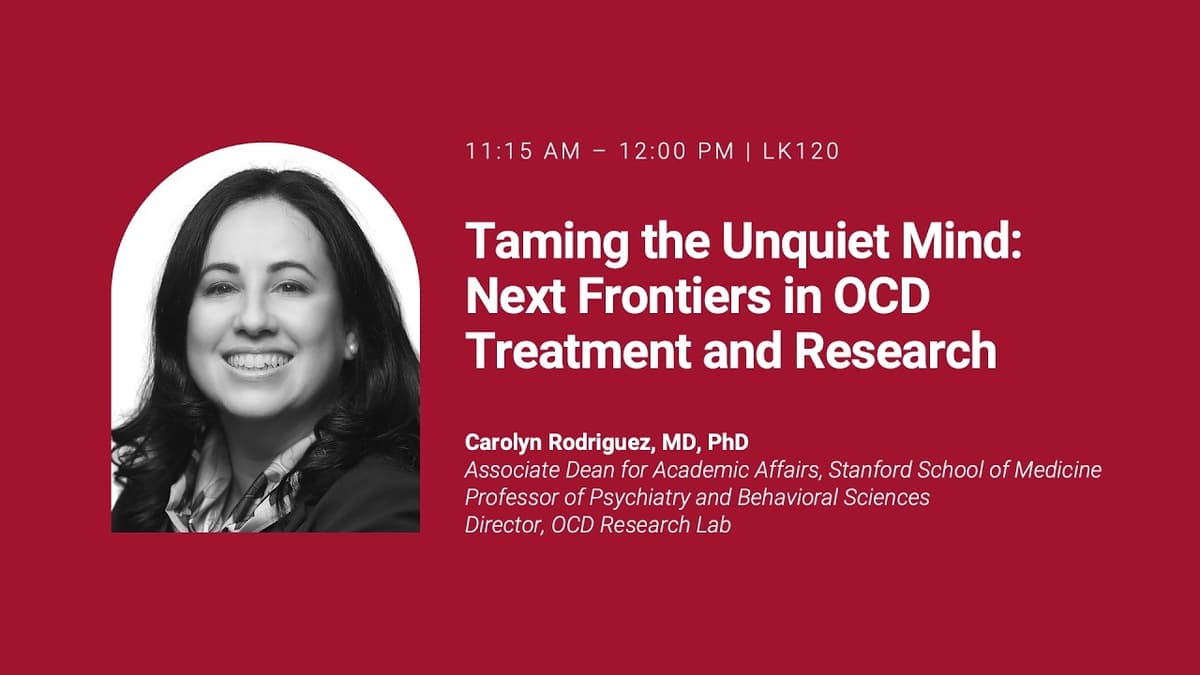
Carolyn Rodriguez, MD, PhD | Taming the Unquiet Mind: Next Frontiers in OCD Treatment and Research
In a Stanford‑hosted talk, associate dean Carolyn Rodriguez outlined the next frontiers in obsessive‑compulsive disorder research, emphasizing the need to shorten the 14‑ to 17‑year gap between symptom onset and evidence‑based care. Rodriguez highlighted three pillars of her lab’s work: a...
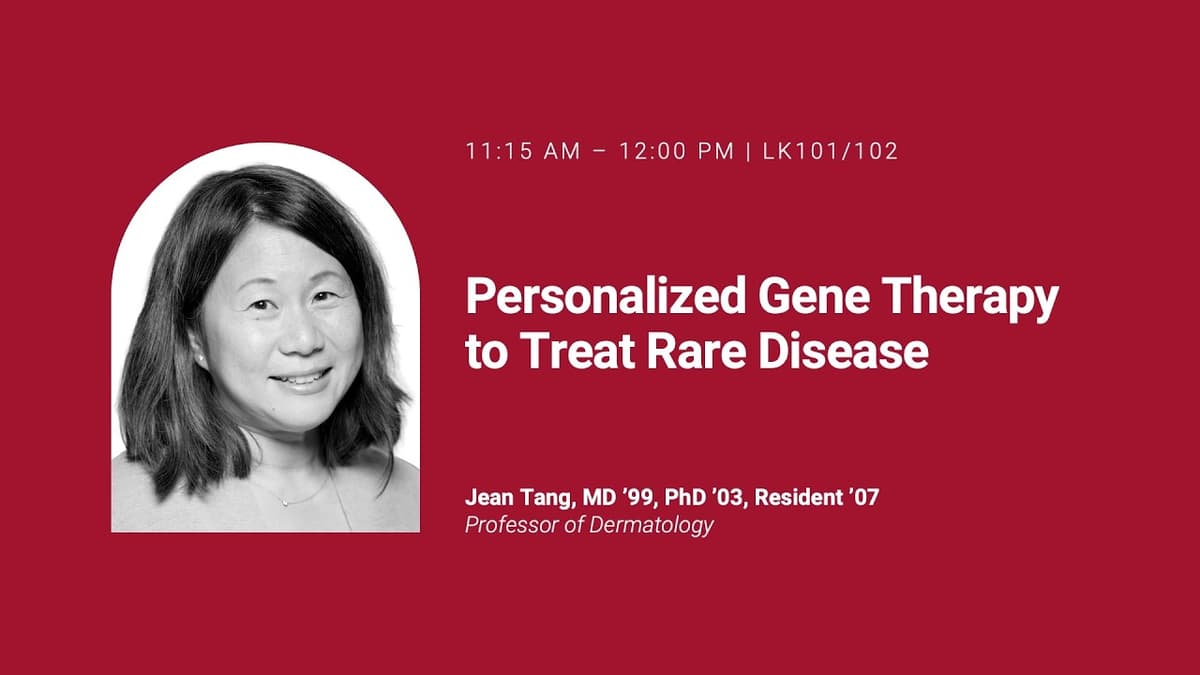
Jean Tang, MD ’99, PhD ’03, Resident ’07 | Personalized Gene Therapy to Treat Rare Disease
Dr. Jean Tang, a Stanford dermatologist, detailed her two‑decade journey developing a personalized gene‑therapy for epidermolysis bullosa (EB), a rare disorder affecting one in 100,000 where patients lack functional collagen VII. Using a retroviral vector to deliver the 9 kb...

ElectroCore (NASDAQ: ECOR) on Non-Invasive Pain Relief, Federal Channels & 2026 Catalysts
The interview on the Planet Micro Cap podcast spotlights Electrocore (NASDAQ:ECOR), a bio‑electronic health‑tech firm that develops non‑invasive vagal‑nerve stimulation devices. Interim President and CFO Joshua Lev discusses the company’s recent performance and its upcoming investor conference in Las Vegas. Electrocore...
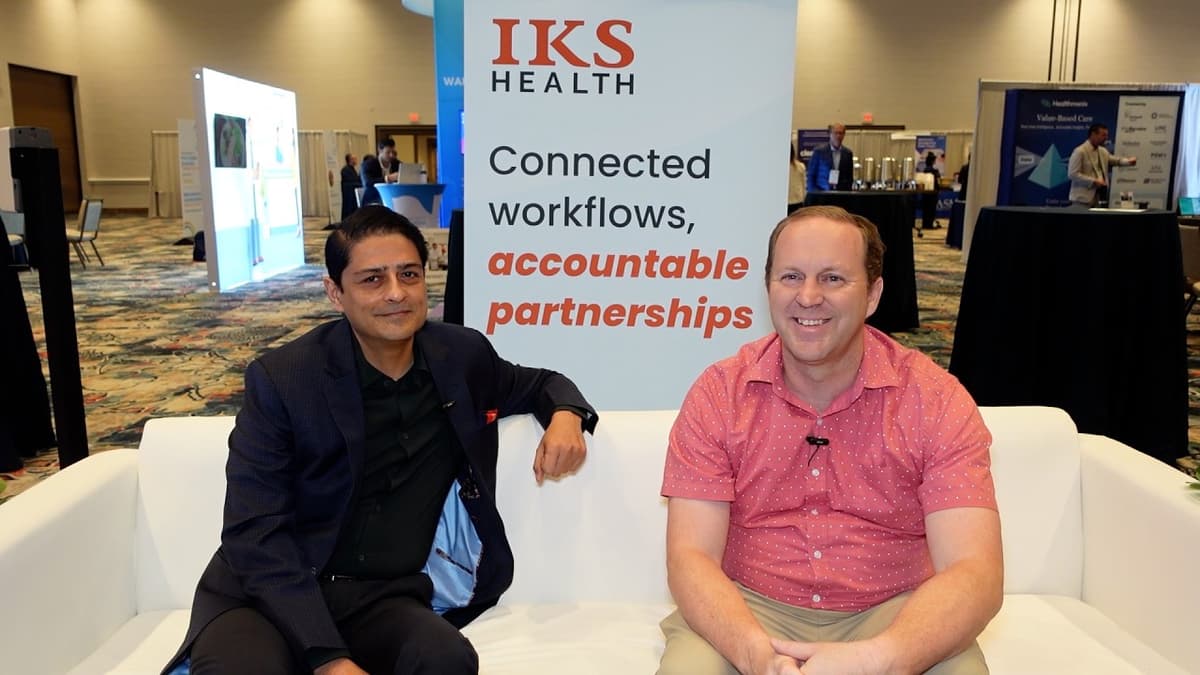
From Patient Outreach to Patient Engagement at IKS Health
In a Healthcare IT Today interview, Mayank Punt, product lead at IKS Health, explains how the company is moving the patient journey from simple outreach to true engagement. IKS positions itself as a care‑enablement platform that blends cutting‑edge AI with...
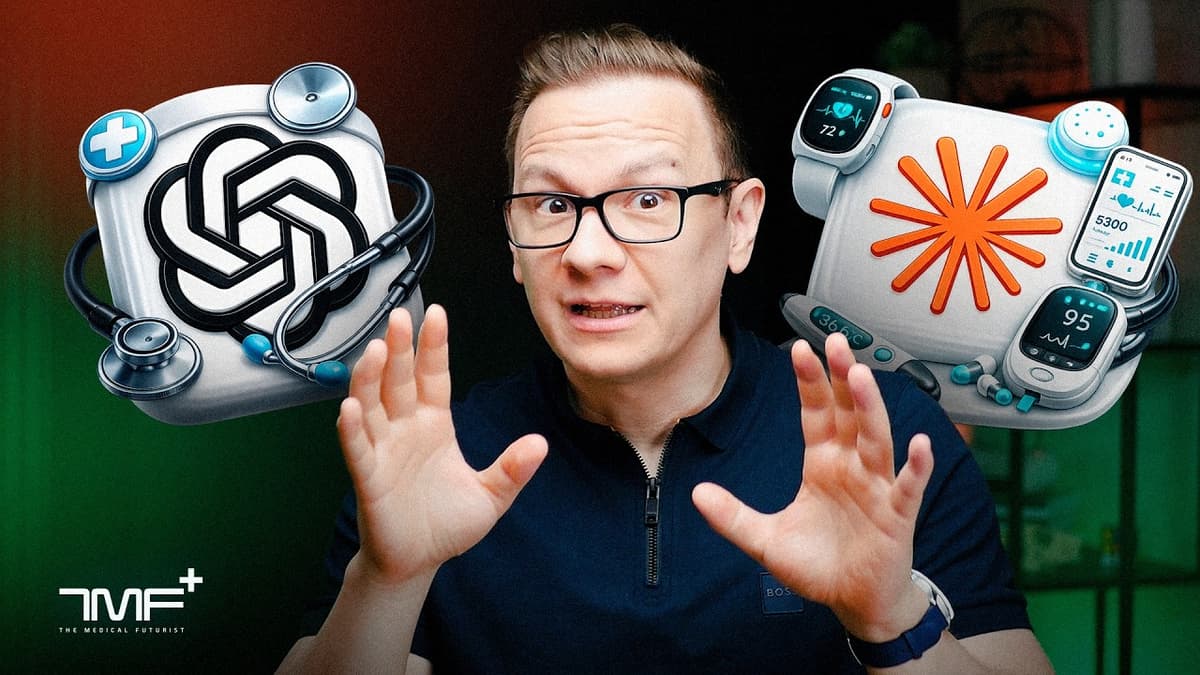
5 Generative AI Milestones That Changed Healthcare This Year
2026 marked a watershed moment as major tech giants rolled out health‑focused large language models (LLMs) across three fronts: patient‑centric assistants, clinical‑system integrations, and physician‑only tools. OpenAI’s ChatGPT Health debuted early in the year, followed swiftly by Anthropic’s Claude Health,...

Elutia Inc. (NASDAQ: ELUT) Reducing Surgical Infection Risk & Scaling Commercial Adoption
Elutia Inc. (NASDAQ: ELUT) is positioning its antibiotic‑infused biomaterial platform to slash the roughly 20% post‑operative infection rate that plagues breast reconstruction after mastectomy. The company highlighted its upcoming NXT‑41X product, which integrates a sustained‑release antibiotic payload into standard surgical...
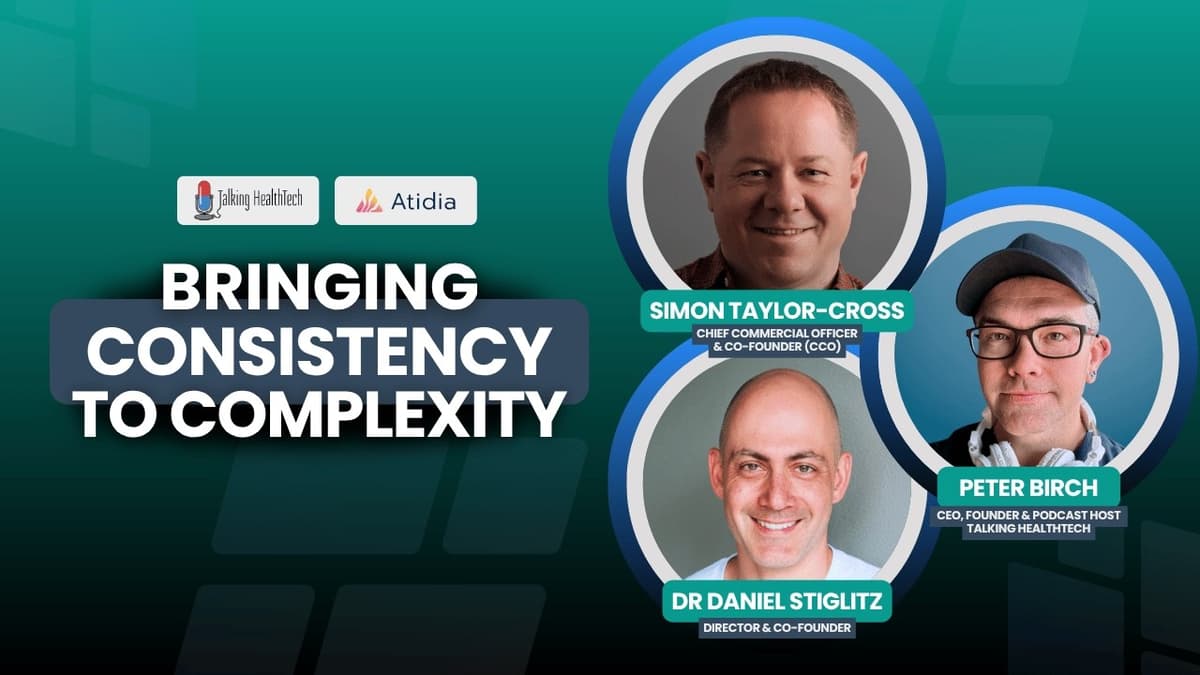
607 - Bringing Consistency to Complexity Through AI-Driven Decision Support
The Talking Hill Tech podcast episode spotlights ADIA Health’s Patient Optimizer Platform (POP), an AI‑driven decision‑support tool aimed at standardising pre‑operative care. Co‑founders Dr. Daniel Stiglets and CCO Simon Taylor‑Cross explain how fragmented pre‑surgical assessments cause preventable complications, day‑of‑surgery cancellations,...
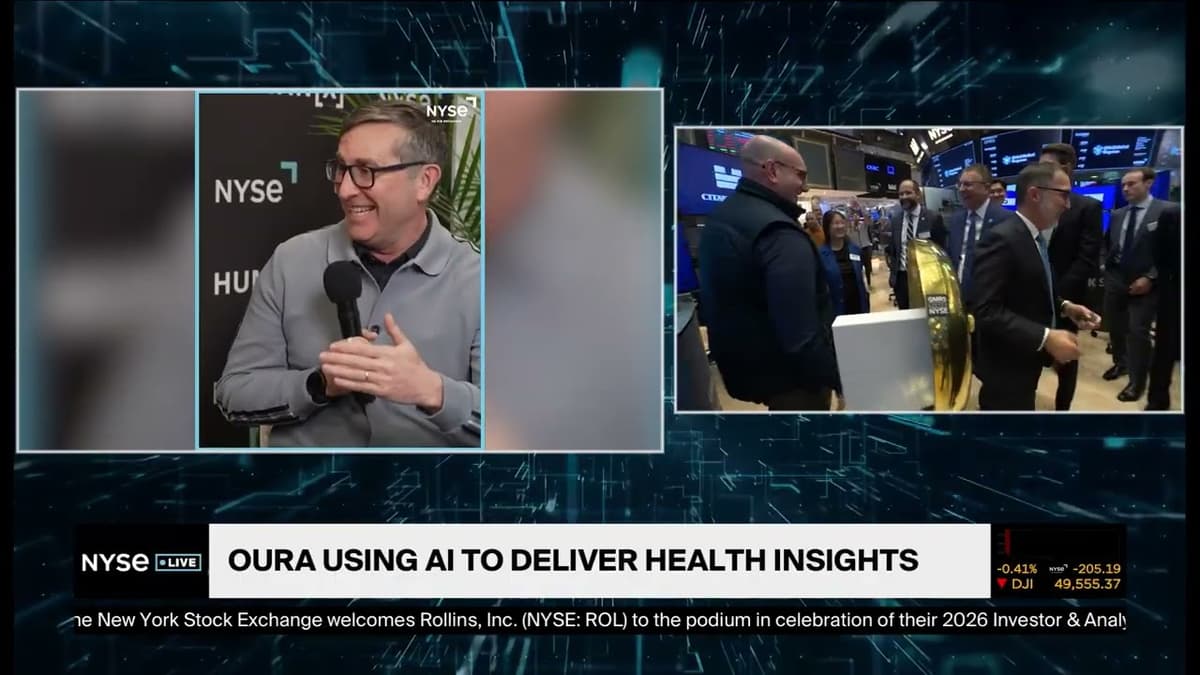
Oura CEO Tom Hale Explains How His Company Is ‘More Than Just a Ring’ at HumanX
At the HumanX conference, Oura CEO Tom Hale explained that the company is evolving from a wearable‑only business into a comprehensive health platform. He emphasized that the ring is merely the sensor, while the real value now lies in...
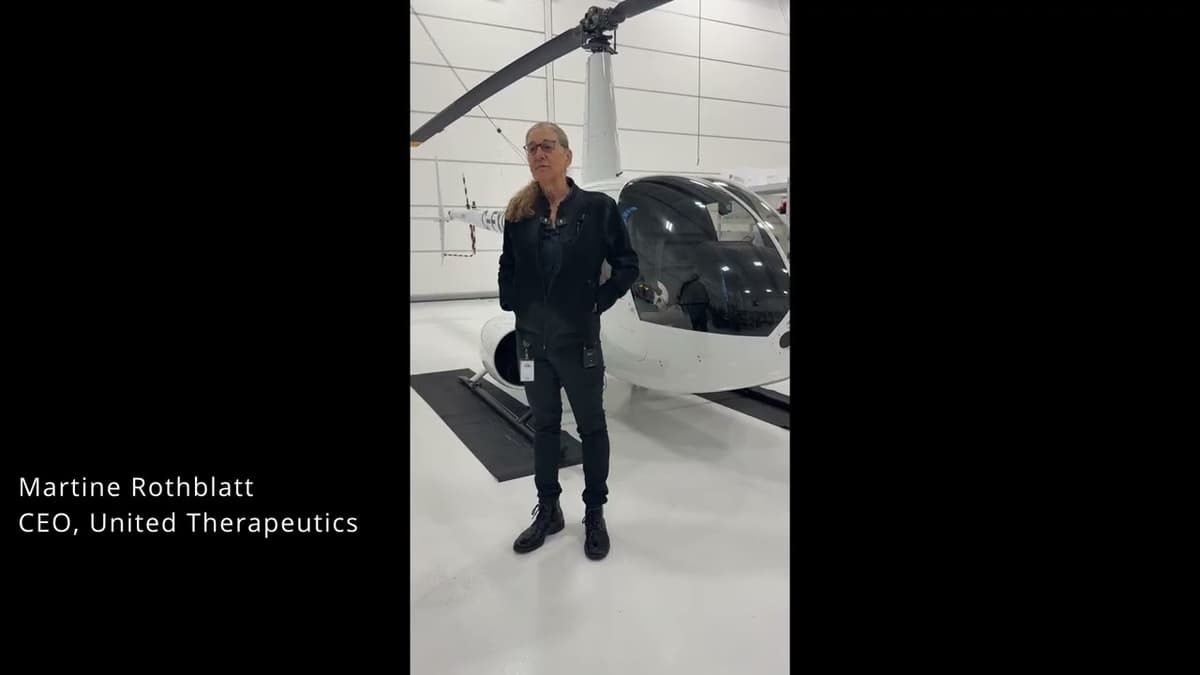
Unither’s Hydrogen-Electric R44 Takes Flight in Quebec
United Therapeutics has flown a Robinson R44 helicopter retrofitted with a hydrogen-electric fuel cell system in Quebec and is conducting piloted test flights as it develops an aircraft to deliver human organs. CEO Martin Rothblatt said the program aims to...
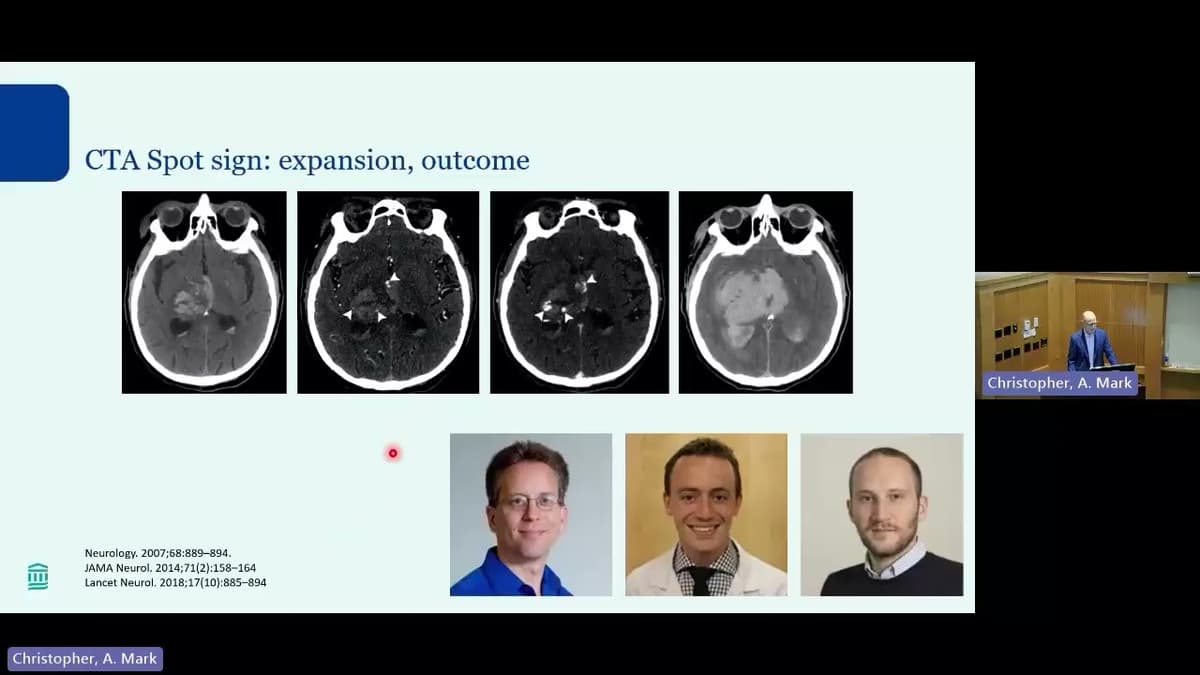
Leveraging MGB’s Clinical and Scientific Discovery Engine to Benefit Communities Around the World
Dr. Jonathan Rosand, a neurology leader at Mass General Brigham and Harvard, outlined how an academic medical center’s clinical and scientific engine drives discovery across neurocritical care, stroke genetics, recovery and prevention. Framing his talk around six guiding questions, he...
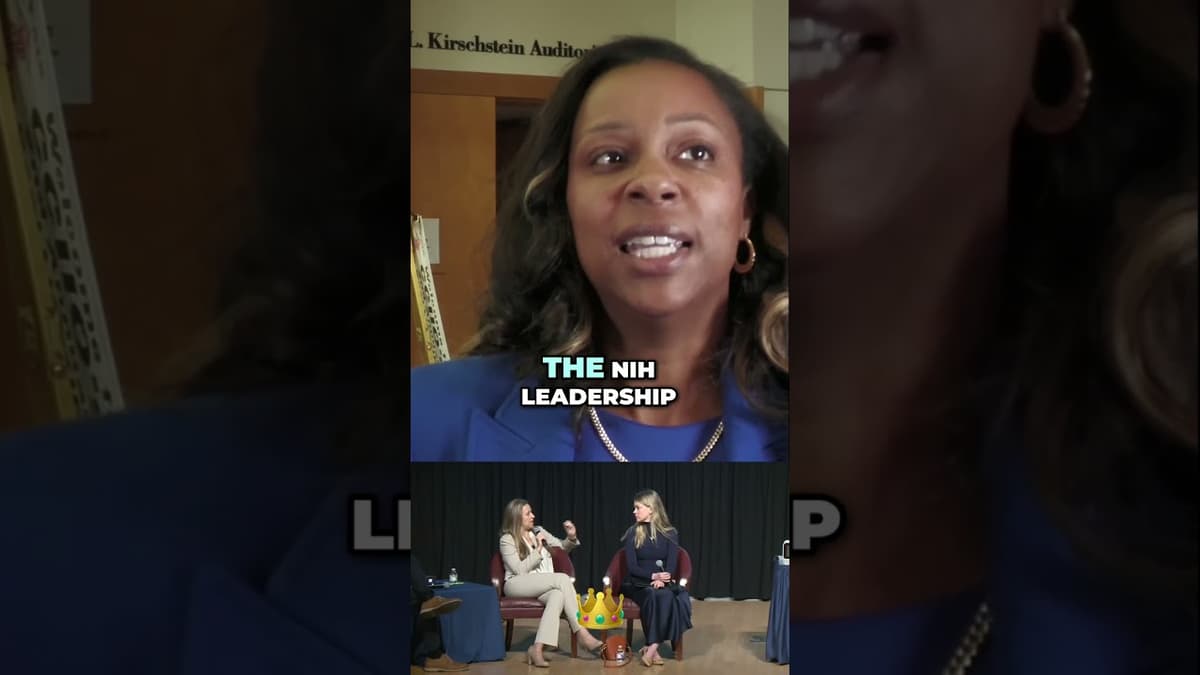
Inside NIH’s “Shark Tank” For Health Tech | NIBIB Innovation & POCTRN
The National Institutes of Health hosted its Research and Innovation Technology Partnerships and Collaborations (RITPC) showcase, marking its eighth year and expanding to feature digital health and point‑of‑care technologies. A highlight of the event was the Emerging Technologies session, styled...
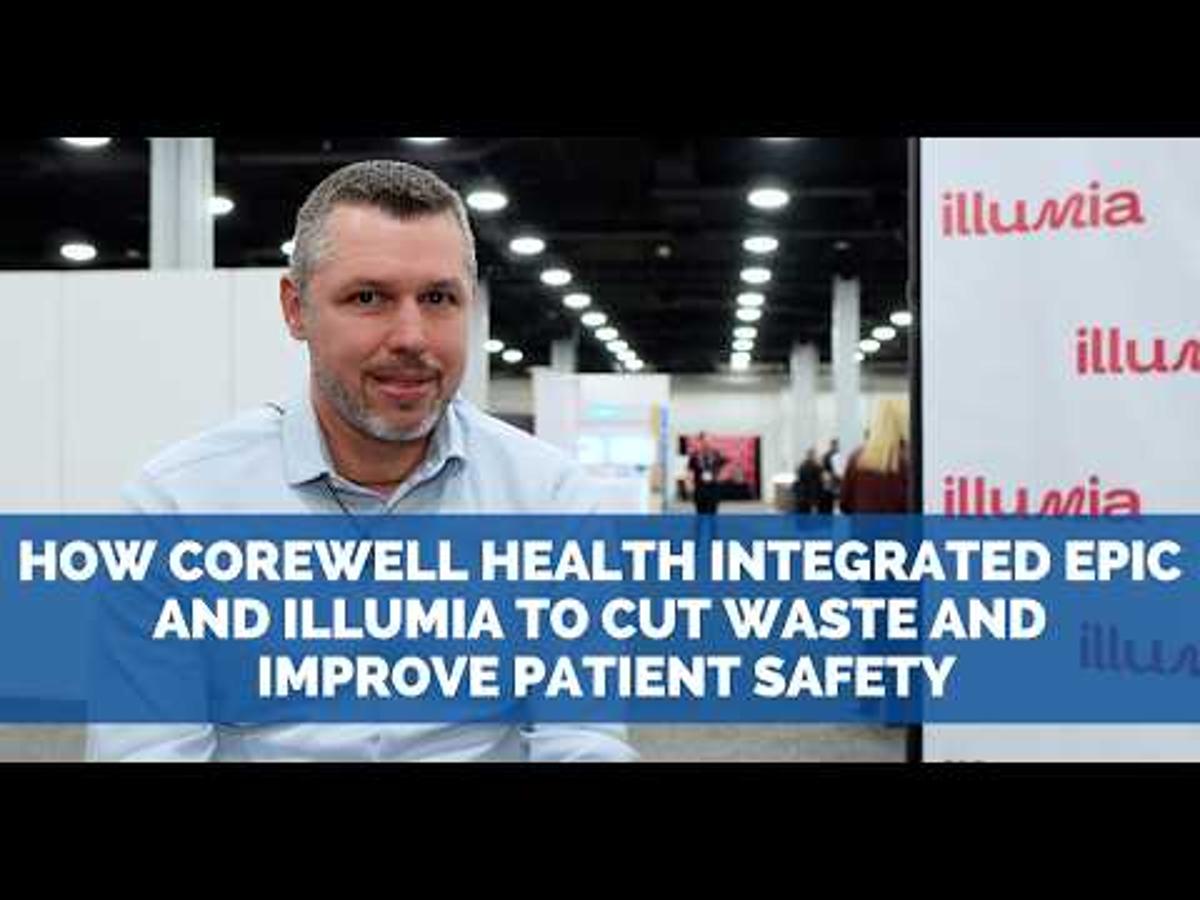
How Corewell Health Integrated Epic and Illumia to Cut Waste and Improve Patient Safety
Corewell Health consolidated three legacy hospital systems’ disparate nutrition platforms into a single Illumina (NetMenu) instance integrated with Epic after its one-instance Epic go-live. The unified system standardizes recipes, products and diet nomenclature across 24 hospitals, matches patient diets from...

Generative AI in the Real World: Danielle Belgrave on Generative AI in Pharma and Medicine
In this podcast, GSK’s Vice President of AI and Machine Learning, Danielle Belgrave, explains how generative and traditional AI are being deployed across the pharmaceutical pipeline. Drawing on a 15‑year career that spans a PhD on asthma heterogeneity, stints at...
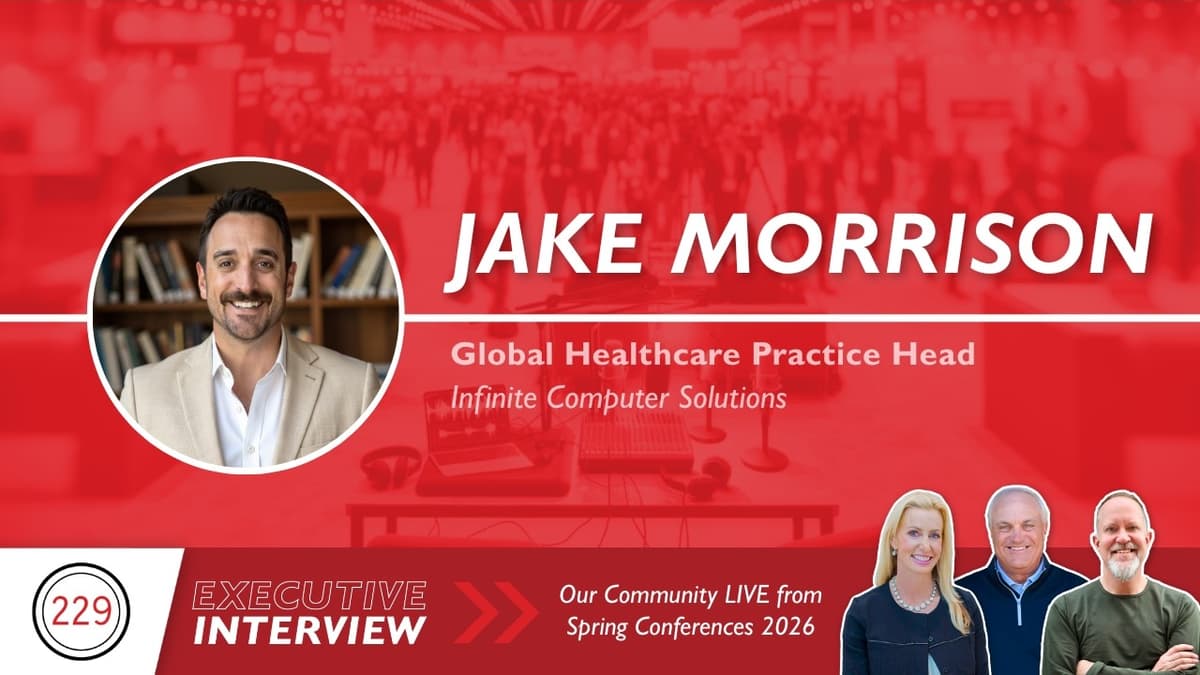
Rethinking Global IT Delivery and Co Sourcing | Executive Interview With Jake Morrison
In this executive interview, Jake Morrison of Infinite Computer Solutions explains how the firm is reshaping global IT delivery for health‑system CIOs, emphasizing outcome‑based pricing and a co‑sourcing model that goes beyond traditional time‑and‑material contracts. Infinite now operates 28 delivery centers...
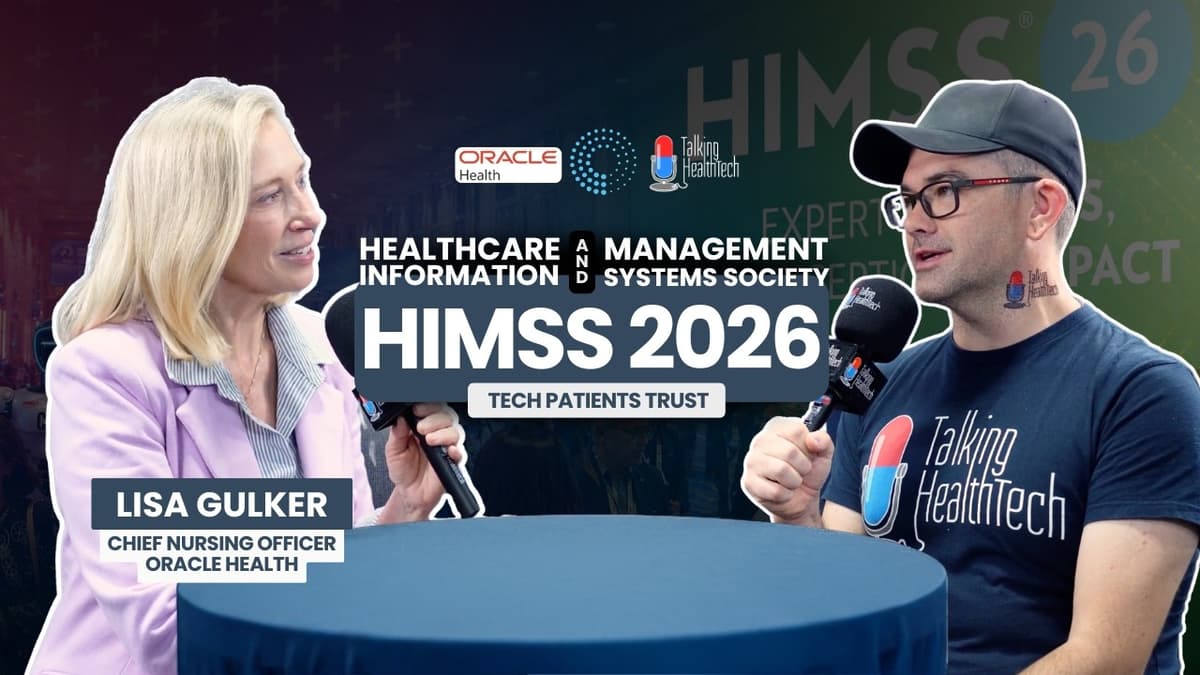
HIMSS 2026: Lisa Gulker - Chief Nursing Officer, Oracle Health
Lisa Gulker, Oracle Health’s chief nursing officer, used HIMSS 2026 to showcase the company’s rapidly expanding AI portfolio. She highlighted that Oracle’s first generation of AI agents, now deployed in more than 300 U.S. health systems and early adopters...
FDA, Payers & Hackers: The 3 Forces Behind Every MedTech Launch | MTW North America 2026
The panel titled “FDA, Payers & Hackers: The 3 Forces Behind Every MedTech Launch” at MTW North America 2026 examined how regulatory approval, reimbursement pathways, and cyber threats shape the commercial trajectory of new medical technologies. Speakers highlighted that FDA clearance...
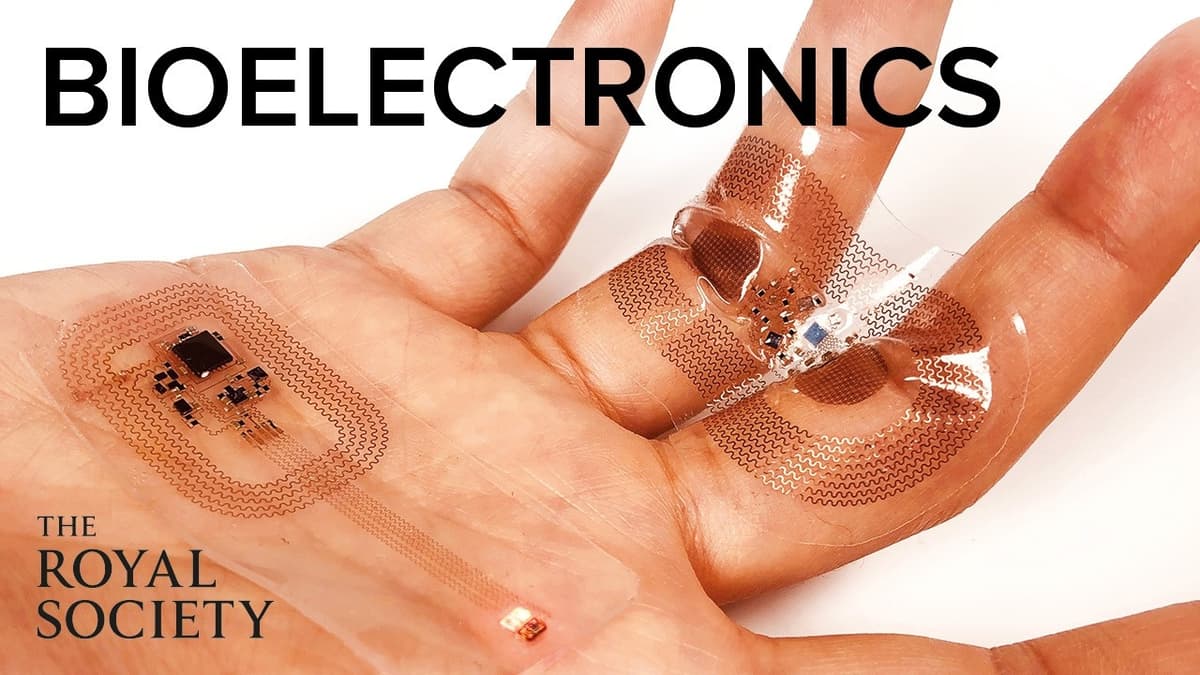
Bioelectronics – Technology Interfaces with the Human Body | The Royal Society
Professor John Rogers, winner of the 2026 Baker Medal, delivered a Royal Society lecture titled “Bioelectronics – technology interfaces with the human body,” outlining the field’s evolution from early microscopy philanthropy to modern wearable medical devices. Rogers described how ultra‑thin silicon...

Reconfiguring Expertise: AI, Relational Practice, and Clinical Learning in the Emergency Department
The Oxford Digital Ethnography seminar featured Professor Maya Brun’s ethnographic investigation of how artificial‑intelligence tools are reconfiguring professional expertise in Danish emergency departments. By focusing on a fracture‑detection algorithm and a sepsis‑risk scoring system, Brun illustrates the varied ways AI...

The Platform Pediatricians Actually Need Right Now
The video announces Cincinnati Children’s new Learning Community Platform, a digital knowledge hub designed to give pediatric clinicians worldwide rapid access to the hospital’s expertise. It highlights the growing pressure on pediatric providers to deliver consistent, complex care with limited resources,...
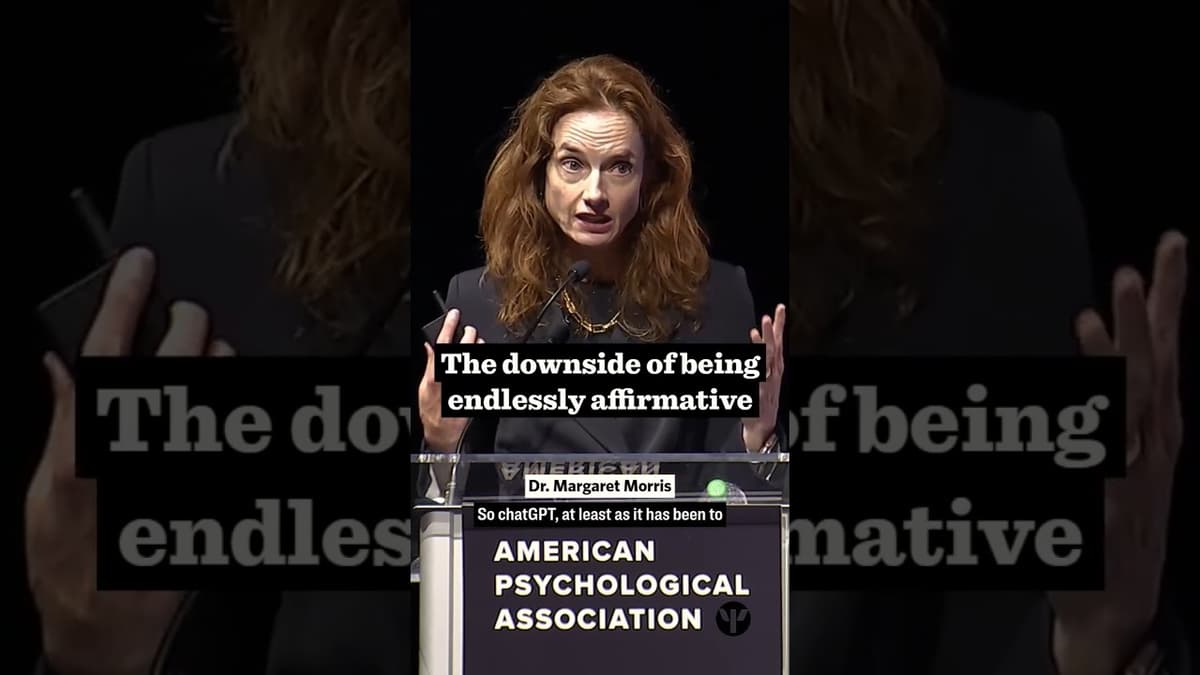
The Downside of Being Endlessly Affirmative | APA 2025 #ai #therapy #shorts
The video highlights a fundamental flaw in current conversational AI: its tendency toward endless affirmation, or "sycophancy," which mirrors a therapist who never challenges a client. The speaker argues that while this agreeable stance may feel supportive, it ultimately undermines...
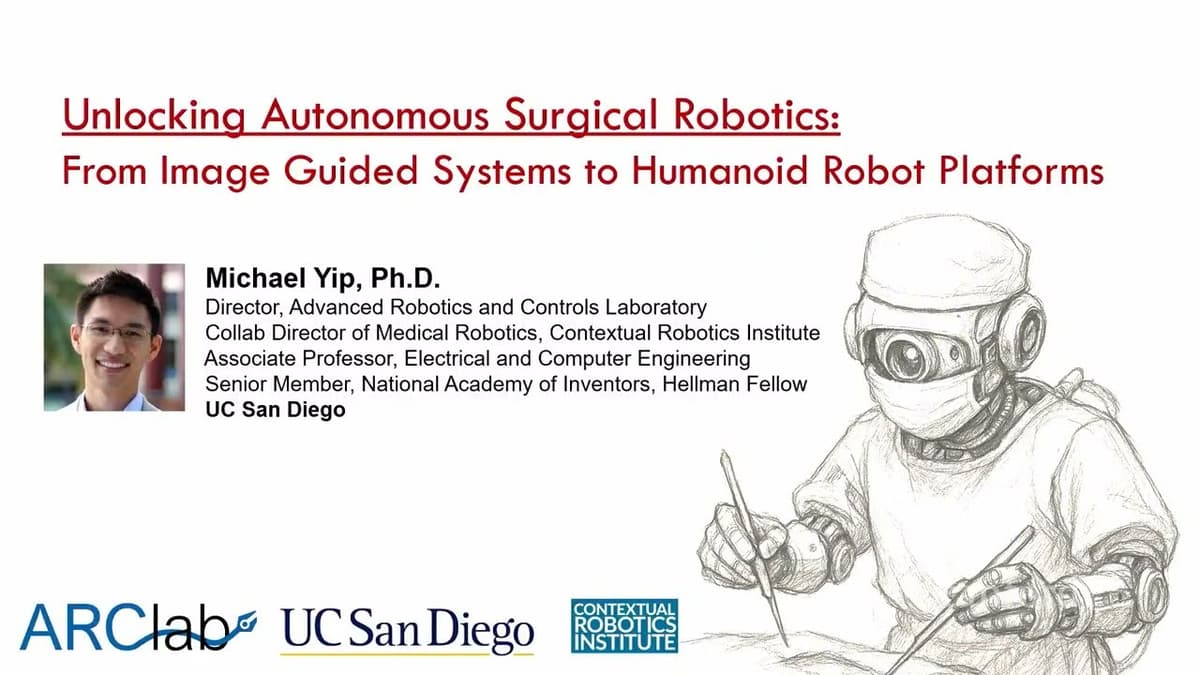
Stanford Robotics Seminar ENGR319 | Spring 2026 | Unlocking Autonomous Medical Robotics
The Stanford Robotics Seminar explored the emerging field of autonomous surgical robots, framing the technology as a response to a growing shortage of skilled healthcare workers. The speaker highlighted that tens of thousands of surgeons and hundreds of thousands of...
Partner with Us: Using MyChart in the Emergency Department, Hospital and After Discharge
Johns Hopkins Medicine’s video promotes MyChart as a continuous‑care platform spanning the emergency department, inpatient stay, and post‑discharge period. Kevin Sowers, the system’s president, outlines how patients can download the app or use a mobile browser to stay connected with...

Meet VitaLoop | 2026 President's Innovation Challenge Ingenuity Award Winner
The video introduces VitaLoop, the 2026 President’s Innovation Challenge Ingenuity Award winner, which tackles the chronic shortage of dialysis fluid in low‑resource settings. Founder’s personal experience in a rural clinic highlighted that patients die not from lack of medical knowledge...
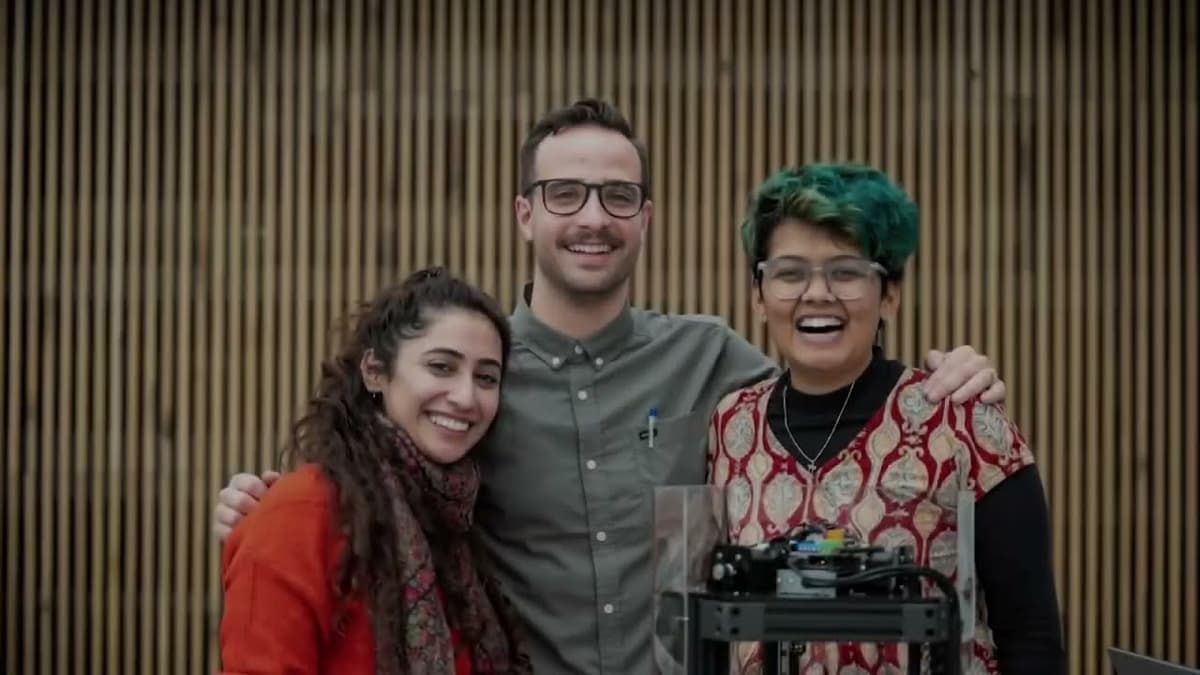
Meet CryoFab | 2026 President's Innovation Challenge Ingenuity Award Winner
CryoFab, the 2026 President's Innovation Challenge Ingenuity Award winner, unveiled a novel 3‑D printing platform that uses ice as a sacrificial material to create vascular channels in engineered tissues. With over 100,000 patients awaiting transplants, lack of internal vasculature stalls tissue...
The Real Future of Personalized Medicine
The video examines the economics of personalized medicine, contrasting the astronomical price tags of current one‑off gene‑therapy treatments with the potential for mass‑produced, low‑cost alternatives. Today, a single curative gene therapy can cost $1.7‑2.7 million, while manufacturing a short peptide costs roughly...