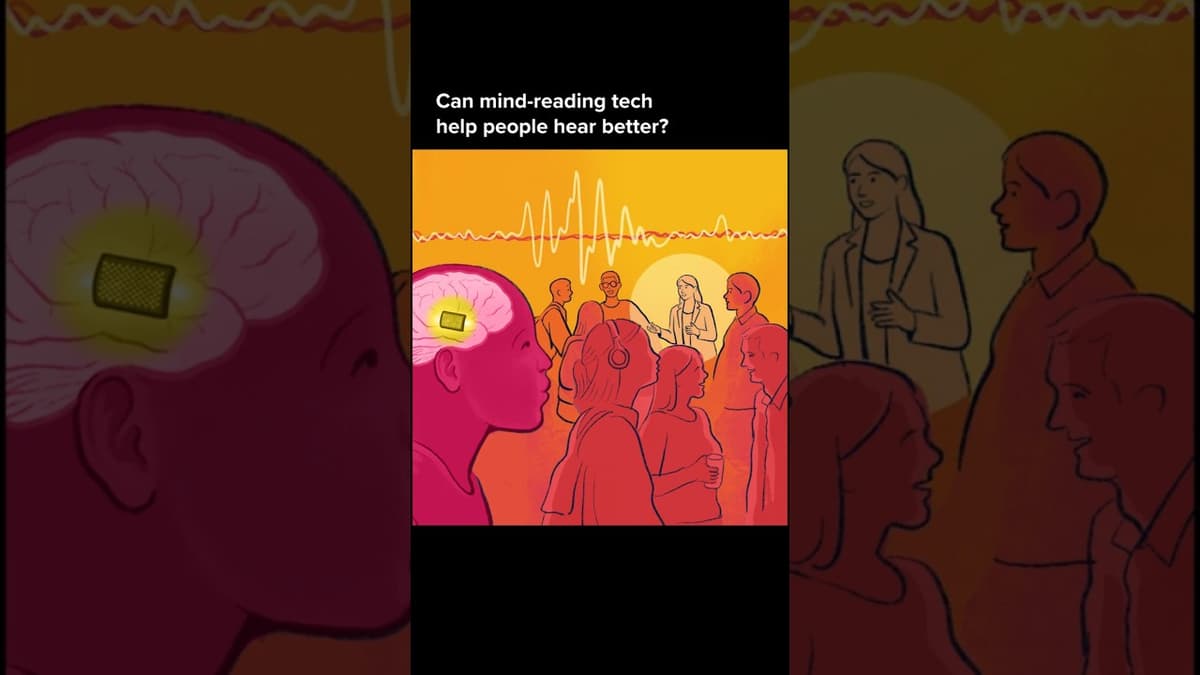
Can Mind-Reading Tech Help People Hear Better?
The video explores emerging mind‑reading interfaces that could be integrated into hearing‑aid technology, allowing users to direct attention to specific voices in crowded environments. Researchers demonstrated a prototype that decodes neural activity to differentiate louder and softer audio segments, effectively letting the brain signal which conversation to amplify. Early tests show the system can isolate a target speaker with minimal latency. A presenter referenced “Uncle Aaron,” illustrating personal impact: a hard‑of‑hearing relative could experience quieter, more manageable social interactions. The speaker highlighted the technology’s potential to “pinpoint exactly what the conversation they want to have.” If scaled, such neuro‑adaptive hearing aids could reshape accessibility markets, but they also raise privacy questions about converting thoughts into device commands, prompting regulators to consider new safeguards.

From Detection to Prevention: Using AI for Continuous Patient Monitoring and Safety
The video argues that AI‑driven continuous monitoring can address the three biggest patient‑safety challenges—early detection of clinical deterioration, falls, and medication errors—by moving beyond intermittent nurse observations. Predictive models trained on gold‑standard datasets can analyze video, thermal imaging, and vital‑sign streams...

The Entry Level Job Crisis, Consulting Collapse, and Shadow AI | Newsday
The Newsday segment tackled three intertwined trends reshaping health‑IT: the rise of shadow AI, the collapse of traditional consulting models, and the looming entry‑level job crisis. Host Bill Russell and guests Drex Ford and Sarah Richardson explored how clinicians and...
Clearance Isn’t Enough: Proving Cybersecurity in 2026 with Christian Espinosa
2026 marks the moment regulatory frameworks finally caught up with cyber‑security realities for medical‑device manufacturers. The FDA’s updated FDI guidance and Quality System Regulation now require security to be designed into products and supported by an operational plan for post‑market...
Lecture 3.2.11: Reimbursement Regulatory Sandbox Pathways
The lecture examines how digital therapeutics move from concept to market through three pillars: reimbursement pathways, agile development, and regulatory sandboxes. It outlines the flow from physician prescription to insurer payment and highlights regional models such as Germany’s DiGA, U.S....
AI, Cancer & Programmable Biology
The video explores how artificial intelligence and programmable biology are converging to create bespoke molecular tools that can deliver mRNA, CRISPR components, vaccines or immunotherapies directly to diseased cells. By leveraging single‑cell RNA sequencing, researchers can map the expression levels of...
Lecture 1.3.4 | Probability, Statistics & Bayesian Inference | Masters in Medical Robotics
The lecture introduces the foundational trio—probability, statistics, and Bayesian inference—tailored for students in medical robotics. It explains how probability measures uncertainty before any data is observed, statistics extracts meaning from collected data, and Bayesian inference revises beliefs as new evidence...

MedTech World - North America Conference Day 1
The opening day of MedTech World North America 2026 set the stage for a two‑day gathering of healthcare innovators, investors, clinicians, and policy makers in West Palm Beach. Host Miguel introduced the conference’s mission to bridge gaps between lab‑born technologies...
Perfuze CEO Lays Out the Challenge – and the Promise – of Buildin...
The latest Device Talks weekly podcast recapped the successful Minnesota gathering and turned its focus to the upcoming Device Talks Boston conference, slated for May 27‑28. Organizers highlighted a 25% early‑bird discount (code DTW25) and a packed agenda featuring keynotes, panels...

Applications of Artificial Intelligence in Healthcare
The video presents a randomized controlled trial evaluating an AI‑powered mental‑health application, MindSurf, among Mexican women experiencing mild psychological distress. Researchers recruited roughly 2,000 participants via social media, randomizing half to three months of free premium access and later offering extensions....
Lecture 3.2.8: FDA Digital Health & CE Mark Pathways
The lecture walks developers through the regulatory maze for software‑based medical devices, comparing the U.S. FDA framework with the European CE‑mark pathway. It defines "software as a medical device" (SaMD), outlines the FDA’s three‑tier risk classification, and explains how each...

The ACCESS Model: Health Tech’s Next Gold Rush?
The video outlines a forthcoming Medicare Access Program that will allow beneficiaries and their physicians to obtain FDA‑cleared health apps and wearable devices with federal reimbursement. Unlike today’s corporate‑benefits model, providers will face a senior population with lower digital health literacy,...
AI Isn’t Just Changing Software. It’s Changing Medicine.
The video illustrates how artificial intelligence is reshaping medicine through a real‑world case study. GitLab’s founder, diagnosed with bone cancer and denied trial access, leveraged AI to dissect his own tumor’s molecular profile and then released the data publicly for...
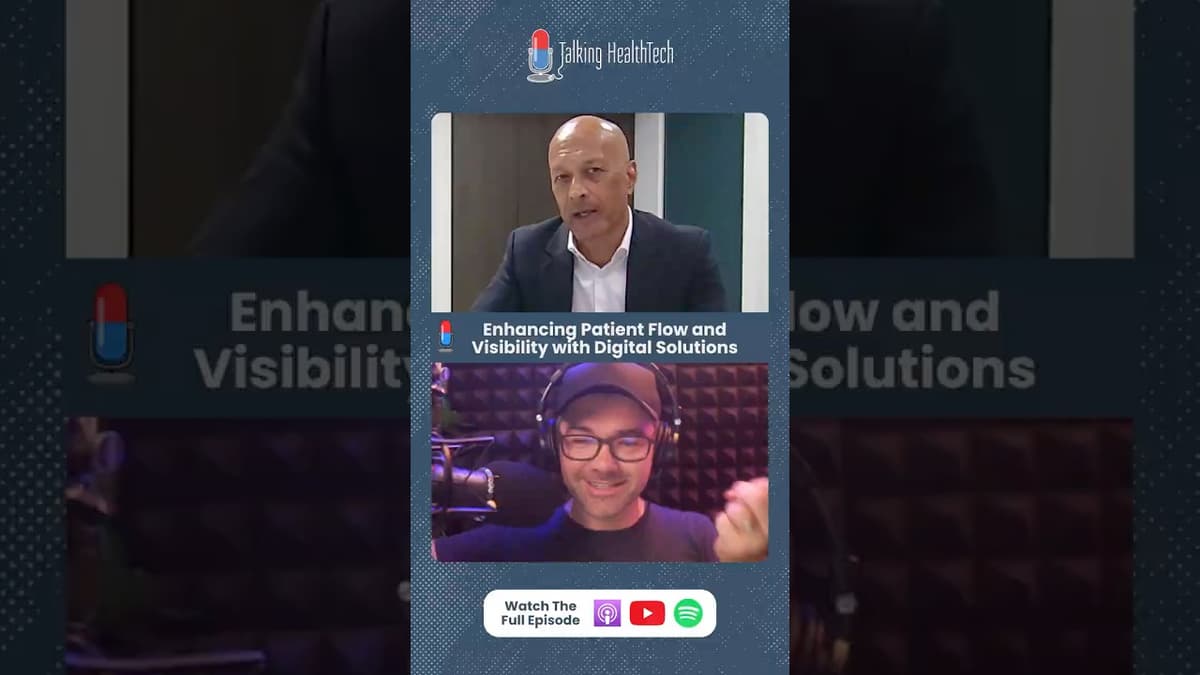
How Digital Workflow Tools Deliver Significant Benefits in Healthcare Settings
The video explains how digital workflow tools—specifically electronic journey boards and integrated handover solutions—are reshaping clinical operations by providing real‑time visibility into patient discharge timelines and task assignments across all hospital departments. By surfacing expected discharge dates, flagging unavailable allied‑health staff,...
Lecture 3.2.5: Signal Preprocessing ECG, PPG + Feature Extraction, Windowing & HRV Spectral Features
The lecture walks through converting raw ECG and PPG voltages into actionable physiological metrics, focusing on preprocessing, feature extraction, and heart‑rate‑variability (HRV) spectral analysis. Aksha outlines three dominant noise sources—power‑line interference, baseline wander, and EMG artifacts—and recommends a “Goldilocks” filter chain:...

Safer Stem Cell Transplants — without Chemotherapy or Radiation | Stanford Medicine
Stanford Medicine researchers have introduced a novel conditioning regimen that replaces traditional chemotherapy and radiation with an antibody, Briquilimab, for bone‑marrow transplants in patients with Fanconi anemia—a disorder marked by defective DNA repair. The approach targets the CD117 receptor on...
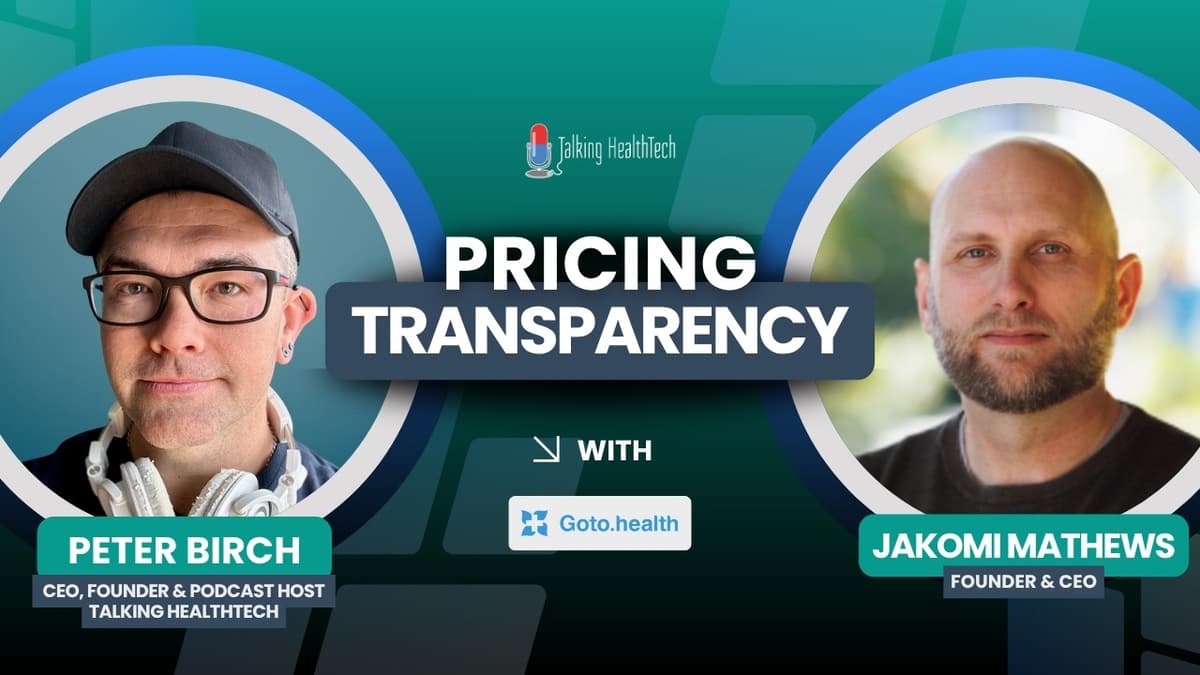
605 - The Cost of Care: Improving Transparency and Access in Australian Healthcare
The Talking Health Tech podcast featured Jacomi Matthews, founder and CEO of GotoHealth, discussing how her startup aims to bring price transparency and easier access to allied‑health services across Australia. Matthews cites research that 48% of Australians have postponed or cancelled...
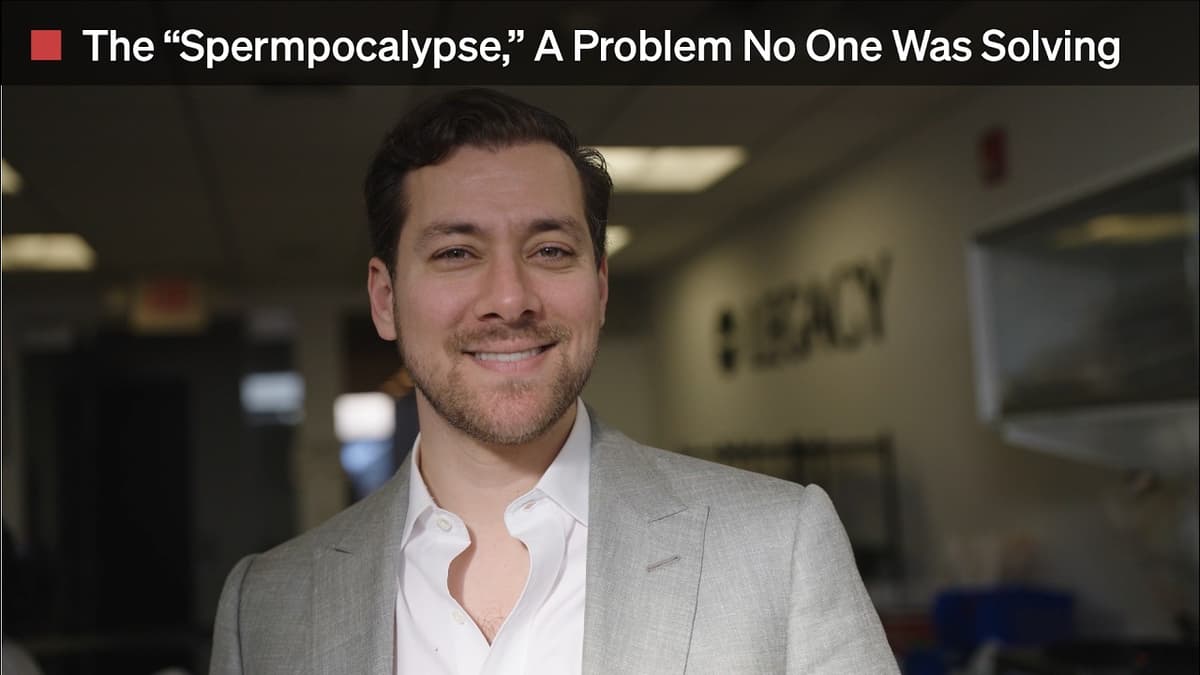
The “Spermpocalypse,” A Problem No One Was Solving | Khaled Kteily, Legacy
The video spotlights Legacy, a startup tackling the so‑called “Spermpocalypse” – a dramatic drop in male sperm counts and quality over the last 40 years. Founder Khaled Kteily explains that while infertility discussions focus on women, men now face a...

New Smart Data Archiving Features at MediQuant
MediQuant unveiled a suite of archiving upgrades aimed at compressing clinician workflow and cutting storage costs. The announcements, made at HIMS, were delivered by senior VP of product strategy Mike Magcguire, who outlined new AI‑driven clinical summaries, lossless DICOM handling,...
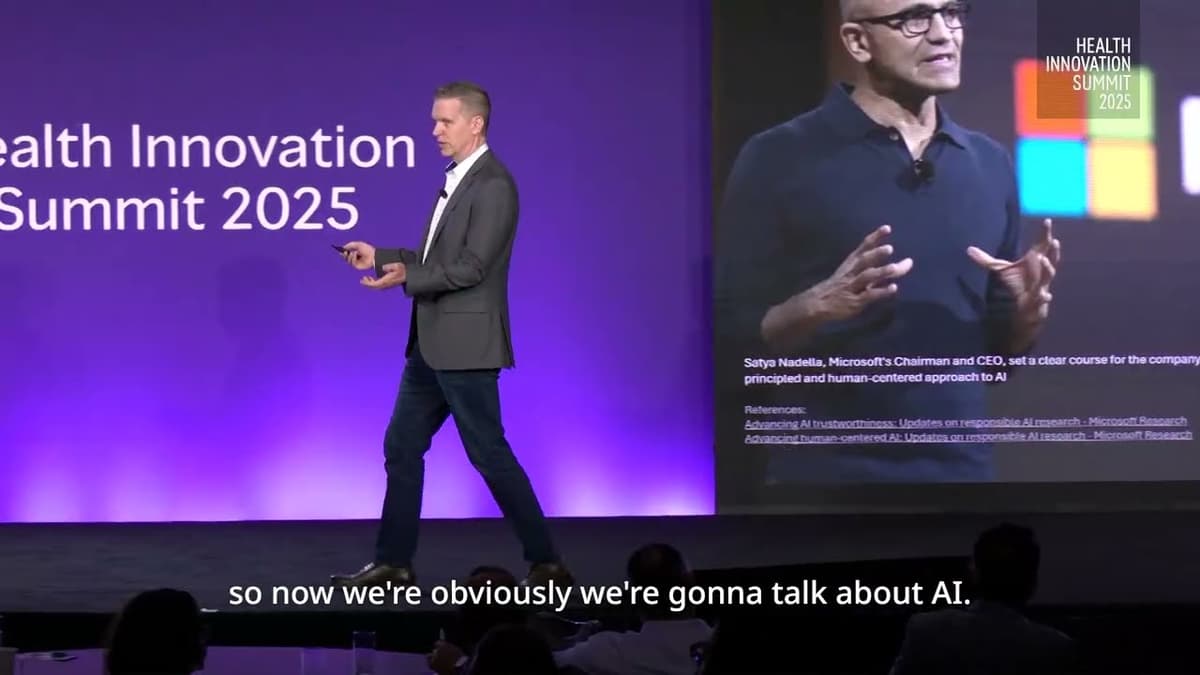
Overcoming Challenges in Healthcare AI
The speaker framed the talk around the stark reality of today’s U.S. healthcare system – spiraling costs, massive waste, chronic‑disease dominance, and a looming clinician shortage that fuels burnout. He opened with a personal story of a community matriarch whose...
Meet the Equation
The video investigates how a race‑adjusted eGFR (estimated glomerular filtration rate) formula, introduced in the late 1990s, has systematically over‑estimated kidney function for Black patients, affecting diagnosis and treatment decisions. It traces the origin of the correction factor to...
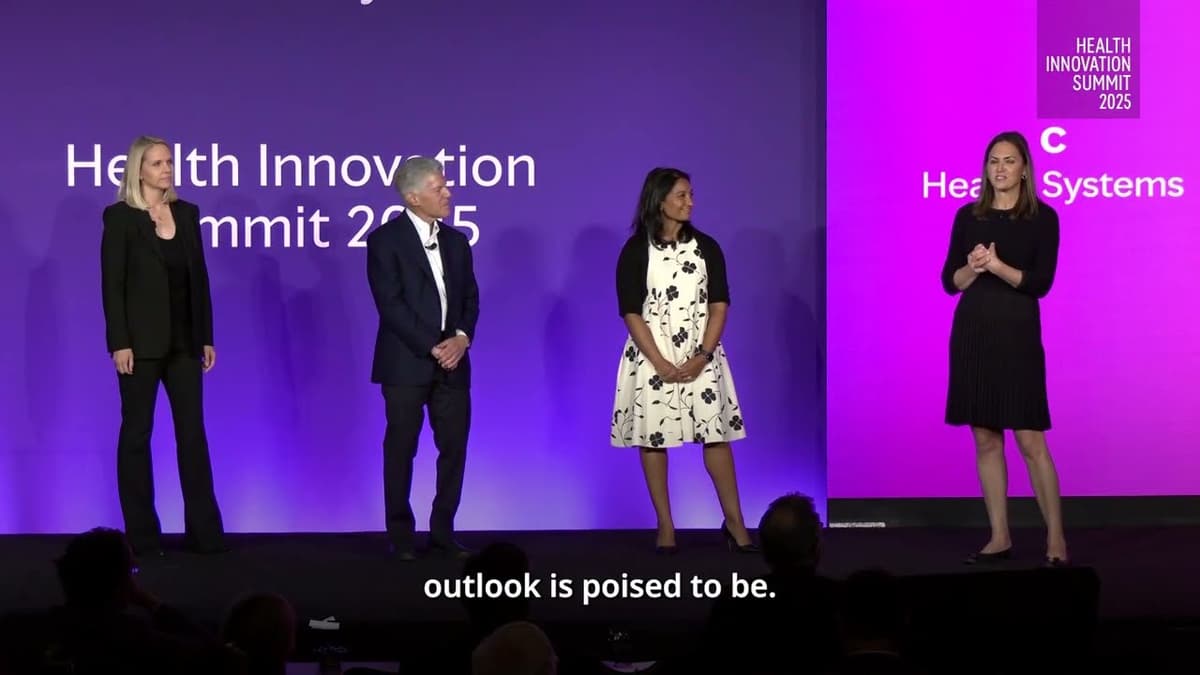
Healthcare’s Future Unveiled: Insights From Private Equity Leaders on Innovation & Trends
The panel, featuring leaders from NVIDIA, 7Wire and Vistria, dissected the evolving healthcare investment landscape, focusing on private‑equity trends, artificial‑intelligence adoption, and the balance between hype‑driven sectors and core fundamentals. Panelists agreed that private‑equity capital is poised to fuel the next...

New Medical Tech on Display | Triển Lãm VIETNAM MEDI-PHARM – VIETMEDICARE EXPO 2026
The Vietnam Medi‑Pharm – Vietmedicare Expo 2026 opened with an expanded footprint, adding smart‑economy technologies, senior‑care solutions, and long‑term health services to its traditional medical‑device showcase. Organisers highlighted the event’s scale as a response to Vietnam’s aging population and the...
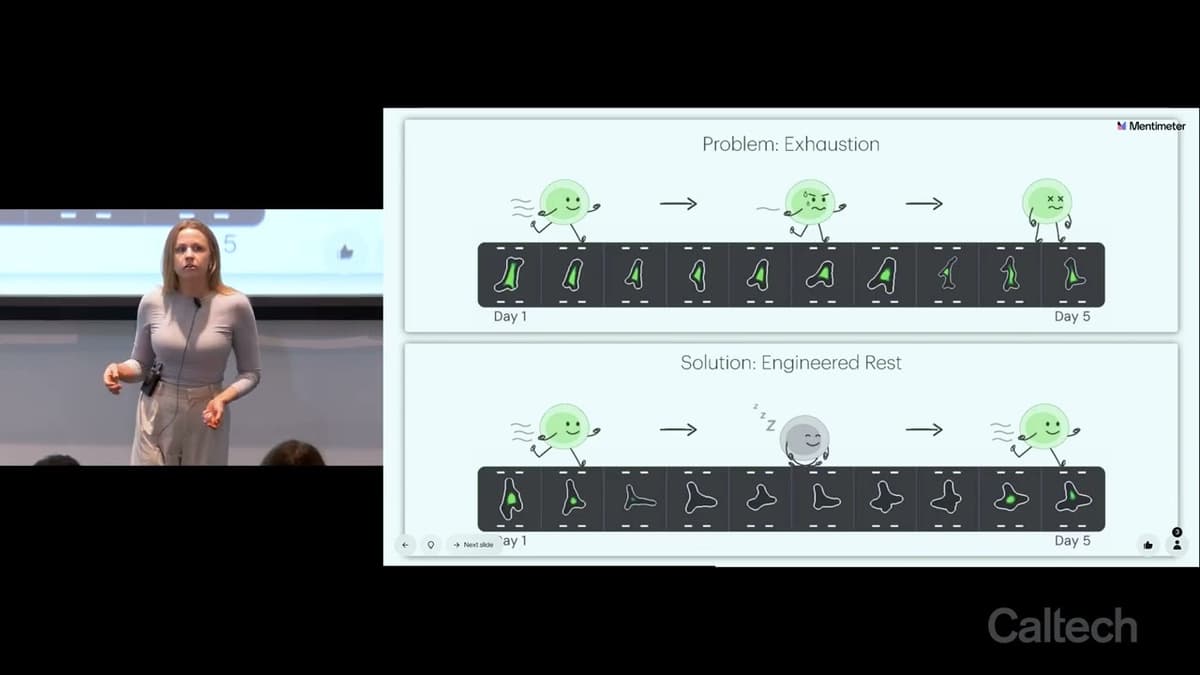
Victoria Tobin - Building Circuits to Give Cancer-Fighting Cells a Break
The video introduces Victoria Tobin’s work on engineering genetic circuits that give CAR T cells scheduled “breaks,” addressing the exhaustion that hampers their cancer‑killing performance. Tobin explains that CAR T cells, harvested from patients and reprogrammed to target tumors, work well...

TRuST Lecture - Trusting Health Care in the Age of AI
The Balsillie School of International Affairs hosted a panel on “Trusting health care in the age of AI,” featuring university leaders, clinicians, ethicists, and data scientists. The discussion framed AI’s rapid entry into Canadian health systems against a backdrop of...
Lecture 3.2.3: Transfer Learning & Domain Adaptation , Class Imbalance & Augmentation
The lecture focuses on practical strategies—transfer learning, domain adaptation, class‑imbalance handling, and data augmentation—to build reliable AI systems for healthcare, where data are often noisy, biased, and scarce. Key insights include leveraging pre‑trained models by freezing early convolutional layers and fine‑tuning...
Highlights From the 2026 inHealth Precision Medicine Symposium: This Is Our Big Data Moment
The 2026 inHealth Precision Medicine Symposium underscored a “big data moment” for Johns Hopkins, unveiling the REACH platform that opens the university’s clinical and research data to all investigators. Speakers highlighted that REACH provides a secure, privacy‑respectful infrastructure, allowing clinicians, data...
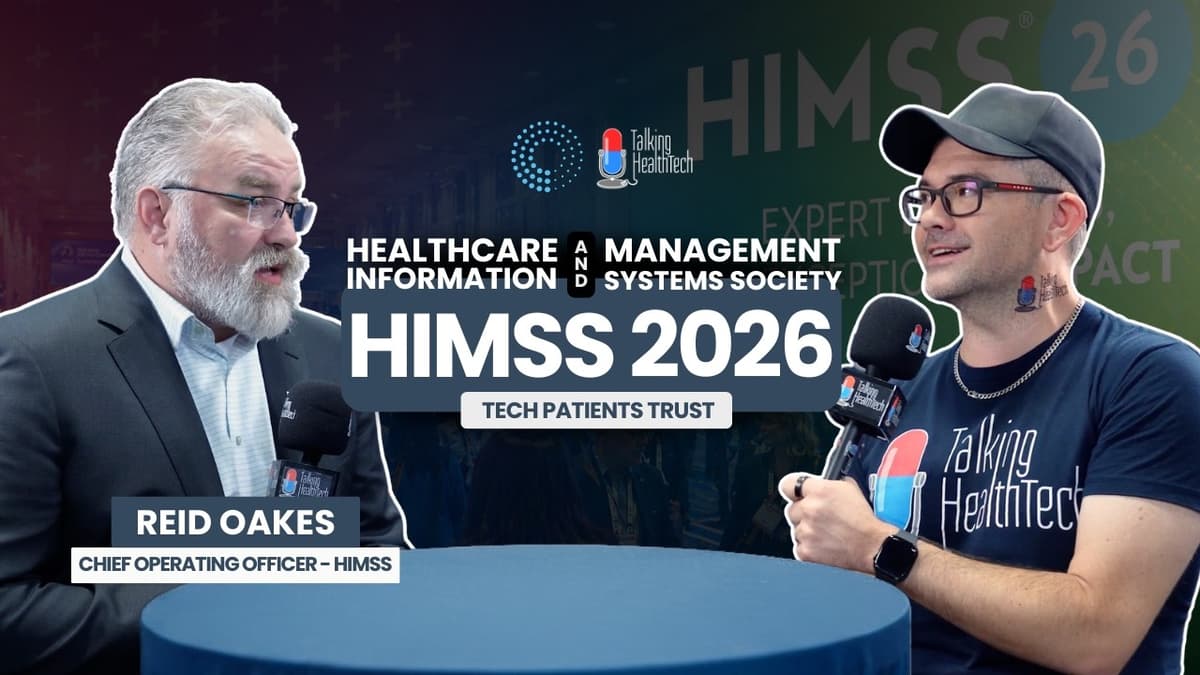
HIMSS 2026: Reid Oakes - Chief Operating Officer, HIMSS
At HIMSS 2026, Chief Operating Officer Reid Oakes outlined the organization’s strategy for guiding its 130,000‑plus members through the rapidly evolving landscape of digital health, AI, and data interoperability. He emphasized that HIMSS serves as a central hub for assessing...
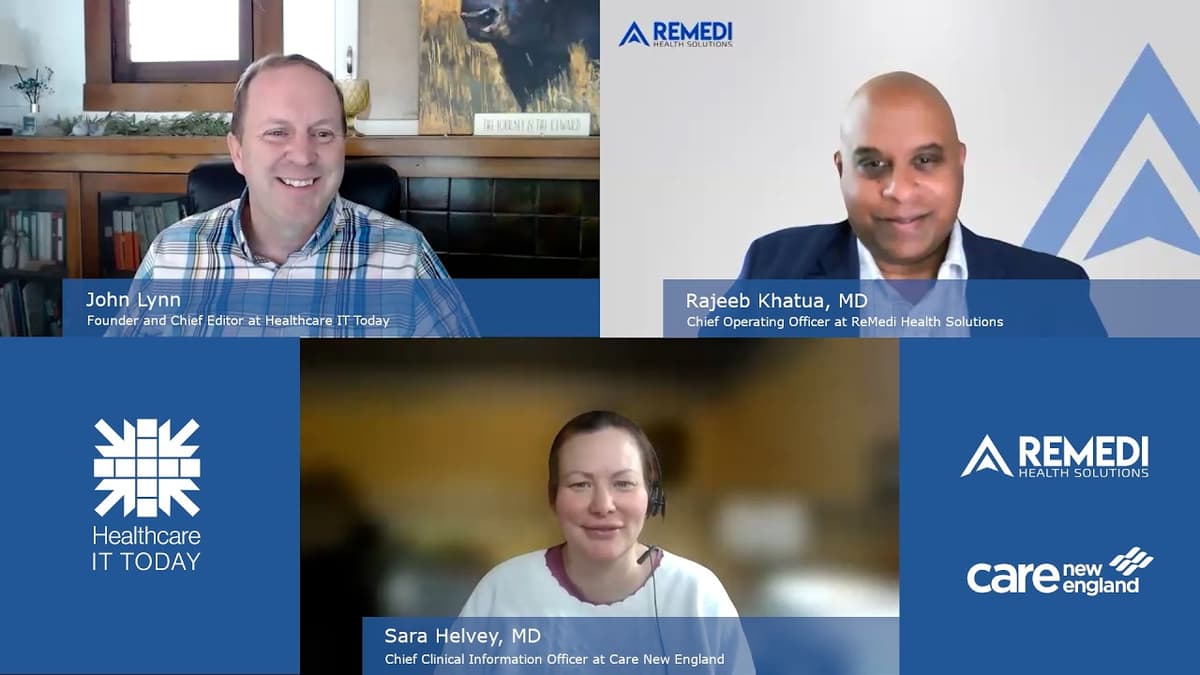
Ensuring a Successful Epic Go-Live with Real-Time Training Dashboards & Personalization
Care New England’s recent Epic go‑live was anchored in a three‑phase strategy—pre‑go‑live personalization, live‑day support, and post‑go‑live optimization. The organization set an ambitious target: 90% of providers personalized before launch, leveraging expert‑led labs and workflow‑based training to make the experience...
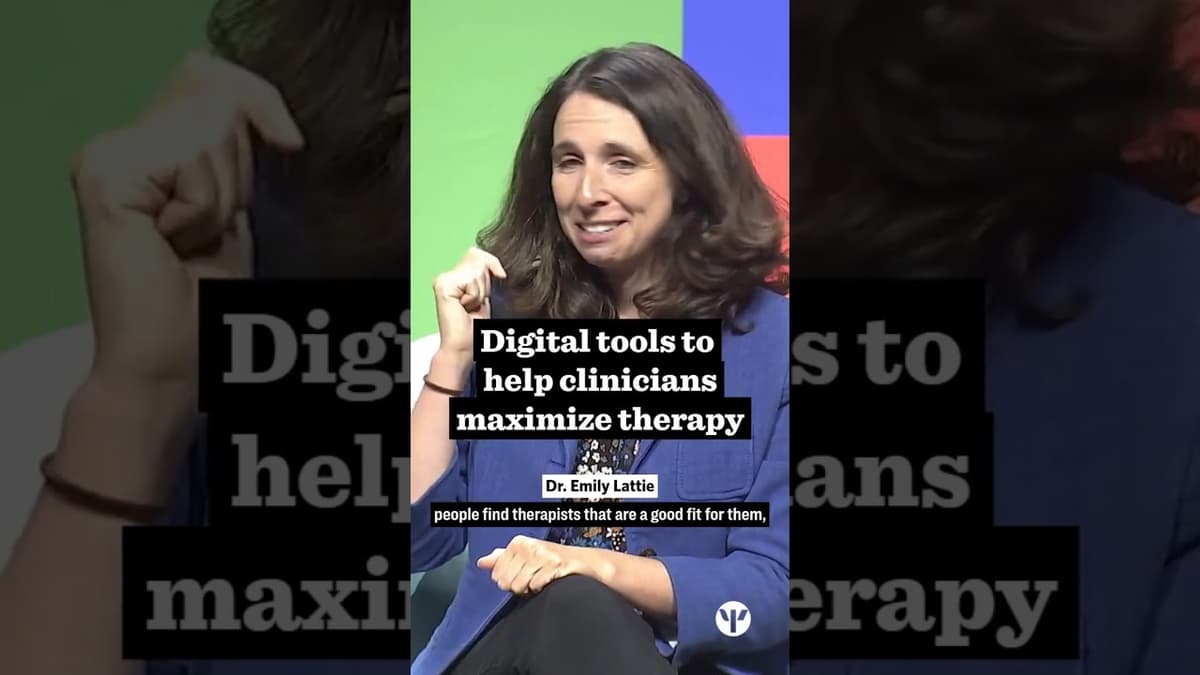
Digital Tools to Help Maximize Therapy | APA 2025 #therapy #technology #shorts
The video discusses how digital tools are reshaping mental‑health delivery by simplifying therapist discovery, scheduling, and ongoing engagement. It highlights that platforms automate administrative tasks, allowing clinicians to devote more time to patient care, and that integrated apps let clients practice...
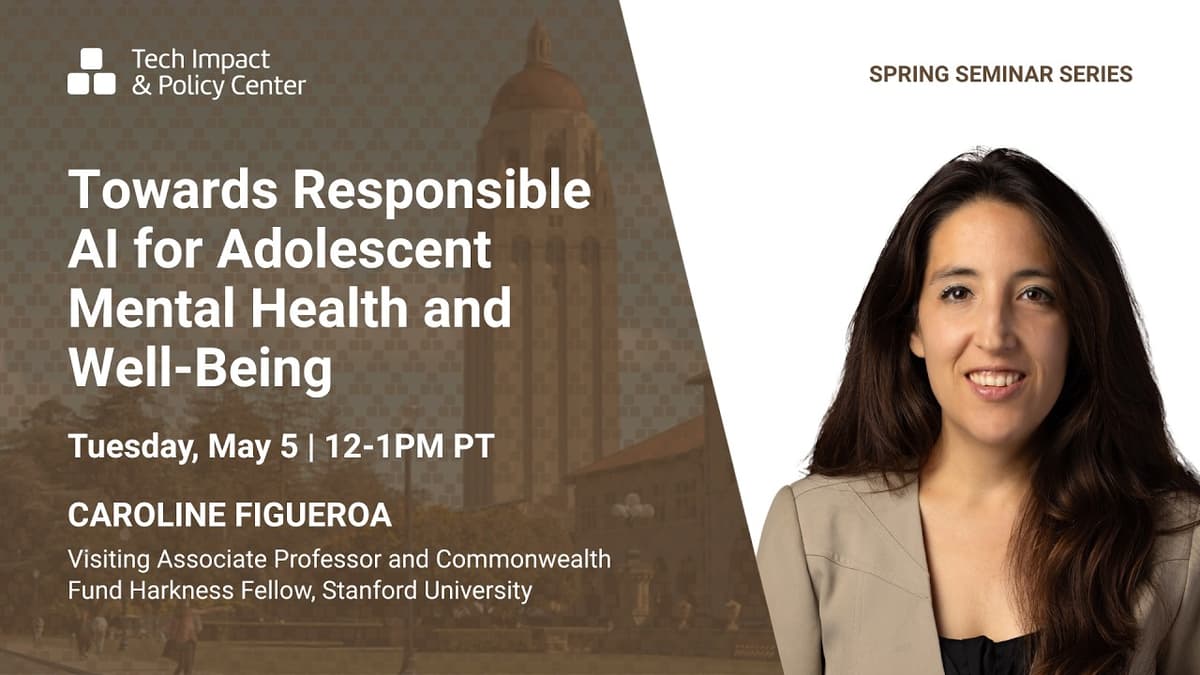
Caroline Figueroa | Towards Responsible AI for Adolescent Mental Health and Well-Being
The seminar featured Caroline Figueroa, an assistant professor at Delft University, discussing how generative AI is reshaping adolescent mental‑health support and the urgent need for responsible AI frameworks. Drawing on surveys and her own qualitative study of 84 teens, she...
Dr. Glaucomflecken on Internet Doctors, Eye Health, and Punching Up
The First Opinion podcast features Dr. Glaucomflecken, a physician‑comedian, warning that physicians need a strong social‑media presence to combat harmful medical misinformation and corporate overreach. He focuses on a crisis unfolding in Eugene, Oregon, where the closure of University District...
Lecture 3.2.2: U Net Segmentation Variants
The lecture introduces U‑Net segmentation variants for medical imaging, emphasizing need for pixel‑wise tumor delineation rather than simple presence detection. It reviews core U‑Net architecture—contracting encoder for context, expanding decoder for localization, and skip connections that transmit high‑resolution details. It then...
Neural Networks for Detecting Subtle Epileptogenic Lesions and Supporting Clinical Decision-Making
The webinar introduced the Multi‑center Epilepsy Lesion Detection (MELD) project, showcasing a graph convolutional neural network designed to identify subtle focal cortical dysplasia (FCD) lesions in drug‑resistant epilepsy patients. The session also highlighted NIDDK’s role in providing data resources and...

Using MyChart in Our Emergency Departments and Hospitals
The video walks viewers through the MyChart mobile application tailored for emergency department and hospital visits, showing how patients can integrate the tool into their care journey from arrival to discharge. Key functionalities include a live status feed of the visit,...

Scientists Trained WHO to Diagnose Breast Cancer? With Hannah Fry #shorts #science #hannahfry
The video recounts a 2015 study in which researchers taught sixteen naïve pigeons to diagnose breast cancer from pathology slides. Using a simple interface—pecking one side for malignant, the other for benign—the birds received treats for correct answers. After just two...

Flourish Rerelease: Healthcare's Shocking Gap in Pain Data with Martha Lawrence
The episode spotlights Martha Lawrence, CEO of Ascendo Wave, discussing the glaring absence of reliable pain data in U.S. healthcare and its repercussions for cost, equity, and clinical decision‑making. Lawrence explains how Ascendo Wave tackles this gap by correlating brain‑wave...
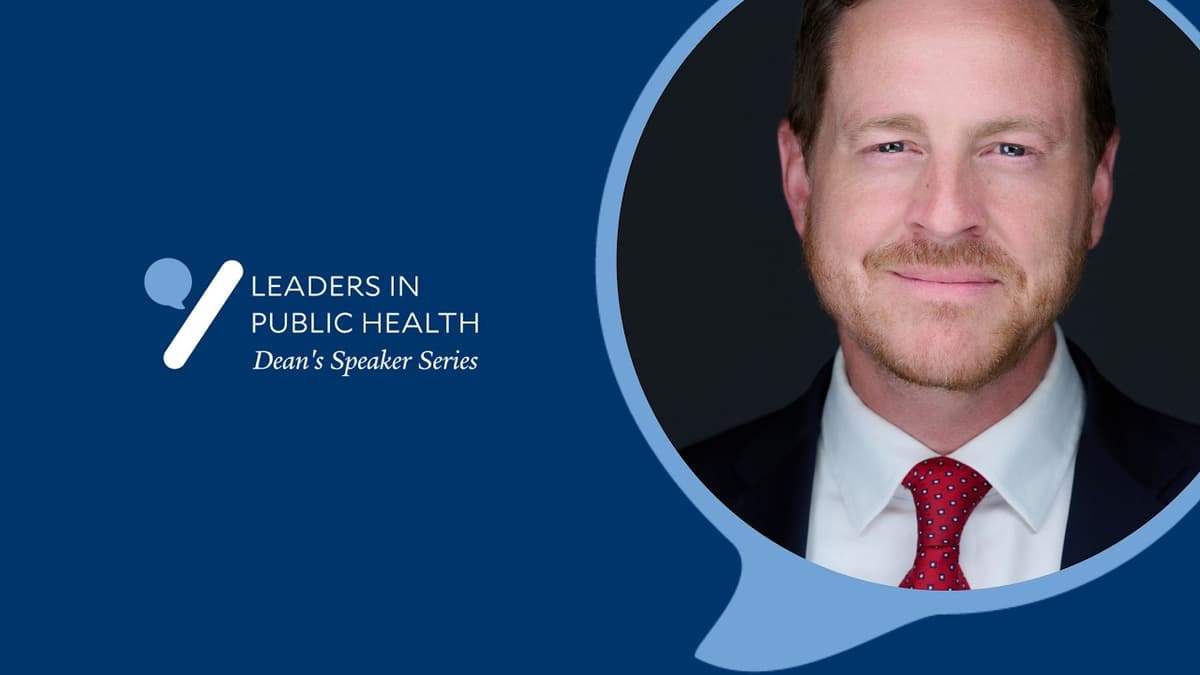
Leaders in Public Health: Mr. Chris Klomp
The Yale School of Public Health hosted Chris Klomp, the new director of Medicare and deputy administrator of CMS, to discuss his unconventional path from a personal health tragedy to leading national health‑policy initiatives. Klomp recounted how early exposure to inequities...

From Reactive to Proactive in Retinal Disease Care | NYU Langone Health
The video outlines NYU Langone Health’s new cross‑disciplinary strategy for tackling retinal diseases, merging ophthalmology, basic science, AI, data analytics, and microbiome research under one roof. Dr. Dimmitra Scondra, vice chair of research, emphasizes that the eye provides a unique,...
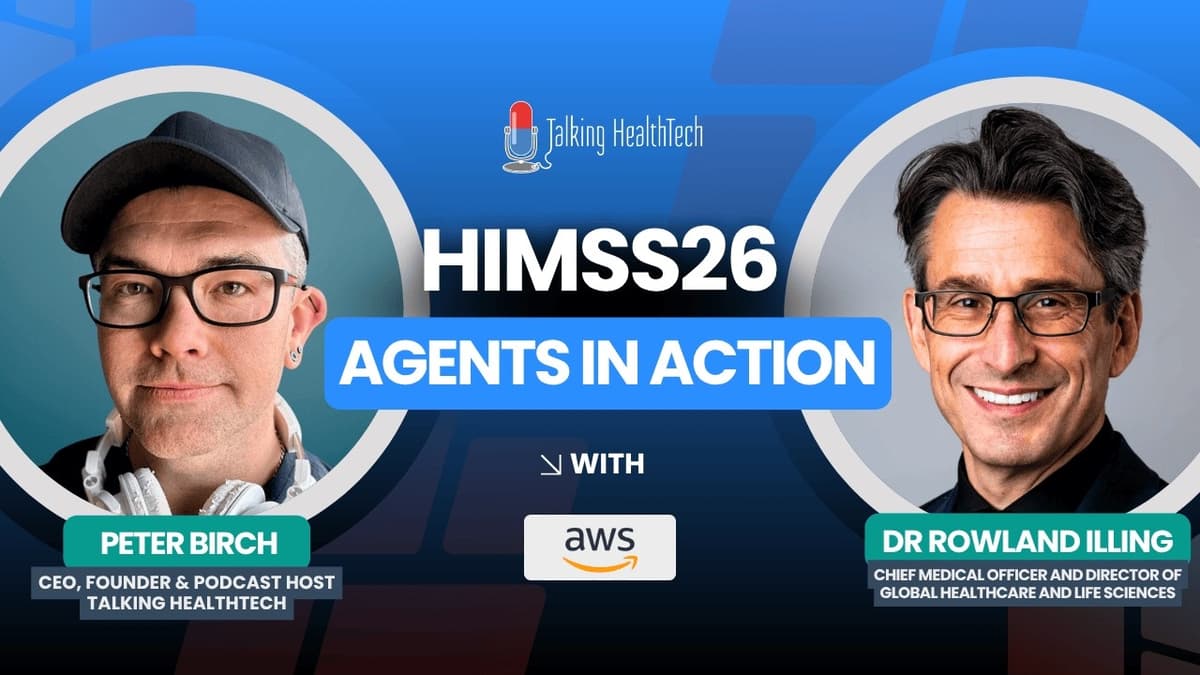
603 - Transforming Patient Experience with Agentic AI: Reducing Administrative Burden at HIMSS26
At HIMSS26, AWS Chief Medical Officer Dr. Roland Illing outlined how Amazon Web Services is deploying agentic AI to cut administrative friction and accelerate patient‑centric care. The discussion highlighted AWS’s deep integration across the health ecosystem—from powering the UK’s national...

Glycans, Inflammation & Biological Age: A New Lens on Longevity
The podcast explores glycans—overlooked sugar molecules attached to proteins—as powerful indicators of inflammation, biological age, and longevity. Host Dr. Nina Patrick interviews Nikolina Lauc, CEO of GlycanAge, who explains how her family’s pioneering glycomics research led to the GlycanAge clock,...

AI, Gig Work, and the Future of Nursing
The video examines how on‑demand nursing platforms—often called gig nursing apps—are reshaping the labor landscape for nurses and raising alarms about AI‑driven scheduling. These apps, which appeared around 2016, use algorithmic management to pair understaffed hospitals, long‑term care centers,...

Is Your Gut Test Actually Accurate? The Problem Most Companies Hide | Dr. Tim Spector
The video explains why most commercial gut‑microbiome tests are unreliable and what technology truly delivers accurate results. Dr. Tim Spector argues that only shotgun metagenomic sequencing—reading every gene from every microbe—meets the scientific standard, whereas older 16S rRNA or PCR...
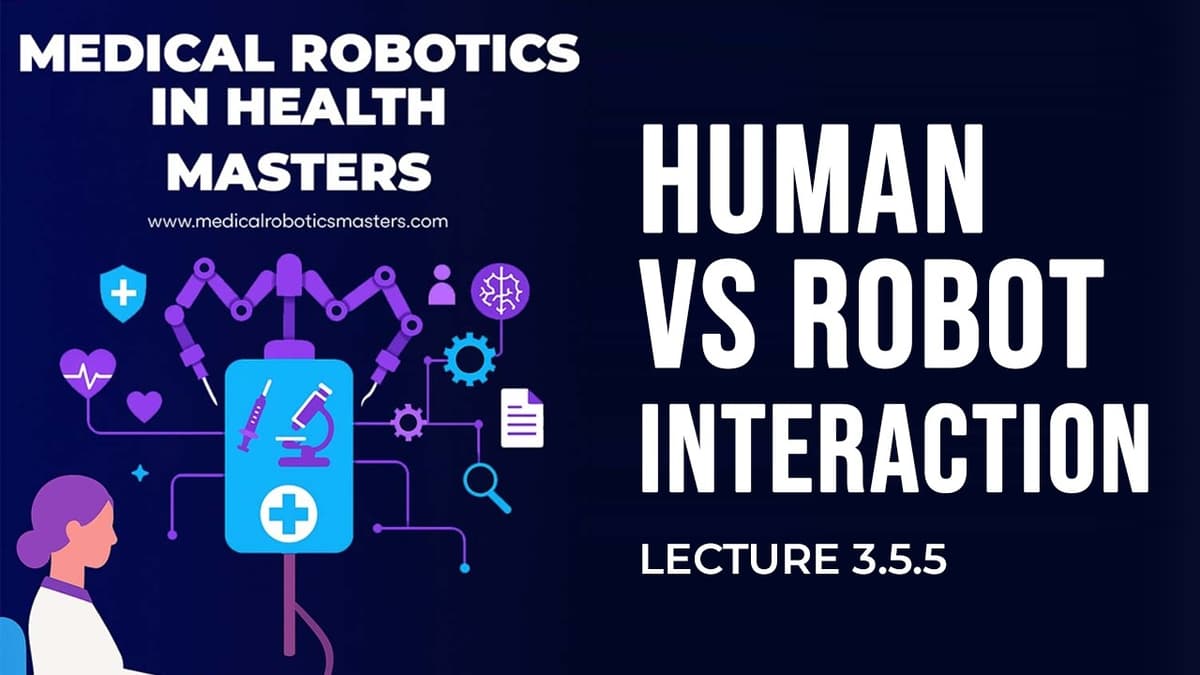
Lecture 3.5.5 | Human-Robot Interaction & Cognitive Load | Masters in Medical Robotics
The lecture introduces human‑robot interaction (HRI) and cognitive load as intertwined design challenges for medical robotics and other domains. Effective HRI requires robots to convey intent, status, and data in a clear, predictable manner, preventing distraction. High cognitive load—when users must...
Why Your Wearable Is Lying to You About Overtraining
The video challenges the growing reliance on wearables and hormonal biomarkers to diagnose overtraining syndrome, arguing that the evidence base is weak and often misapplied. It highlights that resting cortisol is normal in roughly three‑quarters of athletes labeled with overtraining,...
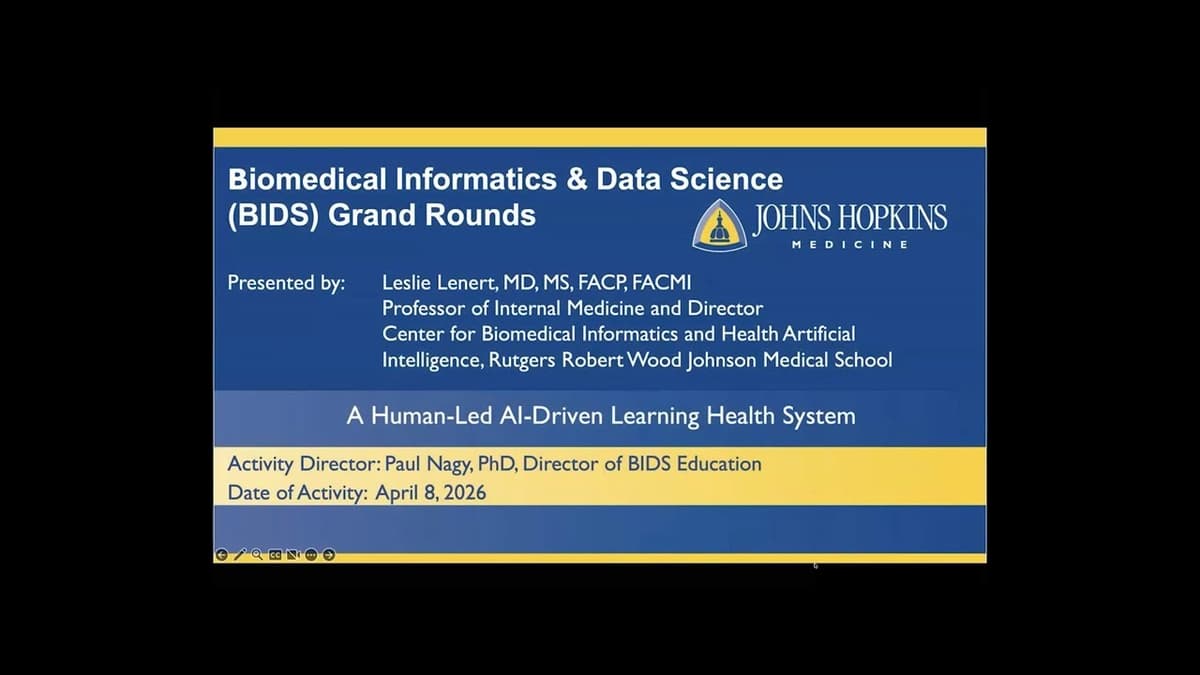
Informatics Grand Rounds with Dr. Leslie Lenert
In this Grand Rounds, Dr. Leslie Lenert reviews the evolution of computer‑patient interfaces, from Warner Slack’s early experiments to today’s e‑health and AI‑driven tools, and examines how these technologies reshape clinical workflows. He highlights that patients disclose sensitive information—psychiatric symptoms, sexual...
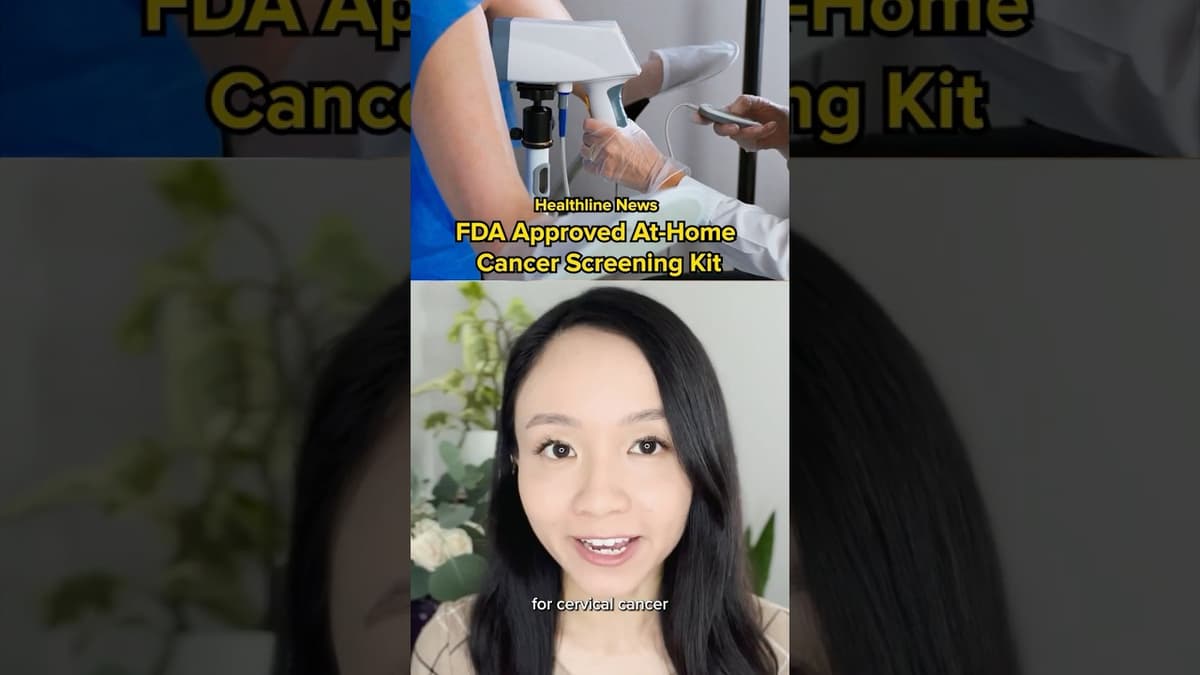
At Home Cancer Test #healthnews #womenswellness #HealthcareAccess #cancer #womenshealth #news
The video announces FDA clearance of Waters Corporation’s Onclarity HPV self‑collection kit, the latest at‑home test for cervical cancer screening. Building on the 2025 approval of the Teal Wand, the new kit lets users collect a vaginal sample at home...
The Early Cancer Detection Tools Women Over 40 Should Use
The video addresses early‑cancer detection strategies for women over 40, emphasizing that rising cancer rates are linked to metabolic dysfunction, chronic inflammation, and accelerated immune aging. It argues that waiting for symptoms—often appearing at stage III or IV—is no longer acceptable. The...

Bridging Human Connection and AI in Mental Health Care | APA 2025 #ai #mentalhealth #shorts
The APA 2025 presentation explored how artificial intelligence can be integrated with the inherently human nature of mental‑health care. While AI has moved far beyond the rudimentary responses of early chatbots like ELIZA, the speaker emphasized that mental health remains...
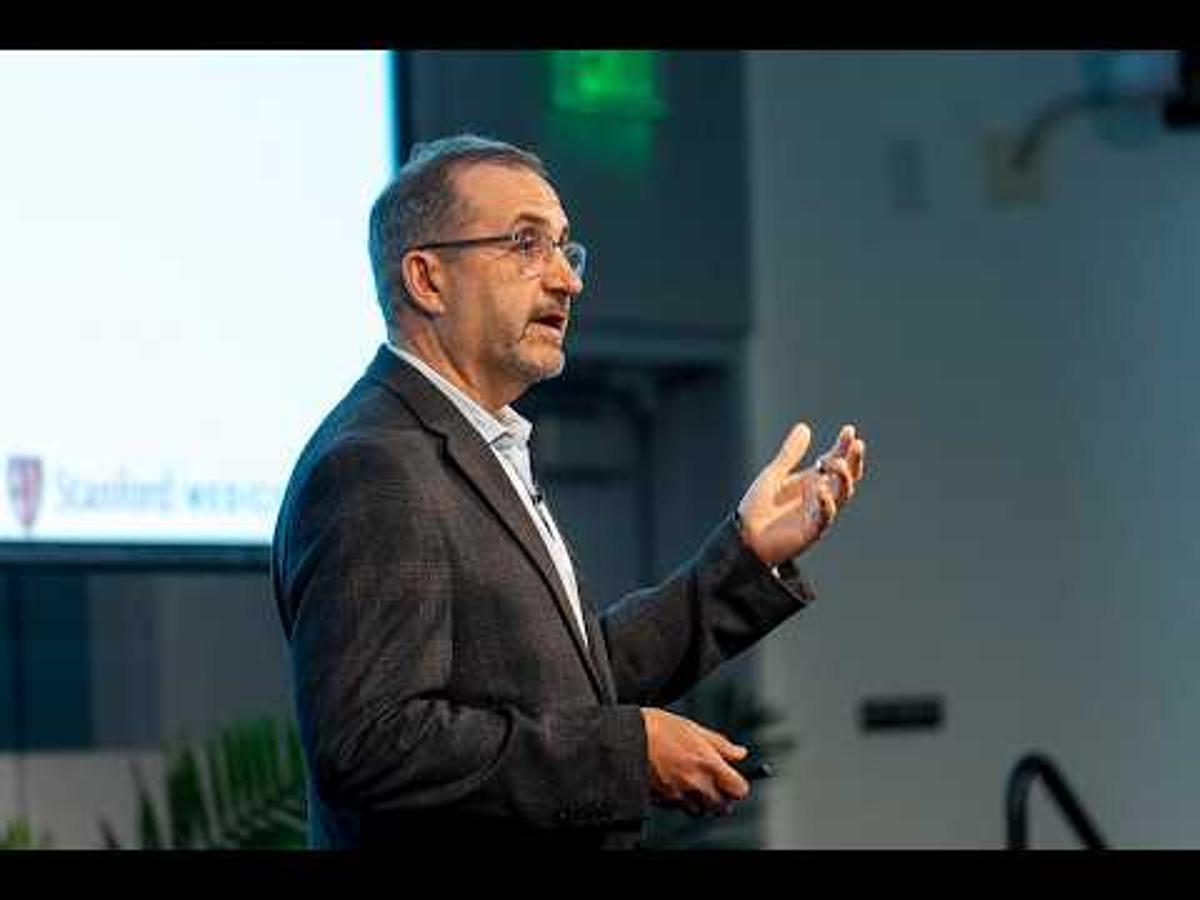
Advances in Liquid Biopsy for Diagnosis, Surveillance, and Treatment Response | MGR | 1 April 2026
The talk reviewed recent advances in liquid‑biopsy technologies, focusing on how cell‑free DNA and RNA in plasma can serve as a non‑invasive window into tumor genomics, epigenomics, and transcriptomics. Ashis highlighted three clinical arenas—early cancer detection, treatment monitoring, and organ‑injury...