Today's Human Potential Pulse

Railway Age launches "Coaching from the Caboose" column for rail workers
The June 2026 issue of Railway Age introduces "Coaching from the Caboose," a new column authored by executive coach Brenda Huizinga. The series applies neuroscience and somatic intelligence to help staff at all levels—from front‑line employees to executives—enhance mindset, energy, and performance. Huizinga uses the caboose as a metaphor for a rear‑of‑train safety hub, linking it to personal performance monitoring.

Pogačar Says Gym Gains Made Him Heavier After Romandie Win
Tadeu Pogačar told reporters he is "heavier than usual" after his third stage victory at the Tour de Romandie, attributing the extra weight to recent strength work in the gym. The admission highlights the ongoing tension between power training and endurance performance in professional cycling.
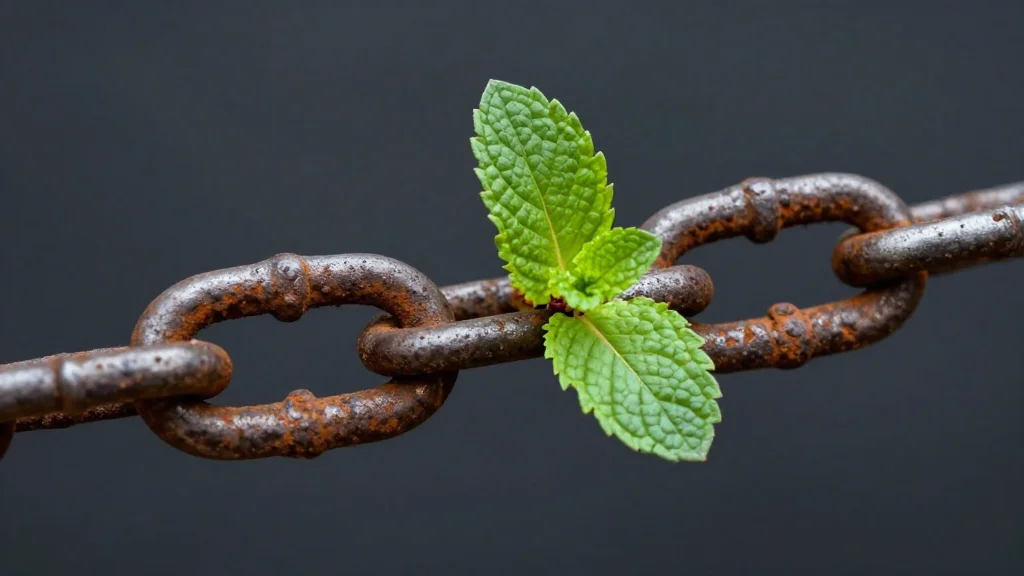
Reclaiming Autonomy: Healing After High‑Control Religious Control
Healing from a high control religion looks like: Questioning what you were told not to question. Recognizing control that was framed as truth + safety. Feeling anger without labeling it “wrong.” Grieving what it cost you to stay… and what it cost you to leave. Learning...

Psychology Says the People Who Thrive in High-Pressure Environments Aren’t the Most Resilient — They’ve Just Built Better Systems for...
The article argues that thriving under pressure isn’t about superhuman resilience but about building systems that signal when to pause. It highlights how high‑performers develop early‑warning cues, schedule strategic recovery, and set firm boundaries to sustain long‑term output. By tracking...

The Thing You Keep Giving Away
The article explains how high‑capacity leaders unintentionally give away pieces of themselves through constant self‑modulation, leaving their authentic presence diminished while performance stays strong. This gradual drift is invisible because the adaptations feel seamless and the leader remains effective. When...

Vice Highlights Decision Fatigue and Offers Five Strategies to Reclaim Mental Energy
Vice published a feature on decision fatigue, citing therapist Jessica Steinman, LMFT, Chief Clinical Officer at No Matter What Recovery. The article outlines five actionable habits to protect mental energy and improve personal productivity.

Therapist Uses D&D to Boost Confidence in Neurodivergent Kids
Child therapist Cody Rueger in Victoria has launched a Dungeons & Dragons‑based therapy group for neurodivergent children, reporting early gains in social skills and self‑esteem. The program adapts the popular tabletop game into a structured therapeutic setting, offering parents a...

Reddit User Credits Mindset Shift with Three Job Offers in Four Months
A Reddit user disclosed that adopting a ‘already‑have‑options’ mindset transformed interview performance, resulting in three job offers within four months after an eight‑month dry spell. The approach, centered on confidence rather than desperation, is gaining attention among job seekers seeking...

New Consensus Shows How to Lower Stress Without Resetting the Nervous System
A consortium of 39 researchers released a consensus statement that details evidence‑based techniques—breathing, movement, sleep, nature exposure and social connection—to reduce stress without trying to "reset" the nervous system. The guidance reframes stress management as a matter of autonomic balance...

I Haven’t Felt Real Joy in Years, and It Isn’t because I’m Broken, It’s because I’ve Been Keeping Everyone Else...
An author reflects on years of suppressing personal joy while serving as the go‑to emotional anchor for friends, family, and colleagues. The piece explains how this caretaker role leads to burnout, identity attachment, and a loss of authentic happiness. It...
How To Be Unshakeable in Every Situation: Charlie Munger’s 7 Life Lesson Quotes
Charlie Munger, longtime partner of Warren Buffett, distilled his philosophy of mental composure into seven practical lessons. He stresses radical accountability, emotional discipline, and realistic expectations as antidotes to panic‑driven decision‑making. By treating setbacks as tuition and delaying reactions during...

Warren Buffett Advice: The Art of Not Caring: 5 Simple Ways to Live a Happy Life
Warren Buffett attributes his decades‑long success to temperament, not raw intellect, emphasizing a quiet life in Omaha over Wall Street hype. He outlines five habits—using an inner scorecard, staying within a circle of competence, practicing selective apathy, mastering the power...

5 Subtle Signs You’ve Moved Beyond The Working-Class Mindset
Moving beyond a working‑class mindset involves rewiring how individuals value time, risk, and agency rather than simply increasing income. The article outlines five subtle indicators of this shift: treating time as a protected asset, viewing problems as logistical, valuing results...

Just Like Me, But…
Seth Godin’s May 3, 2026 post questions the common refrain “just like me, but talented.” He argues that attributing success to innate talent lets people avoid responsibility, while framing it as “just like me, but dedicated” opens a path to purposeful effort....

Your Life Would Be Easier If You Stopped Thinking in Extremes
The piece argues that extreme, binary thinking—seeing the world as all‑good or all‑bad—can be a survival shortcut but becomes a costly habit in modern life. It cites Daniel Kahneman’s System 1 vs. System 2 model to explain why our brains default to...

How to Show up at Work when Your Life Is Falling Apart
A therapist returns to work two months after her husband’s sudden death, confronting acute stress while needing to meet financial obligations. She shares three mental‑strength tactics that helped her stay functional: scheduling a daily worry window, flipping the script on...
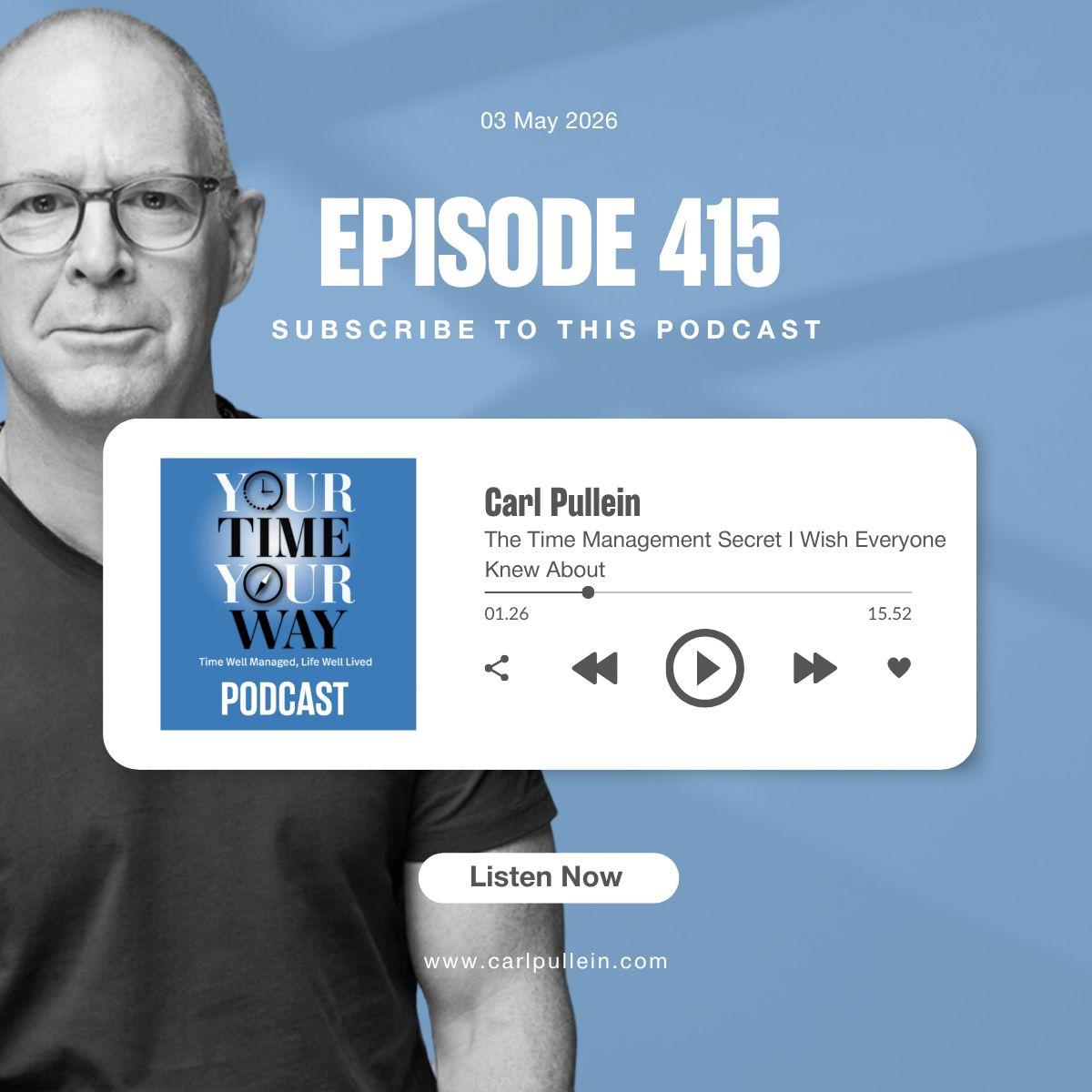
Prioritize What Matters: Choose Your Next Task Wisely
Your to-do list isn’t the problem… it’s how you decide what to do next. If your days feel like a constant battle between emails, messages, and “urgent” tasks, this episode might be the reset you didn’t know you needed. Stop trying to...

Pain Signals Bad Choices; Discomfort Signals Growth
Pain and discomfort are not the same. Pain is what your bad choices are doing to you. Discomfort is what change feels like on the way out.

Zombie Flow, and Generational Guilt
The post explores three intertwined ideas: "zombie flow," a cultural drift toward effortless, passive experiences that undercut the deep satisfaction described by Mihaly Csikszentmihalyi; a stark gap in India’s inflation data, where a RBI household survey shows 7.2% expected price...

Improve by Doing the Opposite: Read, Write, Rest, Give
To improve your writing, read more. To improve your thinking, write more. To improve your understanding, build more. To improve your storytelling, present more. To improve your energy, rest more. To improve your network, give more. To improve your happiness, appreciate more. https://t.co/WM2XicQgEw

One Daily Habit Fueled My 8‑Figure Digital Success
In 2020, I was an employee stuck on Wall Street. Today, I run an 8-figure digital business. Here's the daily habit that helped me escape (with 11 tips to help you get started):

Micro‑Milestones Boost Motivation, Study Finds Growing Trend Among Young Adults
A new feature in The Standard Evewoman Magazine reports that micro‑milestones are becoming a core habit‑building technique for Gen Z and Millennials, driving daily confidence and reducing burnout. The piece cites personal stories and expert commentary, highlighting both the benefits...

Focus Beats Dilution: Choose Intensity Over Excess
Some things are better concentrated, not diluted: - Espresso > watered-down coffee - Dark chocolate > milk chocolate - High intensity training > junk volume - Actionable insight > information overload - Deep work > multitasking - Concise > rambling

Simple Daily Hacks to Boost Confidence Dramatically
7 hacks to 10x your confidence this week: • Smile even if you feel like crap • Slow down physically • Make others feel better • Quit one bad habit • Decide to not be a little bitch • Follow Alex M • Find a way to...

Neuroscientist Names Five Brain Threats That Boost Dementia Risk
Neuroscientist Anaïs Roux identified five major threats to brain health—chronic stress, social isolation, poor sleep, unhealthy diet, and lack of mental stimulation—arguing they significantly raise dementia risk. She stresses that up to one‑third of Alzheimer’s cases might be preventable through...

Action Speaks Louder Than All the Talk
While everyone else discusses, and argues and fusses about doing... You just keep doing. And they'll wonder how you did it.

What 40 Years of Showing up to Hard, Physical Work Taught Me About the Mental Habits No Productivity App Will...
A veteran electrician argues that the most effective productivity habits stem from decades of hard, physical work, not from task‑management apps. He describes how early‑morning routines, tactile feedback, and learning from mistakes create an instinctive sense of "done" that no...

Mental Strength Requires Hard Work, Says Djokovic
Mental strength is not a gift, it is something that you have to work very hard to develop. A masterclass on focus, by Novak Djokovic https://t.co/Gp48fsZq5z
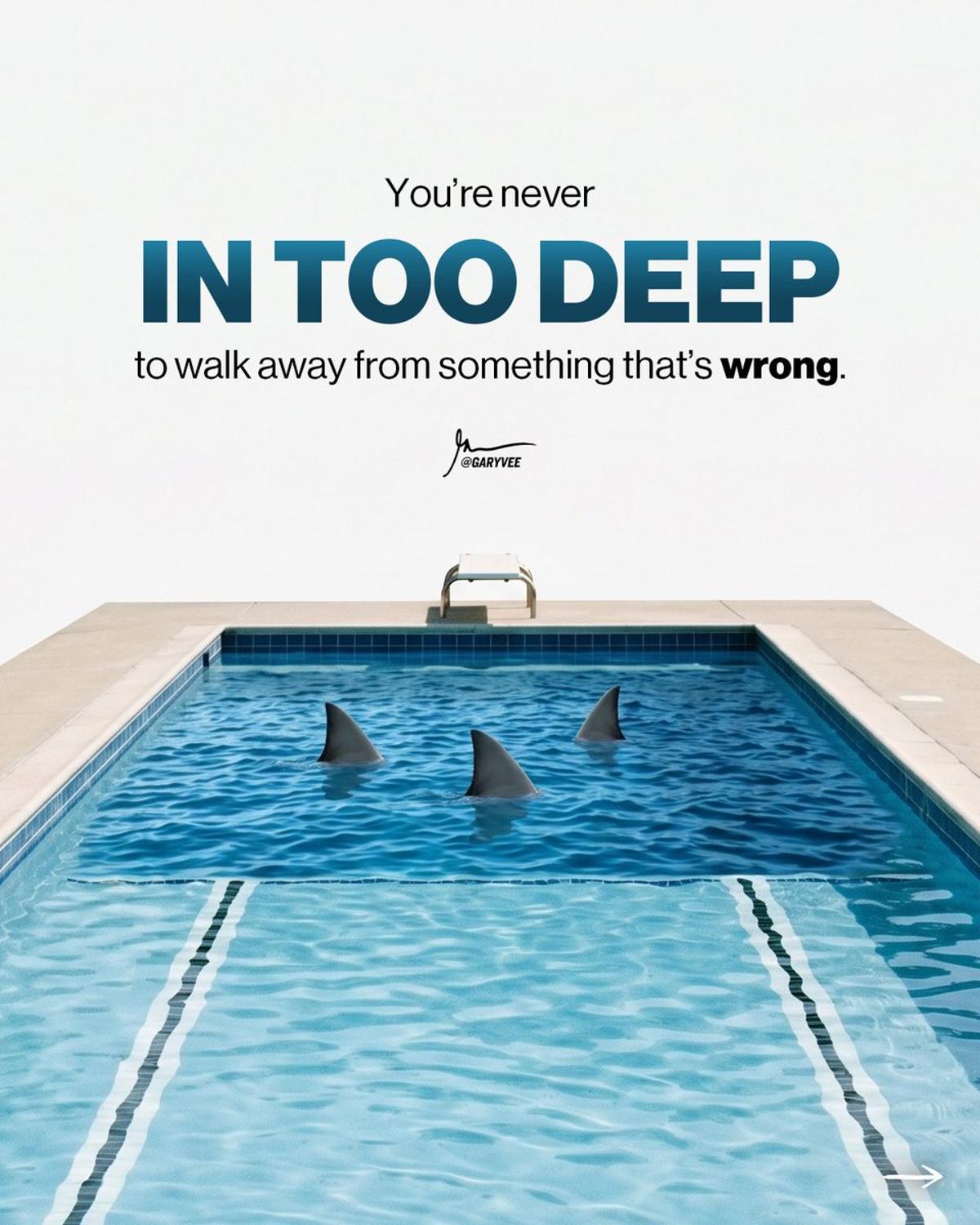
Life Demands Change: Adjust, Don’t Stay Stuck
Way too many of you aren’t changing your job your relationship your friends cause you think you’re in deep you’ve over-committed you’re already “there” … my friends .. life’s about adjustments - so adjust ❤️ https://t.co/soGfHJ8vr0

Wabi‑Sabi and the Pursuit of Perfection: Lessons From a Michelin‑Starred Japanese Chef
Chef Masaki Saito, the only chef with two Michelin stars in both New York and Toronto, shared how his pursuit of wabi‑sabi drives a disciplined, minimalist approach to sushi. He emphasizes doing less with intention, resisting the urge to over‑handle ingredients,...

Performance Grows by Organizing Existing Capacity, Not Adding More
The mirror of behavior & physiology. More capacity is not always the answer. Sometimes performance improves when the system learns to organize what it already has. Most people read behavior as personality. In performance, that is often too shallow. What looks like...

Study Links High IQ to Motivation Gaps, Highlighting Overthinking and External Rewards
A 2025 longitudinal study of 403 high‑ability students finds that intelligent people are more likely to rely on external rewards, resulting in anxiety and procrastination. Earlier work from 2020 links higher verbal IQ to brooding rumination, a mental habit that...

Paralysed Ex‑Serviceman Hand‑Cycles 435‑Mile Trek to Everest Base Camp
Ollie Thorn, a 37‑year‑old former Surrey serviceman paralysed from the chest down, completed a 435‑mile hand‑cycle expedition to Everest Base Camp. The two‑week journey raised about £35,000 (≈ $44,500) for spinal‑cord injury research and marks the first known hand‑cycle ascent of...

Moniepoint Co‑Founder Eniolorunda Urges Self‑Mastery for Nigerian Entrepreneurs
At The Platform Nigeria’s May Day edition, Moniepoint co‑founder Eniolorunda warned that entrepreneurs’ biggest obstacle is themselves and urged a focus on self‑mastery and crystal‑clear goal‑setting. His remarks spotlight a growing call to develop Nigeria’s human capital as a driver of...
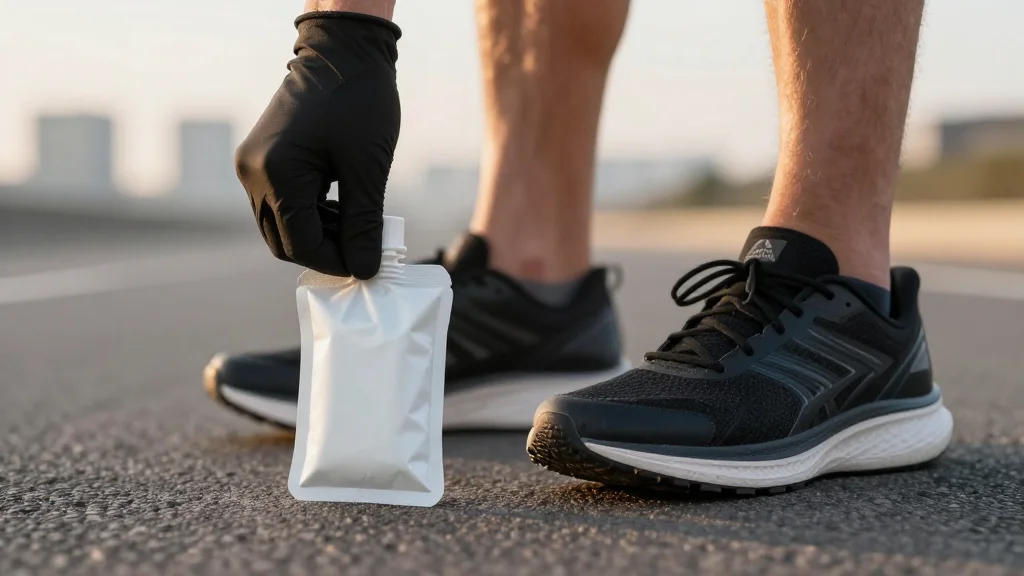
Simple Carb‑Timing Strategy Helps Runner Break 4‑Hour Barrier
A runner at the London Marathon completed the race in 3:58:36 by following a minimalist training schedule and a timed carbohydrate‑intake plan. The approach relied on pacing slightly slower than target early on and consuming 60‑90 g of carbs each hour,...

Visual Guide: Charlie Munger's Best 100 Mental Models
Charlie Munger’s multidisciplinary thinking framework, distilled into a visual guide, emphasizes mastering roughly 100 core mental models from economics, psychology, physics, biology and mathematics. The guide presents a three‑step process—learn fundamentals, organize them in a latticework, and apply the structure...

Winning Requires Consistency, Not Constant Restarts
You’re not stuck you just keep restarting New plan New idea New approach Every reset kills your progress The people who win stay with ONE thing

The Simple Mental Habit Every High-Performer Shares
In the Inspired with Alexa von Tobel podcast, Alexa discovered that nearly every high‑performing founder repeats a personal mantra during tough moments. The habit isn’t a fluffy pep talk; it’s a deliberate form of positive self‑talk that neuroscientists say rewires...

Are You Using Stress to Grow?
The article explains that individuals' mindset about stress—whether they view it as enhancing or debilitating—directly influences physiological responses, particularly the cortisol‑DHEA balance that underpins health, performance, and aging. Researchers Crum et al. developed the Stress Mindset Measure and demonstrated that a...

The Curative Power of 'This Is Not About You'
The Netflix documentary “Lainey Wilson: Keepin’ Country Cool” reveals how the country star curbed burnout by reframing her performances as service to fans rather than self‑validation. Garber links this shift to a broader antidote for perfectionism, which he describes as...

Authentic Intelligence; The Knowing That Changes Everything
Laura Wieck argues that the coaching industry must shift from delivering information to cultivating authentic, embodied presence. While AI can supply frameworks instantly, it cannot sense a client’s breath, tension, or the gap between words and body. Embodied coaching treats...

The Friction I Choose
The author argues that deliberately choosing challenging tasks—"intentional friction"—creates purpose for small‑business owners and fuels daily motivation. Reader feedback confirmed the concept resonates, especially among entrepreneurs who view hardship as a growth catalyst. The post also unveils a new subscriber...
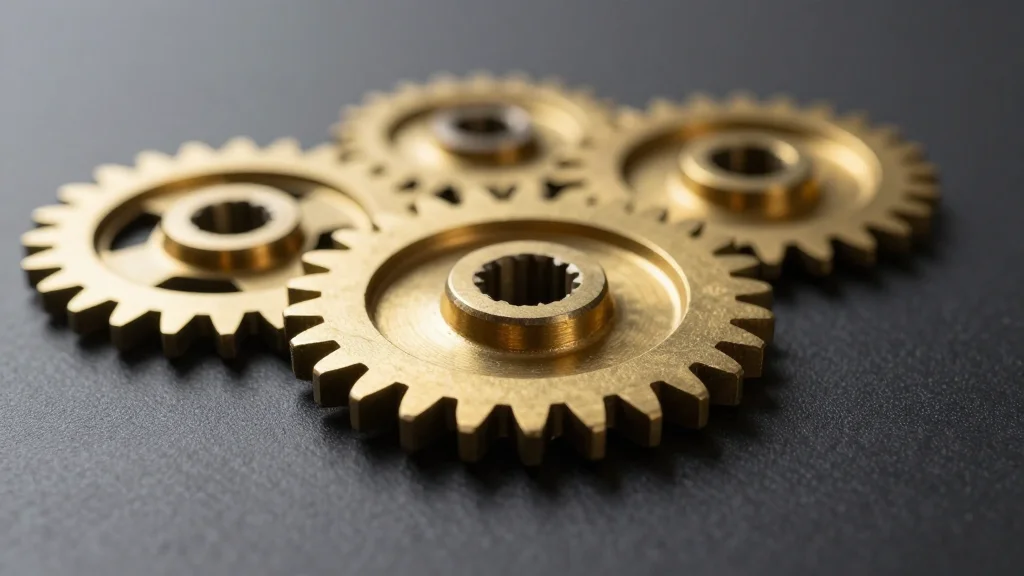
Build Systems, Not Panic‑driven Hustle
The goal is not to hustle harder. The goal is to build a system that does not require panic to perform.

Tiffany Jenkins Walks Straight Into Her Worst Fears
The documentary *Anxiety Club* follows comedian Tiffany Jenkins as she undergoes exposure‑therapy sessions that are filmed for a candid look at treating anxiety and OCD. Jenkins confronts everyday fears—like letting her children play unsupervised—and documents the gradual reduction of distress...

Companies Adopt Circadian‑Based Scheduling to Boost Productivity
Harvard Business Review has published fresh guidance urging leaders to map team schedules to individual chronotypes. By aligning tasks with employees’ natural energy peaks, firms can lift creativity, decision quality and lower burnout risk.

Build Mental Toughness by Gradually Embracing Discomfort
A large part of getting back in shape is remembering how to hurt. Mental toughness is a skill. It's normal for your alarm to be hyper reactive when it hasn't experience fatigue in a while. The way back is to gradually show...

Progress Over Perfection: Begin Where You Are
❌ Don’t worry about being perfect. ✅ Start where you are and evolve over time.
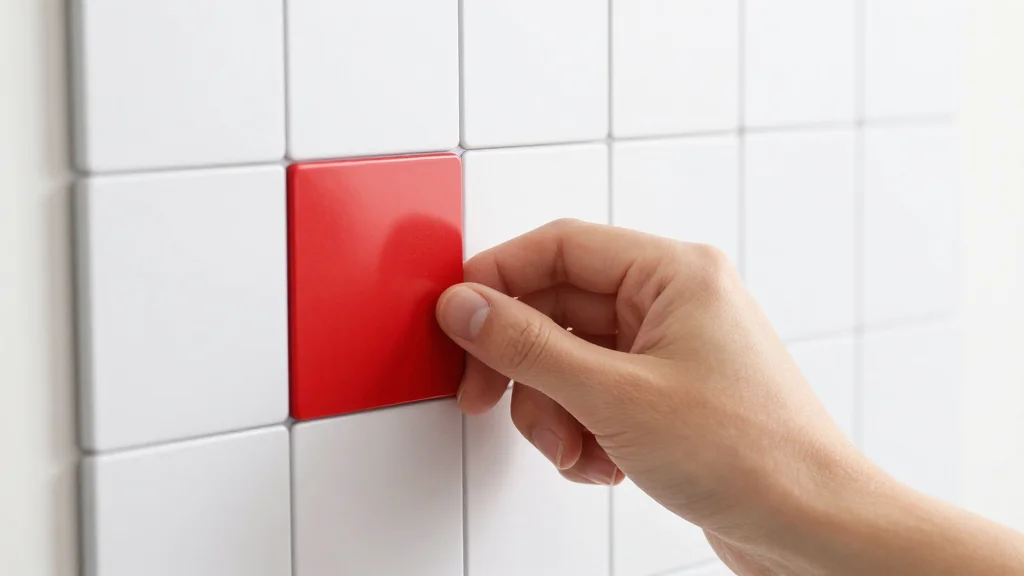
Your Calendar Shows Priorities, Not Intentions
Your calendar is a reflection of your priorities. Not your intentions. If it’s not on your calendar, it’s not real.

Act Instantly, Skip Rumination, Reduce Stress.
Do you agree with @Jason I frankly have to agree as I go from idea to execution in an instant. In don’t ruminate on anything as it just slow, causes stress and forces inaction

Regular Self‑Check Fuels Massive Personal Growth
“Spending time with your inner guru periodically—checking under the hood & getting your house in order—is invaluable for your growth & success. It’s a habit that will propel you in giant strides.” 💡 https://t.co/55fx8e0TYb #careeradvice #personalgrowth #personaleffectiveness https://t.co/0ftVByuWfE
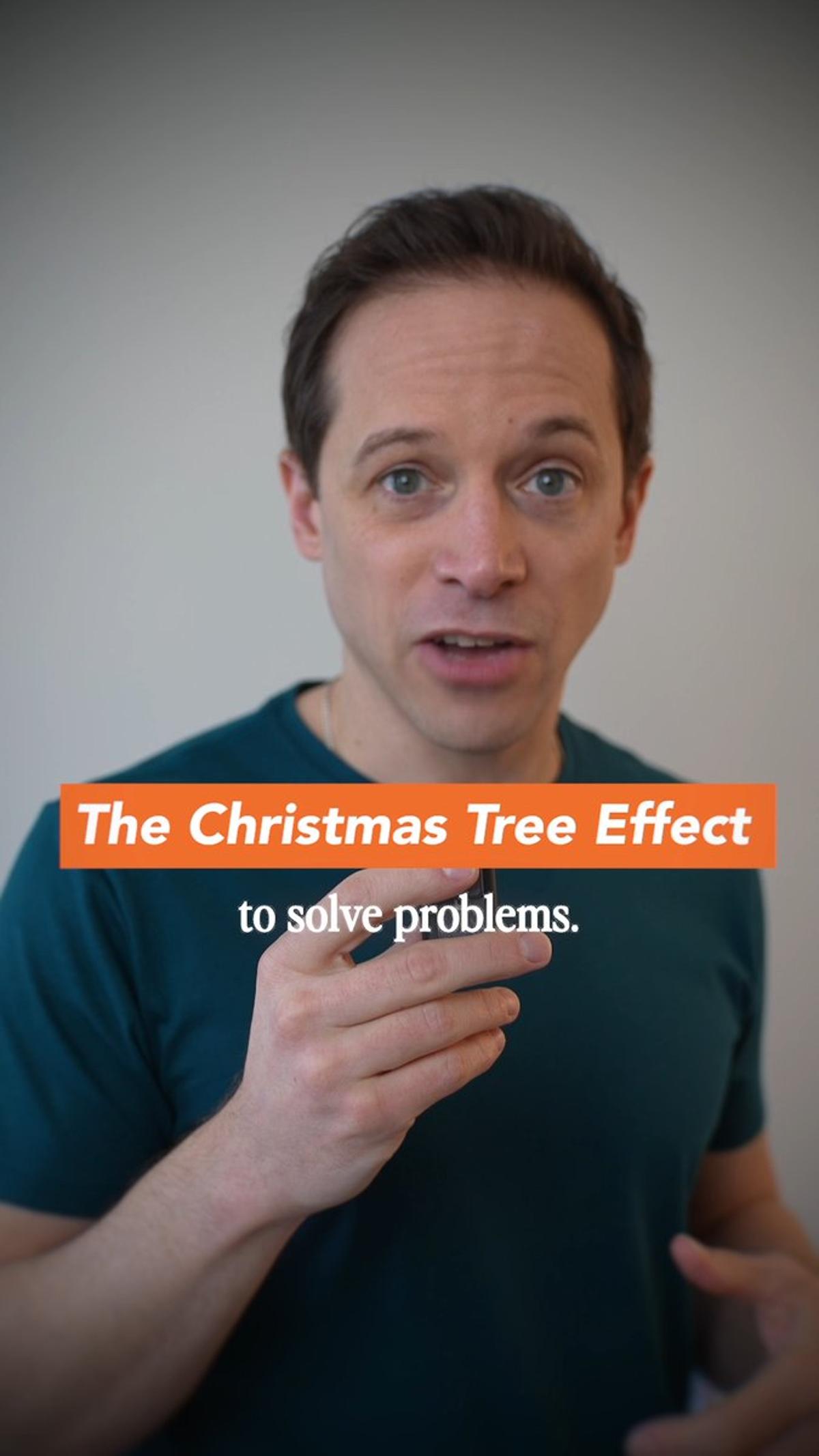
Progress Begins by Removing, Not Adding More
Most problems are not solved by adding more. They are solved by taking something away. But our brains default in the opposite direction. Progress often starts with removal. https://t.co/5wHqTJ7y7O