
Psychology Suggests People Who Still Write Things Down on Paper Instead of Their Phone Aren’t Being Old-Fashioned — They’ve Quietly...
People who continue to write notes on paper aren’t simply nostalgic; they deliberately choose a tool that outperforms digital alternatives for them. Research shows handwritten notes boost conceptual understanding and trigger broader brain connectivity compared with typing. This habit reflects a broader decision‑making muscle—evaluating new tools against existing ones— that most adults have let atrophy. The author argues that reclaiming this discernment can improve personal productivity and autonomy.
Engagement Is a Junk Drawer
The article warns that repackaging familiar concepts—grit, the Dark Triad, Net Promoter Score, nudges, and content marketing—as novel ideas creates a jangle fallacy that obscures real value. It zeroes in on "engagement," now a catch‑all label for clicks, likes and...
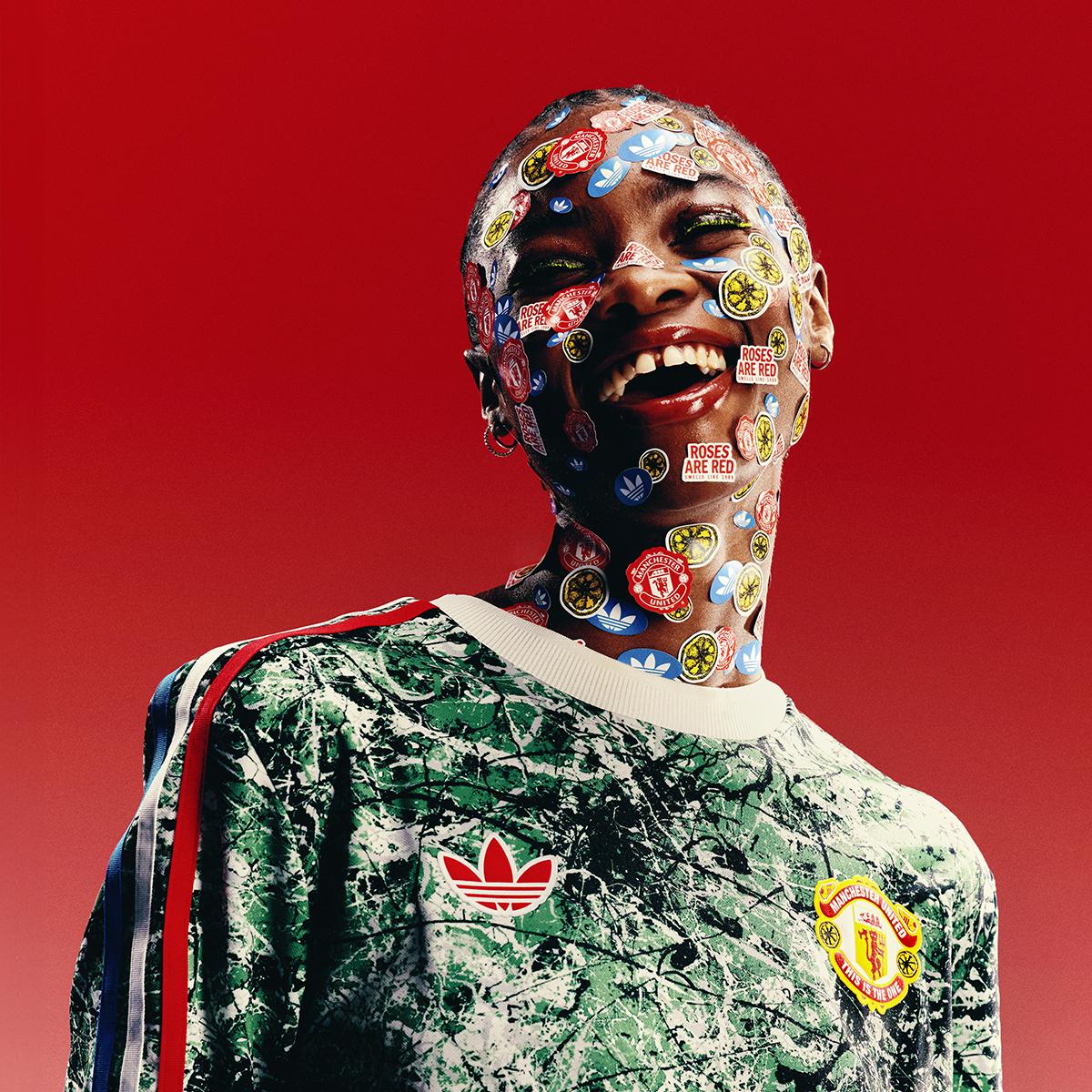
Holly McCandless-Desmond on Reshaping Her Creative Education
Photographer Holly McCandless‑Desmond booked her first global campaign at 21, but the pressure to prove herself soon gave way to a focus on boundaries and meaningful collaborations. When COVID halted her film‑school plans, she pivoted to photography, shooting socially‑distanced portraits and...
:max_bytes(150000):strip_icc():format(jpeg)/GettyImages-825250080-5ba519af46e0fb0025c20ab6.jpg)
You Can Increase Your Emotional Intelligence in 3 Simple Steps—Here's How
The piece defines emotional intelligence (EQ) as the ability to perceive, understand, and manage one’s own and others' emotions, breaking it into four components: perceiving, reasoning, understanding, and managing emotions. It outlines three practical steps—listen, empathize, reflect—to develop EQ and...

5 Lessons on Vanity: An Invitation to Awareness and Letting Go
The essay recounts a personal journey from teenage modeling to senior adulthood, extracting five lessons about vanity, aging, and self‑acceptance. It illustrates how early beauty training imposed physical pain and emotional cost, leading to a realization that external validation is...

Psychology Says the Reason Most People Never Change Their Lives Isn’t Laziness, Lack of Discipline, or Fear of Failure, It’s...
The article argues that most people stay in unsatisfying situations not because of laziness or fear, but because familiarity feels safe to the brain. It cites Daniel Kahneman’s prospect theory, showing loss aversion makes the status‑quo psychologically rewarding. Cognitive dissonance...
Audit Yourself to Get More From GenAI
The MIT Sloan Review article introduces a self‑audit prompt that scores generative‑AI sessions against 30 habits organized into five goals—setup, refine, verify, own, and systematize. A field experiment with 250 Chinese consultants showed that AI‑assisted workers only outperformed peers when...
Happiness Break: A Meditation to Inspire a Sense of Purpose
Greater Good Science Center introduced a new “Happiness Break” meditation led by psychologist Dacher Keltner, encouraging listeners to reflect on a role model’s moral beauty to uncover personal purpose. The guided practice walks participants through breathing, vivid recollection, bodily awareness,...

How to Practise a Musical Instrument
A concert guitarist outlines the AIR framework—Awareness, Isolation, Repetition—as a disciplined approach to musical practice. He warns against the common habit of restarting a piece after every mistake and instead advocates isolating problem spots, practicing them slowly and loudly, and...

One Thing at a Time
In his April 30, 2026 post, Seth Godin argues that multitasking is largely an illusion, describing it as a constant slicing of focus that forces us to jump between tasks. This fragmented attention, he explains, diminishes productivity and erodes mental...

The Analog Edge: 8 Old-Fashioned Habits to Stay Sharp and Fit at Work
Amid unprecedented digital saturation, a growing counter‑movement argues that less technology boosts cognition. Recent policy shifts in Australia and Sweden illustrate schools limiting screen time, while workplaces continue to add AI tools without considering skill erosion. The article highlights eight...

Psychology Says the 60s Is the Decade in Which Most Women Have the Rare Opportunity to Become Genuinely Classy —...
The article argues that women in their sixties experience a rare window of freedom as long‑standing external structures—career, motherhood, partnership, and beauty standards—simultaneously loosen. Retirement, adult children, and the fading of physical appearance pressures create space for an internal self...

How to Rebuild Self-Trust After Betrayal and Gaslighting
Sharon Martin outlines how betrayal and gaslighting erode self‑trust and offers a step‑by‑step framework for rebuilding it. The guide emphasizes tiny personal commitments, regular internal check‑ins, self‑validation, assertiveness, and sustained self‑care. Martin notes that restoring self‑trust leads to clearer decision‑making...

I’m a Psychologist and a Runner: When Returning to the Sport, This Is What’s Holding You Back the Most
Amber Nelson, a social‑psychology PhD and seasoned runner, explains that the biggest barrier to returning to running after a long break is mental, not physical. She identifies temporal self‑comparison—measuring current performance against past peak achievements—as a source of frustration that...

2 Years Ago, Incoming Apple CEO John Ternus Gave a Commencement Speech at His Alma Mater. His Advice Is Still...
Apple senior vice president of hardware John Ternus will replace Tim Cook as CEO in September. Two years ago he returned to the University of Pennsylvania to deliver a commencement address that emphasized meticulous craftsmanship. He recalled late‑night work on...

The Angel in the Marble
Leadership often mirrors Michelangelo’s carving process: the talent already exists, and the leader’s role is to free it. The article argues that many managers add tasks and restructure without a clear vision, obscuring employees’ innate strengths. By asking “what’s already...

12 Week Year: How to Get Started in 2026
The 12‑Week Year, created by Brian P. Moran, reframes annual objectives into four 12‑week cycles, forcing a heightened sense of urgency. By breaking goals into specific weekly targets, it combats procrastination and the diffusion of effort across too many projects....
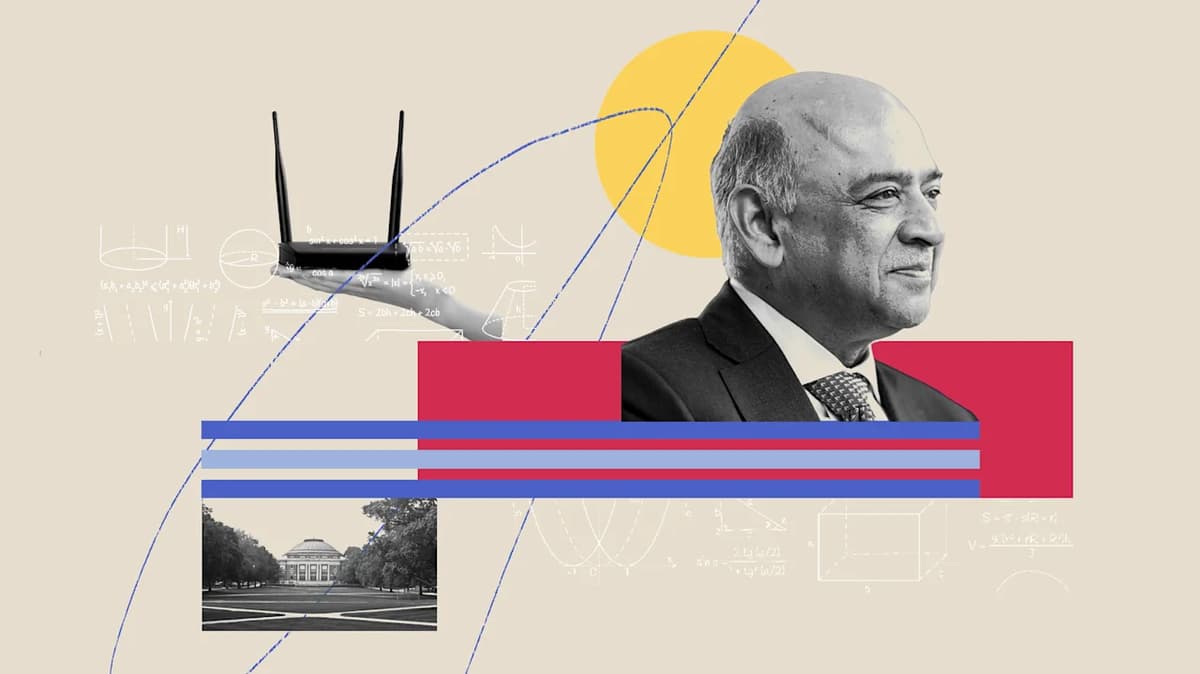
IBM CEO Arvind Krishna on His First Job and the Lessons He Learned From It
Arvind Krishna recounts his early IBM Research role, where graduate work on cyclic codes unexpectedly became the technical basis for Wi‑Fi. The breakthrough illustrated that curiosity can yield future‑critical patents, but the technology alone stalled until IBM’s product team recognized...

Tabletop Games Like D&D Act as “Drama Therapy in the Wild” To Boost Players’ Self-Concepts
A new study in Transcultural Psychiatry shows that strong personal bonds with tabletop role‑playing game characters can significantly improve players' real‑world self‑concept, self‑esteem, and sense of belonging. The research, led by Colorado State University anthropologist Jeffrey G. Snodgrass, surveyed 149...

A Prescription for Randomness
The essay weaves personal anecdotes with cultural references to argue that embracing randomness can spark creativity, from product ideas to relationships. It critiques the booming sleep‑tracker market, warning that inaccurate data can cause orthosomnia and anxiety. The author also contrasts...

You Are What You Scroll
Art Director Owais Awan argues that today’s endless stream of digital content creates a modern form of creative obesity, echoing the evolutionary shock of food abundance. He likens information to nutrition, proposing three "mental macronutrients"—whole knowledge, breadth, and stimulation—to balance...

Psychology Says People Who Reread the Same Five Books Every Few Years Aren’t Stuck, They’re Checking Which Version of Themselves...
Psychologists argue that rereading a handful of favorite books isn’t a sign of stagnation but a self‑administered diagnostic. By returning to the same five titles every few years, readers use the fixed text as a control variable to measure how...

The Hidden Disadvantage Of Living A Creative Life (M)
Living a creative life offers mood‑lifting benefits, but research shows it can also backfire. Psychologist Dr. Jeremy Dean highlights how sustained creative activity may lead to emotional volatility, perfection‑driven procrastination, and financial uncertainty. The hidden costs extend beyond occasional frustration,...
AI Adoption Is a Challenge. Here’s a Solution.
Leaders are confronting a widening gap between AI investment and employee use, with 31% of U.S. knowledge workers and 41% of Gen Z actively resisting corporate generative‑AI initiatives. Research shows the resistance stems from unmet psychological needs—competence, autonomy, and relatedness—rather than...

Performing Better Under Pressure: What I Have Learned About Staying Clear when It Counts
Rob Hosking, a former police officer, argues that pressure reshapes cognition rather than merely testing skill, a dynamic that mirrors the accounting world’s tight deadlines. In month‑end closes, audits, and tax filings, hidden cognitive load drives over‑checking, rushed decisions, and...

What You’re Listening For (And What You Might Be Missing)
The article introduces Listening Intelligence (LQ) as a habit‑based framework that helps people recognize and adjust their default listening filters—connective, conceptual, reflective, and analytical. Using the ECHO Listening Profile, individuals can map these filters, identify blind spots, and deliberately shift...
Foraging Weeds
The article explores urban foraging as a slow, mindful practice that reconnects people to local ecosystems and addresses broader polycrisis challenges. It highlights how Colorado’s plant phenology is shifting 2‑4 weeks earlier, underscoring climate urgency, and stresses harvesting native species...

Did You Exchange a Walk-On Part in the War for a Lead Role in a Cage?
Dave Tate uses a Pink Floyd lyric—"Did you exchange a walk‑on part in the war for a lead role in a cage?"—to illustrate how lifters and entrepreneurs often trade genuine ambition for comfortable routines. He defines the "war" as the...

There’s a Specific Exhaustion that Has Nothing to Do with How Much You Did Today, It Tracks How Many Different...
The article describes a form of mental fatigue that stems from constantly shifting between different social roles—a phenomenon psychologists call cultural frame switching. Research from the IMT School for Advanced Studies Lucca shows that even short bouts of executive‑function tasks...

How To Reduce Fear Of Failure By Changing A Single Memory (M)
Psychologist Dr. Jeremy Dean outlines a brief mental exercise that weakens the fear of failure by targeting a single negative memory. The technique involves recalling the memory, then visualizing a new, less threatening outcome, which diminishes associated sadness and guilt....

My Wife Asked Me when I Last Felt Joy — Not Relief, Not Gratitude, Not the Quiet Satisfaction of Getting...
A 66‑year‑old electrician reflects on a pivotal moment when his wife asked when he last felt real joy, revealing years of emotional numbness. He describes how the realization spurred a deliberate experiment: granting himself small permissions, saying no to unnecessary...

Julia Cumming: In Full Bloom
Julia Cumming, longtime frontwoman of Sunflower Bean and model, released her debut solo album “Julia” on Partisan Records. The record emerged from a two‑year lockdown that stripped away touring schedules and forced her into solitary studio sessions. Drawing on 60s...

How to Use Babit-Stacking to Reach Your Health and Wellness Goals
Habit‑stacking—pairing a new behavior with an established routine—has become a buzzword in personal wellness. The Washington Post highlighted expert Katy Milkman’s warning that robust research on the technique is scarce. A modest study of 50 participants showed that flossing after...

Mastering Digital Stress: 5 Steps to Stay Focused in a World of Distractions
The article outlines five practical steps to combat digital stress and improve focus amid constant online distractions. It recommends a systematic notification audit, dedicated “focus blocks,” intentional device‑free periods, mindfulness breaks, and leveraging productivity tools that enforce limits. Each step...

Why Adventure Matters in Long Working Lives
The article argues that purposeful adventure—travel, role shifts, or unfamiliar projects—becomes essential for sustaining increasingly long working lives. It draws on the author’s five‑decade career, showing how each adventurous episode reshaped perspective and capability. As careers extend into the 60s,...

How to Find Focus in an Increasingly Distracted World
The article explores how relentless digital distractions erode productivity and presents Cal Newport’s deep‑work framework as a remedy. The author shares personal experiments, such as blocking email for three hours and restricting internet access for two, to reclaim focus. Structured...
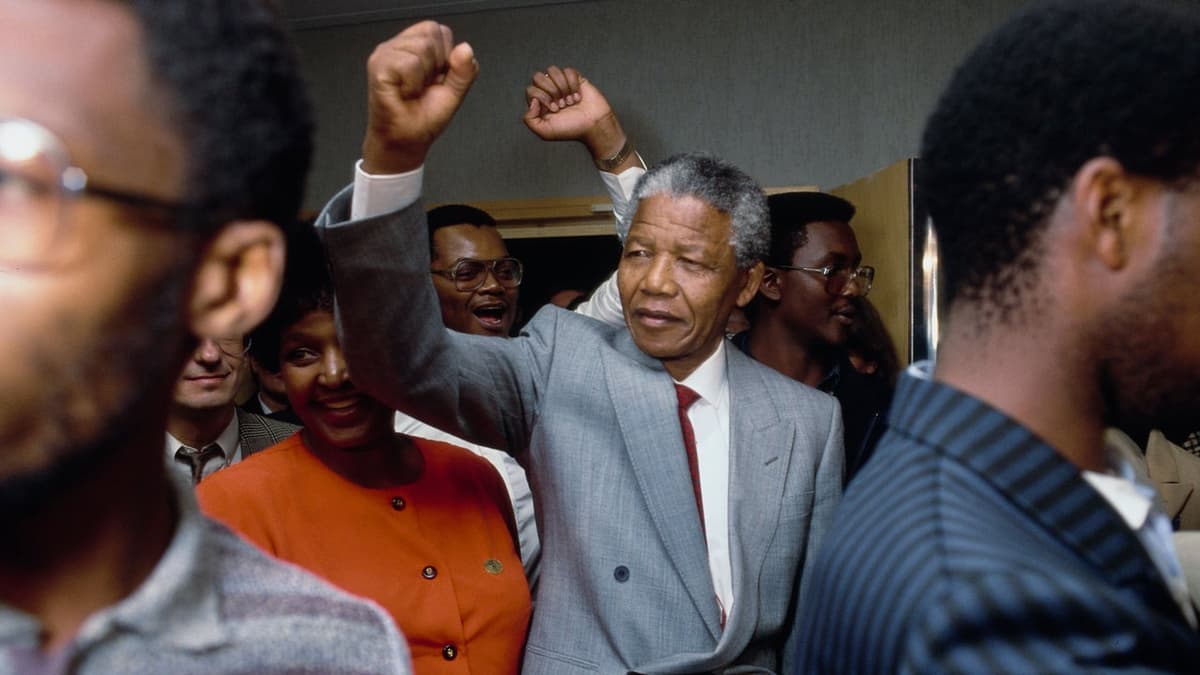
Courage Is Not Hardwired—You Can Build It Like a Muscle. Here’s How
Nelson Mandela famously turned down a conditional release in 1985, choosing to remain in prison rather than abandon the anti‑apartheid struggle. The article uses his decision to illustrate that true courage is not a mystical trait but a deliberate choice...
Running Away Is Not A Solution
The article argues that fleeing a stressful job or project—often dubbed a “geographic cure”—doesn’t alleviate overwhelm because the underlying stressors travel with you. The author shares personal anecdotes of trying to escape, only to find tasks and burnout intensifying. Instead,...

The Inner Game
Lisa Towles argues that today’s CEOs must go beyond financial metrics and embrace deep self‑reflection. A surge in ethical dismissals, younger first‑time CEOs, and heightened transparency have reshaped the leadership calculus. Studies from PwC, Spencer Stuart and Egon Zehnder show ethics,...

Psychology Says the People Who Genuinely Get Better at Life Aren’t the Ones Running the Most Systems or Chasing the...
The article argues that genuine self‑improvement comes from stopping a single, costly habit rather than layering more systems or books. Research published in *Nature* shows people default to adding solutions—a bias called subtraction neglect—while ignoring the simpler option of removal....

5 Signs You’re Doing Work that Doesn’t Matter
Employees are increasingly burdened by workloads, yet many feel their effort lacks impact. The article outlines five warning signs—unclear outcomes, missing acknowledgment, stalled progress, value conflicts, and stagnant growth—that indicate work isn’t delivering organizational or personal value. It cites research...

Is AI Cannibalizing Human Intelligence? A Neuroscientist's Way to Stop It
Theoretical neuroscientist Vivienne Ming reports that AI‑human hybrid teams can rival or exceed prediction‑market accuracy, but only when humans actively challenge AI outputs. In her Wall Street Journal experiment, pure AI (ChatGPT, Gemini) outperformed unaided humans, yet most hybrids simply...

Confidence Isn’t the Absence of Doubt. It’s the Willingness to Act Before the Doubt Finishes Its Sentence.
The article reframes confidence as the willingness to act while doubt is still speaking, rather than waiting for certainty. It draws on decision‑science research that shows people set internal evidence thresholds, with low thresholds prompting quicker action and faster learning....

If You’re Not Curious, You’re Falling Behind as a Leader
A McKinsey study of the world’s top 200 CEOs, detailed in the new book *A CEO for All Seasons*, finds curiosity to be the single most distinguishing trait of high‑performing leaders. The research shows that curious CEOs consistently ask better...

Here’s How to Learn From Failure—Without Being Consumed by It
The piece explains how failure triggers an emotional hijack that silences the pre‑frontal cortex, preventing insight. It introduces the FREE framework—Focus, Reflect, Explore, Engage—rooted in the Japanese hansei tradition to turn setbacks into structured learning. Each step offers concrete tactics...

Caitlin Clark, Simone Biles and Ilia Malinin All Do 1 Thing That Every Great Leader Does Too
Caitlin Clark returned to the Indiana Fever after a season‑long injury, emphasizing that leadership means supporting teammates when you can’t play. Simone Biles withdrew from the Tokyo team gymnastics event to protect her mental health, yet she rallied her teammates to...

Performing when There’s Nowhere to Hide – UFC Insights From Dr. Duncan French
Dr. Duncan French, head of the UFC Performance Institute, argues that the octagon is a stark leadership laboratory where pressure strips away pretense and reveals true habits. He built a performance system for roughly 750 fighters that prioritizes adaptable guardrails...

How to Keep Your Brain Sharp: A Practical Playbook Beyond the Basics
Dr. Tommy Wood outlines a practical playbook for preventing cognitive decline, emphasizing the synergistic effect of B‑vitamin and Omega‑3 supplementation, environmental toxin mitigation, oral health, and evidence‑based cognitive training. He cites the Lancet Commission’s estimate that up to 45% of...

What Happens When You Schedule Around Energy Instead of Time
Energy‑based scheduling flips traditional time‑boxing by aligning work with personal energy cycles. The article guides readers to track their energy over a week, reserve peak periods for deep, solo work, and use secondary peaks for collaborative activities while relegating low‑energy...

7 Good Things that Happen in Life When You Let Go of Control
The article argues that relinquishing the urge to control people and outcomes unlocks deeper connections, inner peace, and unexpected opportunities. By accepting friends, colleagues, and circumstances as they are, readers can experience more authentic love, reduced misunderstandings, and greater mental...