
Looking for Cheap Home Insurance? Don’t Buy a Period Home
A new study by price‑comparison site Compare the Market shows owners of period homes—properties built before 1911—pay significantly more for home insurance than owners of new‑build houses. The average combined contents and buildings premium for period homes is £376 (about $480) per year, versus £179 (about $230) for homes built from 2000 onward. Among historic categories, Stuart‑era houses are the costliest at £545 (≈$700) annually, followed by Georgian homes at £446 (≈$570). The report cites outdated wiring, specialist repair costs and listed‑building restrictions as key drivers and suggests security upgrades, regular maintenance, fire safety and price comparison to lower premiums.

PBM Proposed Transparency Rule Supported by Public Comment
The U.S. Department of Labor has closed a public comment period on a proposed rule that would require pharmacy‑benefit managers to disclose all direct and indirect compensation to self‑insured employer health‑plan sponsors. The accelerated rule, opened on Jan. 30 and closed...

Markets/Coverages: Cowbell Launches Cyber Product for AI, Quantum Risks
Cowbell has introduced Prime One, a non‑admitted cyber insurance product aimed at U.S. firms with revenues between $250 million and $1 billion. The policy provides up to $10 million in limits and uniquely covers AI‑related incidents and emerging quantum‑computing threats. Core coverages span...

AI Isn’t the Strategy. Outcomes Are.
The insurance claims sector is moving beyond the question of whether to use AI and is now concentrating on how AI can improve outcomes. AI has shifted from a visibility‑only tool to one that delivers actionable insight directly within adjusters'...
Fuse Unveils Watch, a Live Peril Dashboard for Commercial Insurance
Fuse International has launched Watch, an AI‑powered live peril dashboard for U.S. commercial insurance. The platform aggregates more than 18 hazard categories—tornadoes, floods, wildfires, earthquakes and more—into a single map refreshed as often as every ten minutes. It offers a...

MS Amlin Launches Lloyd’s Sub-Syndicate, Supporting Brokers With New Capacity
MS Amlin, a Lloyd’s specialist reinsurer, has launched a new sub‑syndicate, s1673, to capture innovative growth opportunities and provide brokers with additional capacity. The sub‑syndicate will support the recently created Portfolio Solutions team, channeling underwriting from MS&AD’s global network and...

NIPR Warns Agents of Email Phishing Attempts
The National Insurance Producers Registry (NIPR) has alerted insurance agents to an active phishing campaign that mimics official communications from NIPR, the NAIC and related entities. The fraudulent emails reference past‑due invoices and use spoofed sender addresses such as @nipr.com,...

Does Medicaid Expansion Help or Hurt Hospital Finances?
A new CEPR issue brief finds that Medicaid expansion under the ACA has generally bolstered hospital finances. Expansion states saw a roughly 5% drop in uncompensated care costs and a modest rise in insured emergency‑room visits. Most hospitals reported 2‑3%...

At Least $115bn to $125bn of Cat Losses Needed to Shift Property Pricing Trajectory: Gallagher Re
Gallagher Re warns that only an exceptionally large catastrophe loss—estimated at $115 bn to $125 bn—could reverse the current softening of property insurance and reinsurance pricing. Q1 2026 saw insured natural catastrophe losses of $20 bn, 26% below the decadal average and 47%...

The Next Era of Payment Integrity: Earlier Clinical Validation, True Transparency
Health plans are moving payment integrity left by applying clinical and coding validation before claims are paid. The industry faces over $200 billion in annual waste and abuse, and legacy post‑pay processes consume a third of integrity resources. Leveraging domain‑specific AI...

Business Interruption Claims Arising From the Middle East Conflict
The ongoing Middle East conflict is crippling commercial activity, with Strait of Hormuz traffic dropping from 138 vessels per day to near zero and tourism losing at least $600 million in daily visitor spending. Insurers must navigate war‑and terrorism‑exclusion clauses while...

«AI Turns Even the Most Foolish Into a Cunning Fraudster»
Artificial intelligence is accelerating fraud across insurance and banking, with new models like Anthropic’s Mythos capable of autonomously exploiting system vulnerabilities. Industry experts warn that siloed data and legacy processes leave financial institutions vulnerable, while estimates suggest AI‑driven insurance fraud...

Move Subrogation Upstream in Insurance Claims With Agentic Orchestration
The article argues that insurers should shift subrogation from a downstream after‑adjustment activity to an upstream function at first notice of loss (FNOL). By deploying agentic orchestration—multiple AI agents that extract evidence, validate policy constraints, and recommend recovery actions—companies can...

Medicare: CMS’s Use of Data Analytics to Identify and Prevent Fraud
The Centers for Medicare & Medicaid Services (CMS) is leveraging data analytics to detect and stop Medicare fraud, focusing on anomalous billing patterns and spikes. Using these tools, CMS suspended payments and revoked enrollment for 15 providers tied to a...

Addressing the Challenges of Unstructured Data Governance for AI
Enterprises in regulated sectors are expanding data governance beyond warehouses to the massive, unstructured data that now fuels AI models. Leaders cite visibility, lineage, and dynamic access‑control as the toughest hurdles, especially for documents like contracts, health records, and design...

Insurance Premiums Trending Down Despite Severe Weather Threat for Solar
Australian renewable energy underwriter Tokio Marine GX says insurance premiums for large‑scale solar, wind and battery projects are set to fall in 2026, though the decline is uneven. Battery energy storage systems (BESS) are seeing faster premium reductions thanks to...

Policy Expert Believes CMS Is Taking “Adversial Posture” To Medicare Advantage
At the Medicarians conference, policy analyst Tom Kornfield warned that CMS is taking an increasingly adversarial stance toward Medicare Advantage (MA) amid concerns about overpayments, fraud and political scrutiny. The agency cites $76 billion in excess payments and recent data‑validation audits,...

SEC Sues Crypto Founder, Alleging $16M Token Fraud Built on Phantom Insurance
U.S. Securities and Exchange Commission filed a civil lawsuit against crypto entrepreneur Donald G. Basile and his firms, accusing them of a $16 million token fraud. The SEC alleges Basile misled investors by claiming the Bitcoin Latinum token was insured for...

Out-of-Network Pricing Lawsuits Test MultiPlan, Zelis Business Models
Healthcare providers have filed antitrust lawsuits alleging that insurers and pricing intermediaries Zelis and MultiPlan conspired to suppress out‑of‑network payments using proprietary repricing algorithms. The Zelis case survived a motion to dismiss, with a judge finding plausible price‑fixing claims, while...

Medical Malpractice Claim Severity Escalating as Social Inflation Drives Casualty Costs Higher
Medical professional liability now leads casualty lines in claim severity, with unpaid severity per open claim hitting $151,768 in 2018—the highest across the sector. The rise is driven by social inflation, litigation financing, and an uptick in "nuclear" verdicts, rather...
UnitedHealthcare Reduces Need For Prior Approvals For Patients In Rural America
UnitedHealthcare announced it will exempt rural physicians and hospitals from most prior‑authorization requirements across all lines of business. The plan also speeds payments by up to 50% for roughly 1,500 rural and Critical Access Hospitals and introduces hub‑and‑spoke partnerships to...

Best Identity Theft Protection Services We've Tested in 2026
CNET’s 2026 roundup names Aura as the top identity‑theft protection service, citing its three‑bureau credit monitoring, unlimited family coverage, and a low entry price of $13 per month. Competing providers such as LifeLock, IdentityForce, IDShield and Zander offer higher insurance...

CMDI Legislation Published in the OJ
On 20 April 2026 the EU published Regulation 2026/808 and Directives 2026/806 and 2026/804 in the Official Journal, amending the bloc’s bank crisis‑management and deposit‑insurance framework. The measures introduce new early‑intervention powers, clearer funding rules for resolution actions and broaden the scope of deposit guarantees,...

U.S. Storms and European Flooding Drive Below-Average Q1 Catastrophe Losses
Global economic losses from natural disasters in Q1 2026 fell to about $37 billion, roughly 43% below the long‑term average. Insurers covered roughly $20 billion, matching the 21st‑century Q1 norm, while the U.S. alone accounted for more than three‑quarters of insured losses at...
Bermuda’s SPI and Collateralized Insurer Uptake Maintains Momentum in Q1: BMA
Bermuda’s insurance market kept its growth trajectory in Q1 2026, adding seven new special purpose insurers (SPIs) and two collateralized insurers, according to the Bermuda Monetary Authority (BMA). The island’s insurance‑linked securities (ILS) funds now represent about 8% of all...

Hormuz Standoff Disrupts Traffic, Lifts War Risk Insurance Rates
Following Iran’s warning shots and a U.S. seizure of an Iranian cargo vessel, traffic through the Strait of Hormuz plummeted, with only three ships recorded in a 12‑hour window versus the usual 130 per day. A brief reopening on Friday...

Social Media Addiction’s Liability Potential
An California jury awarded $6 million in damages to a plaintiff who blamed Facebook, Instagram and YouTube for addiction, anxiety and depression, marking the first major verdict that treats social‑media platforms as potentially liable for health harms. The decision has drawn...
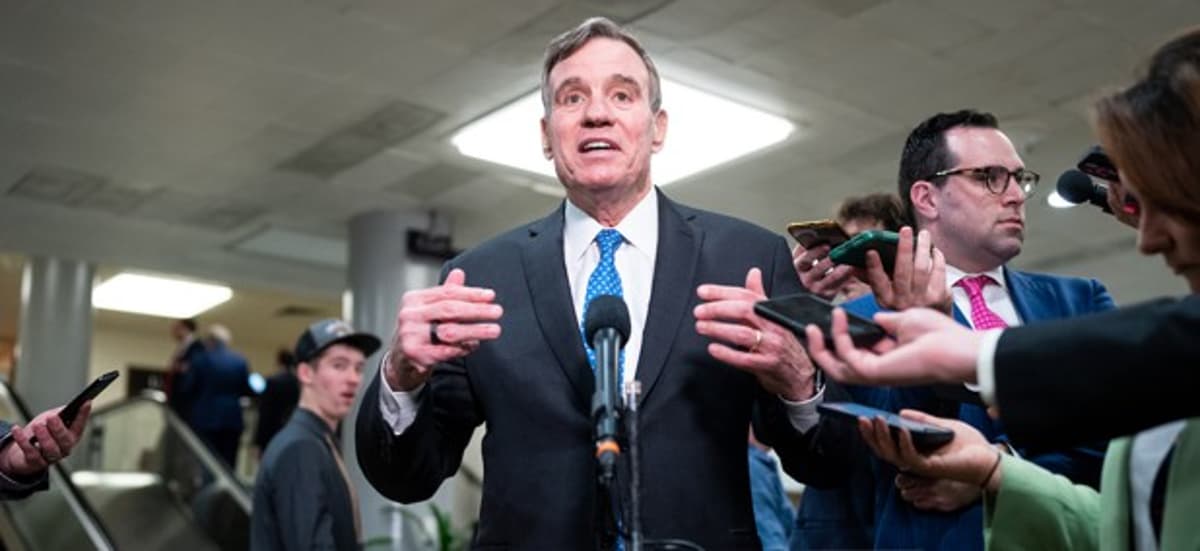
Senators Demand OPM Withdraw Plan to Access Feds’ Medical Records
Sixteen Democratic senators have urged the Office of Personnel Management (OPM) to abandon a proposal that would require insurers to submit monthly, claim‑level health data on federal employees and retirees. The request, published in the Federal Register, lacks safeguards to...

Insurance-Linked Securities Sector Can Be a Big Beneficiary of the AI Revolution: SIFMA
The SIFMA insurance‑linked securities (ILS) conference in Miami highlighted AI as a transformative force for the catastrophe‑bond market. Industry leaders such as Guy Carpenter’s Bobby Bray and Beazley’s Richard Gray said the sector is still in early adoption but sees...

Stop Late Severity Escalation in Claims With AI Agents
Late‑severity or “jumper” claims explode in cost after reserves and staffing are set, hurting cycle time, leakage, and customer experience. The root causes are fragmented handoffs, delayed evidence, inconsistent triage, and hidden signals trapped in unstructured data. Camunda proposes agentic...

CISOs Reshape Their Roles as Business Risk Strategists
CISOs are evolving from pure technical stewards to enterprise risk strategists, exemplified by ThoughtWorks' Nitin Raina, who simultaneously serves as global CISO and head of enterprise risk. Recent surveys show 78% of CISOs share security‑risk accountability with other C‑suite executives,...

Oscar Health Launches Consumer Marketplace For Insurance Beyond Its Own
Oscar Health unveiled the Lucie Health Marketplace, an AI‑powered platform that aggregates every major individual health‑insurance plan along with supplemental and ancillary coverage. The service instantly quotes, enrolls, and renews policies from carriers such as UnitedHealthcare, Cigna, Ambetter, and Aflac,...

3 Questions Every Payer Should Ask About Medical AI
Recent research shows 85% of healthcare leaders expect AI to reshape clinical decision‑making within five years, yet fewer than half of payers have a formal AI strategy. Compliance concerns—particularly around transparency, bias mitigation, and physician oversight—are driving tighter regulatory expectations...

‘Very Likely’ Cat Bonds Will Be Used to Source Risk Capital for Data Centre Build Out: John Seo
John Seo of Fermat Capital Management predicts catastrophe bonds will become a primary source of risk capital for the next wave of AI‑driven data centre construction. The $20‑30 billion facilities are being sited in the U.S. interior, shifting exposure from coastal...

Huawei Cloud Strengthens Thai Insurance with Digital Technologies
Huawei Cloud Thailand hosted an executive forum with more than 30 senior insurance executives to showcase its cloud‑native infrastructure, advanced database technologies, and industry‑specific solutions. The event highlighted the Digital Core Insurance Solution and GaussDB, aimed at migrating legacy AS/400...

How Niche Insurance Shielded Bad Bunny From Bad Weather
Bad Bunny's three sold‑out Medellín concerts faced a rain threat that could have caused multimillion‑dollar losses. A transatlantic team installed a temporary, shoe‑box‑sized weather station inside the stadium and secured a bespoke parametric insurance policy that triggers payouts when rainfall exceeds...

Best of Artemis, Week Ending April 19th 2026
Artemis released its weekly "Best of" roundup, highlighting the ten most‑read articles on catastrophe bonds, insurance‑linked securities (ILS) and reinsurance capital for the week ending April 19, 2026. The pieces reveal accelerating cat‑bond issuance, new casualty sidecar structures, and strategic shifts such...

How Niche Insurance Shielded Bad Bunny From Bad Weather
Bad Bunny’s three sold‑out Medellín concerts faced a looming threat of heavy rain that could have erased millions in ticket revenue. Conventional event‑cancellation insurance was unavailable so close to the dates, and the venue’s micro‑climate made standard weather triggers unreliable....

Rising Geopolitical Tensions Elevate Cyber Tail Risks, but Market Fundamentals Hold
Heightened geopolitical tensions are reshaping the cyber‑risk landscape, prompting insurers to focus on tail‑risk protection while maintaining disciplined underwriting. Despite the rising tail risk, the cyber‑insurance market remains resilient, supported by low insured losses and abundant reinsurance capacity. Cyber‑war exclusions...

SEC’s Power to Recoup Illicit Profits Challenged at Supreme Court
The U.S. Supreme Court is hearing a challenge to the SEC’s disgorgement authority, a tool the agency used to collect more than $11 billion in fiscal 2024. Critics argue the SEC retains billions in undistributed funds, effectively enriching the Treasury, while...
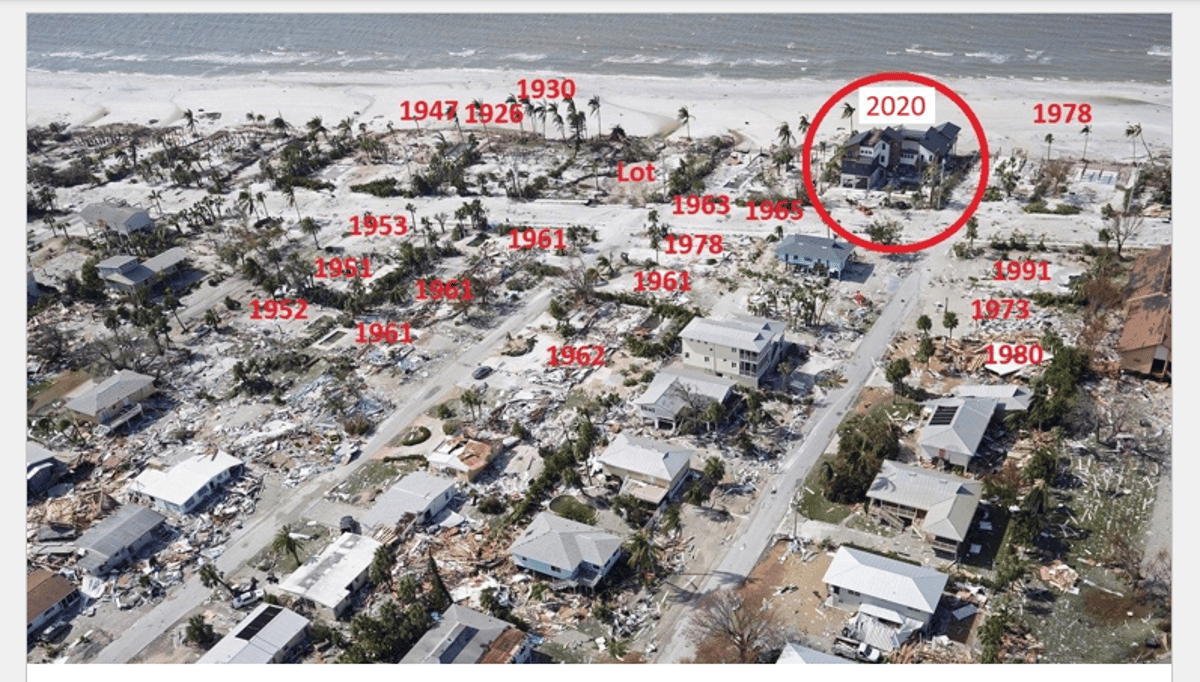
Florida Needs More, Much More Wind Mitigation. Experts at OIR Summit Give Ideas
Florida’s wind‑mitigation grant program has disbursed more than $300 million, yet it reaches too few properties that would yield the greatest loss‑reduction benefits. Experts at the Office of Insurance Regulation’s summit warned that the $10,000 matching grant caps fall short of...

Global Financial Watchdog to Share Insights on Anthropic’s Mythos
The Financial Stability Board (FSB) is collecting data from its members on the potential systemic risks posed by Anthropic’s Mythos AI model, aiming to disseminate findings to regulators and central bankers worldwide. Bank of Canada Governor Tiff Macklem highlighted the urgency...
AI Use in Cybersecurity Could Show Holes in Short Term, Says Fitch
U.S. cyber insurers rebounded in 2025, posting an 11% rise in direct written premiums after two years of decline. Fitch Ratings warns that AI tools such as Anthropic’s Mythos model could generate short‑term security gaps as they automate threat intelligence...

Risk Management Must Evolve to Remain Fit for Purpose
The chair of the European Risk Management Council warns that traditional risk frameworks are outpaced by a volatile mix of geopolitical upheaval and rapid technological change. Power‑driven international relations and AI‑driven finance are creating new, poorly understood systemic risks for...

Top 3 Cyber Insurance Incident Claims
Cowbell’s 2026 Claims Report shows data breaches (33.5%), cybercrime (31.8%) and extortion (18.3%) dominate cyber‑insurance claims. Meanwhile, AM Best notes U.S. cyber premiums slipped to $9.14 B while claim frequency jumped 40%, signaling a loss‑heavy environment despite lower premium volume. Industry experts...

Cabinet Clears Rs 12,980 Crore Maritime Insurance Pool to Cut Costs
The Indian Union cabinet approved the Bharat Maritime Insurance Pool (BMIP) with a sovereign guarantee of ₹12,980 cr (≈$1.6 bn) to provide continuous coverage for Indian‑flagged and India‑bound vessels. The pool, administered by GIC Re, will have an underwriting capacity of ₹950 cr (≈$114 m)...

India Approves $1.4 Billion Maritime Insurance Pool
India has approved a 129.8‑billion‑rupee ($1.4 billion) guarantee for a new maritime insurance pool that will run for ten years, with a possible five‑year extension. The pool, backed by the government, will cover hull, machinery, cargo and war‑related risks, addressing a...

Captive Owners Adapt to Market Changes
Captive insurers are seeing continued growth in 2025, with 6,549 captives across 80 domiciles—a 3.8% rise over 2024. Marsh reported over 100 new captive formations and a 3.3% increase in gross written premium to $79.14 billion. Demand is expanding beyond traditional...

Bermuda Insurer Ratings Highlight Credit, Ownership Dynamics Affecting Companies
Litmus Analysis highlighted how Bermuda insurers’ ratings are shaped by market structure, ownership shifts, and rating‑scale nuances. A Lloyd’s syndicate’s credit risk is ultimately borne by the Lloyd’s market and its Central Fund, not individual policyholders. S&P placed Vantage‑group insurers...

Rising Convective Storm Losses Test Insurers as Property Rates Fall in Competitive Market
Severe convective storms have eclipsed hurricanes as the costliest insured peril in the United States, generating $50‑60 billion in annual losses. The high frequency and growing severity—driven by inflation, expanding urban exposure, and a surge in hail claims—are forcing primary insurers...