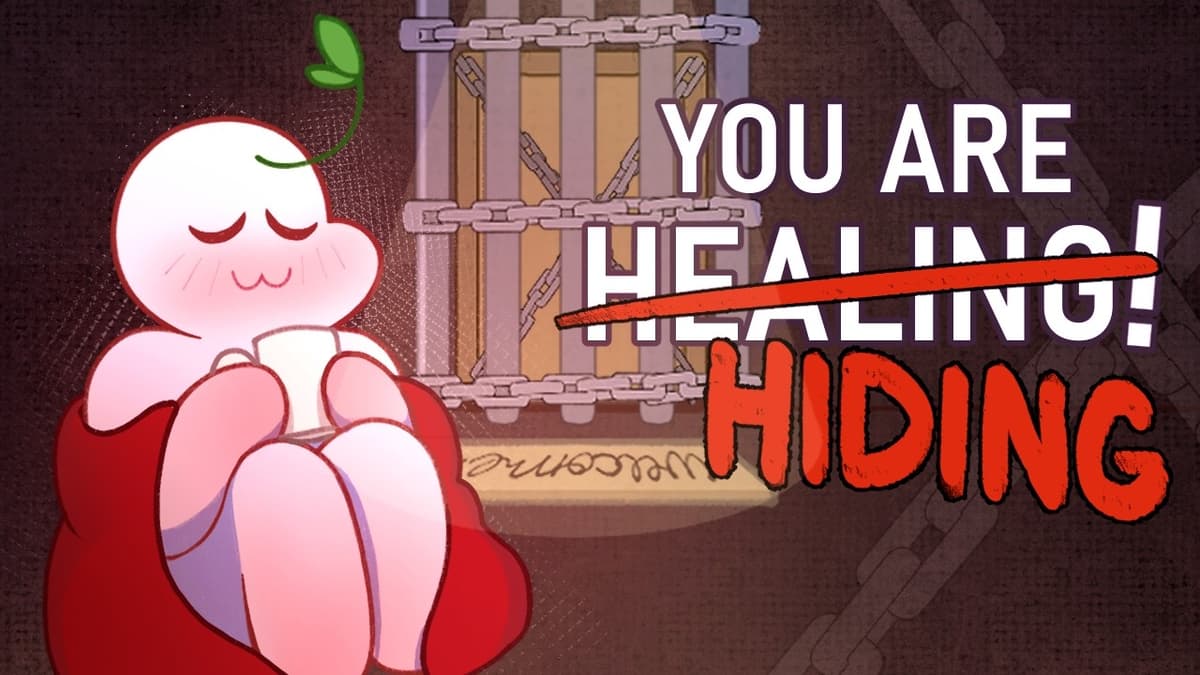
8 Daily Habits That Help Heal Trauma Responses
The video outlines eight science‑backed daily habits designed to retrain the nervous system and mitigate trauma‑related symptoms without relying solely on therapy or medication. It explains how grounding exercises (5‑4‑3‑2‑1), intentional breathing, gentle somatic movement, and predictable routines engage the parasympathetic system, lower cortisol, and reinforce safety cues. Self‑compassion practices, safe social connection, creative expression, and bedtime safety rituals are presented as complementary tools that stimulate oxytocin release and neuroplasticity. The presenter cites research from Dr. Kristin Neff on self‑kindness, Harvard and NIMH studies on social support, and clinical observations that creative outlets can outperform talk therapy for certain PTSD symptoms. Real‑world examples include stretching, yoga, journaling, and using scented pillows before sleep. For individuals without immediate access to professional care, these habits offer low‑cost, actionable steps to restore emotional regulation, improve sleep, and rebuild trust in one’s environment—benefits that extend to workplaces seeking to support employee mental health.
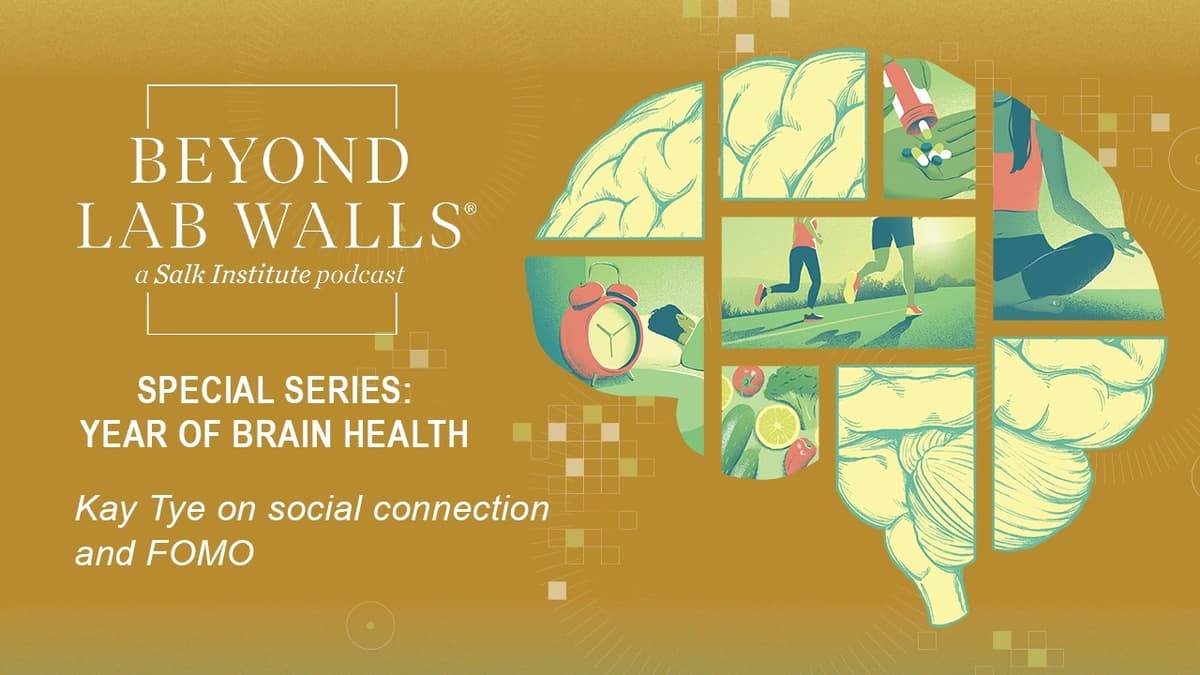
Salk’s Year of Brain Health: Kay Tye on Social Connection and FOMO
The podcast marks Salk Institute’s 2026 “Year of Brain Health,” featuring neuroscientist Kay Tye discussing how social health—defined as the quality and quantity of our connections—underpins cognitive resilience throughout life. Tye explains that the brain maintains “social homeostasis,” a set‑point balancing incoming...
What Is the Science Behind Manifestation? 🧠
Researchers say visualizing actions activates many of the same brain regions as physically performing them, producing measurable benefits in sports training and rehabilitation. Experiments—ranging from golf and basketball practice to a wrist-in-cast study—show mental rehearsal can reduce muscle atrophy and...
Essentials: Psychedelics & Neurostimulation for Brain Rewiring | Dr. Nolan Williams
In this Huberman Lab Essentials episode, Dr. Nolan Williams and Andrew Huberman explore how emerging neuro‑stimulation tools and psychedelics are reshaping the treatment of depression. The conversation begins by highlighting depression’s newly added status as the fourth major risk factor...

Why You Can’t Remember Your Childhood. #shorts
The video explains two reasons adults may have few childhood memories. Normal infantile or childhood amnesia arises because the hippocampus isn’t mature before about age 3–4, and memories from ages 4–7 are often fragmented as consolidation develops. In contrast, missing...
The Ancient Secret Hidden in Discomfort
Ancient spiritual traditions have long used deliberate exposure to discomfort—such as plunging a hand into cold water—to train practitioners to step outside automatic reactions and cultivate an observing consciousness. The video argues that by resisting the impulse to withdraw and...
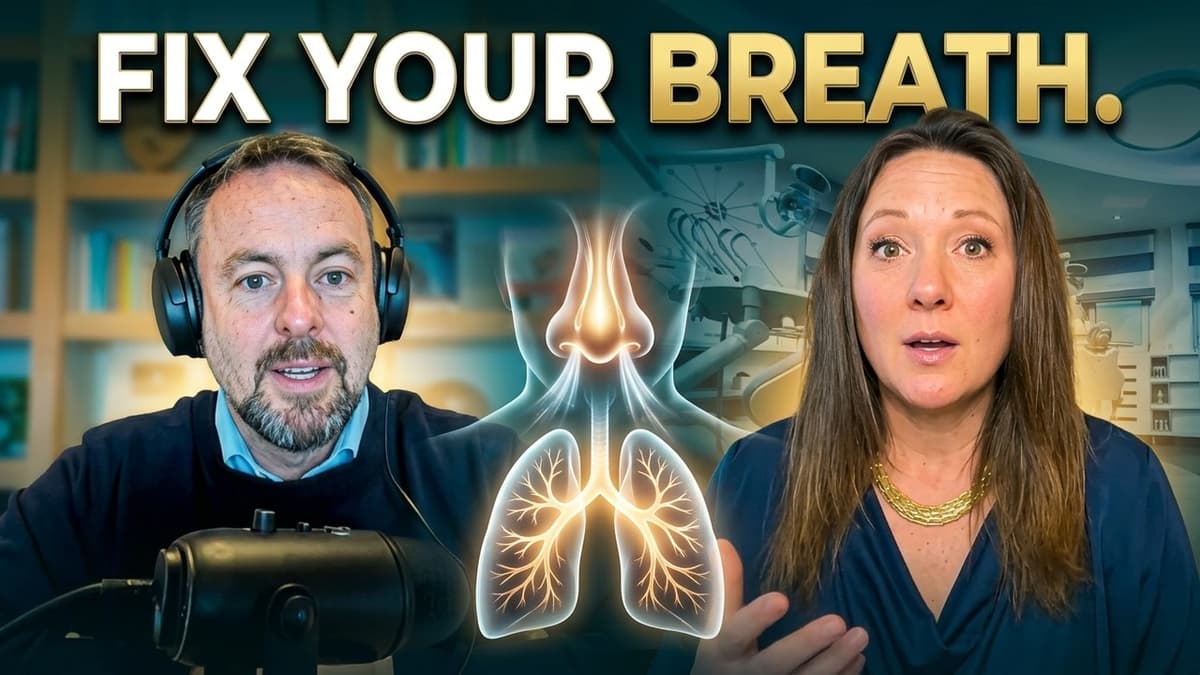
Breathing Wrong Your Whole Life? Patrick McKeown & Ronda Holman Show You Why
The conversation between Patrick McKeown and Ronda Holman centers on how dysfunctional breathing—particularly mouth breathing—undermines sleep quality and contributes to obstructive sleep apnea. Holman, a former mouth breather turned airway champion, shares her personal journey and explains that many adults...
Finding Belonging in Community — Ask Mingyur Rinpoche
Mingyur Rinpoche fielded a question about belonging and inclusivity within Buddhist sangha, probing how newcomers can find a supportive environment when community dynamics feel unwelcoming. He framed the discussion around the inevitable ups and downs of any group and the...
Non-Meditation Is the Best Meditation
The video titled “Non‑meditation is the best meditation” argues that true mindfulness does not require silencing thoughts or formal practice. Instead, it invites viewers to remain fully present with whatever arises. The speaker stresses four core principles: keep thinking, avoid chasing...

Signs Your Childhood Was More Stressful than You Think #shorts
The short video outlines four signs that a seemingly 'fine' childhood may have been more stressful than remembered: sparse childhood memories due to the brain suppressing stress, normalizing family dysfunction as a coping mechanism, unexplained adult behavioral patterns like people-pleasing...
The Space Between Your Thoughts
The video titled “The Space Between Your Thoughts” invites viewers to explore the often‑overlooked gap between mental events, urging a practice of deliberate stillness. By learning to sit quietly, walk mindfully, or simply notice a traffic light without judgment, one...
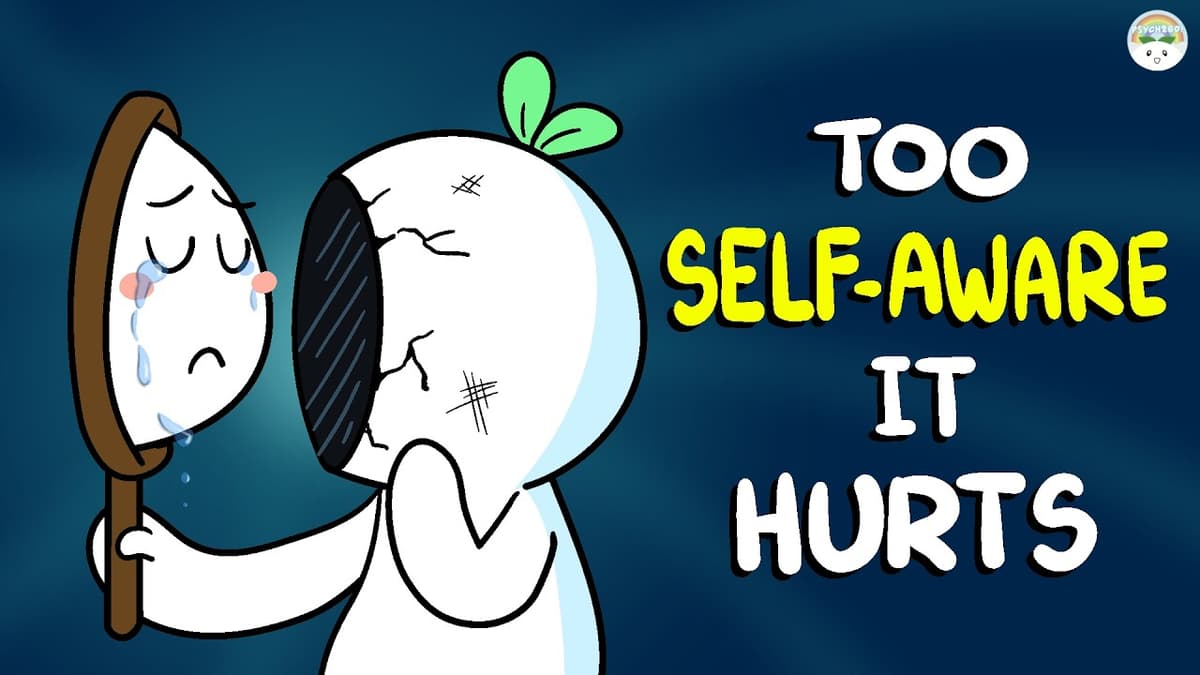
You’re TOO Self-Aware… and It’s Hurting You
The video challenges the popular mantra that “more self‑awareness is always better,” arguing that an over‑active inner observer can become a prison. It distinguishes between healthy metacognition—a curious, growth‑oriented mindset—and hypervigilant self‑awareness, a trauma‑driven survival tactic that keeps the mind...
Quick Relief Panic Attack, Meditation to Calm Down Fast
The video presents a guided meditation designed to quickly alleviate panic attacks by centering attention on the breath and bodily sensations. Host Jason Stephenson frames the practice as a friendly, non‑clinical support, encouraging listeners to lean into each exhale and...

What Are Intrusive Thoughts? OCD Vs. Everyday Worry #shorts
The video explains intrusive thoughts—sudden, unwanted mental images that can be violent, taboo, or out of character—and distinguishes ordinary worry from obsessive‑compulsive disorder (OCD). While everyone experiences such thoughts, the crucial difference lies in how the brain responds. In everyday worry,...

EMDR Therapy: How Eye Movements Help Heal Trauma #shorts
The short video explains eye‑movement desensitization and reprocessing (EMDR), a clinically validated therapy that uses bilateral eye movements while patients recall traumatic events. During a session, the client focuses on a distressing memory and follows a therapist’s finger or a light...
Overcome Panic Attacks: Stop Suffocation Fear
The video explains the respiratory subtype of panic disorder, where sufferers experience intense suffocation fear, rapid heart rate, and overwhelming breathlessness during attacks. It highlights how a normal sensation of air hunger—often caused by a slight rise in blood carbon dioxide—can...
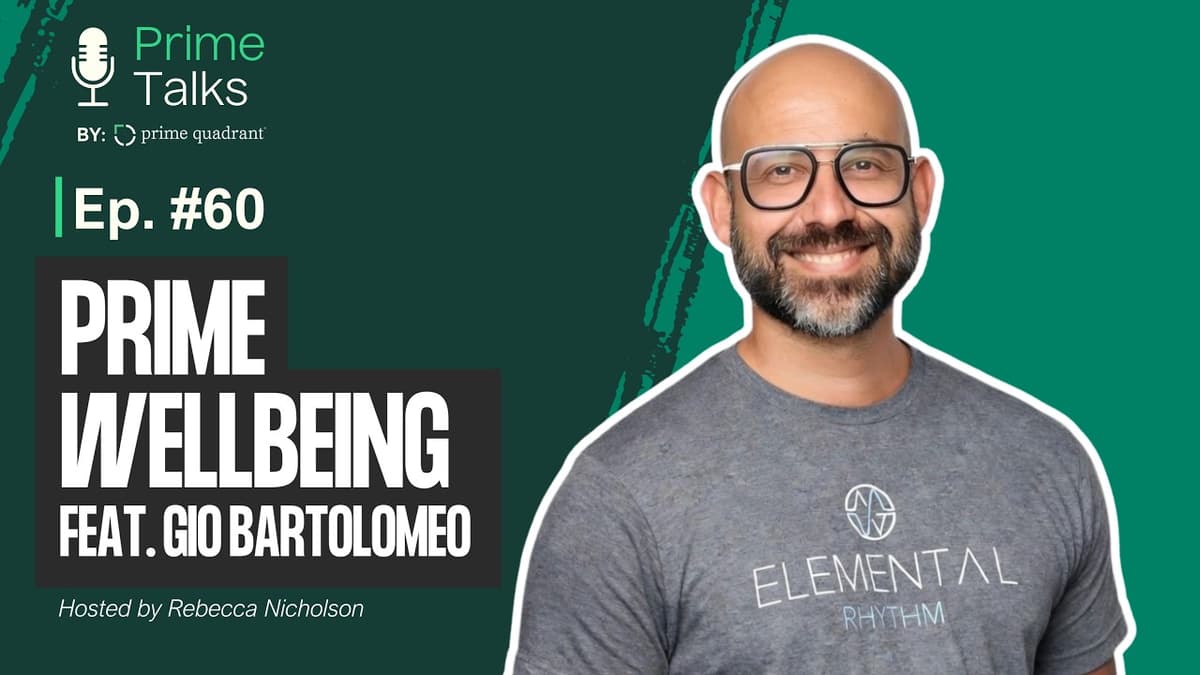
Prime Talks Ep. 60 - Prime WellBeing Feat. Gio Bartolomeo: Breath, Stress & High Performance
Prime Wellbeing’s Episode 60 brings together host and breathwork pioneer Gio Bartolomeo to explore how conscious breathing can shift the nervous system from survival mode to sustained high performance. Bartolomeo recounts his first breath experience during an ayahuasca ceremony in...
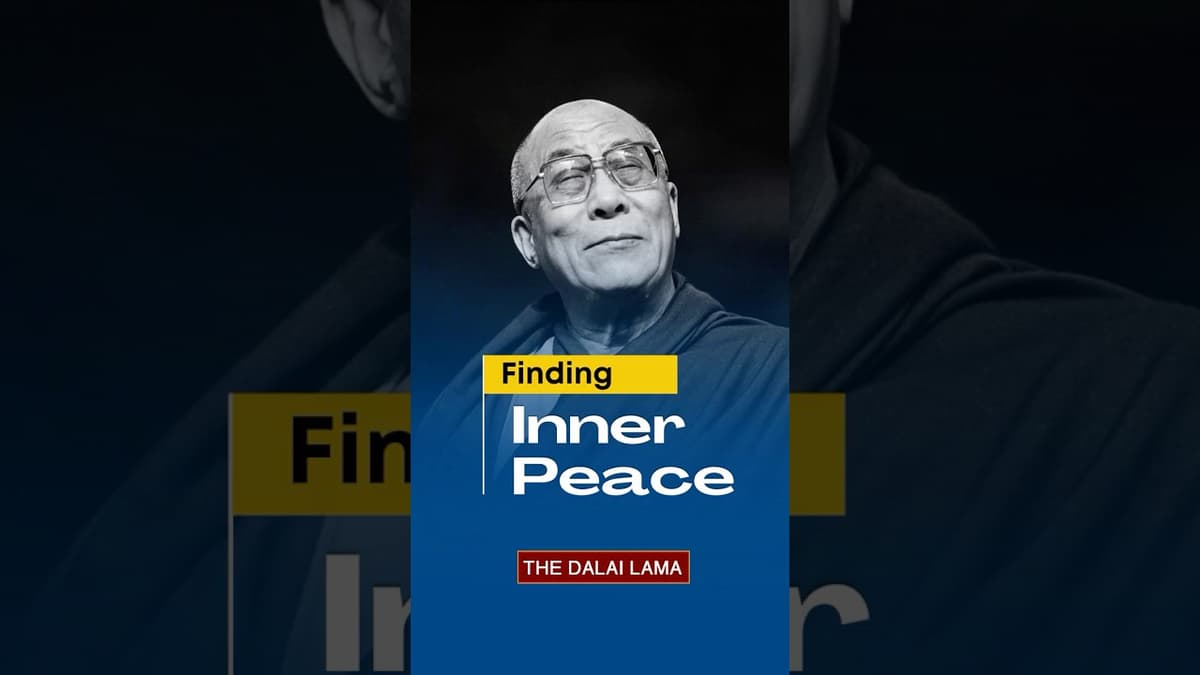
Finding Inner Peace
The video explores how to cultivate inner peace by confronting the root causes of emotional turbulence, chiefly anger and self‑centered thinking. It argues that anger stems from irritation and an extreme focus on self, which fuels fear and distress. By shifting...
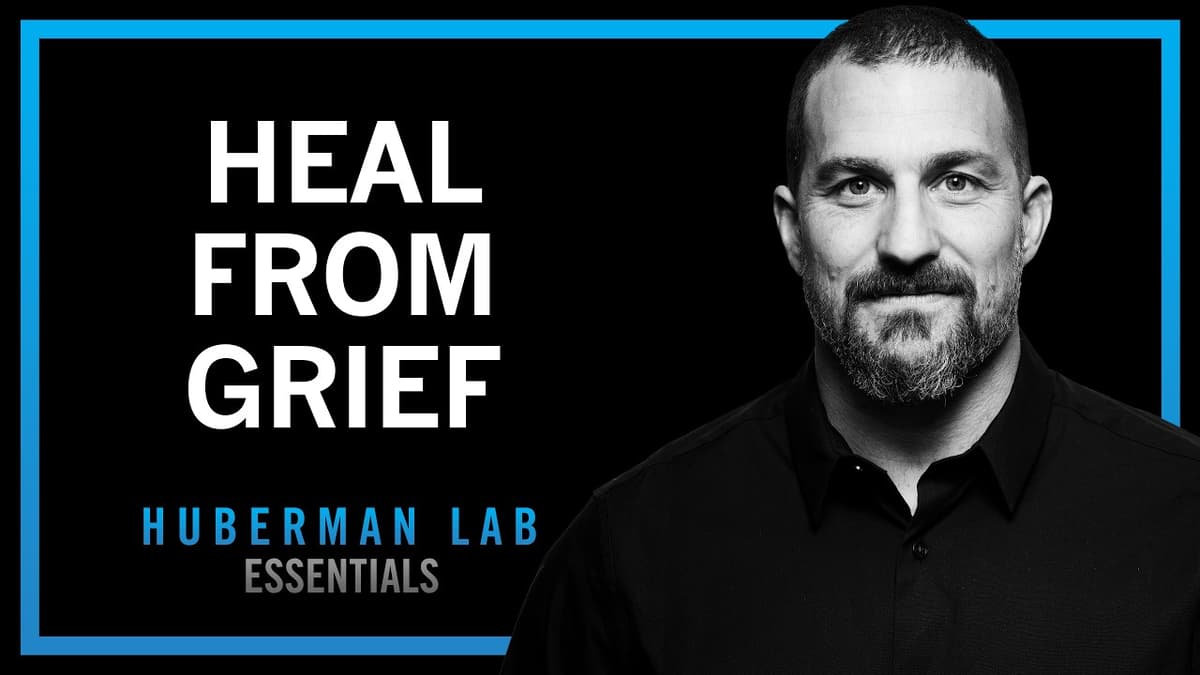
The Science & Process of Healing From Grief | Huberman Lab Essentials
In this Huberman Lab Essentials episode, neurobiologist Andrew Huberman breaks down grief as a structured neural process, emphasizing that loss is not merely emotional but also a re‑mapping of three core dimensions—physical space, temporal context, and emotional closeness. He cites fMRI...
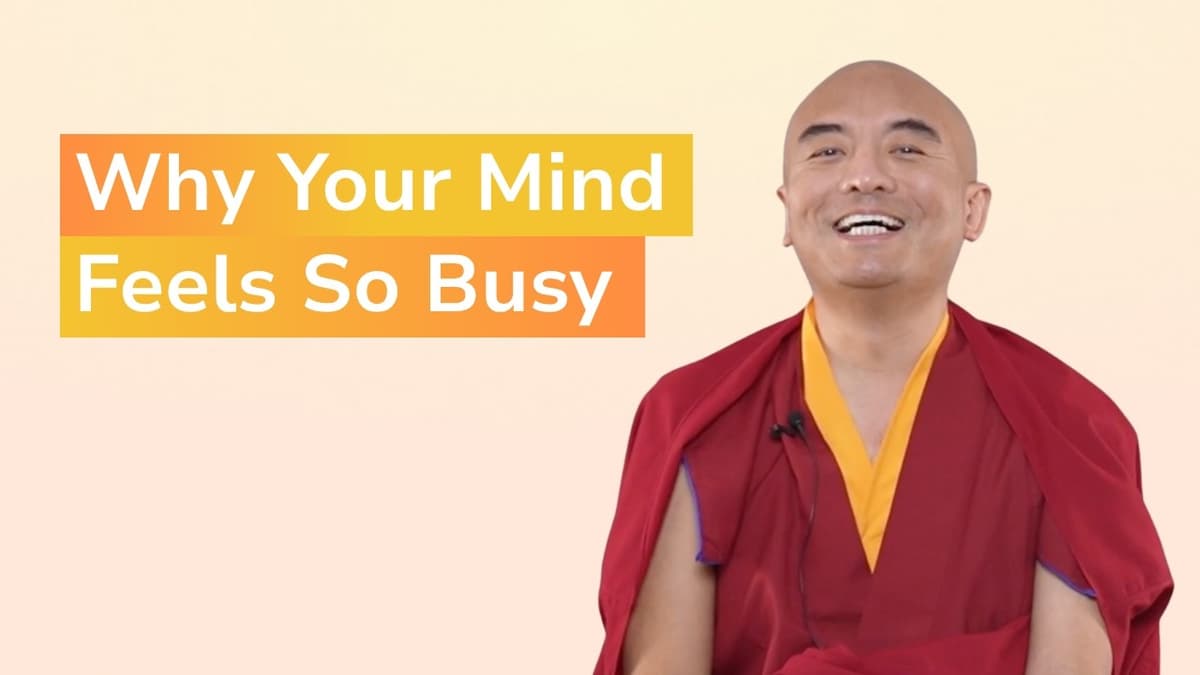
The Waterfall Experience: What Really Happens When You Start Meditating with Yongey Mingyur Rinpoche
In a recent talk, Yongey Mingyur Rinpoche explains what actually happens when beginners start meditating, using vivid analogies such as a “waterfall experience” to describe the early turbulence of mind. He argues that the mind is an “unlimited treasure” that most...
Present Heart, The Universal Expressions of Love, Part 4 - Equanimity | Tara Brach
Tara Brach opens this Wednesday session with a guided body‑scan meditation that invites listeners to soften each body part, smile into the heart, and settle into a field of sensation. The practice serves as a gateway to the week’s theme—equanimity—one...
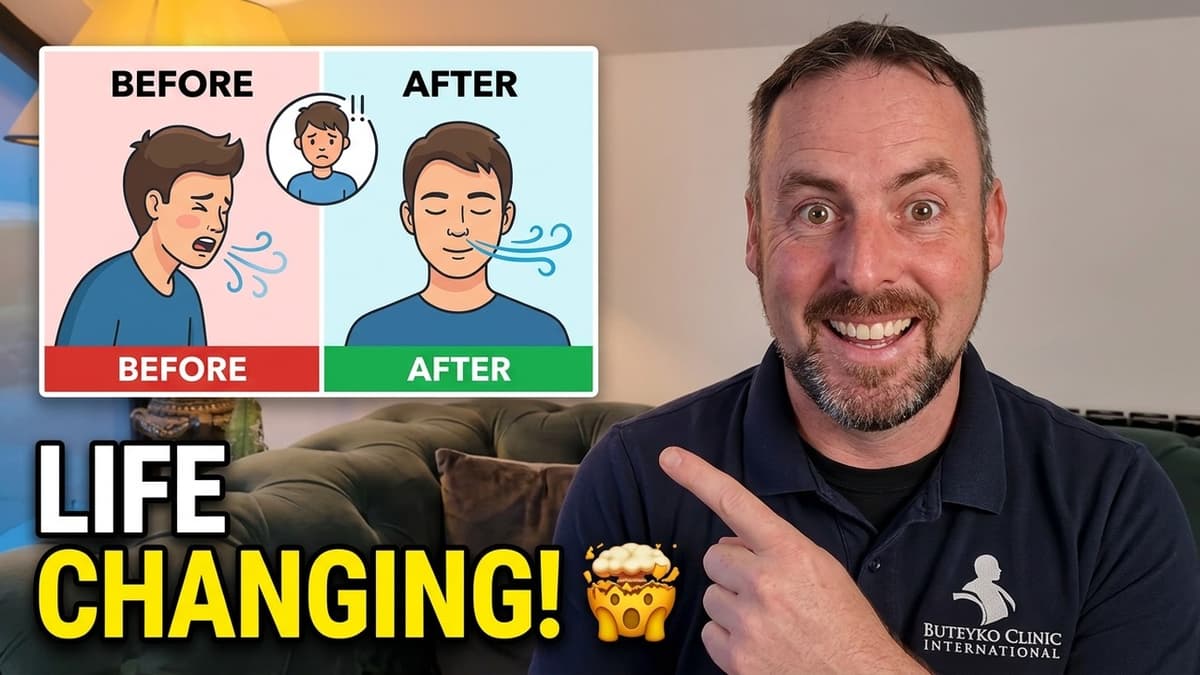
Teenagers + Buteyko = Life Changing Results
Patrick McKeown warns that teenagers' constant phone scrolling trains the brain for fleeting attention, jeopardizing learning and performance. He argues that short attention spans diminish quality of work across academics, sports, and creative fields, and fuel overactive, racing thoughts that harm...
Guided Meditation: The Space and Aliveness of Presence | Tara Brach
The video is a guided meditation by Tara Brach that centers on cultivating presence through systematic bodily awareness. Listeners are led to scan from the brow to the feet, softening tension and inviting a subtle inner smile that expands through...
Dr. Matthew Biel Is Rethinking Mental Health
Dr. Matthew Biel, director of Georgetown University’s Thrive Center for Children, Families, and Communities, argues that mental health must be reframed as a relational, family‑centered issue rather than an individual pathology. He emphasizes that children’s emotional development is inseparable from...
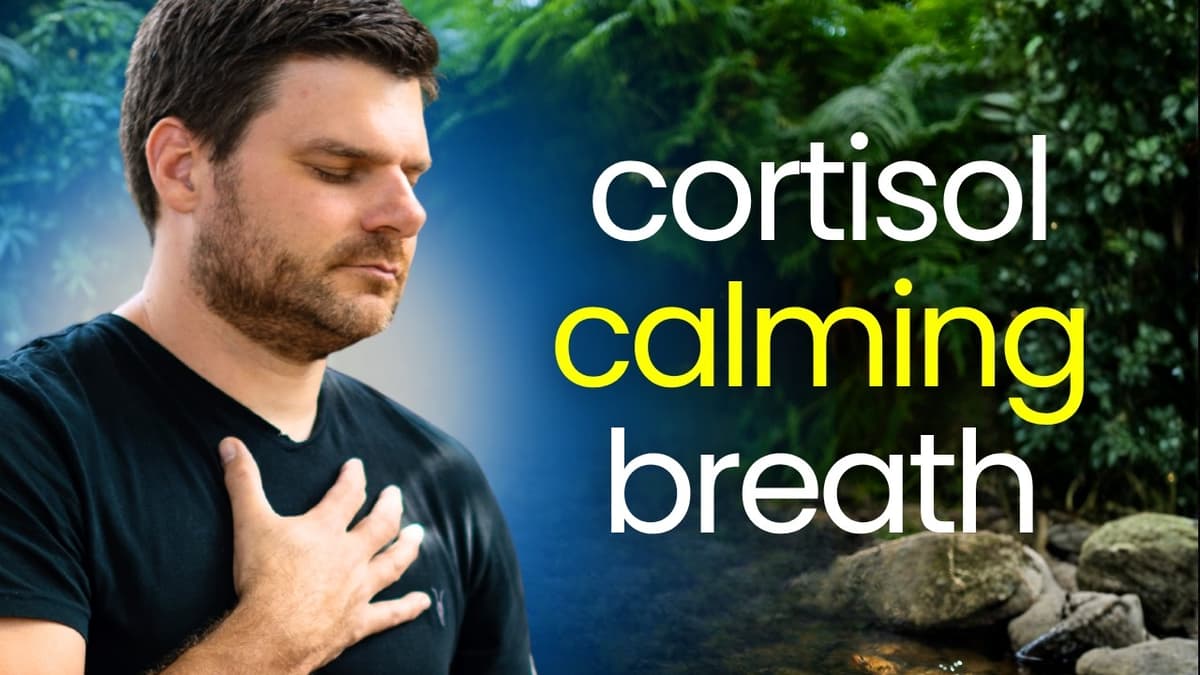
Cortisol Calming | Guided Breathwork to Lower Stress & Tension
The video titled “Cortisol Calming” delivers a guided breathwork session that blends heart‑coherence breathing with a cupping technique, aimed at lowering stress hormones and tension. Viewers are instructed to sit upright, inhale for five seconds and exhale for five seconds through...
Protect Your Inner Peace
The video centers on protecting inner peace amid inevitable stress, using a personal crisis—an unexpected Instagram shutdown—as a teaching moment. The host recounts how a tranquil Saturday turned into anxiety, illustrating how quickly the mind can hijack the body with...

Emotional Bandwidth: Why You Sometimes Can’t Be There for People You Love
Psychiatrist Dr. Tracey Marks explains that apparent emotional withdrawal in relationships often stems not from a lack of love but from limited "emotional bandwidth" — the brain’s momentary capacity for empathy, perspective-taking, and responsiveness. High cognitive load, chronic stress, and...
Signs Your Brain Is Stuck in Survival Mode #shorts
The short video highlights how prolonged stress or trauma can trap the brain in a perpetual survival state, keeping the sympathetic "accelerator" engaged while the parasympathetic "brake" remains under‑utilized. It explains that this autonomic imbalance manifests as constant muscle tension,...
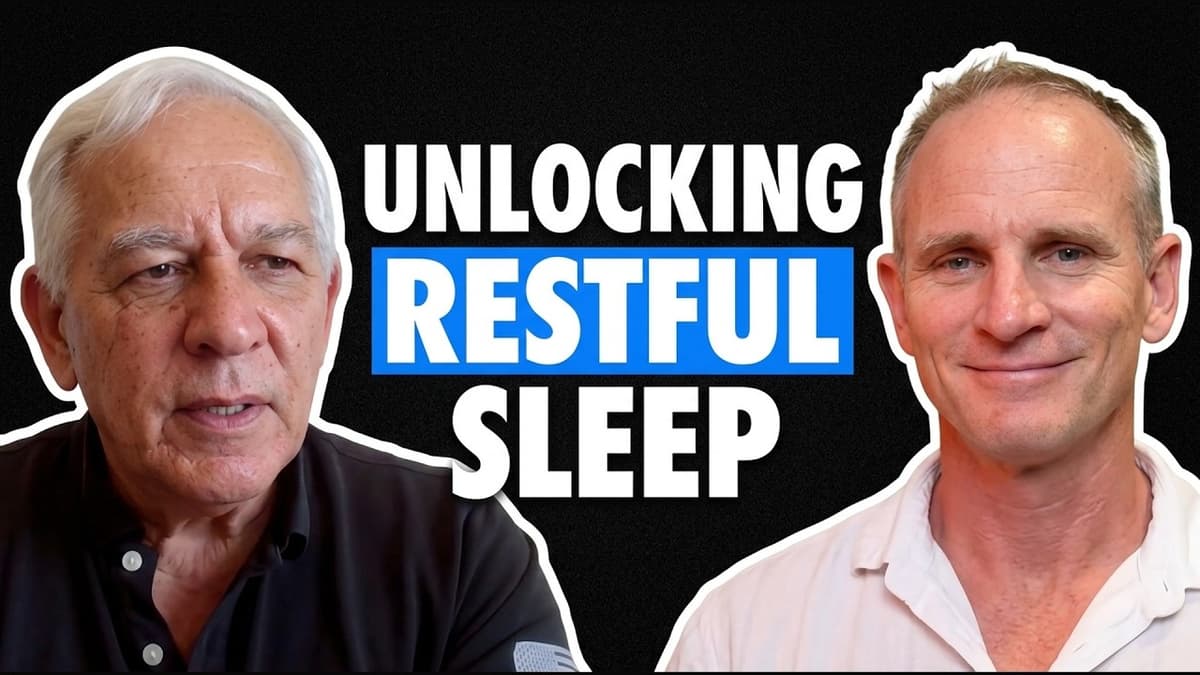
Breathwork & Nervous System Recovery | Tim Thomas on Sleep, Stress & Human Performance.
Tim Thomas joins Arthur’s Round Table to explain how breathwork, ice‑baths and disciplined sleep can rewire the nervous system and unlock sustainable high performance. He frames his message around a decade of work with veterans trapped in chronic fight‑or‑flight, showing...

The Courageous Heart Workbook
The video announces the launch of the Courageous Heart Workbook, a new companion guide titled “Choosing to Love in Perilous Times.” Its creator explains that the book gathers meditations, reflections and inquiry prompts aimed at people feeling distressed by current...
You’re Not Dramatic. You Were Never Validated. #shorts
The short video reframes frequent intense emotional reactions as a result of undervalidation in childhood rather than inherent dramatic personality. It explains that emotional regulation is learned through caregiver co-regulation—when caregivers mirror calm presence, a child’s nervous system learns to...
Why Self-Care Isn’t Helping
The video argues that self-care activities can both restore and avoid — and they often look identical. Avoidance is an automatic nervous-system protection learned in childhood when feelings were unsafe or unsupported, so calming rituals (baths, candles, productivity) can numb...
Sleep Hypnosis for Exhaustion & Fatigue | Recharge Energy (Voice Only Remix) Black Screen
The video is a voice‑only guided sleep hypnosis designed to combat exhaustion, depletion and fatigue, inviting listeners to relax safely and enter a deep restorative sleep. Michael, the guide, uses slow breathing cues, progressive muscle relaxation, and vivid visualizations—such as golden...

Spirit Guide Meditation, Receive Guidance and Support as You Fall Into Deep Sleep
The video presents a guided meditation designed to usher listeners from wakefulness into deep, restorative sleep while inviting a spirit‑guide encounter. Jason Stephenson leads a systematic body‑scan, directing breath into each limb and joint, creating progressive relaxation that prepares the...
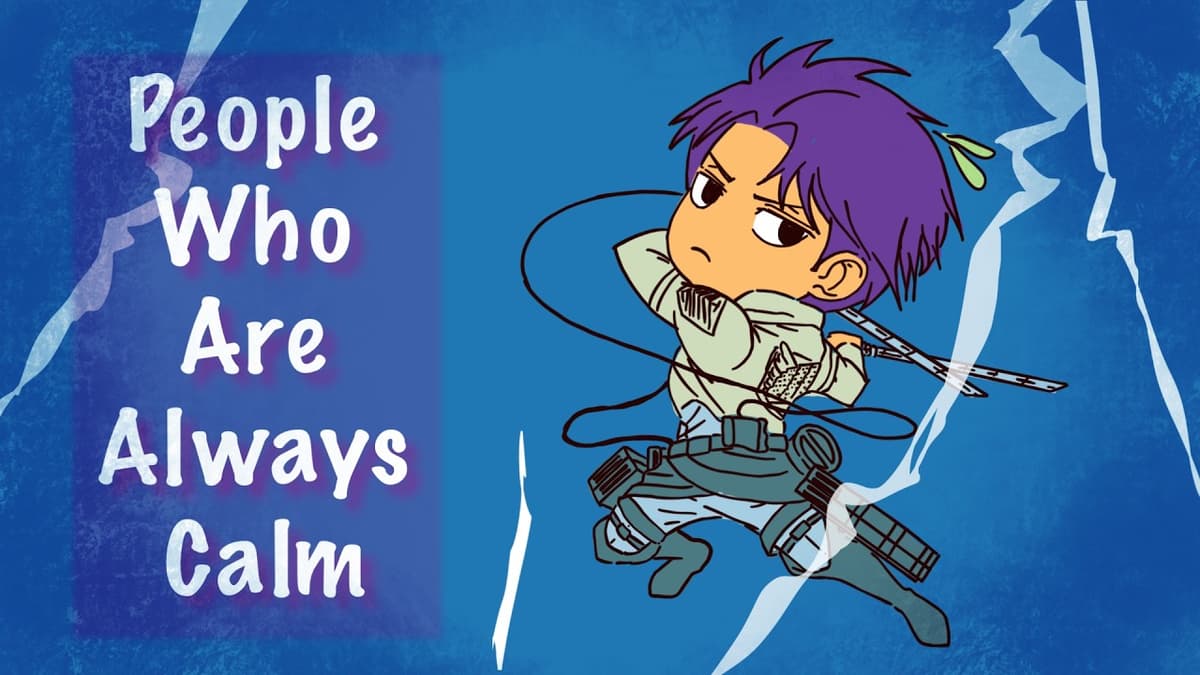
The Psychology of People Who Are Always Calm (Beautifully Animated)
The video dissects why some people appear perpetually unflappable, separating genuine Zen‑like composure from a performative “swan” façade. It argues that true calm is cultivated through mindfulness, stoic philosophy and a high frustration tolerance, while the swan style is a survival...

Always New (Excerpt)
Speaker shares a poem by Indian mystic Lalla that frames the soul as perpetually new—“like the moon, always new”—and urges turning attention from conditioned, repetitious patterns to a fresh, uncreated awareness. Using moon and ocean imagery, the talk contrasts transient...
The Biology of Trauma
The video “The Biology of Trauma” explains how the nervous system orchestrates a cascade of responses when a person experiences extreme threat, moving from heightened sympathetic arousal to a paradoxical shutdown. Initially, adrenaline floods the body, fueling a “gas pedal” of...
Does Mindfulness Matter When the World Is Breaking Down?
The speaker reflects on a personal lapse of presence and uses it to launch a discussion about how chronic mental simulation—driven by the brain’s default mode network (DMN)—saps our ability to live in the now, especially for those who spend...
Lesson 5: What's Missing? What's Needed? Identifying Unmet Needs and Values | Trauma Recovery Course
In this lesson on trauma recovery, two clinicians discuss how traumatic experiences drive people to disconnect from their own needs, wants and values as a survival strategy, leaving emotions and moral priorities suppressed until safety is restored. They explain this...
Why Anxious People Shouldn’t Use Deep Breathing
The video challenges the long‑standing advice to use deep, diaphragmatic breathing for anxiety, explaining that many anxious individuals over‑inhale and inadvertently provoke a panic response. The therapist argues that forcing a deep breath can lower carbon dioxide levels, leading to...
99% of People Will Never Understand This Truth About Life | Eckhart Tolle
The video presents Eckhart Tolle’s core teaching: individuals are not owners of a personal life but an expression of a single, timeless life that underlies all existence. He argues that the sense of a separate “me” is a mental construct...
Hidden Struggles Behind Anxiety and Depression
The video explains that anxiety and depression often present in subtle, non‑stereotypical ways—high‑functioning productivity with internal exhaustion, emotional numbness, chronic overthinking, or avoidance—making sufferers appear fine while struggling internally. It warns against dismissive platitudes like “just think positive” or “others...
![[Part 3] Present Heart: The Universal Expressions of Love - Joy | Tara Brach](/cdn-cgi/image/width=1200,quality=75,format=auto,fit=cover/https://i.ytimg.com/vi/cN7LodOFSZA/maxresdefault.jpg)
[Part 3] Present Heart: The Universal Expressions of Love - Joy | Tara Brach
Tara Brach’s third installment in the "Present Heart" series explores joy as a universal expression of love, framing it within a guided meditation that visualizes a smiling sky and an open heart space. The session blends live meditation instructions with...
Why Stress Is Blocking Healing And Weight Loss | Sachin Patel
The video explains how chronic stress keeps the body locked in a sympathetic, fight‑or‑flight mode, preventing the parasympathetic processes needed for healing, digestion, and weight loss. It highlights that sustained cortisol spikes cause cortisol resistance, insulin resistance, and the characteristic...
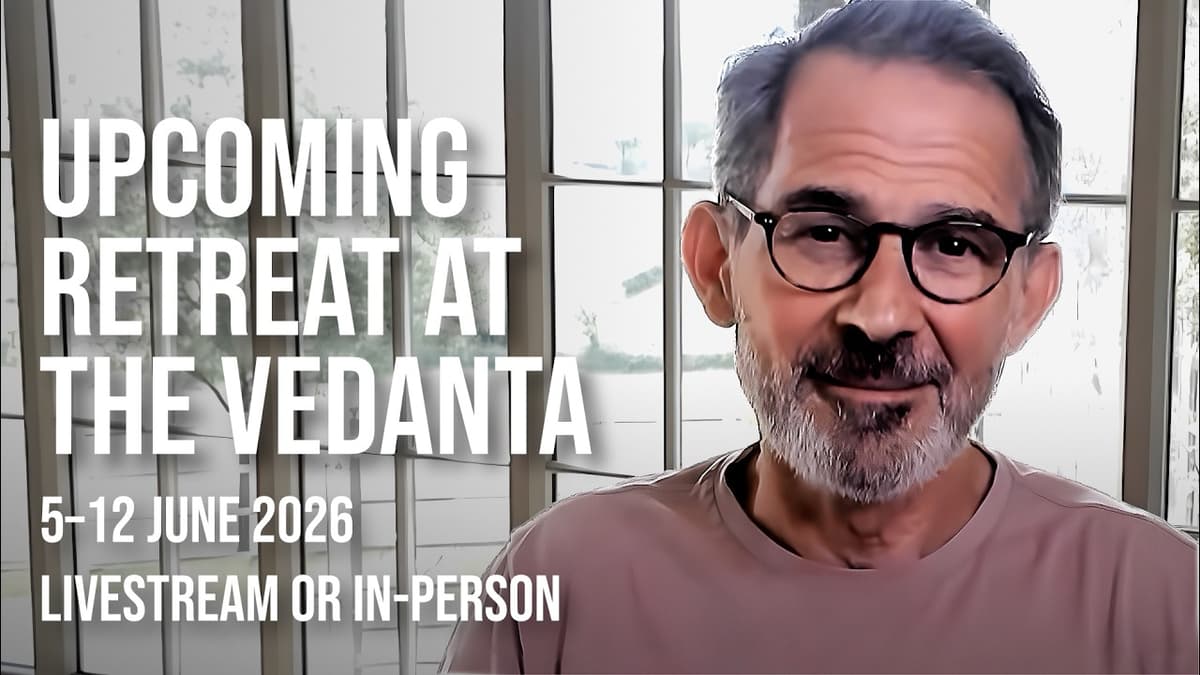
Upcoming Rupert Spira Retreat at The Vedanta | Livestream or In Person
Rupert Spira will lead a seven-day retreat at The Vedanta, a retreat center in the Lincolnshire countryside, from June 5–12. The program features guided meditations, conversational sessions with participant questions, communal meals, nature walks and solitary contemplative time. The event...
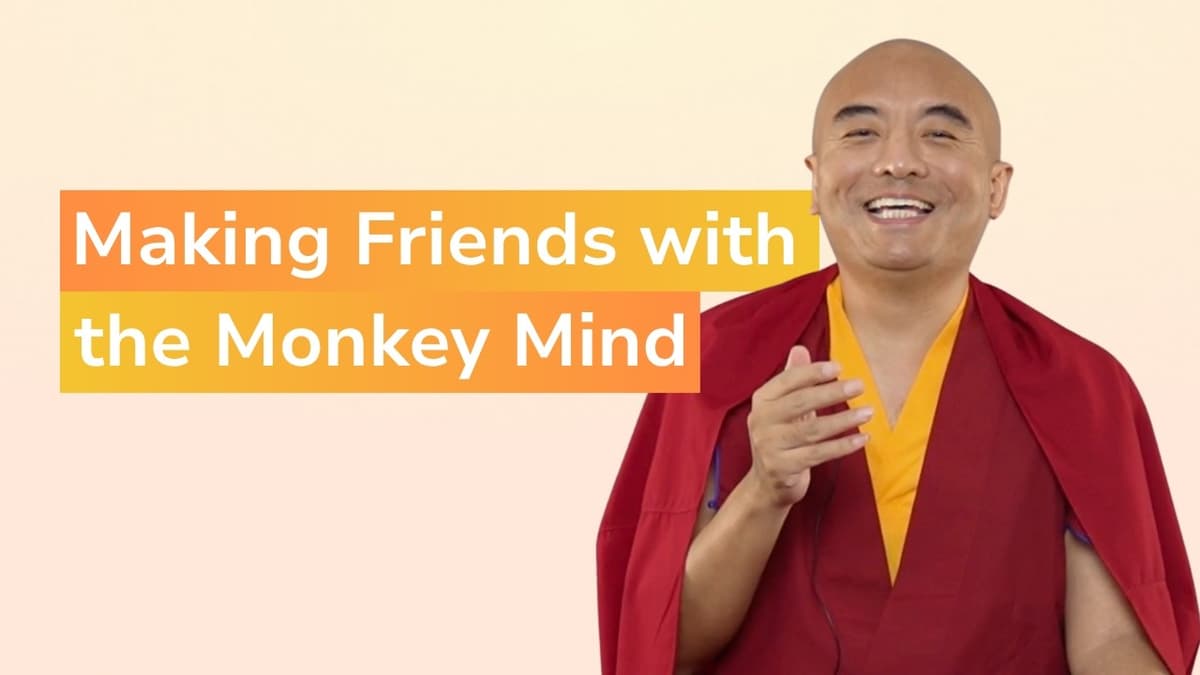
Making Friends with the Monkey Mind with Yongey Mingyur Rinpoche
In this talk, Tibetan master Yongey Mingyur Rinpoche explains how the restless “monkey mind” drives modern anxiety and over‑thinking, especially amid constant digital stimulation. He describes the mind’s craving for activity, citing a lab study where most participants chose painful self‑electric shock...
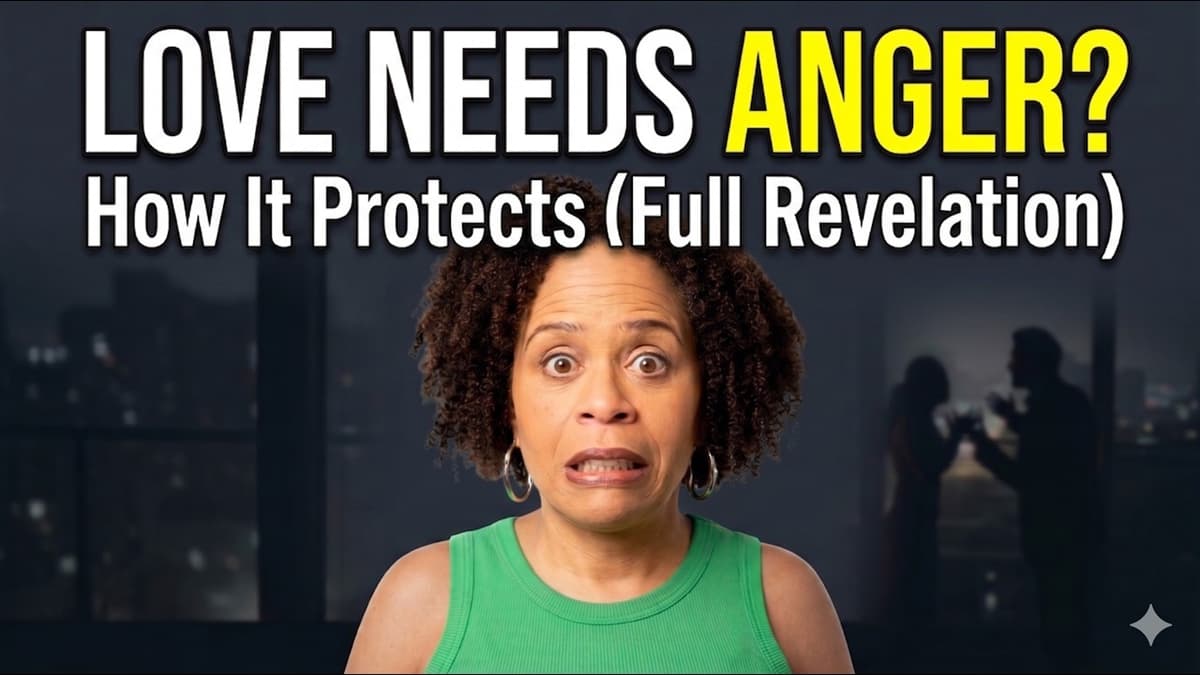
Why Anger Shows Up When Love Feels Vulnerable
الدكتورة تريسي ماركس تشرح لماذا يظهر الغضب غالبًا بعد لحظات من الحميمية: في الدماغ، دوائر الارتباط تُحاكي أيضًا اكتشاف التهديد، لذا كلما زاد القرب زادت المخاطرة العاطفية ويُحتمل أن يُفسر الضعف كتهديد فيلجأ الدماغ إلى الغضب كآلية حماية. تميز الفيديو...
How to Identify a "Cognitive Distortion" In Seconds #shorts
In the short video, Dr. Tracey Marks explains that thoughts that feel true are not always accurate, highlighting how the brain can unintentionally warp reality. She lists common cognitive distortions—such as all‑or‑nothing thinking, mind‑reading, catastrophizing, and selective filtering—and urges viewers...
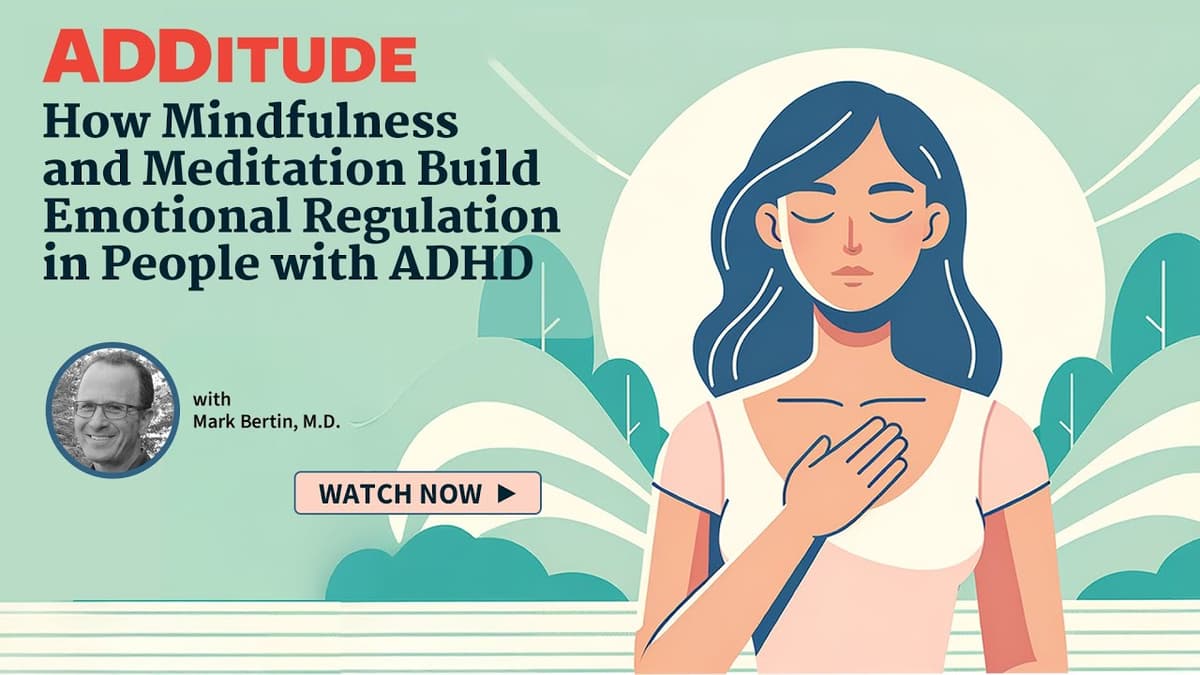
How Mindfulness Builds Emotional Regulation in People with ADHD (with Mark Bertin, M.D.)
The webinar, hosted by Attitude and led by developmental pediatrician Dr. Mark Burton, explored how mindfulness and contemplative practices can strengthen emotional regulation for people with ADHD. Burton framed ADHD as a disorder of executive function, emphasizing that emotional dysregulation...
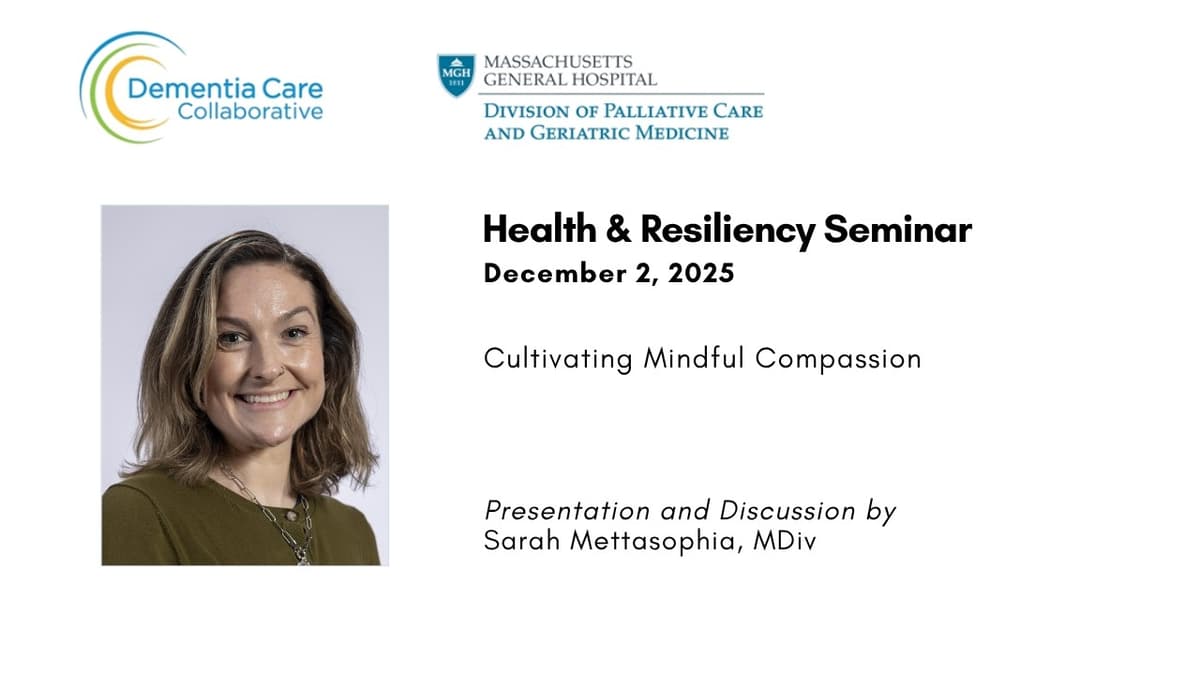
DCC Health & Resiliency Seminar - Cultivating Mindful Compassion
At a DCC Health & Resiliency seminar, Sarah Meta Sophia, a palliative care chaplain at MGH, led a guided session on mindful self-compassion, framing mindfulness as present-moment awareness and compassion as intentionally bearing one’s own suffering with gentleness. She reviewed...