Today's Personal Growth Pulse

NYT launches ‘Ask the Therapist’ column to bring mental‑health advice to the masses
The New York Times introduced a weekly column called “Ask the Therapist,” written by psychotherapist and best‑selling author Lori Gottlieb. The feature invites readers to submit personal dilemmas, which Gottlieb answers with clinical insight and narrative flair. The newspaper aims to make professional mental‑health guidance accessible to a broad audience.

The Ego Loves “Potential”
The article argues that the ego clings to untapped potential because it offers pride without requiring proof. It warns that lingering in possibility stalls performance, as effort exposes gaps and can turn promise into regret. The author urges readers to replace the identity of “full of potential” with “in progress” by taking concrete actions. This shift, they claim, is the only path to real results that markets and organizations reward.

Consistent Reliability Beats Occasional Brilliance
Send this to someone who just keeps showing up! Consistently reliable > occasionally extraordinary #growth #mindset #energy
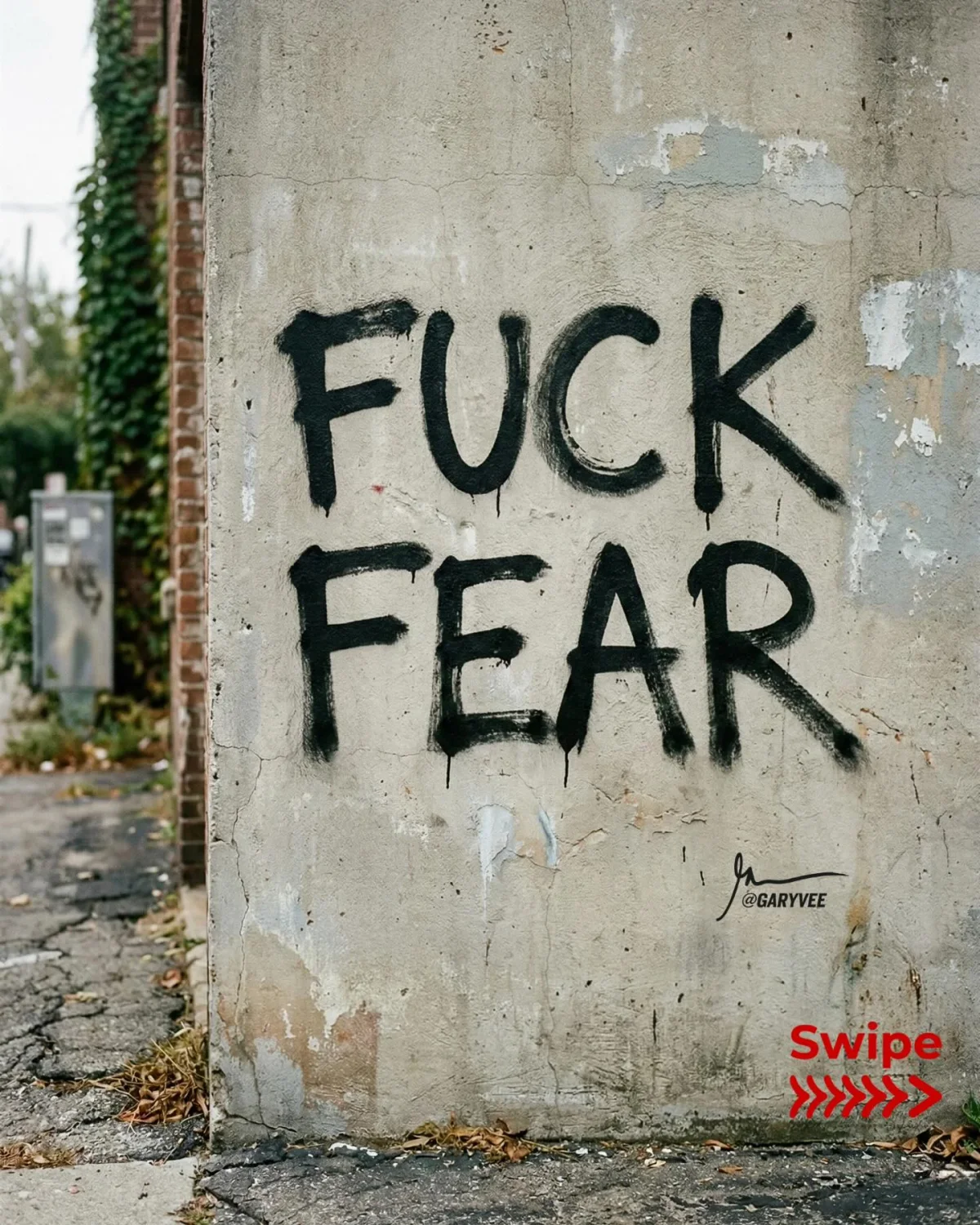
Fear Becomes a Weapon, Trapping Modern Minds
Calling out “fear” this Wednesday morning ☀️ it’s insane to me how much people weaponize rhis human trait for their own good and how many people’s nervous systems are conditioned to find it and see it out and allow it...

The Secret to Peak Performance: Mastering Front Stage and Back Stage Work
In this episode of The Productivity Show, host Tan explains the concept of front‑stage (high‑visibility, value‑creating work) versus backstage (supportive, invisible tasks) and how mastering this split boosts peak performance. He shares three tactics: identify your natural split and focus...
Unresolved Cognitive Schemas Fuel Relapsing Mental Health Issues
Sometimes a mental health problem keeps coming back because the work did not identify deeper, less conscious cognitive schema networks. Let's dive in.
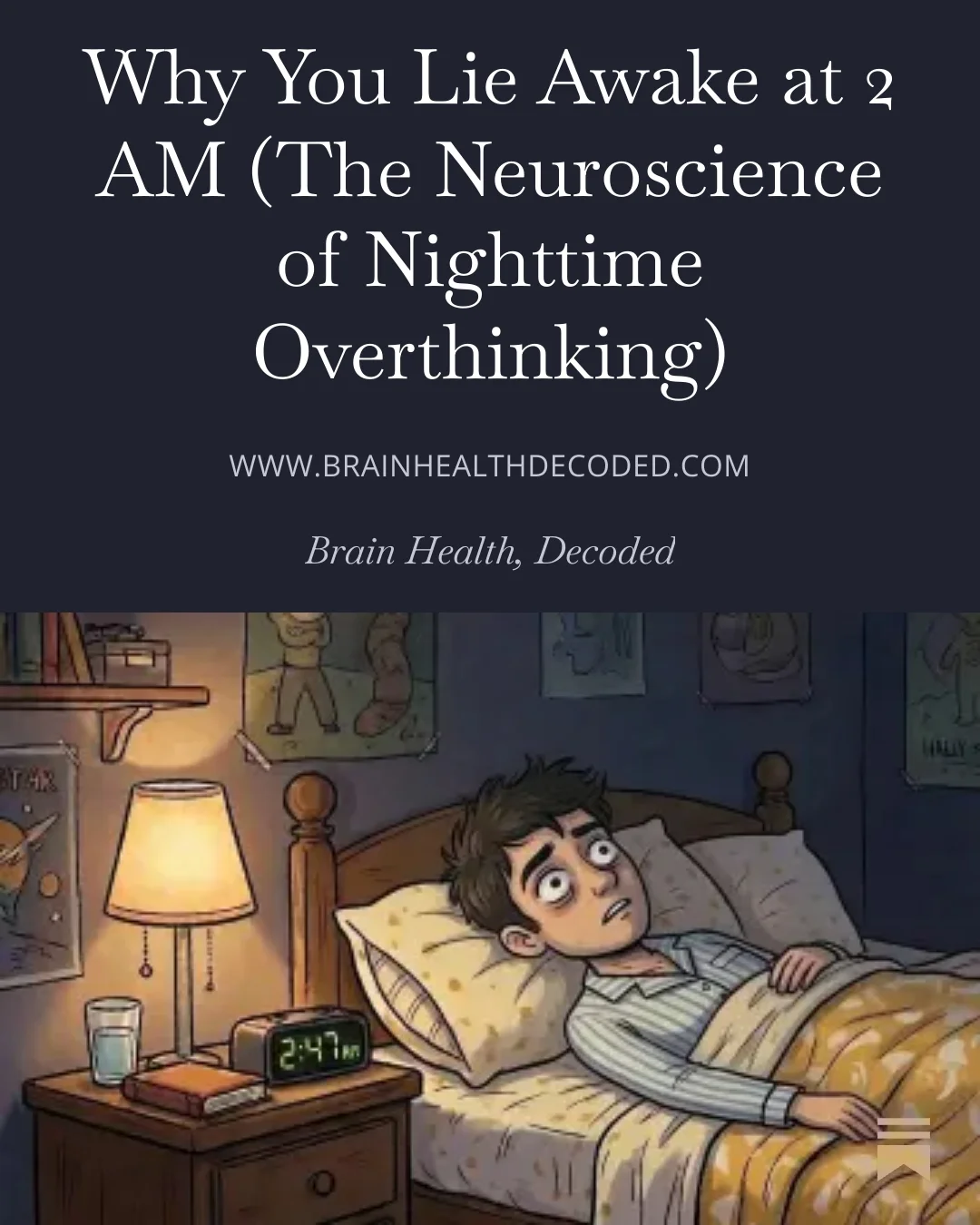
Stop Nighttime Overthinking: Treat Thoughts, Not Emergencies
My latest article is on nighttime overthinking and six evidence-based ways to stop that from happening. The short version: everyone's brain throws up random thoughts at night. Bad sleepers just have a brain that treats them like emergencies.

How to Deal with Disappointment: 12 Helpful Steps
The Positivity Blog outlines twelve practical steps for handling disappointment, beginning with accepting the feeling and recognizing that disappointment does not define personal worth. It encourages reframing setbacks as learning opportunities, adjusting perfectionist expectations, and leveraging gratitude and social support....

Talk Less, Execute More: Let Results Speak
Nobody tells you this: There's an inverse relationship between talk and execution. The people who constantly talk about their plans rarely execute them. Learn to work without validation. Stop telling people what you're going to do. Just go do it....
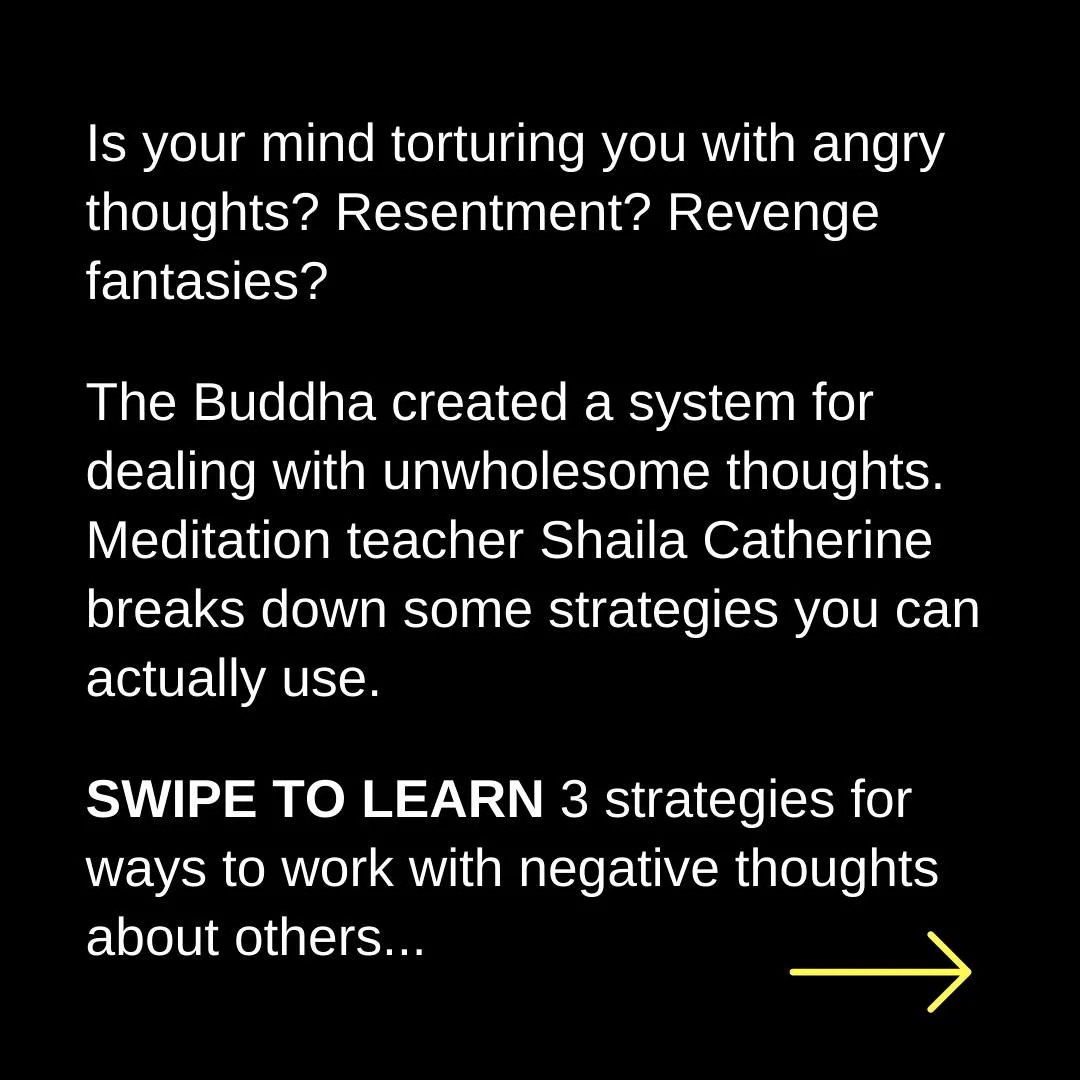
Break the Revenge Spiral with Practical Mental Strategies
Will you try to use these strategies the next time your mind spirals down a revenge fantasy rabbit hole?
Why Practice Matters More Than Results (PM Talks S3E3)
In this episode the hosts explore why consistent practice outweighs occasional results, using examples from medicine, law, sports, and media. They argue that practice is both a verb (the act of trying) and a noun (the cultivated art), and that...

Practice Is the Work
The article argues that true work happens in the quiet, repetitive act of practice rather than in the pursuit of a final outcome. It contrasts cinematic, breakthrough‑focused narratives with the steady rhythm of showing up, trying again, and making small...

Shoot Your Shot—You’re Qualified, Valuable, and Capable
Maybe someone else needs to read this too… shoot your shot. You are qualified. You’re valuable. You already know you’re capable. Your fear of rejection or falling short of expectations is not something you need to worry about when you...

Three Simple Decisions to Transform Your 2026 Life
NEW podcast episode is up! How to Simplify Your Life in 2026 — New Tips from Maria Popova, Morgan Housel, Cal Newport, Craig Mod, and Debbie Millman Many of us feel like we’re drowning in invisible complexity. So I wanted...

How to Simplify Your Life in 2026 — New Tips From Maria Popova, Morgan Housel, Cal Newport, Craig Mod, and...
Tim Ferriss asks five thought leaders—Maria Popova, Morgan Housel, Cal Newport, Craig Mod, and Debbie Millman—to share the one to three decisions that could dramatically simplify their lives in 2026. Popova emphasizes protecting her "cherish quotient" by only spending time...
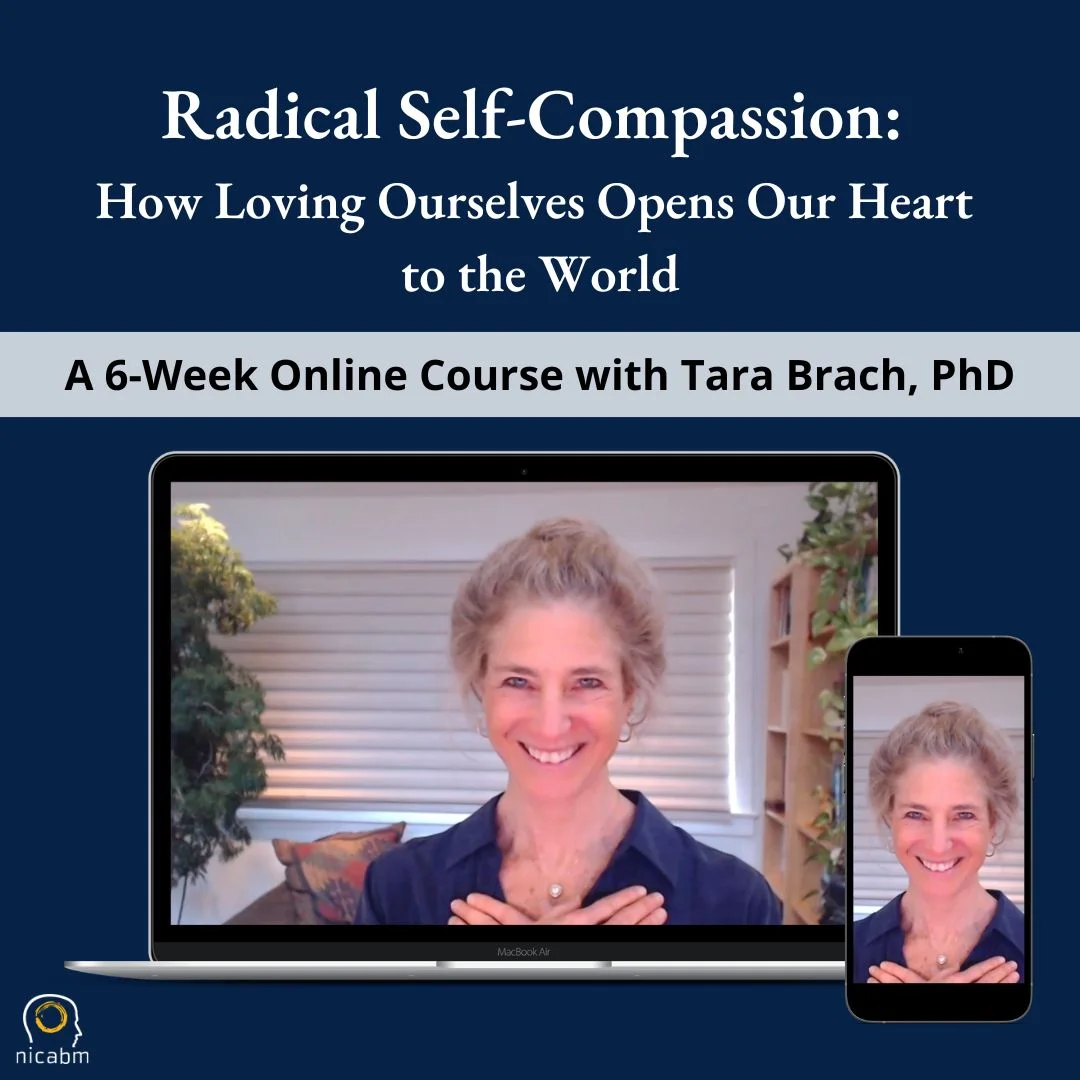
Transform Self-Judgment Into Authentic Self-Love
Join me for this 6-week online course and learn practices that can help us stop judging ourselves and instead, connect more deeply to our most alive, most authentic and loving self. Here's the link to learn more & register (link...

YouTube Exclusive: Jo and Zoe’s Interview with Fearne Cotton – Watch Now
Jo and Zoe host an exclusive YouTube interview with broadcaster and author Fearne Cotton, centered on her new book *Likeable*. Cotton opens up about personal burnout, people‑pleasing habits, and a pivotal therapy question on the value of being liked. The...

The Trip That Changed Me: How Running the World’s Biggest Marathons Pushed AnneMette Bontaites’s Limits
AnneMette Bontaites, a Danish expatriate in Boston, entered the New York City Marathon on a spontaneous bet and subsequently tackled the world’s most prestigious marathons. Over the next few years she completed the Abbott World Marathon Majors, racing in Berlin, Boston,...

How to Know Yourself
The article argues that most people never truly know themselves despite constant self‑observation. It outlines five practical cues—behaviour when unobserved, disproportionate hurts, hidden envy, moments of aliveness, and recurring patterns—to spark deeper self‑awareness. By paying attention to these signals, readers...

What’s Your Chronotype? How Brain Science Can Boost Performance
A joint study by the Wharton Neuroscience Initiative and Slalom examined how individual chronotypes—natural sleep‑wake rhythms—affect creative performance. Using the Morningness‑Eveningness Questionnaire and a divergent‑thinking task, researchers found that employees generated more ideas and higher‑quality concepts when work aligned with...

Annual Review: Gratitude First, Long‑Term Growth Unlocked
My new book is available for pre-order 🎉 "Life in Perspective: The Art and Power of the Annual Life Review" comes out Nov. 3 in hardcover, ebook, and audiobook This book distills nearly two decades of practicing annual reviews into a...

The Leisure Heresy
The episode "The Leisure Heresy" examines the myth that modern life is uniquely affluent by contrasting it with the Juǀʼhoansi hunter‑gatherers, who worked only 15‑20 hours a week and spent the rest of their time in rest, socializing, and ritual....

15 Years of Growth Yields $100M Portfolio
I've been serious about personal development and getting better at business for 15+ years. But not just reading and thinking about business... I've put the concepts to work. I sold my first business for 7 figures and built...

Mind Over Doubt: Bannister’s Coach Saved History
The 1st sub 4 mile almost didn't happen. Bannister wanted to call off the attempt. His coach saw him full of doubts and asked one question: “If you forego this chance, would you ever forgive yourself for the rest of your life?...

Stoicism, Insults, and Political Correctness
The article examines how Stoic philosophy addresses modern insults, microaggressions, and political correctness, drawing on William Irvine’s book and Eric O. Scott’s critique. It contrasts the Stoic recommendation to “shrug off” insults with contemporary therapeutic tools such as cognitive distancing...

The Psychology of Familiar Pain
The article explores why individuals often stay in painful relational or work patterns despite recognizing the harm. It argues that the mind protects the familiarity surrounding the pain rather than the pain itself. Familiarity creates a sense of safety, making...

Three Work Environments That Analysts Will Likely Find Draining
The article identifies three work‑environment mismatches that drain Analyst personalities—dismissive feedback cultures, noisy open‑plan offices, and micromanagement with rigid processes. It cites that 92% of Analysts crave freedom in how they work, while 63% struggle with authority and 93% of...

Five Conversation Habits That Command Respect
The article argues that a man's respect in conversation stems more from delivery than content. It highlights a cultural shift toward careless, confrontational dialogue on both personal and digital platforms. Drawing on timeless communication principles, the author outlines five disciplined...

Genius Is Messier Than You Think
The post juxtaposes Beethoven’s chaotic manuscript revisions with Jony Ive’s guarded, iterative iPhone development, arguing that what appears inevitable is actually the product of relentless drafting. Beethoven’s Fifth Symphony underwent dozens of rewrites, and his notebooks reveal frantic marginalia and...
Comfort Isn’t Rest
The article draws a clear line between rest and comfort, asserting that rest is an intentional, bounded activity that restores energy while comfort often masks avoidance and delays action. Rest prepares individuals for responsibility and sharpens mental clarity; comfort, when...

Your Inner Critic Has a Name
In this episode, the host shares a personal strategy for overcoming writer's block by committing to a daily 20‑minute writing sprint, reinforced with a supportive partner and a simple gold‑star reward system. The metaphor of each writing session as a...

Delay Gratification, Earn Long‑Term Freedom
My entire life changed when I realized you have to sacrifice short-term freedom in order to earn long-term freedom. Instant gratification is the thief of your dreams. Sacrifice is the cost of entry. Delayed gratification is the key to the...
Meditation Benefits Without Long Retreats—Try Our App
Will you try sharpening your mind through meditation? And I should add, meditation retreats are objectively great but you do not have to go on a 45 day retreat to notice the benefits of a practice. If you're meditation curious...

5 Positive Ways to Say No
The article outlines five positive techniques for declining requests, emphasizing that saying no protects time, credibility, and relationships. It frames boundaries as a strategic asset rather than a personal rejection. Each step—starting with gratitude, being direct, offering brief reasons, suggesting...

The Uses of Equanimity
The article explains that equanimity, while appearing as calm concentration, can conceal subtle attachment and delusion. It warns that staying absorbed in a state of equanimity without probing can prevent genuine insight. Practitioners are urged to use equanimity as a...

3 Science-Backed Ways to Practice Optimism at Work (that Aren’t Phony or Forced)
Optimism often feels forced in corporate settings, leading to heightened stress and reduced cognitive performance. Clinical research shows that suppressing negative emotions keeps the nervous system in a threat state, limiting prefrontal cortex activity essential for planning and decision‑making. The...

Why Psychologists Share Their Own Mental Health Stories
Why as a psychologist I choose to publicly disclose my personal mental health history I am having lots of thoughts so buckle up 🧵

Own Your Flaws, Transform Pain Into Liberation
I do recommend looking at your patterns and finding out how much of a dick you’ve been in your life and realizing you have a part to play in likely all things that are going wrong in your life. Pretty...

Why Failure Is the Ultimate Career Advantage (You Can Only Connect the Dots Backward)
Career setbacks often feel like failures, but they serve as training data that sharpens pattern recognition and judgment. Over time, repeated exposure to ambiguous situations builds intuition, allowing professionals to anticipate risks and opportunities more quickly. The article argues that...
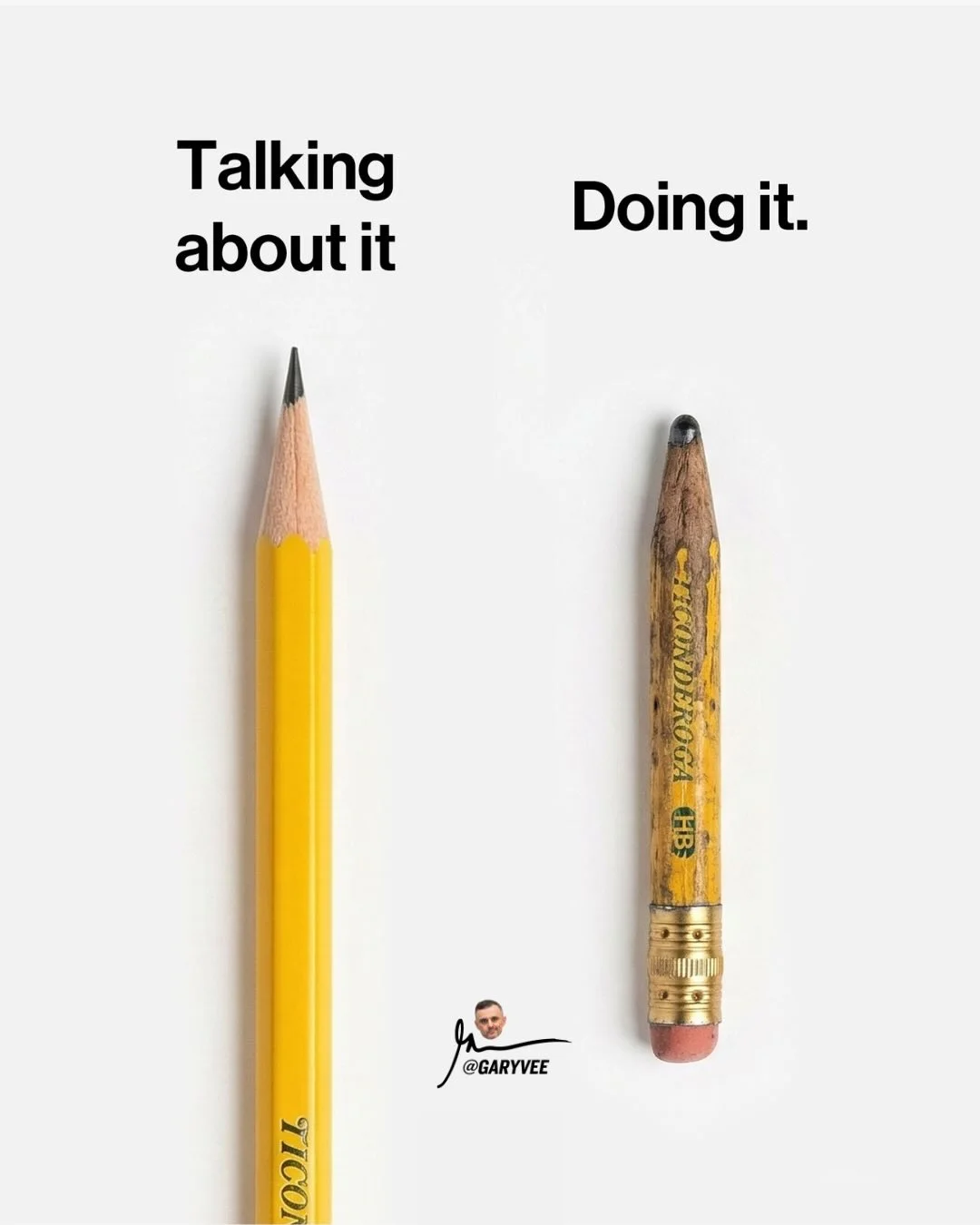
Action Beats Talk: Celebrate Those Who Actually Create
You can “take about writing or ✍️ drawing or anything” but until you put pencil ✏️ to paper … you’re doing nothing but building a fake narrative to hide your insecurities and fear … my friends … this post is...

Minimalism Builds Confidence to Risk with Barely Anything
“One of the many life skills that you want to learn at a fairly young age is the skill of being an ultra-thrifty, minimal kind of little wisp that’s traveling through time . . . in the sense of learning...

Book Recommendation: Beyond Belief
Beyond Belief, Nir Eyal’s new book, explores the science of how our beliefs shape perception, emotion, and behavior. It distinguishes evidence‑based effects—like the placebo response—from unfounded optimism that claims belief alone can alter reality. The author links belief systems to...

Cross‑disciplinary, Inverted, and Creative Thinking Unlock Hidden Opportunities
How to see opportunities others miss: 1) Study a totally different field, then return to the original problem. Apply insights from other domains. 2) Invert the problem. Try to achieve the opposite. 3) Find ways to engage with hyper-creative people. Their thinking will...

Rethinking Equanimity: Margaret Cullen on Equanimity and Quiet Strength
Margaret Cullen’s forthcoming book Quiet Strength delves into equanimity as a distinct, teachable virtue, filling a gap in the crowded mindfulness market. After rejecting a workbook proposal, she pursued a deep‑dive manuscript that positions equanimity alongside mindfulness, compassion, and love....

Feel the Pain, Don’t Let Atrocity Numb You
Atrocity becomes normalized when we see it so repeatedly that we start going numb. This is how people, over time, feel so beaten down they can't stand up, or worse - start participating in harm. Don't avoid the news, but imit...

Saying No May Hurt, But Self‑Honor Endures
A gentle reminder for my sisterfriends... You were not put here to make everyone comfortable at your own expense. The discomfort of saying no is temporary. Learning to honor yourself is worth every awkward moment it takes to get there.

New Event: How to Cope
Classical Wisdom is hosting a live event on March 25 at noon EST featuring Professor Philip Freeman, a classicist and author of *How to Cope: Ancient Philosophies for Enduring Hardship*. The talk will examine Boethius’s *Consolation of Philosophy* and draw...

The Cost of Being Too Kind.
The post argues that unchecked kindness can become self‑neglect, turning generosity into exhaustion and resentment. It highlights how constantly saying yes erodes personal boundaries, making others take kindness for granted. The author stresses that healthy kindness requires clear limits and...

What Happens When Faith Leaders Try to Force Forgiveness?
Amanda’s experience of being pressured by a biblical counselor to apologize to her abusive father highlights how some faith‑based counseling programs prioritize doctrinal conformity over survivor safety. Researchers document that coercive forgiveness often arises from unequal power dynamics within churches,...
You Can’t Heal in the Same Environment
Interesting Daily Thoughts argues that personal healing and growth cannot thrive in unchanged surroundings. The author stresses that psychological space—away from familiar habits, reinforcing voices, and limiting patterns—is essential for forming a new self. By highlighting how daily environments silently...

The Science of Oversharing: Why Revealing More Builds Trust
The post argues that the real risk isn’t oversharing but undersharing, and that thoughtful disclosure can strengthen trust, influence, and wellbeing. It cites research showing people default to silence, which limits connection in personal and professional relationships. By treating disclosure...