Today's Personal Growth Pulse

NYT launches ‘Ask the Therapist’ column to democratize mental‑health advice
The New York Times introduced a weekly column called “Ask the Therapist,” written by psychotherapist and best‑selling author Lori Gottlieb. The feature invites readers to submit personal dilemmas, which Gottlieb answers with clinical insight, aiming to make professional mental‑health guidance accessible to a broad audience.

The Hidden Productivity Goldmine: How Bookending Your Day Transforms Your Workflow
The piece introduces "bookending"—dedicated opening and closing routines—to structure the workday and sharpen focus. It cites measurable gains, including up to a 29% sales lift for entrepreneurs who review daily performance. A step‑by‑step framework shows how even one‑minute habits, supported by checklists and simple signals, can reduce stress and reinforce work‑life boundaries. The article also tackles common obstacles and highlights why the approach works for remote workers and digital nomads alike.

Comparison Blinds Us; Humility and Self‑love Needed
So many are stuck in a “glass half full” 🥃 mindset…envy, jealousy, resentment, longing, desire, begrudging, rivalry, yearning,spite of others isn’t allowing you to see the “good” you have … comparison to what others “have” has destroyed a generation of...
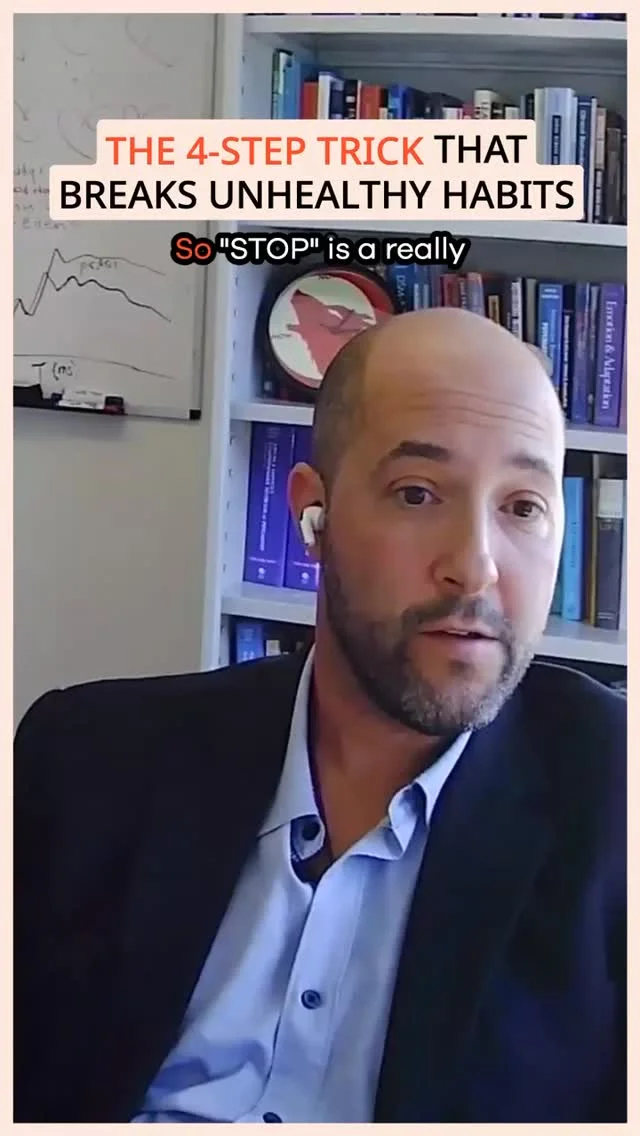
Science-Backed Strategies to Break Everyday Addictive Habits
Will you try this the next time you’re hit by an urge to mindlessly scroll, shop, eat, or whatever habit you’d like to break? Today I’m talking to Professor of Psychiatry & Behavioral Health, Dr. Eric Garland about the science...

Why Visibility Has Become the New Test of Leadership
In professional‑service firms, quiet excellence has given way to visible leadership. Partners now must demonstrate impact through LinkedIn posts, client reviews, and internal dashboards, turning transparency into a credibility metric. MIT Sloan’s research identifies three levers—internal recognition, external reputation, and...

How Your Inner Child Controls Your Bank Account.
People’s spending habits are often governed by a subconscious ‘financial thermostat’ set in early childhood. Verbal messages, parental modeling, and pivotal financial events embed deep‑seated money scripts that dictate what feels normal versus threatening. This internal set point causes individuals...

Go From Reactive To Proactive With These Tips (TPS603)
The Productivity Show episode "Go From Reactive To Proactive" explains how shifting from a fire‑fighting mindset to intentional planning can lower stress and boost output. It outlines practical habits such as weekly calendar blocks, breaking goals into bite‑sized tasks, and...

The Sound of Silence
The essay explores how incessant internal dialogue functions as a form of noise pollution, clouding clarity and driving dualistic thinking. It presents chanting the name of Kanzeon—or any pure, intention‑free sound—as a pathway to a pre‑conceptual awareness that transcends mental...

The Original Attention Crisis
The essay on 17th‑century scholar Nicolaus Steno reveals that the printing press created an early information overload, prompting the development of note‑taking systems and disciplined attention‑management techniques. Steno’s method—focusing on a single theme, blocking mornings for deep reading, and avoiding...

How I Found Focus and Presence When Meditation Didn’t Work
The author describes how conventional seated meditation felt hostile, prompting a shift to spontaneous, nature‑based attention. A simple pause by a tree, observing a leaf without intent, softened her tension and revealed a gentler path to presence. Repeated micro‑moments of...

We Are Not Here by Accident
Jack Hopkins declares that readers of his "Jack Hopkins Now" newsletter are there by design, not by accident. He argues that modern media often agitates and distracts, leaving audiences in a fog of half‑understood headlines. The newsletter’s mission is to...

Working Late Isn’t Ambition, It’s Burnout’s Shortcut
If you’re the woman who says, “It’s fine, I’ll just get ahead tonight,” and then spends Sunday evening working “just a little”… I see you. That’s not ambition. That’s a fast track to burn out. Download my free guide before burnout...

Sunday Evening Cortisol Spike? Reset Your Nervous System
Research shows cortisol levels spike on Sunday evenings for working professionals. So, if your chest feels tight around 6 p.m., you’re not weak. You’re conditioned to have a stress response. I can help: Download my free guide for quick and easy...

WRITING PROMT/CHALLENGE: WRITE WITH URGENCY
The post introduces a weekly writing challenge that pairs a creative theme with a craft theme to foster consistent practice. This week’s focus, “Clean Cuts,” emphasizes urgency through compression and parataxis, encouraging writers to stack short phrases for a drumbeat...

Arguing with a Fool Turns You Into One
Send this video to someone who needs to hear it today! Lesson: If you argue with a fool, you become one. #growth #relationships #mindset

ADHD? Try These Real Cleaning Strategies From a Psychologist
If this chart works like a charm for you, you probably don't have ADHD. Here are some strategies that actually might work to get you cleaning your space, from a psychologist with ADHD.

Stop Auditioning for Approval
The post warns that many professionals behave like performers, constantly tailoring language and actions to win approval. This habit shifts focus outward, eroding self‑trust and causing decisions to be driven by applause rather than alignment. Over time, reliance on external...

The Responsibility Shift: Care, Power, and Liberation
In this episode the host explores the distinction between being "responsible for" something—trying to control outcomes—and being "responsible to" someone—showing up with integrity while honoring their agency. They discuss how this shift impacts parenting, relationships, and personal well‑being, emphasizing self‑reflection...
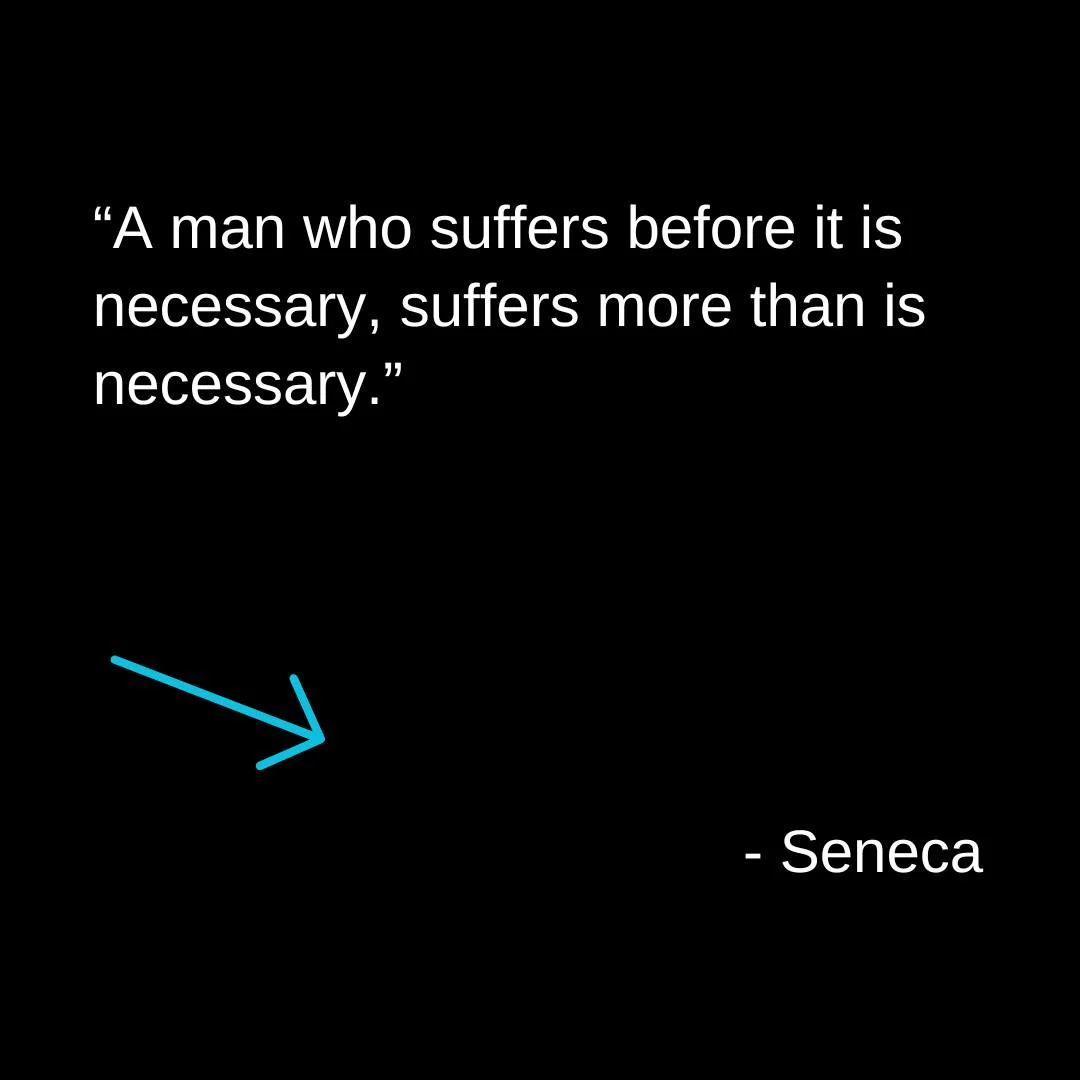
Stop Imagined Suffering: Stop Catastrophizing Future Events
We're so good at creating suffering that doesn't exist yet—catastrophizing about meetings that haven't happened, arguments that might never occur, worst-case scenarios that live only in our heads. By the way, my new audible original with Sebene Selassie, “Even You Can...

Jeff Bell: Lessons that OCD and Its Treatment Have Taught Jeff About Navigating Parkinson's (#528)
Jeff Bell, longtime OCD advocate and author, discusses how the strategies he honed treating OCD have helped him cope with a recent Parkinson’s disease diagnosis. In episode 528 of The OCD Stories, he explores the intersection of obsessive‑compulsive disorder, stoic...

Healing Means Choosing Less, Not More Productivity
You don’t have to optimize your Saturday. You don’t have to turn rest into another project. Sometimes healing looks like doing less — on purpose. Download my free guide and start practicing that.

Rest Isn't a Reward—It's a Necessity
If your idea of relaxing is finishing everything first so you can “earn” your rest… hi. Recovering overachiever here too. Rest isn’t a reward for productivity. Download my free guide and let’s unlearn that together.
The Story You Repeat Becomes Your Life
The post explains how the stories we repeatedly tell ourselves become self‑fulfilling identities, shaping perception and behavior. Negative self‑talk solidifies limiting beliefs, while deliberate contradictions can weaken those narratives. By recognizing and rewriting habitual statements, individuals can shift from a...

Beyond Us & Them: Science of Compassion
How do we stay grounded in the heart when the world feels more divided than ever? Join the globalcompassioncoalition for a profound conversation between teacher Tara Brach and scholar Paul Gilbert, chaired by Rick Hanson. Together, they explore the biology...

Saturdays: Stop the Catch‑Up Grind, Prioritize Rest
Why do we treat Saturdays like unpaid admin days? Catch up on life. Catch up on errands. Catch up on being human. At this point I’d like to catch up on missed sleep from the last 6 years.

Wisdom, Reconsidered
The post redefines knowledge as true, justified belief, separating it from mere belief or lucky guesses. It argues that stipulative definitions can prevent miscommunication, especially when discussing complex concepts like wisdom. Wisdom is portrayed as a blend of knowledge and...
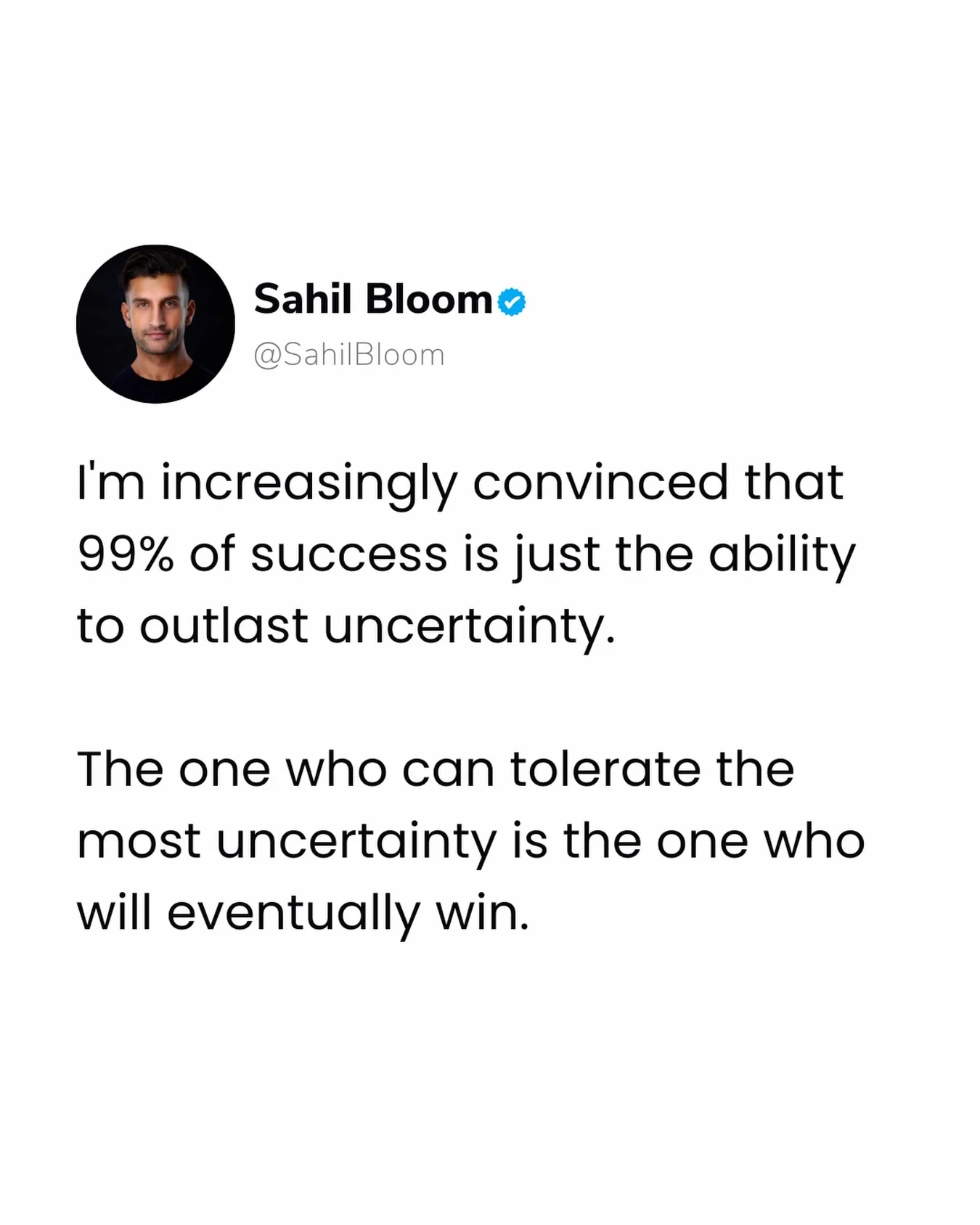
Embrace Uncertainty: The Key to Winning
The one who can tolerate the most uncertainty is the one who will eventually win. #growth #mindset #energy

Rest Is Enough; You Don’t Need to Finish Everything
You don’t have to complete everything on your to do list today. You can just BE. REST. It’s enough for today. Close the laptop. Drop your shoulders. Breathe.

Does Mindfulness Help Kids? There’s A Better Question to Ask
Recent large‑scale school studies in the UK and Denmark found that ten weekly mindfulness sessions delivered by teachers produced little measurable improvement in adolescents’ mental health, sparking doubts about the efficacy of universal programs. The author argues that these findings...

We Misjudge Happiness, Overvalue Milestones, Undervalue Connection
You know that moment where you finally get what you've been chasing and it just... doesn't feel the way you expected? Research suggests we're genuinely bad at predicting what will make us happy. We overestimate how much the next big purchase...

The Tim Ferriss Show Transcripts: Jim Collins — What to Make of a Life and How to Maximize Your Return...
Jim Collins, author of Good to Great, appears on The Tim Ferriss Show to discuss his new book What to Make of a Life, which examines self‑renewal, life design, and how to maximize one’s return on luck. He shares personal...

Four Simple Steps to Protect Mental Health Working Remotely
Working from home can still mess with your mental health, so here are four ways to manage it. 💛 • Get social: Schedule the outing, book the FaceTime date, and give yourself something to look forward to. • Clear space = clear...

Why Closure Is Often Self-Created, Not Externally Given
Many people expect closure from others—an apology, explanation, or conversation—yet life rarely provides neat endings. The article explains that the mind craves complete narratives, causing endless replay until acceptance replaces the need for answers. True closure is a personal decision...

The Science of Habit Formation for High Achievers
Recent research shows that top performers—entrepreneurs, athletes, writers, and scientists—attribute their sustained success to structured habits rather than fleeting motivation or sheer willpower. By automating routine actions, habits eliminate the need for constant decision‑making, creating invisible systems that keep progress...

Leadership Lessons Aim to Empower Those We Serve
We study leadership for the same reason a parent studies parenting—so that those in our care will be the beneficiaries of our learning. Video from Chick-fil-A Next 2025, in conversation with Chief Legal Officer Lynette Smith
Why Personal Strategic Planning Is Your Secret Weapon
The article introduces personal strategic planning as a framework to turn vague aspirations into actionable results. It adapts corporate practices—clarity, gap analysis, and quarterly strategy—to individual goal‑setting. Real‑world examples show how identifying current constraints and reallocating time enables achievements like...

A Guide to Staying Human (Part 1): Desperately Seeking Agency
In the first installment of the "Staying Human" series, the author examines why heightened awareness of global crises often leads to personal paralysis rather than action. Drawing on learned helplessness and self‑efficacy research, the piece argues that digital environments fragment...

Cut Toxic Envious Friends; Small Circles Fuel Success
The saddest thing about success is realizing how few people actually wanted to see you succeed. They smiled to your face but secretly hoped you’d fail. Learn to recognize quiet envy. Cut those people from your life. Small circles create...

Escape the Traps in Your Head
The article outlines three common mental traps—imagined fear, approval‑seeking, and perfectionism—that undermine leaders’ effectiveness. It explains how each trap creates self‑reinforcing cycles of anxiety, wasted energy, and stalled execution. Actionable items such as speaking honestly, serving freely, and showing up...

Helping Employees Find “Meaning” Improves Performance and Narrows Gender Gaps
The LSE study by Oriana Bandiera and co‑authors evaluated a “Discover Your Purpose” (DYP) program among 2,976 white‑collar employees at a multinational firm. The purpose‑focused intervention, which blends self‑reflection exercises with a workshop, cut the share of low‑performing workers from...

How to Find Your Purpose — by Letting Go 🤲
The Good Trade article argues that finding personal purpose begins with the act of letting go—releasing rigid expectations and external validation. It encourages readers to seek moments of presence, whether through nature, meditation, or low‑stimulation TV shows that calm the...

How to Quash Your Fear of Messing Up
Fear of messing up (FOMU) is a newly identified anxiety that drives excessive caution, especially among early‑career professionals and senior leaders who must take risks. Kellogg professor Ellen Taaffe explains that FOMU stems from self‑judgment and concerns about reputation, relationships,...

Self-Discipline Can Be Your Worst Enemy
Val Blair’s near‑fatal mountain incident revealed how relentless self‑discipline can become a health liability. Executives and athletes alike often equate tighter control with higher performance, yet research links over‑control to depression, OCD, and burnout. Psychologists and coaches observe that high‑achievers...

Bad Art Is Better than No Art
The post argues that the fear of creating "bad" work kills creativity, especially for adults in their twenties who compare themselves to polished online content. It highlights how children freely produce imperfect art, while adults over‑think and stall projects. By...

Neurodivergent Honesty: The Lone Truth‑teller in Meetings
Neurodivergent people will look a CEO in the eye and say “that idea won’t work” while everyone else is nodding. They call it a problem. I call it the only honest person in the room.
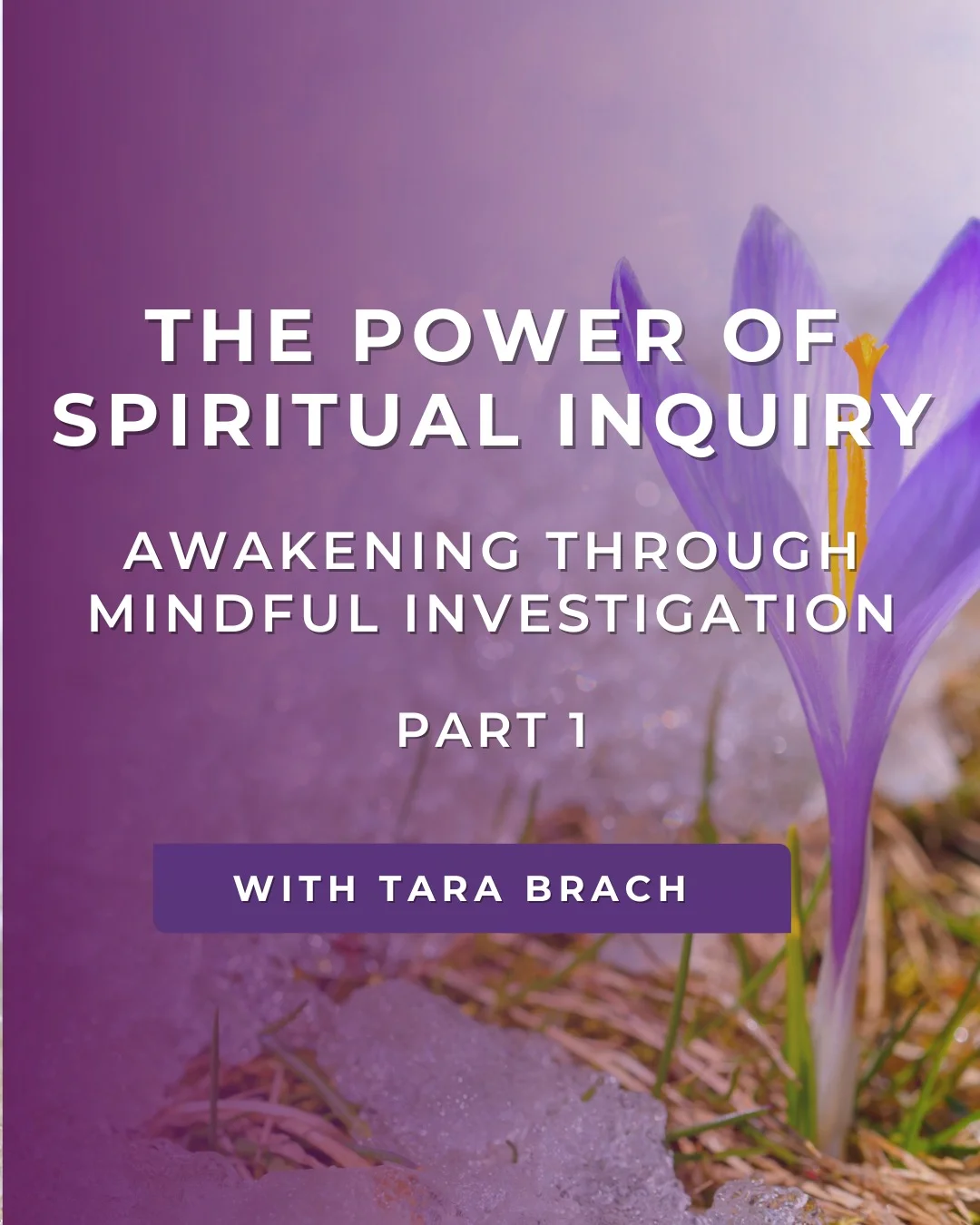
Sincere Questions Break Habitual Thought, Reveal True Awareness
This week's talk is available now at www.tarabrach.com! 💕 How can the simple act of asking a sincere question awaken us from the trance of our habitual thinking? In this talk, Tara explores the transformative power of spiritual inquiry—a practice that...

Expanding Your Window of Tolerance | How to Stop Hitting the “F* It” Button
In this episode, trauma therapist Carolyn Cowan explains the concept of the "window of tolerance"—the range of emotional arousal we can comfortably endure—and how it is shaped by past trauma, shame, and self‑belief. She describes how exceeding this window leads...

Fill Your Own Cup Before Giving to Others
Reminder from a Psychologist: Your empty cup is not an endless community resource. It’s important to fill your cup, meet your needs & enjoy your life too ❤️

How to Be the Most Persuasive Person in Any Room
James Madison, despite his shy demeanor, became the dominant voice at the 1787 Constitutional Convention by mastering preparation. He immersed himself in extensive reading of ancient and modern republics and then distilled his insights into private essays. This disciplined blend...

Discover Your Boundless Home Through Awake Awareness
Meditation: Inhabiting Awake Awareness (21:49) 💕🙏 This meditation begins with collecting attention with the breath, and awakens us to the experience of aliveness and inner space by scanning the body. We then open to receive all the senses in awake...

Do You Punish Yourself Relentlessly?
The post challenges readers who constantly take bold risks yet berate themselves when outcomes fall short. It highlights how external opinions can amplify self‑criticism, turning normal setbacks into personal shame. By questioning this pattern, the author urges a shift toward...