Today's Personal Growth Pulse

Resilience emerges as the key leadership skill for navigating uncertainty
Vistage’s Summer 2026 Perspectives issue positions resilience as the essential capability for leaders facing rapid change and personal setbacks. CEOs and entrepreneurs share how they turned disruption into growth, while the publication also examines AI adoption frameworks that balance technology with human judgment.

My Internal Family System: Jordan Peterson, Joe Rogan, Sam Harris & The Weeknd
The author repurposes the Internal Family Systems framework to describe how four public figures—Jordan Peterson, Sam Harris, Joe Rogan and The Weeknd—function as internal “parts” that shape his thinking, emotional regulation, humor and sensual confidence. Peterson fuels interdisciplinary curiosity and grand intellectual ambition, while Harris provides calm rationality and mindfulness in stressful moments. Rogan supplies a balance of deep inquiry and irreverent humor, and The Weeknd adds a confident, sensual presence for social and romantic contexts. Together they form a self‑curated mental toolkit that the author switches between to meet different life demands.
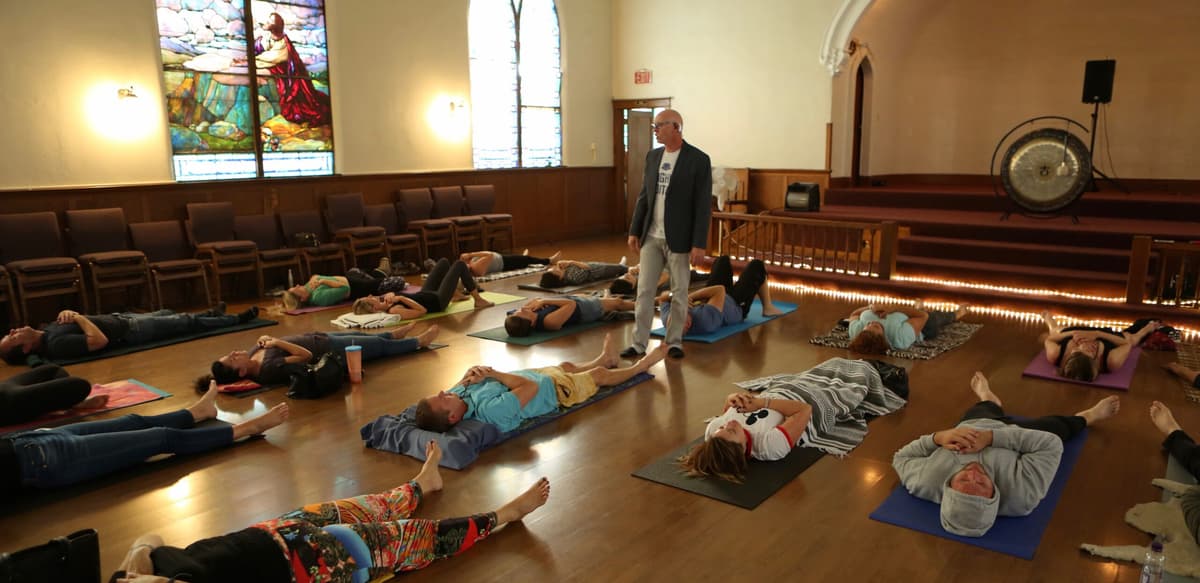
The Role of a Breath Coach in Personal Growth and Wellness
A breath coach provides ongoing, personalized guidance through circular connected breathing, a technique that induces transient hypofrontality and releases stored emotional tension. Unlike group classes or traditional therapy, the coach holds space, offers accountability, and integrates each session’s insights over...

MESH Helps Rolls Out Play for Resilience Campaign at 450 Chuck E. Cheese Sites
MESH Helps is debuting its Play for Resilience initiative during Mental Health Awareness Month, delivering curated play experiences at more than 450 Chuck E. Cheese venues from May 1‑8 and featuring MESH‑Accredited toys in roughly 300 libraries. The effort aims to make resilience‑building...

Sadhguru Urges Joyful Work, Challenges Over‑Working Mantra
Sadhguru warned on Instagram that relentless hard work fuels stress and chronic complaining, urging people to “study joyfully” and “work lovingly.” His message, resonating across social media, reframes productivity as a function of inner contentment rather than sheer effort.

Atlanta Investor Sam Lagod Launches Discipline Pledge to Boost Personal Growth
Real estate investor Sam Lagod announced a personal discipline and community pledge aimed at fostering daily routines, stronger relationships and steady growth. The initiative targets professionals facing rising stress and burnout, offering a simple, repeatable framework without external resources.
:max_bytes(150000):strip_icc():format(jpeg)/GettyImages-1185510052-5e9c66299df24d318aeda66e25e67a22.jpg)
12 Types of Cognitive Bias That Influence Your Thinking
The article catalogs twelve common cognitive biases—from confirmation and hindsight to status‑quo bias—explaining how each subtly skews perception and decision‑making. It pairs real‑world examples with practical tips for reducing each bias’s impact. By highlighting mental shortcuts that affect everything from...

The One Skill That Changes Everything Else
The post argues that metacognition—awareness of one’s own awareness—is the overlooked skill that underpins wisdom and emotional resilience. It explains how cognitive fusion turns fleeting thoughts into perceived facts, fueling suffering, and traces the concept from ancient practices like nepsis...
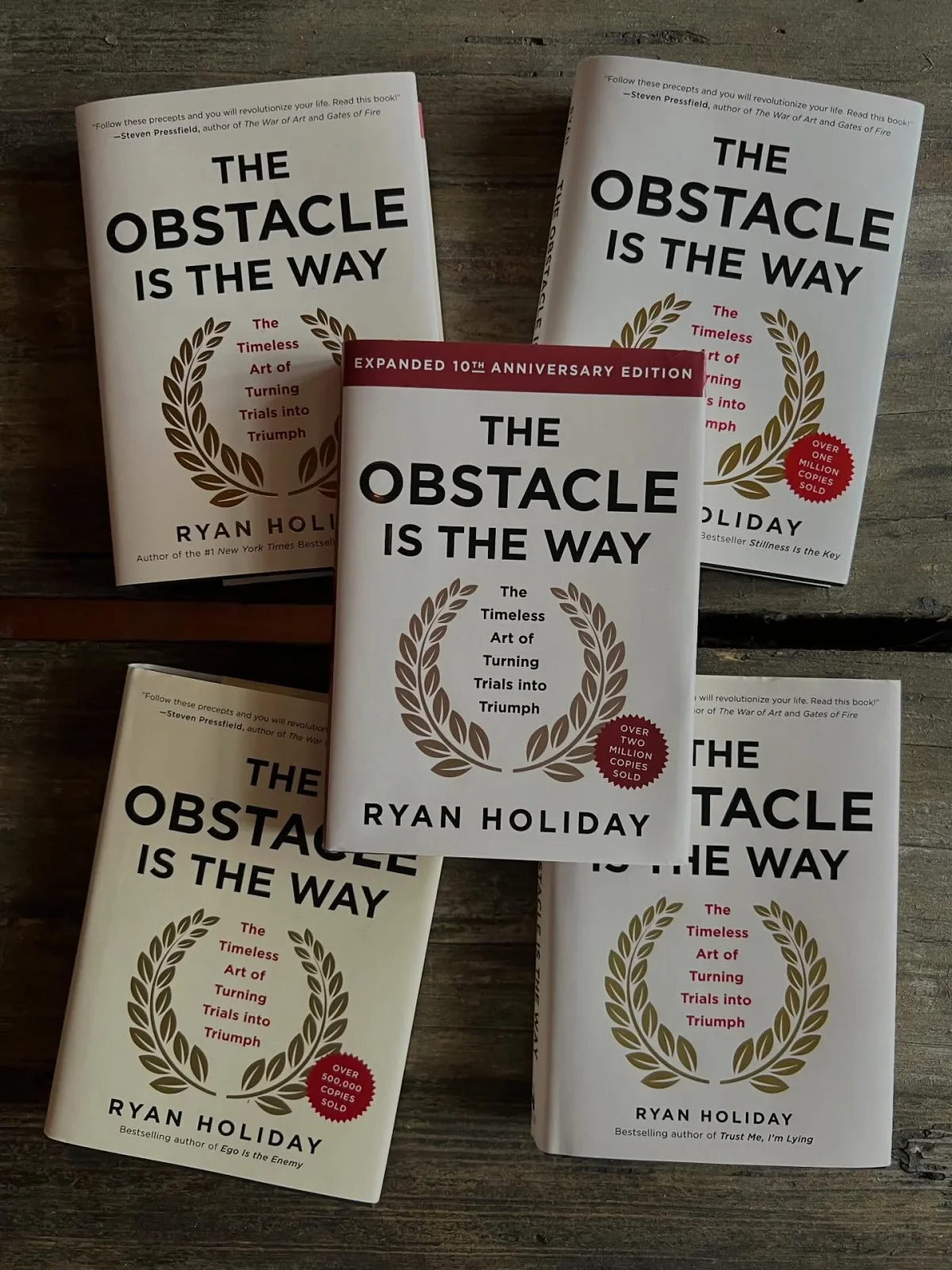
Obstacles Become Opportunities: Millions Transform Challenges
12 years ago The Obstacle Is The Way was released. Flash forward, and that book has now sold millions of copies all around the world and has been published in over 40 languages. For the last decade, The Obstacle is the Way...
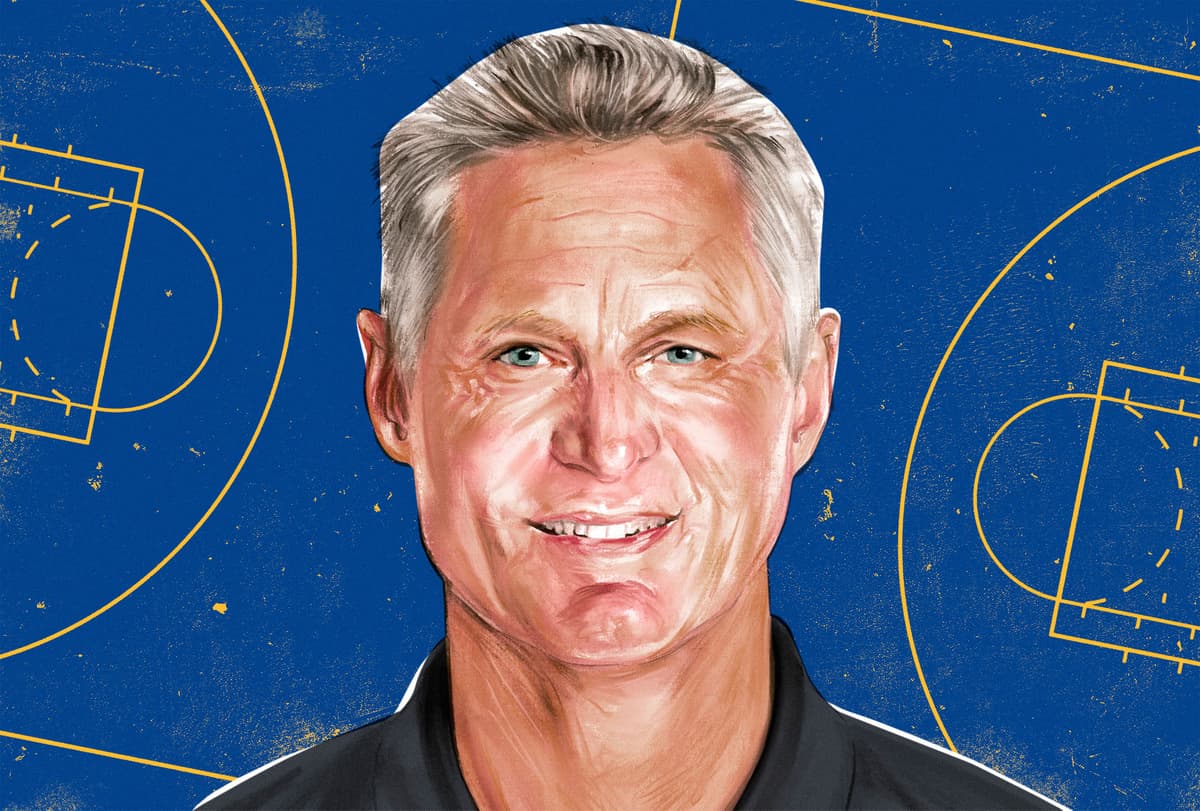
The N.B.A. Legend Steve Kerr
Steve Kerr, former Chicago Bulls guard turned Golden State Warriors head coach, has amassed four NBA championships and a record‑breaking 73‑win season in 2016. He also led the U.S. men’s basketball team to Olympic gold in 2024. Beyond the court,...

The Missing Ingredient in Most Personal Curriculums
Personal curricula often lack a unifying focus, leading to scattered learning. The author proposes an "organizing question"—a central inquiry that structures course design, reading selection, and note‑taking. By framing self‑education around this question, learners achieve cohesion, deeper comprehension, and a...

Turn Knowledge Into Action: Education Meets Execution
Have you ever met someone addicted to information but allergic to implementation? How do you remind them to Absorb then Apply? That Education x Execution = Empowerment.

Psychology Says People Who Let Dirty Dishes Pile up Instead of Washing Them Immediately Aren’t Being Lazy — They’ve Reached...
Psychologists explain that letting dirty dishes pile up is not laziness but a symptom of ego depletion and mental load. Research shows that after a day of cognitive and emotional labor—especially for mothers—small tasks feel overwhelming because internal energy reserves...
Psychology Says the Children of the 1960s and 70s Absorbed an Unspoken Rule No Later Generation Has Been Given Quite...
The article argues that children raised in the 1960s and 1970s internalized an unspoken rule: the world would not soften for them, adults had their own problems, and they had to figure things out themselves. This early self‑reliance was cultivated...

Success Requires Two Self‑Supplied Ingredients: Curiosity and Drive
People can help you in many ways throughout life, but there are two things nobody can give you: curiosity and drive. They must be self-supplied. If you are not interested and curious, all the information in the world can be...

AI Won’t Replace Leaders — It Will Expose Them. Here’s What Most Are Getting Wrong.
As AI tools become more capable, many executives assume human judgment will become obsolete. The article argues that AI lacks context, long‑term perspective, and emotional regulation, making it a poor sole decision‑maker. Effective leaders should use AI as a decision‑support...
Smart Leaders Attract Smart Advisors; Clueless Ones Attract Conspiracists
SMART LEADERS get SMART ADVISORS & ASSOCIATES… the moment you see a leader surrounded by conspiracy theorists & crude men & women, it’s clear he/she is clueless… Nature has a way of keeping such people away from power… I said...

How to Rewire Self-Sabotaging Habits in a Way that Lasts
The author outlines a personal system for permanently rewiring self‑sabotaging habits, drawing on decades of research into the intention‑behaviour gap. They argue that mere desire or self‑knowledge rarely translates into lasting change without a structured approach. By integrating behavioural psychology...
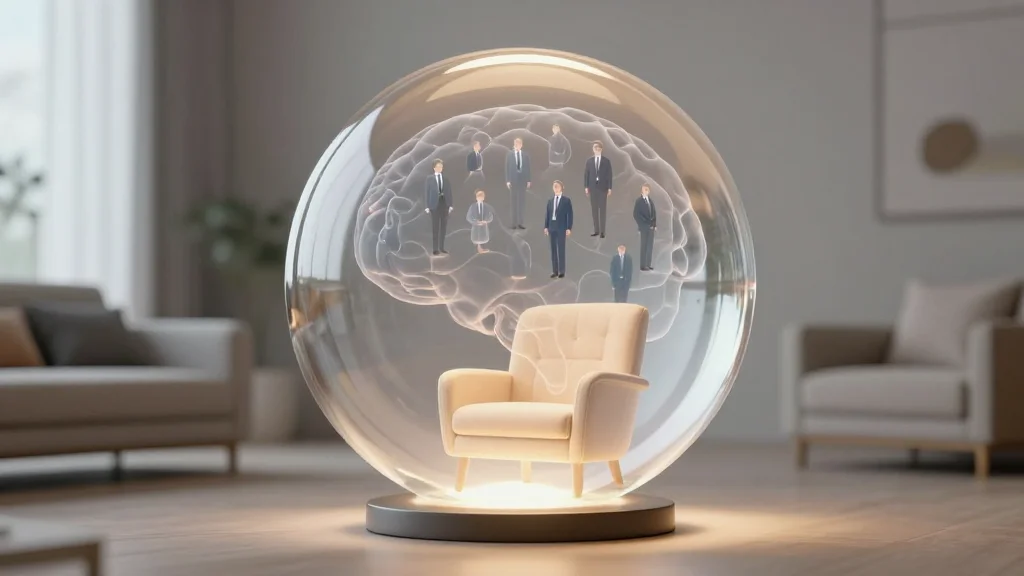
Guard Your Mind Like Your Home From Strangers
The human mind did not evolve over thousands of years to have hundreds of unfiltered opinions thrown at it every hour through a screen. You wouldn't let 100 random people break into your house, eat your food, and sleep there....

Engineers Must Embrace Management to Amplify Impact
Slight disagree here. Sure everyone ends up promoted one level above their competency, but if there's enough mental fortitude and lack of ego, a demotion back to a core compency can be a life saver. But sometimes a world class...

Buddha Purnima 2026 Celebrations Spotlight Timeless Teachings Amid Global Turmoil
Buddhist communities worldwide marked Buddha Purnima on April 30, 2026, a triple‑blessed day that reaffirmed the relevance of Gautama Buddha’s teachings. The United Nations‑recognized holiday drew attention to mindfulness, impermanence and compassion as antidotes to modern stress, digital overload and...

Iraq Veteran Turns Bourbon Tasting Into Mindfulness Practice to Tackle PTSD
Iraq war veteran Fred Minnick hosted a bourbon‑infused mindfulness dinner in Cleveland while promoting his new book, positioning bourbon tasting as a therapeutic meditation for PTSD. The approach, rooted in sensory focus, has drawn both praise and skepticism within veteran‑health...

Forbes Council Unveils 20 Resilient Leadership Habits, Emphasizing a 60‑Second Pause
The Forbes Business Council released a curated list of 20 habits that help leaders stay resilient amid rapid change. The panel highlighted a 60‑second pause before reacting to crises as a core practice, underscoring the link between personal calm and...

CNN Finds Effort Boosts Dopamine Reward, Offering New Path to Motivation
CNN's latest health piece reveals that exerting effort—like baking a cookie from scratch—produces a heightened dopamine reward response compared with simply consuming ready‑made treats. The finding, explained by Stanford psychiatrist Dr. Anna Lembke, suggests that purposeful work may be a...

Stop Trying to Win. Start Trying to Understand. The Leadership Shift That Changes Everything—At Work and At Home
The article challenges the common win‑oriented approach to conflict, urging leaders to replace it with a curiosity‑driven focus on understanding. By asking “What pressure is this person under?” leaders can uncover hidden stressors that fuel tension in boardrooms, sales calls,...

Arrogance Isn't Confidence. It's Fear Dressed as Power.
The article reframes arrogance as a fear‑driven protective armor rather than genuine confidence. Drawing on trauma‑focused and Internal Family Systems (IFS) therapy, it shows how over‑compensation masks deep‑seated insecurity and childhood wounds. True confidence, by contrast, emerges from a regulated...
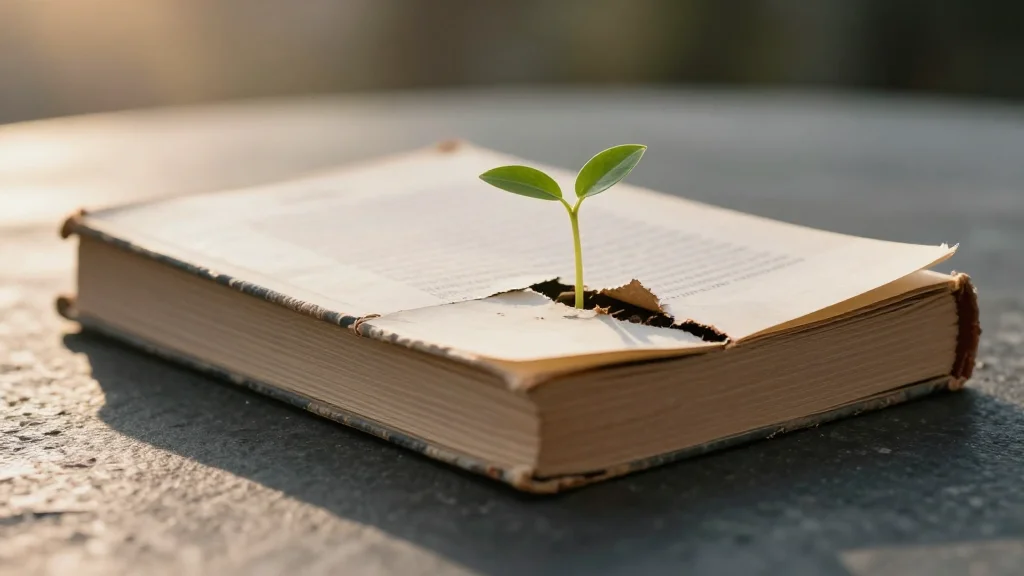
Rejection Is One Opinion, Not Your Writing Worth
I got plenty of rejections on my book before finding a publisher. And even though I knew it was part of the process, it still hurt every time. There's no way around it. But remember this: A rejection is ONE person's opinion on...

Stress Happens Even When Life Is Going Perfectly
A gentle reminder: stress doesn't only show up when things go wrong. It shows up during the new job, the move, the relationship, the chapter you actually wanted. Good change is still change, and your nervous system doesn't always know the...

Leadership in Times of Crises
Francis J. Kong’s column in The Philippine Star outlines how businesses can navigate the cascade of global crises—from energy shortages to supply‑chain shocks—by focusing on disciplined leadership. He stresses that cash flow, operational flexibility, customer proximity, core‑strength focus, and composure...
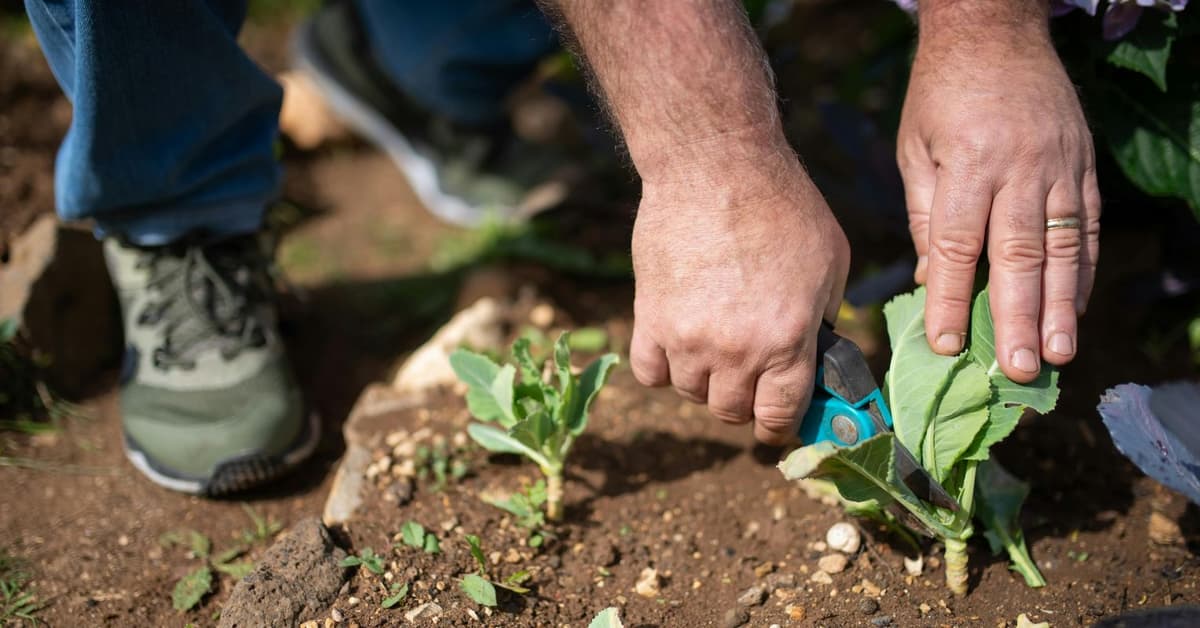
Find Your Garden: The Resources Within Us
The article highlights how accessing inner resources—like visualizing a personal garden—can quickly shift emotional and mental states, drawing on positive‑psychology principles and research on nature exposure. It recounts a case where a mobile‑game founder, Kaito, used garden visualization to reduce...
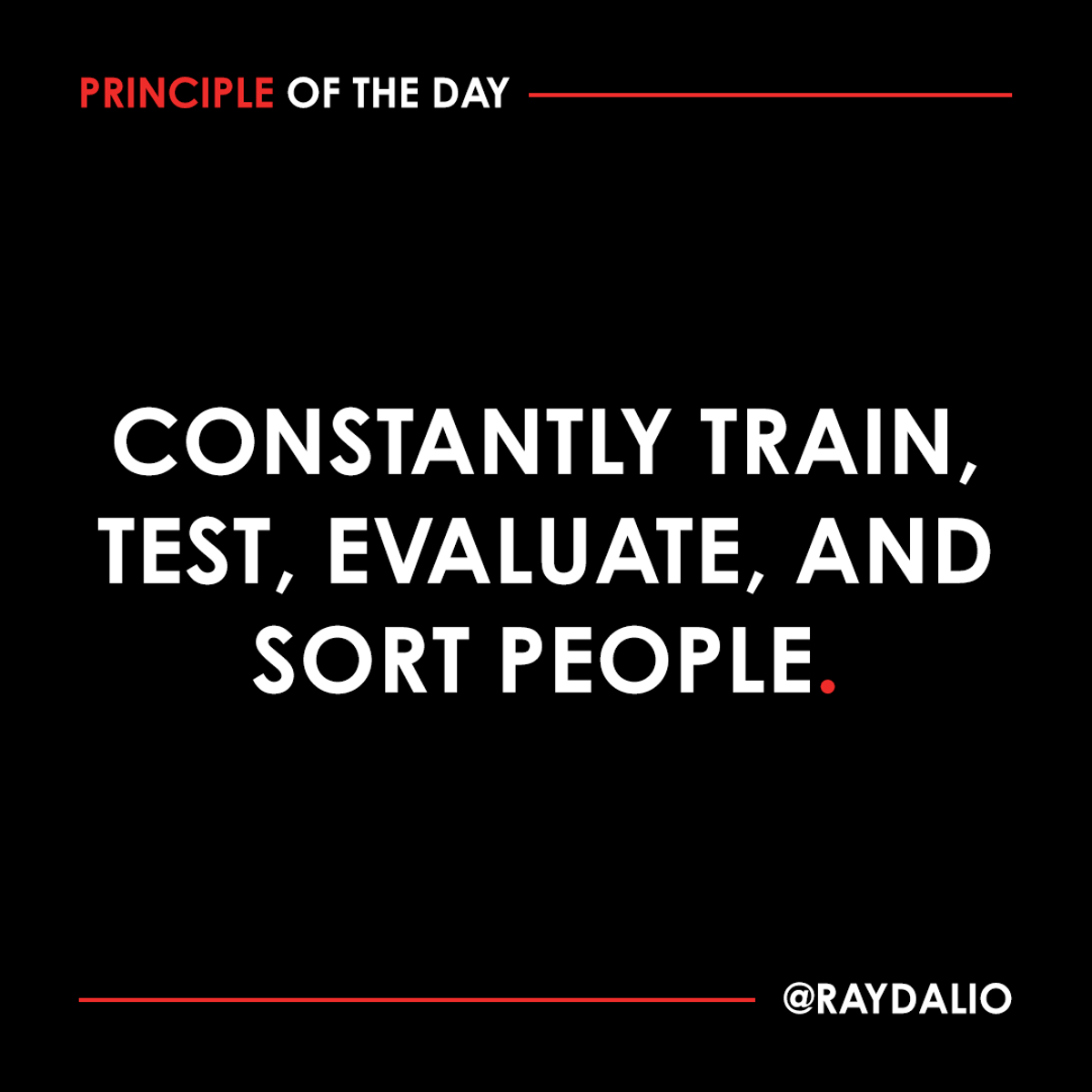
Evolve People and Design for Exponential Business Results
Your success depends on two things: your design and your people. If you want your outcomes to improve, you have to improve the 'machine' you are operating within. I built Digital Ray to help you refine that machine. By interacting...
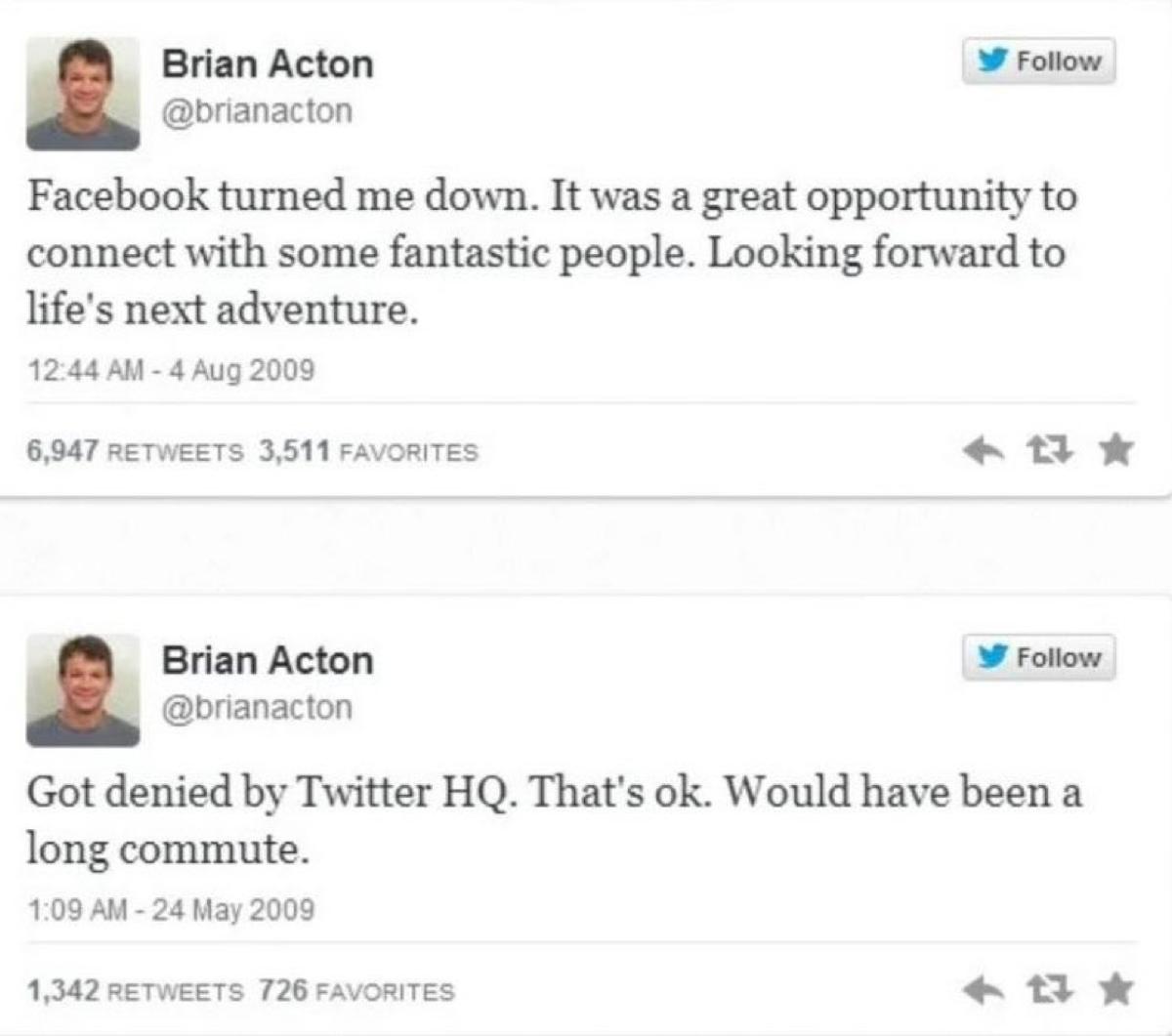
Rejected Today,
In 2009, he was rejected by both Twitter and Facebook. He positively tweeted about being rejected. In 2014, he sold his company WhatsApp to Facebook for $19 billion. You will be rejected. Winning is all about maintaining a positive attitude, Be...

From Burnout to Regeneration with Ruth Poulsen
Educator Ruth Poulsen, a veteran teacher on sabbatical, links teacher burnout to the depletion seen in conventional farming and proposes a regenerative school model. She highlights a stark statistic that for every teacher who retires this year, four will quit,...

Positivity, Trust, and Kindness Attract Good Things and People
If you stay positive, trustworthy and kind, good things and good people will be drawn to you.
Leaders Must Daily Ensure Clear Purpose and Support
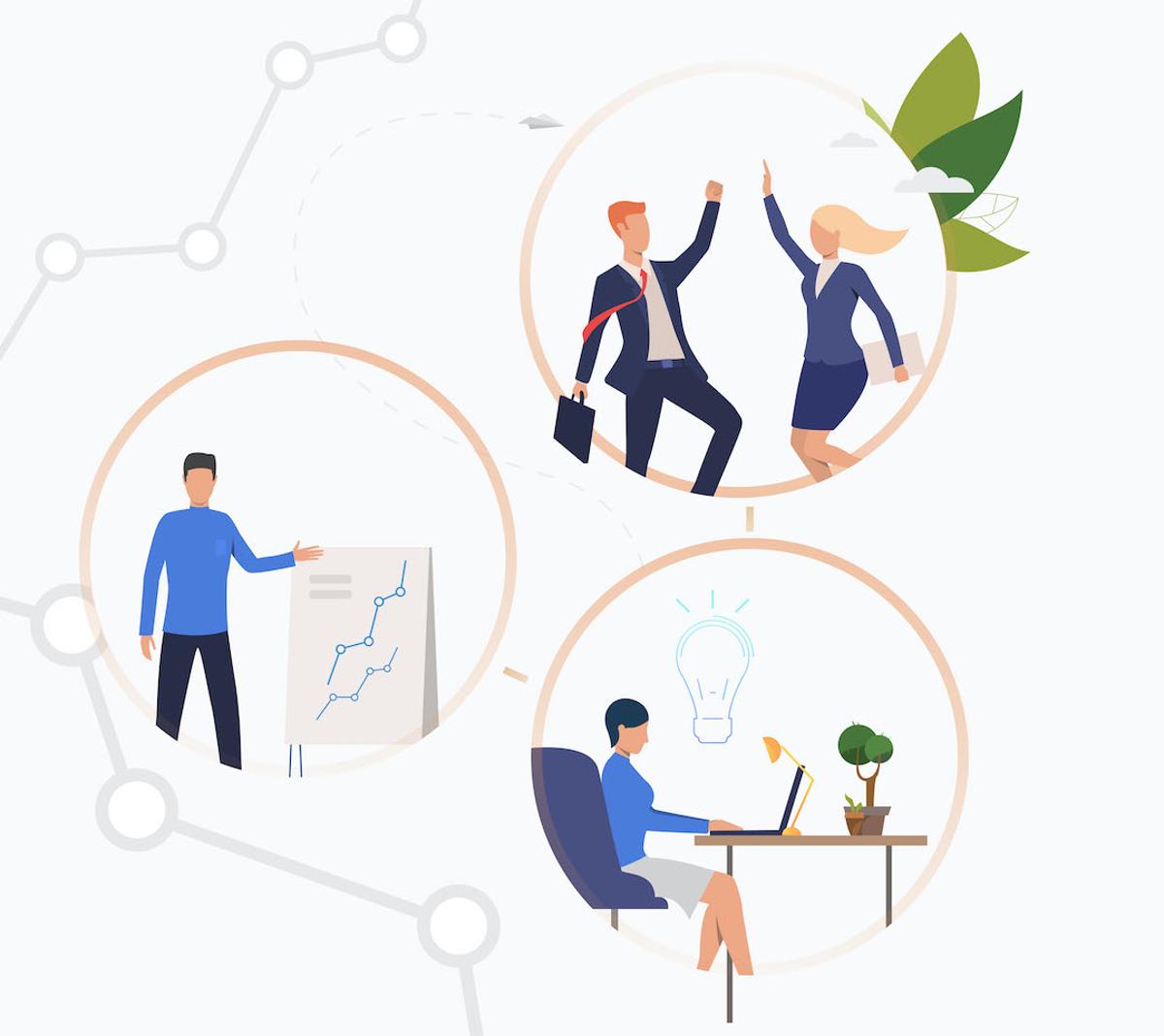
🟦 “Am I expending sufficient time and energy in providing clarity of purpose, direction, guidance, and support for my people?” One of the cardinal questions every manager/leader must ask themselves every day. —https://t.co/NGK6CN9XDu #leadership #management #employeeengagement https://t.co/nLL3Gq8DGc

Choose Action Over Scrolling: Do, Don’t Just Consume
In an age of slop AI content everywhere, doing >> consuming: "Remind yourself entertainment is not learning. Instead of scroll, like, scroll: read long books, try to replicate that tutorial you bookmarked, or maybe spend some time in the docs. Push...

It’s Never Too Late to Learn, Love, and Explore
You are not too old to change your mind, learn something new, travel far, make new friends, surf with dolphins and fall in love again. https://t.co/GKvm4QKSXK
Constraints Unlock Creativity: Inside the Box Insight
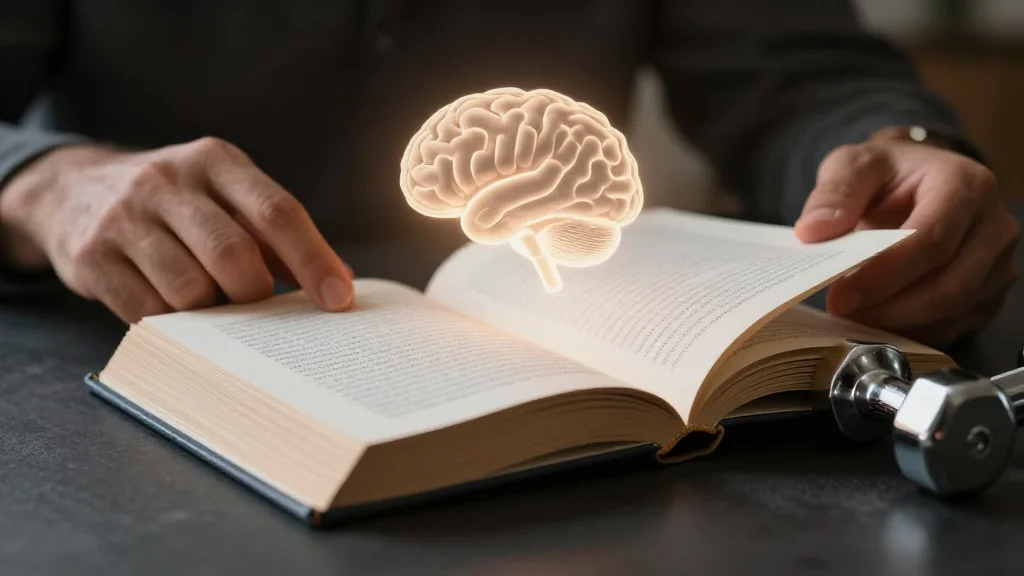
The first excerpt of my new book, INSIDE THE BOX: How Constraints Make Us Better

Six Willpower Pitfalls Blocking Talented Greatness, Says Cajal
Diseases of the Will – neuroscience founding father Santiago Ramón y Cajal, born on this day in 1852, on the 6 character pitfalls that keep the talented from reaching greatness https://t.co/Aqq22dht6E

Discomfort Signals Growth, Not Failure
Discomfort is not a sign you’re off track. It’s a sign you’re pushing past your current identity.

Working Hard to Stay Put, Not to Grow
Most people are doing way too much to stay in the same place but not nearly enough to grow.

Turn Past Pain Into Power, Not Fragility
You’ve already survived things that should’ve broken you. So why are you still acting like you’re fragile? That pain can weigh you down or push you forward. The choice isn’t what happened, it’s what you do with it. What are you waiting for? https://t.co/0mKiZoQ0bV

Resist Shiny Distractions; Stay Steady when Growth Slows
It can be really easy to chase shiny new objects, especially when things are not going "rocket ship style." The decision to stay the course or to change is something that is often very hard.

Daily Journaling Clarifies Thoughts and Releases Negative Emotions
Journalling every day is a great way of figuring out what you think, and getting some of the negative emotions out of your system. Some prefer writing longhand, some typing, some dictation. Some say talking to AI is actually helpful because it...

Let Go,
People who let go of the old paradigm and ride the wave will end up ahead. You're trapped by your history only if you choose to be.

Boost Your Brain’s Learning Rate for Faster Mastery
Your Brain's Learning Rate Listen to the narration of this post by @PeterDiamandis https://t.co/F7oquDLSyx https://t.co/oDqiJJ8pVW

Great Ideas Surface During Walks and Workouts.
Having a slower day than usual. I can confirm that great ideas often “whisper” during non-work moments (walks, showers, between sets at the gym). It’s no surprise that daily walks and workouts are the favorite hobbies of great investors and capital allocators.

Avoid Unintended Consequences: Three Leadership Fixes
RT @JoeContrera Here are three situations that can arise when leaders and their people are unaware of the The Law of Unintended Consequences -- and 3 ways to overcome these issues: https://t.co/TmkailDAVy #leadership #employeeengagement https://t.co/wO8VmdWovy
Master Coworker Stress to Protect Sleep and Grow
Difficult coworkers follow you home in your mind and ruminating about them can disrupt your evening and your sleep. But if you can learn how to manage them you will be developing a necessary skillset that will serve you for...
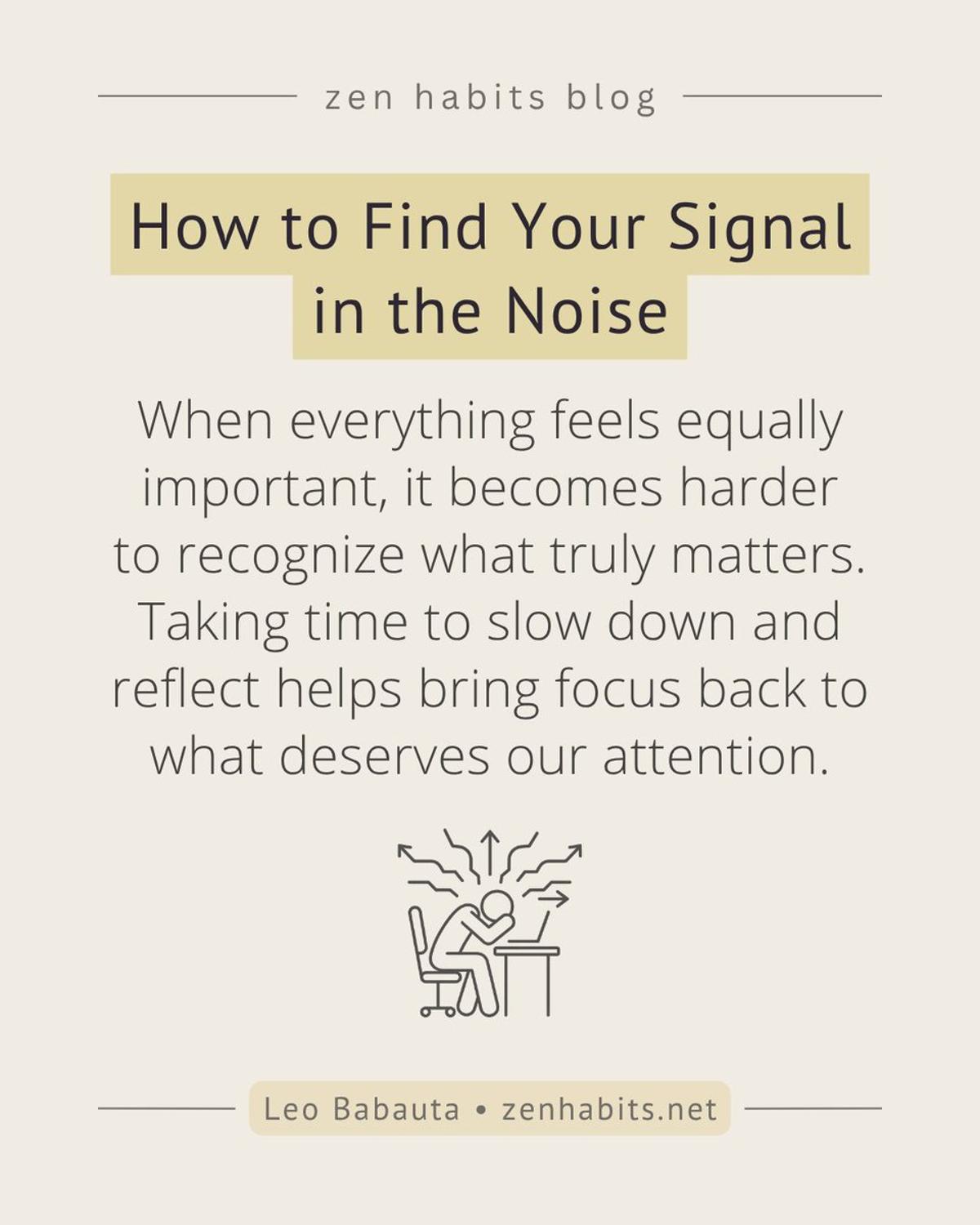
Pause Daily to Realign Priorities and Stay Intentional
A lot can happen in a day without touching what truly matters. Reacting takes over, and priorities fade into the background. Creating a small space to pause helps bring things back into alignment. ★ https://t.co/XlucQRI0mJ #focus #simplicity #intentionalwork https://t.co/TkPjqrRJW6

Avoid Companies That Disrespect Customers; Quality Requires Respect
Don't join a company or industry that has contempt for its customers. You can make a lot of money that way, and of course it gives you a feeling of superiority, but you'll never do great work for a market...