Today's Science Pulse
UK-led study reveals hidden massive star clusters deep inside nearby galaxies
Astronomers using the VLA and ALMA uncovered previously unseen giant star clusters, described as "ring factories," embedded within nearby galaxies. A complementary analysis of roughly 18,000 star‑forming regions showed that the energetic activity of young stars plays a decisive role in shaping galaxy evolution.
Also developing:
By the numbers: Foundation Alloy raises $22M Series A
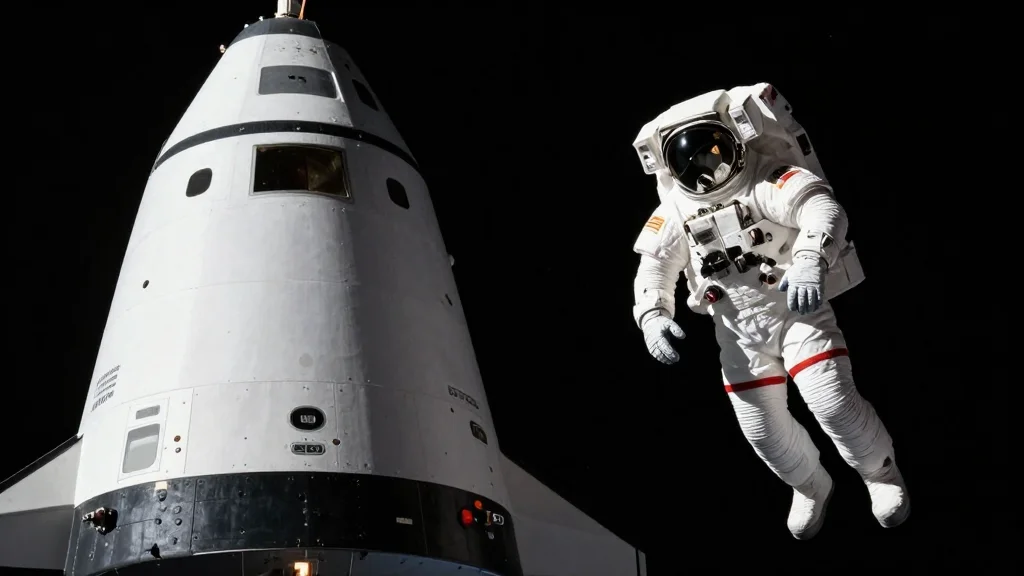
NASA’s First Medical Evacuation Is Here. It Won’t Be the Last.
NASA conducted its first-ever medical evacuation from the International Space Station in January 2026 when astronaut Mike Fincke experienced a microgravity‑related health event. The entire Crew‑11 returned early aboard a SpaceX capsule because no spare crew‑ready vehicle was available. The decision allowed Fincke to receive advanced imaging on Earth, while the remaining crew remained stable. This marks the first NASA mission ending prematurely for medical reasons, though Soviet missions performed similar evacuations in the 1980s.
Bay Area Light Sources Joint Users' Meeting
The U.S. Department of Energy’s three flagship light‑source labs—Advanced Light Source (ALS), Linac Coherent Light Source (LCLS) and Stanford Synchrotron Radiation Lightsource (SSRL)—will convene for their first joint users’ meeting at SLAC National Accelerator Laboratory from September 20 to 25,...
Genotype, Phenotype, and GWAS Data
The Broad Institute launched a free, weekly video series called “Primer on Medical and Population Genetics,” offering informal deep‑dives into genetics fundamentals for a wide scientific audience. Episodes cover human genetic variation, genotyping technologies, DNA sequencing, statistical methods, and GWAS...

Ancient DNA Reveals 250k-Year-Old Mating Preferences
Neanderthals, modern humans, and the rules of attraction. Here's my story on a tantalizing study on mating preferences as far back as 250,000 years ago. Gift link: https://nyti.ms/4bcNzvy
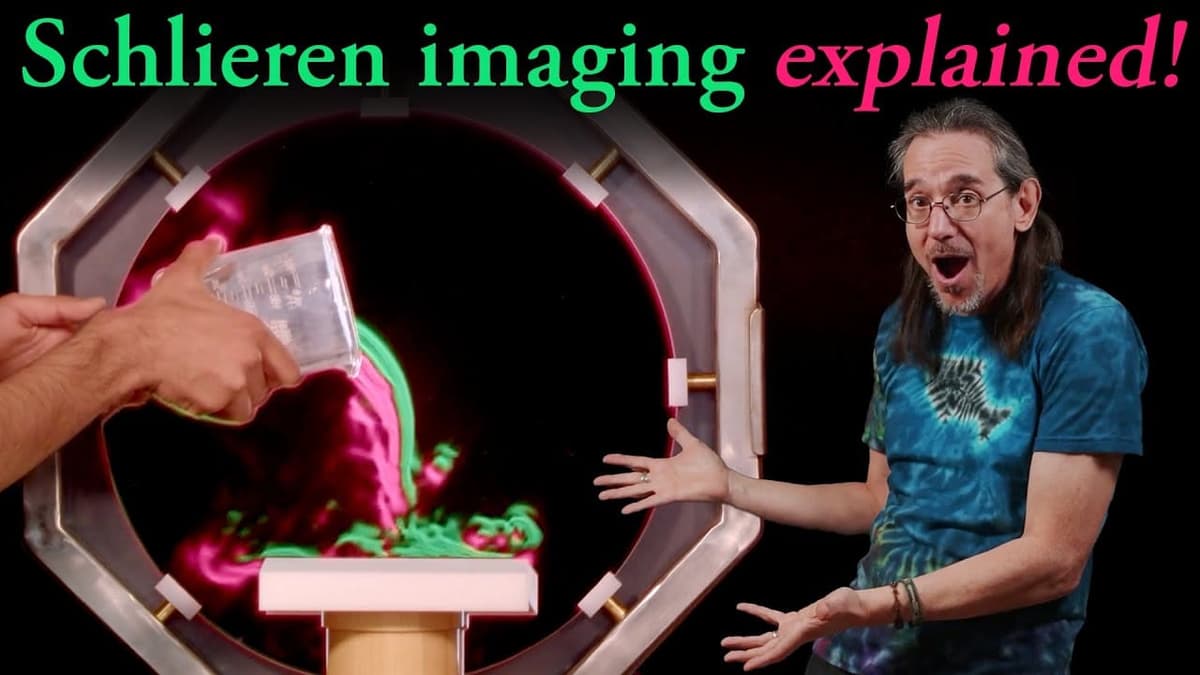
Understanding Schlieren
The article explains schlieren imaging, an optical technique that makes density variations in fluids visible. It focuses on a spherical‑mirror configuration that can render invisible gases, candle plumes, and shock waves detectable on camera. Sample images show carbon‑dioxide vortex rings...
Saving The Life We Cannot See
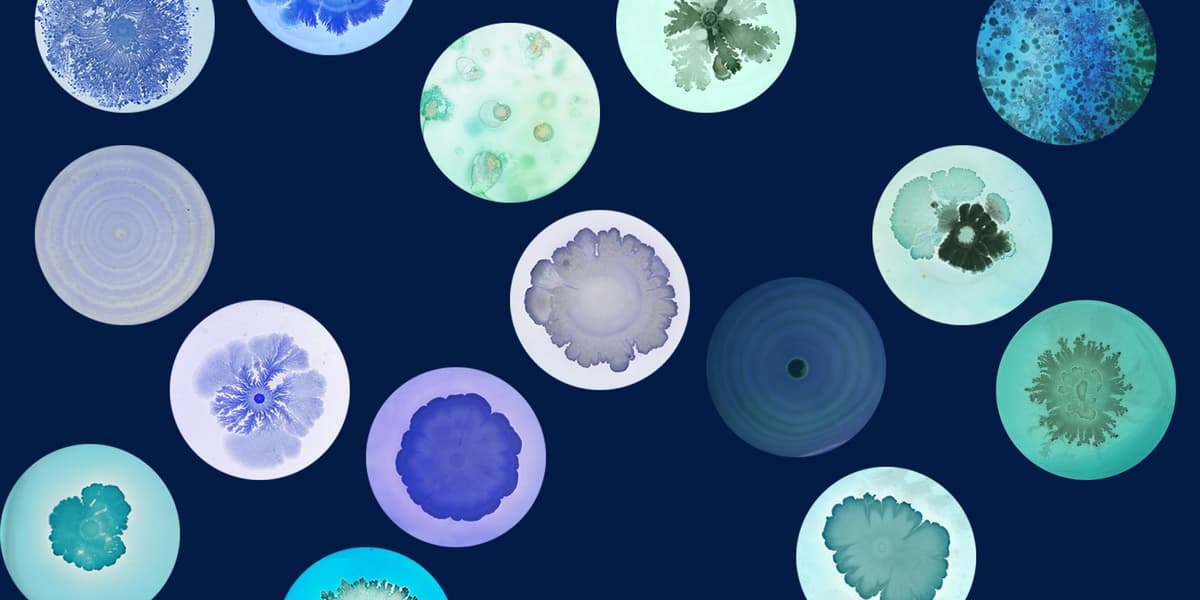
Scientists across the globe are sounding the alarm that microbes—tiny organisms driving half of Earth’s oxygen production and key carbon cycles—are under unprecedented threat. Long‑term monitoring programs such as the Bedford Basin Time Series reveal rapid shifts in microbial communities,...
Space Dust: The Unsung Hero of Astrophysics
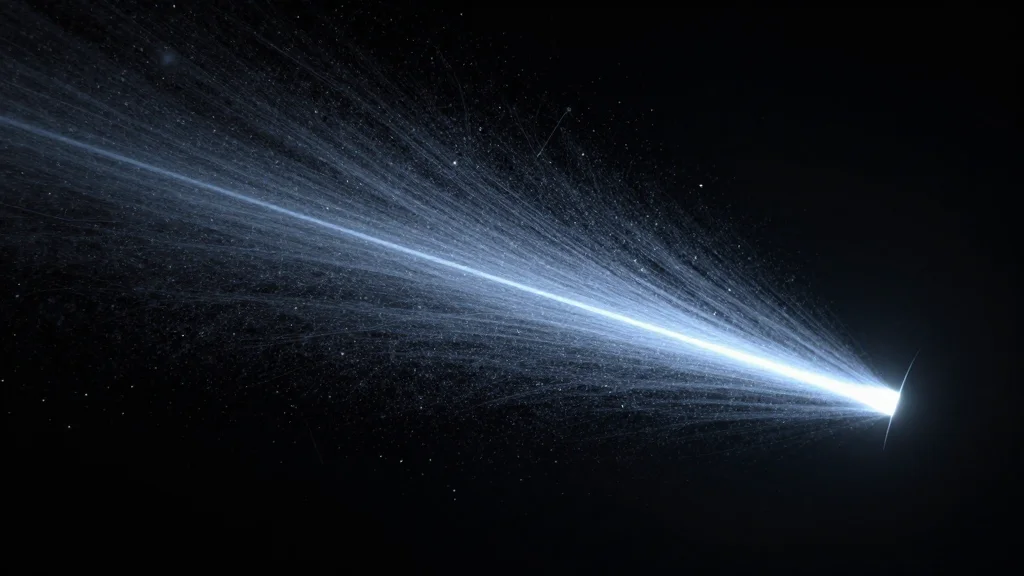
Want to learn more about space dust? Check out this post about why dust matters for astrophysicists https://open.substack.com/pub/observinghope/p/the-universe-could-use-a-swiffer?r=dx2wl&utm_campaign=post&utm_medium=web&showWelcomeOnShare=true
Study Reveals Genetic Balancing Act Between Autoimmunity and Cancer Risk
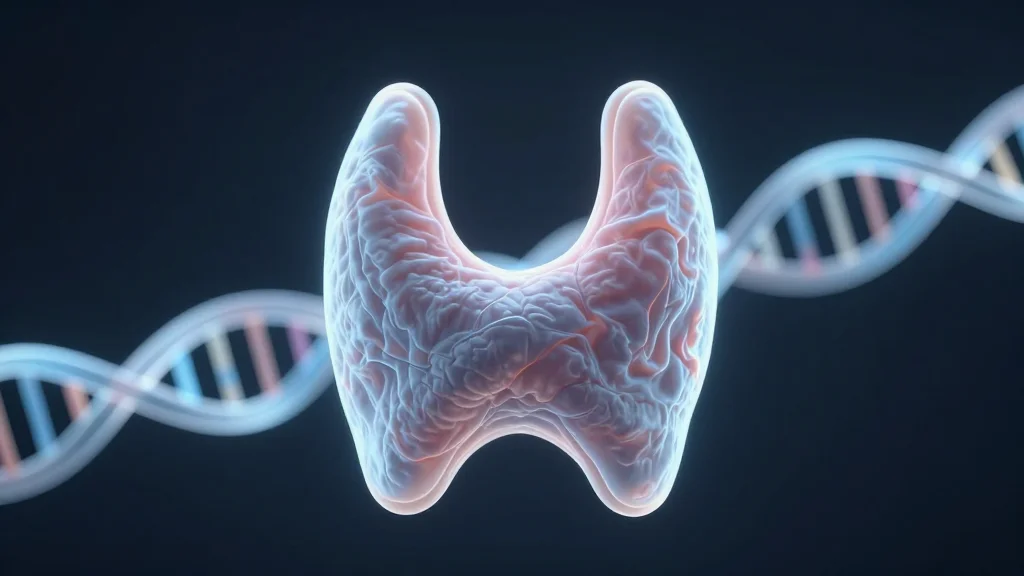
Researchers at the Broad Institute and University of Helsinki analyzed over 81,000 individuals with autoimmune hypothyroidism (AIHT) and identified more than 400 genetic markers, including nearly 50 protein‑coding variants. The study distinguished genetic signals specific to thyroid autoimmunity from those...
Skeptical Science New Research for Week #9 2026
The latest Skeptical Science weekly roundup highlights mounting climate risks across multiple sectors. A new study finds 67% of U.S. national parks are vulnerable to transformative impacts such as fire, drought, and sea‑level rise, while research on extreme fire weather...
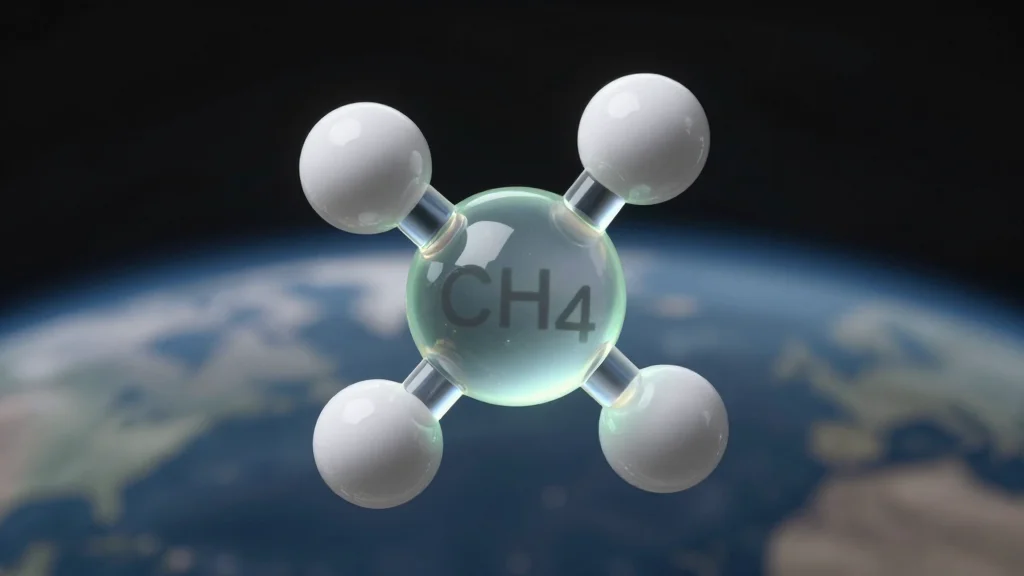
Curbing Methane Is the Fastest Way to Slow Warming – but We’re Off the Pace
The 2025 Global Methane Status Report finds human‑caused methane emissions have risen since 2020, though the increase is smaller than earlier forecasts. The Global Methane Pledge’s ambition has spurred national plans that could deliver an 8% cut by 2030, yet...

World Leaders Invited to See Pacific Climate Destruction Before COP31
World leaders and climate ministers will be invited to a series of pre‑COP31 events across the Pacific, with Fiji hosting the official pre‑COP meeting in early October and a special leaders’ component in Tuvalu. Australia will supply operational and logistical...
BioAIrepo: EMBL-EBI’s Hub for Life Science AI Models
EMBL‑EBI has launched BioAIrepo, a dedicated repository that makes life‑science machine‑learning models FAIR—findable, accessible, interoperable and reusable. The pilot catalogue aggregates imaging and genomics models from the BioImage Model Zoo and Kipoi, providing code, weights, training data and citation metadata....

A Deafening Nuclear Fusion Reactor: Why You Wouldn’t Want to Hear the Sun
The Guardian explains that the Sun functions as a colossal nuclear fusion reactor that produces not only heat and light but also intense acoustic energy. At its core, solar reactions generate sound levels exceeding 100 decibels, comparable to a rock‑concert...

UN’s New Carbon Market Delivers First Credits Through Myanmar Cookstove Project
The UN’s Article 6.4 carbon market has issued its first credits, approving 60,000 carbon units from a clean‑cooking project in Myanmar. The programme, originally launched under the CDM, distributes efficient cookstoves that reduce firewood use and associated deforestation. South Korean firms...
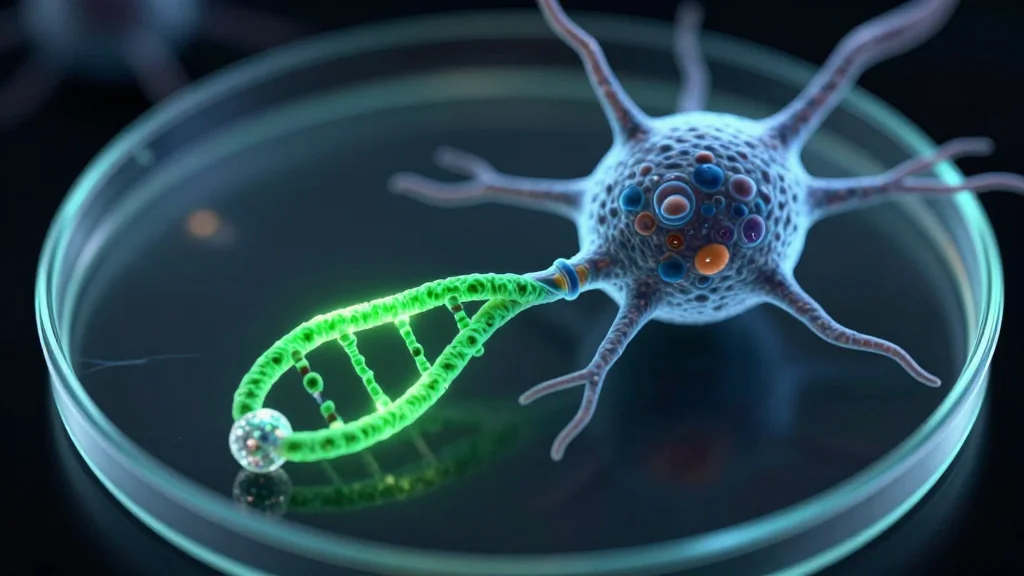
11th Annual Rare Disease Day | Advancing a Divalent siRNA for Prion Disease: An Investigator-Initiated Program
Rare Disease Day marked its 11th anniversary, highlighting the stark disparity between the 8,000 known rare‑disease genes and the under 500 approved therapies. Hosted by the Broad Institute’s Ladders to Cures Accelerator and the Termeer Institute, the event featured leading...

HiLumi LHC: Cryogenics Equipment Arrives Underground
Two massive cold boxes built by Linde have been lowered into the new service tunnels of the High‑Luminosity LHC, near the ATLAS and CMS experiments. These units form the core of the upgraded refrigeration system that will cool the next‑generation...
Accelerator Report: Protons Are Heading Towards the LHC
The CERN accelerator complex is moving toward full LHC operation as beam commissioning progresses across the injector chain. The SPS has finished its first week of commissioning and entered a scrubbing run to condition vacuum surfaces for the high‑intensity beams...