Today's Science Pulse
UK-led study reveals hidden giant star clusters deep inside nearby galaxies
Astronomers using the VLA and ALMA uncovered previously unseen massive star clusters embedded in nearby galaxies, describing them as “ring factories” that produce giant clusters. The findings highlight how young stellar activity drives the evolution of their host galaxies.
Also developing:
By the numbers: Foundation Alloy raises $22M Series A

Endocrine-Disrupting Chemicals Found in Breast Milk and Infant Urine up to Age 6 Months
A study presented at ENDO 2026 examined breast milk and infant urine from 336 mother‑infant pairs, detecting over 50 endocrine‑disrupting chemicals (EDCs) through the first six months of life. Bisphenol A appeared in roughly half of breast‑milk samples and rose to 68% in infant urine by six months, while phthalates were present in more than 90% of early milk. Parabens, glufosinate and other pollutants showed increasing detection over time, linking exposure to common personal‑care and household products. The findings have spurred a prevention campaign and agreements among Italian stakeholders to curb EDCs.

TRACERS Spacecraft Maps Solar Energy's Route Into Earth Using Cusp Electrons
Physicists from the University of Iowa used the TRACERS twin‑satellite mission, launched in July 2025, to map how solar‑wind energy travels from magnetic reconnection points high above Earth down to low‑Earth‑orbit cusps. By analyzing electron velocities and concentrations, the team...
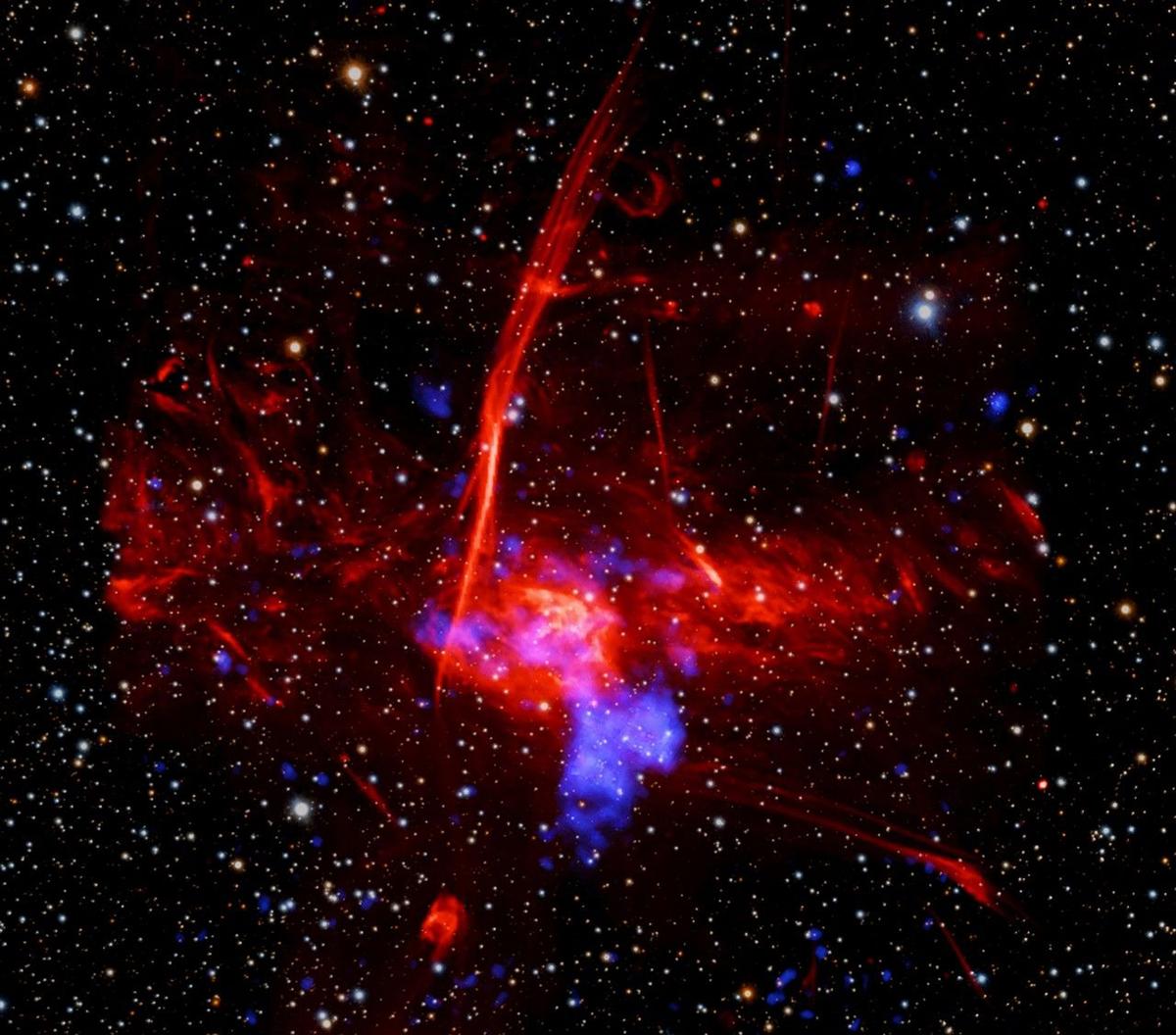
Chandra X-Ray Observatory Data Points To Supernova Near Galactic Center
NASA’s Chandra X‑ray Observatory has identified a candidate supernova remnant just 30 light‑years from the Milky Way’s central black hole, marking a potential first of its kind near the Galactic Center. The finding, detailed in a paper in The Astrophysical...

Gut Feelings: How the Microbiome Programs Cellular Longevity
A new review in Frontiers in Aging introduces the microbiome‑gerogene axis, arguing that gut microbes act as upstream regulators of cellular aging networks. Age‑related dysbiosis reduces key metabolites, leading to leaky gut, chronic inflammation and epigenetic drift that accelerate organ...

Q&A: Tracing the Origins of Supermassive Black Holes
Sarah Pappert, a Ph.D. candidate at the Technical University of Munich, is developing a specialized optical system for MICADO, the first‑light camera of the 39‑metre Extremely Large Telescope. Her work enables high‑resolution spectroscopy that will probe the Milky Way’s centre...
Bryan Johnson Longevity Protocol Discussion (2024 / 25 /26)
Bryan Johnson’s high‑priced longevity protocol was dissected by Dr. Gil Carvalho, who found its scientific core aligns with basic nutritional principles rather than exclusive commercial products. The analysis highlights that indefinite caloric restriction can endanger lean, active individuals, while a...

Scientists Map the Neural “Entrapment” Patterns that Keep the Depressed Brain Stuck
Researchers at Icahn School of Medicine used high‑resolution MRI and diffusion tractography combined with network control theory to map the brain's energy landscape in major depressive disorder. They identified four recurring whole‑brain states and found that patients with depression repeatedly...

New Atlas Reveals More About How the Body's 'Master Gland' Really Works
A collaborative team has released the Consensus Pituitary Atlas, a unified map that merges data from 1.3 million cells across nearly 40 single‑cell RNA‑seq studies of the mouse pituitary. By re‑analyzing the raw data with a standardized pipeline, the researchers corrected...
Cardiovascular Health 2026
The NATURE-CT study tracked 205 asymptomatic, statin‑naïve adults with low coronary calcium over an average of 4.9 years using serial CCTA. Despite baseline CAC scores ≤100 and half with a score of zero, total plaque volume roughly doubled, driven almost...

AI Model Detects Patients at Risk of Underdiagnosed Causes of Hypertension
A new artificial‑intelligence model trained on 1.2 million electronic health records can flag patients whose hypertension is driven by underdiagnosed secondary causes such as primary aldosteronism, renal artery stenosis, and pheochromocytoma. The algorithm achieved an area‑under‑the‑curve of 0.92 and identified high‑risk...

Japan’s H3 Rocket Returns To Flight With Successful Debut Of Low-Cost H3-30 Configuration
Japan’s JAXA and Mitsubishi Heavy Industries successfully launched the H3‑30S, a low‑cost variant of the H3 rocket, on June 12, 2026 from Tanegashima. The three‑engine, booster‑free configuration placed a 1.6‑ton test payload and six small satellites into low‑Earth orbit, marking the program’s...
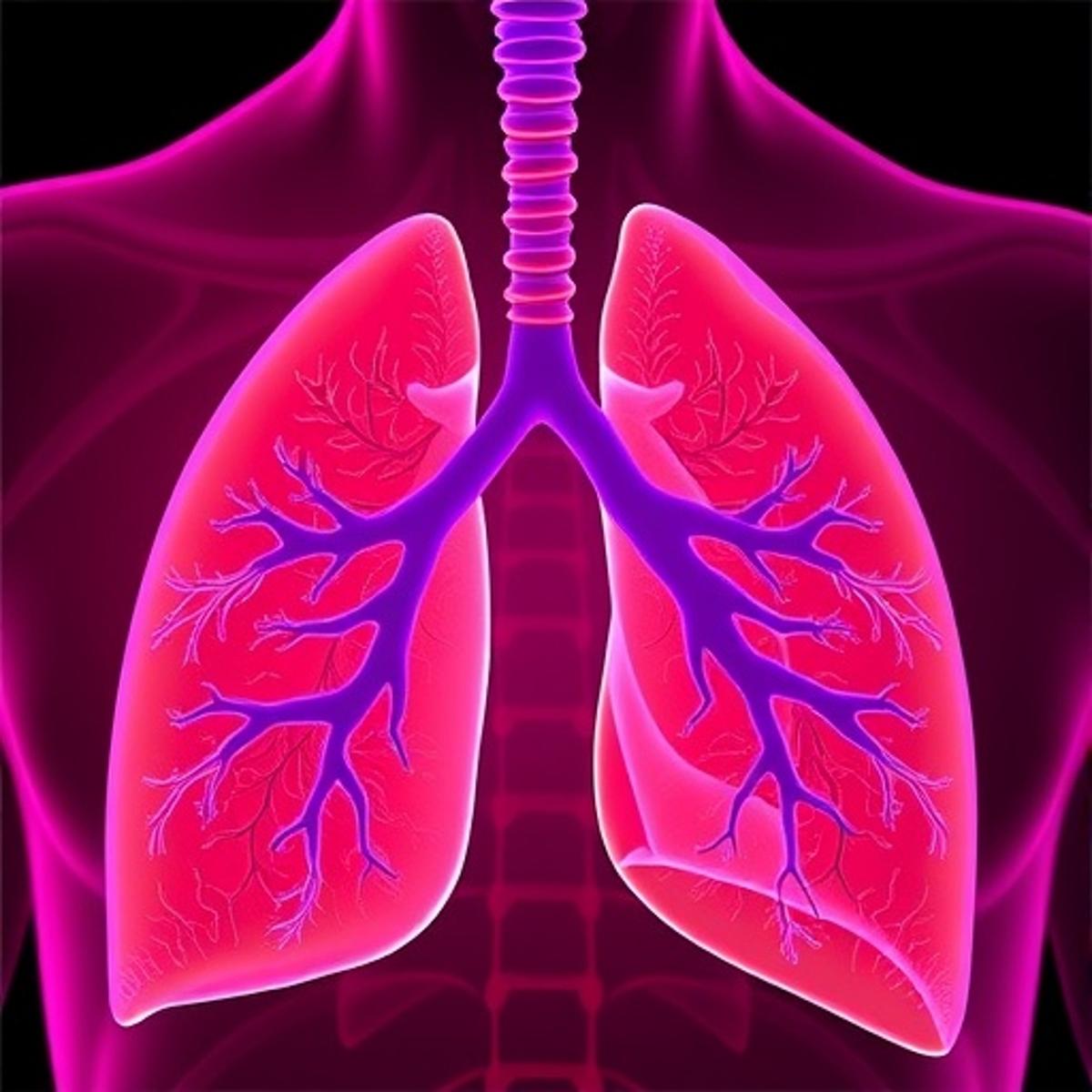
Cadonilimab Boosts Chemo in PD-L1-Negative Lung Cancer
A Phase III trial showed that adding the bispecific antibody cadonilimab to standard chemotherapy significantly improved outcomes for patients with advanced PD‑L1‑negative non‑small cell lung cancer (NSCLC). The combination raised the overall response rate to 38% versus 22% with chemotherapy...

Sexual Dysfunctions Are Significantly More Common in People with Paraphilias
A Hungarian cross‑sectional study of 8,282 young adults found that individuals with paraphilic interests or paraphilic disorders experience markedly higher rates of sexual dysfunctions than matched peers without such interests. Participants with paraphilic interests had 3.1‑times higher odds of erectile...

Bidirectional Manipulation of Gate-Free Quantum Electronic States via Semiconductor Interface Engineering
Researchers at National Taiwan University and partners have demonstrated bidirectional, gate‑free manipulation of quantum electronic states by engineering the interface between semimetal bismuth thin films and twisted bilayer MoS₂. The horizontal electron confinement arises from a Moiré potential, while vertical...

Your Brain Can Keep Improving Into Your 90s, Study Finds
A three‑year study by the University of Texas at Dallas Center for BrainHealth tracked 3,966 adults aged 19 to 94 who completed 5‑15 minutes of daily brain‑training activities. Using the proprietary BrainHealth Index, researchers observed measurable improvements in clarity, emotional...

Blood Biomarkers of Glial Dysfunction Predict Long-Term Cognitive Decline and Dementia Risk
A large prospective cohort study found that midlife blood concentrations of glial fibrillary acidic protein (GFAP), YKL‑40, soluble CD14 and neurofilament light chain (NfL) are strongly linked to later cognitive decline and dementia diagnosis. Participants with the highest quartile of...

Chandra Resolves NGC 6540's Mysterious X-Ray Flare Into Three Separate Sources
Astronomers using NASA's Chandra X‑ray telescope have resolved the enigmatic 2005 flare in the globular cluster NGC 6540 into three distinct sources, labeled A, B and C. The sources lie 1.5–2.5 arcseconds apart and sit within the error region of the...
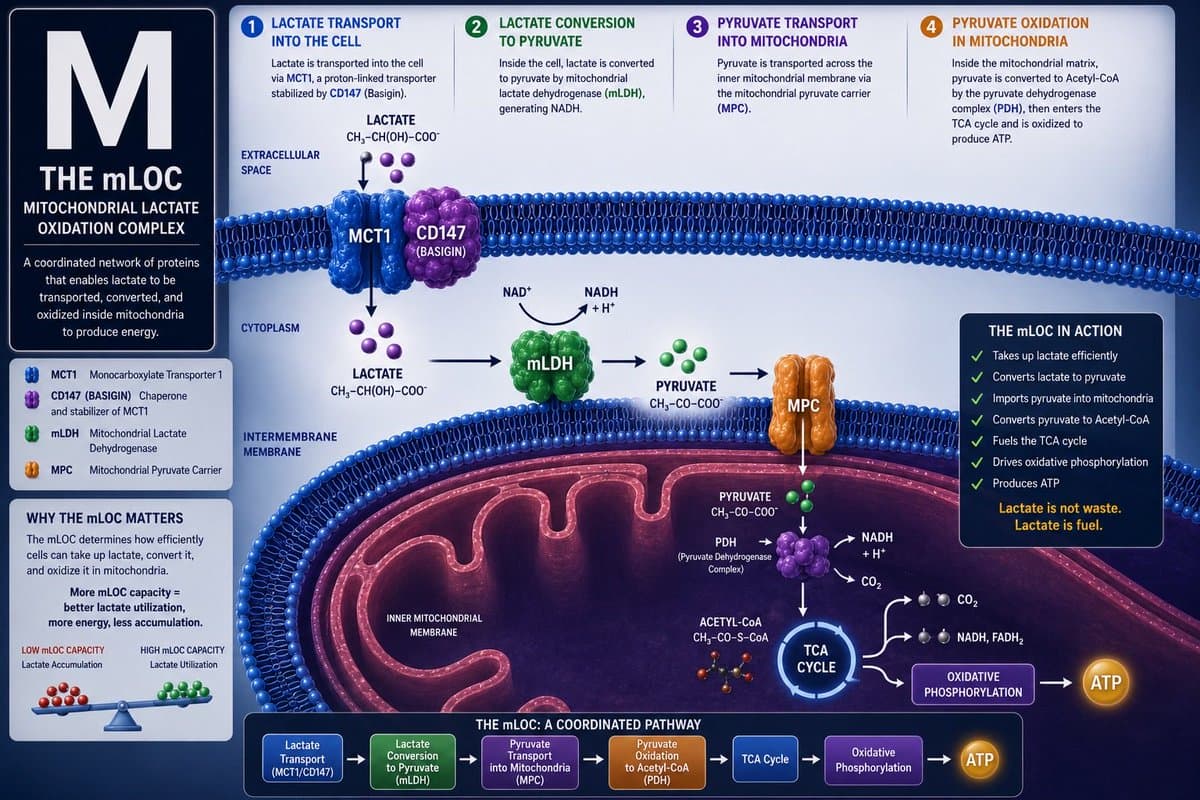
Meet mLOC: The Hidden Bridge Powering Lactate Metabolism
Let me tell you about the mLOC Everybody talks about mitochondria nowadays…Lactate is becoming mainstream as well… However, almost nobody has heard of the molecular machinery that connects the two. It is called the mLOC, the mitochondrial lactate oxidation complex. This network of proteins...

The Grandparents of Okinawa, Japan, Are Among the Longest-Lived Humans on Earth. Their Grandchildren Are Dying Younger than the Rest...
A new peer‑reviewed analysis shows Okinawa’s famed longevity advantage has collapsed within a single generation; post‑war cohorts now have lower life expectancy than mainland Japan while the pre‑war grandparents remain among the world’s longest‑lived. The decline coincides with a dietary...
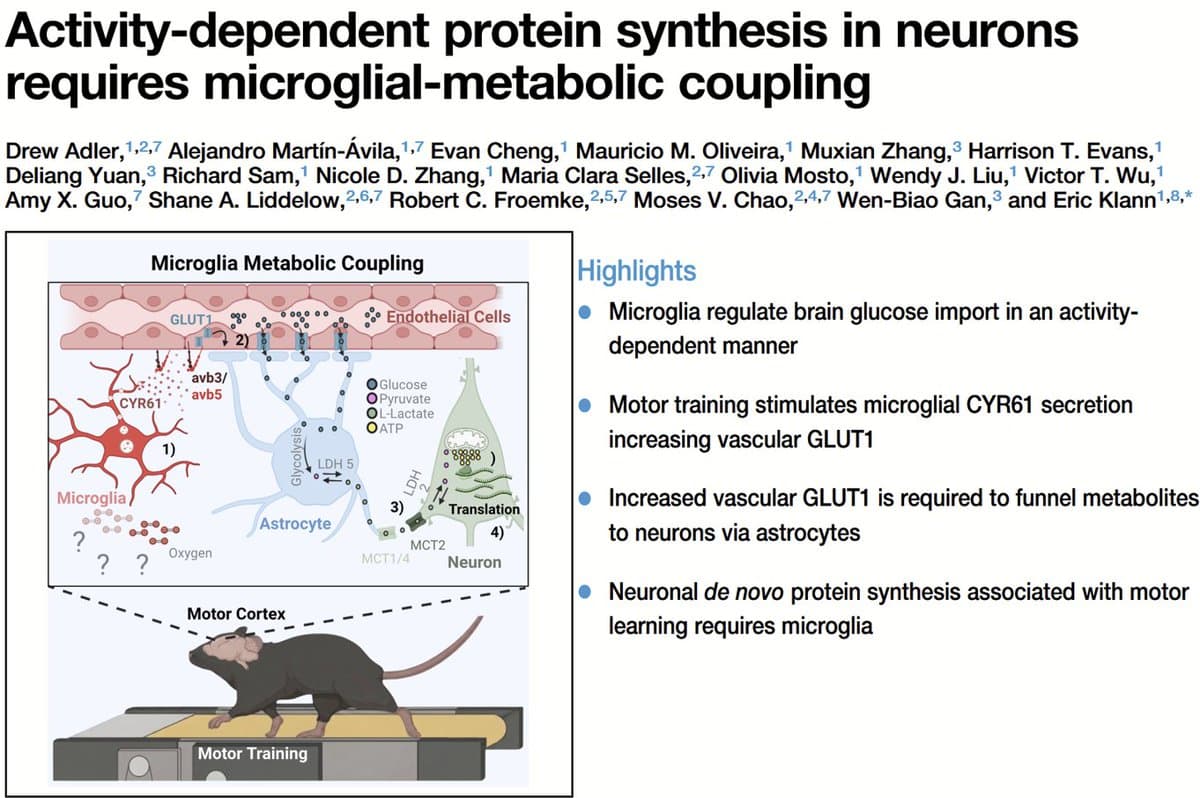
Microglia Fuel Learning by Boosting Brain Glucose Transport
Building memories is energetically expensive. New research reveals that microglia help meet this demand by orchestrating a neuroimmune metabolic circuit that boosts glucose transport to active brain regions, fueling neuronal protein synthesis required for learning. During motor learning, microglia release CYR61,...

Omega-3 Supplements Protect the Brain’s Breathing Center in Parkinson’s Disease Model
Researchers at the University of São Paulo found that omega‑3 fish oil supplements protected the brainstem regions that control breathing in mice engineered to mimic Parkinson’s disease. While the supplements did not prevent loss of dopamine‑producing neurons, they preserved respiratory...

Elephants Can Swim, Charge and Rear up, yet They Cannot Jump — the Bones in Their Legs All Point Downward,...
Elephants are the only large mammals that never achieve a moment of flight, even at a top speed of 6.8 metres per second (about 15 mph). Their limbs are built like vertical columns, with bones pointing straight down to bear weight efficiently....

Tiny Radar Tags Enable Real‑Time Mosquito Tracking
Tiny harmonic radar tags let scientists track mosquito movement through fields and shaded parkland. The insects could still fly and land with the tags, though the method still interferes in some cases. mosquitoes

The Universe’s Most Wanted Black Holes Finally Have an Alibi
Gravitational‑wave event GW231123, detected by LIGO‑Virgo‑KAGRA, merged black holes of 137 and 103 solar masses with spins of 0.9 and 0.8 – the heaviest and fastest‑spinning pair ever observed. Both masses fall inside the pair‑instability mass gap, a range where...
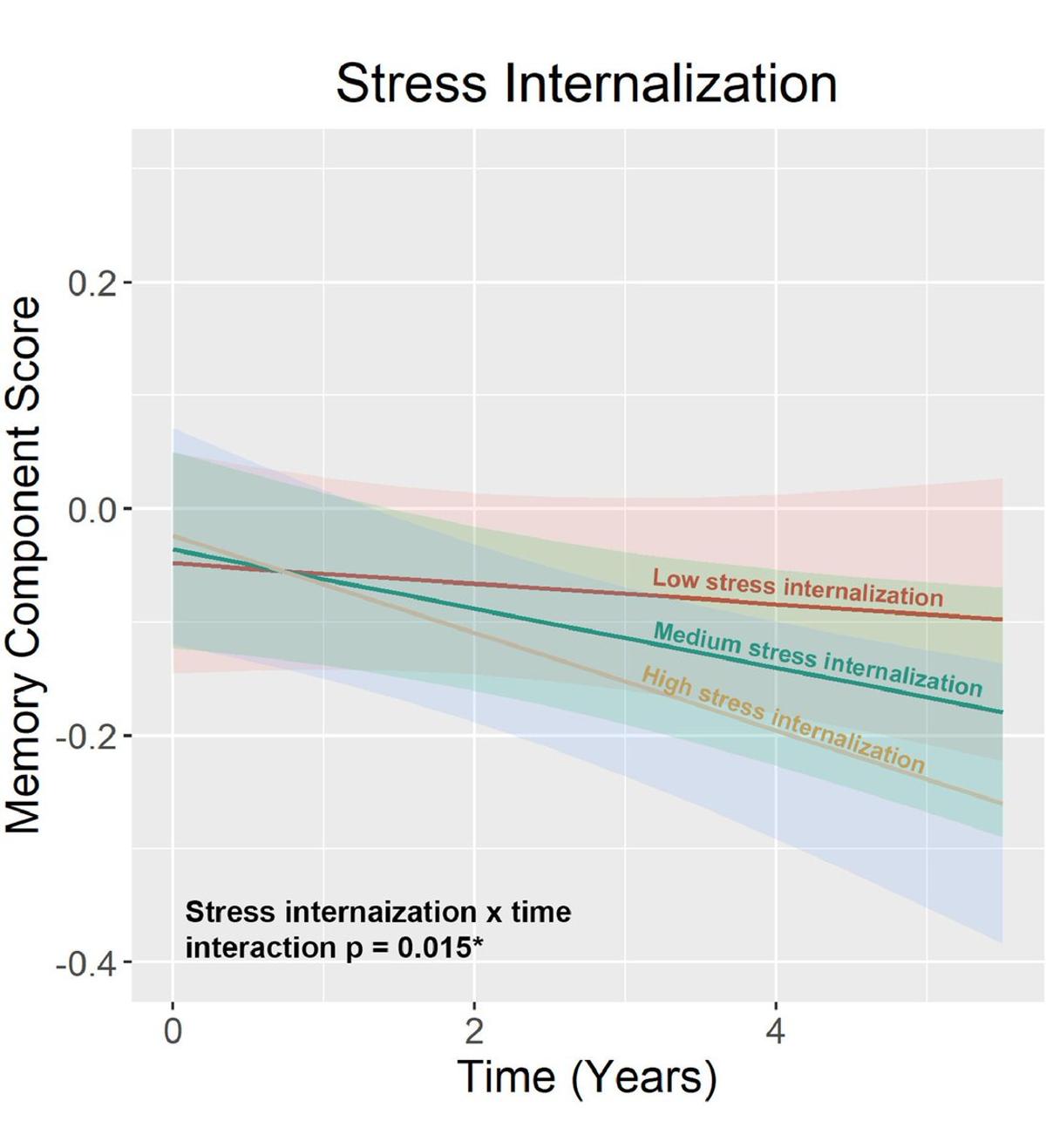
Internalized Stress Predicts Five-Year Memory Decline in Elders
The way you internalize stress may determine how harmful it becomes. Among older adults, the strongest psychosocial predictor of memory decline over 5 years was stress internalization: - more perceived stress - more hopelessness - less conscientiousness Social support, activity engagement, and community cohesion were...

Jeff Bezos’s Blue Origin Says It Will Fly Again This Year After Explosion. Nasa Needs It To
Blue Origin announced it will launch the New Glenn rocket again before the end of 2026, despite the catastrophic explosion at launch complex 36A in June that destroyed the vehicle and heavily damaged the pad. CEO Dave Limp and senior VP...

Engineering Enzymes with Potential Against ALS and Parkinson's Disease
Washington University chemists have created a high‑throughput platform to generate and screen tens of millions of engineered Hsp104 disaggregase variants. The method uses yeast expression and deep‑sequencing to pinpoint enzymes that can break down disease‑linked protein aggregates such as TDP‑43...

Why a Startup Just Gave Away Four Million Living Human Neurons for Free: Crownlands, Olfactory Cells, CZ CELLxGENE, and the...
Crownlands, a San Francisco discovery‑tools startup backed by Caffeinated Capital, launched a free, open‑source dataset of four million living human olfactory neurons collected from more than 200 donors, including Alzheimer’s, Parkinson’s and other neurodegenerative patients. The cells were harvested using...

Science News This Week: El Niño Arrives, the Artemis III Crew Are Revealed, a 'Cold Blob' Expands Across the Atlantic,...
NOAA officially announced the onset of a potentially record‑strong El Niño, raising concerns about extreme weather, wildfires and agricultural disruptions worldwide. At the same time, researchers highlighted a growing "cold blob" south of Greenland that could weaken Atlantic ocean currents, while...
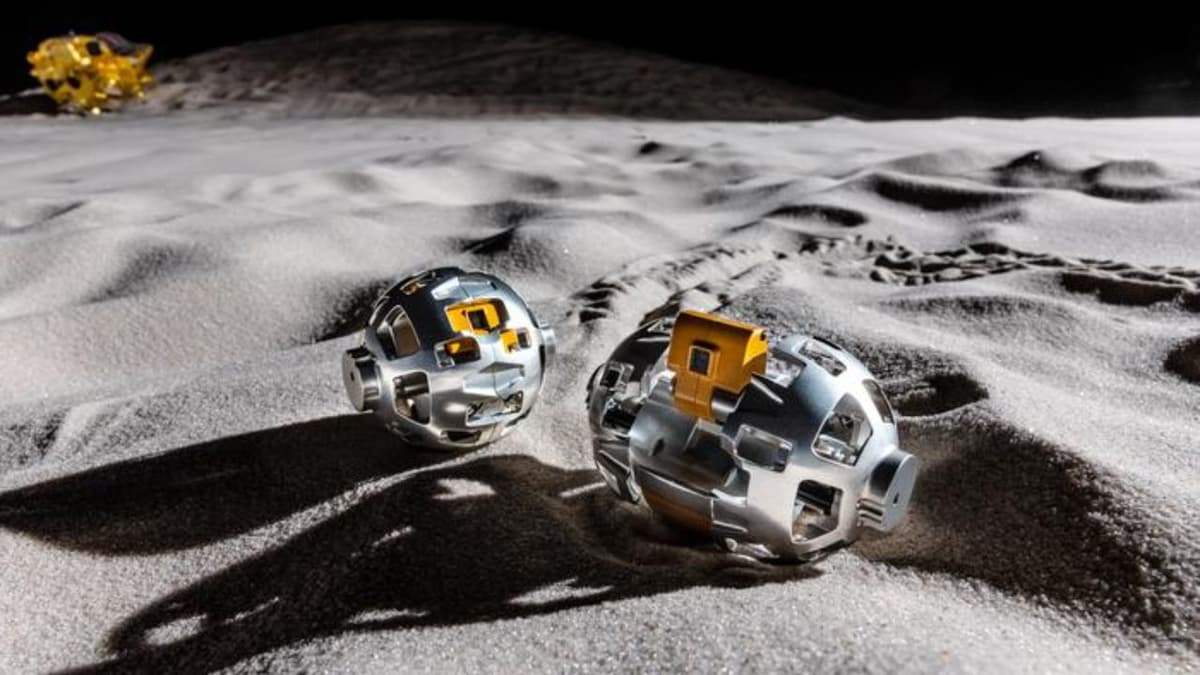
How Japanese Scientists Sent a Real-Life Transformer to the Moon
Japanese researchers successfully deployed a 3‑inch spherical rover, SORA‑Q, on the Moon during JAXA’s Smart Lander for Investigating Moon (SLIM) mission. After SLIM’s soft landing on 19 January 2024, SORA‑Q unfolded into a two‑wheeled vehicle, captured color images, and communicated data through...

There Is an Entire Continent on Earth that Almost No One Has Ever Stood on — Zealandia, a 1.9 Million...
Zealandia, a 4.9 million‑km² landmass east of Australia, was formally declared Earth’s eighth continent in 2017 after decades of geophysical evidence. In August 2017 the JOIDES Resolution drilled more than 2.5 km of sediment cores at six sites, uncovering 50‑80‑million‑year‑old pollen that proves...

Can the Artemis III Mission Go on as Planned?
NASA has named a four‑person crew for Artemis III, the mission slated to return humans to the Moon by 2028. A critical setback occurred when Blue Origin’s orbital rocket and its sole launchpad were destroyed in a Florida explosion. The loss...

Discovery of Ancient Chinese Anaesthesia Reveals Advanced Early Surgical Practices
Archaeologists uncovered aconitine residues on ten surgical instruments from the tomb of 14th‑century Ming surgeon Xia Quan, confirming that Ming physicians used a toxic wolfsbane‑derived concoction as an anesthetic. The study shows the poison was detoxified, dosed carefully, and administered...

New Study Finds a Common Supplement Ingredient for Cognitive Enhancement May Lead to a Shorter Lifespan
A new study of over 250,000 UK Biobank participants links genetically higher L‑tyrosine levels to a shorter lifespan, especially in men, who lived about one year less on average. Researchers used Mendelian randomization to isolate tyrosine’s effect, finding it more...
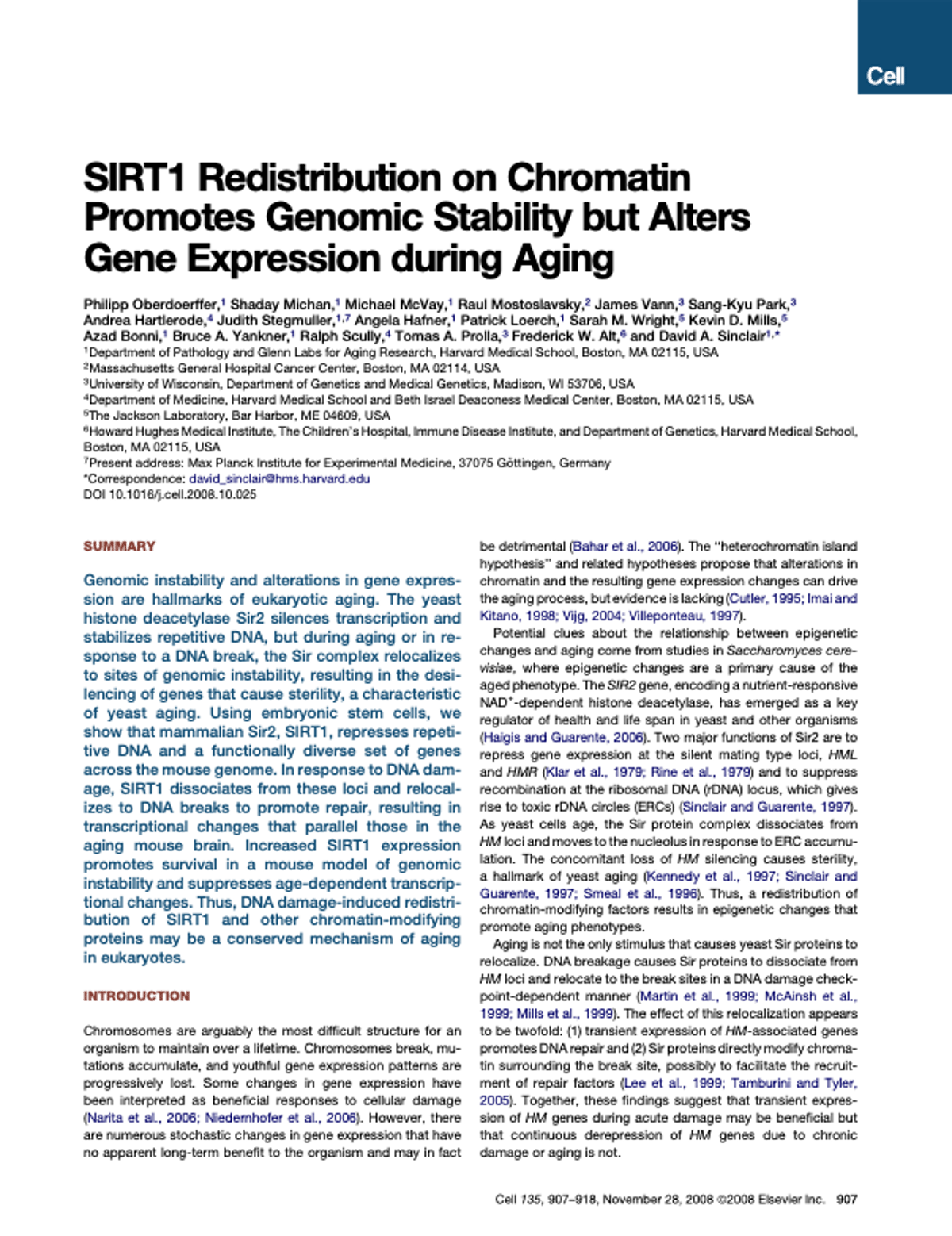
DNA Damage Drives SIRT1 Relocation, Sparking Epigenetic Aging
Good question. Back in the 2000s, Phillip Oberdoerffer, a postdoc in our lab, published that DNA breaks cause epigenetic drift in mammals, not just yeast, consistent with the Information Theory of Aging Summary of the 2009 study ICYMI: One of the...
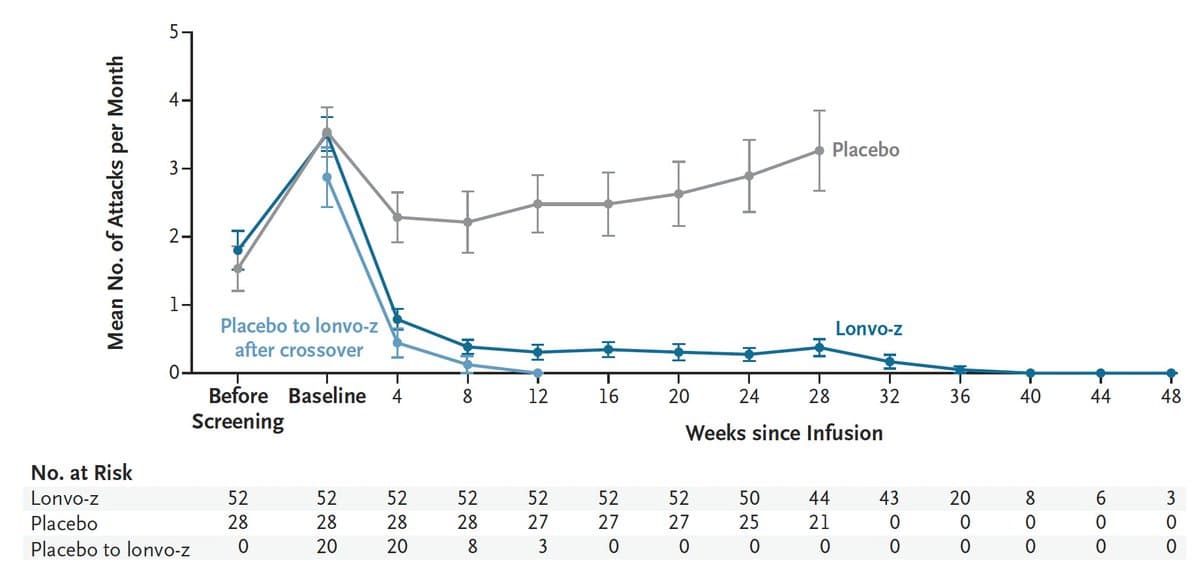
One‑Shot CRISPR Cures Hereditary Angioedema in Phase 3
A life-threatening inherited disease, hereditary angioedema, with striking benefit from one-shot CRISPR genome editing. Phase 3 randomized, double-blind trial results @NEJM today https://t.co/pT4fVgZcNP https://t.co/TveFMeK9ia

A Hidden Gene Finally Explains This Rare Neurological Disorder
German researchers have identified harmful variants in the CD99L2 gene as the cause of X‑linked spastic ataxia, a rare movement disorder. The discovery emerged from a genome‑wide analysis of 2,811 patients with ataxia, hereditary spastic paraplegia and dystonia, and was...

Cambridge AI‑Designed Super‑Antigen Shows Broad, Long‑Term Protection
The University of Cambridge says it successfully tested a vaccine with an AI-designed antigen 🧬 💉 The “super-antigen” could provide long-term protection against a wide range of diseases spread by humans. https://t.co/URHxKcCg1h https://t.co/mDYHro2mfO

Largest-Ever Osteoarthritis Study Finds Single Biological Driver of the Disease
Researchers at Oxford's Kennedy Institute analyzed synovial fluid from over 1,300 knee osteoarthritis patients, profiling more than 7,000 proteins per sample. The study uncovered a single molecular fingerprint that drives OA, with variations linked to age, sex and body‑mass index...

Landmark Study Finds Osteoarthritis Has a Single 'Core' Driver
A landmark Oxford study of over 1,300 knee osteoarthritis patients analyzed more than 7,000 proteins per synovial‑fluid sample, uncovering a single molecular fingerprint that drives the disease. While age, sex and body‑mass index modulate expression, the research shows OA is...

Tiny Tweaks in Sleep, Activity, Diet Extend Lifespan
Minimum combined sleep, physical activity, and nutrition variations associated with lifeSPAN and healthSPAN improvements: a population cohort study https://t.co/5q1WnJhN78
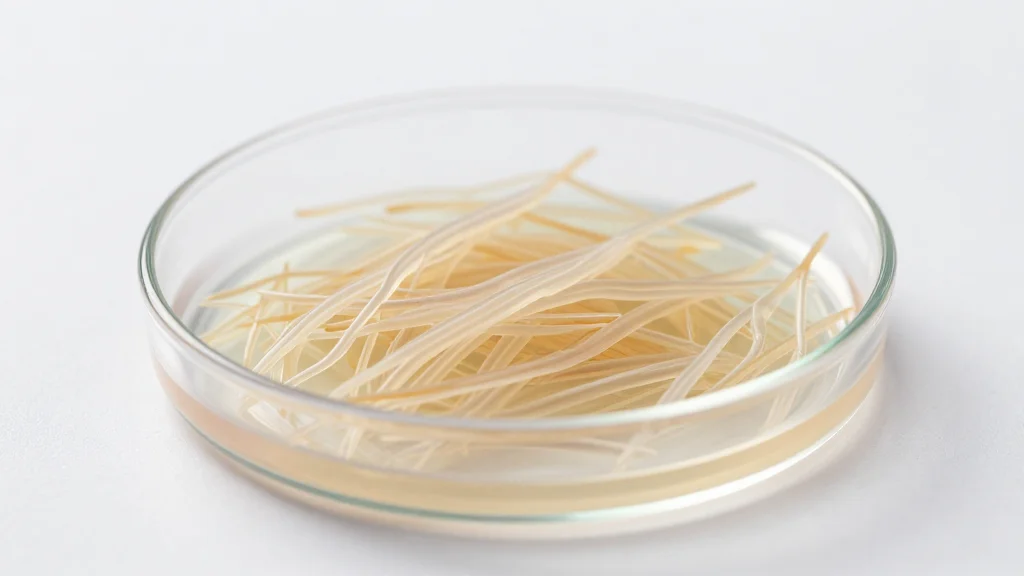
Lab-Grown Canine Muscle Cells Offer Solution for Early Therapeutic Testing
Texas A&M researchers have created Myok9, an immortalized canine muscle cell line that mimics primary myoblasts but can proliferate indefinitely in the lab. The cell line lets scientists evaluate gene‑editing, drug, and other therapies in a controlled dish environment before...

Cellular Process Discovery May Lead to New Cancer Treatments
A Montana State University geneticist has identified a previously unknown cellular pathway that creates cysteine when the primary disulfide reductase systems fail. The nine‑year study, published in Nature Chemical Biology, shows mammalian cells can cleave a carbon‑sulfur bond in cystine...
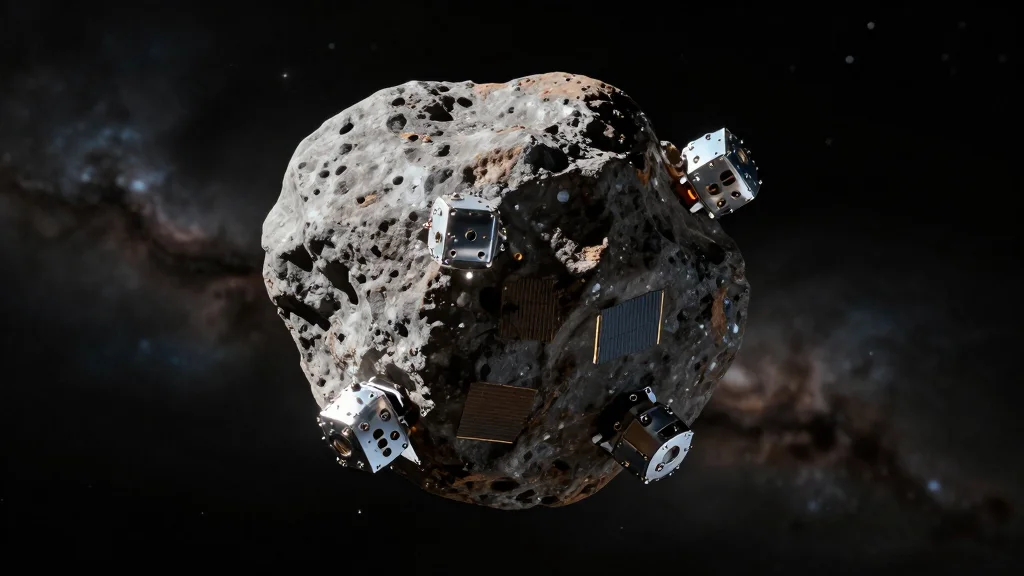
Meet REMORA: The Autonomous Space Fleet Built to Tag and Track Asteroids
The REMORA white paper proposes a €50 million (~$55 million) Mini‑F mission that would launch a swarm of six autonomous CubeSats to rendezvous with, tag, and study near‑Earth asteroids. Using the newly‑developed NEAR software suite, each satellite can navigate fuel‑efficiently without constant...
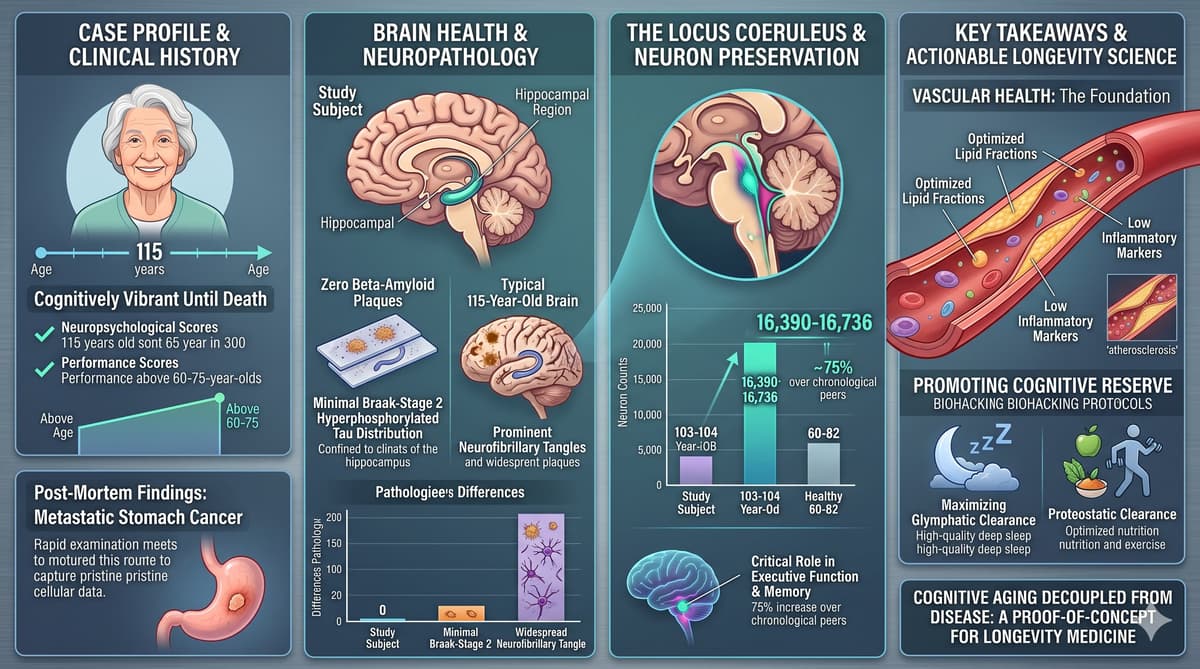
The 115-Year-Old Brain That Escaped Aging: Supercentenarian Autopsy Challenges the Inevitability of Cognitive Decline
A new longitudinal analysis of 340 Dutch centenarians reveals that a baseline Mini‑Mental State Examination (MMSE) score of 26 or higher sharply separates those who maintain cognitive health from those who decline. Seventy‑three percent of the high‑scoring group preserved mental...
The 115-Year-Old Brain That Escaped Aging: Supercentenarian Autopsy Challenges the Inevitability of Cognitive Decline
Researchers have leveraged the post‑mortem tissues of Hendrikje van Andel‑Schipper, a 115‑year‑old supercentenarian, to uncover unprecedented insights into human aging. Whole‑genome sequencing showed her blood derived from only two hematopoietic stem‑cell clones and that telomeres in blood were 17 times shorter...

Predicting and Preventing Alzheimers & Dementia (and Minimizing Risk)
Researchers now view the 40‑60 age range as a pivotal window for staving off dementia, emphasizing that habits formed in midlife can dramatically shape later cognitive health. Large‑scale studies show that staying physically active, securing seven to eight hours of...

Fructose Sends a Weaker Satiety Signal to the Brain than Glucose
Researchers at Monell Chemical Senses Center discovered that fructose sends a weaker satiety signal to the brain than glucose, despite identical caloric content. In mice, fructose activates a gut‑brain pathway involving the hormone PYY and the vagus nerve, only modestly...

Longevity: Measurable, Influenceable, Reversible Aging Factors
Honored to speak at Harvard about longevity and the science of extending healthspan. For decades, we've treated aging as something that happens to us. Today, we're learning that many of the factors that drive aging are measurable, influenceable, and in...
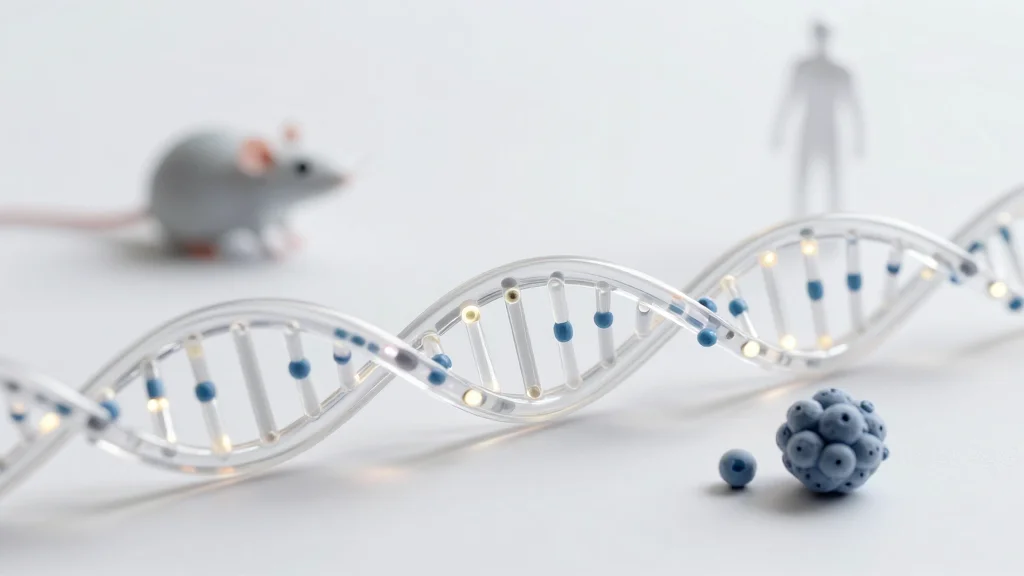
DNMT3A Mutations Drive Hyper‑methylation, Accelerating Age‑related Diseases
Getting to the root of age-related diseases. By studying a rare accelerated aging genetic disorder, gain-of-function mutations of DNMT3A were found to be causal. DNA hyper-methylation was then linked to stem cells dysfunction and multiple age-related diseases (blood, bone, metabolic). Work...