
Quantum Design Oxford Collaborates to Improve Access to 20-30 Tesla Magnetic Fields
Quantum Design Oxford and the National High Magnetic Field Laboratory have announced a strategic partnership to co‑develop superconducting magnets that reach 20‑30 Tesla. The collaboration leverages MagLab’s Bi‑2212 high‑temperature superconductor wire and a high‑pressure reaction technique with Quantum Design Oxford’s commercial magnet manufacturing expertise. The goal is to produce compact, energy‑efficient magnets that enable fast‑ramp, high‑precision experiments in university and corporate labs. These tools are expected to speed materials discovery for quantum computing, fusion energy and other advanced technologies.

Aging Salty Ice
When ice forms in salty water it initially creates a mushy, porous matrix as brine becomes trapped between crystal lattices. Over roughly sixteen days, the denser brine convects downward, expelling itself and leaving a thinner yet more solid ice layer...

Luana’s Revealing Class Survey of the Biological Definition of Sex
Evolution professor Luana Maroja surveyed her undergraduate class on how many biological sexes exist in animals and plants. The majority (44%) chose four sexes—males, females, intersexes, and hermaphrodites—while only 21% correctly identified the binary gamete‑based definition. The results highlight persistent...

Planned Cities Optimise Quantum Algorithms More Reliably Than Organic Layouts
Researchers led by Abdul Sami Rao examined street networks from Islamabad and Lyari, showing that planned grid topologies dramatically improve the Approximate Optimisation Algorithm (QAOA) at shallow depth p=1. Islamabad’s layout achieved 95% reliable convergence on the minimum vertex cover...

Blood Test Detects Brain Tumours with 90% Accuracy
Scientists at the University of Manchester have developed a blood test that detects brain tumours with 90% accuracy by measuring a pair of proteins. The test, validated in glioblastoma patients, is being evaluated in a multi‑site clinical trial across six...

The DOE’s “Climate Working Group”
The Department of Energy’s Climate Working Group, created to review climate risk, secretly crafted a strategy to downplay carbon‑dioxide impacts and undermine mainstream climate science. Internal memos show the group planned to amplify uncertainties and shape a denial narrative. After...
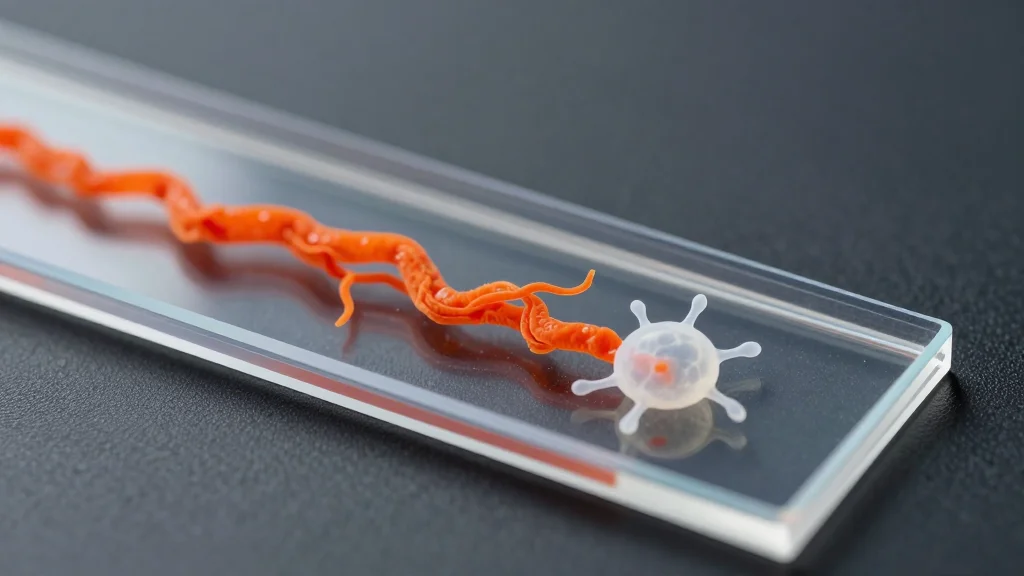
Evidence for Microglia to Actively Promote Amyloid Aggregation in the Aging Brain
Researchers have discovered that microglia, the brain’s innate immune cells, can actively remodel soluble amyloid‑β (Aβ42) into extracellular fibrils with strong seeding activity, contrary to the prevailing view that they only clear plaques. Cell‑based assays showed that microglia‑generated amyloid closely...
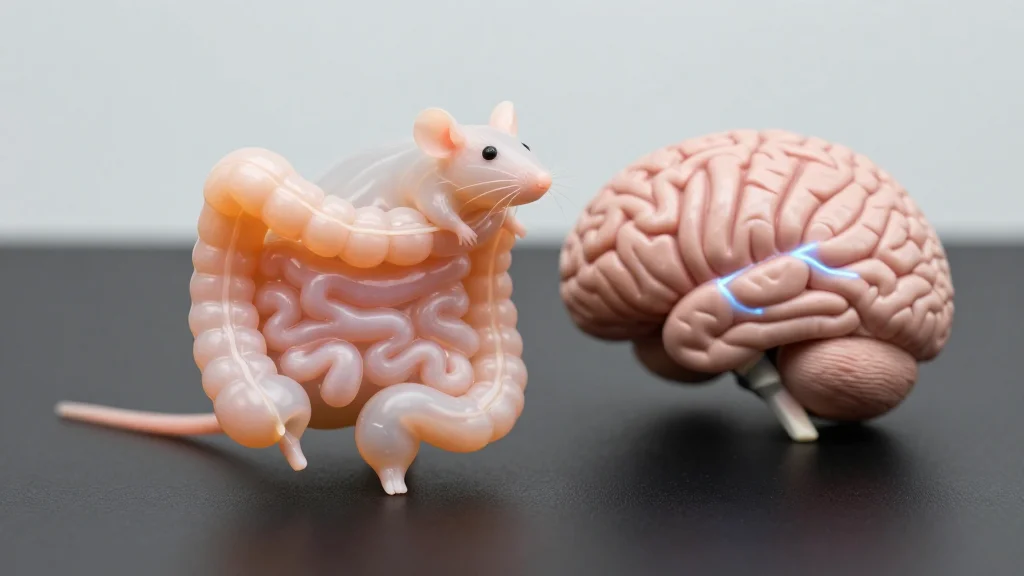
Exercise Modifies the Gut Microbiome and Tryptophan Metabolism to Improve Mood and Memory
Regular exercise reshapes the gut microbiome in adult male rats, notably reducing the abundance of Alistipes and Clostridium species. These microbial shifts enhance systemic tryptophan metabolism, increasing the serotonin catabolite 5‑hydroxytryptol and altering indole derivatives. Concurrently, hippocampal expression of the...

SLS Prints Programmable Bonded Magnets
Researchers at Auckland University of Technology have demonstrated a field‑assisted selective laser sintering (SLS) process that prints polymer‑bonded magnets with locally programmable pole patterns. By integrating under‑bed electromagnets and a powder‑handling bar, they can deposit different magnetic powders point‑wise and...

APS March Meeting 2026, Day 1
The APS March Meeting Day 1 showcased cutting‑edge research on quantum excitations and emergent materials. Highlights included Hanyu Zhu’s demonstration of chiral phonons producing intense local magnetic fields, and talks on cavity‑magnon control using surface acoustic waves for nonreciprocal devices. Longji...

Study Links High Fat Intake to Elevated Stress Hormones, Leaky Gut, and Systemic Inflammation
Recent research links chronic high‑fat consumption to elevated cortisol and gut‑derived serotonin, which together compromise the intestinal barrier and spark systemic inflammation. The studies show that excess dietary fat disrupts gut microbiota, increasing pro‑inflammatory Firmicutes and endotoxin‑producing Gram‑negative bacteria while...
Gut Bacteria May Influence Brain Circuits Involved in Bipolar Depression
Recent research published in Molecular Psychiatry and related journals shows that gut dysbiosis can weaken dopamine‑reward circuits and reduce synaptic connectivity in the medial prefrontal cortex of mice receiving microbiota from bipolar‑depressed patients. The same studies report distinct microbial signatures...

New Planet Category Identified
Astronomers have identified a planet 35 light‑years away that does not fit existing small‑planet categories. The world, L 98‑59 d, was first discovered in 2019 and observed by JWST in 2024 and ground facilities in 2025. Researchers used computer models to simulate...

ION717 Trial Re-Opens with 3rd Dosing Regimen
Ionis Pharmaceuticals announced that its Phase 1/2a PrProfile trial of ION717, the first PrP‑lowering antisense oligonucleotide for symptomatic prion disease, has reopened with a third dosing regimen. The study, which enrolled 56 patients in 2024, will now recruit at three...

When Prevention Fails Twice a Year: The Twin Peaks of Japan’s COVID‑19 Epidemic
A recent study of Japan’s national COVID‑19 surveillance data from 2020 to 2025 reveals a consistent pattern of two annual epidemic peaks—one in summer and another in winter—beginning in 2022. The analysis shows that these surges occurred despite the country’s...

Meditators’ Brains Showed Thicker Cortexes and Slower Aging in Study
A recent MRI study found that long‑term Buddhist insight meditators exhibit a thicker cerebral cortex and a slower rate of cortical thinning compared with non‑meditating controls. The research suggests that sustained attention to breath and present‑moment awareness may counteract typical...
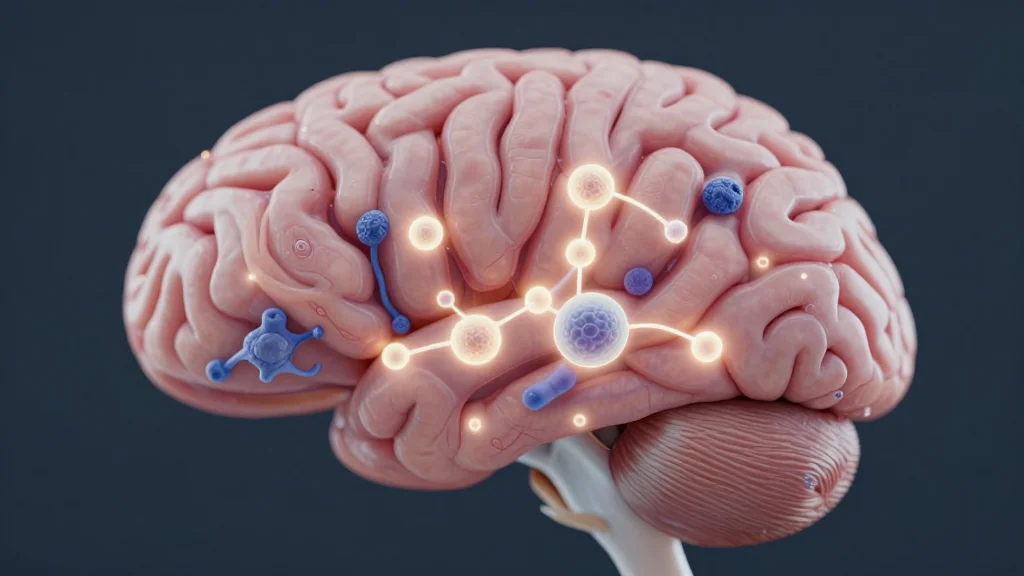
Interfering in Induction of Bystander Senescence as an Approach to Senotherapy
Researchers have mapped how senescence spreads between human brain cell types via the senescence‑associated secretory phenotype (SASP). Using DNA‑damage‑induced cultures and conditioned‑media assays, they identified cell‑type‑specific SASP signatures that drive secondary senescence in neighboring astrocytes, endothelial cells, microglia, oligodendrocytes and...
![World’s First Pollen-Based Sunscreen (Derived From Camellia Flower) Is as Effective as Sunscreens with Minerals (Titanium Dioxide [TiO₂] and Zinc...](https://hixhlmpcokxhartfkpyi.supabase.co/storage/v1/object/public/images/thumbnails/468efafa539139c1fc8535c78ad080e7.webp)
World’s First Pollen-Based Sunscreen (Derived From Camellia Flower) Is as Effective as Sunscreens with Minerals (Titanium Dioxide [TiO₂] and Zinc...
Materials scientists at Nanyang Technological University have created the world’s first sunscreen made from Camellia flower pollen. Laboratory tests show the pollen microgel blocks UV rays with SPF 30, comparable to titanium dioxide and zinc oxide formulations, while also keeping skin...

Why the Trump Administration Couldn’t Kill the Nature Record
Early 2025 the Trump administration terminated the National Nature Assessment, labeling it wasteful and ideologically driven. In response, more than 170 scientists produced the independent 868‑page Nature Record, funded privately with $3 million and overseen by the National Academies. The report...
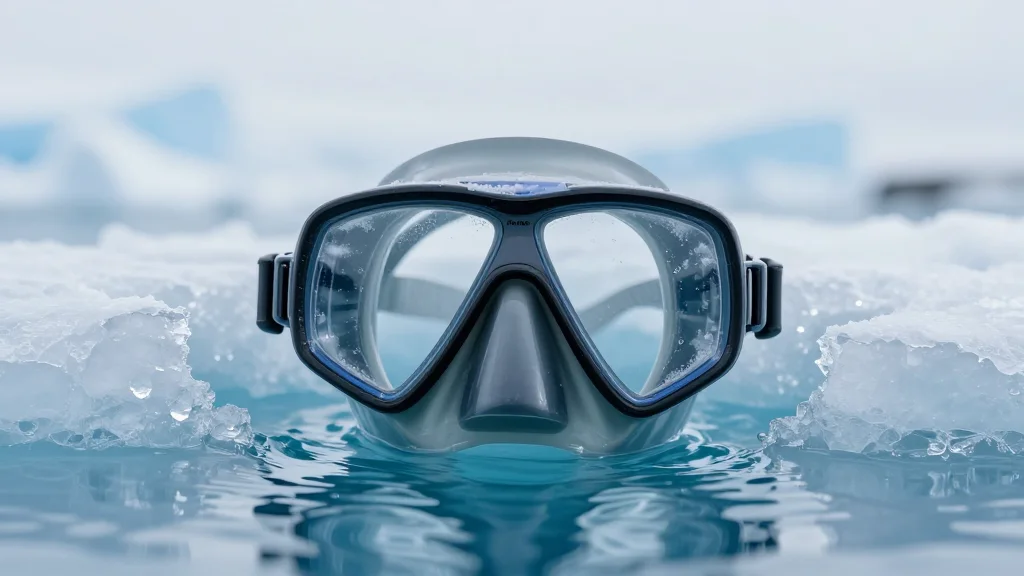
Beauty Encountered During Ice World Exploration
Dale T. Andersen returned from the first of two 2026 astrobiology dives beneath Lake Untersee’s thick ice sheet in Antarctica. The expedition showcased the striking visual beauty and technical rigor of sub‑ice exploration, using a Kirby Morgan Exo‑26 full‑face mask, tethered safety lines,...

How Zinc Protects Injured Arteries From Accelerated Aging
Researchers published in Aging Cell report that vascular injury induces misshapen nuclei in smooth muscle cells, accelerating cellular senescence. Human femoral arteries post‑angioplasty and rat carotid injury models both displayed nuclear dysmorphism linked to prelamin A buildup. The study identifies...

How the Microvasculature Drives the Human Aging Process
Recent research highlights the microvasculature as a central driver of human aging, with capillary rarefaction, endothelial dysfunction, and glycocalyx degradation limiting oxygen delivery to cells. This vascular decline triggers low‑grade hypoxia, inflammation, and mitochondrial inefficiency, linking it to age‑related diseases...

The Discovery Machine
Artificial intelligence is moving from data analysis to hypothesis generation, fundamentally altering the scientific method. Recent work such as DeepMind’s GNoME system has generated millions of candidate materials, while neural networks have rediscovered physical laws without prior equations. These advances...

Mixing Bubble Caps
Researchers investigated how bubble caps thin and burst, focusing on the buoyant plumes that rise from the foot of the cap where fluid exchange occurs. In still air, these plumes appear as dark‑blue vertical columns, leading to localized thinning. Introducing...
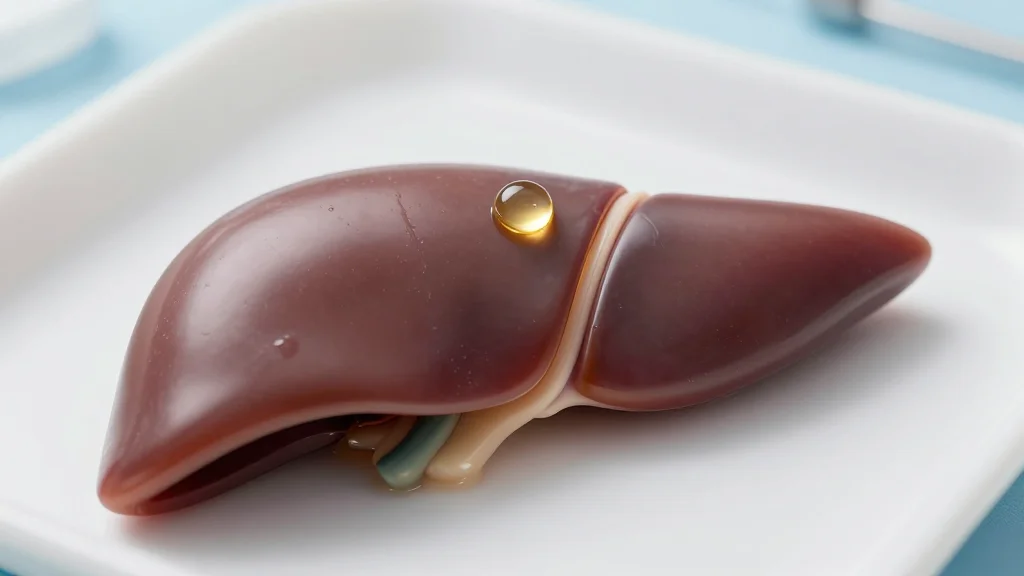
What Determines Success in Complex MASH Clinical Research Today?
Recent FDA approvals of resmetirom and semaglutide have shifted MASH care from a treatment‑void to a therapeutic reality, prompting sponsors to redesign trial endpoints and enrollment strategies. Non‑invasive diagnostic tools are emerging as potential primary endpoints, reducing reliance on liver...

Malicious Metals Muddy Fragment-to-Lead Optimization
Researchers at the Cleveland Clinic pursued fragment‑based inhibitors of SARS‑CoV‑2 NSP14, a viral exonuclease essential for replication and immune evasion. Initial crystal‑guided merges appeared active in a biochemical assay, prompting optimism about fragment linking. Subsequent resynthesis and rigorous purification revealed...

Foul-Smelling Supply Chains
Australian researchers have uncovered a previously unknown sulfur‑sulfur rearrangement reaction that proceeds with minimal external input. The finding highlights the versatility of disulfide bonds, which can break and reform in response to diverse stimuli, opening new pathways for peptide, polymer...

Two Publications Highlight Clinical Utility of Signatera™ in Anal and Rectal Cancers
Natera announced two peer‑reviewed studies demonstrating the clinical utility of its personalized ctDNA assay, Signatera, in anal squamous cell carcinoma and locally advanced rectal cancer. In the ASCC cohort of 84 patients, baseline negativity or clearance of ctDNA during chemoradiotherapy...

How Does Marburg Virus Enter Cells so Efficiently?
University of Minnesota scientists pinpointed structural features of the Marburg virus entry protein that make it up to 300 times more efficient at infiltrating human cells than Ebola’s. By creating a tightly controlled assay, they showed the protein binds the...

Dual-Gate Vertical Transistor Enables Stable Nanoscale 3D Chip Stacking
Researchers at DGIST unveiled a dual-modulated vertically stacked transistor featuring a graphene top gate and a micro‑hole bottom gate, achieving off‑state leakage as low as 10⁻¹² A. The design eliminates the need for expensive ultra‑precision alignment and operates at low temperatures,...

Dislocations Induce Ordered Polar Topologies in Antiferroelectric Thin Films
Researchers have shown that crystal dislocations in antiferroelectric PbZrO₃ thin films act as nucleation sites for ordered polar anti‑hedgehog lattices. Using atomic‑resolution TEM and phase‑field modeling, they demonstrated that electrostrictive and flexoelectric coupling at dislocation cores generates local electric fields...
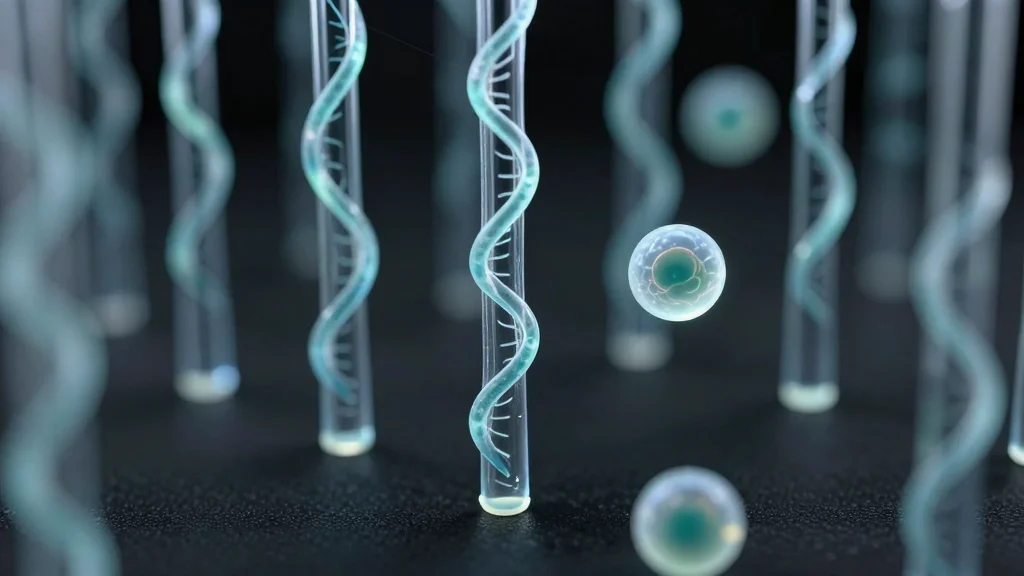
Silicon Nanotube Arrays Deliver mRNA Into Human Stem Cells While Preserving Pluripotency
A team from Monash and Deakin Universities demonstrated that silicon nanotube arrays can deliver functional mRNA into human induced pluripotent stem cells (hiPSCs) with transfection efficiencies between 55% and 64%. By redesigning nanotube geometry, using low‑molecular‑weight poly‑D‑lysine, and adjusting the...
Hydrogen-Controlled AI Semiconductor Enables Learning and Memory in Two-Terminal Device
Researchers at DGIST have demonstrated the first AI semiconductor that uses electrically controlled hydrogen‑ion migration to perform both computation and memory in a vertical two‑terminal device. The hydrogen‑based resistive switching replaces traditional oxygen‑vacancy mechanisms, delivering uniform, stable operation over more...
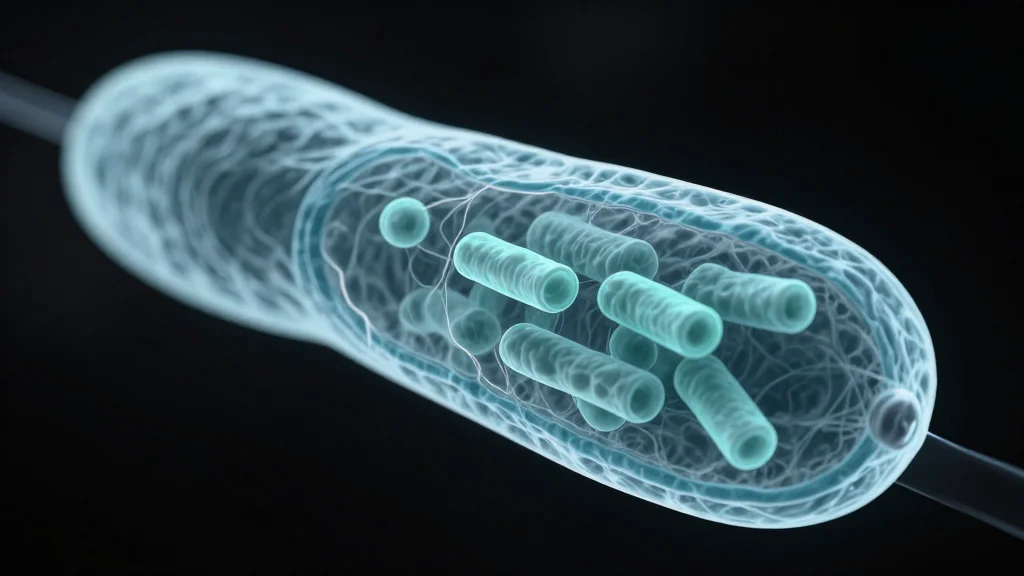
Electron Microscopy Reveals How Mitochondrial Stress Proteins Remodel to Protect Cells
Researchers at University Medical Center Göttingen employed cryo‑electron tomography to capture near‑atomic structural remodeling of the mitochondrial heat‑shock protein 60 (mHsp60) under proteostatic stress. The protein reconfigures its barrel‑shaped complex, boosting folding activity and preserving mitochondrial function in stressed human...
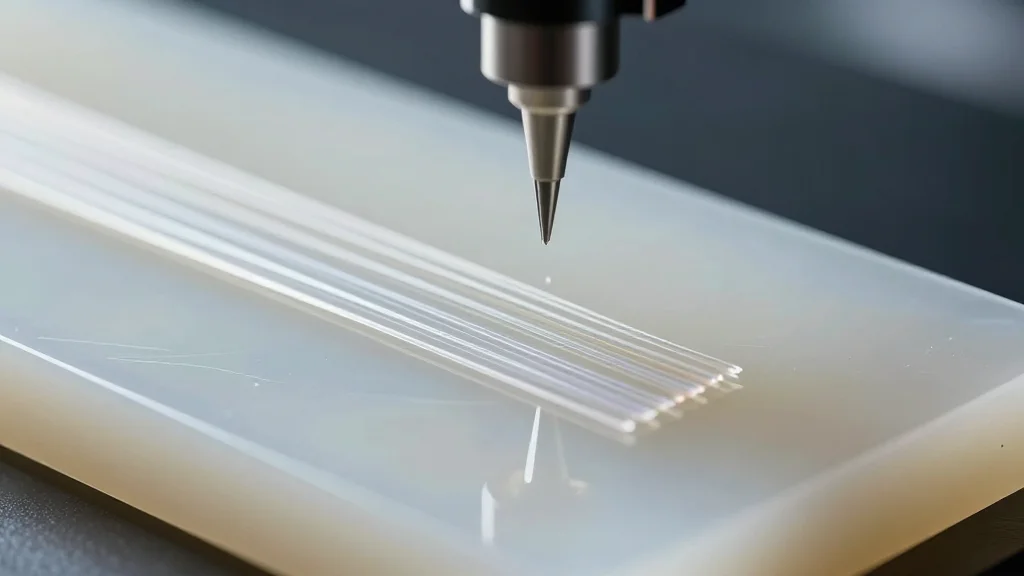
AI Decodes the Rules Behind Self-Assembling Protein Nanoribbons
Researchers at Pacific Northwest National Laboratory used the machine‑learning tool AtomAI to analyze atomic force microscopy images of designed protein nanoribbons on mica. The study discovered that a thin water layer on the mineral surface, not the underlying potassium lattice,...

The Antibacterials of Tomorrow
The blog recaps the 2026 New Antibacterial Discovery and Development conference in Tuscany, where researchers presented emerging strategies against antimicrobial resistance (AMR). Dr. Quave highlighted her lab’s plant‑derived natural products targeting Gardnerella vaginalis, a key cause of bacterial vaginosis. The...
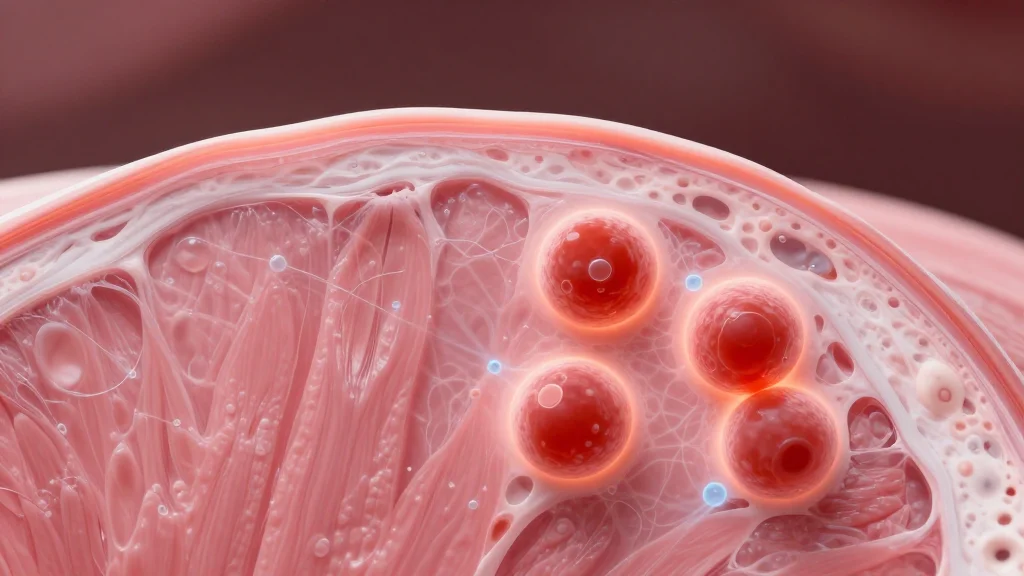
IGFBP7 Secreted by Senescent Cells Suppresses the Benefits of Exercise
Researchers identified insulin‑like growth factor binding protein‑7 (IGFBP7) as a circulating factor that limits exercise adaptation in older adults. Plasma proteomics from a year‑long high‑intensity interval training trial showed higher IGFBP7 levels predicted smaller fitness gains. In mice, genetic deletion...

Possible New Result in Quantum Factorization
A new preprint claims a theoretical speedup for quantum factoring of large integers. Bruce Schneier, noting his lack of expertise, expresses skepticism about the result’s validity. If the claim holds, it would represent an improvement over Shor’s algorithm. The announcement...

Exobasidium Arctostaphyli
On March 15, 2026, a citizen scientist documented Exobasidium arctostaphyli, a Basidiomycete fungus, in Monterey County, California. The observation includes high‑resolution photos but remains classified as "Needs ID" because it lacks multiple expert confirmations. The record adds a rare data...

Dorothy Hodgkin: Part I
Dorothy Hodgkin, a pioneering British chemist, earned the 1964 Nobel Prize in Chemistry while battling severe rheumatoid arthritis that had crippled her hands for over two decades. Despite limited finger mobility, she used X‑ray crystallography to elucidate the structures of...

#384 – Special Episode — Obicetrapib: The CETP Inhibitor with Cardiovascular Benefits and Potential Alzheimer’s Prevention
Obicetrapib, a next‑generation CETP inhibitor, has demonstrated potent LDL‑C, apoB, and Lp(a) reductions in a large phase III lipid trial. A pre‑specified biomarker sub‑study reported a marked attenuation of p‑tau217 progression, especially among APOE4/4 carriers, hinting at a potential Alzheimer’s‑related benefit....

The Three Great Lies About Climate Change
The article debunks three common myths about climate change: that it is not happening, that mitigation is quick, easy and cheap, and that the National Environmental Policy Act (NEPA) is the primary barrier to essential infrastructure projects. It cites recent...

Samsung Bioepis and Epis NexLab Sign Research Collaboration and License Agreement with G2GBIO to Develop Novel Assets Including Long-Acting Semaglutide
Samsung Bioepis and its sister firm Epis NexLab have signed a research collaboration and exclusive license agreement with G2GBIO to develop a long‑acting semaglutide formulation using G2GBIO’s proprietary microsphere technology. The deal grants Samsung Bioepis full rights to the semaglutide...

Young Meteorologist Chris Martz, Dubbed ‘Anti-Greta Thunberg,’ Calls for Data-Driven Climate Debate
Young meteorologist Chris Martz, dubbed the "anti‑Greta Thunberg," has transitioned from mainstream climate positions to a data‑focused stance after independent research. He now serves as a policy analyst and meteorologist for the Washington‑based Committee for a Constructive Tomorrow. Martz leverages...

Now They Are Actually Admitting That There Is A Massive "Gravity Hole" Underneath Antarctica?
Scientists have confirmed that Antarctica sits above the planet's strongest gravity anomaly, often called a "gravity hole." Using global earthquake recordings and physics‑based modeling, researchers reconstructed a three‑dimensional view of the low‑density mantle beneath the continent. The study, published in...

How Materials Informatics Aids Photocatalyst Design for Hydrogen Production
Researchers used machine‑learning interatomic potential (MLIP) calculations to screen dopants for orthorhombic Sn₃O₄, identifying aluminum as a stable dopant. Experimental hydrothermal synthesis confirmed the predictions, with 5 % Al‑doped o‑Sn₃O₄ delivering 16‑times higher hydrogen production under visible light. The study demonstrates...

Your Next Big Discovery May Be the Thing You're About to Clean Up
Researchers discovered that diapausing bumblebee queens can breathe underwater, surviving up to a week submerged. The finding emerged when a lab refrigerator flooded, prompting biologist Sabrina Rondeau to investigate rather than discard the specimens. Controlled experiments with 126 queens confirmed...

Untitled
On 15 March 2026, observer wandererau documented a cluster of ants in Blue Mountains National Park, New South Wales, at latitude ‑33.49028 and longitude 150.41369. The ants were identified as the double‑spined dolly ant (*Dolichoderus doriae*), but the record remains in a "Needs ID"...
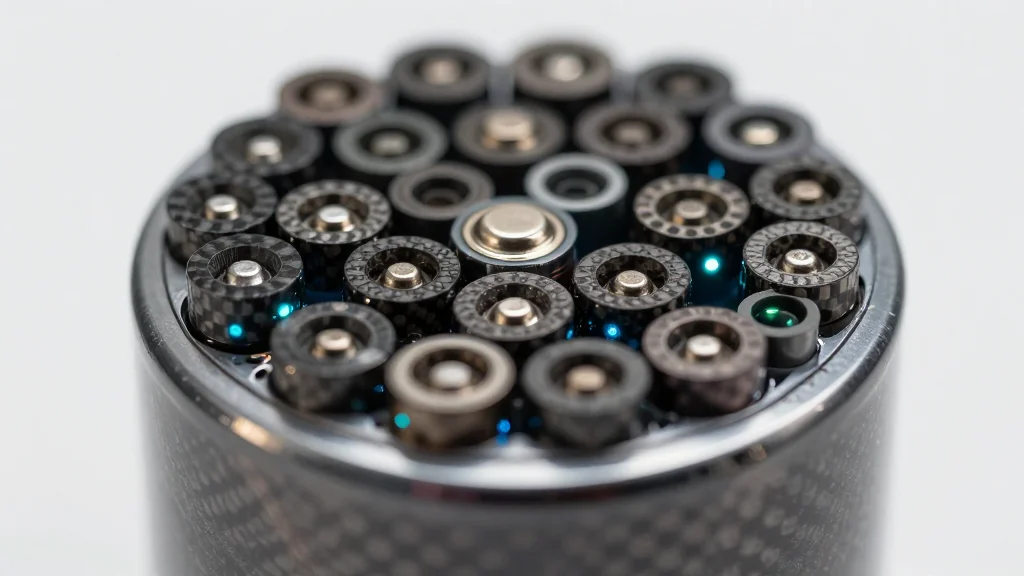
Sub-Nanometer Pores in Carbon Nanoreactors Trap Chlorine and Boost Li-Cl2 Battery Performance
Researchers have engineered hollow carbon nanoreactors with sub‑nanometer wall pores that physically trap chlorine‑electrolyte complexes inside Li‑Cl₂ battery cathodes. The 0.8 nm pores block 0.86 nm complexes while allowing lithium and chloride ions to pass, creating confined reaction chambers. This architecture delivers...

The Aesop’s Fable Paradigm & The Inventive Mind of Corvids
New Caledonian crows excel at the Aesop’s Fable paradigm, consistently selecting sinking stones over floating objects to raise water levels and retrieve food, achieving nearly 90% success. Laboratory trials also show they prefer solid over hollow items, higher water levels,...