Adenoidectomy, Tonsillectomy in Childhood Tied to Risk for Adult Chronic Rhinosinusitis
A new multicenter retrospective study of over 100 U.S. health‑care organizations links pediatric adenotonsillectomy performed for infectious indications to higher rates of adult chronic rhinosinusitis (CRS). Children who underwent adenoidectomy alone showed a 55% increased hazard of CRSsNP, while combined tonsillectomy‑adenoidectomy for tonsillitis or adenoiditis raised risks of CRSwNP (HR 1.63) and subsequent sinus surgery (HR 1.97). In contrast, surgeries performed for obstructive sleep apnea did not elevate CRS incidence. The authors suggest that underlying infection susceptibility, rather than the surgery itself, may drive these long‑term outcomes.
Molecular Regulatory Mechanisms of Schizophrenia-Associated Functional Non-Coding Variants
The Molecular Psychiatry study leveraged functional genomics to pinpoint 249 non‑coding SNPs that alter transcription‑factor binding across 99 schizophrenia risk loci. By integrating ChIP‑Seq, position‑weight‑matrix data and brain eQTL resources, the authors linked 207 of these variants to gene‑expression changes...

Why some Cancer-Fighting Immune Cells Lose Their Strength Inside Tumours
Scientists discovered that dendritic cells lose their anti‑tumor potency because their mitochondria become damaged inside the tumor microenvironment. In mouse melanoma models, injecting dendritic cells with robust mitochondria dramatically slowed tumor growth. The work, published in Science, highlights mitochondrial health...
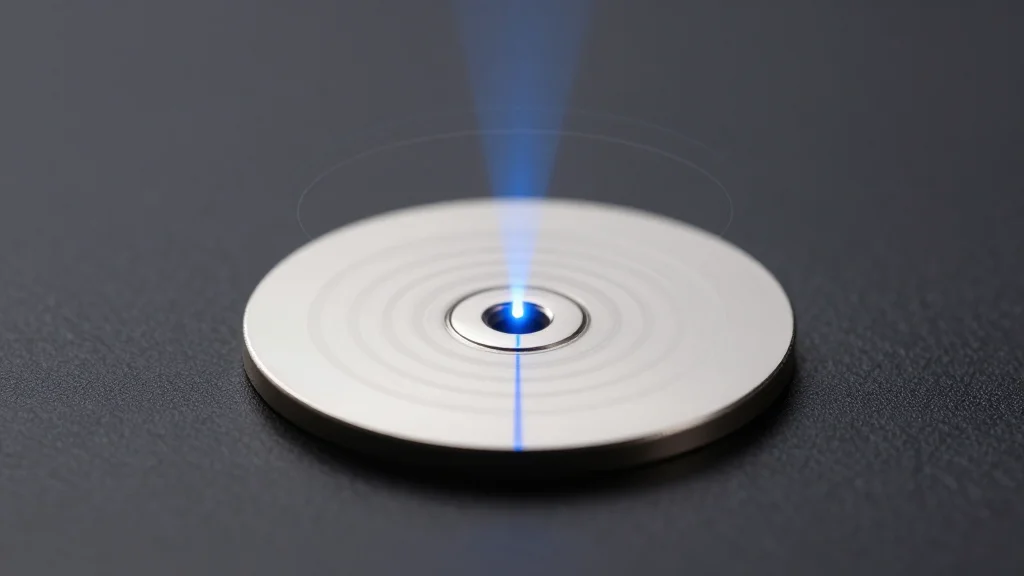
Picosecond-Scale Coherent Toggle Switching of Topological Spin Helicity
Researchers have experimentally achieved coherent toggle switching of magnetic vortex helicity in nanoscale disks within a few hundred picoseconds. The transition is triggered by a single femtosecond laser pulse combined with an out‑of‑plane magnetic field, leveraging photothermal demagnetization and subsequent...

Mix-and-Match Synthesis of 3D Small Molecules
A new chemistry reported in Nature enables modular, iterative construction of C_sp³–C_sp³ bonds while precisely controlling the three‑dimensional arrangement of attached atoms. The approach leverages interchangeable building blocks to assemble 3D small‑molecule scaffolds, a bond type that is pervasive in...
New Approach Methodologies for Drug Discovery
Traditional animal‑based drug discovery suffers a 90 % failure rate, prompting regulators and scientists to adopt human‑centric new approach methodologies (NAMs). Recent policy shifts—including the FDA Modernization Act 2.0 that removes mandatory animal testing and the NIH’s 2025 Organoid Development Center—create...

‘Treasure Trove’ of Antiviral Proteins Could Inspire Powerful Molecular Tools
Two independent studies published in Science used deep‑learning models to scan thousands of bacterial genomes, uncovering a massive pool of previously unknown antiviral proteins. The analyses estimate that about 1.5% of bacterial genes encode immunity functions—three times higher than earlier...
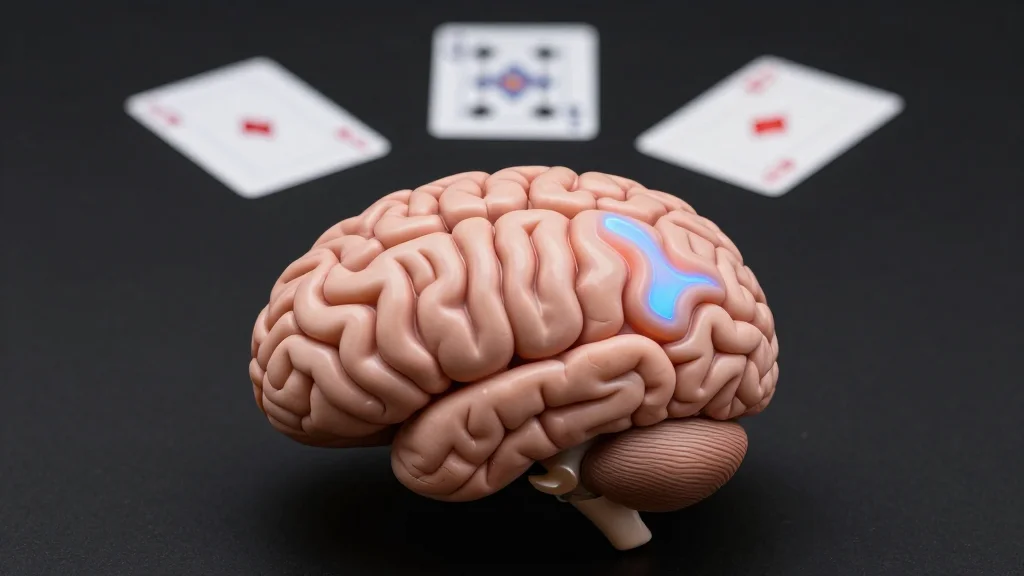
Neural Representations of Dynamical State and Trait Impulsivity in Individuals at Risk for Internet Gaming Disorder
Researchers used fMRI and a modified card‑guessing task to examine state and trait impulsivity in 87 college students at risk for internet gaming disorder (IGD). State impulsivity was captured as loss‑chasing behavior, which intensified with consecutive losses, while trait impulsivity...
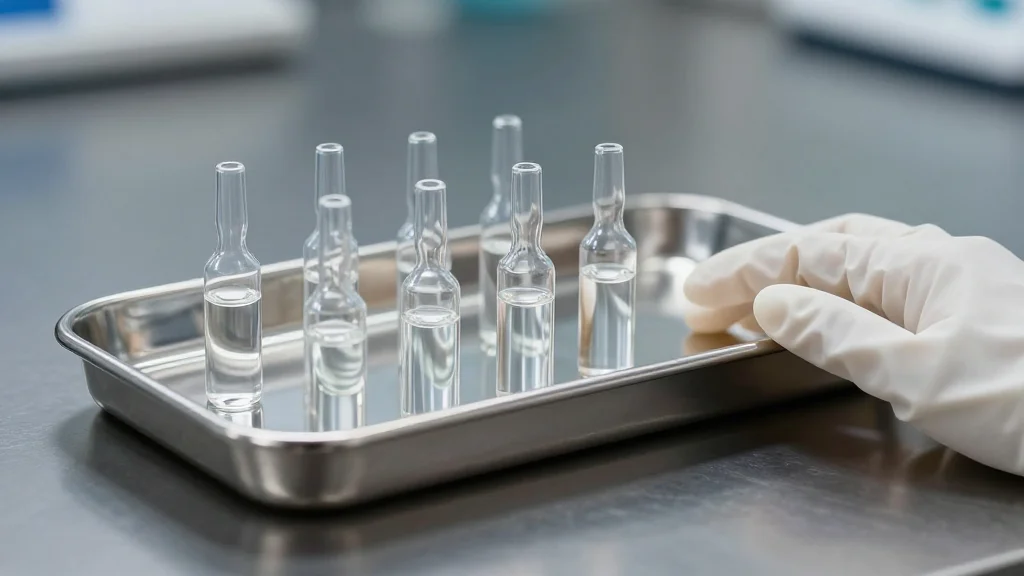
NIST Forensic Genetic Reference Material Helps Crime Lab Analysis
The National Institute of Standards and Technology (NIST) has launched forensic DNA reference material RM 8043, featuring degraded DNA and mixtures from up to three individuals across eight vials. The new material mirrors the complex, low‑quantity samples that modern crime labs...
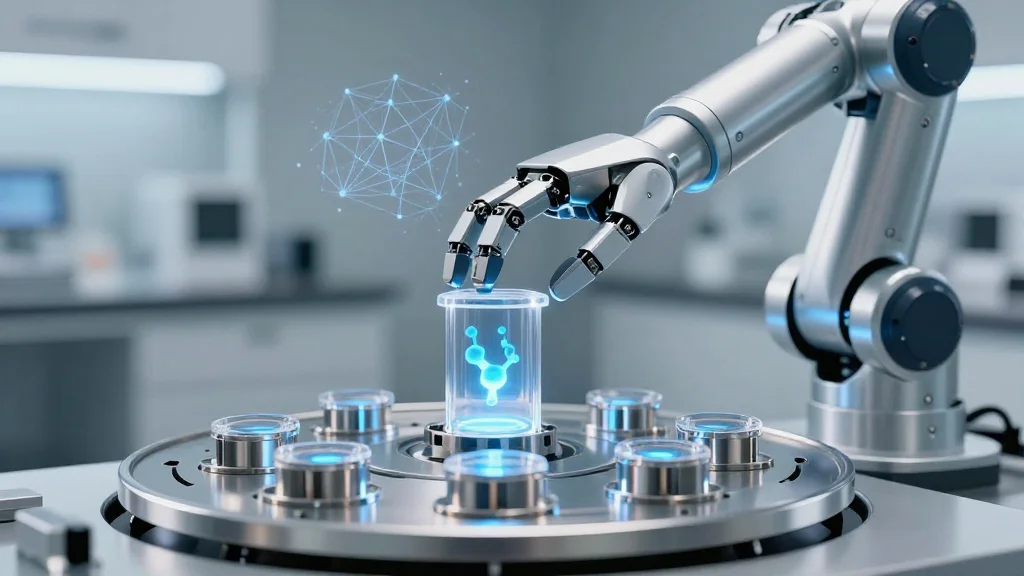
Excelsior Sciences: Automating Small Molecule Chemistry
Excelsior Sciences, backed by Deerfield, unveiled an automated platform for small‑molecule discovery that leverages modular "smart blocs" and generative AI. The system integrates iterative carbon‑carbon bond formation, robotic synthesis, and in‑vitro assays into a continuous make‑test‑learn loop. By translating chemical...

World's Largest Quantum Circuit Simulation for Quantum Chemistry Achieved on 1,024 GPUs
A joint team from the University of Osaka and Fixstars Corporation used 1,024 NVIDIA H100 GPUs to run the chemqulacs‑gpu simulator, breaking the 40‑qubit barrier with a 42‑spin‑orbital water calculation and a 41‑qubit iron‑sulfur benchmark. The effort introduced a new...

Artemis II Blasts Off: Humans Are on Their Way Back to the Moon
NASA’s Artemis II launched from Kennedy Space Center on April 1, sending a four‑person crew on a ten‑day lunar flyby—the first human mission beyond low‑Earth orbit in more than five decades. Commander Reid Wiseman, pilot Victor Glover, mission specialists Christina Koch and...

Pee Changes How some Mushrooms ‘Talk’
Japanese mycologists discovered that the electrical communication of ectomycorrhizal mushrooms changes dramatically when exposed to water or urine. By attaching electrodes to 37 mushrooms in an oak forest, they recorded real‑time signal fluctuations over 3.5 days. Adding water to a...

The Ascent of Us
At a Harvard Peabody Museum lecture, Professor Jean‑Jacques Hublin presented new archaeological, paleogenetic and paleoproteomic evidence that reshapes our understanding of the Homo sapiens‑Neanderthal transition. The research shows that interbreeding began 250,000‑300,000 years ago and continued for millennia, rather than...

Digital Heart Twins Can Guide a Lifesaving Procedure
Researchers at Johns Hopkins created patient‑specific digital heart twins that simulate electrical activity to plan ventricular tachycardia ablations. By converting high‑resolution MRI scans into 3‑D models, physicians could test virtual ablations and identify optimal targets before entering the operating room....
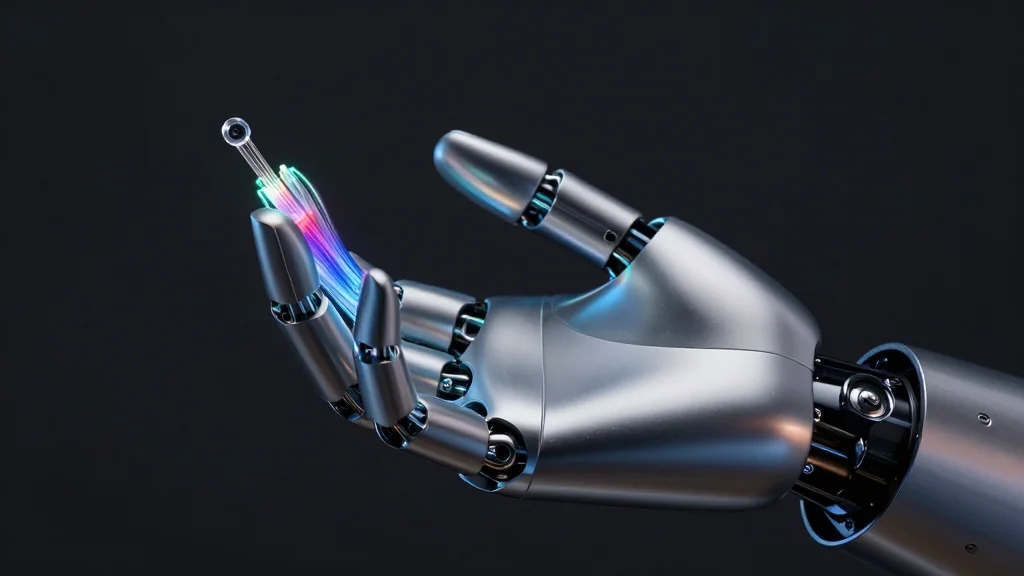
Soft Sensor Gives Robots a Better Sense of Touch
Researchers from Zhejiang, Hangzhou Dianzi and Lishui universities unveiled a humanoid robotic hand equipped with an omnidirectional soft bending sensor that simultaneously tracks pitch and yaw at each finger joint. The hand features 18 active degrees of freedom and uses...
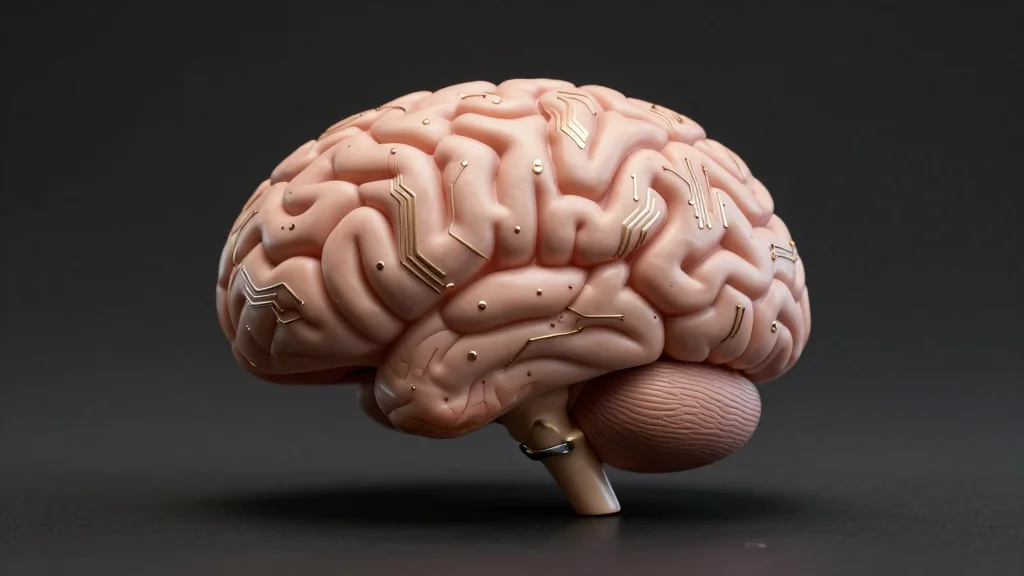
ML4H: Advancing From Medical Imaging to Digital Twins
The Broad Institute’s Machine Learning for Health (ML4H) program launched a new Clinical AI Seminar Series featuring leaders such as NVIDIA’s Stephen Aylward. The series explores generative and foundation models, ethical AI, self‑supervised learning, and real‑world clinical uses. ML4H unites...

Olezarsen Doesn’t Lower Plaque Volume: Essence-TIMI 73b
Olezarsen, an antisense drug targeting APOC3, dramatically lowered triglycerides (‑64 %) and remnant cholesterol (‑72 %) in the Phase III Essence‑TIMI 73b trial, yet a 12‑month coronary CTA subanalysis showed no significant reduction in non‑calcified plaque volume versus placebo. The study involved 468 patients...

Can Plants Count?
Researchers at the College of William & Mary, led by cognitive psychologist Peter Vishton, discovered that the sensitive plant Mimosa pudica anticipates scheduled light periods, opening its leaves before lights turn on. The plant’s response follows a logarithmic learning curve...
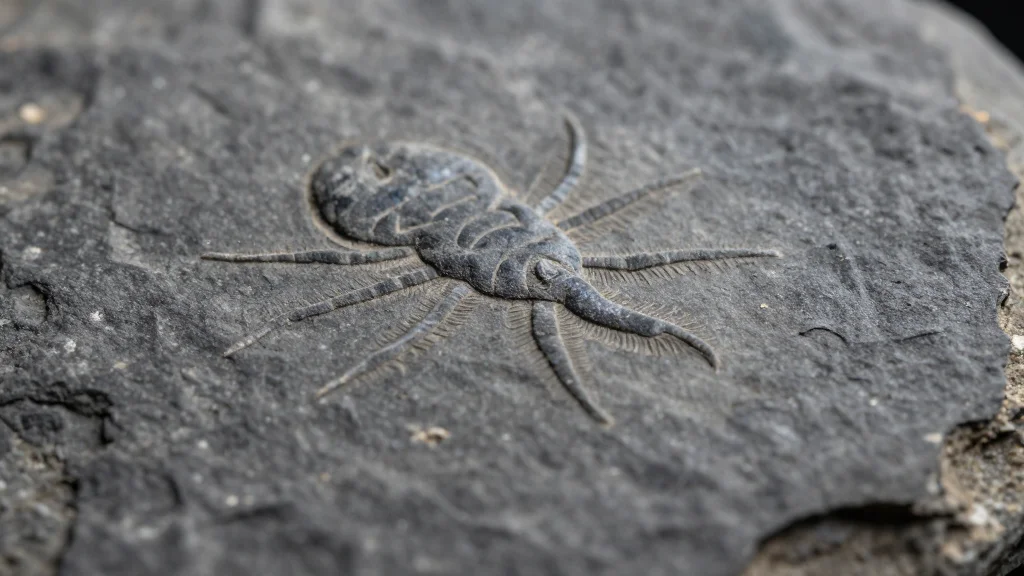
500-Million-Year-Old Fossil Identified as Oldest Known Chelicerate
Harvard paleontologists have described *Megachelicerax cousteaui*, an 8‑cm soft‑bodied arthropod from Utah’s Middle Cambrian Wheeler Formation. The specimen possesses unmistakable three‑segmented chelicerae and book‑gill‑like respiratory structures, establishing it as the oldest known chelicerate, predating the previous record by roughly 20 million...

Research Roundup: 7 Cool Science Stories We Almost Missed
Ars Technica’s March research roundup spotlights seven off‑beat studies, from raccoons solving puzzle boxes to sperm struggling in simulated microgravity. A missing page of the Archimedes palimpsest was located in France, while ravens were shown to rely on spatial memory...

Closer Look at the Sun Reveals More Chaotic Magnetic Heart
A recent analysis of Parker Solar Probe data reveals that protons and heavy ions respond differently to magnetic reconnection near the Sun. Heavy ions are accelerated in tight, laser‑like beams, while protons generate scattering waves that disperse subsequent particles. This...
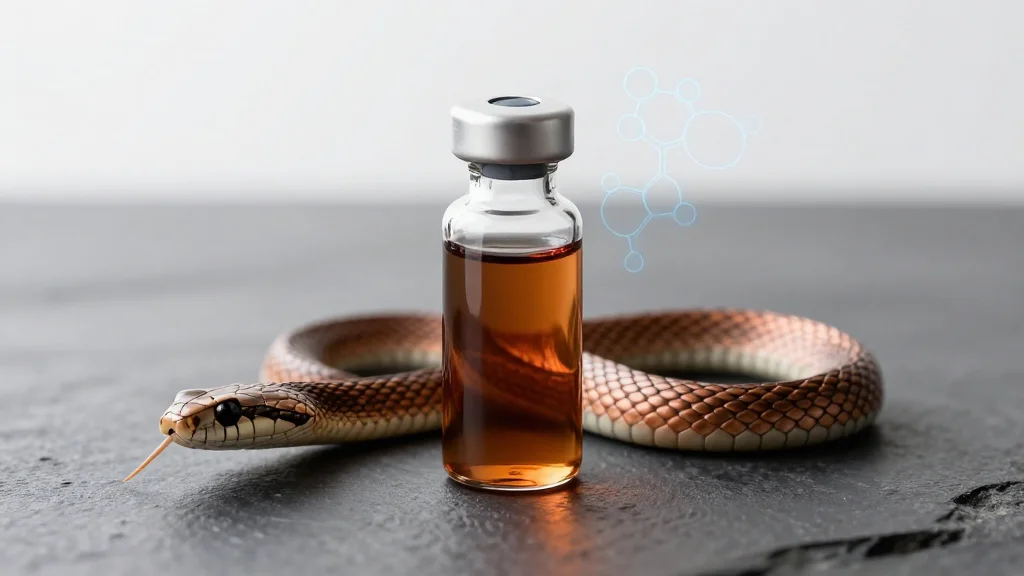
The Man Who Let Deadly Snakes Bite Him for 20 Years—And the Universal Antivenom Hiding in His Blood
A Wisconsin man, Tim Friede, let venomous snakes bite him for two decades, building a unique repertoire of antitoxin antibodies. Researchers at biotech firm Centivax isolated two of these antibodies and combined them with the toxin‑blocking drug varespladib, creating a...

Explosive Potential of a Fully Fueled Launch Vehicle and What an On-Pad Explosion Can Do
The article explains that a fully fueled launch vehicle stores terajoules of chemical energy, but the actual on‑pad explosion depends on propellant mixing, ignition timing, and confinement, not a simple TNT equivalent. Using public data, Starship V3’s methane load translates...

Tobacco Plant Altered to Produce Five Psychedelic Drugs
Scientists at Israel's Weizmann Institute have engineered tobacco (Nicotiana benthamiana) to produce five psychedelic compounds—including psilocin, psilocybin, DMT, bufotenin and 5‑methoxy‑DMT—using agroinfiltration, a transient gene‑delivery method that does not integrate DNA into the plant genome. The approach leverages nine introduced...

Evolution of Pharmacotherapy in STEMI
The podcast examines how STEMI pharmacotherapy has transformed over the past 46 years, moving from routine fibrinolysis to routine primary PCI with potent antiplatelet regimens. It highlights the recent approval of zalunfiban, a fast‑acting glycoprotein IIb/IIIa inhibitor, for administration at first medical...
Pfizer, BioNTech to Pause COVID Vaccine Study Due to Low Enrollment
Pfizer and BioNTech announced the suspension of a FDA‑mandated post‑marketing study of their COVID‑19 vaccine due to insufficient participant enrollment. The trial, aimed at 25,500 adults aged 50‑64, was designed to assess safety, immune response, and efficacy against infection. Companies...
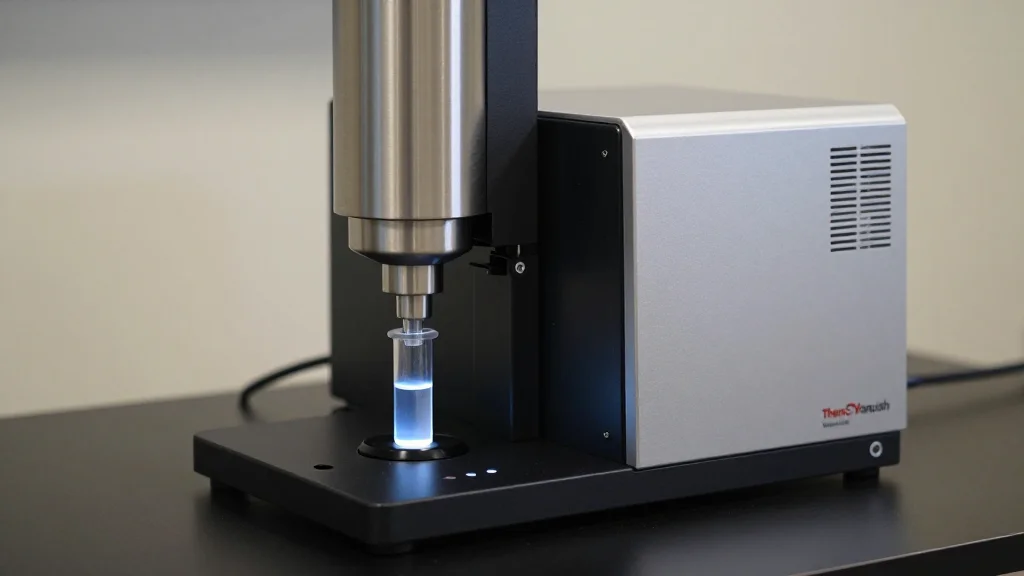
Lehigh University College of Health Launches HEAL Service Center: A Cutting-Edge Shared High-Resolution Mass Spectrometry Facility
The College of Health at Lehigh University has opened the Health and Environmental Assessment Laboratory (HEAL) Service Center, a 36,000‑sq‑ft shared core facility equipped with a Thermo Fisher Vanquish liquid chromatography system and Q Exactive Orbitrap mass spectrometer. The center offers...

Scientists Unveil Innovative Method to Identify Breakthroughs in Science
A team led by Sadamori Kojaku at Binghamton University and collaborators at the University of Virginia introduced a machine‑learning framework that quantifies scientific disruptiveness using dual neural embeddings. By representing each paper with separate vectors for its intellectual lineage and...

Secrets of Color Vision Could Hold Clues to Treating Nearsightedness
Scientists have uncovered that the human eye automatically prioritizes the wavelength most prevalent in the surrounding scene, rather than simply targeting the brightest or middle‑of‑the‑spectrum color. The discovery emerged from a study using a wave‑front sensor to monitor real‑time lens...

Jeremy Hansen, an Artemis II Astronaut, Is the First Canadian on a Crewed Moon Mission
Jeremy Hansen has been named a mission specialist for NASA’s Artemis II, making him the first Canadian astronaut to travel around the Moon. Artemis II is the agency’s inaugural crewed flight beyond low‑Earth orbit since Apollo, using the Orion capsule and Space...
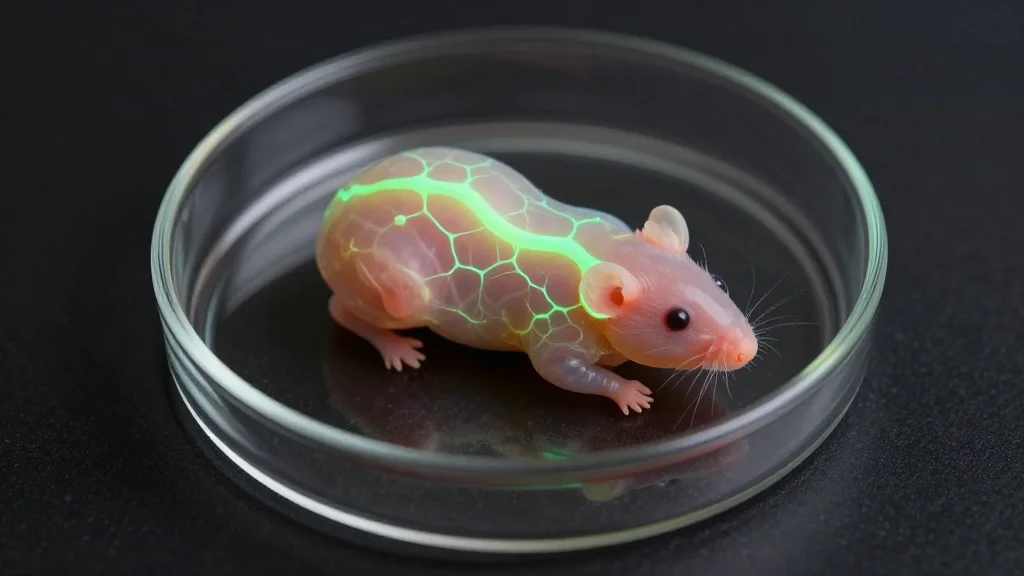
Formation of Sensory and Sympathetic Ganglia
A new Nature study using CRISPR barcoding in mice and mosaic‑variant tracing in humans shows that most neural‑crest cells are fate‑restricted to either sensory or sympathetic lineages before delamination. The research reveals bilateral, rostrocaudal clonal dispersion yet limited overlap between...
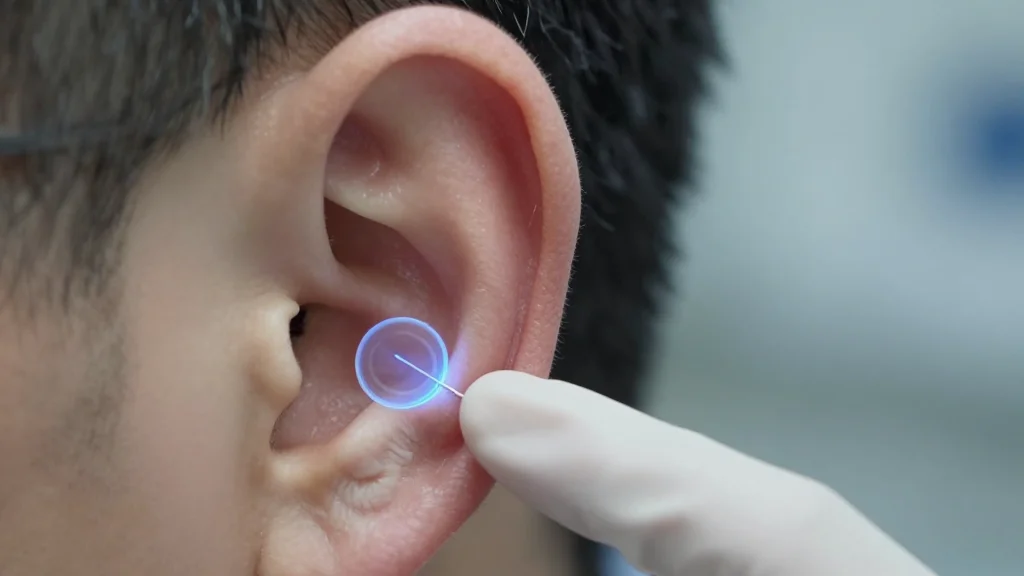
They Thought Their Hearing Was Gone Forever—Until Doctors Tried Something Radical
A 2025 Nature Medicine study showed that delivering a functional OTOF gene via an adeno‑associated virus dramatically improves hearing in patients with genetic deafness. Ten participants aged 1 to 24 across five Chinese hospitals experienced a reduction in hearing threshold...
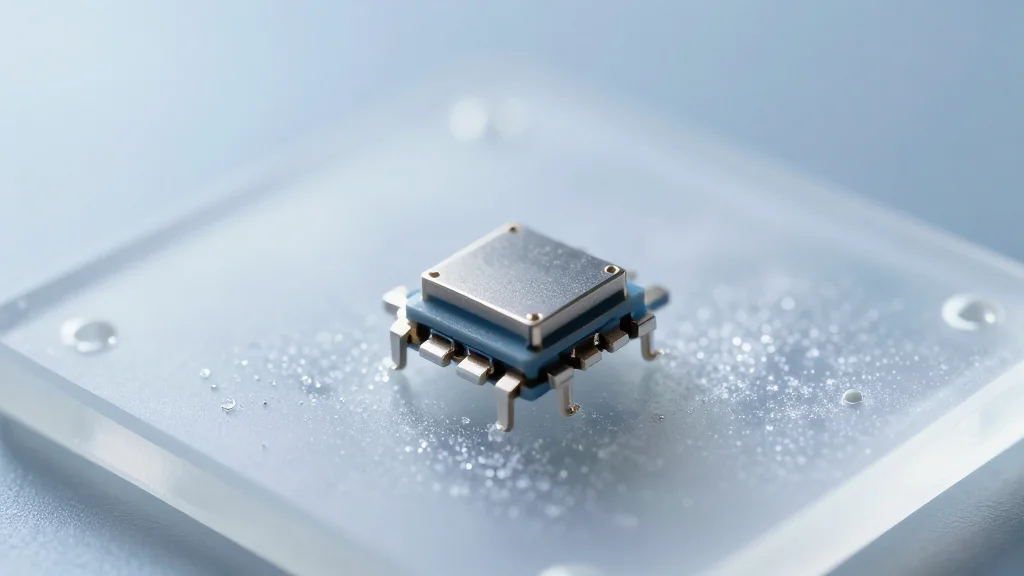
Quantum Switches Perform Best in Extreme Cold, New Research Finds
Researchers at Purdue University and Menlo Microsystems have shown that commercial RF MEMS SP4T switches can function reliably at cryogenic temperatures as low as 5.8 K. The switches exhibit sub‑0.5 dB insertion loss, over 35 dB isolation, and a 15 % reduction in on‑resistance...
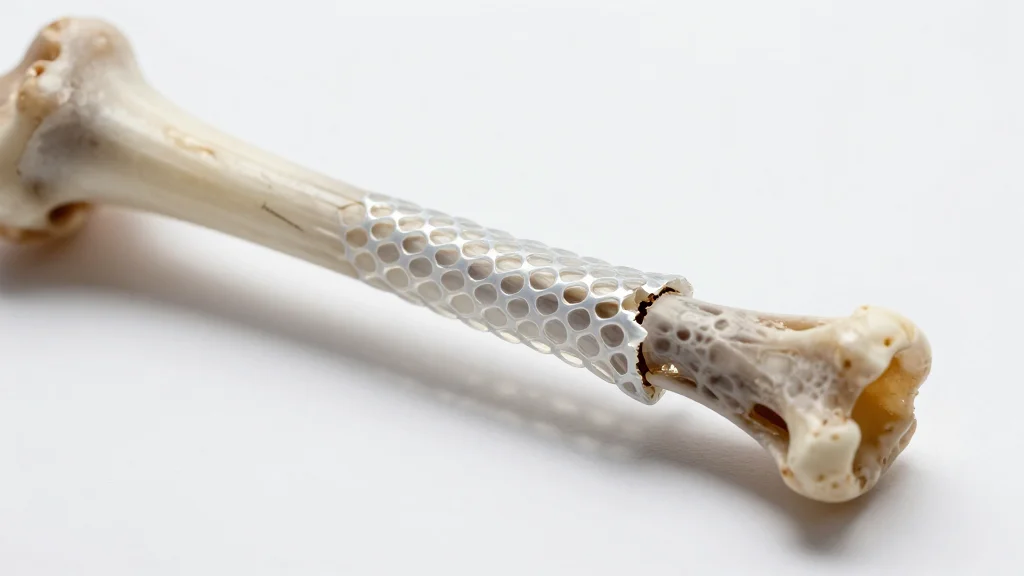
Graphene 'Scaffold' Recruits Bone Cells and Helps the Body Regenerate Fractures
Researchers in Brazil have created a graphene‑based scaffold that repaired nearly 90% of bone fractures in rats within a month, outperforming existing biomaterials. The scaffold combines graphene with chitosan‑xanthan polymers derived from waste black liquor, a pulp‑and‑paper by‑product. Acting as...

Phage Sequencing Uncovers Germ Cell Tumor Signature
Researchers used high‑throughput phage display sequencing to map the protein landscape of germ cell tumors, uncovering a distinct molecular signature that differentiates malignant from benign testicular tissue. The study, led by a collaborative team from NYU Abu Dhabi and the...

Survey Reveals Many Dog Owners Overlook Subtle Pain Signs Like Nighttime Restlessness and Clinginess
A recent PLOS One survey of Dutch dog owners found that only about half can correctly identify subtle pain indicators such as nighttime restlessness and heightened clinginess. The study presented 17 behavioral cues and three case scenarios to both owners and...
20/20 BioLabs Expands Longevity Test with Kidney Risk Tech
20/20 BioLabs announced an exclusive U.S. license with South Korea’s ROKIT Healthcare to embed its chronic kidney disease (CKD) prediction algorithm into the company’s OneTest for Longevity platform. The addition expands the test beyond inflammation biomarkers to provide early kidney...
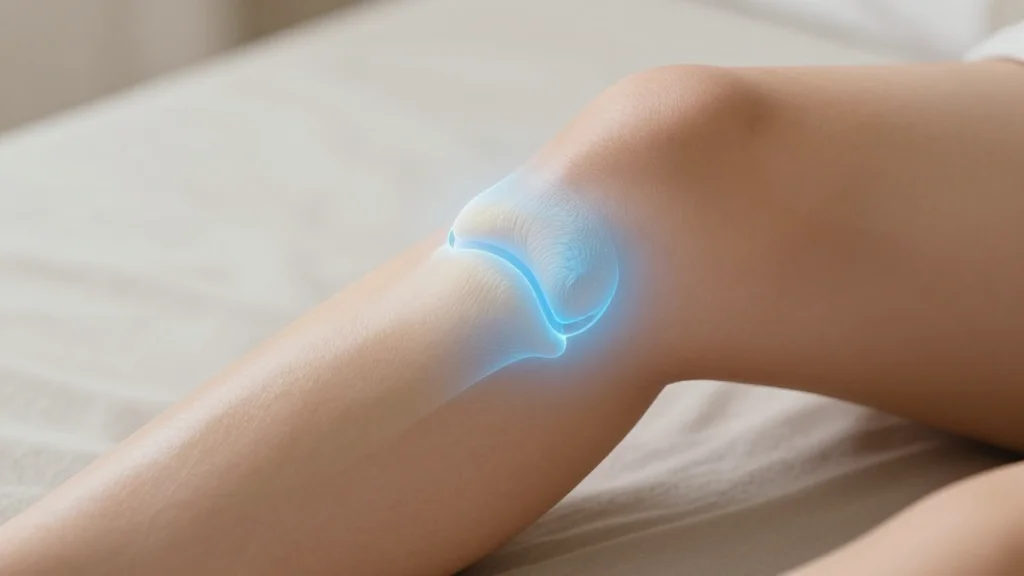
Enlivex Clears Pivotal FDA Hurdle in Knee Osteoarthritis
Enlivex has secured FDA Investigational New Drug (IND) clearance to launch a global Phase 2b trial of its immunotherapy Allocetra for moderate‑to‑severe age‑related knee osteoarthritis. The study will be randomized, double‑blind, and placebo‑controlled, building on promising Phase 1/2a data from 134 patients....

New Soft Sensors Give Humanoid Robots Finger Finesse
Researchers from Zhejiang, Hangzhou Dianzi and Lishui Universities unveiled a hybrid rigid‑soft robotic hand equipped with omnidirectional optical bending sensors. The hand offers 18 active degrees of freedom and can independently measure finger pitch and yaw with an error of...

Study: Eye Microbiome Unchanged by Contact Lens Wear
A new study published in Microbiology Spectrum examined the ocular surface microbiome and tear proteome of 25 contact‑lens wearers and 23 non‑wearers. The researchers found no significant differences in bacterial composition or tear protein expression between the two groups. While...
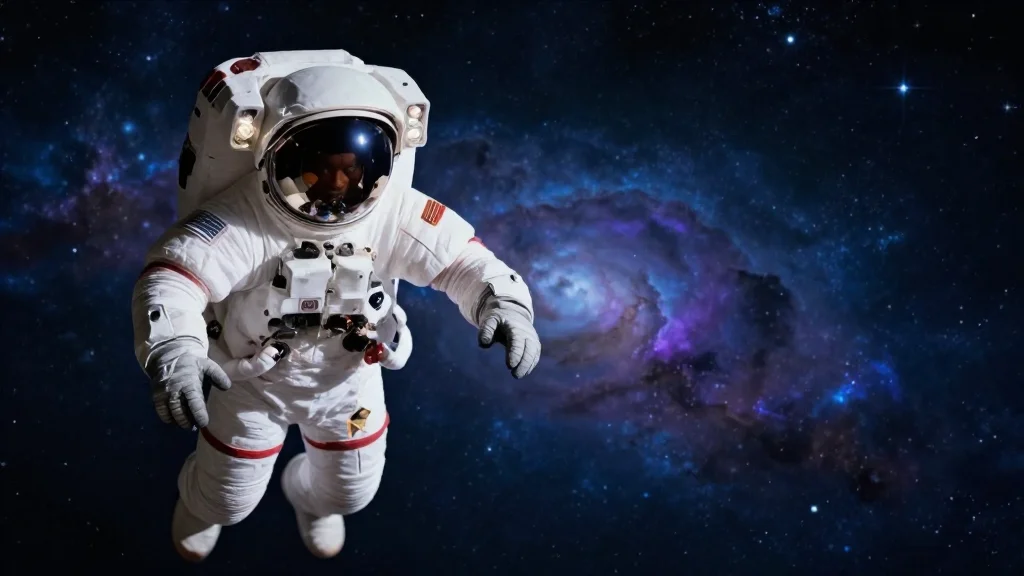
Scientists Use Brain Measurements to Identify a Video that Significantly Lowers Racial Bias
Researchers Yilong Wang and Paul J. Zak identified a short, highly immersive video about Black astronaut Dr. Ronald McNair that measurably reduces racial bias. In a lab test of 62 participants, the video generated the strongest neurologic "Immersion" response, prompting...

Scientists Create Plant That Produces Ayahuasca, Shrooms, and Toad Psychedelics All At Once
Scientists have genetically modified tobacco plants to biosynthesize five distinct psychedelic compounds typically sourced from psilocybin mushrooms, ayahuasca vines, and the Sonoran Desert toad. The engineered pathway, detailed in a Science Advances paper, yields measurable amounts of psilocybin, DMT, 5‑MeO‑DMT...
New Research Highlights Brain-Gut-Skin Axis in Chronic Skin Diseases
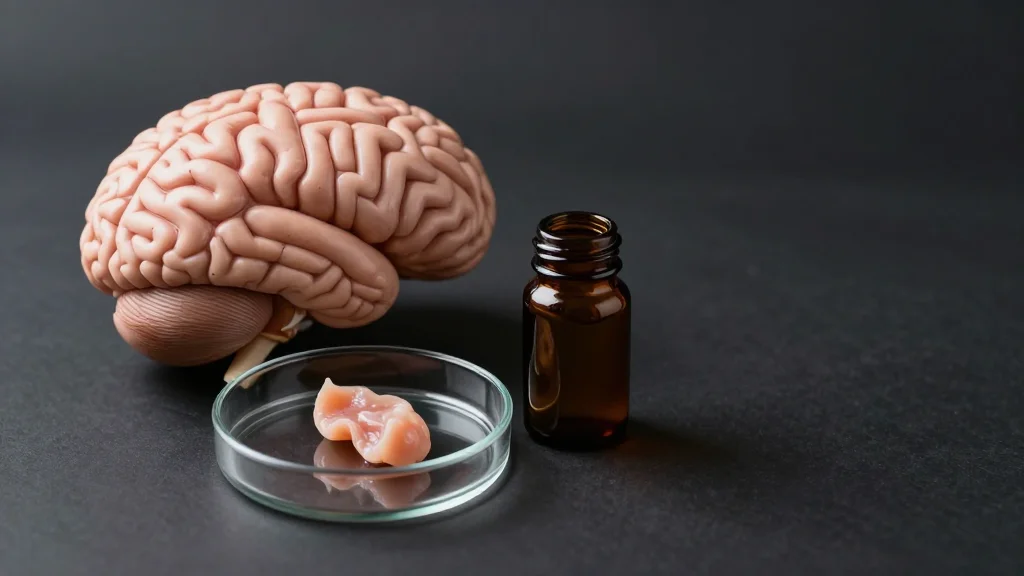
Recent research published in Frontiers in Immunology reframes chronic skin disorders such as acne, psoriasis and atopic dermatitis as systemic illnesses driven by a brain‑gut‑skin axis (BGSA). The model links psychological stress, gut microbiome composition, and immune signaling to skin...

Cosmic Collision of Galaxies Mapped by Maunakea Telescope
Astronomers using the Canada–France–Hawaii Telescope’s unique SITELLE instrument captured full‑field spectral maps of the interacting spirals NGC 2207 and IC 2163. By running hundreds of simulations, they reconstructed a 440‑million‑year collision that will eventually merge the galaxies into a single system. The...

Silent Minds: Exploring the Absence of Inner Speech
Recent cognitive‑science research reveals that inner speech—often assumed universal—is absent in a subset of people, a condition termed anendophasia. Studies such as Nedergaard and Lupyan (2024) show measurable behavioral differences for those without an internal voice. The field faces methodological...

NASA Taps SFL Missions to Build Eight Satellites for Solar Wind Study
Toronto‑based SFL Missions Inc. has secured a NASA contract to build eight 150‑kilogram “Node” satellites for the HelioSwarm science mission. The Nodes will ride on a larger Hub spacecraft before deploying into coordinated formations in high‑Earth orbit. Built on SFL’s...
Unraveling Sleep Genetics via Wearable Device Data
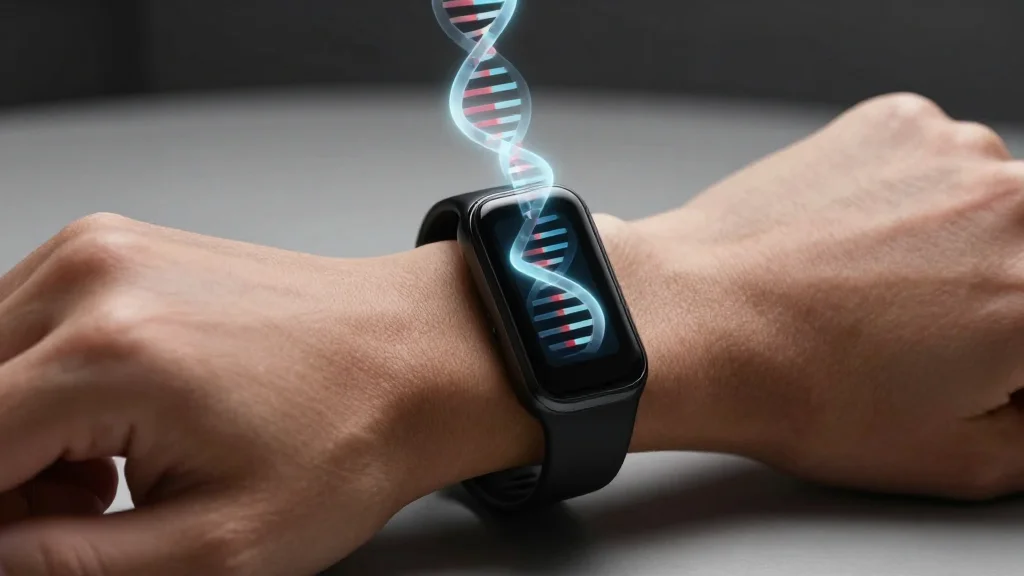
Researchers have conducted the largest genome‑wide association study (GWAS) to date using objective sleep metrics captured by accelerometer‑based wearables. By harmonizing millions of device‑derived sleep measurements with genotyping data, they identified dozens of novel genetic loci tied to duration, efficiency,...
Untitled
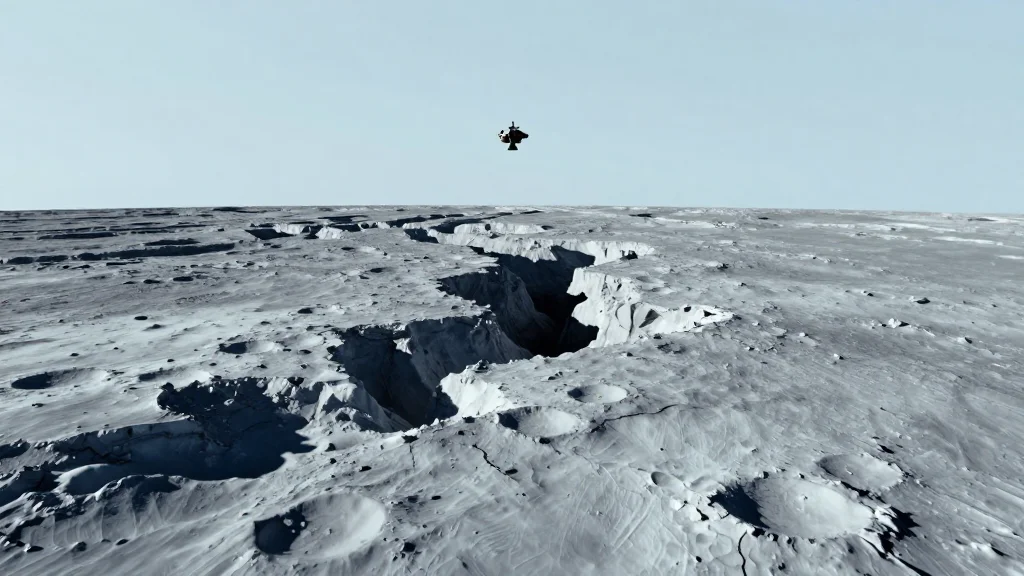
NASA’s Voyager 2 spacecraft flew past Uranus’s largest moon, Titania, in 1986, capturing detailed images of its rugged terrain. The moon’s surface features a mix of deep canyons, cliffs, and impact craters, suggesting a violent geological past possibly driven by water‑ice...

Test Maps Circadian Rhythm Via Hair Sample
Researchers at Charité have created a hair‑based diagnostic that reads the activity of 17 clock‑related genes to pinpoint an individual’s chronotype. In a study of over 4,000 volunteers, the test showed that lifestyle factors—especially employment—shift internal clocks more than genetics...