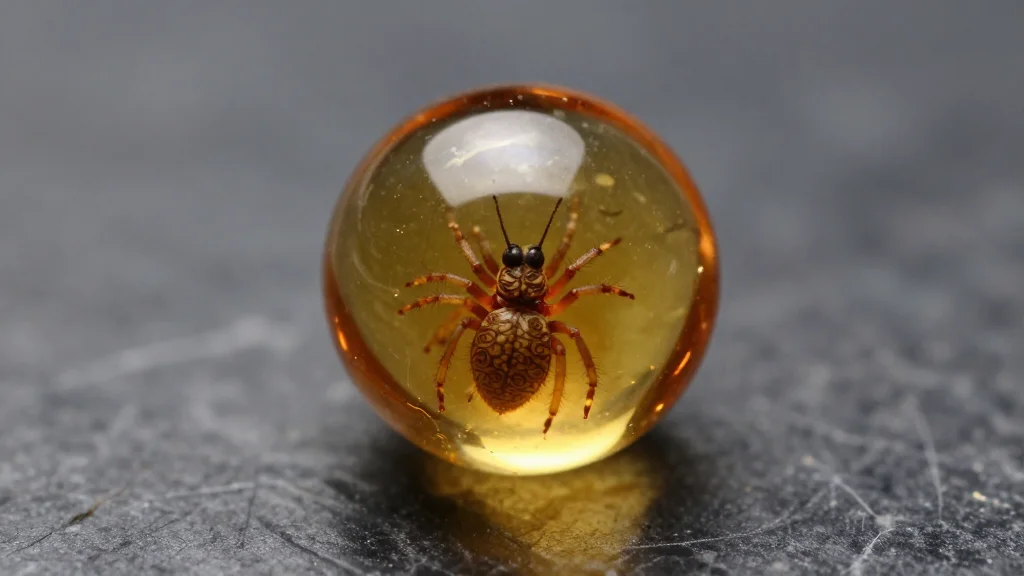
Bizarre Harvestman Species Found Preserved in Ukrainian and Baltic Amber
Paleontologists have described *Balticolasma wunderlichi*, the first fossil member of the ortholasmatine subfamily, from two Eocene amber pieces—one from Ukraine’s Rovno deposit and another from Baltic amber. The 3‑mm long harvestman, reconstructed via synchrotron micro‑tomography, displays the ornate tubercles and hood‑like structure characteristic of modern Asian relatives. Its presence 35 million years ago indicates that ortholasmatine harvestmen once occupied a much wider northern‑hemisphere range, now restricted to East Asia and the Americas. The find raises the known harvestman species in Baltic amber to 19 and underscores the scientific importance of these amber deposits.

Smoked Cannabis Reduces Immediate Alcohol Consumption in Controlled Laboratory Trial
A double‑blind crossover trial with 157 heavy drinkers found that smoking cannabis before alcohol reduced immediate consumption. A moderate THC dose (3.1%) cut intake by 19%, while a higher dose (7.2%) lowered it by 27% compared with placebo. The high‑THC...

Male Octopuses Guided Through Mating by Female Hormones
Harvard researchers led by Pablo S. Villar discovered that male octopuses locate the female oviduct by sensing progesterone through chemotactile receptors on their hectocotylus. In controlled tank experiments, males responded to progesterone‑coated tubes as if they were females, initiating the...

Sirolimus DCB in Peripheral Disease Makes Strides in Hard Outcomes: SirPAD
The SirPAD trial showed that a sirolimus‑coated drug‑coated balloon (MagicTouch) significantly lowered major adverse limb events (MALE) to 8.8% versus 15% with uncoated balloons in femoropopliteal and below‑the‑knee peripheral artery disease patients. At one year, the composite of unplanned amputation...

Public Health: ARPA-H Announces $144M STOMP Program to Measure and Remove Microplastics
The Advanced Research Projects Agency for Health (ARPA‑H) has unveiled a $144 million STOMP (Systematic Targeting Of MicroPlastics) initiative to tackle micro‑ and nanoplastic contamination in humans. Phase 1 will develop gold‑standard clinical assays and a risk‑stratification framework, with the CDC acting...

Optical Terminals Still a Bottleneck in Pentagon’s Proliferated Constellation
On Oct. 15, Lockheed Martin launched 21 Space Development Agency Tracking Layer Tranche 1 satellites, each carrying three laser communication terminals (OCTs) instead of the planned four due to a supply shortfall. Tesat‑Spacecom delivered 42 terminals while CACI supplied only 21,...
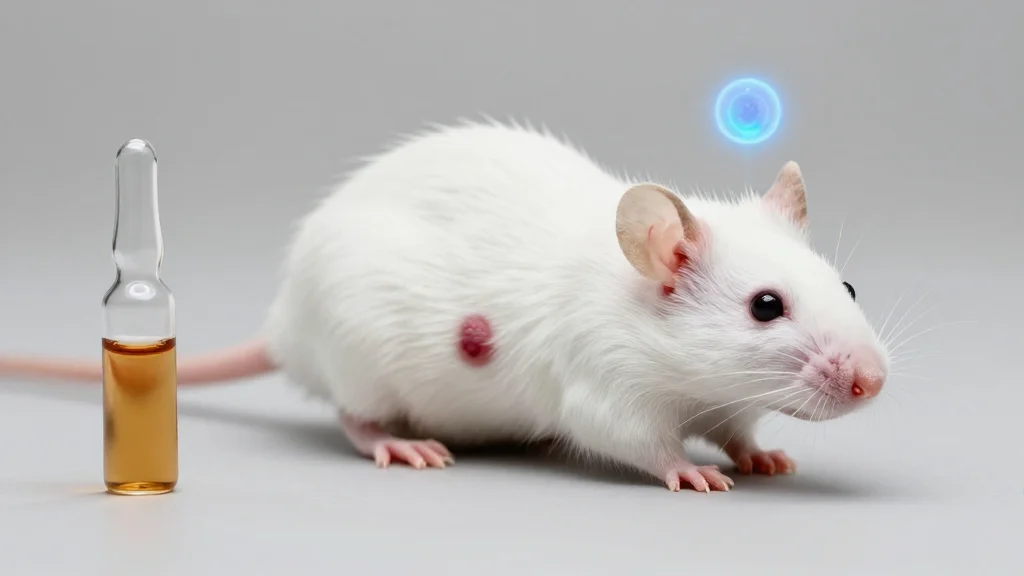
Combining Novel Dual HIF Inhibitors with Immunotherapy Erases Multiple Tumor Types in Mice
Researchers at Johns Hopkins and the University of Maryland have created first‑in‑class small‑molecule inhibitors that simultaneously block hypoxia‑inducible factors 1 and 2. In mouse models, the dual HIF‑1/2 inhibitors eradicated breast, colorectal, melanoma and prostate tumors when paired with checkpoint antibodies such...
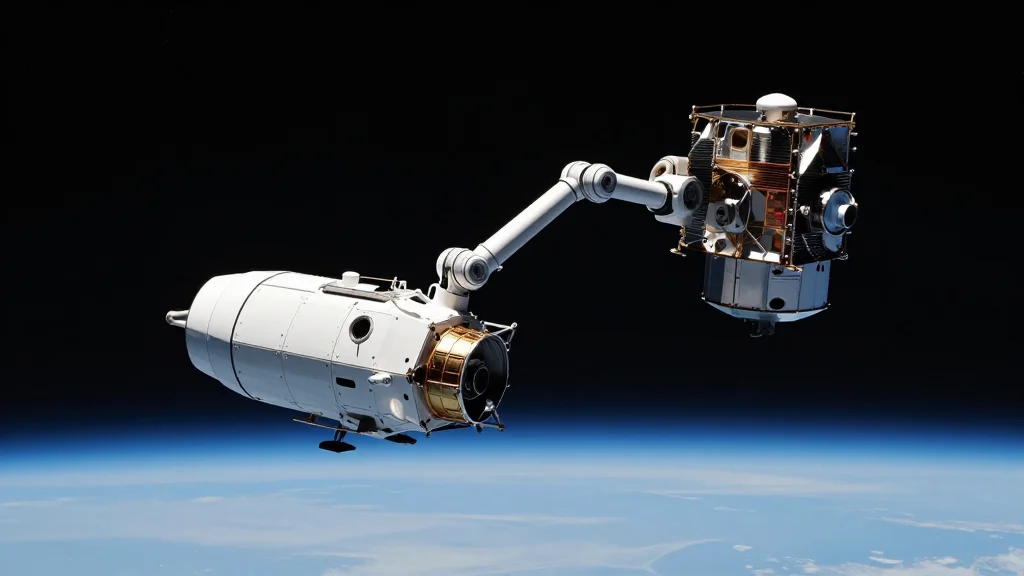
Astroscale and Exotrail to Co-Develop Servicing Mission
Japanese satellite‑life‑extension specialist Astroscale and French launch‑service firm Exotrail have signed a contract to co‑develop a low‑Earth‑orbit de‑orbiting mission, aiming for operational capability by 2030. The partnership combines Exotrail’s SpaceVan vehicle with Astroscale’s capture system and proximity‑operations expertise. The agreement...

The Next Global Food Crisis Has Already Begun
The closure of the Strait of Hormuz amid the U.S.–Israeli war on Iran has choked a key maritime route for fertilizer shipments, pushing nitrogen and phosphate prices up 20‑40 percent. Rising transport costs and insurance premiums are forcing farmers in...

Brain Game May Reduce Risk of Alzheimer’s and Other Dementias
A new study published in February 2026 finds that a specific brain‑training video game cuts dementia risk by roughly 25 % for adults over 65. The game challenges users to identify two separate images—a vehicle and a fleeting Route 66 sign—under increasingly...
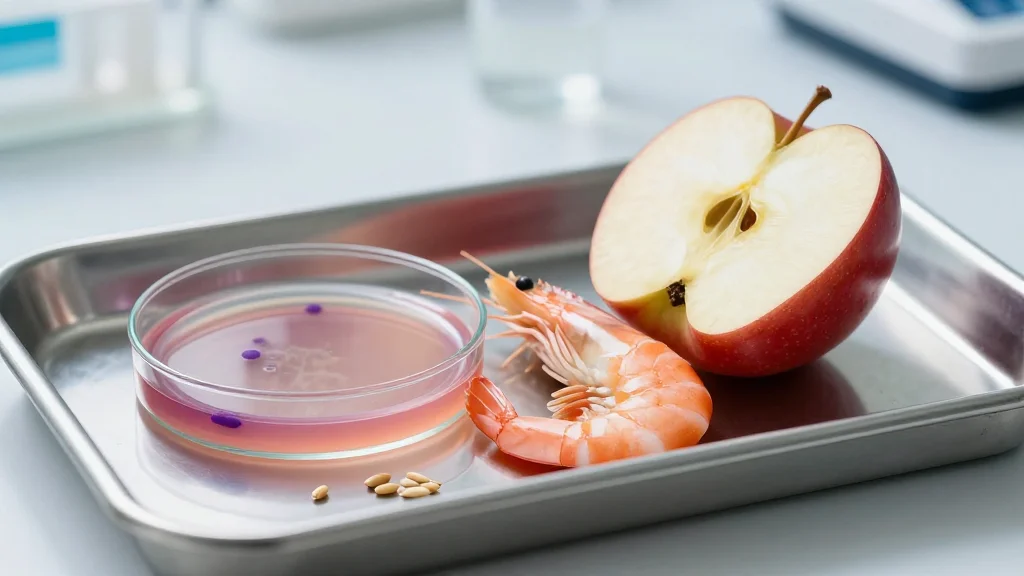
FDA’s Human Foods Program Publishes Priority Scientific Needs to Advance Food Safety
The FDA’s Human Foods Program has released a prioritized list of scientific research, data, and method needs aimed at strengthening food safety across the United States. The list spans nutrition, human behavior, microbiological detection, chemical hazards, risk assessment, and economically...

Ancient Roman Bone Penis Discovered in Forgotten Museum Box
Archaeologists at the Valkhof Museum in Nijmegen uncovered a 7.8‑inch bone phallus dating to 1,800‑2,000 years ago, the first known example of a Roman bone penis. The artifact emerged from one of 16,000 unopened storage boxes, of which only 300...

Q&A: Duke’s Amanda Randles, Ph.D., on the Future of Digital Twin Innovation
Dr. Amanda Randles of Duke University leads the development of HARVEY, a cardiovascular digital‑twin engine that simulates patient‑specific blood flow across the entire vasculature. The platform, originally requiring the world’s largest supercomputer for a single heartbeat, now runs in minutes...

Plug-and-Play Sensor Listens to the Developing Brain
Researchers at North Carolina State University introduced CAMEO, a low‑cost, plug‑and‑play carbon‑nanotube sensor array for human cerebral organoids. The basket‑shaped device houses 12 flexible electrodes, delivering electrophysiological recordings comparable to high‑end systems while costing a fraction of traditional microelectrode arrays....

Cell Line Development Has to Evolve
Cell line development (CLD) remains a hidden bottleneck that dictates speed to clinic, manufacturability, and long‑term product performance. Traditional random‑integration and lengthy clone screening are giving way to engineered platforms, especially glutamine synthetase (GS) knockout systems, which reduce heterogeneity and...

Graphene ‘Nano-Aquariums’ Reveal Atoms’ Hidden Life in Liquids
A Manchester research team built graphene‑based nano‑aquariums that seal attolitre‑scale liquid pockets between atom‑thin graphene windows, allowing transmission electron microscopy to image atomic behavior in a variety of organic solvents. Using the ePSIC facility, they filmed gold atoms at solid‑liquid...

Bumblebees Can Perceive Rhythm, Despite Their Brains Being the Size of a Sesame Seed
A new study published in Science shows that bumblebees, despite having brains the size of a sesame seed, can learn abstract rhythmic patterns and apply them flexibly across different tempos. Researchers trained bees to associate specific LED flash sequences with...

The New Rubin Telescope Discovers over 11,000 New Asteroids in First Observations
The Vera C. Rubin Observatory in Chile has cataloged over 11,000 previously unknown asteroids during its first 1.5 months of operation, including 33 newly identified near‑Earth objects (NEOs). The survey also recorded roughly one million observations of more than 80,000...
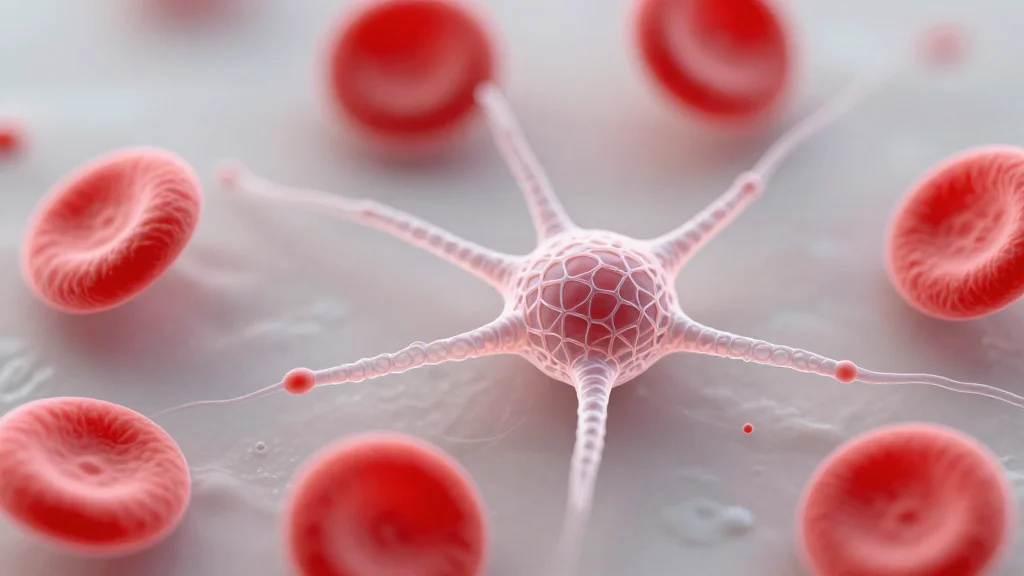
Blood Proteins Can Help Build Conductive Polymers in the Brain
Researchers at Purdue University discovered that iron-containing blood proteins can catalyze the in‑vivo polymerization of n‑doped poly(benzodifurandione) (n‑PBDF), forming conductive polymer meshes around neurons in mice. The method replaces copper salts with naturally abundant hemoglobin and myoglobin, eliminating toxicity concerns...
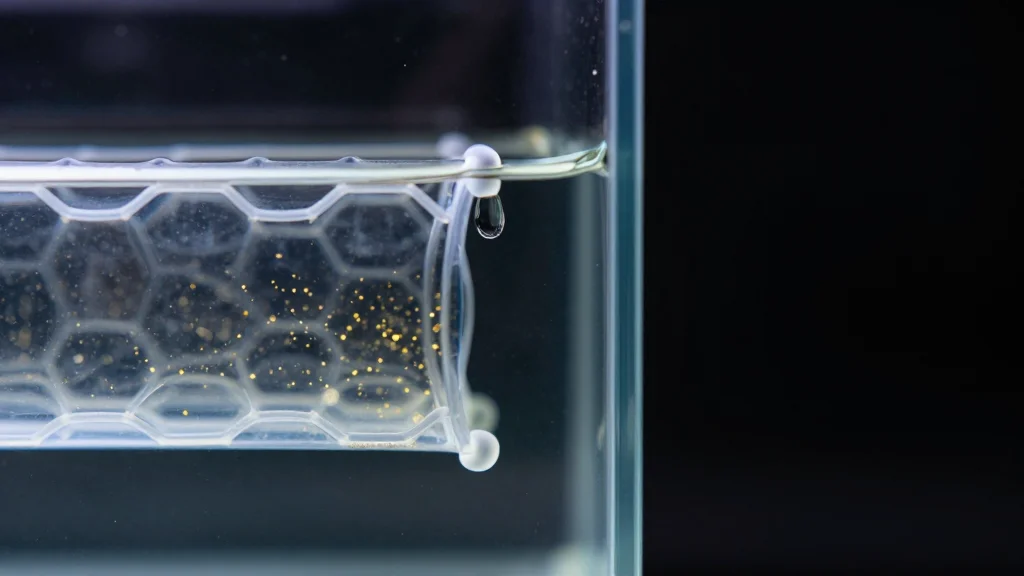
Graphene 'Nano-Aquariums' Capture Atomic-Resolution Videos of Gold Atoms in Solvents
Scientists at the University of Manchester’s National Graphene Institute have built graphene‑sealed “nano‑aquariums” that enable atomic‑resolution video of gold atoms in a variety of organic solvents. Using transmission electron microscopy at the ePSIC facility, they recorded gold atoms hopping, pairing...

EPA Addresses Microplastics, PFAS in Drinking Water; HHS to Study Microplastics in Humans
The EPA announced that microplastics, PFAS, pharmaceuticals and additional chemicals will be added to the Sixth Contaminant Candidate List (CCL 6) for drinking water. The draft list is open for public comment for 60 days, with a final version expected by...
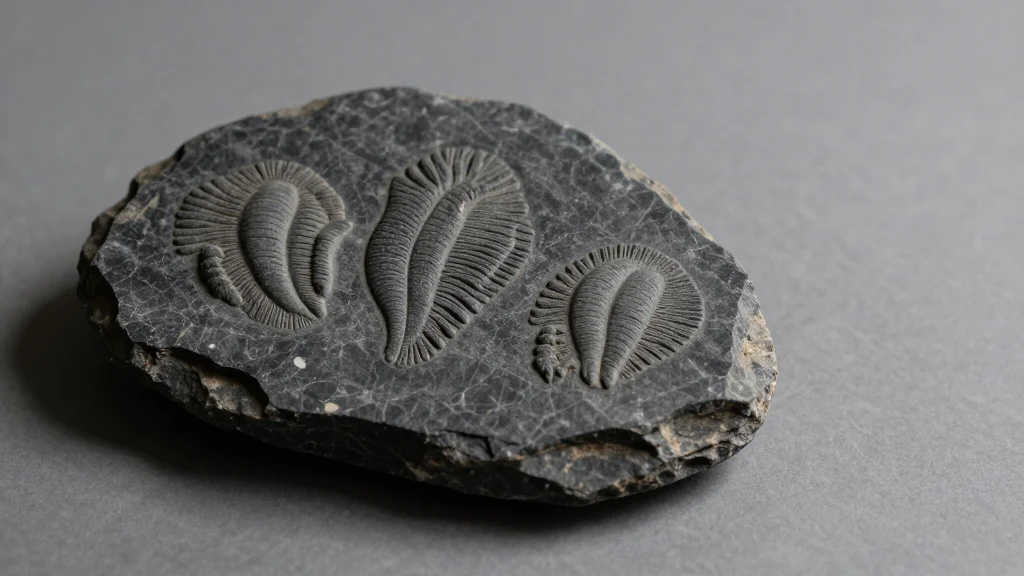
How We Came to Be: Scientists Get First Look at the Evolution of Early Complex Animals
Scientists uncovered over 700 fossils in Yunnan, China, dating to about 539 million years ago, revealing three‑dimensional, bilaterally symmetric animals in the late Ediacaran. The finds push the emergence of complex body plans and active locomotion millions of years earlier than...

‘Digital Sphinx’ Raises Questions About Connectome Models
A preprint from Bing Wen Brunton's team demonstrates that a neural network built on the nematode *C. elegans* connectome can control a simulated fruit‑fly body, a system they dub the “digital sphinx.” The model learns to walk via deep reinforcement...

Ancient Children's Teeth Reveal a Syphilis-Like Disease Was Spreading in Vietnam 4,000 Years Ago
Archaeologists uncovered three Neolithic Vietnamese children with dental and skeletal lesions consistent with congenital treponematosis, a disease related to syphilis. The findings, published in the International Journal of Osteoarchaeology, date to 4,100‑3,300 years ago and span two sites, Man Bac and An Son....

Pregnancy and Heat in Pakistan: Researchers Seek to Fill Dangerous Knowledge Gaps
Researchers in Karachi are launching a large‑scale study to quantify how extreme heat harms pregnant women and newborns in Pakistan, a country with high maternal and neonatal mortality. The project, led by Aga Khan University and funded by Wellcome, has...
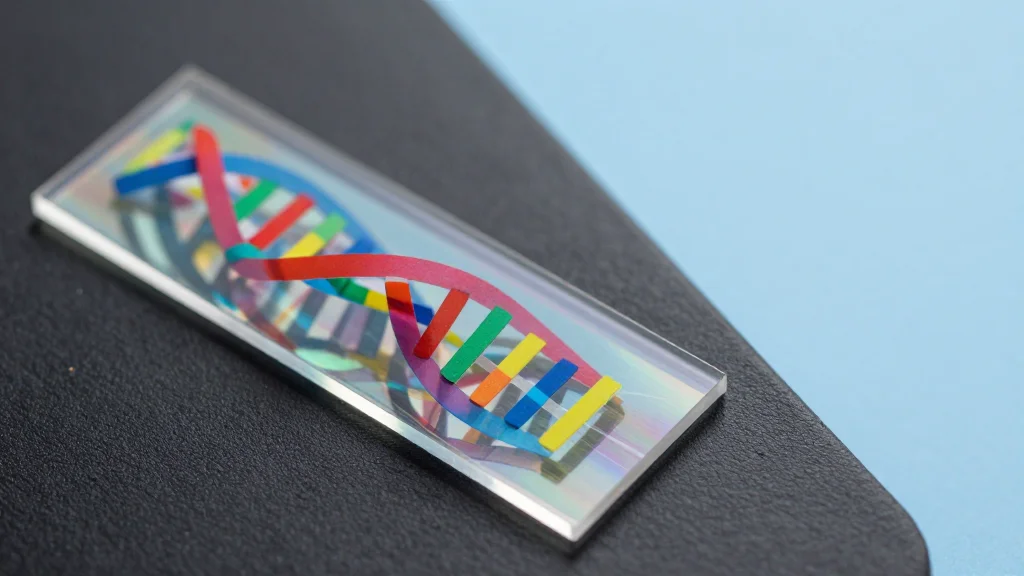
Exploring Structural Variation in Genomic Studies
Broad Institute’s Primer on Medical and Population Genetics released a new session exploring structural variation in genomic studies. The free weekly video series provides in‑depth introductions to complex trait genetics, covering topics from DNA sequencing to statistical analysis. Targeted at...

Chemists Make Hydrogen From Breadcrumbs in Groundbreaking Reaction that Could Replace some Fossil Fuels
Chemists at the University of Edinburgh have demonstrated a hybrid bio‑catalytic process that turns bread crumbs into hydrogen for hydrogenation reactions. By pairing E. coli that ferment waste‑derived glucose with a palladium catalyst, the team achieved a 94% yield of the...

When Dogs First Became Man’s Best Friend
An international team analyzed DNA from 216 ancient canine remains across Europe, uncovering a dog skeleton from Switzerland dated to 14,200 years ago—the continent's oldest known dog. The genetic data show that dogs were already domesticated during hunter‑gatherer times, predating the...

Earth's Energy Imbalance Is Much More Extreme than Climate Models Show — but Scientists Aren't Sure Why
A new study published in Geophysical Research Letters finds that Earth’s energy imbalance has more than doubled over the past two decades, reaching about 1.8 watts per square meter in 2023—roughly twice what leading climate models predict. Satellite data reveal a...

Scientists: Saturn’s Magnetic Field Is Warped
Scientists analyzing six years of Cassini data have found that Saturn’s magnetic field is not symmetric like Earth’s but lopsided, with the magnetic cusp displaced toward the 1:00‑3:00 position on a clock‑face. The distortion is attributed to Saturn’s rapid 10.7‑hour...

How the Brain Builds Images Step-by-Step
A team at the Technical University of Munich used two‑photon microscopy and optogenetic silencing to record activity at individual thalamocortical synapses in live mice. Their data show that thalamic inputs to primary visual cortex are broadly tuned and lack orientation...
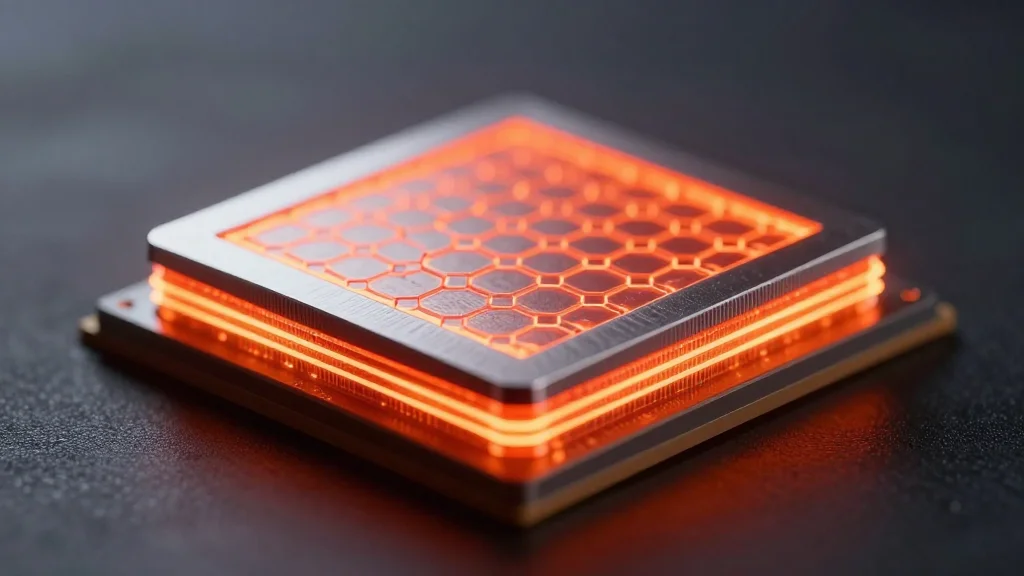
This Chip Keeps Working at 700°C, Surviving Lava-Like Heat
USC researchers have built a memristor‑based memory chip that continues to function at 700 °C—hotter than molten lava—by stacking tungsten, hafnium oxide and a single‑atom graphene layer. The device stored data for over 50 hours without refresh, survived more than a billion...
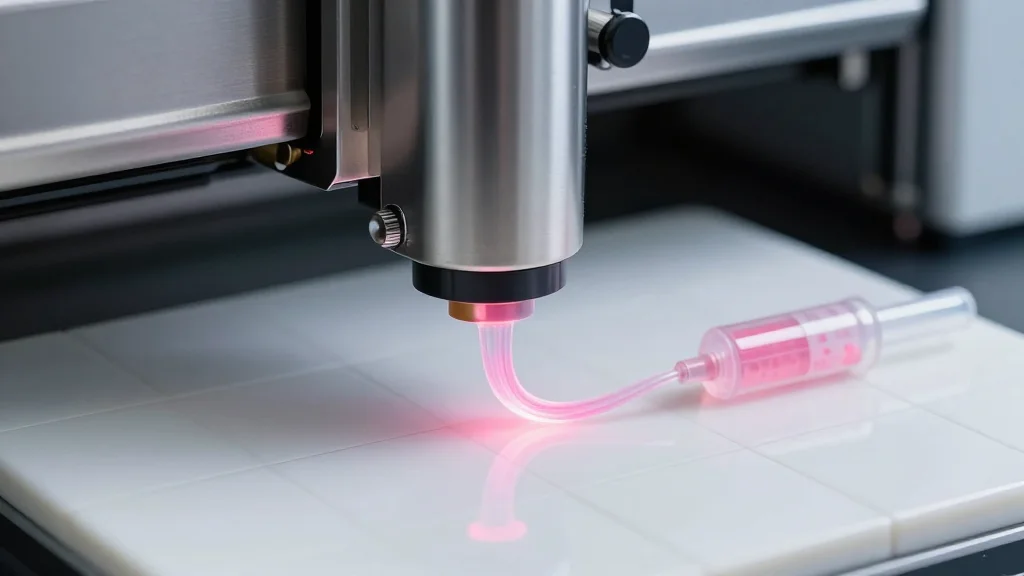
Aspect Biosystems – Announces $280 Million Partnership with Government of Canada to Advance Development of Bioengineered Cellular Medicines
Aspect Biosystems secured a CAD $79 million (≈ $58 million USD) investment from the Government of Canada, funding a CAD $280 million (≈ $204 million USD) multi‑year project to accelerate its bioengineered cellular medicines pipeline. The funding builds on a prior CAD $200 million (≈ $146 million USD) co‑investment announced in 2024 and will expand...
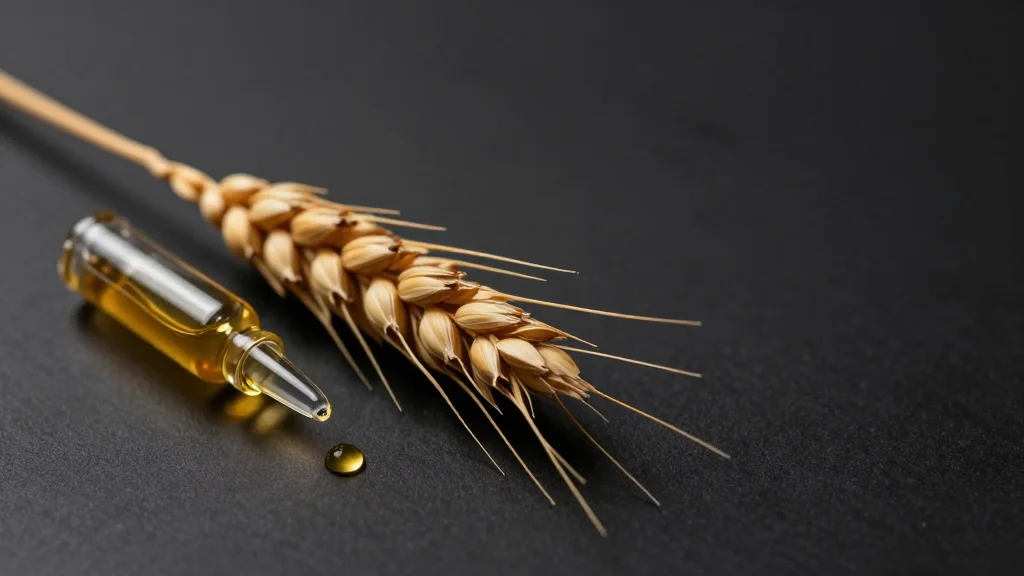
Omics Consortium Established to Supercharge Climate-Adapted Wheat Breeding
The University of Adelaide is spearheading the Wheat Spatial Omics Consortium (WSOC), a partnership of more than 30 institutions in nine countries, to build a comprehensive spatial omics atlas of wheat. By mapping genes, proteins and metabolites at subcellular resolution,...
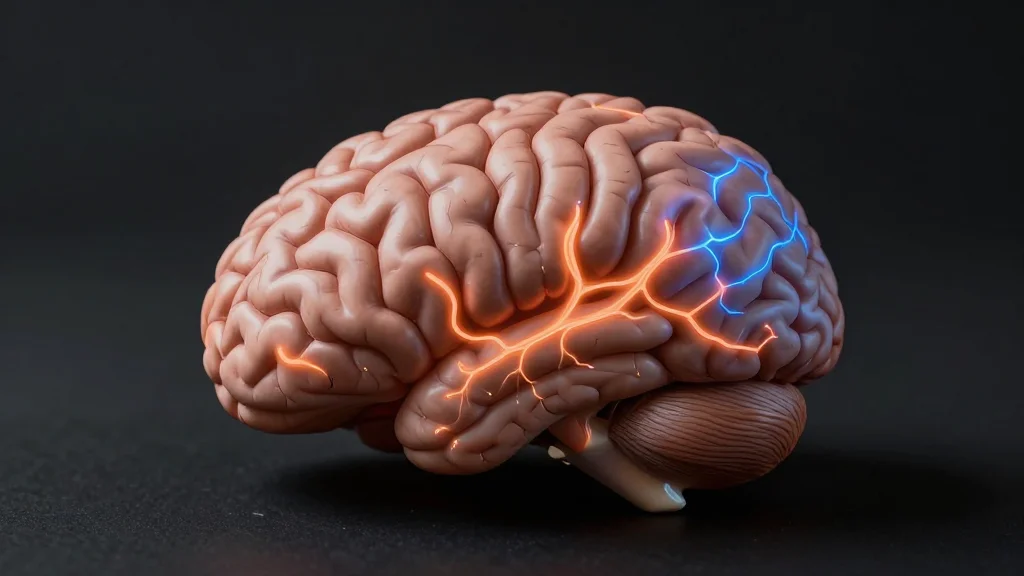
Brain Scans Reveal the Neural Fingerprints of Dark Personality Traits
Researchers led by Richard Bakiaj used resting‑state fMRI and unsupervised machine learning on 200 German adults to identify neural signatures of dark‑triad traits. Elevated baseline activity in the central executive network and reduced activity in a posterior default mode network...

Gravity From Positivity: Single Massive Spin-3/2 Particle Makes Gravity Logically Inevitable, Study Claims
Researchers at the Institute of Theoretical Physics and the Universitat Autònoma de Barcelona have demonstrated that the mere presence of a single massive spin‑3/2 particle compels the emergence of gravity and supersymmetry. Using only causality and unitarity, they show that...

Why Protecting Flowering Plants Is Crucial to Our Future
Biologist David George Haskell argues that flowering plants are the planet’s "world creators," having sparked a 130‑million‑year surge in biodiversity and ecosystem productivity. Their genetic flexibility enabled them to colonize new habitats, from terrestrial prairies to underwater seagrass meadows, shaping...

Chinese Satellite with Robotic 'Octopus Arm' Passes Key Refueling Test in Orbit — Making Longer-Lived Space Assets More Likely
China’s experimental Hukeda‑2 satellite demonstrated a major in‑orbit refueling capability by using its octopus‑like robotic arm to dock with a target port on the same spacecraft. The test, conducted on 24 March, marks the first self‑docking refuel maneuver since the Shijian‑25...

Seventy-Three Percent Of Marine Protected Areas Are Polluted By Sewage, Says Study
A joint study by the Wildlife Conservation Society and the University of Queensland found that 73% of the world’s 16,491 marine protected areas (MPAs) are polluted by sewage and non‑point source waste. In coral‑dependent regions, contamination rises to 87‑92%, with...

How a Lush Miami Park Was Designed to Keep Flooding at Bay – in Pictures
Bayshore Park, a 19.4‑acre former golf‑course site in Miami Beach, opened last year as a climate‑resilient public space. Designed by Savino & Miller, the park captures runoff from an 85‑acre watershed, storing up to 65.62 acre‑feet of water—enough for a three‑day storm—while providing recreation, native...
Software Package Makes Gene Regulation Easier to Study—And Tweak
Researchers at VIB and KU Leuven introduced CREsted, a new software package for modeling and designing gene regulatory enhancers. The framework unifies preprocessing, deep‑learning model training, interpretation, and synthetic enhancer generation into a single, reusable workflow. Demonstrated on mouse brain,...

See These Ziti-Sized Fish Scale a 50-Foot Waterfall
Scientists have documented the shellear (Parakneria thysi), a ziti‑sized fish, scaling a 50‑foot waterfall in the Congo River Basin. The fish press fin‑covered microscopic hooks against the slick rock, using bursts of upward motion interspersed with long rests, completing the...

These Tiny Fish Climb Waterfall Cliffs for 10 Hours
Biologists have documented that the tiny shellear fish Parakneria thysi climbs the 50‑foot cliffs of Luvilombo Falls in the Democratic Republic of Congo, spending up to ten hours on the ascent. The fish use hook‑like fin projections and lateral body...

Moog Technology Successfully Steers Artemis II Launch
Moog Inc. supplied the critical actuation and motion‑control systems that steered NASA’s Artemis II launch, including thrust‑vector control, launch‑abort actuators, fluid‑control hardware, and mobile launch‑pad mechanisms. The SLS rocket lifted four astronauts from Kennedy Space Center, marking a record‑setting step toward...

Knocking on Quantum’s Door: QuiX Claims Photonic Error Reduction Breakthrough
QuiX Quantum announced the first below‑threshold error mitigation on a photonic quantum computer, using a 20‑mode processor and a photon‑distillation gate. The technique achieved a 2.2× reduction in photon‑indistinguishability error and a net 1.2× overall system‑error decrease. Collaborators include NASA’s...

Review Explores Evidence for Folic Acid Supplementation to Prevent Neural Tube Defects
A new systematic review in Nutrients synthesizes evidence on folic acid supplementation to prevent neural tube defects (NTDs) in women of child‑bearing age. It highlights a global NTD prevalence of 18.6 per 10,000 live births and a 75% mortality rate...
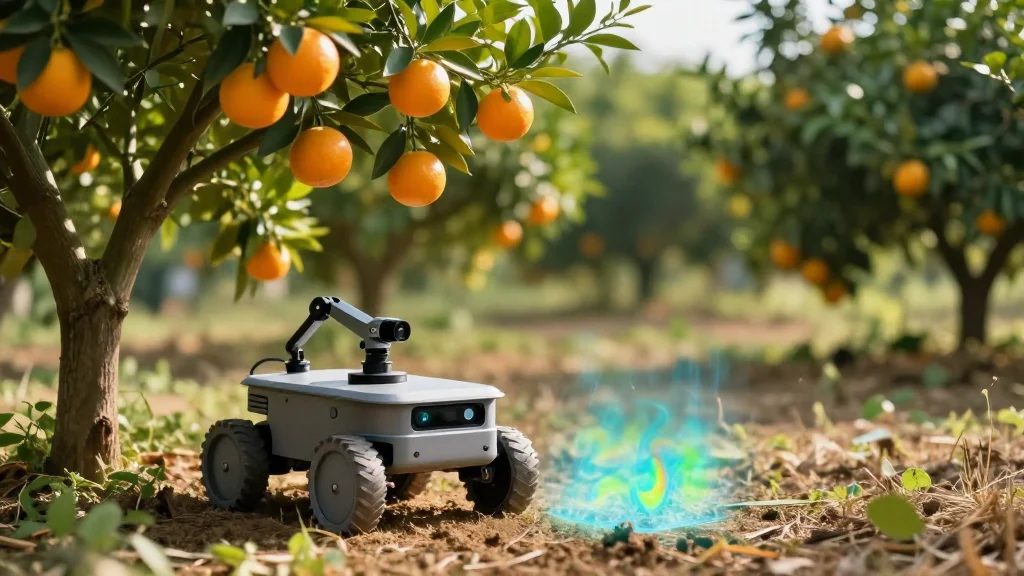
Watering Smarter, Not More: A Modern-Day Robotic Divining Rod
University of California‑Riverside researchers have created a robotic system that maps soil moisture at the individual tree level in citrus orchards. By measuring electrical conductivity and integrating data from existing moisture sensors, the robot generates detailed moisture maps that guide...
Does Artemis II Prove Space Tourism Might Soon Take Off?
Artemis II’s April 1 launch delivered the first crewed lunar flyby since Apollo, underscoring NASA’s push for a 2028 Moon landing. SpaceX has filed confidentially for an IPO that could value the company above $1 trillion, the largest market debut ever. Virgin Galactic...

Early Career Award Recipient Aleksandra Ćiprijanović Aims to Create Universal AI Analysis Framework
Aleksandra Ćiprijanović, a Wilson Fellow and associate scientist at Fermilab, received a 2025 DOE Early Career Award to develop a universal AI analysis framework for high‑energy physics. The project tackles the persistent domain‑shift problem where models trained on simulated data...

Unprecedented Insight Into Memory Champion's Brain Reveals His Tricks
Nelson Dellis, a six‑time U.S. memory champion, has been scanned with high‑resolution neuroimaging, revealing the brain structures that power his method‑of‑loci technique. The scans show heightened activity in the hippocampus and posterior parietal cortex, regions linked to spatial navigation and...