Today's Wellness Pulse

Black Rice Boosts Memory and Cuts Inflammation in Seniors
A clinical trial gave seniors a half‑cup of cooked black rice daily for 12 weeks. Participants improved recall scores by 15% and saw C‑reactive protein levels fall 20%, benefits linked to the grain’s anthocyanin content.

Takeaways From Taking a Medical Leave of Absence From College
A medical leave of absence (MLOA) is a formal, temporary break from all coursework that students can use when health issues—especially mental‑health challenges—impede academic performance. By withdrawing from courses, an MLOA protects the transcript, avoiding damaging grades and the need for retroactive petitions. The return process requires a healthcare provider’s letter and a student‑initiated request, emphasizing agency and readiness. Advisors stress that MLOAs are a proactive tool rather than a sign of failure, often leading to long‑term academic success.
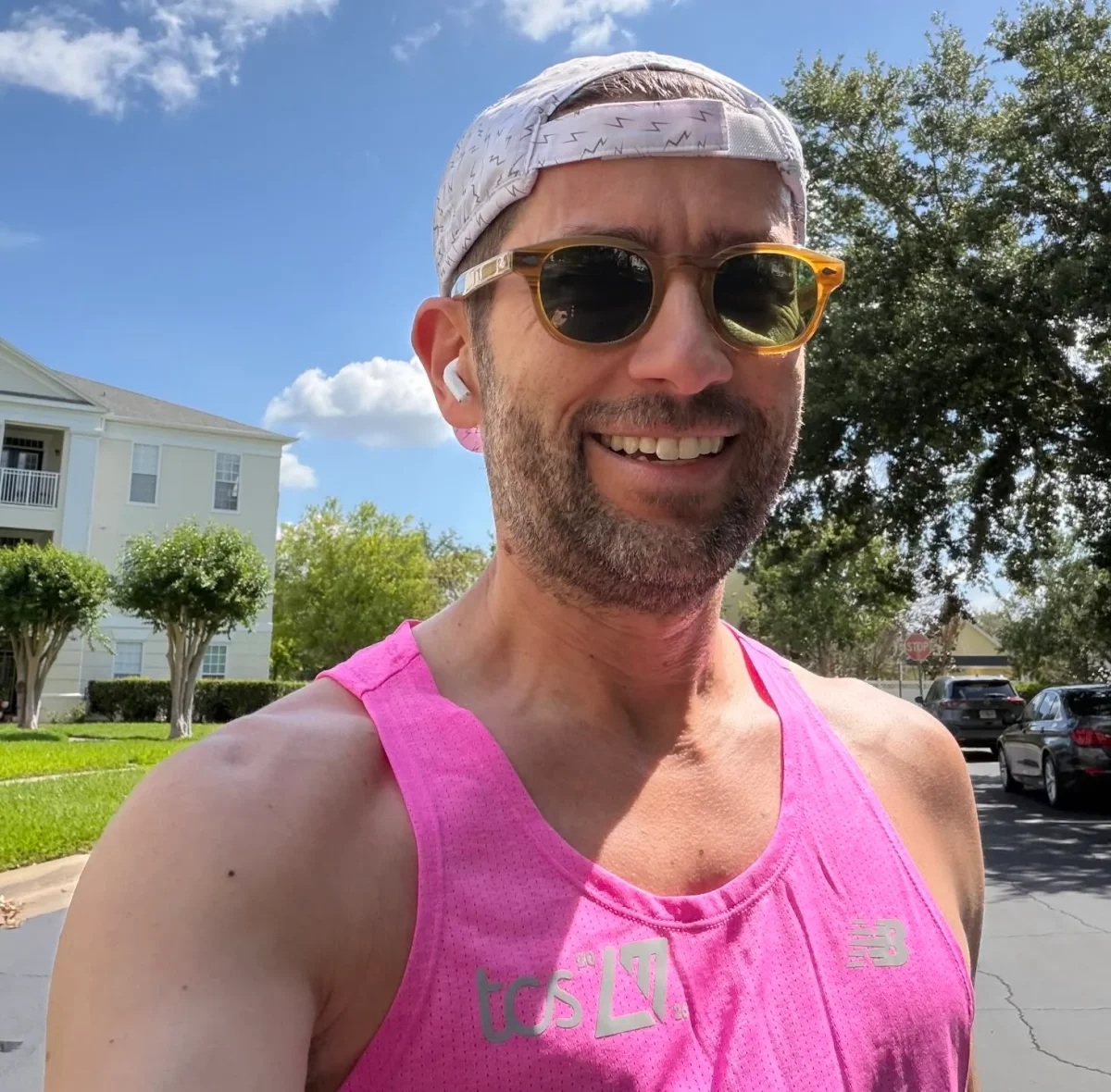
Easing Into Mileage Post‑marathon, Listening to My Body
Four lunchtime miles done at just under a 8:00/mile pace. I’m easing back into higher mileage coming off of the London Marathon while sporting one of my brand new London Marathon tops for the first time. I’d love to get...

The Belief That May Help Your Brain & Body Improve With Age (M)
Recent research suggests that a simple belief—that the brain and body can keep improving with age—can counteract the stereotype of inevitable decline. Studies show that seniors who adopt a growth mindset experience measurable gains in memory, processing speed, and physical...

Reappraising Anxiety
Research published in the Journal of Experimental Psychology shows that reappraising pre‑performance anxiety as excitement can improve both feelings and performance. Instead of trying to calm down, individuals are encouraged to label their nervous energy as excitement, shifting from a...

Diaspora Distress: When Geopolitical Conflict Follows Immigrant Workers Into the Office
Researchers introduce “diaspora distress,” the hidden psychological burden on employees whose home countries face active geopolitical conflict. The piece follows Rostam, an Iranian‑Canadian who experiences hyper‑vigilance after U.S.–Israel strikes on Iran, showing how constant code‑switching and silence at work can...

Summer Camp Is Back. But A Growing Number Of Kids Still Can’t Go
Summer camp is returning, but a growing segment of children with mild to moderate mental‑health needs remains excluded. While specialty camps cater to severe conditions, traditional camps often lack the mental‑health expertise to support kids who fall in the gray...

How Workplace Stress Hijacks the Nervous System to Cause Headaches, and a Neurologist's Guide to Managing Them
A neurologist explains how chronic workplace stress hijacks the nervous system, keeping cortisol and adrenaline elevated and lowering the pain threshold for headaches. The article details how prolonged mental activation, muscle tension, and disrupted sleep create a feedback loop that...

WHO/Europe Calls for Major Mental‑Health Investment During 2026 European Public Health Week
The WHO Regional Office for Europe joined the 2026 European Public Health Week, hosting two high‑profile events that demand stronger funding for mental‑health policies and reveal alarming burnout among doctors and nurses. The push targets 22 member states and highlights...

One‑Third of U.S. Workers Sleep Under Seven Hours, Fueling Health Crisis and Economic Loss
A new CDC analysis shows 30.5% of American adults slept fewer than seven hours in 2024, a trend tied to rising obesity, depression and premature death. Researchers estimate the sleep shortfall costs the economy hundreds of billions of dollars each...

Chile’s Black-Label Law Slashes High‑Calorie Purchases 24%
A recent study confirms that Chile’s 2016 mandatory black‑label policy cut purchases of high‑calorie products by 23.8%. The finding highlights food‑label design as a powerful lever for public‑health nutrition strategies worldwide.

Adele’s 7st (44kg) Weight Loss Came From a Few Simple Changes – and One Free Daily Tweak Brits Can Copy
Adele has shed roughly 44 kg (seven stone) over the past two years by overhauling her daily habits rather than chasing a fad diet. She paired intensive movement—often two to three sessions a day—with a mental‑health focus that helped tame severe...

Study Finds Overprotective Parenting Lowers Teens' Mood and Confidence
Researchers at Erasmus University Rotterdam published a study in Child Development revealing that adolescents report lower mood during periods of perceived overprotective parenting. The seven‑day, multiple‑daily survey links excessive control to reduced confidence and emotional well‑being, prompting calls for more...
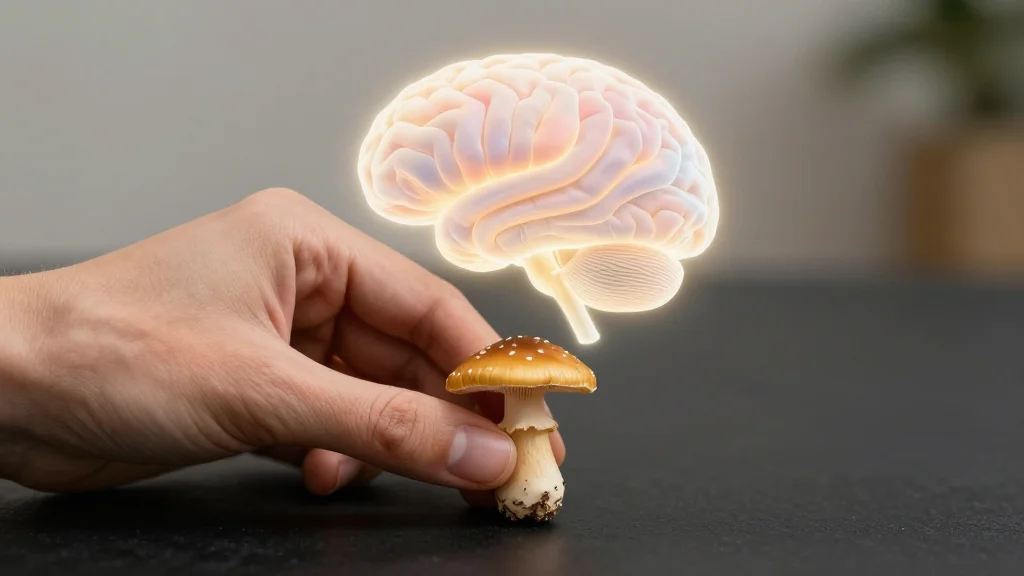
Psychedelic Science Breakthrough: Increased Brain Entropy From Psilocybin Predicts Lasting Psychological Insight and Well-Being
Researchers at UCSF and Imperial College London reported that a single high dose of psilocybin (25 mg) triggers a rapid surge in brain signal entropy, which correlates with heightened psychological insight the next day and sustained improvements in well‑being up to...

Neuroscientist Shares Six Daily Habits to Boost Brain Health and Motivation
Dr. Alex Rivera, a neuroscientist with two decades of research, detailed six daily habits that protect brain health and sustain motivation. The routine emphasizes light movement, enjoyable activities, purposeful work, celebrating micro‑wins, regular social contact, and adequate sleep.

Sabastian Sawe Breaks 2‑Hour Barrier, Wins 2026 London Marathon in 1:59:30
Kenyan Sabastian Sawe shattered the two‑hour marathon barrier by winning the 2026 London Marathon in 1 hour, 59 minutes and 30 seconds. The performance, achieved on April 26, marks a new world record and comes as Sawe urges fellow athletes...

InsideTracker AI Study Shows Sustained Improvements in 43 Biomarkers Across 20,000 Users
InsideTracker’s AI‑driven health platform was linked to statistically significant, sustained improvements in 43 blood and fitness biomarkers among a real‑world cohort of 20,000 users over more than four years. The peer‑reviewed study validates the platform’s personalized recommendation engine and marks...

Jane Smiley’s New Novel ‘Lidie’ Tackles Trauma Recovery in Historical Adventure
Pulitzer‑winning author Jane Smiley has released ‘Lidie: The Further Travels and Adventures of Lidie Newton’, a sequel that follows her heroine’s recovery from trauma. The book launches with a reading at the St. Louis County Library on May 5, highlighting a...

Issue #245: When You Get the Message, Hang Up the Phone
The author recounts a recent two‑day Reiki training and a holotropic breathwork session in Ojai, describing the immersive rituals and personal breakthroughs experienced during the workshops. The narrative highlights the growing appeal of alternative wellness practices, noting the significant time...
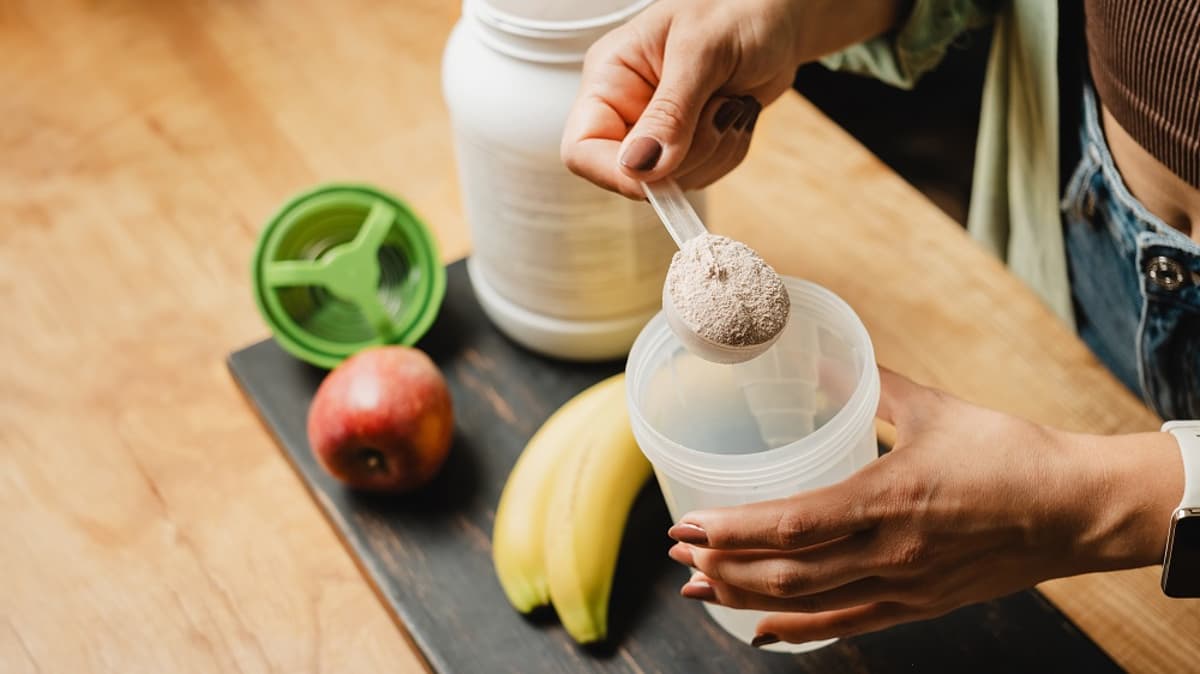
Creatine Shows Synergy With Exercise in Older Adults
Researchers in Spain examined whether creatine supplementation enhances high‑load, velocity‑intentional resistance training (HL‑VIRT) in adults around age 68. Over 16 weeks, participants who combined creatine with either elastic‑band or aquatic power training showed larger increases in brain‑derived neurotrophic factor, greater...

Can the 988 Crisis Lifeline Keep Up With Demand Amid Ongoing Staffing Shortages?
The national 988 suicide‑prevention Lifeline has logged more than 18 million calls since its July 2022 launch, a volume that has nearly doubled and contributed to an 11 % decline in youth suicides. A new JAMA Network Open study of 159 crisis centers...

The Personality Trait Linked To Longer Life (M)
A recent study identifies conscientiousness as the personality trait most strongly linked to a longer lifespan, with high scorers living up to 10% longer than their peers. The researchers analyzed longitudinal data from more than 10,000 adults across several decades....

Self‑care Isn’t Indulgence; It Prevents Burnout for Black Women
For a lot of Black women, proactive care feels indulgent because survival has always felt more urgent. We were taught to endure, not maintain, and to push through, not pause. Checking in with yourself before you snap, noticing irritability as information, scheduling...

Five Ways to Integrate Mental Health Into Construction Safety Protocols
Construction firms have dramatically lowered physical injuries by embedding safety into systematic processes, yet mental health remains largely excluded. The article argues that mental‑health issues directly impair attention, judgment and risk tolerance, creating hidden safety hazards on job sites. It...

PPD Makes Bonding Harder Than You Expect
Post‑partum depression (PPD) affects roughly one in eight new mothers in the United States and often makes bonding with a newborn feel unusually distant or flat. Therapists identify five core drivers: emotional blunting, abrupt hormonal shifts—especially reduced oxytocin—heightened anxiety, overwhelming...

When PPD Shows Up As Rage Instead Of Tears
Post‑partum depression (PPD) often manifests as intense anger rather than sadness, a symptom that current screening tools frequently overlook. Experts note that roughly half of PPD cases include irritability or rage, yet the Edinburgh Postnatal Depression Scale asks only one...

Why “Just Ask For Help” Is Terrible Advice For Moms With PPD
The article argues that telling postpartum‑depressed mothers to “just ask for help” is ineffective and often harmful. It explains how PPD’s symptoms—fatigue, shame, low mood—create internal barriers that make even simple requests feel impossible. A recent study highlights overlapping psychological...

Netherlands Updates National Food Guidelines to Cut Meat and Dairy, Boost Legumes
The Netherlands Nutrition Centre has revised its national food guide, the Schijf van Vijf, boosting the weekly legume target to 250 g and cutting meat limits to 300 g per week (red meat capped at 100 g) while halving the daily cheese recommendation...

Beat Burnout: Find Rhythm While Parenting and Managing Illness
To pen name or not to pen name. As a mom running a business while navigating chronic illness, we face all kinds of questions and decisions. Some feel trivial. Some feel overwhelming and paralyzing. And still, navigating them matters. We don’t have to burnout...

Maingaining Is a Waste of Time (New Study)
A recent 10‑week study compared a maingaining protocol (≈0% prescribed deficit) with a 10% energy deficit in trained lifters. Both groups added roughly 1 kg of lean mass, but the deficit group shed 2.9 kg of fat versus 1.4 kg in the maingaining...

Magnus Expands Access to 5-Day SAINT® Depression Therapy as Leading Health Systems Scale Nationwide Adoption
Magnus Medical announced that its FDA‑cleared SAINT® rapid‑remission depression therapy is expanding to 14 states, adding partners such as Cleveland Clinic, UPMC and HCA Healthcare. Payer reimbursement now covers more than 80 million lives, including Medicare fee‑for‑service and several commercial plans....

Design Your Life for Peaceful Tuesday Mornings
The AUDACITY to want a slow morning every Tuesday, and build a life so you can actually have them 💃🏾

Most Workers Say Menopause Shouldn’t Be Ignored at Work
A Harris Poll commissioned by Wondr Health surveyed 2,095 U.S. adults and found that 68% of employed respondents think women should not be expected to push through menopause symptoms at work. The sentiment is shared by 67% of men and 70%...

Anti-Aging Creams: The Perfect Trap (Scam?) Between Science and Marketing
The post argues that anti‑aging creams are largely a marketing trap, offering limited scientific proof despite a booming multi‑billion‑dollar market. The author, a seasoned health writer and Stanford‑affiliated longevity researcher, admits to occasional purchases but explains why the products fall...

People Who Find Small Talk Exhausting May Not Necessarily Be Introverted — some Simply Find the Performance of Pleasantness More...
The article argues that exhaustion from small talk often stems from the performance of pleasantness, not introversion. It distinguishes authentic, brief exchanges that feel energizing from scripted, prolonged pleasantries that require constant self‑monitoring. The author explains why this “performed” interaction...

One Step at a Time: Keep Going
Reminder from a Psychologist: You’ve got this. You can do hard things. One step at a time. Take a break if you need but please don’t give up on yourself. You’ll get there. Slowly if needed. You’ll see.

Reading Books Adds Years to Your Life
Reading books can help you live longer. Here are 5 studies that show how: 1) Researchers followed 3,635 adults aged 50 and older over 12 years and examined how reading habits related to survival. They found that people who regularly read books...
HHS Unveils Plan To Curb Psychiatric Overprescribing, Encourage Tapering
The U.S. Department of Health and Human Services announced a coordinated plan to curb the overprescribing of psychiatric medications and promote safe tapering for patients. The initiative brings together the Administration for Children and Families, the Centers for Medicare &...

Healing Deep Wounds While Managing Everyday Life
It's honestly so simple. Just heal your family trauma, regulate your nervous system, break your addictions, process centuries of cultural trauma, repair your attachment style, reparent your inner child, and develop a spiritual practice that dissolves the boundaries between self and...
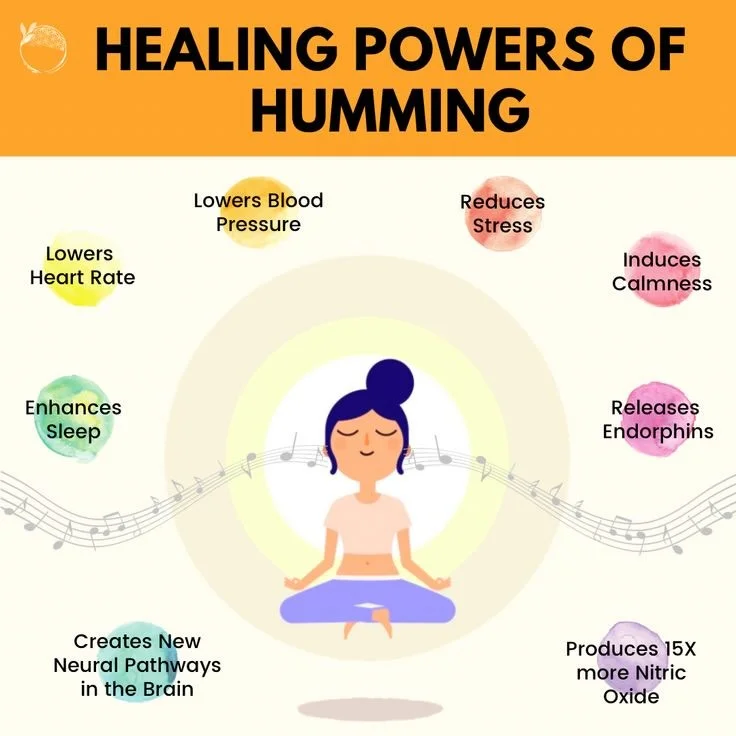
Move Your Body When Words Fail
Not everything needs words. Some things just need to move. If you feel stuck, try this— hum, sigh, make sound… let your body do what your mind can’t.

Former IndyCar Driver Sam Schmidt On The Power Of Purpose
Former IndyCar champion Sam Schmidt explains how a defined purpose transformed his post‑racing ventures. He details the shift from pure competition to purpose‑driven leadership at Schmidt Peterson Motorsports and his venture‑building portfolio. By embedding purpose into hiring, sponsorship negotiations, and...

Start ADHD Tasks Calmly: Expert Tips to Prevent Conflict
A child behaviour expert tip: how to help an ADHD child start tasks without fights or shutdowns.

RFK Jr. Proposes National Plan to Taper Psychiatric Meds
JUST IN: RFK Jr. announces plan to help Americans taper off psychiatric medications, including antidepressants

Your Brain Isn’t Broken. Your System Is.
The post argues that conventional productivity hacks fail for adults with ADHD because they assume consistent motivation and linear task execution. It reviews Tanvir .I’s new book *Finally Focused*, which redesigns productivity around dopamine cycles, time blindness, and executive‑function deficits....

Repeated Actions Become Habits, Then Automatic Reflexes
"Repetition of the same thought or physical action develops into a habit which, repeated frequently enough, becomes an automatic reflex." Norman Vincent Peale #TuesdayThoughts #quote #Mindset #JoyTRAIN #SuccessTRAIN https://t.co/GSCX28gwqP

Ex-Apple Designer Launches Wearable to Quantify Emotions
.@Michaelblhssn spent 5 years at Apple designing iPhones, recently the iPhone 17 Pro enclosure. He spent a decade asking: can human emotion be scientifically understood? Today he's launching @Anoria_inc, the first wearable that reads your emotions to enhance your EQ. https://t.co/dsxBzodbtp

Access Plus Environment Plus Desire Still Equals Zero If You Don't Have Accountability
The author spent $10,000 on personal training despite a free Equinox membership provided by an American Express card. He discovered that the gym’s access alone didn’t move the needle on his physique; only the accountability from a trainer did. The...
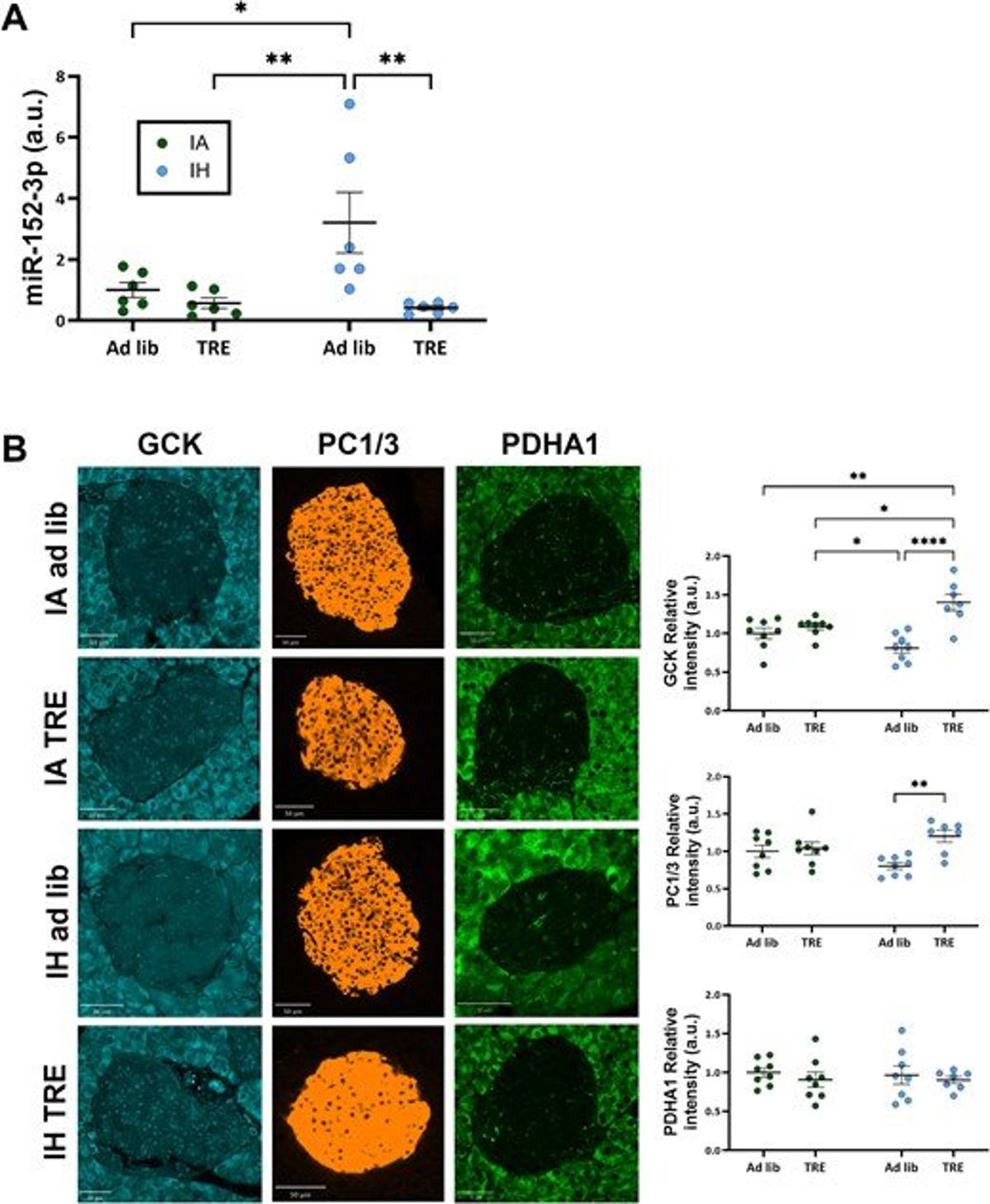
Time‑Restricted Eating Counteracts Hypoxia‑Induced Glucose Dysregulation
Time-restricted eating improves intermittent hypoxia-induced dysglycemia "In IH, TRE mitigates adverse hypoxic effects on glucose homeostasis, via improvements in pancreatic insulin secretion. Some beneficial glycemic effects of TRE are accentuated in IH. TRE may represent a novel therapeutic strategy in OSA" https://t.co/SQgSGnX6Ay

Find Stillness Amid Chaos to Stay Focused
When life swirls around you, make time for stillness in order to remain clear, focused, and aligned with your life’s path. https://t.co/lnaiBrLbVt
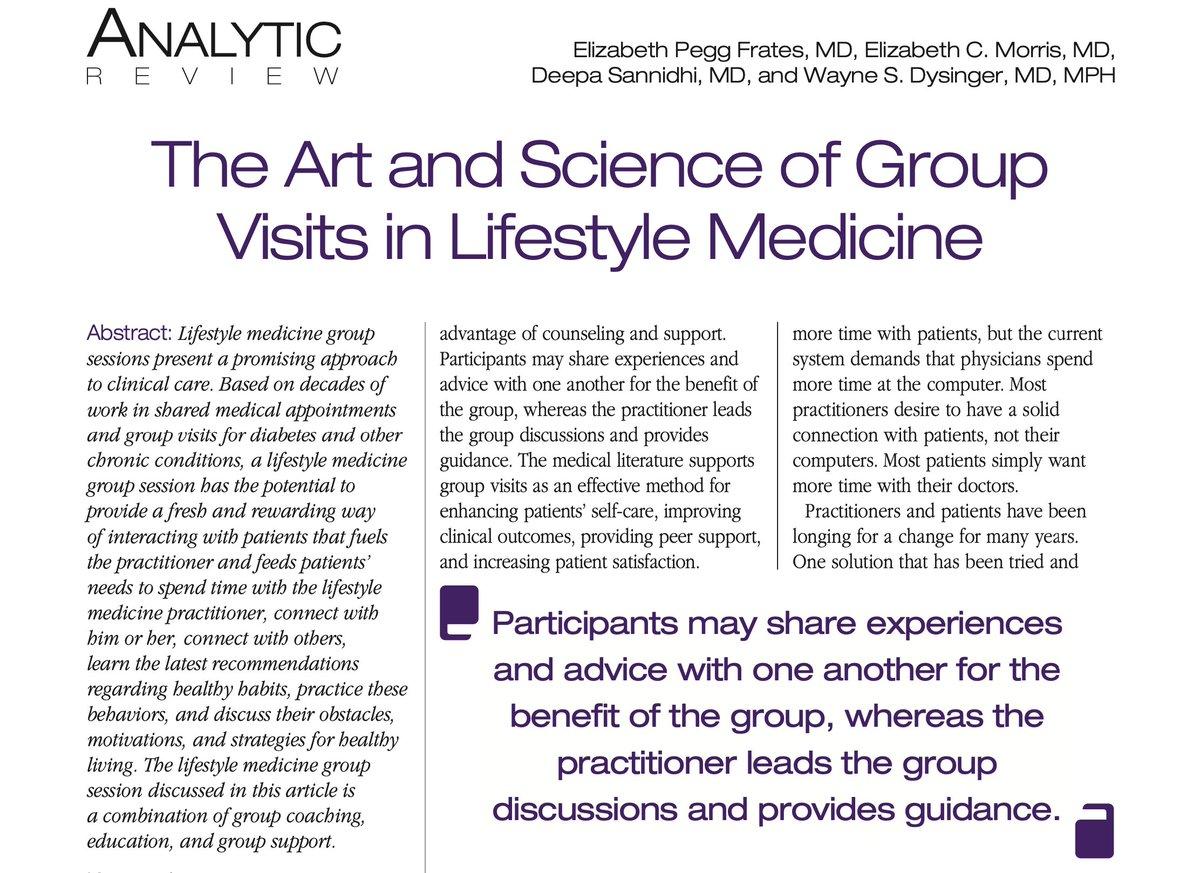
Group Visits Elevate Lifestyle Medicine Outcomes
In 2016, I gave a workshop on the power of group lifestyle medicine interventions with Drs. Wayne Dysinger, Beth Morris Motley + Deepa Sannidhi. Then, we published in the American Journal of Lifestyle Medicine: The Art and Science of Group...
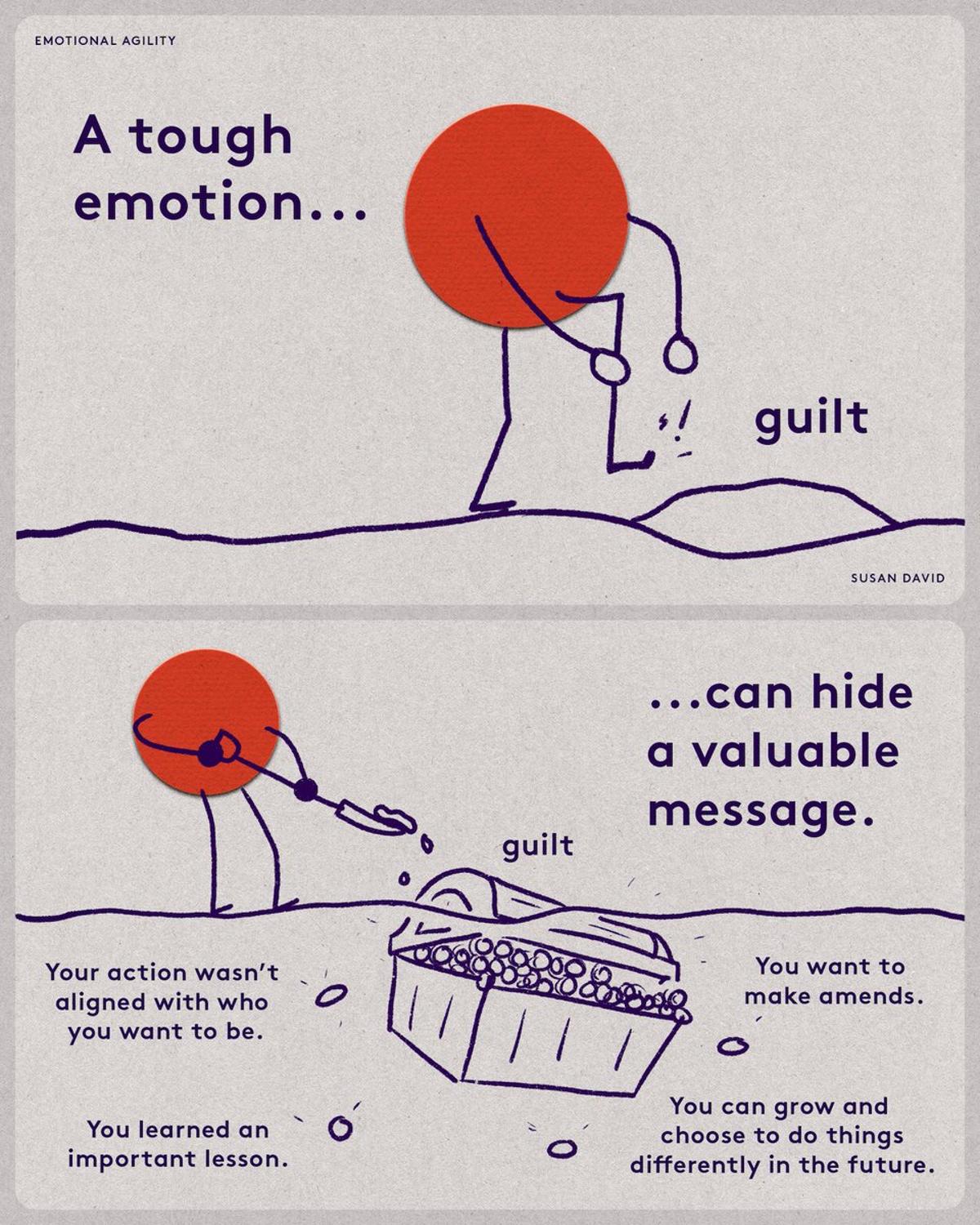
Breathe Into Painful Emotions to Reveal Your Needs
Our difficult emotions aren't just painful experiences that we need to tolerate. If we breathe into them for a moment, we’ll begin to see them as data that signposts our needs and values. https://t.co/QPiCLbqasQ